“We do due” – Diligence, Compliance Officer WLBOTT
As part of our in-depth “research” for the Tehran The Mini-Burka™ shoe line blott, we looked into the nearby Caspian and Aral Seas.
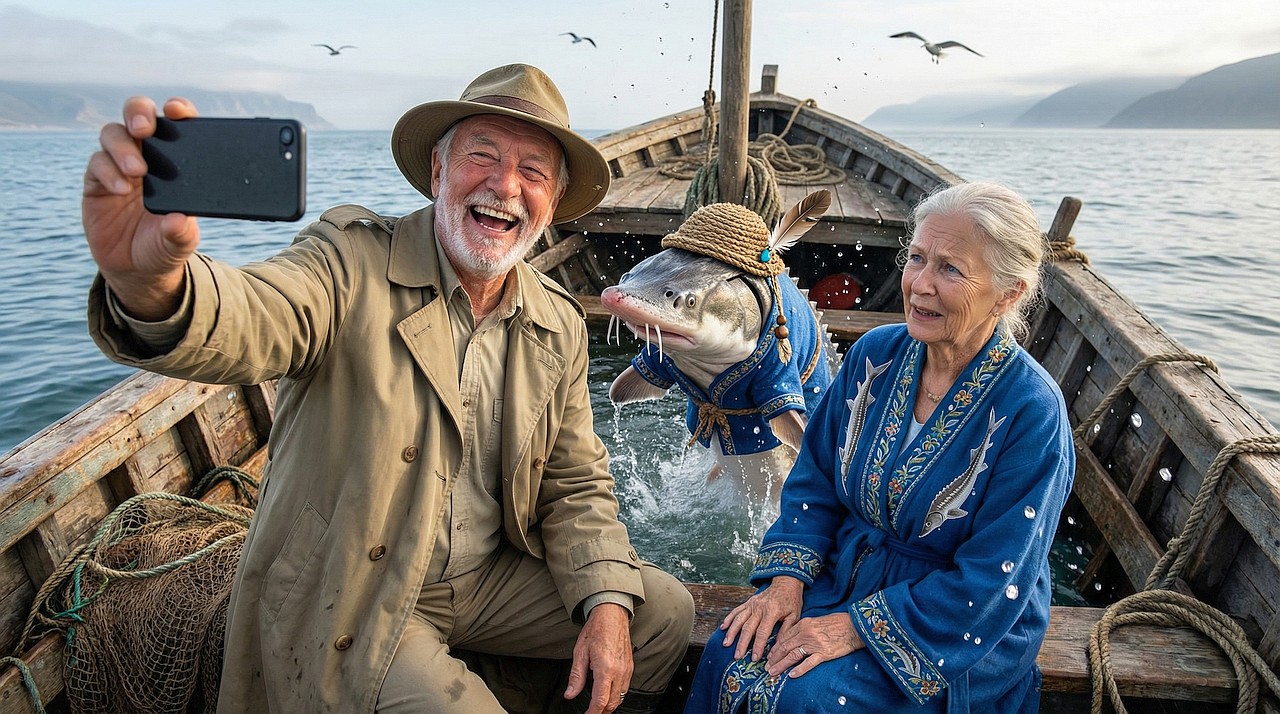
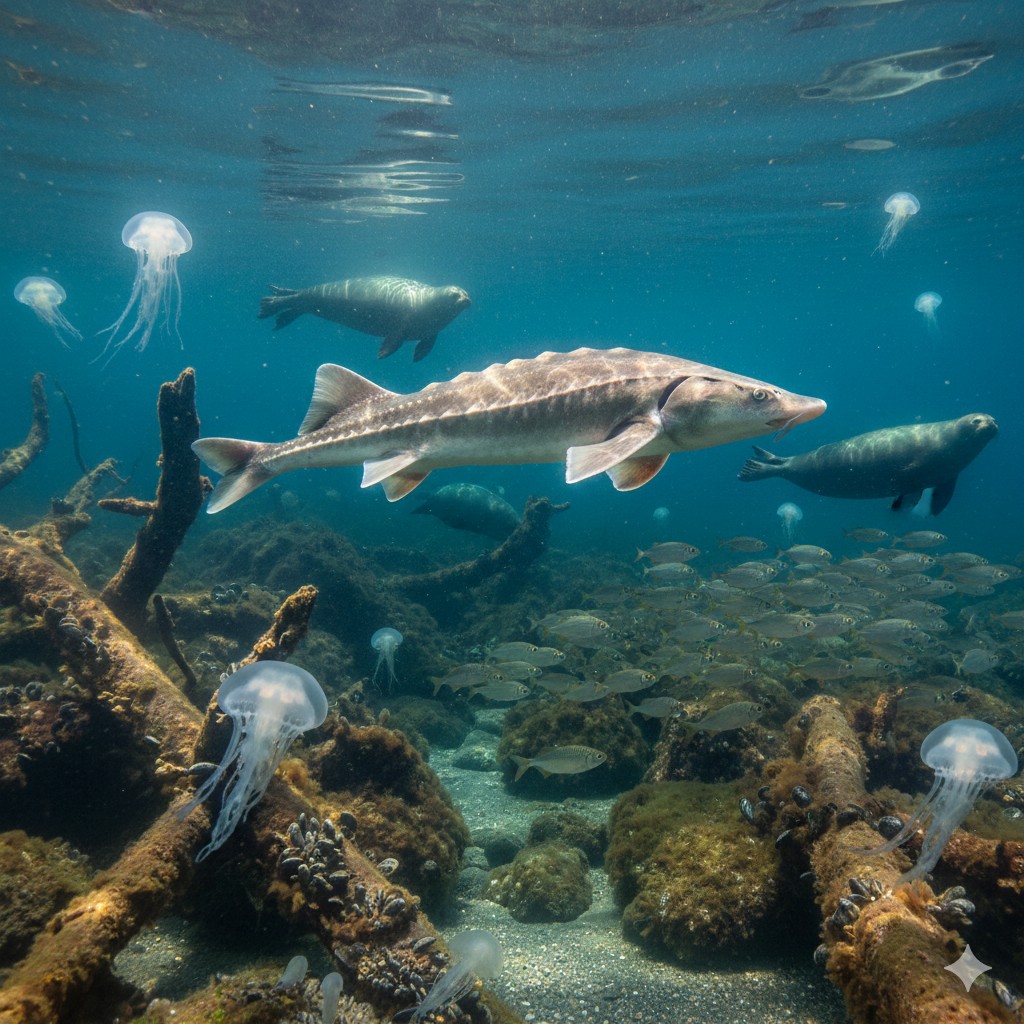
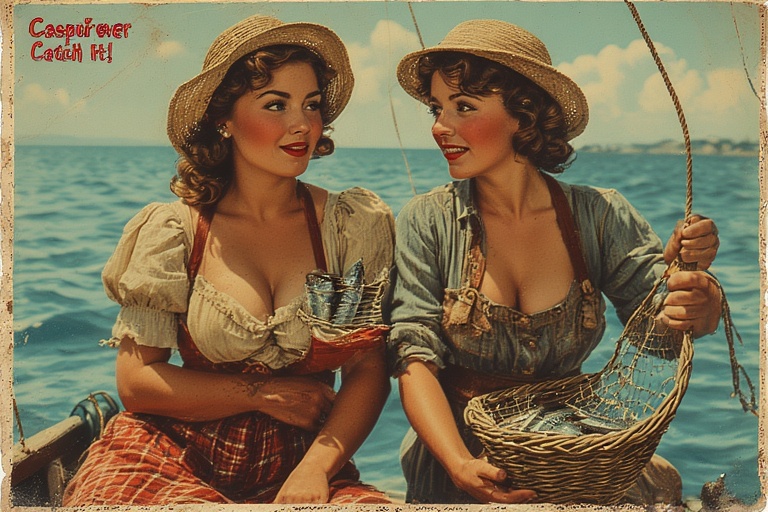
Greetings from the Caspian Sea! Elder JZ (left), photo-bombing sturgeon, Elder G (right)
As if we needed another reason to hate the former Soviet Union – those guys created a massive ecological disaster involving the Caspian and Aral seas, for the stupidest of reasons – to get a few years of good cotton harvests.
But this is not limited to the former comrades. This is a window into America’s future. Dismantled regulations, gutting of regulatory oversight, corruption, free market bullshit – there will be unparalleled ecological disasters here at home, with no accountability.
The cookbook recipe is so obvious – a low rent conglomerate bribes its way into a lucrative mining deal, oil and fracking, fresh water diversion, on and on; they reap enormous profits and leave toxic wastelands. The media won’t report or investigate, in fear of massive bogus lawsuits and threats from the FCC. And when the pollution bill is due, they disband with their pockets stuffed with money, and leave the tax payers picking up the tab.
Anyhow…. Let’s keep an open mind as we visit the world’s largest lake.
The Caspian Sea
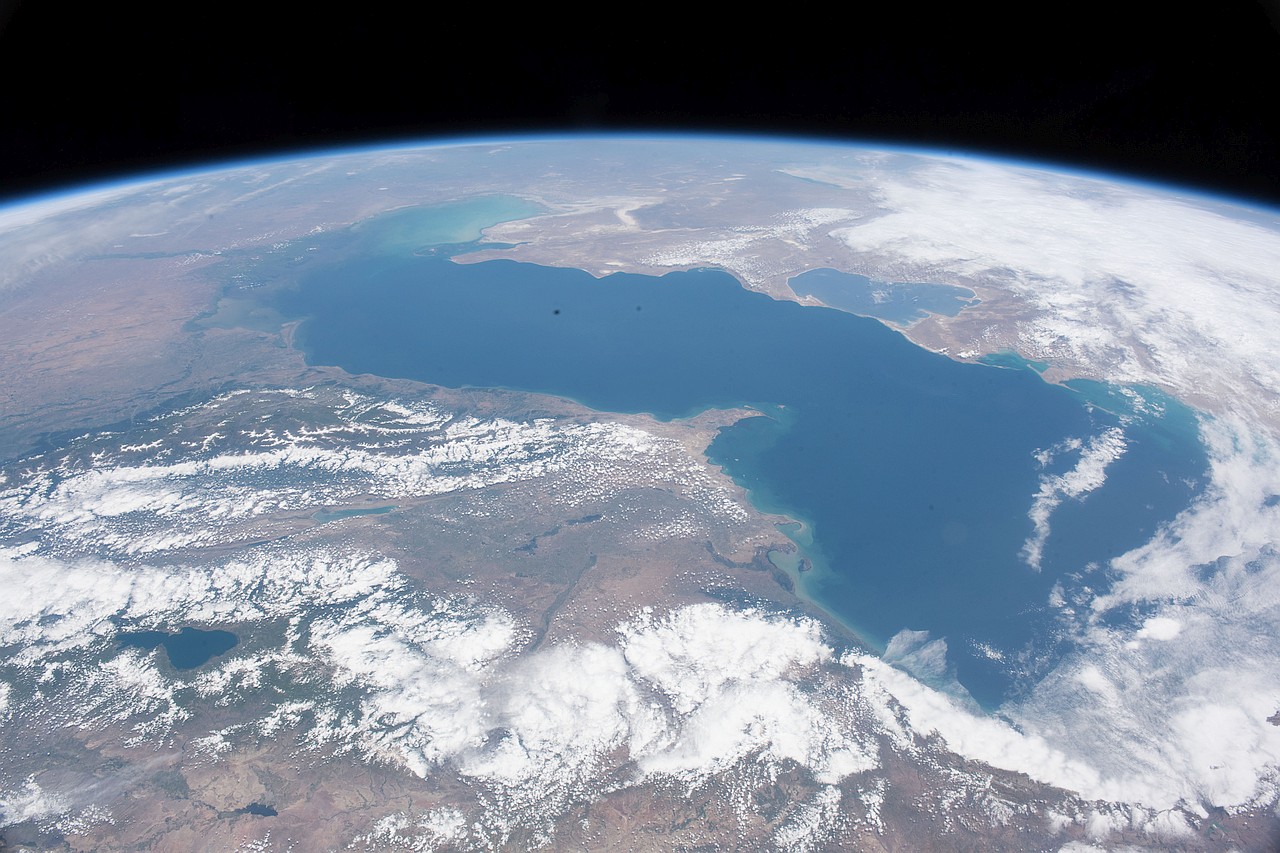
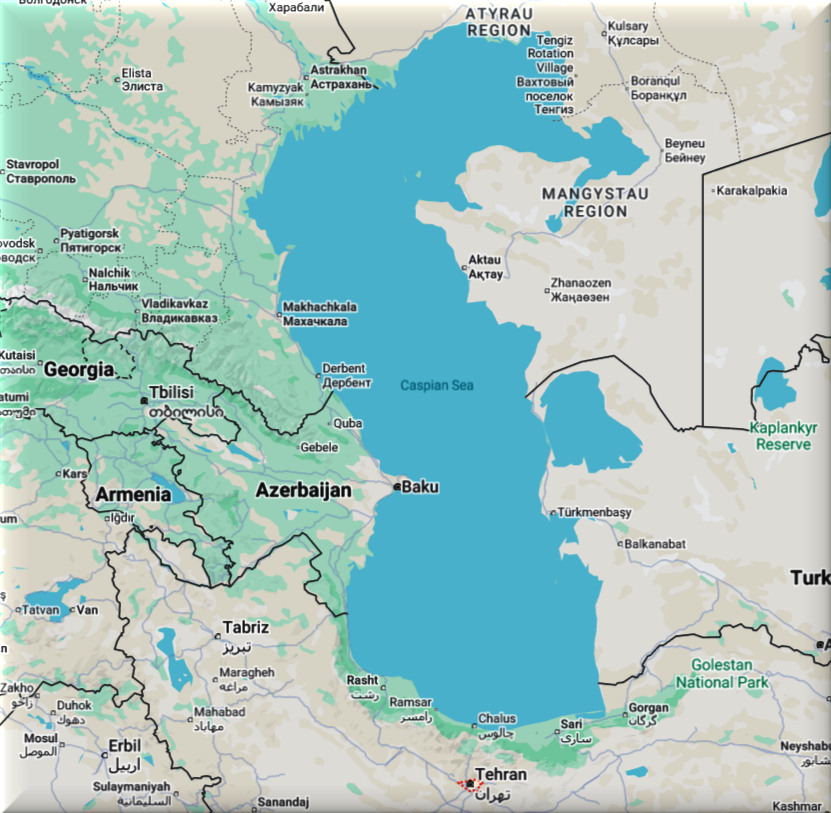
The Caspian Sea is the world’s largest inland body of water, described as the world’s largest lake and usually referred to as a full-fledged sea. An endorheic basin, it is situated in both Europe and Asia: east of the Caucasus, west of the broad steppe of Central Asia, south of the fertile plains of Southern Russia in Eastern Europe, and north of the mountainous Iranian Plateau. It covers a surface area of 371,000 km2 (143,000 sq mi) (excluding the highly saline lagoon of Garabogazköl to its east), an area approximately equal to that of Japan, with a volume of 78,200 km3 (19,000 cu mi). It has a salinity of approximately 1.2% (12 g/L), about a third of the salinity of average seawater.
Geography The Caspian Sea is the largest inland body of water in the world by area and accounts for 40–44% of the total lake waters of the world, and covers an area larger than Germany.
It contains about 3.5 times as much water, by volume, as all five of North America’s Great Lakes combined.
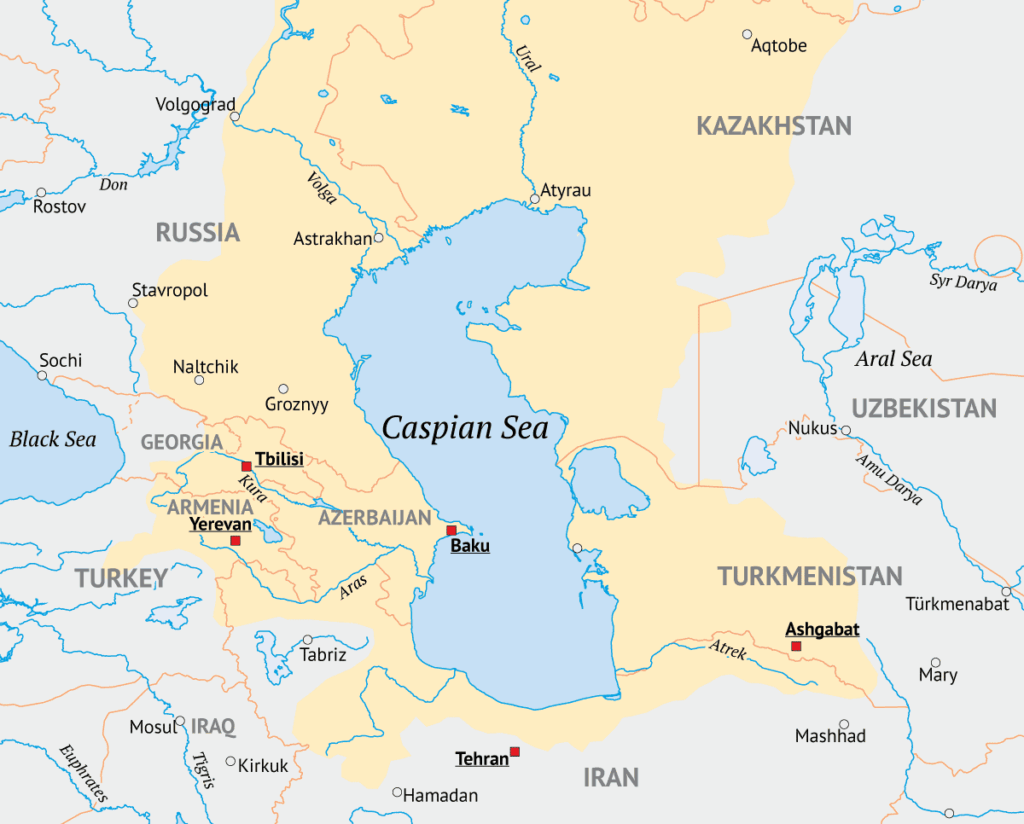
By Redgeographics – Own work, CC BY-SA 4.0, https://commons.wikimedia.org/w/index.php?curid=68241901
Area around the Caspian Sea. Yellow area indicates the (approximate) drainage area.
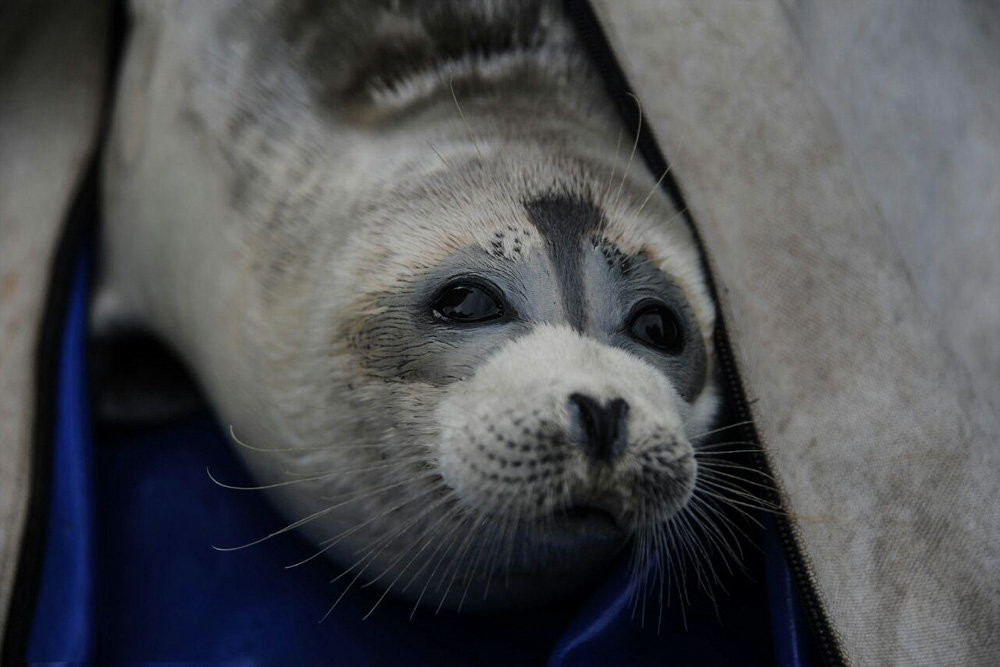
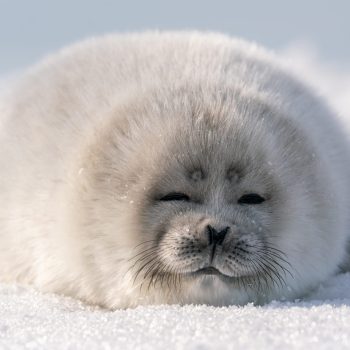
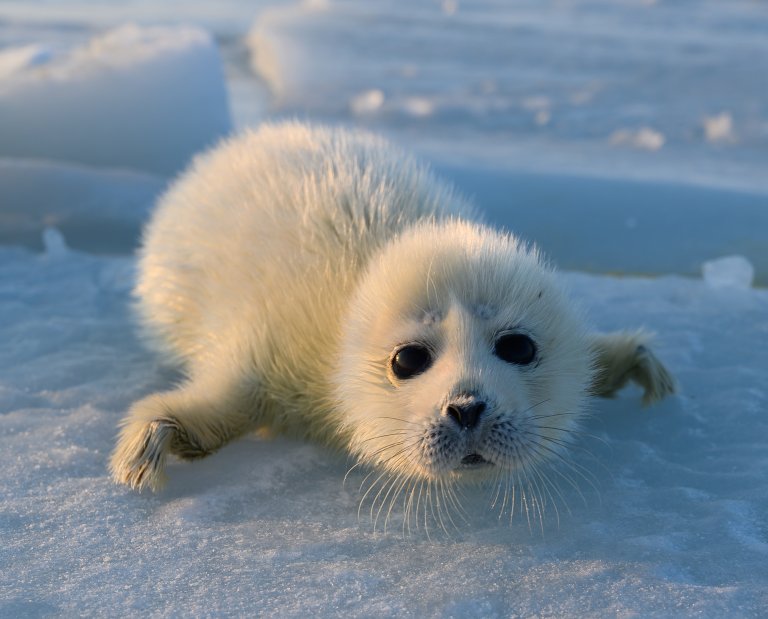
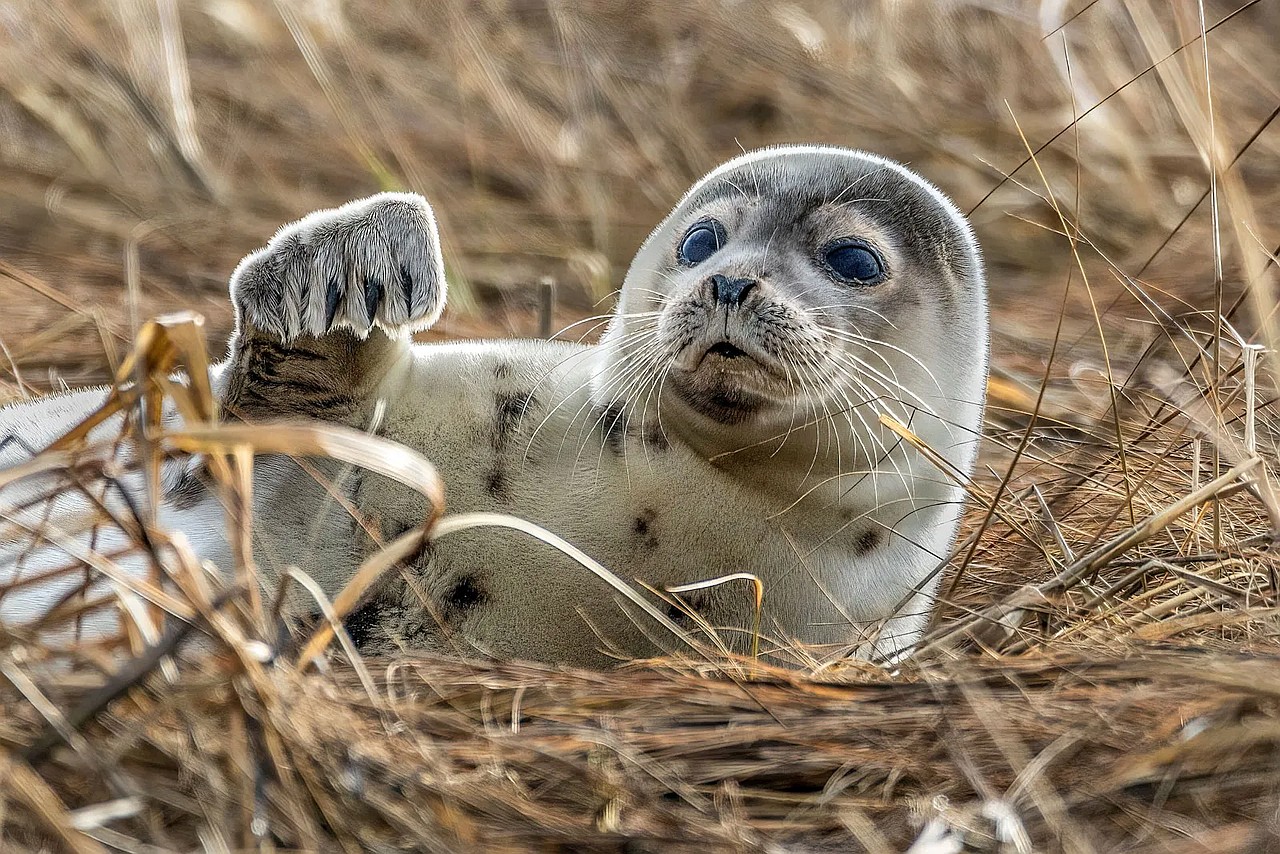
The Caspian seal (Pusa caspica) is the only aquatic mammal endemic to the Caspian Sea, being one of very few seal species that live in inland waters, but it is different from those inhabiting freshwaters due to the hydrological environment of the sea. A century ago the Caspian was home to more than one million seals. Today, fewer than 10% remain.
Description Adults are about 126–129 cm (50–51 in) in length. Males are longer than females at an early age, but females experience more rapid growth until they reach ten years of age. Males can grow gradually until they reach an age of about 30 or 40 years. Adults weigh around 86 kg (190 lb); males are generally larger and bulkier.
By Mehr News Agency, CC BY 4.0, https://commons.wikimedia.org/w/index.php?curid=80150636Wikipedia
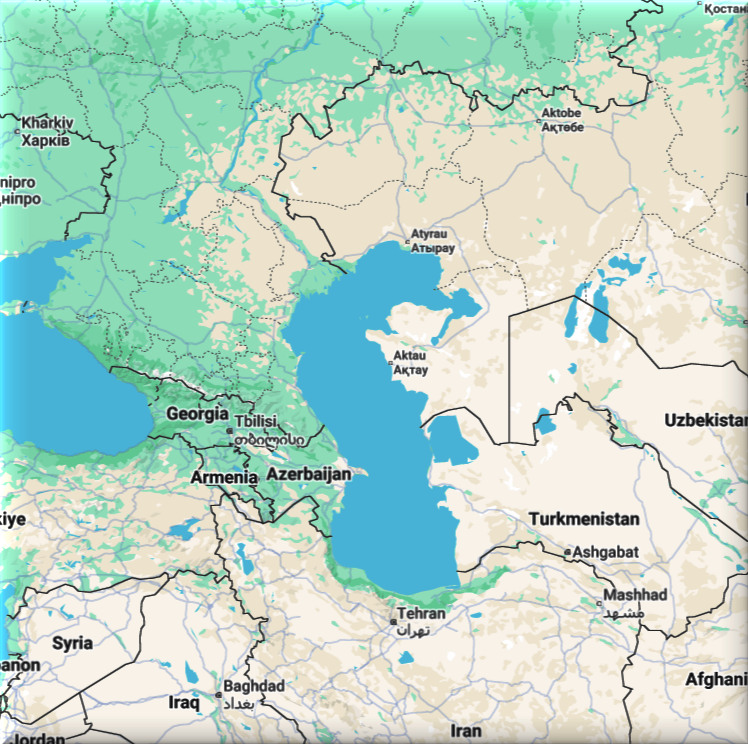
Located in central Eurasia, it is bordered by five countries: Kazakhstan, Turkmenistan, Azerbaijan, Russia, and Iran. The sea has a rich geological history dating back to the Miocene era and is renowned for its substantial petroleum and natural gas reserves, making it a critical economic asset for the region. The Caspian Sea’s ecosystem supports diverse wildlife, including several sturgeon species, which are vital for the production of caviar.
However, the region faces significant environmental challenges, including pollution from oil extraction, overfishing, and fluctuating water levels influenced by climate change.
Deepest in its southern part, the Caspian Sea has an average depth of 170 meters. There are two gulfs along the eastern coast, the Krasnovodsk Gulf and the shallow Kara-Bogaz-Gol, which evaporates and leaves salt deposits. Although the Caspian Sea’s level fluctuates yearly, it measures an average of 28 meters below mean sea level. During the 1960s and 1970s, the Caspian Sea’s level was substantially lowered because water that usually flowed into the sea from its tributaries was diverted for agricultural irrigation.
Humans have known about the Caspian Sea’s valuable natural resources for hundreds of years. Thirteenth-century explorer Marco Polo commented that Caspian oil was so plentiful that it gushed like fountains.
Aquatic Life in the Caspian Sea The Caspian Sea’s aquatic life includes a variety of fish, most notably sturgeon, as well as the Caspian seal, the only mammal native to the sea. The ecosystem also contains mollusks, crustaceans, sponges, and diverse plankton, which form the base of a food web similar to those in the ocean.
Fish
Sturgeon: The sea is famous for its sturgeon species, such as beluga, Persian, and star sturgeon, which are a source of caviar.
Other fish: Other commercial and ecologically important fish include herring, salmon, pike, perch, sprat, and Caspian whitefish.
Lamprey: The Caspian lamprey is another native species that spends its adult life in the sea before migrating to rivers to spawn.
Mammals
Caspian Seal: The Caspian seal is the only mammal endemic to the Caspian Sea and is found nowhere else in the world. It is an endangered species facing threats from hunting and disease.
Other aquatic life
Mollusks: The sea is home to several species of mollusks, such as the zebra mussel.
Crustaceans: Various crustaceans, including crabs and shrimp, are also found in the Caspian Sea.
Sponges: Sponges are among the other organisms present in the sea.
Plankton: The primary producers are algae and phytoplankton, which are consumed by zooplankton and planktivorous fish, supporting the entire food web.
Gemini
A Misunderstanding Between Comrades
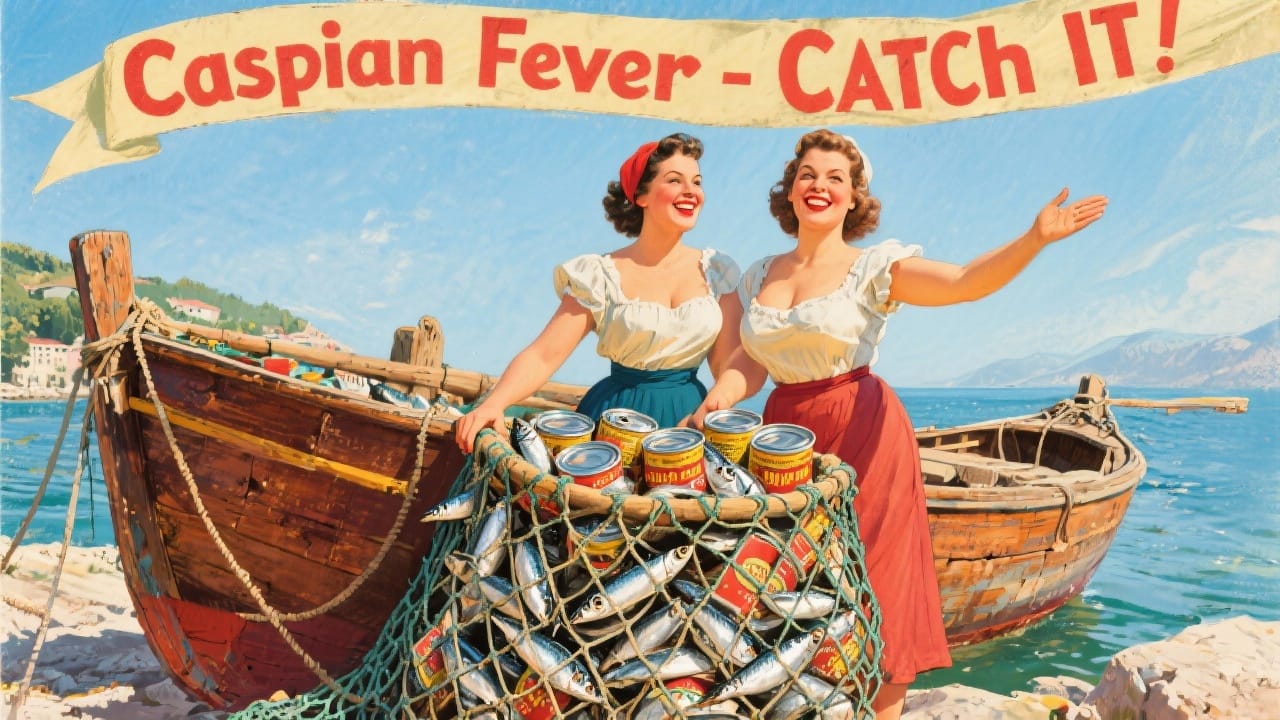
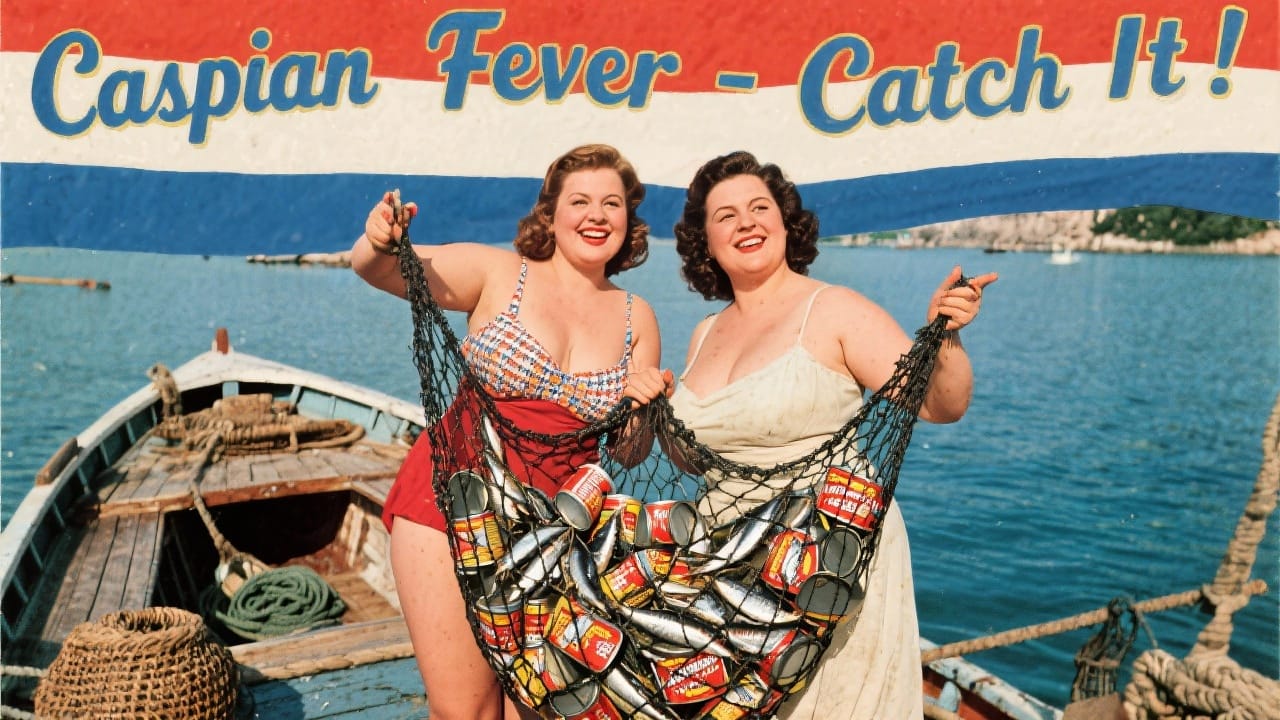
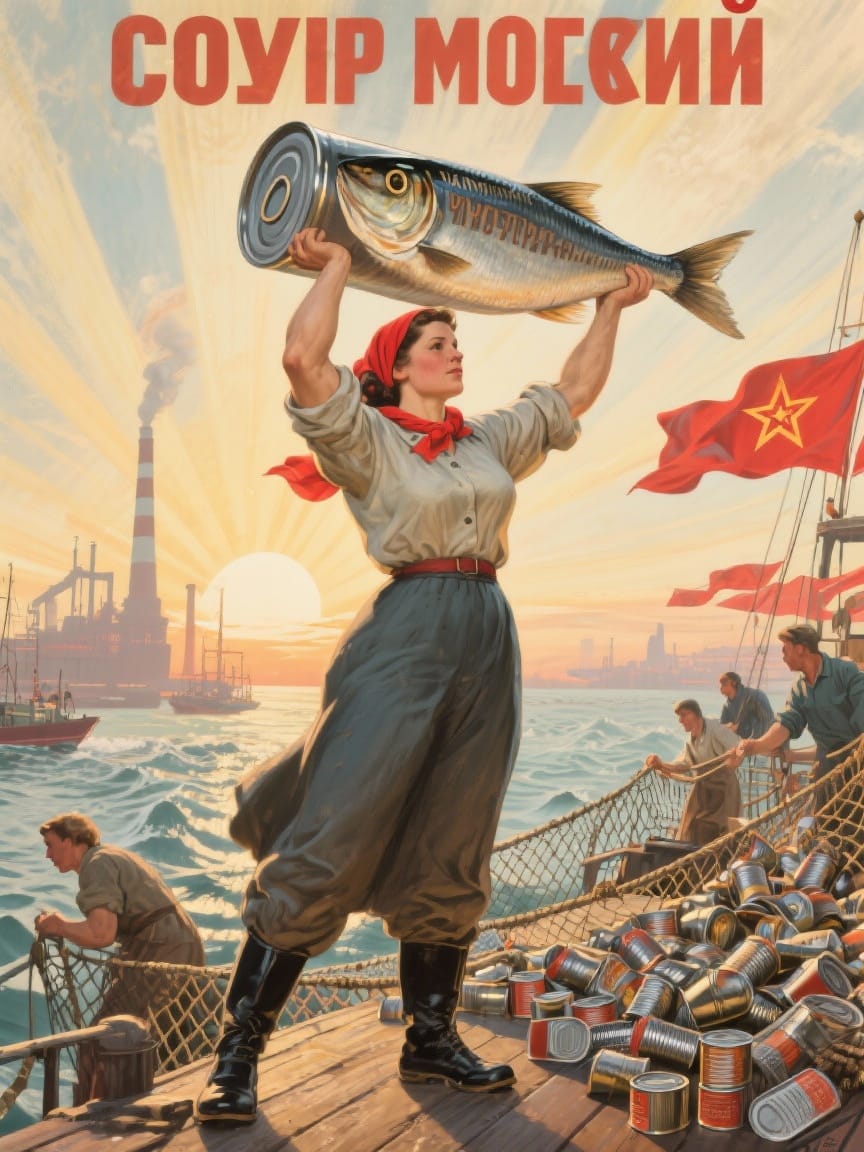
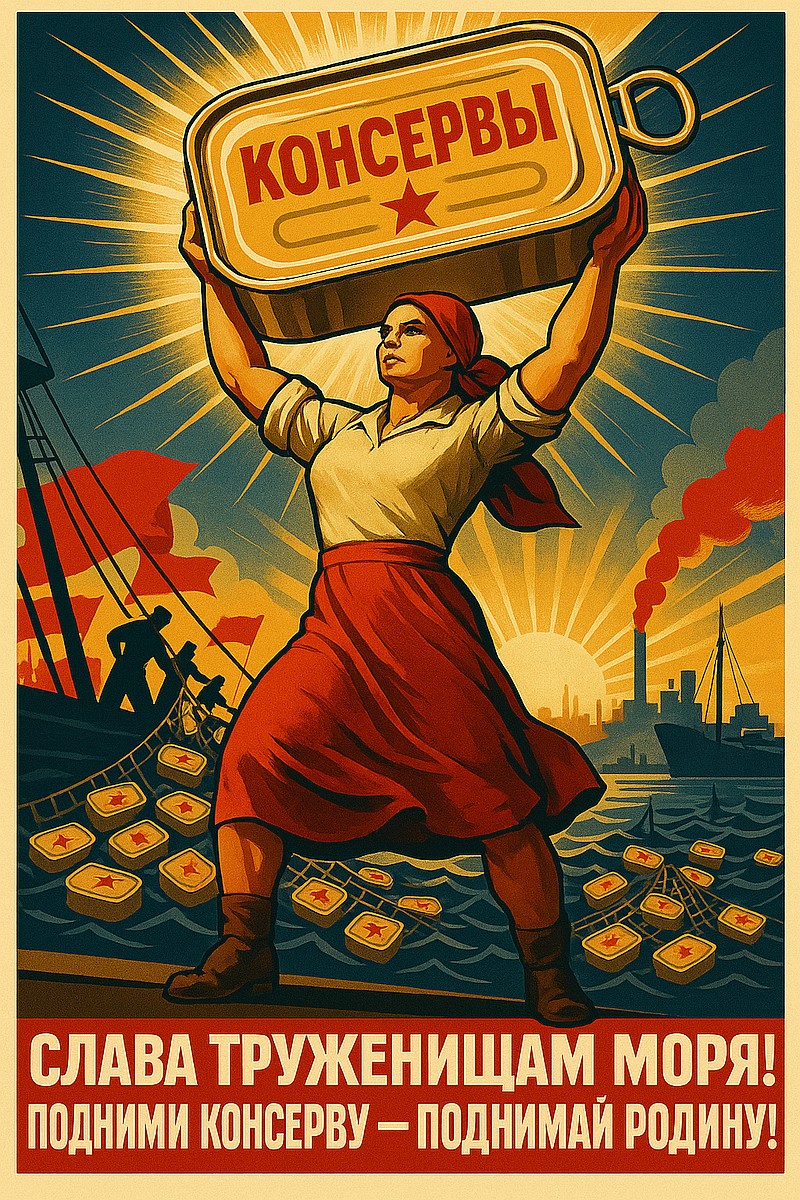
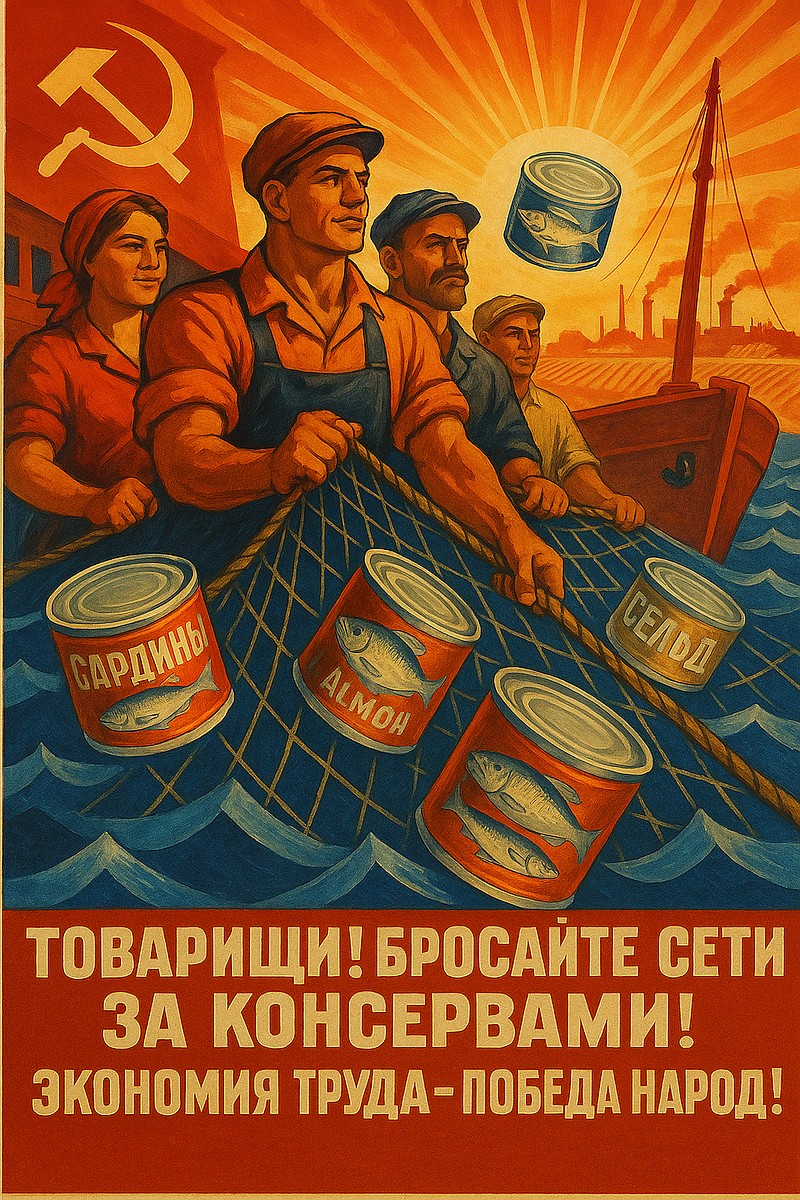
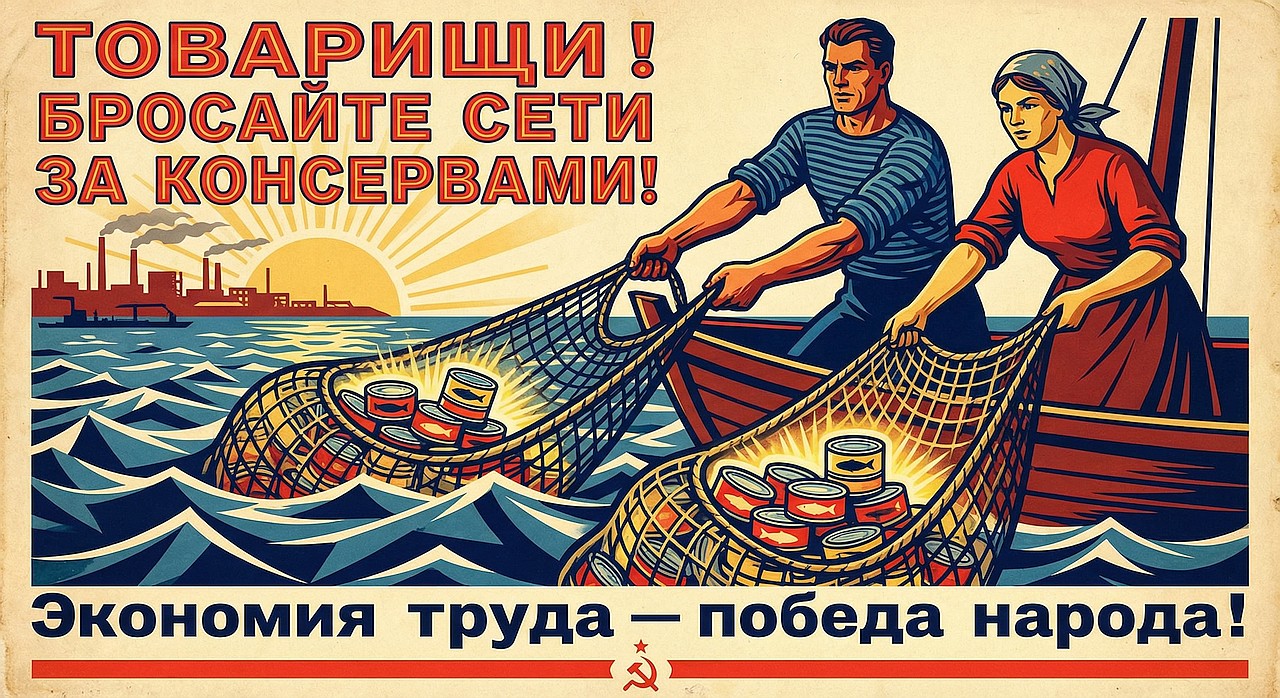
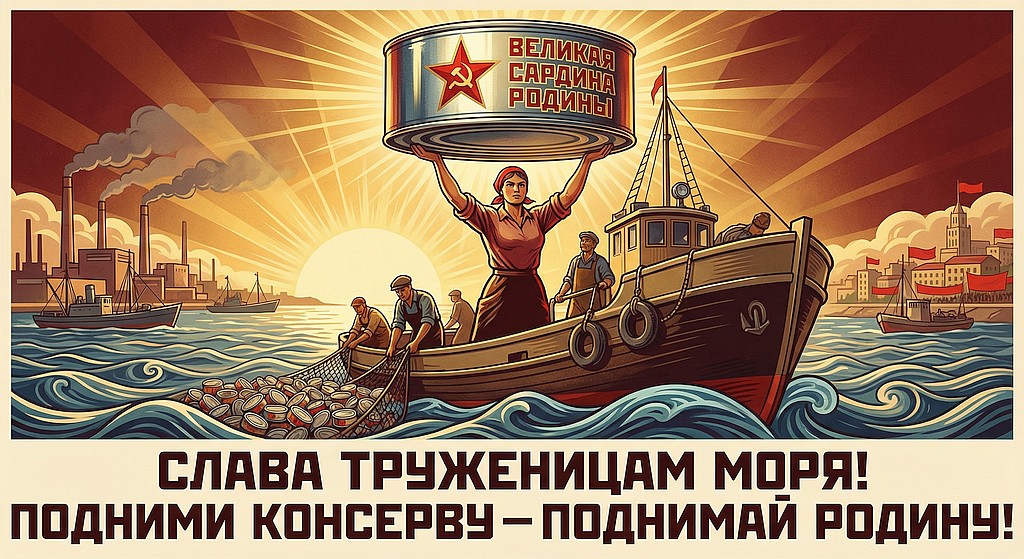
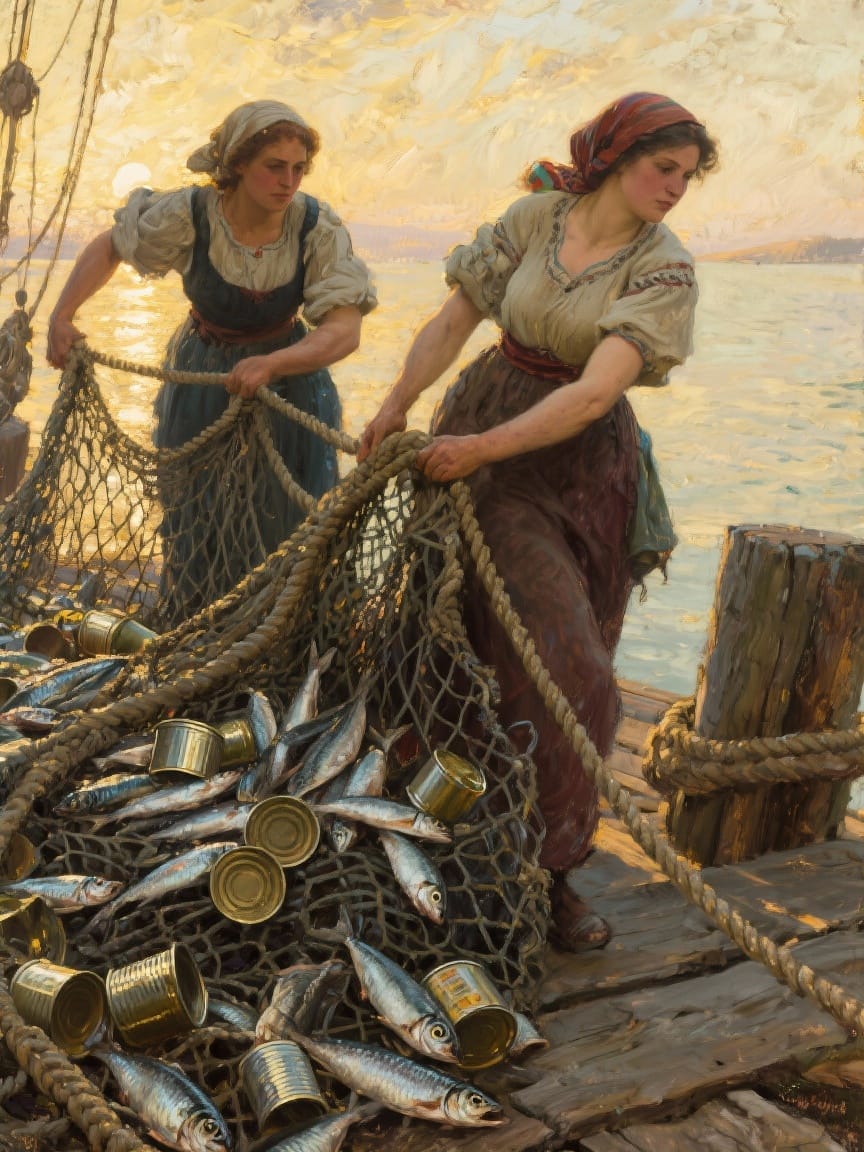
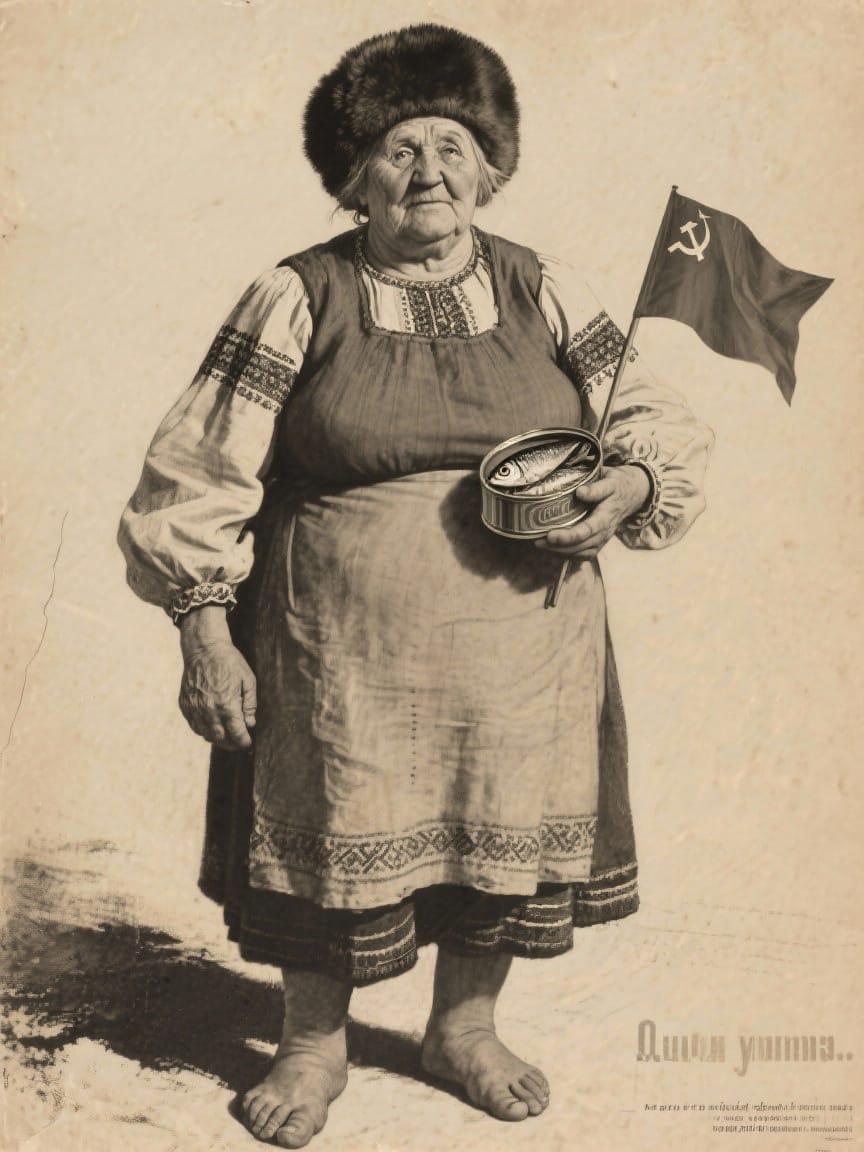
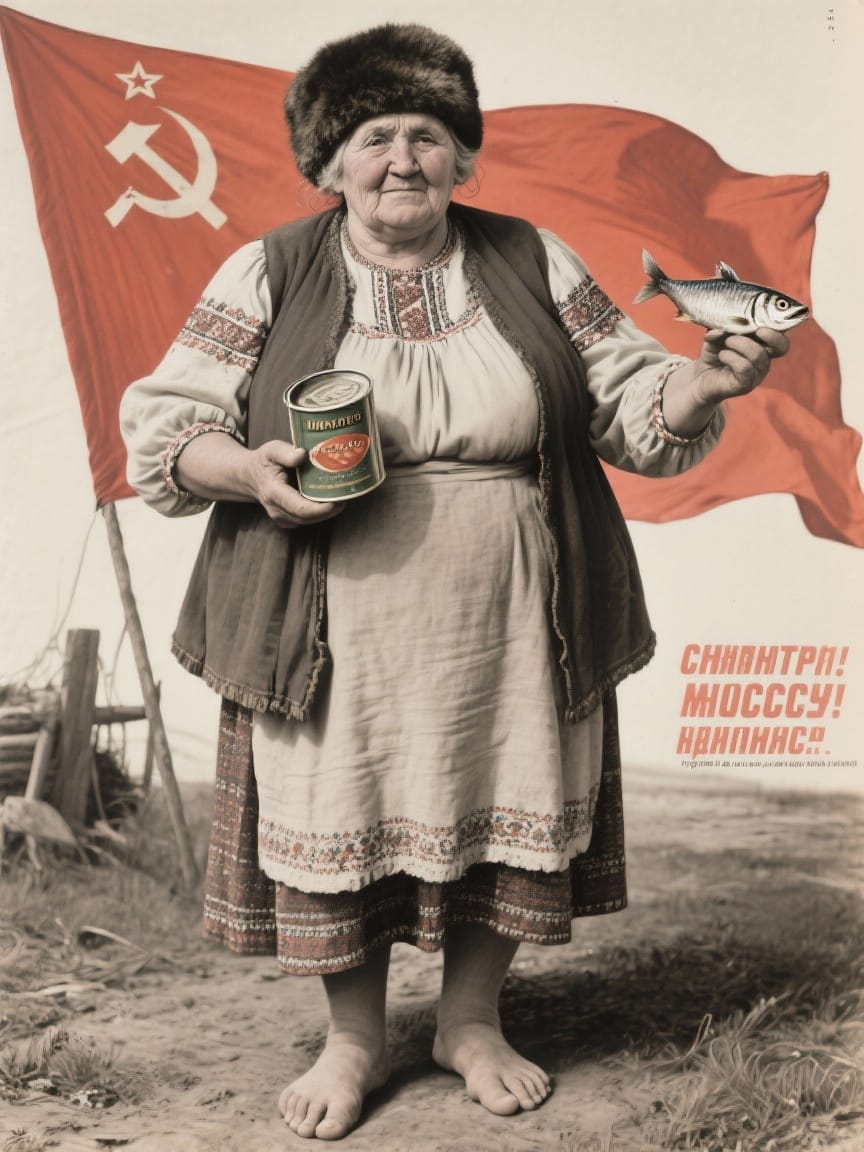
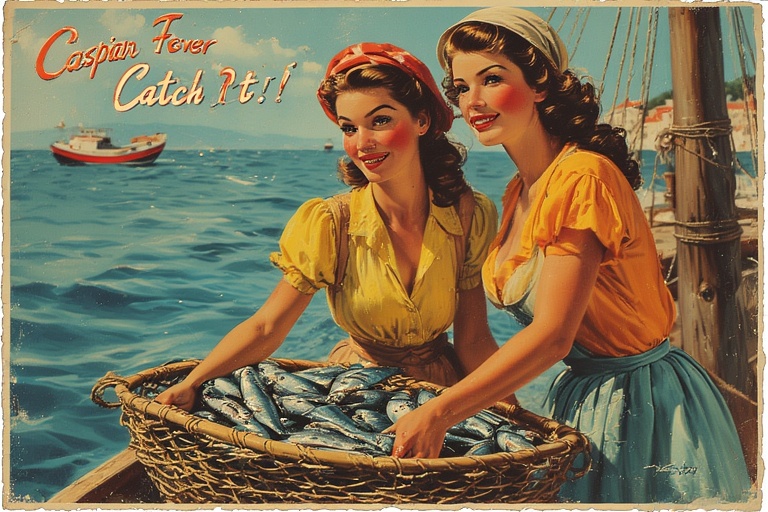
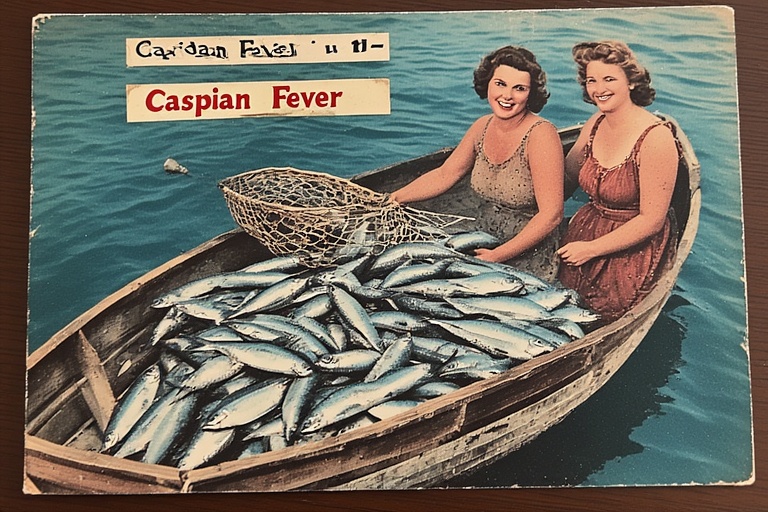
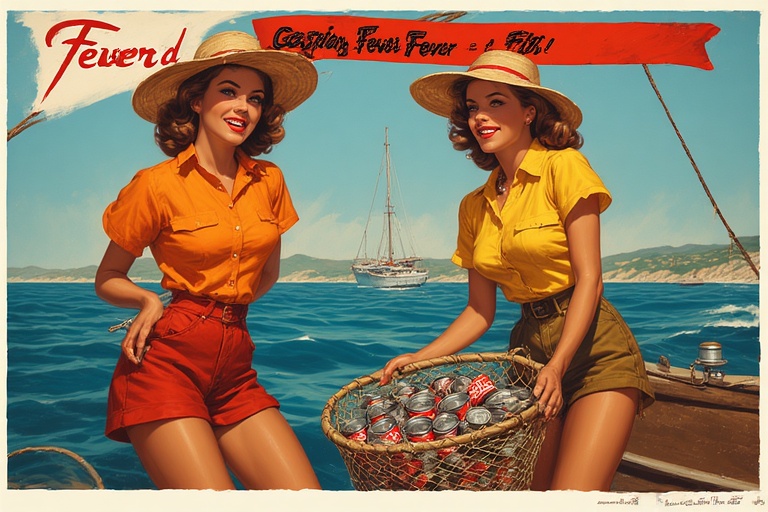
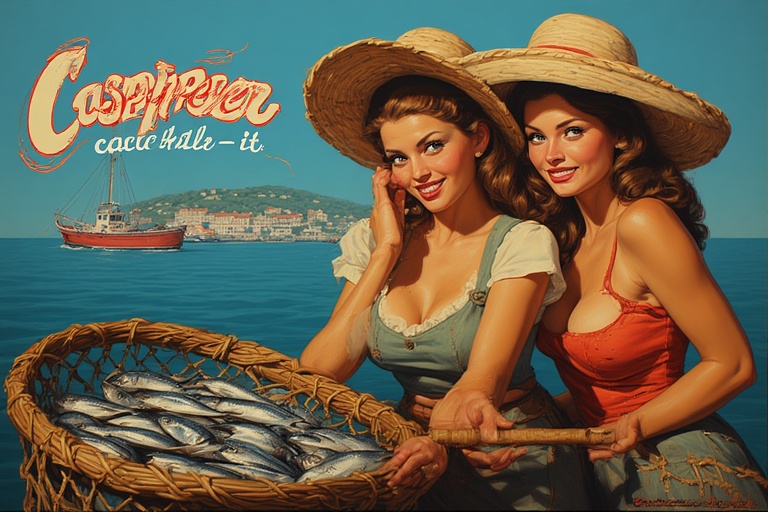
In order to promote their Caspian Sea fish harvests, the Russians issued a series of propaganda posters.
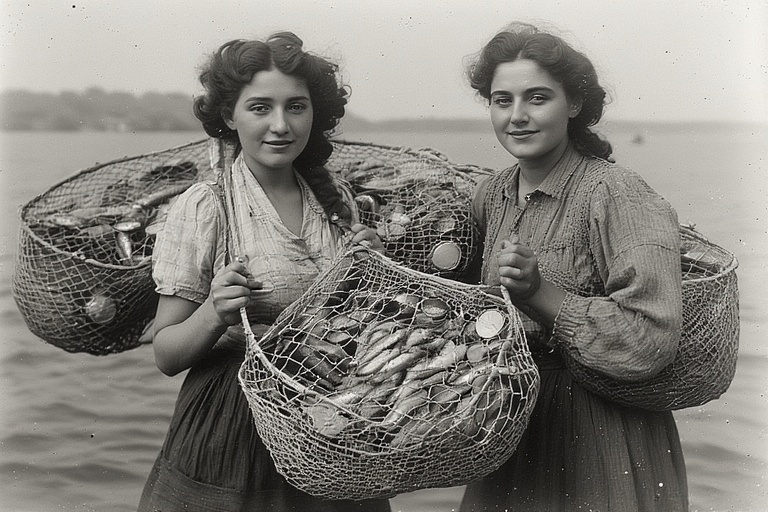
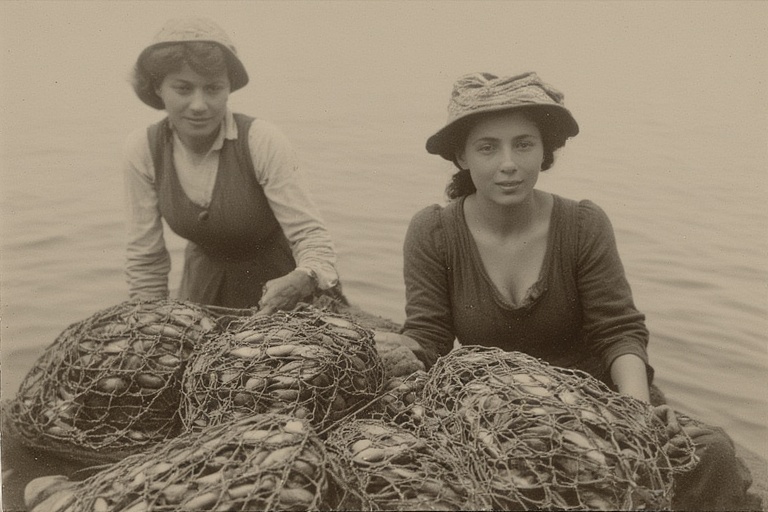
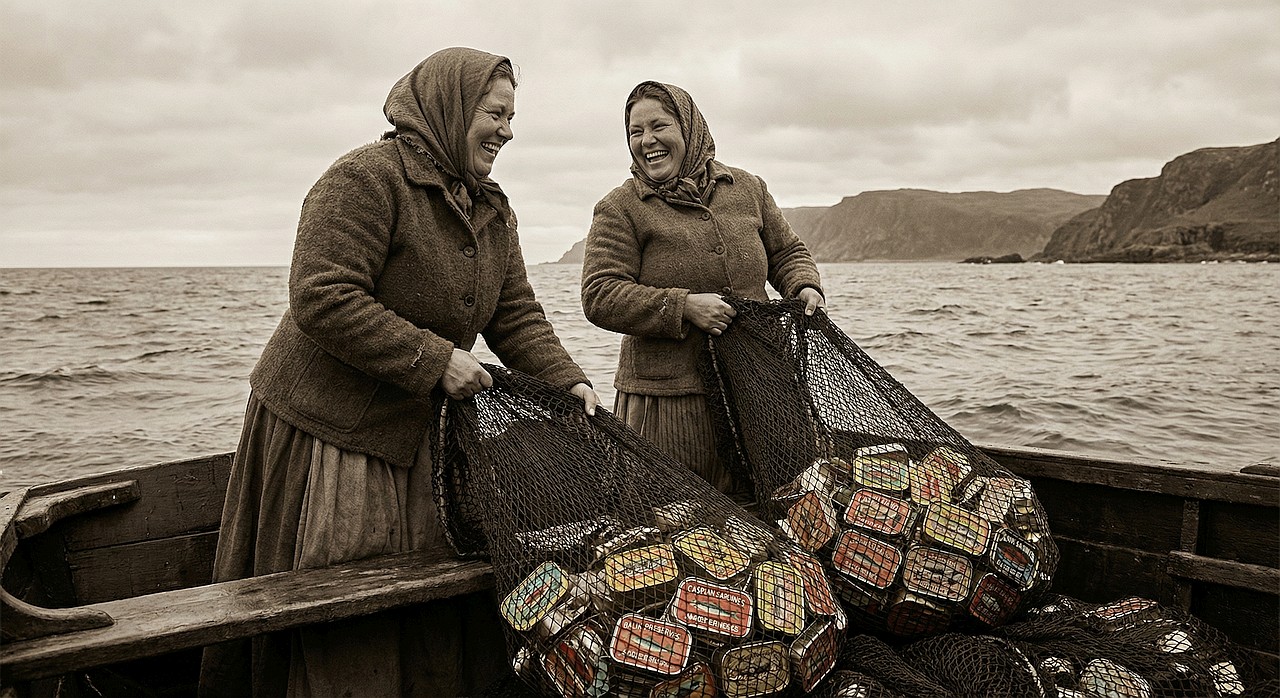
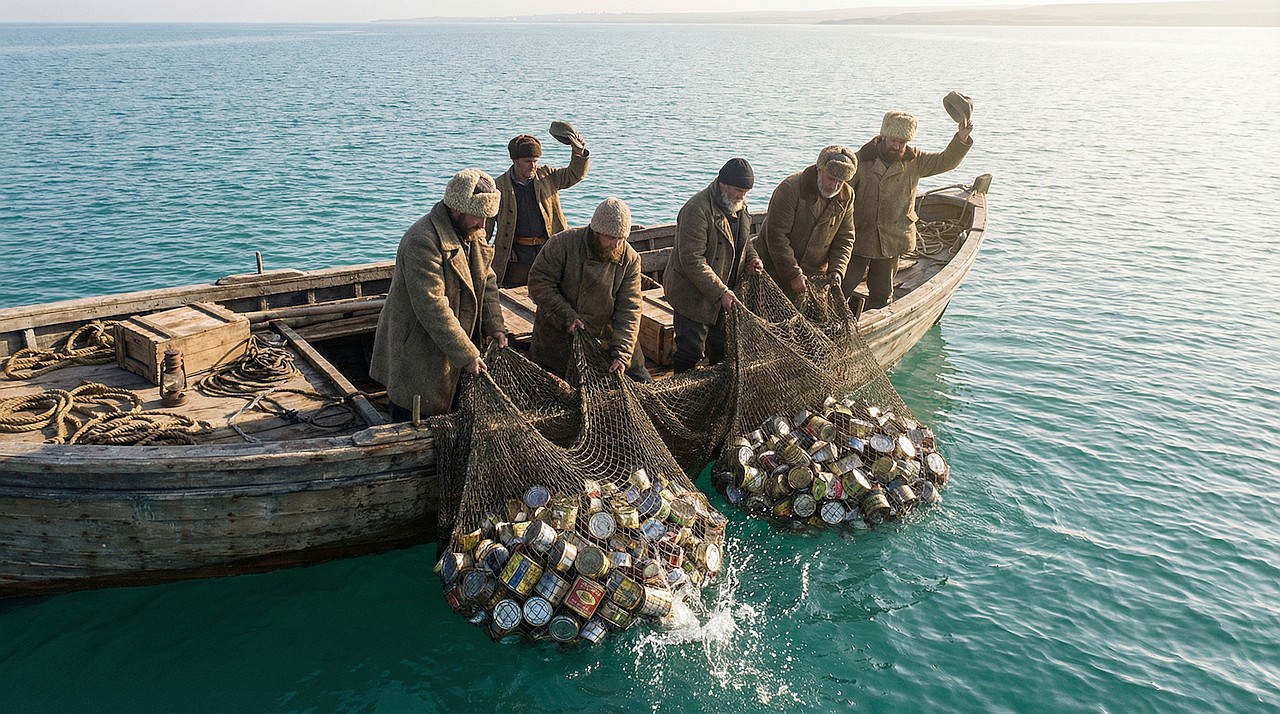
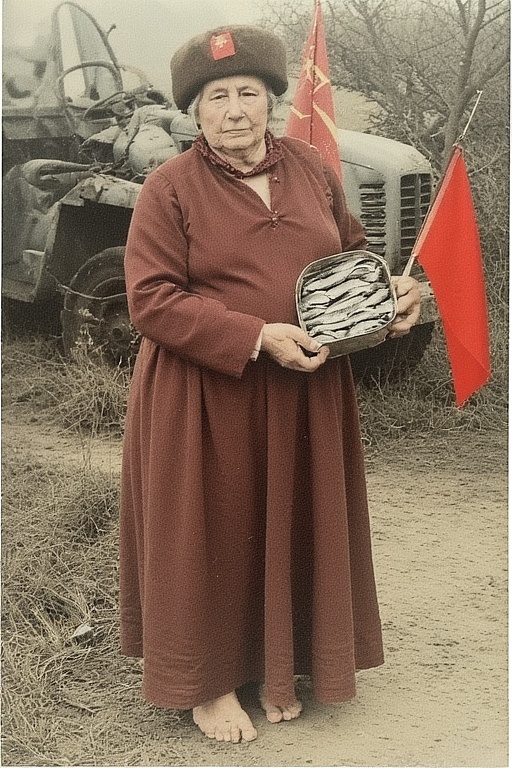
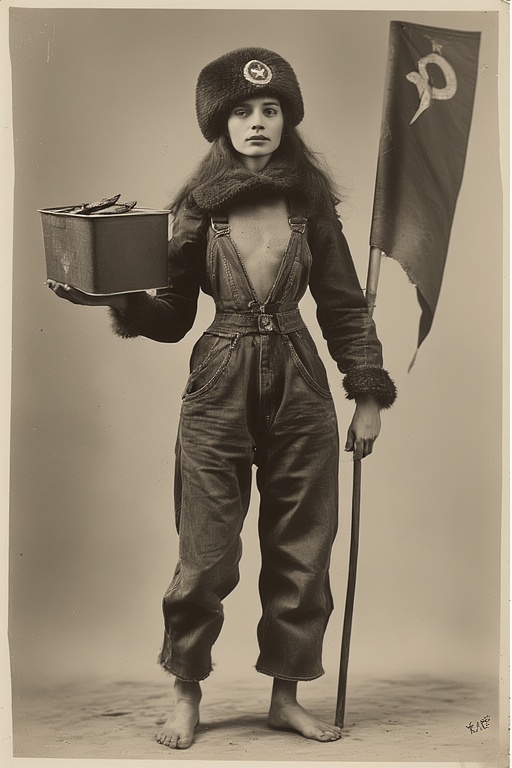
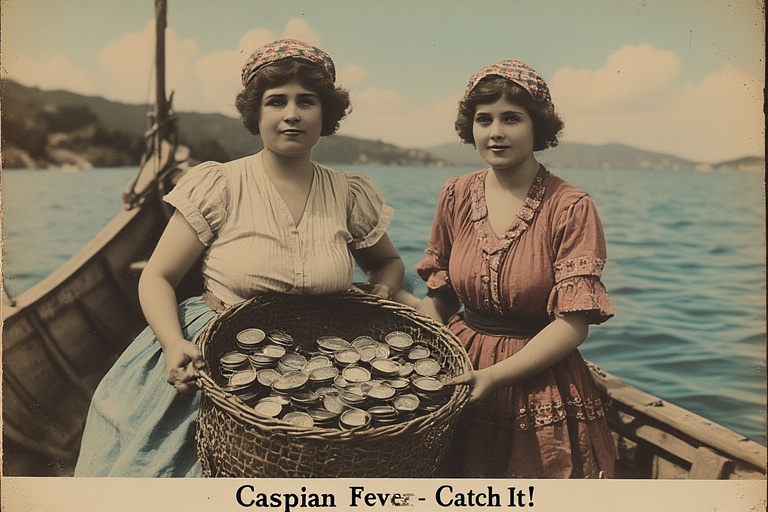
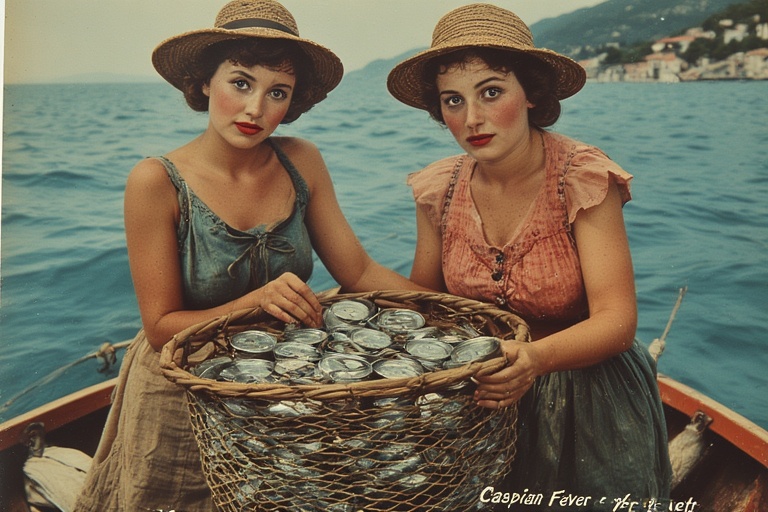
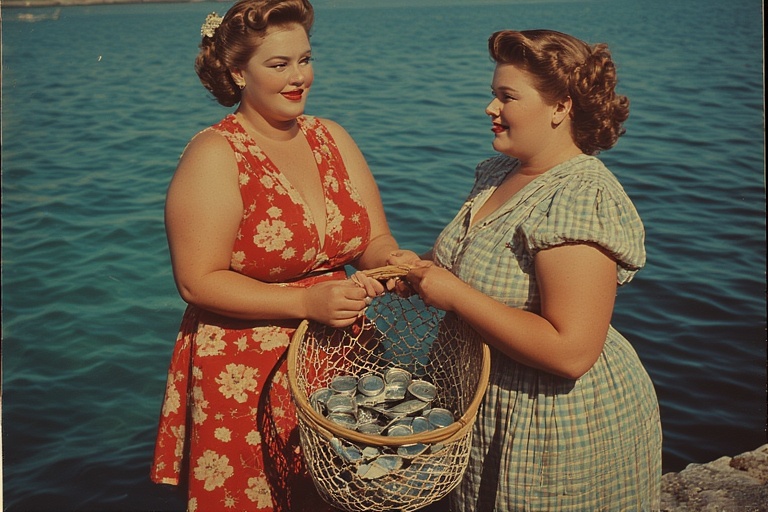
However, lower-level bureaucrats misunderstood the directive, and thought the party leaders expected to pull canned fish from the sea, directly into their nets. Impossible, of course, but you don’t tell the politburo that. So these mid-level toadies created a series of photos and art work to convince Moscow that they were following orders.
Semi-Sequitur: The Challenges of Casting Models in the Soviet Union
Members of the politburo insist on casting their wives, mistresses, mothers, and girlfriends.
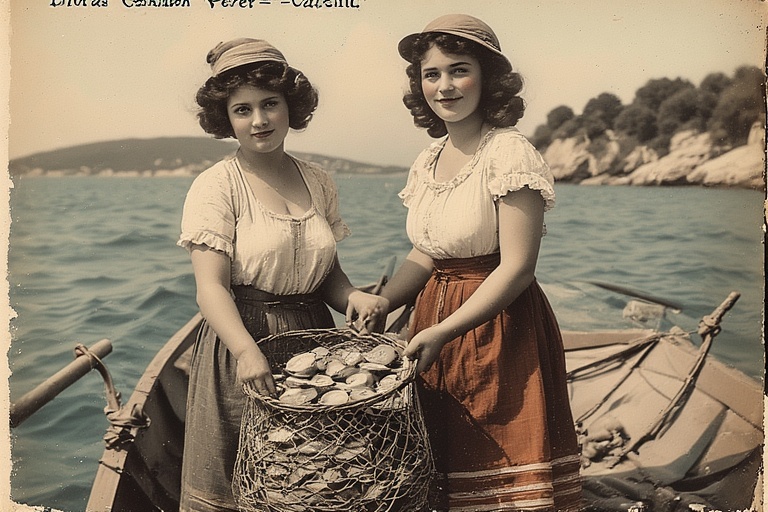
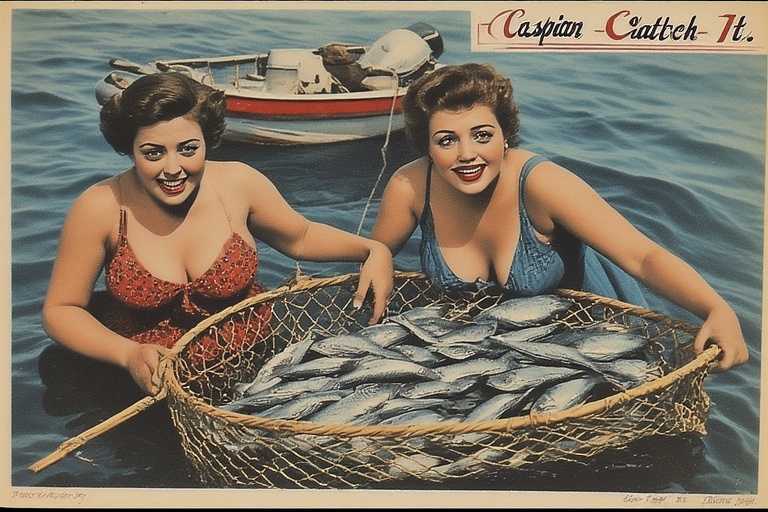
Postcards from George
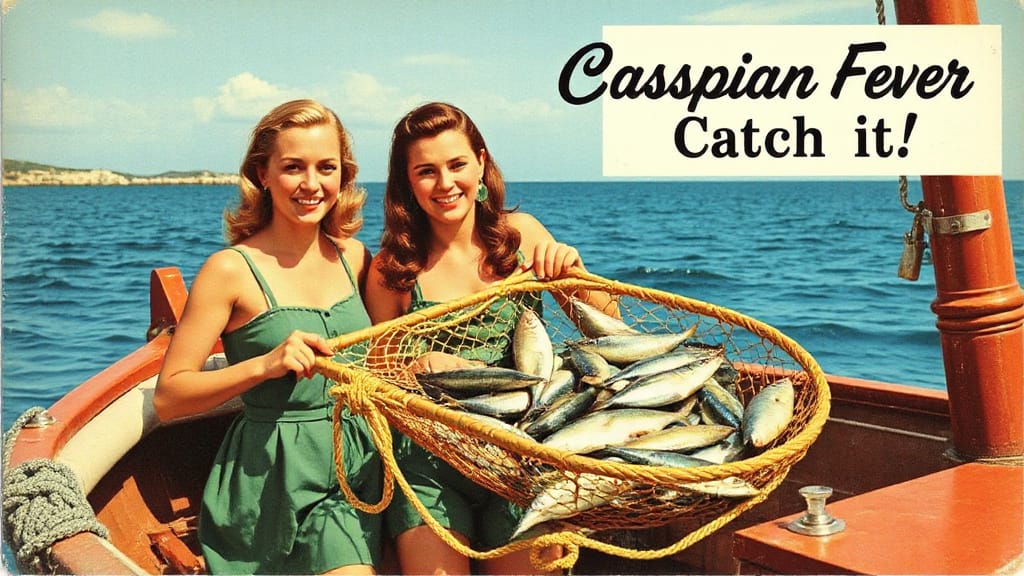
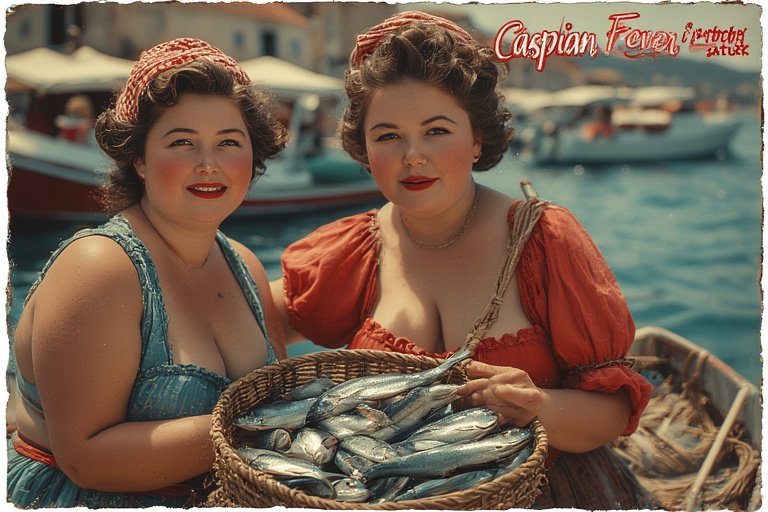
We sent our unpaid marketing intern George (he’s single, ladies!) on an advance location scouting mission. He sent the following postcards.
He’s not sure (because of the language barrier) but he may be engaged.