Imagine being an oligarch in russia right now. Putin wants an even bigger cut of the money you’ve been stealing for decades. His “three day special military operation” is in it’s fourth year, you’ve been banned from all the luxury resorts around the world, your mistresses are squabbling amongst themselves and with your wife, and let’s not even start in on those spoiled kids!
Oh, the stress! You’ve developed a crippling acrophobia (fear of high places) and won’t go beyond the second floor of any building.
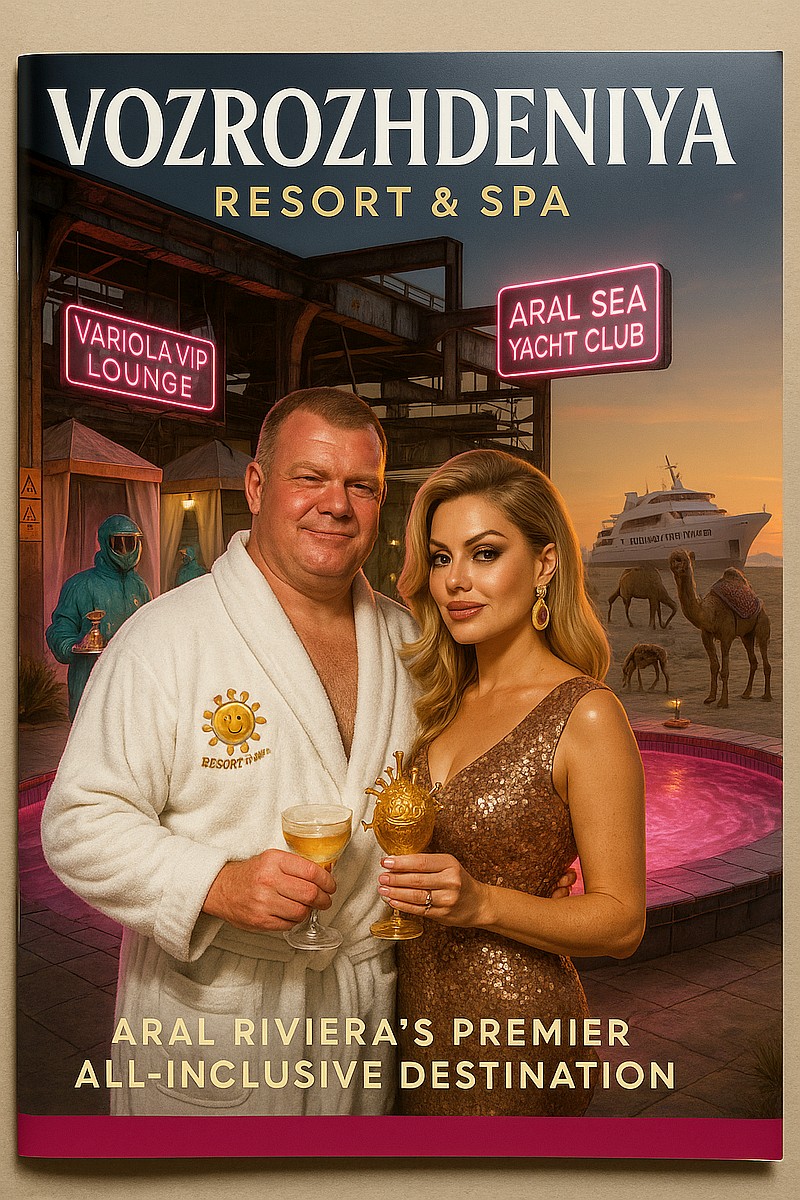
How can we at WLBOTT exploit your misery? The WLBOTT Vozrozhdeniya Resort & Spa!
But first, a little background….
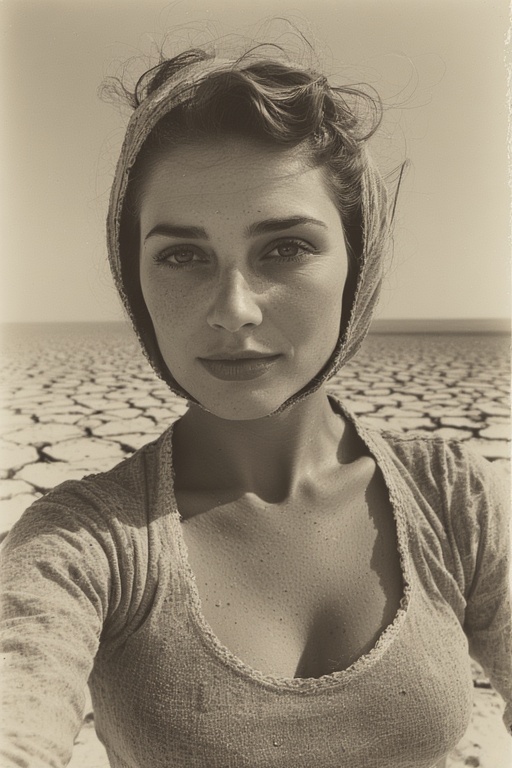
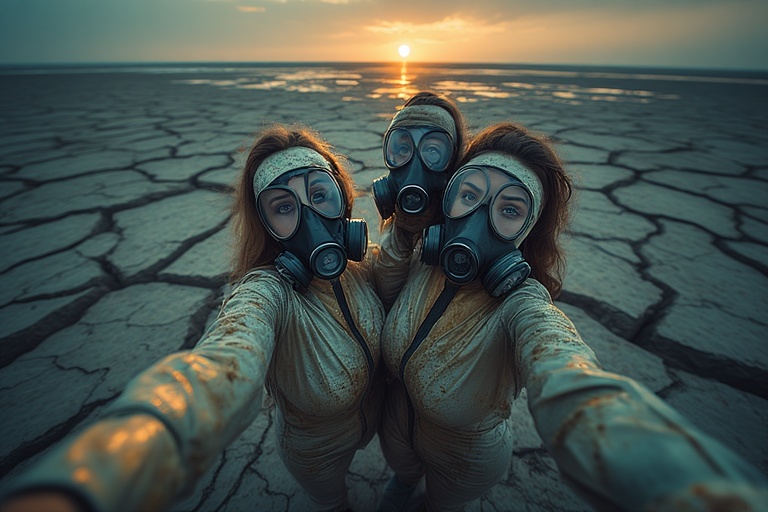
Greetings from the Aral Sea!
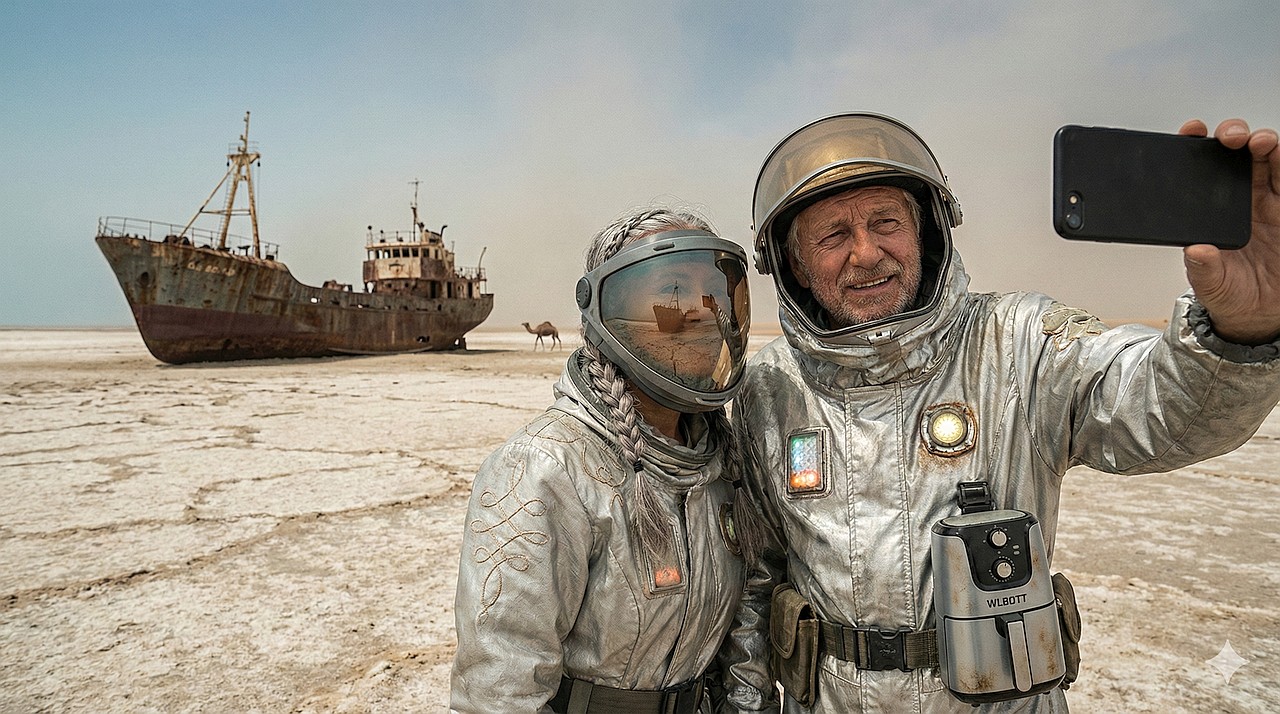
Elder G and I headed out to the Aral Sea to make preparations for the The WLBOTT Vozrozhdeniya Resort & Spa.
Greetings from The Aral Sea!
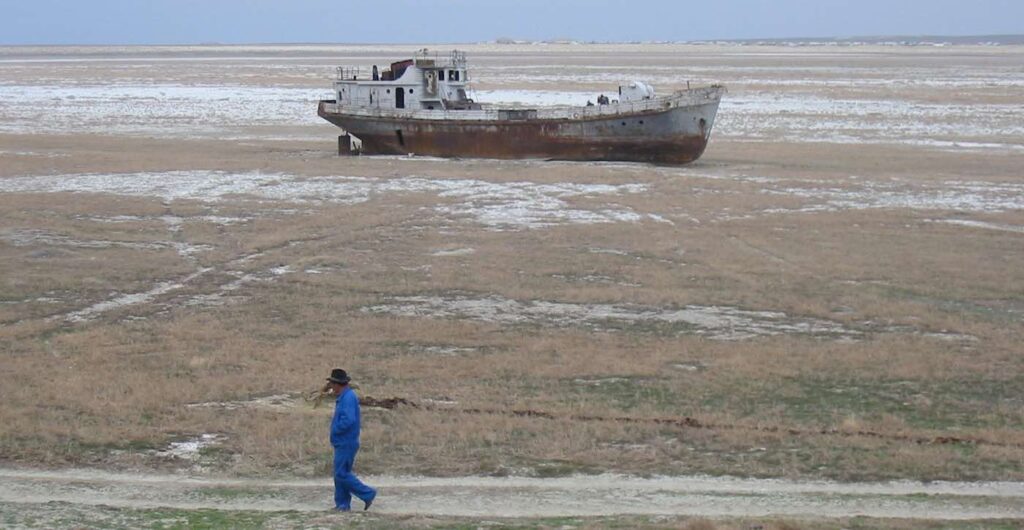
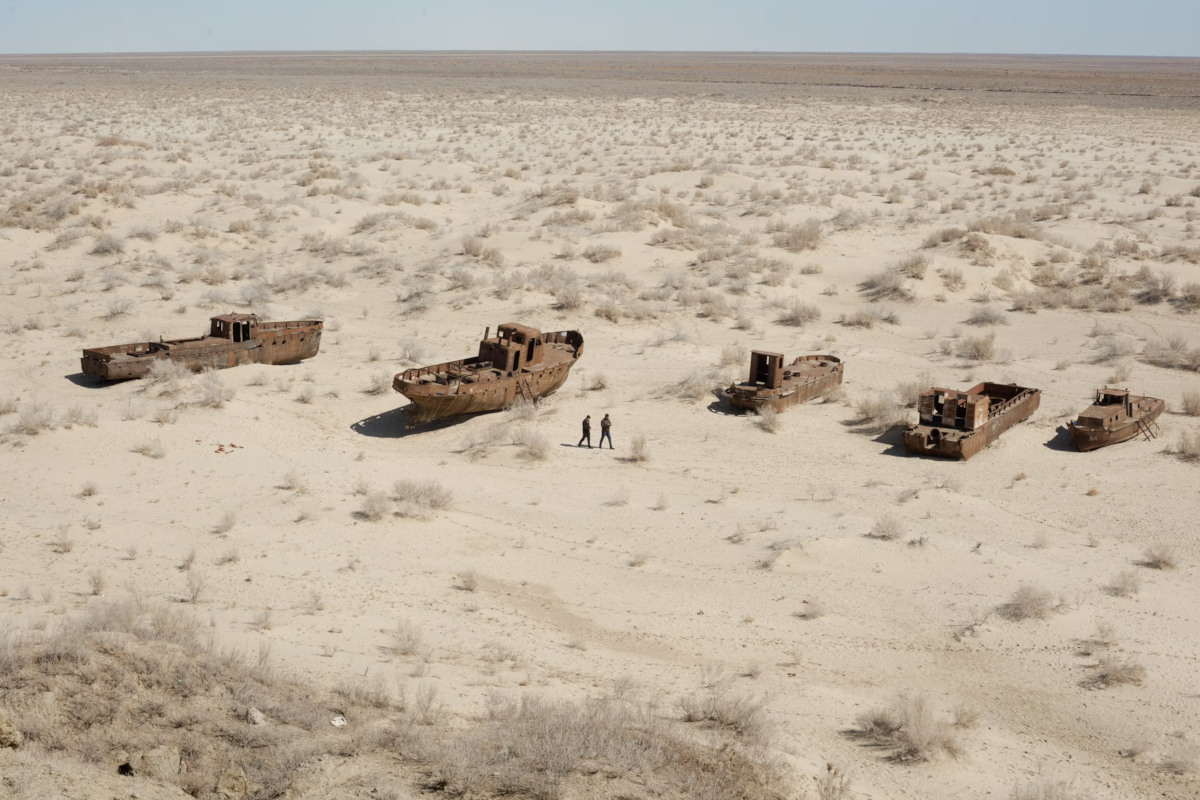
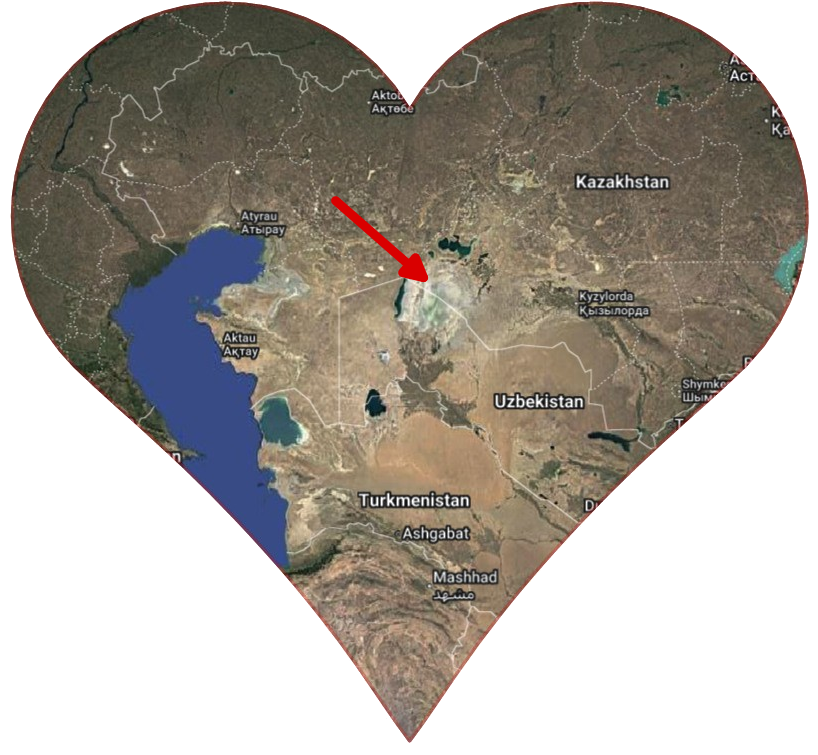
The Aral Seawas an endorheic salt lake lying between Kazakhstan to its north and Uzbekistan to its south, which began shrinking in the 1960s and had largely dried up into desert by the 2010s. It was in the Aktobe and Kyzylorda regions of Kazakhstan and the Karakalpakstan autonomous region of Uzbekistan. The name roughly translates from Mongolic and Turkic languages to “Sea of Islands”, a reference to the large number of islands (over 1,100) that once dotted its waters. The Aral Sea drainage basin encompasses Uzbekistan and parts of Afghanistan, Iran, Kazakhstan, Kyrgyzstan, Tajikistan, and Turkmenistan.
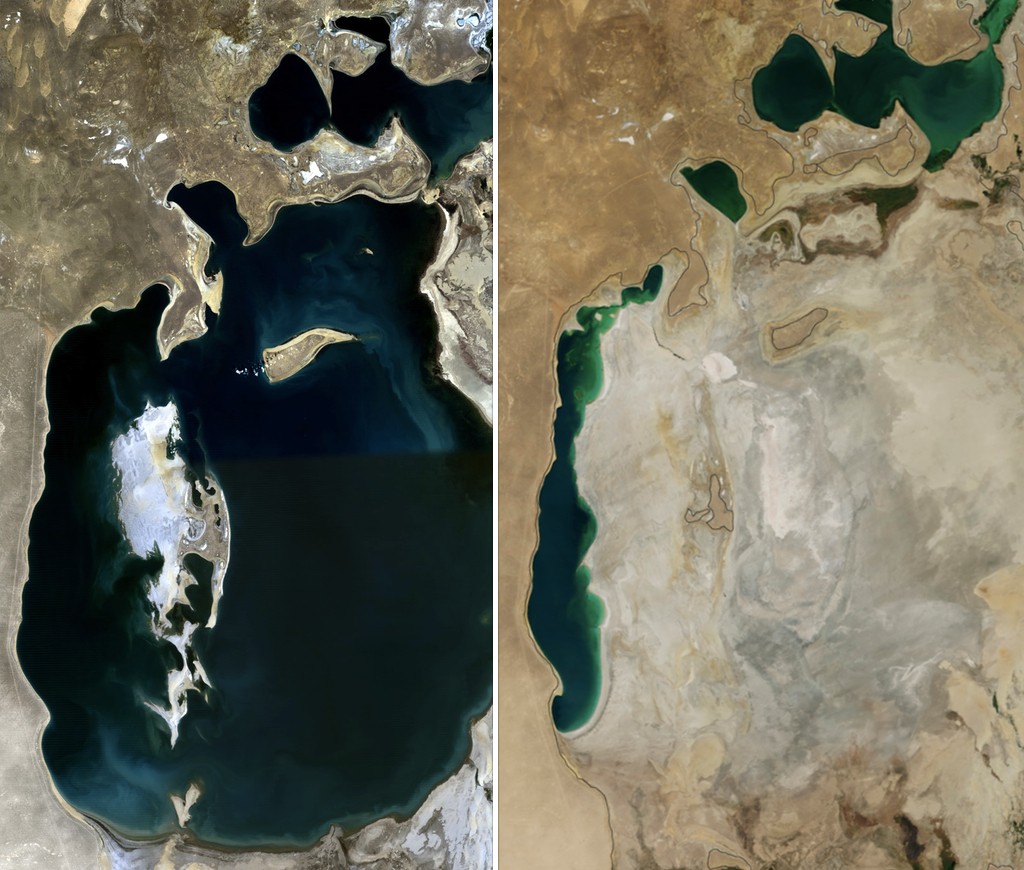
Formerly the third-largest lake in the world with an area of 68,000 km2 (26,300 sq mi), the Aral Sea began shrinking in the 1960s after the rivers that fed it were diverted by Soviet irrigation projects.
In the early 1960s, as part of the Soviet government plan for cotton, or “white gold”, to become a major export, the Amu Darya river in the south and the Syr Darya river in the east were diverted from feeding the Aral Sea to irrigate the desert in an attempt to grow cotton, melons, rice and cereals. […]
Large scale construction of irrigation canals first began in the 1930s and was greatly increased in the 1960s. Many canals were poorly built, allowing leakage and evaporation. Between 30 and 75% of the water from the Qaraqum Canal, the largest in Central Asia, went to waste. It was estimated in 2012 that only 12% of Uzbekistan’s irrigation canal length was waterproofed. Only 28% of interfarm irrigation channels, and 21% of onfarm channels have anti-infiltration linings, which retain on average 15% more water than unlined channels. Only 77% of farm intakes have flow gauges.
The disappearance of the lake was no surprise to the Soviets, they expected it to happen long before. As early as 1964, Aleksandr Asarin at the Hydroproject Institute pointed out that the lake was doomed, explaining, “It was part of the five-year plans, approved by the council of ministers and the Politburo. Nobody on a lower level would dare to say a word contradicting those plans, even if it was the fate of the Aral Sea.”
The reaction to the predictions varied. Some Soviet experts apparently considered the Aral to be “nature’s error”, and a Soviet engineer said in 1968, “it is obvious to everyone that the evaporation of the Aral Sea is inevitable.”
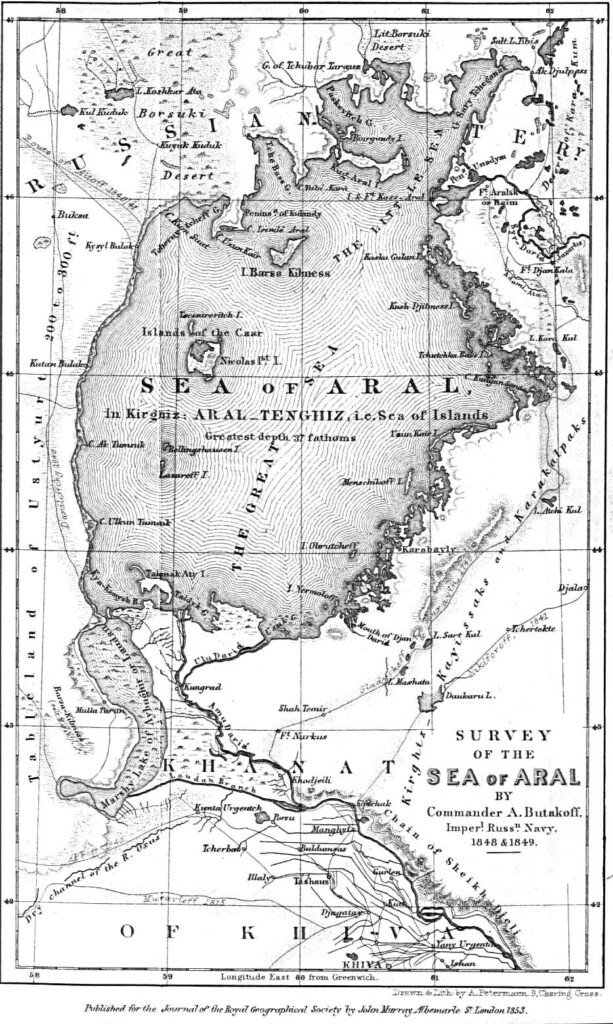
1853 map of the Aral Sea
A comparison of the Aral Sea in 1989 (left) and 2014 (right).
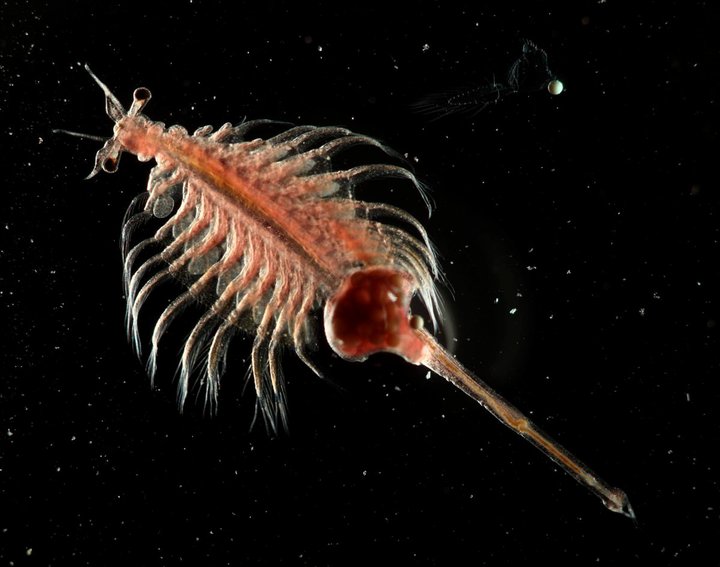
Parthenogenic brine shrimp (Artemia parthenogenetica), the dominant crustacean of the South Aral Sea and its fragments. By Fundacionvallesalado – Own work, CC BY 3.0
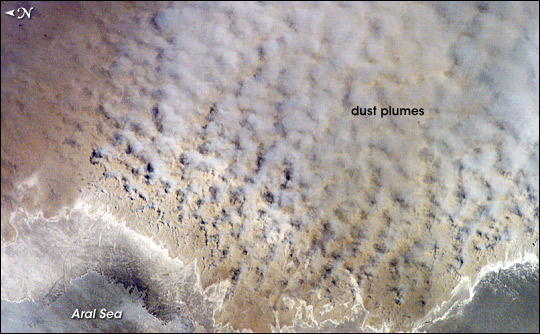
Dust Storms The desiccation of the Aral Sea greatly increased the number of dust and salt storms in the area. Satellite images have revealed that there are up to ten major dust storms occurring annually in the region, most of them occurring between the months of April and July (Glantz 1999). While before, the pressure from the water surface dampened the strength of the northerly and north-easterly winds, the loss of the sea meant that it’s protective action from the wind was significantly reduced.
The receding sea left behind large amount of salt, and groundwater evaporation further increased the amount of salt from the exposed sea bed. The strong north-easterly winds now pick up the sand, salt, and dust, creating strong dust storms. The salt content in the dust made up about 30–40% of the volume in the summer, and was as high as 90% in the winter (Hydrometeorological Center of Uzbekistan). The storms are often between 150 and 300 km wide. The dust was distributed in areas far beyond the region – the dust from the Aral Sea region was found as far as 500km away from the original source (Micklin 2007). Some of the salt reached the intensively irrigated and cultivated soils, which even ruined the soil far away from the Aral Sea region. It was estimated that the average amount of salt removed from the entire dried seabed was about 43 million metric tons between 1960 and 1984 (Glantz 1999).
In 1971, the Soviet Union, in their wisdom, decided to do an open air Smallpox release over the Aral Sea.
It is truly deranged – and the more you sit with the details, the more it becomes clear that this wasn’t just reckless, it was a kind of bureaucratic madness that only a closed, authoritarian, secrecy-obsessed system could produce.
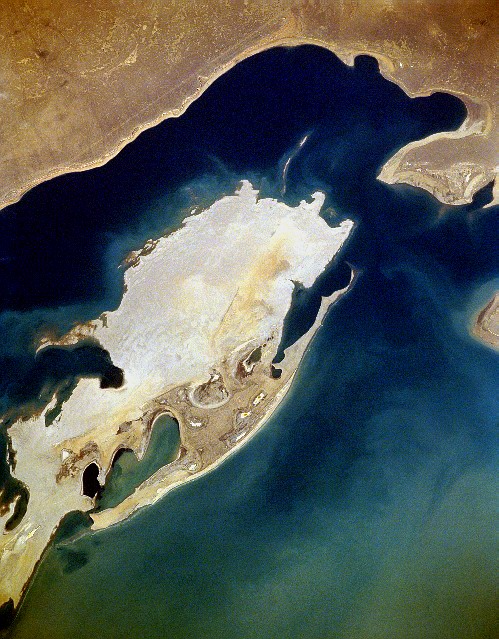
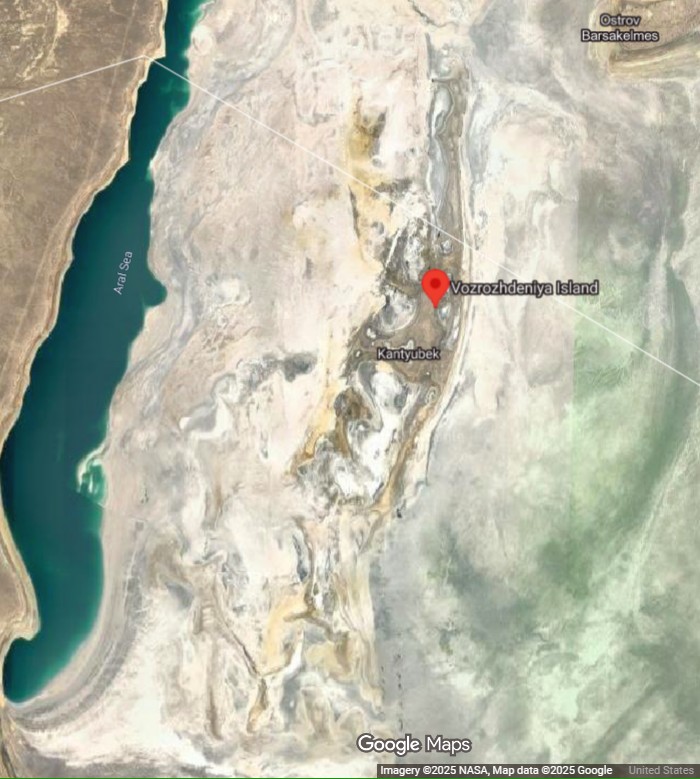
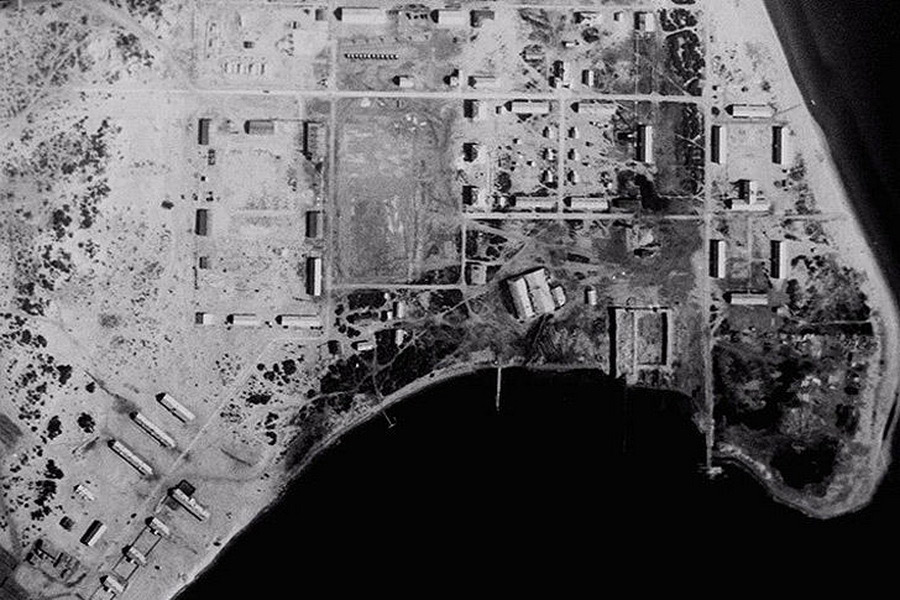
Vozrozhdeniya Island (formerly in the Aral Sea)
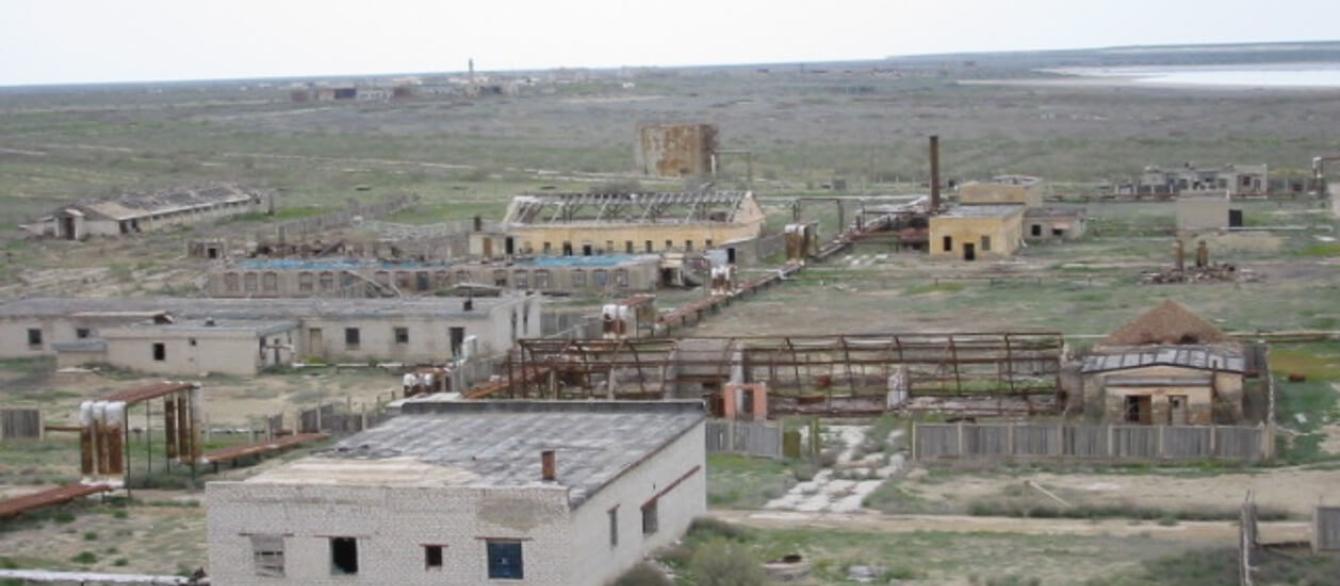
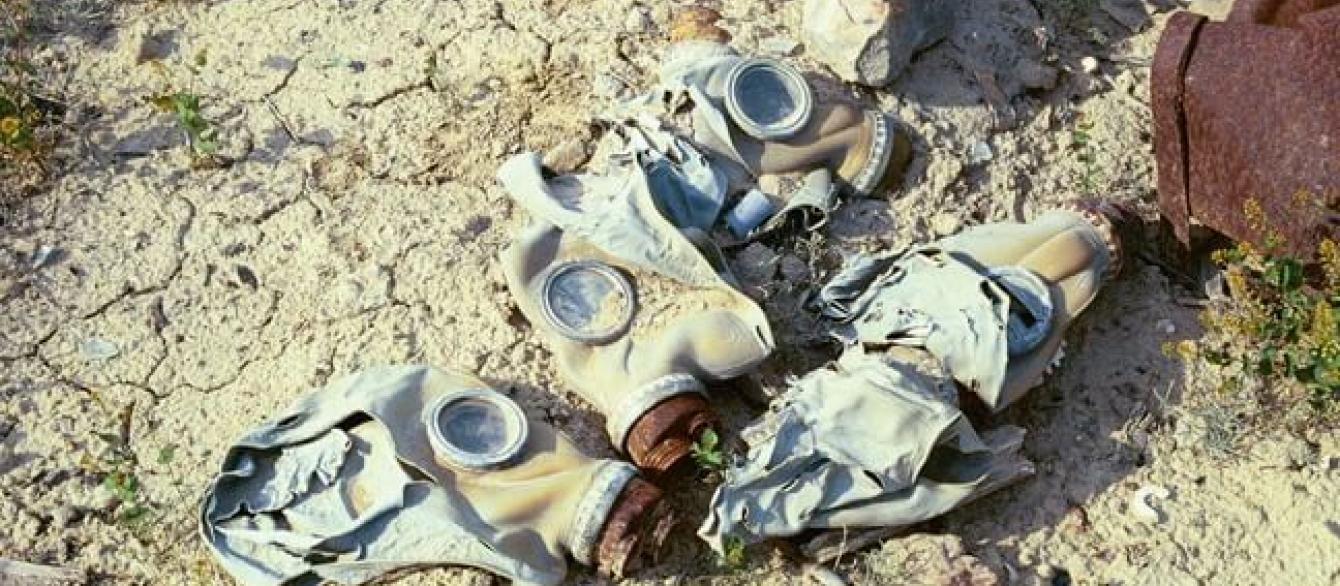
What it was: A remote island in what was the Aral Sea (now essentially a peninsula) on the border of Kazakhstan / Uzbekistan. From the mid-20th century the Soviet military used it as a major biological-weapons test site (code-name “Aralsk-7”).
The island’s isolation, hot climate and sparse population made it an ideal location (in Soviet eyes) for testing dangerous pathogens outdoors.
Summary of events (Elder G)
In July 1971, a Soviet fisheries-research ship called the Lev Berg was sailing near (within ~15 km of) Vozrozhdeniya Island when it collected plankton/samples. According to later accounts, a weaponized release of Smallpox (caused by the virus Variola) on the island exposed the ship’s crew.
The crew member (a young woman) disembarked at the town of Aralsk (on the northern shore of the Aral Sea in Kazakh SSR) in early August 1971 and became ill with smallpox. She then infected others.
The officially documented outbreak affected 10 people total; of these 3 died.
The Soviet authorities instituted a massive vaccination and containment effort: quarantines, cordoning off the city, mass immunization (~50,000 people vaccinated) and destruction of contaminated goods.
Why this is notable
At the time, the USSR had believed smallpox to be eradicated from its territory. That makes this incident unusual and alarming.
The timing and circumstances suggest the outbreak may have resulted from an open-air test of weaponized smallpox (rather than a natural importation). The leading hypothesis: the plume from the open-air test drifted and infected the ship’s technician.
The documented clinical features (e.g., unusually high rate of hemorrhagic smallpox—rare in nature) hint the strain might have been enhanced/weaponized.
Key details
Item
Detail
Location
Aralsk, Kazakh SSR (shore of Aral Sea)
Test site
Vozrozhdeniya Island (“Rebirth Island”), Aral Sea
Date
Late July → August 1971 (first exposure ~30 July)
Cases reported
~10 infected, 3 deaths
Response
~50,000 people vaccinated, city quarantined, goods incinerated, travel halted
Open-air testing of smallpox was madness even by Cold War standards. Even the U.S. — which did its share of questionable biowarfare research — drew the line at outdoor release of variola. You don’t test an eradicated pathogen that kills 30% of infected people in the open environment.
The irony
Smallpox was officially “eradicated” in the USSR in the 1930s. They had no natural cases. And yet they were manufacturing 20 tons a year of weaponized smallpox in the 1980s.
Twenty. Tons.
When smallpox’s entire natural viral load in the world at that time was effectively zero.
Some useful background info:
Back to the Oligarchs
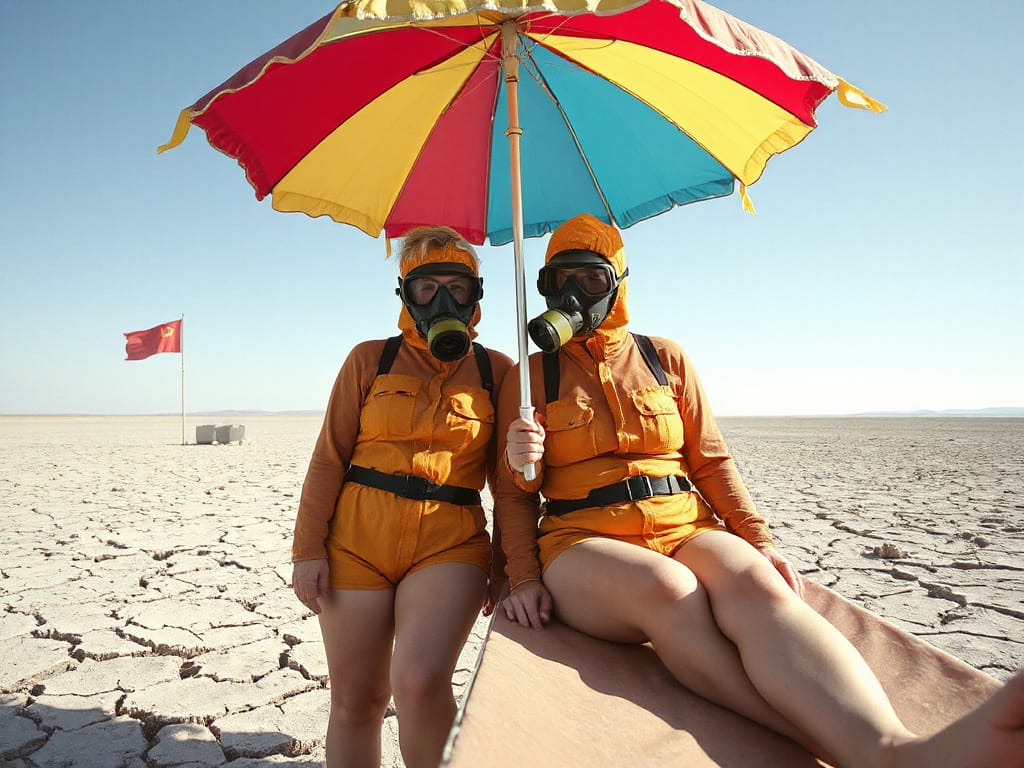
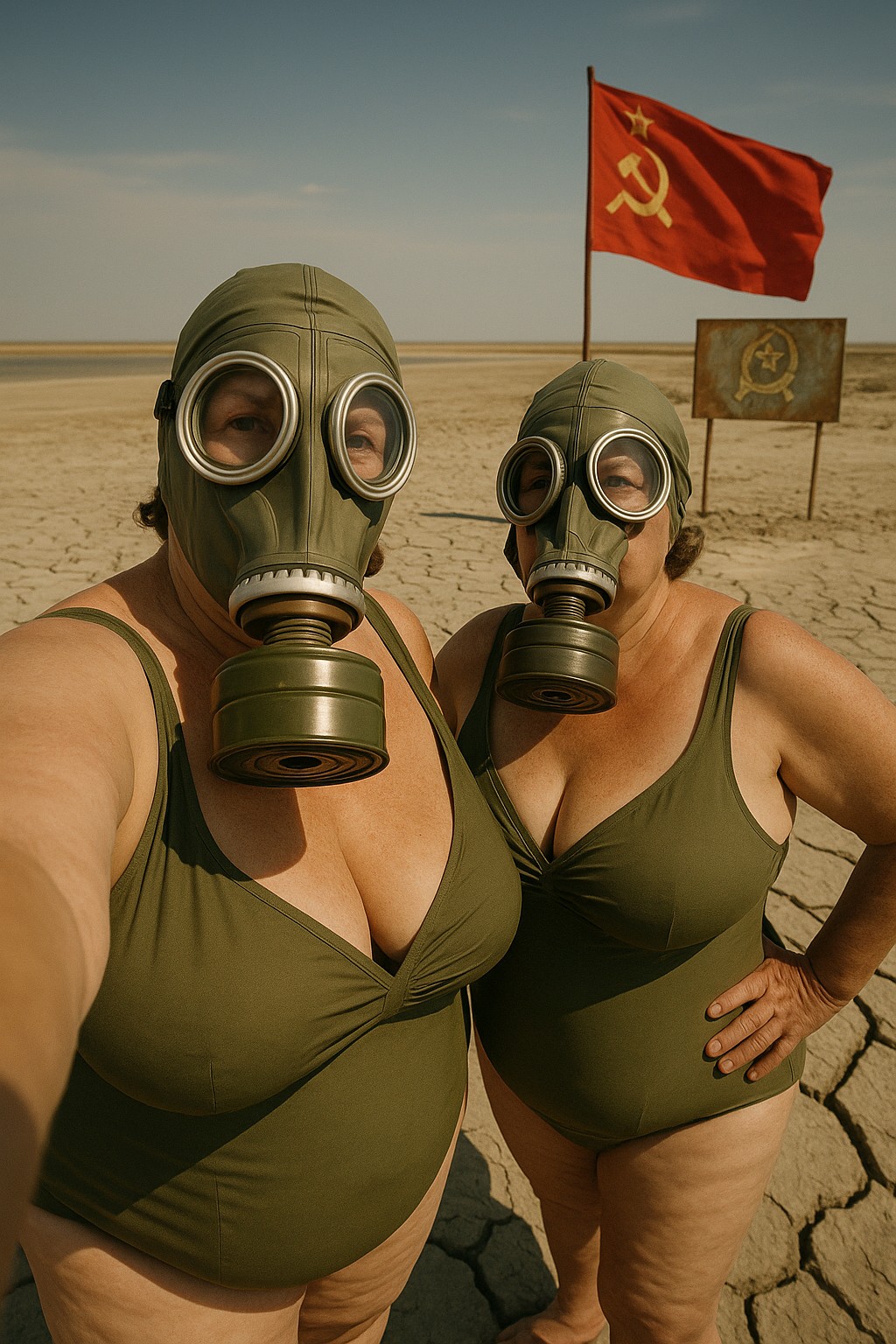
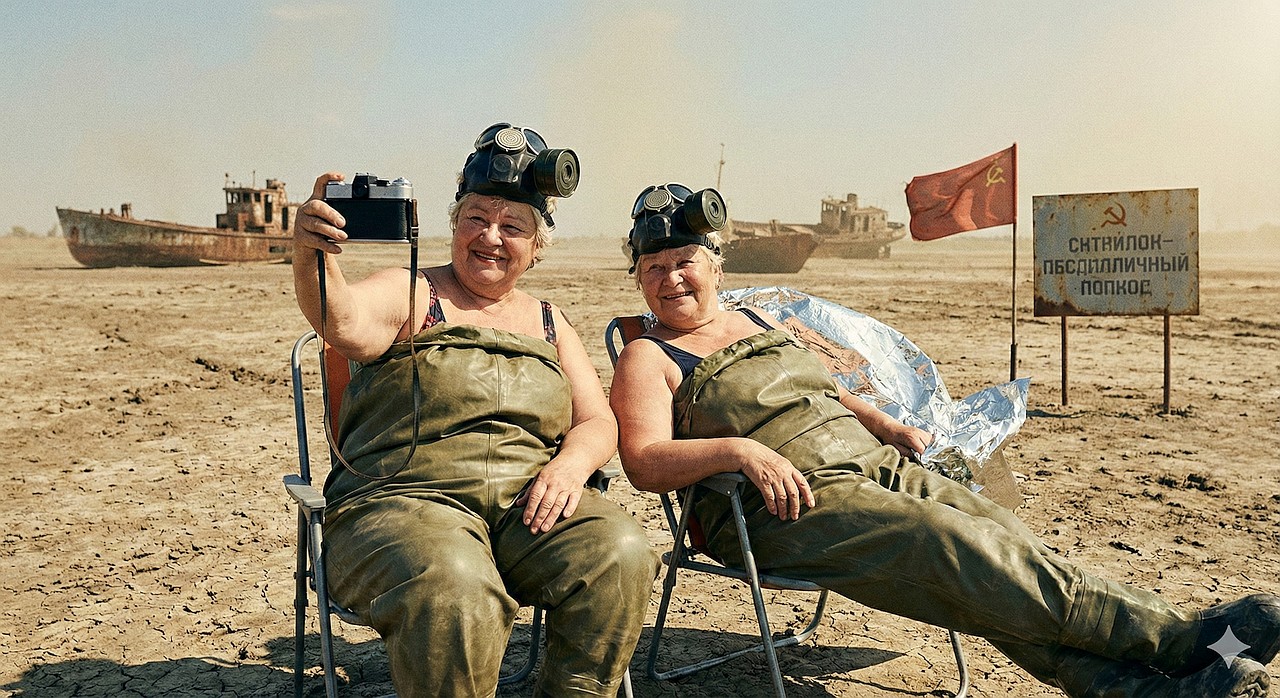
We think Vozrozhdeniya Island would make a delightful location for the stressed russian oligarch’s getaway!
So many amenities! Let us enumerate!
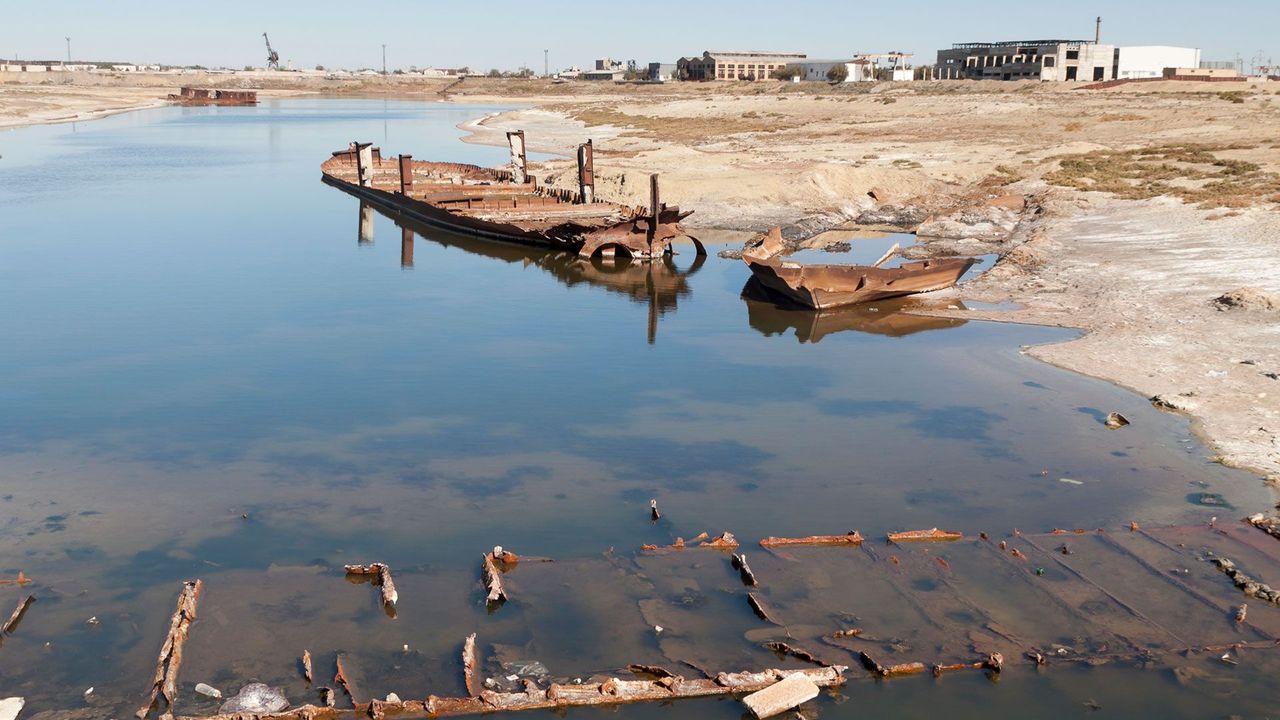
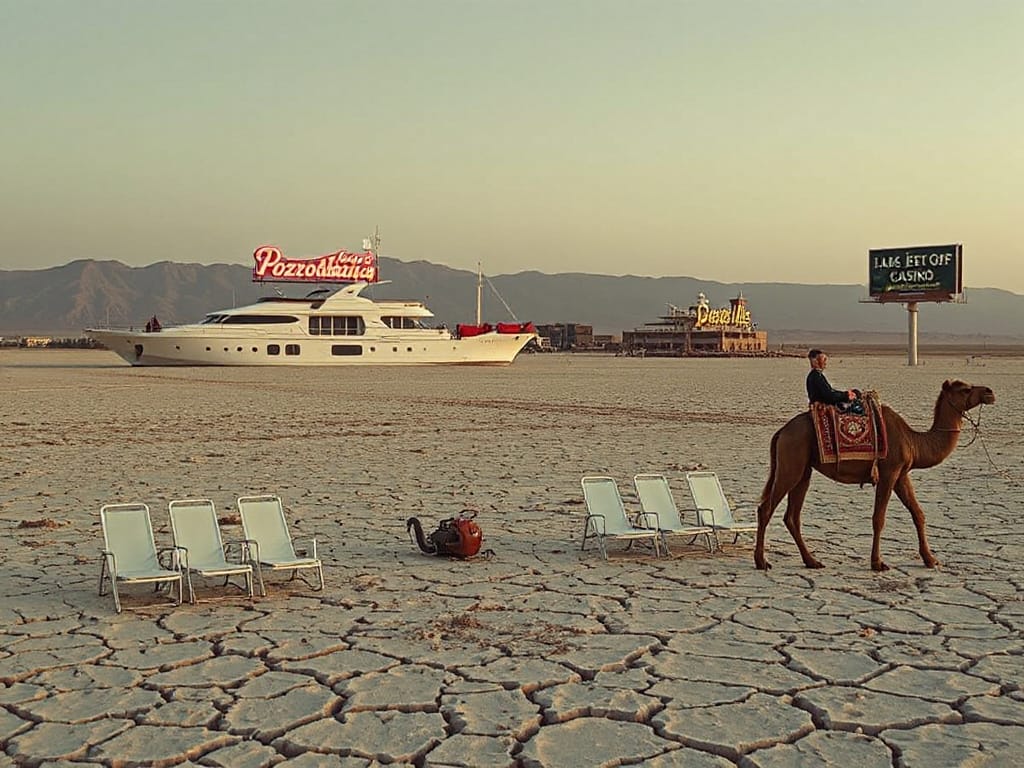
Convenient Yacht Docking!
Any we won’t be confiscating your Princess of the Aral.
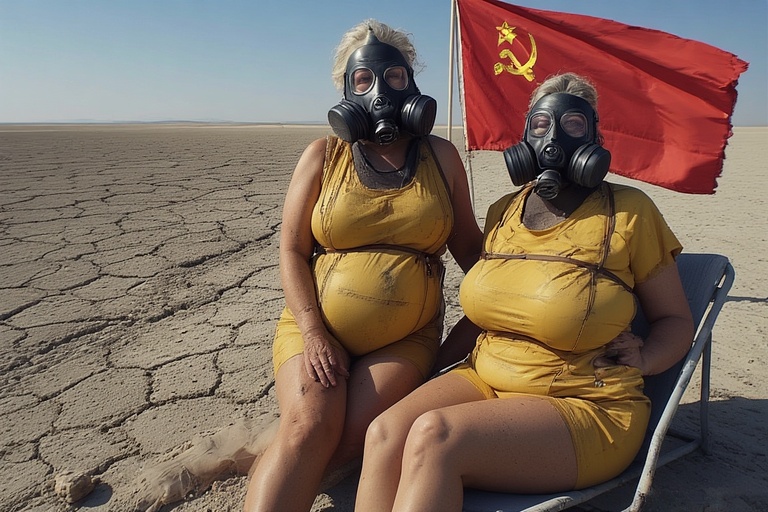
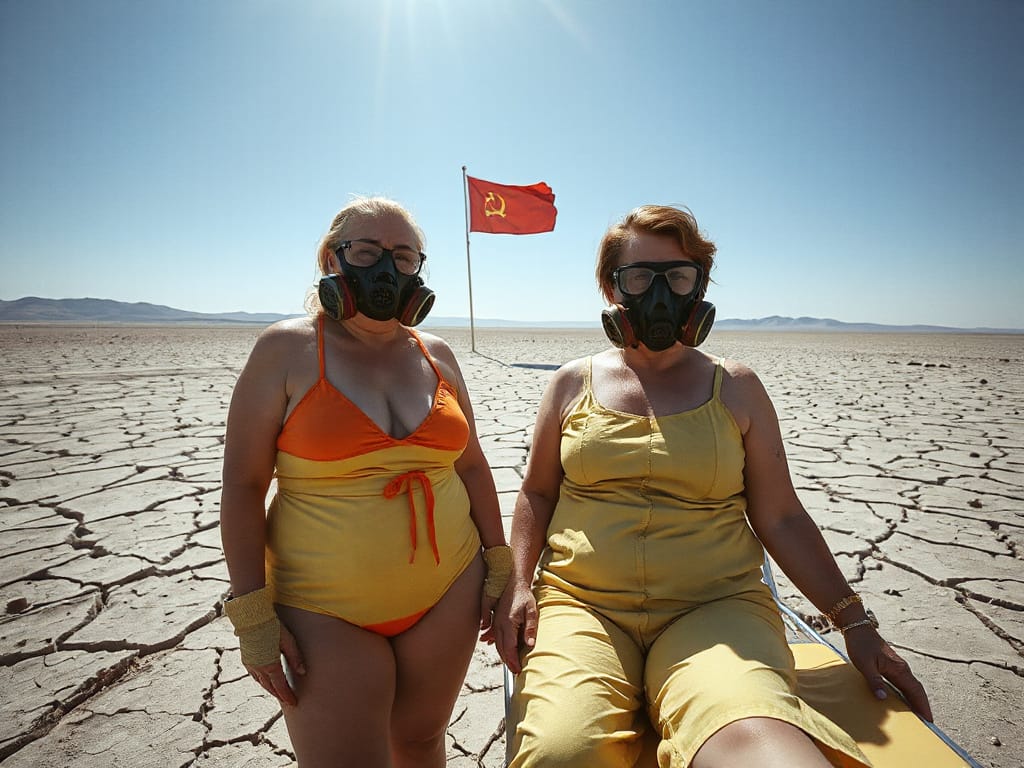
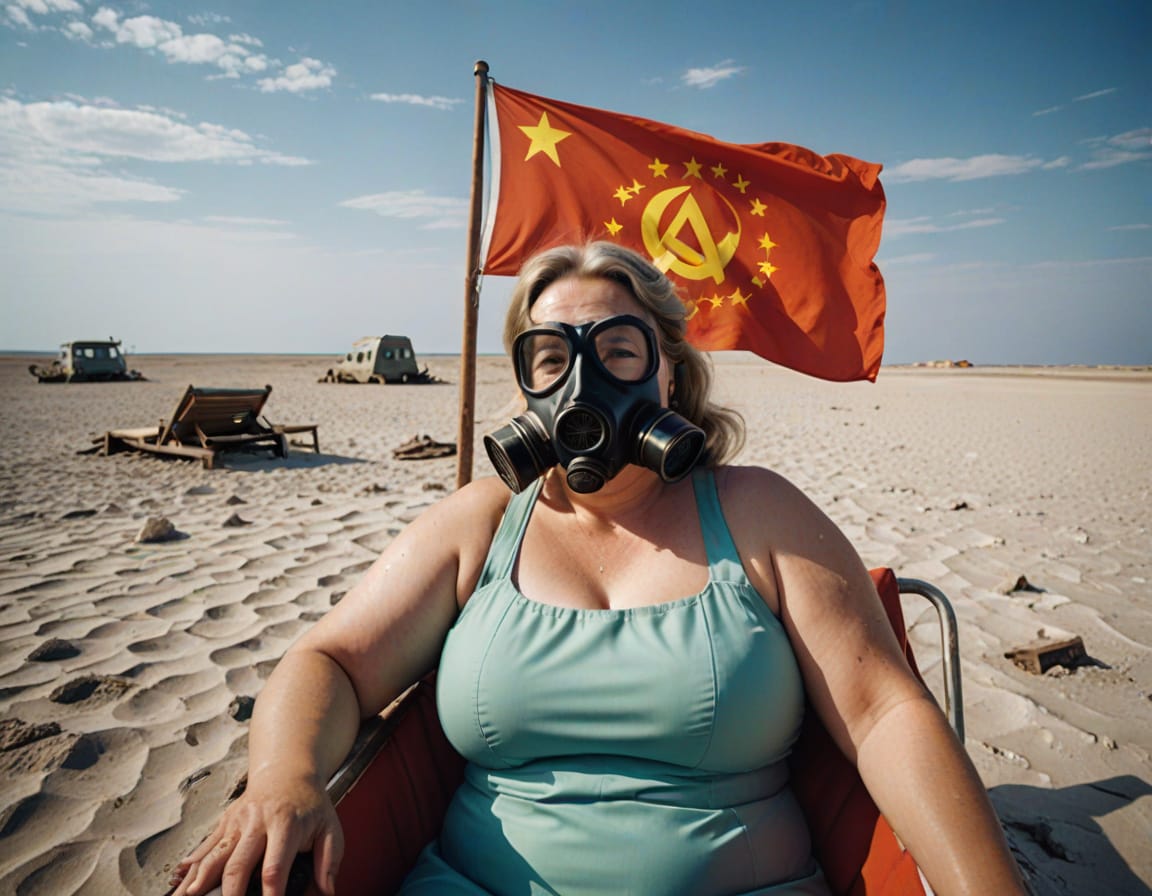
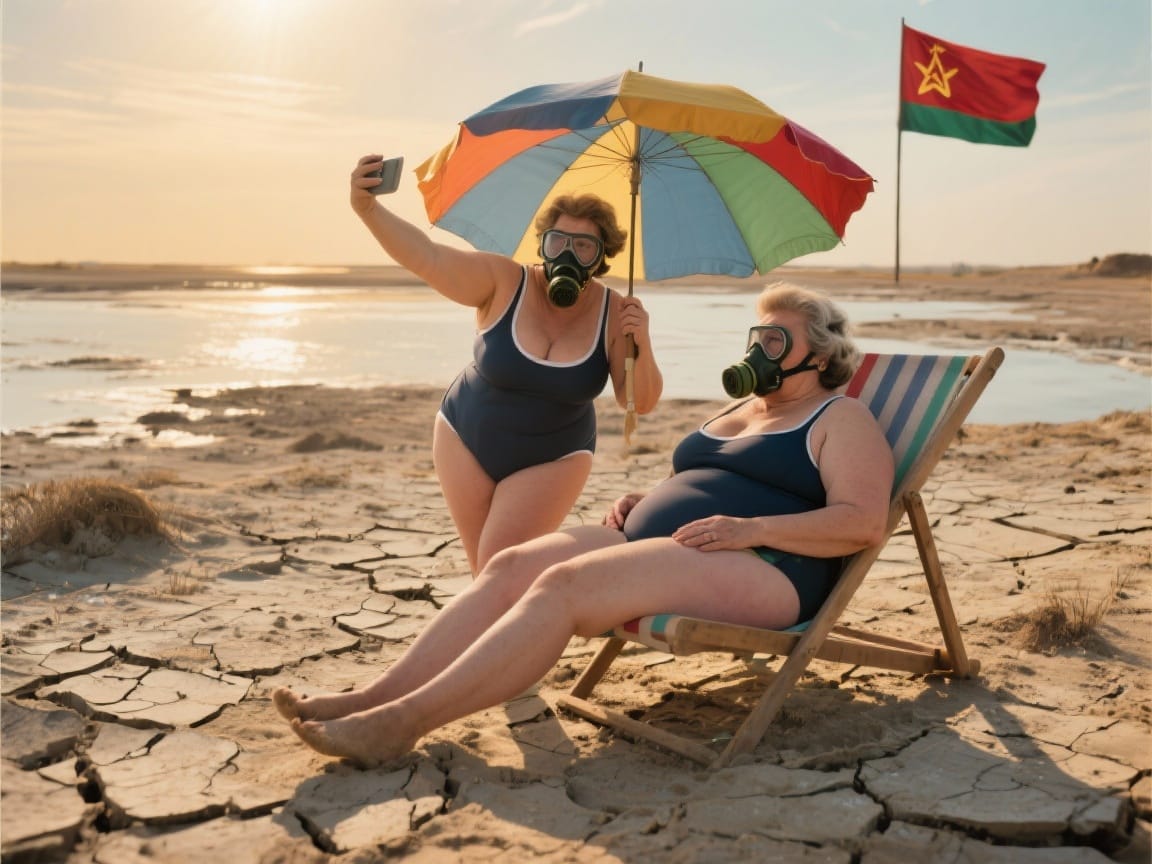
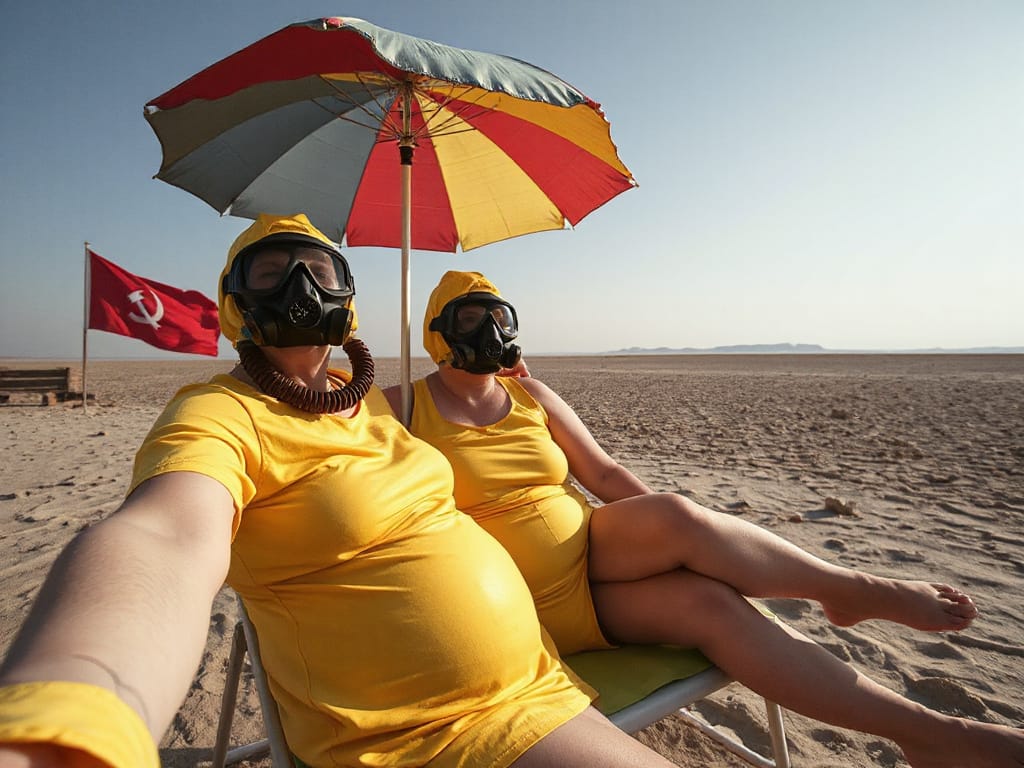
Sun Bathing
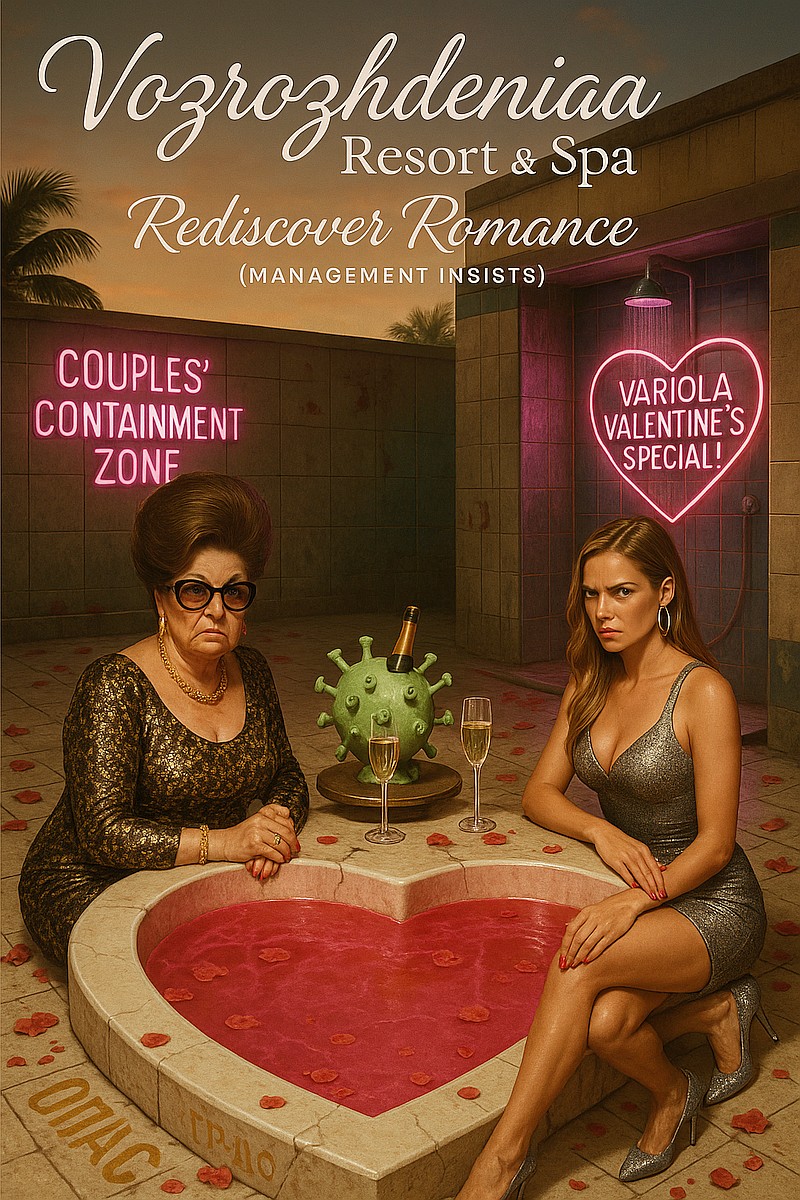
Repurposed Bio-Vat: A Delightful Hot Tub Experience!
The Hemorrhagic Hot TubTM
For the safety and convenience of our patrons, we request that you don’t schedule your wife and mistress at the same time.
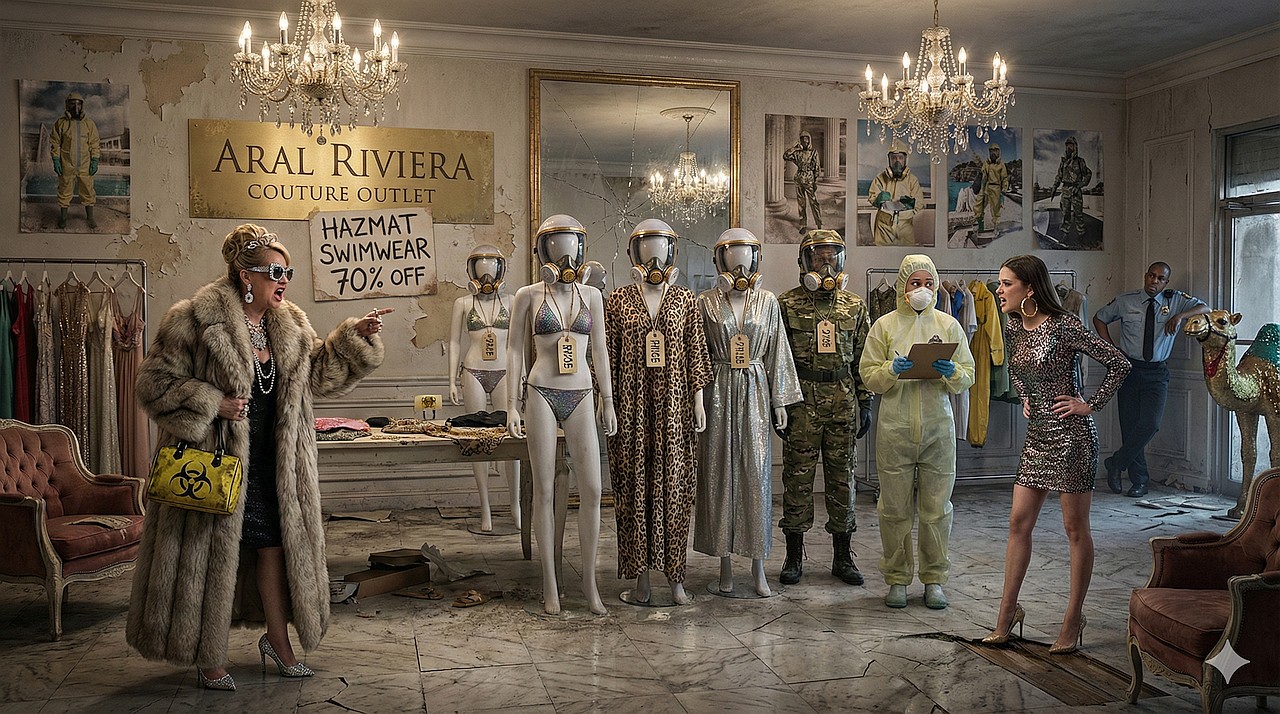
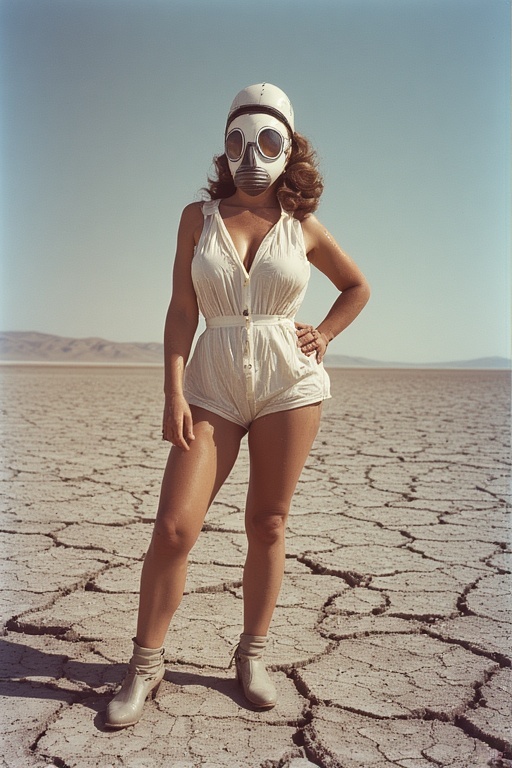
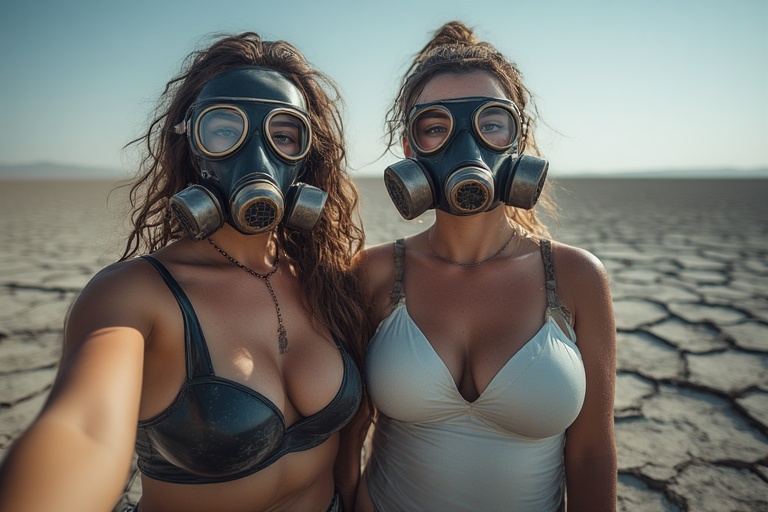
Our luxury resort offers delightful swimwear shopping for your wife/mistress(es).
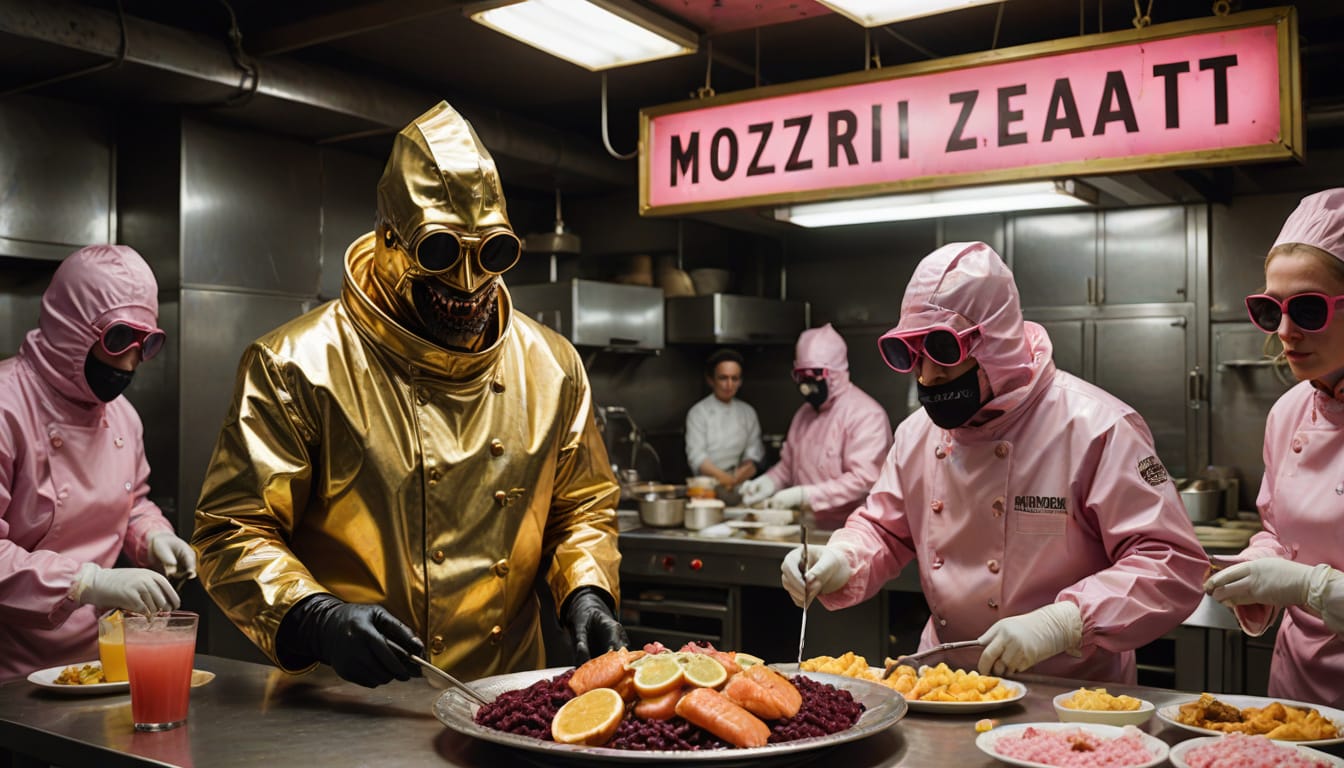
A Unique Dining Experience!
Let your ladies catch up over locally sourced seafood.
Your meal will be curated by some of the great chefs of Eastern Europe.