Elder JimZim reflects on the cold snap settling in over the eastern United States.
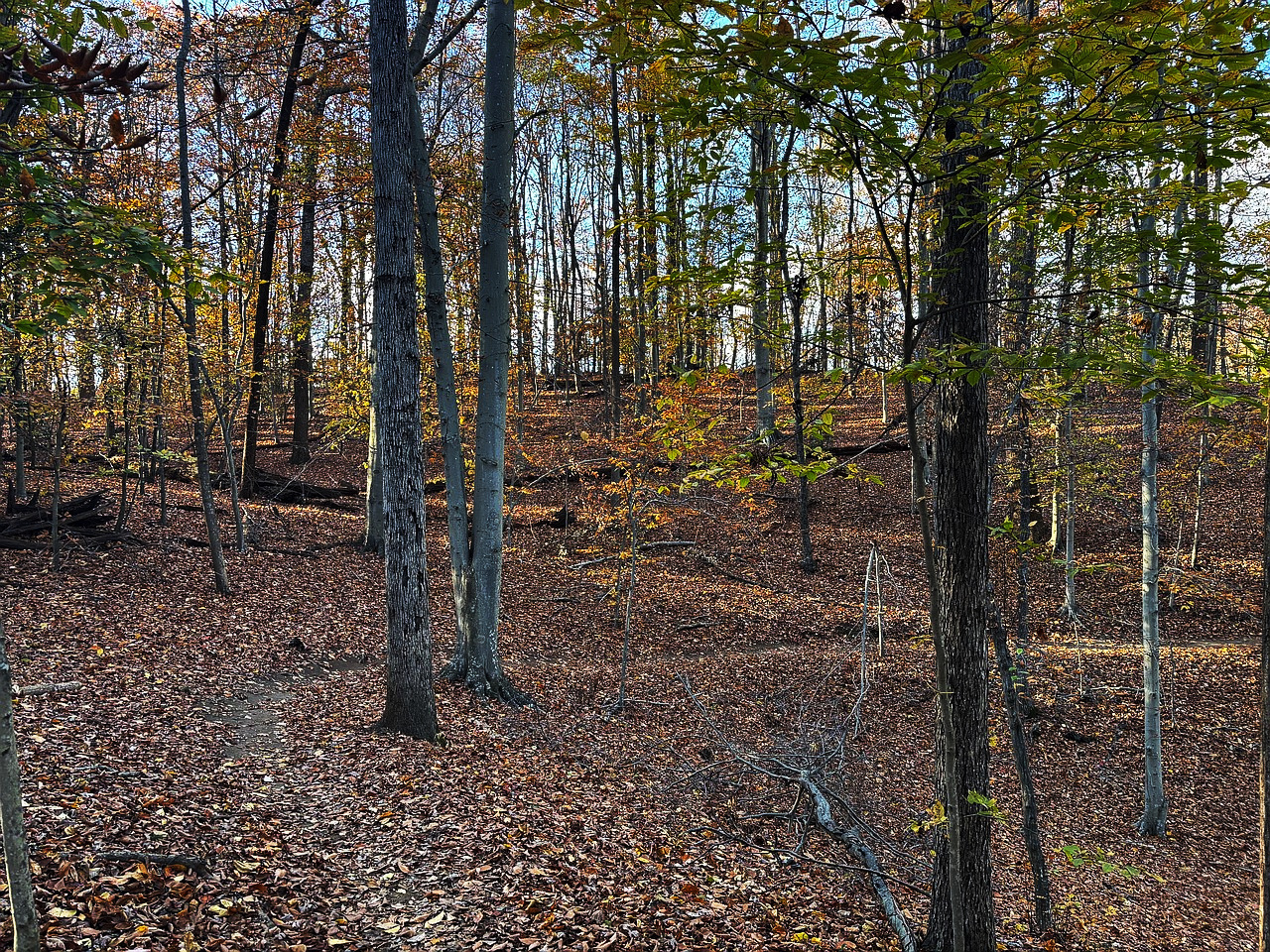
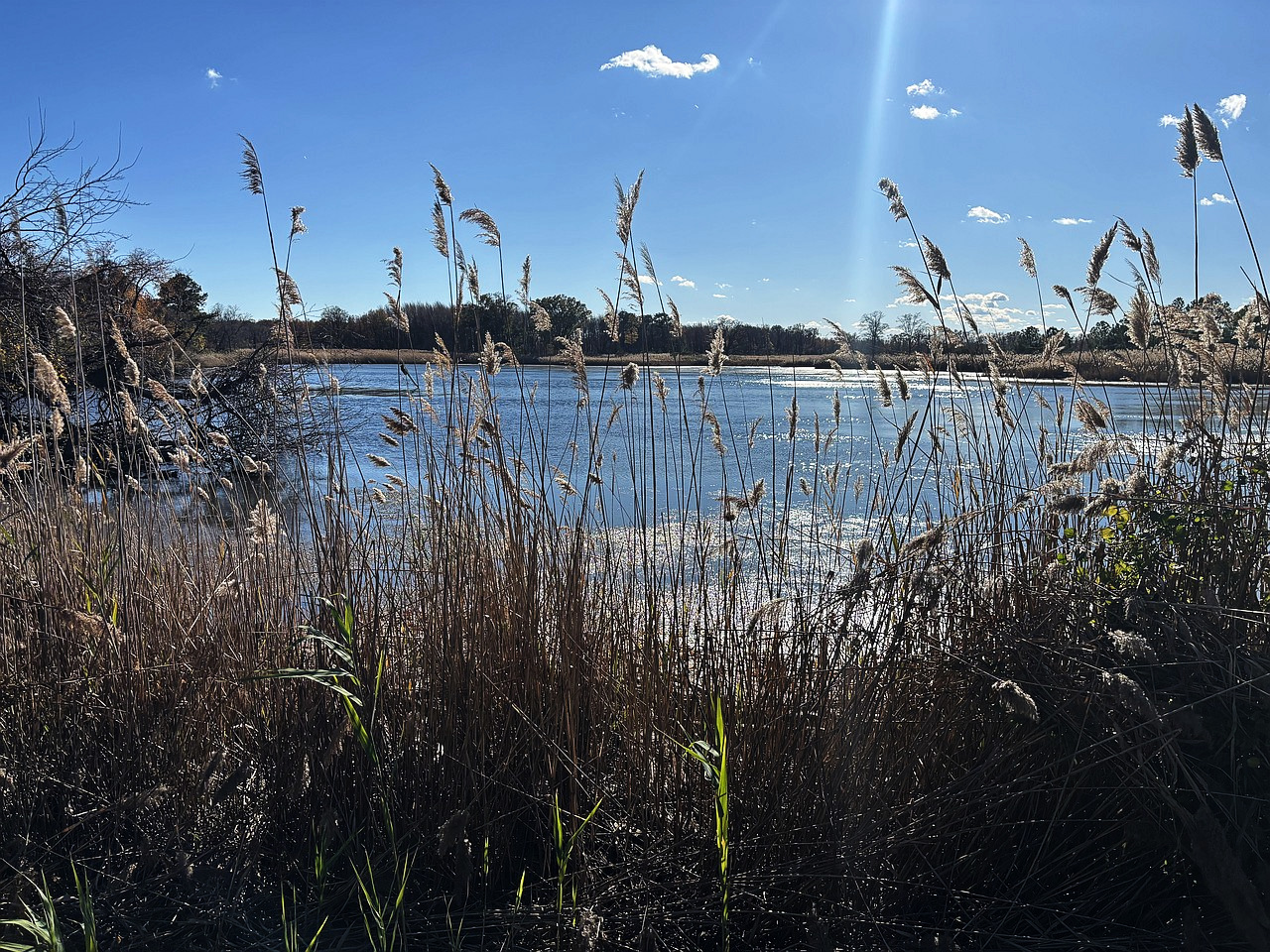
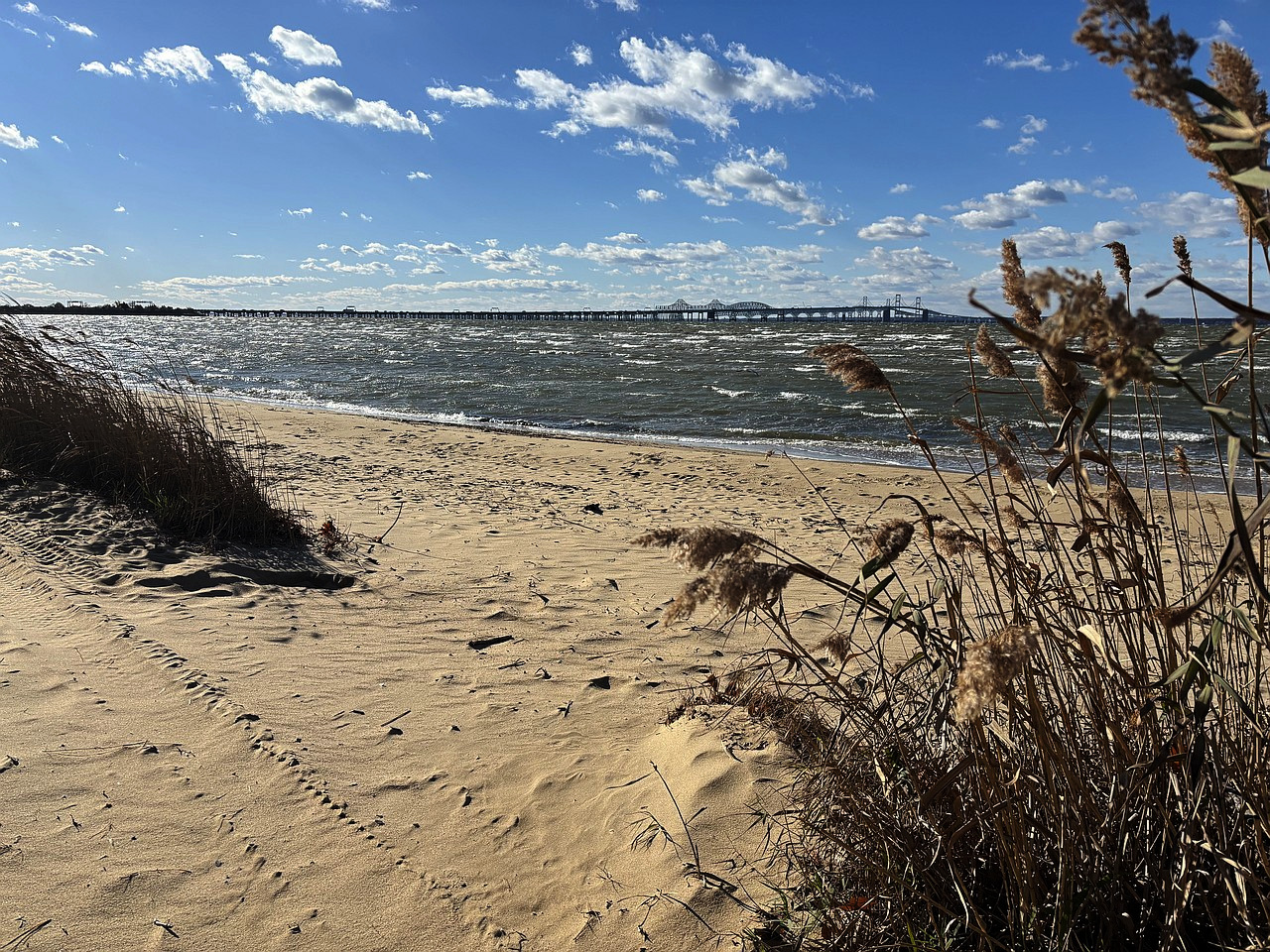
Nice hike along the eastern shore of the Chesapeake Bay (with Bay Bridge in distance for those structures nerds out there like me). Also hiked in the woods close to me to see the fall colors.
Wind was gusting to 35mph but that is a mere breeze on the Alberta plains.
Nice to enjoy this natural beauty as a respite from the craziness at the US Capitol which is 30 miles away. Went to county parks since all the federal parks are shut.
A nursery song from my youth about fall (the zipper is on a jacket!):
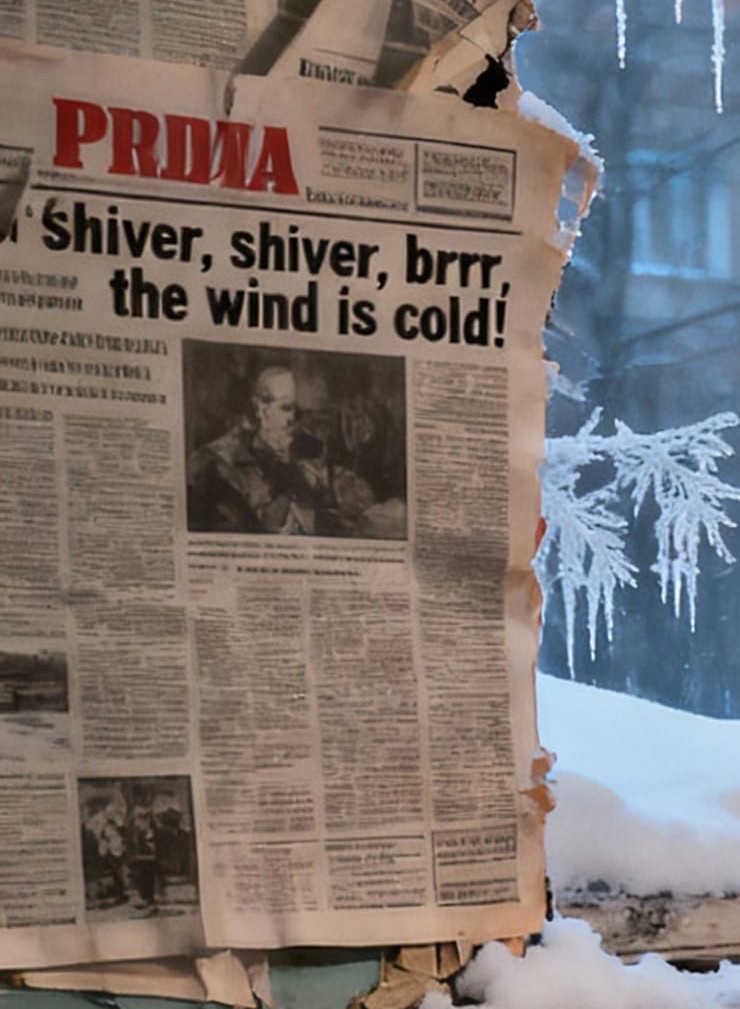
Shiver shiver brrrrr, the wind is cold
Shiver shiver brrrrr, the wind is cold
As I zip up my zipper
Zippy Zippy Zip my zipper goes
And a relevant (to me) limerick:
The leaves on the elms have turned maroon
They are falling this year so soon
The forest awaits the cold and snow approaching
Deer scamper as they hear gun shots from  poaching
I personally hope the hunters find my attic squatter Raccoon
Shivering: The Nuts and Bolts
Shivering (also called shuddering) is a bodily function in response to cold and extreme fear in warm-blooded animals. When the core body temperature drops, the shivering reflex is triggered to maintain homeostasis. Skeletal muscles begin to shake in small movements, creating warmth by expending energy. Shivering can also be a response to fever, as a person may feel cold. During fever, the hypothalamic set point for temperature is raised. The increased set point causes the body temperature to rise (pyrexia), but also makes a person feel cold until the new set point is reached.
Wikipedia’s official Shiverer.
By Azlan DuPree – winter’s coming, CC BY 2.0, https://commons.wikimedia.org/w/index.php?curid=38824657
Biological basis Located in the posterior hypothalamus near the wall of the third ventricle is an area called the primary motor center for shivering. This area is normally inhibited by signals from the heat center in the anterior hypothalamic-preoptic area but is excited by cold signals from the skin and spinal cord and becomes activated when the body temperature falls even a fraction of a degree below a critical temperature level. The center then causes rapid contractions of skeletal muscles, producing heat as a byproduct.