The Quest for Knowledge and Possession of the Rutabaga
Elder G and I commenced upon a quest to HEB this morning, in search of rutabaga.
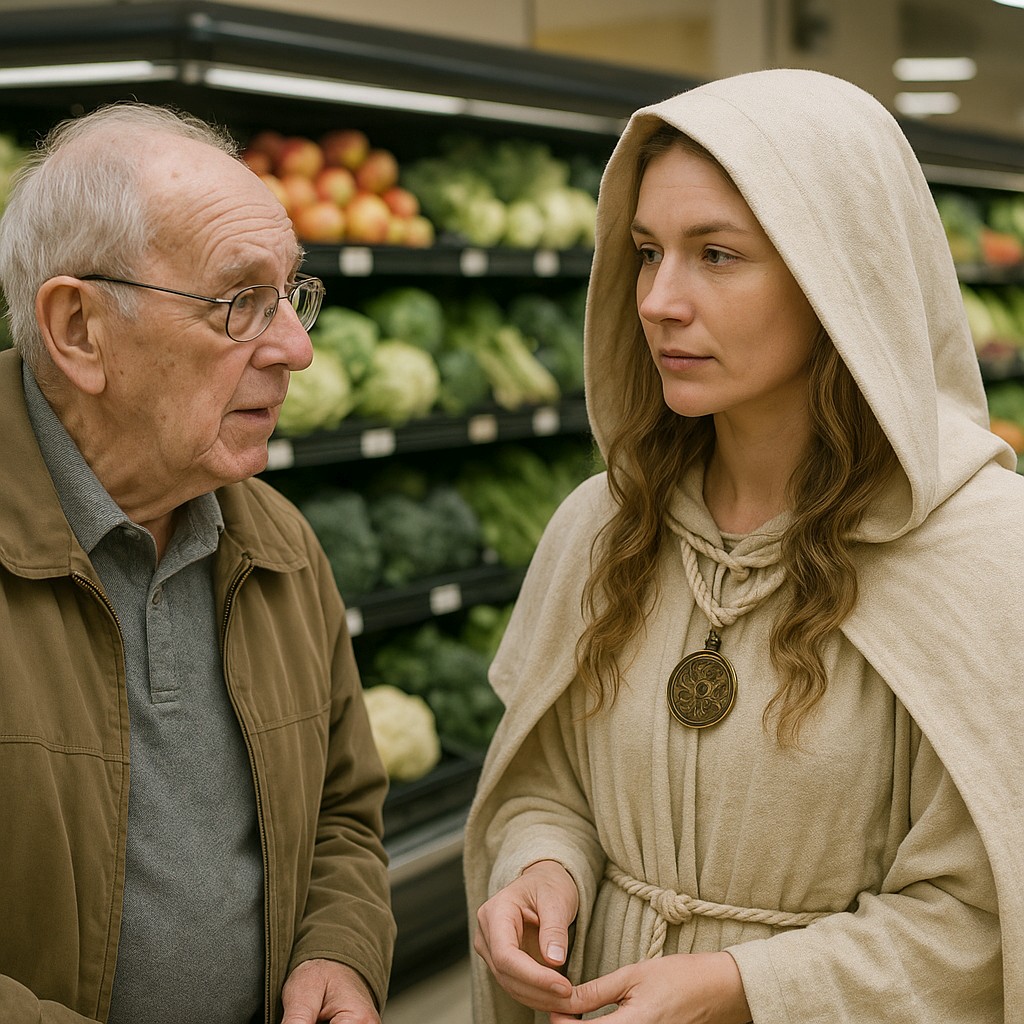
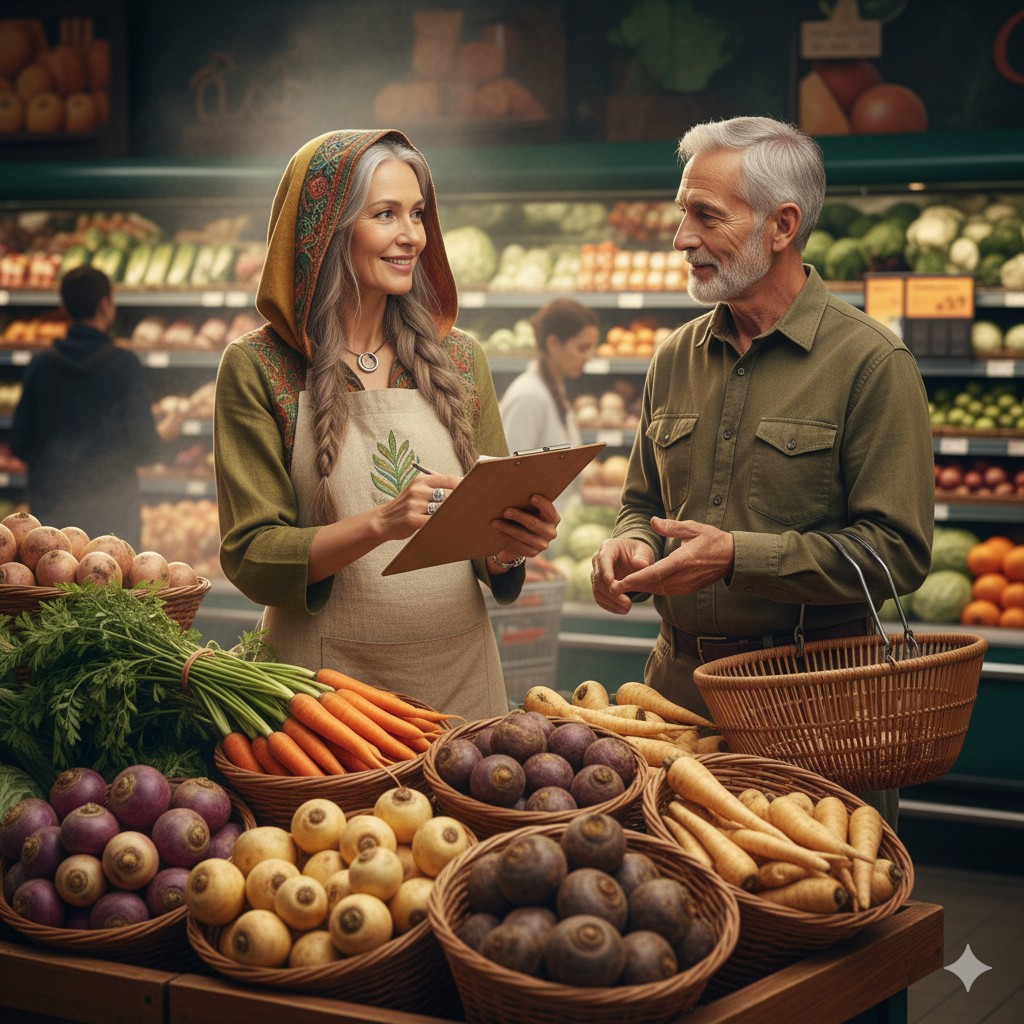
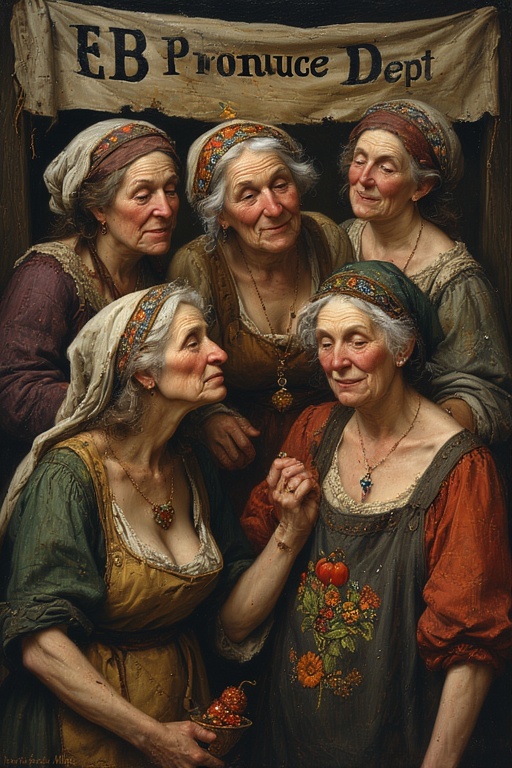
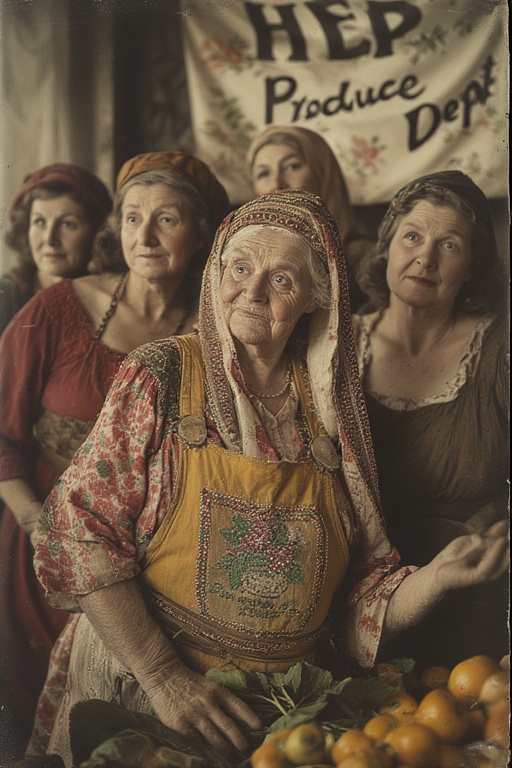
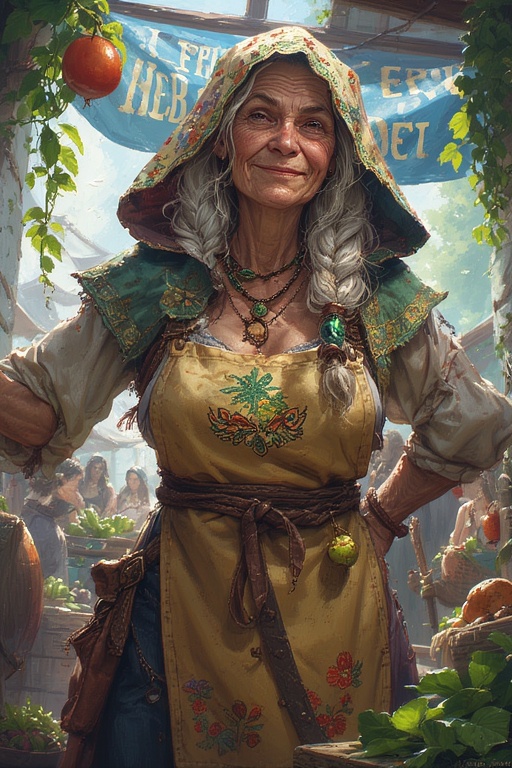
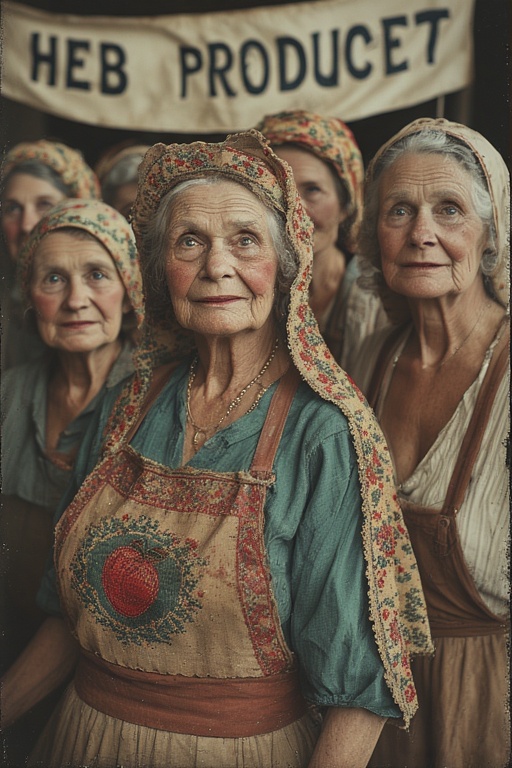
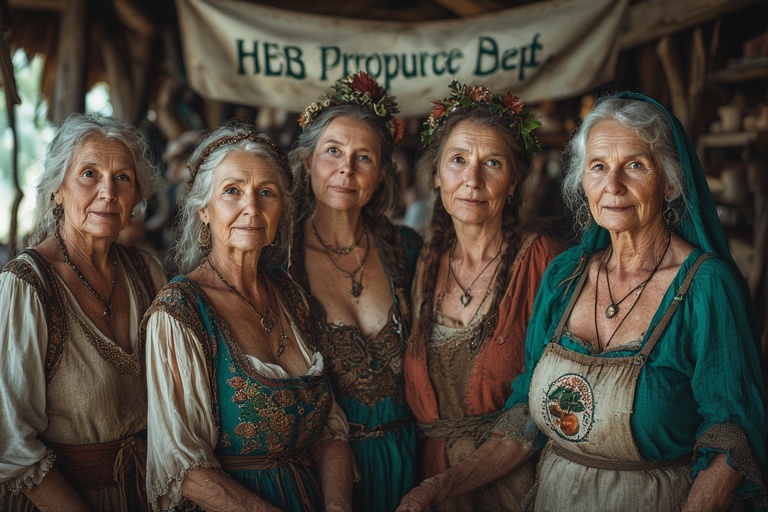
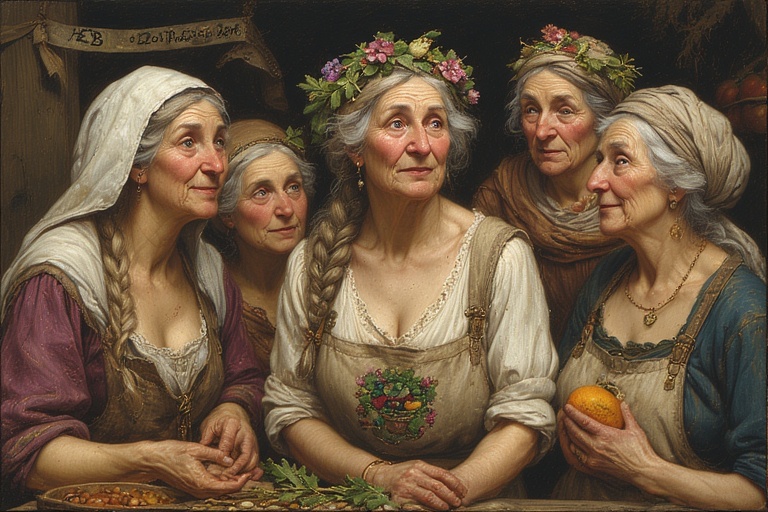
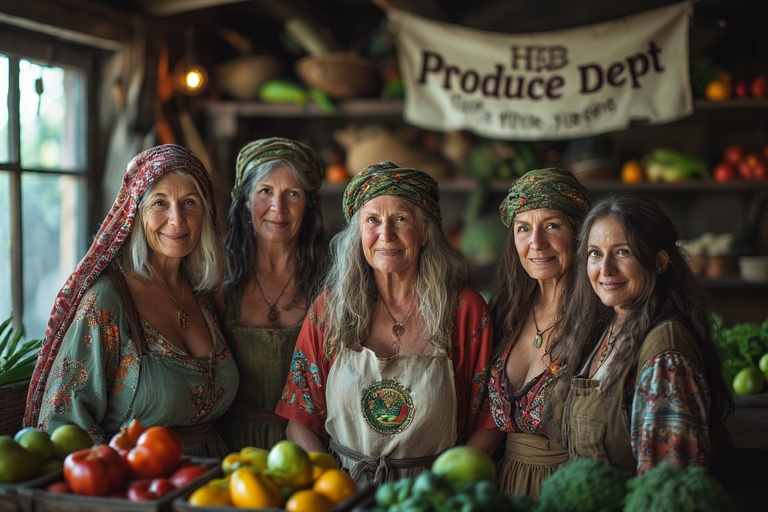
We were greeted by the friendly HEB produce procurers.
[ed-note: HEB is Solid Texas. They are the good guys. Check out our blott here.]
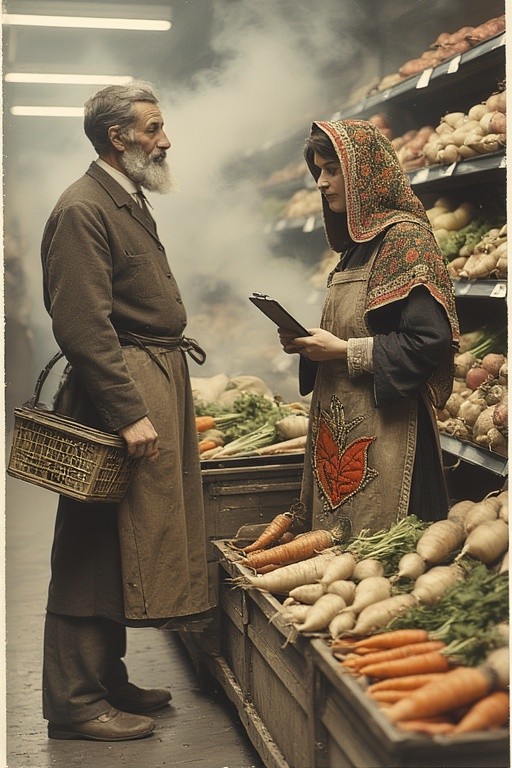
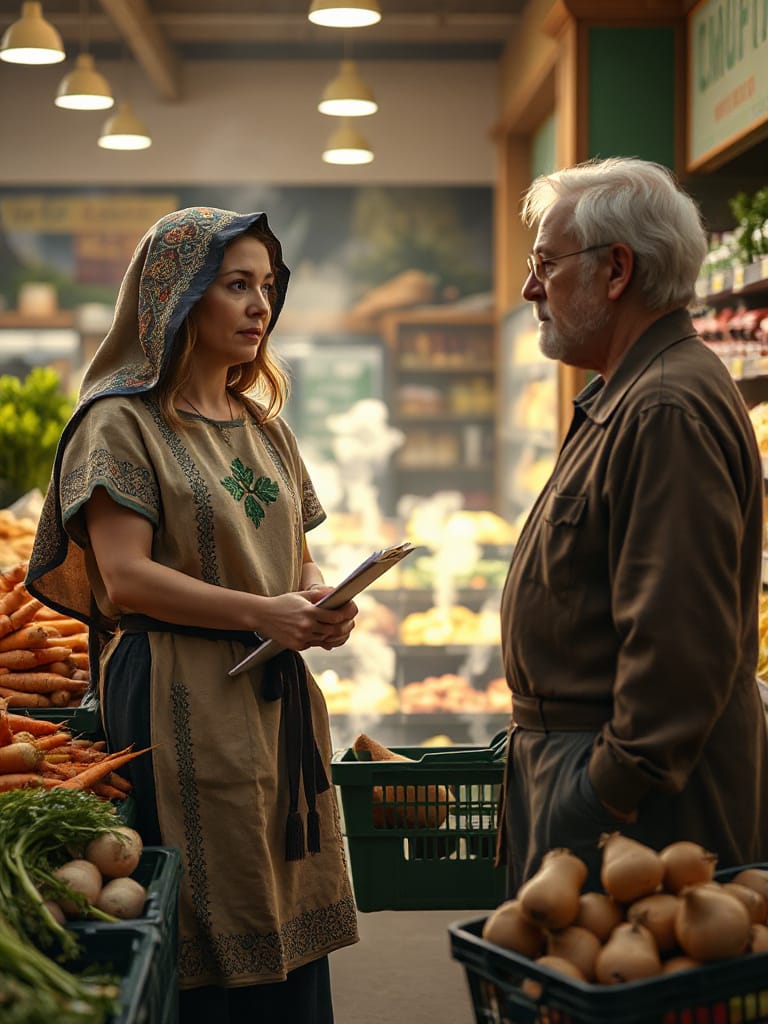
The staff took a few minutes out of their busy day to take a few group photos…..
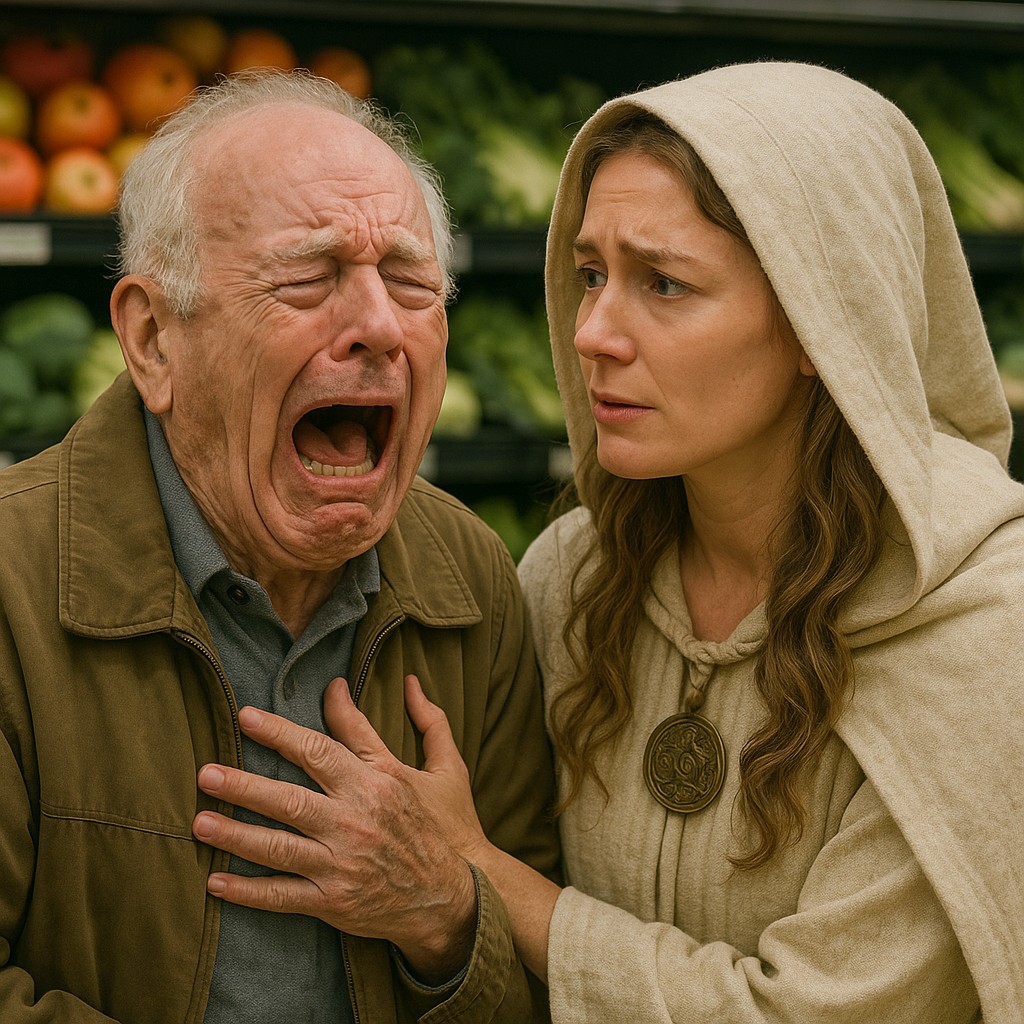
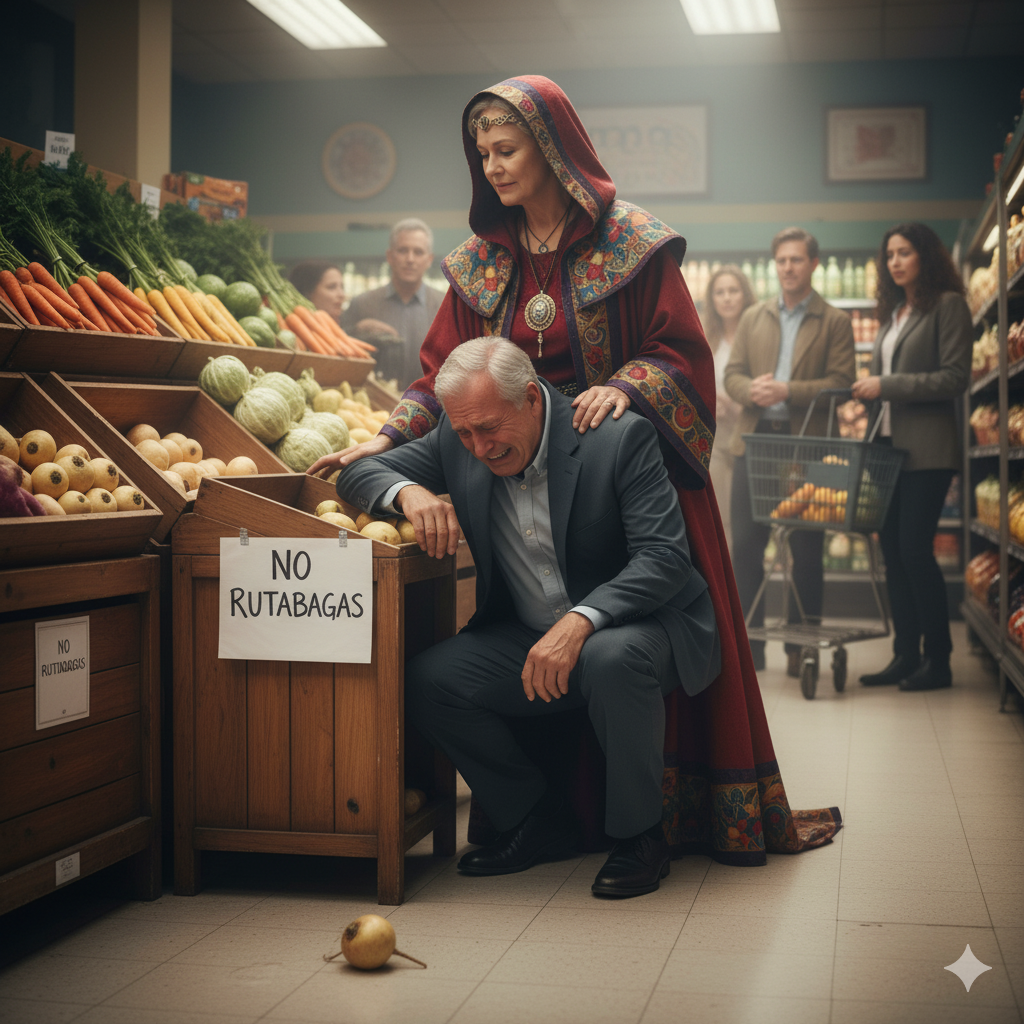
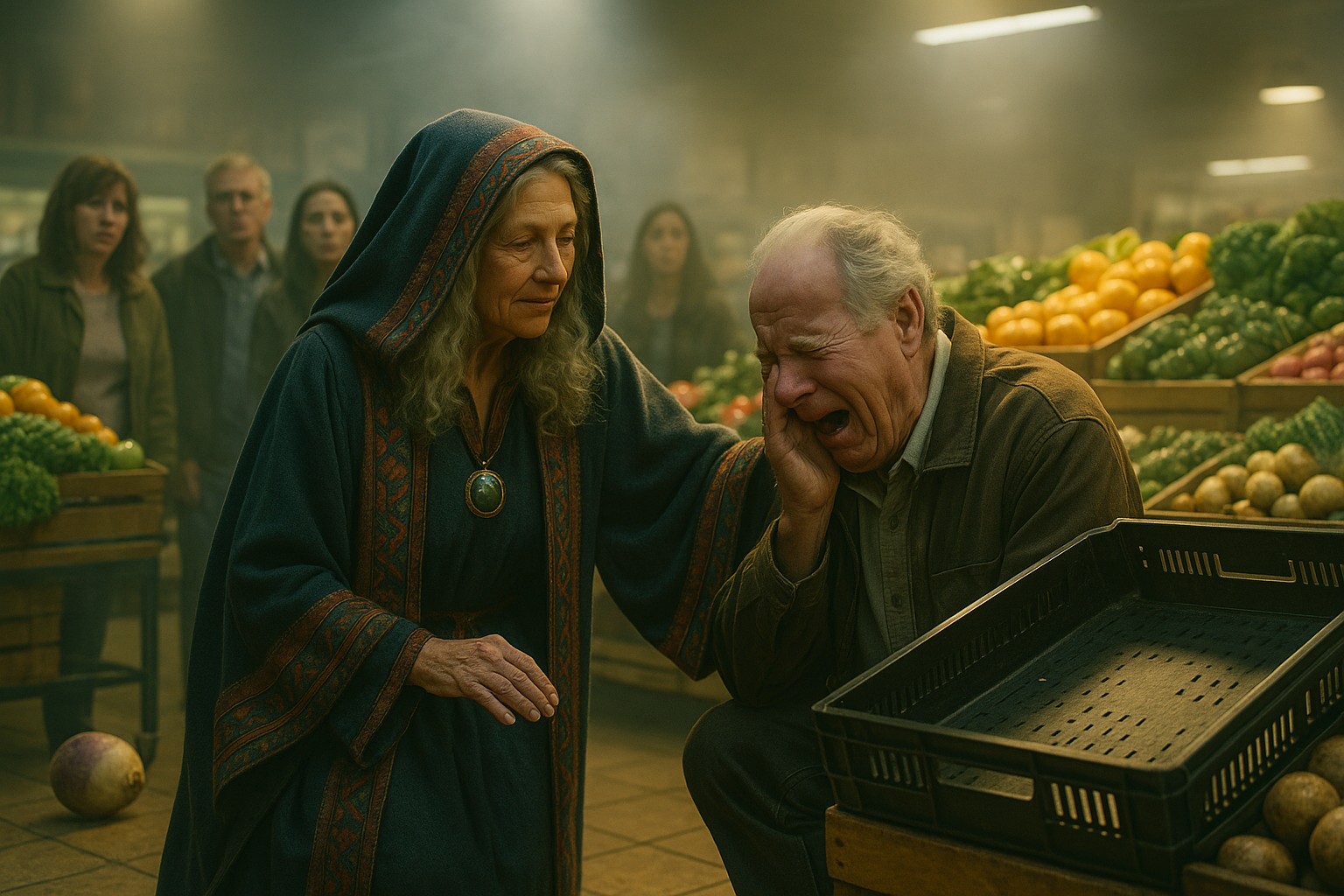
We were met with this unfortunate news….
“Traveler… you come seeking the rutabaga. A noble root. Earth-born, humble, steadfast beneath frost and famine. Yet the winds whisper a different truth this week: they are delayed upon the northern caravans. A storm over Duluth has waylaid the trucks. The rutabagas slumber still in their crates, dreaming of stew.”
Heartbroken doesn’t begin to describe our disappointment.
We returned to WLBOTT HQrutabagaless.
Let us pour our shame, disappointment, and pain into today’s blott….
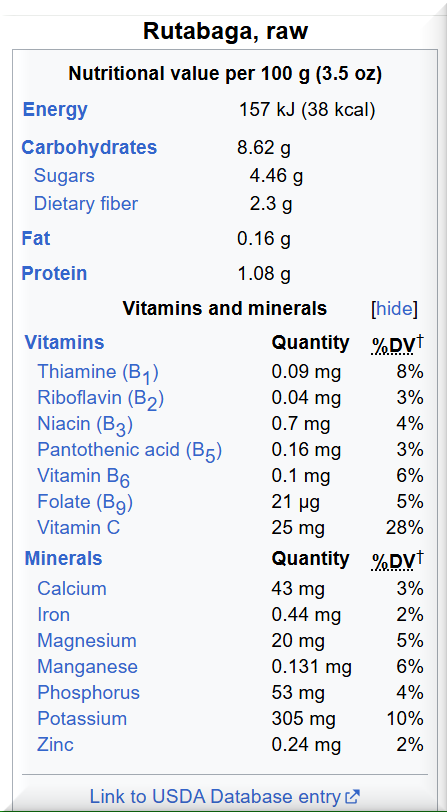
Rutabaga – the Nuts and Bolts
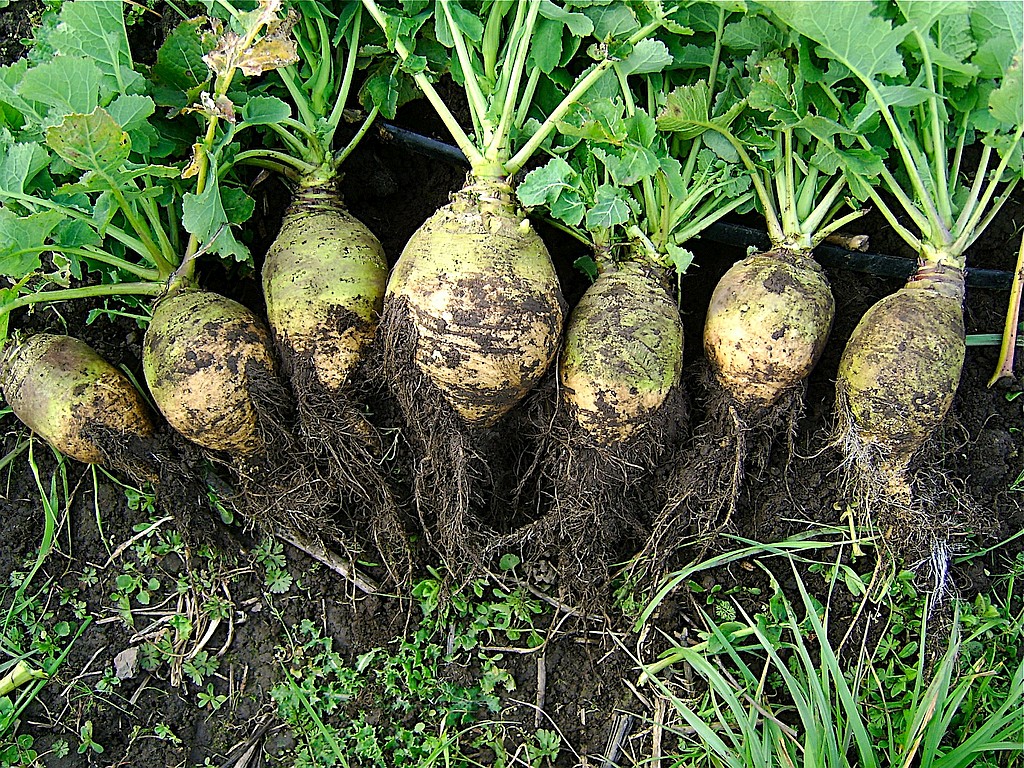
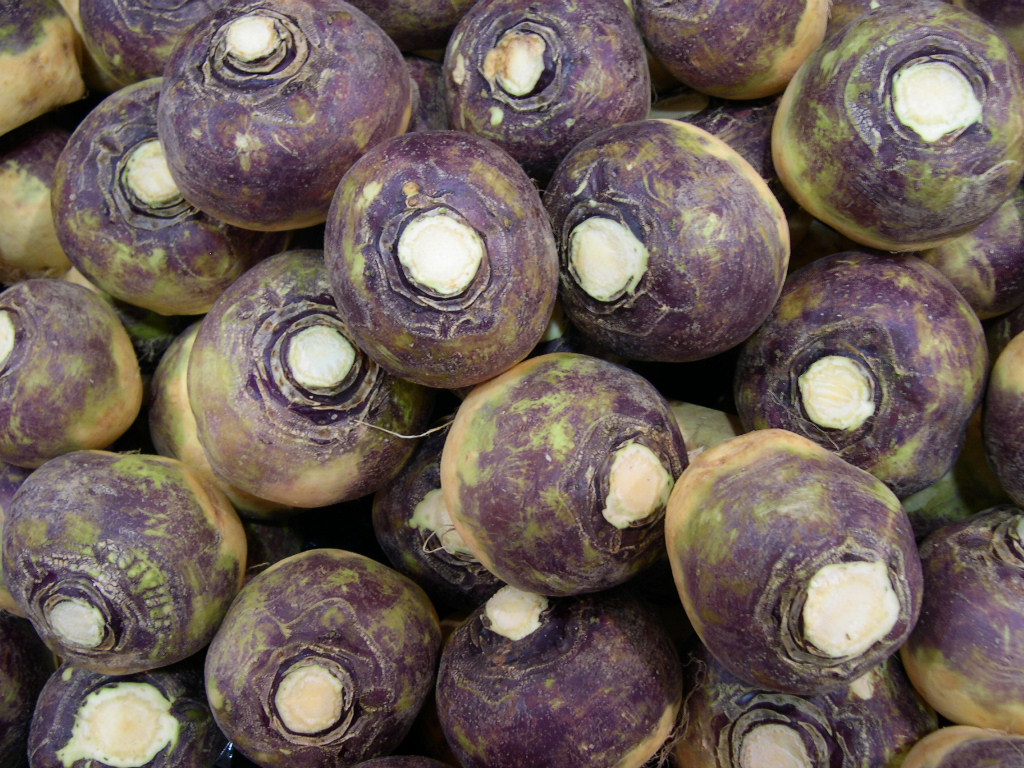
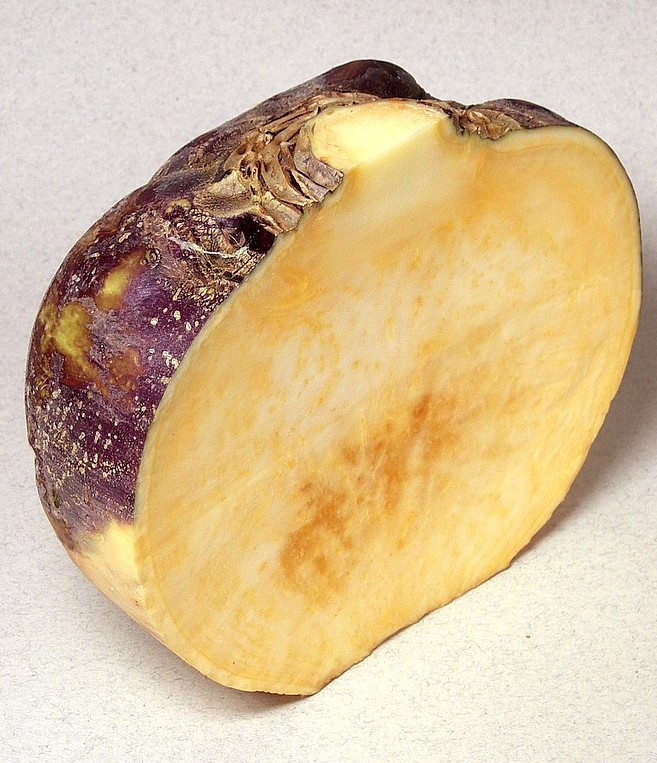
Rutabaga or swede (British English and some Commonwealth English) is a root vegetable, a form of Brassica napus (which also includes rapeseed).
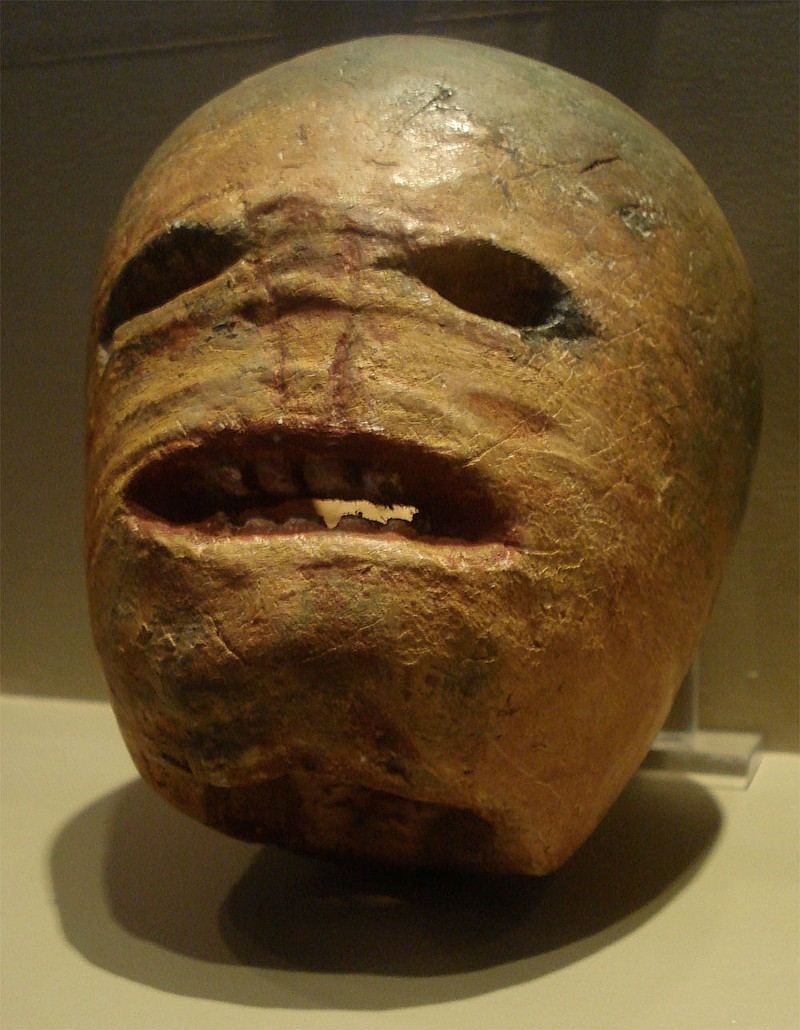
The species B. napus originated as a hybrid between the cabbage (B. oleracea) and the turnip (B. rapa). Rutabaga roots are eaten as human food in various ways, and the leaves can be eaten as a leaf vegetable. The roots and tops are also used for livestock, fed directly in the winter or foraged in the field during the other seasons. Scotland, Northern and Western England, Wales, the Isle of Man, and Ireland had a tradition of carving the roots into Jack-o’-lanterns at Halloween.
(left) By Picasa user Seedambassadors – http://picasaweb.google.com/seedambassadors/SscVarieties#5296490359767135106, CC BY-SA 3.0, https://commons.wikimedia.org/w/index.php?curid=9884525 (right) By pin add – Swede (The Vegetable), CC BY 2.0, https://commons.wikimedia.org/w/index.php?curid=5077916(left) By No machine-readable author provided. Rainer Zenz assumed (based on copyright claims). (right) By Rannpháirtí anaithnid at English Wikipedia, CC BY-SA 3.0, https://commons.wikimedia.org/w/index.php?curid=7788068
History The first known printed reference to the rutabaga comes from the Swiss botanist Gaspard Bauhin in 1620, where he notes that it was growing wild in Sweden. It is often considered to have originated in Scandinavia, Finland or Russia. According to the Natural Resources Institute Finland (now Luke), rutabaga or lanttu was most likely bred on more than one occasion in Northern Europe around the 16th century.
Rutabaga was considered a food of last resort in both Germany and France due to its association with food shortages in World War I and World War II. Boiled stew with rutabaga and water as the only ingredients (Steckrübeneintopf) was a typical food in Germany during the famines and food shortages of World War I caused by the Allied blockade (the Steckrübenwinter or Turnip Winter of 1916–17) and between 1945 and 1949. As a result, many older Germans had unhappy memories of this food.
Phytochemistry Rutabaga and other cyanoglucoside-containing foods (including cassava, maize (corn), bamboo shoots, sweet potatoes, and lima beans) release cyanide, which is subsequently detoxified into thiocyanate. Thiocyanate inhibits thyroid iodide transport and, at high doses, competes with iodide in the organification process within thyroid tissue.
Goitres may develop when there is a dietary imbalance of thiocyanate-containing food in excess of iodine consumption, and these compounds can contribute to hypothyroidism.Yet, there have been no reports of ill effects in humans[1] from the consumption of glucosinolates from normal amounts of Brassica vegetables.
[1] I’ve had some roommates who would strongly disagree
The species B. napus originated as a hybrid between the cabbage (B. oleracea) and the turnip (B. rapa). – Wikipedia
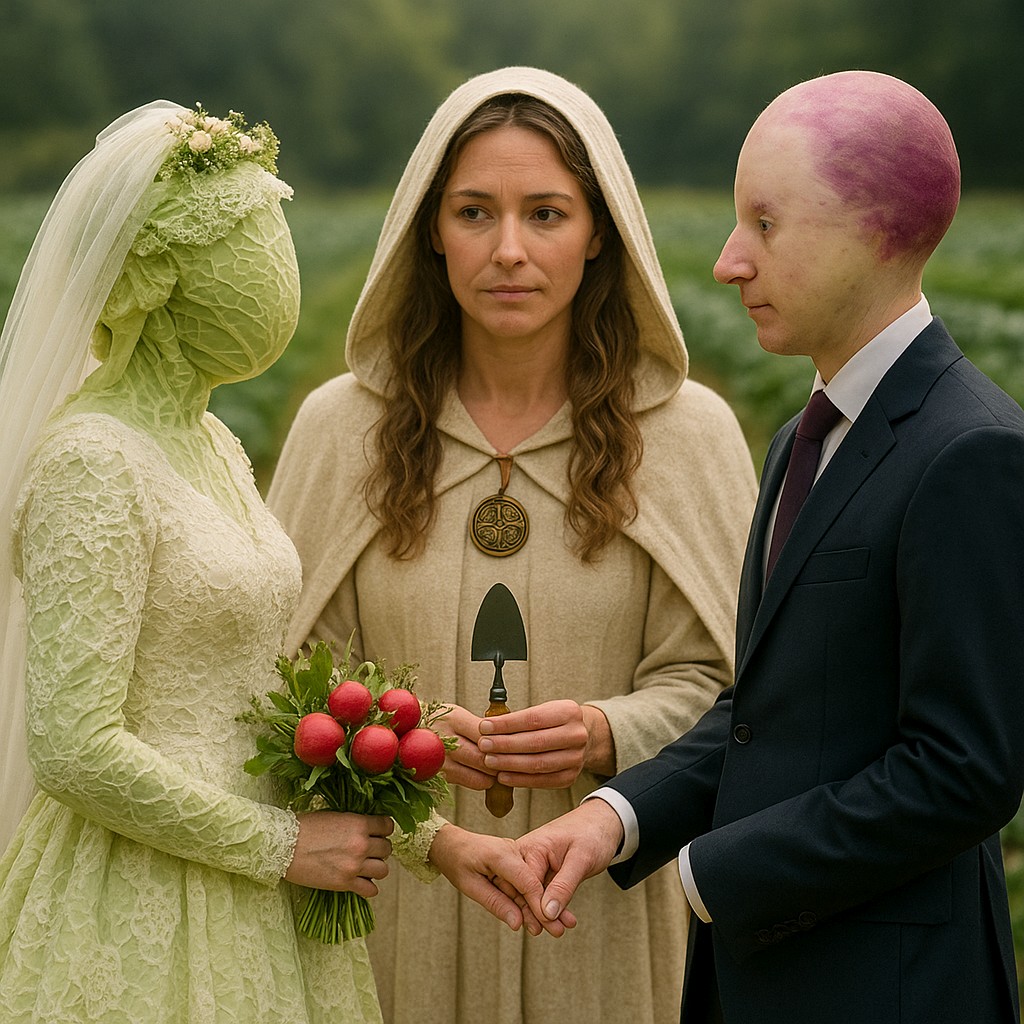
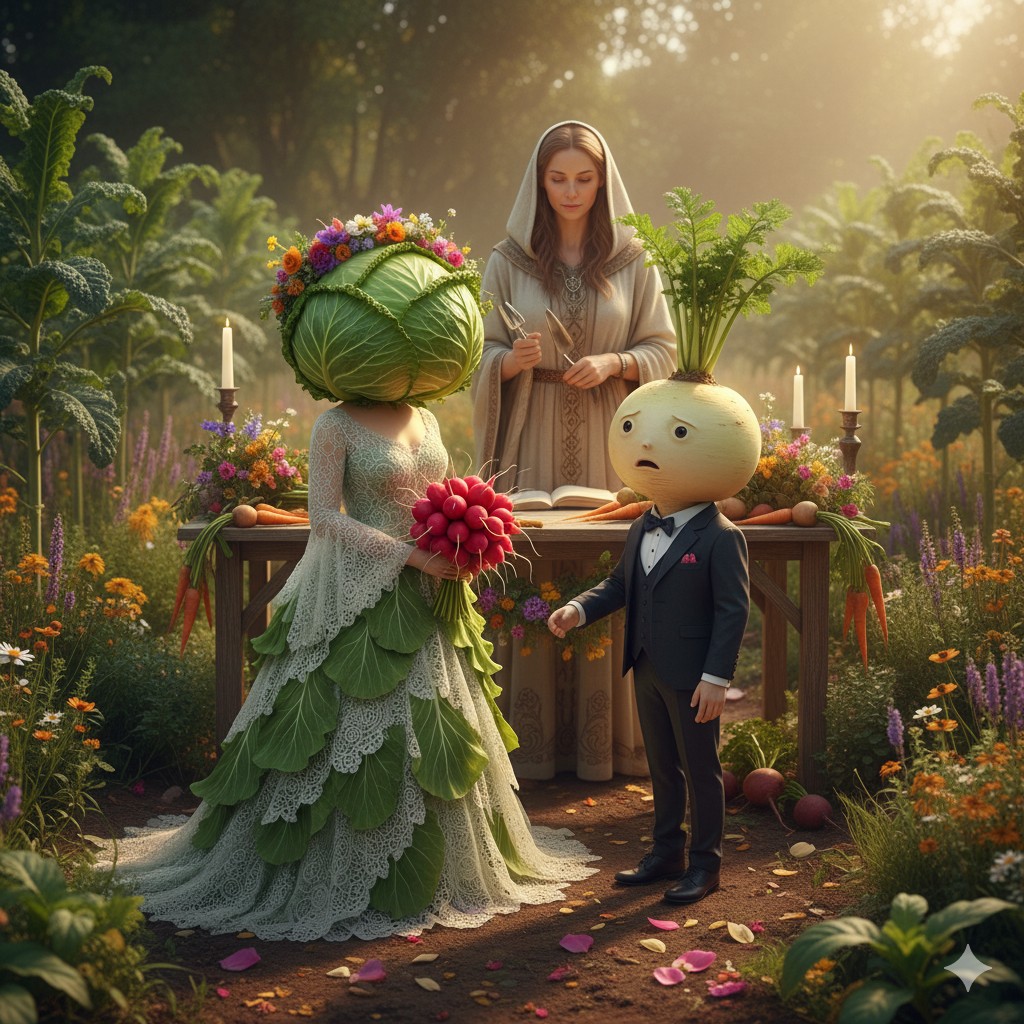
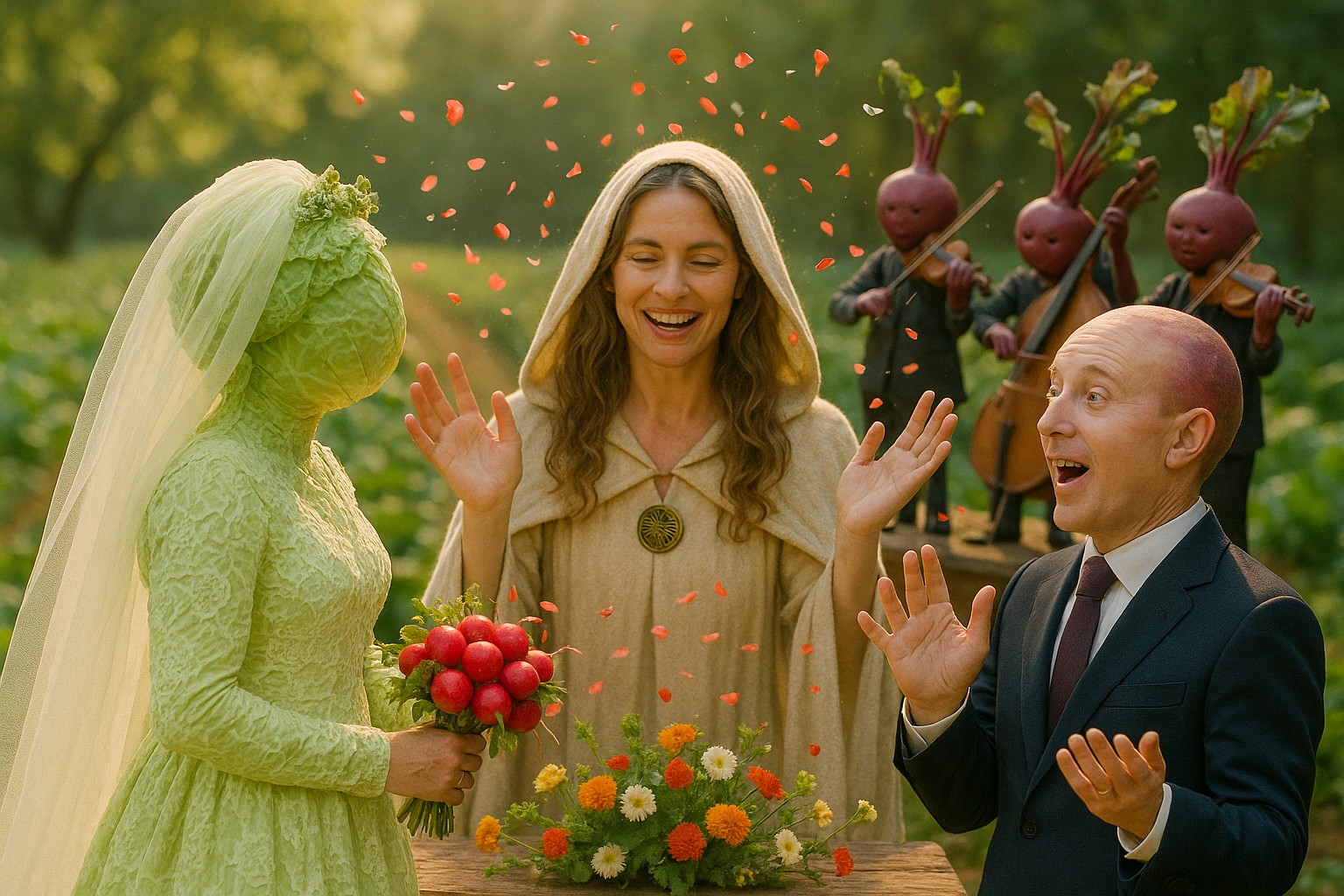
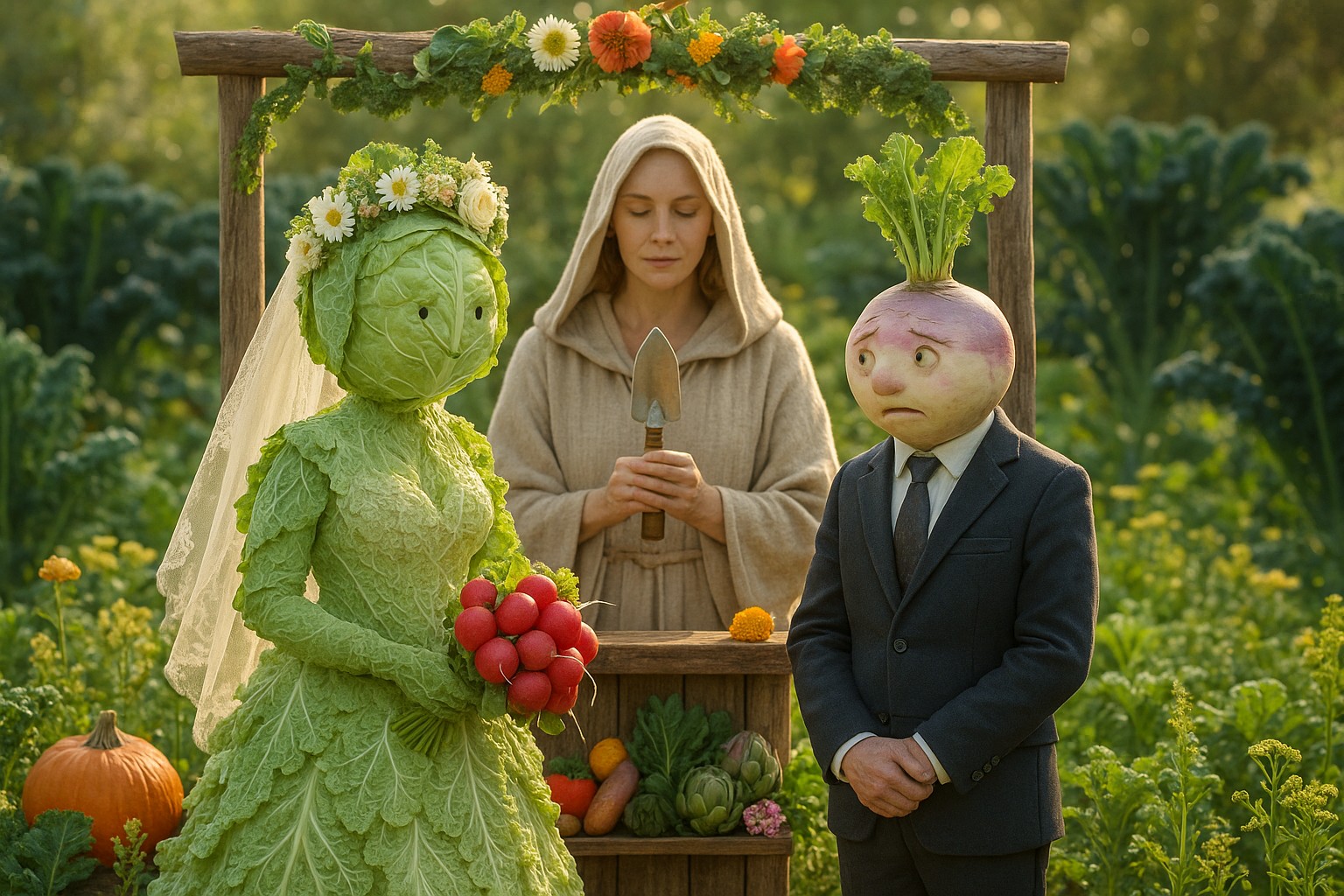
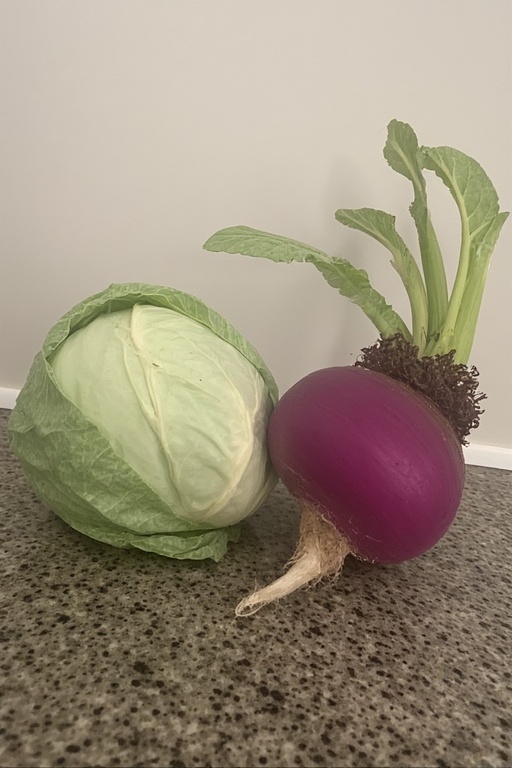
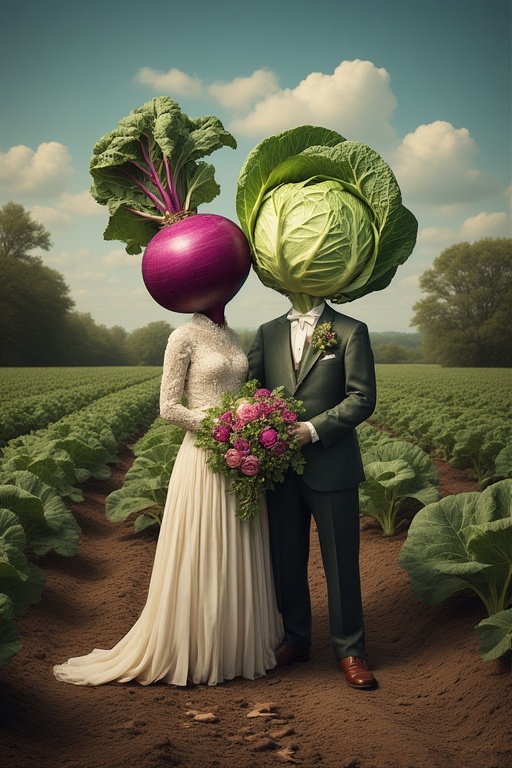
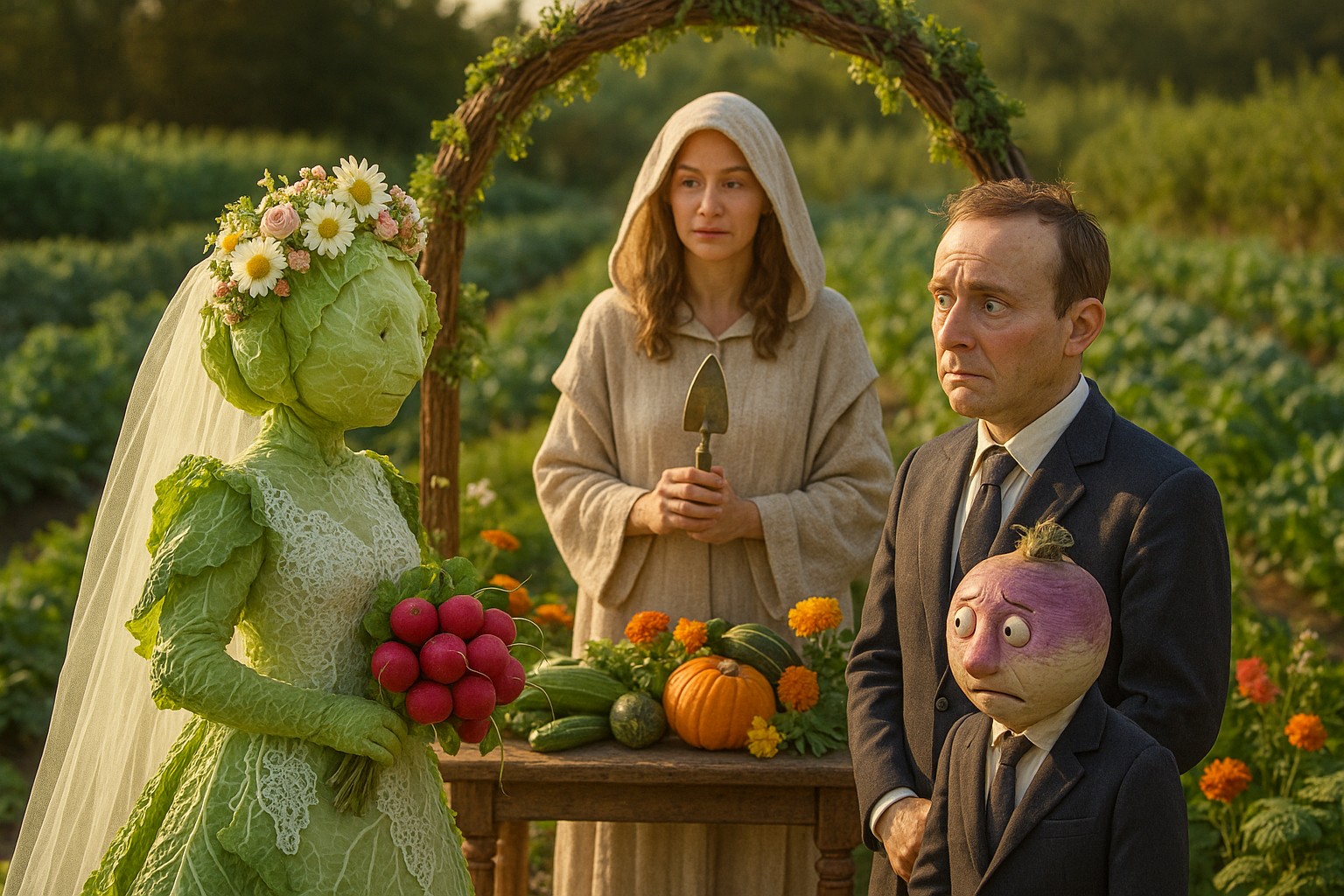
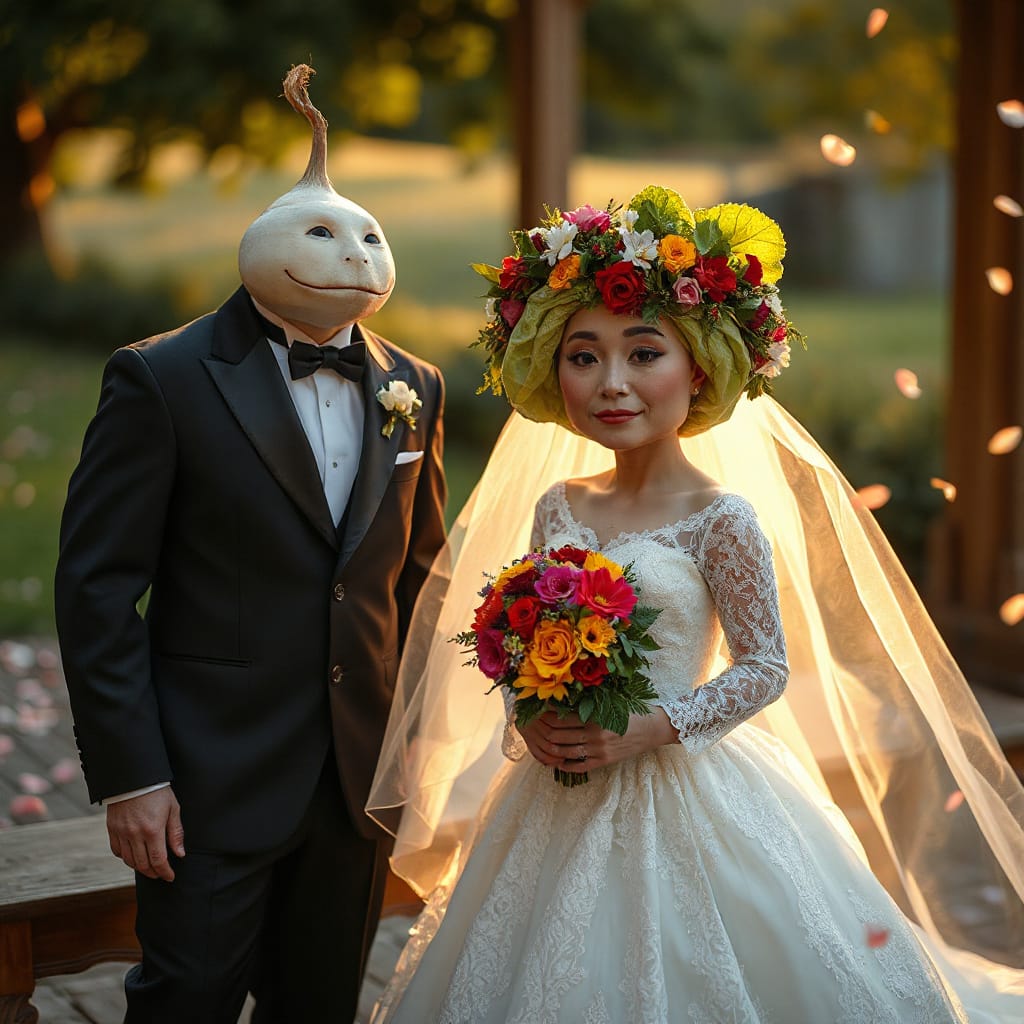
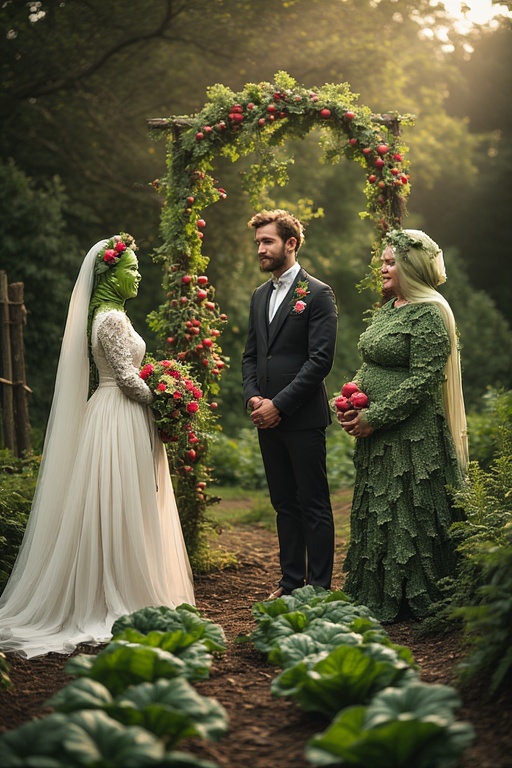
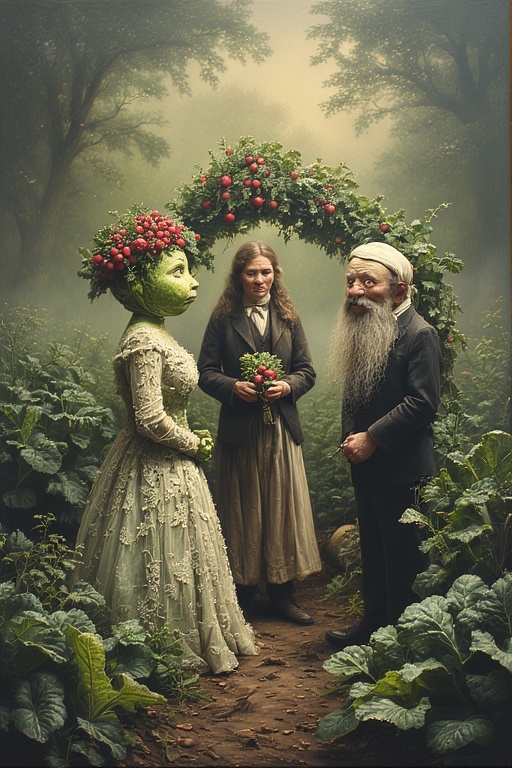
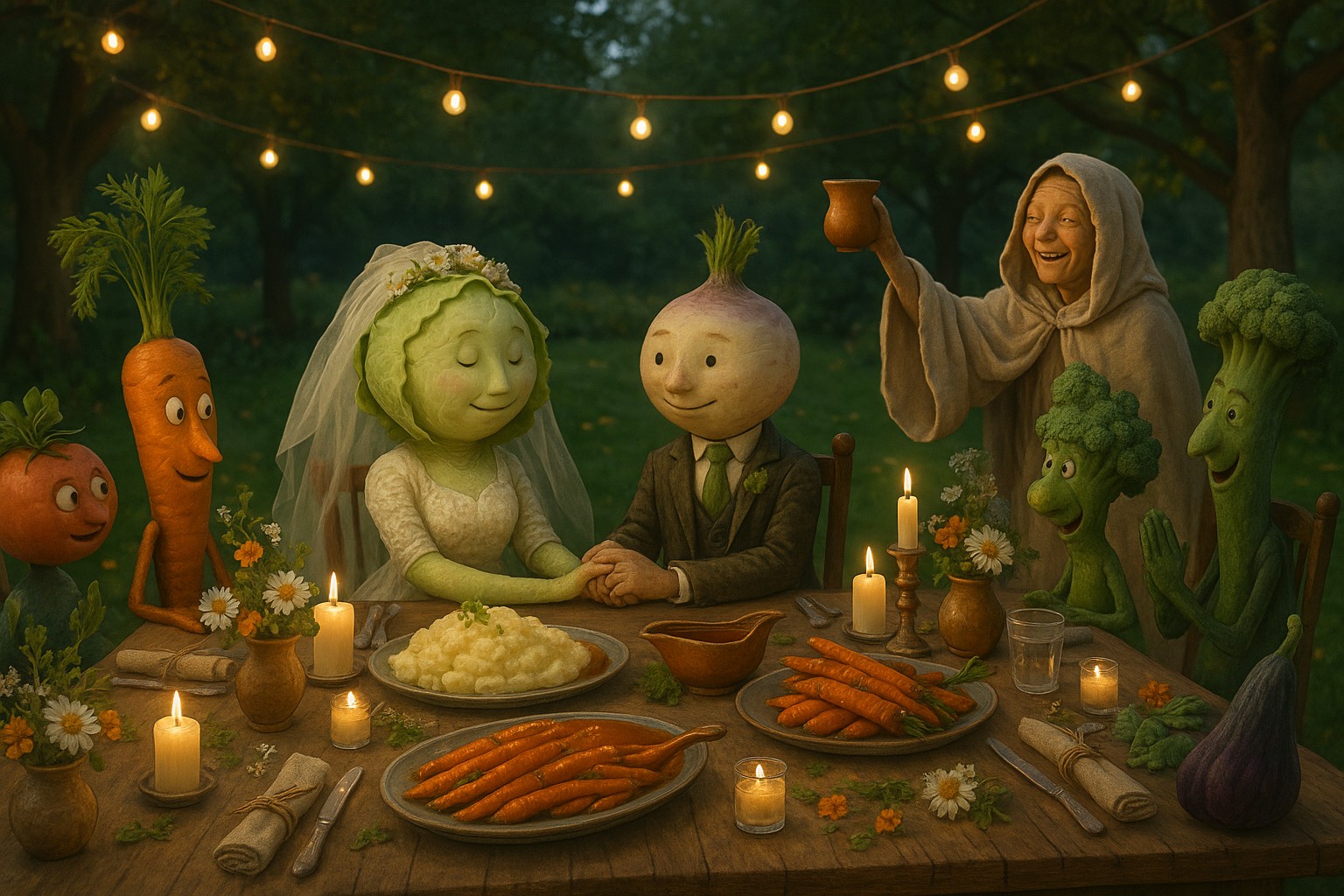
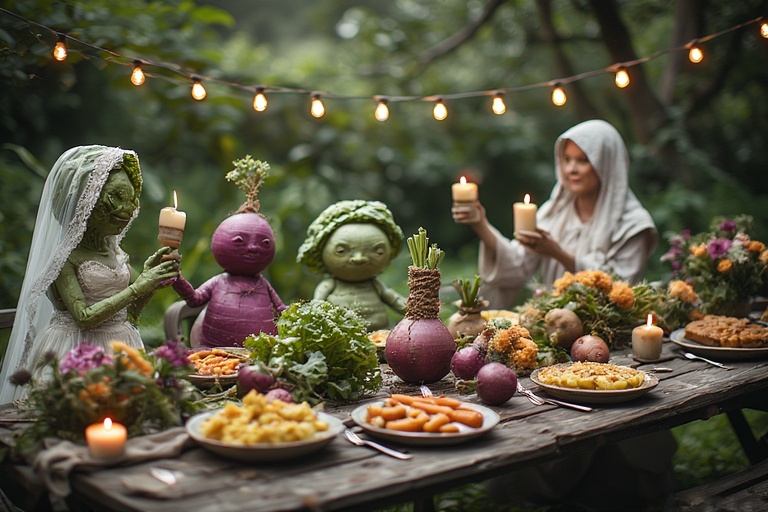
The WLBOTT Ministry of Virtue and Vice was concerned about the hybrid relationship between the cabbage and the turnip, worried that it was forbidden in Leviticus (a cabbage shall not lie down with a turnip, etc). However, after consulting our on-call biblical scholar, the ministry allowed us to proceed, but only in the most tasteful and sensitive manner. And they insisted that the cabbage and turnip be in a committed relationship.
Elder G officiated the ceremony.
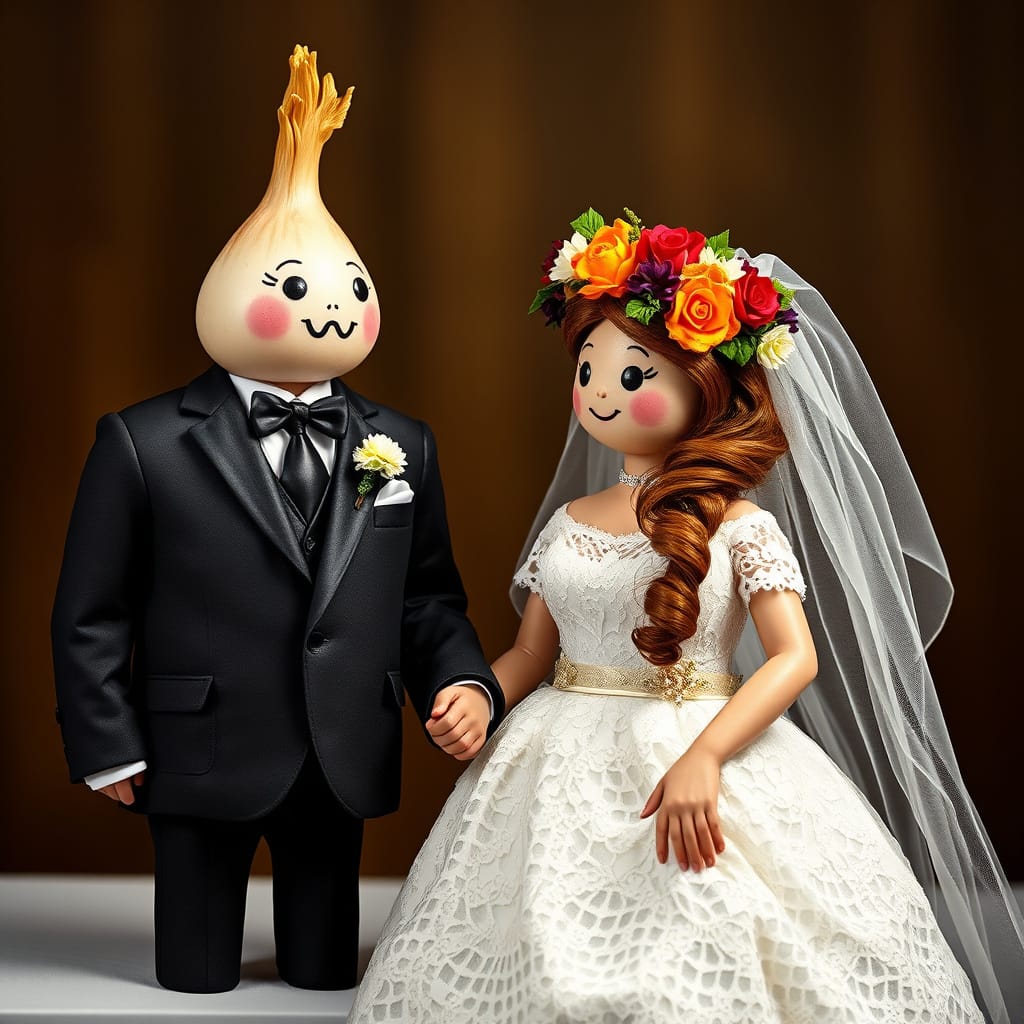
The Cake Topper
Engagement Photos
Ring Bearer and Flower Girl
The Best Man
The Guests
Mother and Father of the Bride
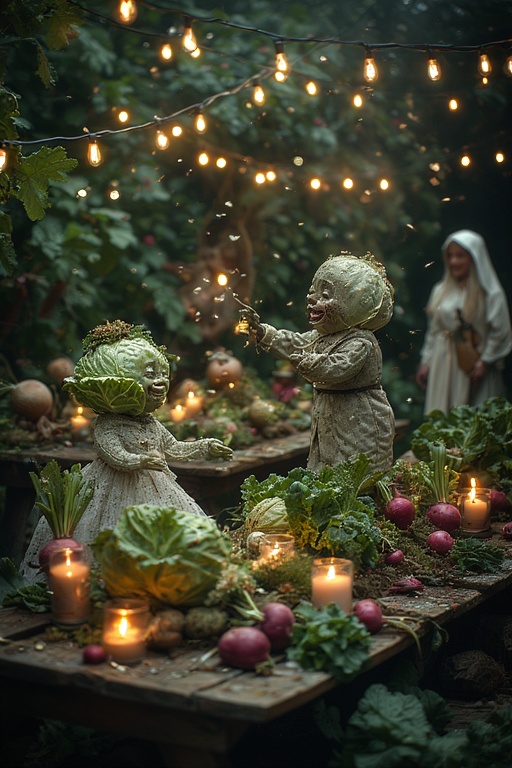
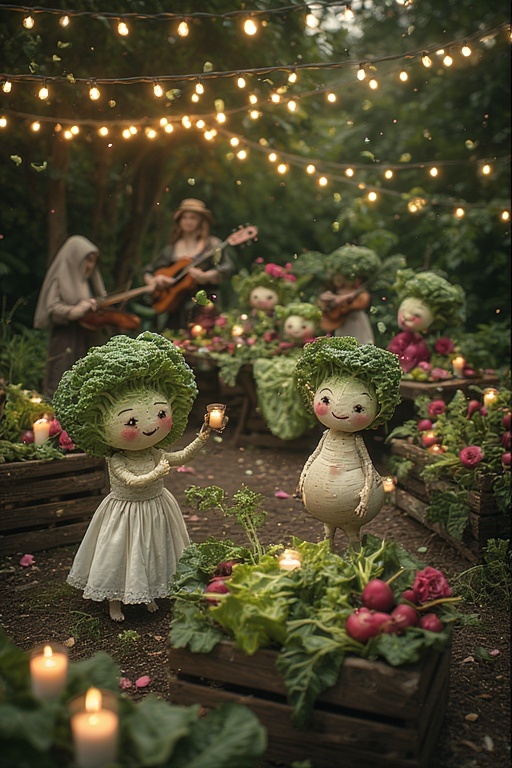
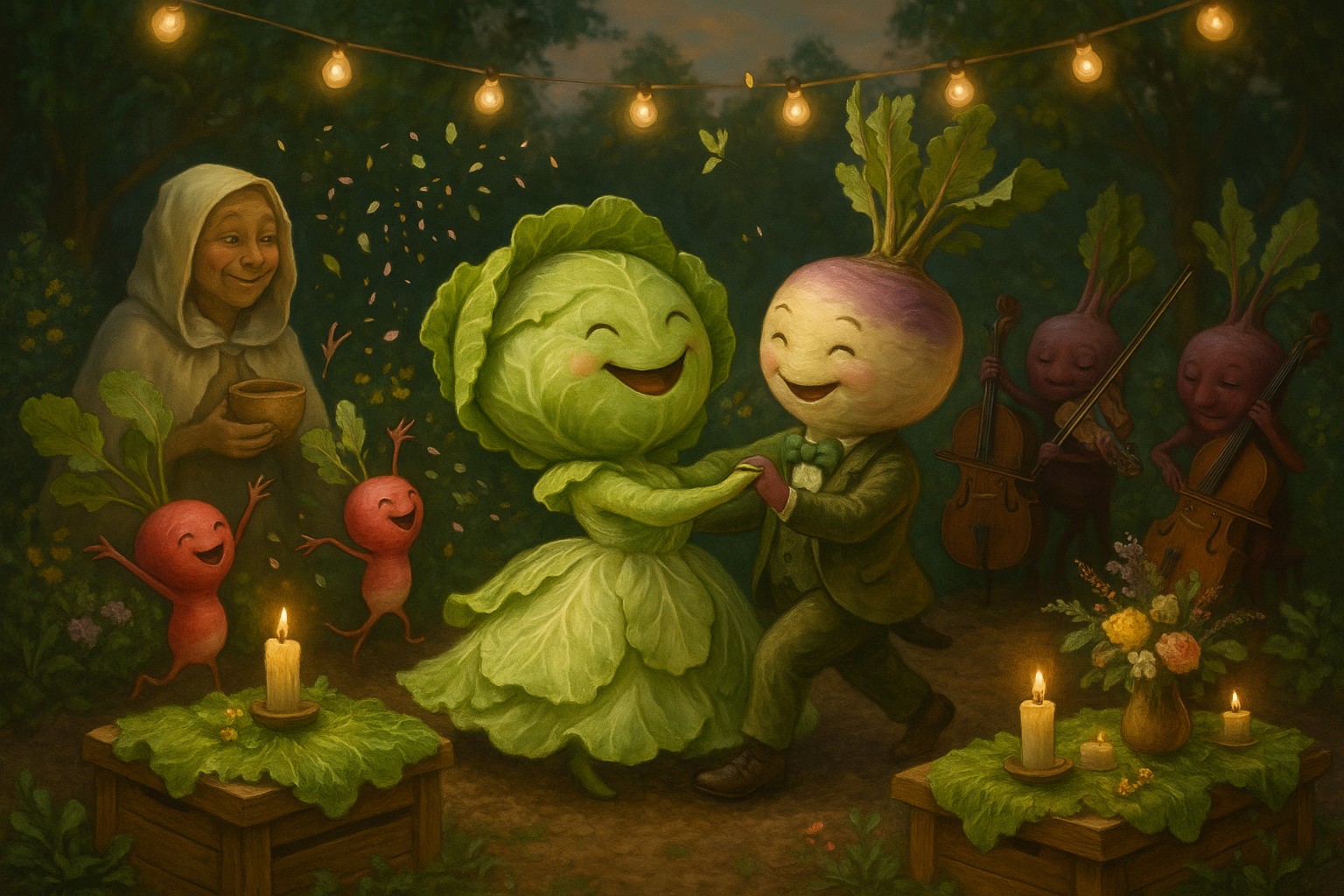
The Reception
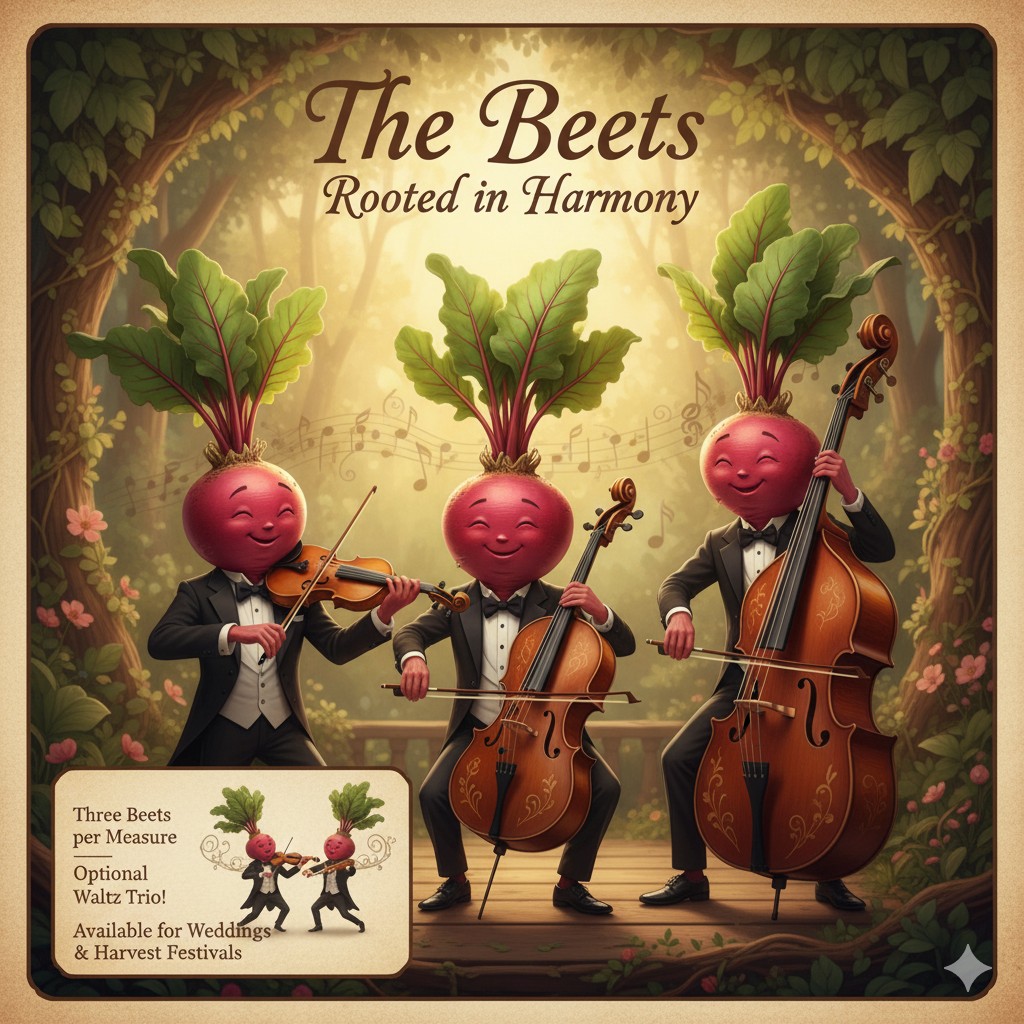
Meet The Beets!
The blissful couple received a substantial reduction by promising to promote The Beets on WLBOTT.