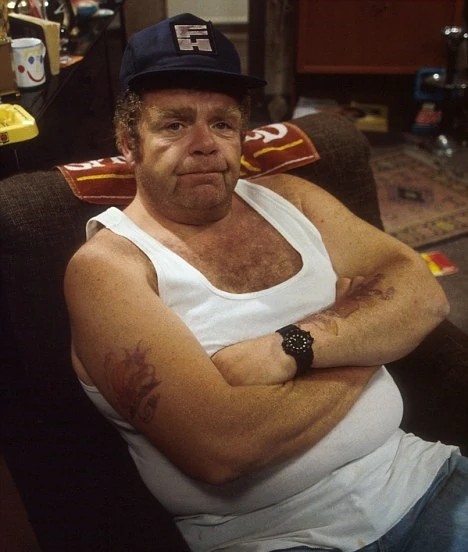
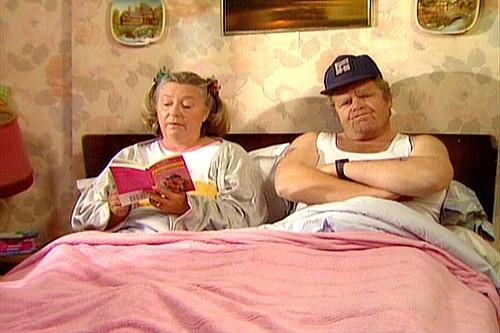
A rabbit hole that began with Onslow, from Keeping Up Appearances fame (oh, nice!) led us to something called Kitchen Sink Realism.
Onslow was played by Geoffrey Hughes, who voiced Paul McCartney in Yellow Submarine.
Kitchen Sink Realism
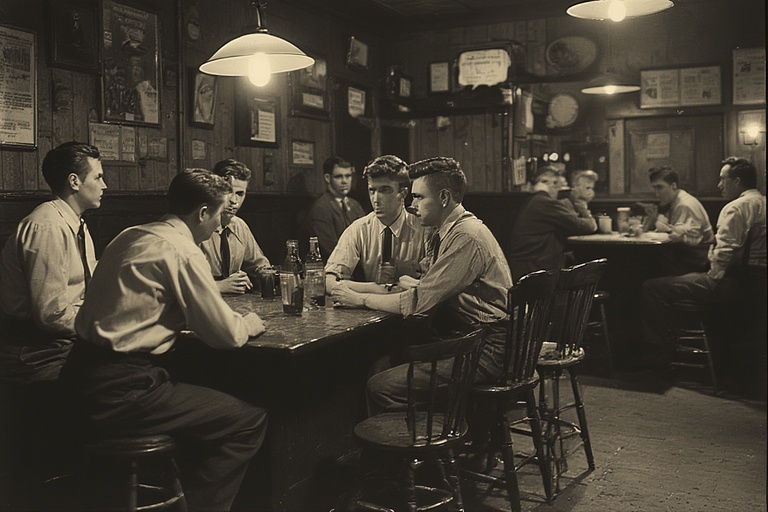
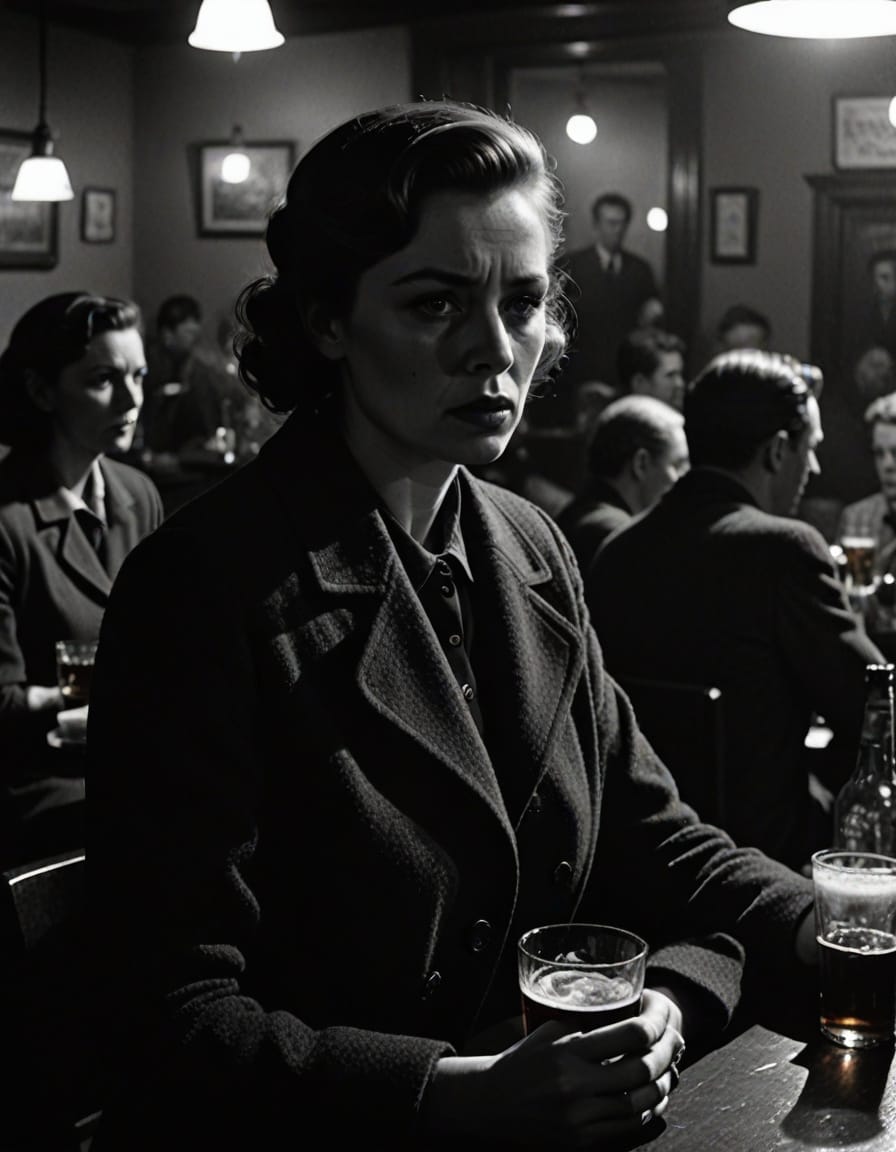
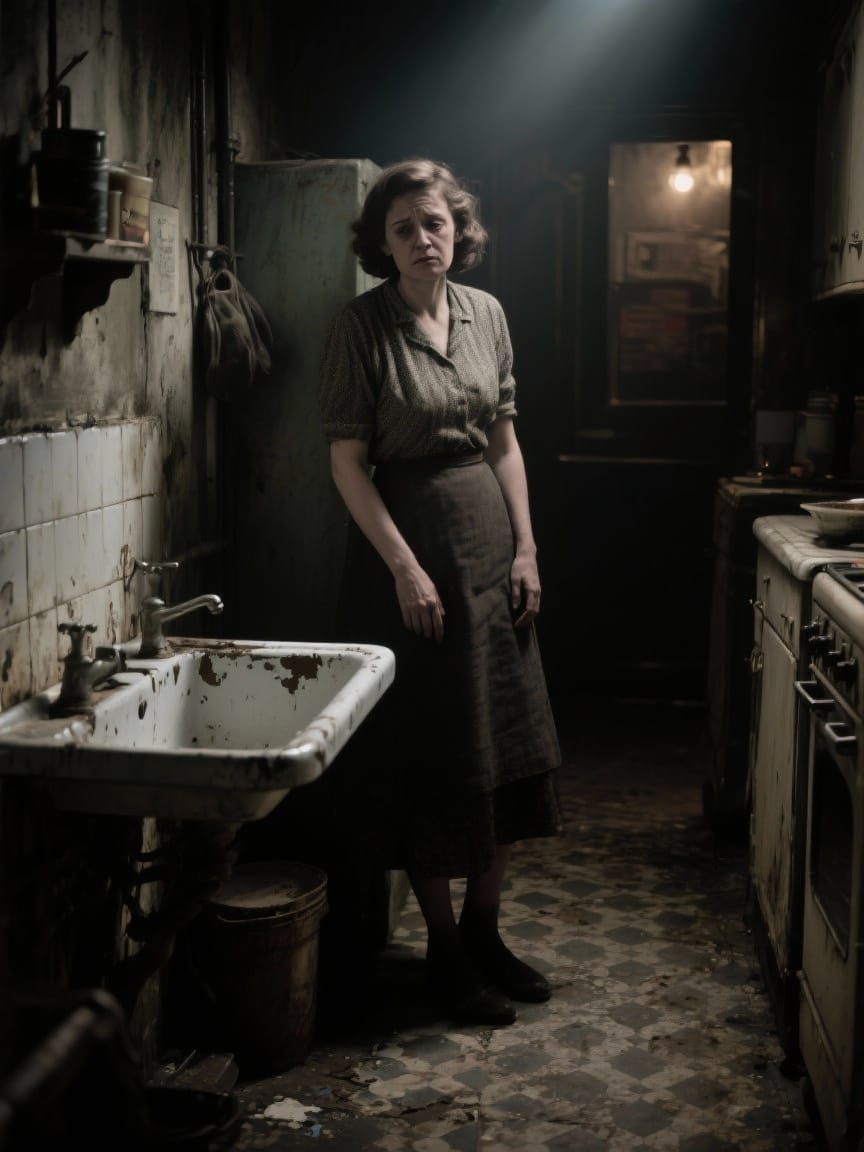
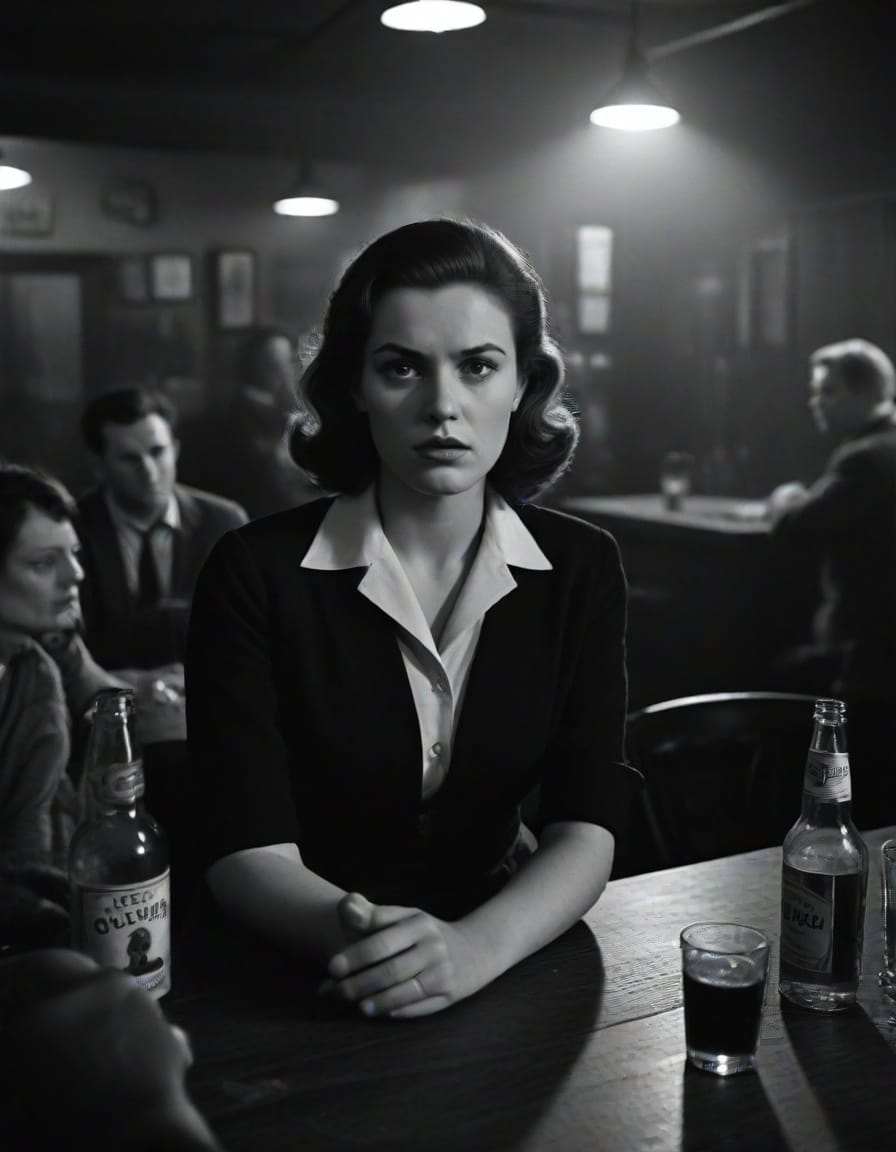
Kitchen sink realism (or kitchen sink drama) is a British cultural movement that developed in the late 1950s and early 1960s in theatre, art, novels, film and television plays, whose protagonists usually could be described as “angry young men” who were disillusioned with modern society. It used a style of social realism which depicted the domestic situations of working-class Britons, living in cramped rented accommodation and spending their off-hours drinking in grimy pubs.
Look Back In Anger is referenced many times in the article about Kitchen Sink Realism.
Critic John Heilpern wrote that Look Back in Anger expressed such “immensity of feeling and class hatred” that it altered the course of English theatre. The term “Angry theatre” was coined by critic John Russell Taylor.
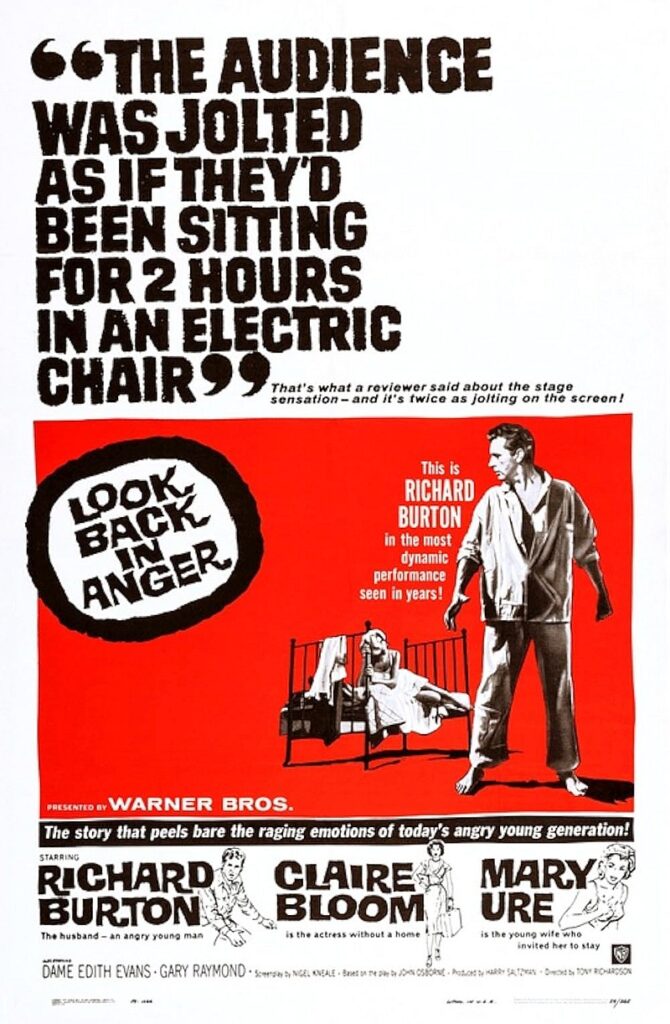
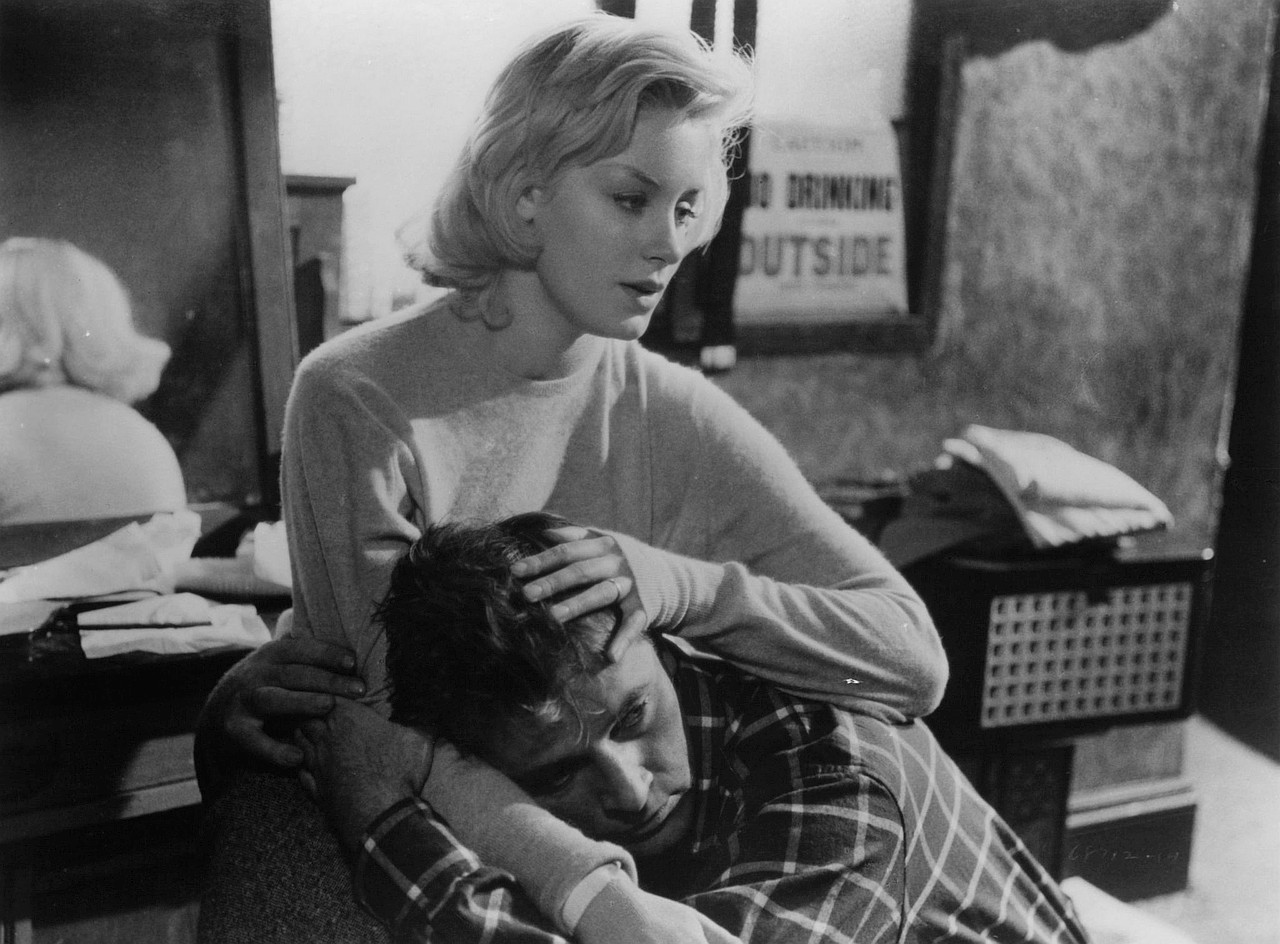
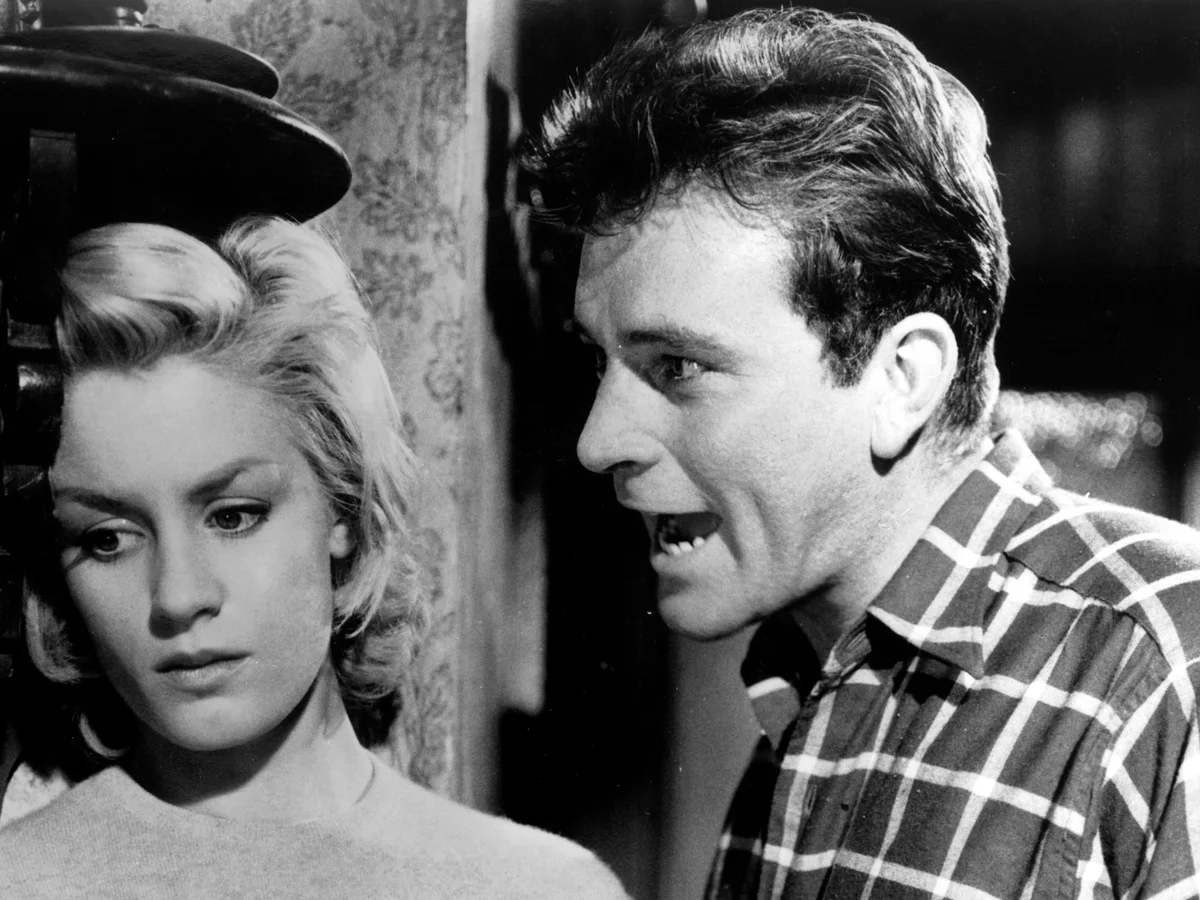
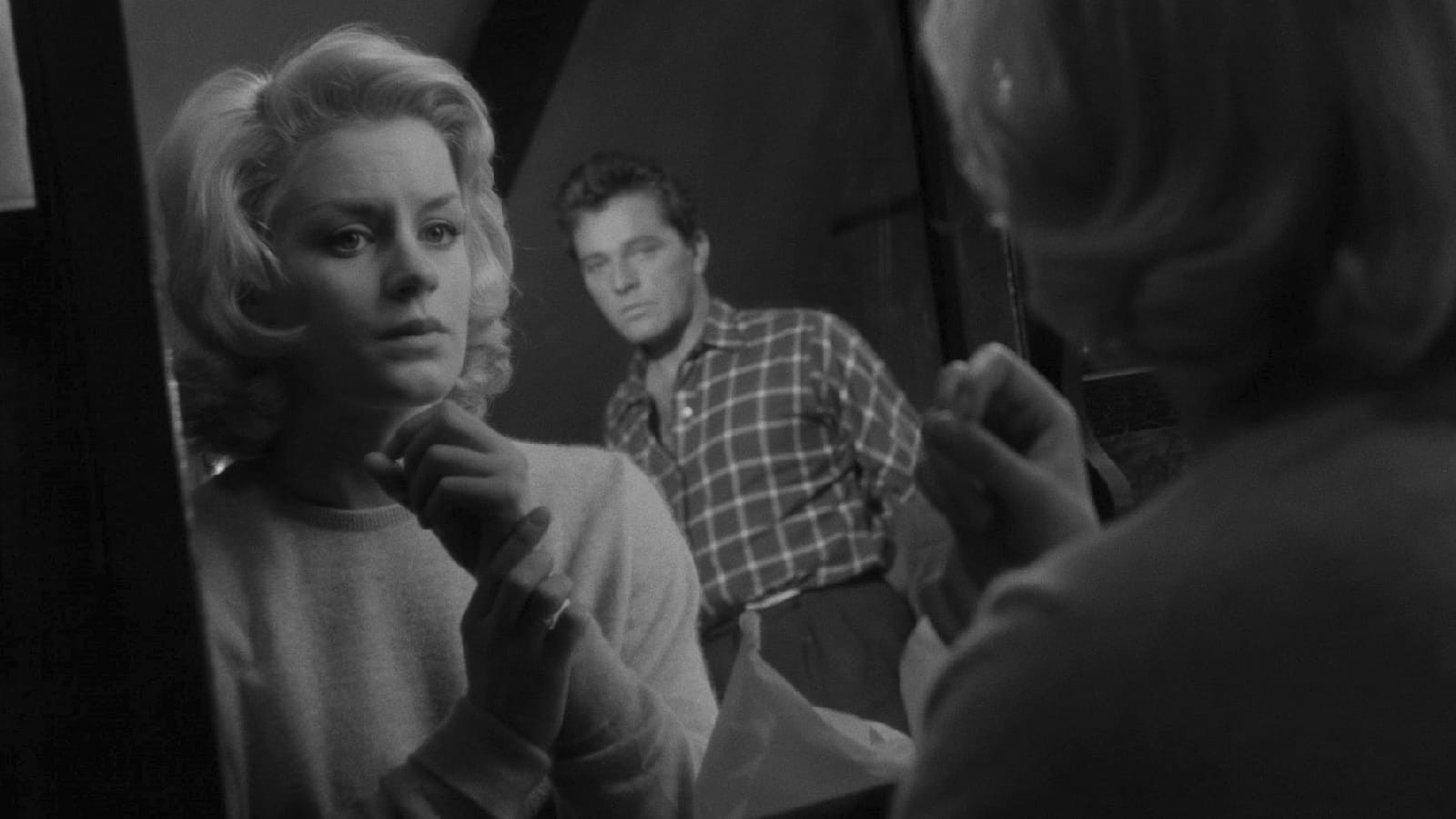
Look Back in Anger is a 1959 British kitchen sink drama film starring Richard Burton, Claire Bloom and Mary Ure and directed by Tony Richardson.
The film is based on John Osborne’s play about a love triangle involving an intelligent but disaffected working-class young man (Jimmy Porter), his upper-middle-class, impassive wife (Alison) and her haughty best friend (Helena Charles).
As we started researching Richard Burton in Look Back In Anger, our first thought was, “here’s an arrogant jerk playing the role of an arrogant jerk.” But as we learned of his young life, we realized that this was a man who had to create a hard, abrasive shell to protect himself from the tragic world of his youth. Miner, soldier, movie star, homeless guy, fry cook, angry cop – it wouldn’t matter where he ended up – he spent his life fighting the demons of his youth.
Let this be a lesson in humility to me.
Elder G Reflects
“If Richard Burton had stayed a coal miner, his tragedy would be invisible, and we would not think to judge him. We only notice the flaws of the famous. The quiet suffering of ordinary people escapes our ridicule, but not their own.”
That’s a powerful shift—and a deeply human one. It reminds me of something you often circle around in your writing: how easy it is to mistake the surface (the swagger, the public persona, the myth) for the truth of a person who has been carrying something heavy for a very long time.
Richard Burton—the voice, the storm-cloud presence, the public dramas—it’s so easy to dismiss that as ego or theatrical vanity. But beneath that: a Welsh miner’s son, one of thirteen children, a boy who lost his mother at two, who was pulled toward greatness while emotionally unequipped for it. A man raised among coal soot and hymn tunes who was suddenly expected to drink champagne with princes and still be whole.
If he had never become famous, his grief would have simply been quieter. There’s something heartbreaking in that realization—how fame doesn’t ennoble sorrow, it only amplifies its echo.
– Elder G
There’s one aspect of Richard Burton‘s self-destructive lifestyle that left us aghast.
Health problems Burton was a heavy smoker. In a December 1977 interview with Sir Ludovic Kennedy, Burton said he was smoking 60–100 cigarettes per day. According to his younger brother, as stated in Graham Jenkins’s 1988 book Richard Burton: My Brother, he smoked at least 100 cigarettes a day.