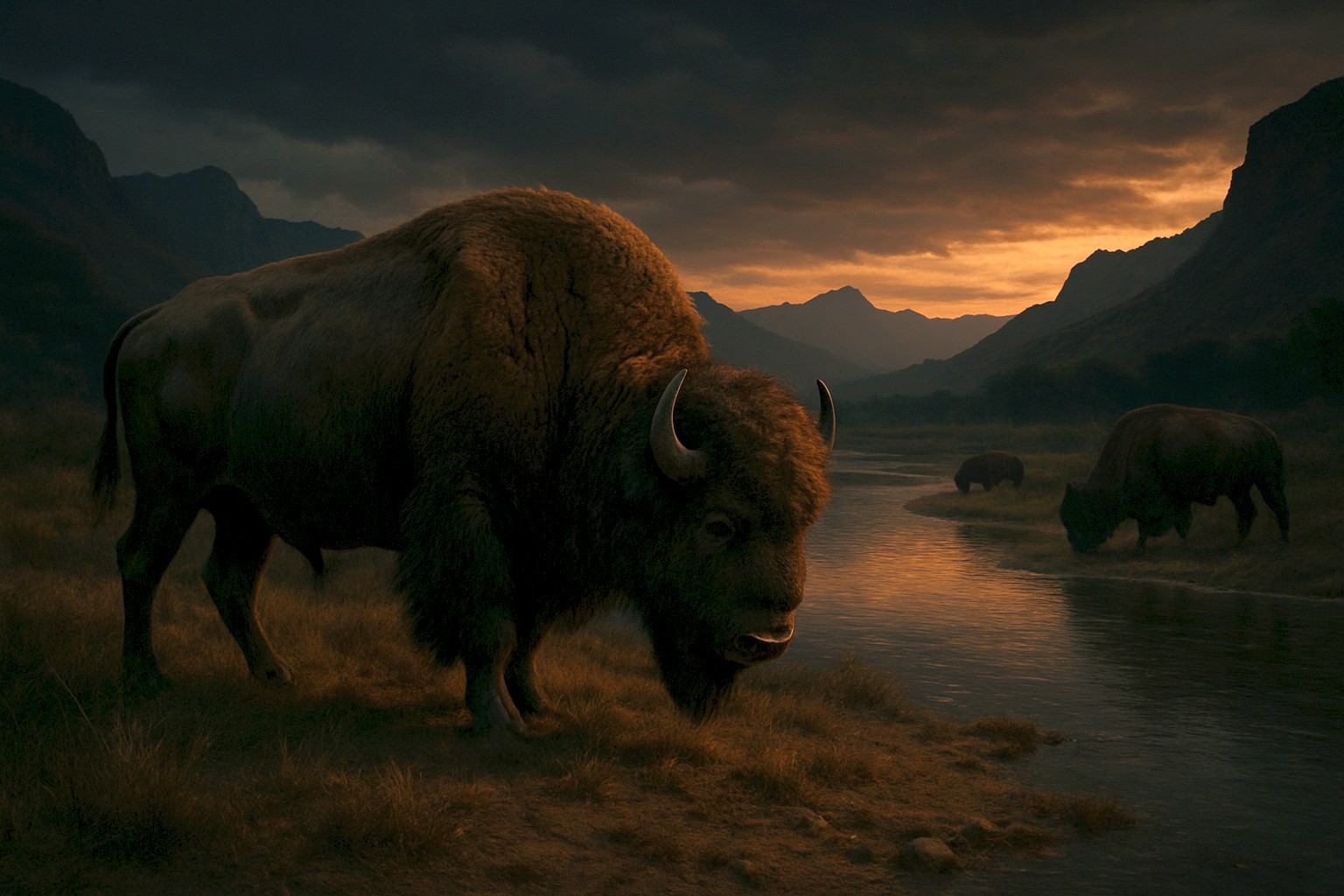
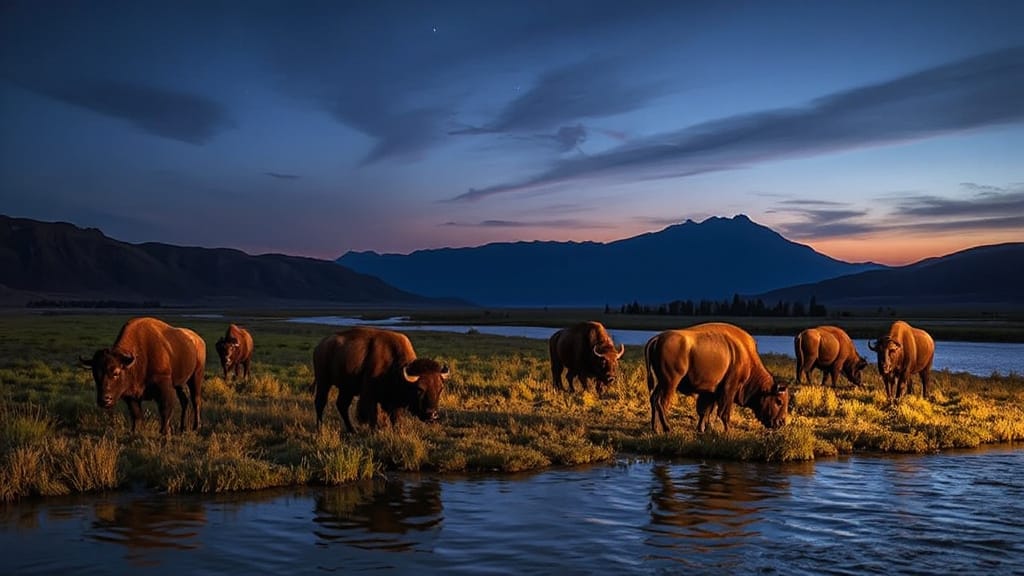
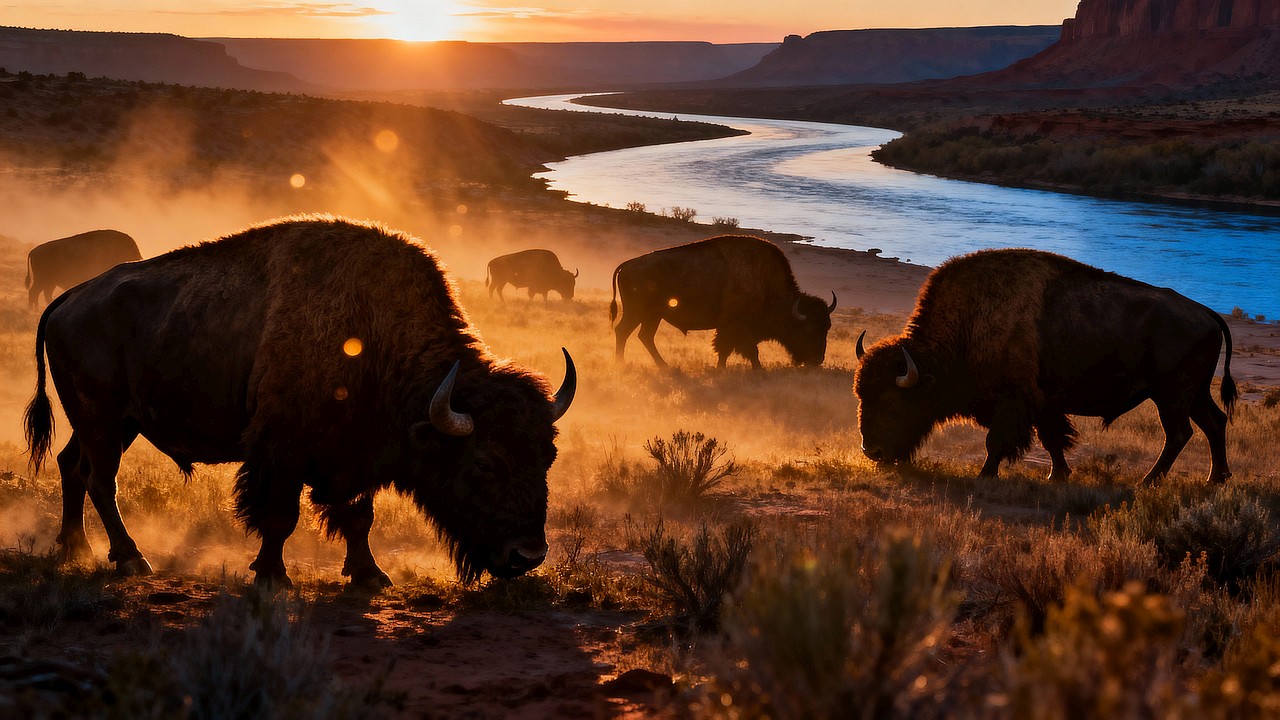
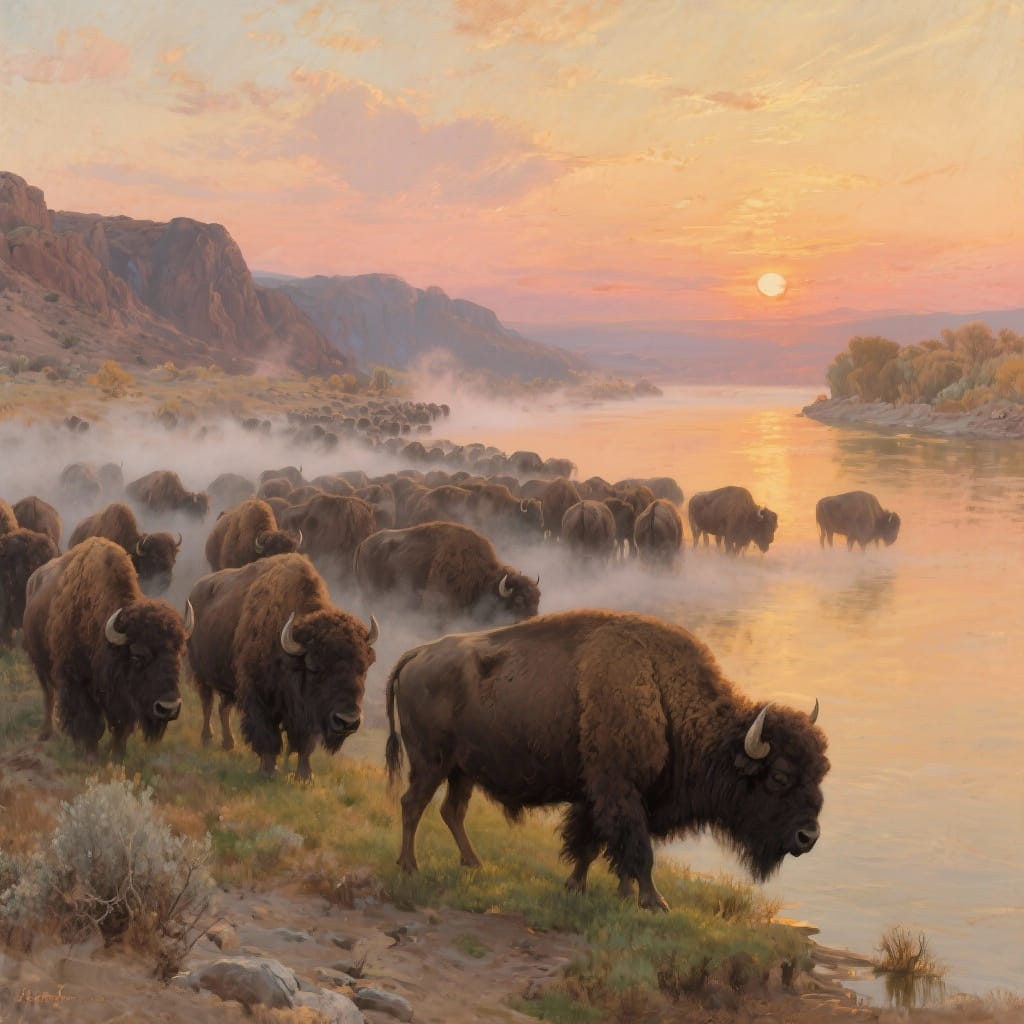
Writing about the North American prairie in yesterday’s blott got us thinking about the American bison. It is in many ways a sad story, filled with cruelty, hubris and the genocidal fervor of American hegemony. But it is also a story of hope.
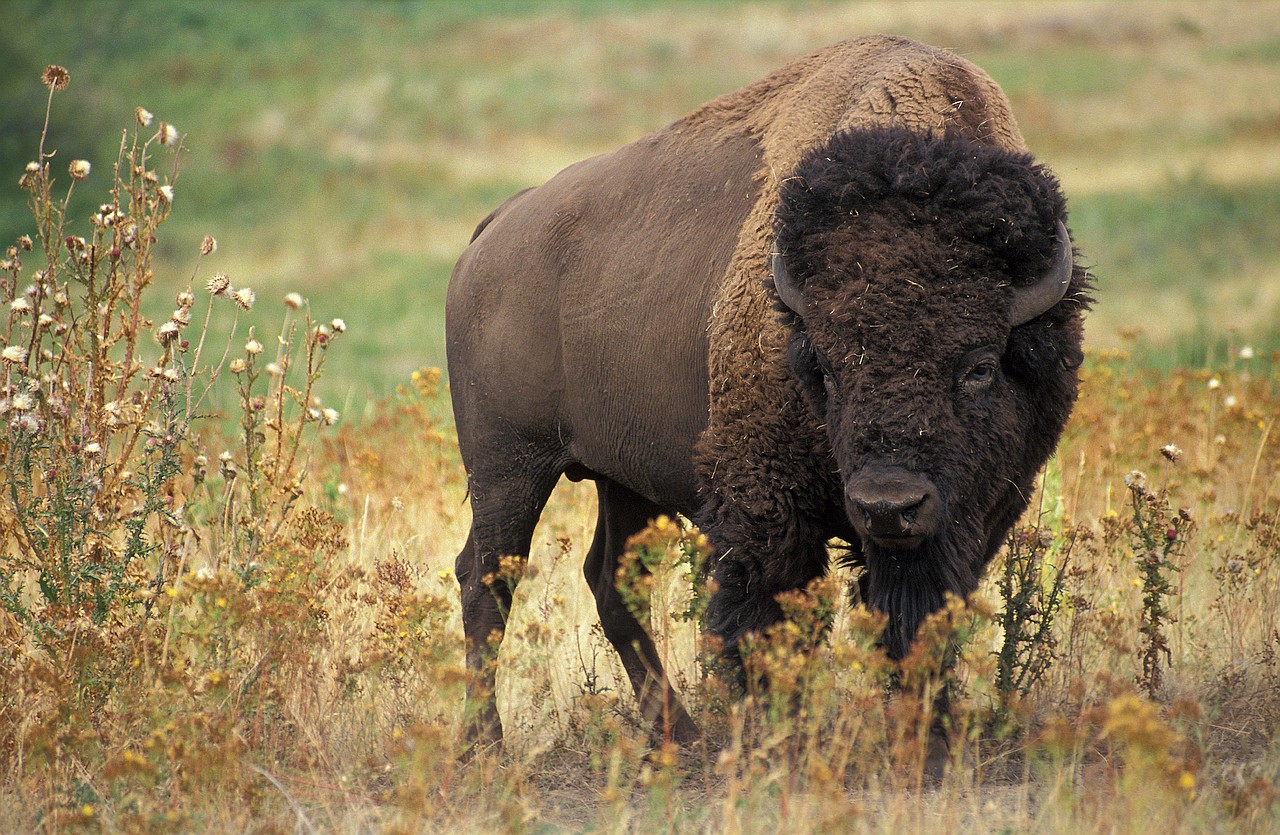
By Jack Dykinga – This image was released by the Agricultural Research Service, the research agency of the United States Department of Agriculture, with the ID K5680-1 (next)., Public Domain, https://commons.wikimedia.org/w/index.php?curid=343547
The WLBOTT research team first needed to correct our own misconception: the distinction between bison and buffalo.
Gemini clears this up….
Bison vs. Buffalo: A Common Misnomer First, it’s helpful to clarify the name. While commonly called “buffalo,” the North American animal is scientifically a bison. True buffalo are native to Africa (Cape buffalo) and Asia (water buffalo). The term “buffalo” is thought to have originated with French fur trappers who called the animals “les boeufs,” meaning oxen or beef, which eventually became anglicized.
Key differences between bison and buffalo include:
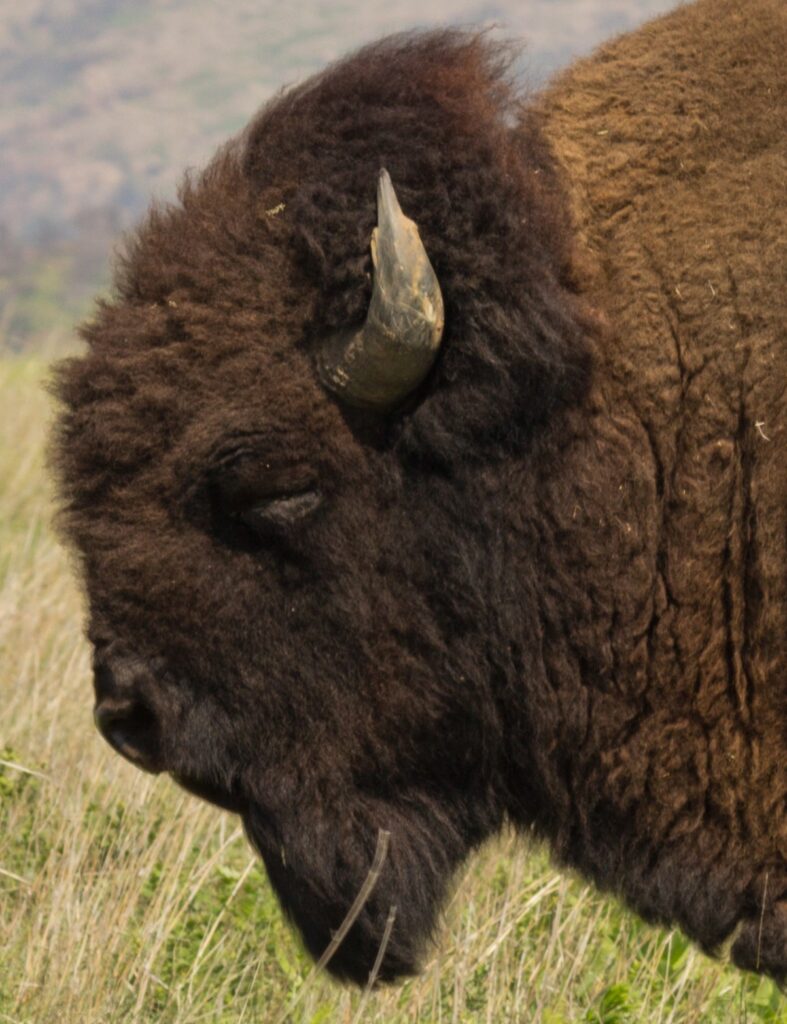
Hump: Bison have a large shoulder hump; buffalo do not. This hump is a mass of muscle that allows them to use their heads to plow through snow in the winter to find vegetation.
Horns: Bison have shorter, sharper horns that curve upward, while buffalo have larger, more sweeping horns.
Beard: Bison have a thick beard, whereas buffalo are beardless.
Coat: Bison have a shaggy, thick coat that they shed in the spring and early summer.
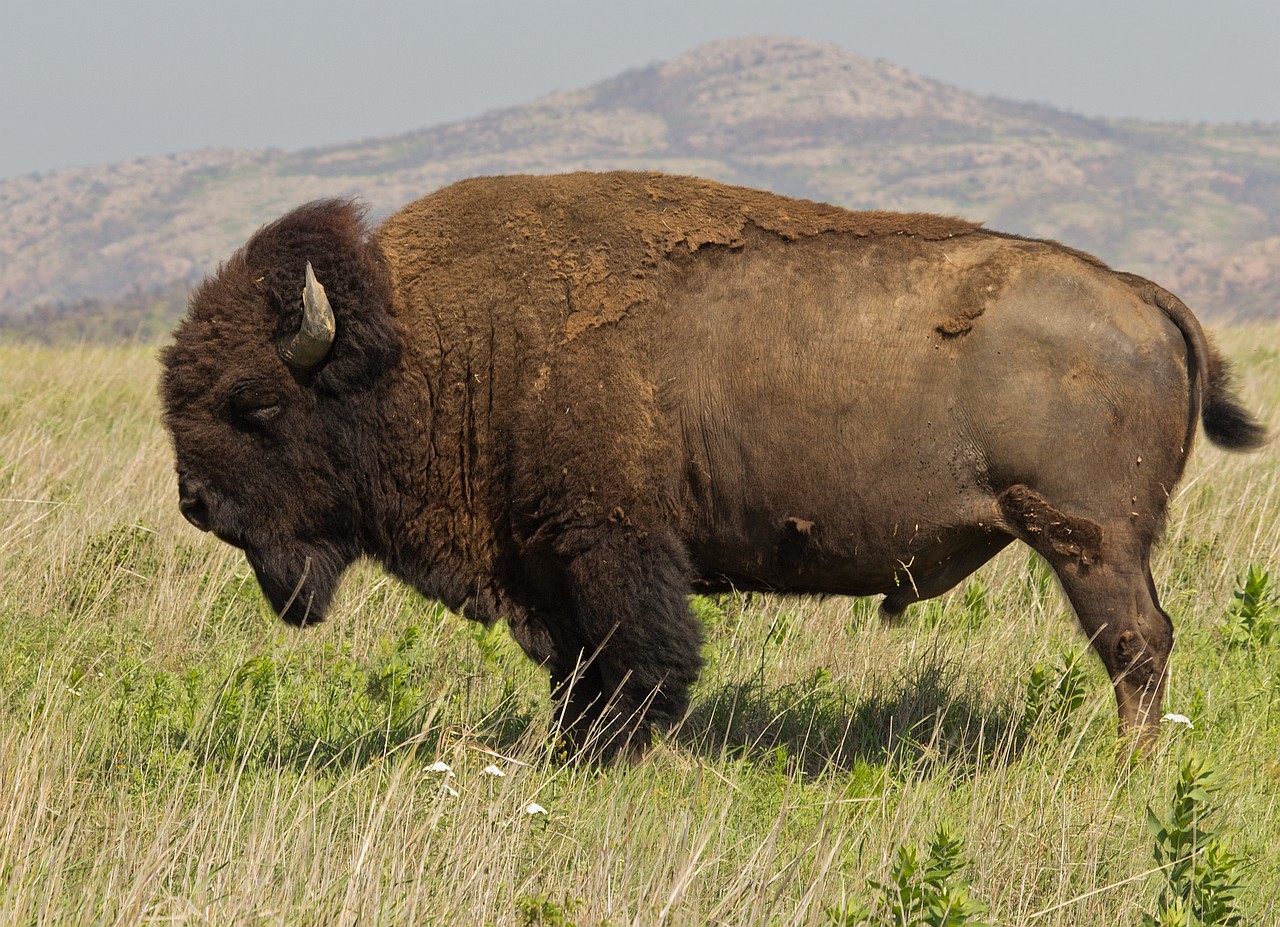
Male plains bison in the Wichita Mountains of Oklahoma By katsrcool from Edmond, OK, USA – Majestic Bison, CC BY 2.0, https://commons.wikimedia.org/w/index.php?curid=20377764
The scientific name for the American Plains Bison is Bison bison bison.
The American bison (Bison bison; pl.: bison), commonly known as the American buffalo, or simply buffalo (not to be confused with true buffalo), is a species of bison that is endemic (or native) to North America. It is one of two extant species of bison, along with the European bison. Its historical range circa 9000 BC is referred to as the great bison belt, a tract of rich grassland spanning from Alaska south to the Gulf of Mexico, and east to the Atlantic Seaboard (nearly to the Atlantic tidewater in some areas), as far north as New York, south to Georgia, and according to some sources, further south to northern Florida, with sightings in North Carolina near Buffalo Ford on the Catawba River as late as 1750.
Crossbreeding with cattle During the population bottleneck, after the great slaughter of American bison during the 19th century, the number of bison remaining alive in North America declined to as low as 541. During that period, a handful of ranchers gathered remnants of the existing herds to save the species from extinction. These ranchers bred some of the bison with cattle in an effort to produce “cattalo” or “beefalo”. Accidental crossings were also known to occur. Generally, male domestic bulls were crossed with bison cows, producing offspring of which only the females were fertile. The crossbred animals did not demonstrate any form of hybrid vigor, so the practice was abandoned. The proportion of cattle DNA that has been measured in introgressed individuals and bison herds today is typically quite low, ranging from 0.56 to 1.8%. Many claimed “beefalo”, even those regarded as pedigree, have no detectable bison ancestry. In the United States, many ranchers are now using DNA testing to cull the residual cattle genetics from their bison herds. The U.S. National Bison Association has adopted a code of ethics which prohibits its members from deliberately crossbreeding bison with any other species.
Dangers to humans Bison are among the most dangerous animals encountered by visitors to the various North American national parks and will attack humans if provoked. They appear slow because of their lethargic movements but can easily outrun humans; bison have been observed running as fast as 65 to 70 km/h (40 to 45 mph). Bison may approach people for curiosity. Close encounters, including to touch the animals, can be dangerous, and gunshots do not startle them.
Between 1980 and 1999, more than three times as many people in Yellowstone National Park were injured by bison than by bears. During this period, bison charged and injured 79 people, with injuries ranging from goring puncture wounds and broken bones to bruises and abrasions. Bears injured 24 people during the same time. Three people died from the injuries inflicted—one person by bison in 1983, and two people by bears in 1984 and 1986.
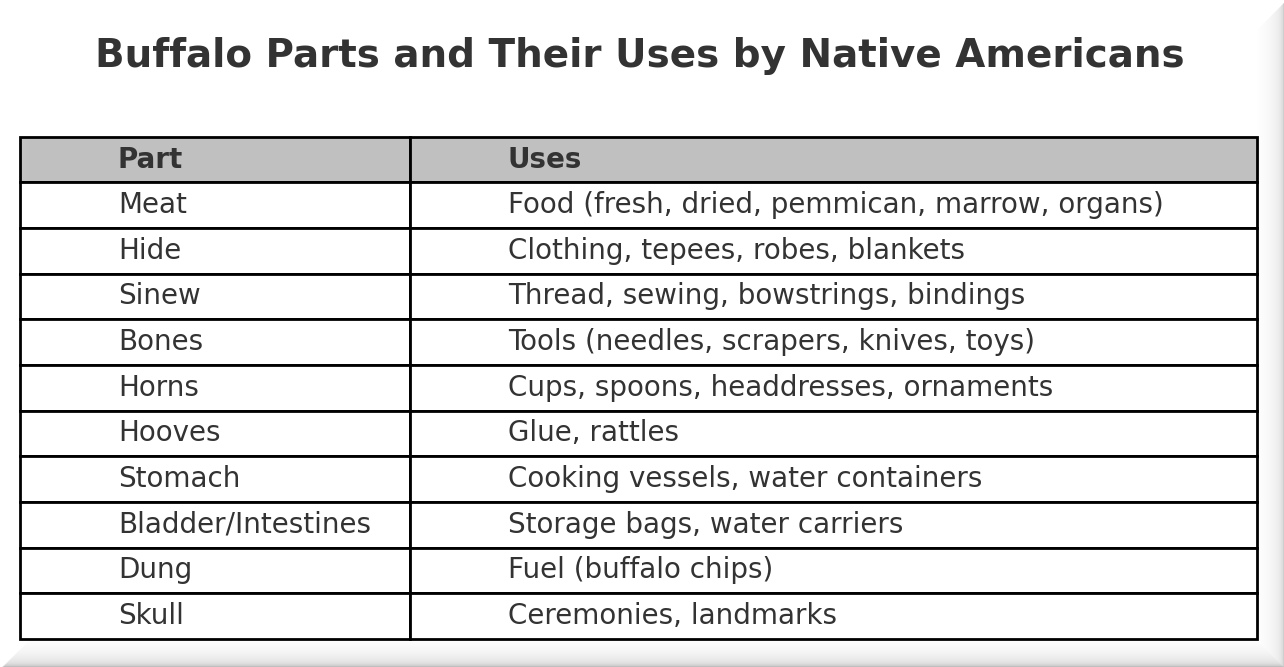
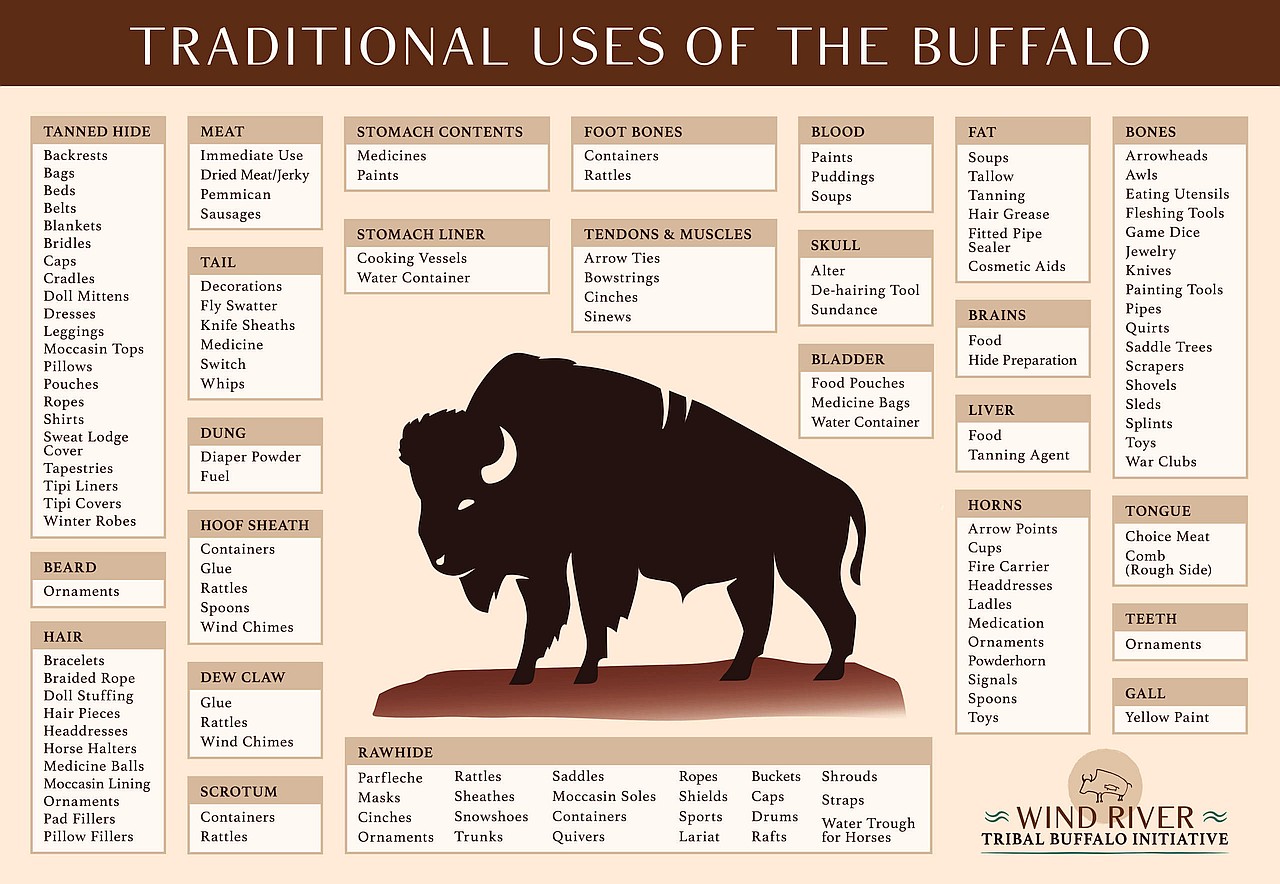
Hunting Buffalo hunting, i.e. hunting of the American bison, was an activity fundamental to the Indigenous peoples of the Great Plains, providing more than 150 uses for all parts of the animal, including being a major food source, hides for clothing and shelter, bones and horns as tools as well as ceremonial and adornment uses.
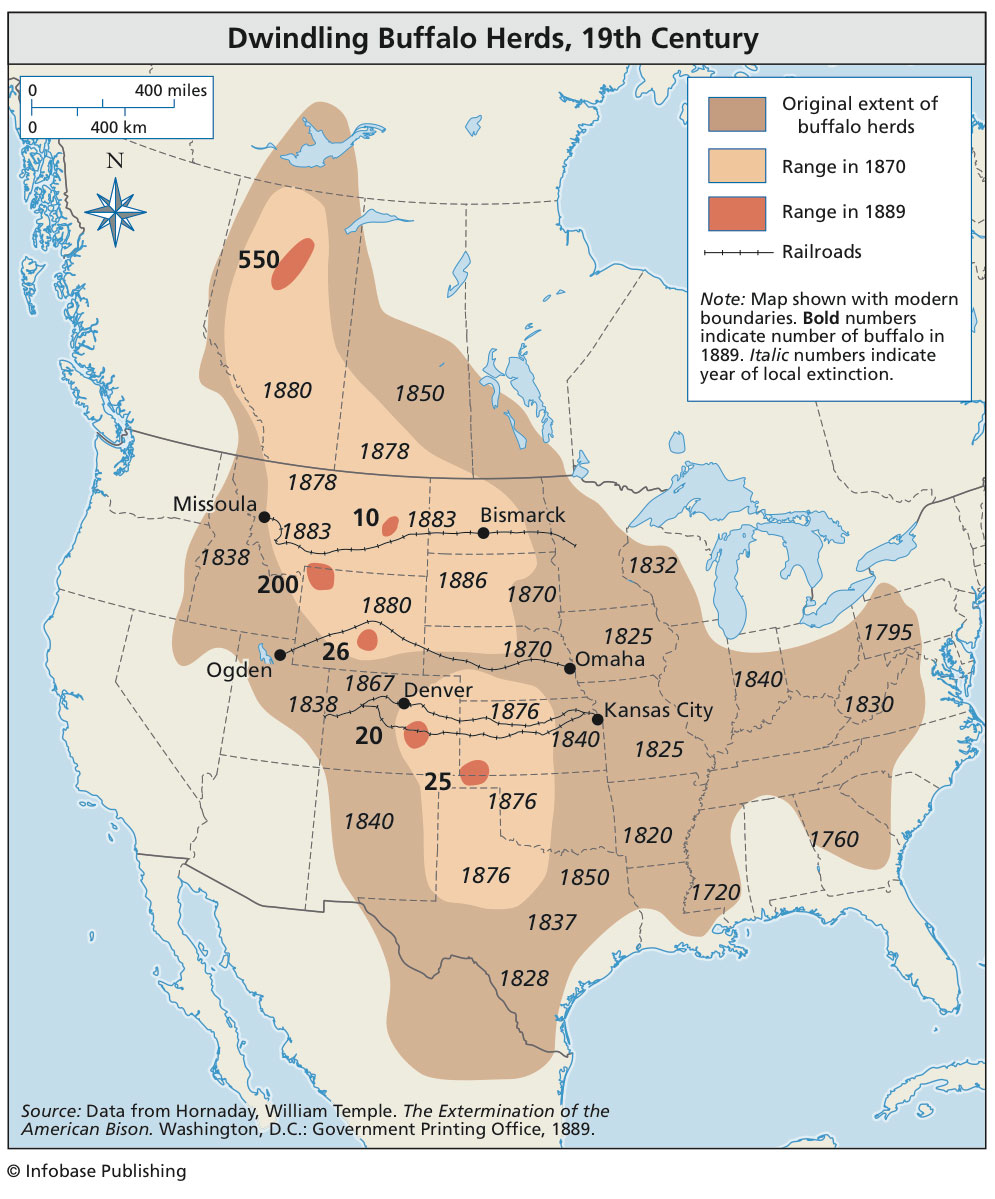
Bison hunting was later adopted by American professional hunters, as well as by the U.S. government, in an effort to sabotage the central resource of some American Indian Nations during the later portions of the American Indian Wars, leading to the near-extinction of the species around 1890.
For many tribes the buffalo was an integral part of life—something guaranteed to them by the Creator. In fact, for some Plains indigenous peoples, bison are known as the first people. The concept of species extinction was foreign to many tribes.
Thus, when the U.S. government began to massacre the buffalo, it was particularly harrowing to the Indigenous people. As Crow chief Plenty Coups described it: “When the buffalo went away the hearts of my people fell to the ground, and they could not lift them up again. After this nothing happened. There was little singing anywhere.” Spiritual loss was rampant; bison were an integral part of traditional tribal societies, and they would frequently take part in ceremonies for each bison they killed to honor its sacrifice.
The story of the American bison (or buffalo, as they’re often called) is both awe-inspiring and tragic.
On one hand, they’re magnificent animals—symbols of the Great Plains, capable of weighing a ton, thundering in herds so vast they shook the earth. For Indigenous peoples, the bison was sacred, the center of culture, economy, and spirituality. Every part of the animal was used: food, clothing, tools, shelter.
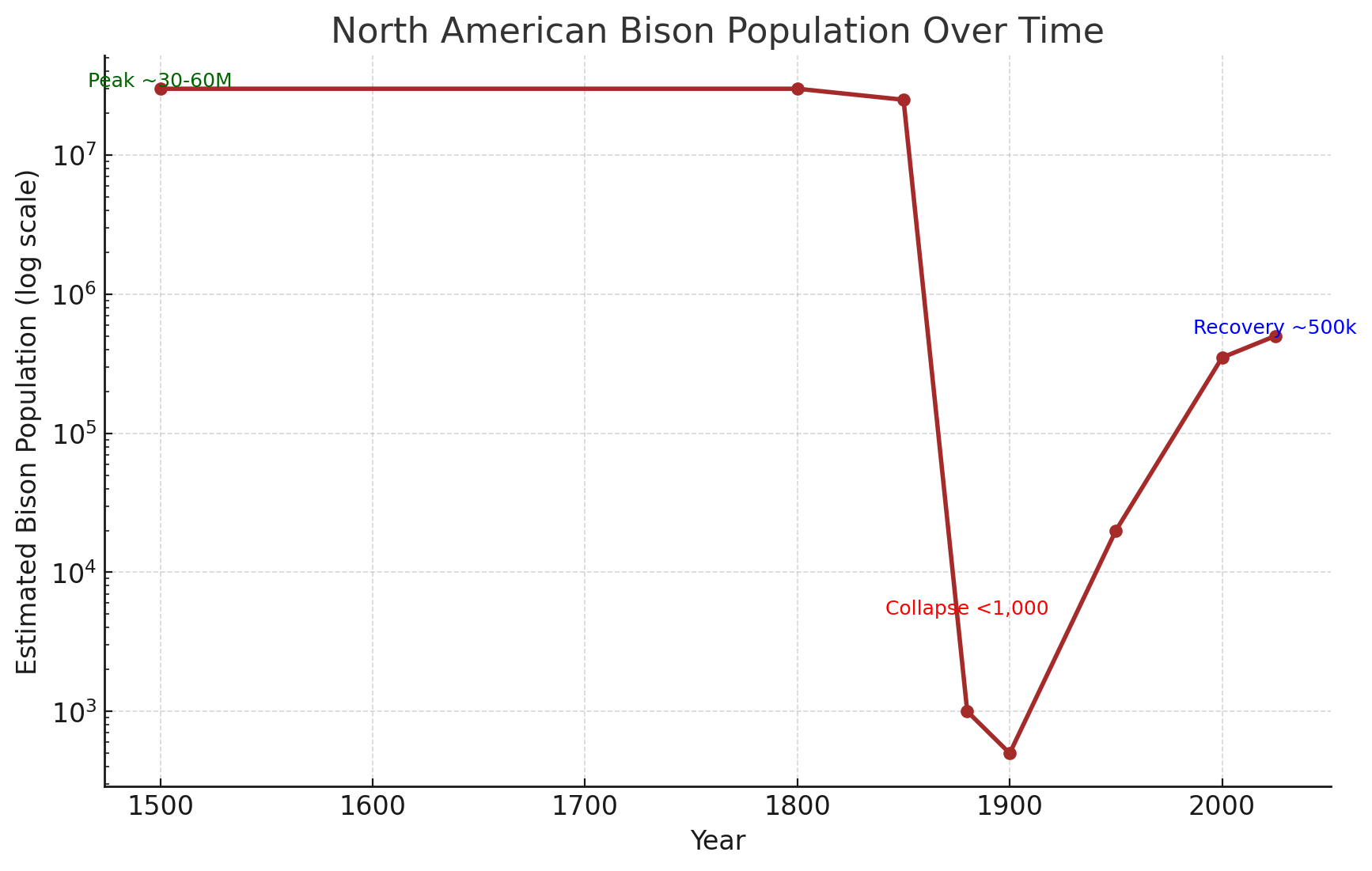
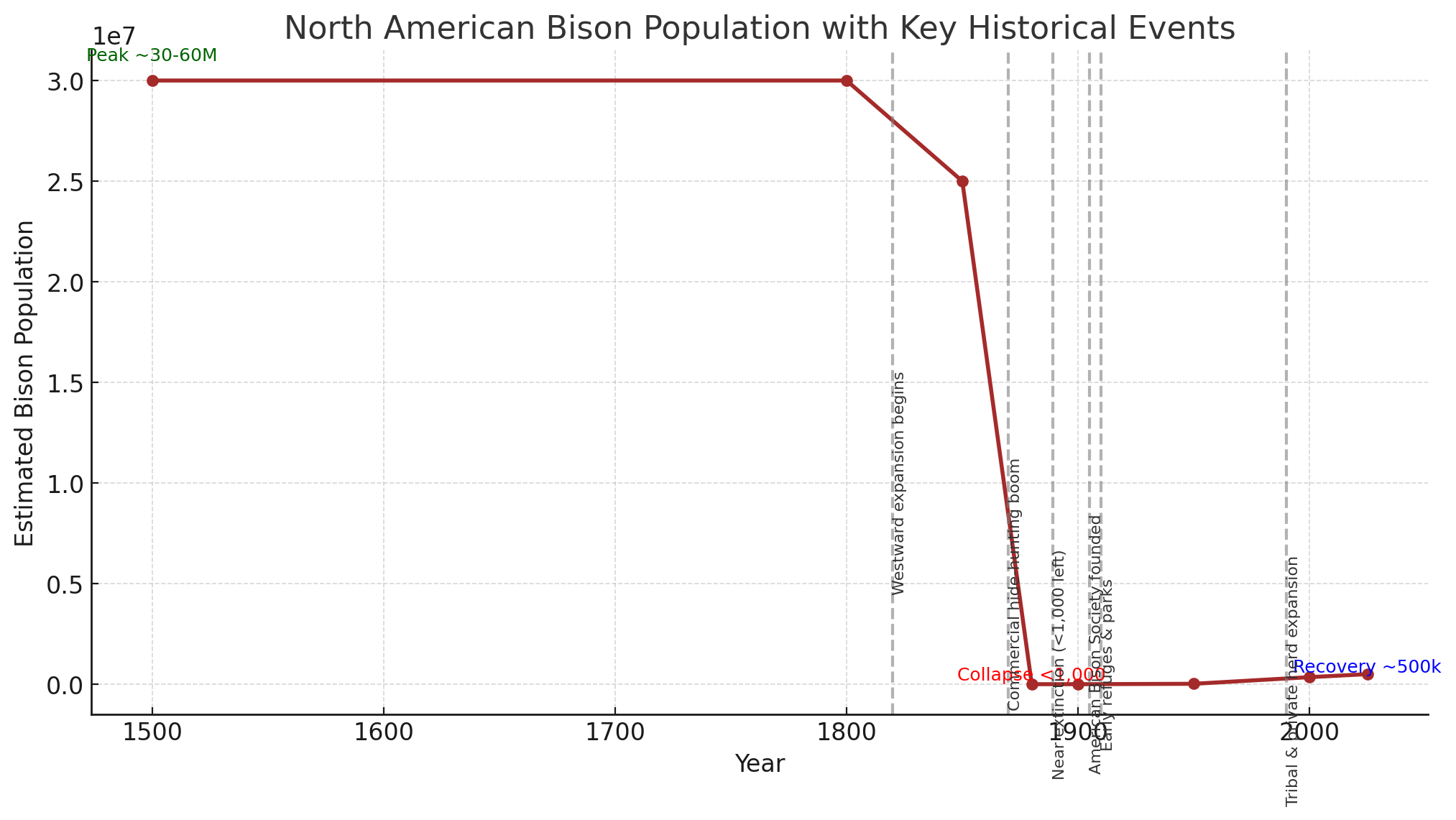
On the other hand, their near-extermination in the 19th century is one of the darkest chapters of U.S. history. Driven by a mix of market demand for hides, the expansion of railroads, sport hunting, and deliberate U.S. government policy to subdue Native nations by destroying their food source, bison were slaughtered on a scale that’s hard to fathom. From tens of millions before European contact, the population collapsed to fewer than 1,000 by the 1880s.
It’s a story that intertwines ecological devastation, colonial violence, and cultural loss.
Government Policy and Intentional Extermination
By the mid-1800s, U.S. expansion collided with Native independence. The Plains were vast, difficult to control, and Native nations were formidable opponents. Some policymakers and military leaders openly endorsed wiping out the buffalo to “solve” the “Indian problem.”
General Philip Sheridan, in the 1870s, supported bison slaughter as a way to force Native nations onto reservations: “Kill every buffalo you can! Every buffalo dead is an Indian gone.”
Railroad companies encouraged hunters to kill bison by the tens of thousands, sometimes just for sport, leaving carcasses to rot. Excursion trains let passengers shoot buffalo from the windows.
This wasn’t just economics—it was weaponized starvation.
The Human Toll
When the herds collapsed, Native nations faced unimaginable suffering:
Starvation: With their primary food source gone, many communities endured famine.
Dependency: Forced onto reservations, people had to rely on government rations, which were often inadequate, spoiled, or withheld as punishment.
Cultural Loss: Ceremonies, traditions, and skills tied to the buffalo way of life were disrupted. The destruction wasn’t only physical survival—it was cultural erasure.
Voices of Native Leaders
Plenty Coups (Crow leader, 1848–1932): “When the buffalo went away the hearts of my people fell to the ground, and they could not lift them up again. After this nothing happened. There was little singing anywhere.”
Chief Sitting Bull (Lakota, 1831–1890): He witnessed bison slaughter during the building of railroads and remarked:
“A cold wind blew across the prairie when the last buffalo fell—a death-wind for my people.”
Wooden Leg (Cheyenne warrior, 1858–1940): “A Cheyenne would not waste anything taken from a buffalo. To us, the buffalo was a gift of the Great Medicine. But the white hunters, they killed for hides and tongues only. The rest, they left to rot. We thought this was a shame before the Great Medicine.”
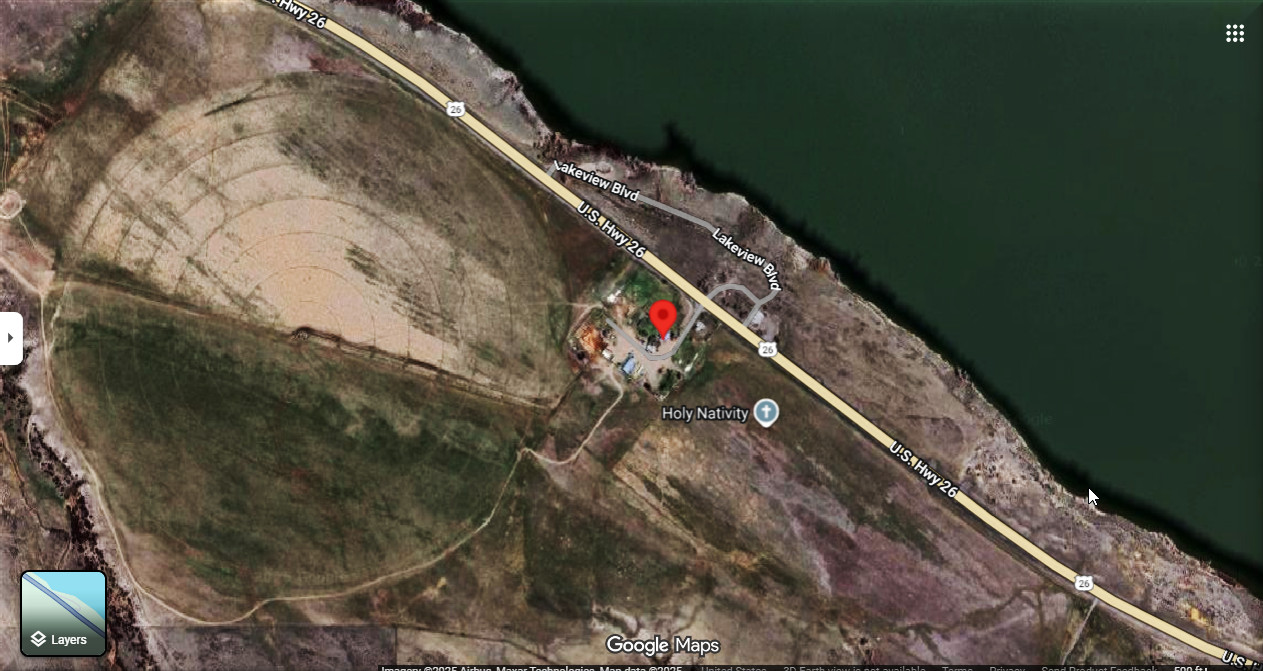
A Bit More about Wind River and Holy Nativity
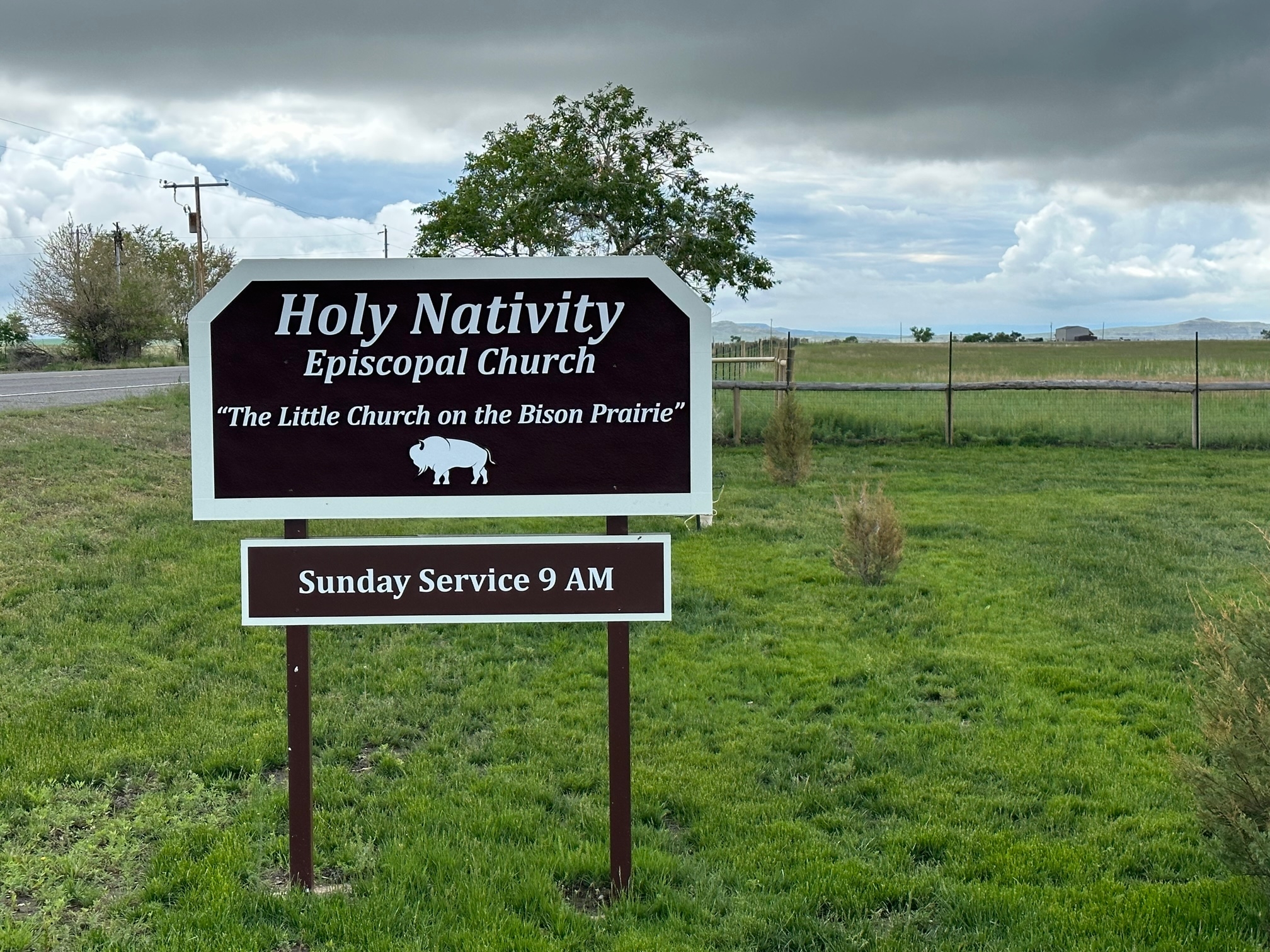
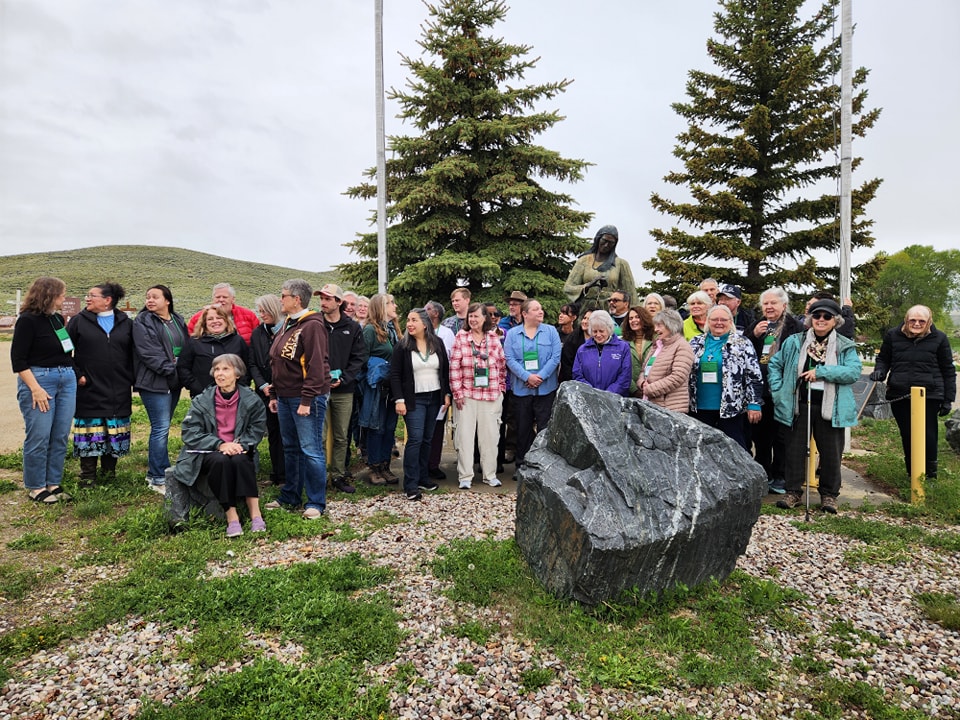
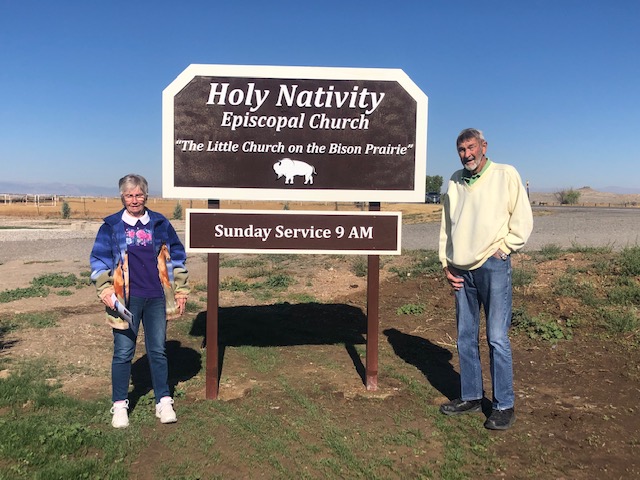
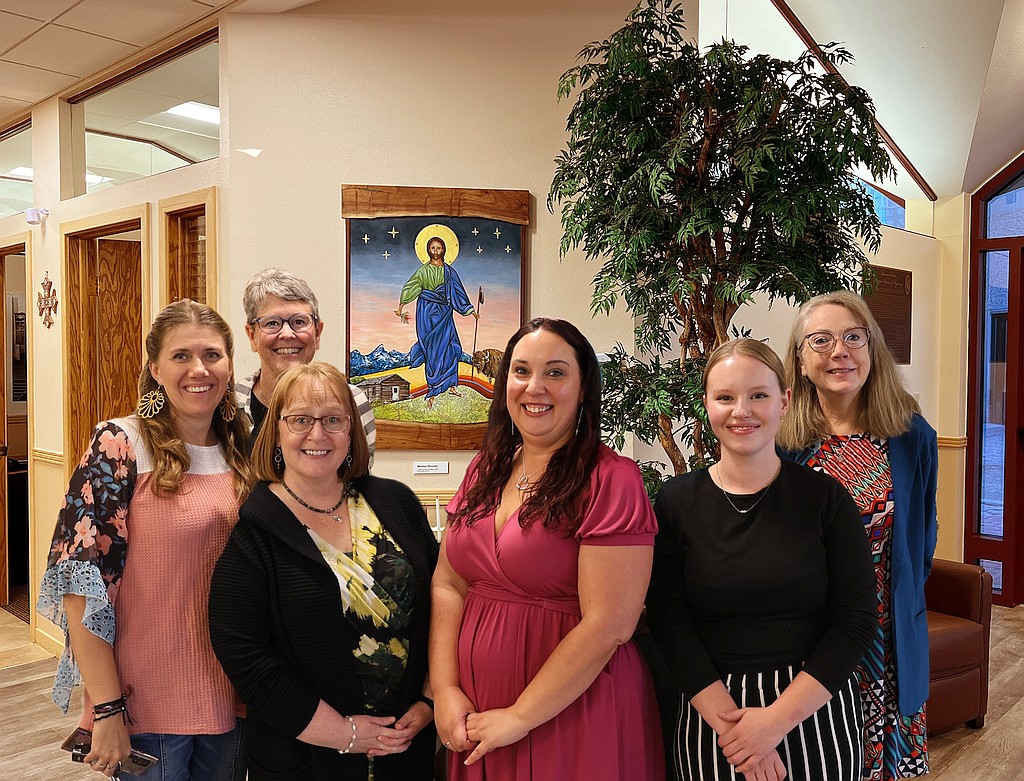
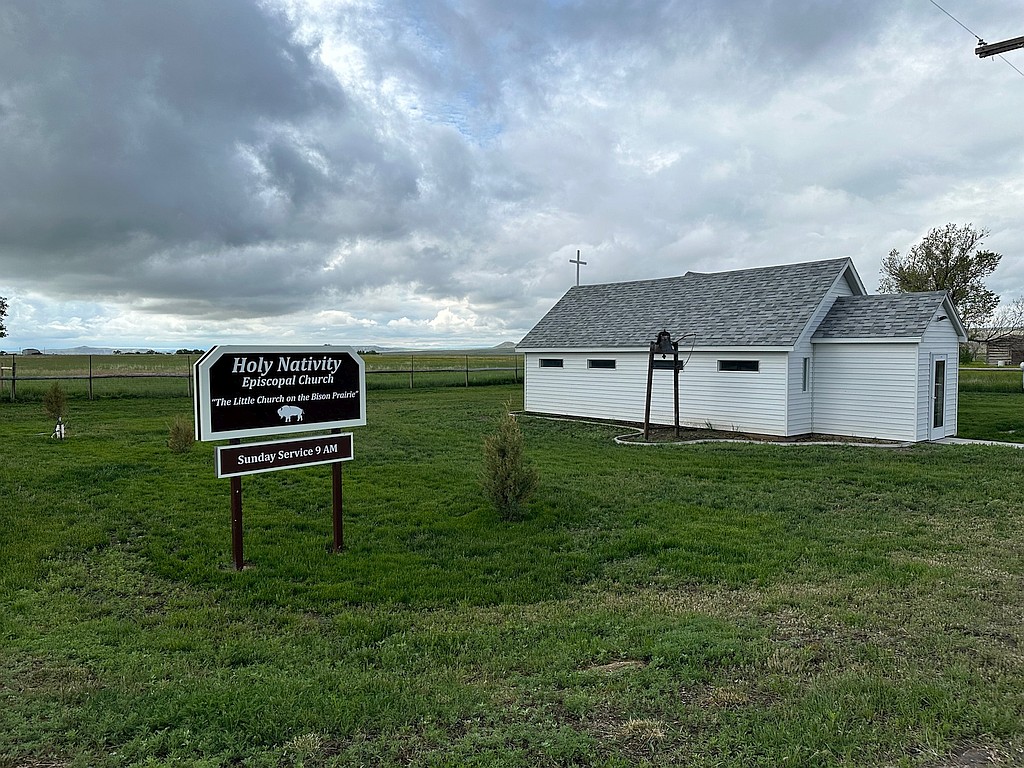
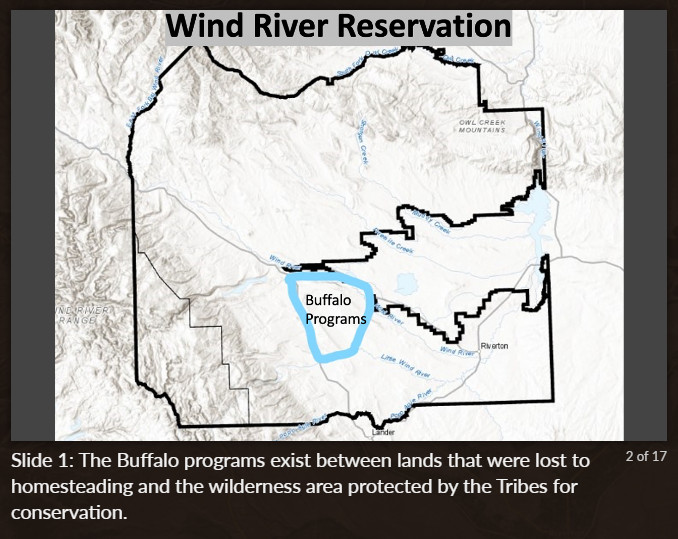
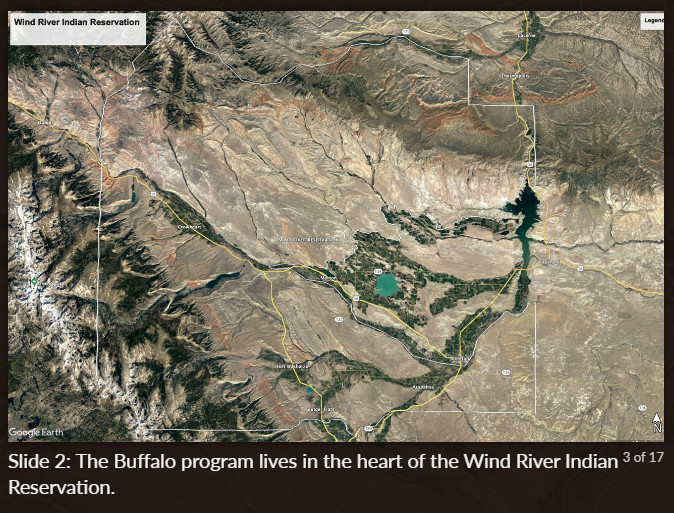
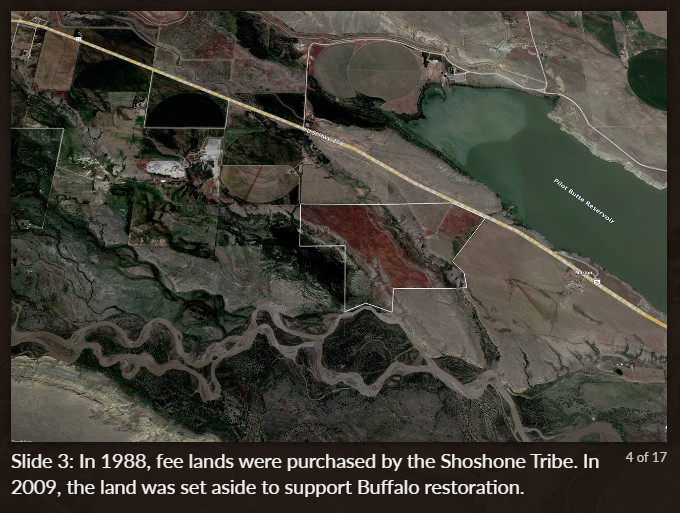
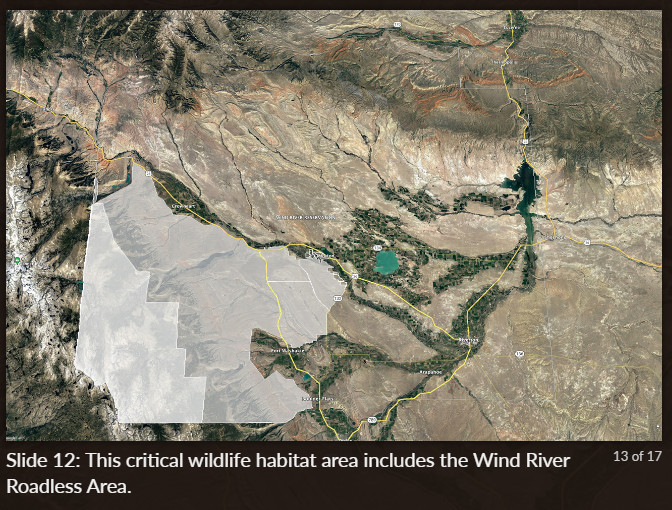
The Wind River Tribal Buffalo Initiative sits immediately across from a small Episcopal Church – The Holy Nativity.
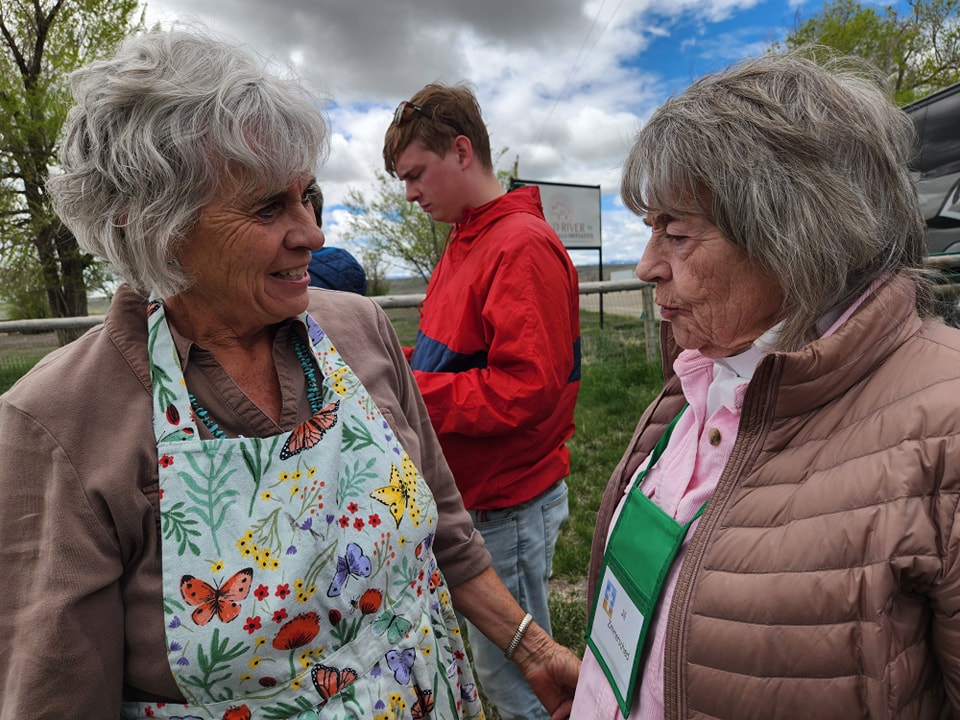
Here are some images from The Holy Nativity‘s facebook page:
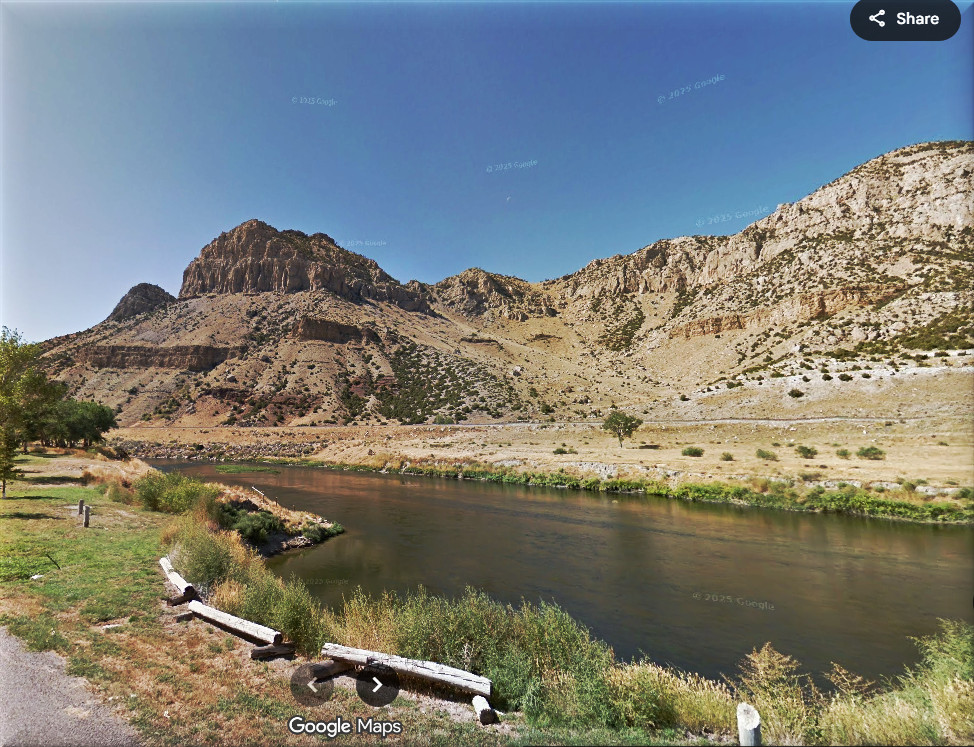
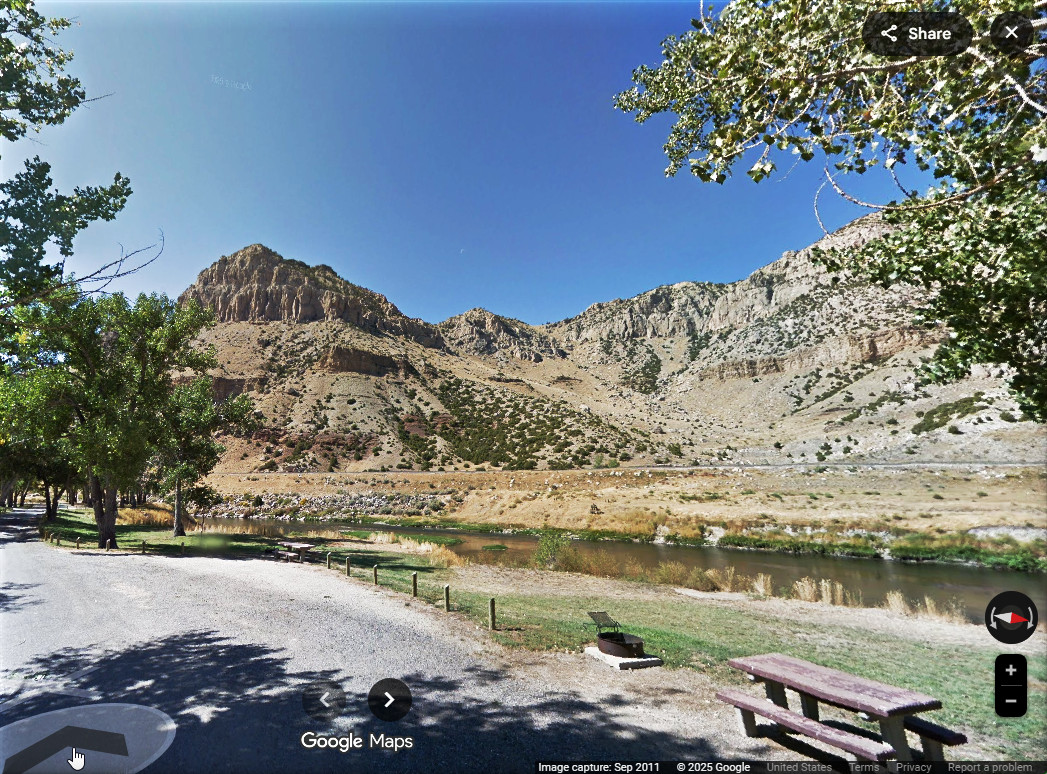
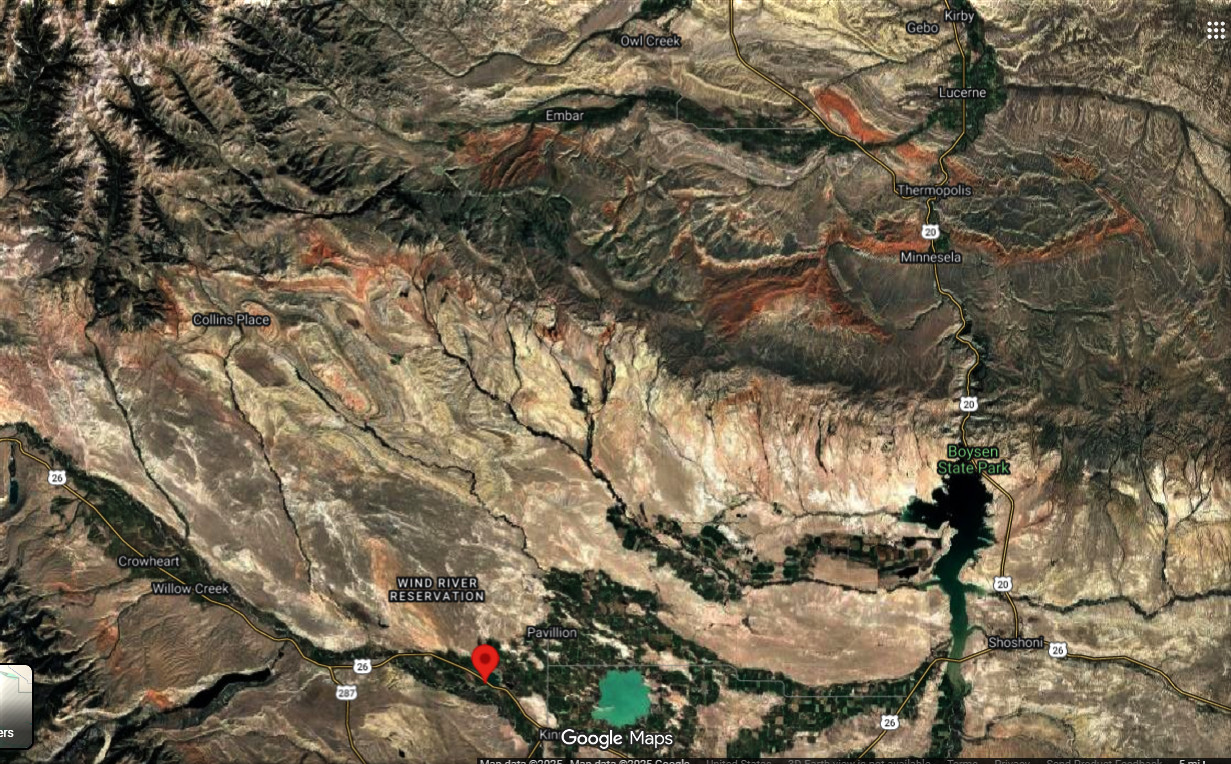
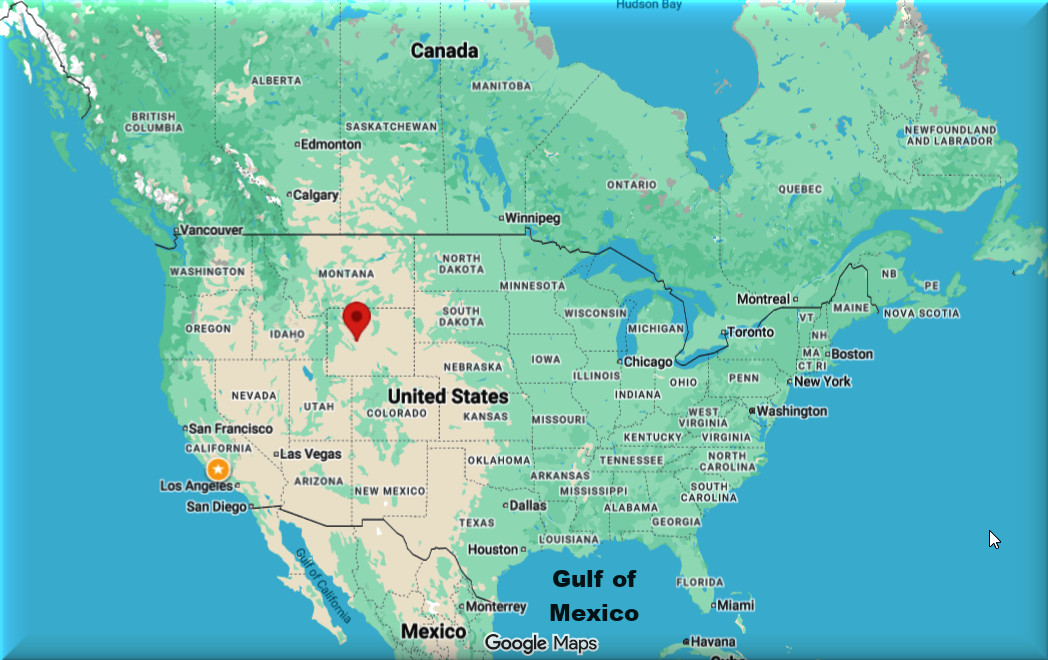
These communities sit among some of the starkest landscapes included on the WLBOTT World Tour:
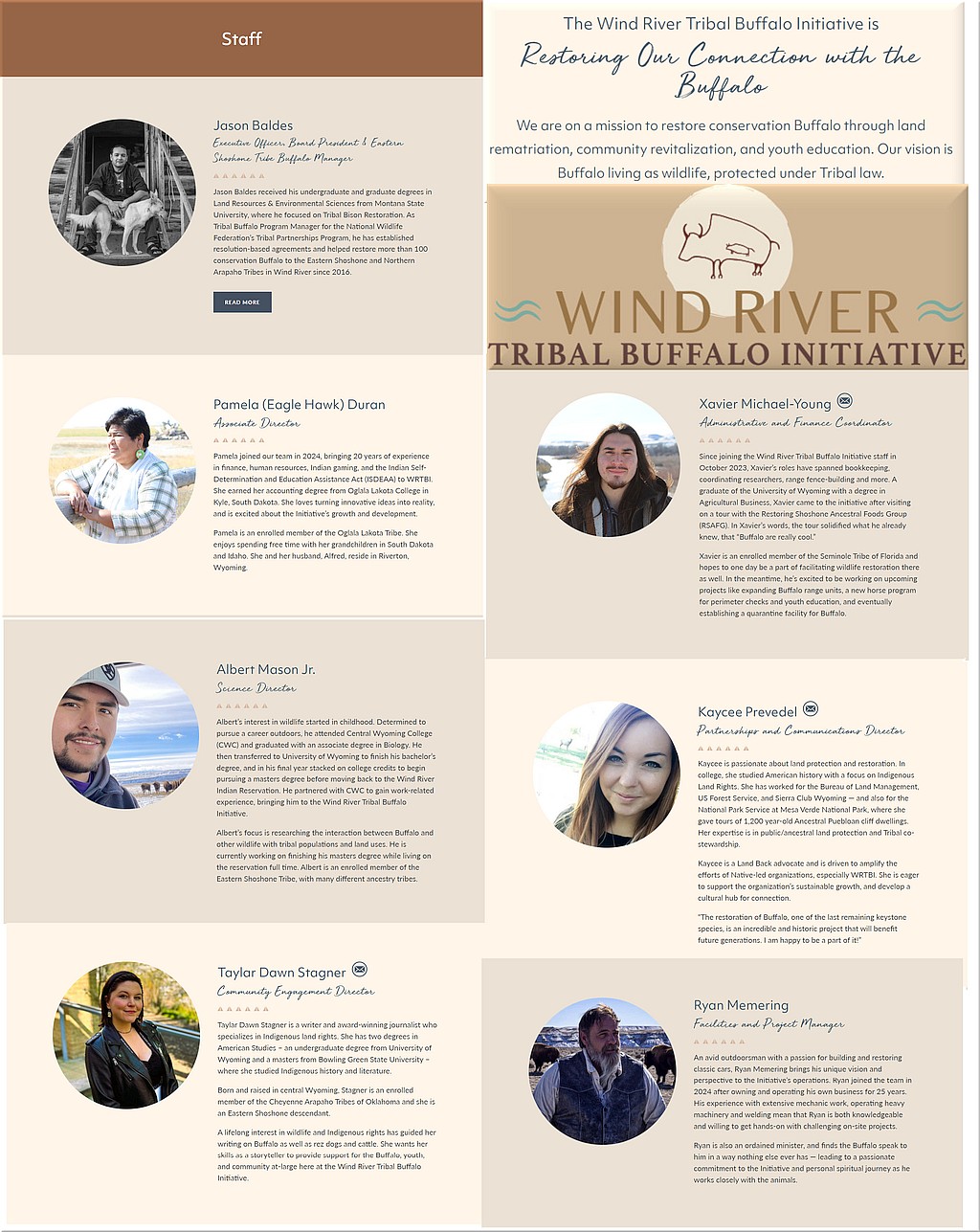
From the Wind River Tribal Buffalo Initiativeweb site: