There’s always a danger when researching something you’ve held in your imagination for years. Do you really want to know your hero’s dark side? Is that noble institution actually founded on greed and exploitation?
I’ve recently read two books – a biography about Joni Mitchell and an autobiography by Sinéad O’Connor. In both cases, the luster of their stardom is tarnished, but a deeper appreciation of their lives is achieved.
So I’ve been recently thinking about Leonard Cohen’s song “Suzanne”. This song came out in the mid-to-late 60s, and I was captivated by the lyrics.
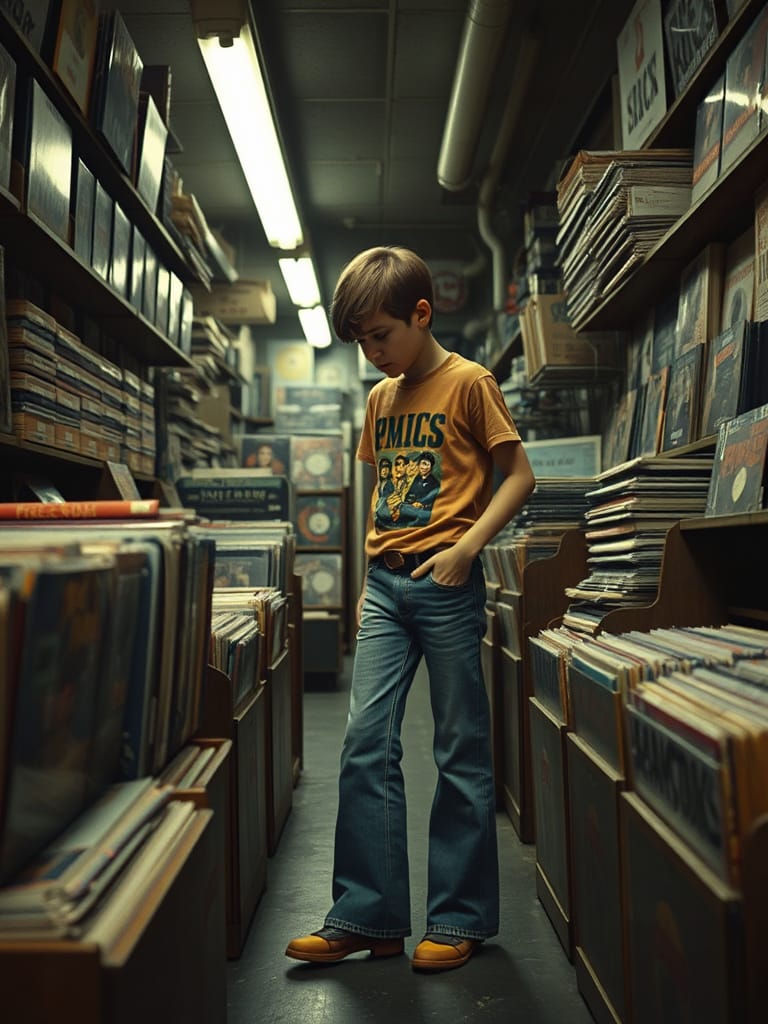
Remember, this was a time was access to music was incredibly limited, and you might search for hours in a record store looking for a song you’d heard once on the radio, and can’t remember the musician, and if you were lucky enough to find it, did you have the money for the LP?
Leonard Cohen took his Darwinian mandate seriously[1]. “God bless your appetite, my son!” For all this lyrical brilliance, there’s a raw carnality that underlies so many of his songs.
[1] Survive / reproduce.
Suzanne takes you down to a place by the river
You can hear the boats go by, you can spend the night forever
And you know that she's half crazy, and that's why you want to be there
And she feeds you tea and oranges that come all the way from China
And just when you want to tell her that you have no love to give her
She gets you on her wavelength, and lets the river answer
That you've always been her lover

And you want to travel with her
And you want to travel blind
And you think you'll maybe trust her
For she's touched your perfect body with her mind

And Jesus was a sailor when He walked upon the water
And He spent a long time watching from a lonely wooden tower
And when He knew for certain only drowning men could see Him
He said all men shall be sailors then until the sea shall free them
But He himself was broken long before the sky would open
Forsaken almost human, He sank beneath your wisdom like a stone

And you want to travel with Him
And you want to travel blind
And you think you'll maybe trust Him
For He's touched your perfect body with His mind

Suzanne takes you down to a place by the river
You can hear the boats go by, you can spend the night forever
And the sun pours down like honey on Our Lady of The Harbor
And she shows you where to look amid the garbage and the flowers
There are heroes in the seaweed, there are children in the morning
They are leaning out for love and they will lean that way forever
While Suzanne holds the mirror

And you want to travel with her
And you want to travel blind
And you think maybe you'll trust her
For you've touched her perfect body with your mind

Suzanne, by Leonard Cohen
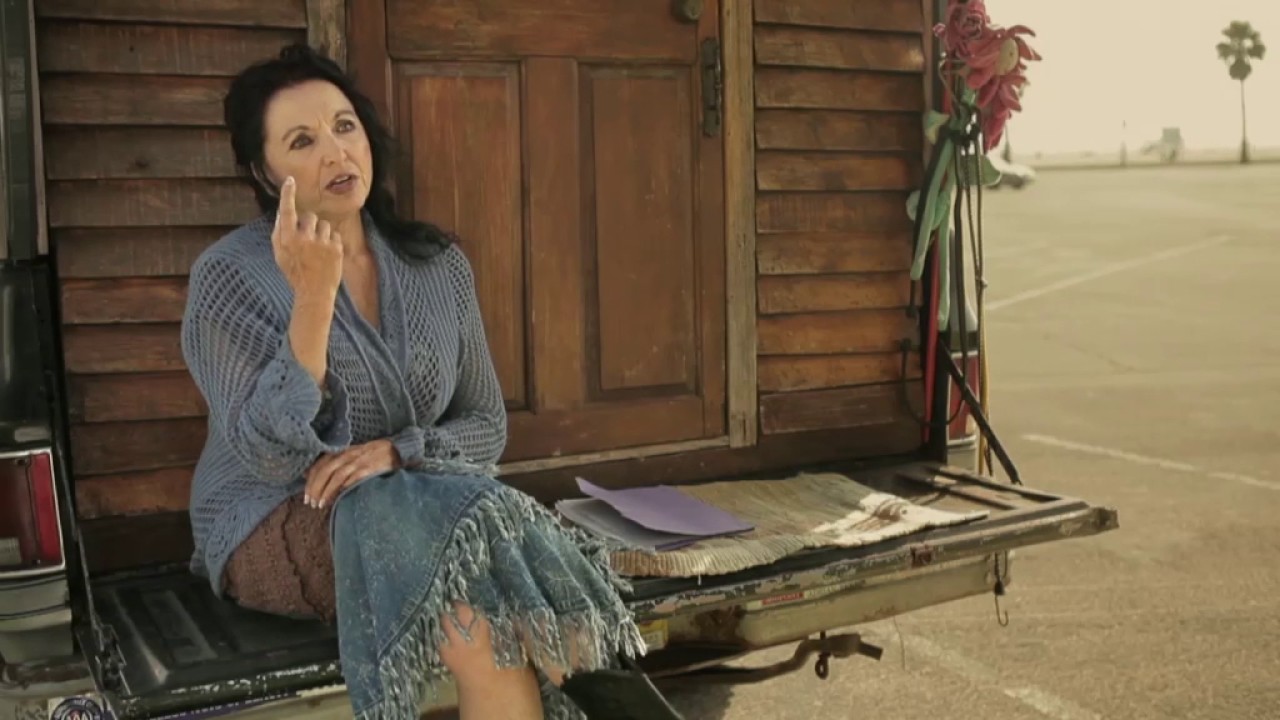
Suzanne Verdal, the Inspiration
“Suzanne” was inspired by Cohen’s platonic relationship with the dancer Suzanne Verdal. Its lyrics describe the rituals that they enjoyed when they met: Verdal would invite Cohen to visit her apartment by the harbour in Montreal, where she would serve him Constant Comment tea, and they would walk around Old Montreal past the church of Notre-Dame-de-Bon-Secours, where sailors were blessed before heading out to sea.
Verdal has said she met Cohen twice after the song’s initial popularity: once after a concert Cohen performed in the 1970s and once in passing in the 1990s when she danced for him, but Cohen did not speak to her (and possibly did not recognise her). Verdal never benefited financially from the song’s commercial success.
Saunders: Do you at all resent the fact that he, if you like, milked you for all the artistic inspiration and then moved on, having created this lovely thing from you? You can almost be said to have created this song yourself.
Suzanne: That may be, but I think poets do that. Poets, when they have a vision or an image, of course, use that. That’s their material. You must do this and being used is not even part of it at the time. That doesn’t exist. What came later was not remaining friends with Leonard and not knowing why. And that’s why there was some ill feeling there or some sadnesses that were not there at the beginning at all. Now the words have more meaning in a sense, because there’s a kind of detachment in the song that I hear now, that I didn’t hear then. Does that make sense to you?
Thank you for the opportunity to introduce myself, to authenticate my identity, and finally emerge from self imposed absence from social media and other avenues of communication. I assure you that the statements and documents herein, long overdue, validate that I am in fact, the Muse behind the poem, later the song, “Suzanne”, penned by Leonard Cohen.
There’s a couple theories about this line. In one, Suzanne Verdal gives a very literal interpretation:
Saunders: Could you describe one of the typical evenings that you spent with Leonard Cohen at the time the song was written?
Suzanne: Oh yes. I would always light a candle and serve tea and it would be quiet for several minutes, then we would speak. And I would speak about life and poetry and we’d share ideas.
Saunders: So it really was the tea and oranges that are in the song?
Suzanne: Very definitely, very definitely, and the candle, who I named Anastasia, the flame of the candle was Anastasia to me. Don’t ask me why. It just was a spiritual moment that I had with the lightening of the candle. And I may or may not have spoken to Leonard about, you know I did pray to Christ, to Jesus Christ and to St. Joan at the time, and still do….
I went and was very much interested in the waterfront. The St. Lawrence River held a particular poetry and beauty to me and (I) decided to live there with our daughter, Julie. Leonard heard about this place I was living, with crooked floors and a poetic view of the river, and he came to visit me many times. We had tea together many times and mandarin oranges.
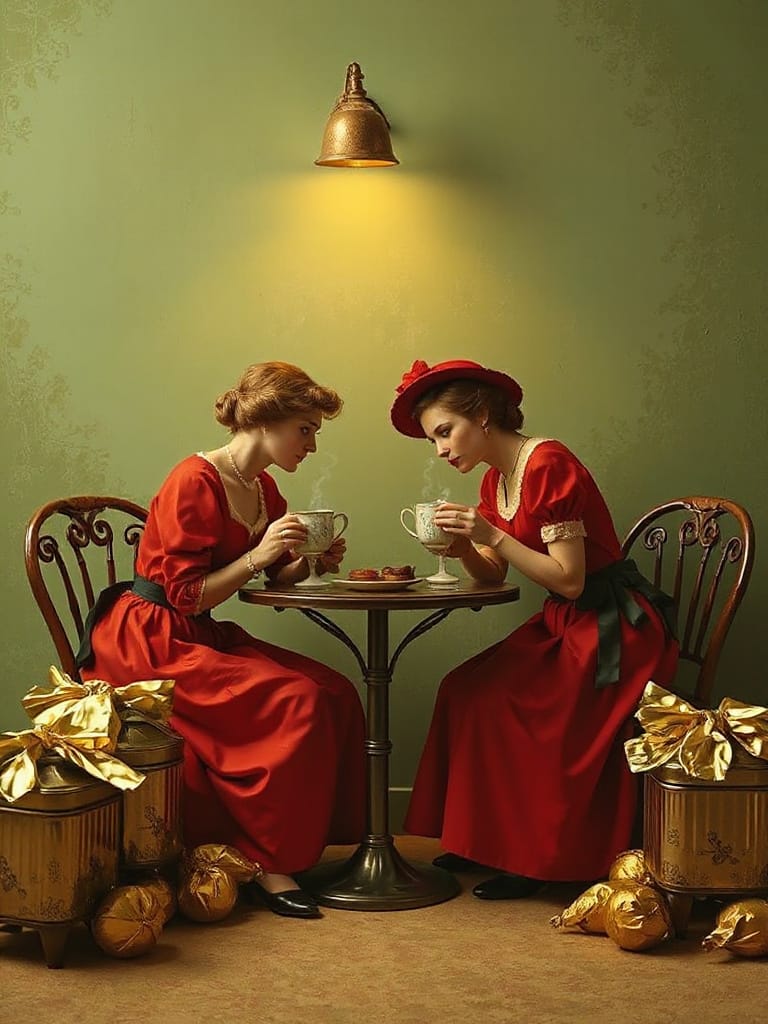
Another idea, told by Cohen himself, is that the tea is the spiced tea from the Bigelow Tea Co., called Constant Comment. The story of this spiced orange peel tea is fascinating in its own right. The NPR article tells of a grandmother, Ruth Bigelow, who made the tea blend in her kitchen, and had her husband and son hand-paint the tins that would be sold that day.
It was first sold in squat tins wrapped in gold foil to specialty stores and boutiques. Since the family couldn’t afford a colored label,
Ruth’s husband and son, David Sr. and David Jr., sat up every night painstakingly hand-painting the green background and red dresses of the two ladies on the label shown drinking tea. In the morning, the tins were loaded into the family station wagon and sold store by store.
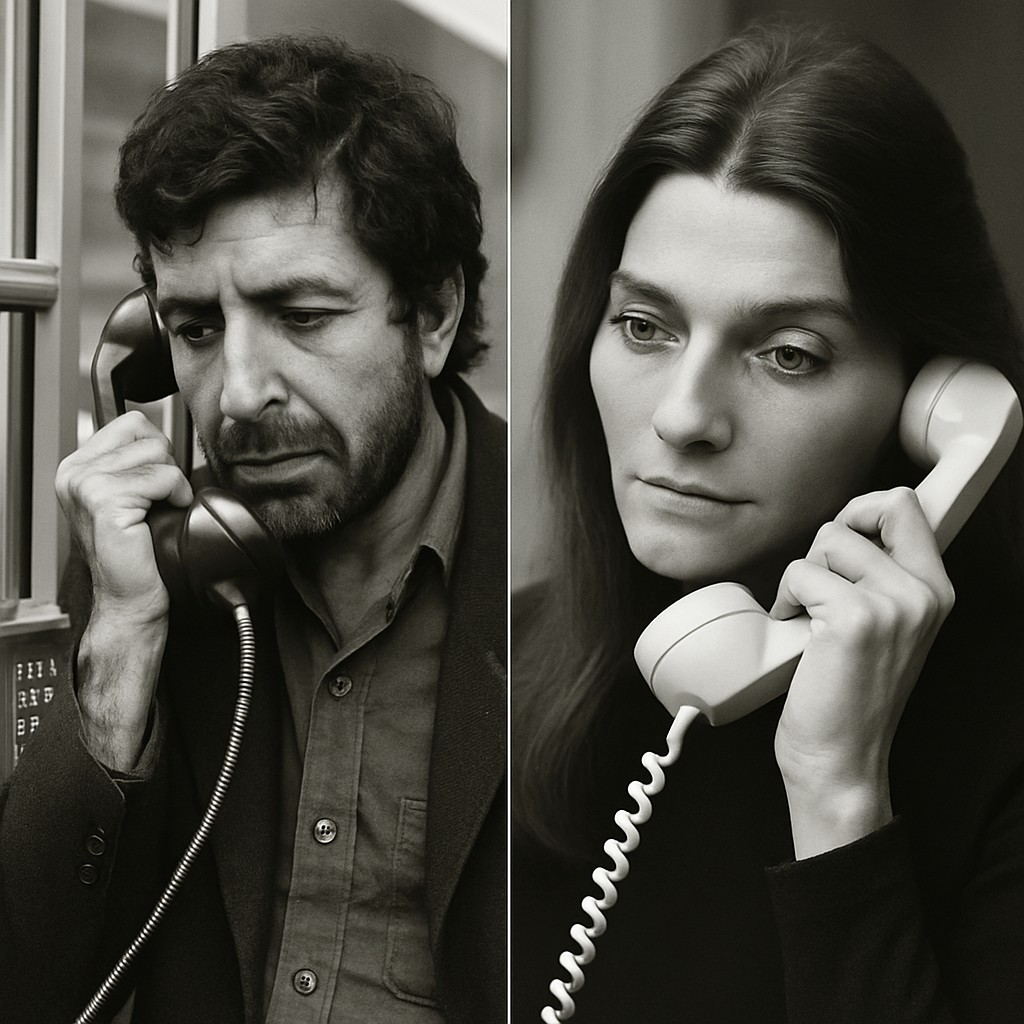
According to multiple sources, when Cohen had just finished “Suzanne,” he telephoned Judy Collins from Montreal and sang it to her over the phone.
Judy Collins was influential in bringing Cohen’s songs to public attention; her version of Suzanne was released in 1966 and helped Cohen’s work reach a wider audience.
In Far Out Magazine, there’s a recent article paraphrasing Cohen’s own recollection: “When I finished ‘Suzanne’, I telephoned her from Montreal and I sang it to her over the phone.”
WLBOTT reconstructs this wonderful moment in music history:
Elder G analyzes the financial component of this interaction:
Let’s run the numbers. 📞
Long-Distance Rates, Late 1960s
In the 1960s, long-distance calling was a serious luxury.
A weekday, daytime rate (the most expensive) from Montreal to Los Angeles would have been about $1.00–$1.50 per minute (Canadian dollars), depending on the year and carrier.
Evening and night rates were lower, sometimes 40–60¢ per minute.
For a 30-minute mid-day call
At $1.20/minute × 30 minutes = $36 CAD (≈ $32 USD at 1967 exchange rates).
That was the equivalent of about a week’s rent for a room or 10 brand-new LP records.
In today’s money, that’s roughly $300–$350 USD.
Why it Mattered
So if Leonard Cohen really had sung Suzanne to Judy Collins over the phone for half an hour, it would have been the most expensive debut performance of his career. It underlines how unusual and extravagant long-distance phone calls were back then — something you’d think twice about before dialing.
References (Elder G)
As for LP prices in the late 1960s:
In the U.S., a new 12-inch LP typically cost about $3.50–$4.50 (which would be roughly $30–$40 in today’s money).
Discounts and sales could bring them closer to $2.50–$3.00.
Double albums (like Dylan’s Blonde on Blonde or later The Beatles’ White Album) often cost around $6–$8, which felt steep at the time.
Used records and budget labels (like Columbia Record Club promotions or cut-outs) could be cheaper, maybe $1–$2.
So if you were a college kid in 1967, saving up to buy Cohen’s Songs of Leonard Cohen, you’d probably have to fork over the equivalent of a few hours’ pay at a part-time job.
Everyday Costs in the U.S. (1967–1969)
LP Record: $3.50–$4.50 (new release)
Double LP: $6–$8
Movie Ticket: about $1.25
Gasoline (per gallon): about 33¢
Diner Coffee: about 10¢–15¢ a cup
Hamburger at McDonald’s: 18¢
New Car: average price around $2,750
Monthly Rent: about $120 (national average)
Median Household Income: about $7,100 per year
Putting it in Perspective
So, buying an LP was:
Roughly the price of 3–4 movie tickets.
Equal to 10–12 gallons of gas.
Equivalent to 30 cups of coffee at a diner.
That’s why record-buying was a serious decision. You didn’t grab a stack of them casually; you chose which music would sit on your turntable for months, maybe years.
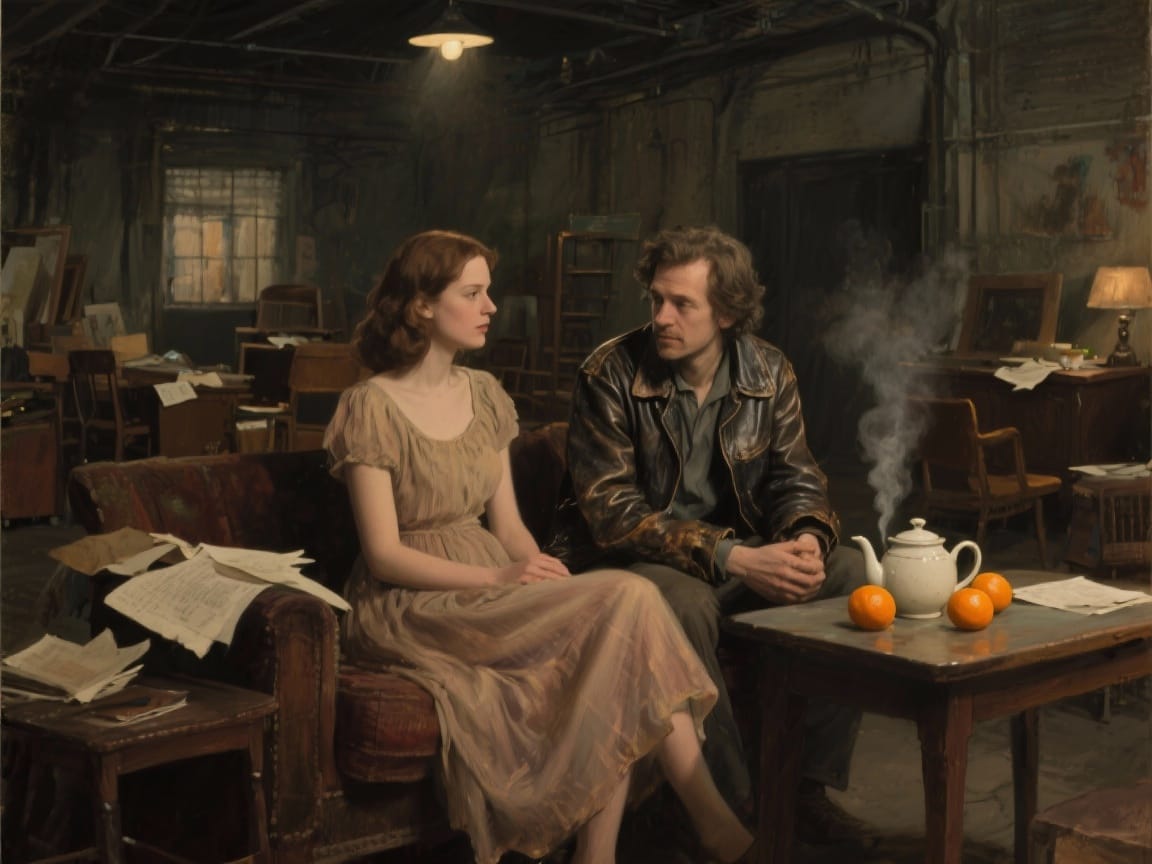
Elder G provides us with some beautiful artwork inspired by today’s topic: