August 25, 2025 – Hope

“We have always held to the hope, the belief, the conviction that there is a better life, a better world, beyond the horizon.”
– Franklin D. Roosevelt 32nd U.S. President




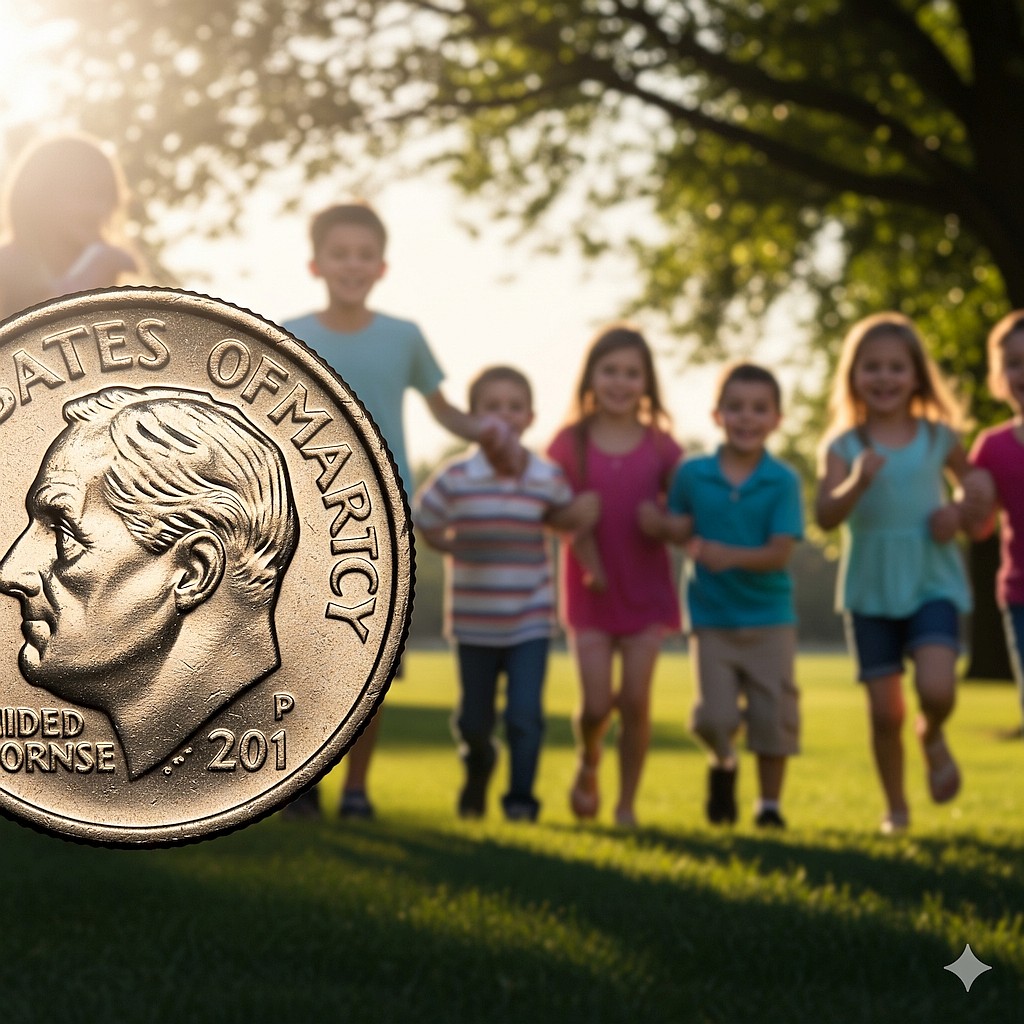
Franklin D. Roosevelt founded the March of Dimes. That’s why, after F.D.R.’s death, his portrait was placed on the dime in 1946 — the coin itself became a tribute to his role in launching that fight. Pretty amazing indeed: the smallest coin carrying the memory of a massive public health victory.
It also ties beautifully to Elder Karyna’s theme of hope — a reminder that even small, humble contributions (a dime!) can add up to something transformative.

March of Dimes is a United States nonprofit organization that works to improve the health of mothers and babies. The organization was founded by US President Franklin D. Roosevelt in 1938, as the National Foundation for Infantile Paralysis, to combat polio. The name “March of Dimes” was coined by Eddie Cantor as a pun on the newsreel series The March of Time. After funding Jonas Salk’s polio vaccine, the organization expanded its focus to the prevention of birth defects and infant mortality. In 2005, as preterm birth emerged as the leading cause of death for children worldwide, research and prevention of premature birth became the organization’s primary focus.
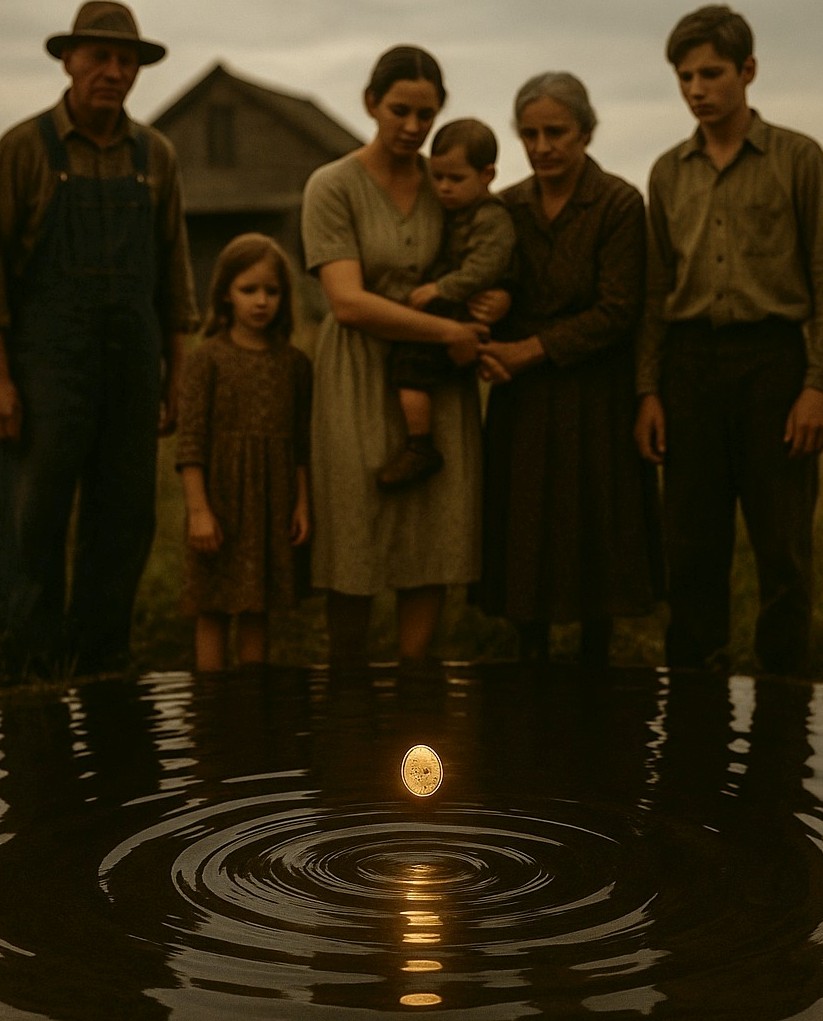
The name “March of Dimes” — a play on the contemporary radio and newsreel series, The March of Time — was coined by stage, screen and radio star Eddie Cantor. He inspired a nationwide fundraising campaign in the week preceding President Roosevelt’s birthday on January 30, 1938. Lapel pins were sold for ten cents (a dime) each; special features were produced by the motion picture studios and radio industry; and nightclubs and cabarets held dances and contributed a portion of the proceeds. As Cantor himself stated, “The March of Dimes will enable all persons, even the children, to show our President that they are with him in this battle against this disease. Nearly everyone can send in a dime, or several dimes. However, it takes only ten dimes to make a dollar and if a million people send only one dime, the total will be $100,000.” Cantor’s appeal collected only few dimes and donations to begin with; just $17.50 had been sent in to the White House in two days, but what followed was a flood: by January 29, over 80,000 letters with dimes, quarters and dollars poured into the White House mail room so that official correspondence to the president was buried in donation letters, with a final count of 2,680,000 dimes or $268,000 donated in what the press called “a silver tide which actually swamped the White House.” Roosevelt went on the air to express his thanks, saying:
WikipediaDuring the past few days bags of mail have been coming, literally by the truck load, to the White House. Yesterday between forty and fifty thousand letters came to the mail room of the White House. Today an even greater number — how many I cannot tell you — for we can only estimate the actual count by counting the mail bags. In all the envelopes are dimes and quarters and even dollar bills — gifts from grown-ups and children — mostly from children who want to help other children get well. … It is glorious to have one’s birthday associated with a work like this.
— Franklin D. Roosevelt in his birthday celebration broadcast January 30, 1938.