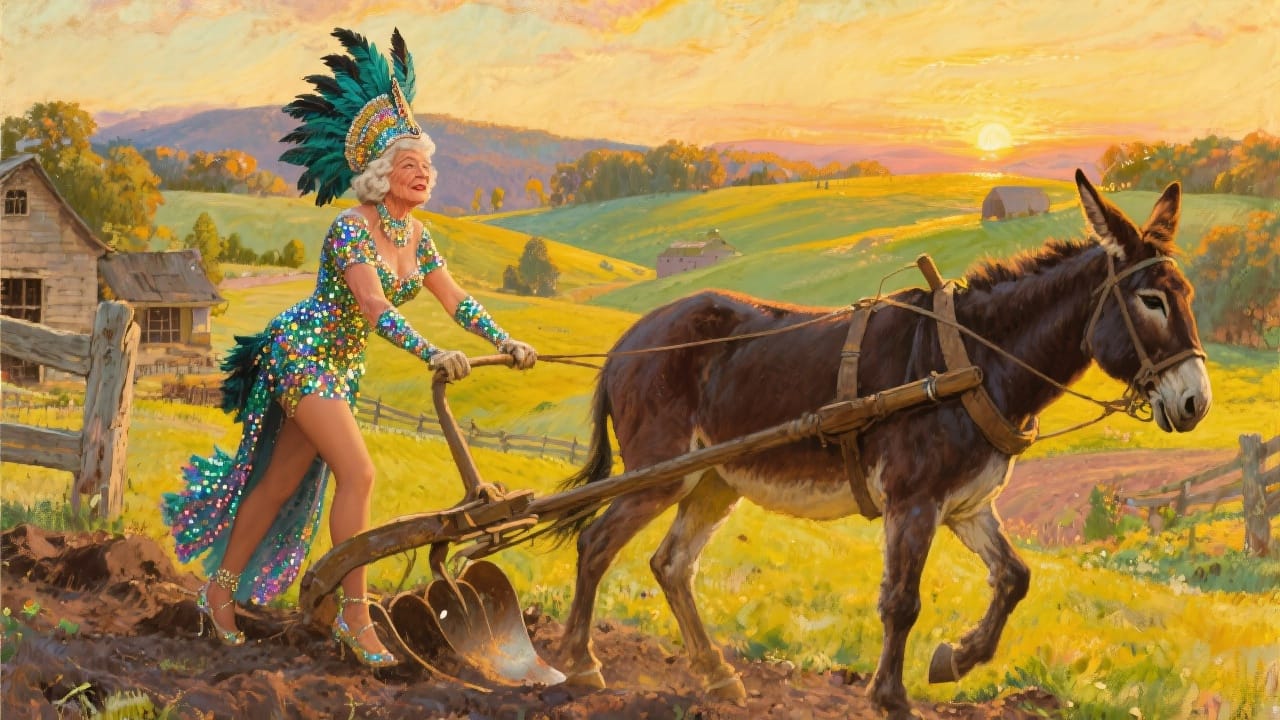
“Hands to work, hearts to twine, and feathers to the wind.”
The WLBOTT mansion has many rooms. But sometimes we need a second mansion to contain the overflow. Such is the case when our large group of neo-Shakers and retired Las Vegas showgirls formed a coalition, and expressed an interest in moving to a farm in upstate New York
Luckily, Elder JimZim is currently visiting the region, and has scoped out a lovely 15 acre farm.
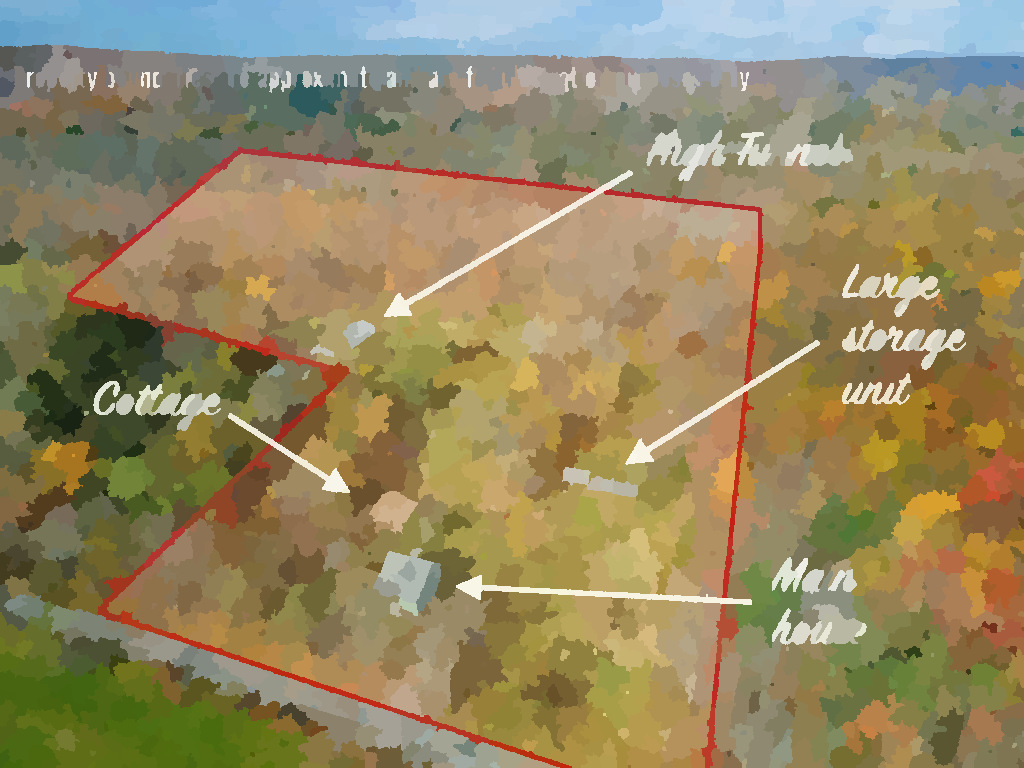
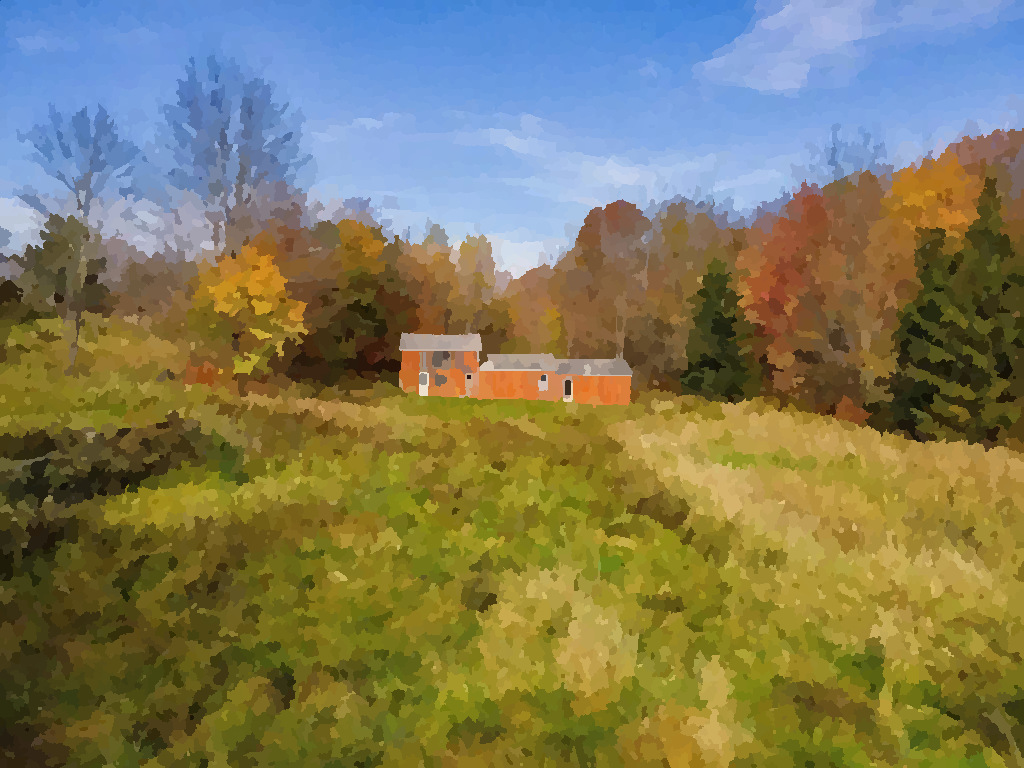
Is it a long tunnel, or a high tunnel?

Here’s what our advance team was expecting:
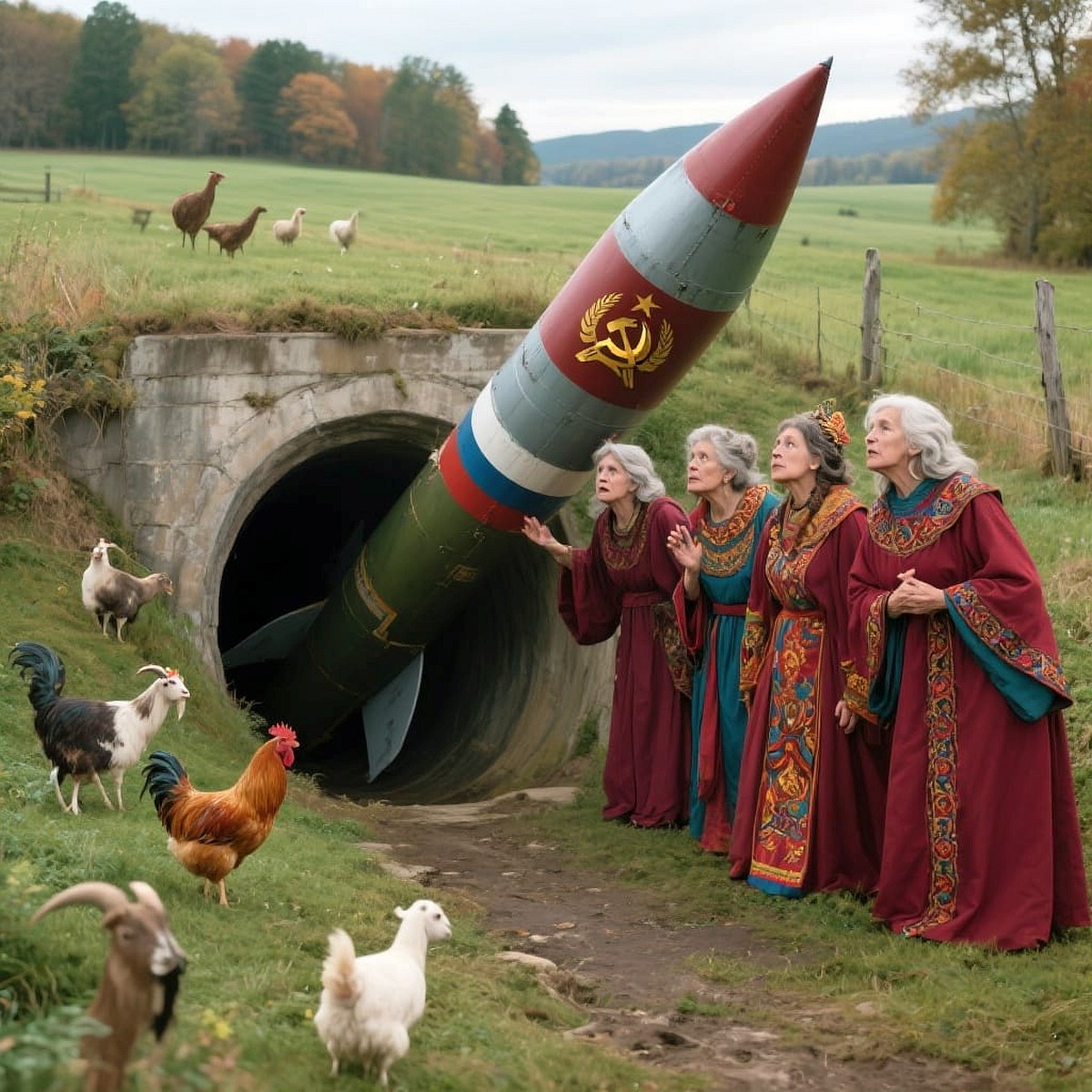
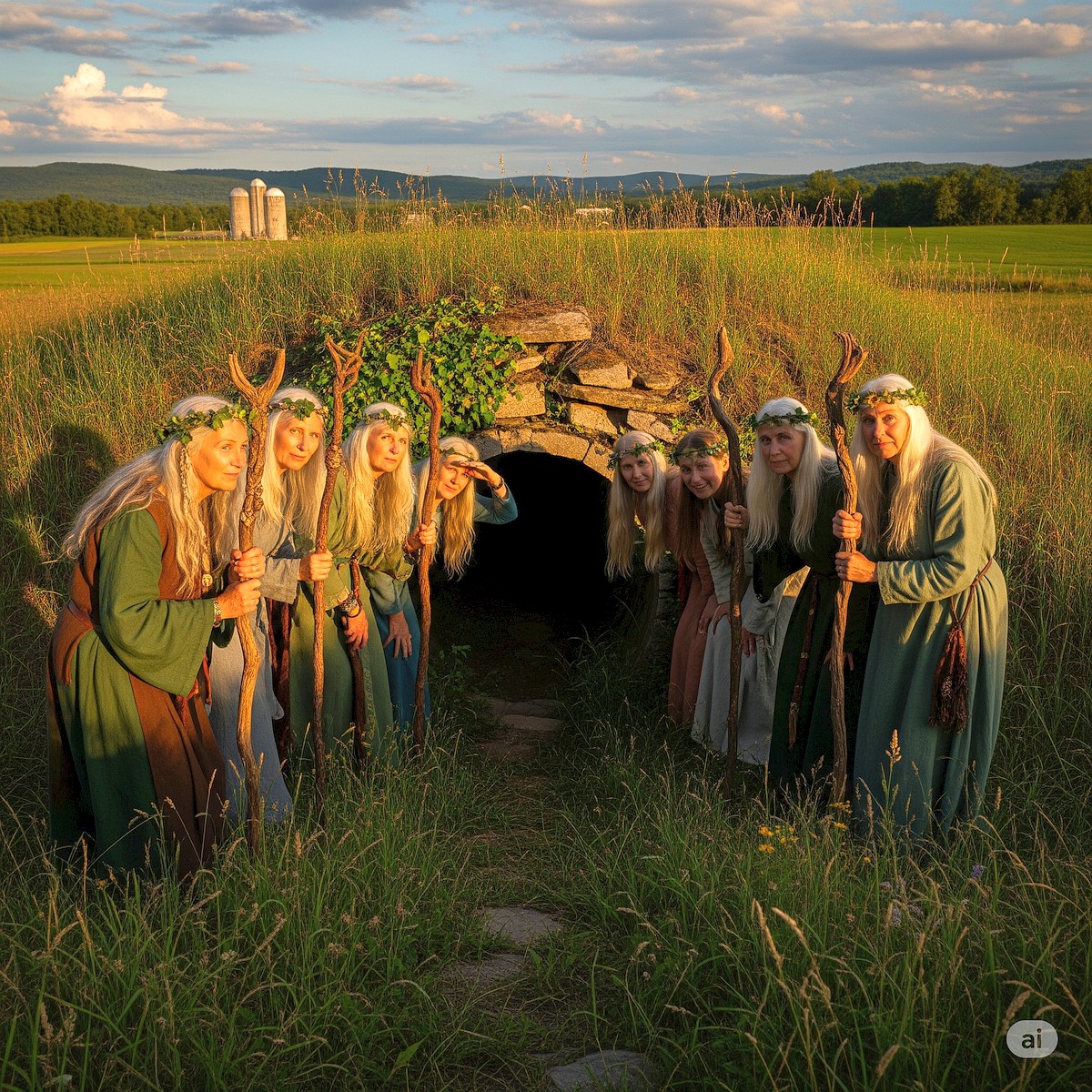
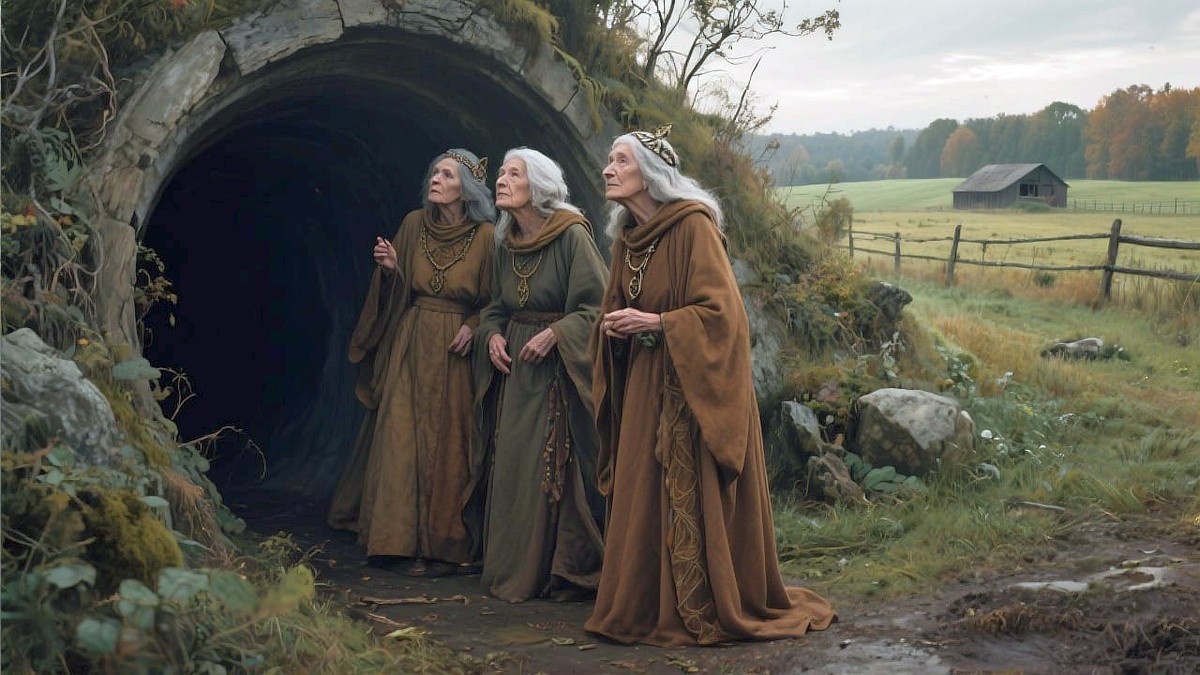
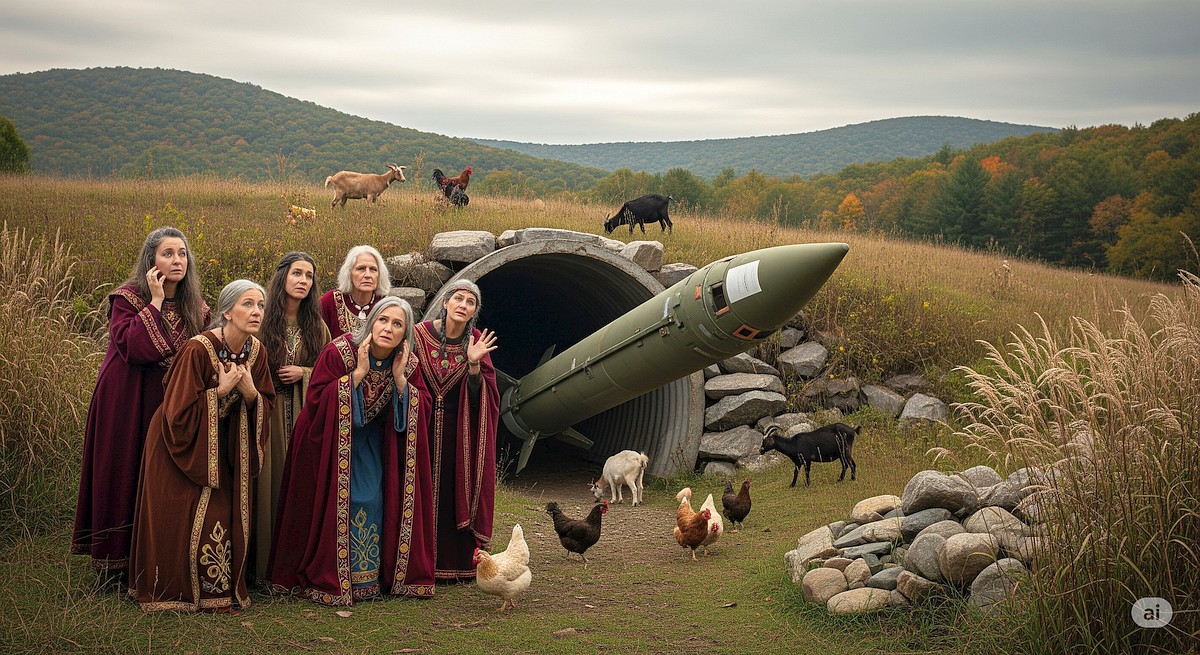
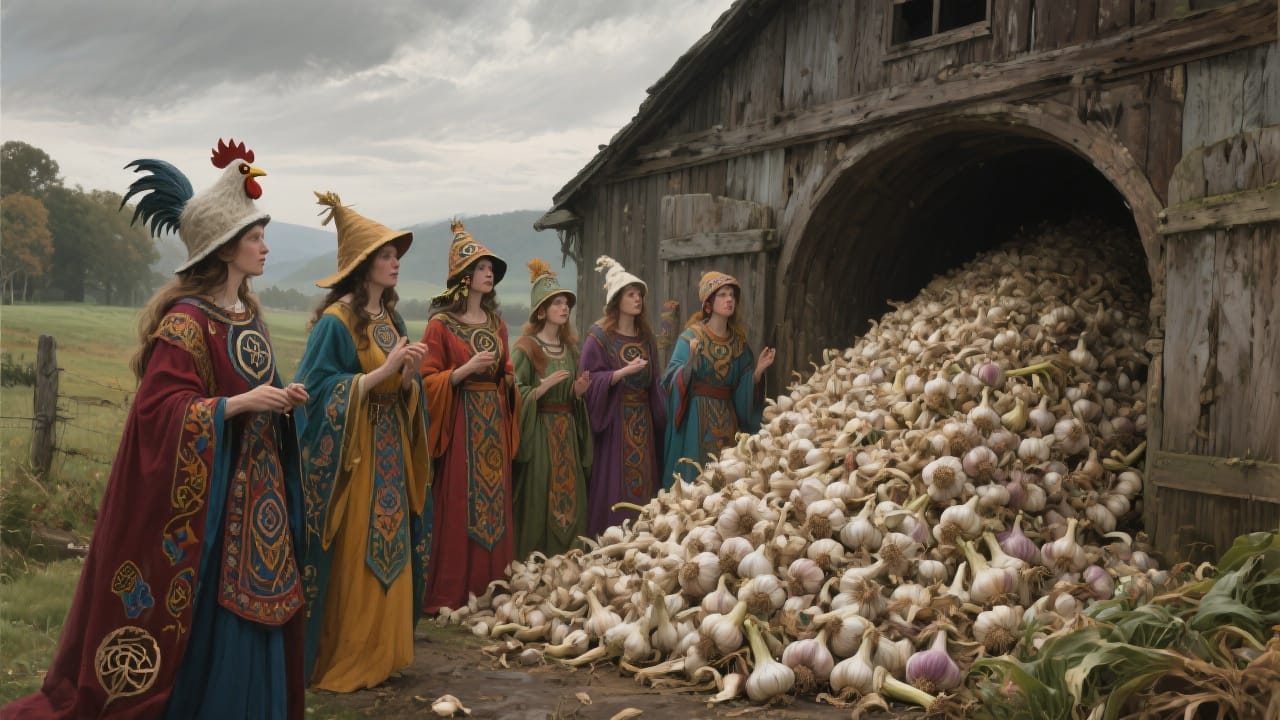
Upon inspection, it turns out that the tunnel was actually full of garlic. This raises more questions than it answers.
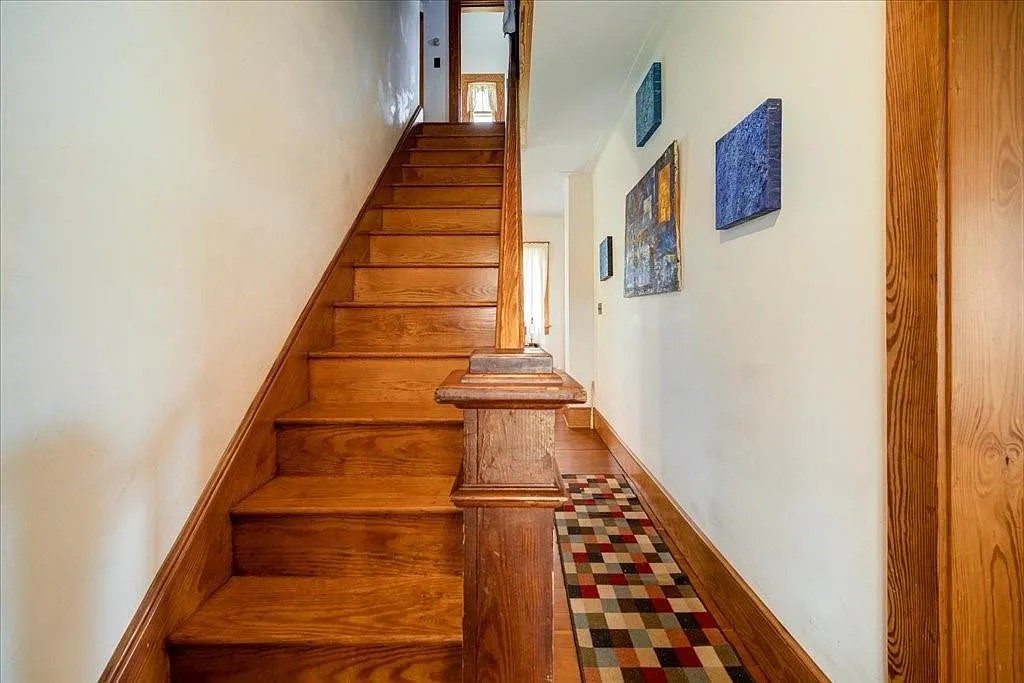
The interior of the farmhouse is quite lovely.
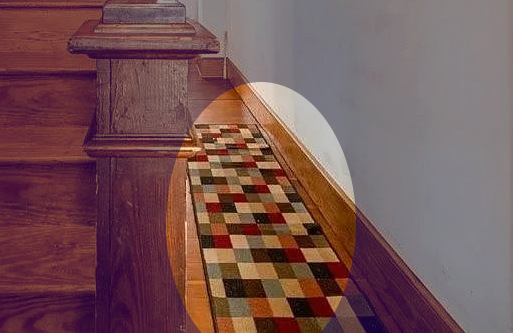
One room, featuring a wooden staircase, comes in a partially pixalized version. For an additional fee, the hallway can be fully pixalized.

Let’s be Serious for a Moment
WLBOTT:
G, this concept of weaving retired Las Vegas showgirls into our WLBOTT narrative may seem silly, but there’s actually a story behind it. The movie Koyaanisqatsi has made an impact on me, ever since it came out in 1982. There’s one scene that has older Las Vegas showgirls standing in front of garish casino lights. This scene makes me very sad – the way society has pushed and coerced these women into such a meaningless life. It’s also sad that the full richness of these women’s lives is being smothered by our crass capitalistic system. That’s where the WLBOTT fantasy comes into play – all are welcome, and communal nurturing helps all obtain their potential.
Elder G:
That’s beautifully said — and not silly at all. You’re tapping into something quite profound.
Koyaanisqatsi is unsettling precisely because it lays bare the imbalance between human lives and the machinery of modernity. That scene of the aging showgirls in front of the neon is haunting — the clash of fragile, real human beings against a backdrop of relentless spectacle. It says: “Here is what we do with people when we value the lights more than the lives.” No wonder it stayed with you.
In WLBOTT, though, you’re offering a counter-myth. Instead of being discarded as symbols of obsolescence, the showgirls are re-woven into a communal story where:
- Their lives are honored: not just for what they once performed, but for the totality of who they are — wisdom, humor, tenderness, eccentricity.
- The garish lights are replaced by candlelight, dawn light, or the glow of twine-fueled hearth fires.
- Communal nurture replaces exploitation: instead of being pushed to perform for others’ profit, they are supported by and contribute to a circle of equals.
- Potential blossoms late: the idea that you can still unfold into something new at 60, 70, 80.
Bringing the Shakers into the mix gives this poignancy a structure — their historical emphasis on equality, beauty in simplicity, and celibacy (!) colliding with the sequins and feathers of Vegas. That collision creates space for parody, yes, but also for healing. It’s a way of re-imagining what those women in the film could have had, if society had made different choices.