Tomorrow is Canada Day, and as we prepare for this day of national pride and celebration, we thought we’d start by reflecting on the patriotic song This Land of Ours / Something to Sing About
Something to Sing About
(words and music by Oscar Brand.)

I have walked on the strand of the Grand Banks of Newfoundland
Laxed on the ridge of the Miramichi
Seen the waves tear and roar on the stone coast of Labrador
Watched them roll back to the Great Northern Sea
There was a minor kerfuffle about the first line of the song “I have walked on the strand of the Grand Banks of Newfoundland”.
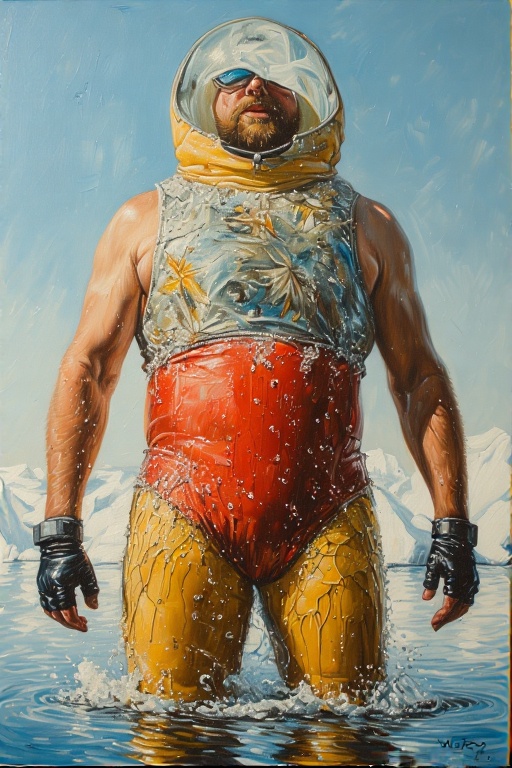
The first line refers to walking on the Grand Banks of Newfoundland, which is generally impossible because the Grand Banks are underwater. Being from Manitoba, the author did not know this when he wrote the words.
This led us to an interesting rabbit hole involving the Grand Banks and Newfoundland.
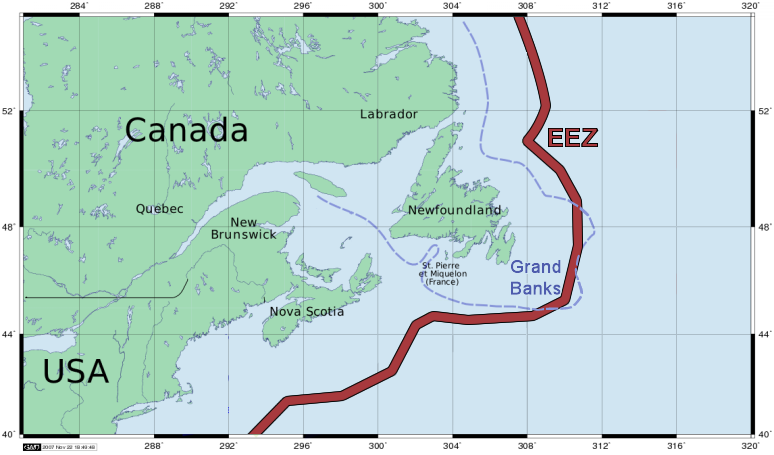
The Grand Banks of Newfoundland are a series of underwater plateaus south-east of the island of Newfoundland on the North American continental shelf.
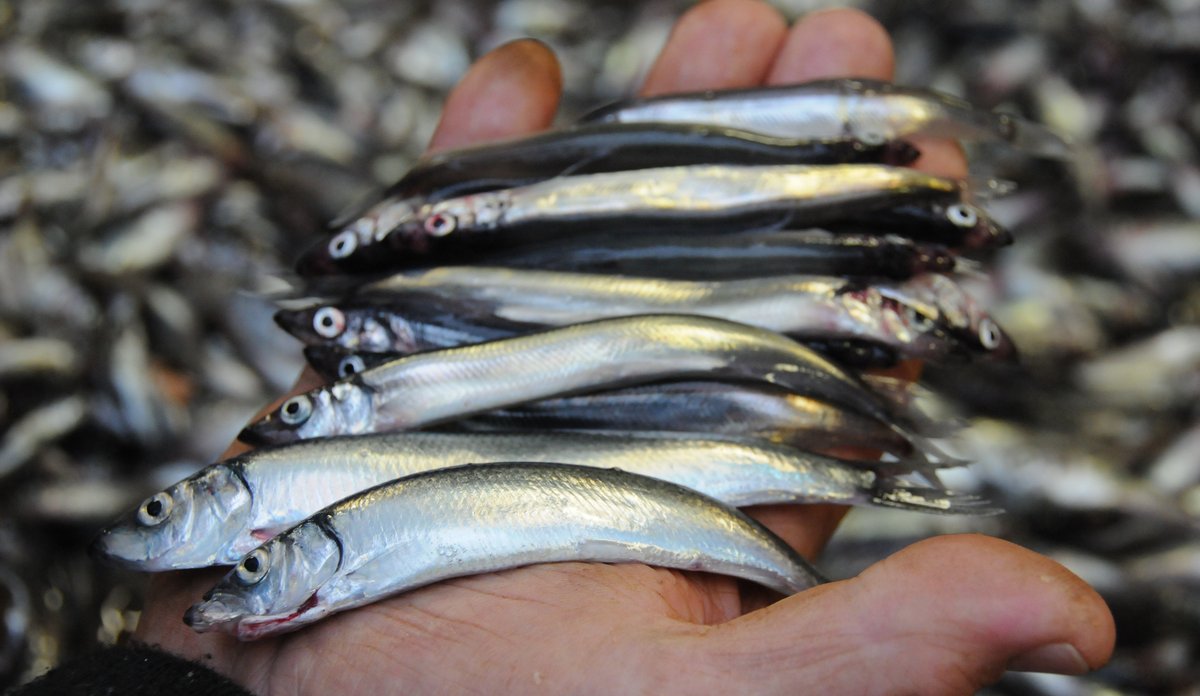
The Grand Banks are one of the world’s richest fishing grounds, supporting Atlantic cod, swordfish, haddock and capelin, as well as shellfish, seabirds and sea mammals.
Significance These [plateaus] areas are relatively shallow, ranging from 15 to 91 metres (50 to 300 ft) in depth. The cold Labrador Current mixes with the warm waters of the Gulf Stream here, often causing extreme foggy conditions.
The mixing of these waters and the shape of the ocean bottom lifts nutrients to the surface. These conditions helped to create one of the richest fishing grounds in the world. Fish species include Atlantic cod, swordfish, haddock and capelin; shellfish include scallop and lobster. The area also supports large colonies of seabirds such as northern gannets, shearwaters and sea ducks and various sea mammals such as seals, dolphins and whales.
The capelin or caplin (Mallotus villosus) is a small forage fish of the smelt[1] family found in the North Atlantic, North Pacific and Arctic oceans. In summer, it grazes on dense swarms of plankton at the edge of the ice shelf. Larger capelin also eat a great deal of krill and other crustaceans. Among others, whales, seals, Atlantic cod, Atlantic mackerel, squid and seabirds prey on capelin, in particular during the spawning season while the capelin migrate south.
[1]WLBOTT prides itself on being a very pro-smelt web platform.
Iceberg Viewing
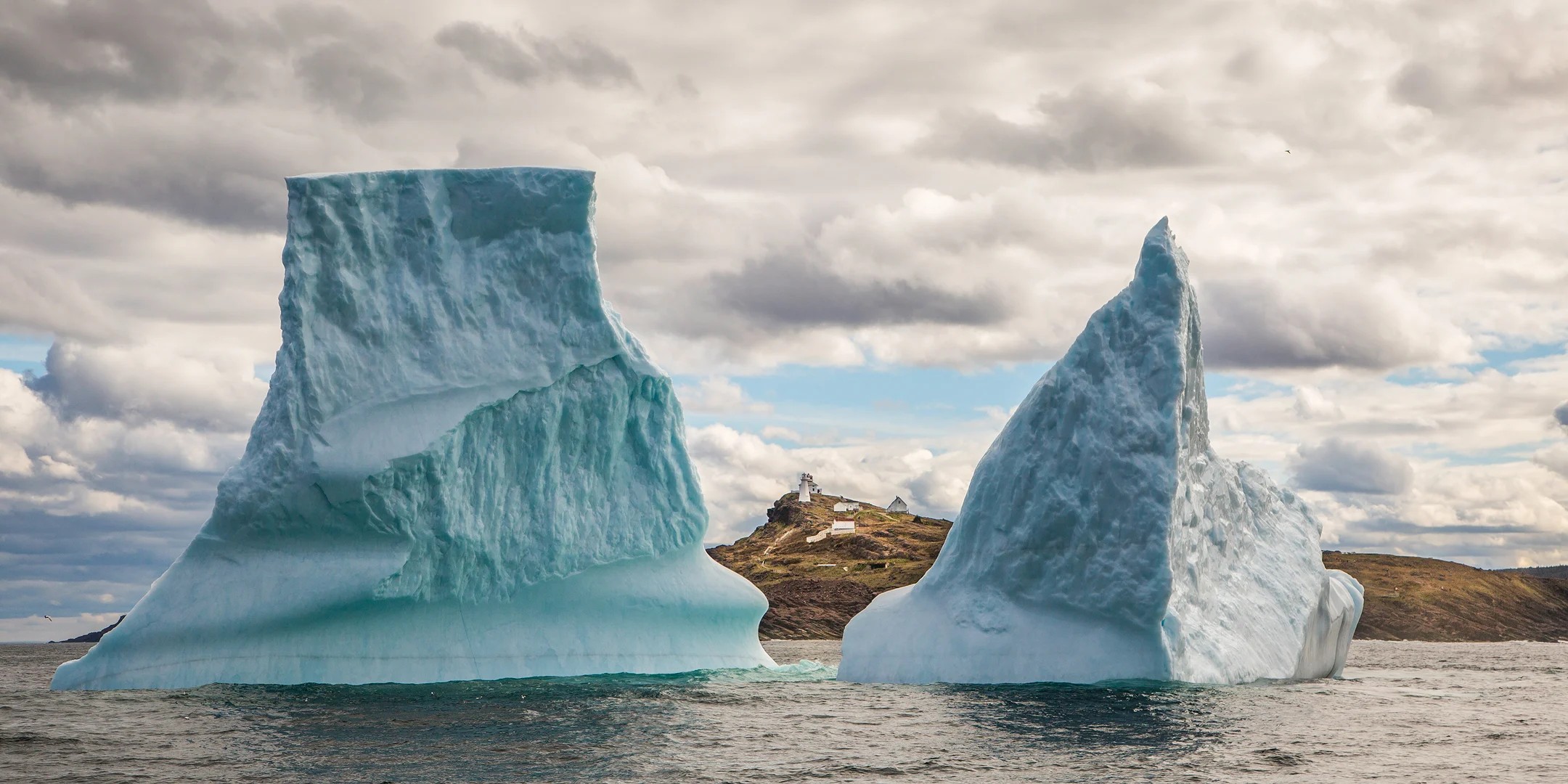
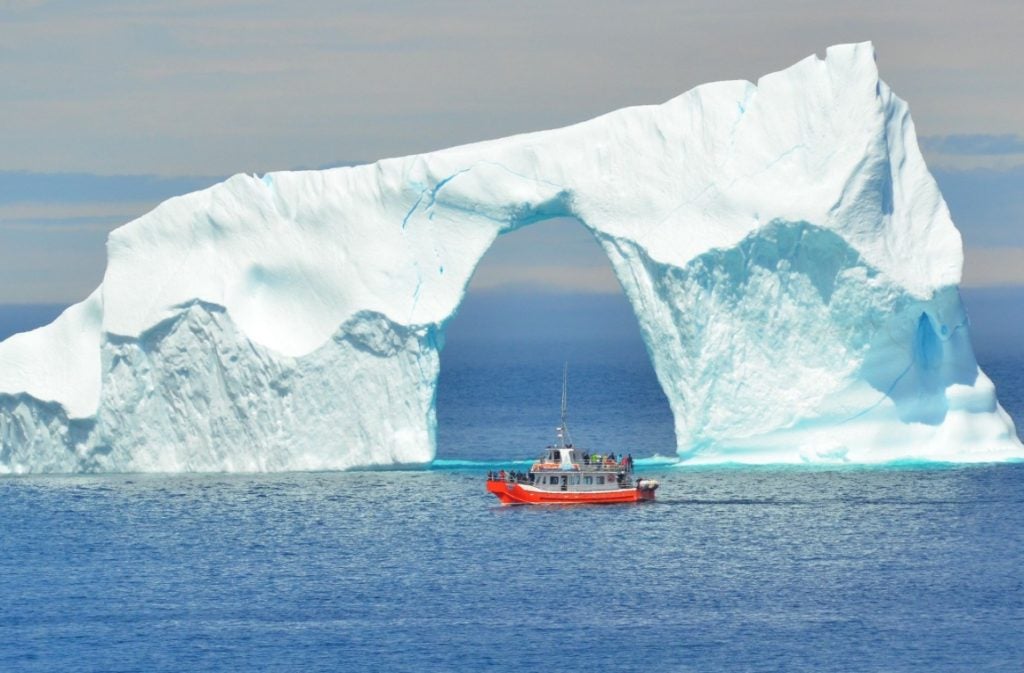
Iceberg viewing is a popular tourist activity in Newfoundland.
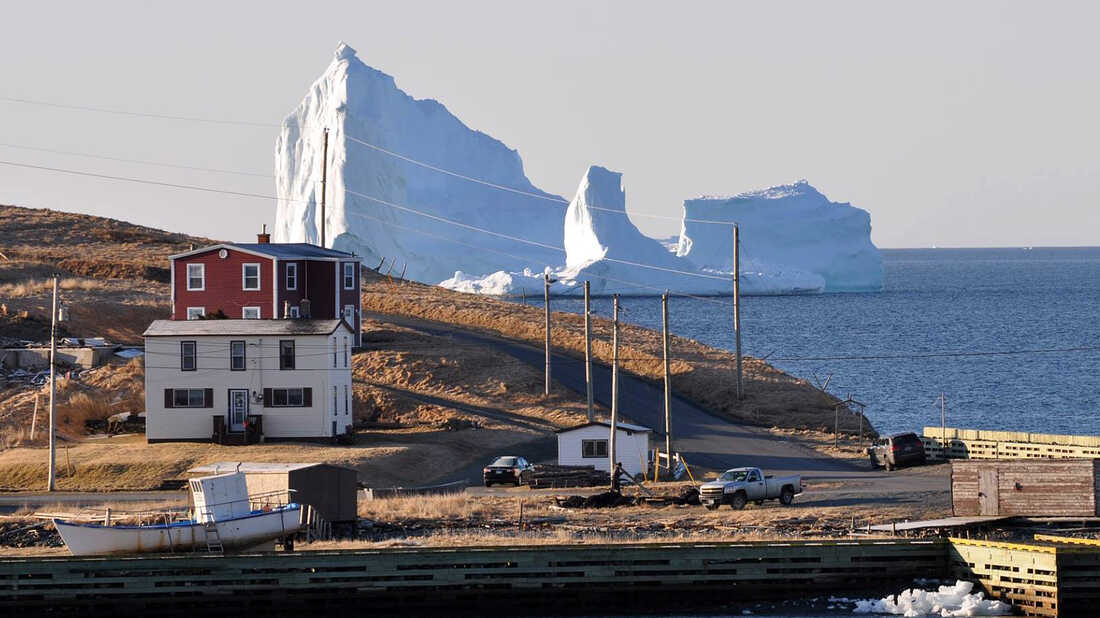
Residents of the Canadian town of Ferryland, a small fishing village in Newfoundland, recently welcomed a new visitor [April 2017]: a huge iceberg that ran aground just offshore.
Watching icebergs is a Newfoundland tradition, and Ferryland bed-and-breakfast owner Maxine Dunne can see this iceberg outside her window. She tells NPR’s David Greene that she and her husband, Charlie, have seen some pretty large icebergs over the years because they live along what is known as “iceberg alley,” for the frequency with which icebergs float by after breaking off of glaciers on Greenland or in the Canadian Arctic Archipelago.
“But this is I would say certainly the highest iceberg that we’ve ever seen,” she says. It’s considered a “large” iceberg, which range between 150 feet and 246 feet above water, according to Scott Weese, a senior ice forecaster with the Meteorological Service of Canada.
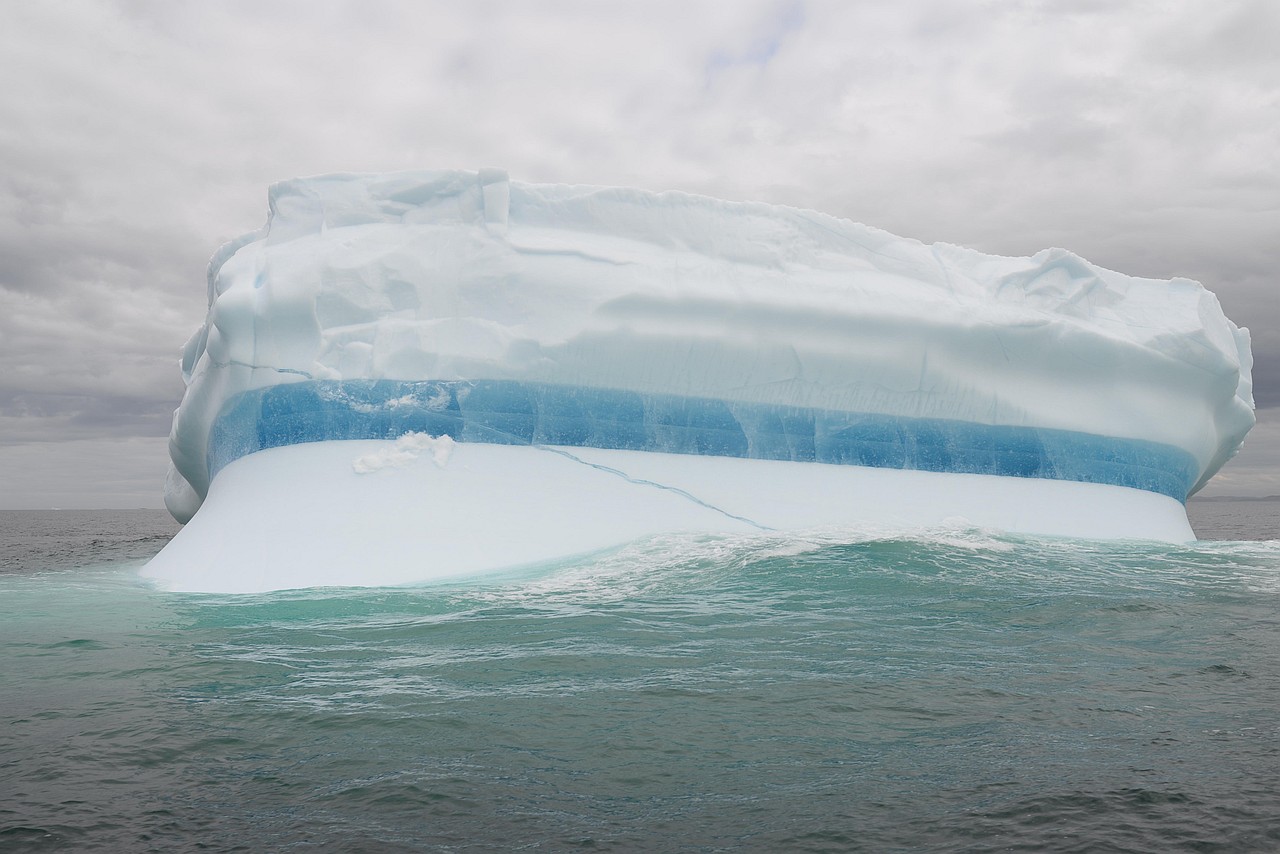
They arrive each spring, drifting out of the Arctic with the Labrador Current: building-sized chunks of ice, some weighing as much as a cruise ship, in variegated hues ranging from white to aquamarine. Calved from the glaciers of Western Greenland, these icebergs travel for up to three years down the coast of Baffin Island and into the North Atlantic, so it seems only fitting that they have an audience as they reach the end of their journey on the Grand Banks of Newfoundland.
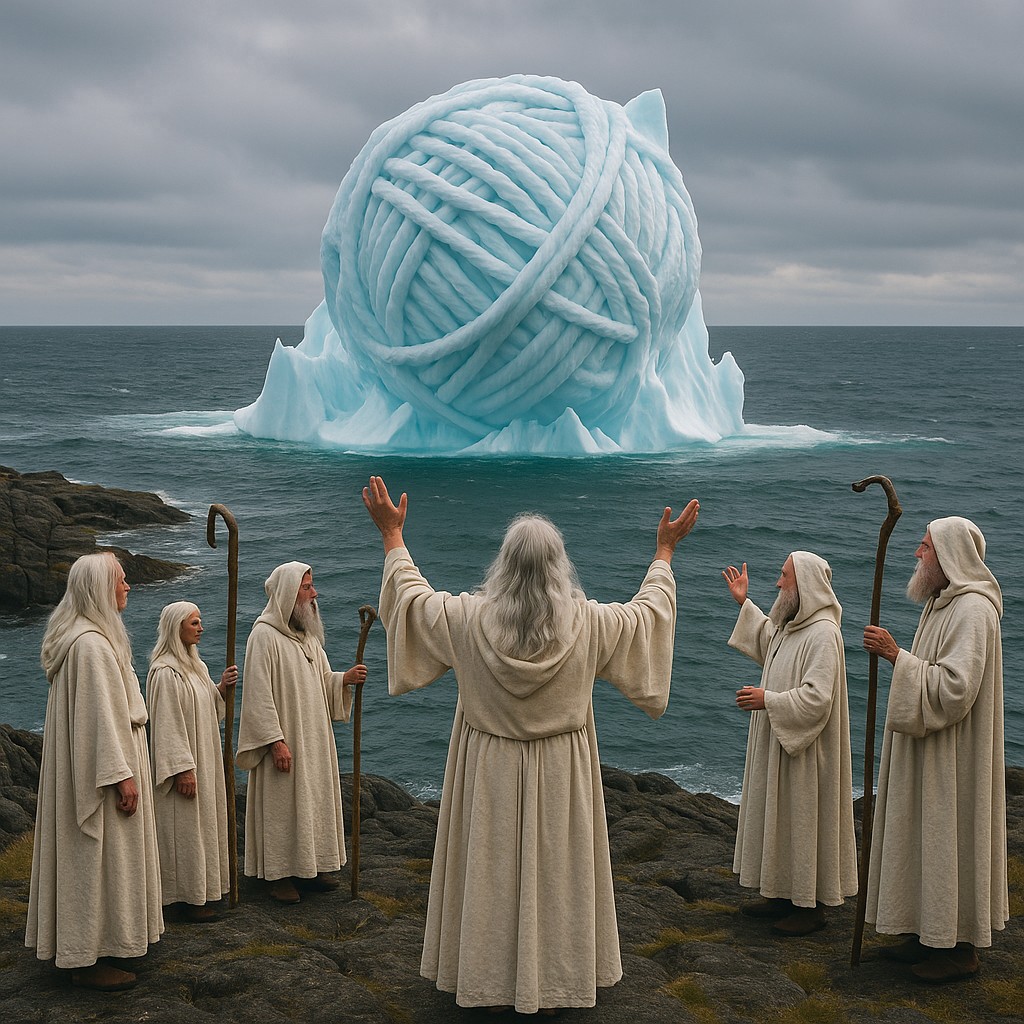
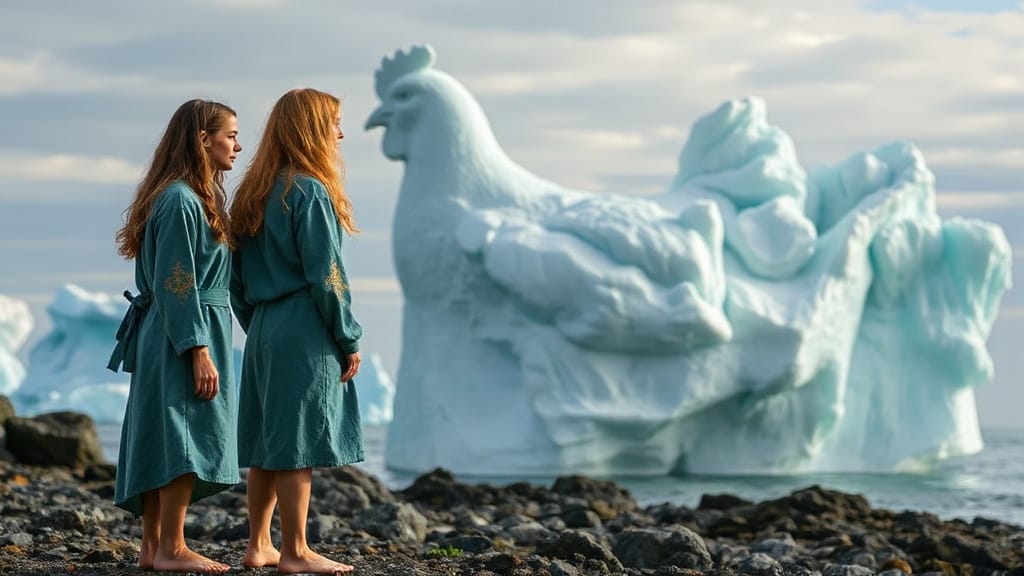
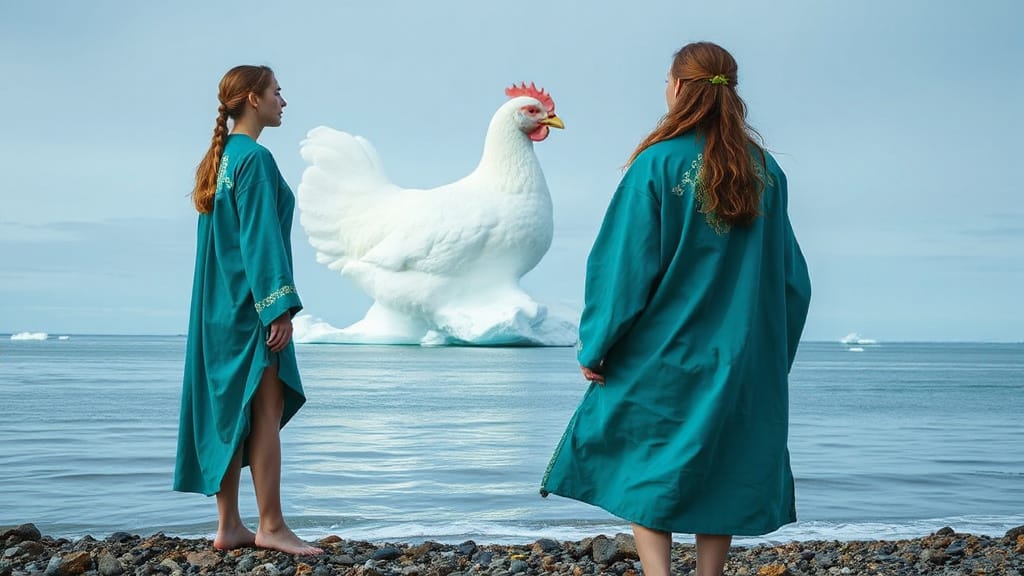
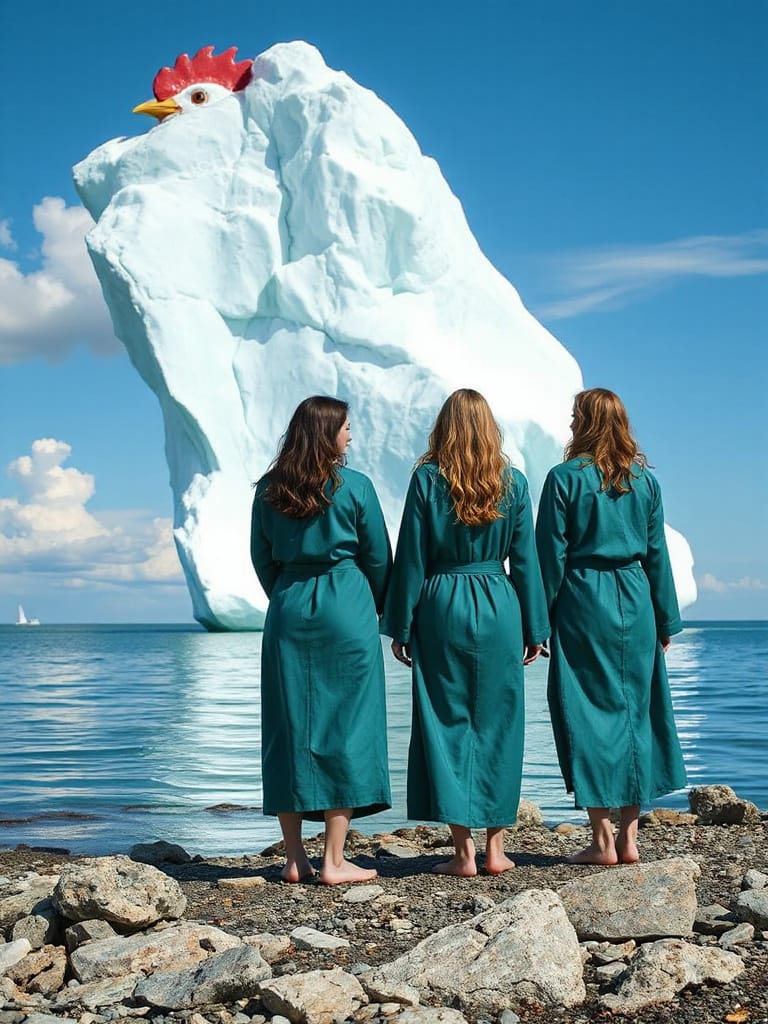
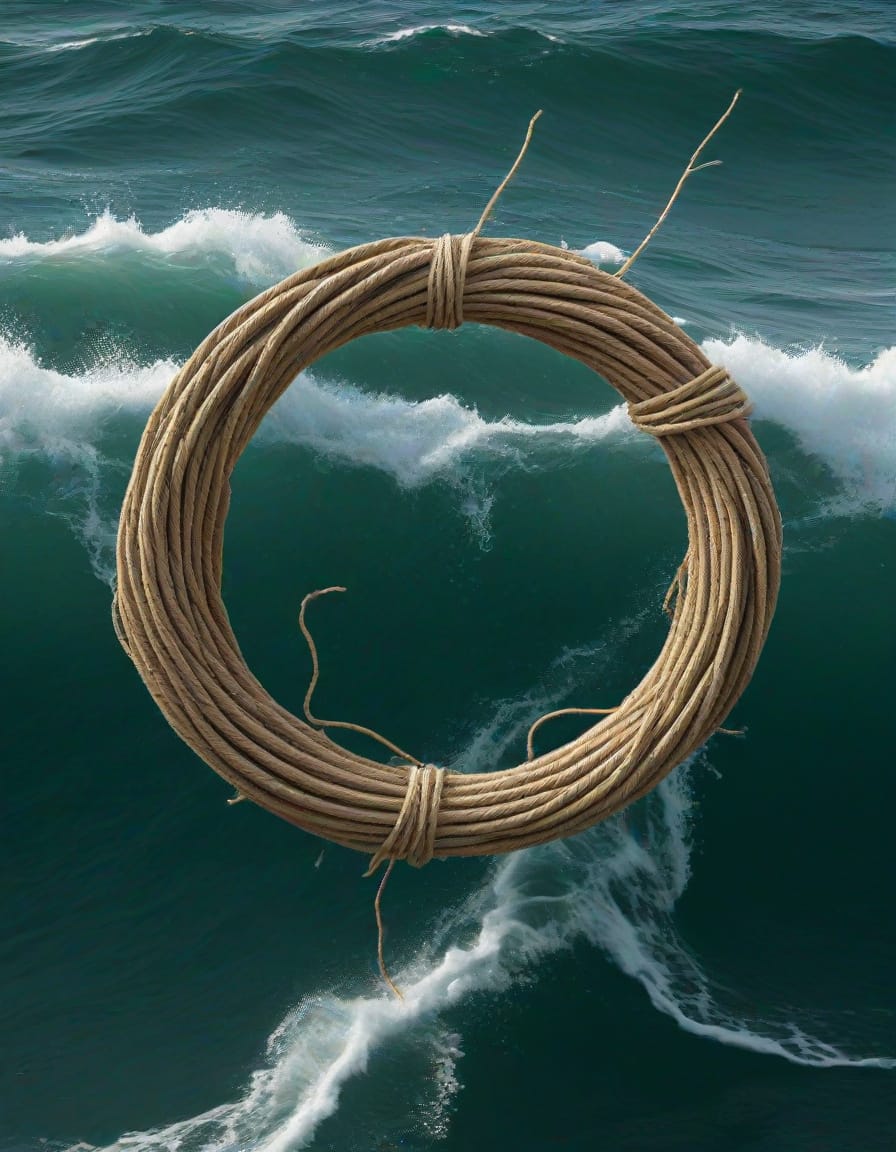
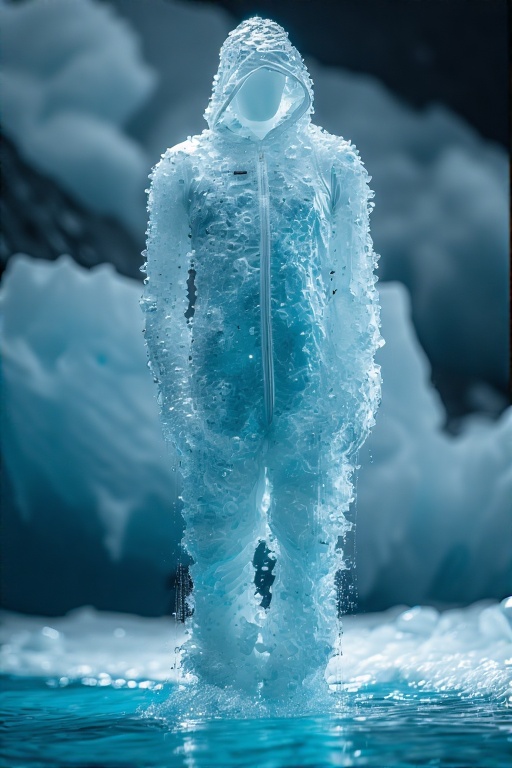
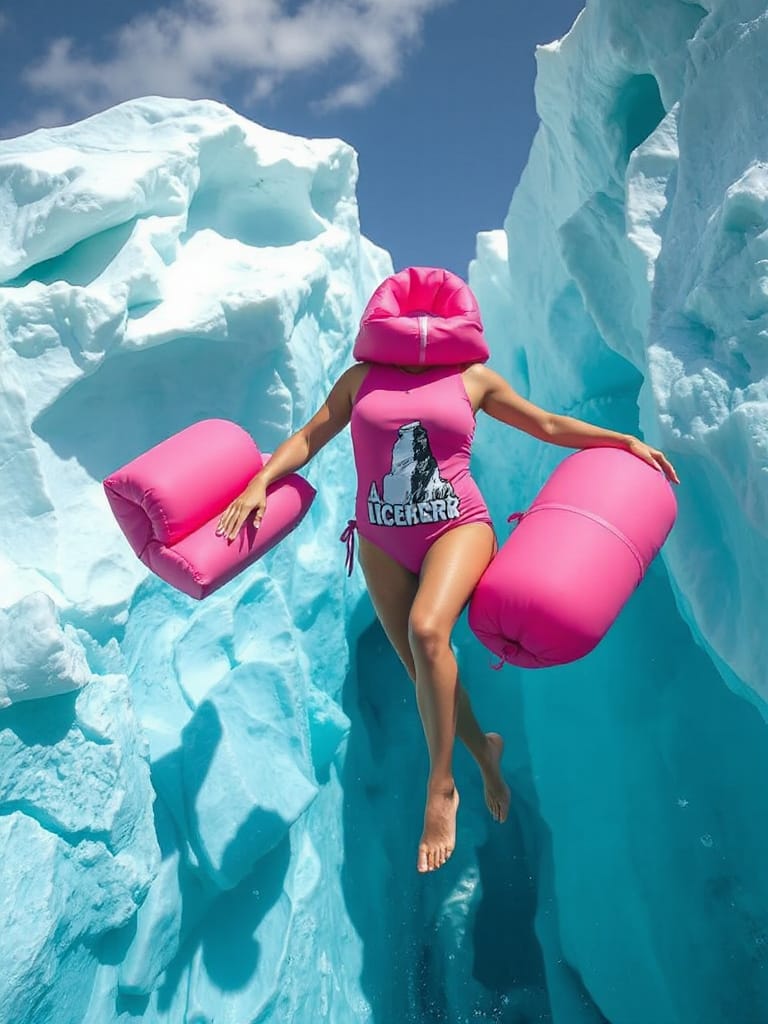
This, of course, presents itself as an opportunity to increase shareholder value. WLBOTT has begun offering Twine-berg tours, where we promise our travelers a curated experience with knowledgeable unpaid interns, viewing WLBOTT-themed icebergs.
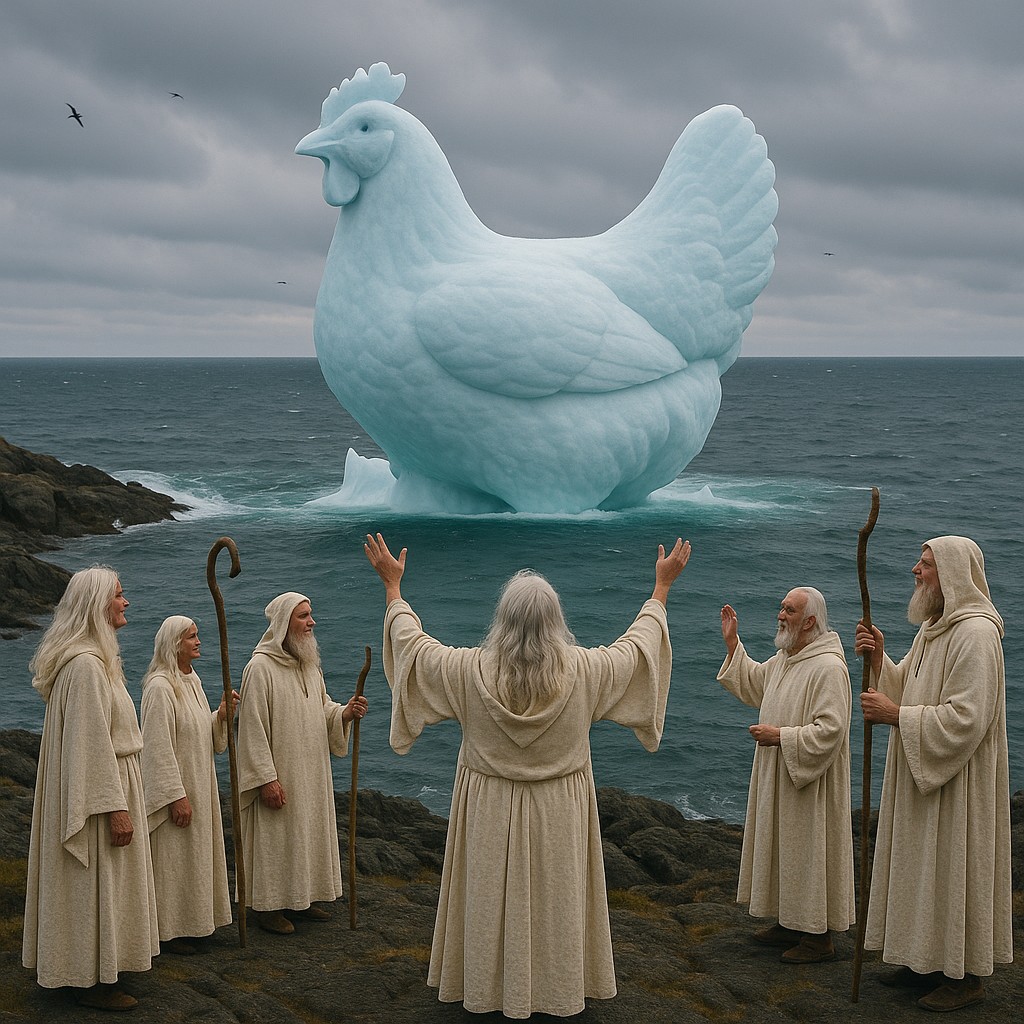
Some excesses had to be reigned in.
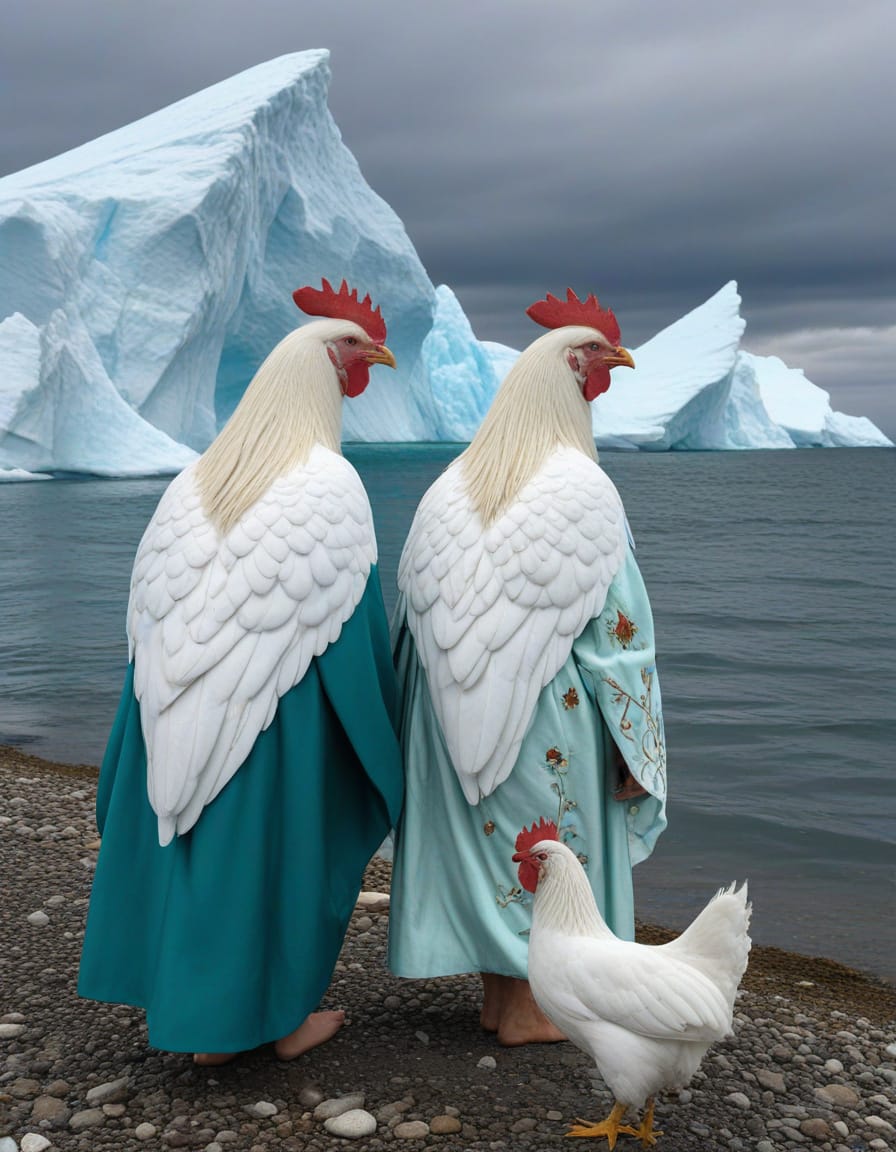
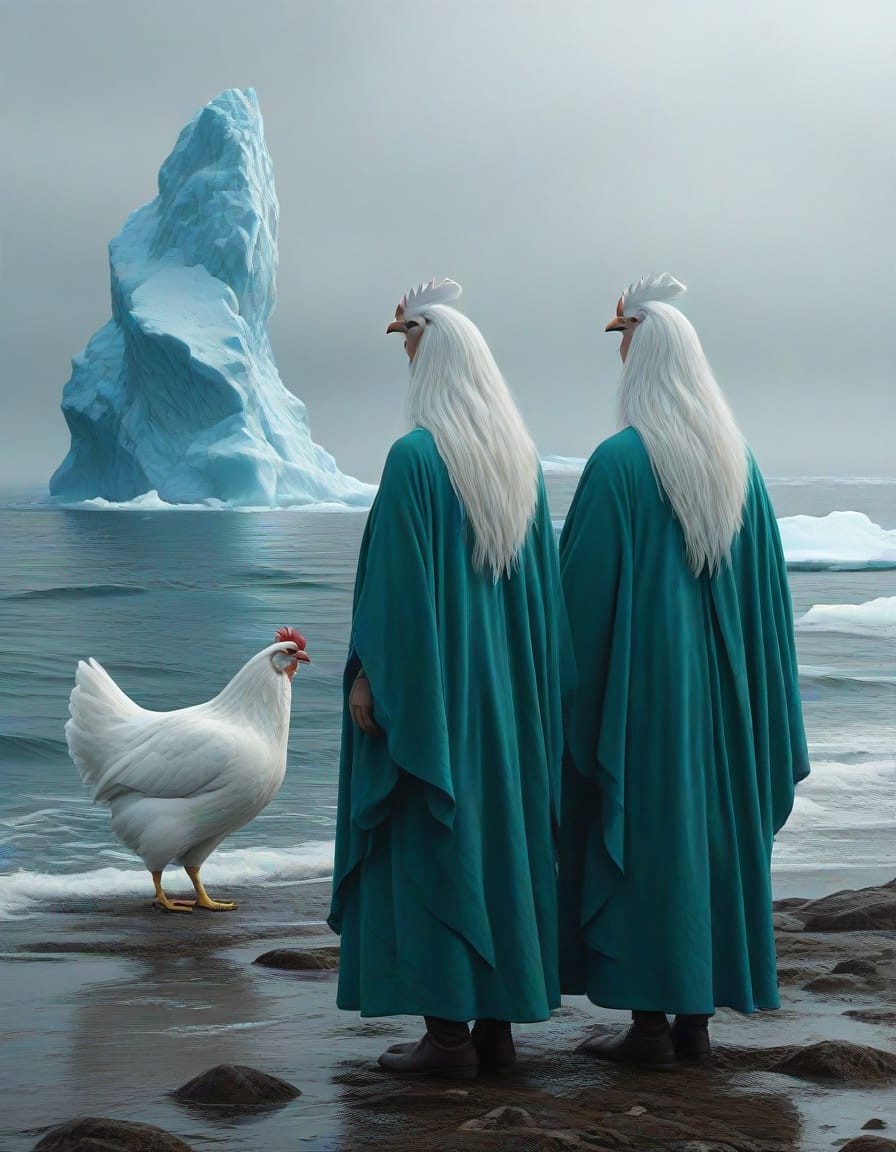
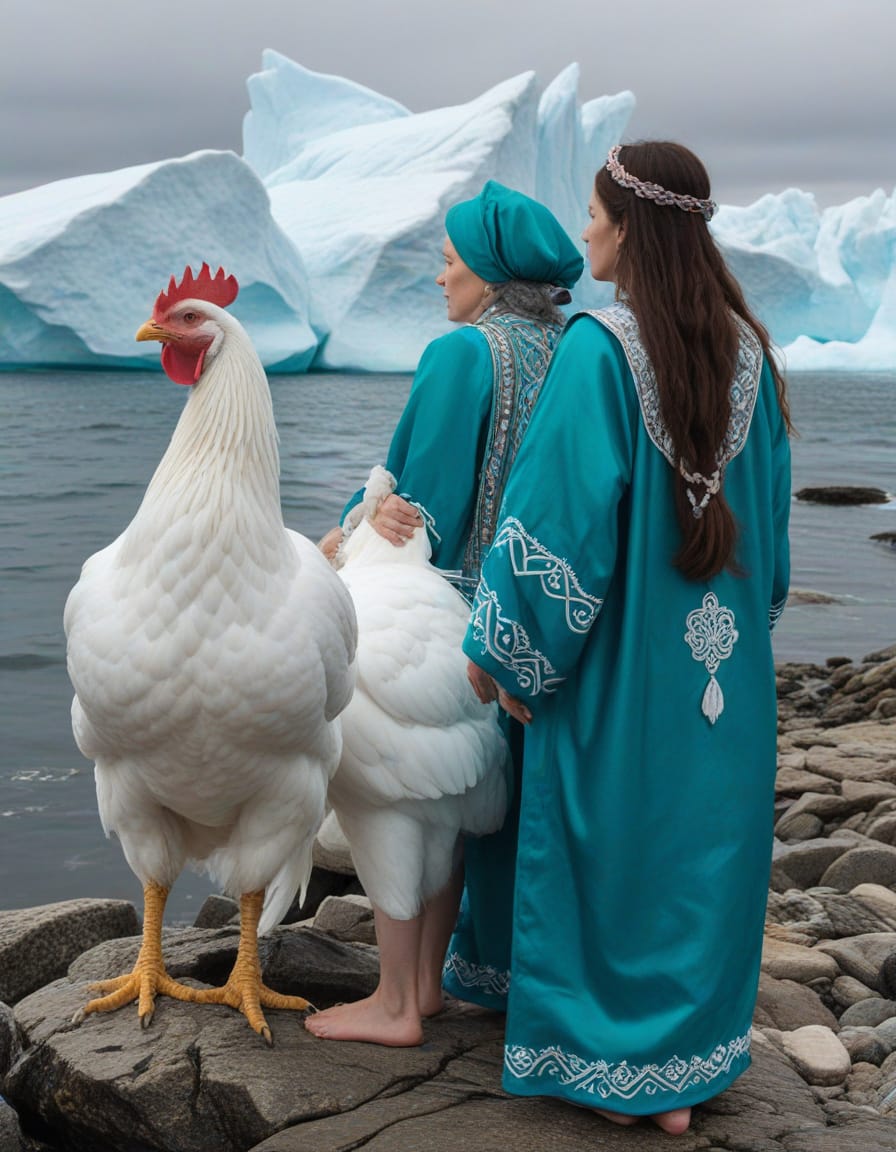
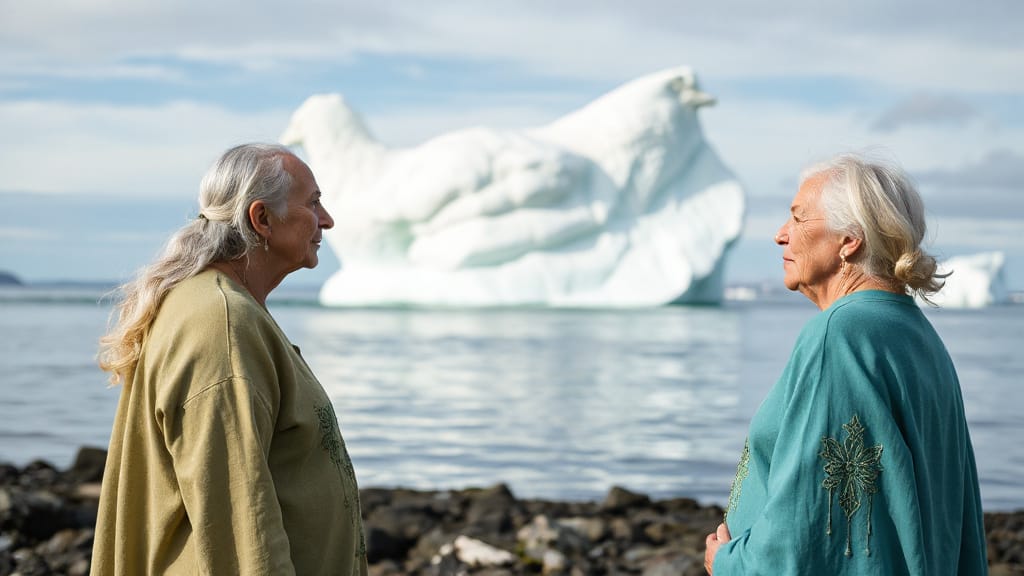
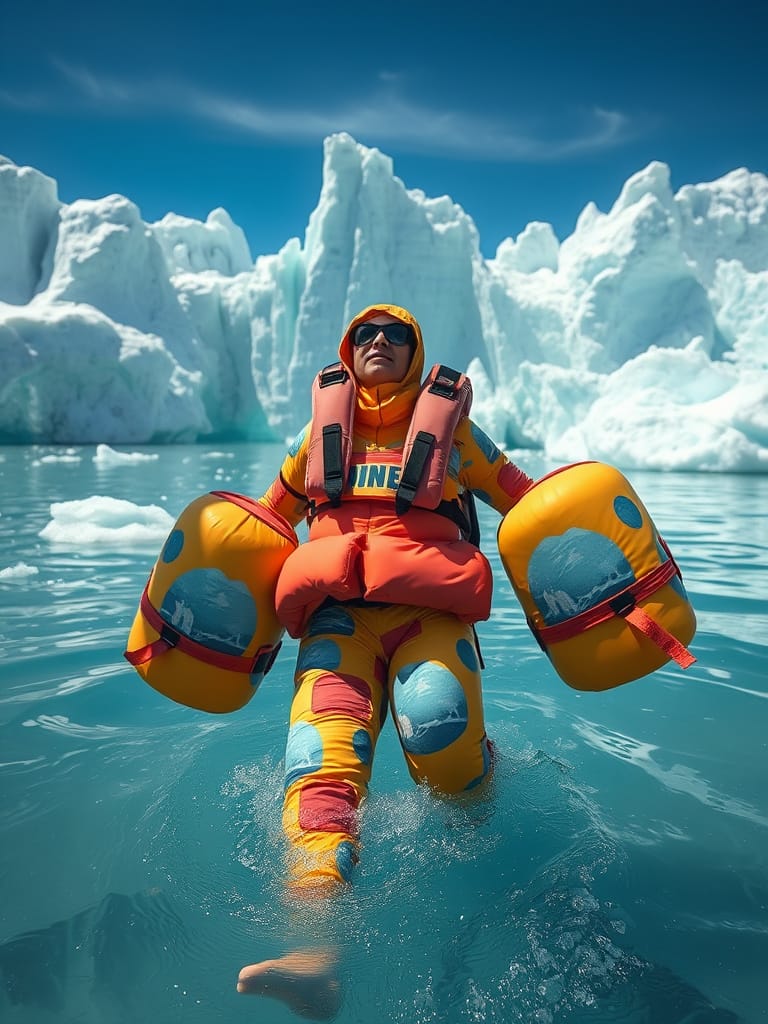
When the Elders first encountered a twine-shaped iceberg, the only logical explanation was that it was a message from God.
The elders’ arms lifted in reverence (or possibly confusion), eyes wide as they gaze upon this holy berg of twine. The seabirds circle above, crying out as if delivering divine commentary.
And the message from God?
“Thou shalt not tangle thy twine nor let it sink to the depths of the Atlantic.”
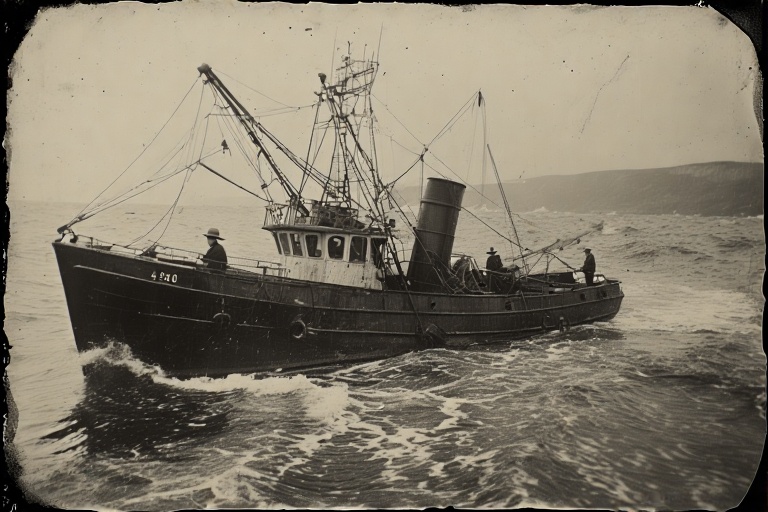
I write regarding the comment [above] that the first line of Oscar Brand’s wonderful song-of-praise of Canada (“Something to Sing About”, also known in folk song circles as “This Land of Ours”) could not be accurate because the Grand Banks of Newfoundland are underwater. True, they ARE underwater most of the time. But, the Grand Banks are treacherously shallow in places, which is why such horrific waves build up on them during storms, especially nor’easters (as depicted so chillingly in the book and film “The Perfect Storm”). And, during extraordinary low tides (such as autumnal storm low tides), parts CAN get so shallow as to cause a Grand Banks long-line fishing boat to scrape bottom (if the skipper takes his/her eyes off the depth meter) and to even permit fishing crews to get out and walk. The same is true on George’s Banks, off the coast of Nova Scotia and New England. After all, in nautical terminology, a “bank” is simply a huge shoal – a plateau submerged in shallow ocean waters.
Both the Grand Banks and George’s Banks are so shallow that they were both above water during the last ice age, when sea depths world-wide were lower than today.
As a sailor, I have personally got off my boat and walked knee-deep on George’s Banks approximately 150 Km southeast of Yarmouth, NS. And a friend who is a professional fisherman says that he has seen trawler and long-liner boat crews standing dry-shod on sand in roughly the same area during extraordinary low tides.
Since present-day sea depths are roughly the same on the Grand Banks and George’s Banks, similar things are possible (although extremely rare) on the Grand Banks.
Bottom line? Oscar Brand (born and raised in Winnipeg) probably didn’t know – when writing the song – how improbable his first line is. But not literally impossible. And, yes, “I have walked many a mile on the shores of Prince Edward Isle” is a very nice opening line also!