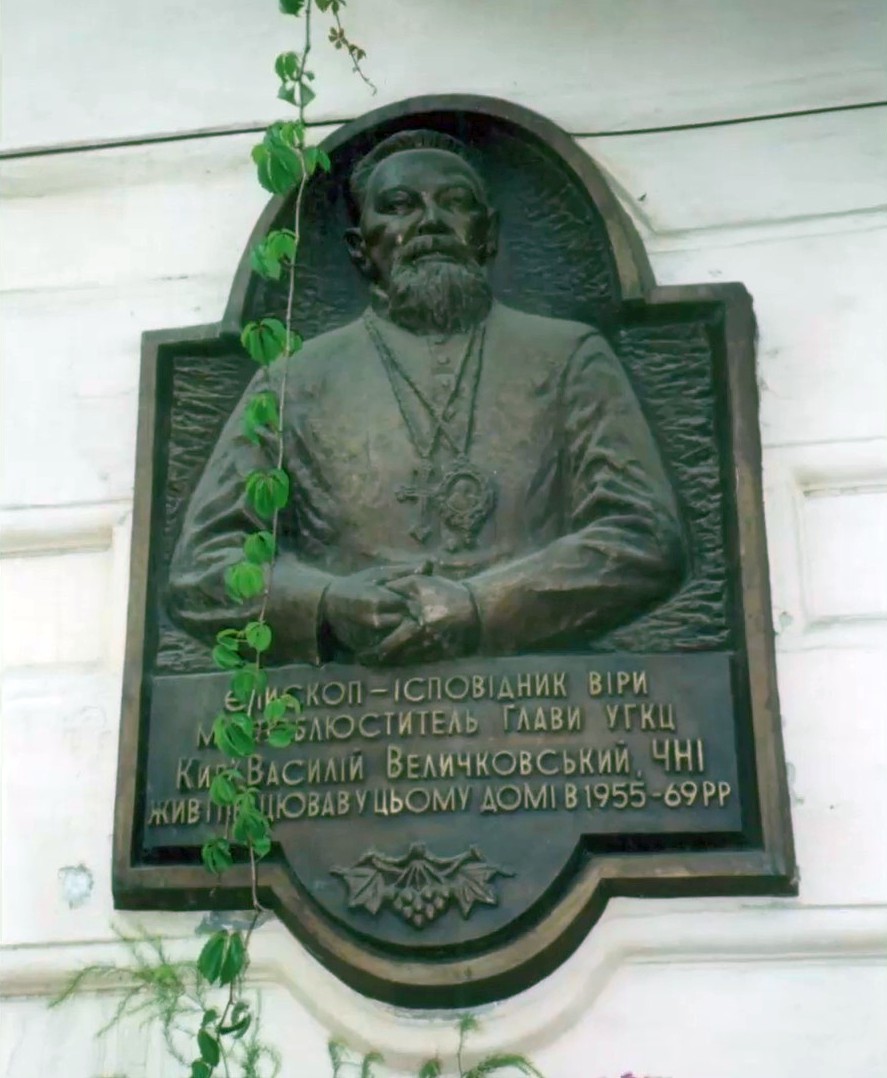
Today we look at the fascinating story of how a dissident Ukrainian Catholic priest ran a cathedral out of his small apartment in eastern Ukraine, and ended up in Winnipeg, Canada. Now considered a saint by the Catholic Church, Ukrainian priest Vasyl Velychkovsky was an amazing man.
Among his accomplishments:
he fought with the Ukrainians during World War I, was captured, sent to a prisoner of war camp, and escaped
became a priest in the Ukrainian Greek Catholic Church
worked with immigrants from Halychyna (Galicia) in Volyn (then part of Poland). He ended up angering the Polish authorities and got kicked out.
became the head of a monastery
during the Second World War, where people were most scared of the advancing Soviet army, he “looked after the people in that city [Ternopil] – the sick, the orphans and the elderly”
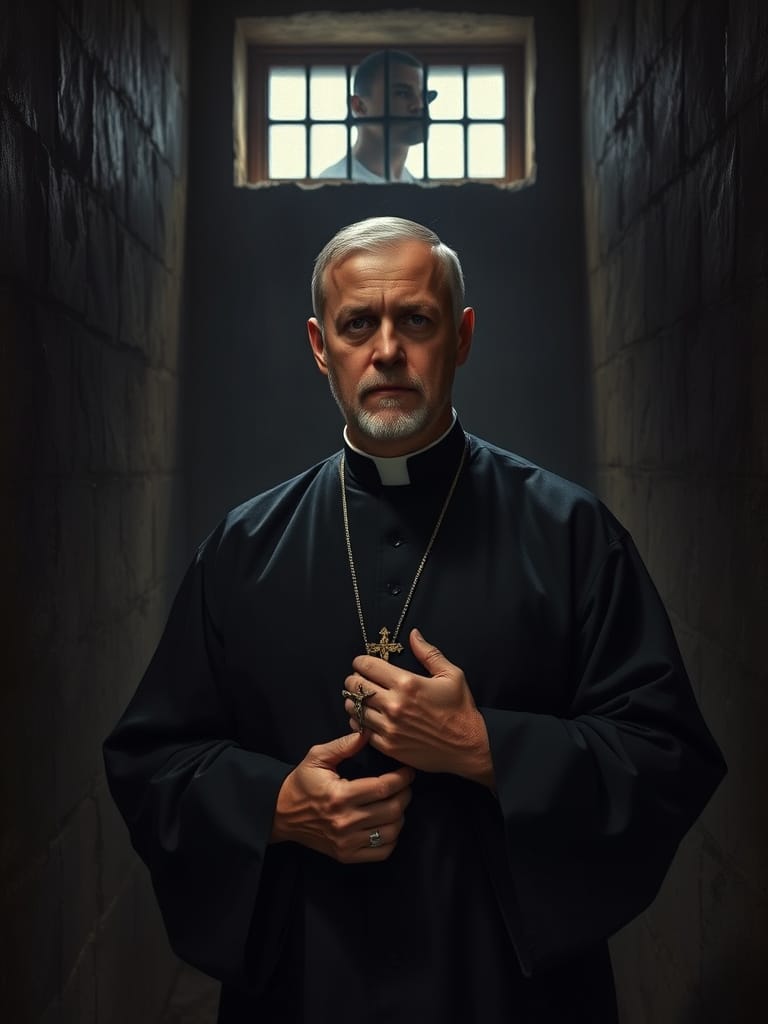
arrested by the Soviet NKVD, sentenced to death, where he ministered to those on death row
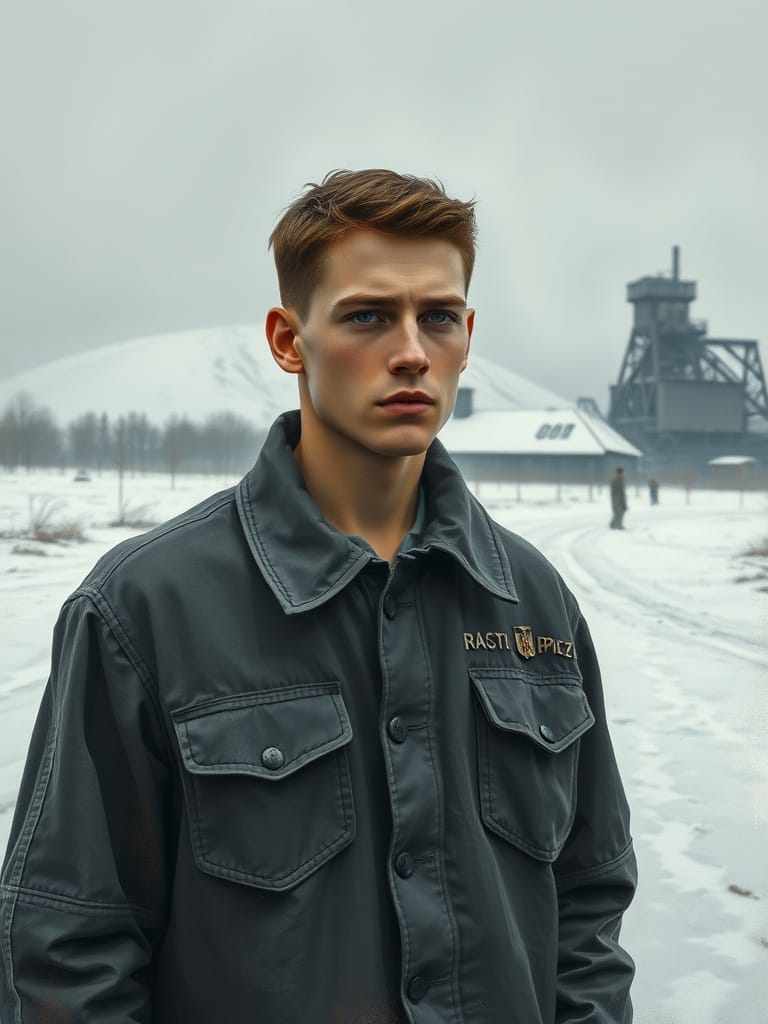
his sentence was commuted, and he spent 10 years in an Arctic coal mine.
after his sentence, formed an underground Catholic Church in Ukraine, became a secret Bishop, and his small Lviv apartment became the Cathedral. His clandestine ordination as a bishop is a tale right out of a John le Carré novel.
more repression from the Soviets, he was illegally committed to a psychiatric hospital and horribly mistreated
finally, he was released, he was exiled to Canada, where he remained until his death (from injuries inflicted by the Soviets)
Vasyl Velychkovsky’s life exemplifies steadfast faith and courage under oppression. His story is a poignant chapter in the history of religious resistance against totalitarian regimes.
We do live in troubled times. We hear the old boots of authoritarianism echoing down new hallways, polished with modern excuses. And yet, in the life of Blessed Vasyl Velychkovsky, we find a steady, fierce candle burning in the dark.
Over twenty years have passed since the Ukrainian Greek Catholic Church has been able to practice its faith freely and openly. In 1946, this Church had been declared an illegal body by the Soviet Union. Its hierarchy arrested. Many thousands of clergy, religious and laity were imprisoned, tortured and even killed for their faith. In 2001, Pope John Paul II during a pastoral visitation to Ukraine, took the opportunity to beatify a small number of these people and declare them to be Christian martyrs for the faith. Among those beatified was Blessed Bishop Vasyl Velychkovsky, a Redemptorist.
During the First World War, [Vasyl Velychkovsky] joined the Sichovy Striltsi, a Ukrainian rifleman regiment. He was captured, arrested, imprisoned, and then later escaped from prison. After returning home, he entered the major seminary in Lviv to study for the priesthood.
During the Nazi rule over Western Ukraine, 1941- 44, Fr. Vasyl spent most of his time in priestly ministry in Ternopil. He was in Lviv, when the Soviets were advancing upon the city in 1944. Because of the extreme danger, his religious superiors advised him not to return to Ternopil. However, he embraced this precarious situation and journeyed back to look after the people in that city – the sick, the orphans and the elderly, who could not leave or escape the advancing Soviet army.
[The Soviet secret police, under the control of Stalin, arrested and tourtured him. They wanted him to convert to the Russian Orthodox Church – a joke then and now. He refused.][2]
His trial was held on June 26, 1946. He was quickly found guilty. Therefore, “taking to account the status of the accused and the level of his criminal actions […] the Regional Court sentences Velychkovsky […] on the basis of article 54-10 of USSR to the highest level of retribution by firing squad with the confiscation of all his possessions.”
He spent approximately three months on death row. Notwithstanding that he was condemned because he would not abandon his Catholic faith, he continued his priestly ministry in prison. In some sense, this is where Fr. Vasyl’s underground church ministry began. At the request of his fellow-prisoners on death row, he began to catechize them and prepare them for death.
After three months when his name was called, he left his cell ready to give up his life for his beliefs. However, his sentence was changed to ten years of hard labor in the Soviet labor camps. He first spent a year and a half in camps near Kirov working in the forest. Then he was transferred to work in the coal mines in Vorkuta, which is north of the Arctic Circle.
[2] There is a fascinating history of the Ukrainian Greek Catholic Church and it’s relationship to the Roman church. Elder DZ was very familiar with this history, and provided a detailed background.
… the Union of Brest in 1596, when the majority of Orthodox bishops in Ukraine and Belarus (then part of the Polish–Lithuanian Commonwealth) recognized the primacy of the Holy See. In return, papal guarantees recognized that the Uniates retained their Byzantine (Eastern) rite, the Church-Slavonic liturgical language, Eastern canon law, a married clergy and administrative autonomy.
And why were the Soviets such jerks about this? In a nutshell, the lust for raw power.
The Ukrainian Greek-Catholic Church’s incompatibility with Soviet Russian policy and social order stems from the church’s title. As a “Ukrainian” church, the UGCC not only managed to maintain its ethnic individuality under foreign domination but also helped forge a modern national self-identity. As a “Catholic” church, the UGCC was closely tied to Rome and to other Catholic Churches.
A propaganda campaign against the Ukrainian Greek-Catholic Church was initiated by the magazine “Communist”, which, in its 9 October 1939 issue, accused the church’s infrastructure of Anti-Soviet agitation and collaboration with the “Polish Bourgeoisie.”
In October, 1962, Pope John XXIII called together all the Catholic bishops of the world for the Second Vatican Council. The Vatican was aware that Metropolitan Josyf Slipyj, the head of the Ukrainian Greek Catholic Church, was at that time imprisoned in Soviet laager camps. Pope John XXIII petitioned the Soviet Union to have Metropolitan Josyf released to enable him to attend the Council. President John Kennedy also added his voice to this petition. With all this pressure, the Soviets negotiated the release of Metropolitan Josyf. While he is in Moscow awaiting for an emissary to arrive from the Vatican to escort him to Rome, he wrote a letter to Lviv, asking Fr. Vasyl to come immediately to Hotel Moskva, room 624, because he has need of him. Upon receiving this news, Fr. Vasyl told his cook, Sister Mykolaya, that he had to go to Moscow.
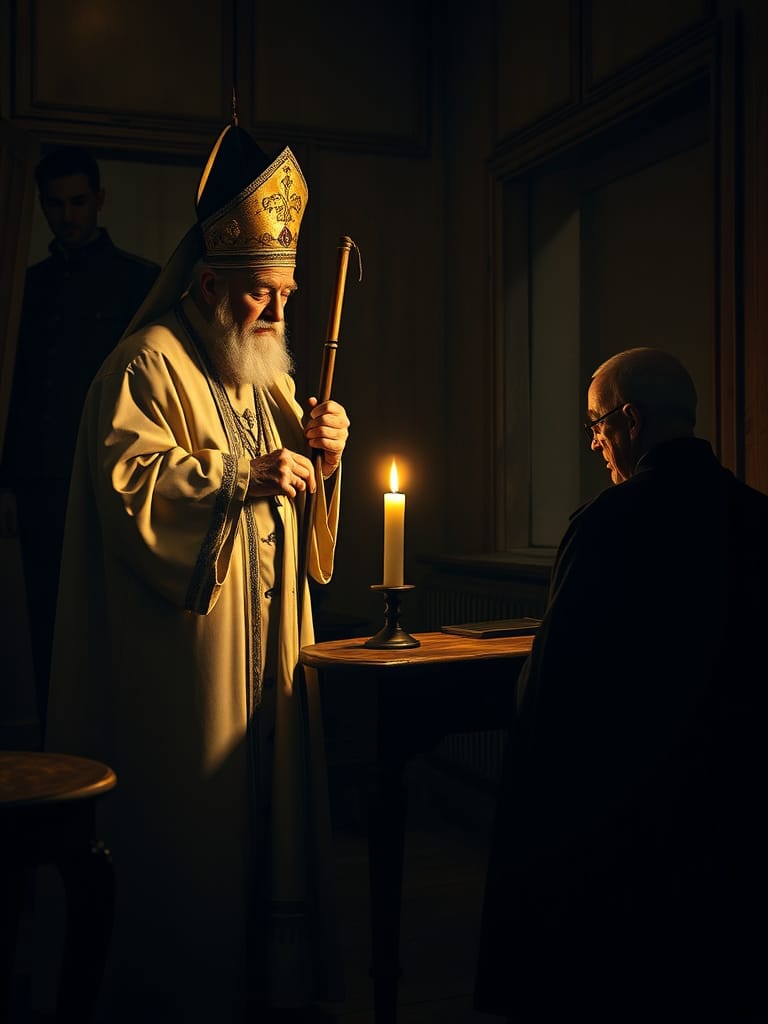
When he arrived at the hotel, Metropolitan Josyf was already making his final plans for his trip to Rome. When he saw Fr. Vasyl at the door, Metropolitan Josyf asked those in the room to leave, because he wanted to be with his ‘family’ alone. As soon as everyone left, Metropolitan Josyf asked Fr. Vasyl to kneel down and the rite of Episcopal consecration began.
The details of this event were related by Bishop Vasyl to Father Michael Hrynchyshyn, the Provincial of the Redemptorists in Canada, and to a Redemptorist confrere, Fr. Joseph Denischuk. Even before the abbreviated ritual was concluded, the authorities were already knocking at the door to take Metropolitan Josyf to the train station for his trip to Rome. The ordination rite was concluded. Metropolitan passed on his wooden walking stick, symbolizing the Episcopal staff, to Bishop Vasyl. In this way he passed on the authority to Bishop Vasyl to govern the Ukrainian Greek Catholic Church in Ukraine, making him the “acting head” of the Church.
From the Bishop Velychkovsky National Martyr`s Shrineweb site:
The twentieth century is known as a century of martyrs. Millions of people gave up their lives for Christ. In the Soviet Union under the atheistic regime many Christians, especially Ukrainian Catholics laid down their lives rather than deny Jesus Christ and His Church.
Honoring this sacrifice, Pope John Paul II beatified a number of martyrs for the Ukrainian Catholic Church on June 27, 2001. Among the martyrs was Nicholas Charnetsky and his twenty-four Companions. They all shared their martyrdom under the Soviet regime, mostly during and after the Second World War. Among the Companions was the Redemptorist Bishop, Vasyl Velychkovsky.
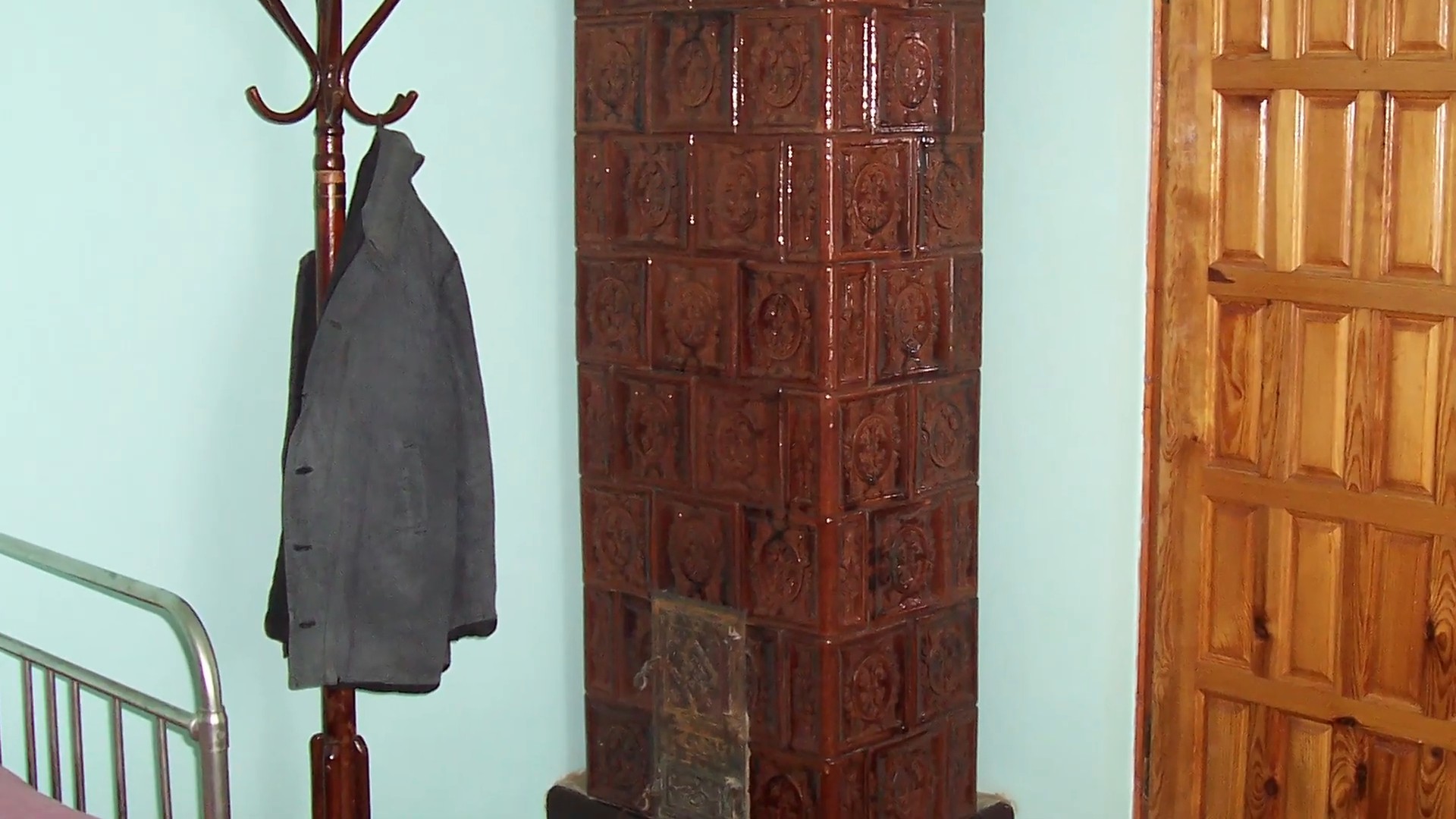
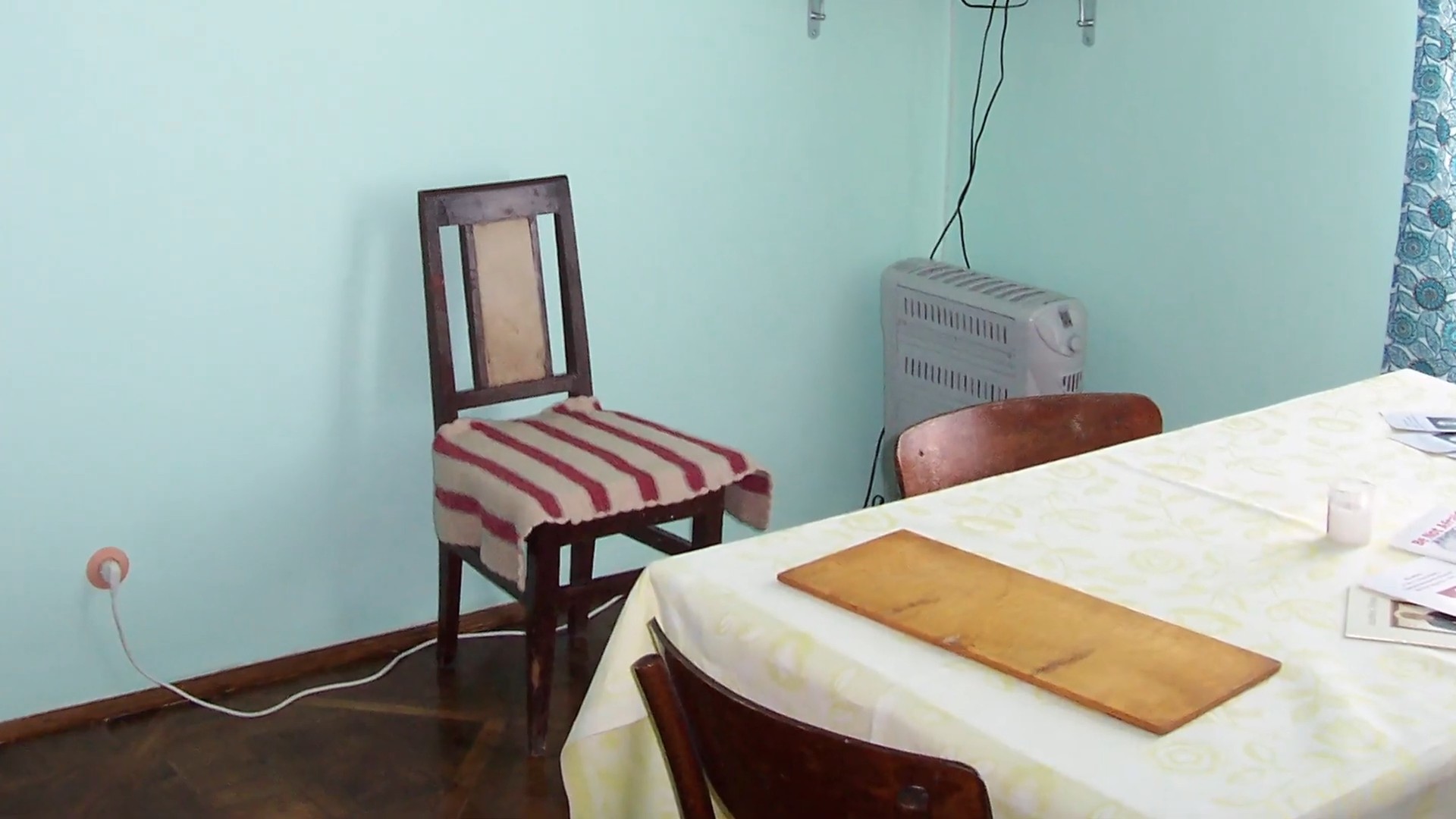
The Humble Apartment Cathedral
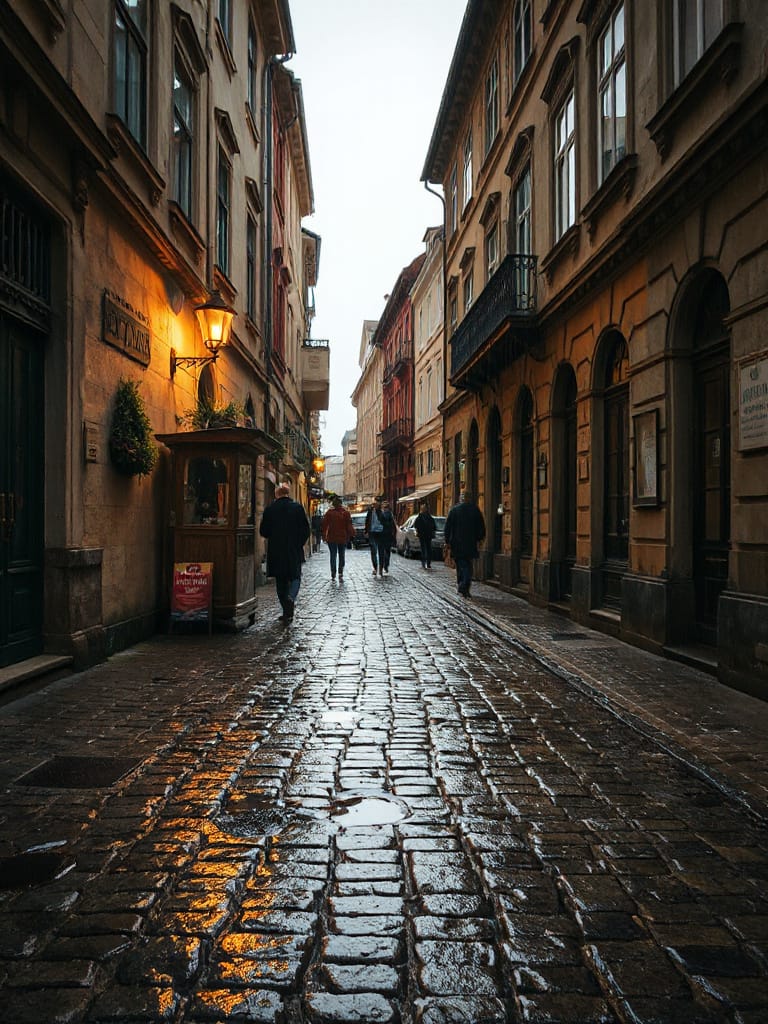
In Lviv, Ukraine, a modest apartment is a shrine to the faith of martyrs The cobblestone streets of Lviv in Western Ukraine are quaint, but if one has to walk through them on a rainy day, it’s a challenge to keep one’s feet dry. The ages have made the stones uneven, and puddles form in the most inconvenient places.
But because the old part of Lviv is protected as a UNESCO World Heritage site, the cobblestone streets, which date from when this area was part of the Hapsburg Empire, cannot be modified.
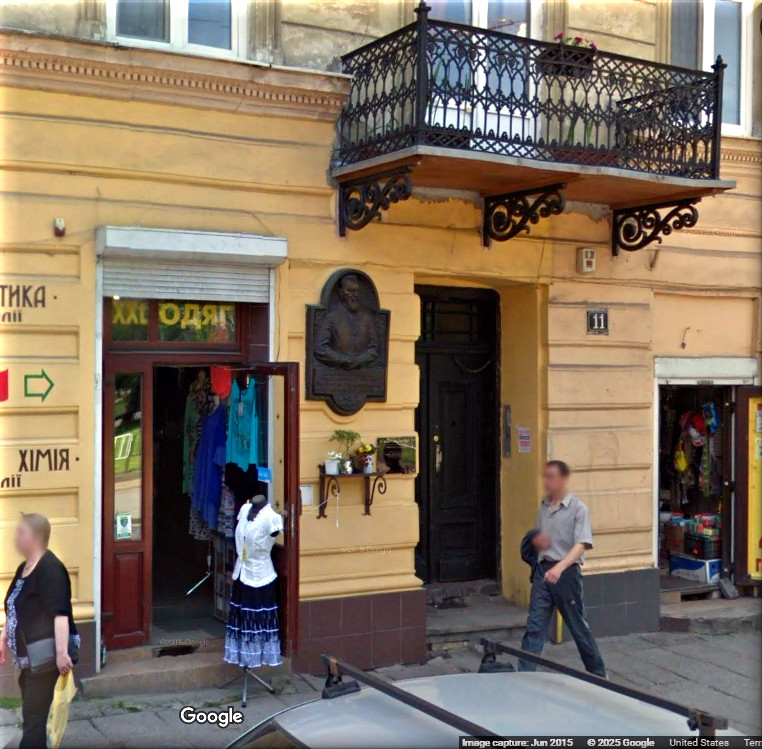
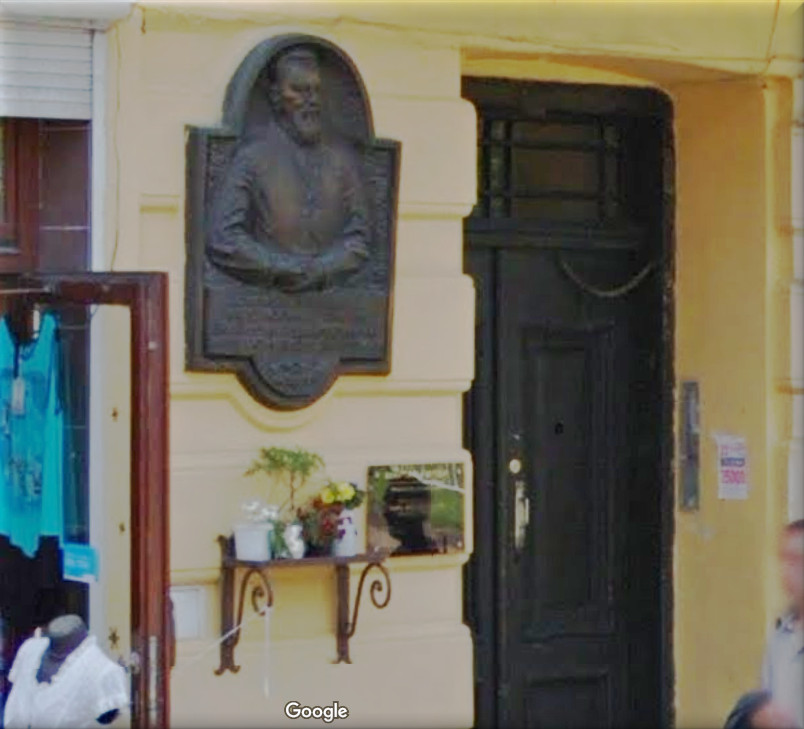
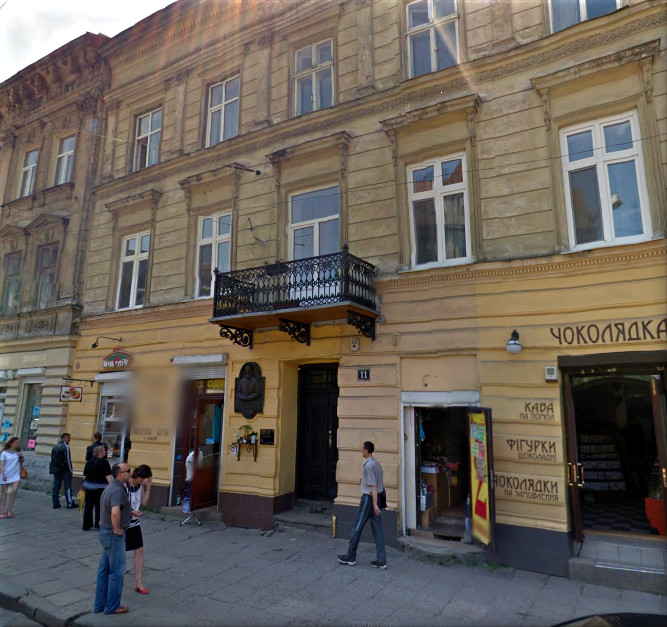
Nevertheless, a walk around town, in any weather, is an architectural feast for the eyes. Amid all the old world charm in a city that is reminiscent of Vienna, it’s easy to walk right past the unassuming building housing the Apartment/Museum of Blessed Bishop and Martyr Vasyl Velychkovsky.
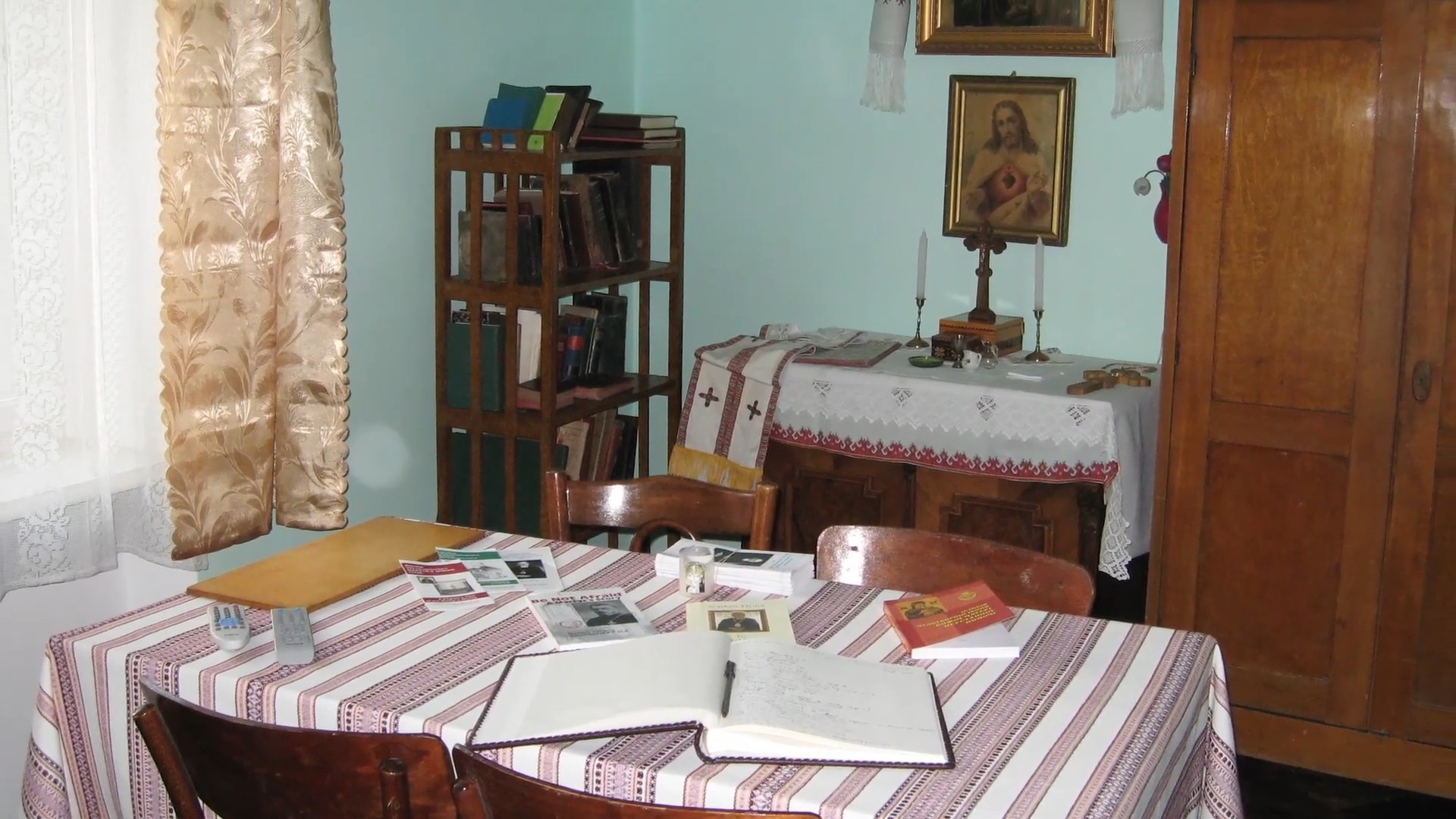
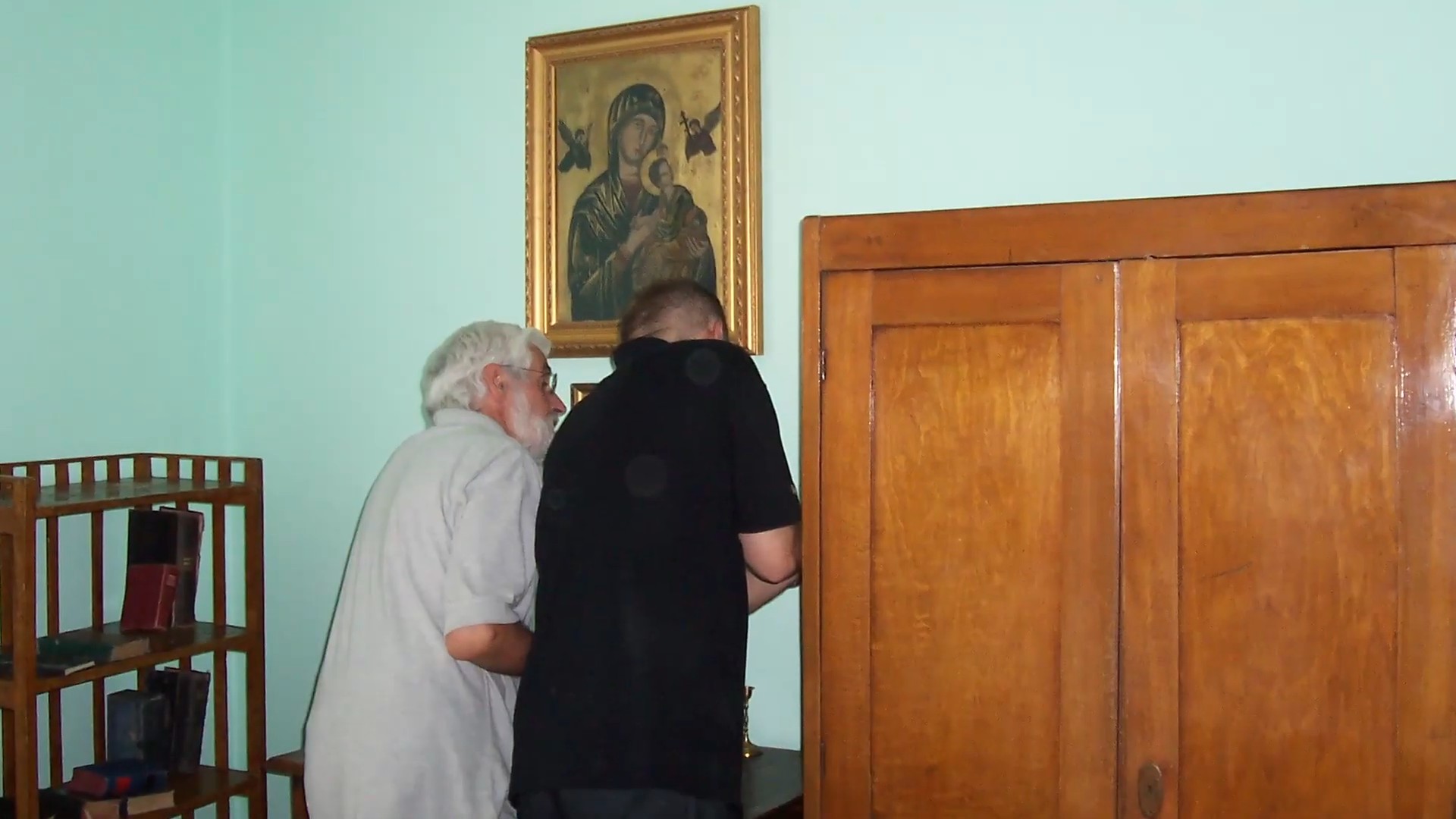
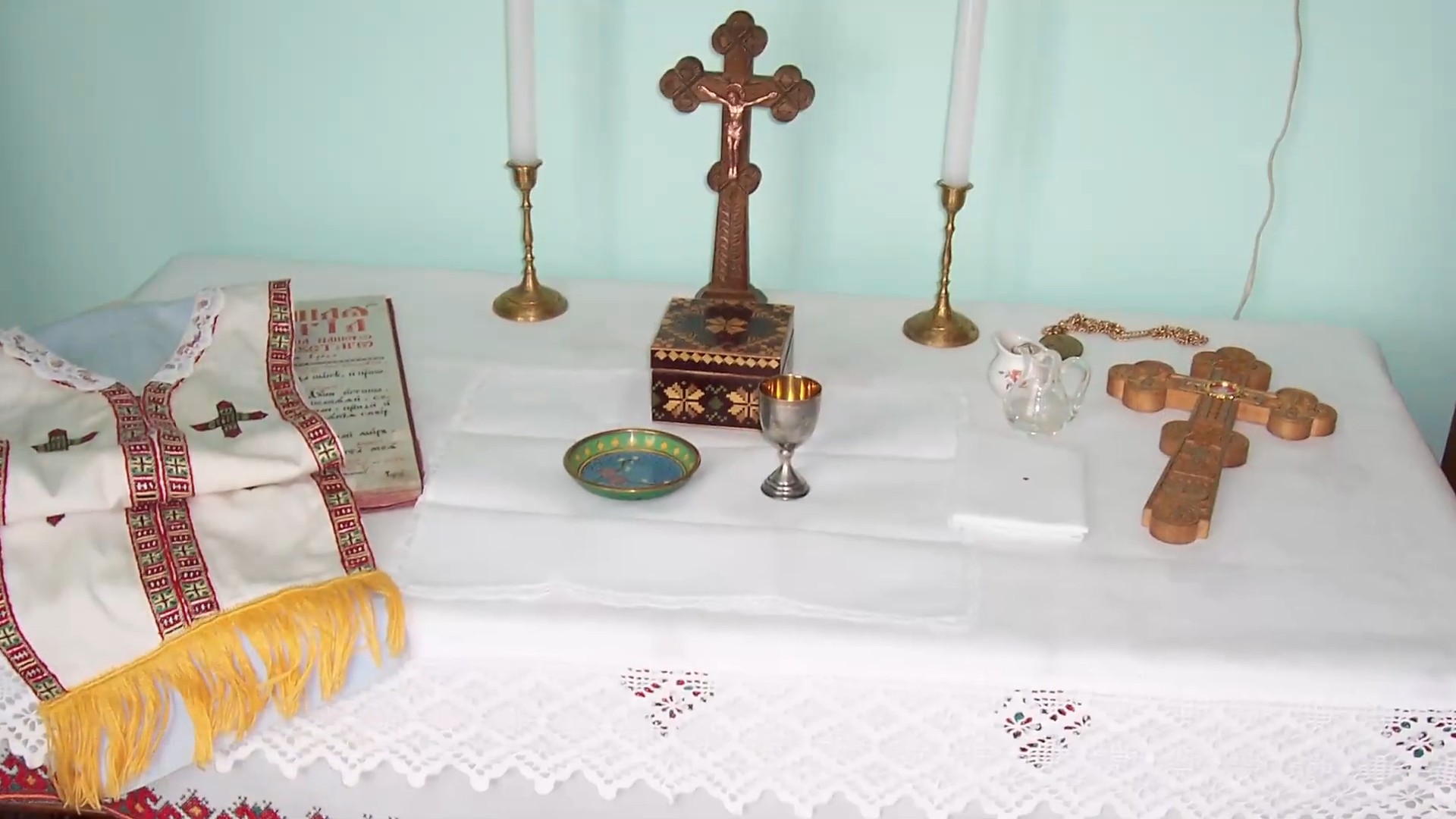
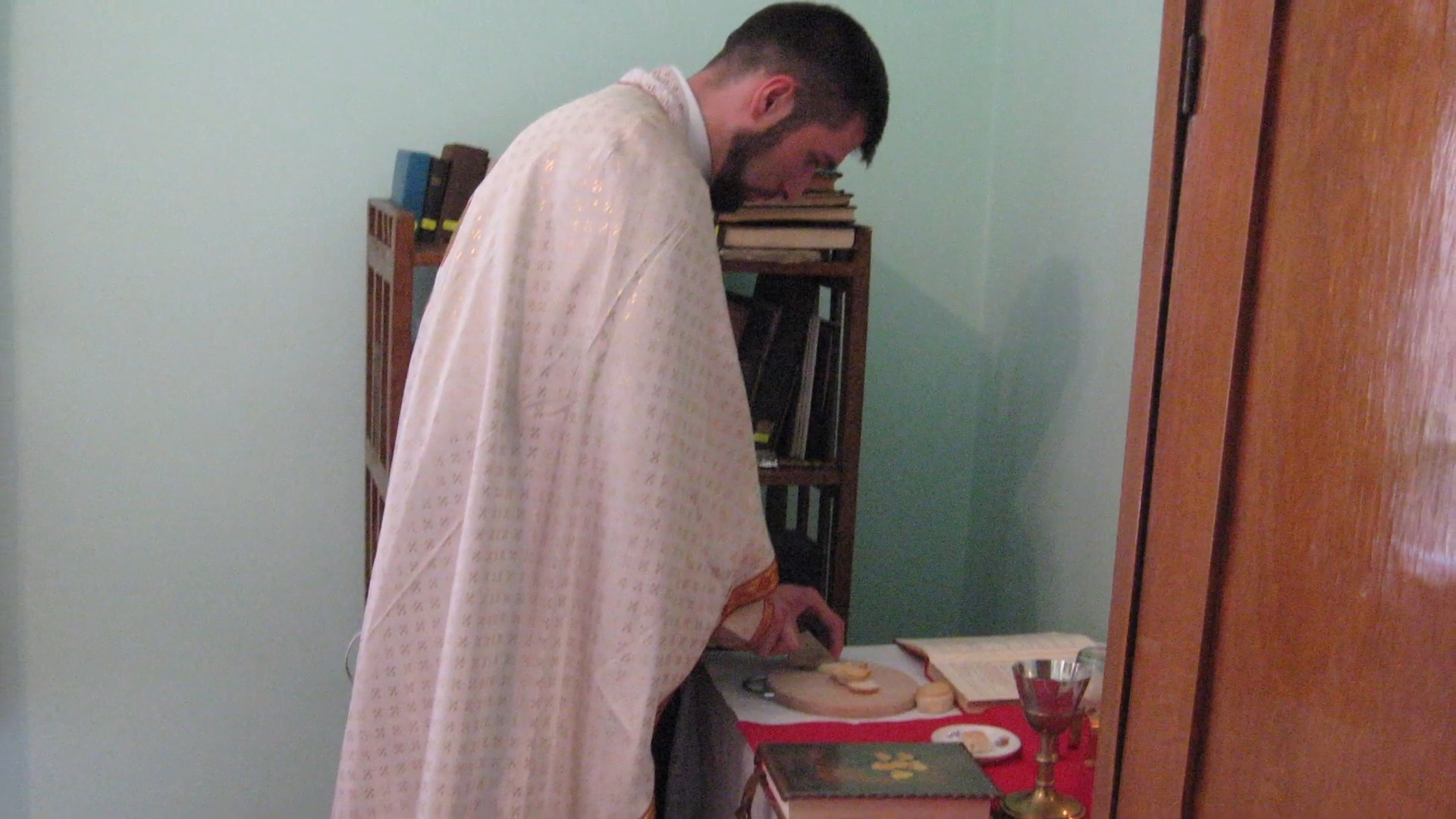
But that dresser in the corner was actually the most important place in this apartment. In the privacy of this dwelling’s principal resident, or in the company of special visitors, it was transformed into an altar. The goblet became a chalice; the dish, a paten; the jewelry box, a tabernacle. A wall lamp, somewhat resembling a gaudy Christmas decoration, became the vigil lamp.
Bishop Velychkovsky Museum in Winnipeg:
You can learn the history of Vasyl Velychkovsky’s apartment and the restoration into a Lviv museum here:
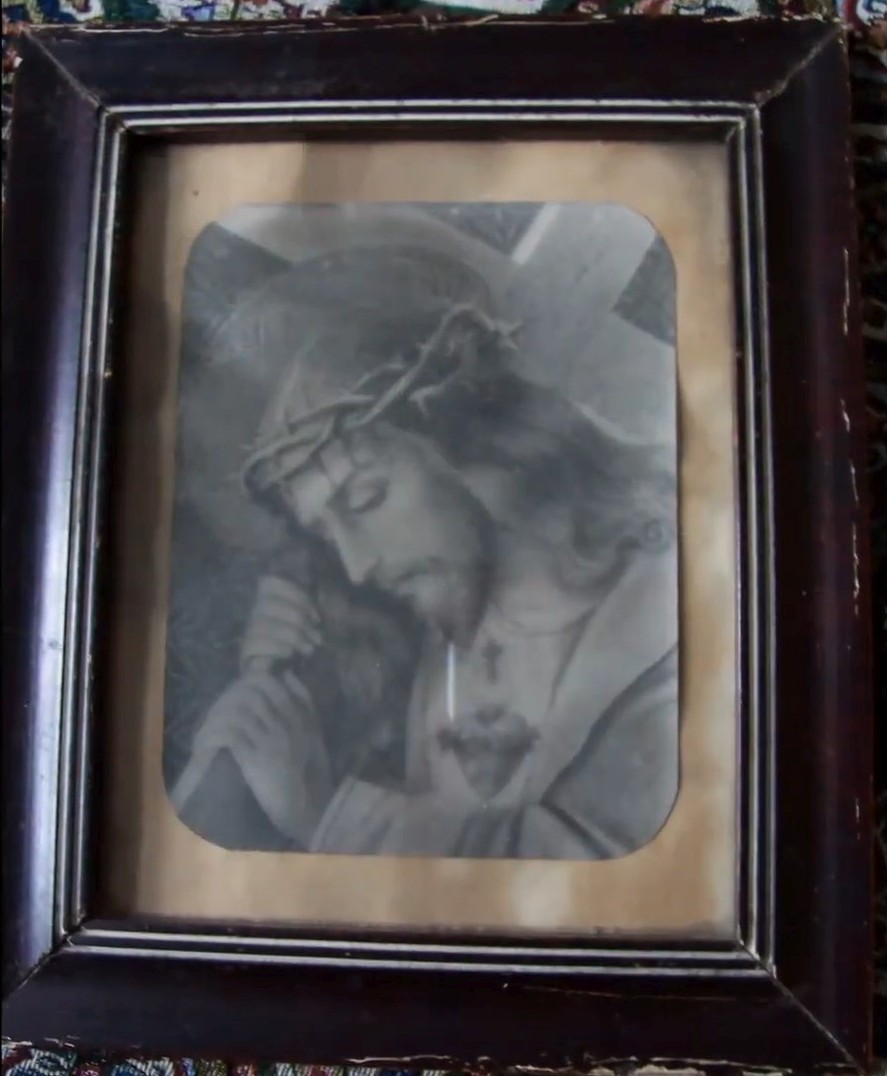
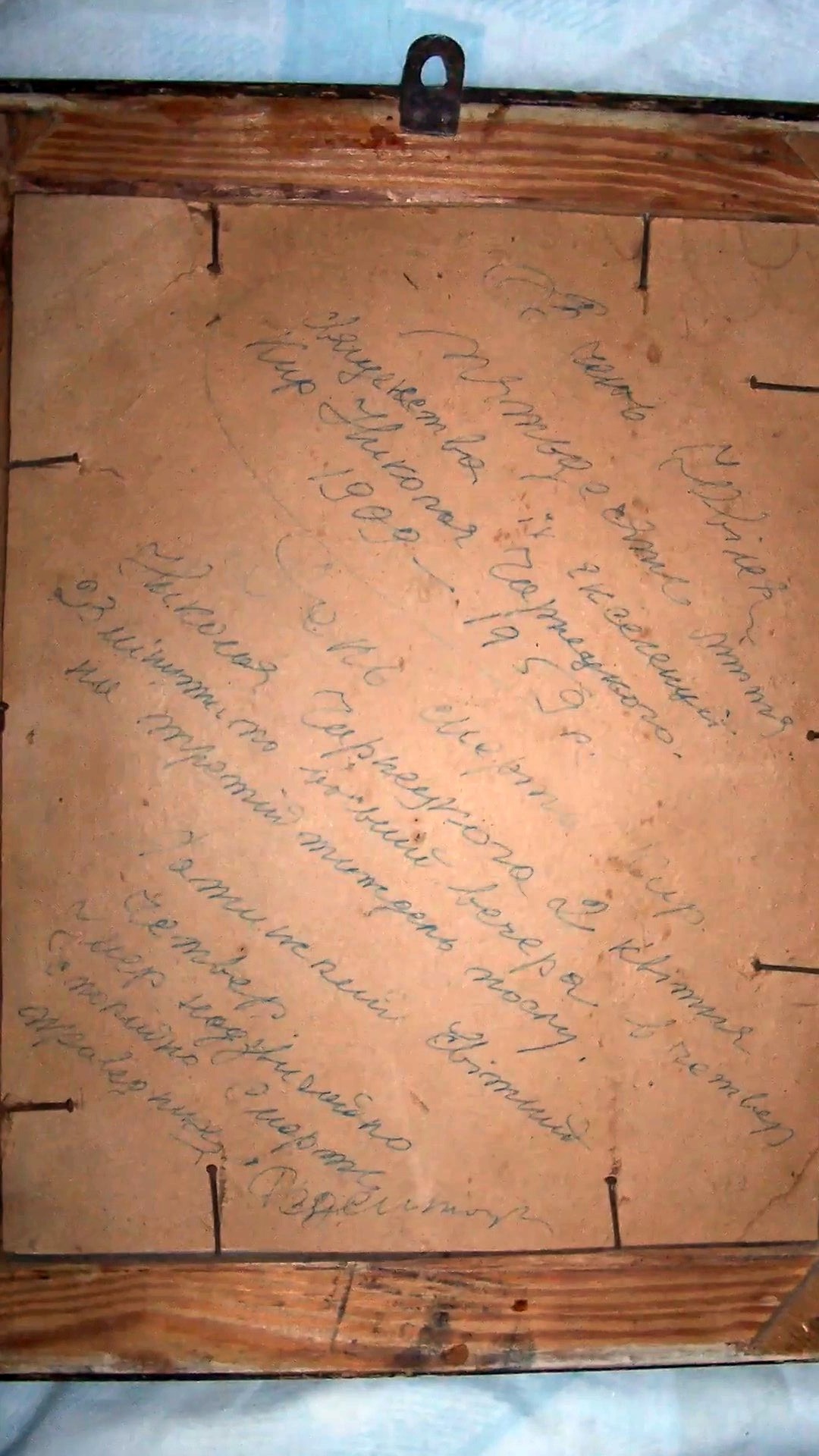
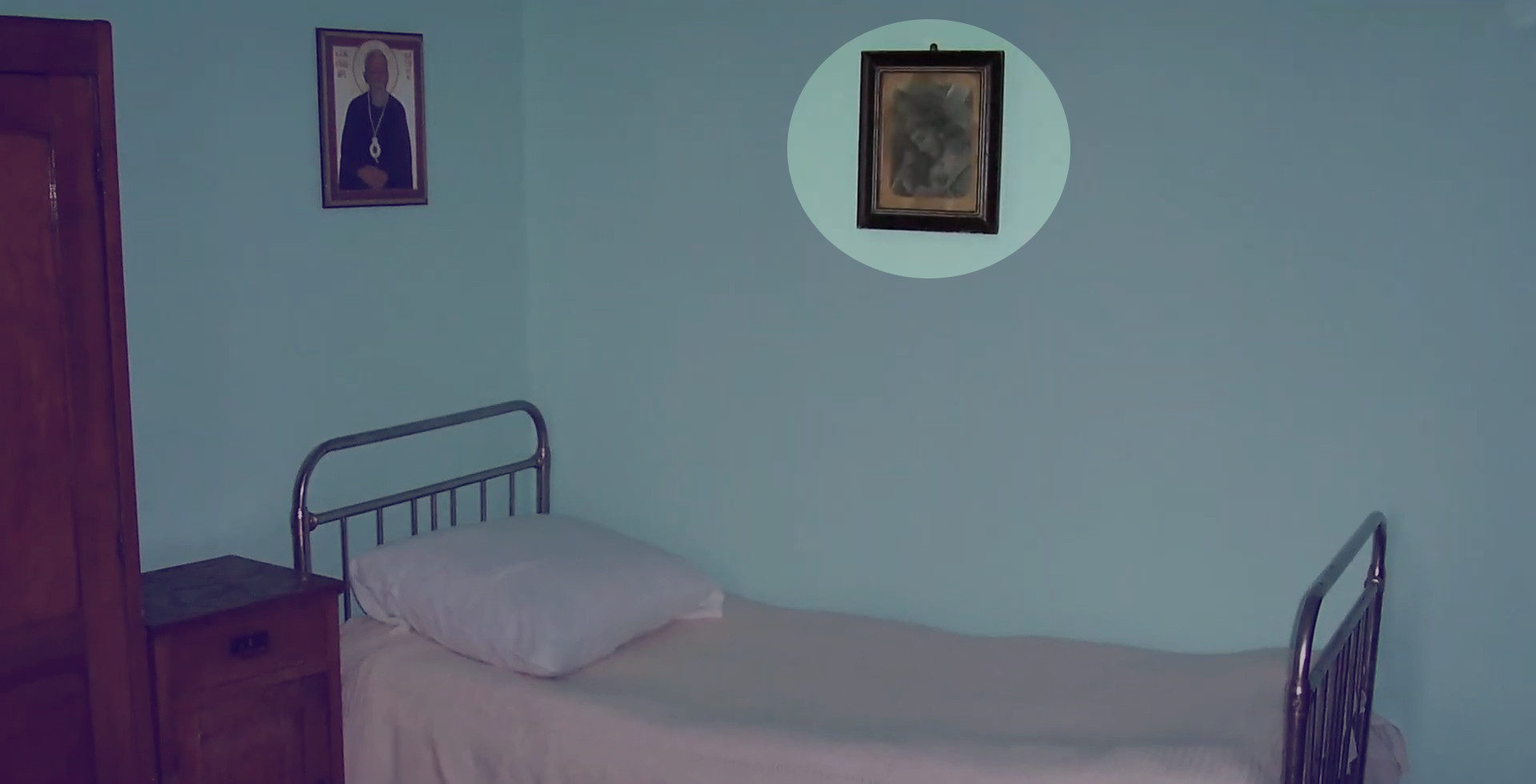
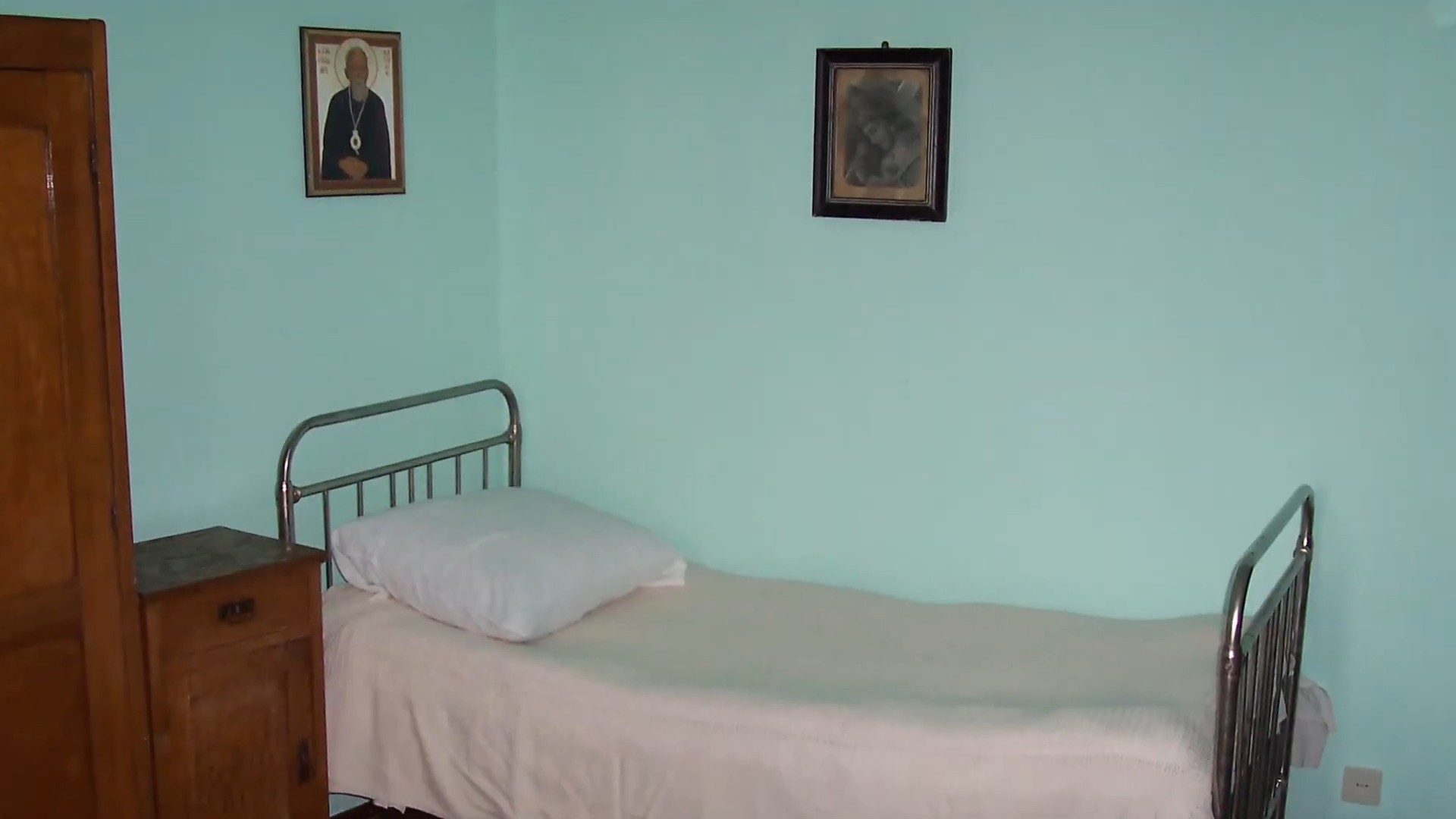
There is a fascinating story surrounding the drawing above Velychkovsky’s bed. (Transcript from the above video, lightly edited for clarity).
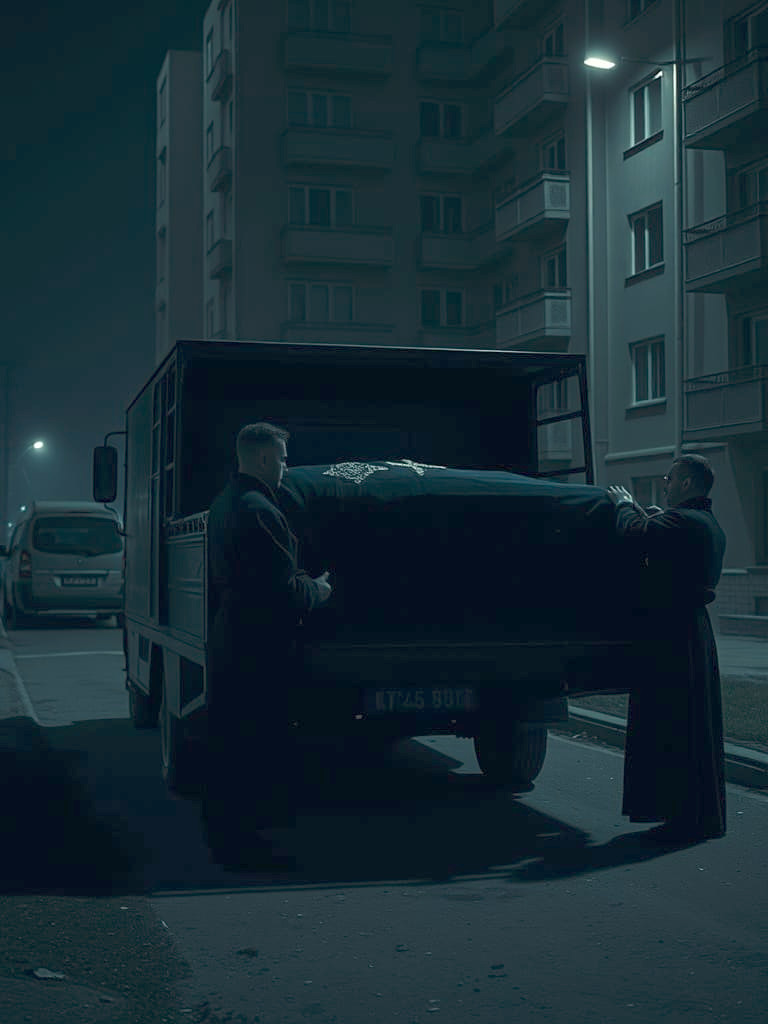
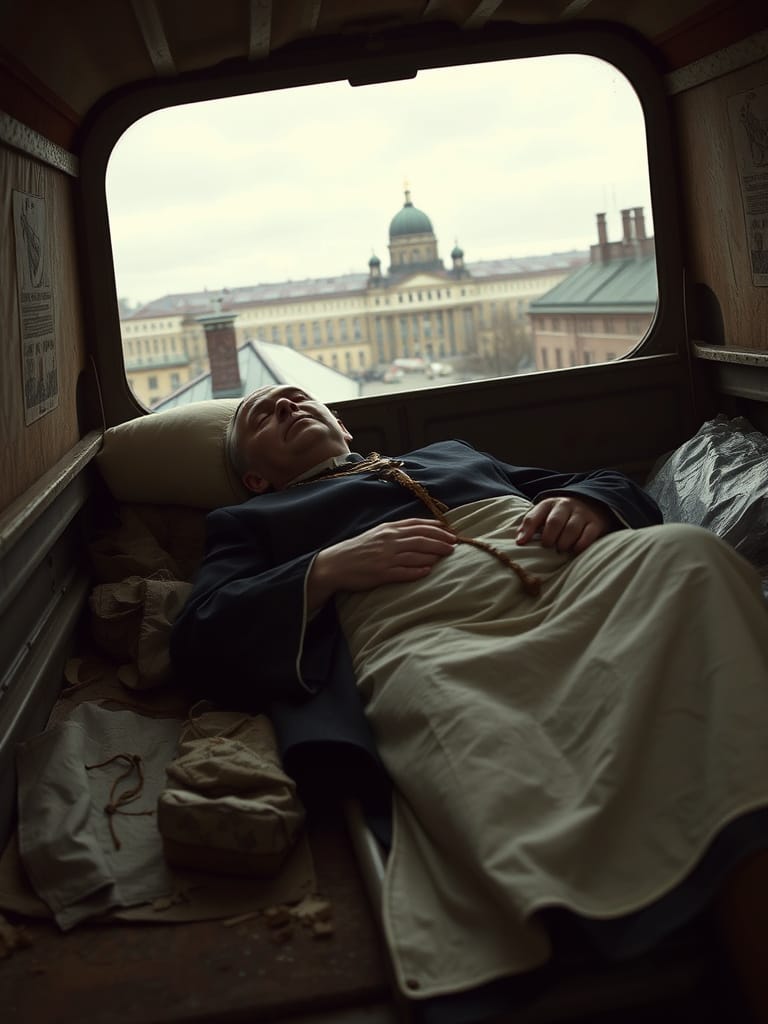
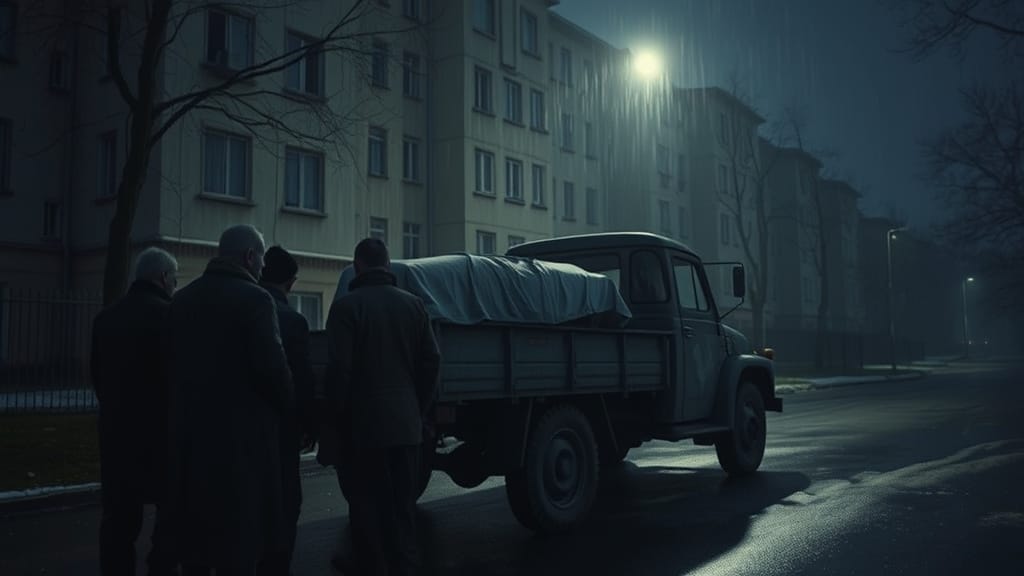
When we took that picture and looked at the back of it, it was a gift to Bishop Nicholas Charnetsky. Back in 1956 or ’57. It was a picture given to him on the occasion of his anniversary, and then on the bottom of the picture it says, “On this, April the second, at 8:42, died Bishop Nicholas Charnetsky, a righteous man…. Father Pel told me, “you know, in this room, Bishop Nicholas Charnetsky died. And I was here, and I came in, and it was a forbidden house. What was he doing in Velychkovsky’s apartment? So we had to find a truck and transfer his holy body back to his place on Virginia Street so that the KGB would not wonder why he was pronounced dead in that room, why he was in Velychkovsky’s apartment….. We concluded that Velychkovsky’s bed was also the bed in which now blessed Nicholas Charnetsky fell asleep in the lord.
Elder G helps us visualize this incredible scene:
Getting There
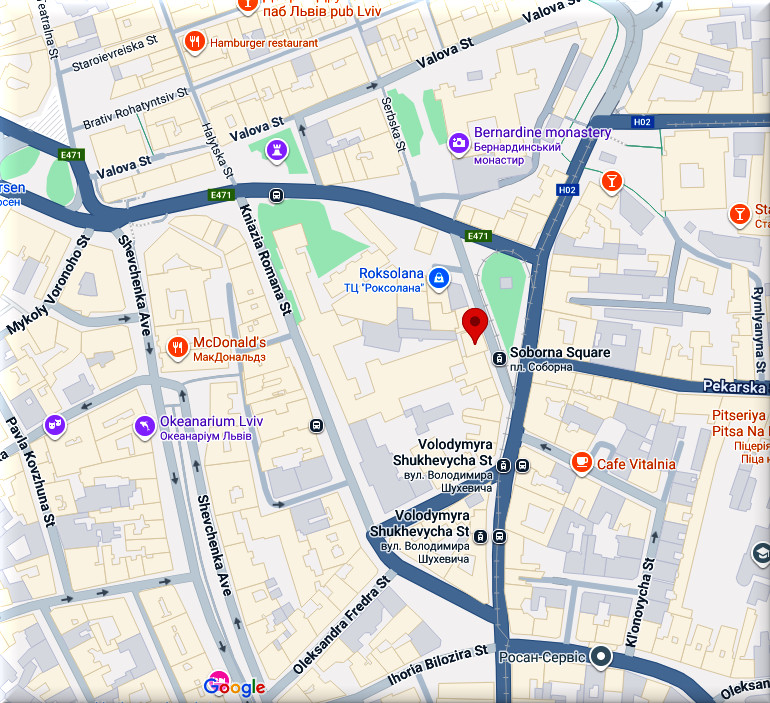
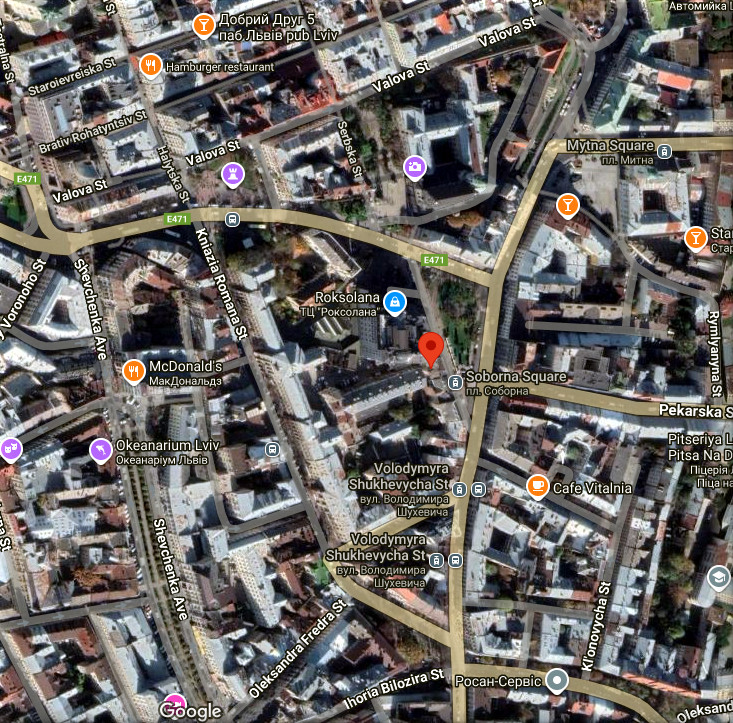
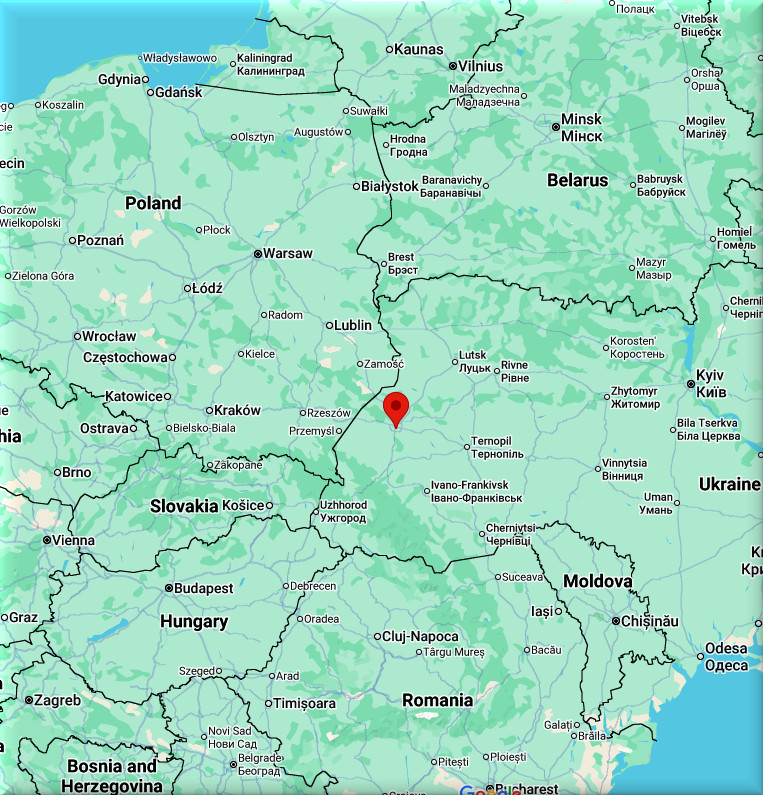
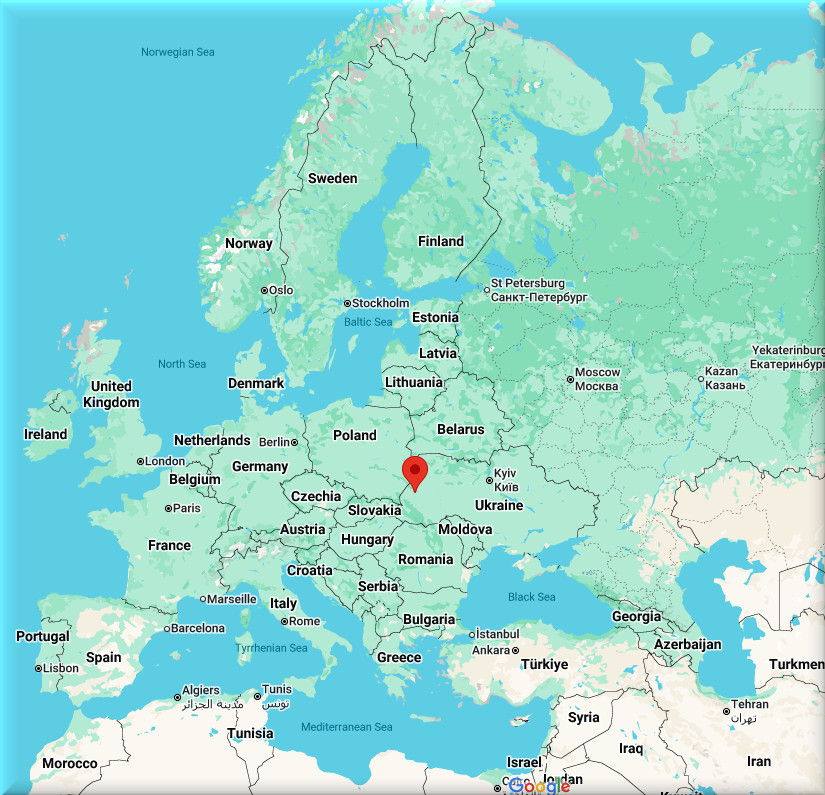
The Blessed Vasyl Velychkovsky Museum is located at 11/3 Soborna Square in Lviv, Ukraine.
Austin Connection to The Museum
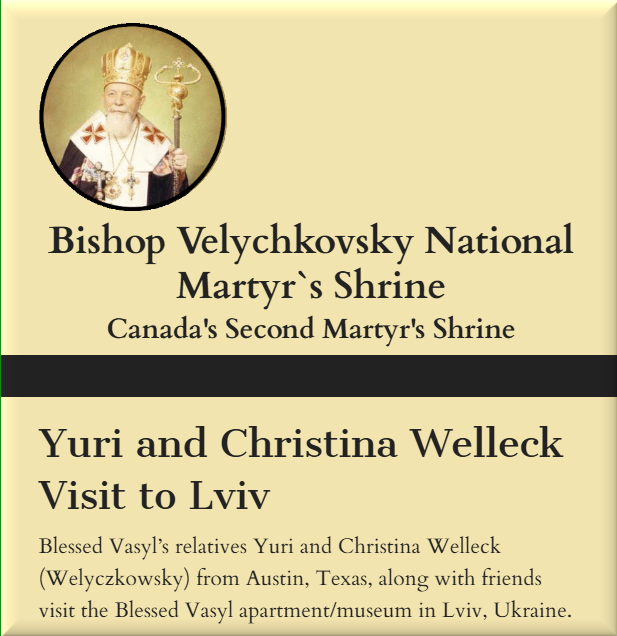
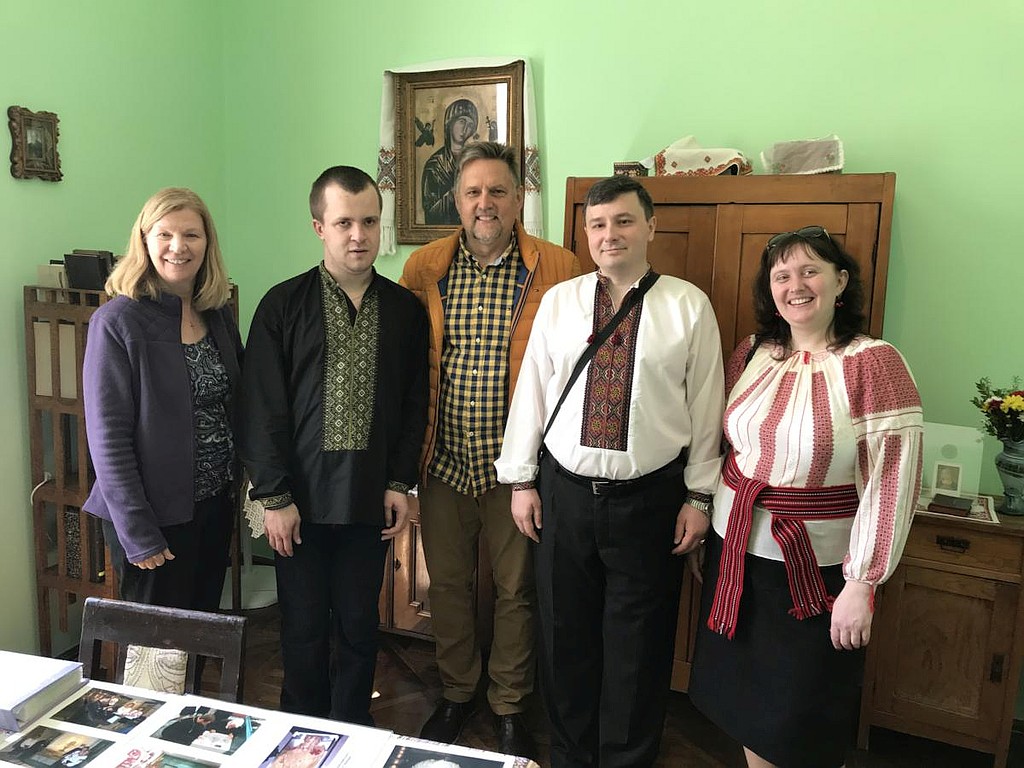
Blessed Vasyl’s relatives Yuri and Christina Welleck (Welyczkowsky) from Austin, Texas, along with friends visit the Blessed Vasyl apartment/museum in Lviv, Ukraine. From the Blessed Vasyl Shrine web site
Lviv Museum Interior
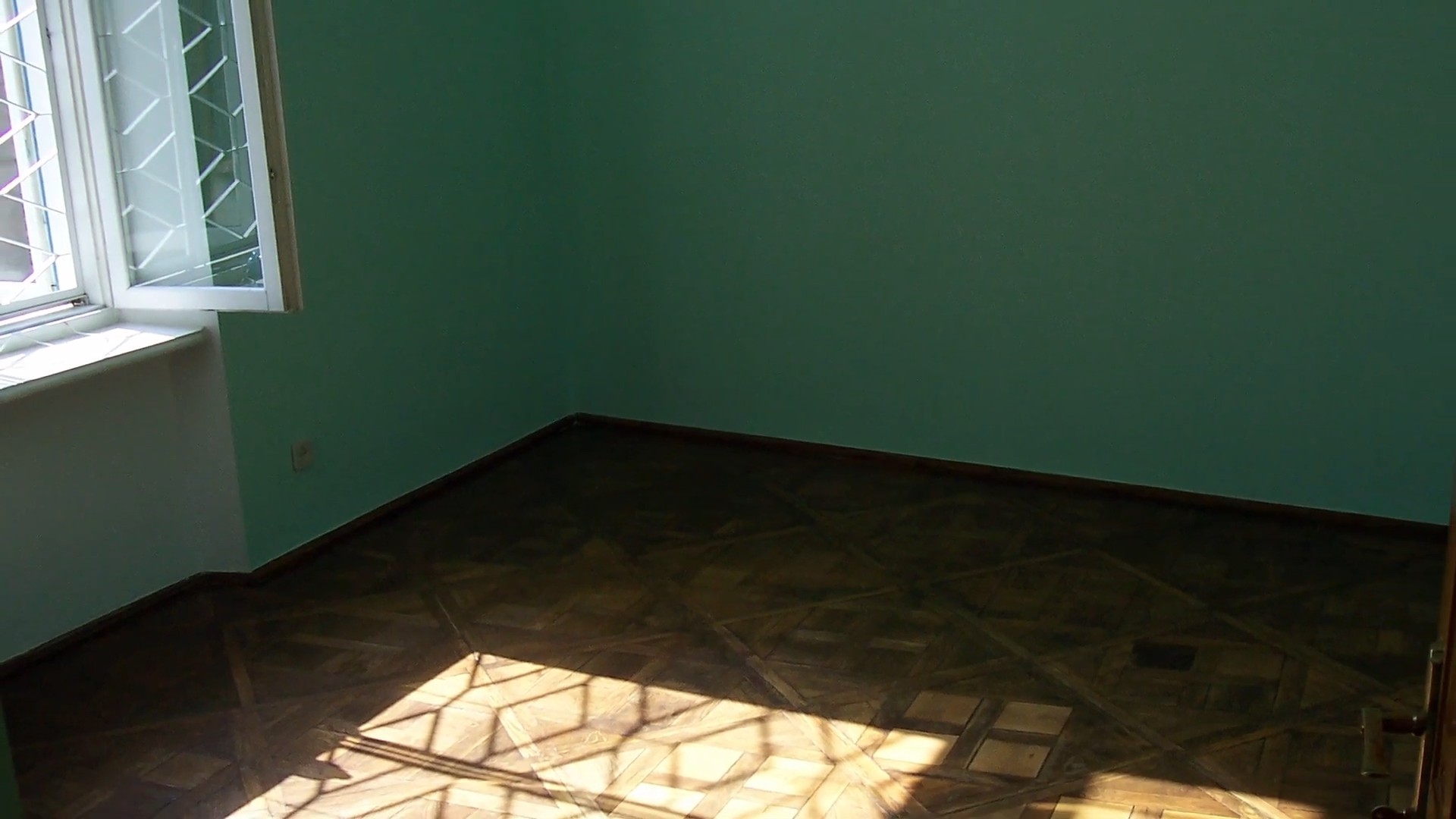
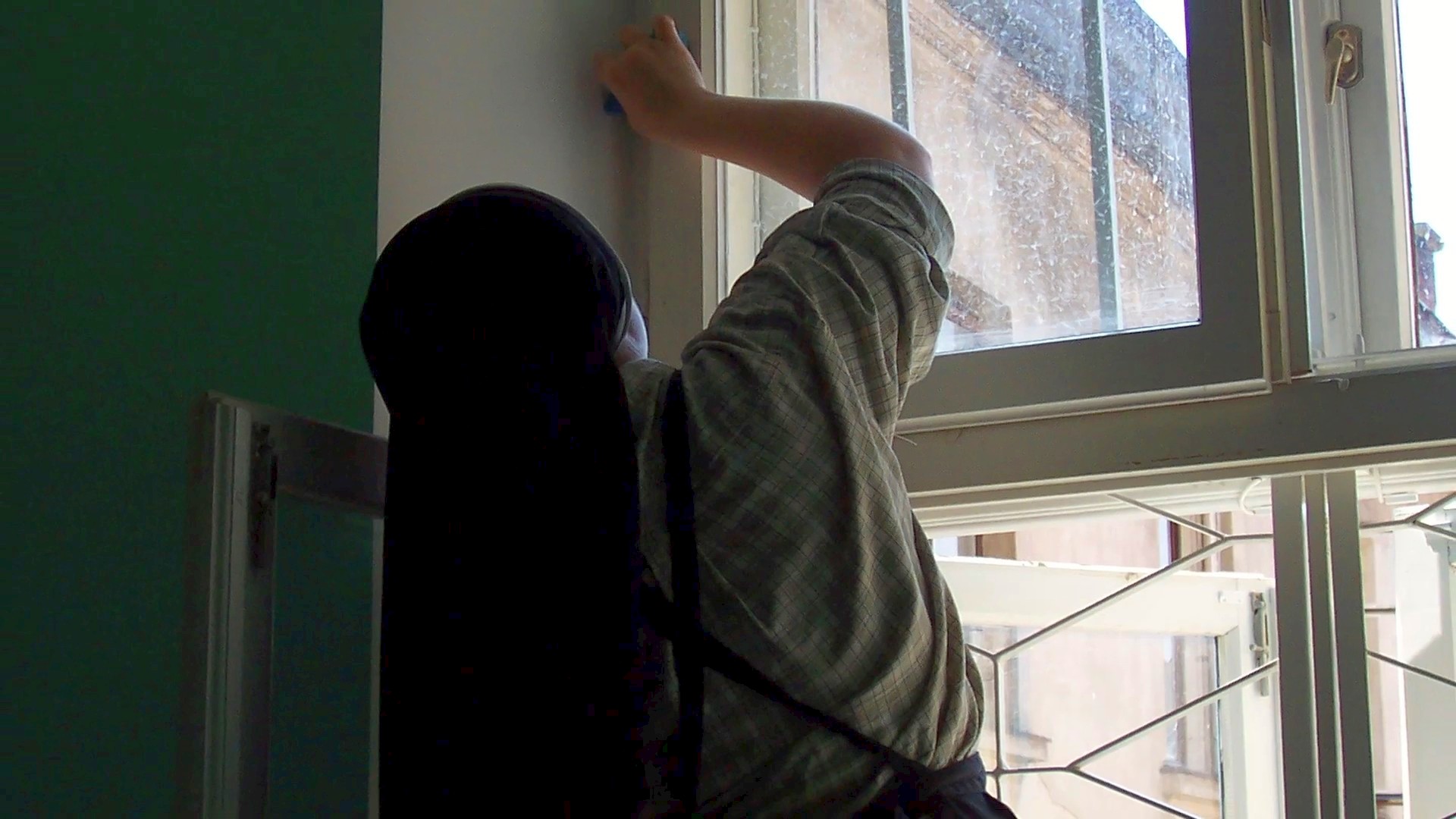
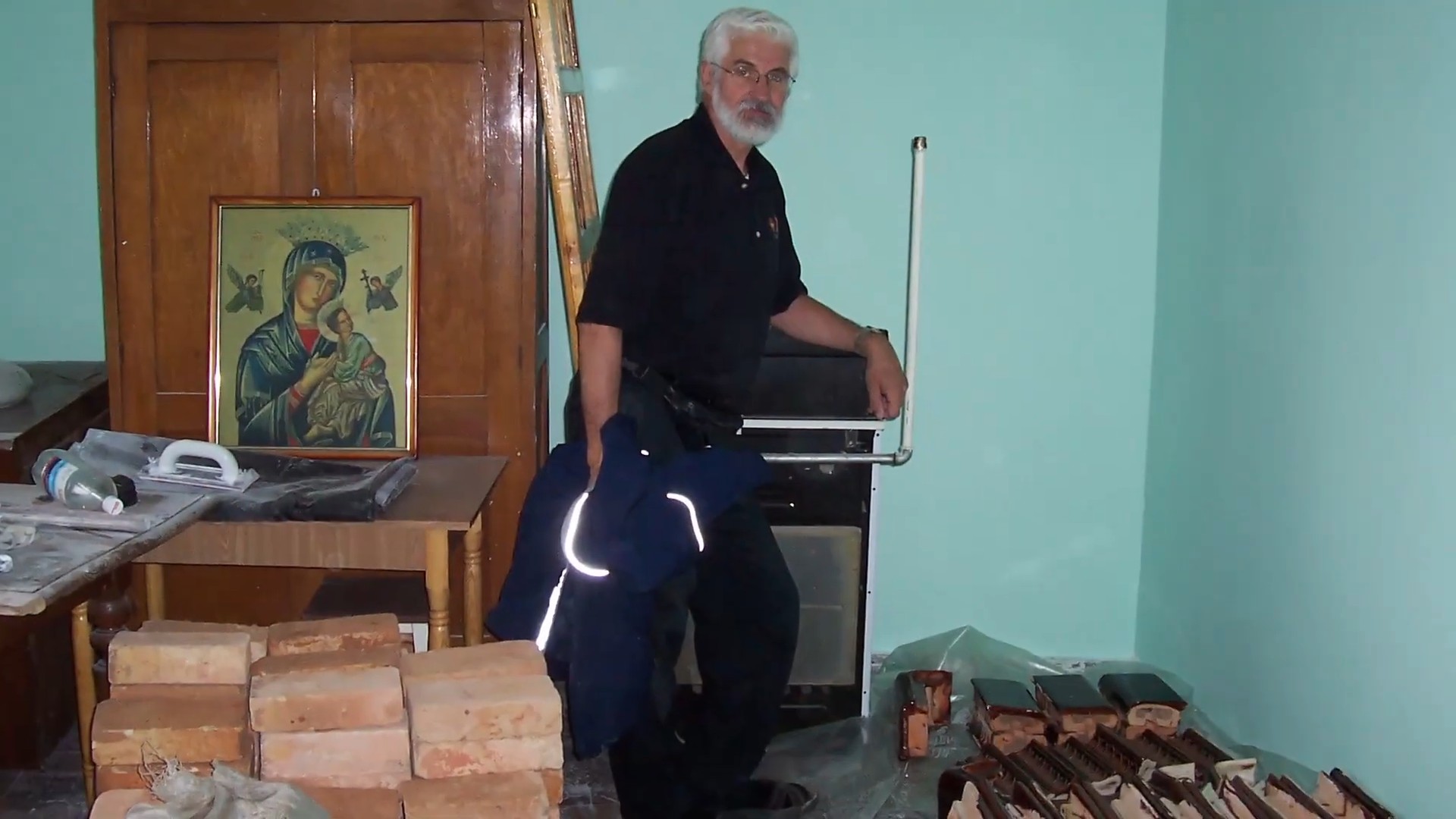
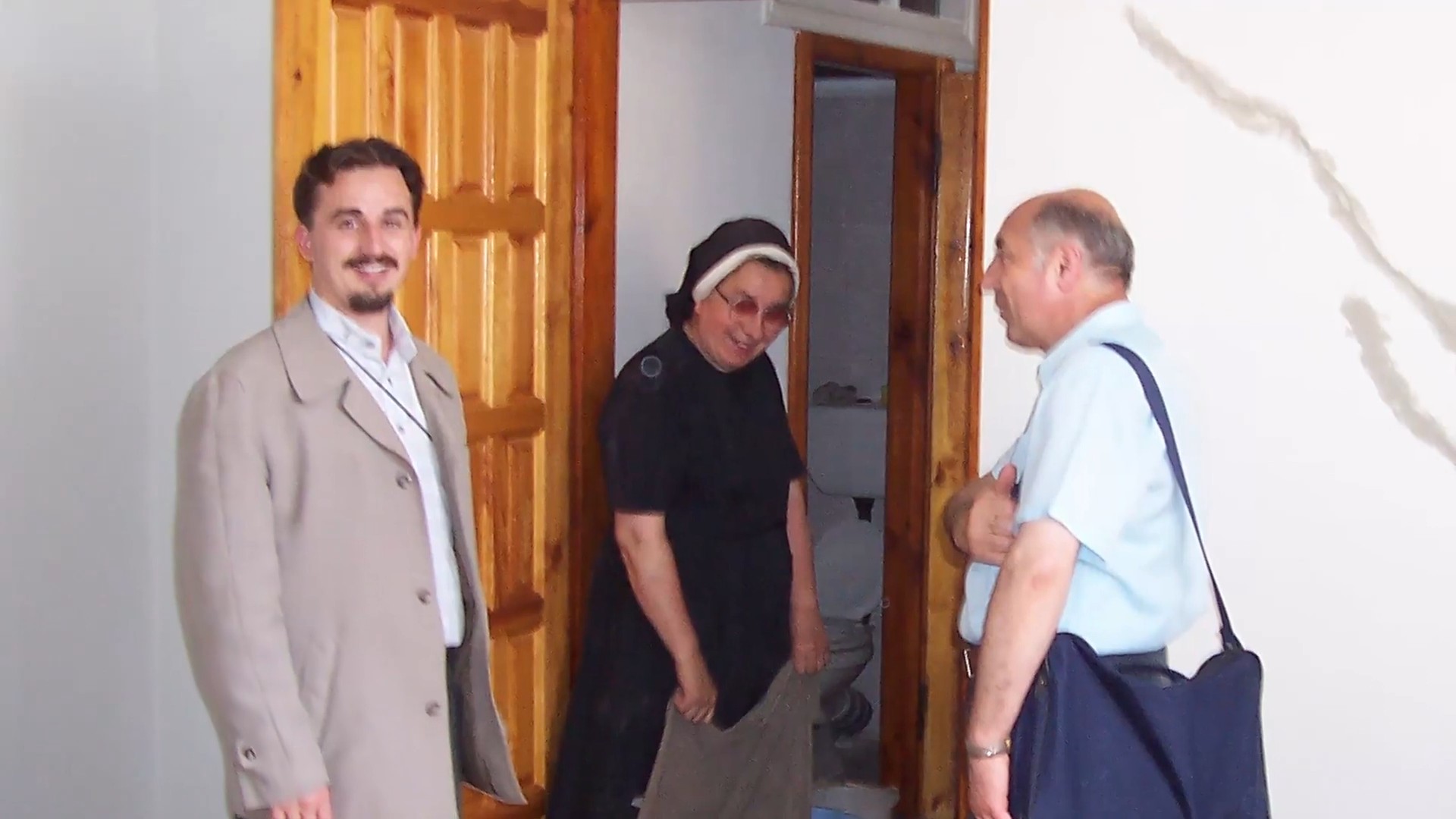
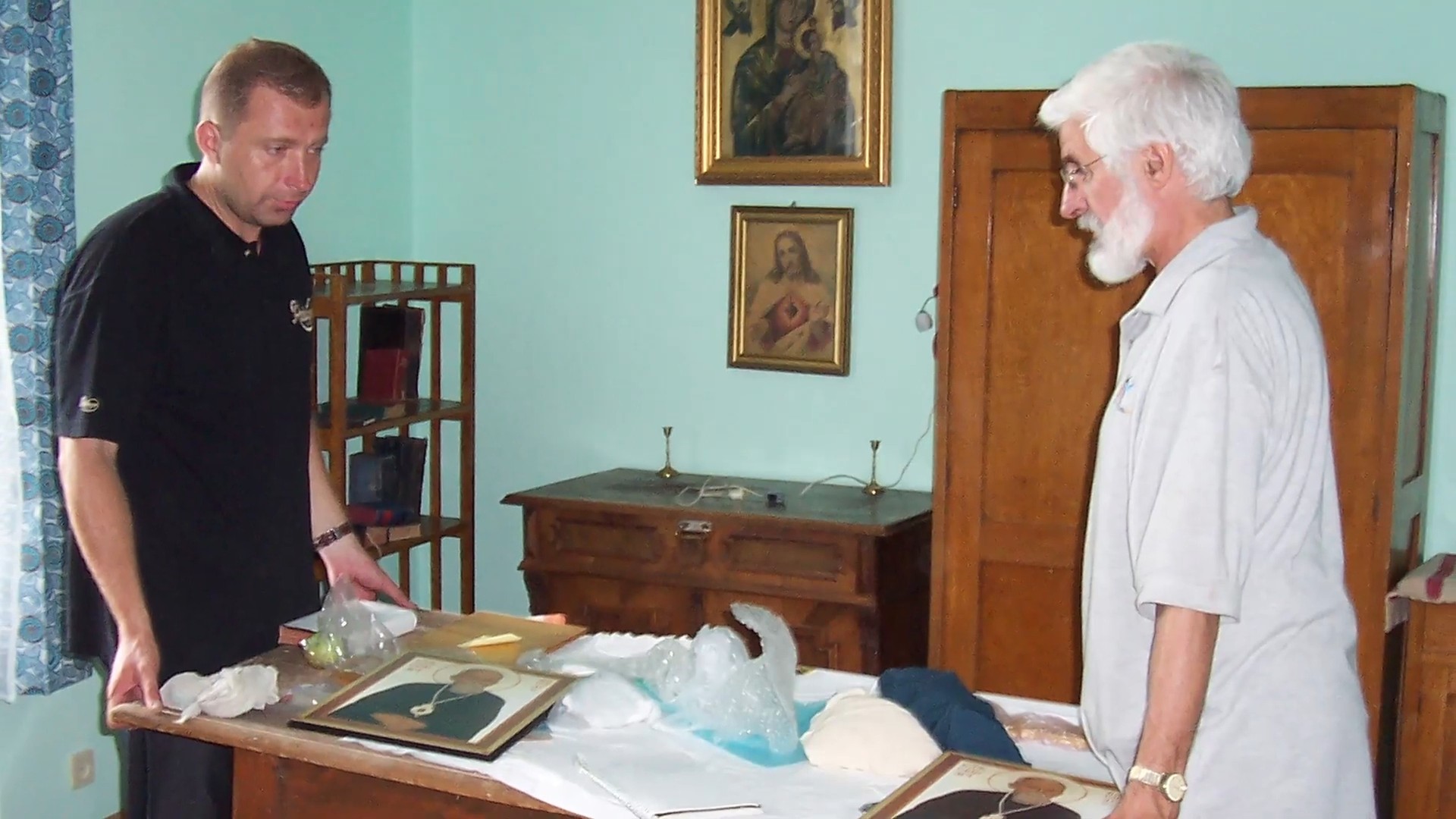
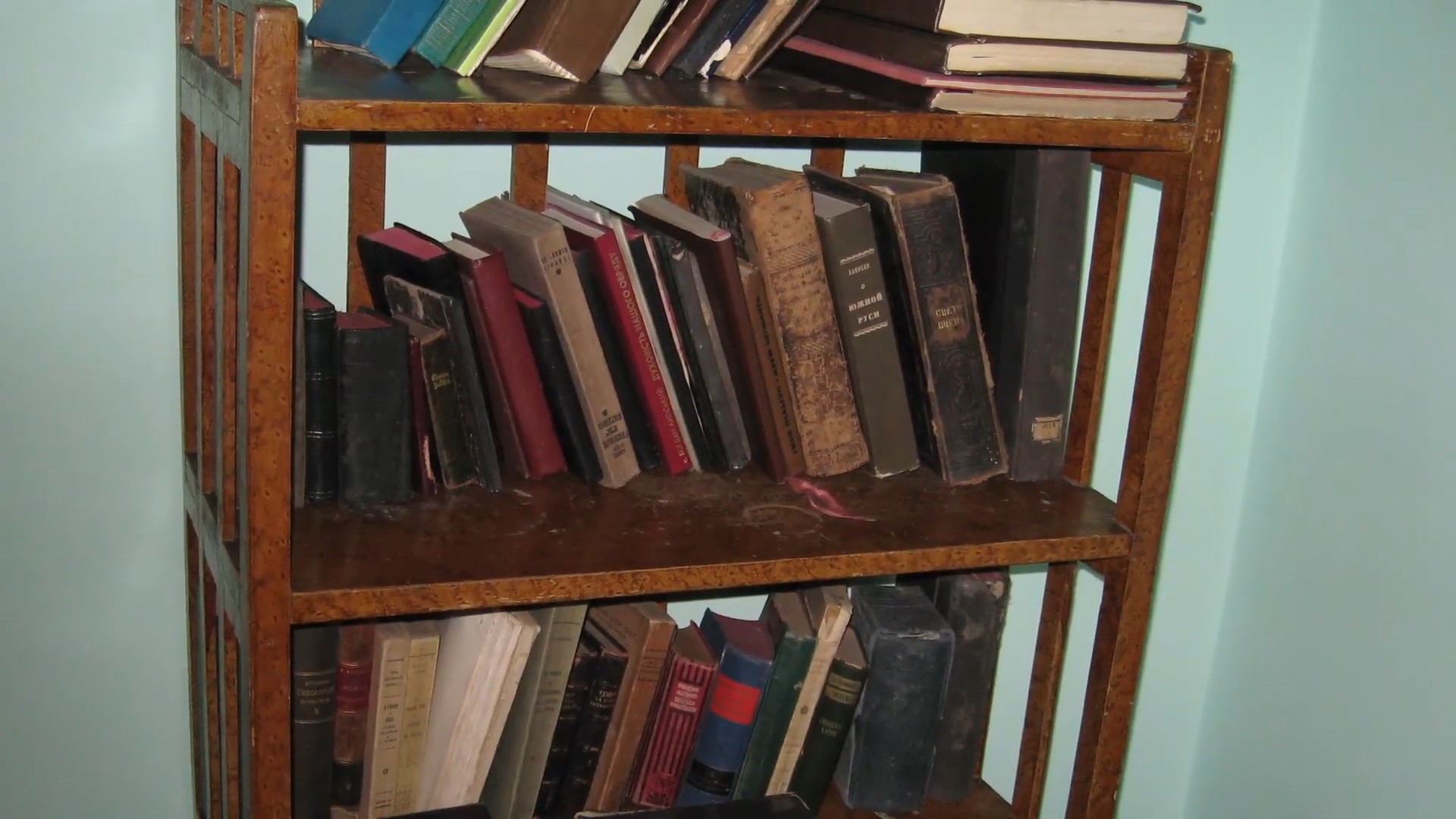
These screen shots of the interior of the Blessed Vasyl Velychkovsky Museum are from the above YouTube video.