Let’s take a thoughtful turn into the life of Vasyl Velychkovsky.
Vasyl Velychkovsky’s time in the Soviet gulag at Vorkuta stands as one of the most harrowing and powerful parts of his story.
He had already endured interrogation, arrest, and sentencing for refusing to renounce his faith and his allegiance to the Ukrainian Greek Catholic Church. His “crime” was serving as a bishop and continuing the underground church that had been outlawed by the Soviets.
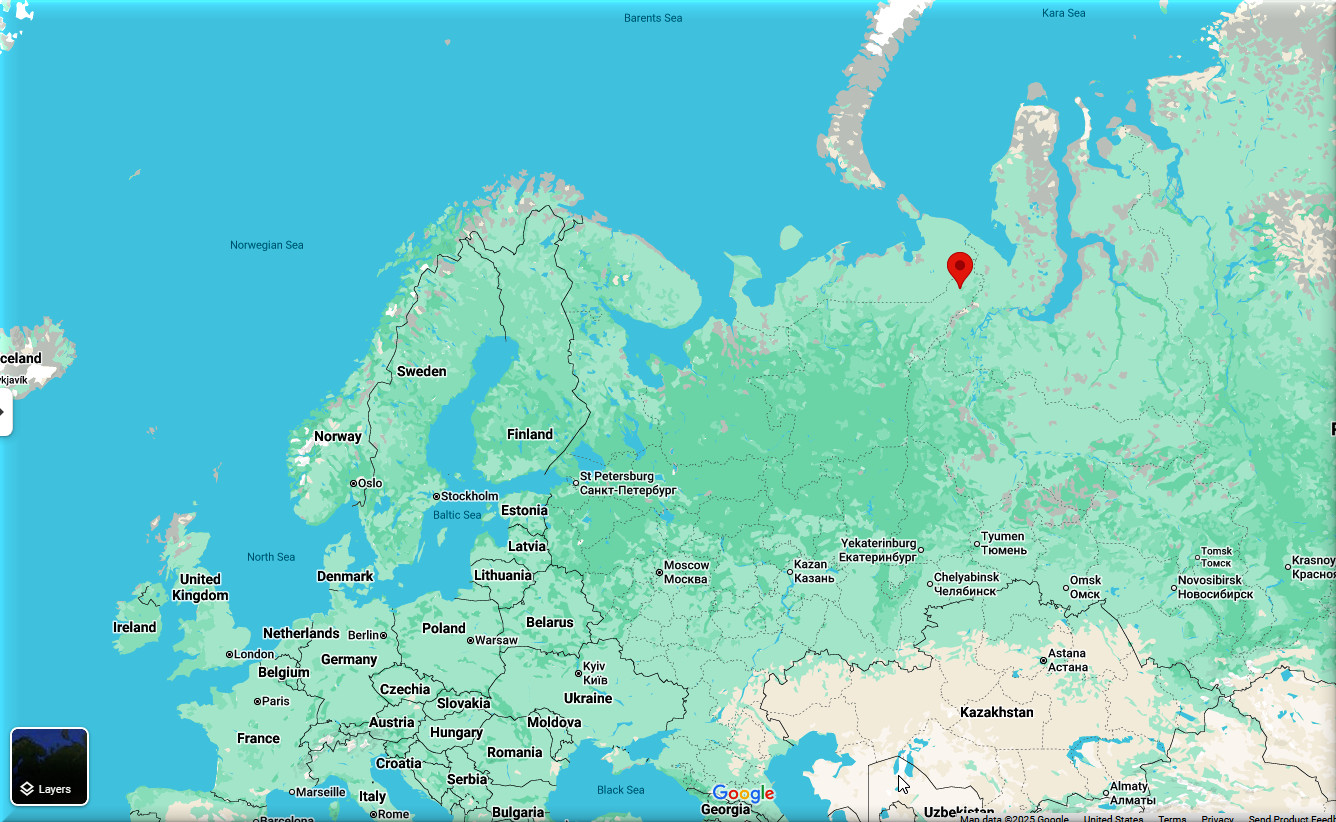
He was sent to Vorkuta—a brutal labor camp above the Arctic Circle, part of the notorious Gulag system. This was no ordinary prison. Vorkuta was a coal-mining camp built on permafrost, where the temperature could drop to -50°C (-58°F).
Prisoners worked in dangerous conditions with inadequate clothing, poor food, and almost no medical care. The Soviets sent political prisoners, including clergy, intellectuals, and anyone suspected of “counterrevolutionary” thought, to these camps to be broken—physically and spiritually.
But in Velychkovsky’s case, he was not broken.
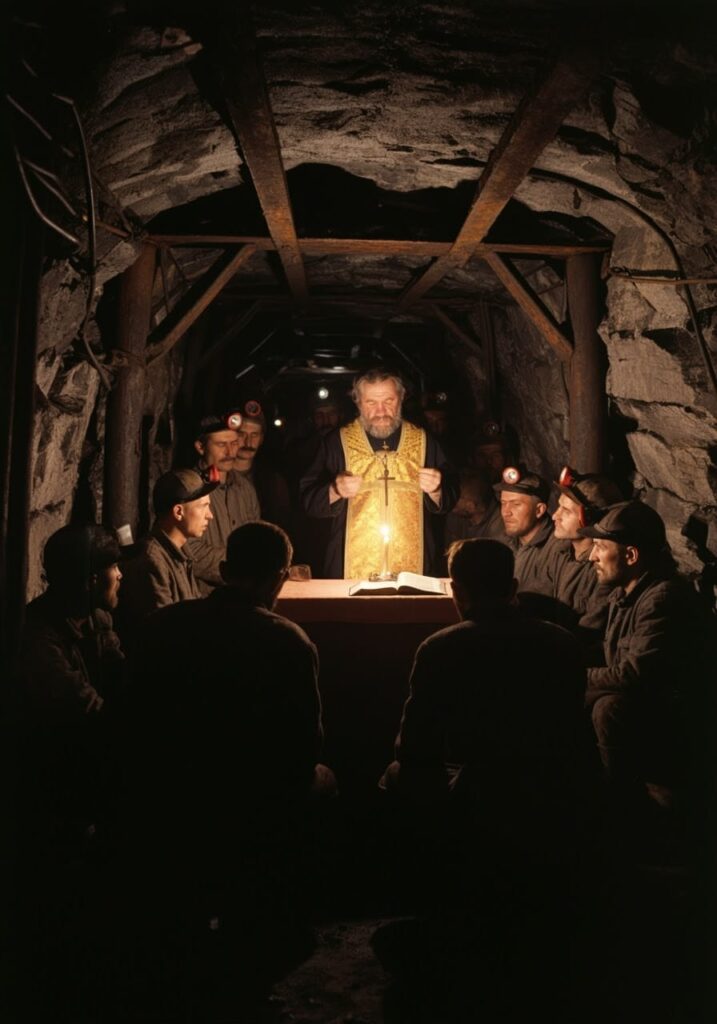
Accounts suggest that he endured his sentence (ten years, reduced to three through amnesty in 1955) with unwavering inner strength. Even in the mines, he continued his ministry—quietly hearing confessions, whispering prayers, and offering words of hope. In the heart of that frozen hell, he kept faith alive not only for himself, but for others around him.
We could think of Velychkovsky in the gulag like an ember under the ash—seemingly smothered, but glowing quietly, ready to rekindle light in the darkness.
The Labor Camps at Vorkuta
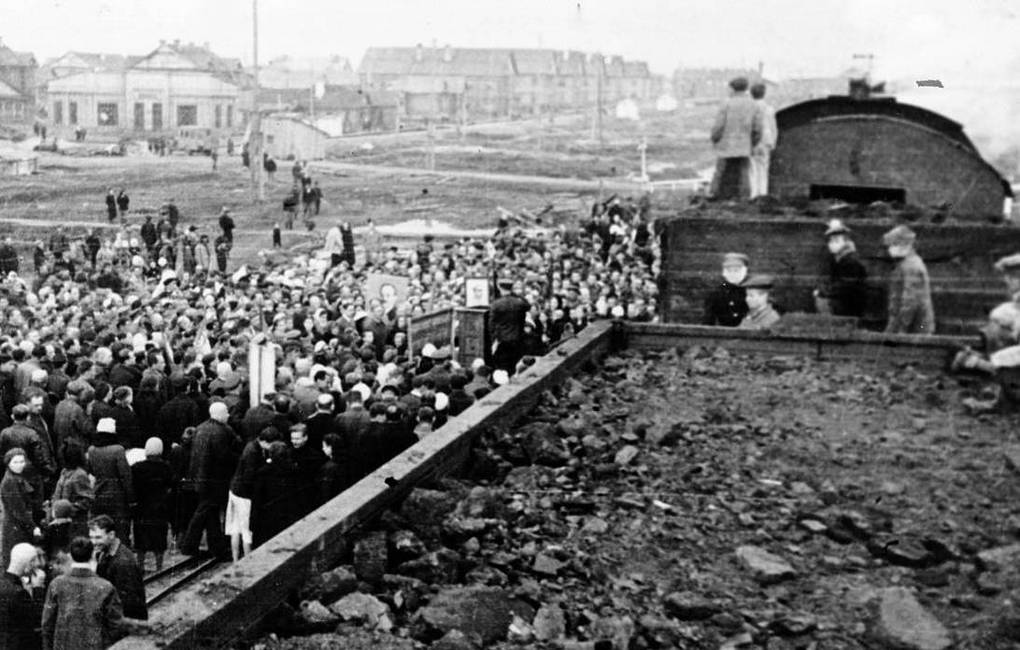
Radio Free Europe provides a moving photo essay of the Soviet gulag at Vorkuta.
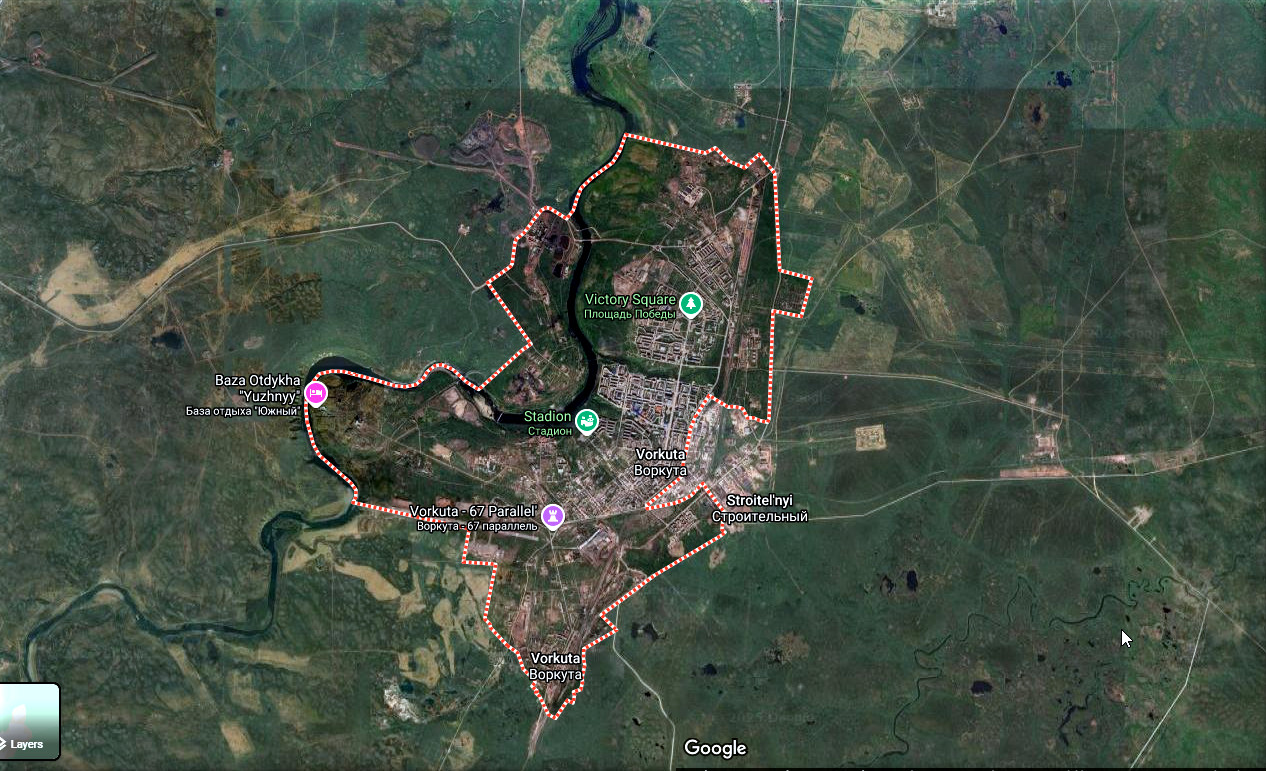
The labor camps at Vorkuta were established in 1931 to mine coal deposits at the foot of the Arctic Ural Mountains, 150 kilometers above the Arctic Circle. For 25 years, prisoners and exiles labored to turn this area of tundra into one of the largest coal sources of the Soviet Union. The complex grew to include more than 20 mines, mining villages, power stations, roads, railroads, and the new city of Vorkuta. Today, Vorkuta is an industrial city in decline, plagued by corruption and poverty. These photos show Vorkuta at the height of the Gulag era — and as it appears now.
The camps at Vorkuta were established in 1931 to mine coal in the Ural Mountains in the Arctic. They continued to operate until 1956.
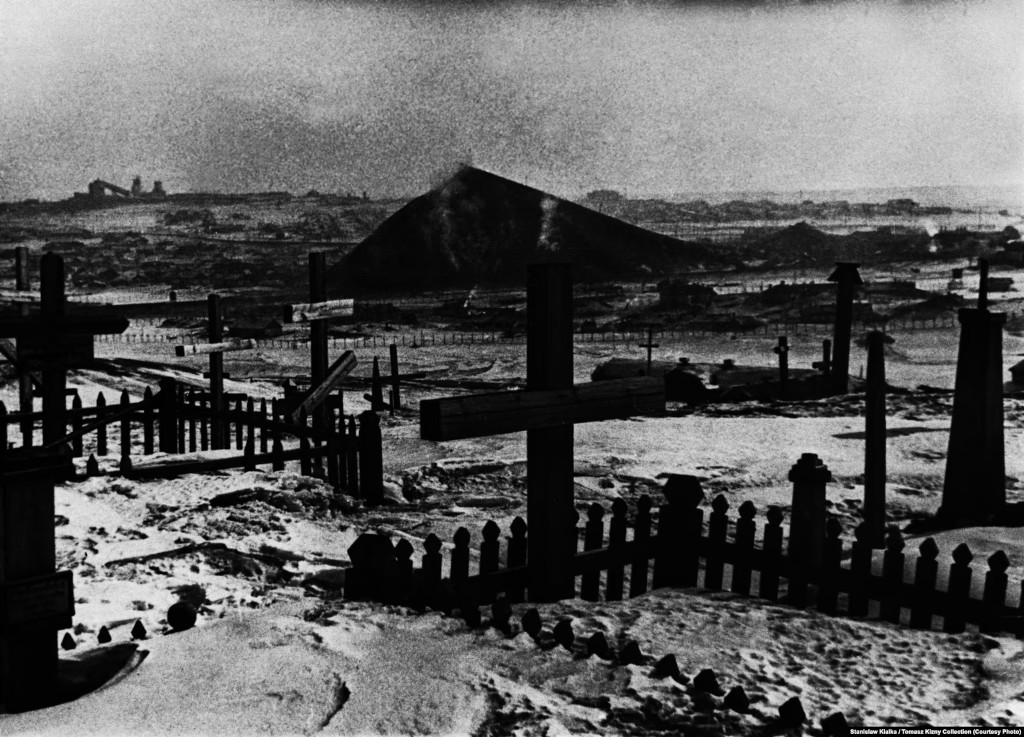
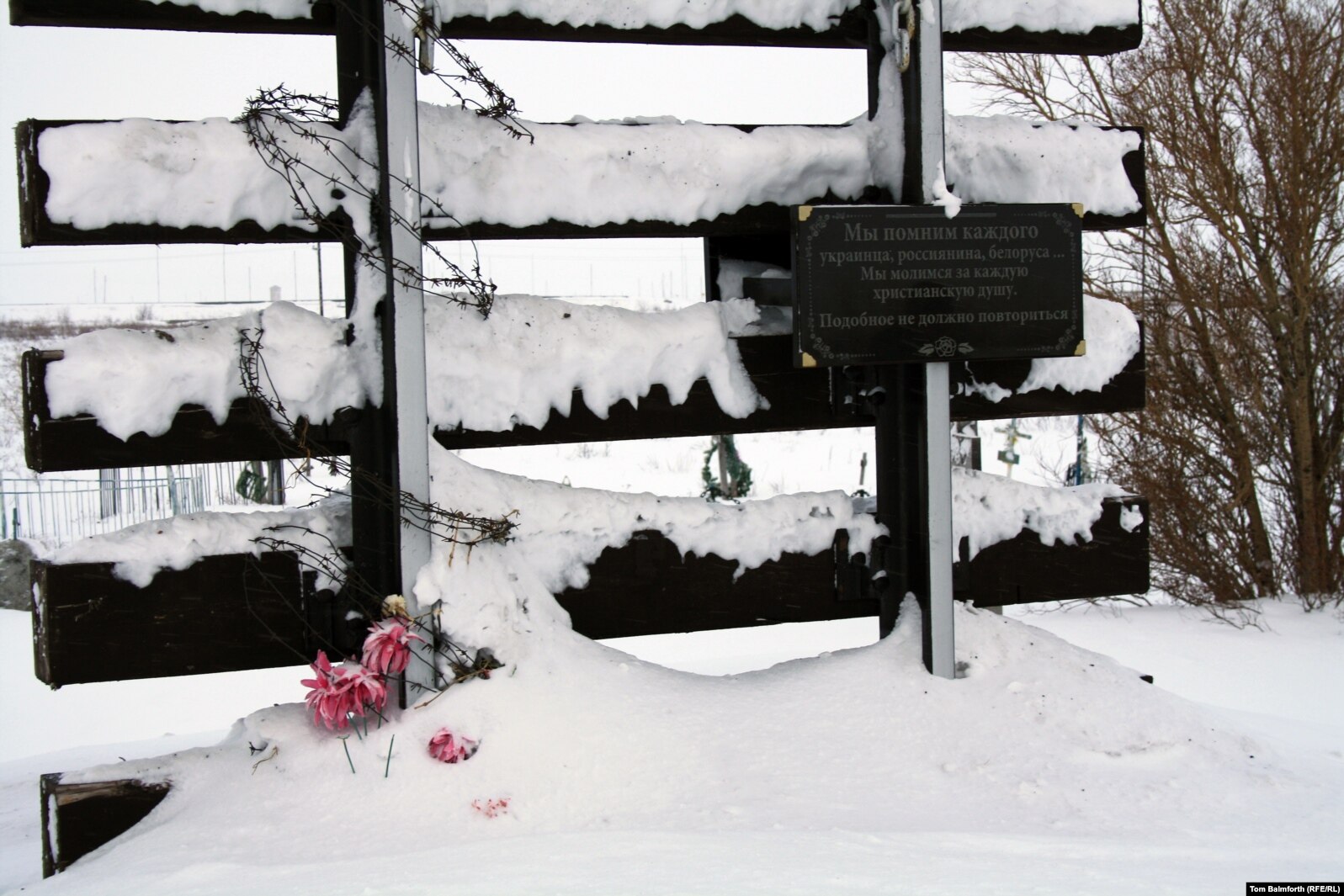
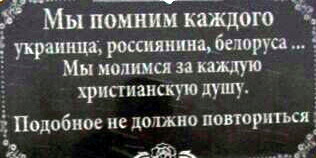
An undated photo showing a cemetery for prisoners and exiles with mines visible in the background. Prisoners were buried in the tundra and their grave was marked with a post bearing the dead person’s camp number. After 1956, released prisoners identified the graves and placed crosses marked with their names.
An undated photo of Polish Home Army[1] soldier Stefan Jozefowicz, who was arrested by the Soviet secret police in 1945 and sentenced to death. That sentence was later commuted to 20 years of hard labor. In 1953, Jozefowicz participated in a prisoner strike at mine No. 29. He returned to Poland in 1956.
[1] Partisans who fought against the Germans during World War II
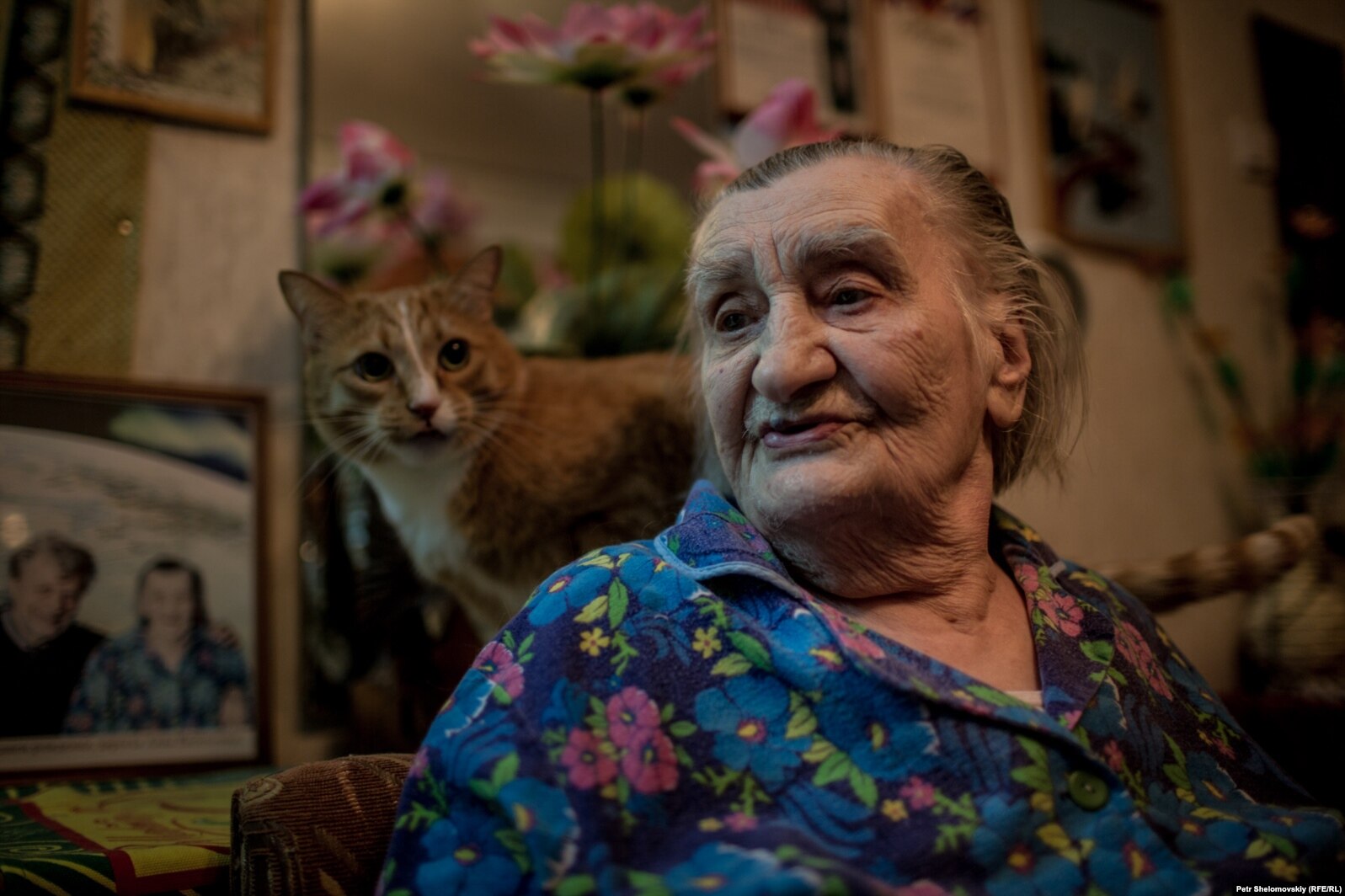
Another Radio Free Europe page features Anna Kriku, one of the few remaining survivors of the Vorkuta gulag.
A Survivor In Vorkuta, Land Of The Gulag And Coal Mines Anna Krikun spent a decade in a Soviet labor camp in Vorkuta, the city in the Russian Arctic where 36 workers died in coal-mine disaster last month [Feb 2016]. Krikun survived dictator Josef Stalin’s Great Terror, World War II, the gulag, and more than 18 years in Vorkuta’s coal mines.
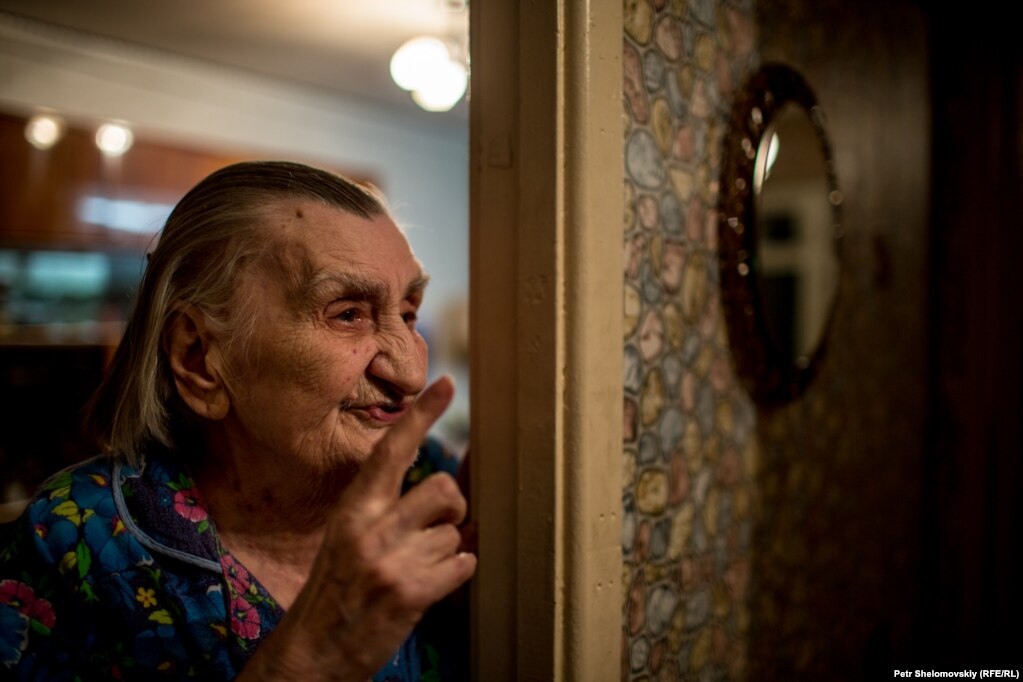
Anna Krikun is one of the oldest residents living around Vorkuta, a coal-mining Russian city above the Arctic Circle. At 93, Krikun is also one of the few remaining survivors of the Vorkuta gulag, one of the largest labor camps in the Soviet Union.
Krikun’s father had been arrested in 1924 and disappeared without a trace. Her mother’s second husband was arrested in 1937 at the height of Stalin’s Great Terror. She was able to obtain his death certificate only 36 years later. The official cause of his death one month after his arrest was heart failure – which was widely understood at the time to mean execution by firing squad.
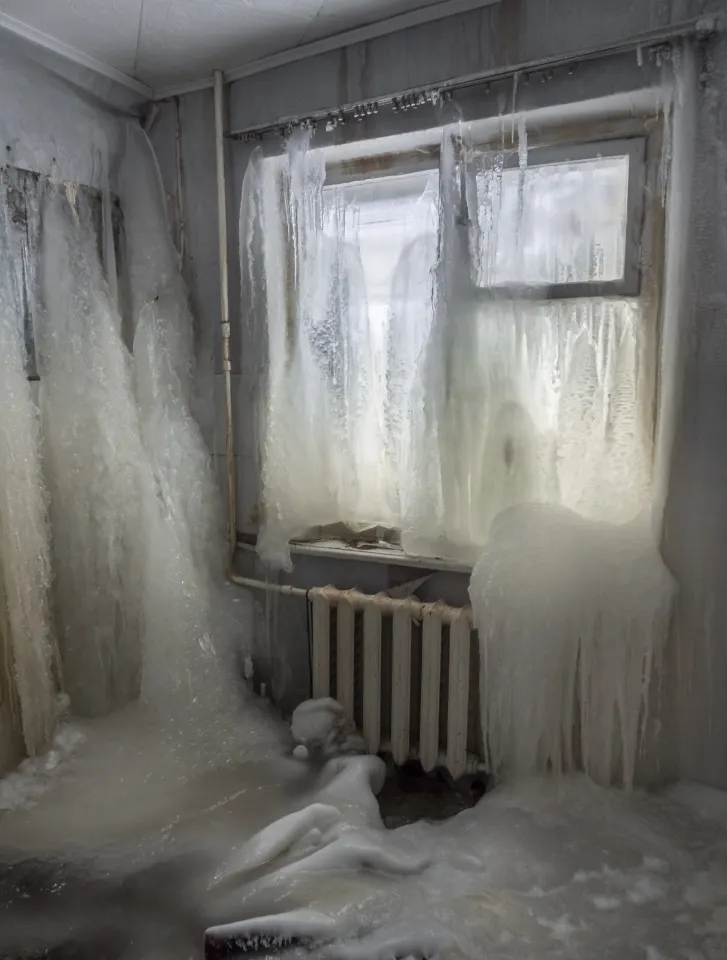
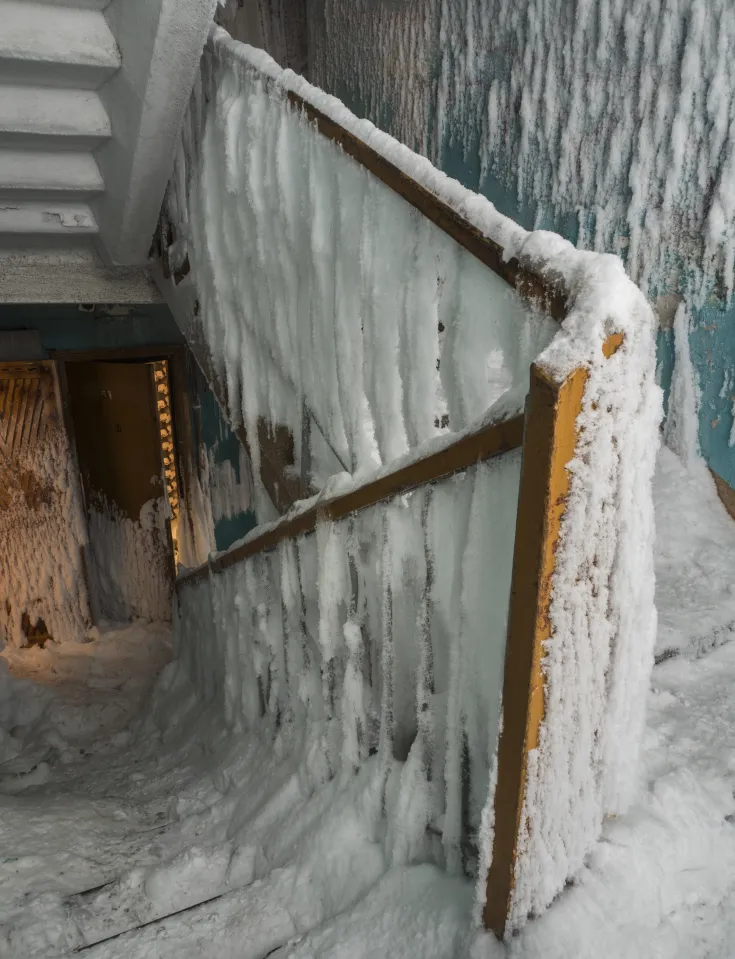
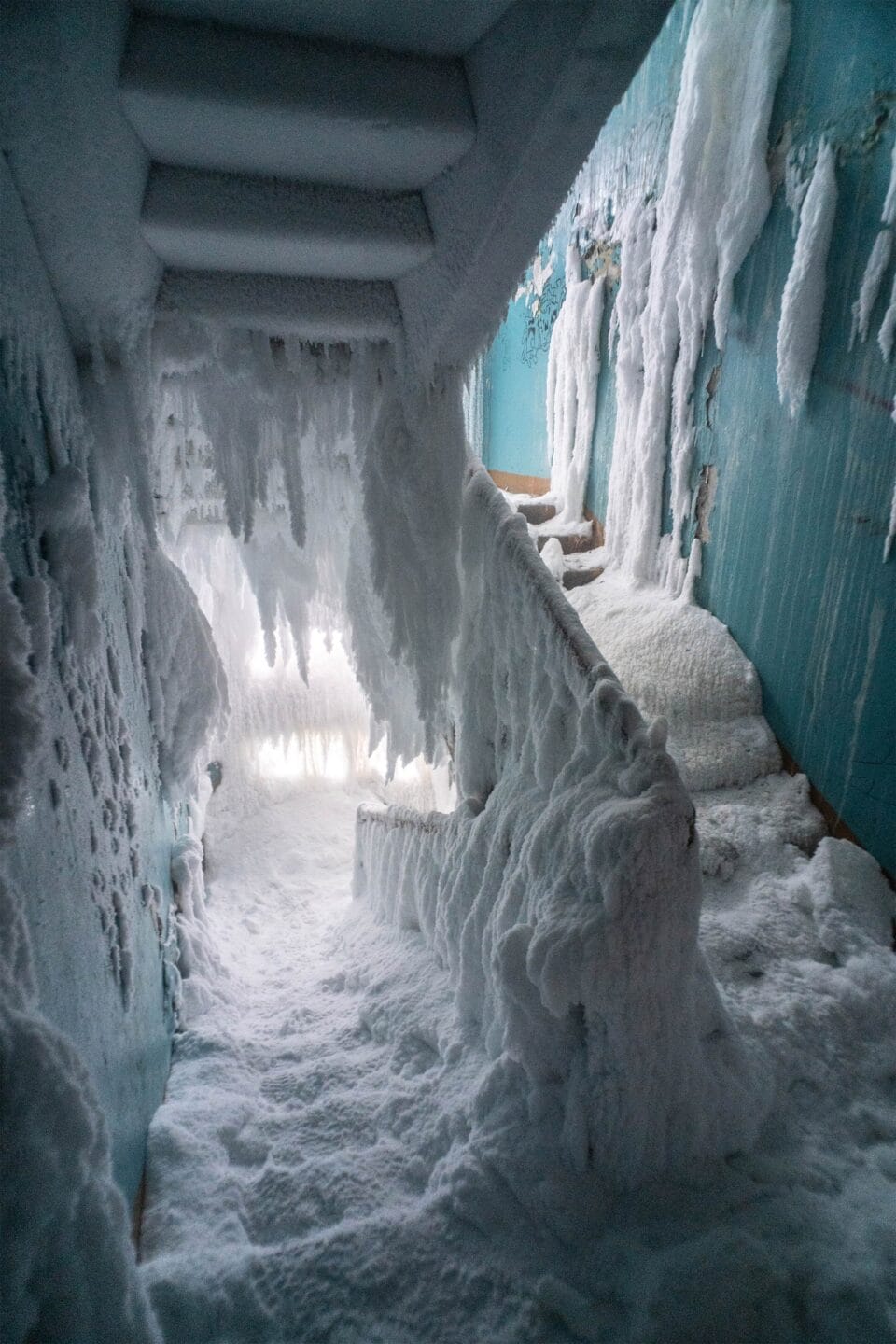
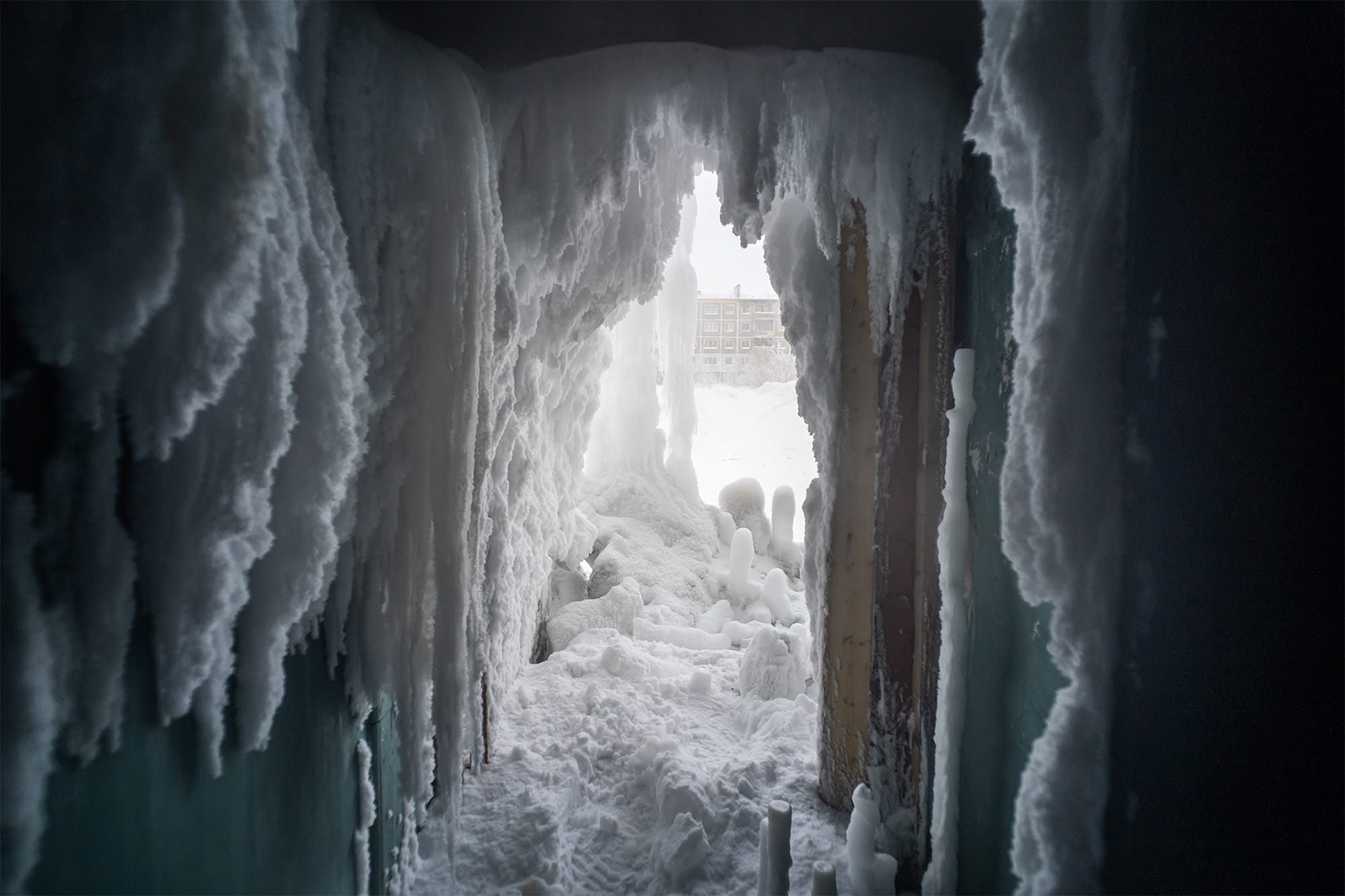
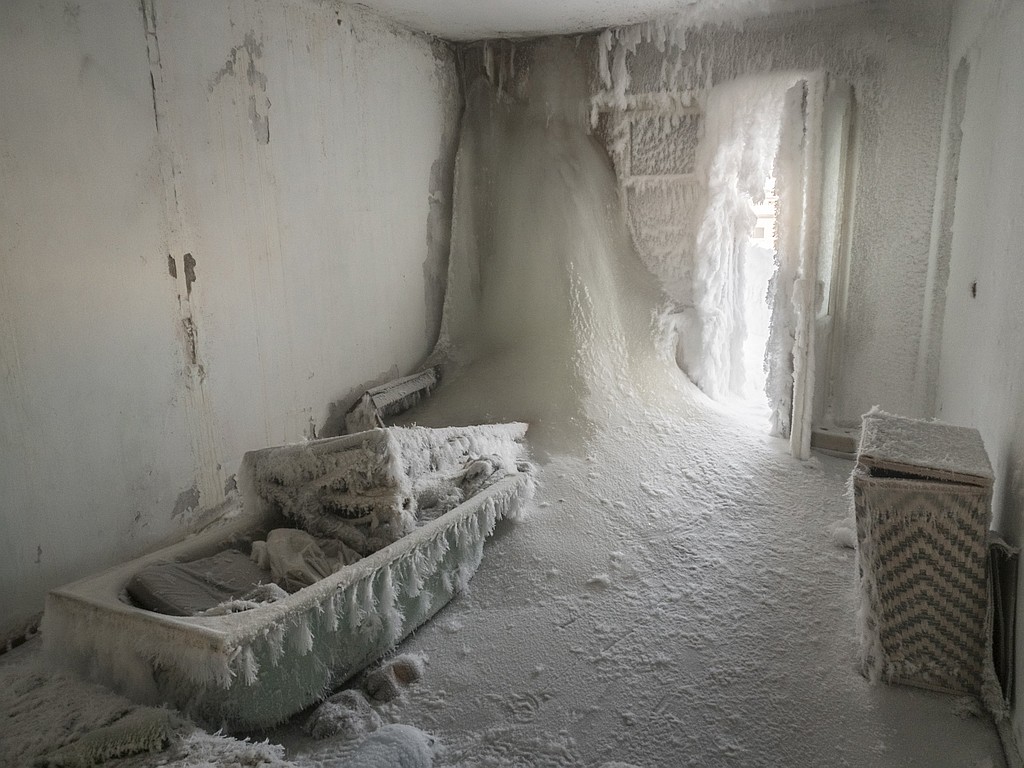
Snow, extreme cold grip Russian ghost town Vorkuta Extreme cold temperatures reaching -50 degrees Celsius prevail in the Russian Arctic city of Vorkuta, which is often called a “ghost town” due to its terrifying environment consisting of abandoned buildings.
The city, which was established due to the coal-mine nearby and has about a population of 70,000, is known as the coldest settlement in Europe.
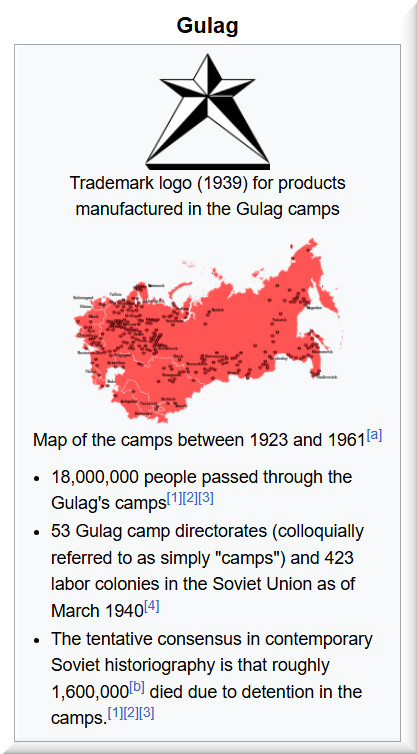
The Gulag was a system of forced labor camps in the Soviet Union. The word Gulag originally referred only to the division of the Soviet secret police that was in charge of running the forced labor camps from the 1930s to the early 1950s during Joseph Stalin’s rule, but in English literature the term is popularly used for the system of forced labor throughout the Soviet era. The abbreviation GULAG (ГУЛАГ) stands for “Гла́вное Управле́ние исправи́тельно-трудовы́х ЛАГере́й” (Main Directorate of Correctional Labour Camps), but the full official name of the agency changed several times.
The Gulag is recognized as a major instrument of political repression in the Soviet Union. The camps housed both ordinary criminals and political prisoners, a large number of whom were convicted by simplified procedures, such as NKVD troikas or other instruments of extrajudicial punishment.
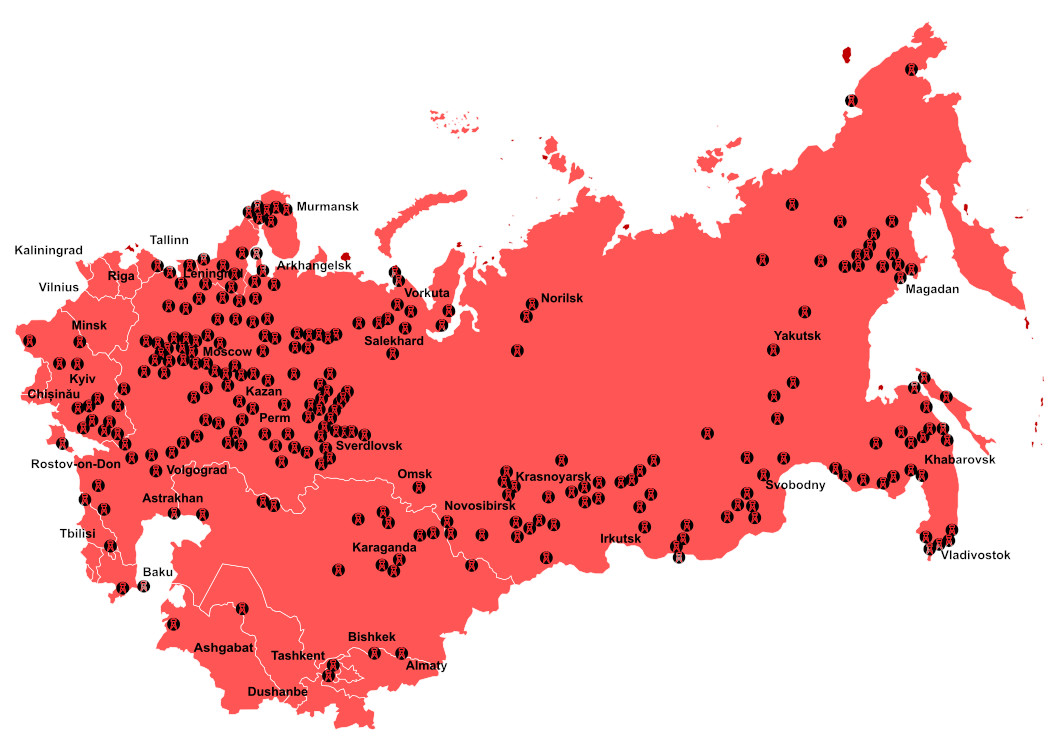
By Antonu – Собственная работа, основанная на материалах справочника «Система исправительно-трудовых лагерей в СССР», подготовленного правозащитным обществом «Мемориал»., CC BY-SA 3.0
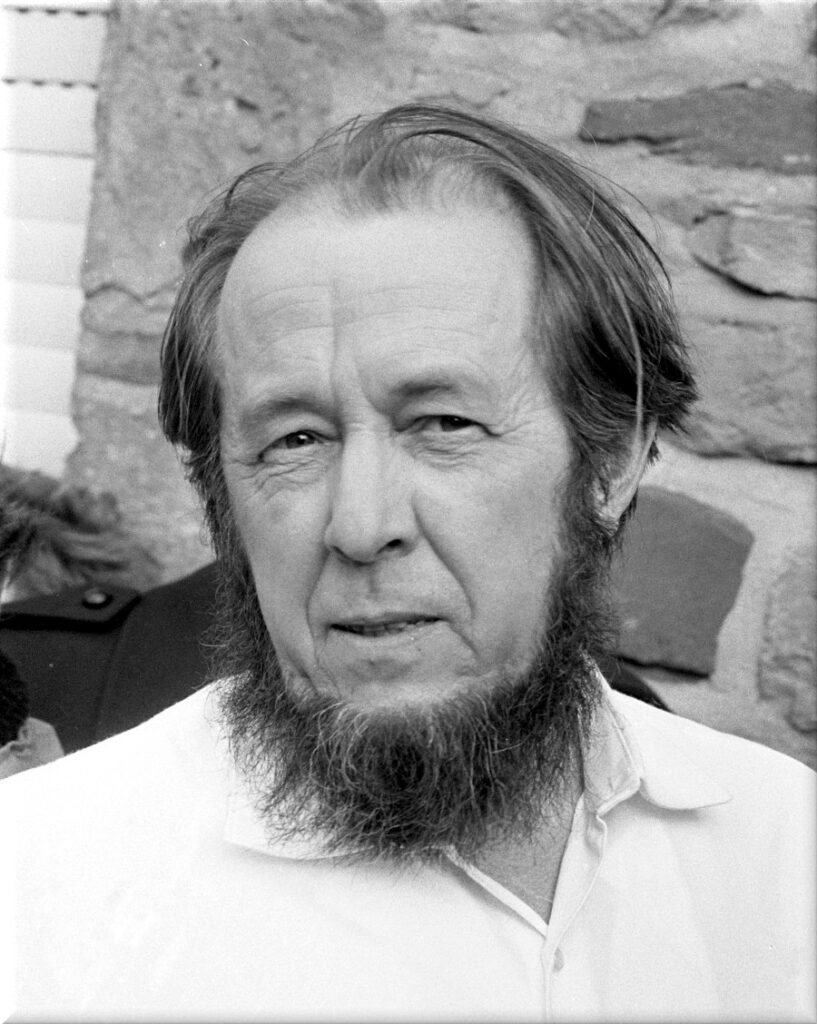
Aleksandr Solzhenitsyn, winner of the Nobel Prize in Literature, who survived eighty ears of Gulag incarceration, gave the term its international repute with the publication of The Gulag Archipelago in 1973. The author likened the scattered camps to “a chain of islands”, and as an eyewitness, he described the Gulag as a system where people were worked to death. In March 1940, there were 53 Gulag camp directorates (simply referred to as “camps”) and 423 labor colonies in the Soviet Union. Many mining and industrial towns and cities in northern Russia, eastern Russia and Kazakhstan such as Karaganda, Norilsk, Vorkuta and Magadan, were blocks of camps which were originally built by prisoners and subsequently run by ex-prisoners.