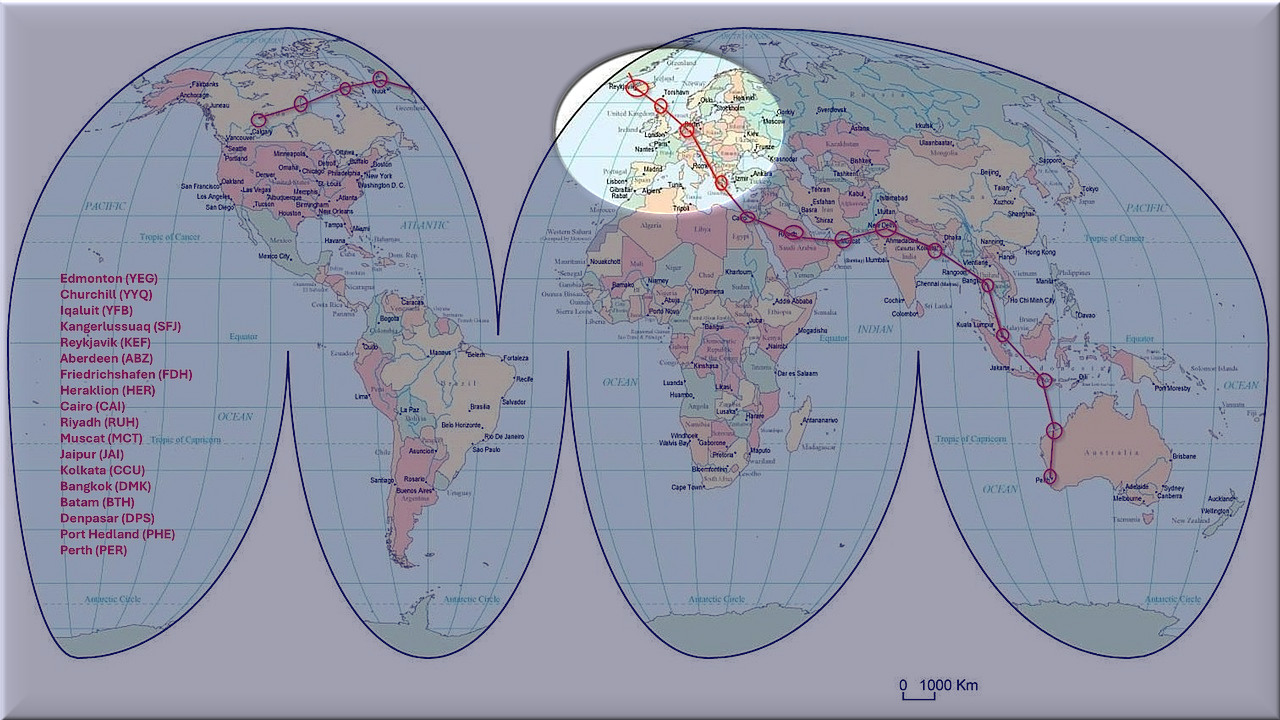
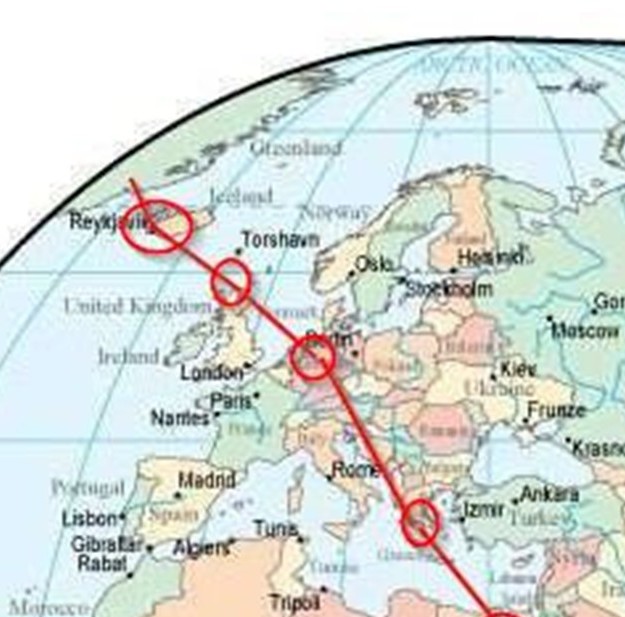
Kangerlussuaq → Reykjavík (KEF): ~740 miles Cumulative Miles/Kilometers: 2,820 / 4,538
As Elder G and I continue our 16,000 mile journey from Edmonton, Canada to Perth, Australia, we leave North America and fly into Reykjavik.
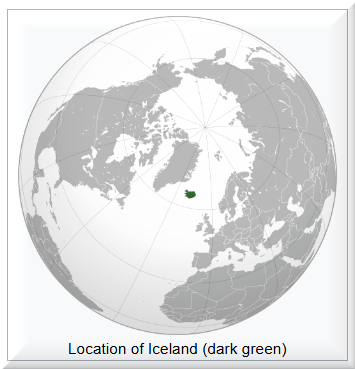
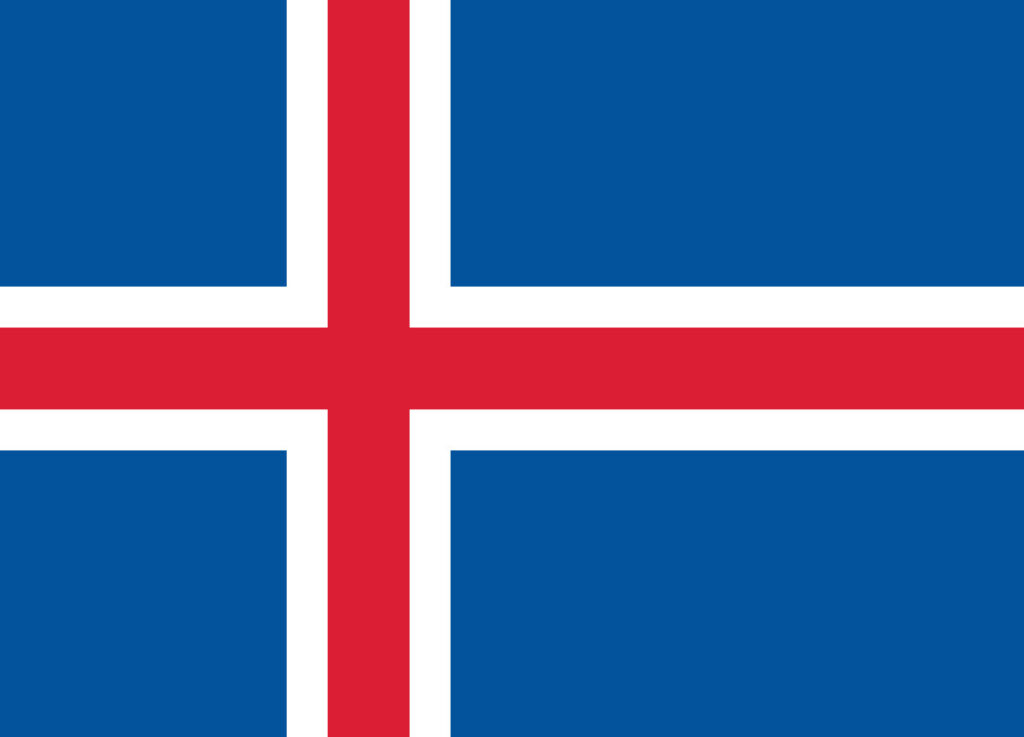
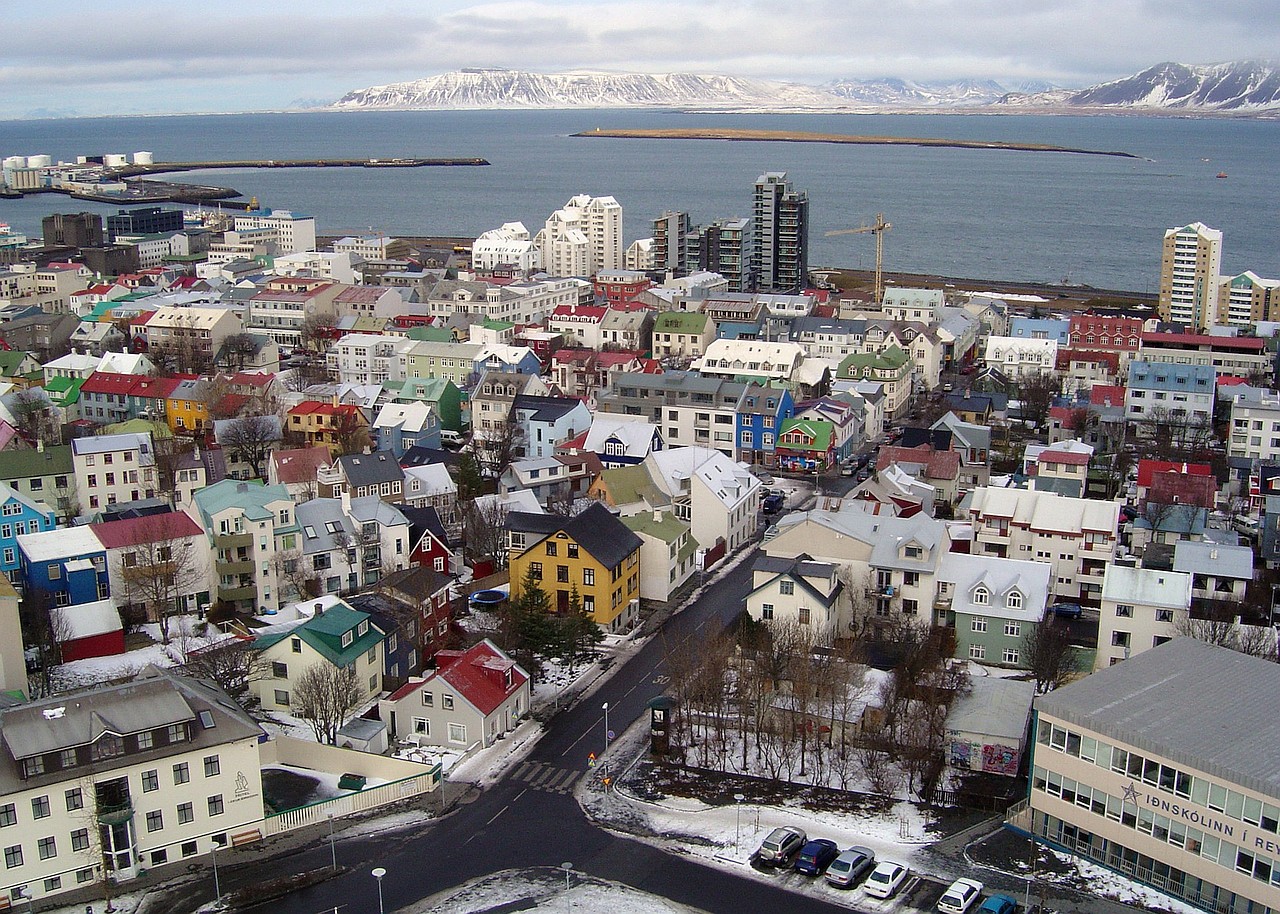
Iceland is a Nordic island country between the Arctic Ocean and the North Atlantic Ocean, located on the Mid-Atlantic Ridge between Europe and North America. It is culturally and politically linked with Europe and is the region’s westernmost and most sparsely populated country. Its capital and largest city is Reykjavík, which is home to about 36% of the country’s roughly 390,000 residents (excluding nearby towns/suburbs, which are separate municipalities).
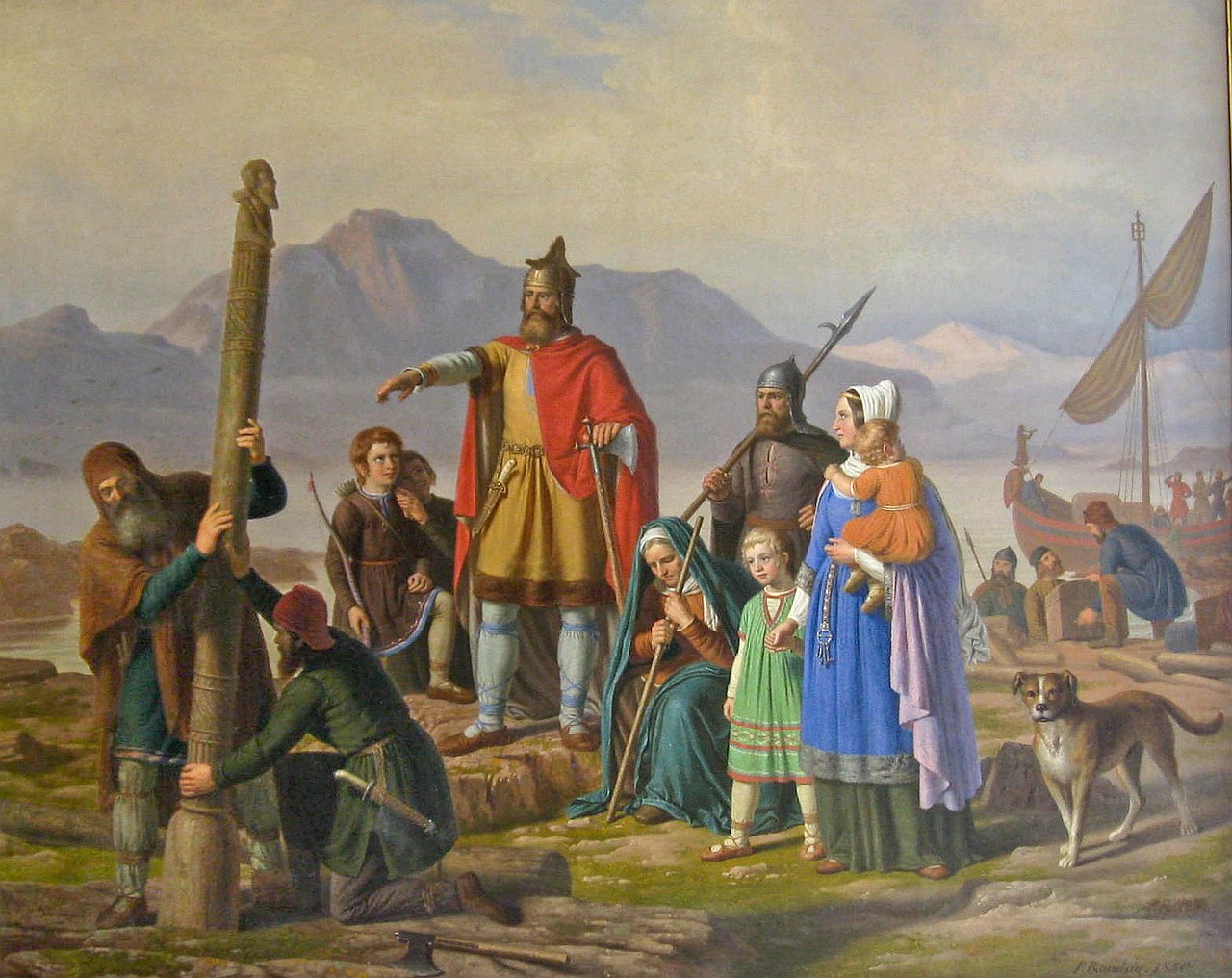
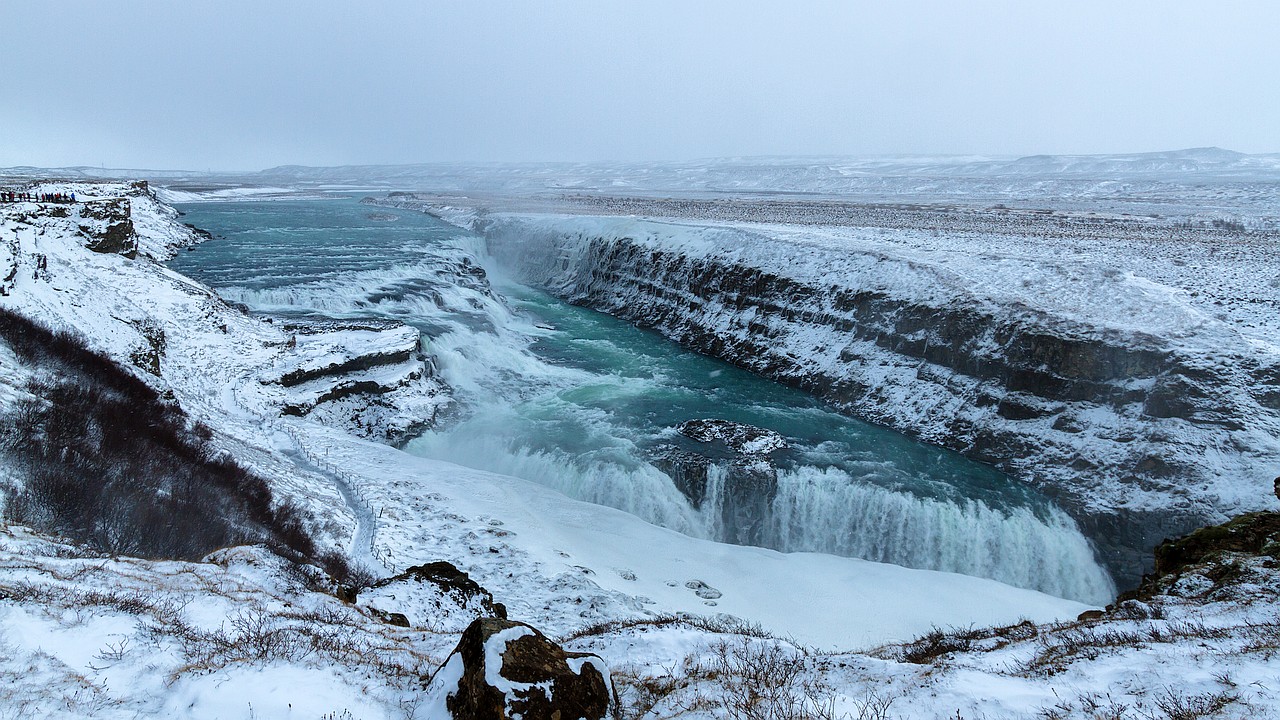
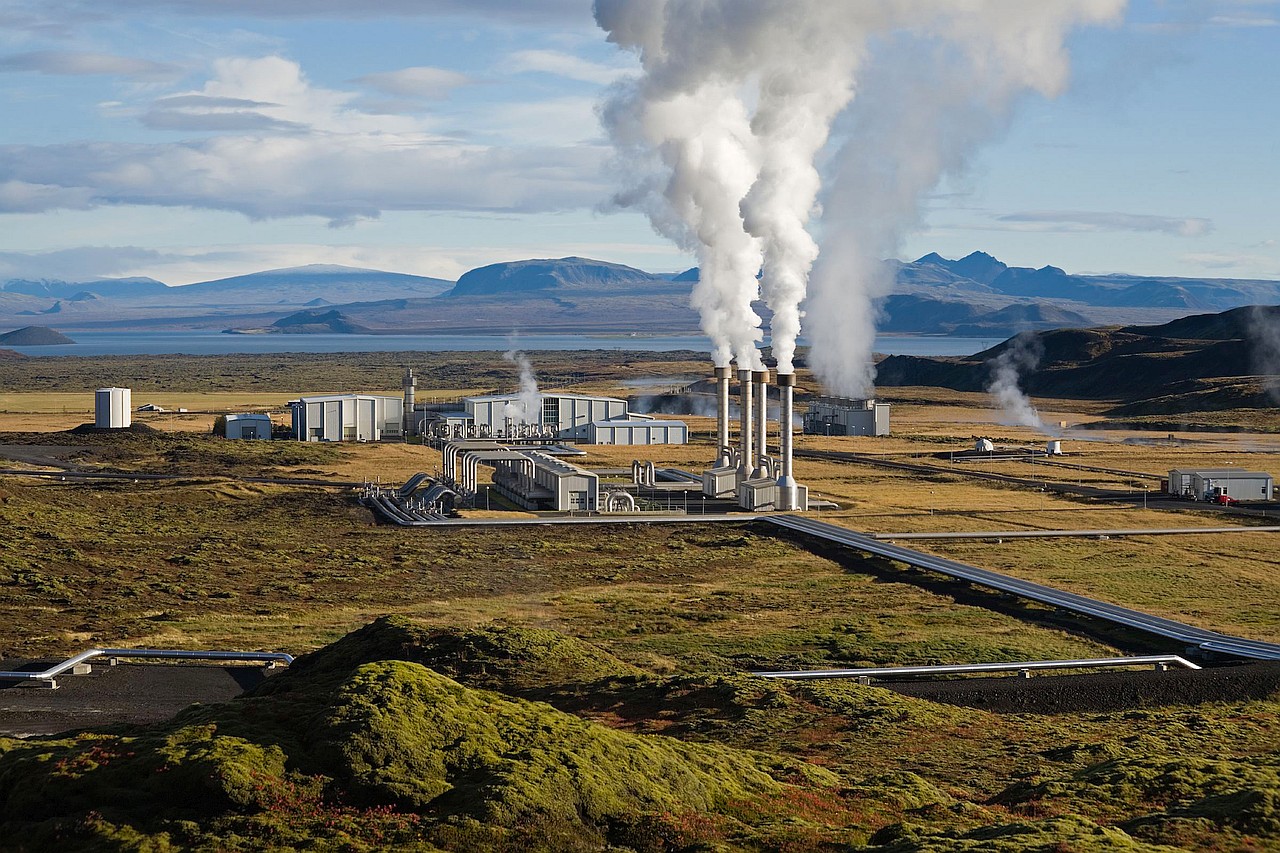
Ingólfr Arnarson (modern Icelandic: Ingólfur Arnarson), the first permanent Scandinavian settler By Johan Peter Raadsig (1806 – 1882)Gullfoss, an iconic waterfall of Iceland By Pierre-Selim Huard – Self-photographed, CC BY 4.0, https://commons.wikimedia.org/w/index.php?curid=56735848The Nesjavellir Geothermal Power Station services the Capital Region’s hot water and electricity needs. Virtually all of Iceland’s electricity comes from renewable resources. By Gretar Ívarsson – Edited by Fir0002 Gretar Ívarsson, geologist at Nesjavellir, Public DomainReykjavík, Iceland’s largest metropolitan area and the centre of the Capital Region which, with a population of 233,034, makes up 64% of Iceland’s population By robingileo – https://pixabay.com/en/reykjavik-city-iceland-downtown-2257521
What Cuisine Should We Expect at Café KEF?
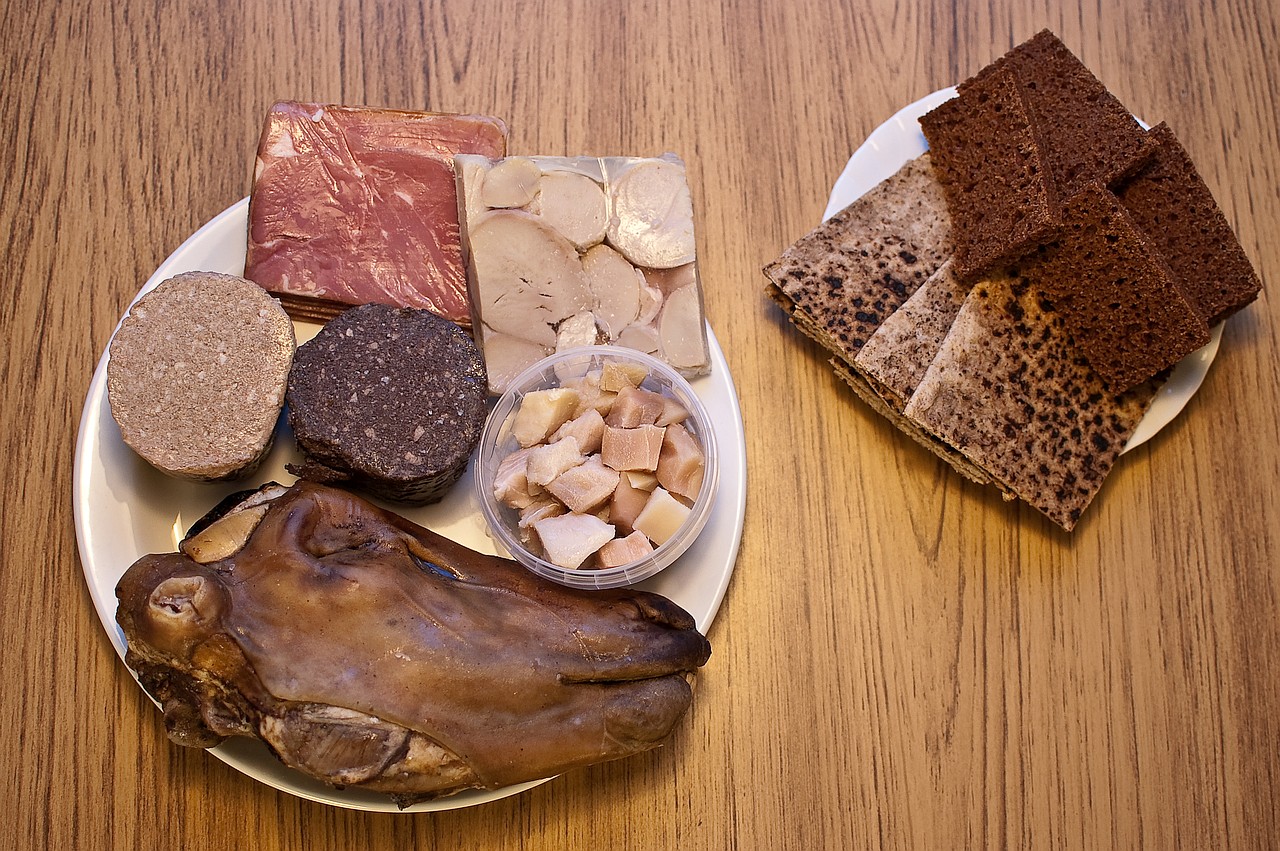
Cuisine Much of Iceland’s cuisine is based on fish, lamb, and dairy products, with little to no use of herbs or spices. Due to the island’s climate, fruits and vegetables are not generally a component of traditional dishes, although the use of greenhouses has made them more common in contemporary food. Þorramatur is a selection of traditional cuisine consisting of many dishes and is usually consumed around the month of Þorri, which begins on the first Friday after 19 January. Traditional dishes also include skyr (a yogurt-like cheese), hákarl (cured shark), cured ram, singed sheep heads, and black pudding, Flatkaka (flatbread), dried fish, and dark rye bread traditionally baked in the ground in geothermal areas. Puffin is considered a local delicacy which is often prepared through broiling.
A typical Þorramatur assortment By The blanz – Own work, CC BY-SA 3.0, https://commons.wikimedia.org/w/index.php?curid=9380904Wikipedia
…. with little to no use of herbs or spices
Tell Us More….
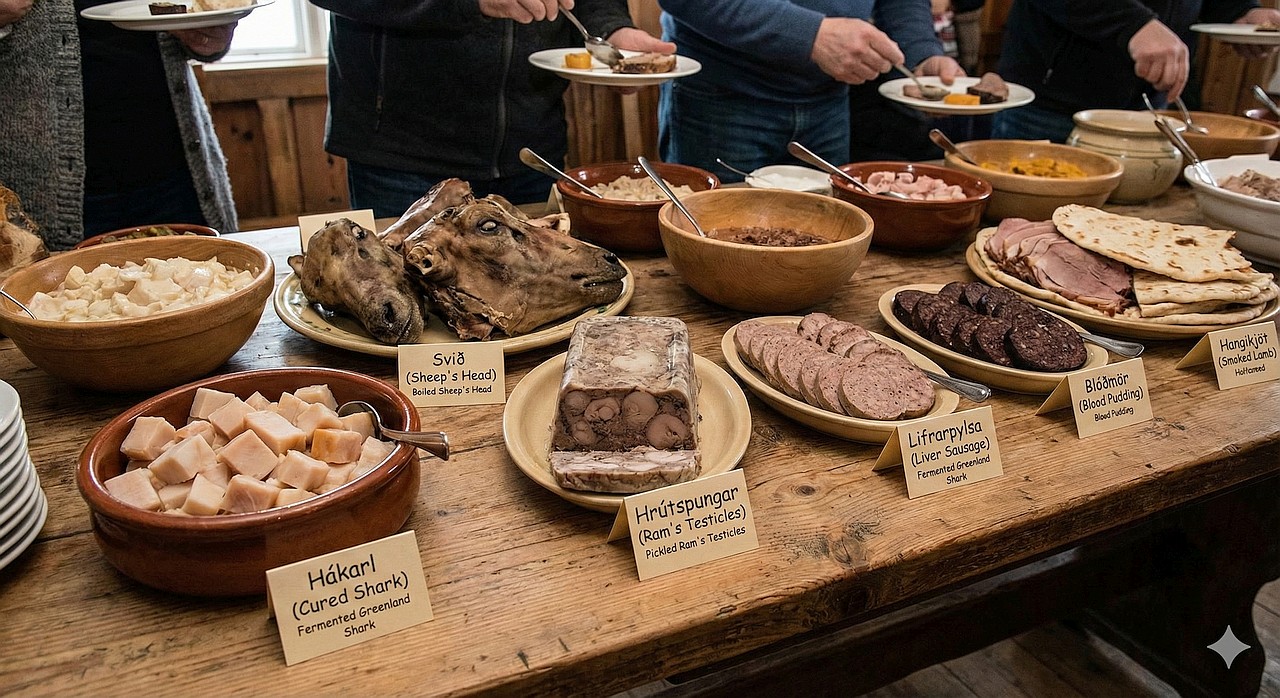
Þorramatur (lit. ’food of Þorri’) is a selection of traditional Icelandic food, consisting mainly of meat and fish products cured in a traditional manner, cut into slices or pieces and served with rúgbrauð (dense and dark rye bread), butter and brennivín (an Icelandic akvavit). Þorramatur is consumed during the Nordic month of Þorri (Thorri), in January and February, particularly at the mid-winter feast of Þorrablót (Thorrablot) as a tribute to old culture. Being thus connected with the tradition of Þorrablót festivals, Þorramatur is most often served as a buffet.
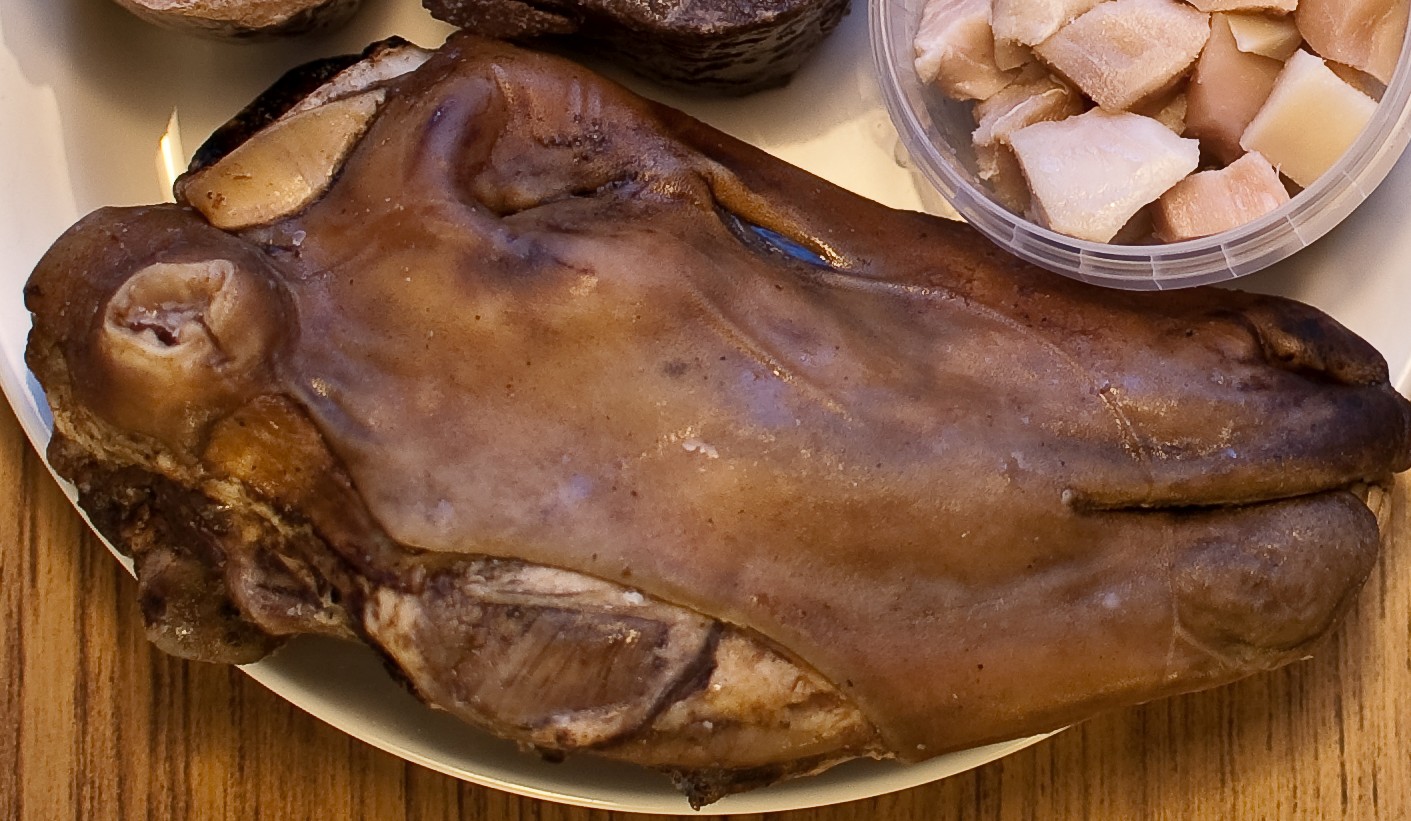
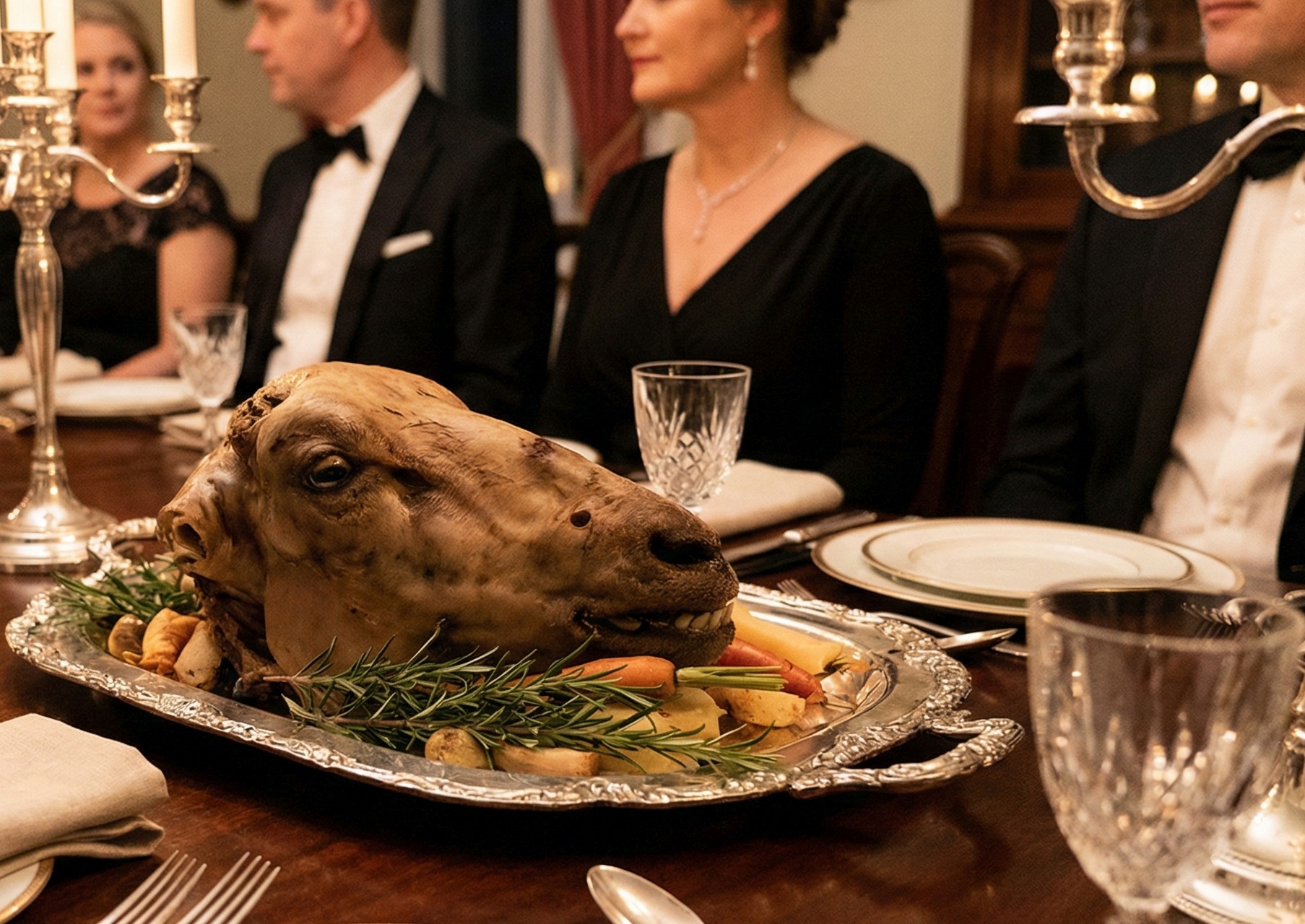
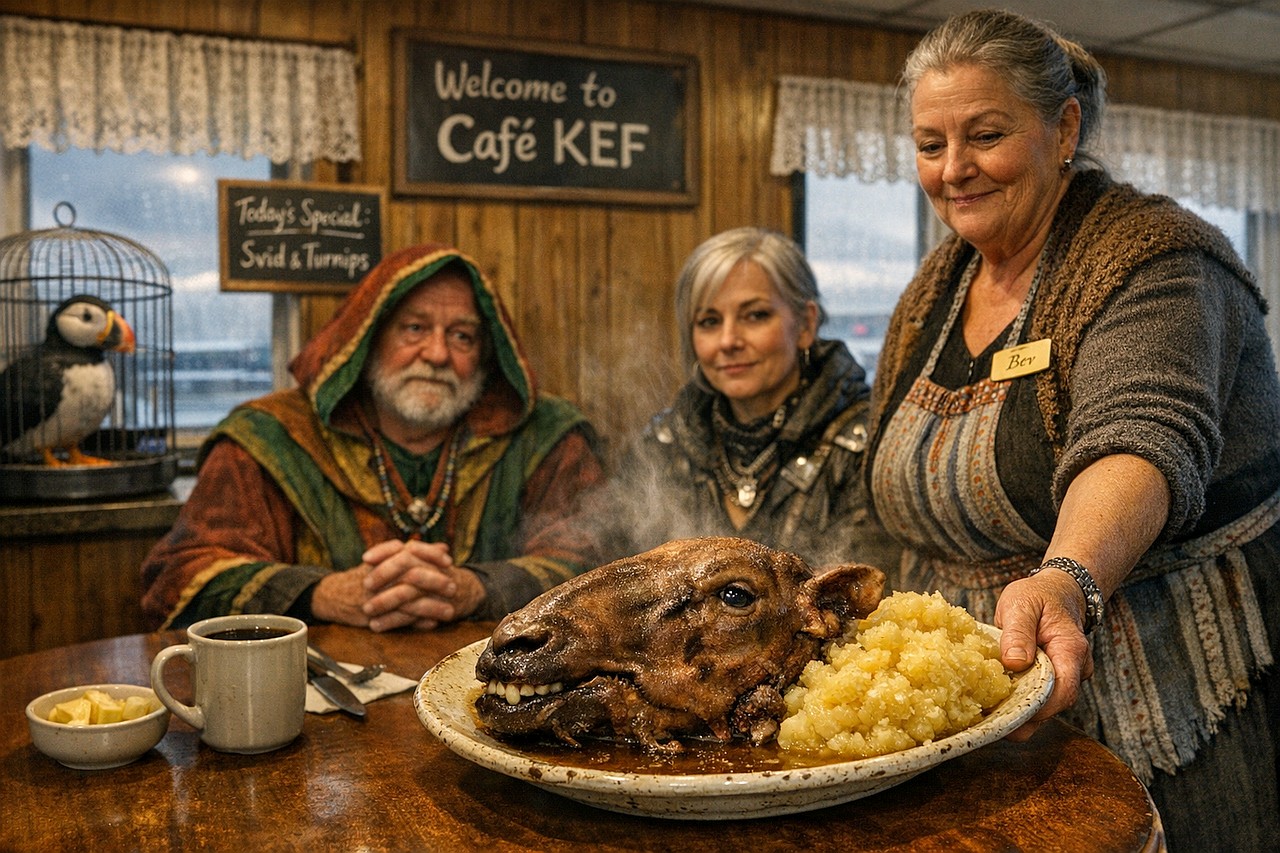
Svið (Icelandic pronunciation: [ˈsvɪːθ]; transliterated as svid or svith) is a traditional Icelandic dish consisting of a sheep’s head cut in half, singed to remove the fur, and boiled with the brain removed, sometimes cured in lactic acid.
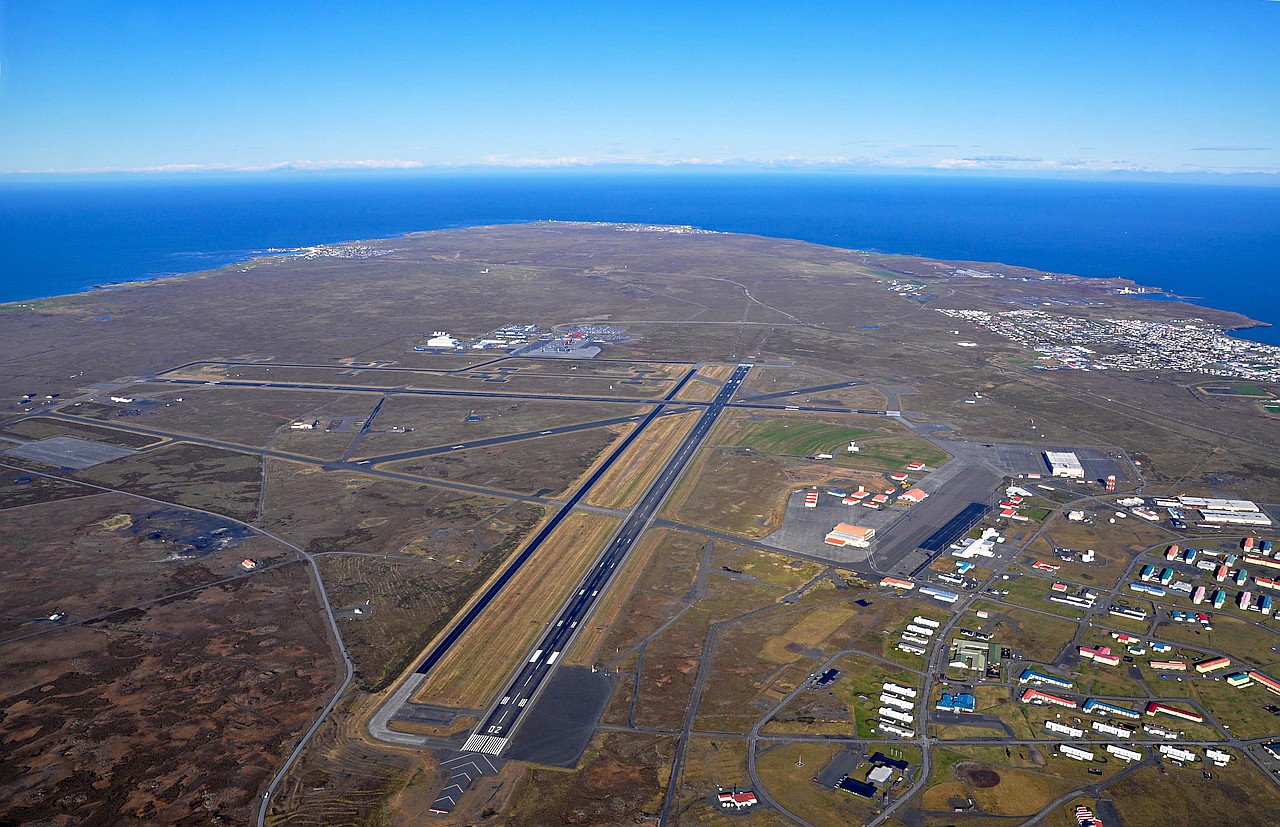
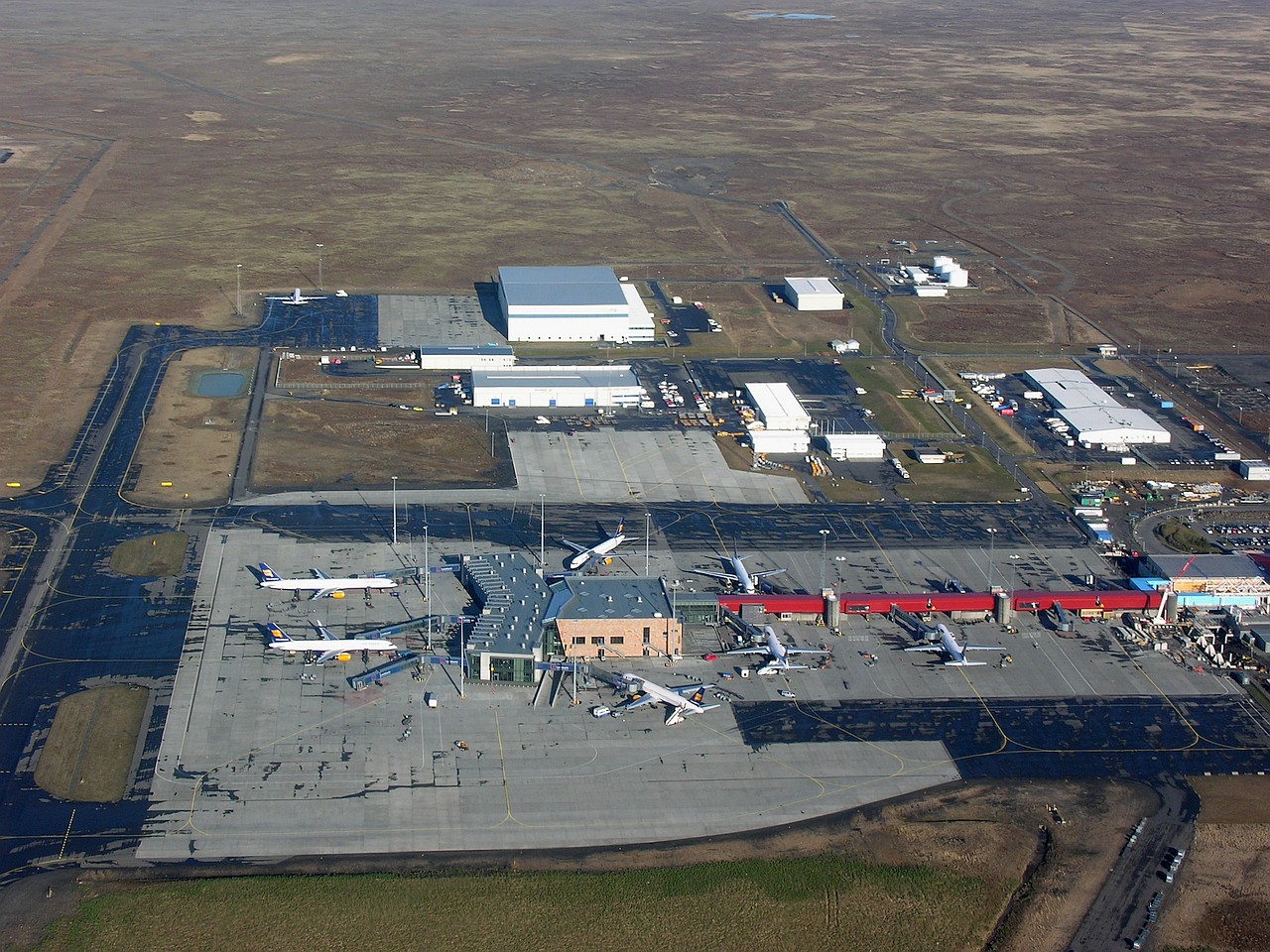
Keflavík Airport (Icelandic: Keflavíkurflugvöllur) (IATA: KEF, ICAO: BIKF), also known as Reykjavík–Keflavík Airport, is the largest airport in Iceland and the country’s main hub for international transportation. The airport is located approximately 3 km (1.9 mi) west of the town of Keflavík, Reykjanesbær and 50 km (30 mi) southwest of the capital Reykjavík. The airport has two runways, each measuring approx. 3,050 m (10,010 ft). Most international journeys to or from Iceland pass through this airport and it is the 5th busiest airport in the Nordic countries.
Other history The two 3,000-metre-long (10,000 ft) and 60-metre-wide (200 ft) runways were large enough to support NASA’s Space Shuttle.
Aerial photograph of Keflavík International Airport By SuperJet International – SSJ100 Keflavik runways, CC BY-SA 2.0Aerial view of the main buildings in 2006. By Hansueli Krapf – Own work: Hansueli Krapf (User Simisa (talk· contribs)), CC BY-SA 3.0Wikipedia
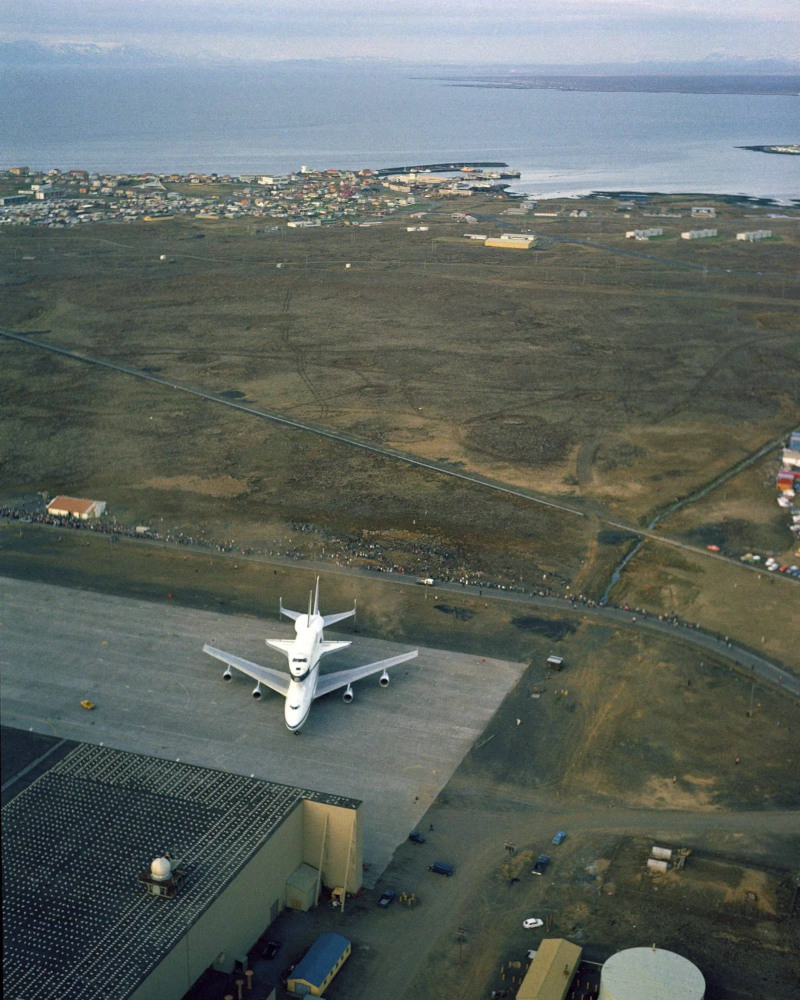
“A specially prepared Boeing 747 NASA aircraft landed at Keflavík Airport in May of 1983. This would probably not have made any headlines, had the plane not been carried the NASA space shuttle ‘Enterprise’ on its back.” – Grapevine.is
This strange flying object passed over Reykjavík before landing at Keflavík, which at the time was, of course, still the US Navy base NASKEF. The aircraft and its cargo were in Iceland for a fuel stop on their way to Paris, to attend an air show. The ‘Enterprise’ was the first ever space shuttle and was used for test flights in the atmosphere, aided by this modified 747 jet.
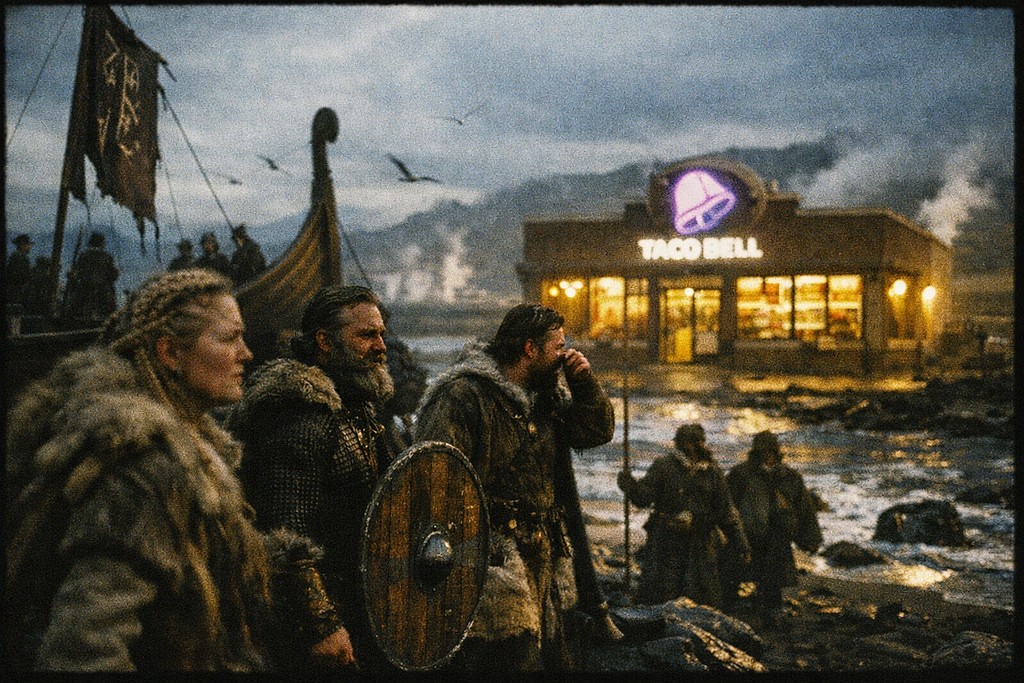
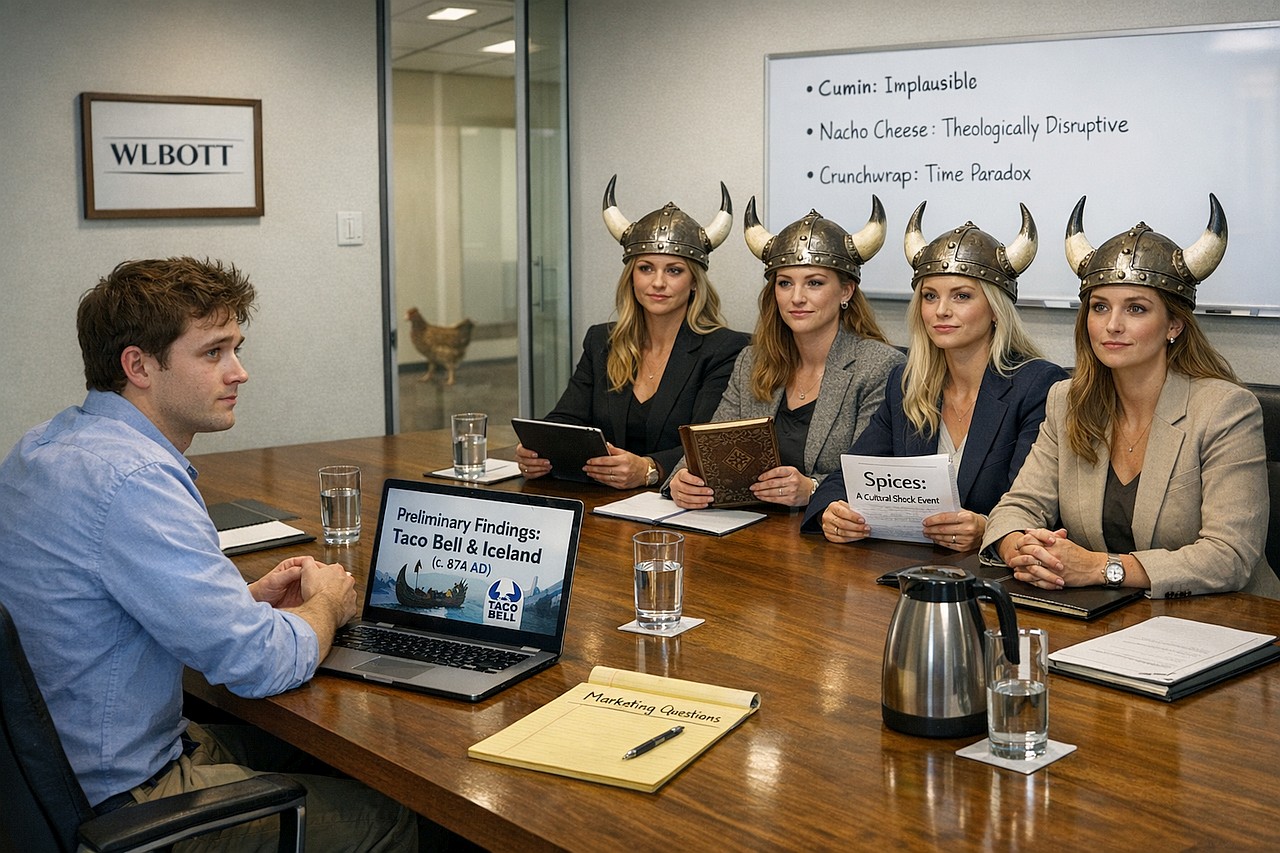
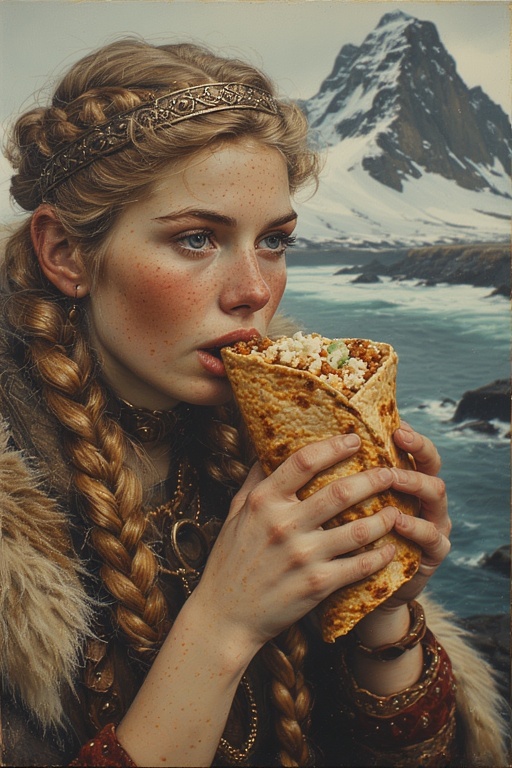
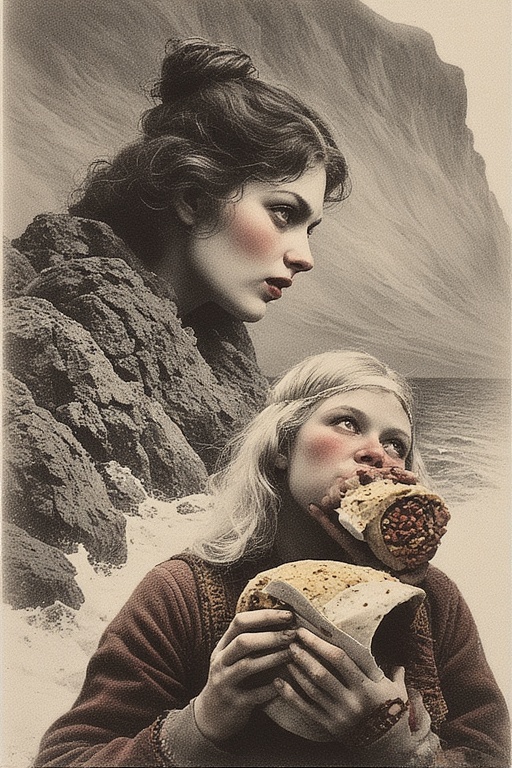
Some historians suggest[1] that the first explorers to Iceland were greeted by a Taco Bell. Their pallets were not prepared for even the mildest of Taco Bell entries, and they swore off all spice.
[1] We made this up.
Finally We End Up at Café KEF
We had a lovely cup of coffee at Café KEF. Our waitress Bev offered a traditional Icelandic meal, but we decided to stay with just coffee.
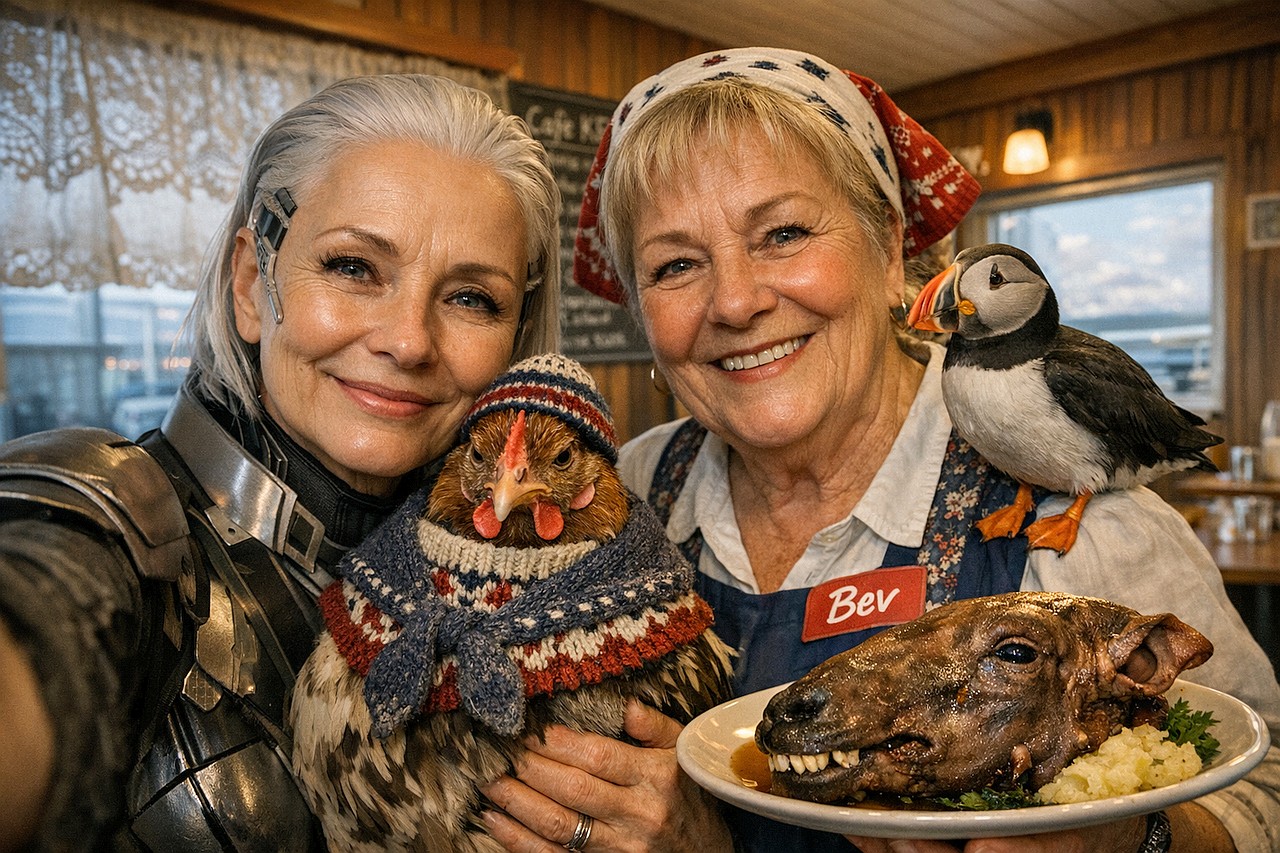
Elder G and Bev hit it off. Here’s a selfie they took.
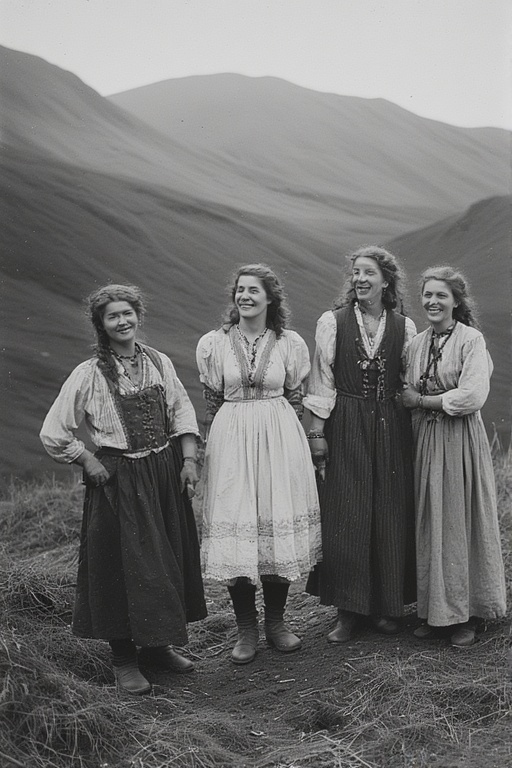
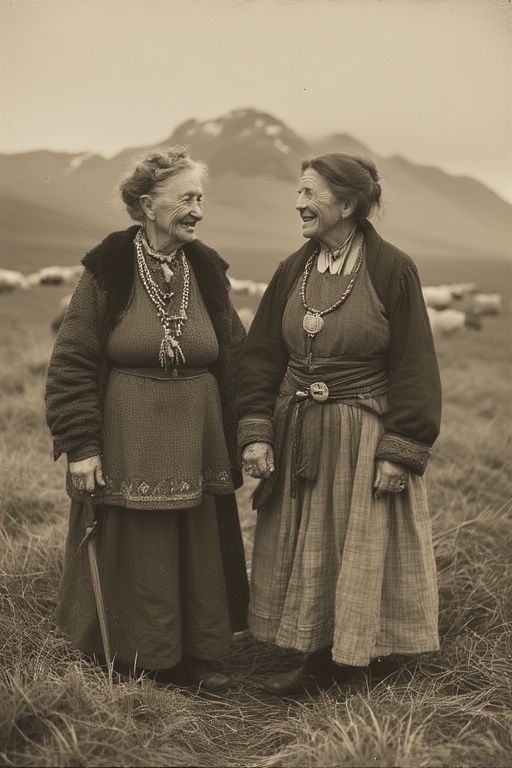
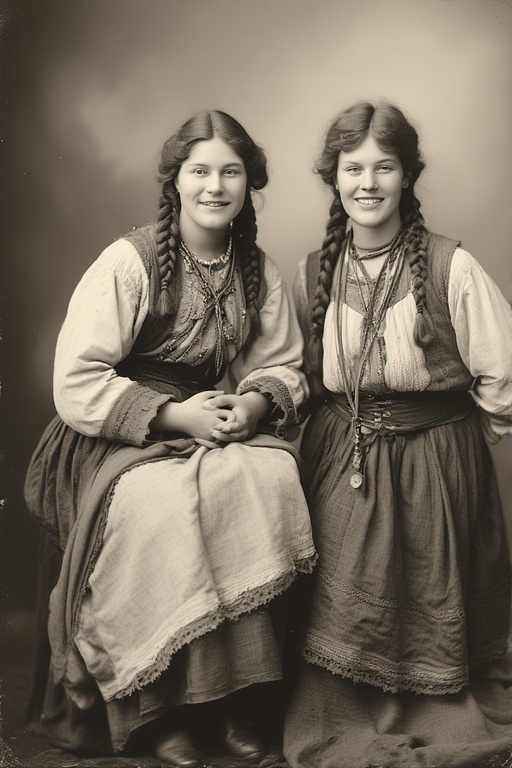
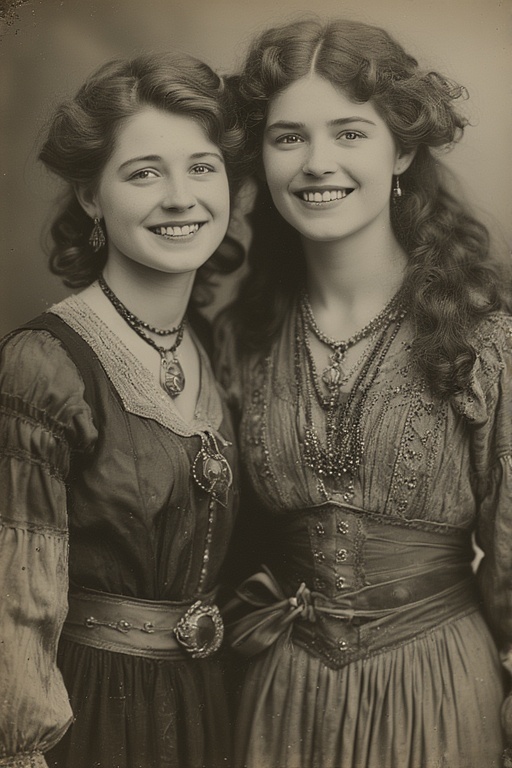
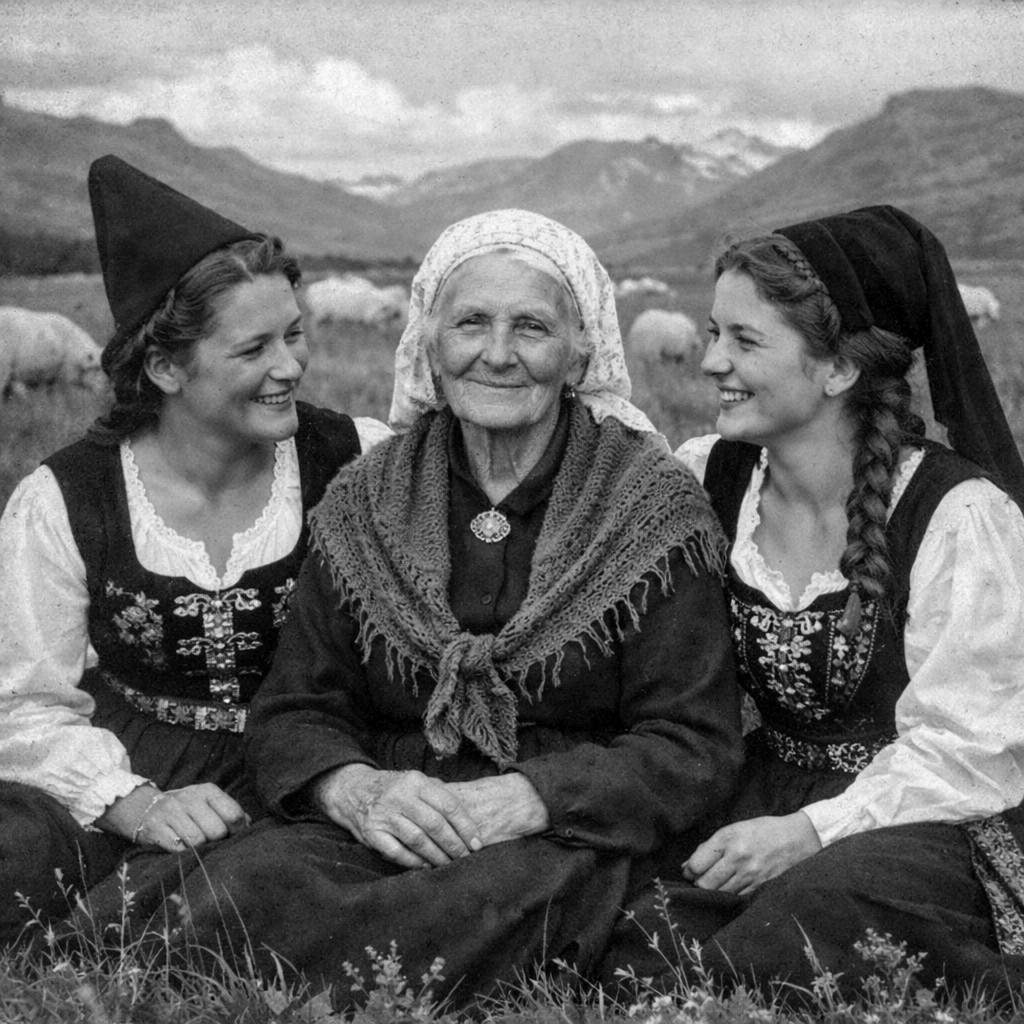
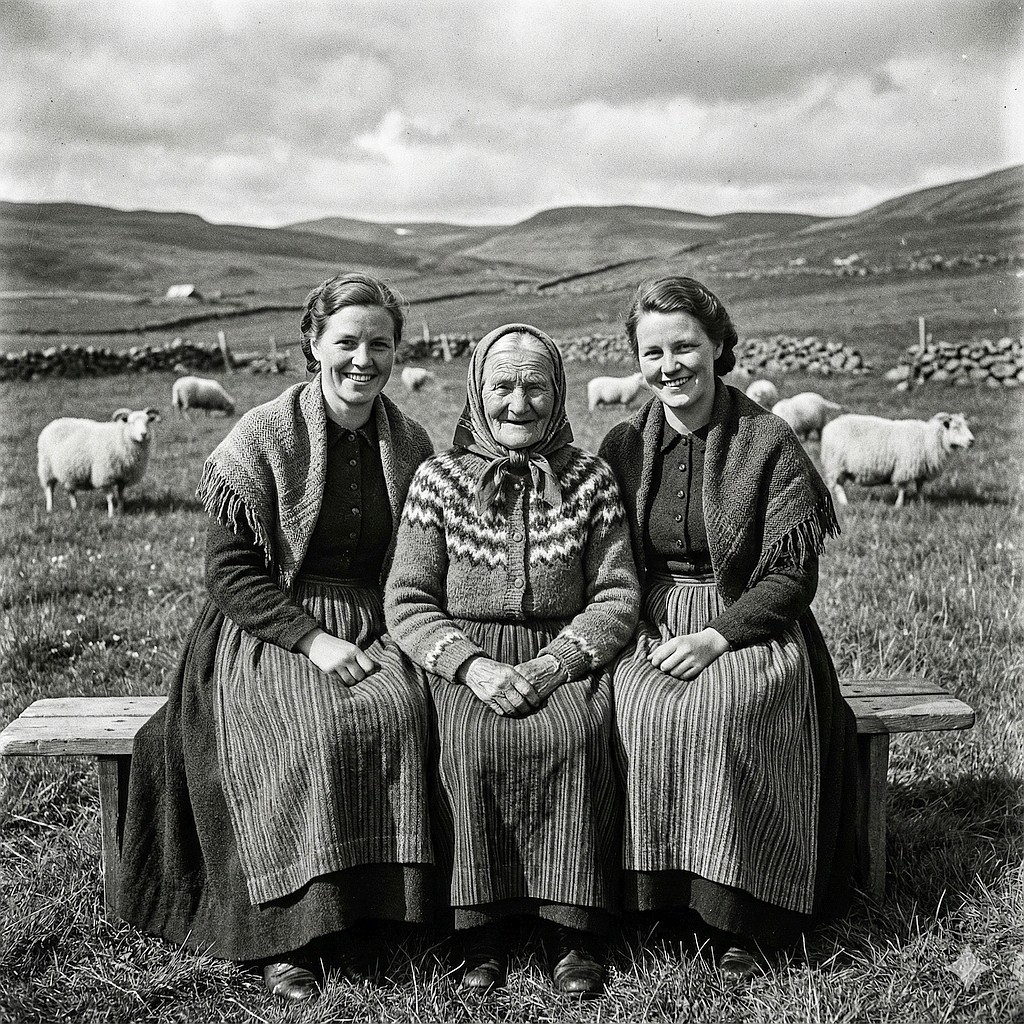
Bev also shared some family photos from her grandparents’ albums.
Footnotes
We asked our unpaid marketing intern George (he’s single, ladies!) to fact check our Icelandic explorer / Taco Bell connection. He hired a local Icelandic consulting company.
The consultants thought George’s claim was implausible for several reasons, but George decided to use creative license to help us imagine the possible historical scene.