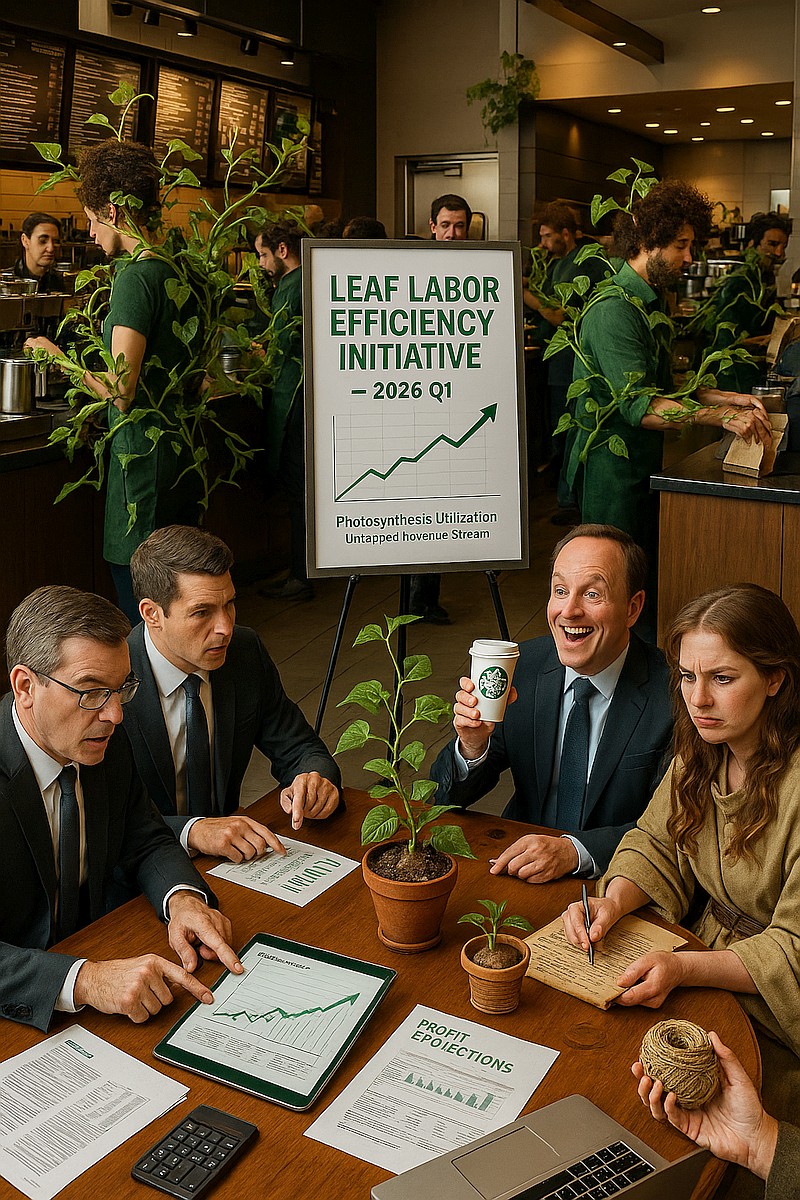
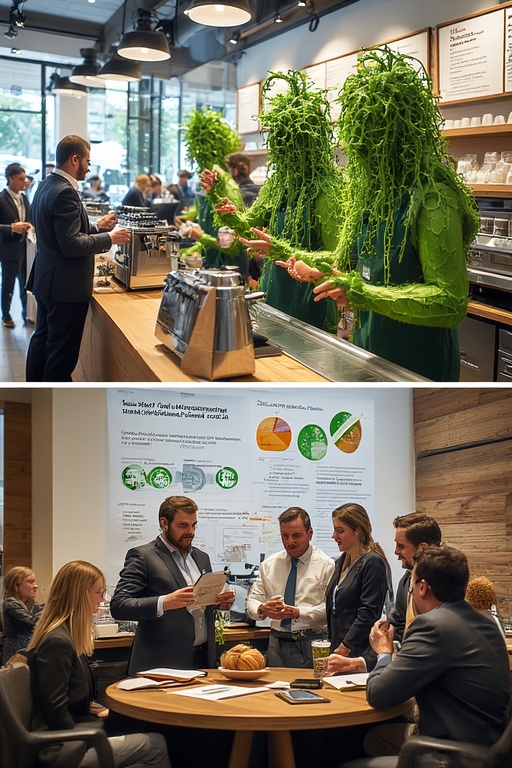
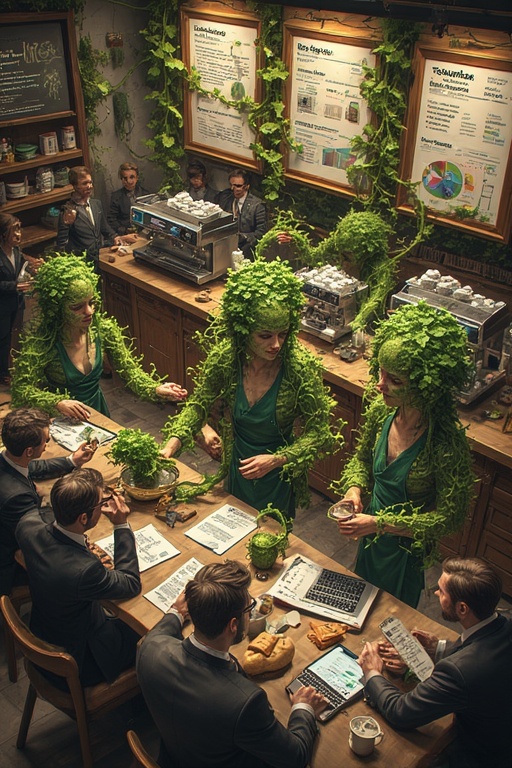
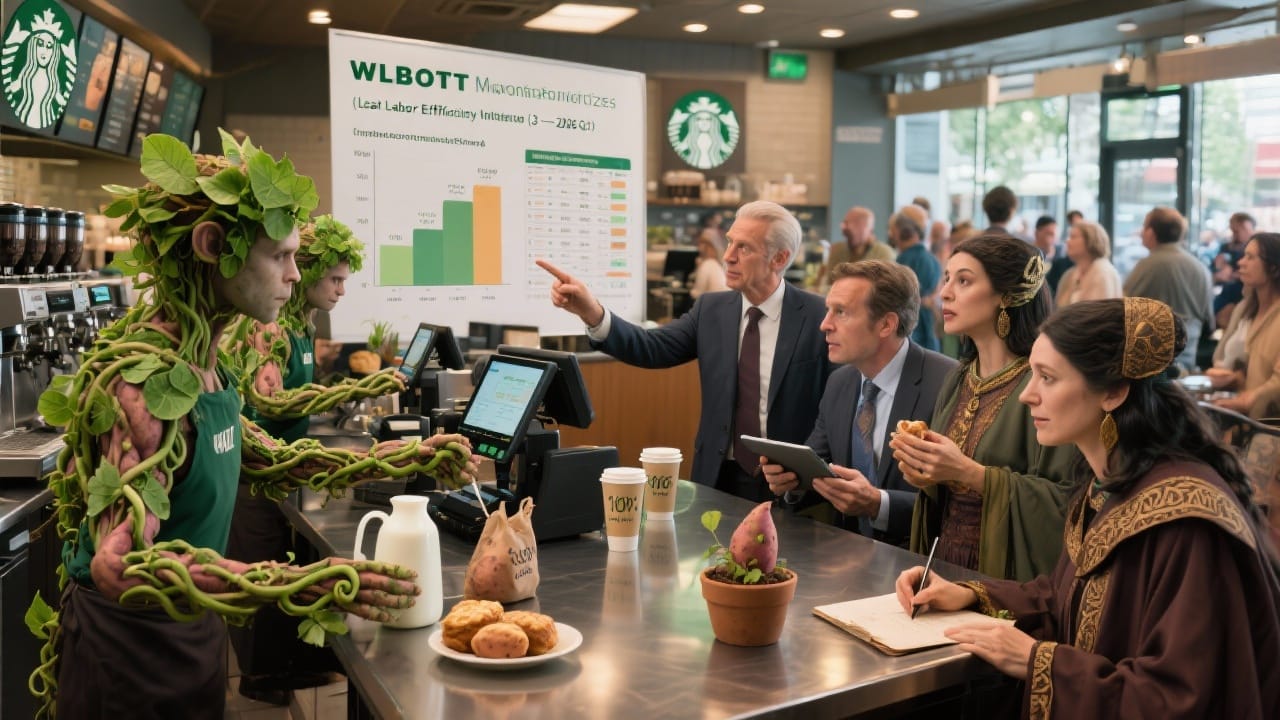
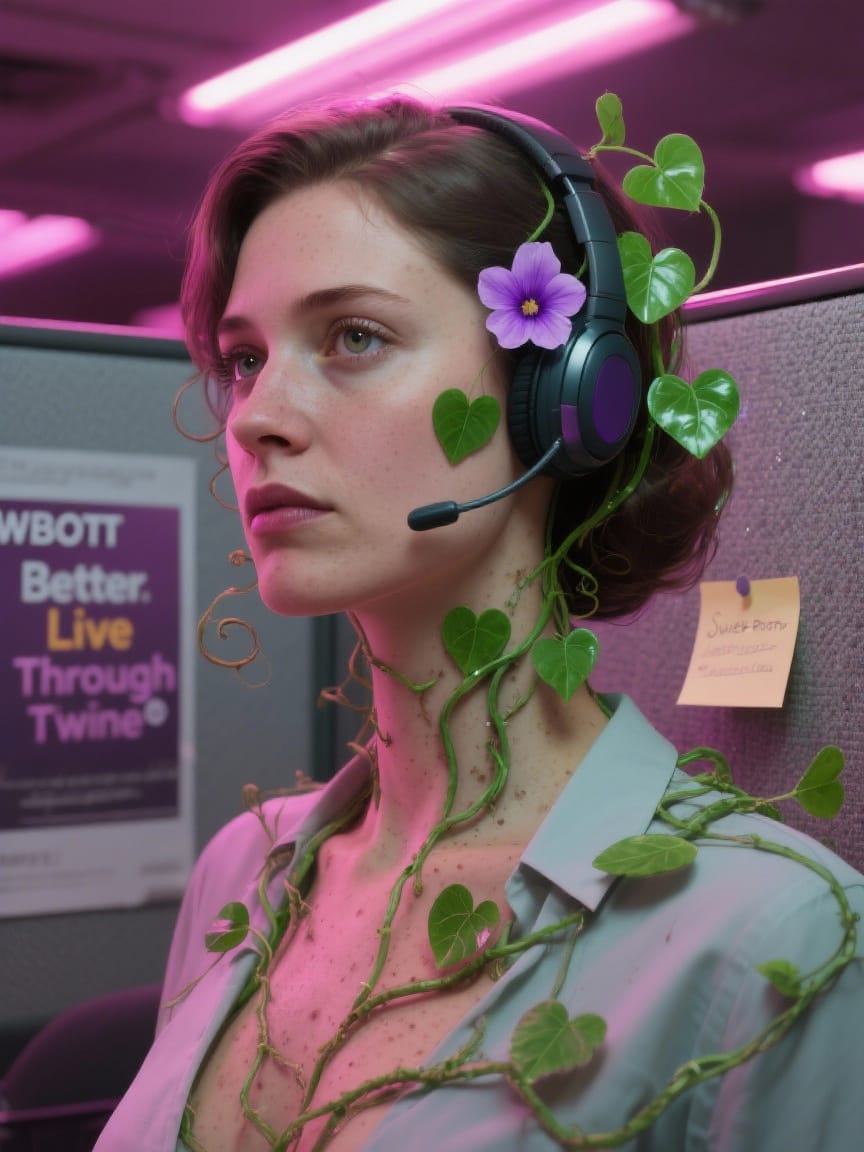
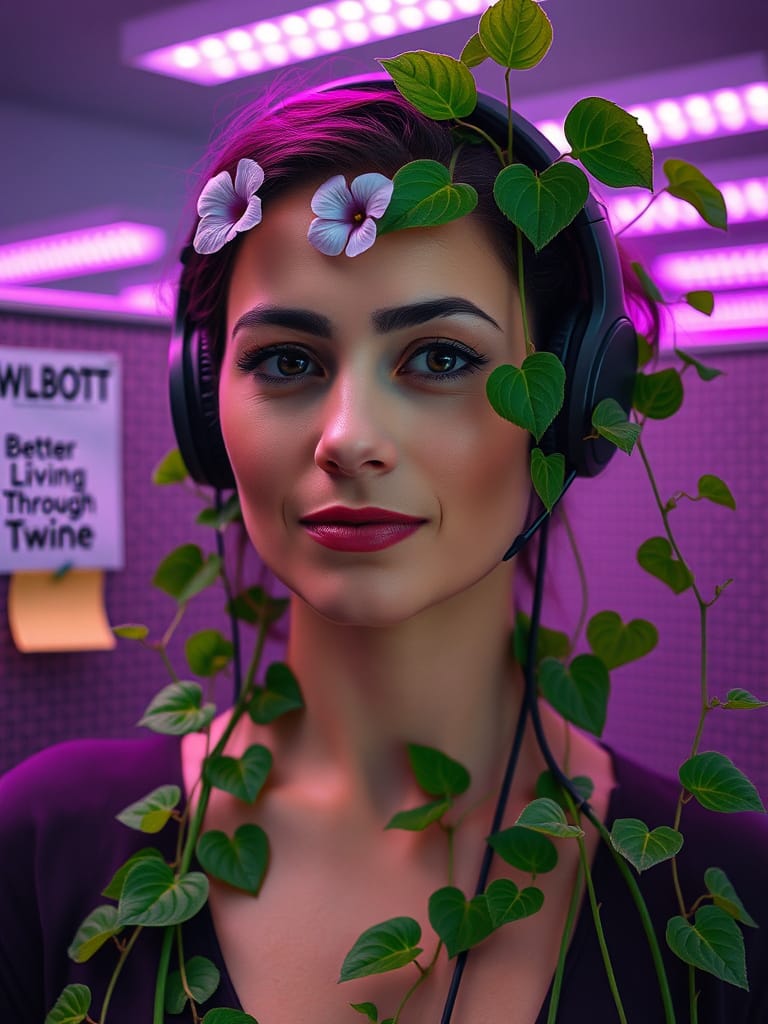
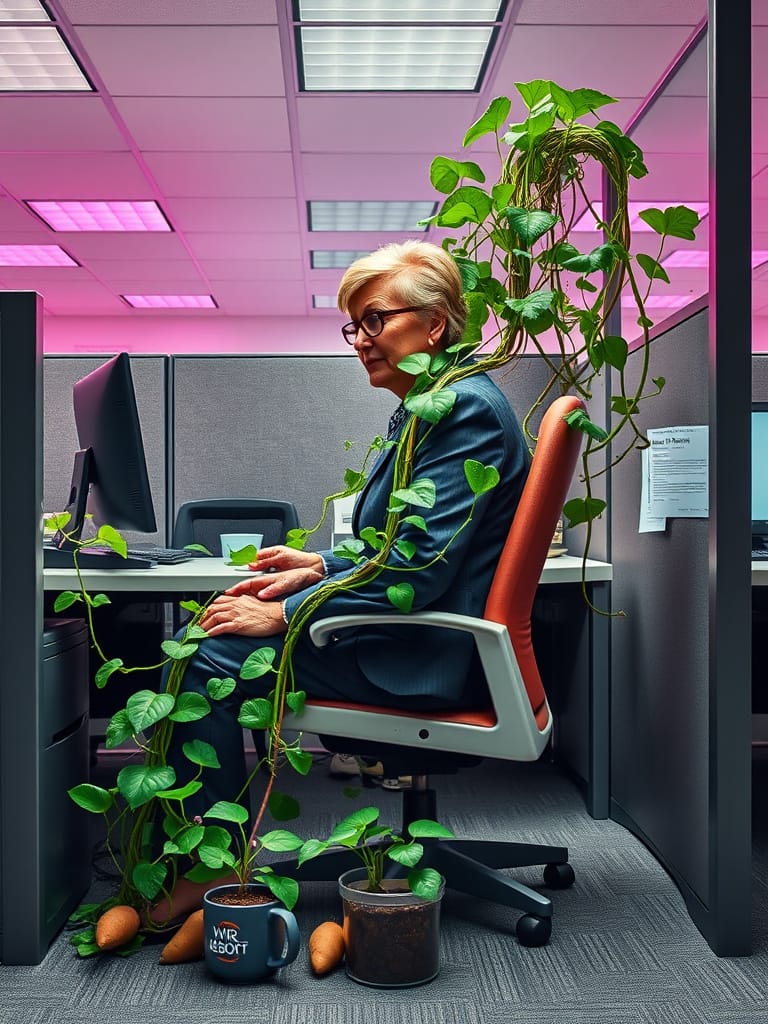
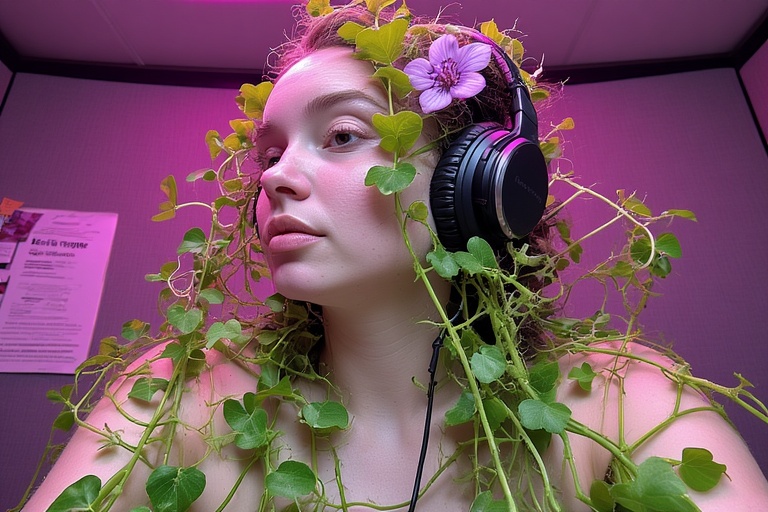
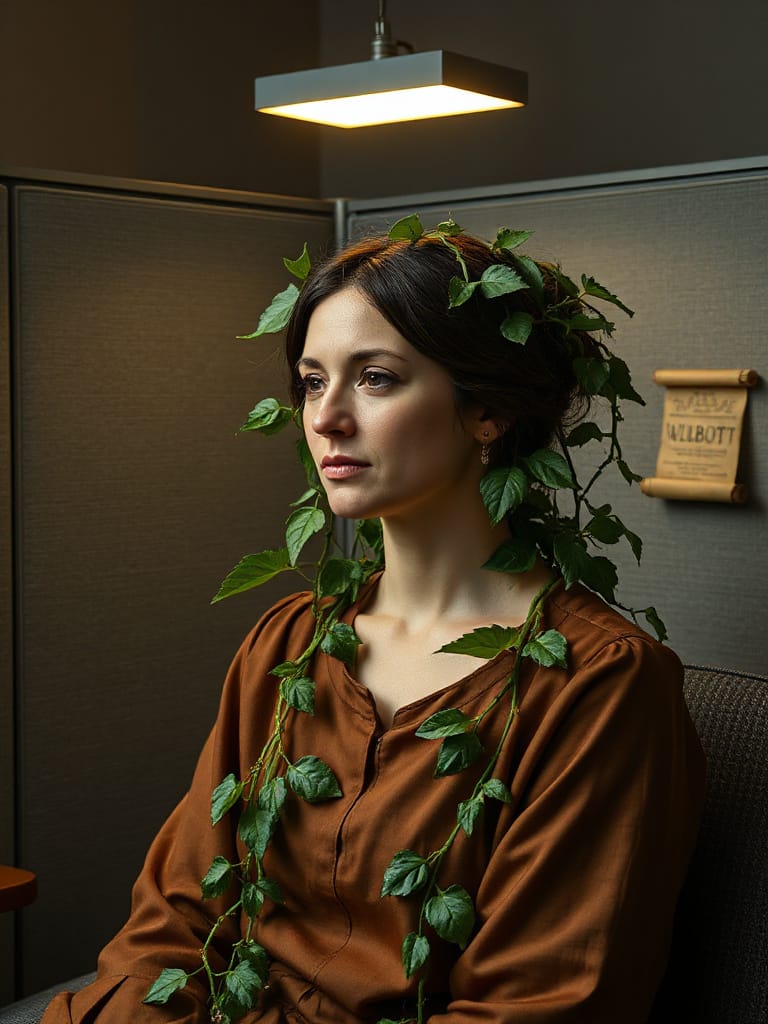
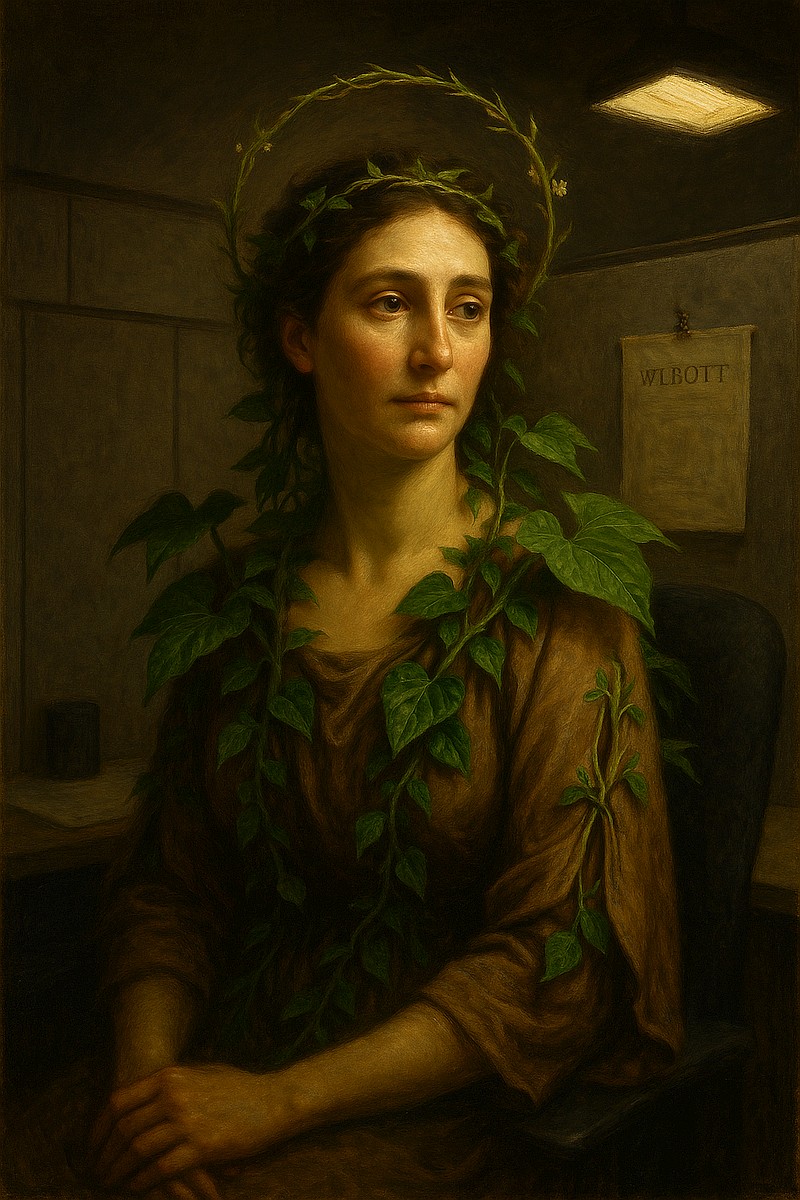
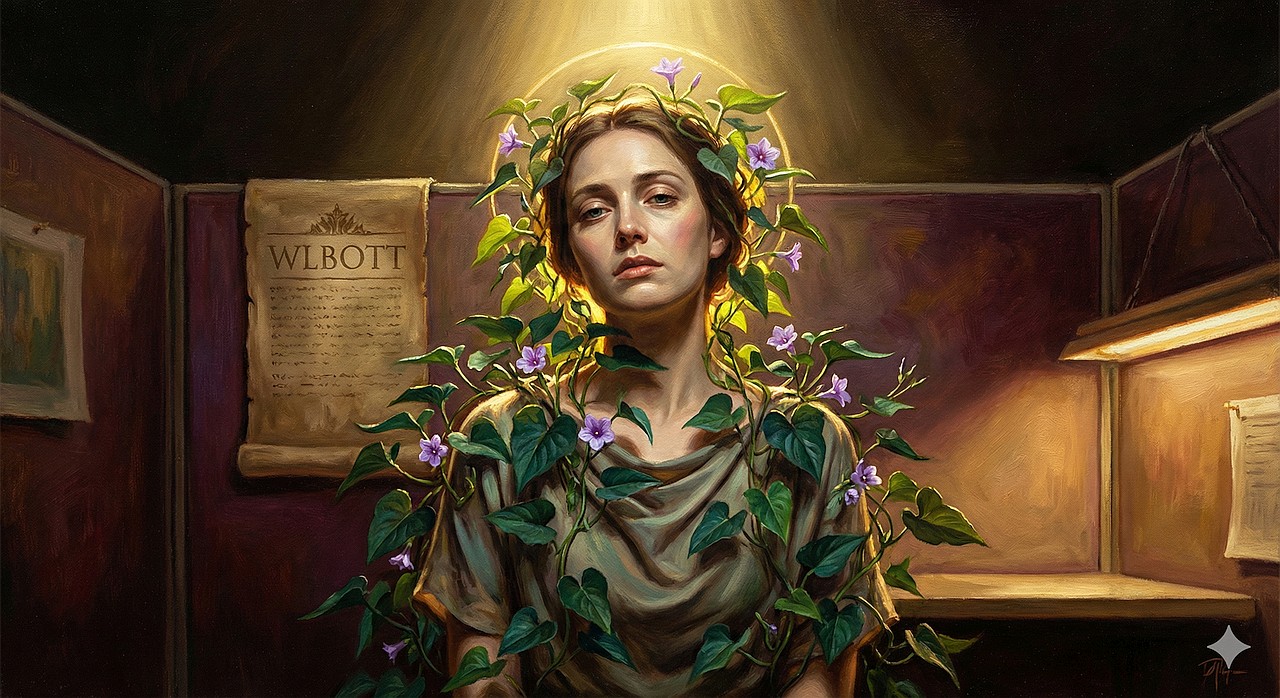
Today’s blott examines the chlorophyll sea slug, WLBOTT’s attempt to monetize chlorophyll-enhanced workers, and how it ultimately led to a spiritual revitalization in the American workplace.
Chlorophyll sea slug
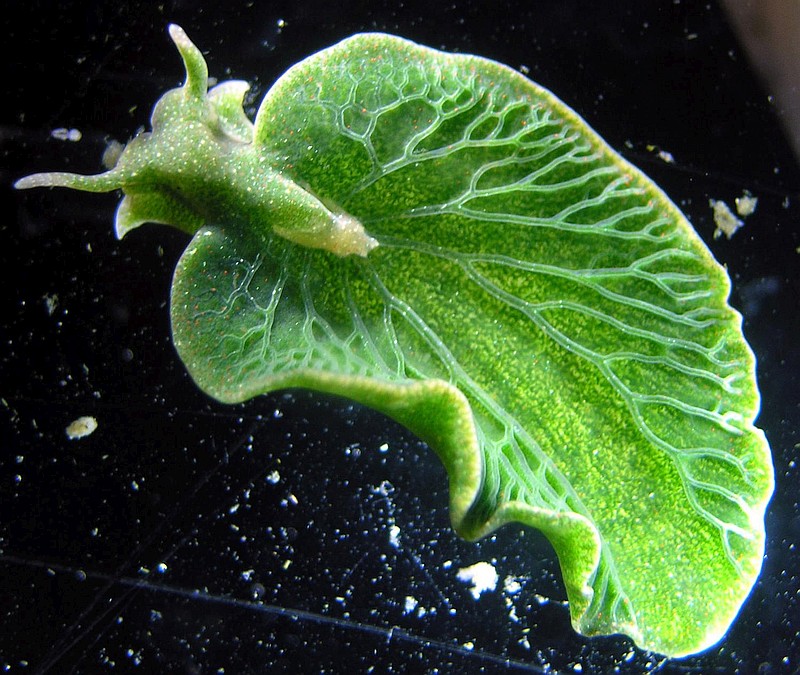
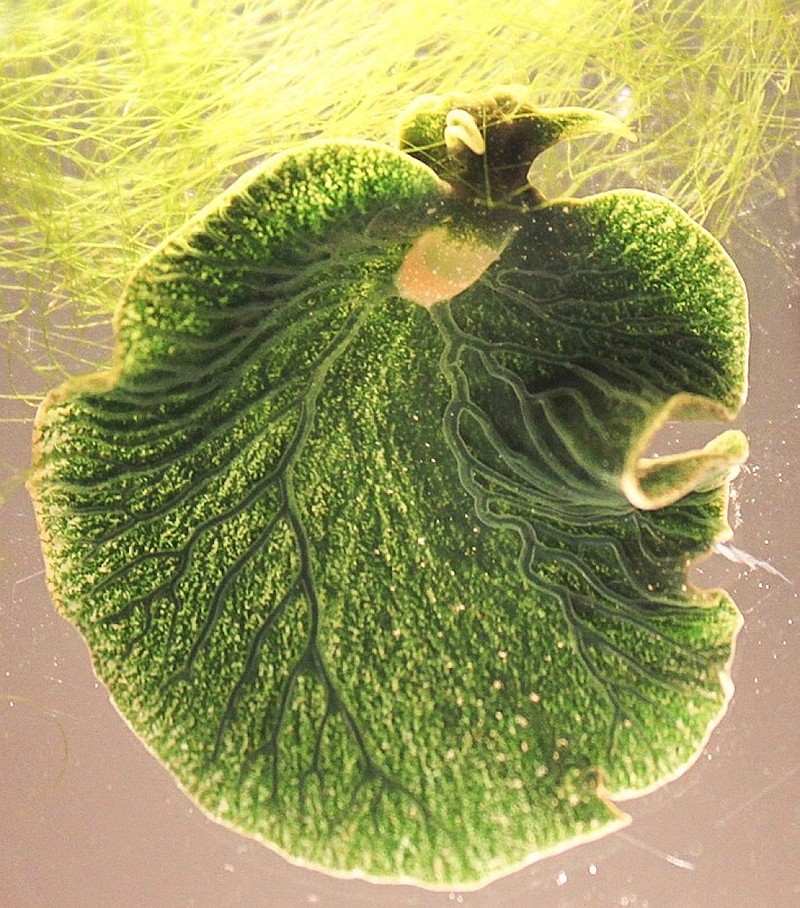
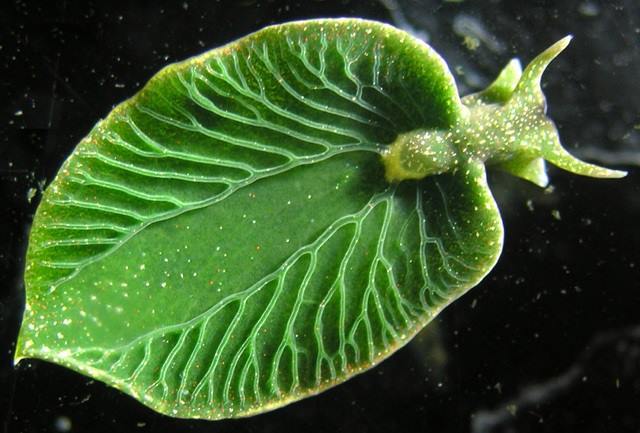
Elysia chlorotica The chloroplasts of the algae are incorporated into the cell through the process of phagocytosis in which the cells of the sea slug engulf the cells of the algae and make the chloroplasts a part of its own cellular content. The incorporation of chloroplasts within the cells of Elysia chlorotica allows the slug to capture energy directly from light, as most plants do, through the process of photosynthesis. E. chlorotica can, during time periods where algae is not readily available as a food supply, survive for months.
By Karen N. Pelletreau et al. – http://journals.plos.org/plosone/article?id=10.1371/journal.pone.0097477, CC BY 4.0, https://commons.wikimedia.org/w/index.php?curid=38619279
Sea slug has taken genes from algae it eats, allowing it to photosynthesize like a plant by Diana Kenney, Marine Biological Laboratory
How a brilliant-green sea slug manages to live for months at a time “feeding” on sunlight, like a plant, is clarified in a recent study published in The Biological Bulletin.
The authors present the first direct evidence that the emerald green sea slug’s chromosomes have some genes that come from the algae it eats.
These genes help sustain photosynthetic processes inside the slug that provide it with all the food it needs.
Importantly, this is one of the only known examples of functional gene transfer from one multicellular species to another, which is the goal of gene therapy to correct genetically based diseases in humans.
Biography Diana Kenney is a science writer/editor at the Marine Biological Laboratory (MBL) in Woods Hole, Massachusetts, USA, where she also directs the MBL’s Logan Science Journalism fellowship program. Formerly, she worked as a journalist and editor for several publications. She began her career in science communications at the Massachusetts Institute of Technology in the 1980s.
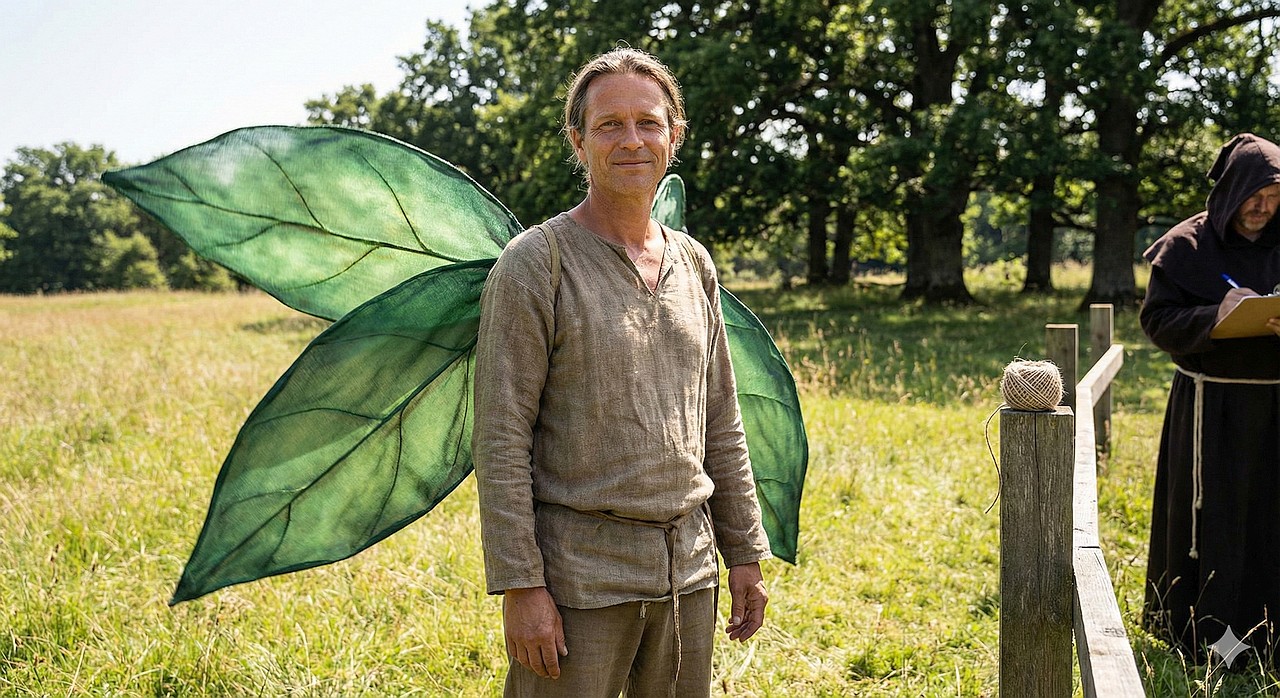
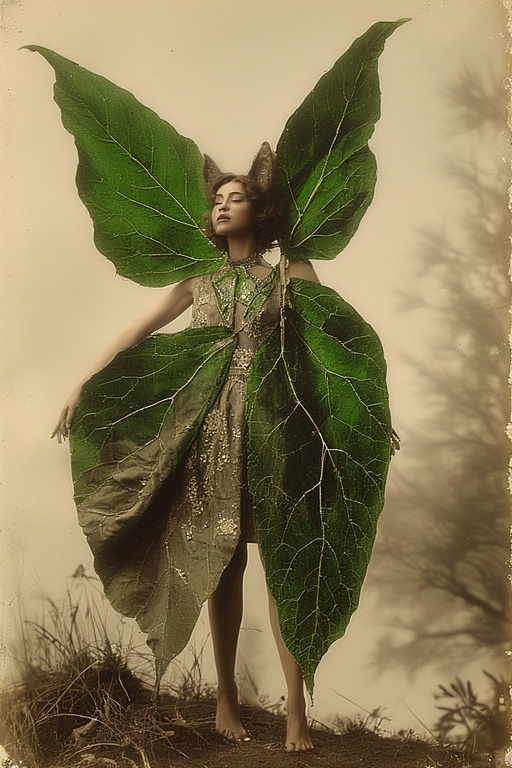
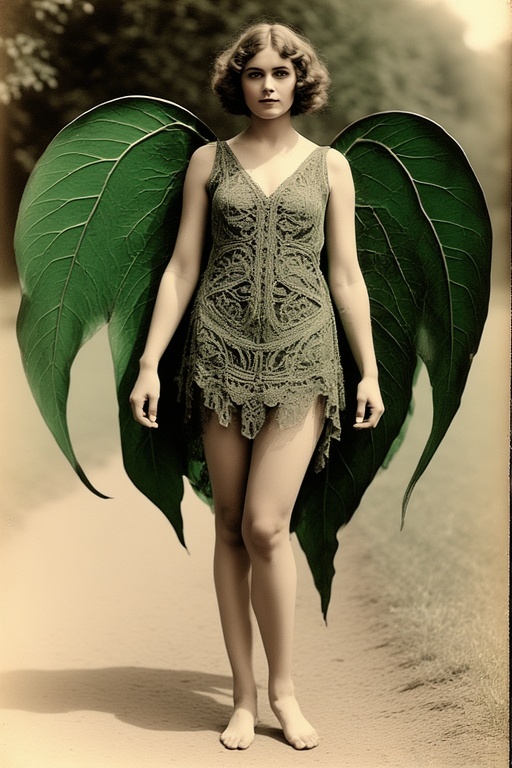
So, the WLBOTT team of advanced researchers came across the sea slug Elysia chlorotica. This little guy has incorporated algae into its own genetic material, and thus benefits from photosynthesis. This seems like an opportunity for human evolution. What if humans could grow two large wing-like leaf appendages on their backs? Let’s say it gave humans a meter of surface area to collect sunshine and generate glucose from the photosynthesis. How well would this work out for humans?
According to buzz-kill Elder G, this wouldn’t be quite the boost we’d hoped for:
If Humans Grew Leaf-Wings for Photosynthesis
Let’s assume a human develops:
Two leaf-like dorsal appendages
Total surface area ~1 m² (like a pair of big leafy wings)
Photosynthetic efficiency similar to Elysia chlorotica’s algal chloroplasts (roughly comparable to a plant leaf)
How much energy could we make?
A real plant leaf, under full sunlight, nets about 20–50 watts/m² of usable chemical energy.
Humans need roughly:
2,000 kcal/day
That’s about 100 watts of continuous power over 24 hours.
So with 1 m² of leaf:
Max photosynthetic output: ~50 watts
But that’s only in strong midday sun
Averaged over the day, clouds, shade, clothing, winter, etc → closer to 10–15 watts.
Daily energy gain
Even being very generous:
15 watts × 24 hours = ~360 watt-hours/day
Convert to calories → ≈ 310 food calories per day
Comparison
A human needs ~2,000 calories daily.
So your leaf-wings would provide about 15% of your caloric needs in a perfect world, and more realistically 5–10%.
Monetization
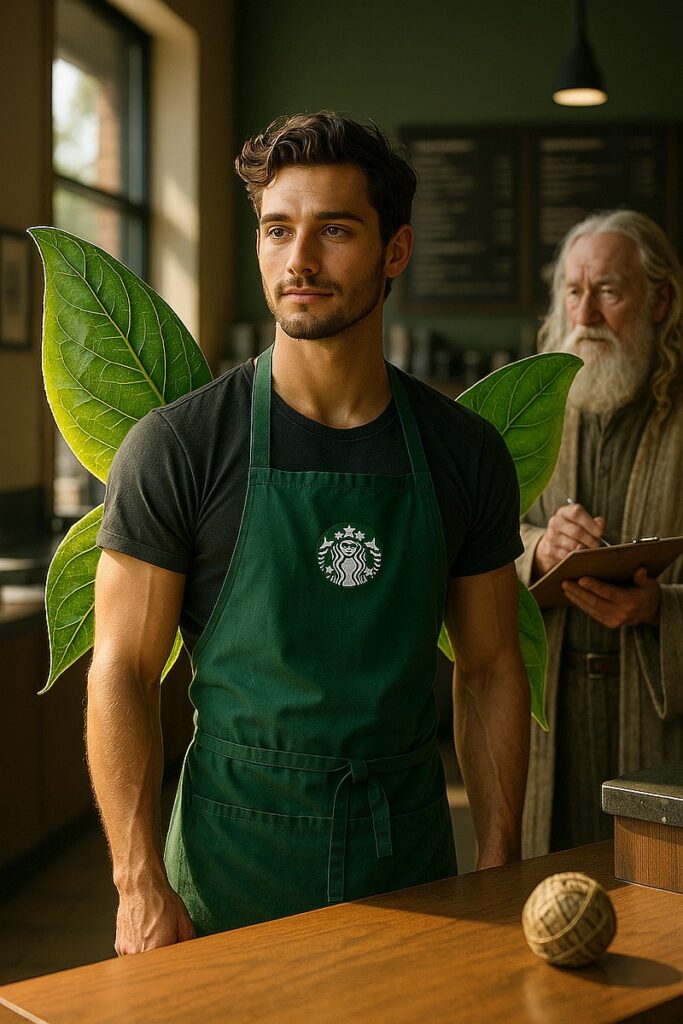
Our first attempt at monetization was at Starblotts.
WLBOTT advocated profusely for the workers. We should have known that the greedy bastards at Starblotts wouldn’t even give their employees sunshine breaks or install grow lights.
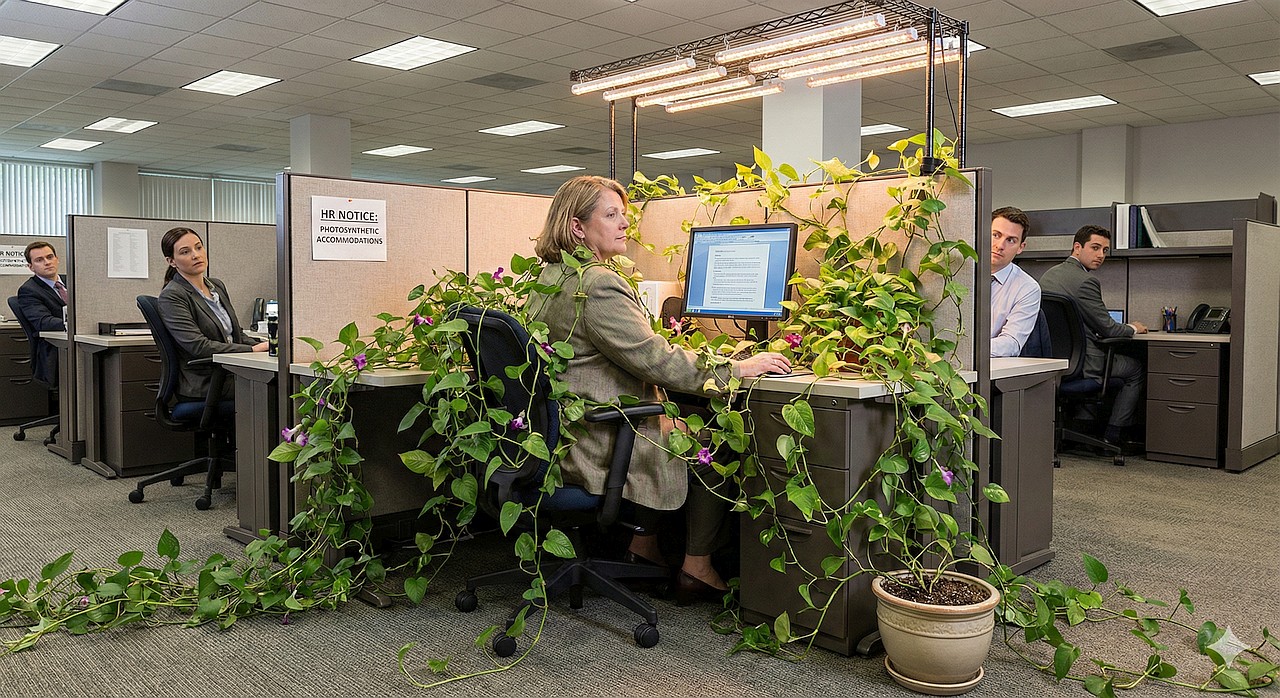
We decided to move our experiment to an office environment, with grow lights (non-negotiable).
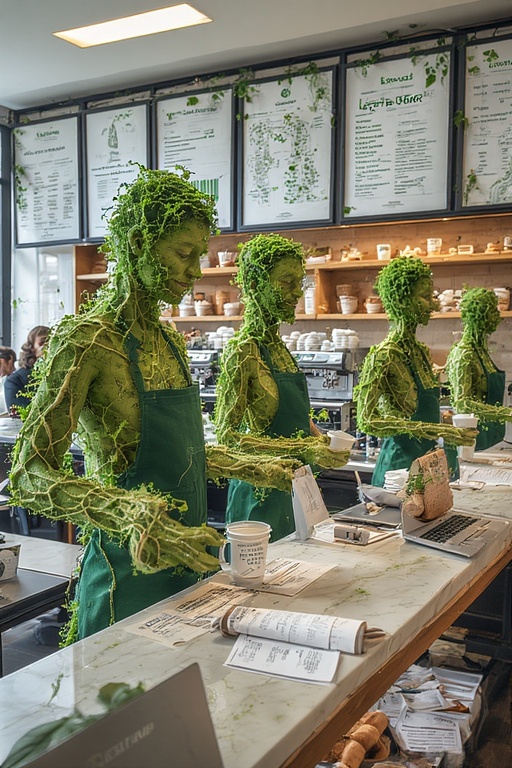
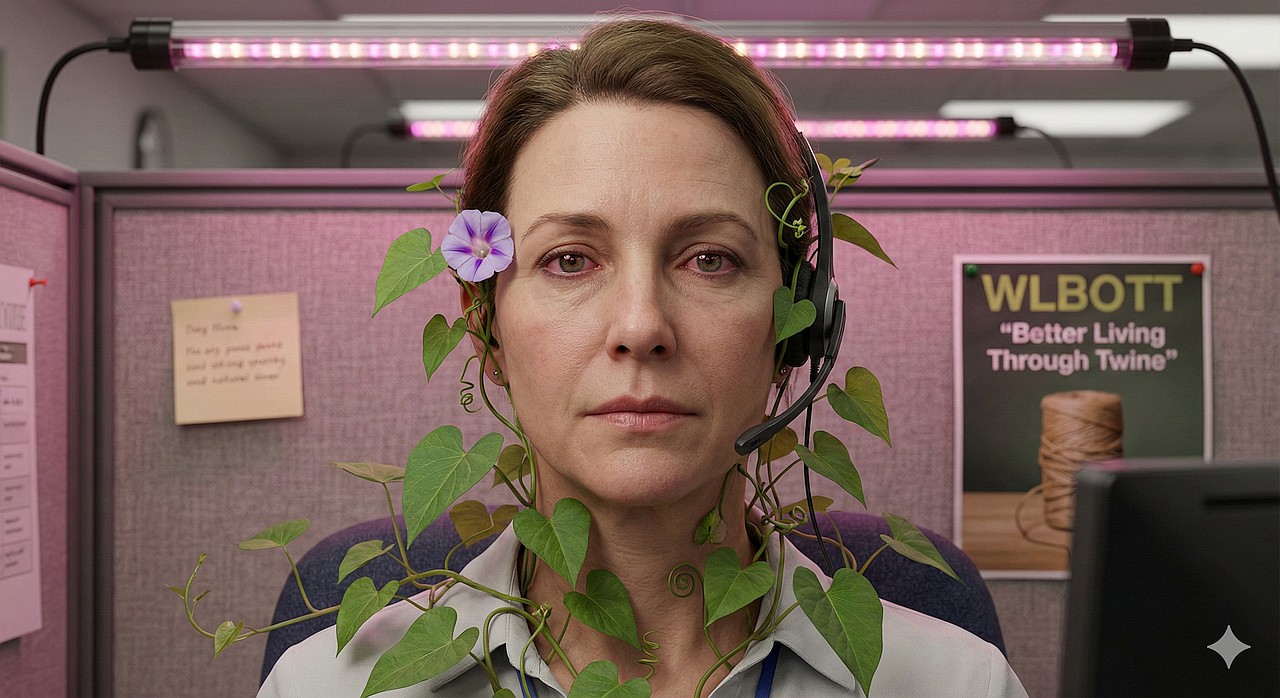
Due to the spiritual emptiness of most corporate cube farms, many veggie workers (or veggie-persons, as they came to be known) longed for deeper meaning.
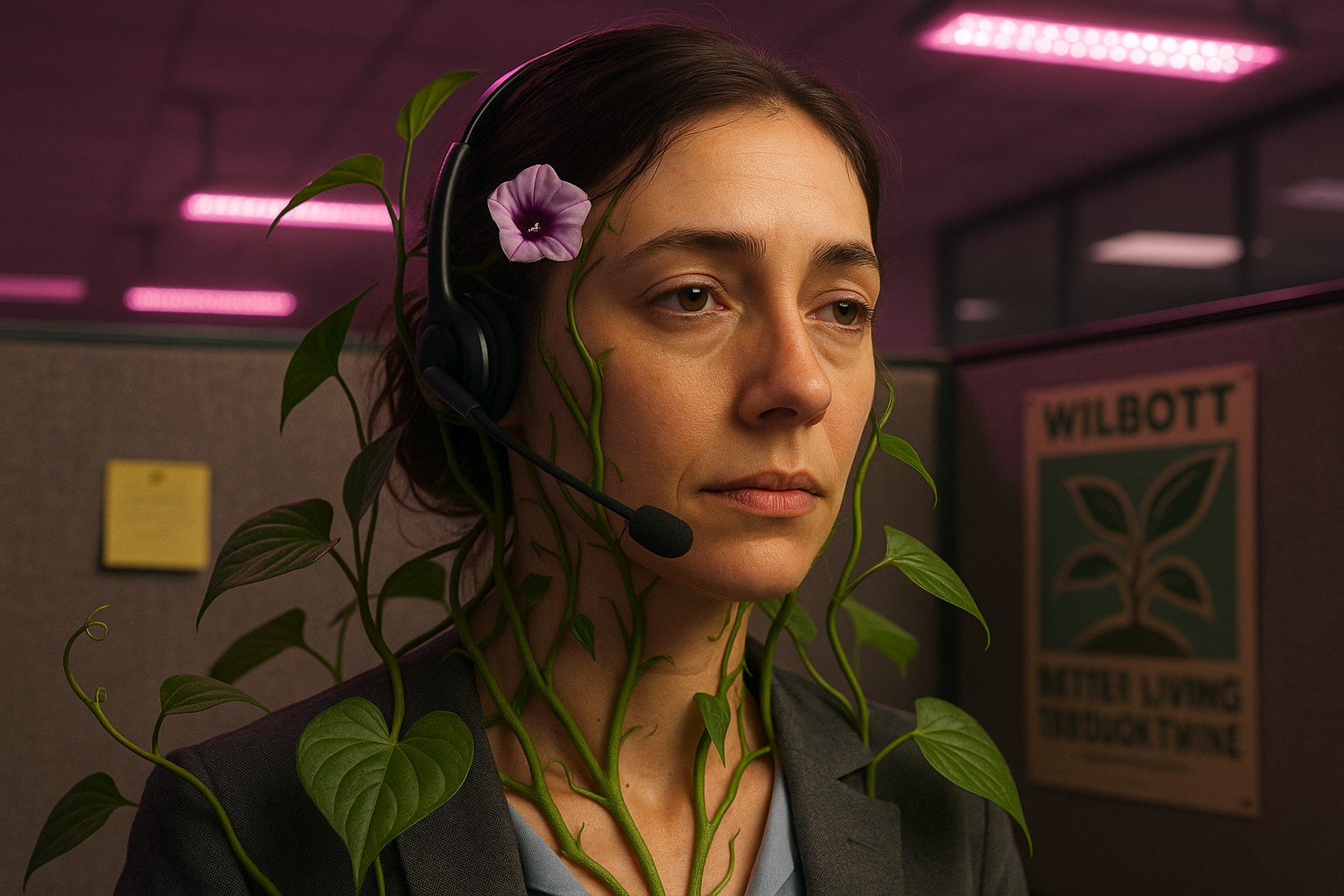
You can see it in their eyes.
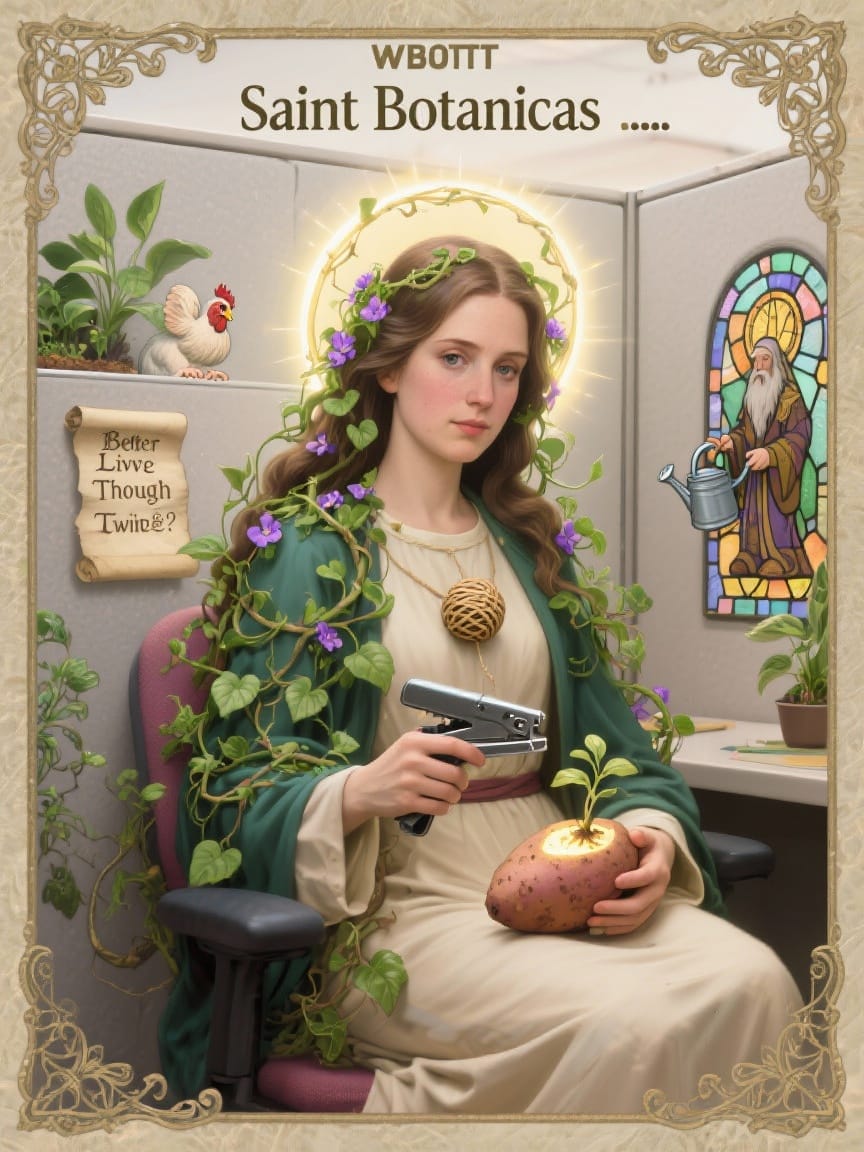
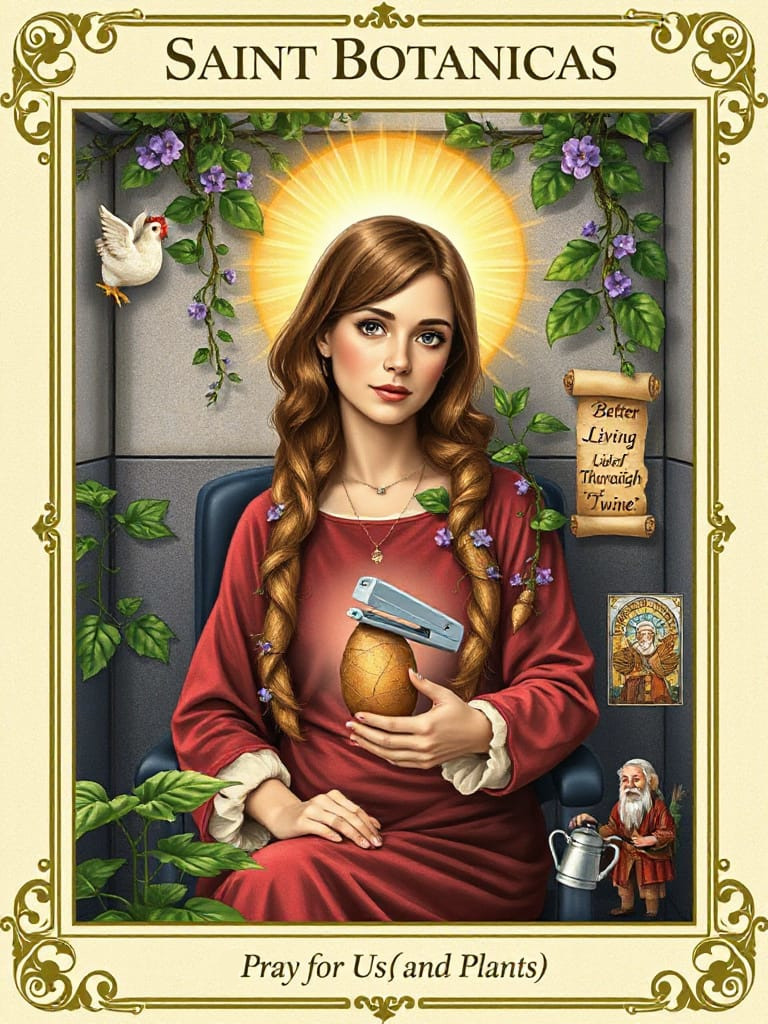
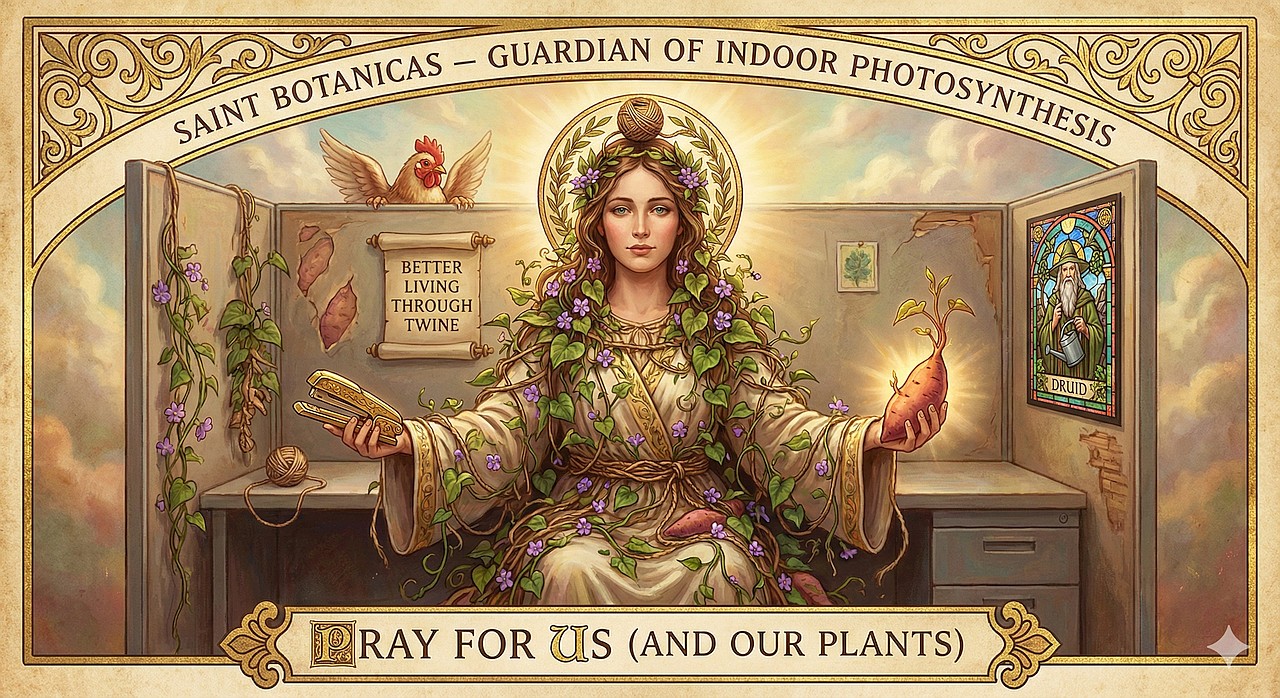
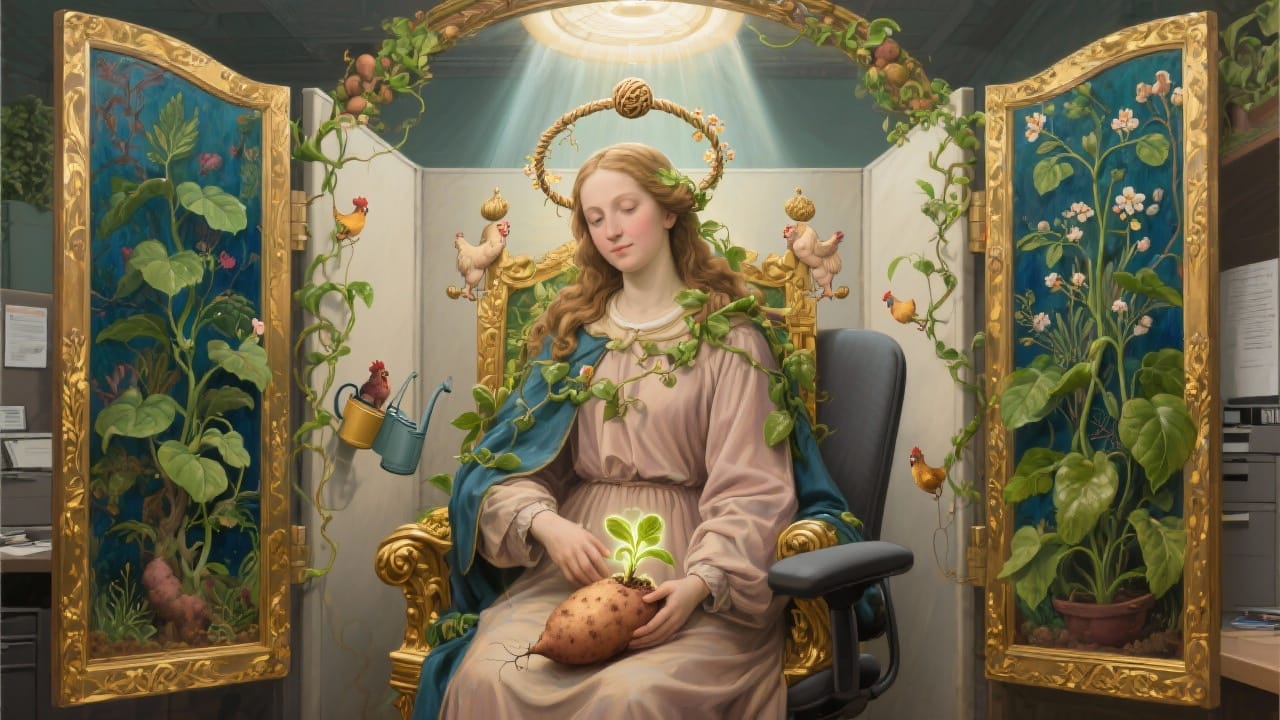
Sister Bonitanicas
After much soil searching, Marigold Morningglory, customer support for topological twine issues, became a spiritual mentor to the staff.
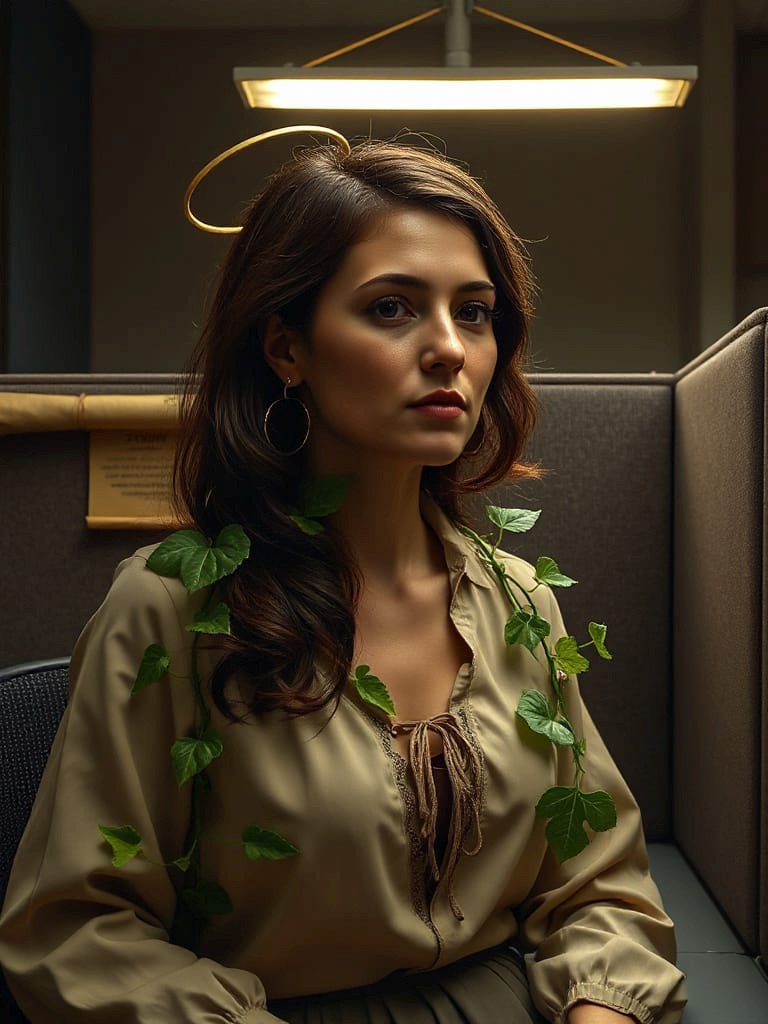
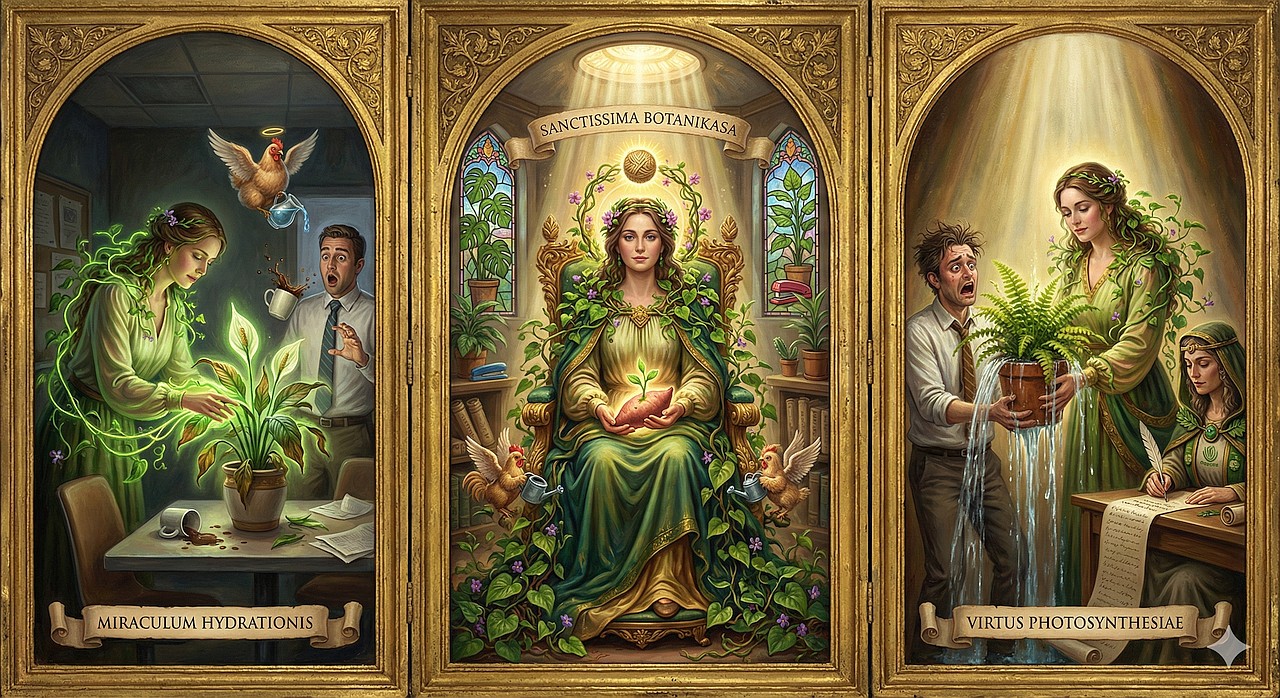
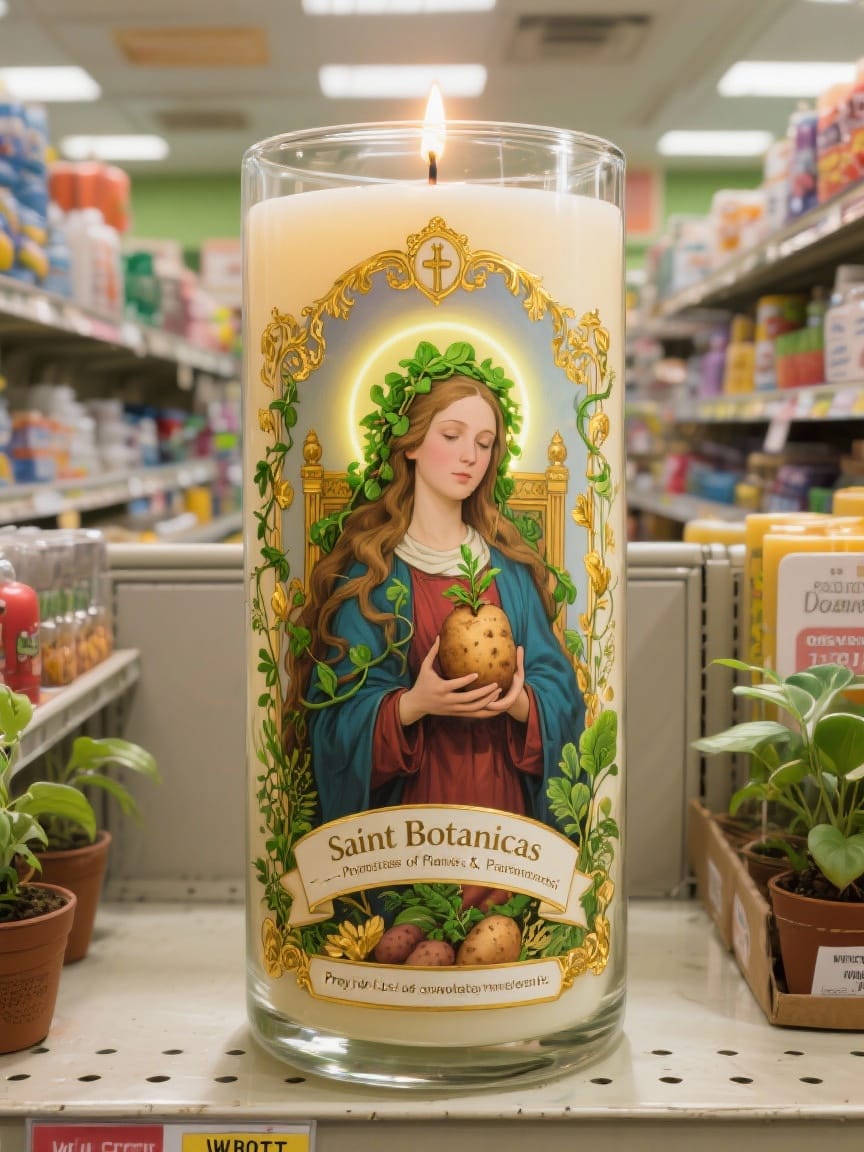
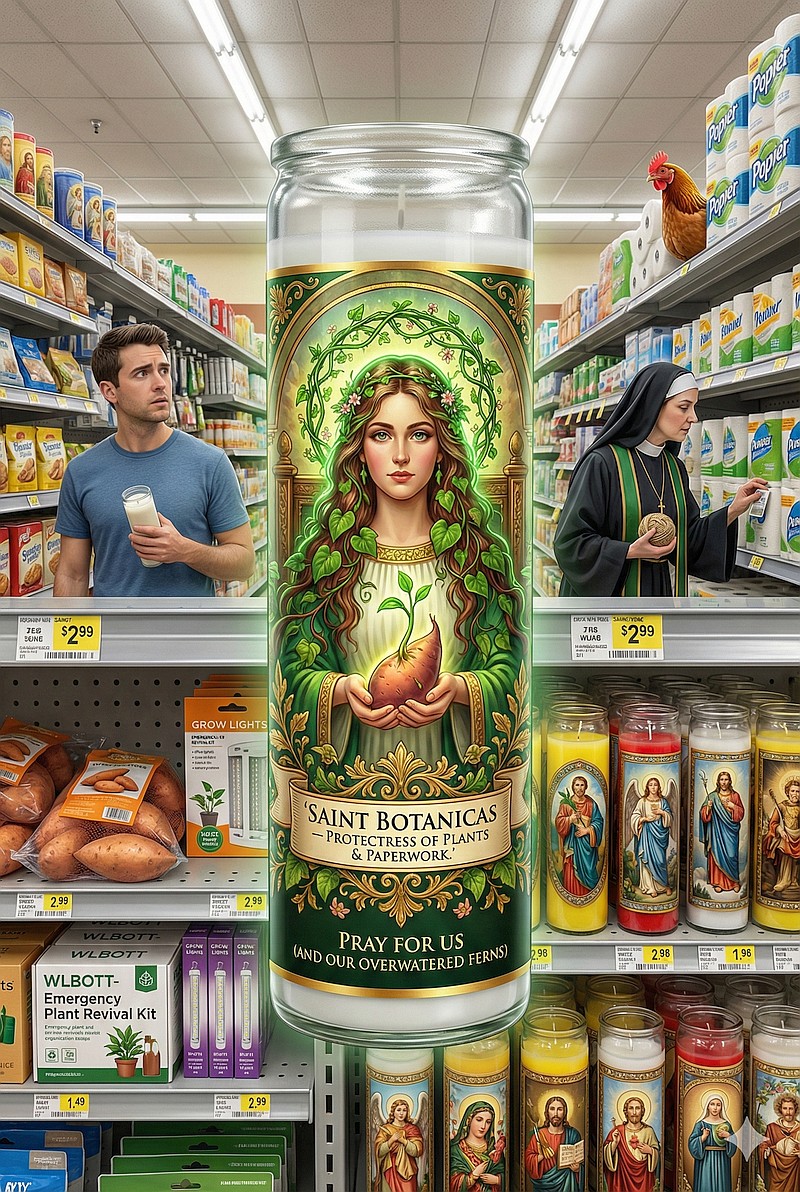
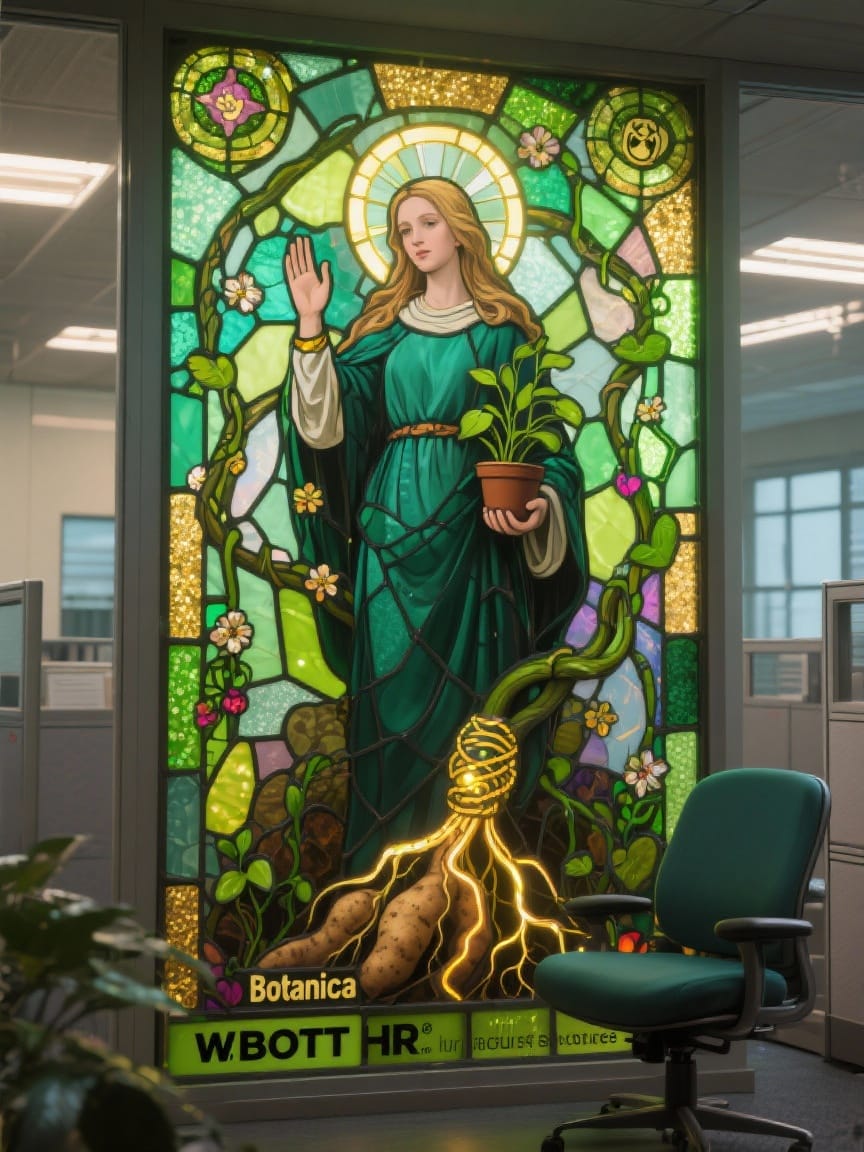
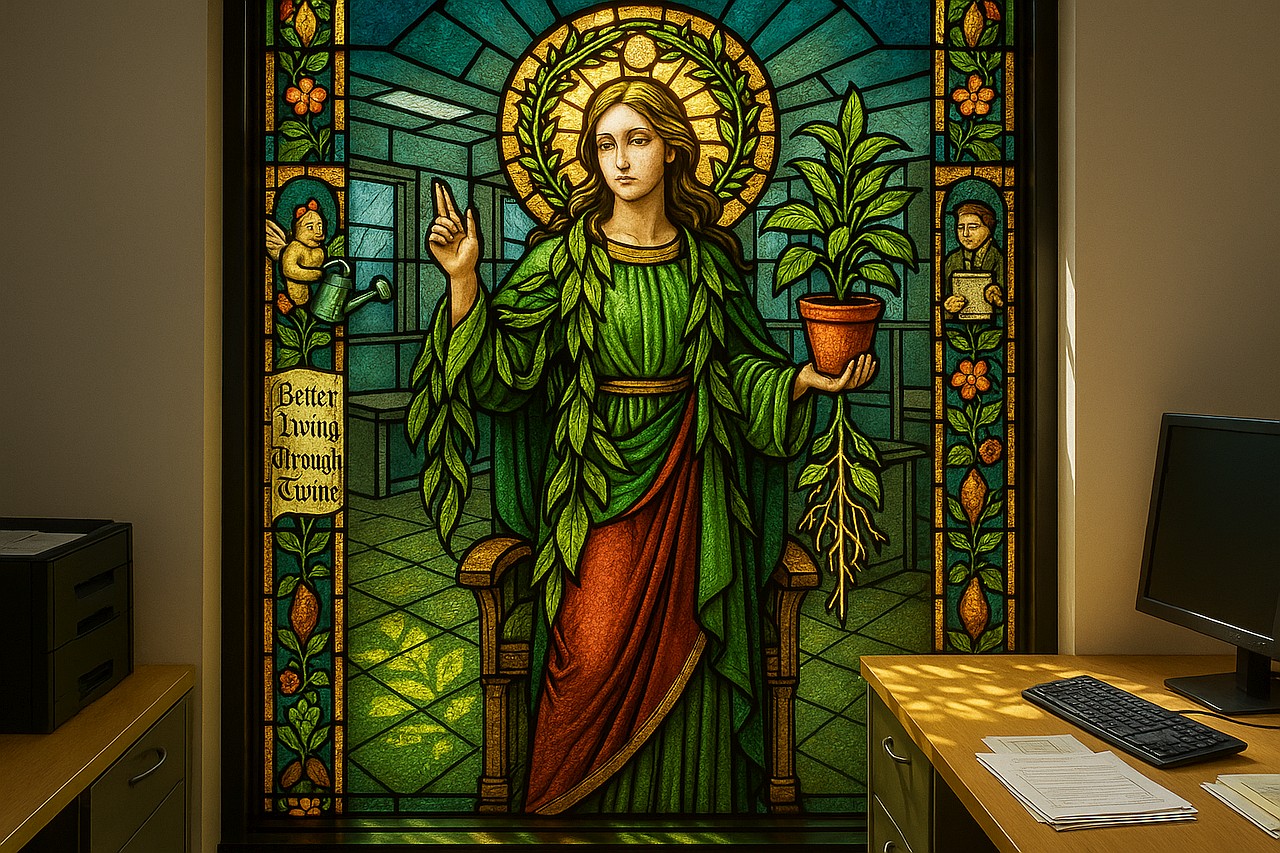
Sister Bonaticas, now officially the WLBOTT patroness of Veggie-persons and office plants, is venerated in many ways.
Prayer Cards
“Blessed Are the Hydrated.”
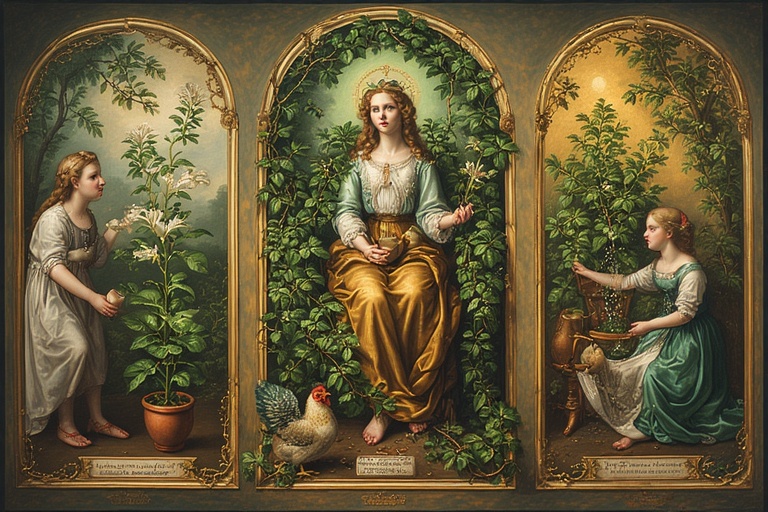
A Revival of the Triptych Art Form
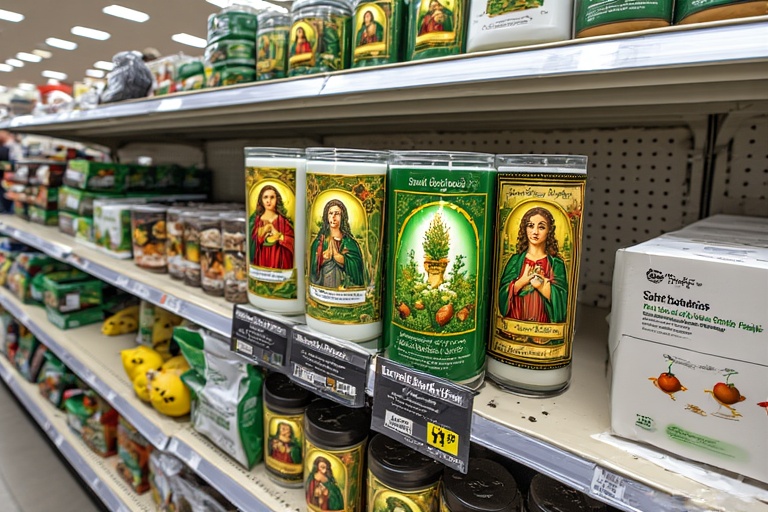
Votive Candles
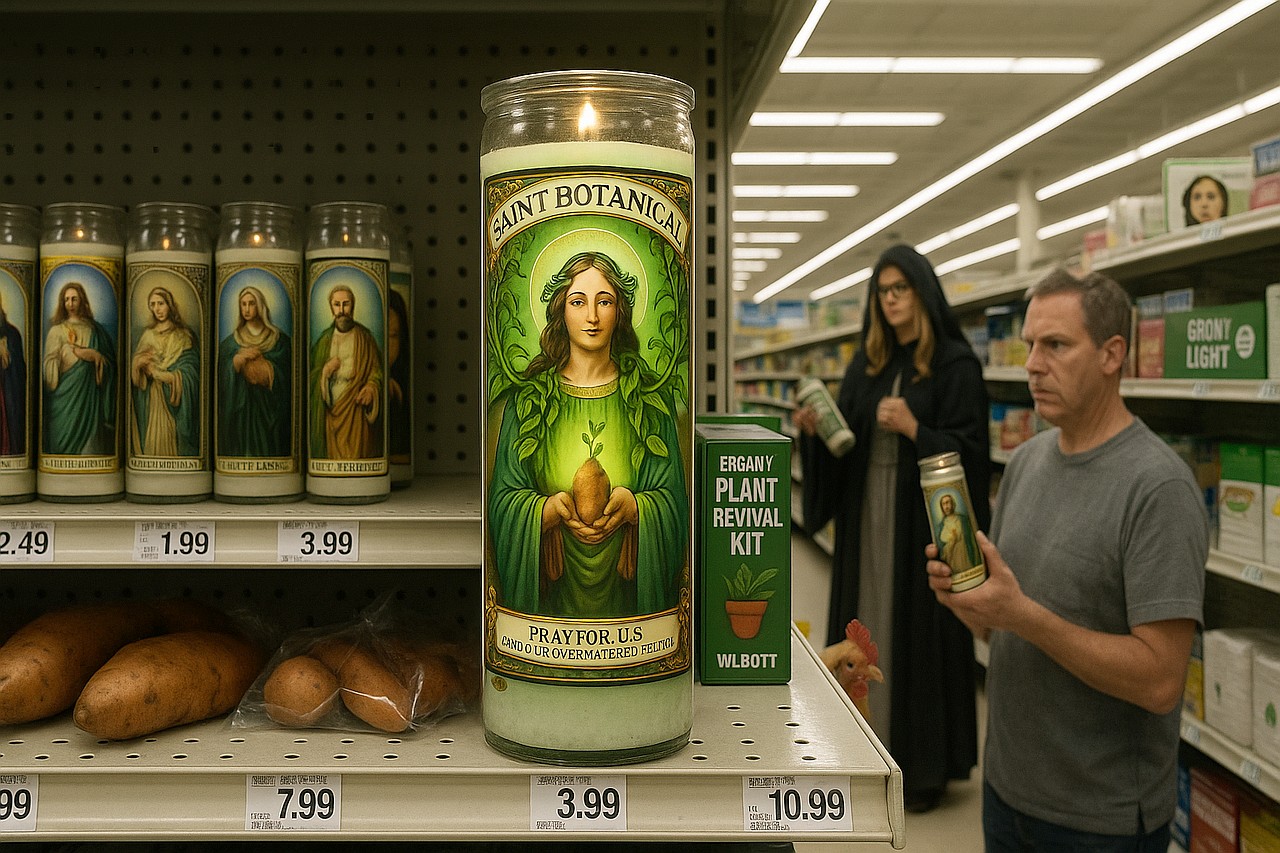
Votive candles can be found in either the produce or fertilizer section of your local HEB.
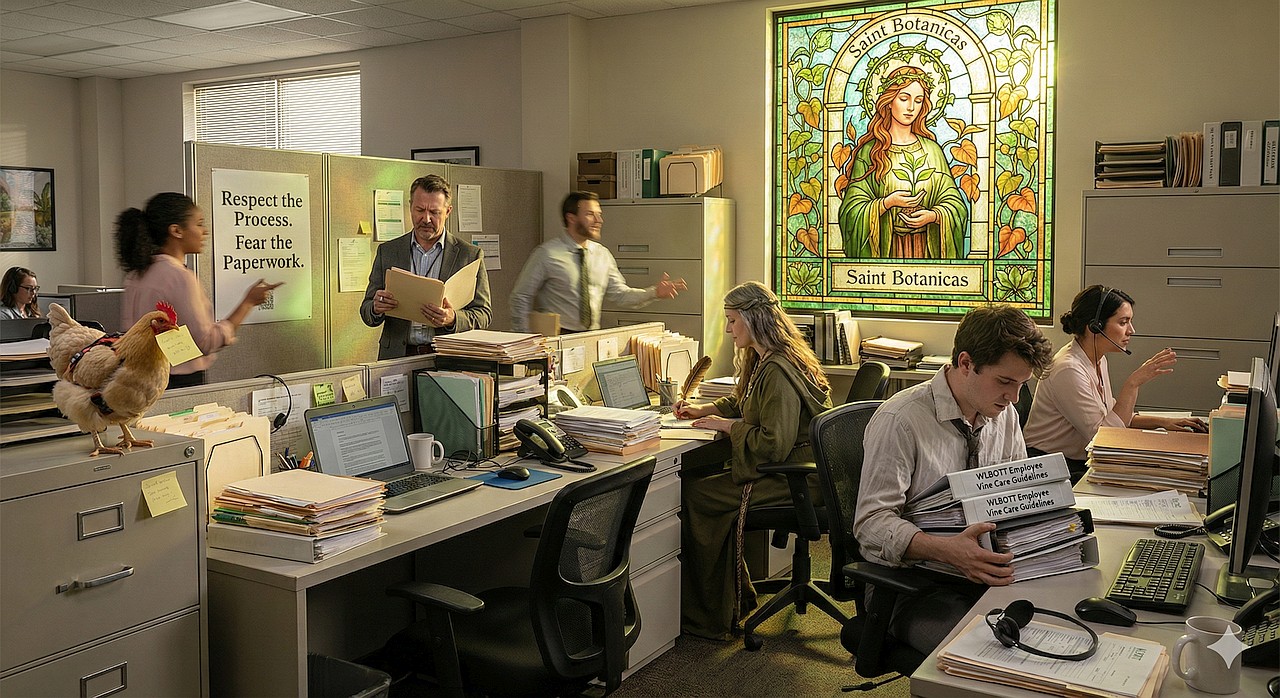
The WLBOTT Workplace
Recognition of the importance of Sister Botanicas is reflected in many office environments, including WLBOTT HR.