Avoidable suffering is tragic, especially when it is caused by brutal and callus regimes. But sometimes stupidity is a big player. Something like bowler hats….
We were reading recently reading an article from Radio Free Europe about a predicted water shortage in Tehran of apocalyptic proportions.
Iran’s Water Crisis Nears Point Of No Return
Iran faces a severe water crisis due to decades of mismanagement and the worst drought in 60 years.
Tehran, home to 10 million people, has started water rationing, and officials warn of possible evacuations if the situation worsens.
Reservoirs are critically low, with some cities like Mashhad seeing dam capacities fall below 3 percent.
Experts call for urgent reforms and better water management, as current government measures are seen as insufficient to address the crisis.
With reservoirs running on empty and rainfall at a record low, the authorities have begun rationing water supplies in the Iranian capital, Tehran, a city of some 10 million people.
President Masud Pezeshkian has warned the water crisis could lead to the evacuation of parts of Tehran and went as far as floating the possibility of moving the capital.
The five main reservoirs supplying water to Tehran are at historically low levels, currently holding just 11 percent of overall capacity.
Nationwide, 19 major dams — accounting for 10 percent of Iran’s reservoirs — have run completely dry, and more than 20 dams are holding under 5 percent of their capacity.
Tehran is the capital and largest city of Iran. It is also the capital of Tehran province and the administrative center for Tehran County and its Central District. With a population of around 9 million in the city, and 15 million in the metropolitan area, Tehran is the most populous city in Iran and West Asia, the second largest metropolitan area in the Middle East after Cairo, and the 24th-most-populous metropolitan area in the world.
Tehran is the economic centre of Iran. About 30% of Iran’s public-sector workforce and 45% of its large industrial firms are located in the city, and almost half of these workers are employed by the government.[…]
Few foreign companies operate in Tehran, because of the government’s complex international relations.
Tehran relies heavily on private cars, buses, motorcycles, and taxis, and is one of the most car-dependent cities in the world.
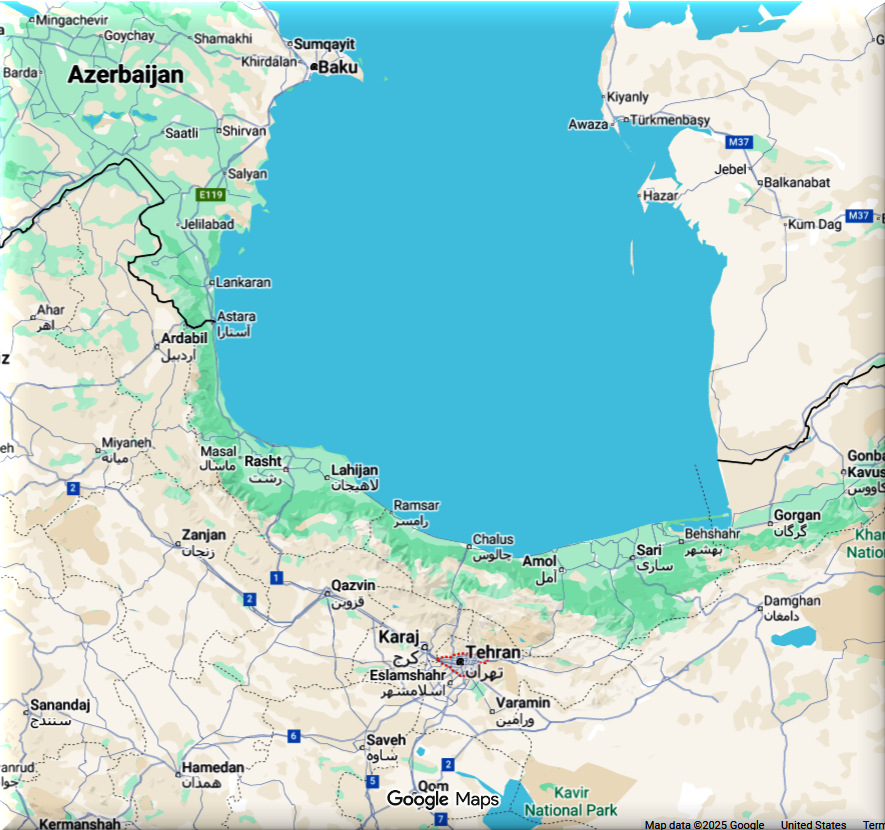
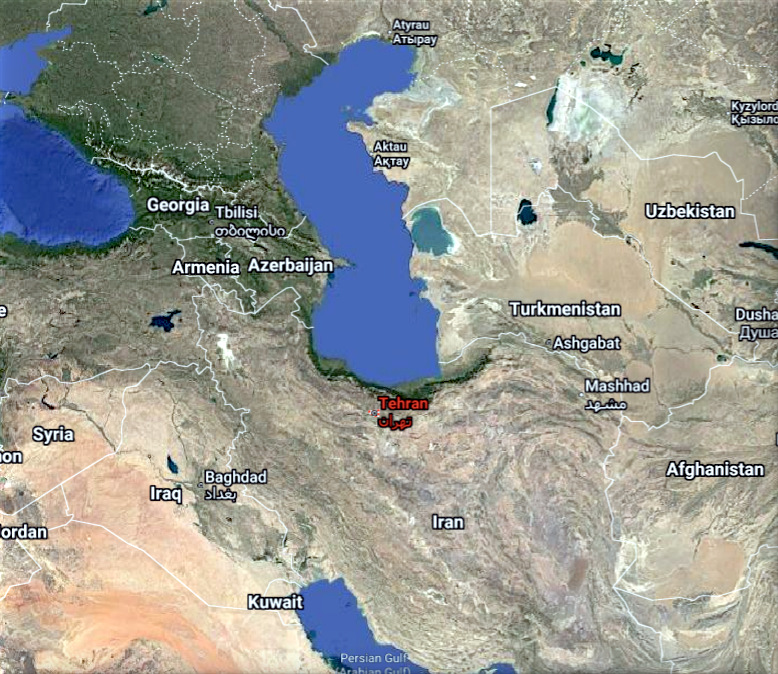
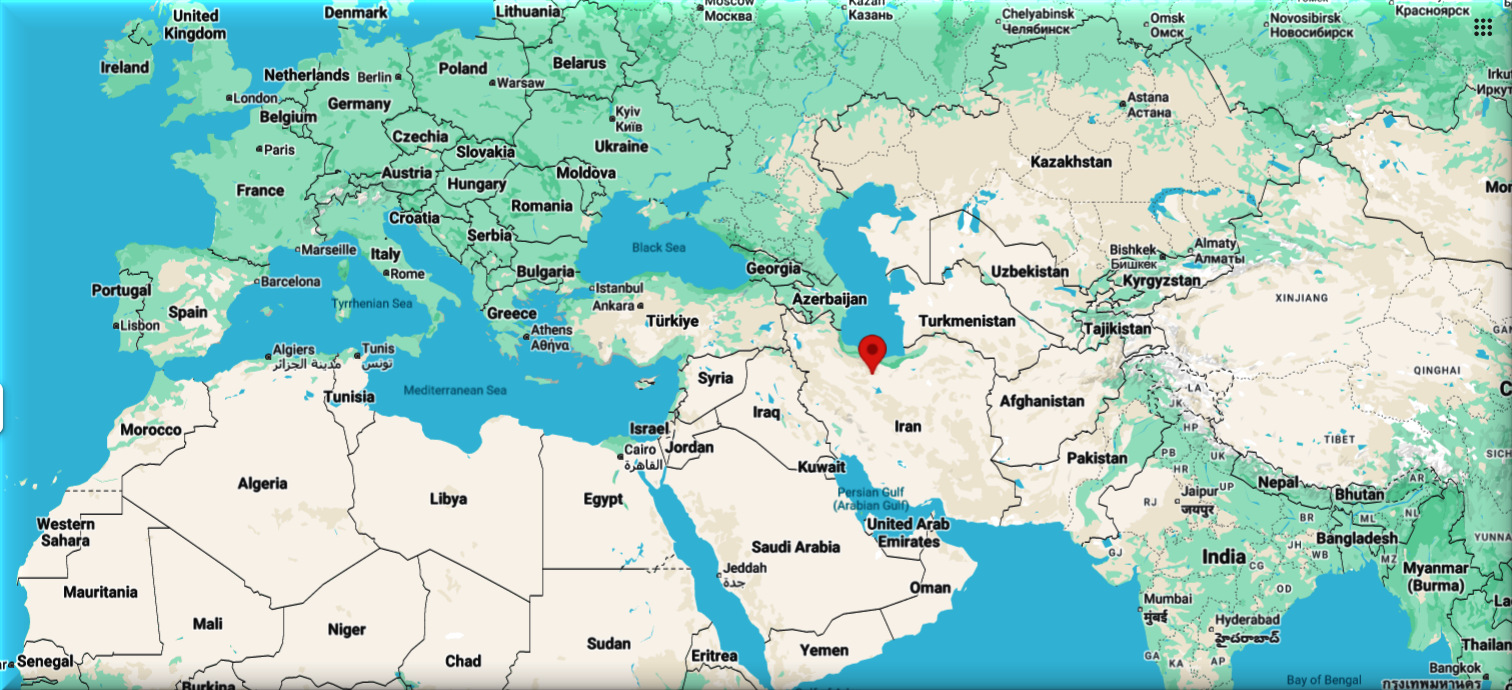
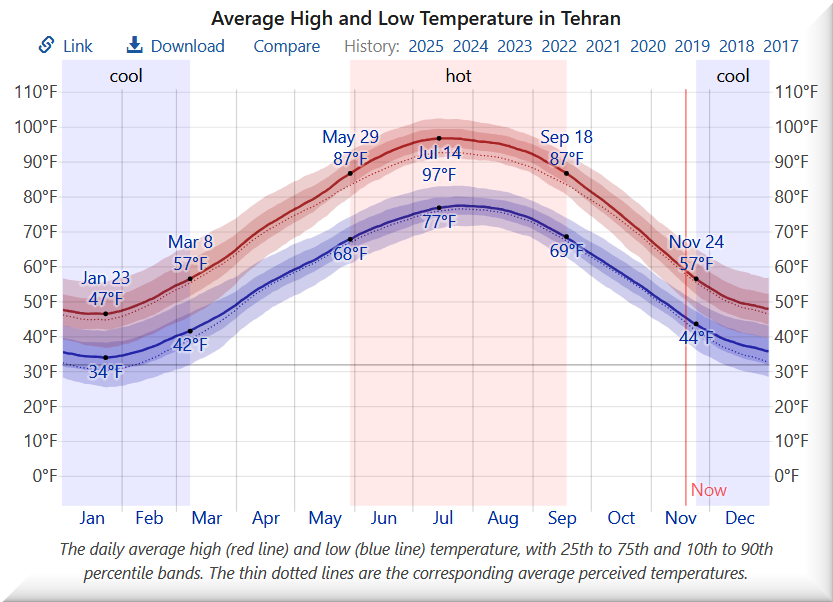
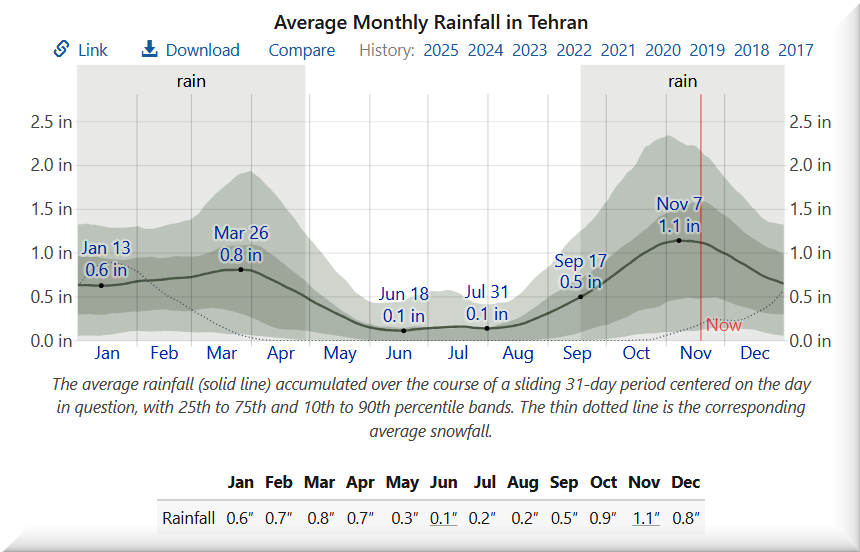
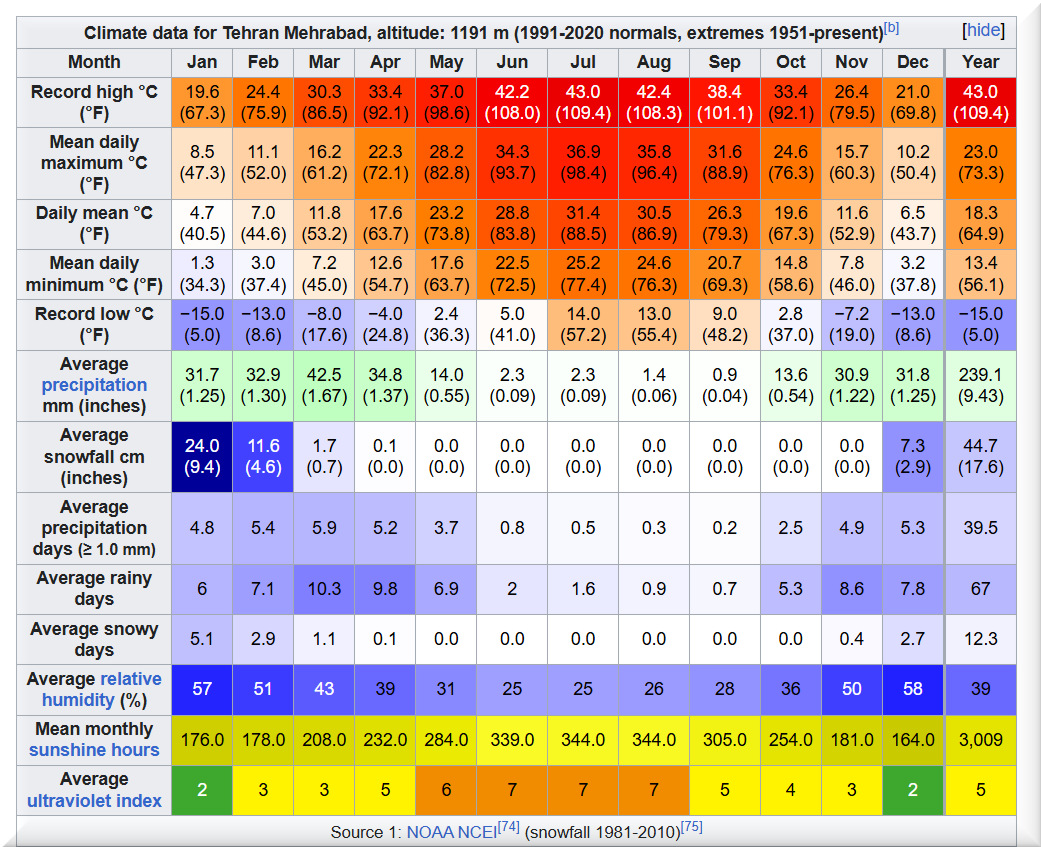
Tehran is a bit cooler than Austin, but much, much drier (both in humidity and rainfall). The top two charts are from Weather Spark; the bottom is from Wikipedia. Click to open chart in new tab.
Semi-Sequitur: Fashion in Iran
Fashion industry Design, manufacturing, distribution, marketing, retail, advertising, and other sectors of the fashion industry in Tehran have been able to grow significantly according to the needs of the country. In particular, a large number of male and female models are working in Tehran’s fashion advertising and promotion sections. Despite the lack of adequate laws to support models, payments to female models have been considered high.
Here’s where the bowler hat, and the bone-headed ruler come in….
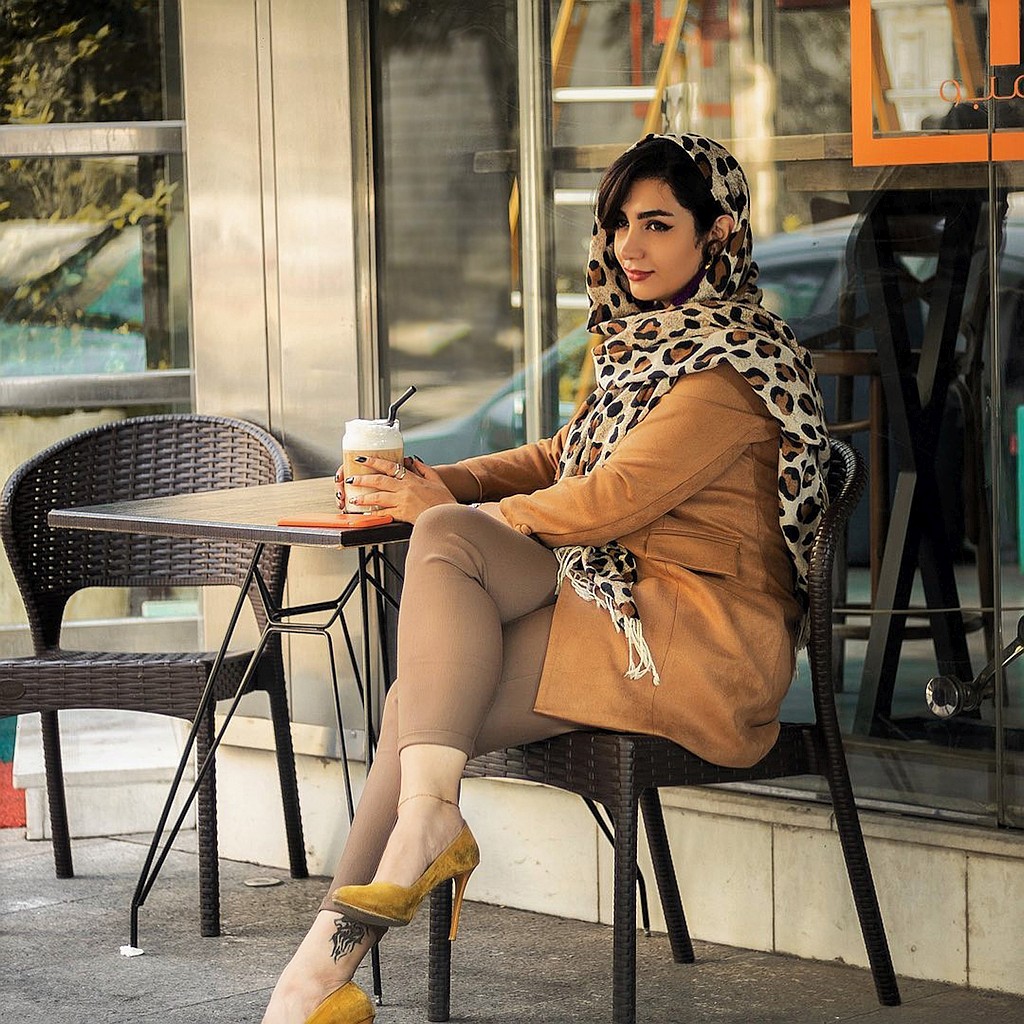
Fashion in Iran has a cultural and economic impact on the county of Iran. During the Pahlavi era in the mid-1930s, Western fashion was introduced to Iran and greatly influenced women’s style. Following the Iranian Revolution in 1979, the hijab became compulsory, impacting the creation of clothing style.
An Iranian woman in Tehran (2019)
By Nivqoesi – Own work, CC BY-SA 4.0, https://commons.wikimedia.org/w/index.php?curid=82793985
An Iranian woman in 2019
By Seyed Mahdi Mahdavi from Tehran, Iran – 1398-2019 Tehrani Modeling Persian pretty girl (2), CC BY-SA 2.0, https://commons.wikimedia.org/w/index.php?curid=109545717
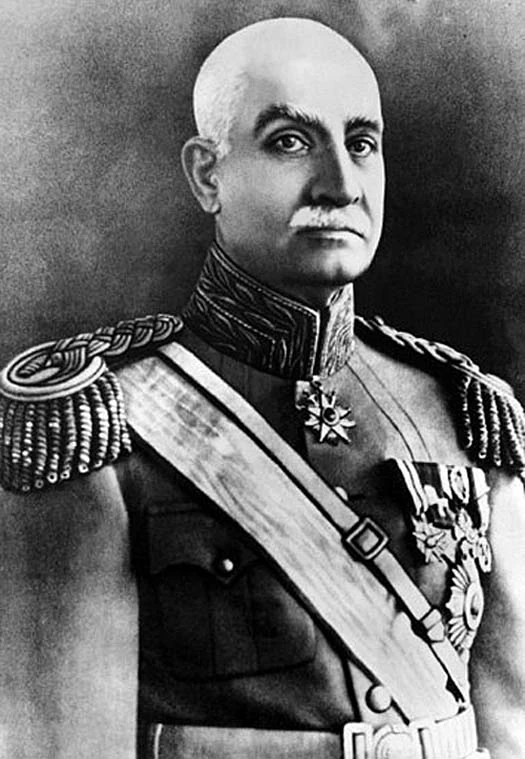
Attempts at changing dress norms (and perspectives toward it) occurred in mid-1930s when pro-Western ruler Reza Shah issued a decree banning all veils.
Many types of male traditional clothing were also banned. Western historians state that this would have been a progressive step if women had indeed chosen to do it themselves, but instead this ban humiliated and alienated many Iranian women, since its effect was comparable to the hypothetical situation in which the European women had suddenly been ordered to go out topless into the street.
A far larger escalation of violence occurred in the summer of 1935 when Reza Shah ordered all men to wear European-style bowler hat, which was Western par excellence. This provoked massive non-violent demonstrations in July in the city of Mashhad. This decision by Reza Shah was criticized even by the British consul in Tehran. Later, official measures relaxed slightly during the reign of Mohammad Reza Pahlavi and wearing of the headscarf or chador was no longer an offence, but for his regime it became a significant hindrance to climbing the social ladder as it was considered a badge of backwardness and an indicator of being a member of the lower class.
Cool visual of changes in style….
Who knows where Iran would be now if these bone-head leaders just let women be.
Anyhow, all this leads to a WLBOTT business opportunity – shareholder value!
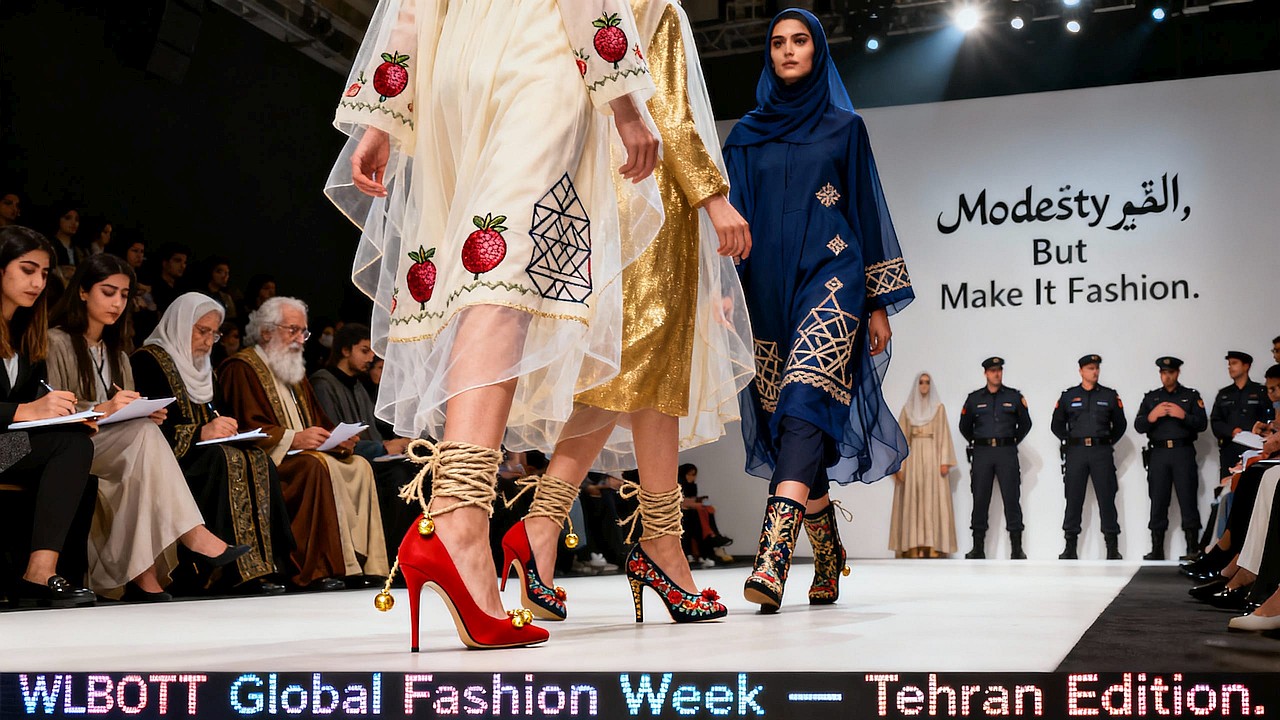
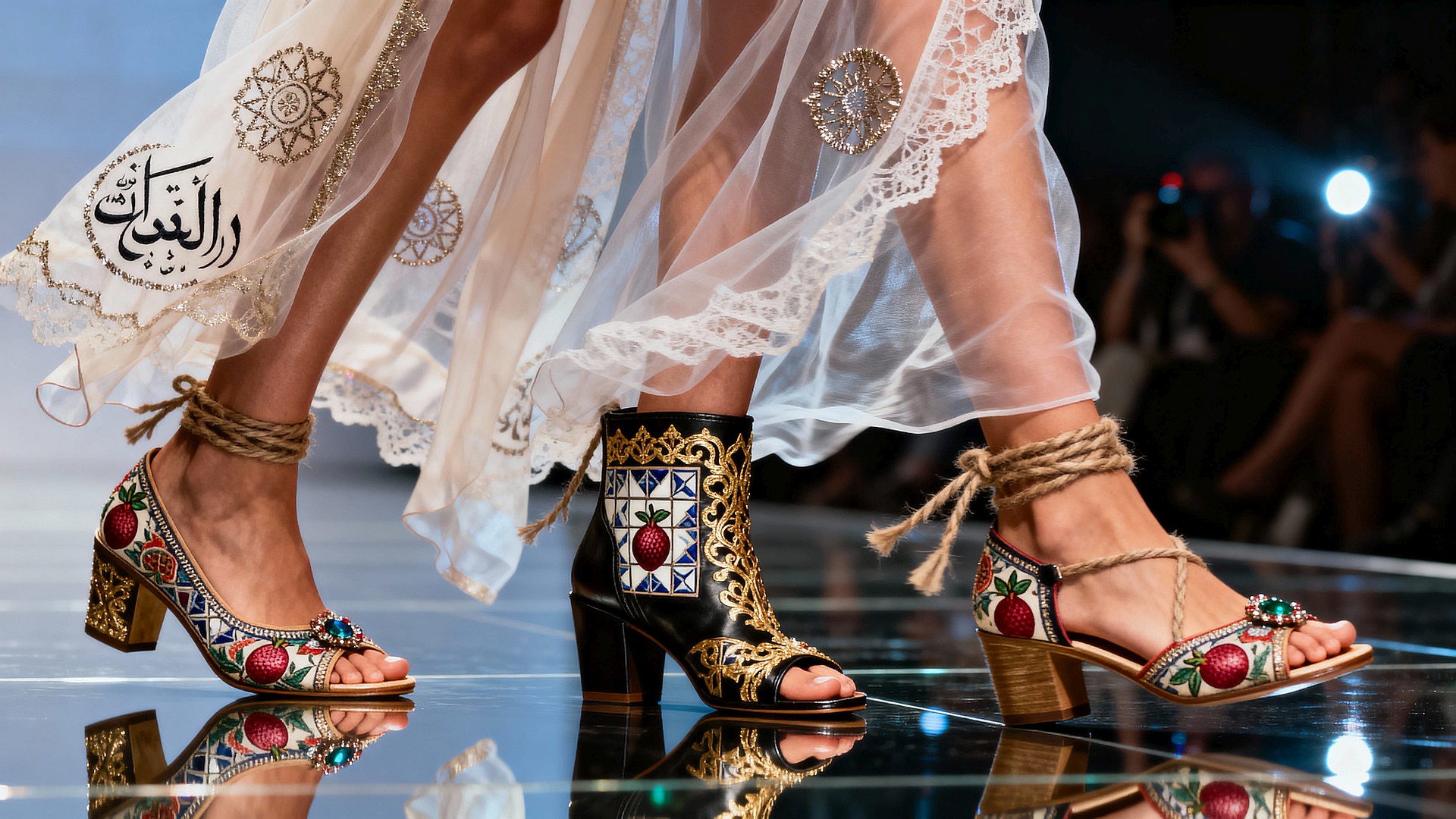
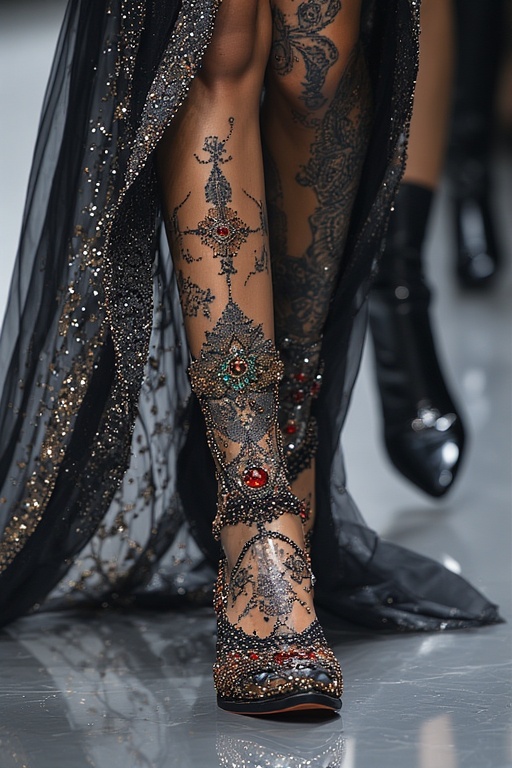
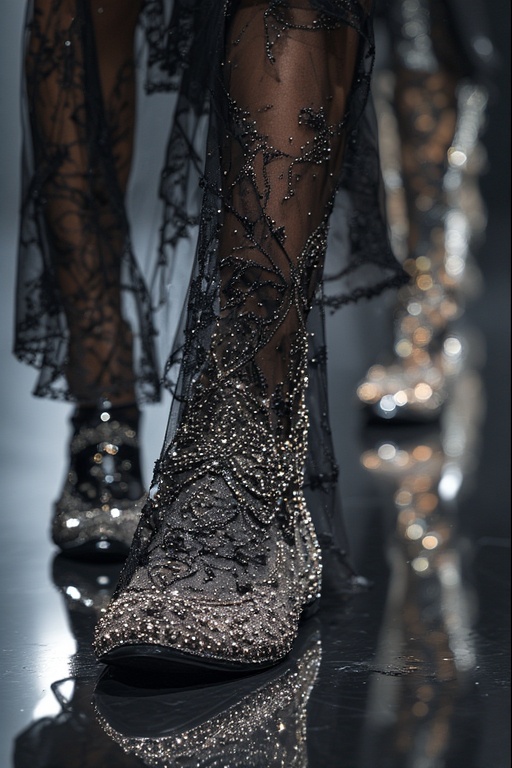
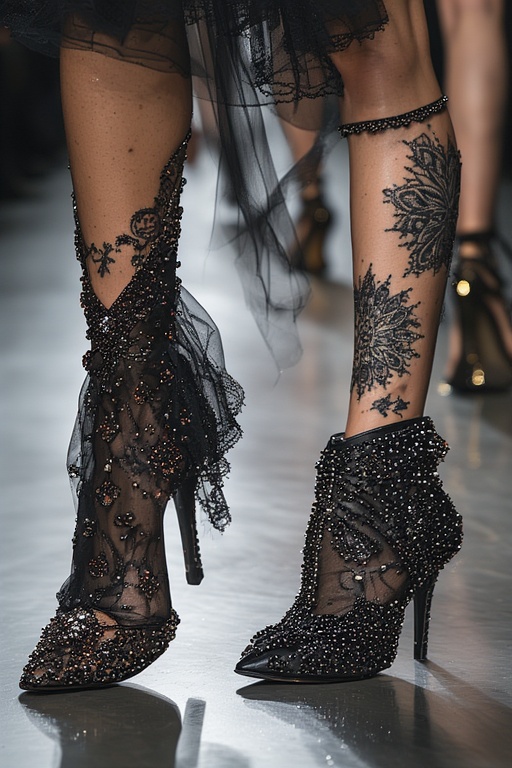
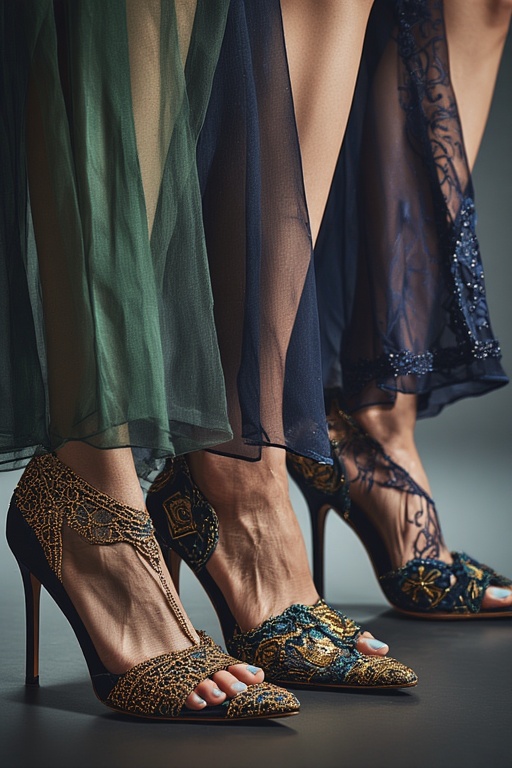
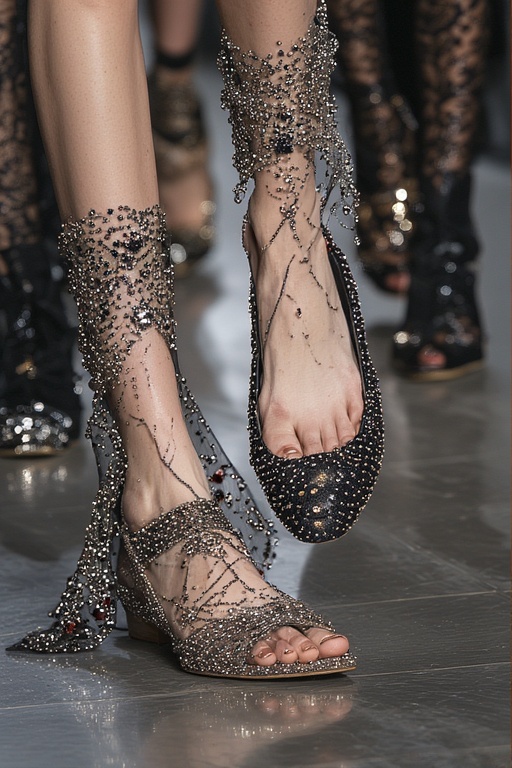
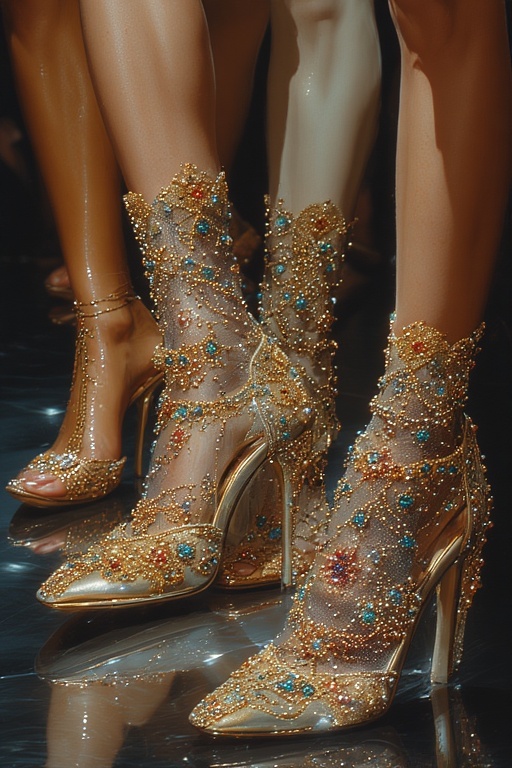
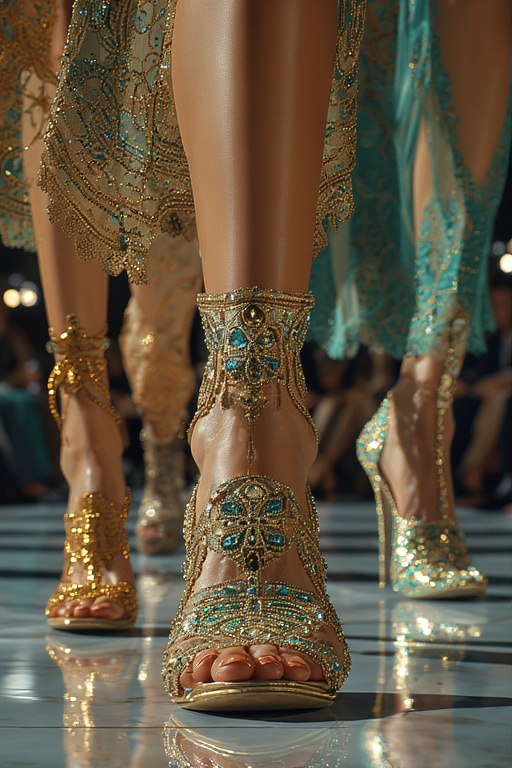
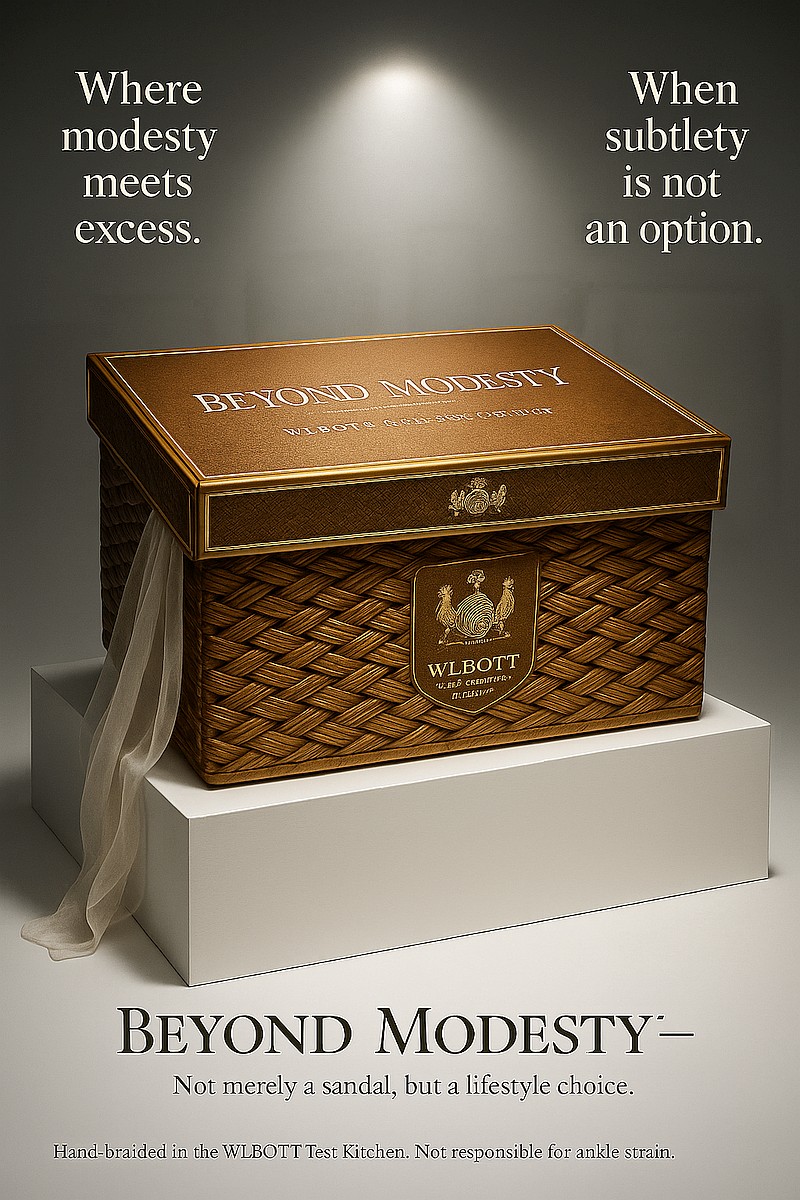
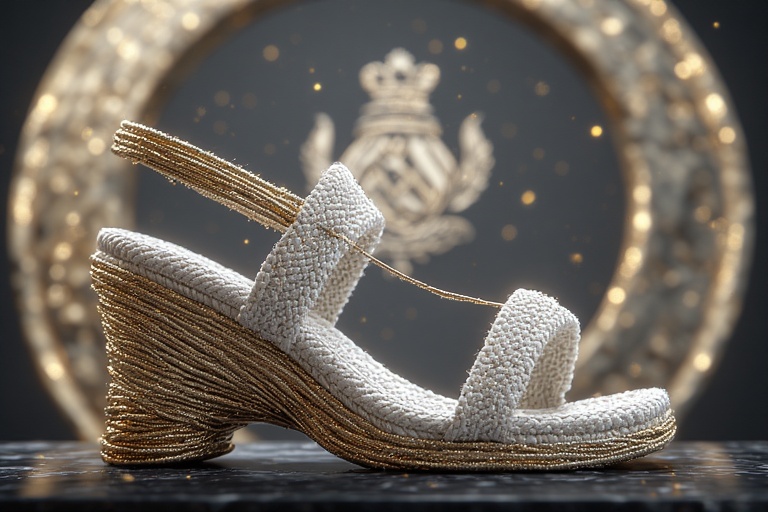
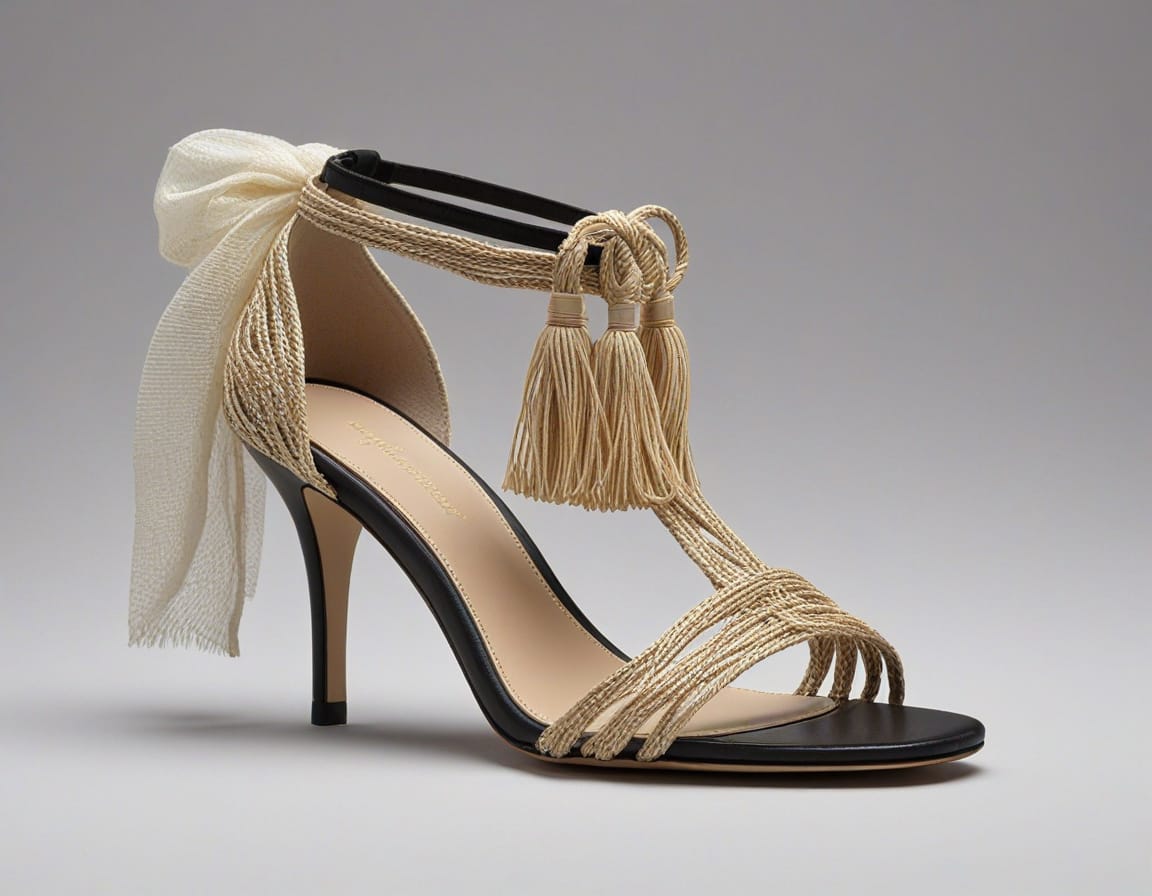
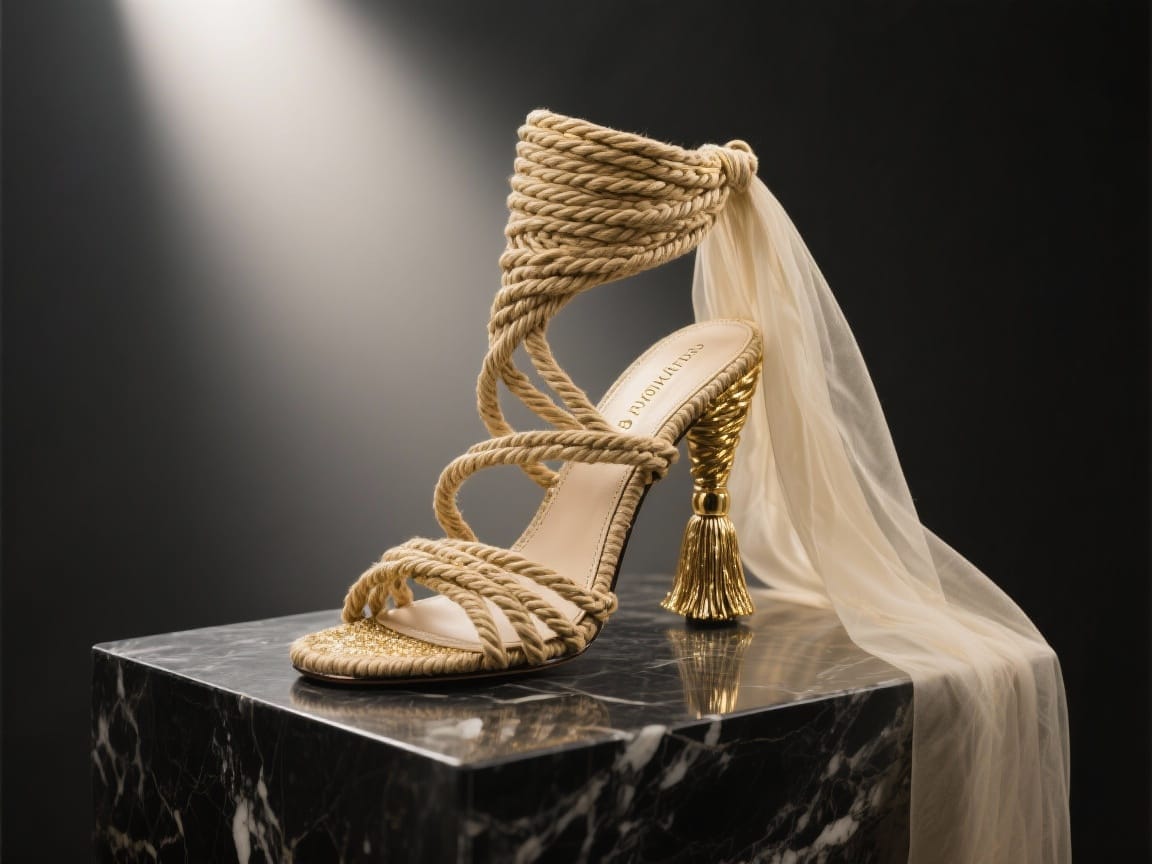
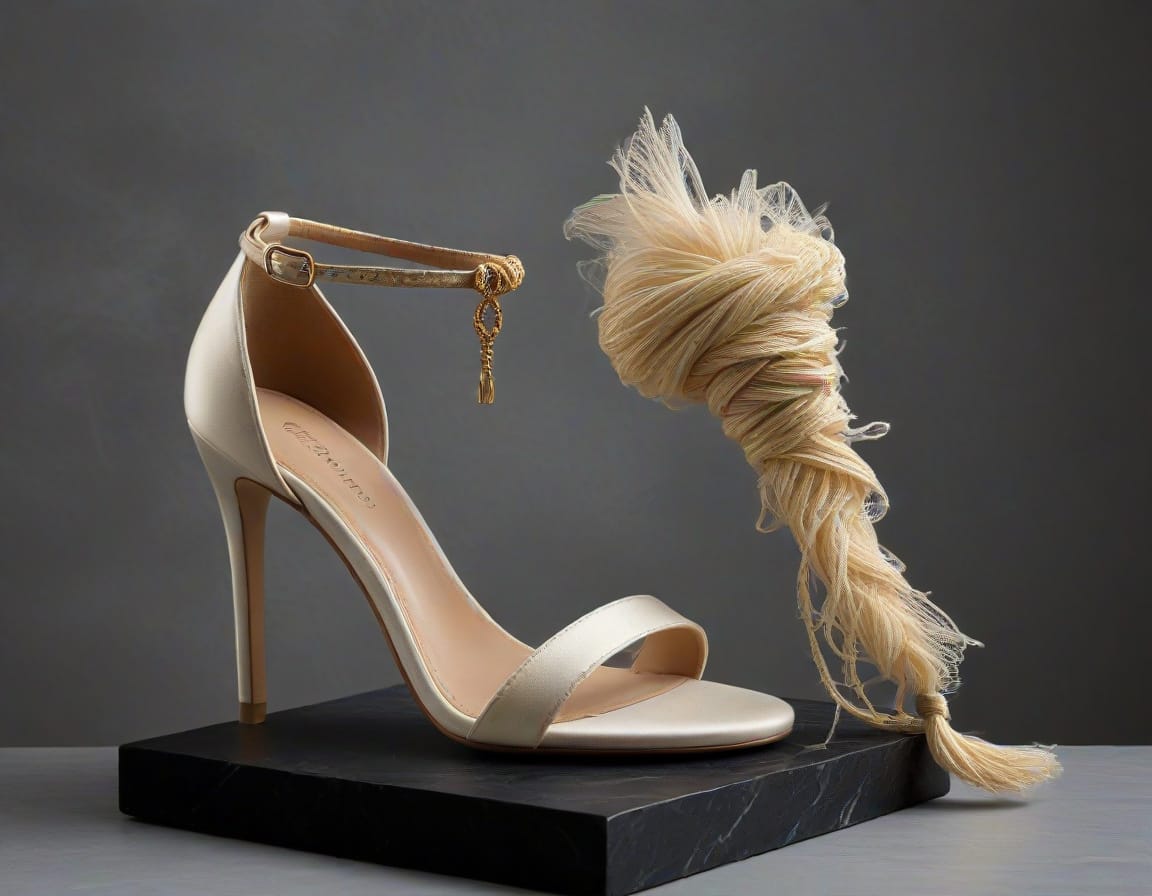
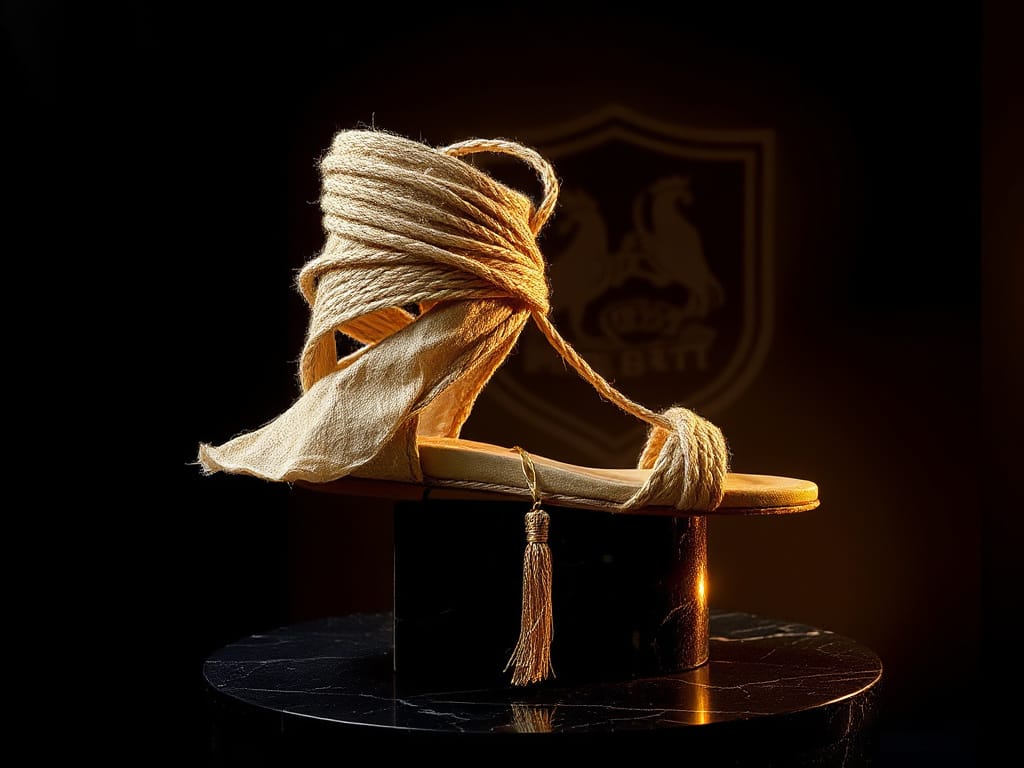
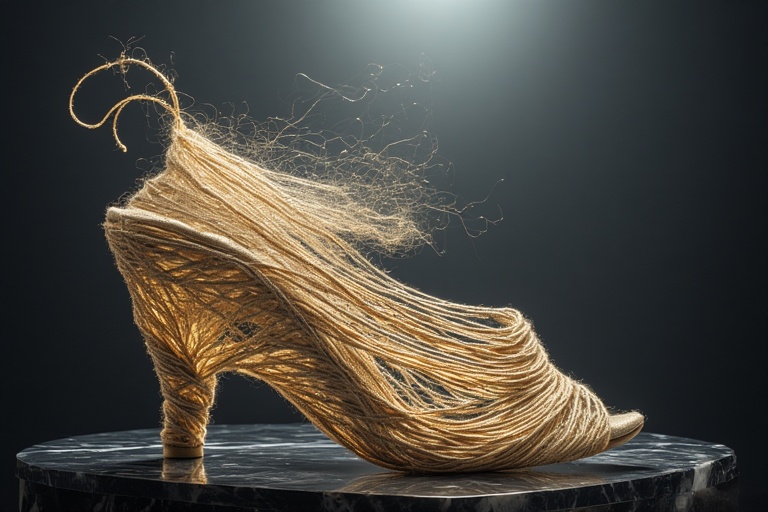
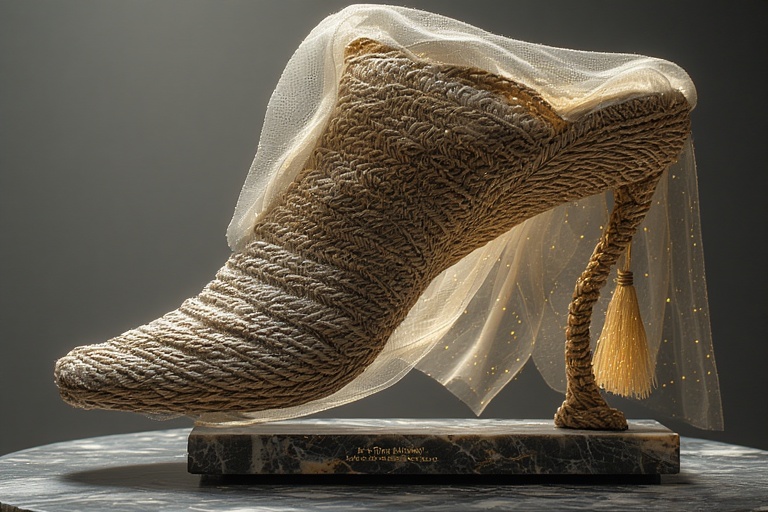
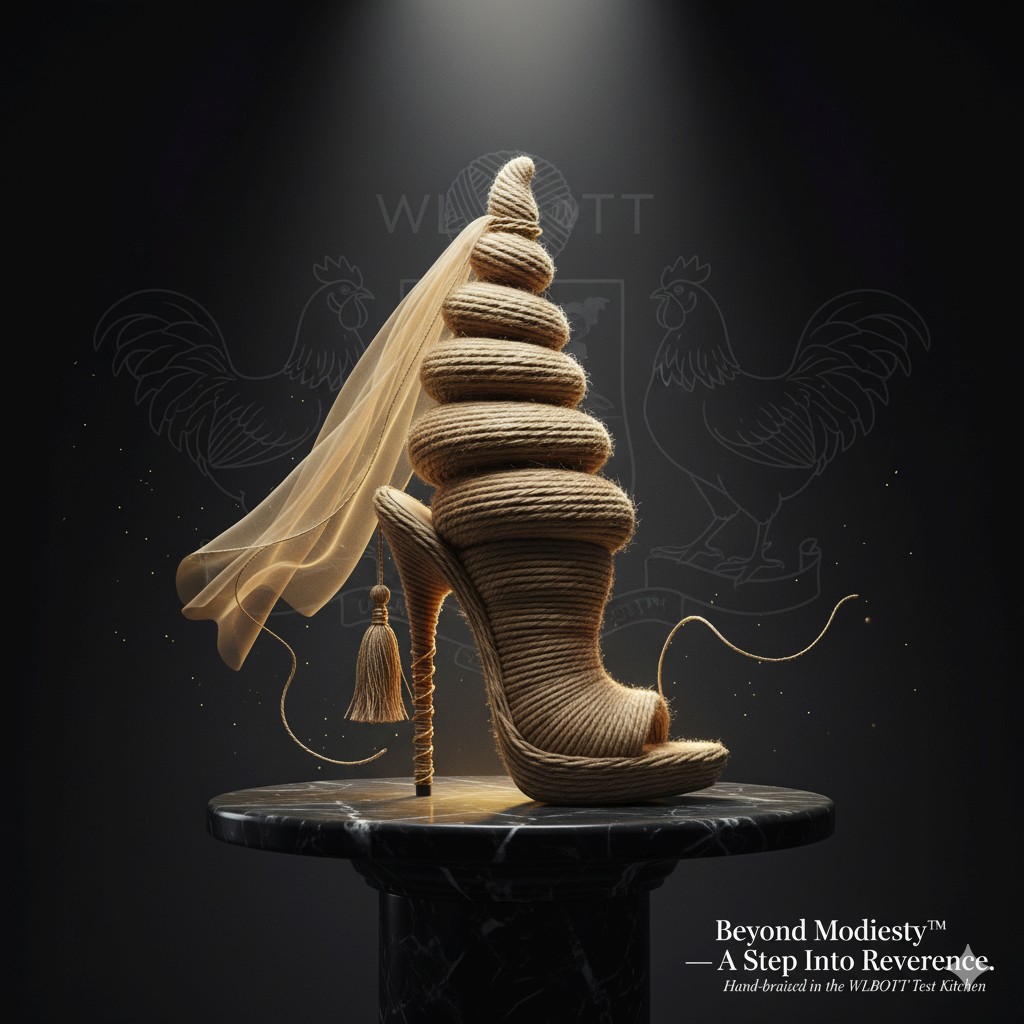
The “Beyond Modesty™” WLBOTT Twine Sandal
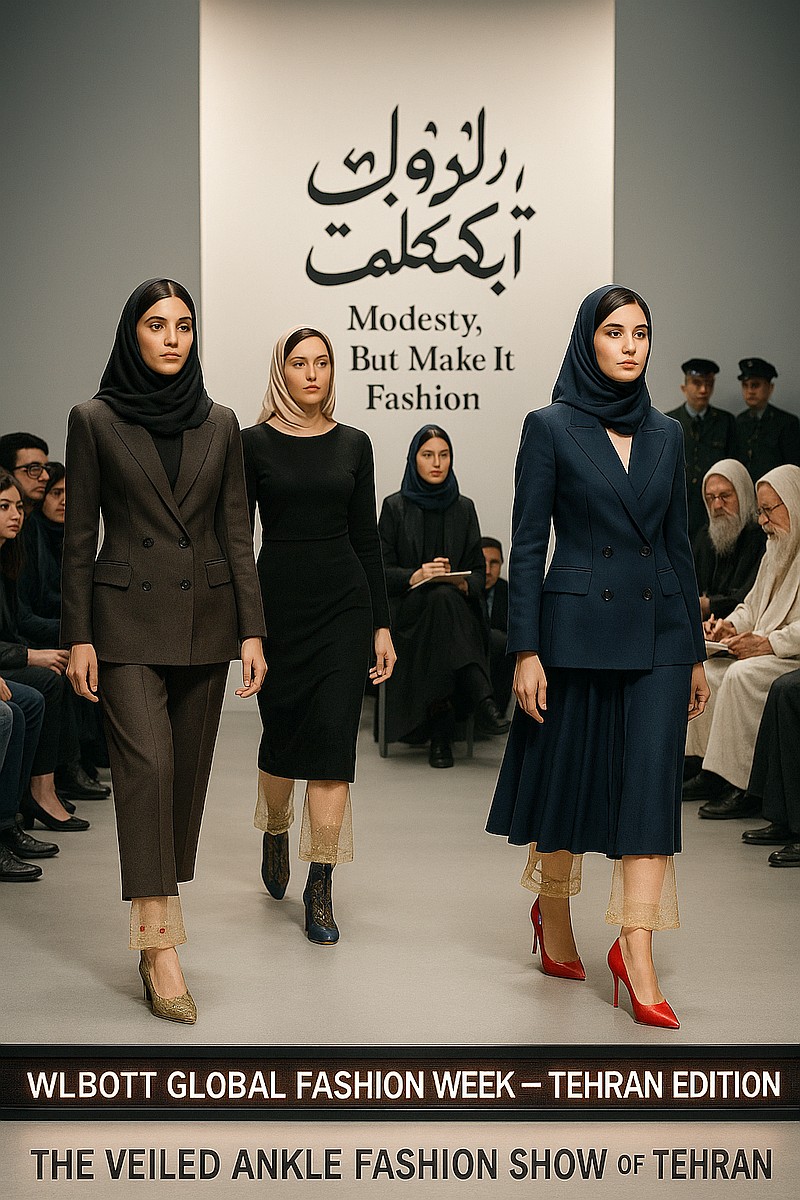
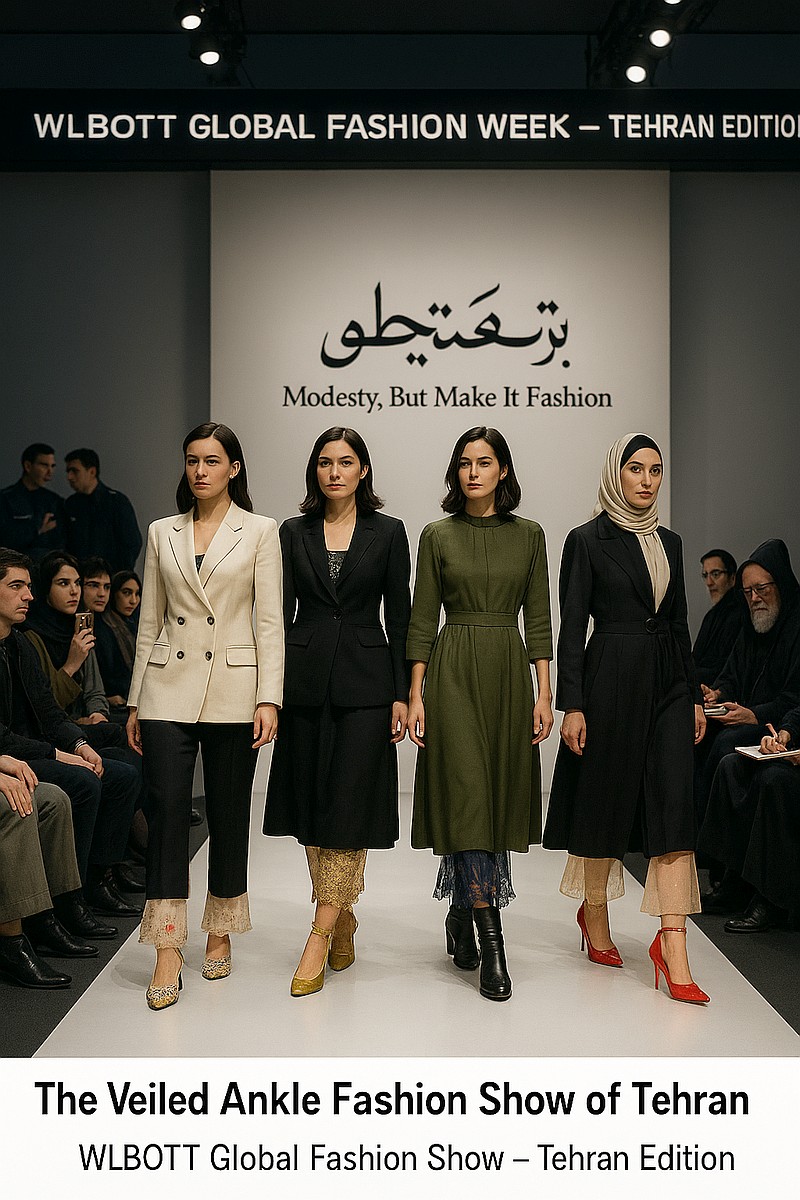
Our own WLBOTT Ministry of Virtue and Vice, in collaboration with the senior clerical Iranian authorities, has decided to jump into the highly lucrative female modesty footwear game.
Conceptual Vision
Most sandals reveal too much of the foot. Most modesty garments conceal specific parts of the body.
The Beyond Modesty™ Sandal resolves this tension by:
allowing the foot to breathe
while also rendering the viewer utterly confused
and ensuring no governing authority can decide whether it violates anything
The core design principle: If everything is concealed, then nothing is.
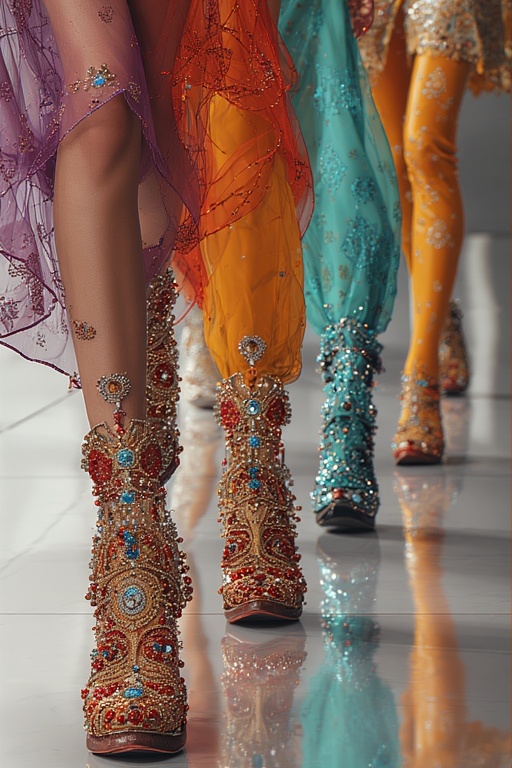
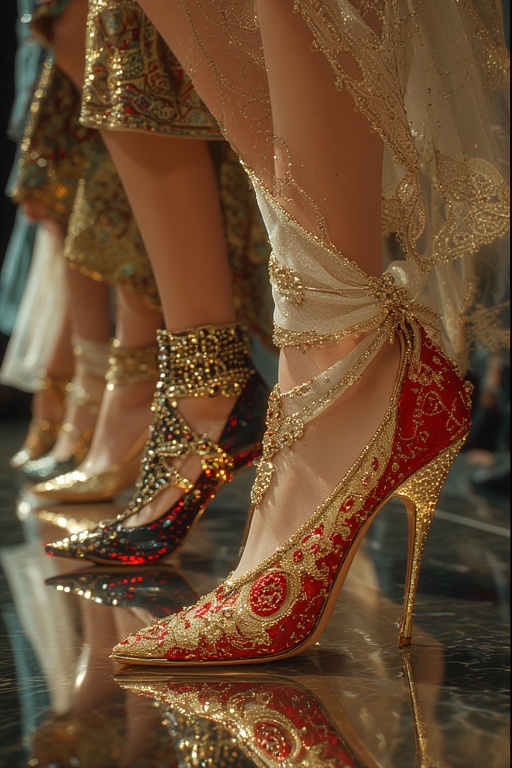
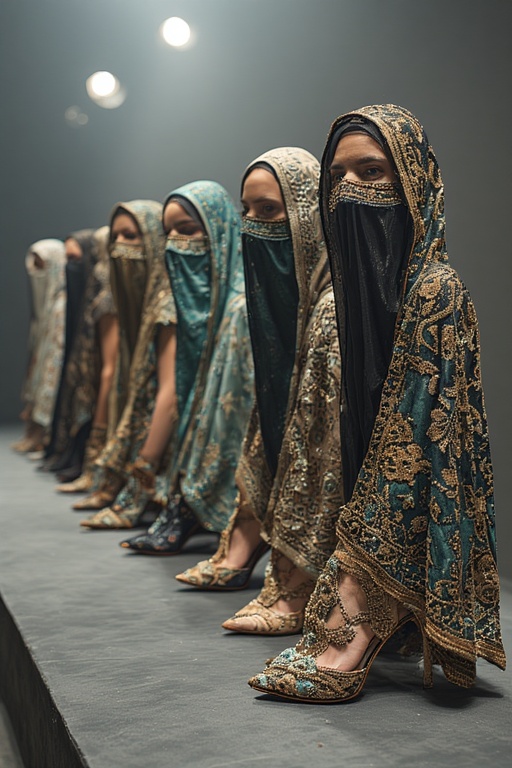
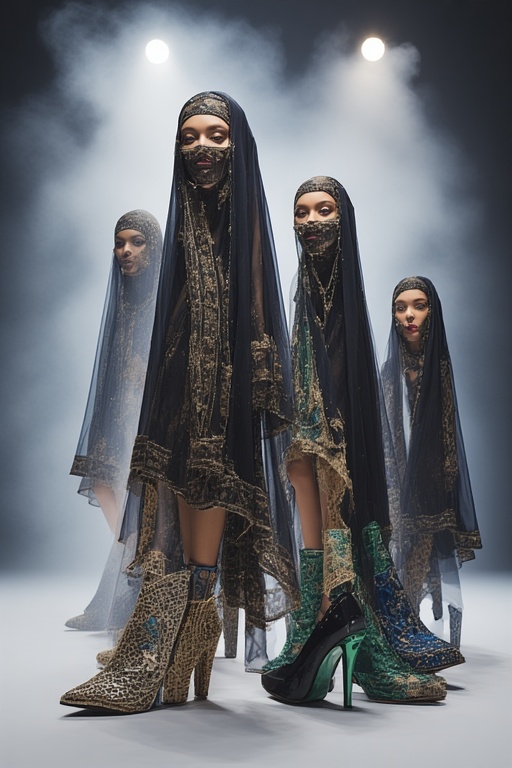
Fashion Launch
Presentation
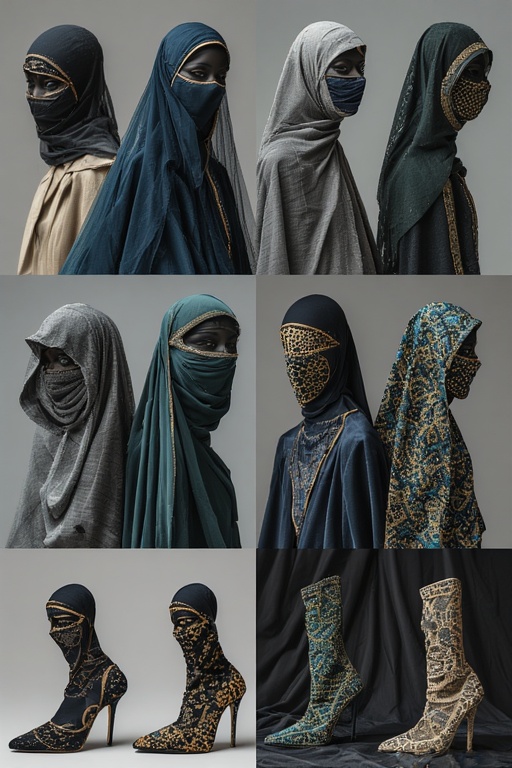
Styles
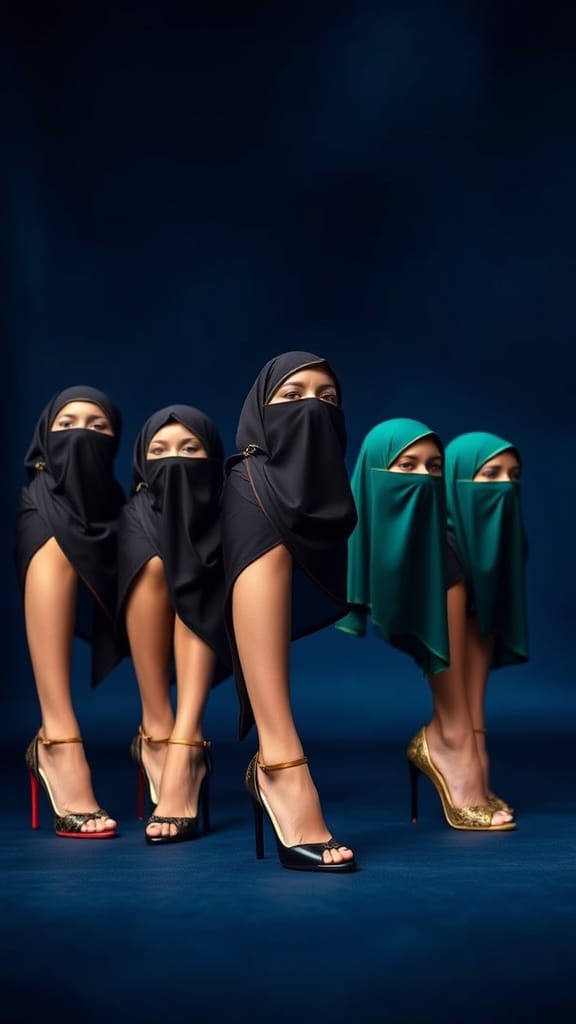
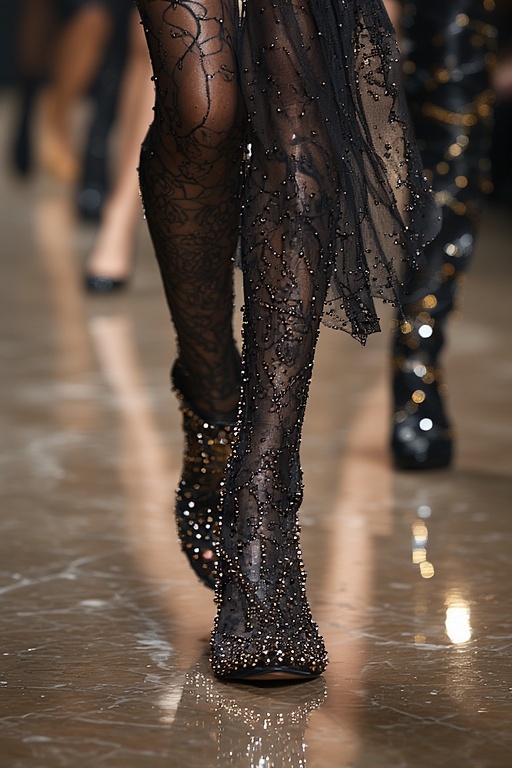
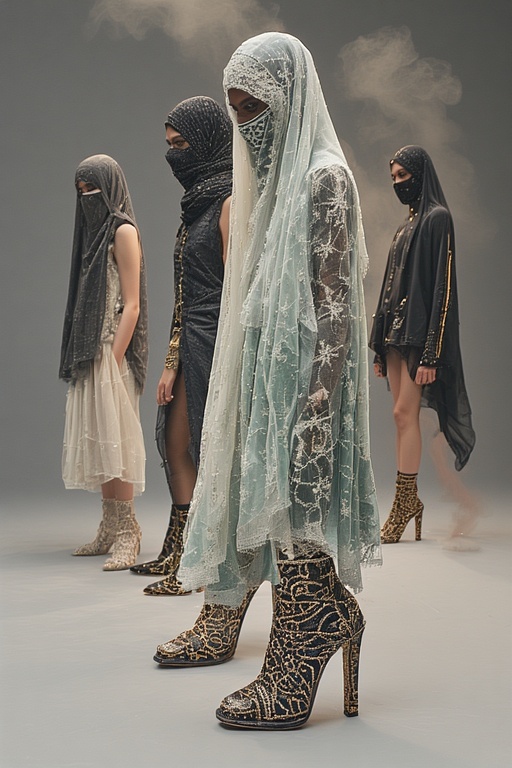
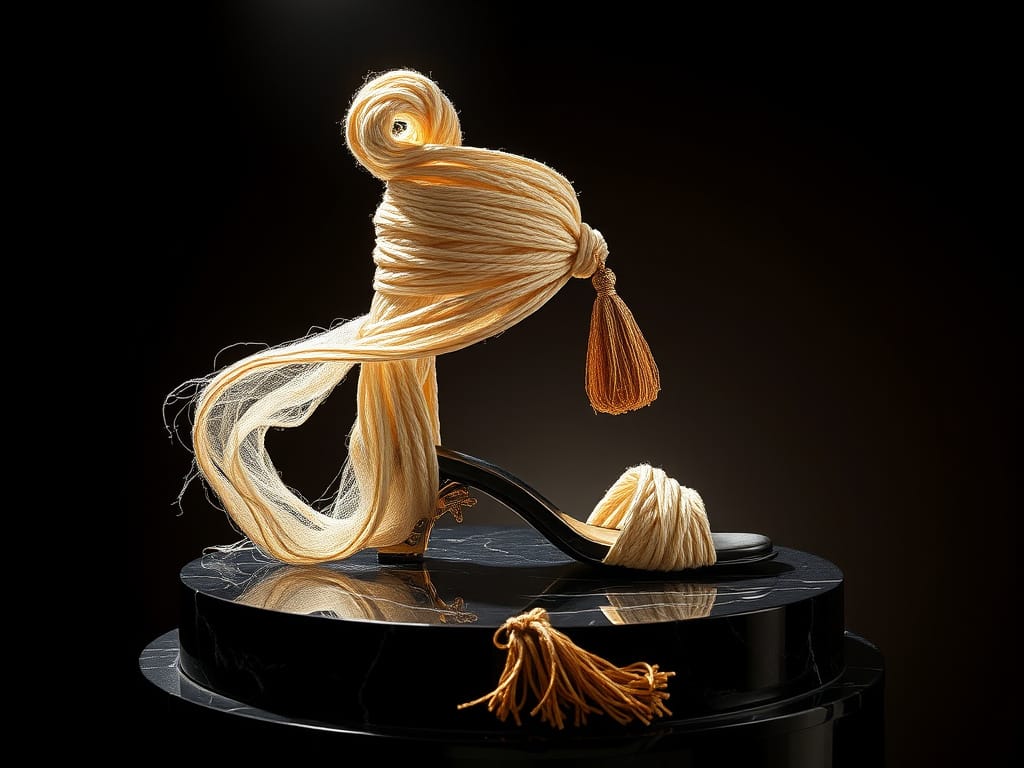
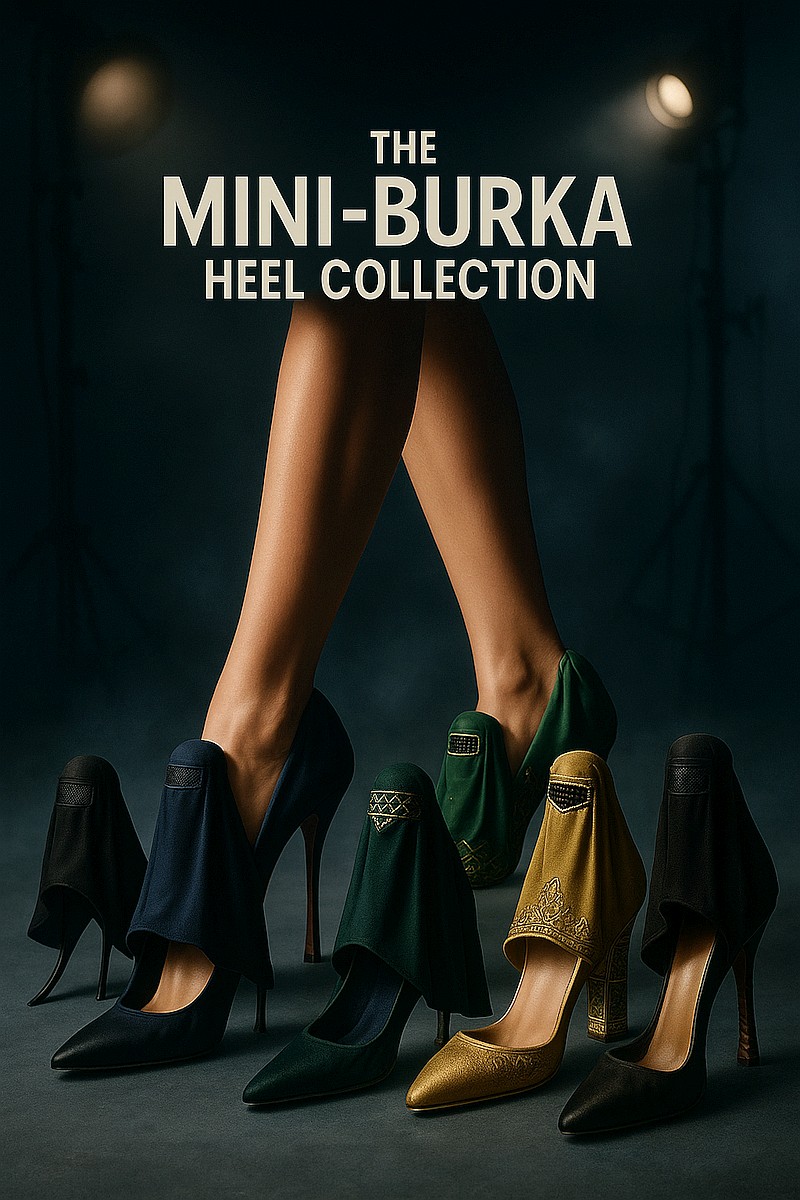
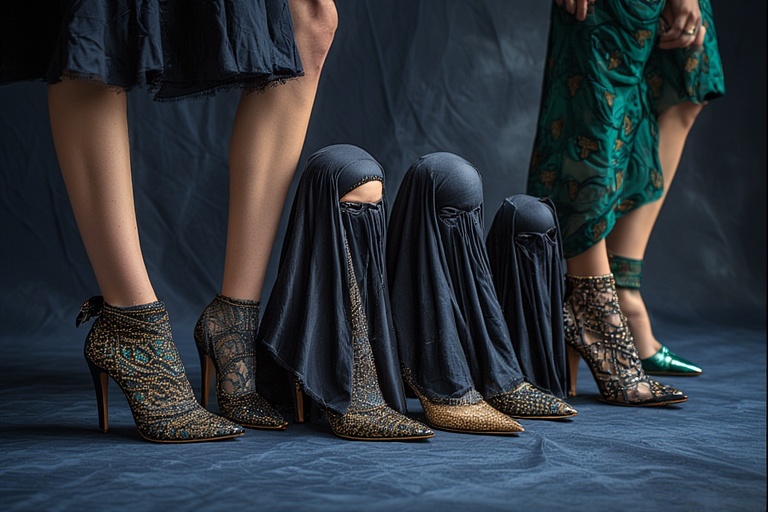
The Mini-Burka™ Line
When modesty demands more coverage than offered by Beyond Modesty™ sandle, we offer the Mini-Burka™.
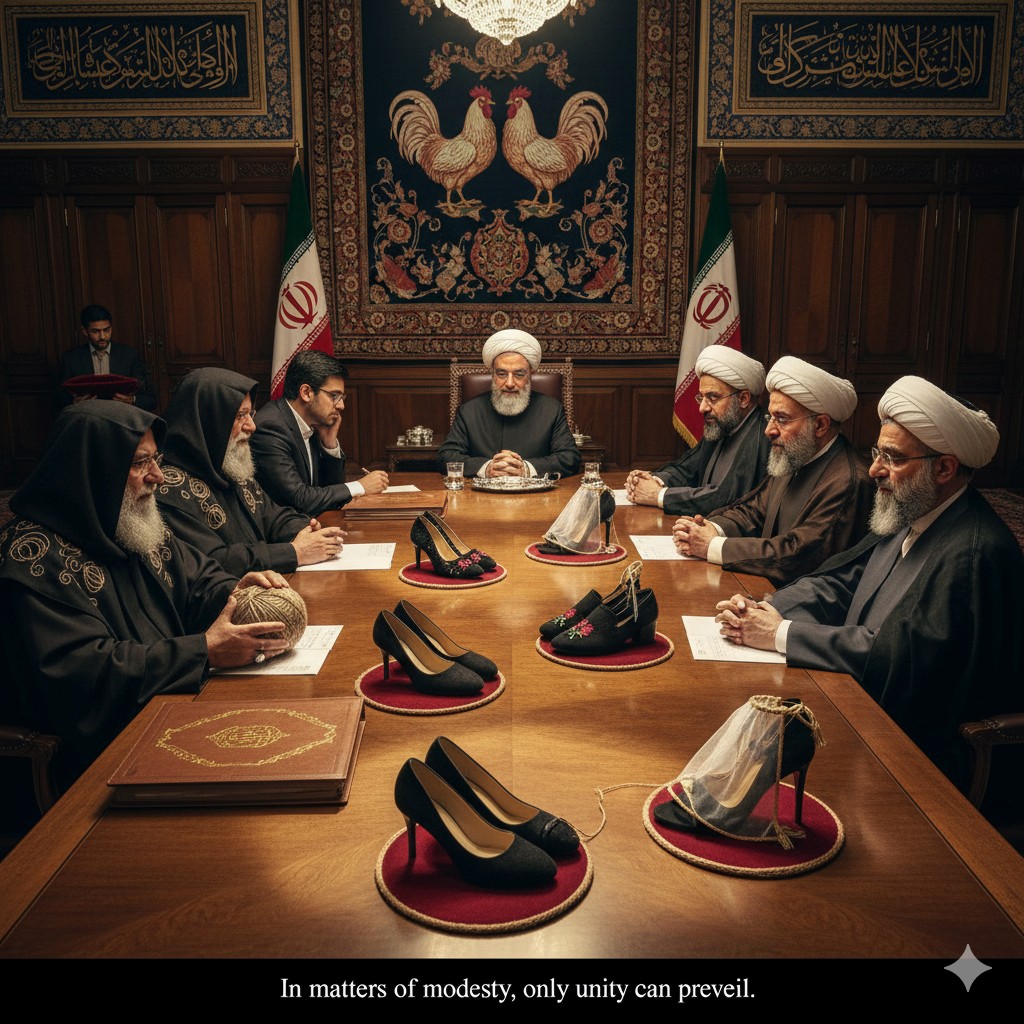
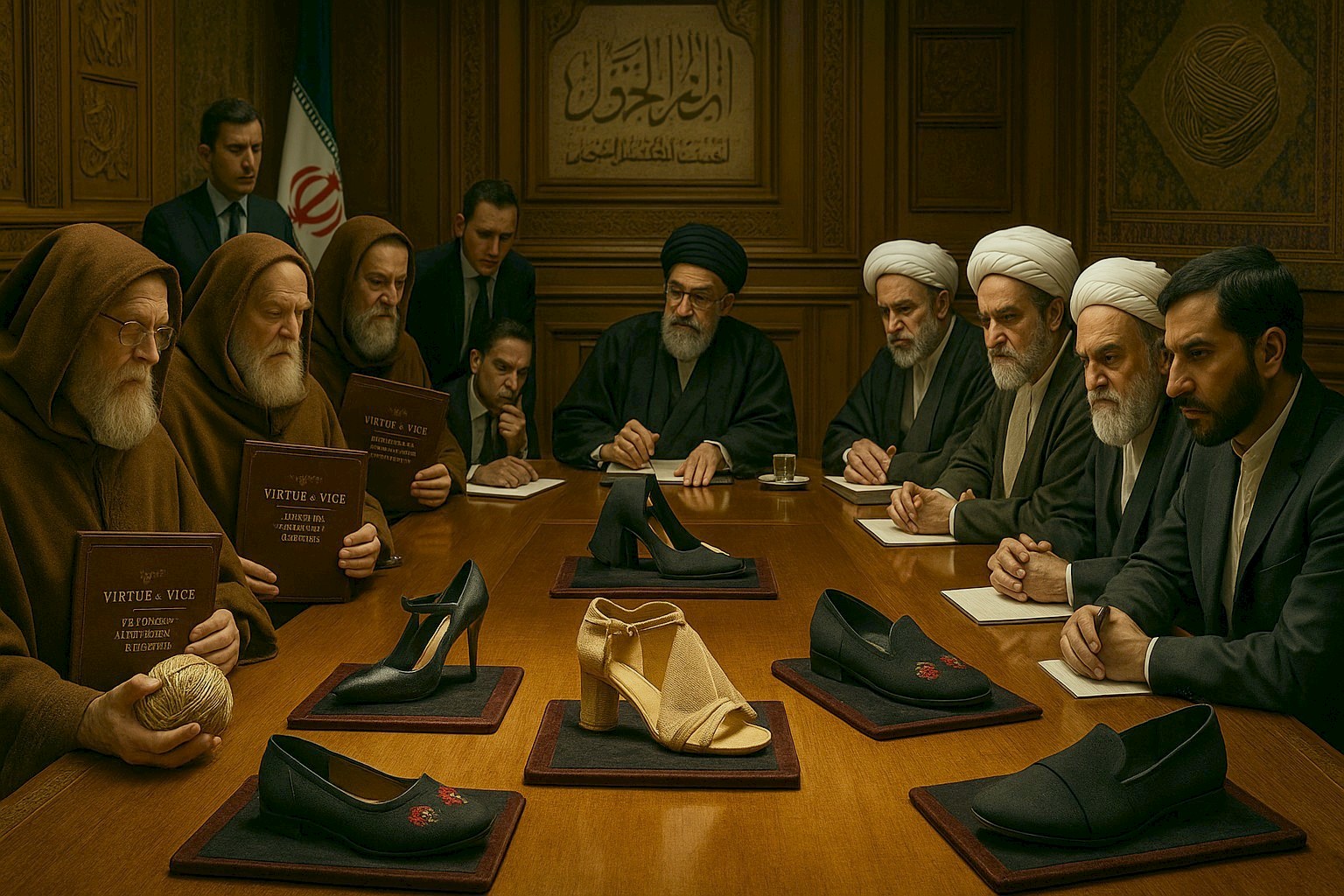
We Achieve Consensus
In a meeting between the WLBOTT Ministry of Virtue and Vice and the top Fashion Clerics of Iran, a bunch of old men made legally binding decisions about women’s footwear.
Some Insight
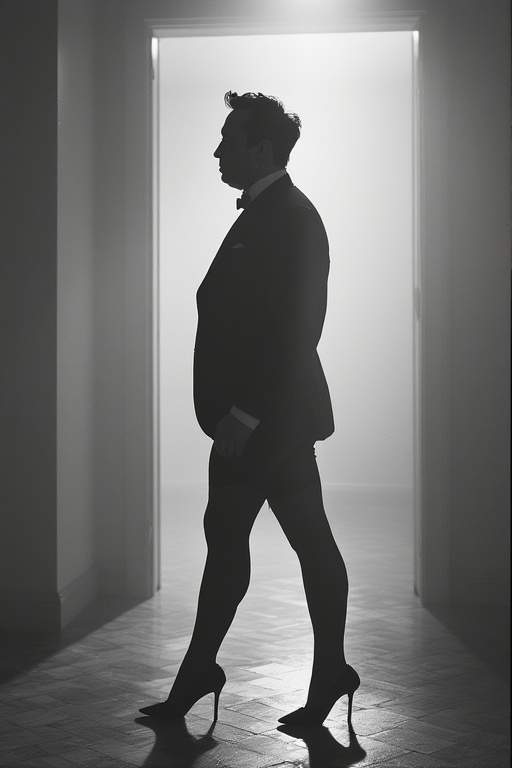
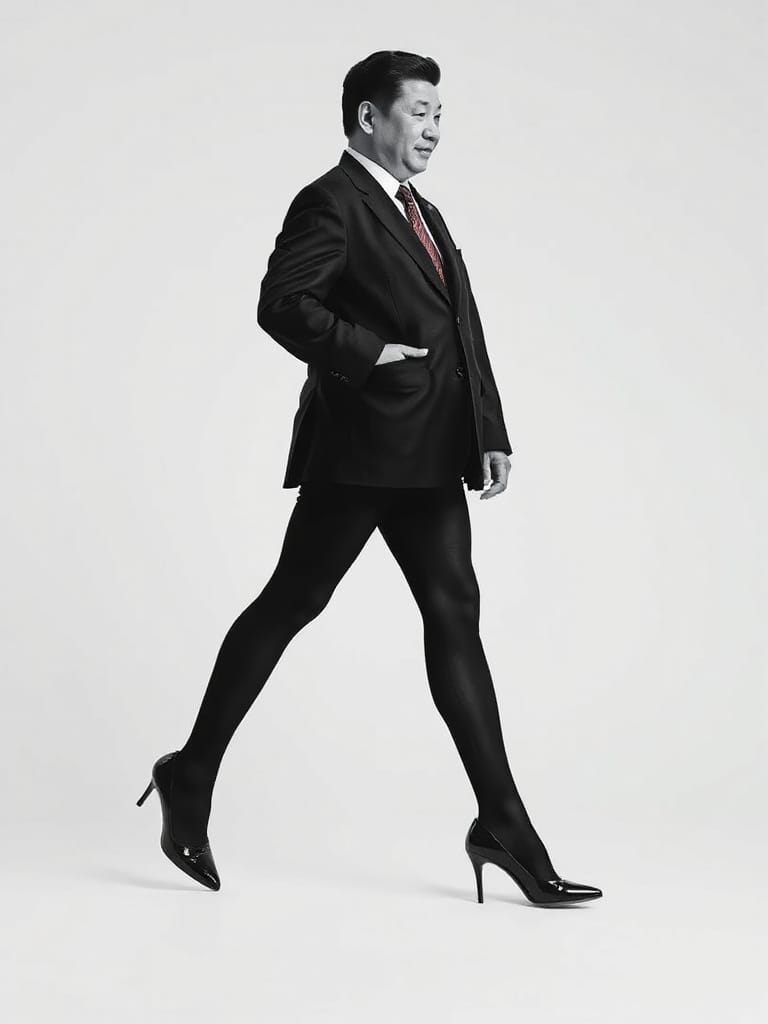
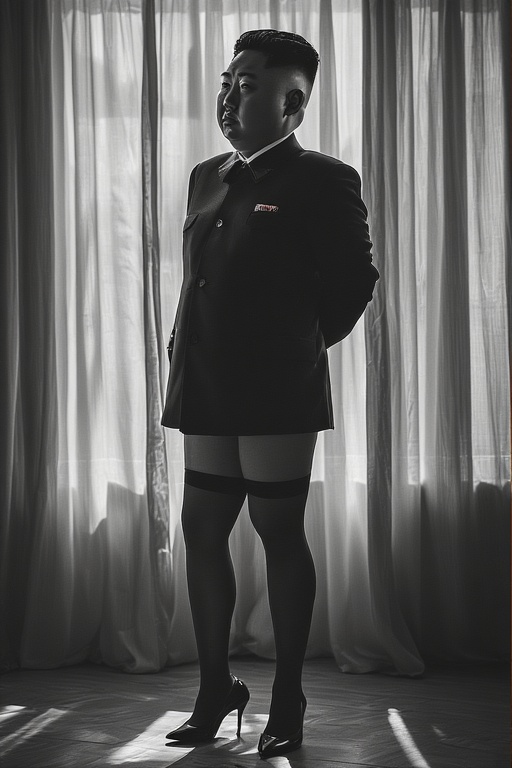
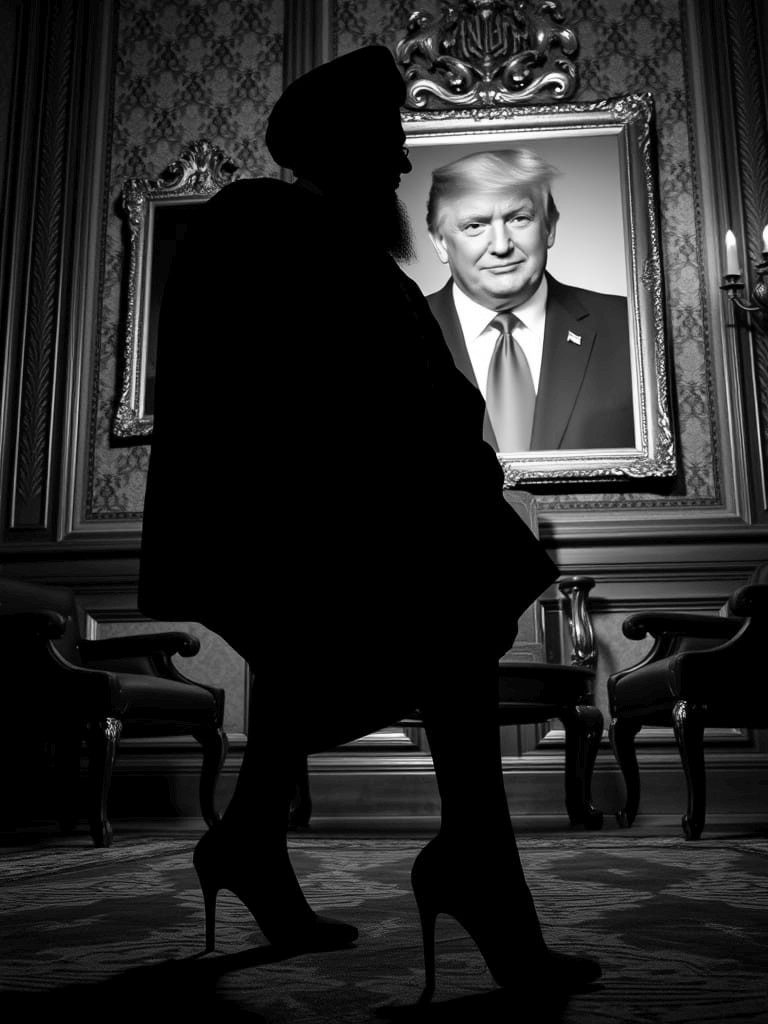
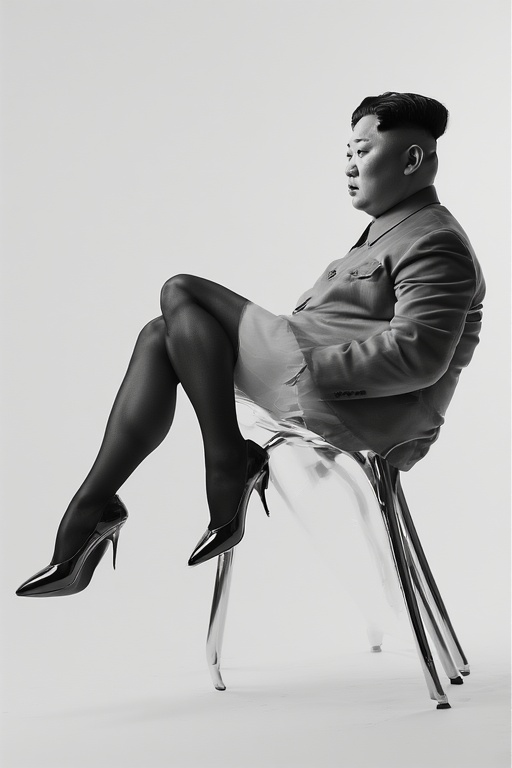
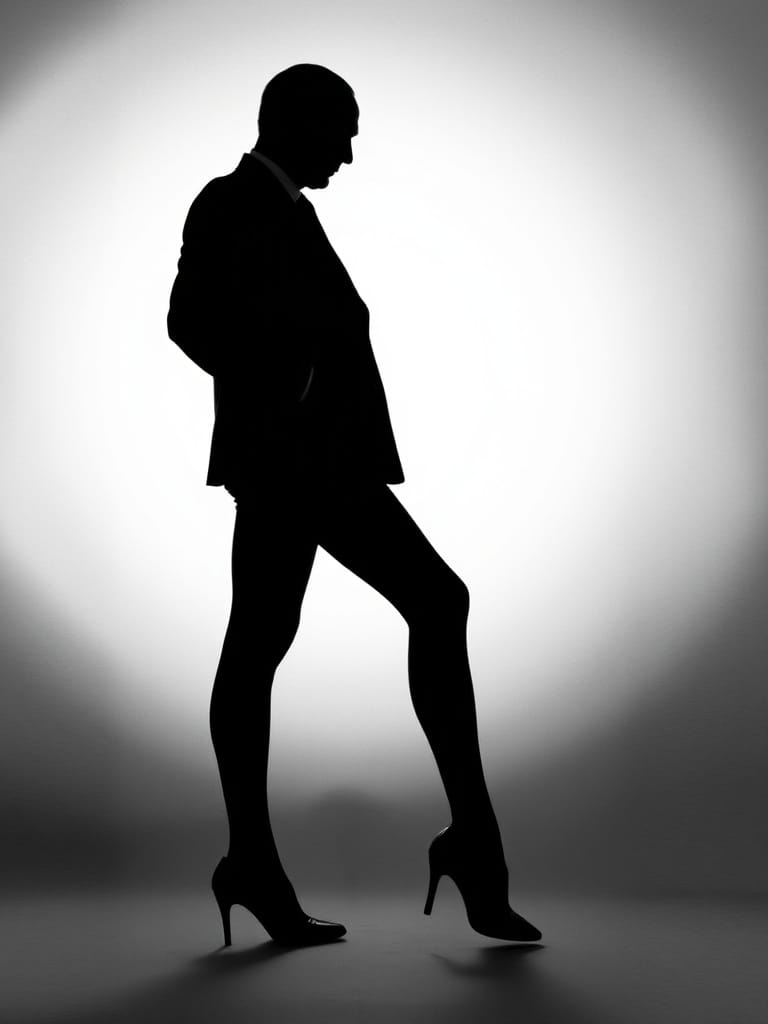
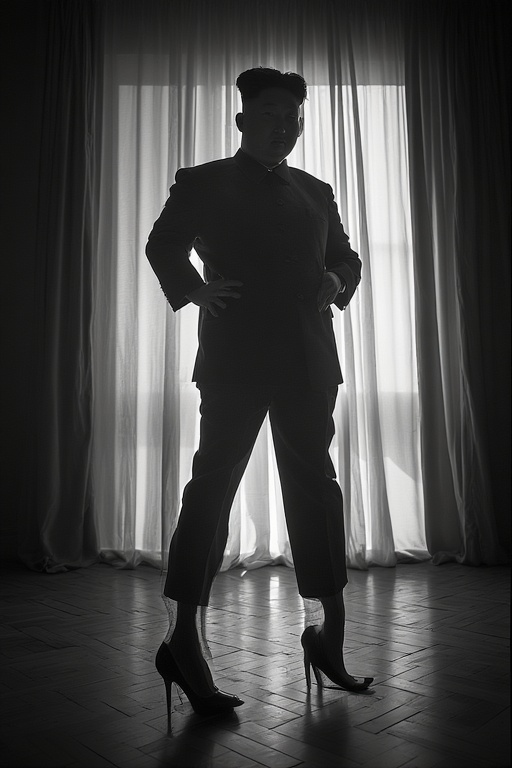
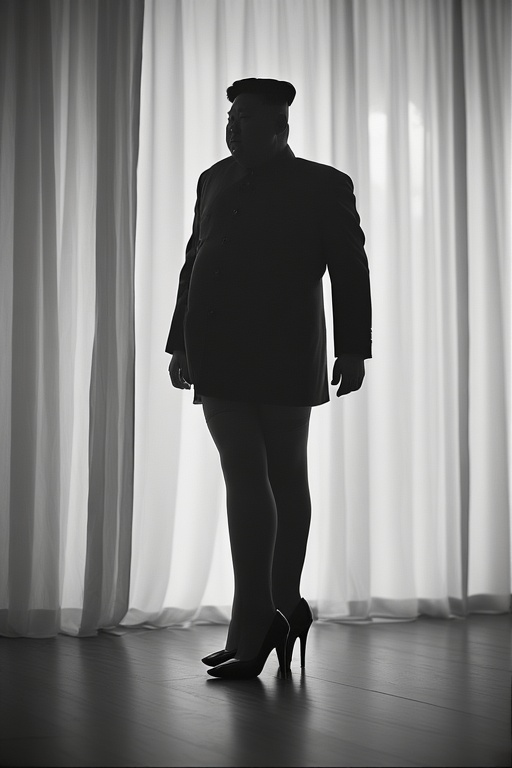
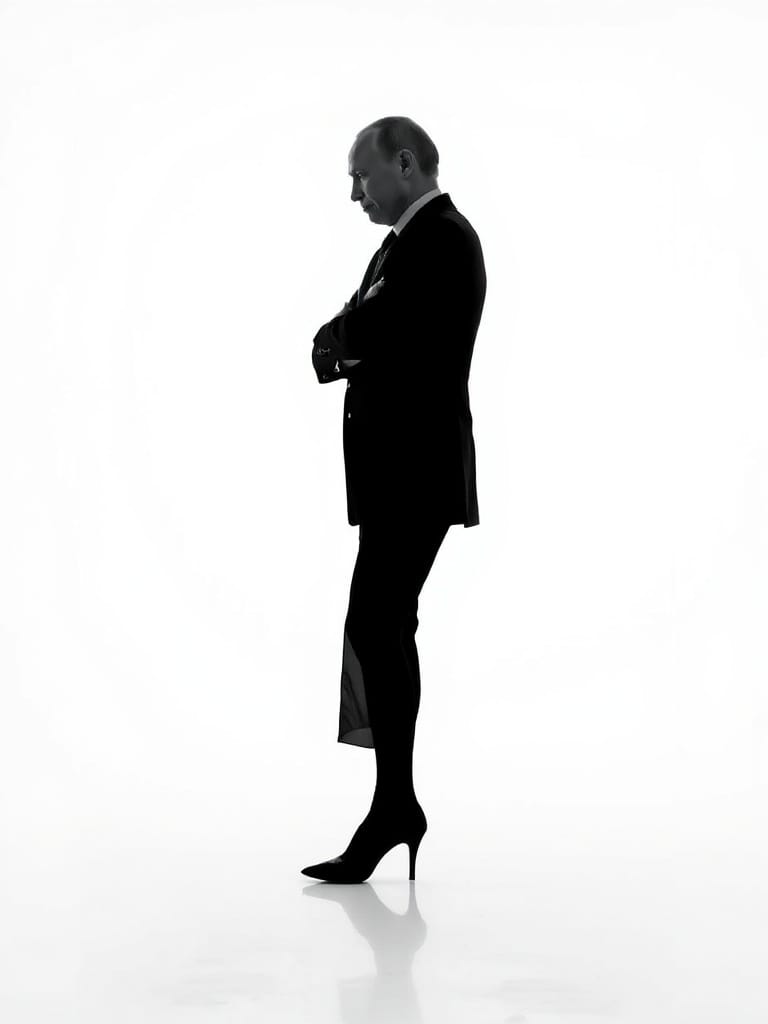
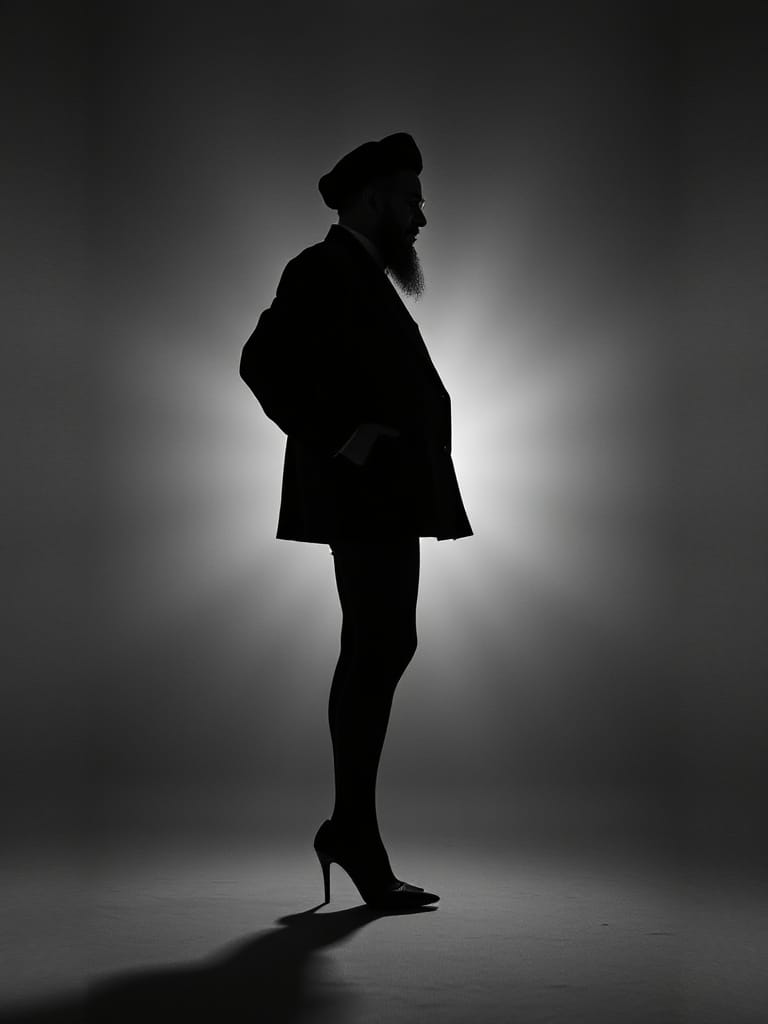
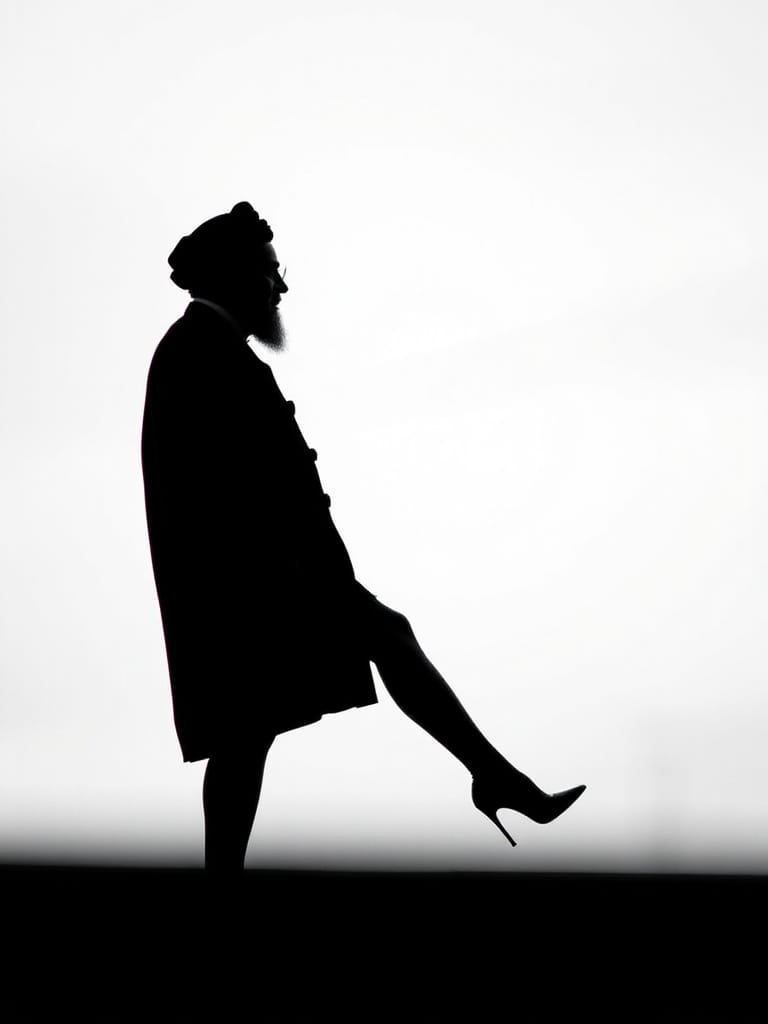
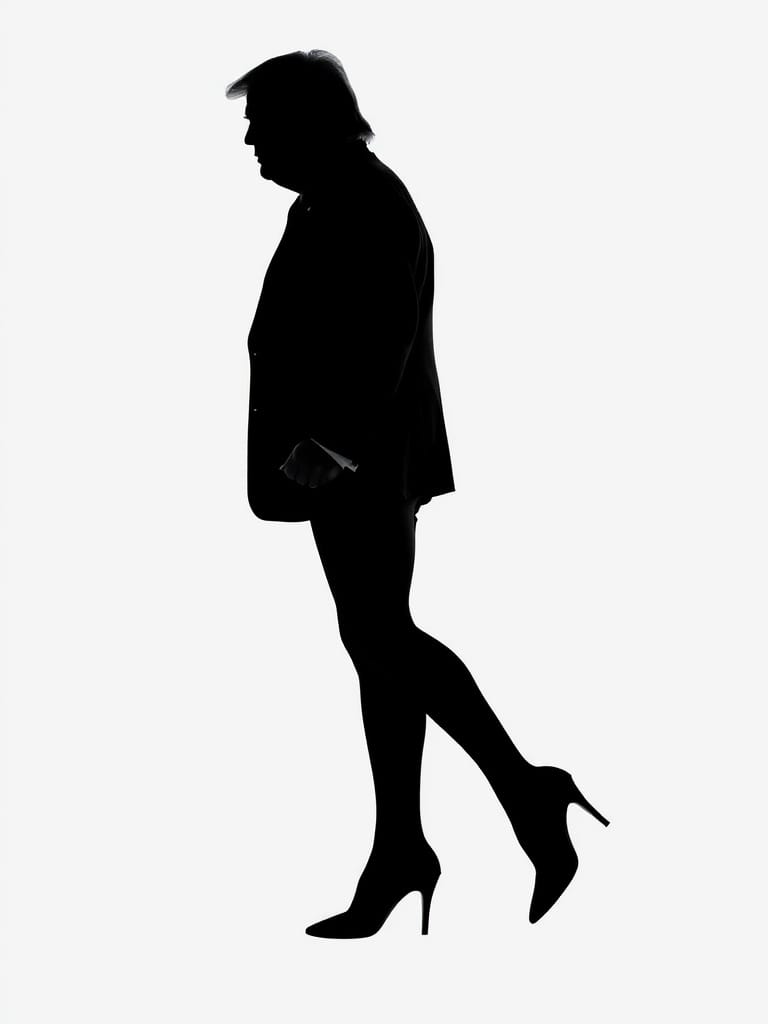
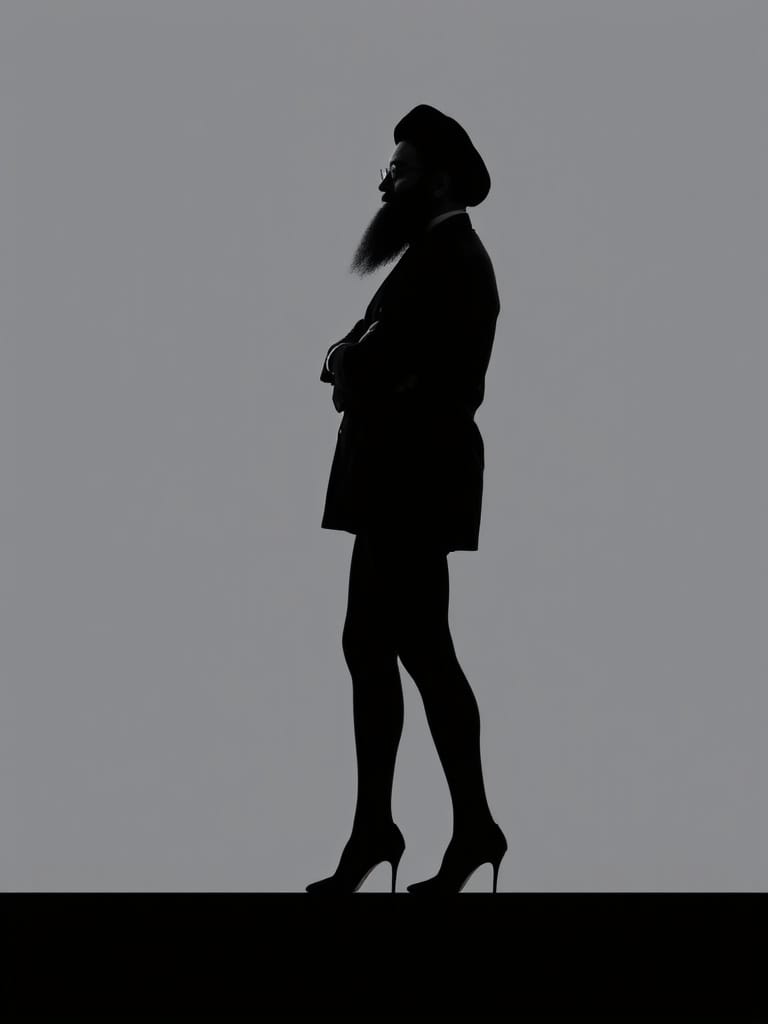
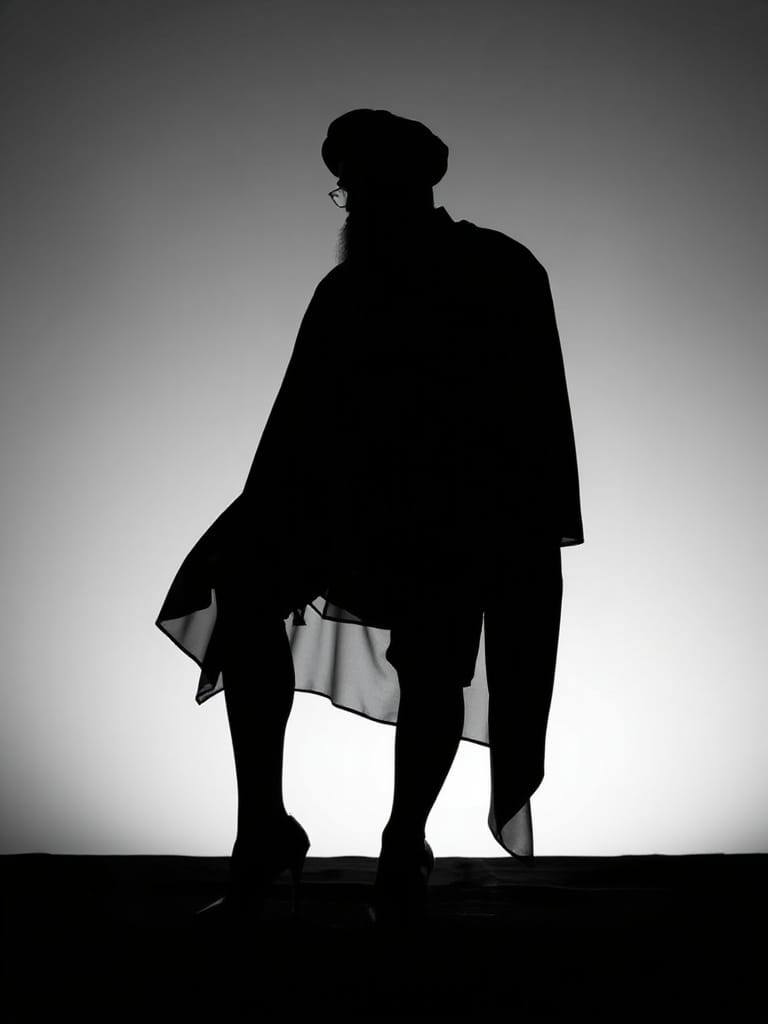
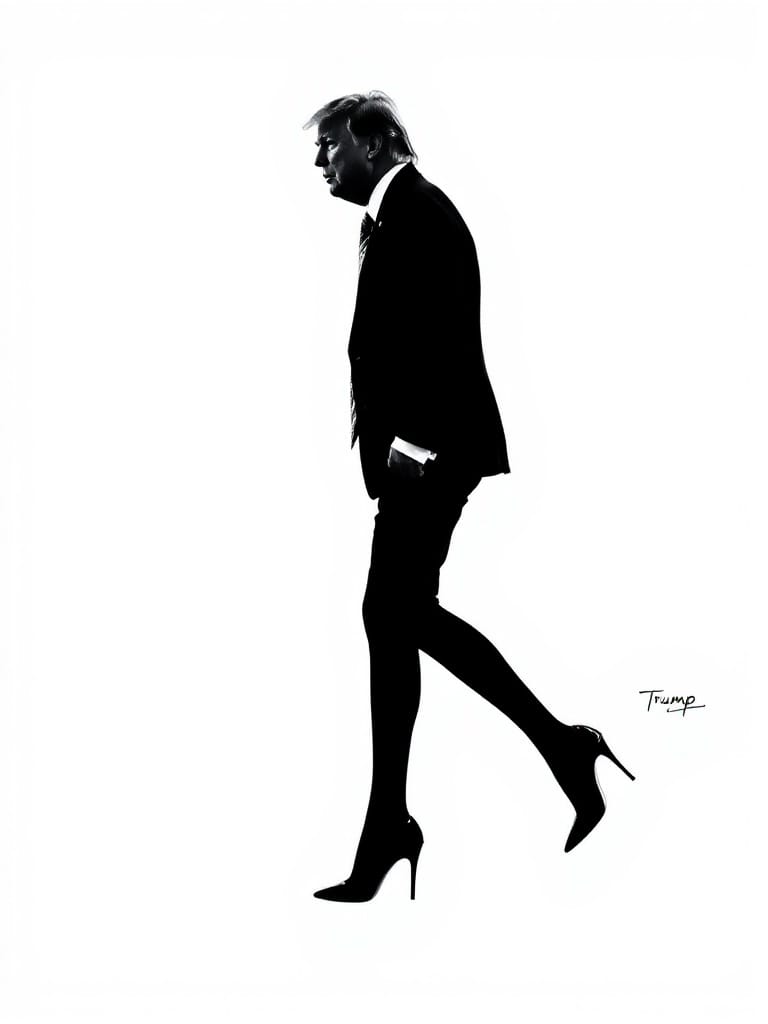
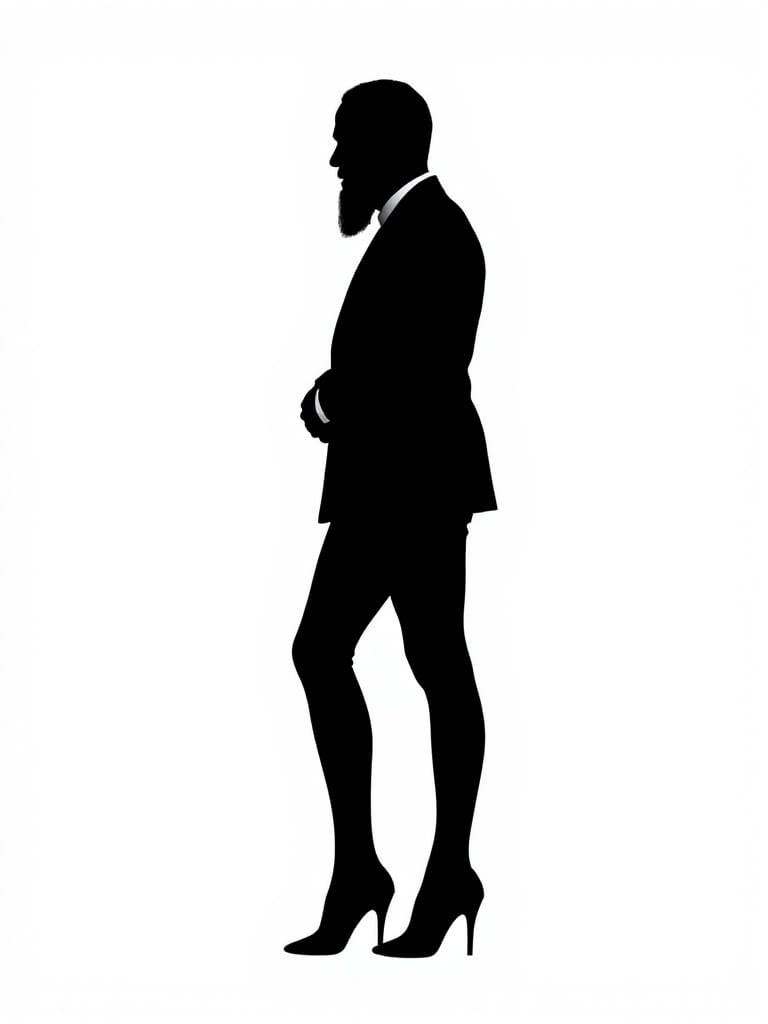
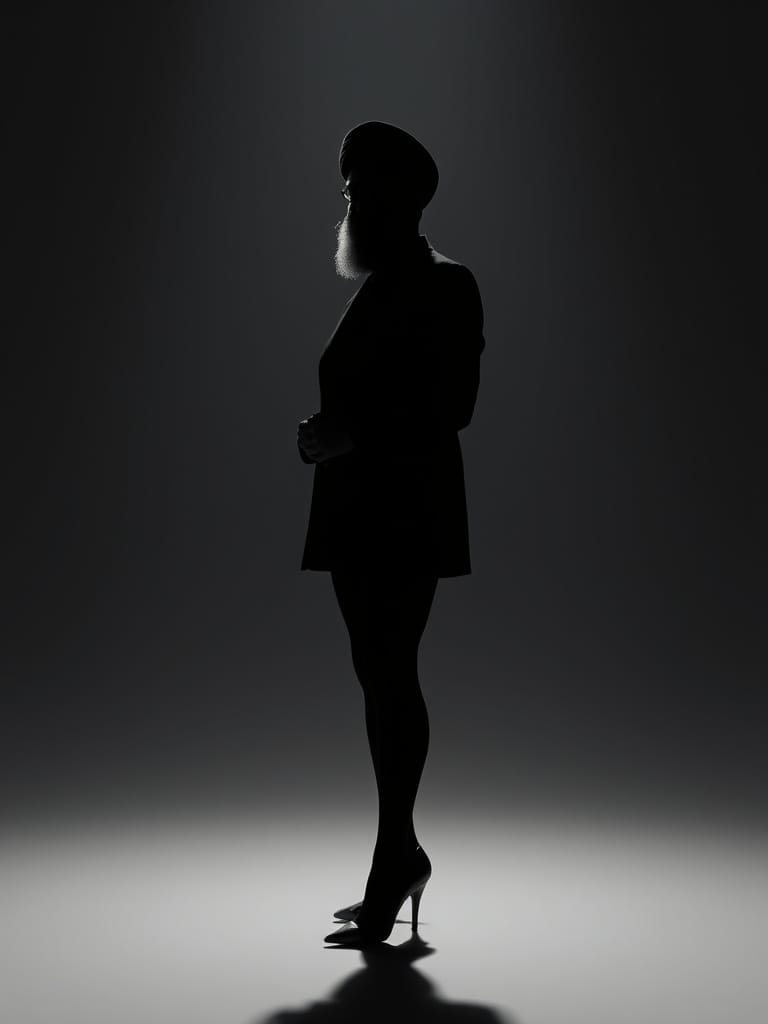
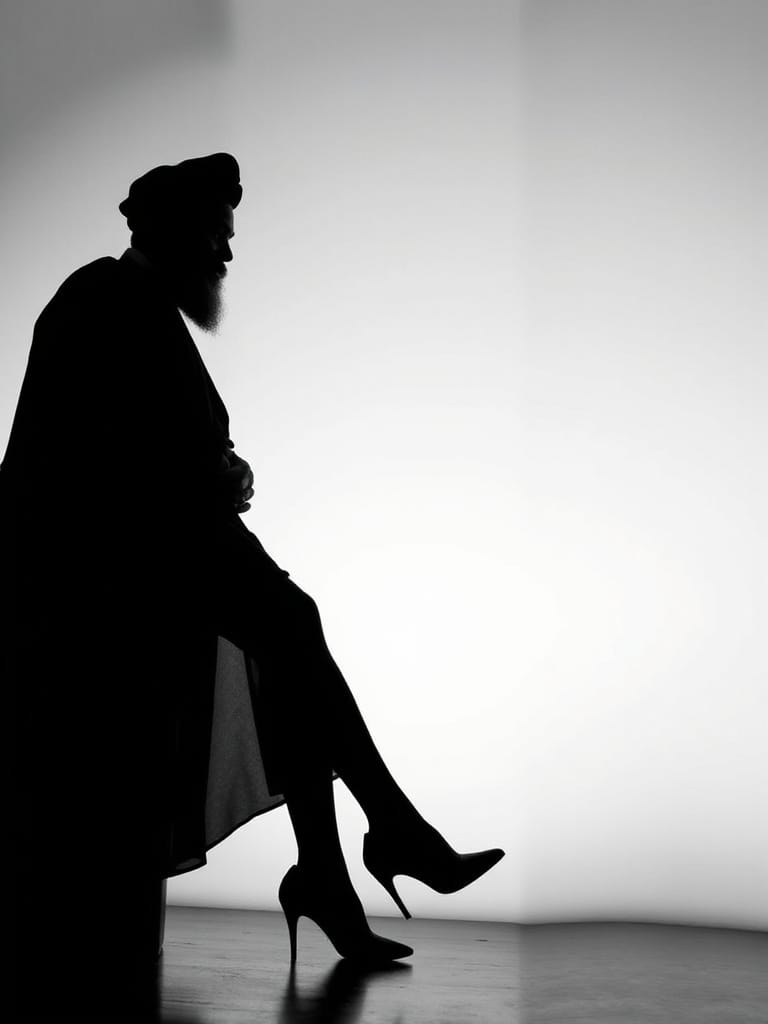
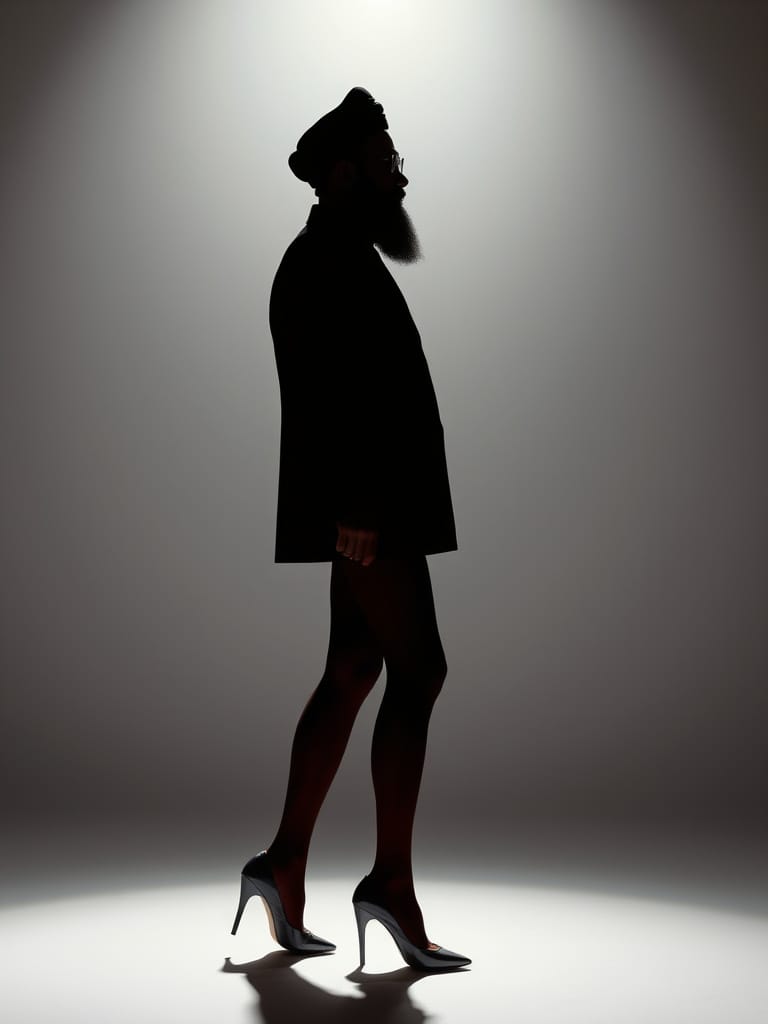
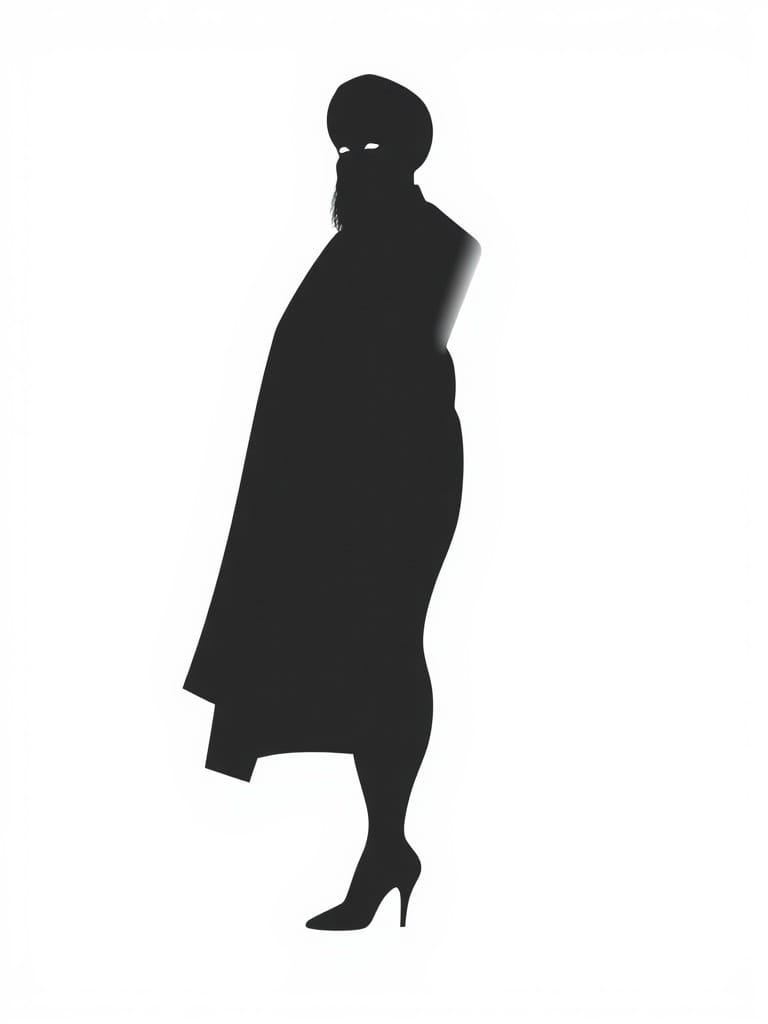
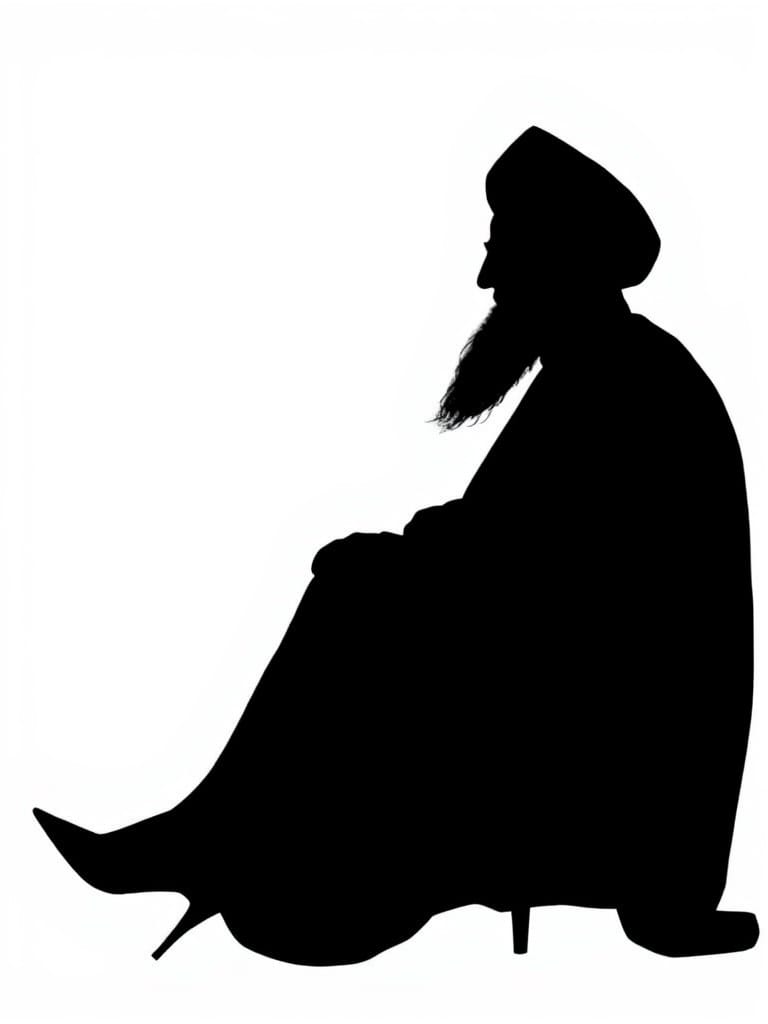
Why are world leaders so obsessed by what the women in their country wear. Elder G advised us to tread carefully here, because these guys don’t have a sense of humor, so we created silhouettes from actual unreleased photos.
And Elder JimZim’s supportive comment?
If you get a fatwa placed on you, I will say ‘I-a-tol-ya so’