The winning sweet potato weighed in at 2.07235 lbs!
To account for gravitational anomalies, bribes, time zone differences, Coriolis effect, height above sea level, etc., we have designated a winner: Elder JA.
The winner will enjoy the fame, honor, status, and (most importantly) financial liability associated with the title.
1st Place: Elder JA: Guess – 2.0 lbs; delta – 0.07235 lb
2nd Place: Elder M: Guess – 2.2 lbs; delta – 0.12765 lb
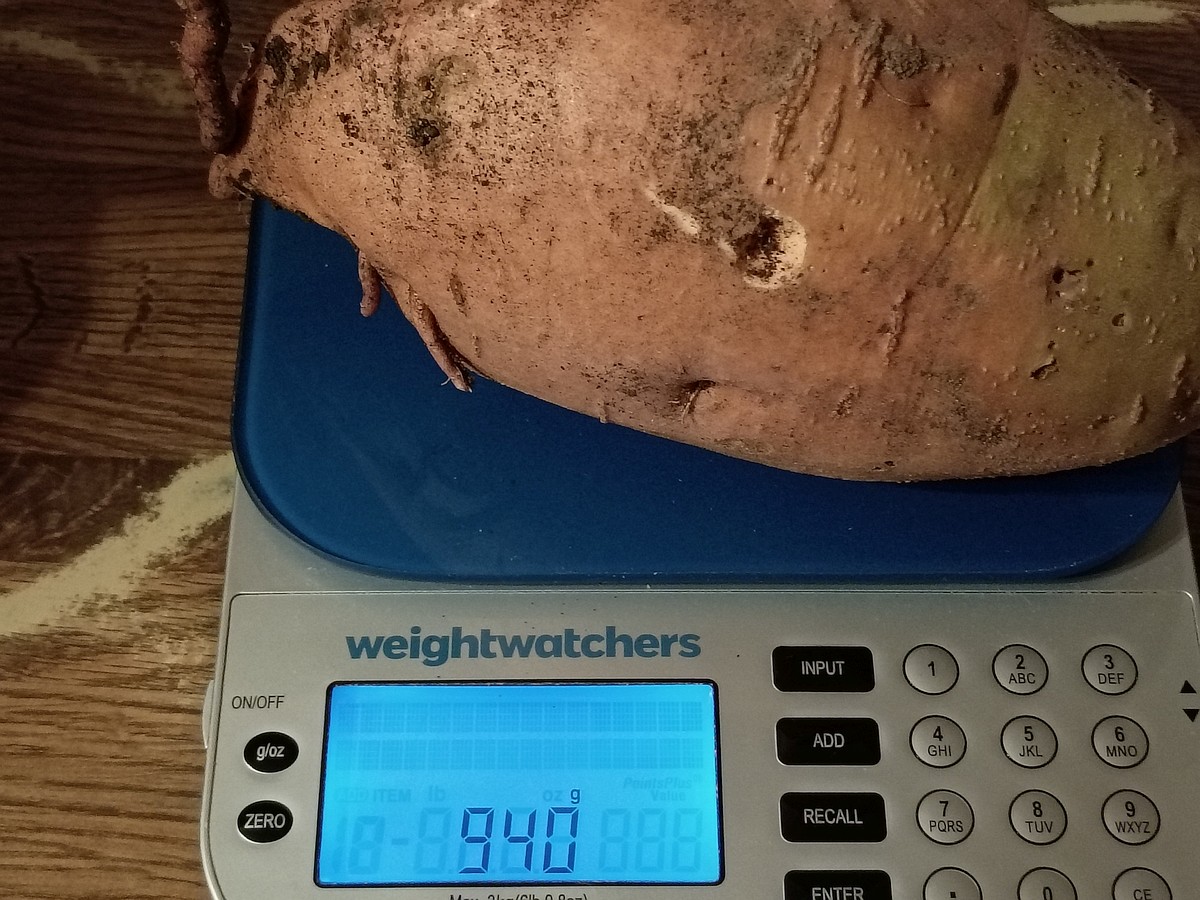
1st Place

2nd Place




Day of the Dig
El Día de la Excavación

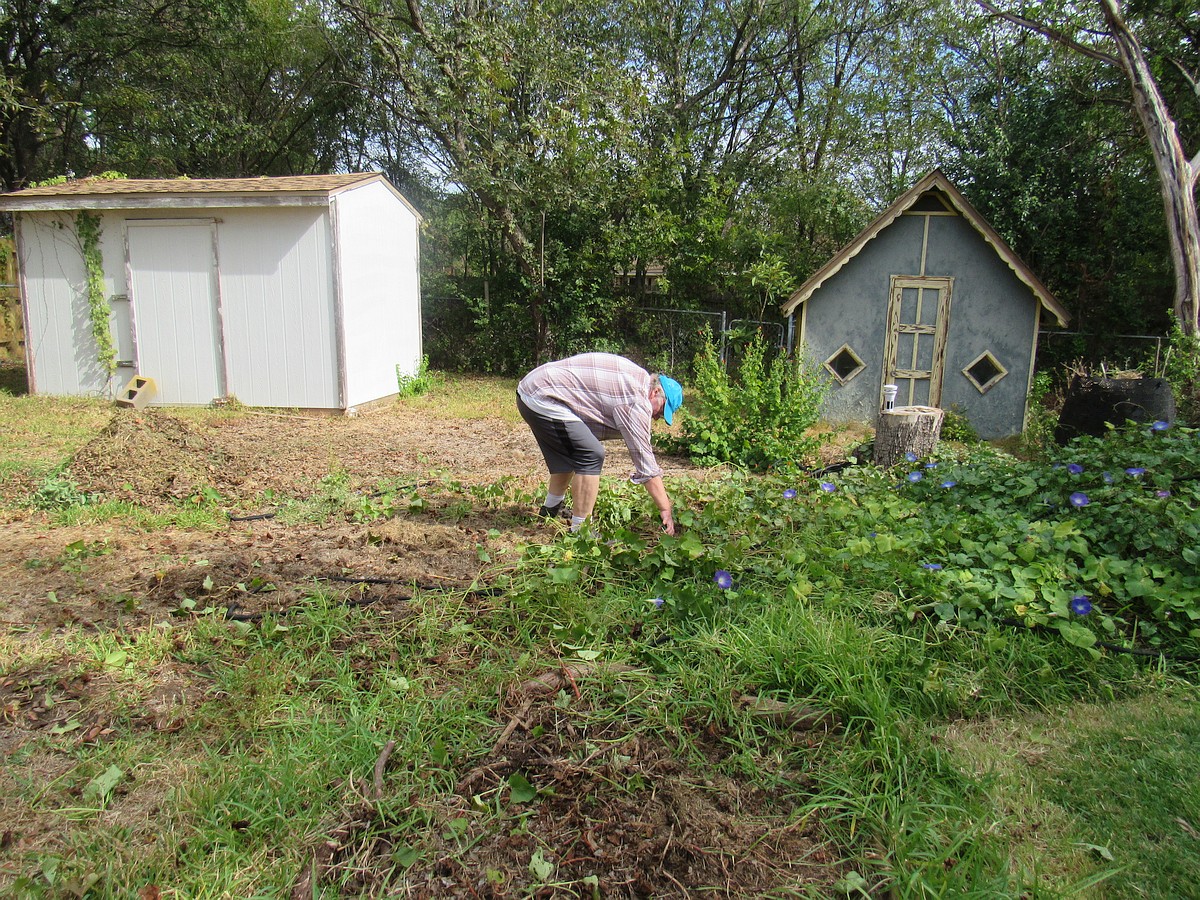
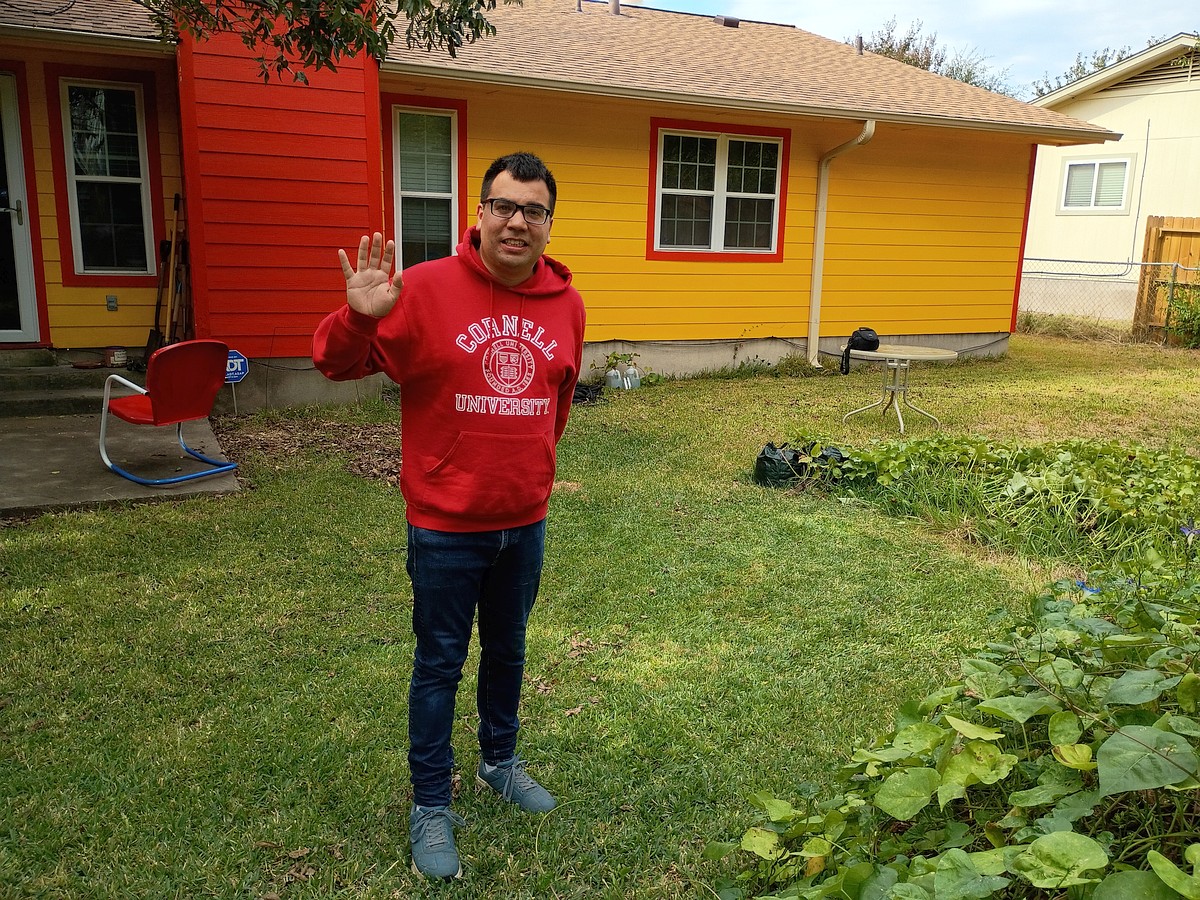
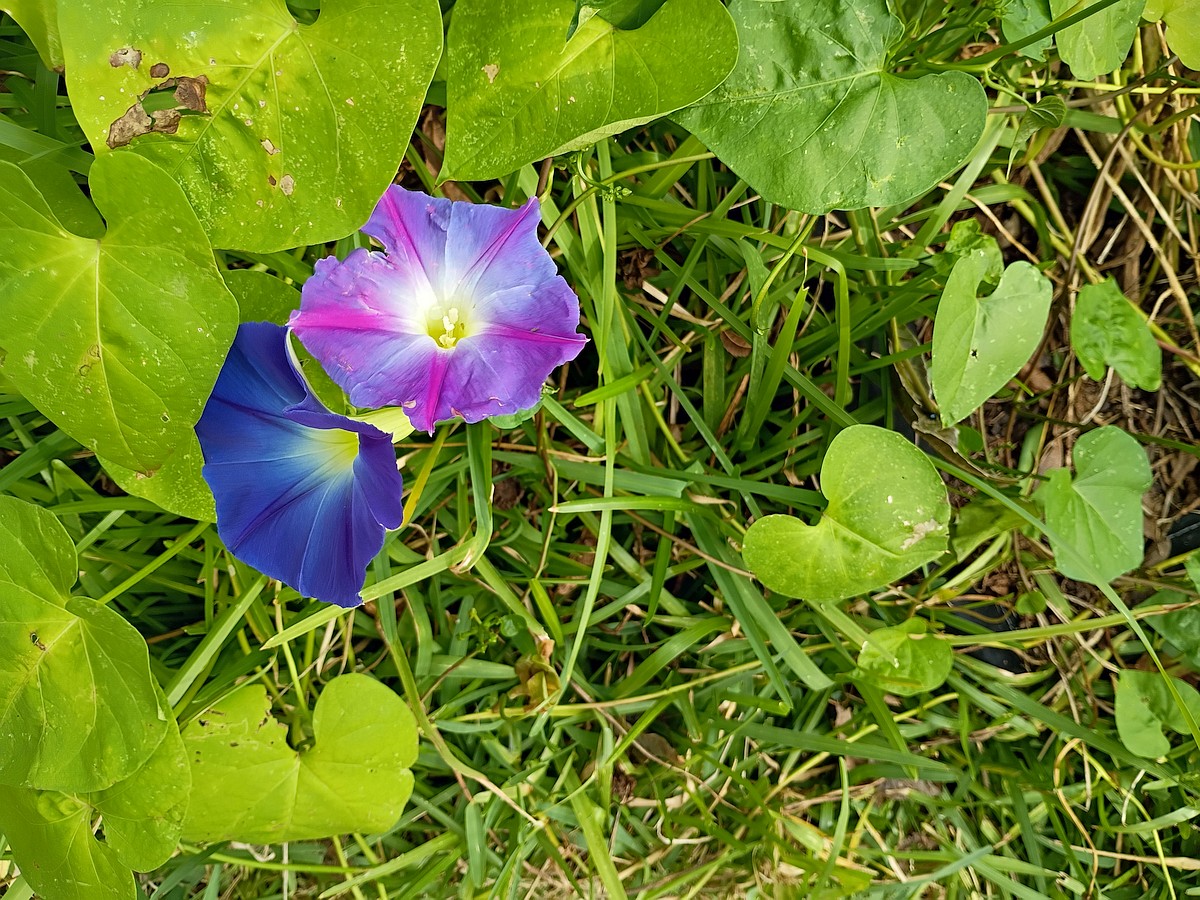
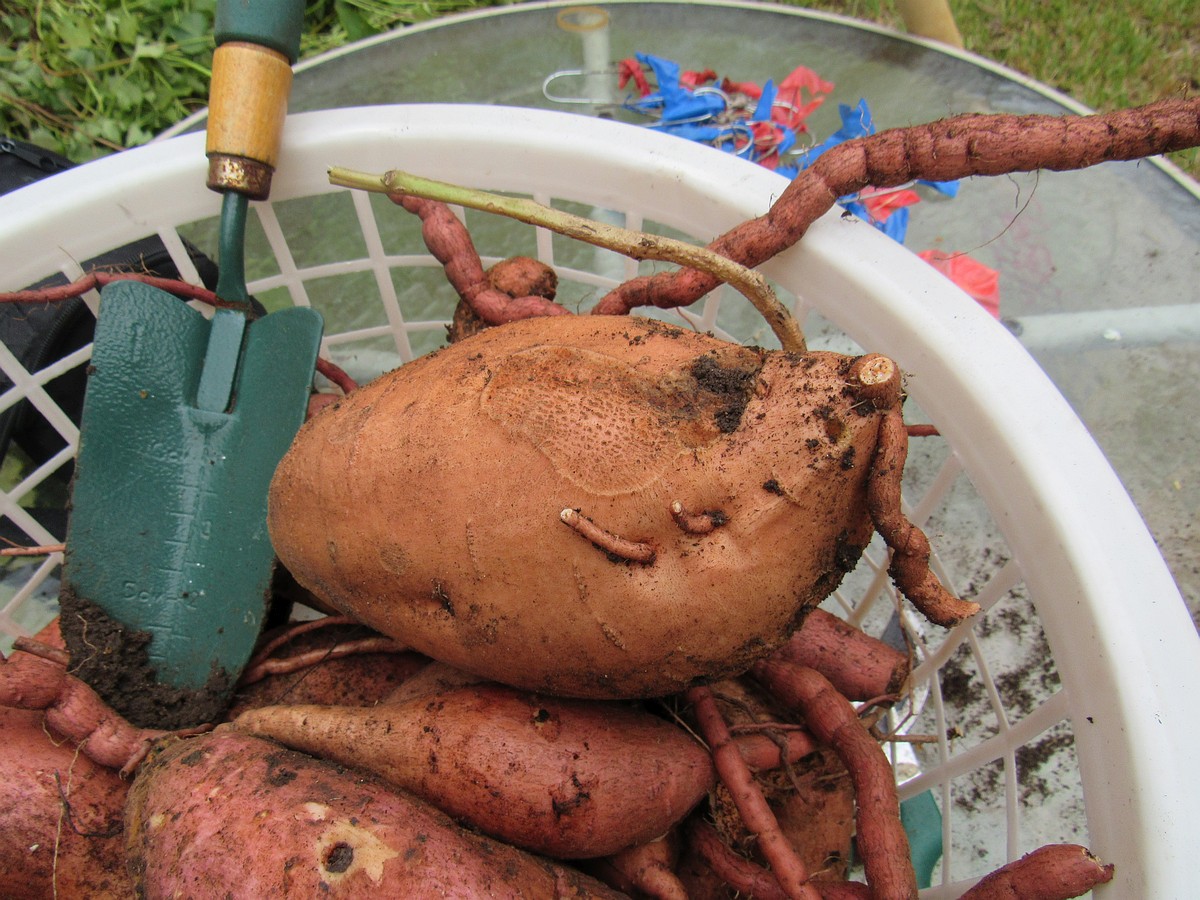
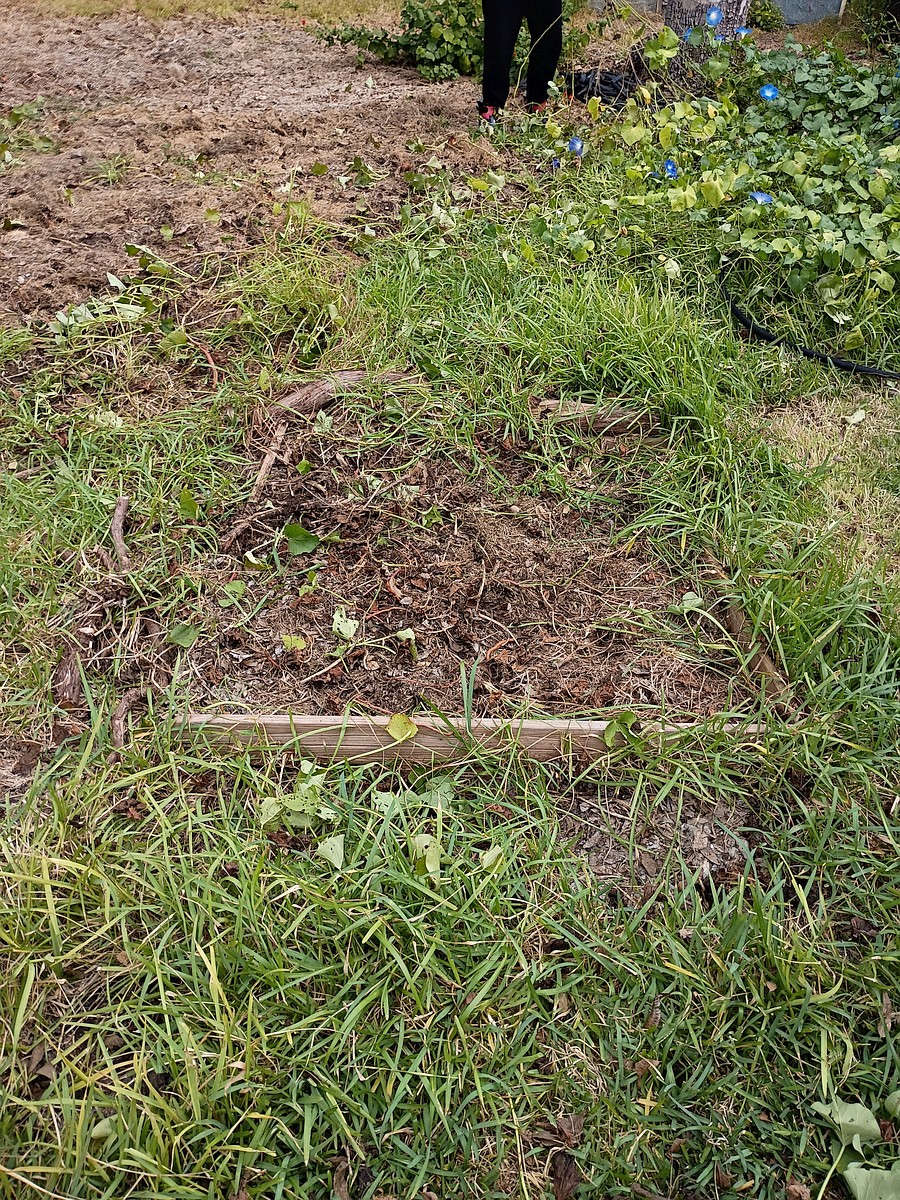
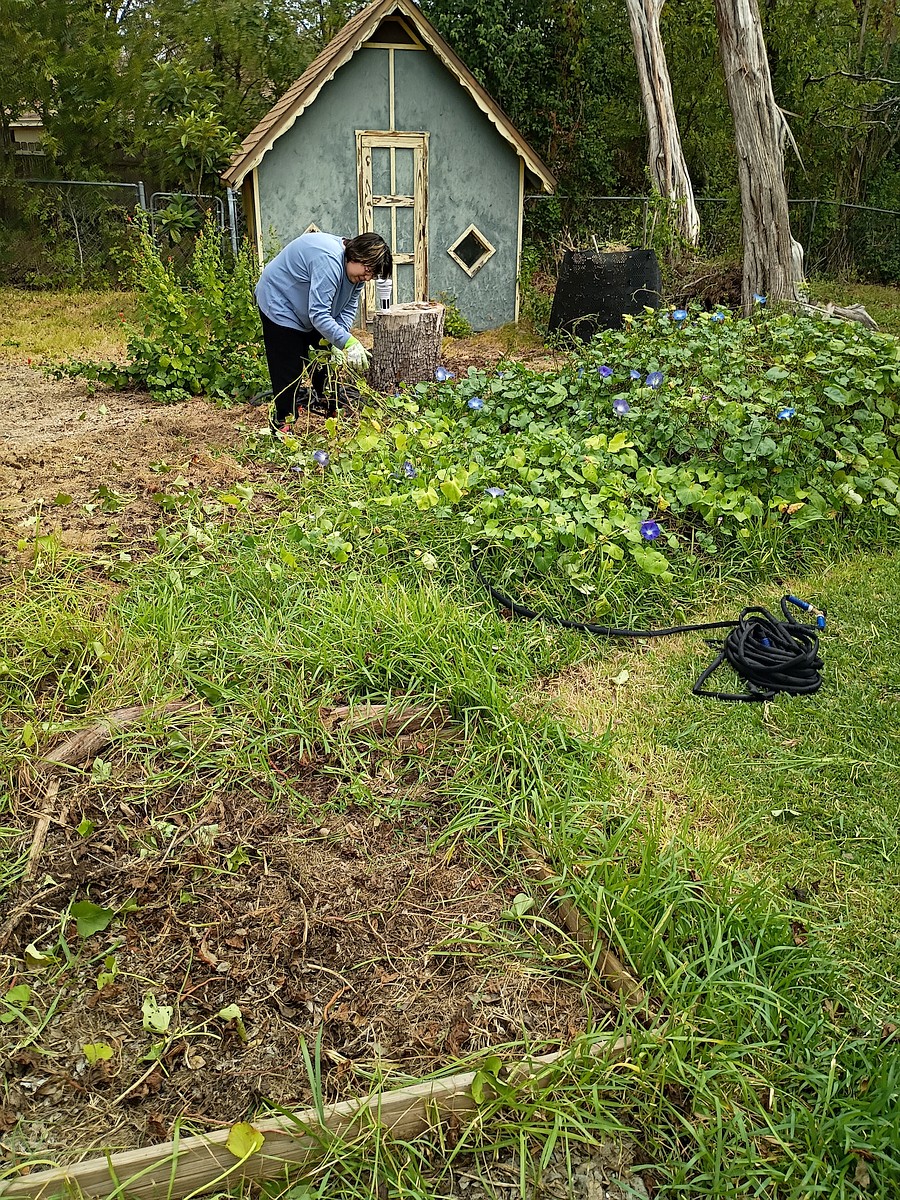
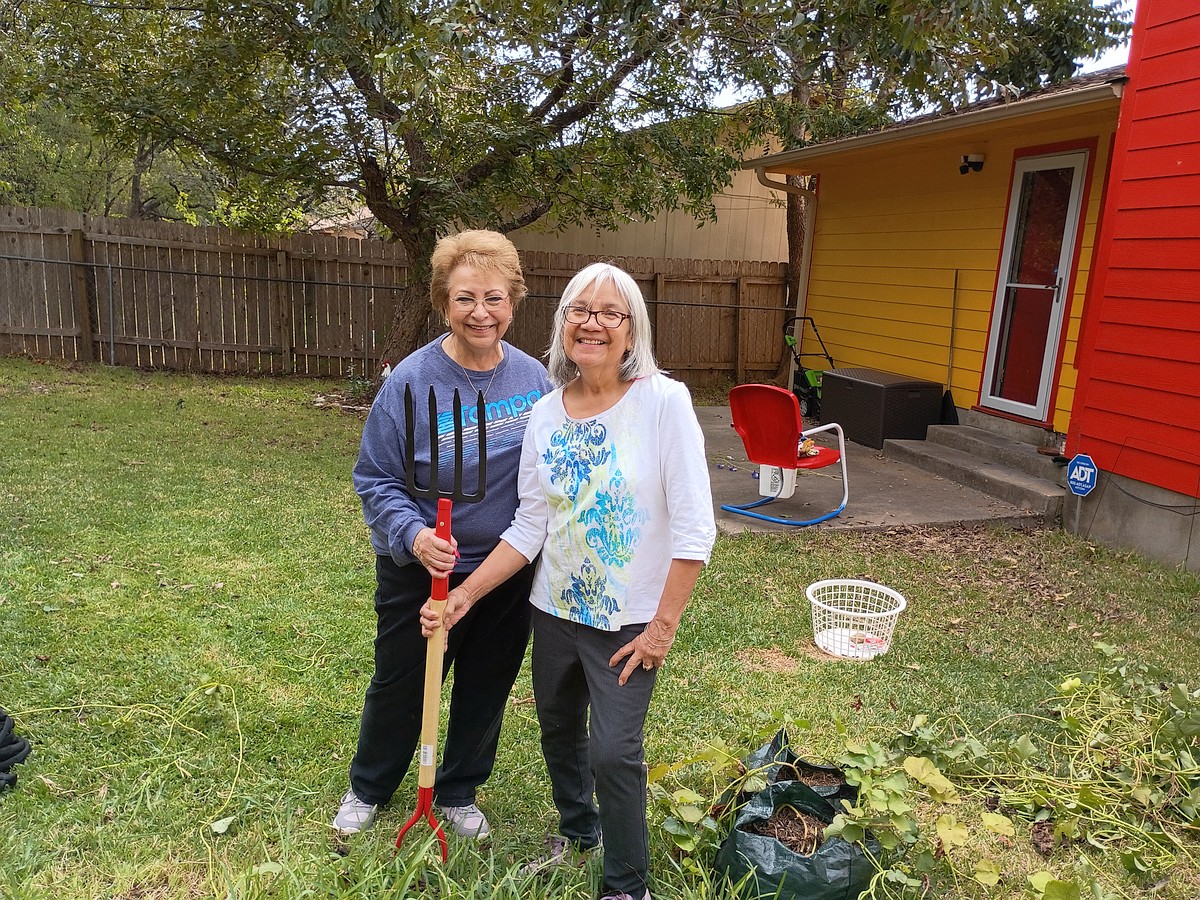
A Chat with our WLBOTT Agronomist
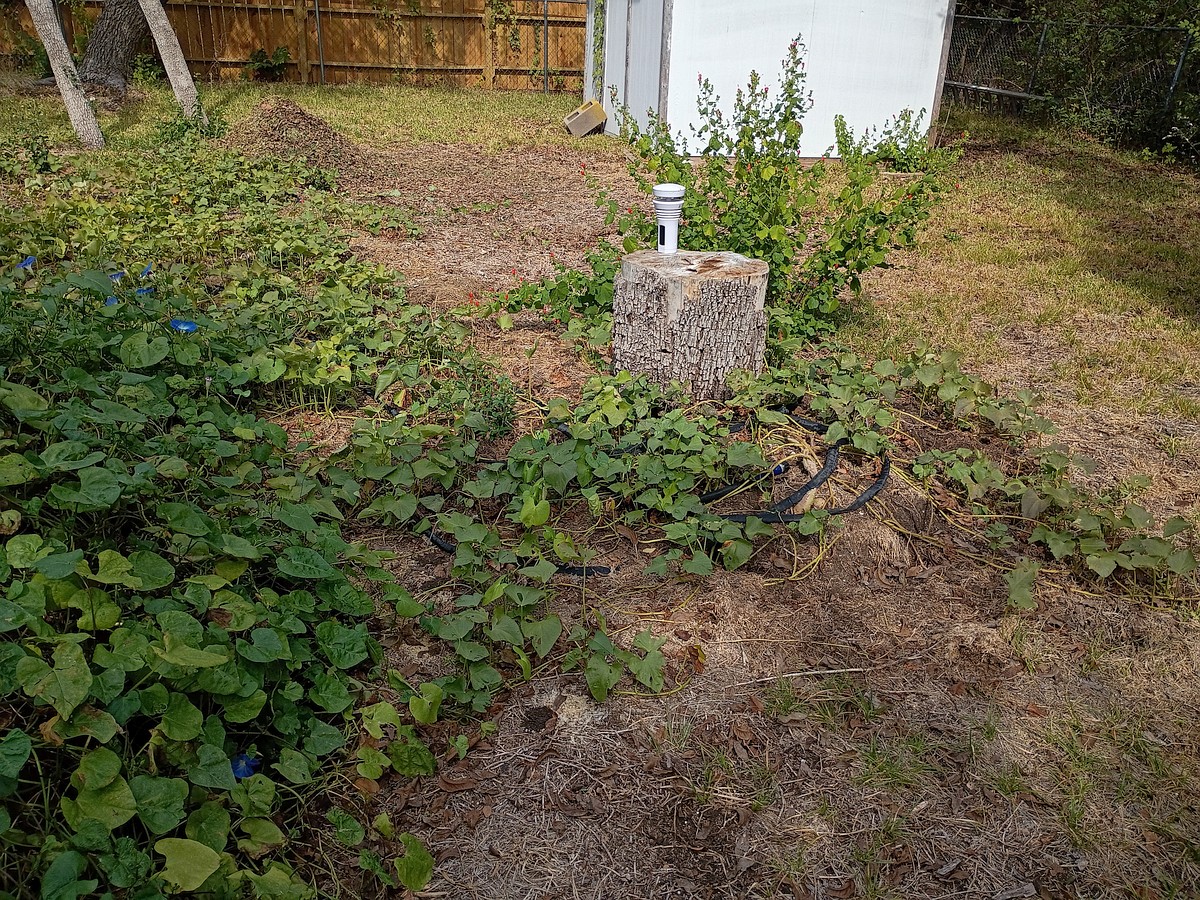
Truth be told[1], the tater dig was a bit of a bust. Lots of long, luxurious vines, but not too many tubers.
How could this be? I meticulously watered and fertilized them! We held all the appropriate rituals and incantations!
[1] A WLBOTT first!
So we checked in with our on-staff agronomist, Elder G.
Sadly, were we should have been employing tuff love, we were smothering the tubers kindness, killing them with over-protectiveness. By diverting a significant portion of the Colorado River for irrigation, and gorging the plants with Miracle Grow, we promoted luxuries vines at the expense of below-ground activity.
WLBOTT:
So… we had a contest to see which Elder would guess the weight of the largest sweet potato in our garden. We dug up the sweet potatoes this weekend. It was a bit of a bust – lots of vine but not too many sweet potatoes. What should we do differently next year to encourage more tubers?
Elder G:
Ah the Great Sweet Potato Bust of ’25.

WLBOTT agronomists will be discussing this failure for decades in their secret underground agronomy sub-basement chapel.
(left: Elder G sternly addresses the other elders)
But this is fixable — and actually very common.
Sweet potatoes are masters of looking like they are doing a LOT while secretly doing nothing but building dramatic Instagrammable vines.
Here is what actually matters:
1) Low Nitrogen / Higher Potassium

If the soil is too nitrogen heavy → you get vines, vines, vines, vines, vines… and about four tubers that look like disappointed carrots.
Next year:
- go VERY light on nitrogen fertilizers (almost none after planting)
- use more potash / wood ash / bone meal — they like K + P far more
2) Give them Consistent Moderate Drought in mid-season
Counterintuitive but true.
If you water too generously → vines say “ah, no urgency, I’ll just chill.”
If intermittent mild stress → tuber formation increases.
Not dry like cactus dry — but less than tomatoes / peppers.
Steady… stingy… monk-level watering.

3) Soil: Loose, Sandy, Deep

They need soft soil to fatten. Hard compact soil = tiny white-knuckle tubers clinging for dear life.
Raised beds with sandy loam is ideal.
4) Plant Slips Instead of Roots if Possible
Slips (the little vine shoots) produce better tubers than planted potatoes that were left from winter storage.
5) Start Earlier if You Can
They need a long warm season. Texas is golden here — get them in right after soil is warm.
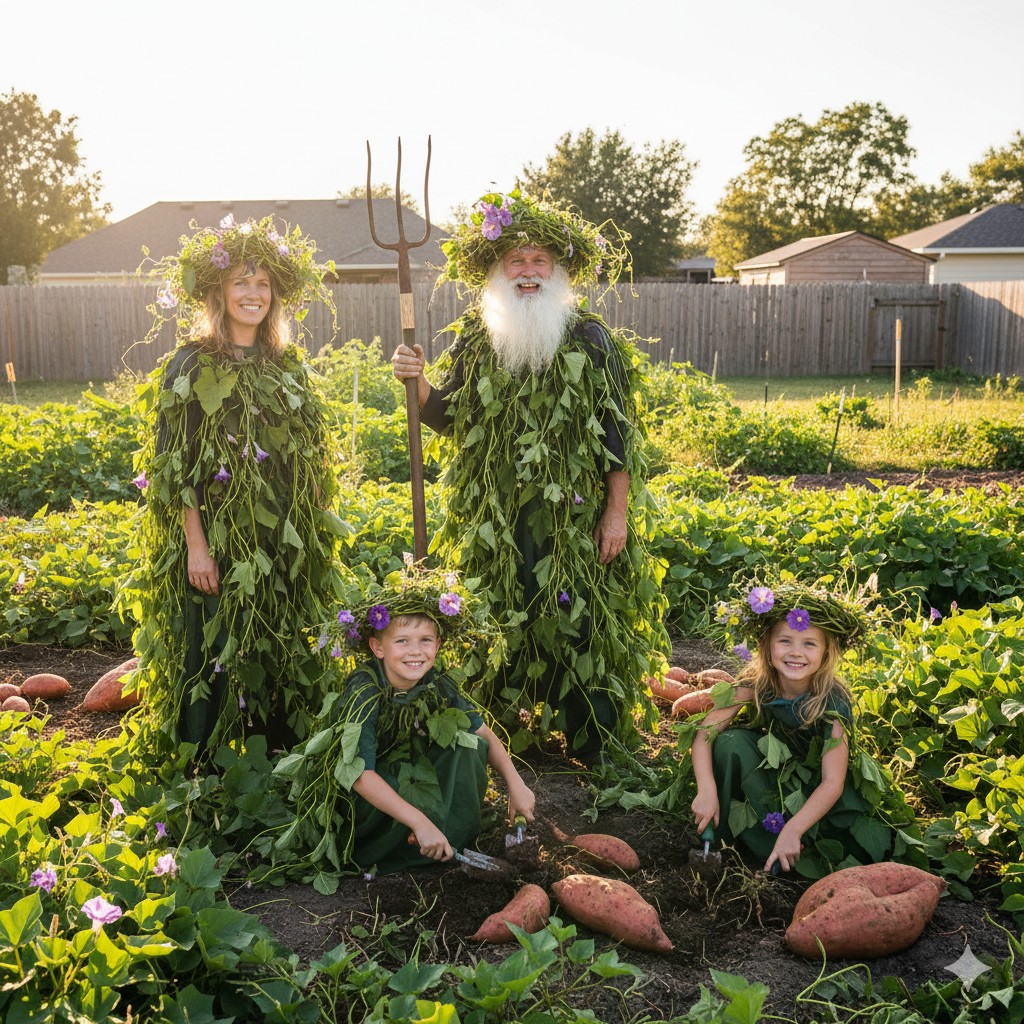
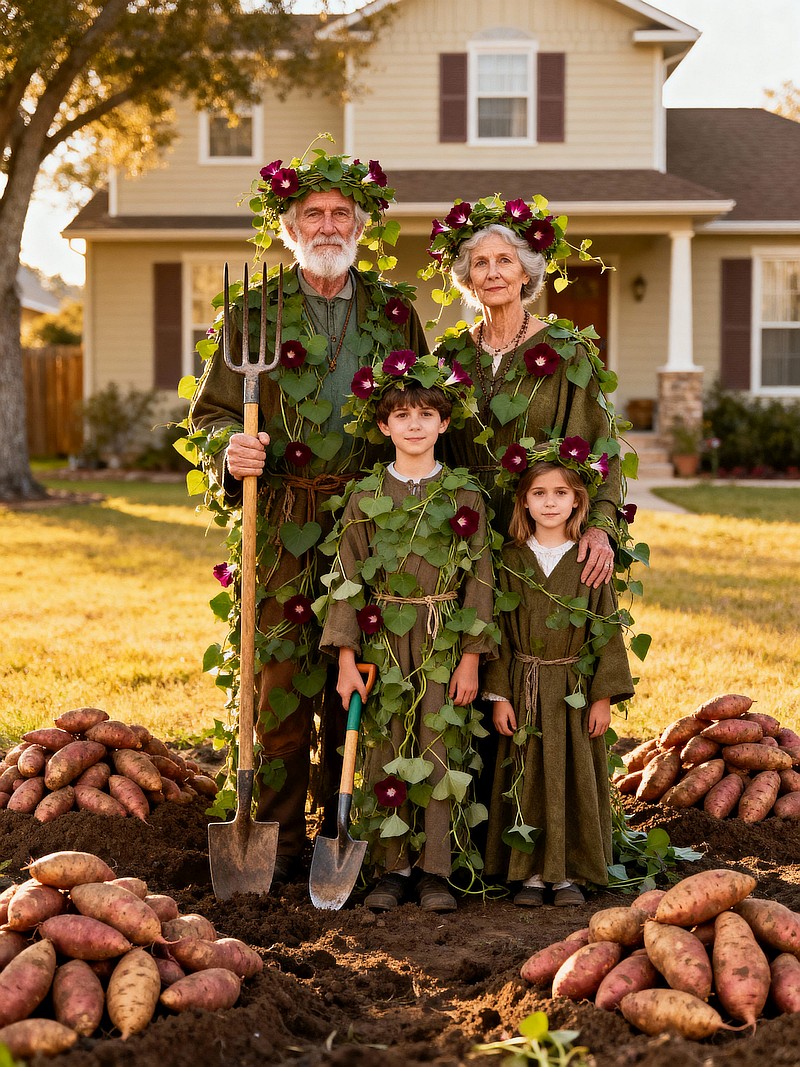
Our unpaid marketing intern George (he’s single, ladies!) seems to remember the early morning reckoning with Elder G differently:















Scrapbook from the Dig












One reply on “WLBOTT Sweet Potato Contest: We Have A Winner!”
Wow! Really nailed it with the acceptance speech!