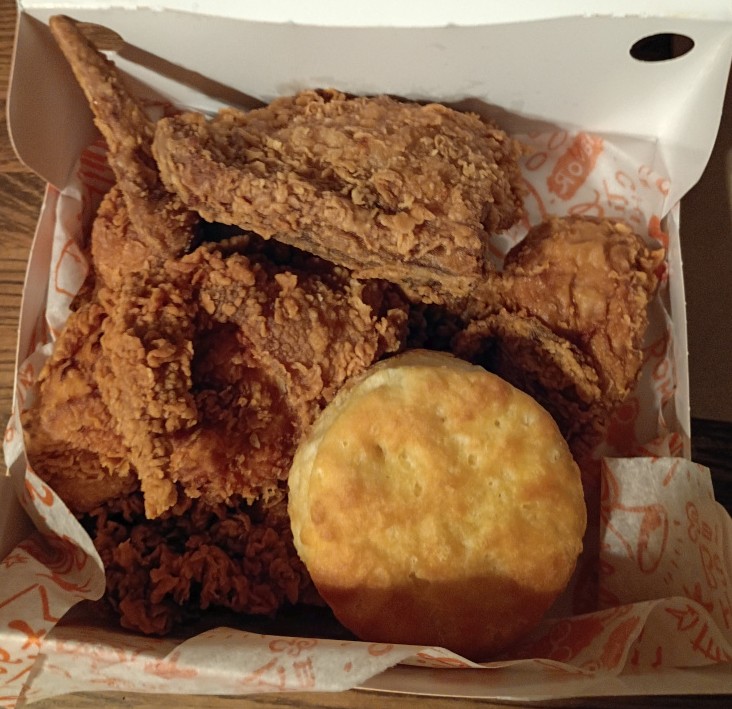
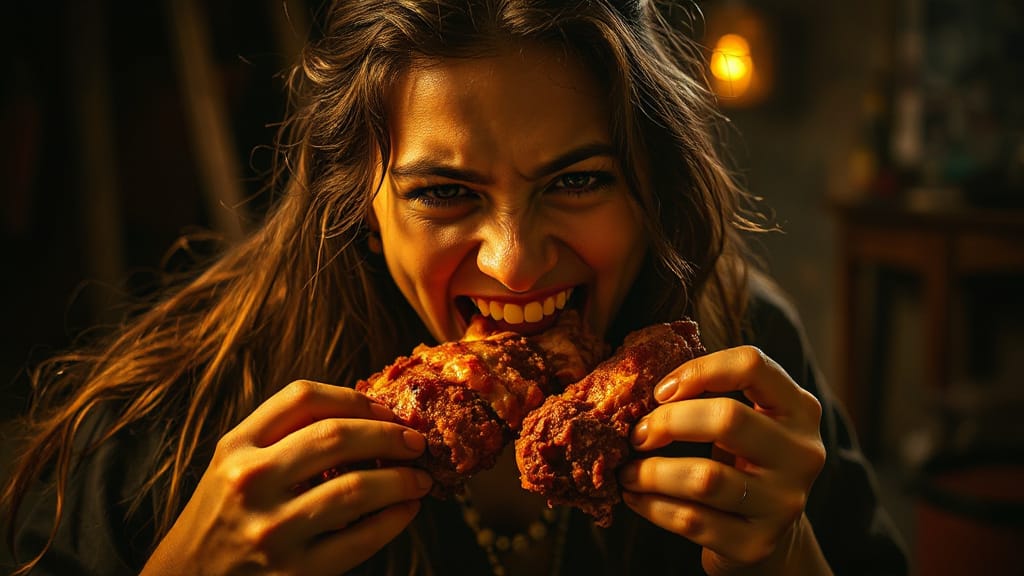
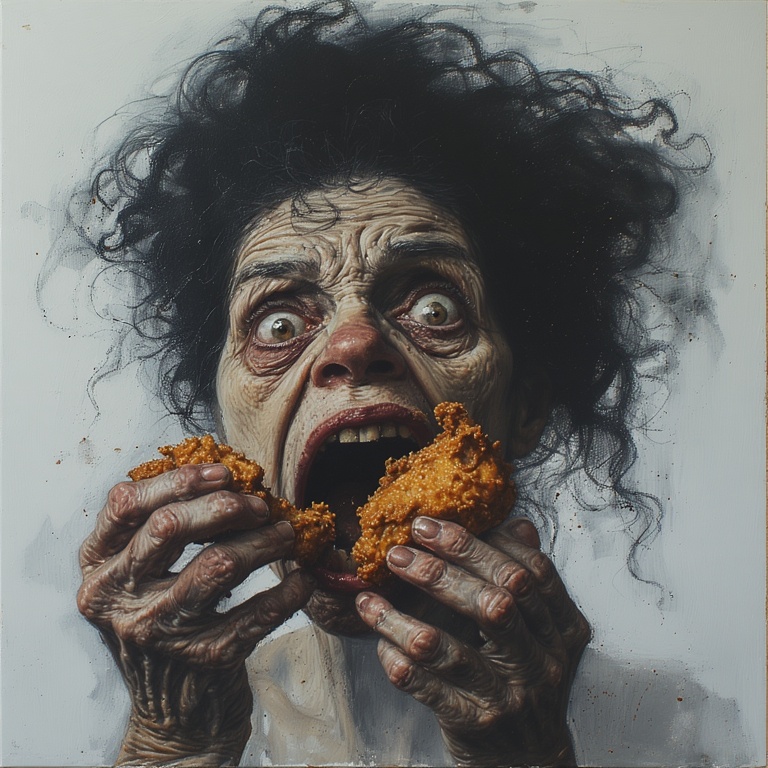
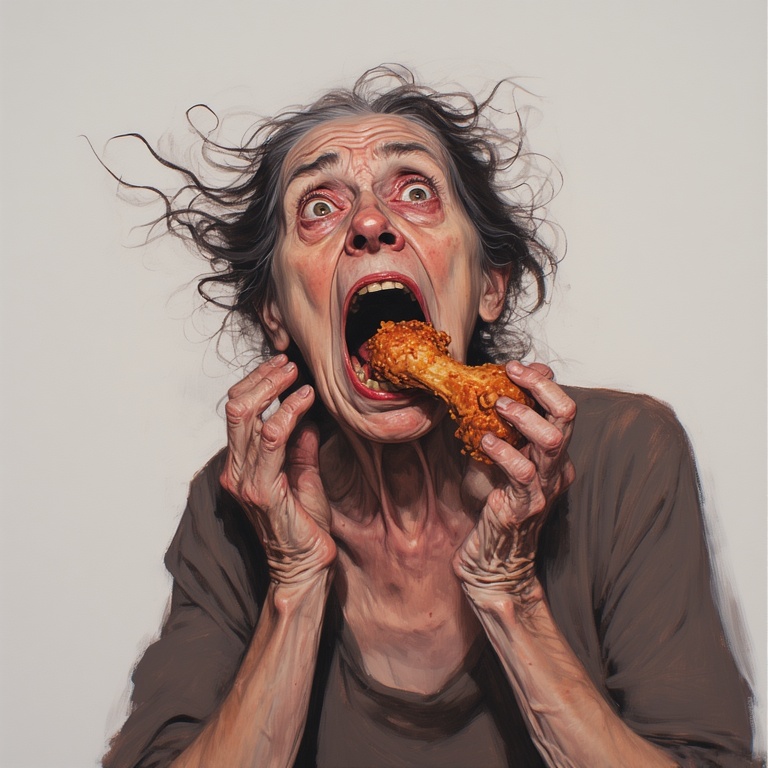
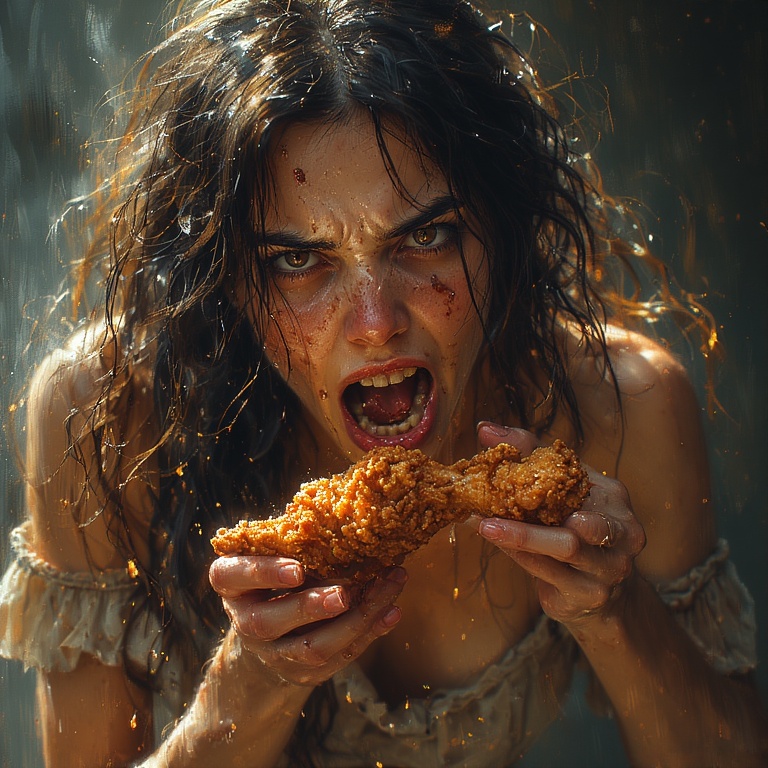
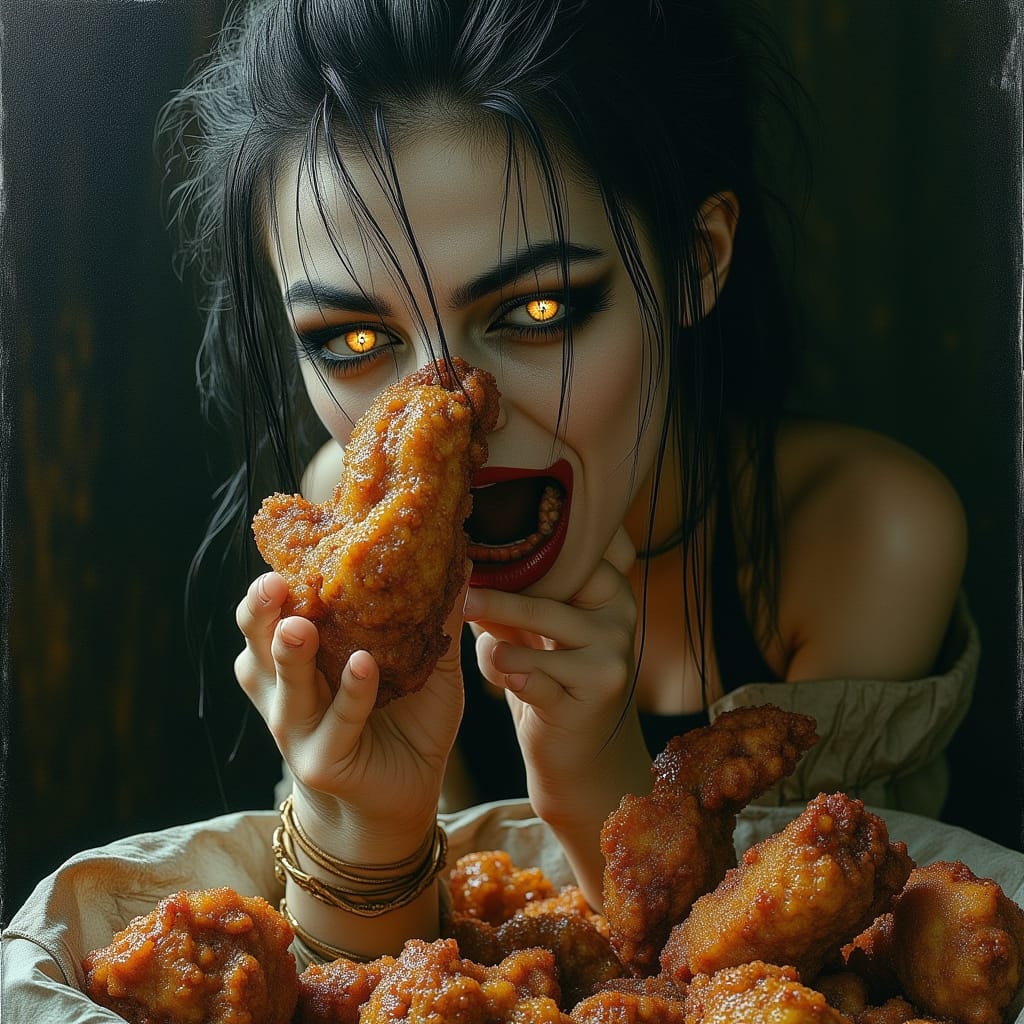
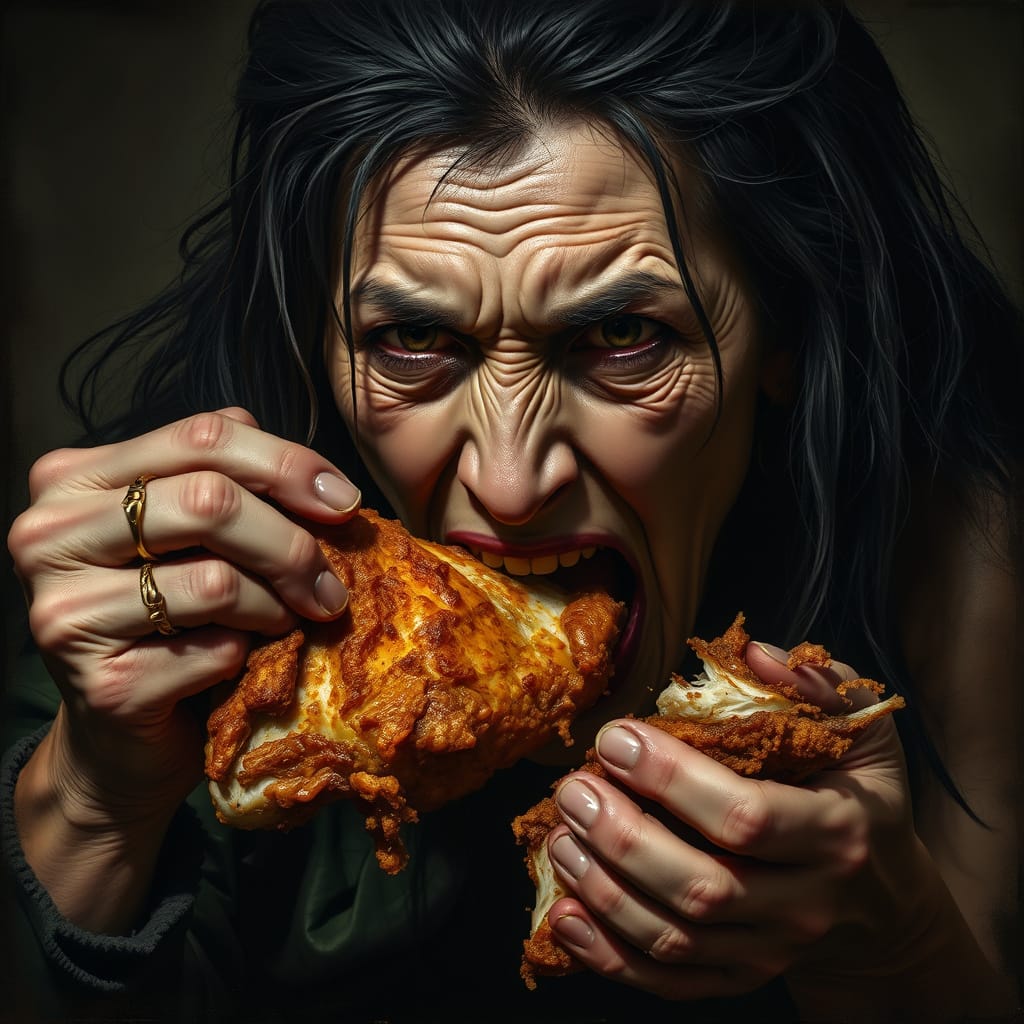
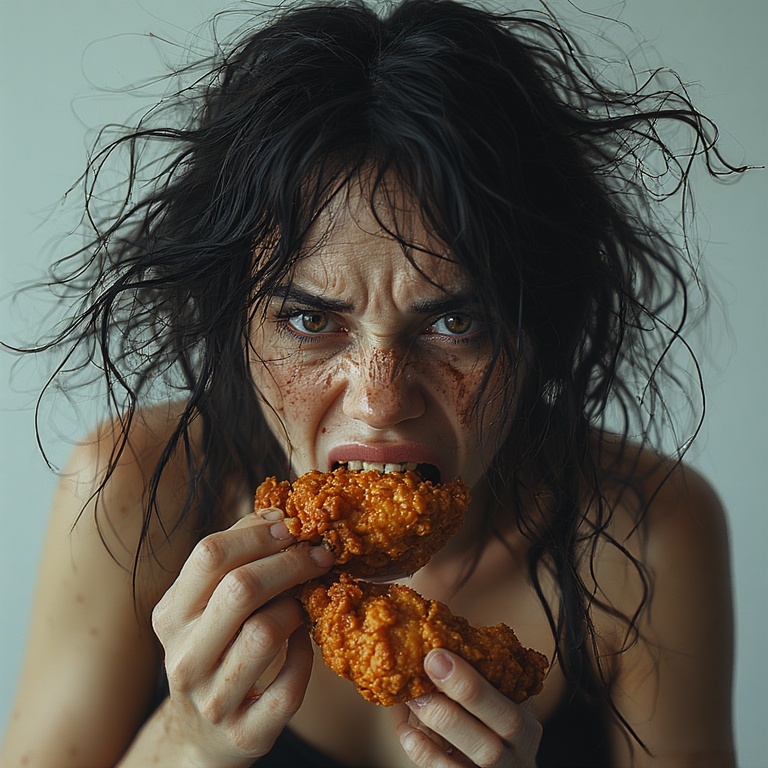
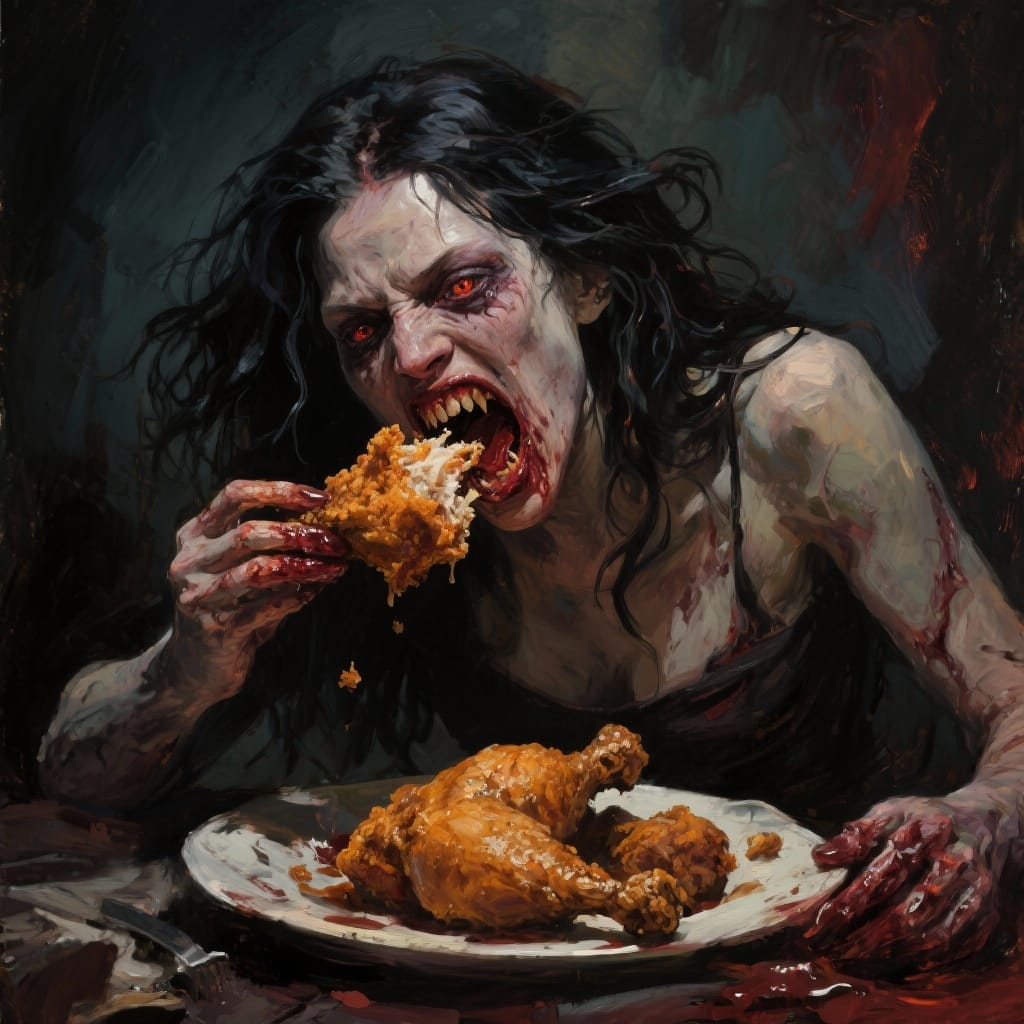
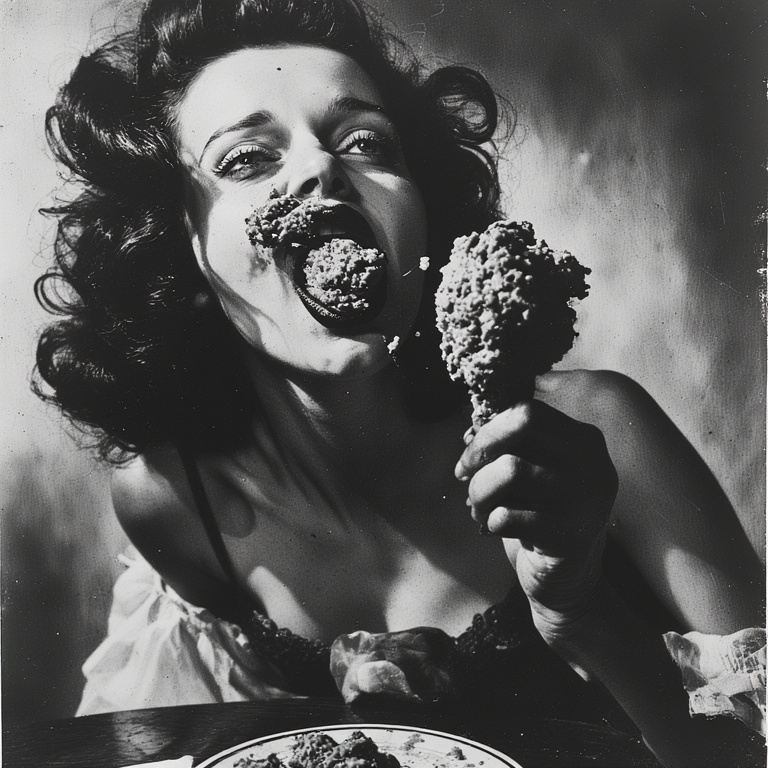
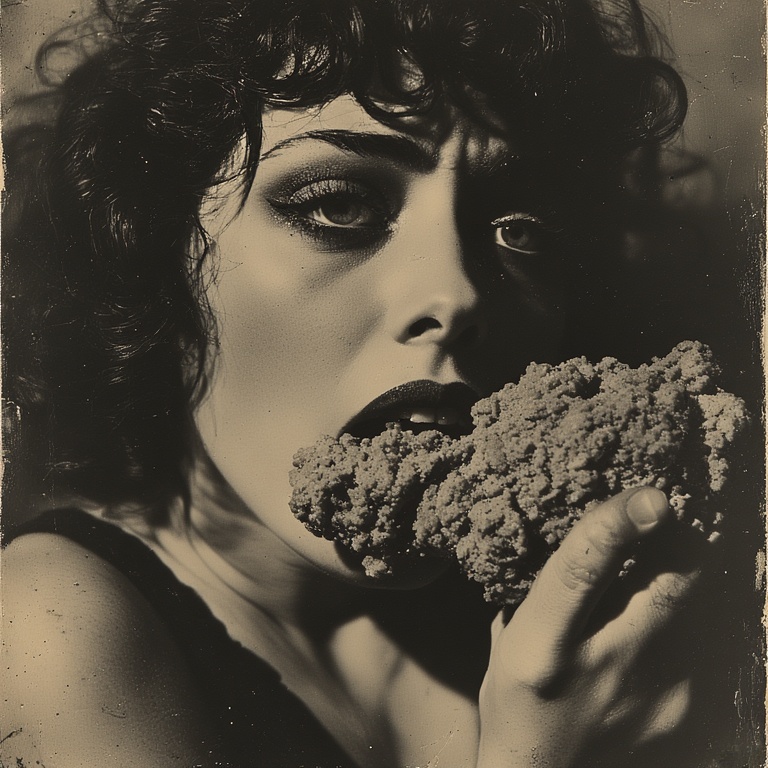
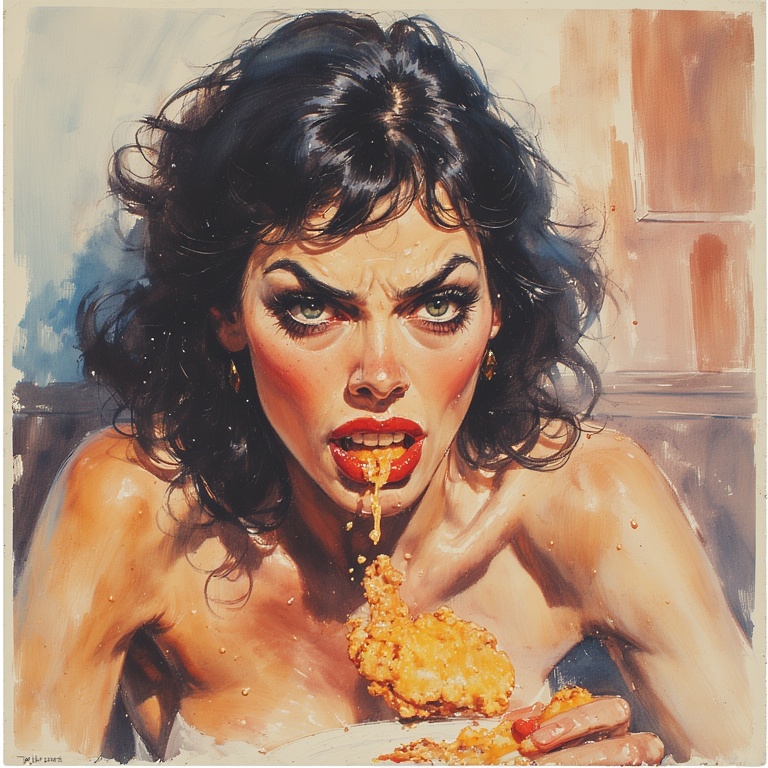
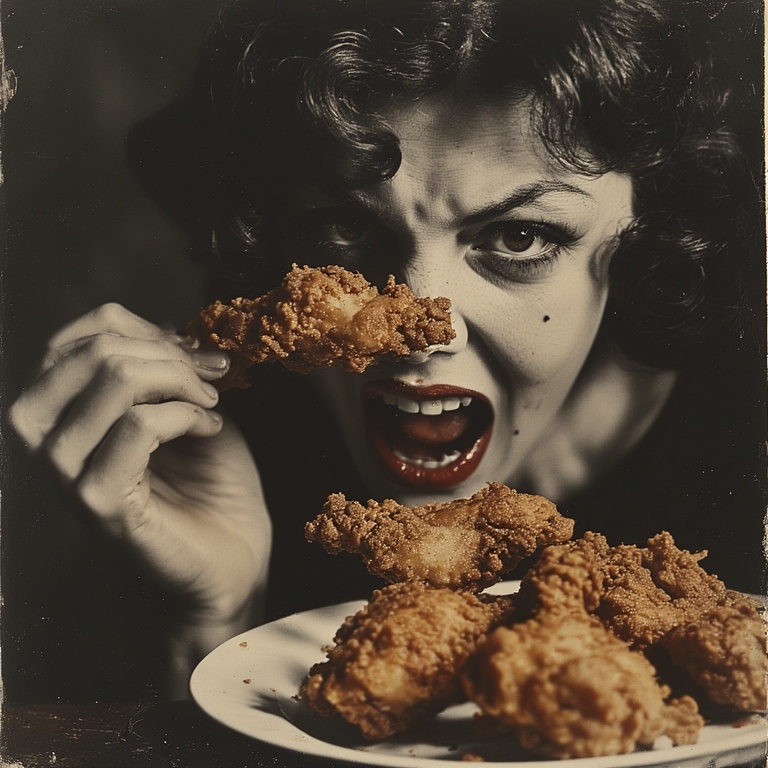
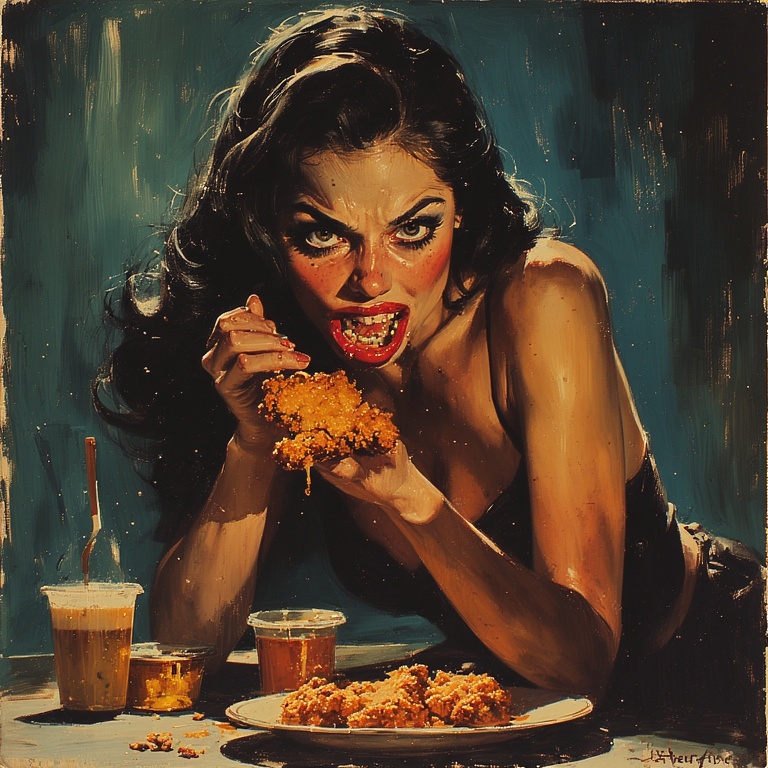
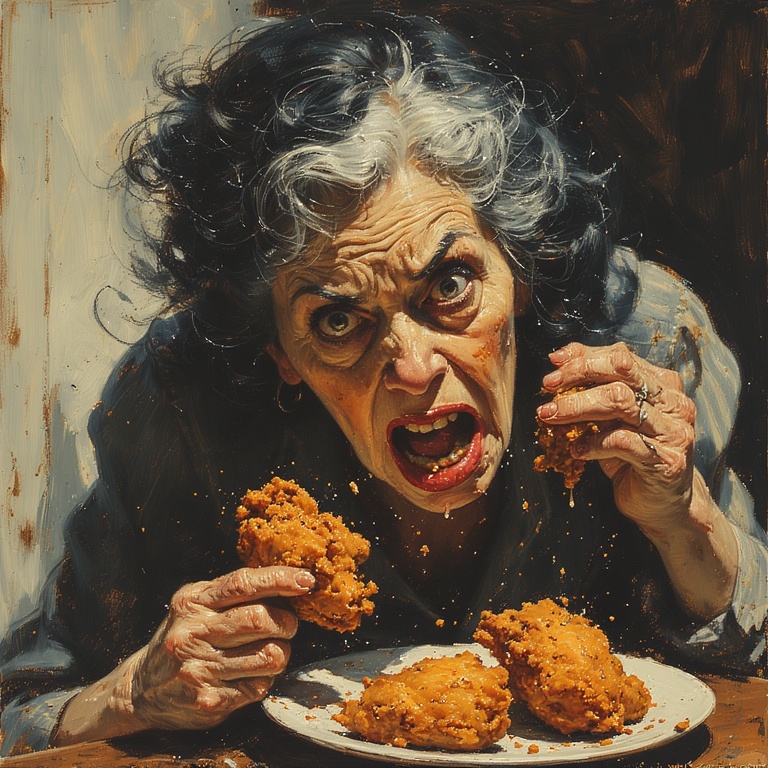
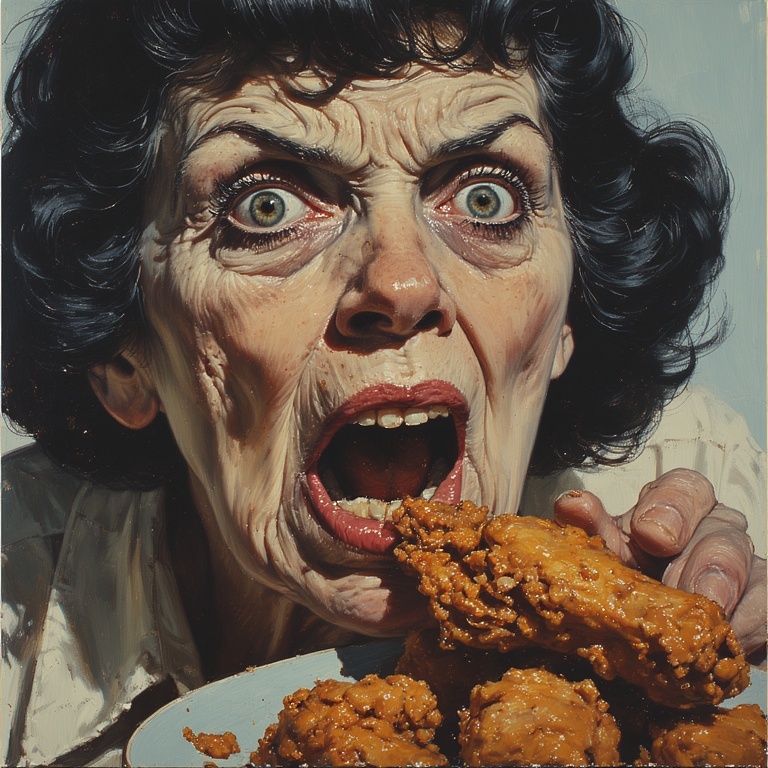
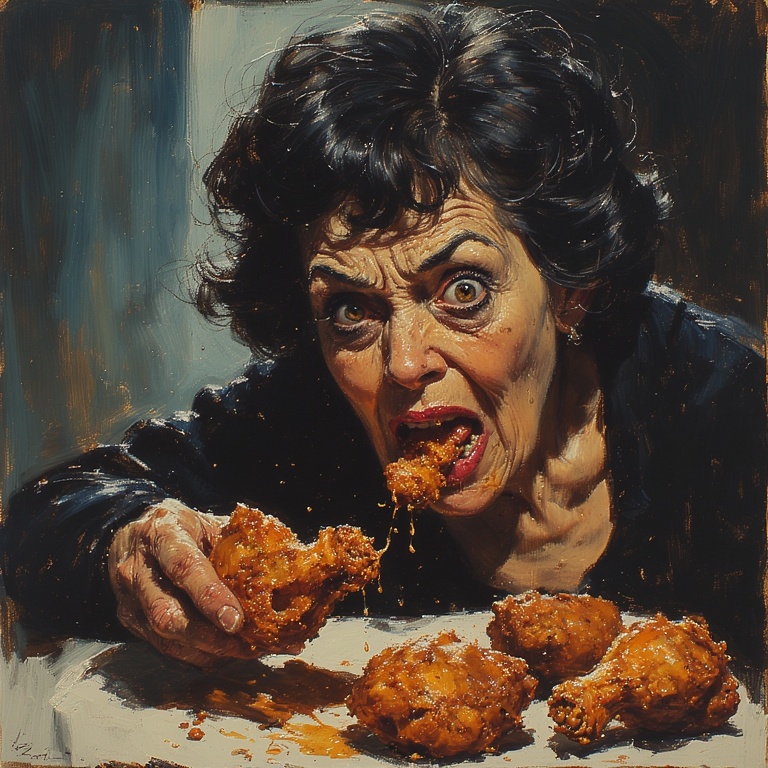
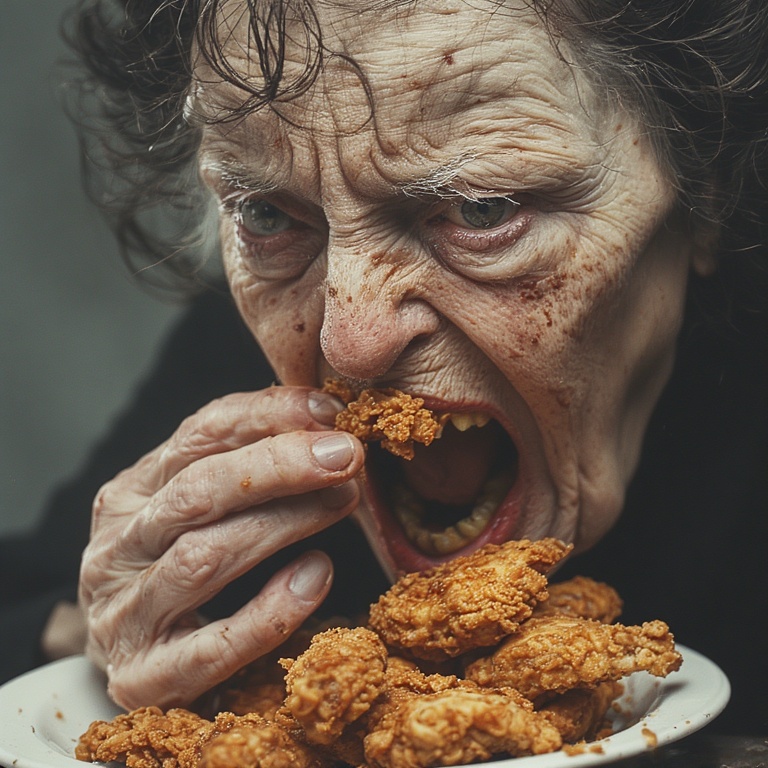
10/22/2025, 7:08 AM Elder JZ: I learned something dark and unsettling about myself yesterday. I become primal, even savage, when presented with fried chicken. I frighten myself.
0/22/2025, 7:32 AM Elder JimZim: Okay, I need to get to work. Somebody’s got to pay for WLBOTT’s AI credits. But your interest in fried chicken is shared. I am particularly fond of thighs. And, if the thigh has the Pope’s Nose attached, Nirvana.
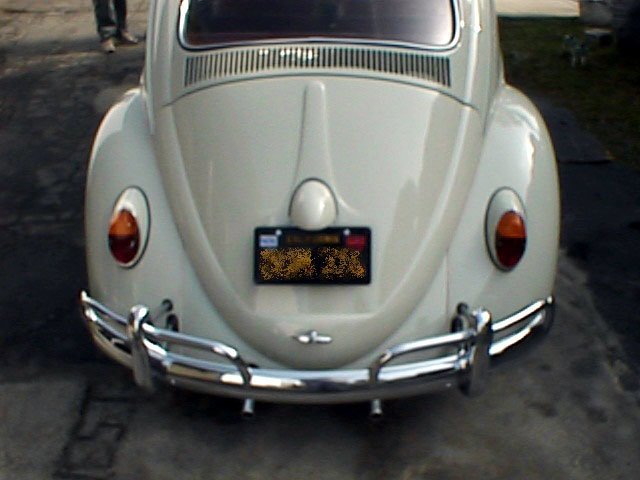
Pygostyle “Pope’s nose” redirects here. It may also refer to the license plate light on early Volkswagen Beetles.
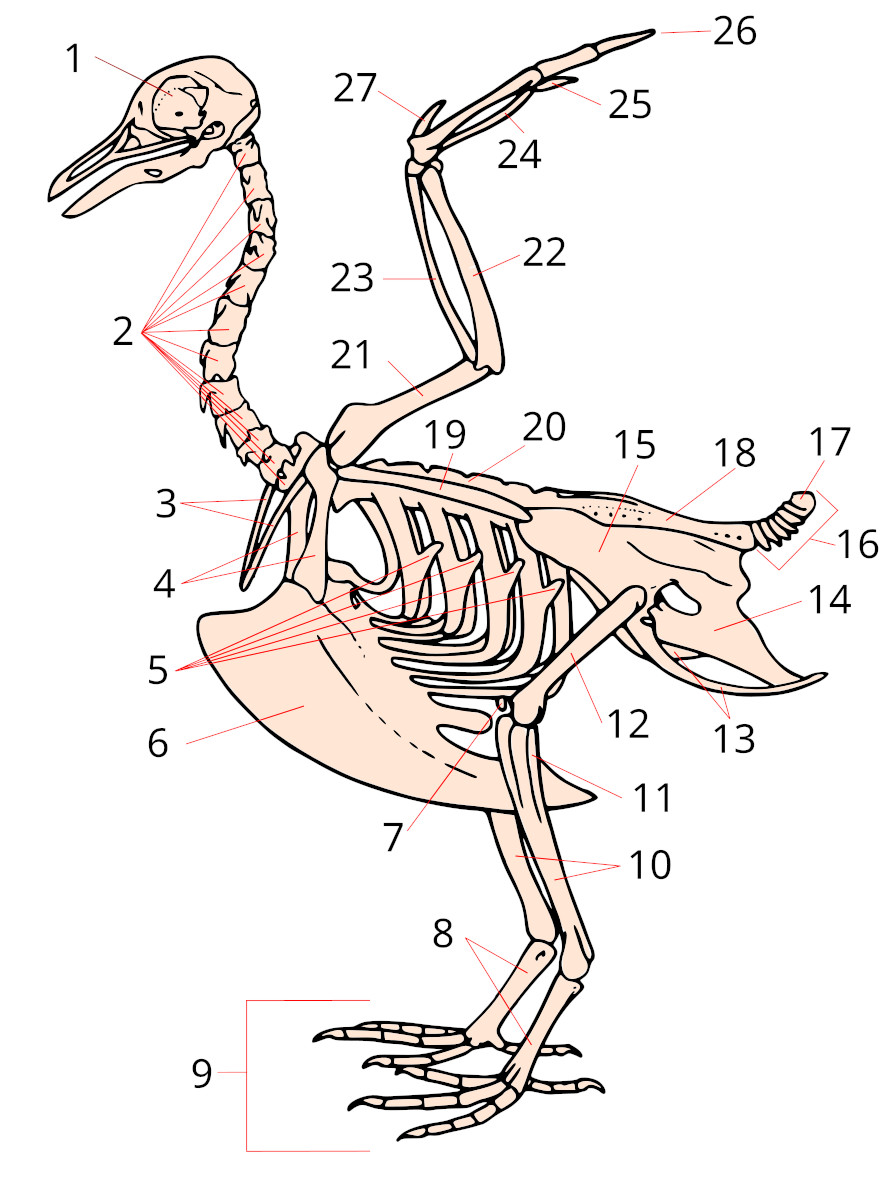
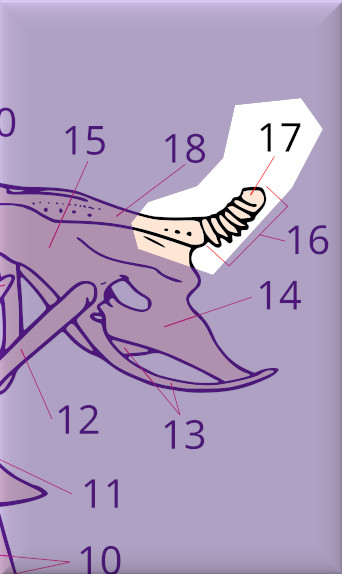
Pygostyle is a skeletal condition in which the final few caudal vertebrae are fused into a single ossification, supporting the tail feathers and musculature. In modern birds, the rectrices attach to these. The pygostyle is the main component of the uropygium, a structure colloquially known as the bishop’s nose, parson’s nose, pope’s nose, or sultan’s nose. This is the fleshy protuberance visible at the posterior end of a bird (most commonly a chicken or turkey) that has been dressed for cooking. It has a swollen appearance because it also contains the uropygial gland that produces preen oil.
By Squelette_oiseau.JPG: BIODIDACderivative work: mario modesto (talk) – Squelette_oiseau.JPG, CC BY 2.5, https://commons.wikimedia.org/w/index.php?curid=6690682
Etymology The insulting equation of the pygostyle with the noses of dignitaries dates back to 18th century Britain where pope’s nose first appears (in 1786). The form parson’s nose appears much later, dated to 1839. The usage is somewhat dependent on either a Catholic or Protestant viewpoint.
The forms bishop’s nose and sultan’s nose are 20th century variants.
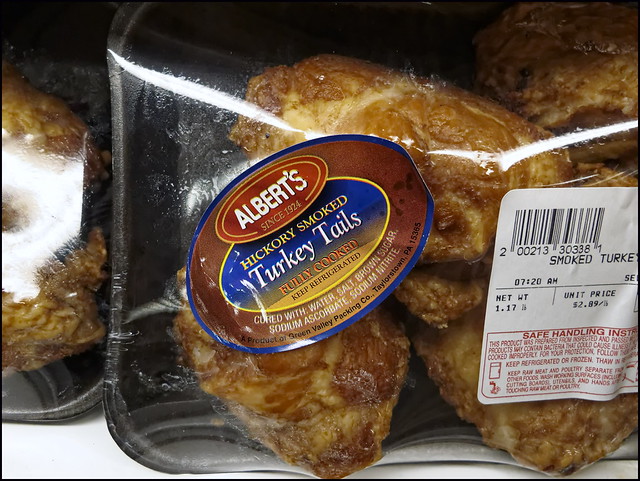
As food Turkey tail or turkey butt has an international exportation market in places such as Micronesia, Samoa, and Ghana. The turkey tail is commonly exported from America because it is considered unhealthy and cut off the normal turkey.[6] After World War II, cheap imported turkey tails became popular in Samoa. Because the cut has a very high fat content, it was banned from 2007 to 2013 to combat obesity, only allowed back when Samoa joined the World Trade Organization. The meat is otherwise used in pet food.
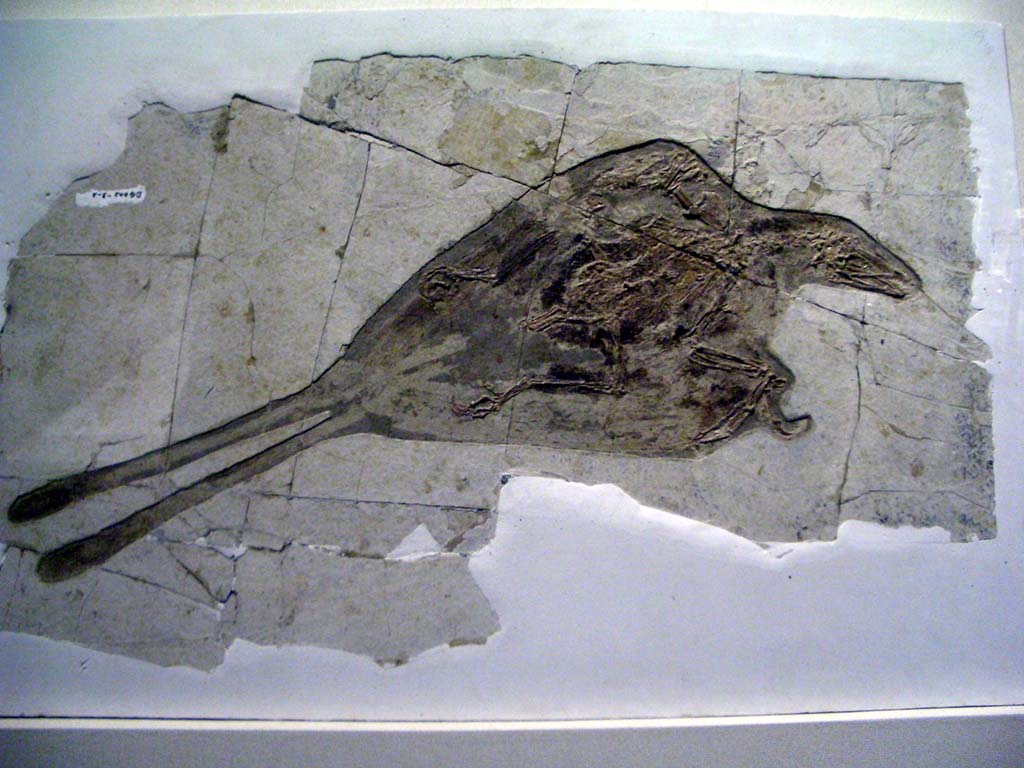
The first Pope’s Nose (predates Peter by ≈ 135 million years). Confuciusornis sanctus with “rod”-type pygostyle and the two central tail feathers
By I, Laikayiu, CC BY-SA 3.0, https://commons.wikimedia.org/w/index.php?curid=2325871Wikipedia
The Volkswagen Connection
“Pope’s nose” redirects here. It may also refer to the license plate light on early Volkswagen Beetles. – Wikipedia
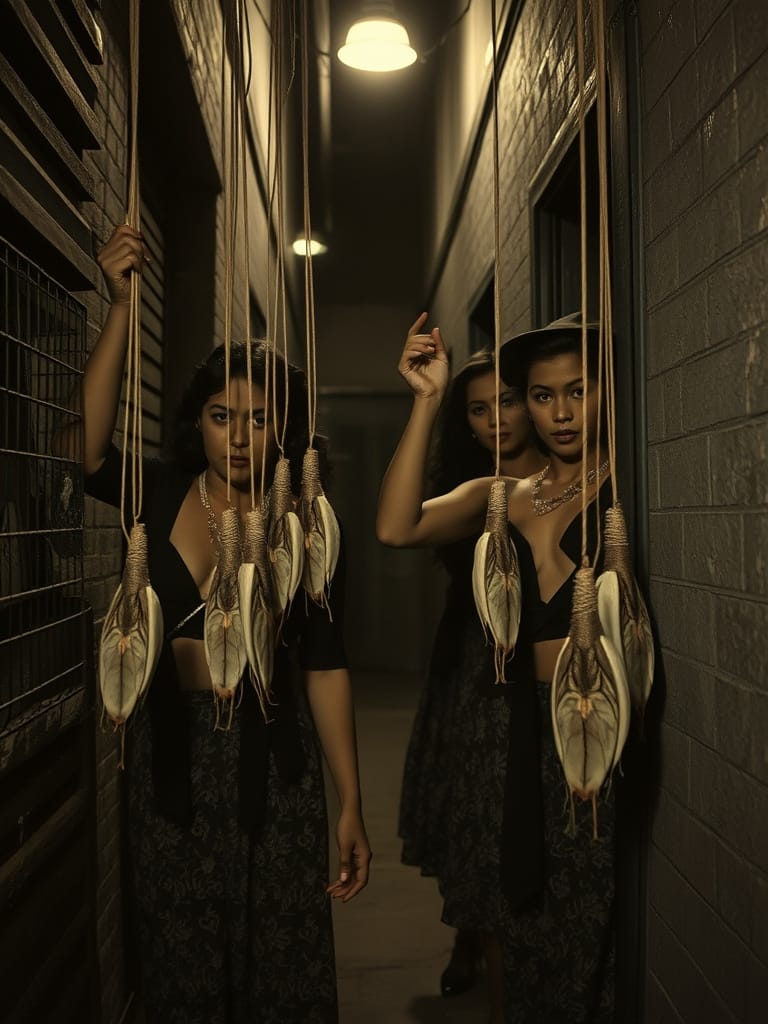
Turkey Butts and Samoa
More than one livestock producer has told me that current food policy “maximizes a**holes per acre.” I appreciate this off-color phrase as it emphasizes what ought to be obvious: that livestock intensification maximizes all elements of animal production, even those for which there may be no market. I calculate that there are roughly 50 billion animals in our food system at any given moment: 45 billion chickens/turkeys/ducks, 1.7 billion sheep/goats, 1.3 billion cattle, 1 billion pigs, 0.16 billion camel/water buffalo, and 0.12 billion horses. That is a lot of “undesirable” meat – 50 billion hearts, 100 billion eyeballs, and well over 100 billion feet.
Not long after World War II, US poultry firms began dumping turkey tails, along with chicken backs, into markets in Samoa. By 2007, the average Samoan was consuming more than 44 pounds of turkey tails every year.
[…] Turkey tails contain flesh, with about 75 percent of their calories coming from fat. If you are reading this in an affluent country you likely have never come across turkey tails in a retail setting. […] In the words of Becca, the Samoan quoted earlier who has since relocated to the United States, “If you were to interview my great-nieces and nephews [who still live in Samoa] and ask them to name a traditional Samoan dish, I bet some would answer by saying Budweiser and a barbecued turkey tail.”
When this happens [public heath officials banning turkey tails], it becomes trickier to get people to eat less of it […]. Changing dietary patterns requires more than just nutritional education. Pacific Islanders know it is not the healthiest food choice. Yet many still choose it. Banning the food does not work either. They tried that in Samoa, and a black market quickly emerged to satisfy demand.
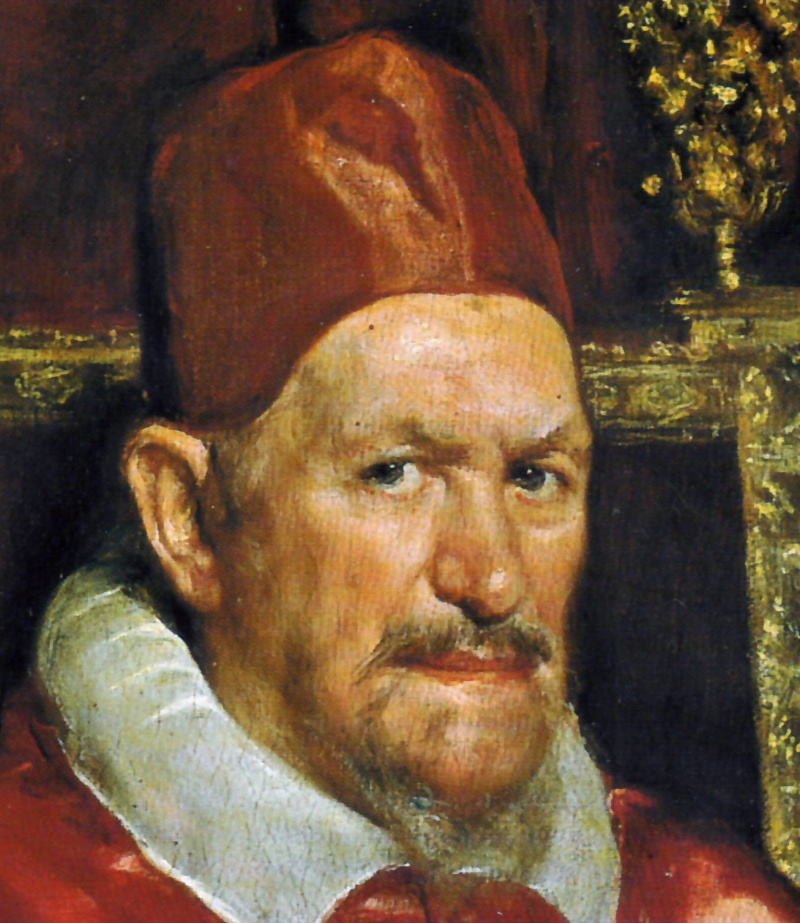
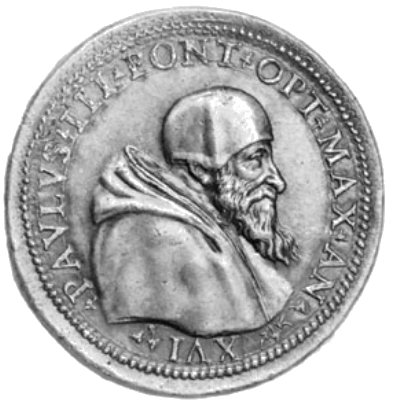
Prominent noses have been noted in the descriptions and portraits of several popes throughout history, often documented by contemporary artists or observers.
Pope Innocent X (r. 1644–1655) Portraits: The Spanish painter Diego Velázquez created one of the most famous portraits of Innocent X around 1650. It is known for its startling realism, which even the pope acknowledged as “too truthful” (“troppo vero”).
Features: This renowned portrait clearly depicts his prominent nose and is noted for its unflinching portrayal of an intelligent, shrewd, and aging man.
Pope Paul III (r. 1534–1549) Portraits: The renowned painter Titian created several portraits of Paul III, including one in 1543.
Features: A description of the 1543 portrait notes his “aquiline nose”.
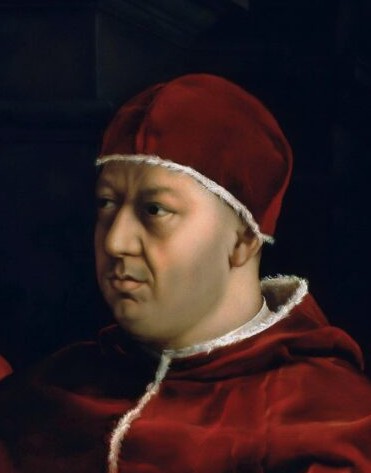
Pope Leo X (r. 1513–1521) Portraits: Raphael’s 1518 portrait of Leo X is highly realistic, showing the pope’s specific facial characteristics.
Features: In this painting, Leo X is depicted with a round face, a large, slightly arched nose, and a prominent chin.
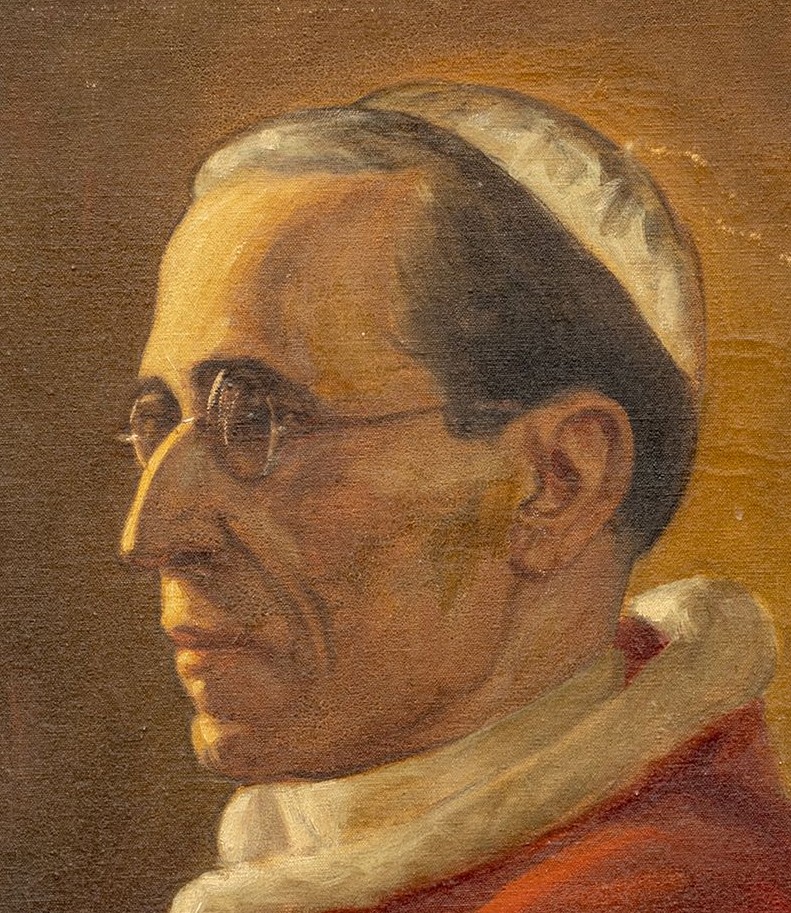
Pope Pius XII (r. 1939–1958) Descriptions: Although his face was often obscured by thick spectacles, descriptions of Pius XII sometimes noted his distinct nose.
Features: A 2004 article in Commonweal Magazine described his nose as “straight, Roman, slightly humped in the center of the bridge”.
Additional context from art and history The physical features of popes are primarily known through portraits, which can reflect the style of the artist and the conventions of the era. The level of realism in portraits changed over time, with Renaissance painters like Raphael and Titian and Baroque painters like Velázquez known for capturing lifelike appearances.
What Else Ya Got?
Yah, we got more, but it’s not very good. Luckily, “good” is not a WLBOTT criteria for publication.