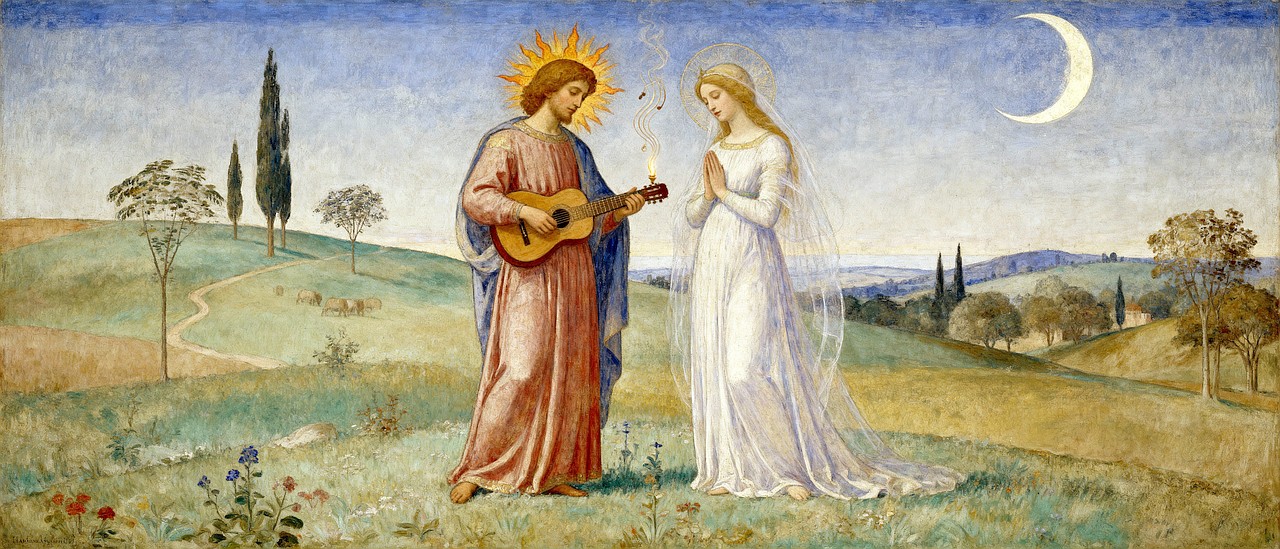
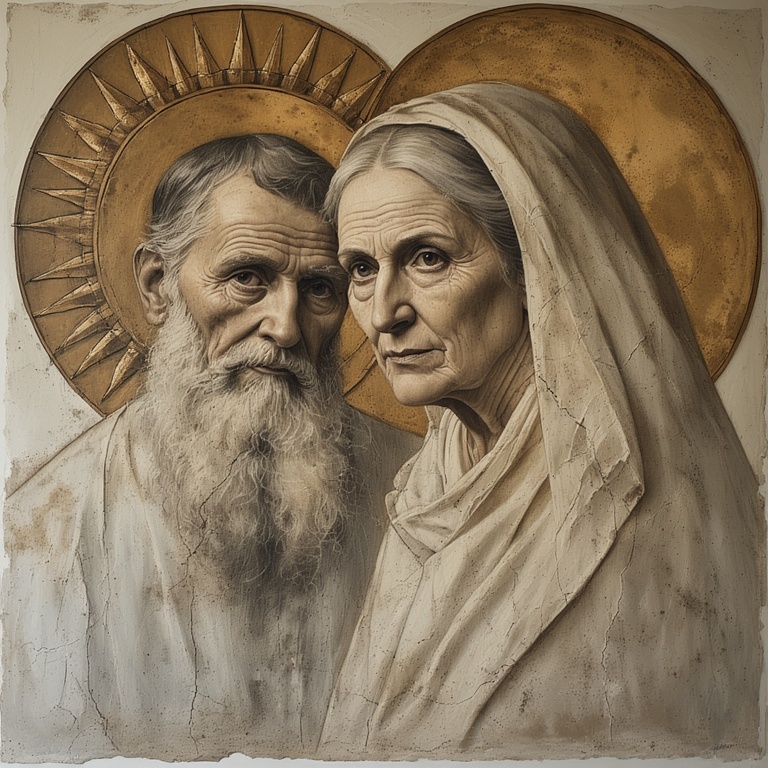
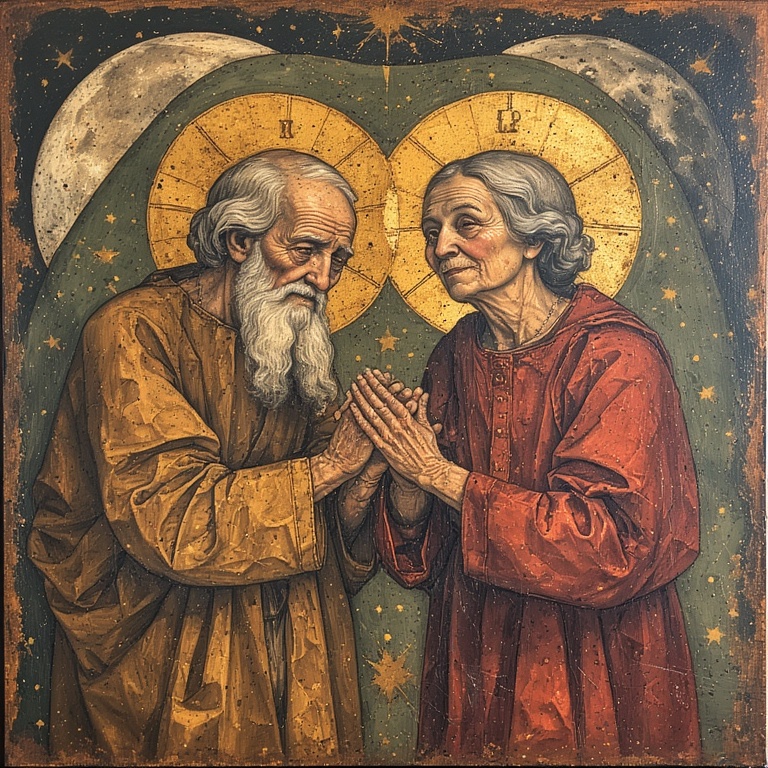
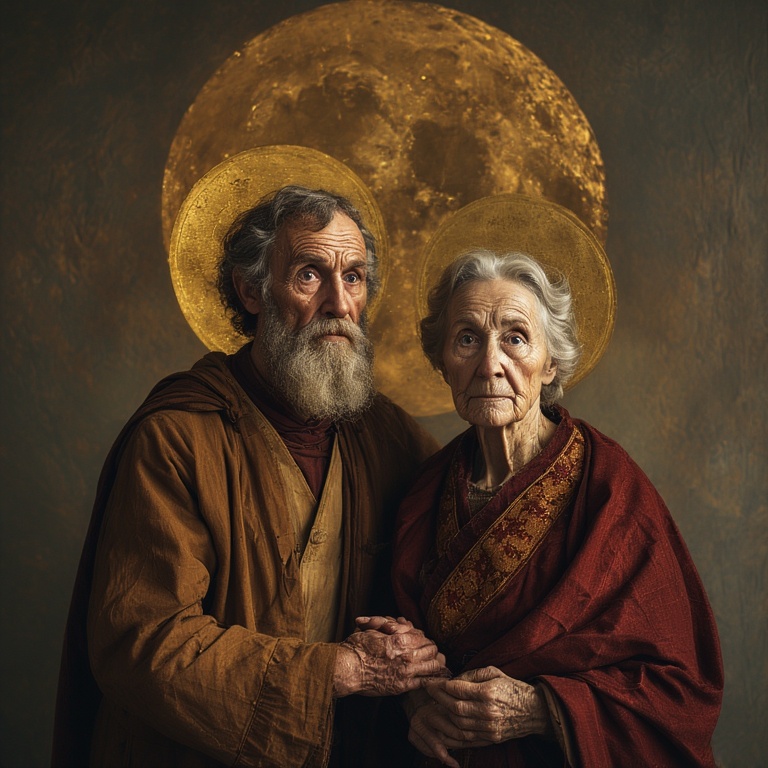
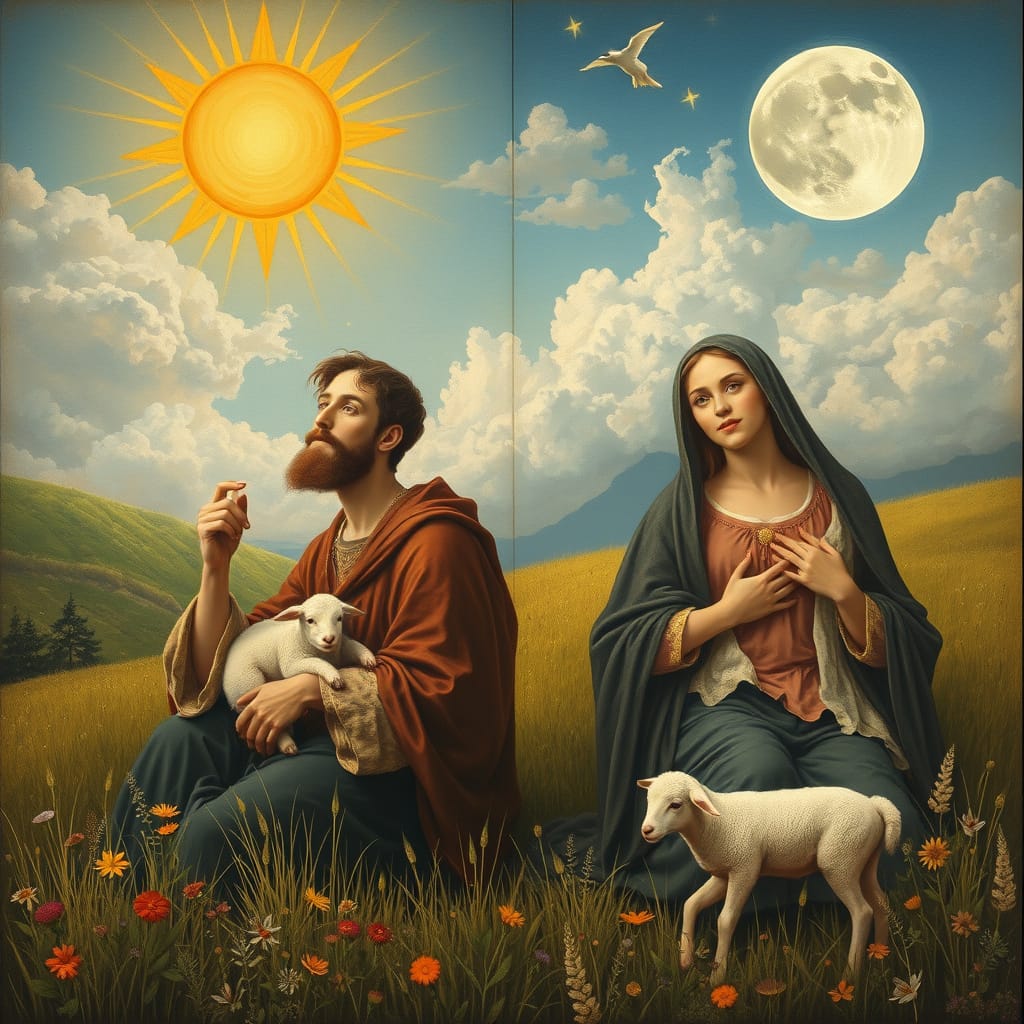
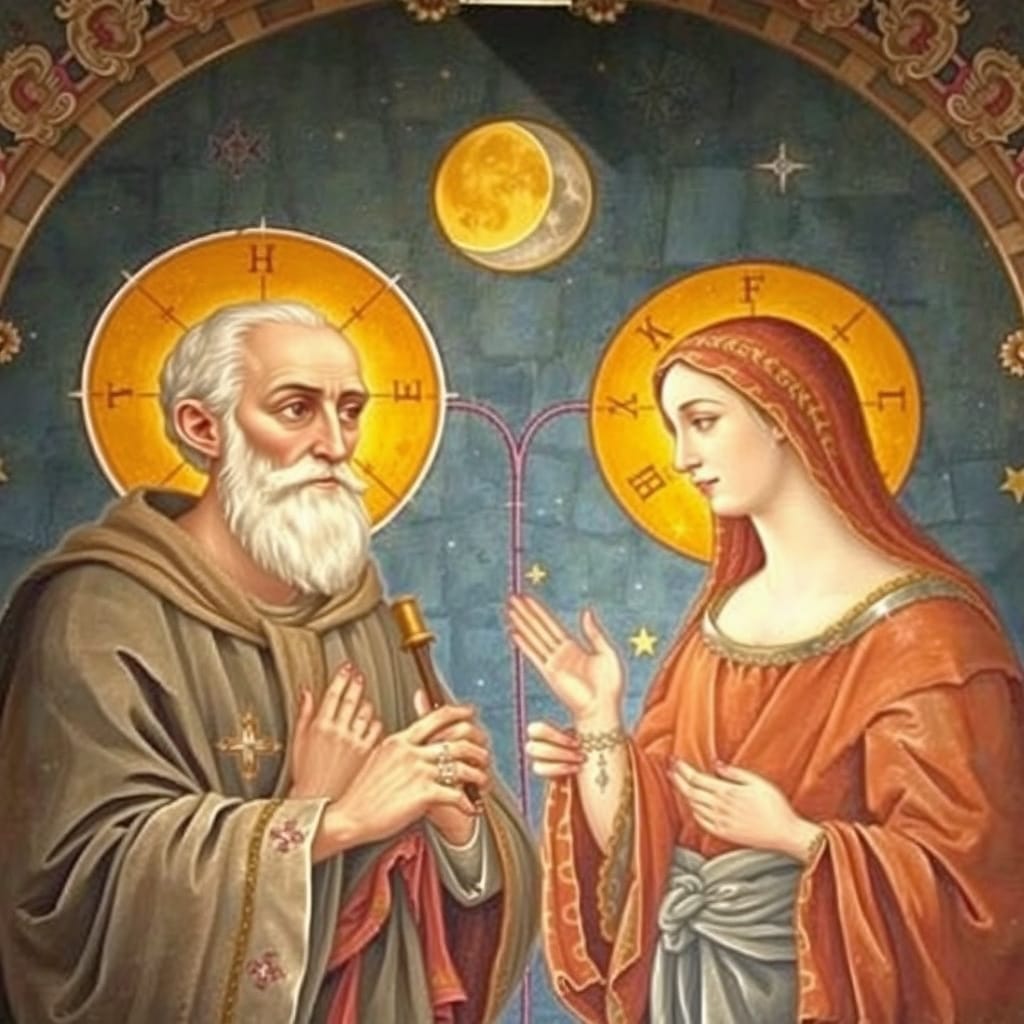
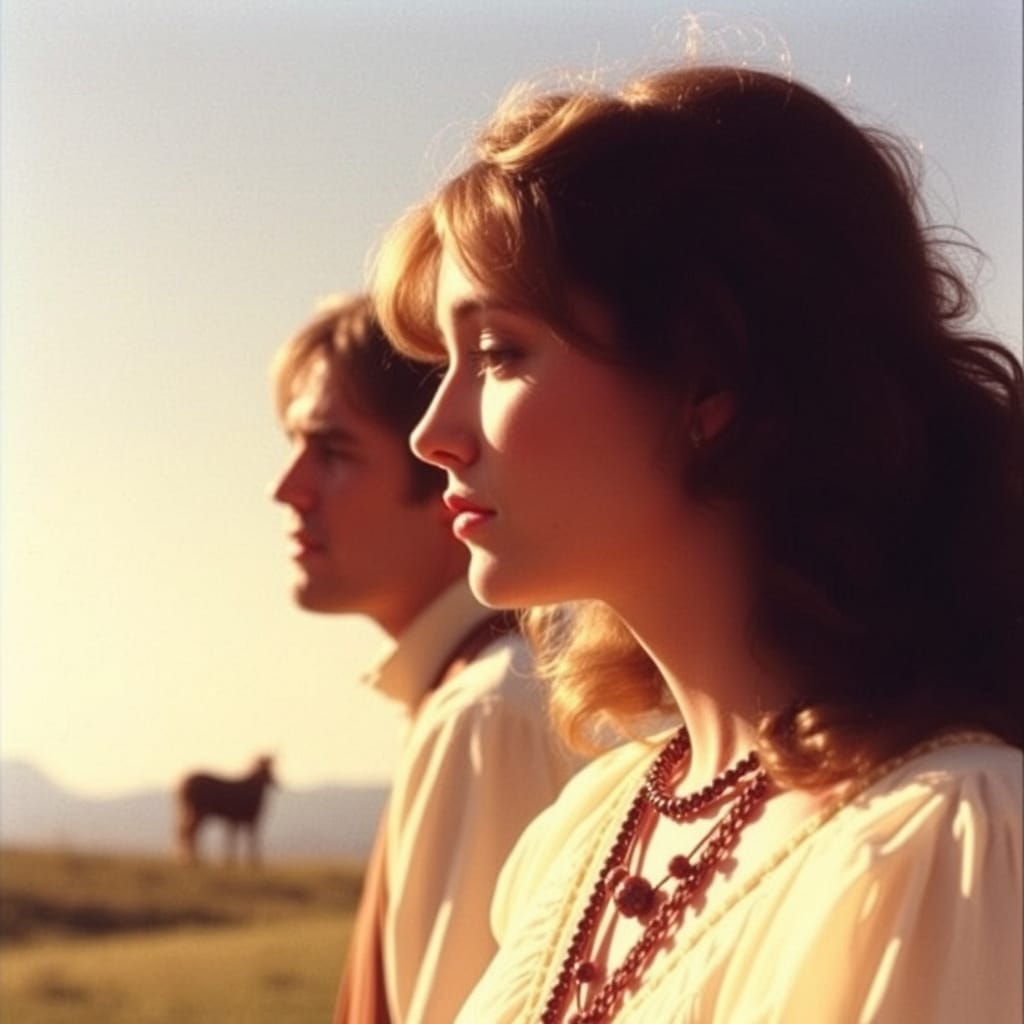
This morning WLBOTT held a private viewing of the 1972 Franco Zeffirelli movie Brother Son, Sister Moon. It is a profoundly beautiful movie, and it left it’s emotional impact on us.
But first, we must ask: Q: How cool is the Austin Public Library? A: Very cool.
Historical Accuracy
We asked Elder G to sync up scenes in the movie with actual events in St. Francis’ life. The movie presents a good historical recap.
Elder G: Here’s a quick “scene-to-history” guide so you can see what Zeffirelli kept, softened, or shuffled. I’ll keep it tight:
Young Francesco the soldier → prison and illness • Film: Francis comes back shattered from war, fevered and changed. • History: In 1202 he fought Perugia, was captured at the Battle of Collestrada, imprisoned nearly a year, and fell seriously ill—key to his conversion.
The leper embrace • Film: A turning point—he stops, embraces/kisses a leper. • History: Early sources (Thomas of Celano’s First Life) explicitly describe Francis kissing a leper; he later cared for lepers regularly.
“Rebuild my church” at San Damiano • Film: He prays before the San Damiano crucifix; hears Christ tell him to repair the church; he literally rebuilds chapels. • History: The San Damiano crucifix is indeed tied to his call “repair my house.” He first took it literally (stonework) before understanding the broader reform.
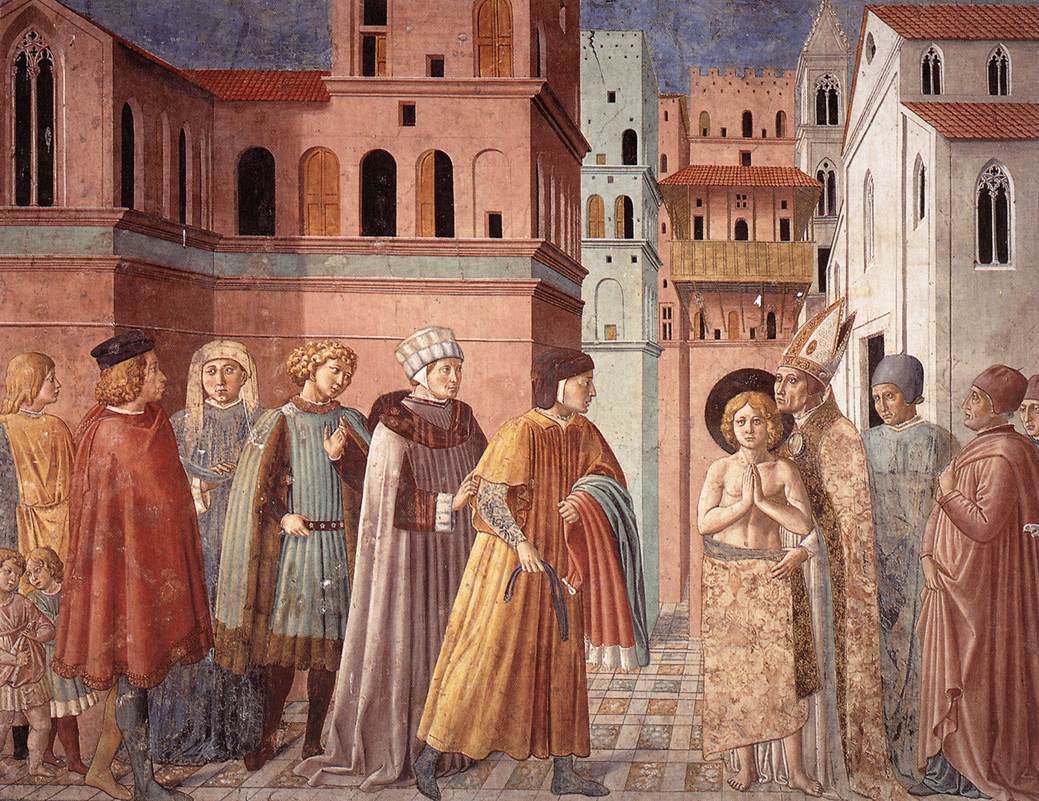
Public renunciation before the bishop • Film: Before the bishop (and his father), Francis strips off his clothes, returning everything and choosing Lady Poverty. • History: This dramatic scene is straight from early traditions; multiple accounts report him standing naked before the bishop as he renounced his inheritance.
Gathering the first brothers and choosing poverty • Film: Friends join him; they live simply and preach. • History: He soon attracted companions and formed the Order of Friars Minor; evangelical poverty was the core. (Formal papal approval came in 1209.)
Journey to Rome and audience with Pope Innocent III • Film: Barefoot brothers face a resplendent court; Pope Innocent III, moved (after a dream), blesses and approves them. • History: Francis did go to Rome and received initial approval from Innocent III in 1209. The famous dream of the Pope (Francis holding up the Lateran Basilica) appears in medieval tradition and is often linked to that approval. The ornate staging is cinematic, but the substance is rooted in the sources.
The work life vs. the poor—cloth merchant father • Film: Tension with Pietro Bernardone (the wealthy cloth merchant); scenes in the dye-vats and workshop. • History: Francis really was the son of a prosperous cloth merchant; his rejection of that world is central to every biography.
Clare of Assisi (what the film downplays) • Film: Clare is barely present (depending on cut), with no full arc. • History: In 1212 Francis received Clare; she founded the Poor Clares at San Damiano—hugely important to the Franciscan story but mostly outside the film’s scope.
“Brother Sun, Sister Moon” (the title) vs. the actual Canticle • Film: The title (and the film’s spirit) echoes the Canticle of the Creatures. • History: Francis composed the Canticle around 1224–1225, later than the time-window the film focuses on. So the film evokes it, but it isn’t depicting the act of composition.
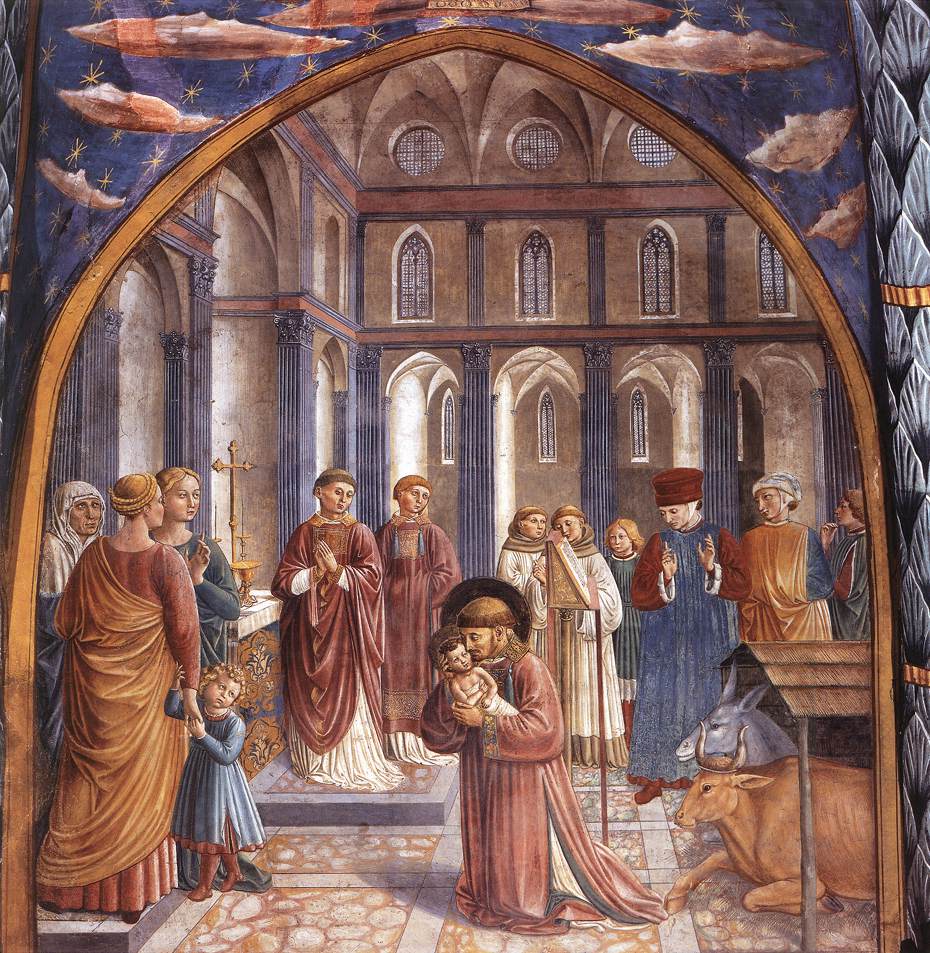
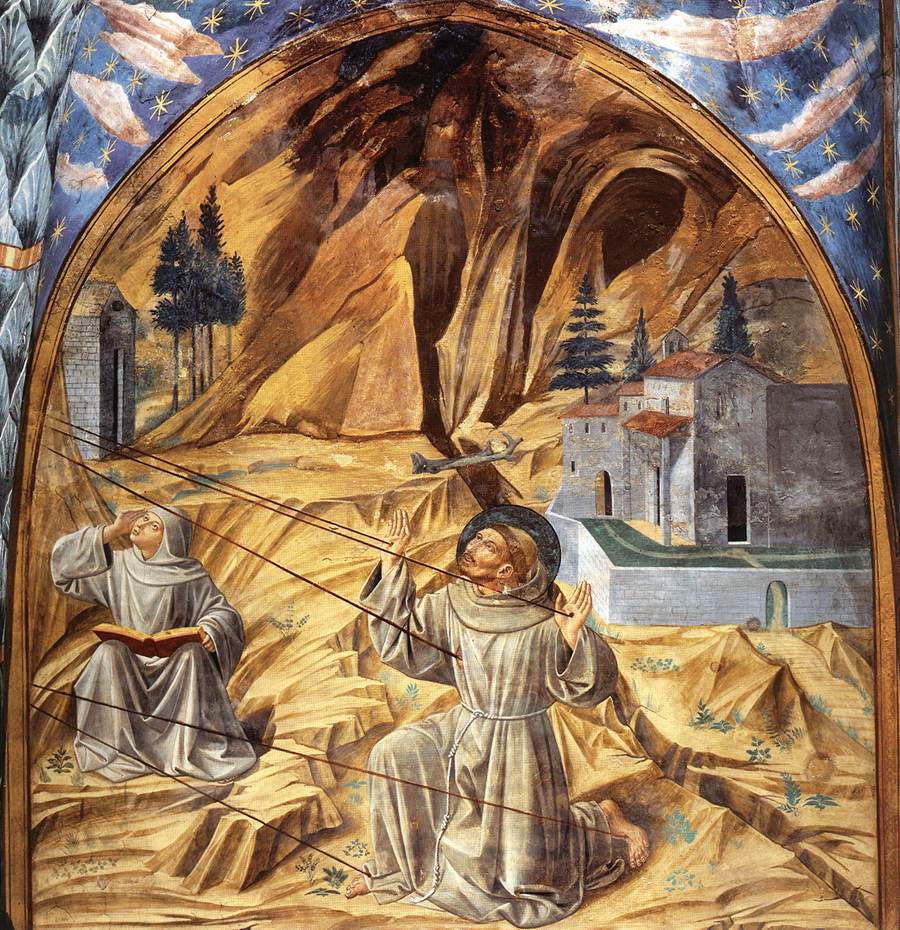
What the film omits: the Sultan & the stigmata • Not in film: His 1219 encounter with Sultan al-Kāmil during the Fifth Crusade, the stigmata at La Verna (1224), and the Greccio Nativity (1223)—all key historical episodes that happen after the early years Zeffirelli chose to dramatize.
Bottom line
Zeffirelli’s movie is intentionally devotional and impressionistic, but many of its signature moments—the leper, San Damiano, the public renunciation, and the papal audience—are anchored in early Franciscan sources. The timeline is compressed, the pageantry heightened, and later milestones (Sultan, stigmata, Greccio) are left for another film.
Al-Malik al-Kamil Nasir ad-Din Muhammad (c. 1177 – 6 March 1238), titled Abu al-Maʽali (Arabic: أبي المعالي), was an Egyptian ruler and the fourth Ayyubid sultan of Egypt. During his tenure as sultan, the Ayyubids defeated the Fifth Crusade. He was known to the Frankish crusaders as Meledin, a name by which he is referred to in some older western sources. As a result of the Sixth Crusade, he ceded West Jerusalem to the Christians and is known to have met with Saint Francis. – Wikipedia
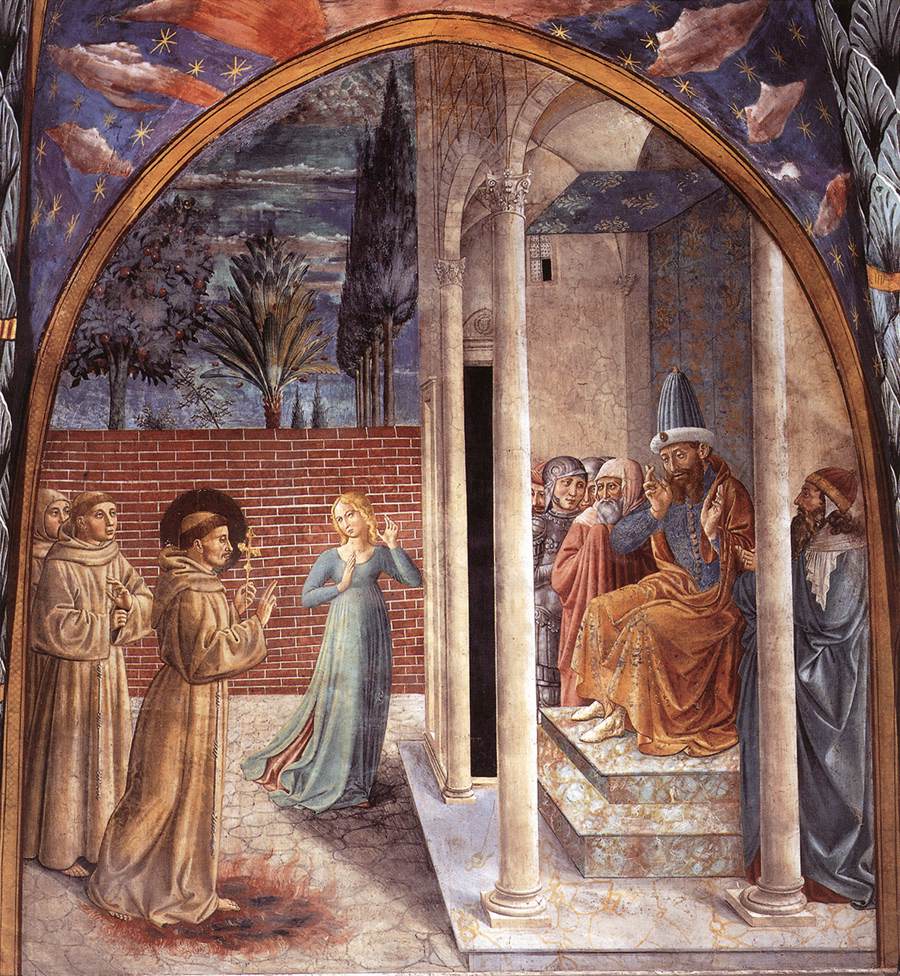
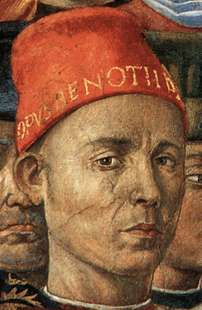
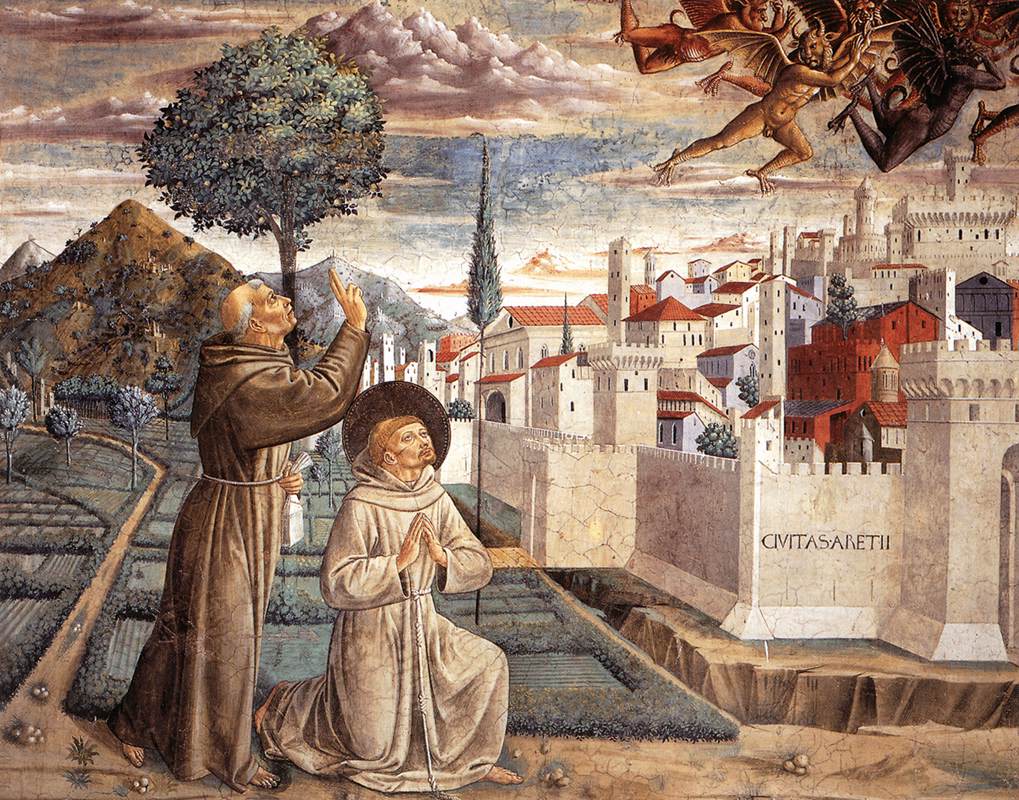
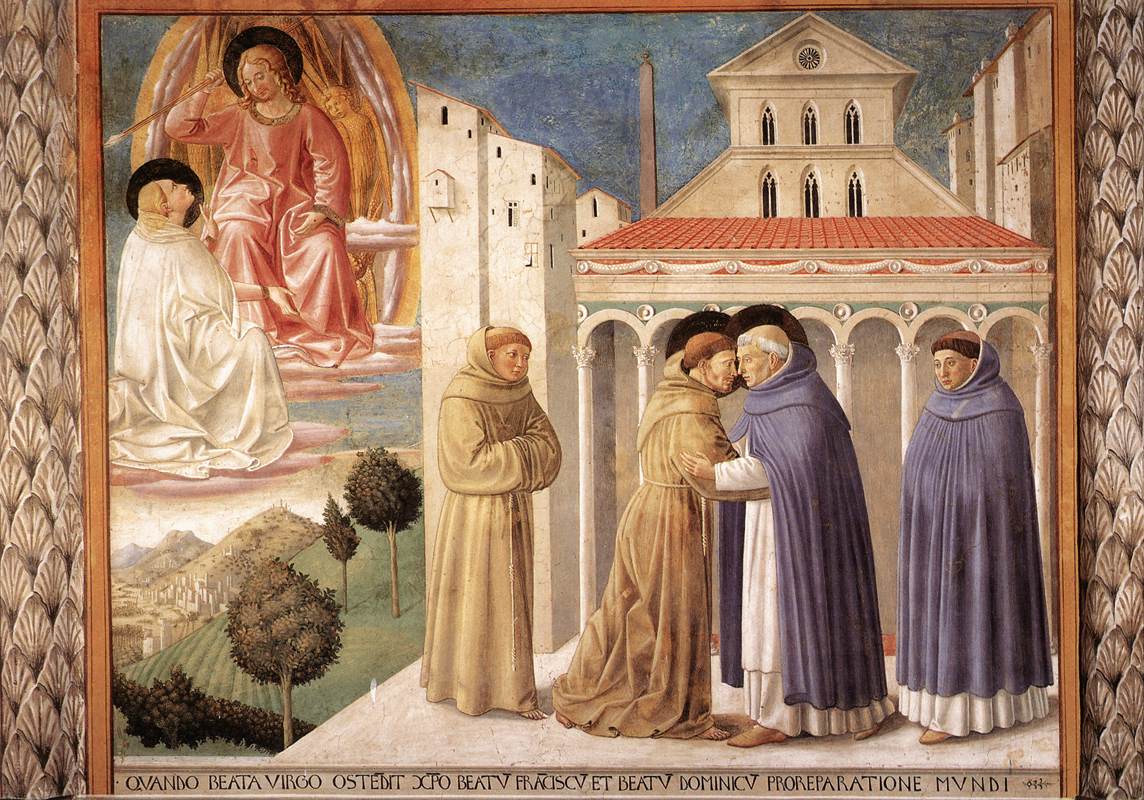
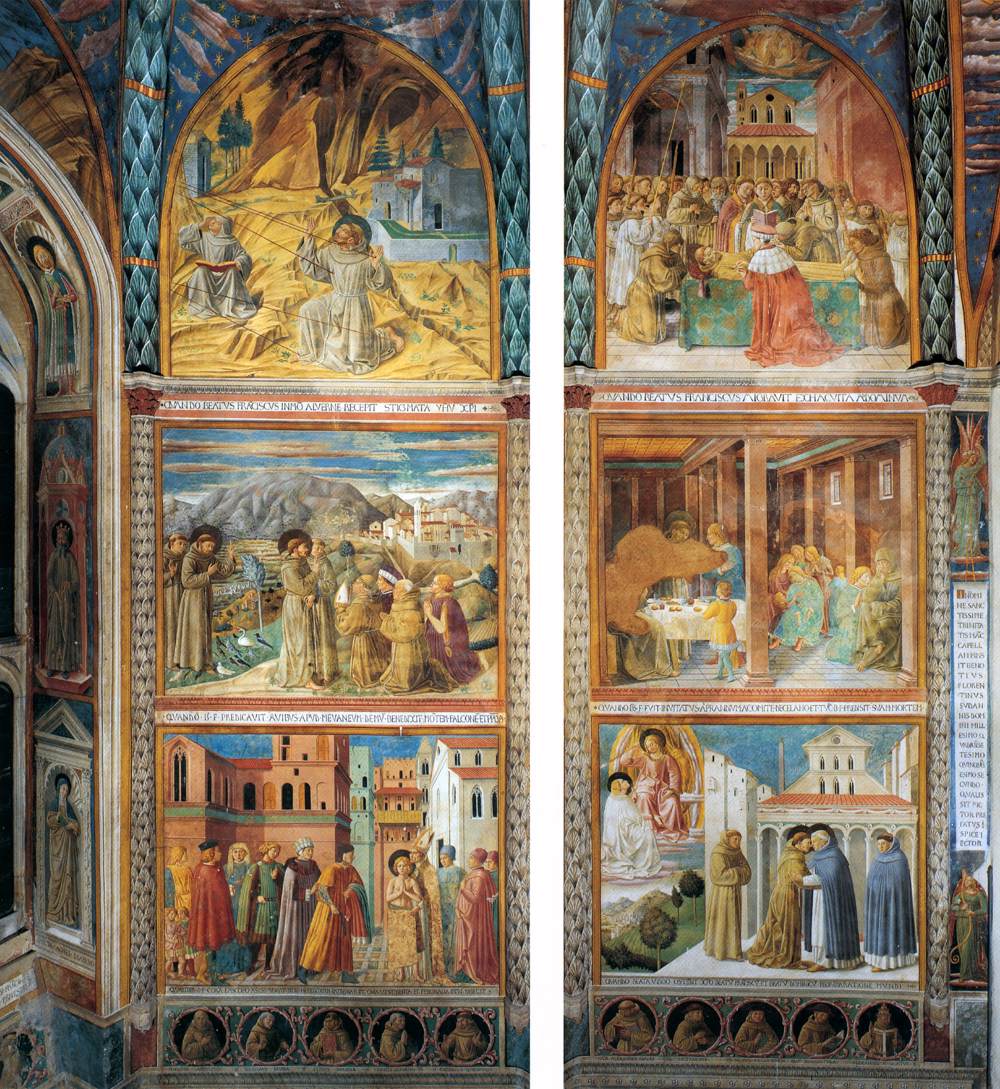
Benozzo Gozzoli (c. 1421 – 4 October 1497) was an Italian Renaissance painter from Florence.
A pupil of Fra Angelico, Gozzoli is best known for a series of murals in the Magi Chapel of the Palazzo Medici-Riccardi, depicting festive, vibrant processions with fine attention to detail and a pronounced International Gothic influence. […] Gozzoli is considered one of the most prolific fresco painters of his generation.
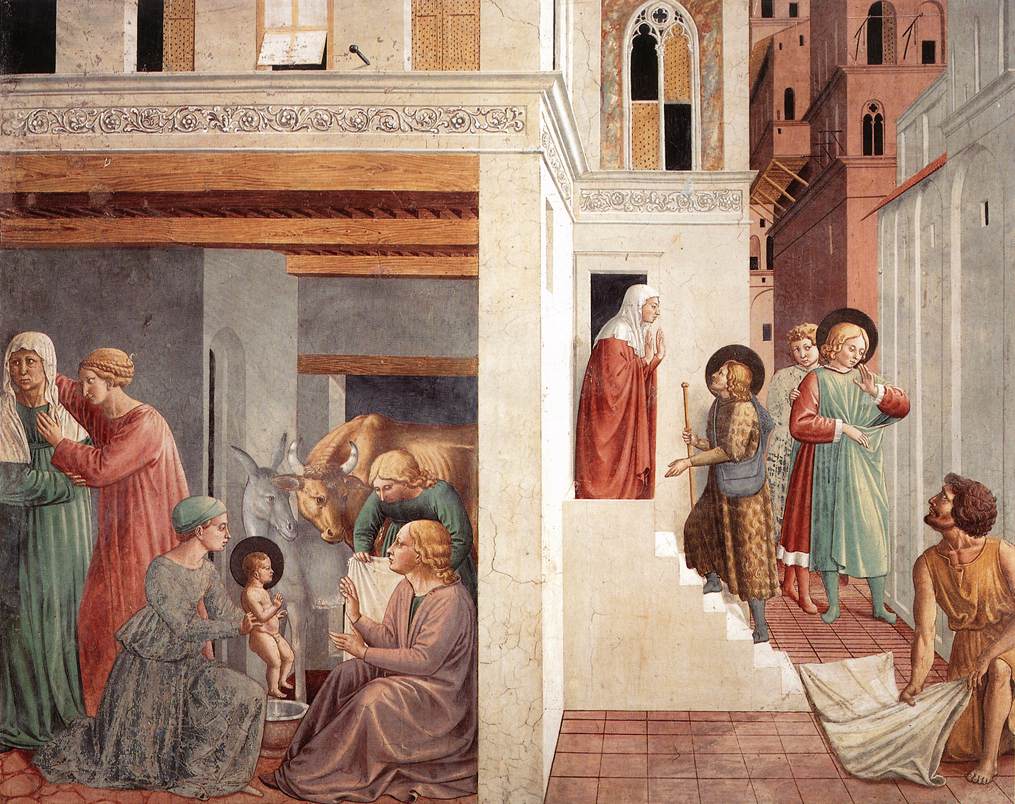
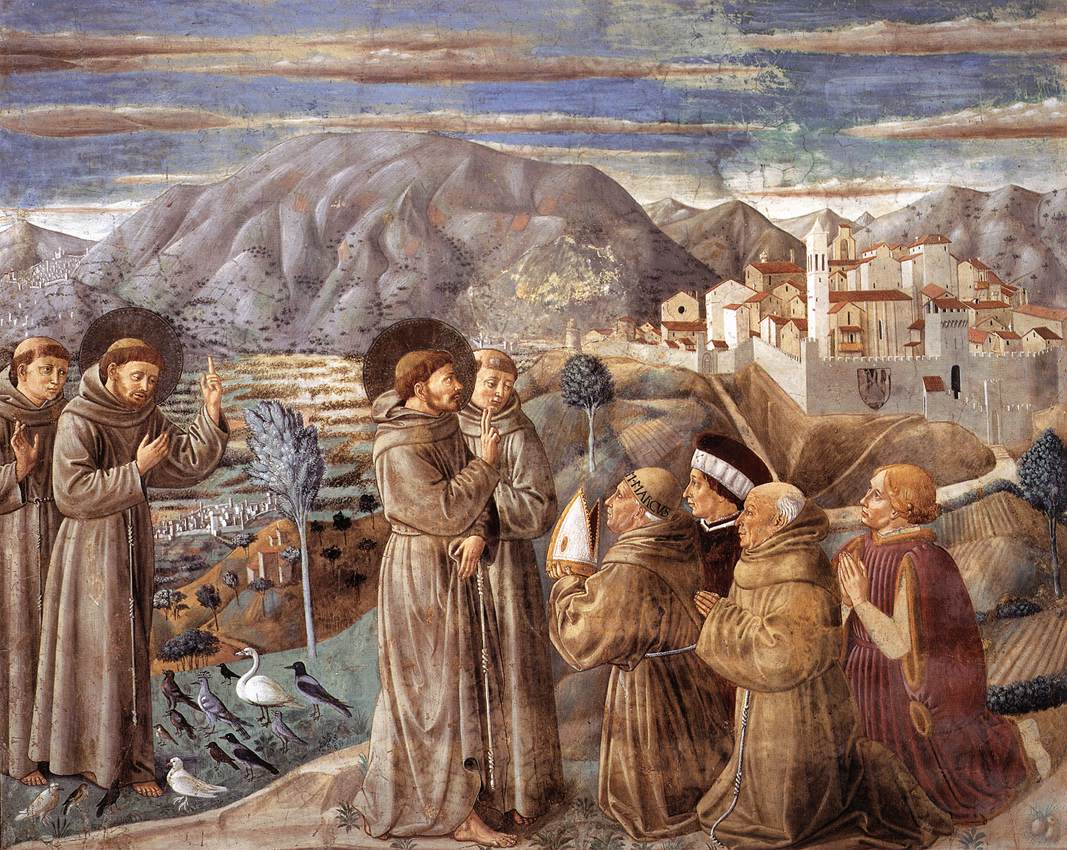
In 1450, Gozzoli received his first major independent commission from the monastery of S. Francesco in Montefalco. There, he filled the choir chapel with three registers of episodes from the life of St Francis of Assisi.
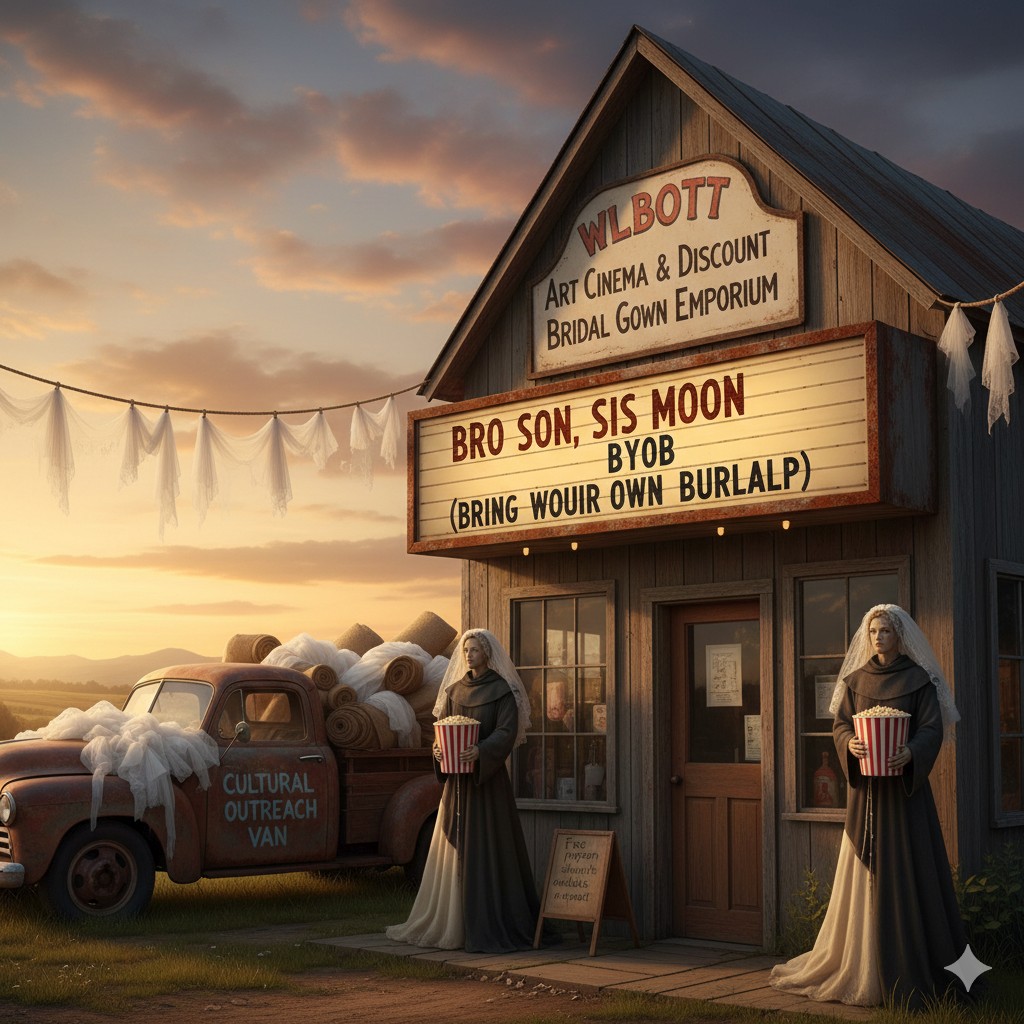
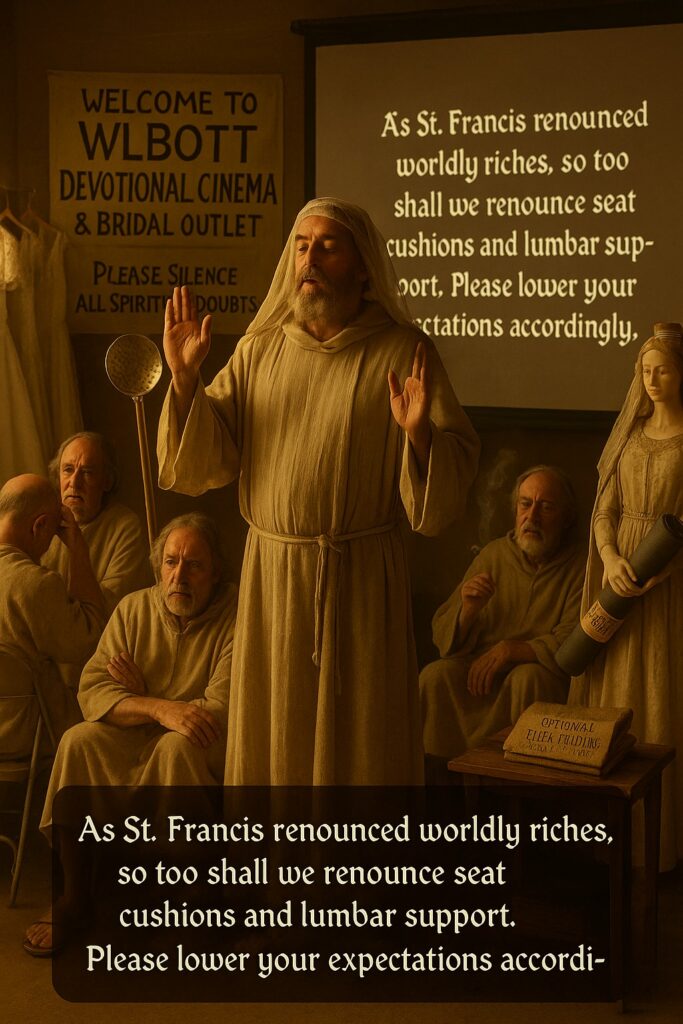
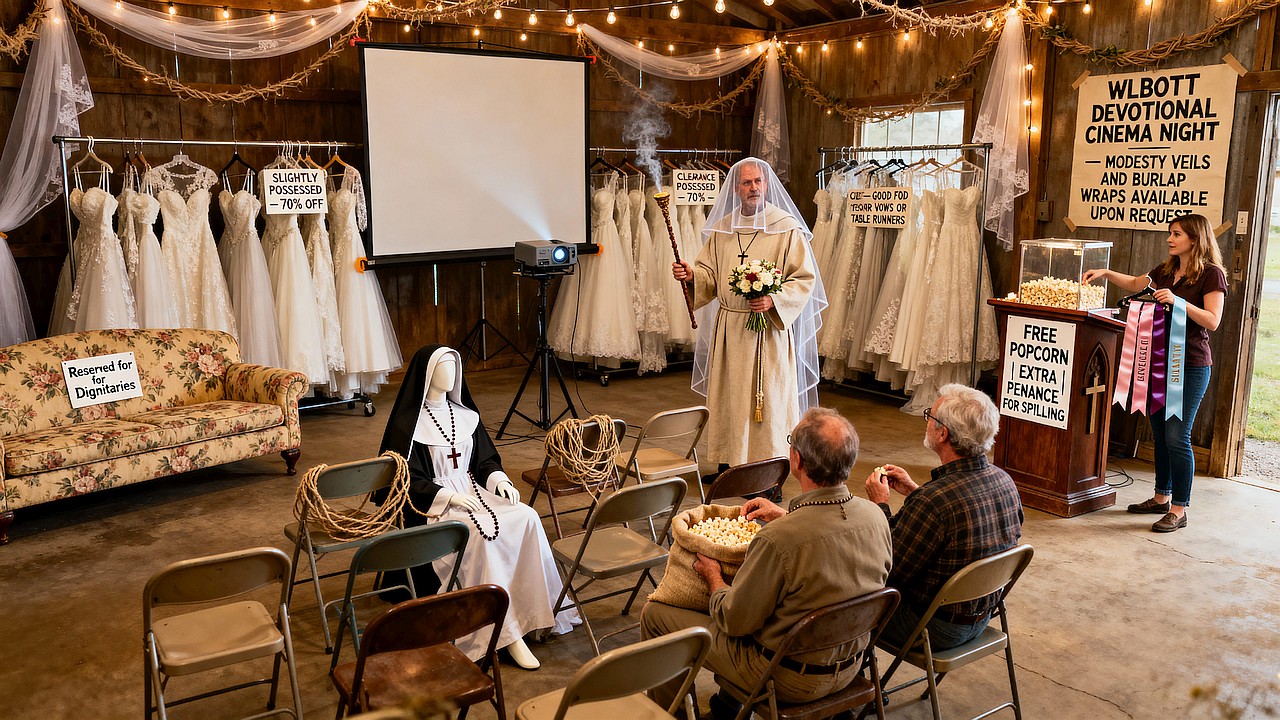
PREMIERE: Brother Sun, Sister Moon at the WLBOTT Art Cinema & Discount Bridal Gown Emporium
The WLBOTT Art Cinema & Discount Bridal Gown Emporium (motto: “Come for the Bergman, leave with a beaded tulle creation in eggshell or puce!”) is located in a repurposed former feed store just off County Road 17, between the abandoned roller rink and the place that still sells bait and funeral urns.
We have exactly 14 folding chairs, all slightly bent from previous WLBOTT potlucks, plus a loveseat that smells vaguely of frankincense and mothballs—reserved for dignitaries (i.e. anyone who remembers to bring snacks).