“LAUDATO SI’, mi’ Signore” – “Praise be to you, my Lord”. In the words of this beautiful canticle, Saint Francis of Assisi reminds us that our common home is like a sister with whom we share our life and a beautiful mother who opens her arms to embrace us. “Praise be to you, my Lord, through our Sister, Mother Earth, who sustains and governs us, and who produces various fruit with coloured flowers and herbs”. – Laudato Si’ Encyclical
We continue our look at Laudato Si’, the letter from Pope Francis that mandates us to respect Mother Earth. Today we’ll focus on some of the underlying poetry that inspired this foundational encyclical.
The phrase “Laudato Si” comes from a song written by Saint Francis of Assisi in 1224.
A portion of the song….
Laudato sie, mi Signore cum tucte le Tue creature, spetialmente messor lo frate Sole, lo qual è iorno, et allumini noi per lui.
Et ellu è bellu e radiante cum grande splendore: de Te, Altissimo, porta significatione.
Laudato si, mi Signore, per sora Luna e le stelle: in celu l’ài formate clarite et pretiose et belle.
Be praised, my Lord, through all your creatures, especially Sir Brother Sun, who brings the day; and you give light through him.
And he is beautiful and radiant in all his splendour! Of you, The Highest, he bears the likeness.
Praised be You, my Lord, through Sister Moon and the stars, in heaven you formed them clear and precious and beautiful.
The Canticle of the Sun in its praise of God thanks Him for such creations as “Brother Fire” and “Sister Water”. It is an affirmation of Francis’ personal theology as he often referred to animals as brothers and sisters to Mankind, rejected material accumulation and sensual comforts in favor of “Lady Poverty”.
Saint Francis is said to have composed most of the canticle in late 1224 while recovering from an illness at San Damiano, in a small cottage that had been built for him by Saint Clare and other women of her Order of Poor Ladies. According to tradition, the first time it was sung in its entirety was by Francis and Brothers Angelo and Leo, two of his original companions, on Francis’ deathbed, the final verse praising “Sister Death” having been added only a few minutes before.
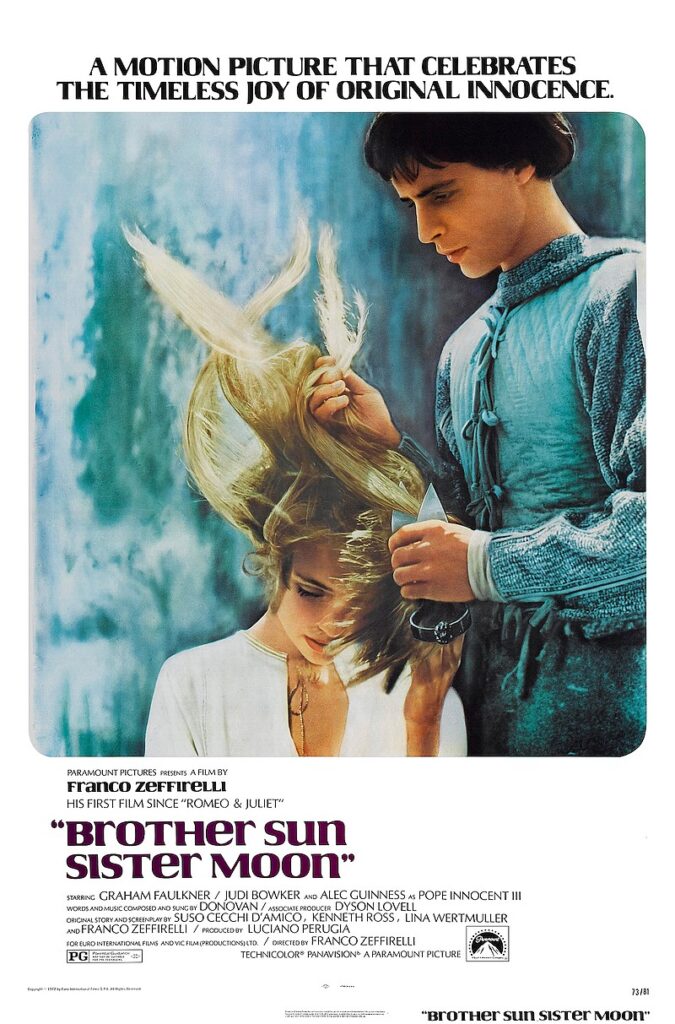
The movie title Brother Sun, Sister Moon is a reference to St. Francis’ poem Canticle of the Sun.
Brother Sun, Sister Moon (Italian: Fratello sole, sorella luna) is a 1972 historical drama film based on the hagiography of Saint Francis of Assisi. It is directed by Franco Zeffirelli from a screenplay he co-wrote with Suso Cecchi d’Amico, Lina Wertmüller and Kenneth Ross.
It stars Graham Faulkner as Francis and Judi Bowker as Clare of Assisi, along with Leigh Lawson, Kenneth Cranham, Lee Montague, Valentina Cortese and Alec Guinness. The title of the film is from Francis’ “Canticle of the Sun.”
Plot Francesco, spoiled son of wealthy textile merchant Pietro Bernardone, returns from fighting in the war between Assisi and Perugia. Illness has forced him to leave the war. Francesco is tormented by visions of his past when he was a boisterous, arrogant youth. During a long recovery, he finds God in poverty, chastity and obedience, experiencing a physical and spiritual renewal.
“There are no unsacred places; there are only sacred places and desecrated places.”

- Wendell Berry
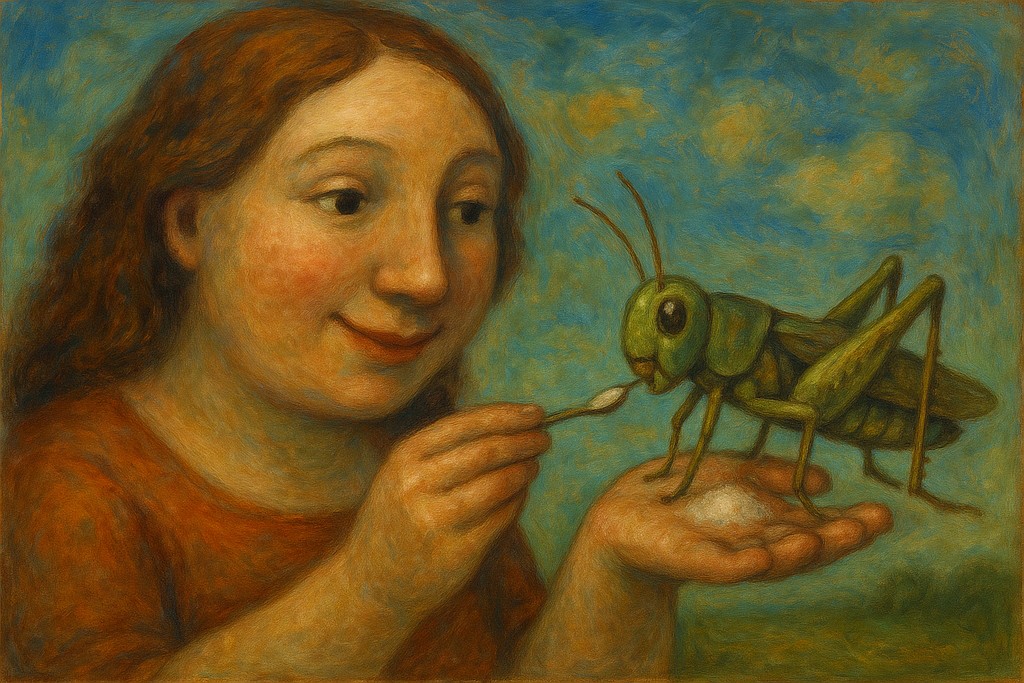
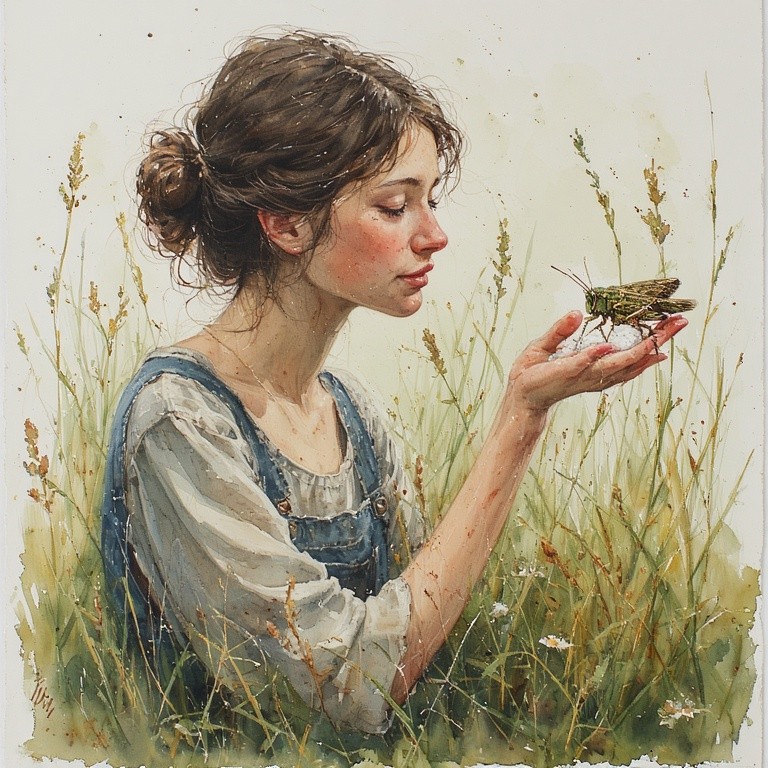
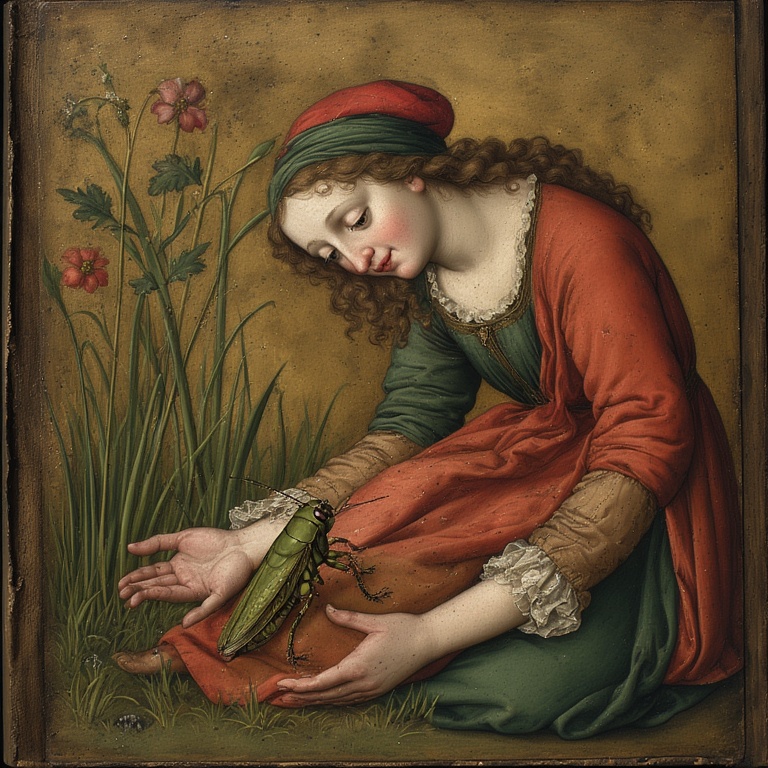
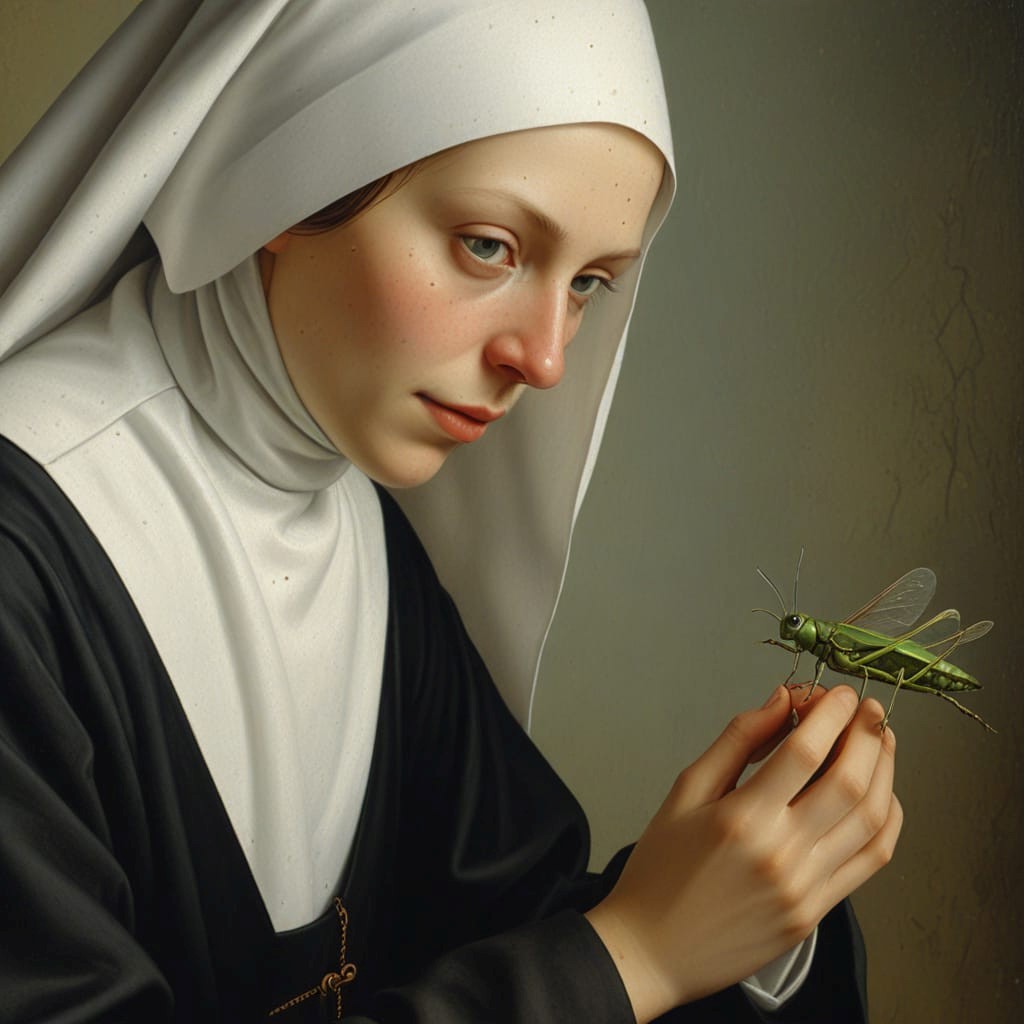
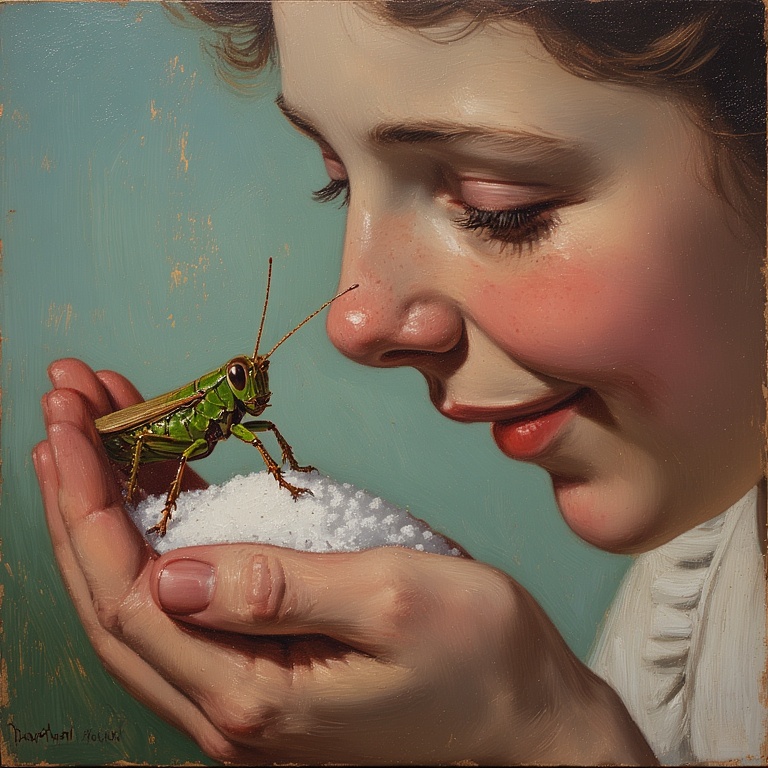
The Summer Day Who made the world? Who made the swan, and the black bear? Who made the grasshopper? This grasshopper, I mean— the one who has flung herself out of the grass, the one who is eating sugar out of my hand, who is moving her jaws back and forth instead of up and down— who is gazing around with her enormous and complicated eyes. Now she lifts her pale forearms and thoroughly washes her face. Now she snaps her wings open, and floats away. I don't know exactly what a prayer is. I do know how to pay attention, how to fall down into the grass, how to kneel down in the grass, how to be idle and blessed, how to stroll through the fields, which is what I have been doing all day. Tell me, what else should I have done? Doesn't everything die at last, and too soon? Tell me, what is it you plan to do with your one wild and precious life?