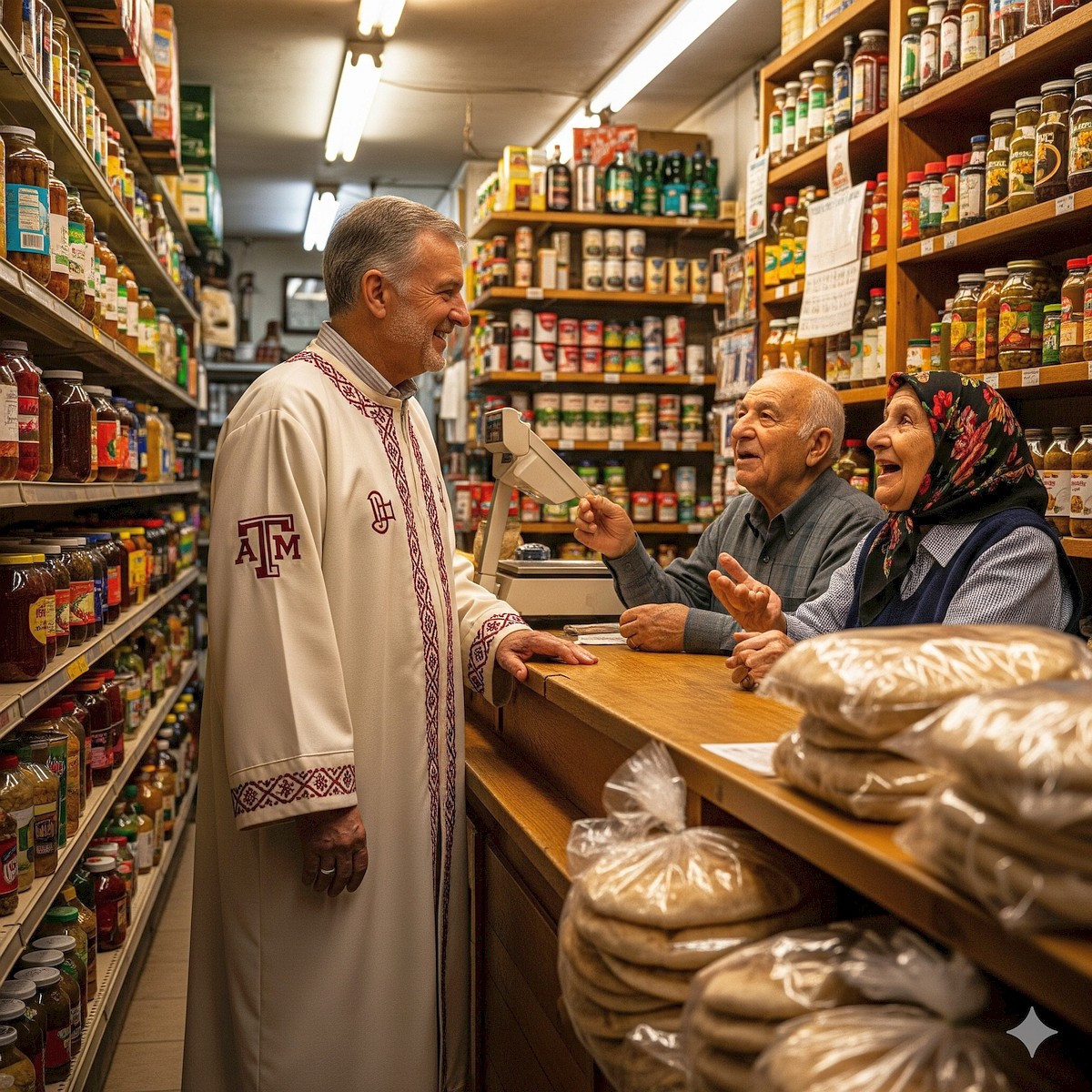
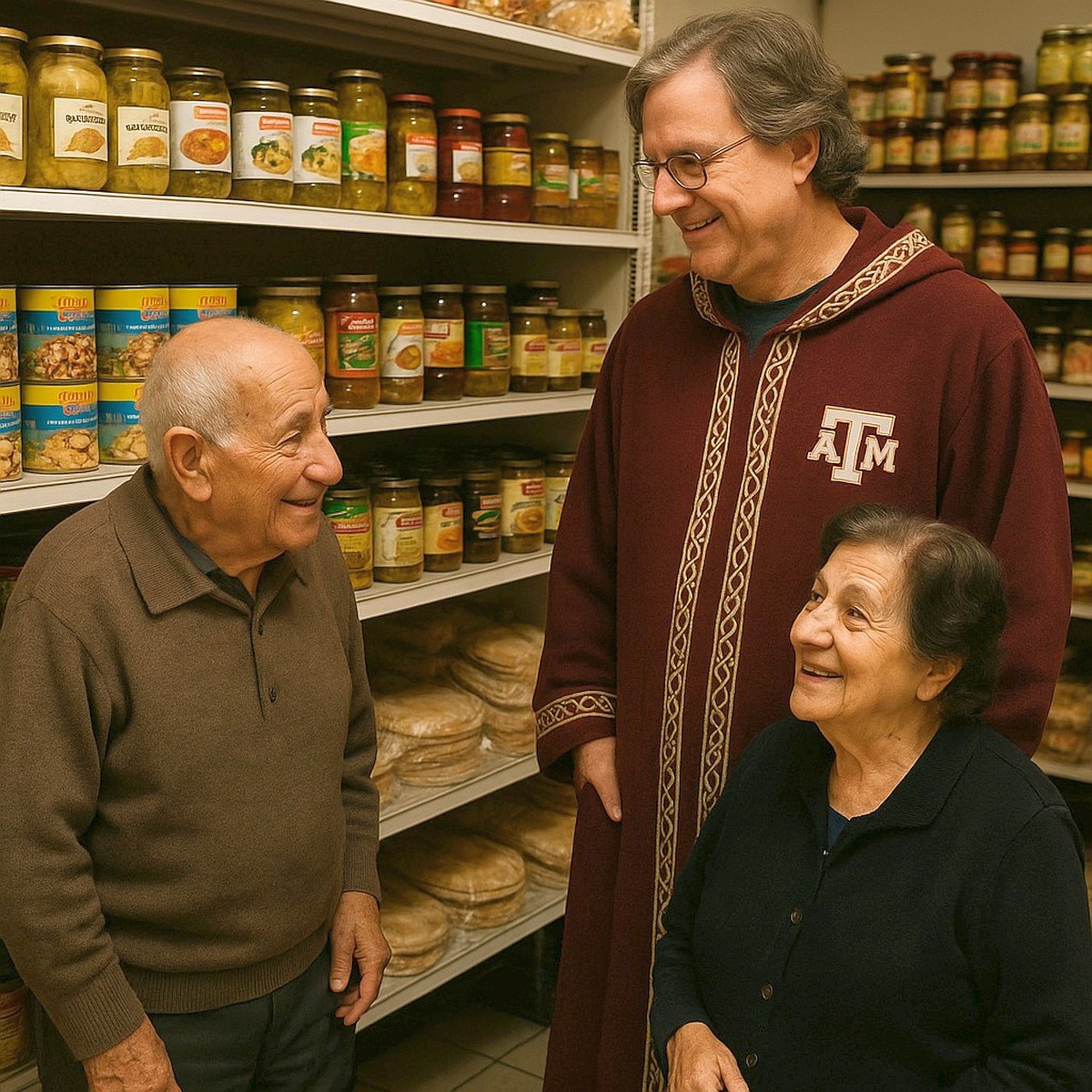
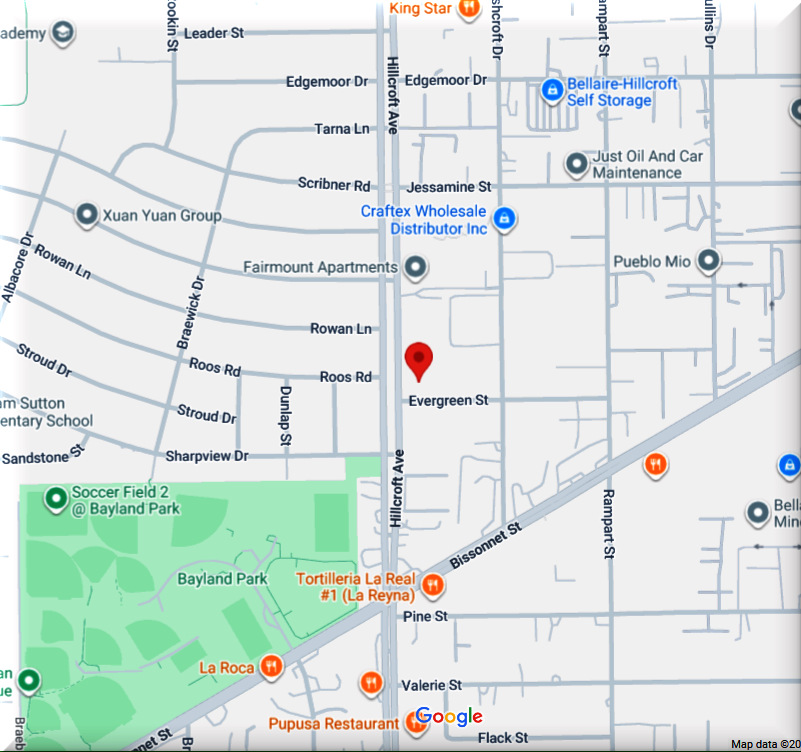
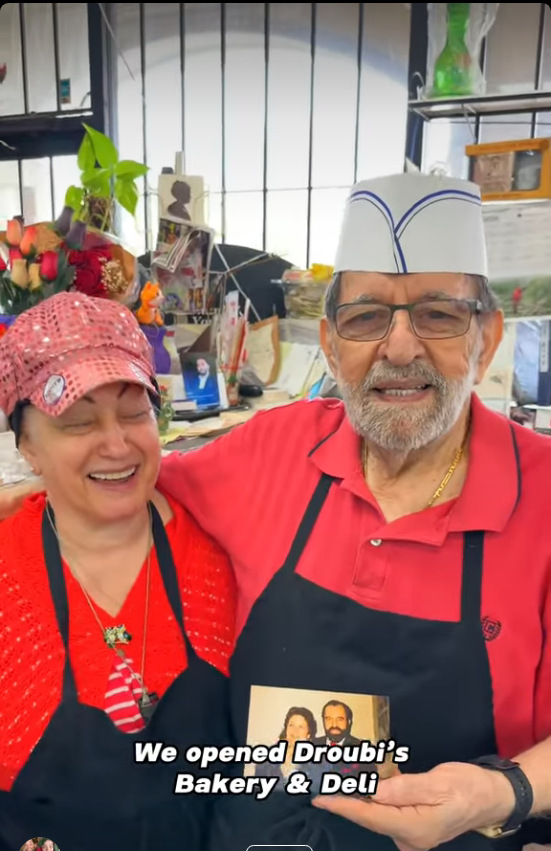
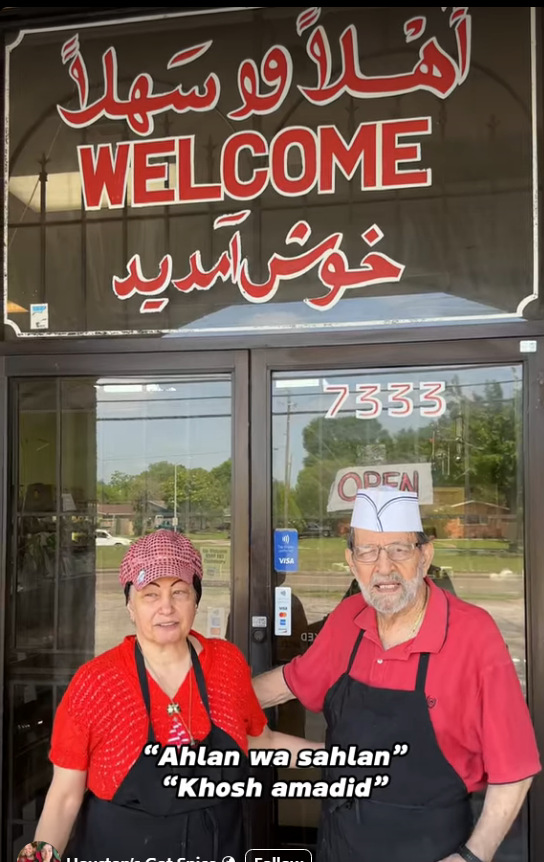
Gentle Peoples – I went to my favorite mom and pop middle eastern store, run by an octogenarian Lebanese couple who are a hoot and if there are no other customers, will provide their views of life from a Christian Lebanese immigrant perspective. Anyway, they have canned/jarred goods and a pita bakery.
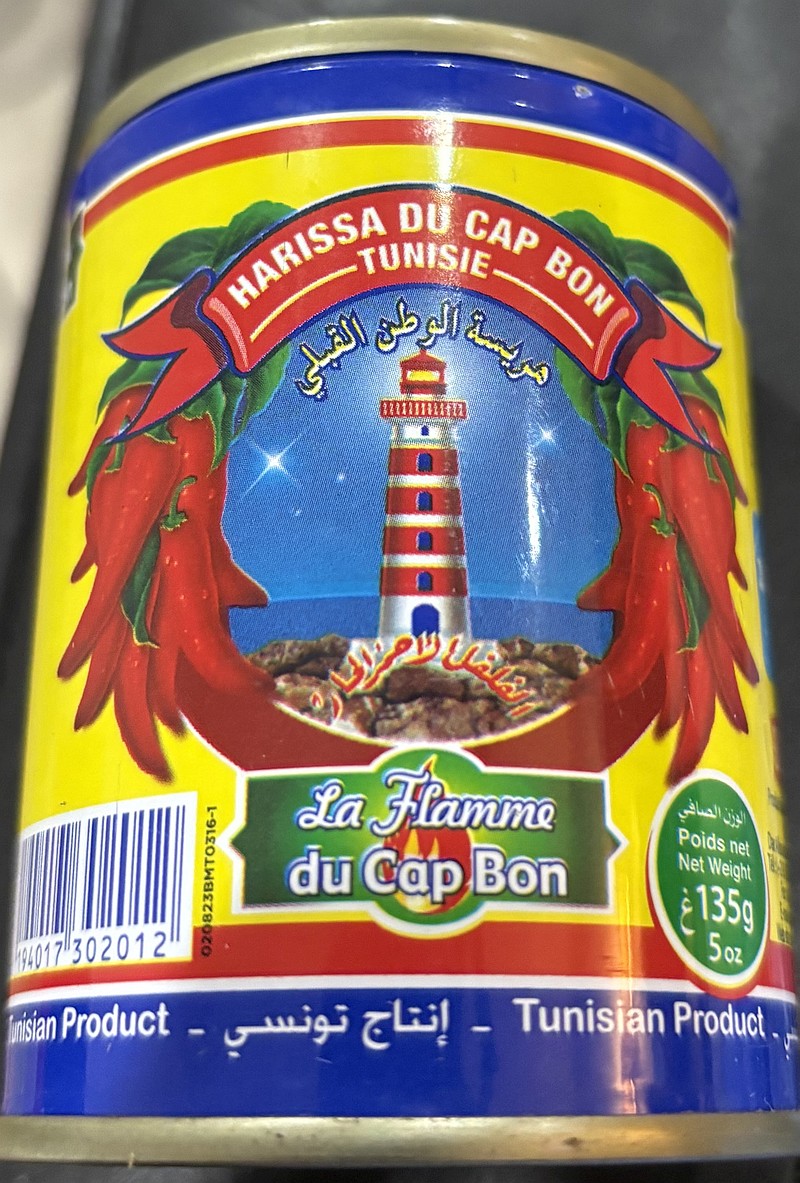
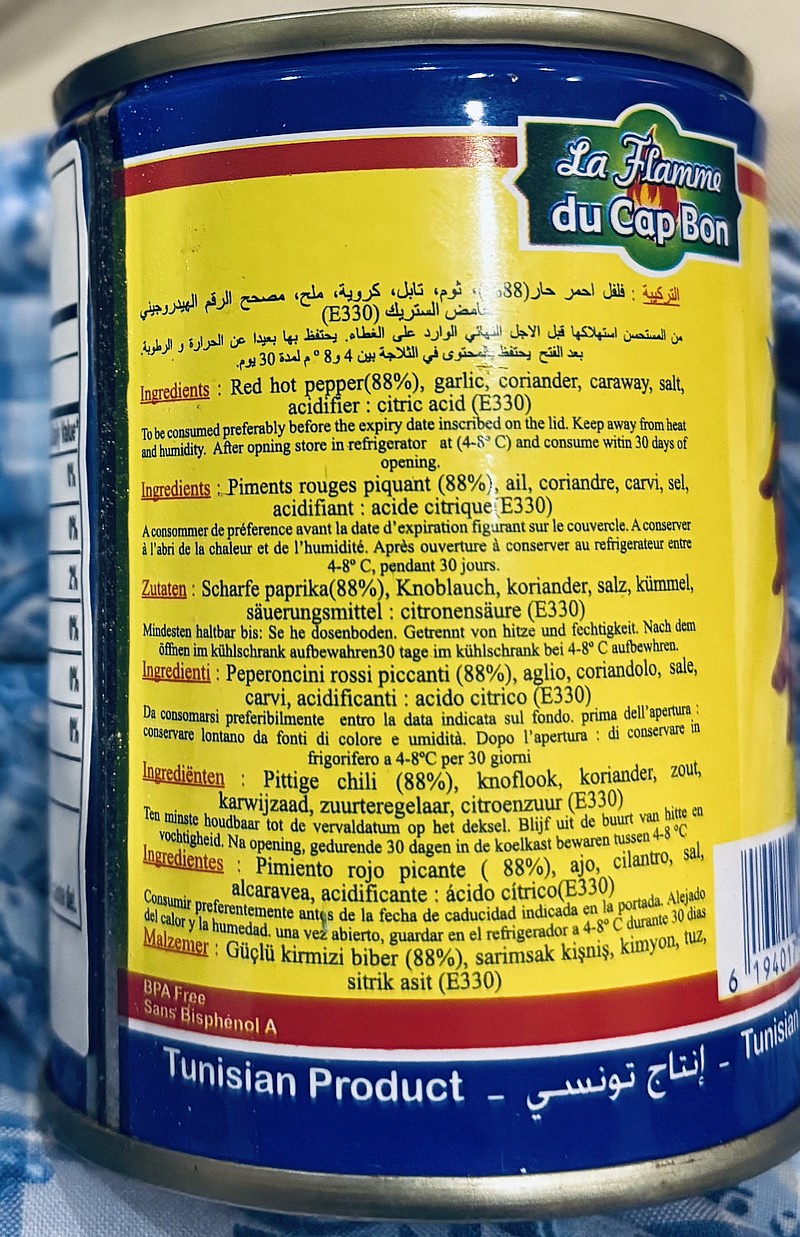
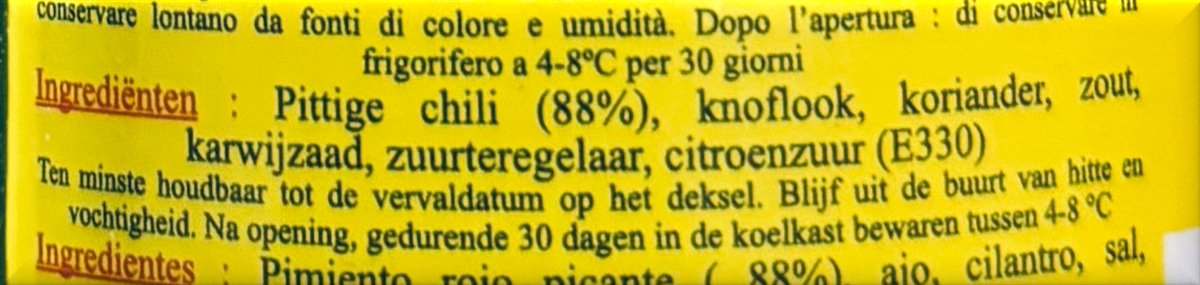
I was out of harissa (a spicy N African/Middle East pepper spread). The owner directed me to this brand from Tunisia (as the ‘original’). $1.49 can – I expect export tariffs on Tunisia (25%) to increase the price to $1.86.
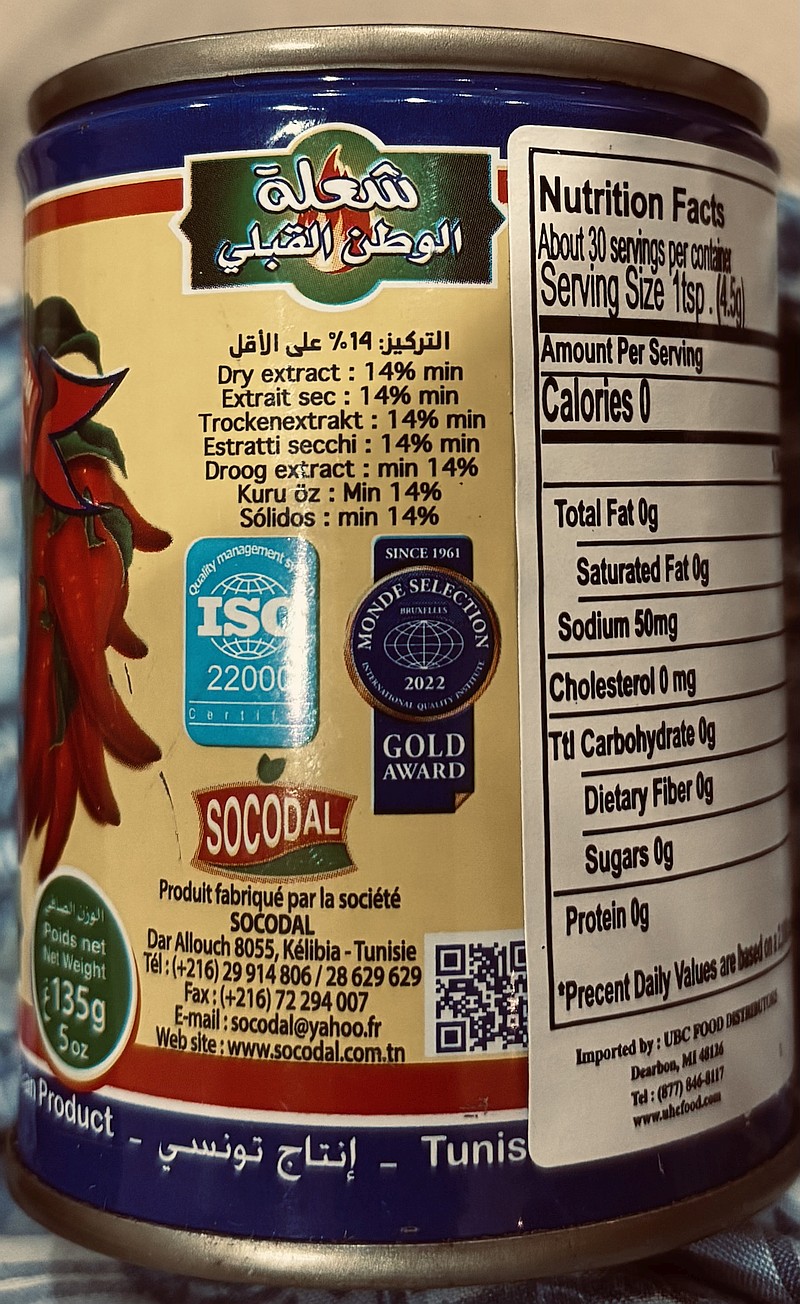
I proudly note the product was produced under ISO 22000. This standard’s remit is:
‘ISO 22000 is an international standard that specifies the requirements for a food safety management system (FSMS) for organizations involved in the food chain, from farm to fork.’
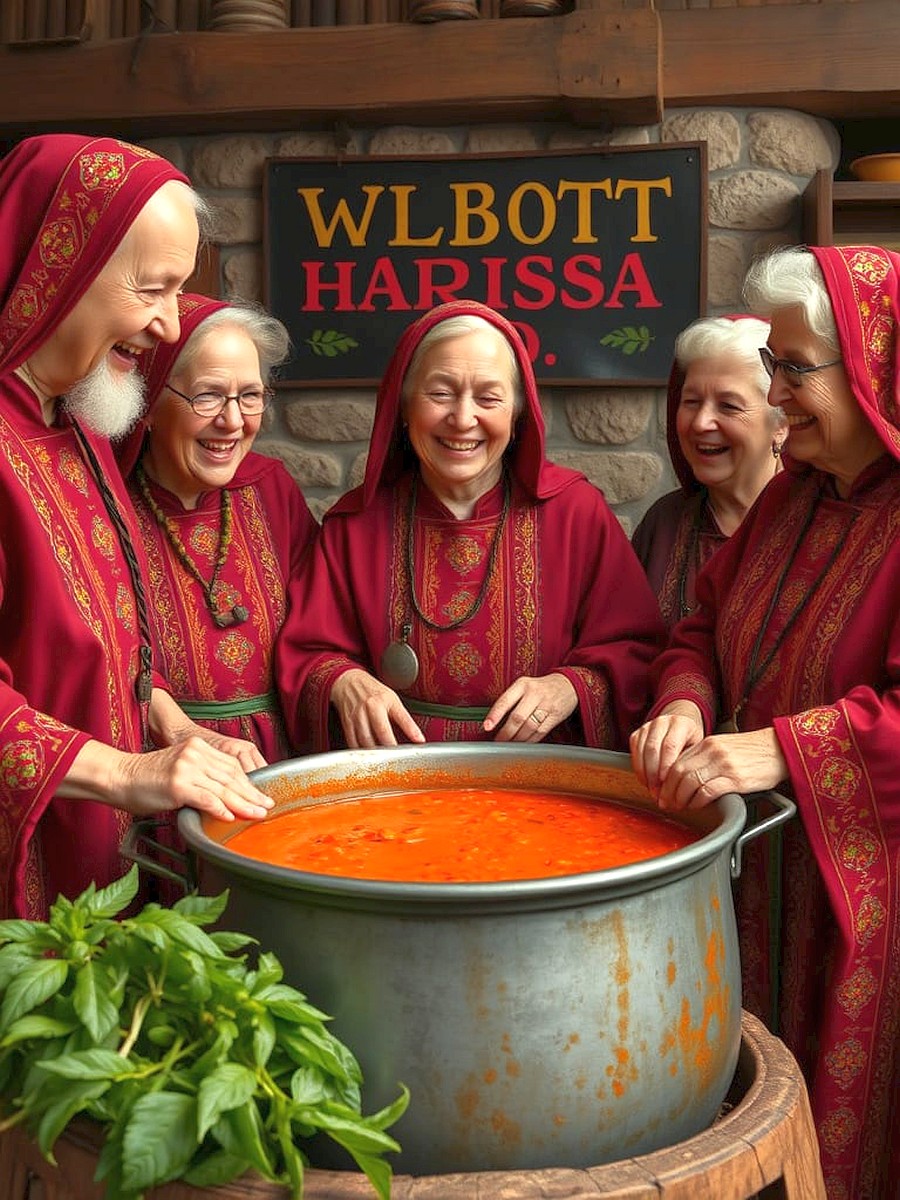
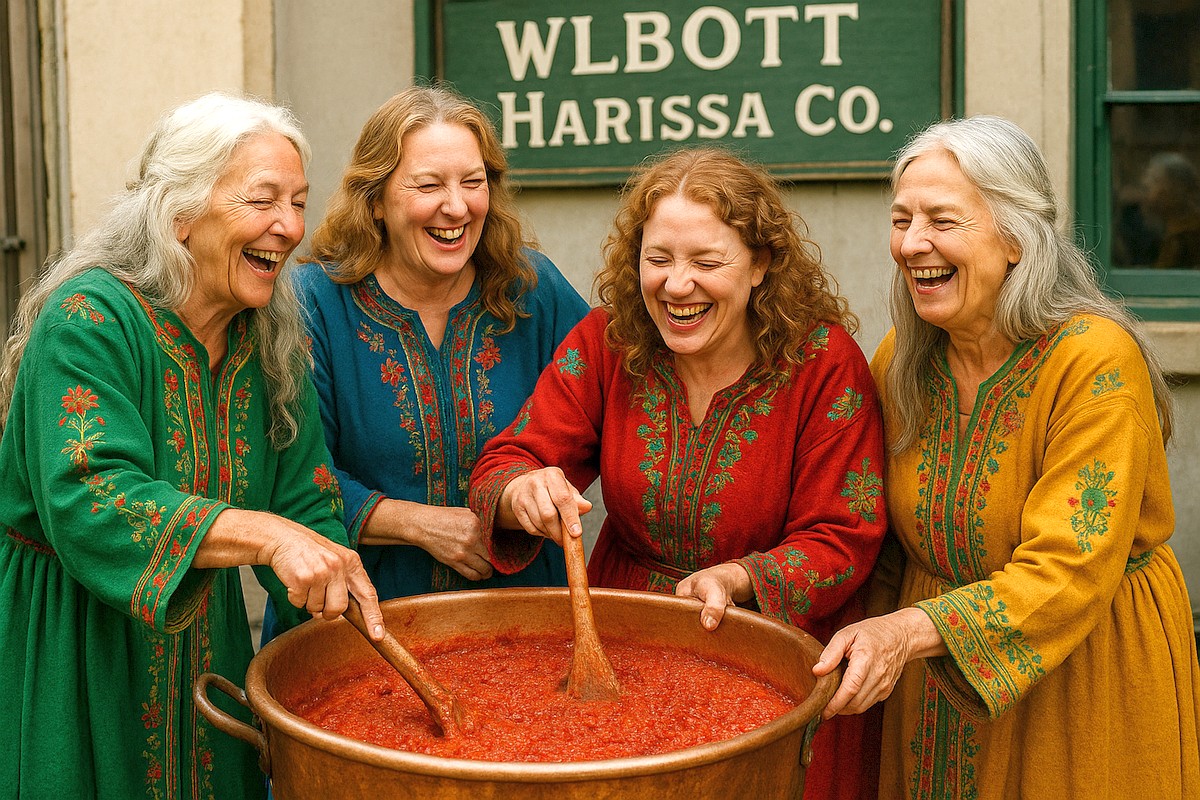
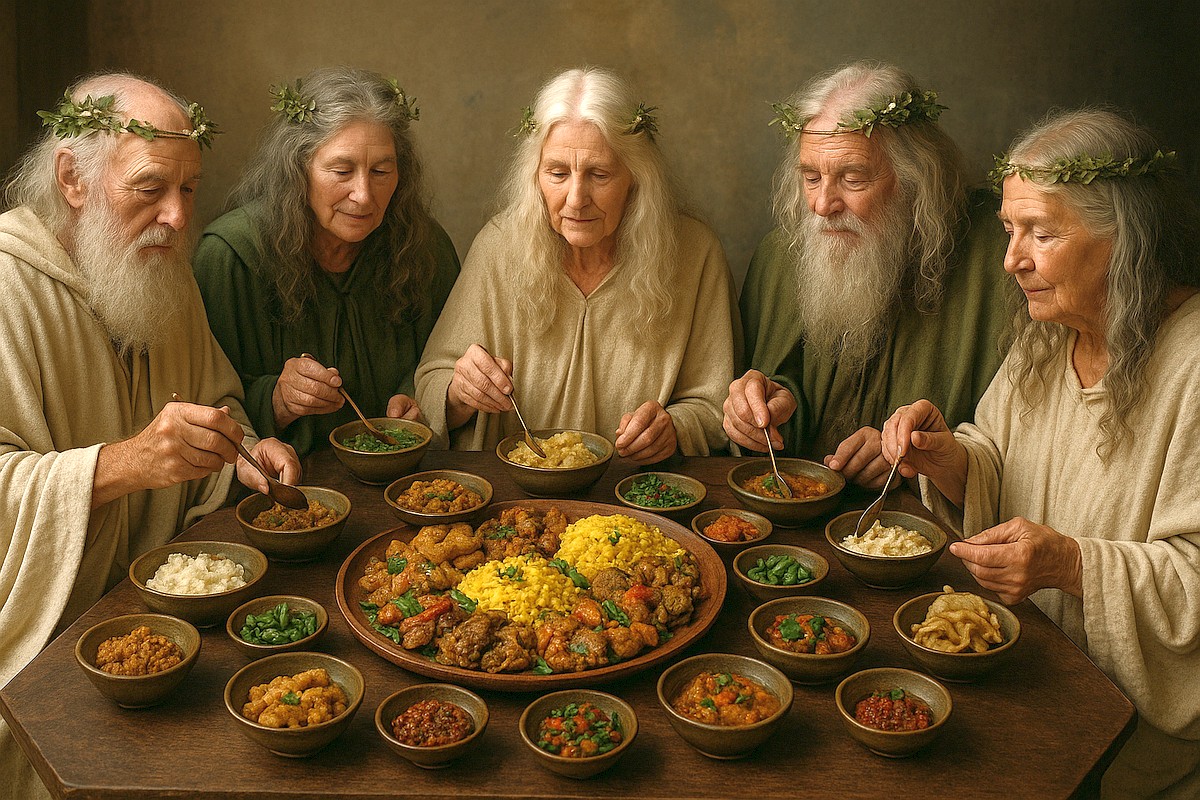
I would like to volunteer the Elders to be on the ISO Audit team to inspect the farms and factory.
‘3. Surveillance Audits: Regular (typically annual) surveillance audits to ensure ongoing compliance and maintenance of the FSMS after initial certification’
We would enjoy touring the bazaars and street food in Tunis and take an outing to inspect the pepper farms on the foothills of the Atlas Mountains.
Elder JimZim
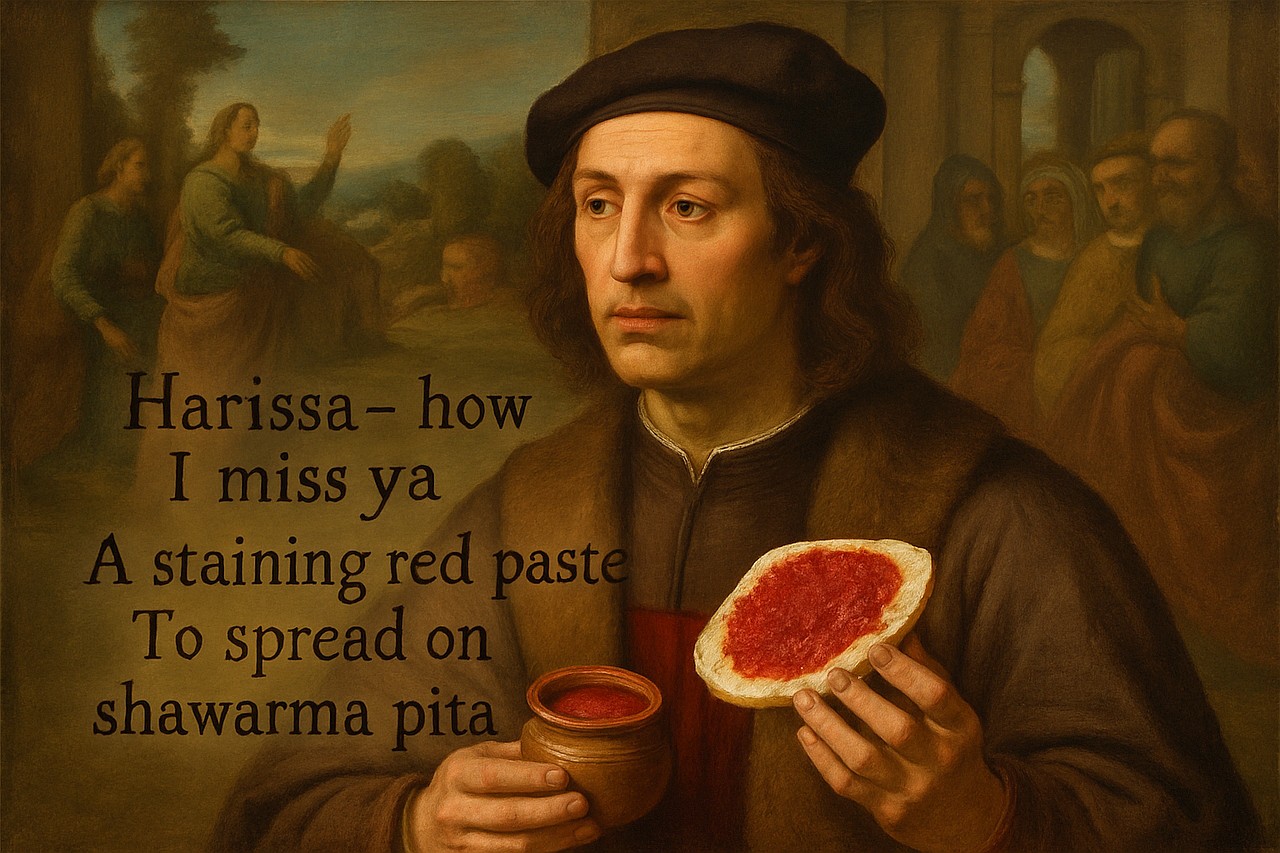
Lastly, I wrote a Harissa haiku when I was out of harissa:
Harissa - how I miss ya
A staining red paste
To spread on shawarma pita
Harissa (Arabic: هريسة, romanized: harīsa, from Maghrebi Arabic) is a hot chili pepper paste, native to the Maghreb. The main ingredients are roasted red peppers, Baklouti peppers (بقلوطي), spices and herbs such as garlic paste, caraway seeds, coriander seeds, cumin and olive oil to carry the oil-soluble flavors.
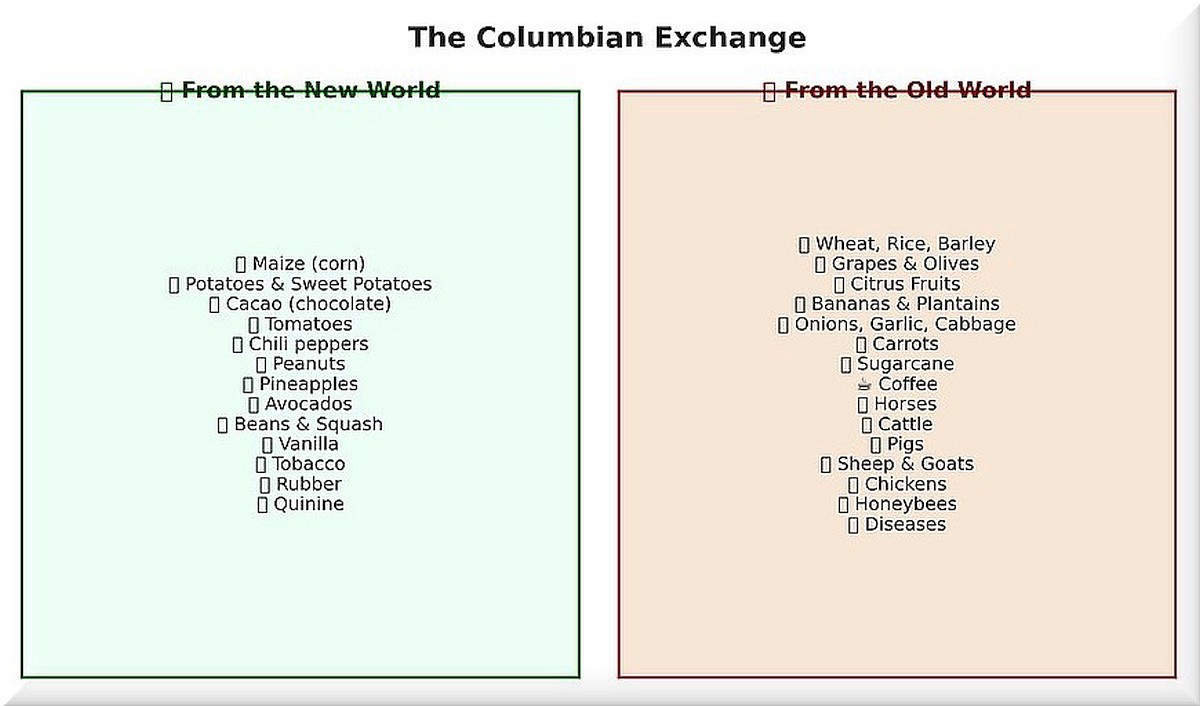
The origin of harissa goes back to the importation of chili peppers into Maghrebian cuisine by the Columbian exchange[1], presumably during the Spanish occupation of Ottoman Tunisia between 1535 and 1574.
Tunisia is the biggest exporter of prepared harissa. In 2006, the Tunisian production of harissa was 22,000 tonnes, incorporating about 40,000 tonnes of peppers. Tunisian harissa is often made with Baklouti peppers and chilis grown around Nabeul and Gabès, which are relatively mild, scoring 4,000–5,000 on the Scoville scale. On December 1, 2022, UNESCO added “Harissa, knowledge, skills and culinary and social practices” as part of Tunisia’s Intangible Cultural Heritage.
The Columbian exchange is pretty interesting. A lot of 2-way commerce, especially agricultural products.
Maize (corn): Quickly adopted in southern Europe, Africa, and Asia as a staple grain substitute.
Potatoes: First taken to Spain around the 1570s. At first a curiosity, they later became a staple in northern Europe (famously in Ireland, but also Poland, Germany, etc.).
Sweet Potatoes: Especially valued in Spain and Portugal; spread quickly into Asia.
Tomatoes: Arrived in Spain and Italy by the mid-1500s. At first, Europeans thought they were poisonous (related to nightshades), but Italians soon turned them into the base of their cuisine.
Beans: Such as kidney beans, lima beans, and others not native to Europe.
Squash & Pumpkins: Gradually incorporated into European cooking.
Peanuts: Carried first to Spain and then spread to Africa and Asia.
Cacao (cocoa): From Mesoamerica to Spain by the early 1500s. Mixed with sugar, it became the ancestor of hot chocolate and later solid chocolate.
Chili Peppers: Hugely important — they spread rapidly to Spain, Italy, the Balkans, Africa, India, and Asia. They reshaped cuisines globally.
Vanilla: From Mexico, adopted quickly by European confectionery.
Pineapples: A luxury exotic fruit in Europe by the 1500s.
Papayas & guavas: Less common at first, but reached Iberia.
Avocados: Not widely adopted early, but known by the 1500s.
Tobacco: Perhaps the fastest adopted New World crop. Already in Spain by the 1520s.
Quinine (from cinchona bark): Later in the 1600s, it became the basis for treating malaria, critical for European colonial expansion in the tropics.
The Dutch Connection?
No direct harissa link to the Dutch East India Company (VOC).
Here’s why:
1. Harissa’s Timeline
Harissa, as we know it, only developed after the chili pepper arrived in North Africa from the New World, sometime in the 16th–17th centuries.
The Dutch East India Company (VOC, founded 1602) was focused mainly on the spice trade in Asia: pepper, cloves, nutmeg, cinnamon. Their shipping routes centered on Indonesia, India, and Ceylon (Sri Lanka).
2. Dutch–North Africa Contact
The VOC itself wasn’t active in Tunisia or the Maghreb. But the Dutch did have trading relations in the Mediterranean through the smaller Dutch West India Company (WIC) and independent merchants.
They traded in salt, grain, and cloth with North African ports, but these were smaller-scale compared to France or Spain.
3. Harissa’s Spread
Harissa stayed largely a Tunisian/Maghrebi specialty until modern times. Its broader European spread is tied to 20th-century labor migration (especially after WWII), not colonial-era Dutch trade.
France has the deepest colonial link (Tunisia was a French protectorate from 1881 to 1956), which is why harissa is now almost as common in French kitchens as mustard.
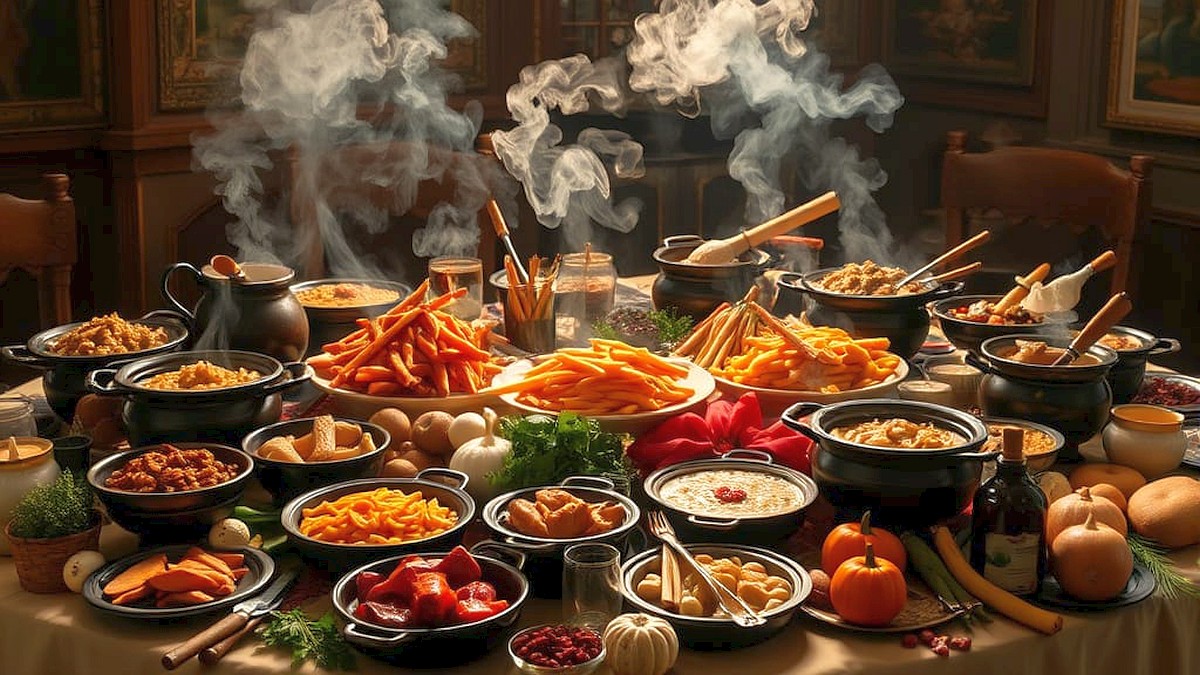
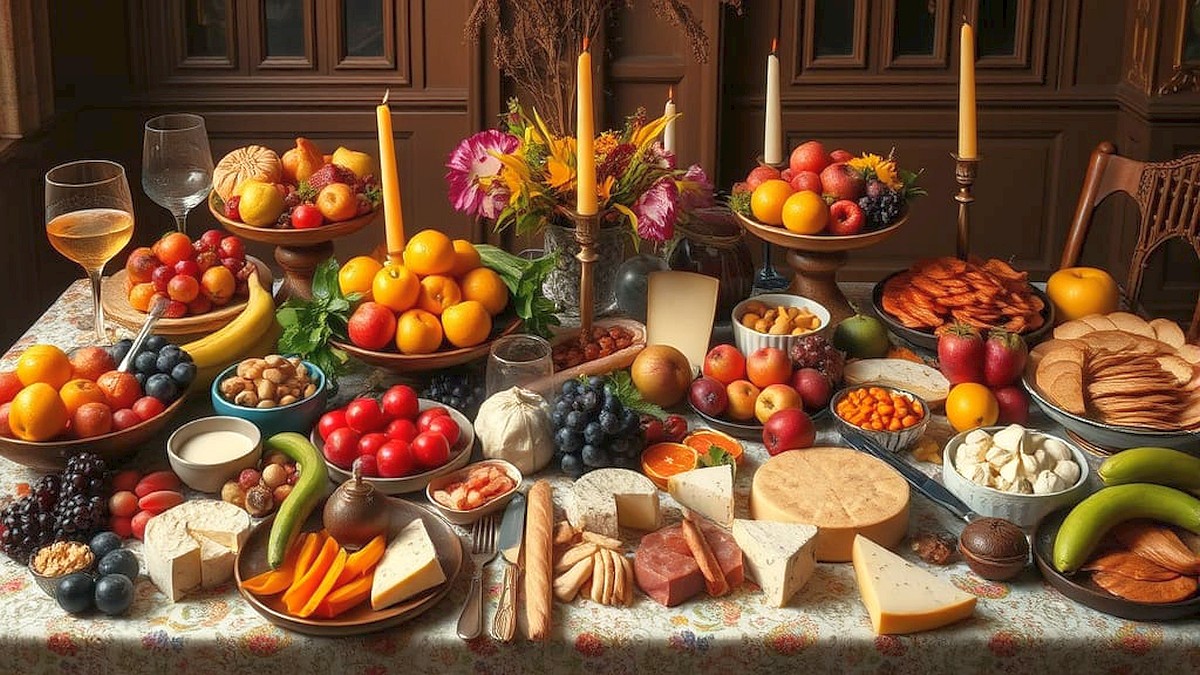
The only Dutch word I know is Rijsttafel. A wonderful feast (dozen of little dishes) which I had many time in the Netherlands. A close second is the Scandinavian Smörgåsbord.
Elder JimZim
And away we go….
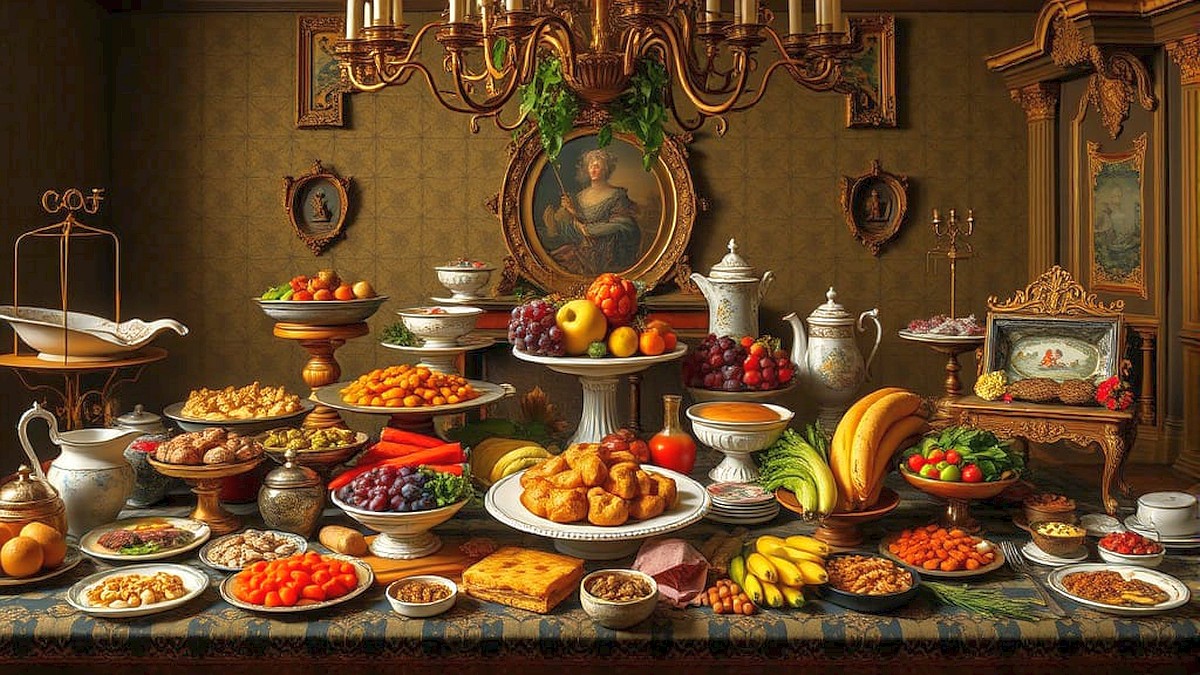
Rijsttafel, a Dutch word that literally translates to “rice table”, is an Indonesian elaborate meal adapted by the Dutch following the hidang presentation of nasi padang from the Padang region of West Sumatra. It consists of many (forty is not an unusual number) side dishes served in small portions, accompanied by rice prepared in several different ways. Popular side dishes include egg rolls, sambals, satay, fish, fruit, vegetables, pickles, and nuts. In most areas where it is served, such as the Netherlands, and other areas of strong Dutch influence (such as parts of the West Indies), it is known under its Dutch name.
Although the dishes served are undoubtedly Indonesian, the rijsttafel’s origins were colonial. The Dutch introduced the rice table not only so they could enjoy a wide array of dishes at a single sitting but also to impress visitors with the exotic abundance of their colony.
Rijsttafels strive to feature an array of not only flavors and colors and degrees of spiciness but also textures, an aspect that is not commonly discussed in Western food. Such textures may include crispy, chewy, slippery, soft, hard, velvety, gelatinous, and runny[2].
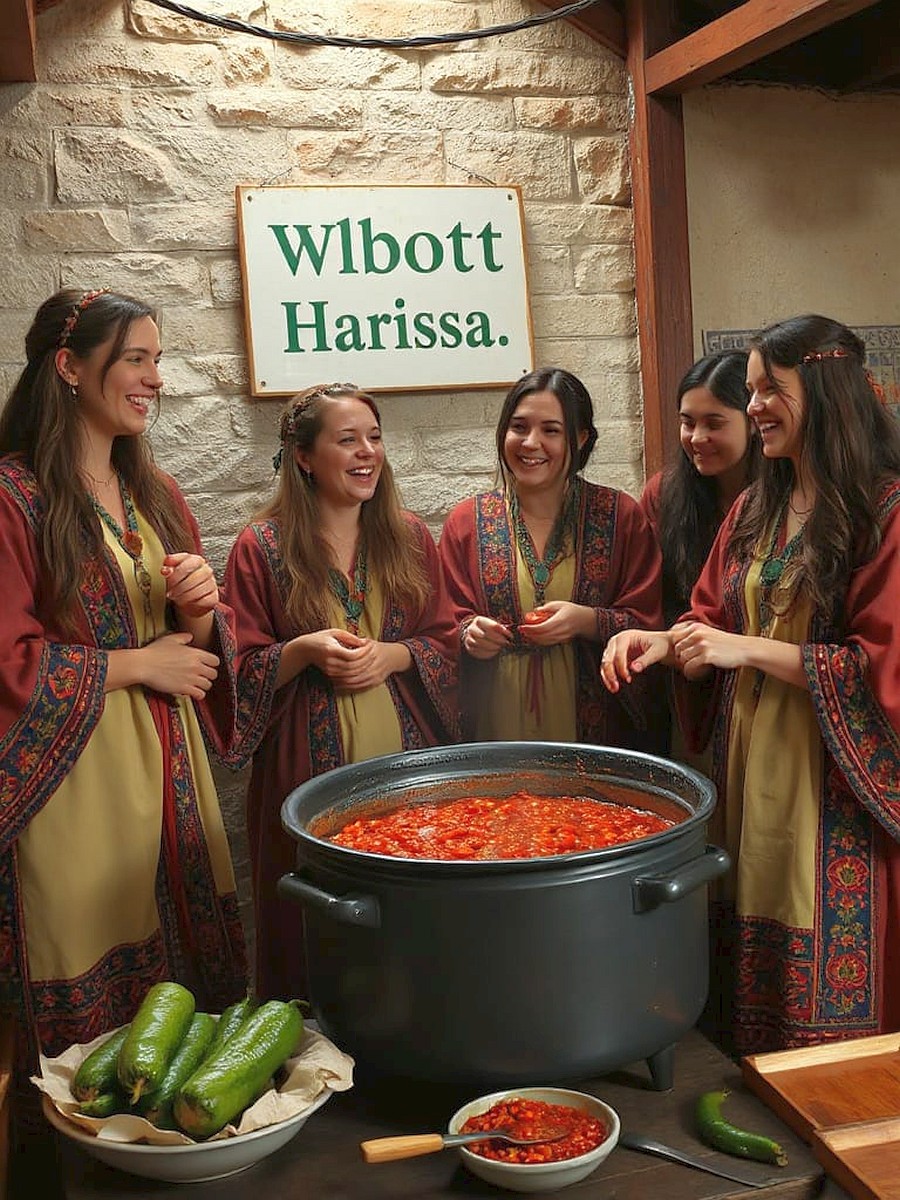
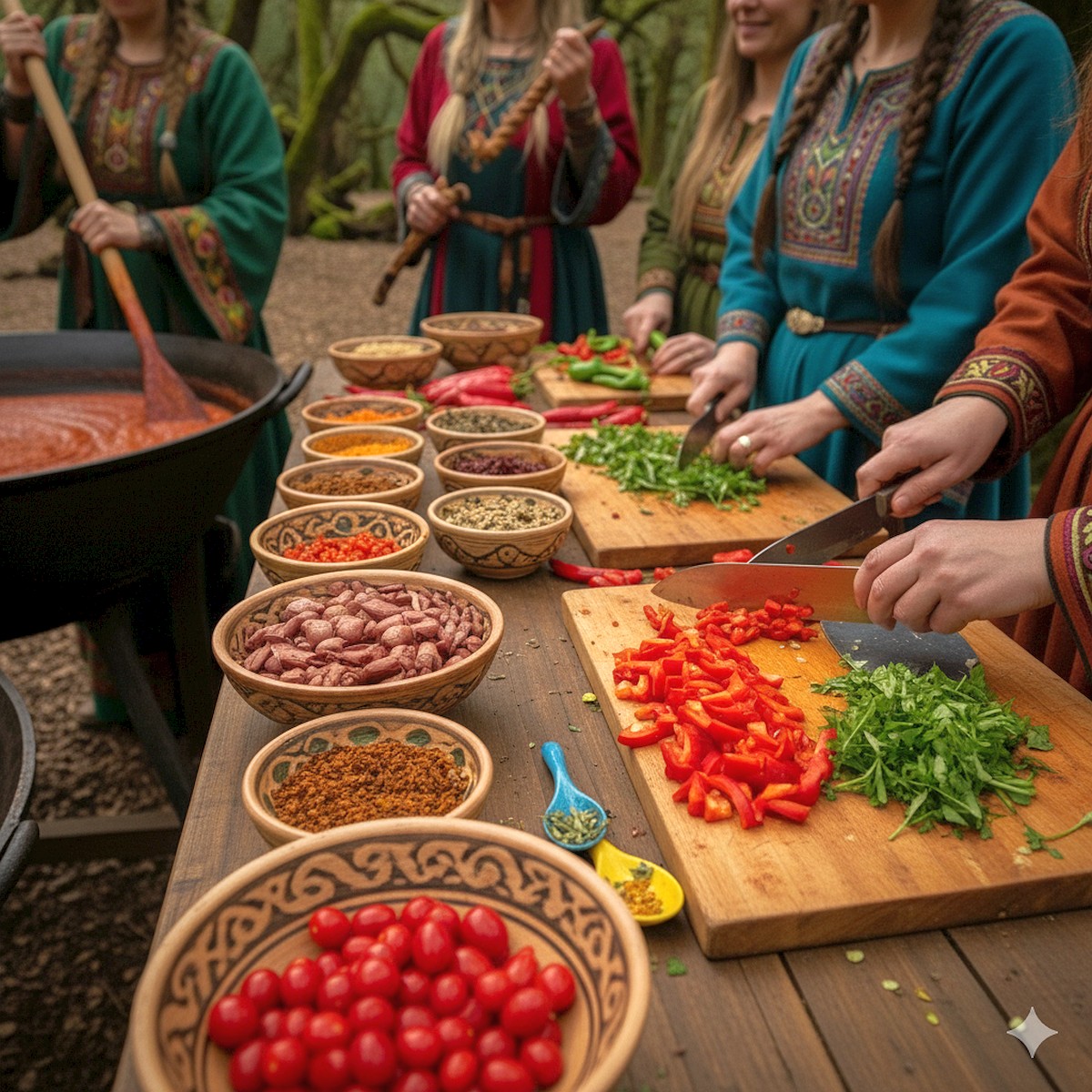
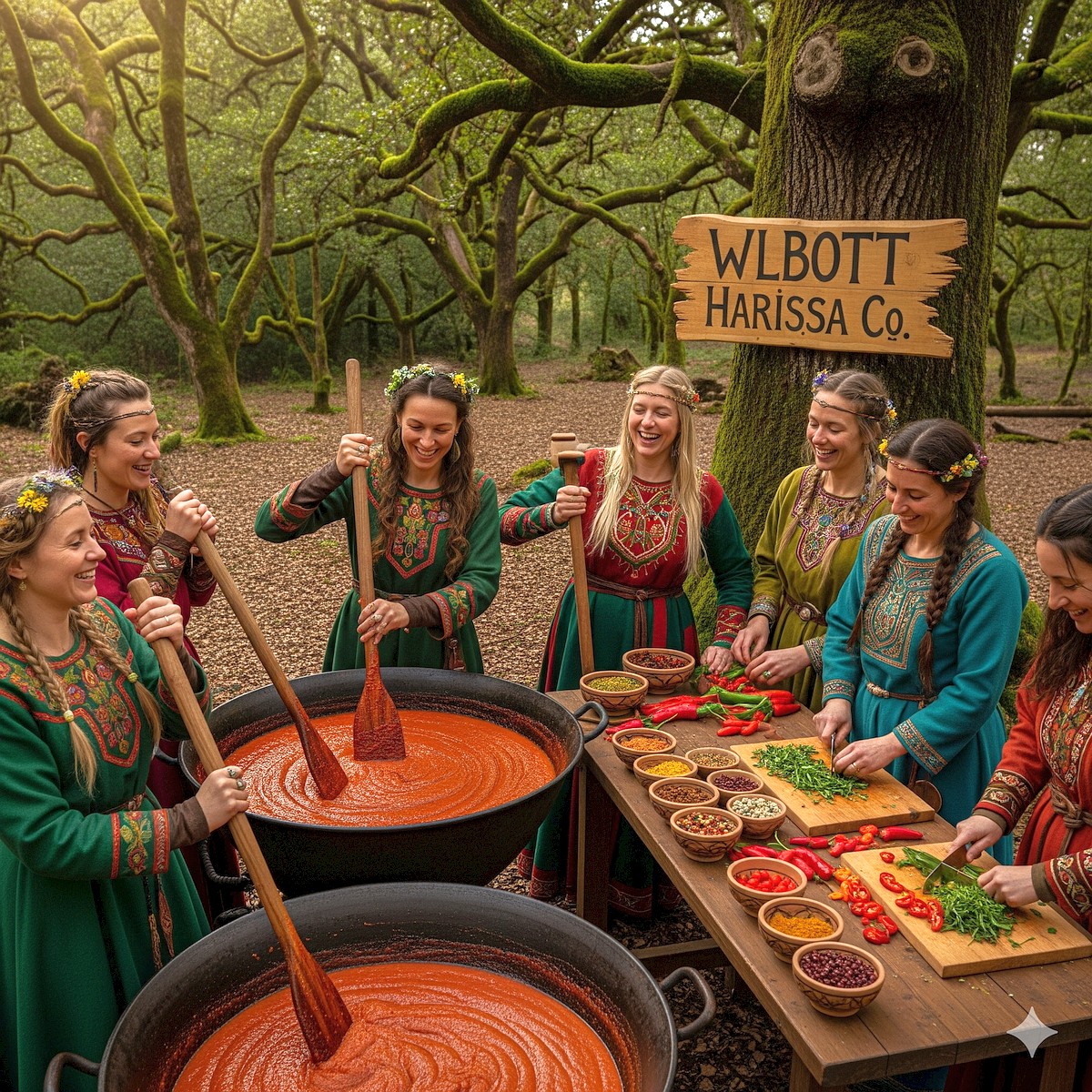
[2] The WLBOTT Test Kitchen (Ladle & Lube) worked on slippery, soft, gelatinous, and runny textures this quarter.
Smorgasbord or Smörgåsbord (lit. ’sandwich-table’ or ‘buttered-bread table’) is a buffet-style meal of Swedish origin. It is served with various hot and mainly cold dishes. It assumed its present form in the 19th century, following old traditions.
Smörgåsbord became known in the US at the 1939 New York World’s Fair when it was offered at the Swedish Pavilion’s Three Crowns Restaurant. It is typically a celebratory meal, and guests can help themselves from a range of dishes laid out for their choice. In a restaurant the term refers to a buffet-style table laid out with many small dishes from which, for a fixed amount of money, one is allowed to choose as many as one wishes.
A traditional Swedish smörgåsbord consists of both hot and cold dishes. Bread, butter, and cheese are always part of the smörgåsbord. It is customary to begin with cold fish dishes, which are generally various forms of herring, salmon, and eel. After eating the first portion, people usually continue with the second course (other cold dishes), and round off with hot dishes. Dessert may or may not be included in a smörgåsbord.
Regular (typically annual) surveillance audits to ensure ongoing compliance and maintenance of the FSMS after initial certification
Elder JimZim
This sounds like a great idea, free meals, etc., until you learn that the ISO corporate managers make the assignments, and at the moment they are not too happy with WLBOTT.
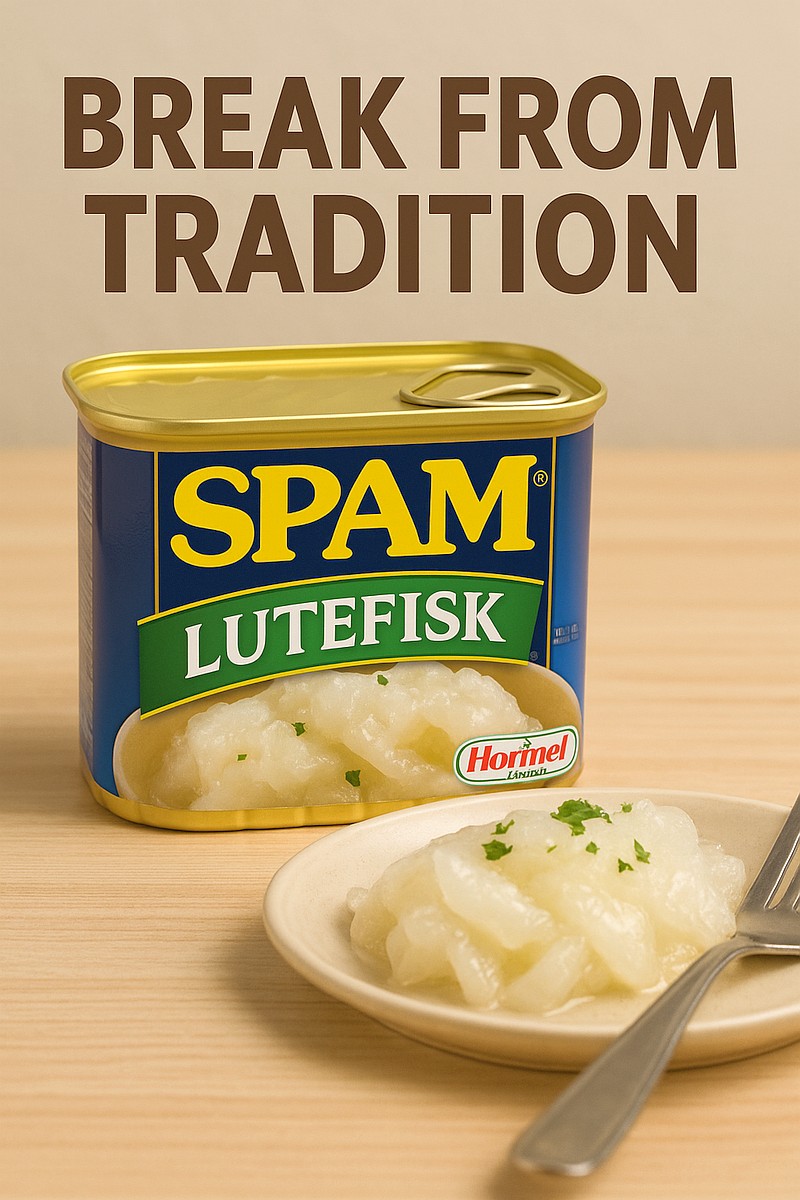
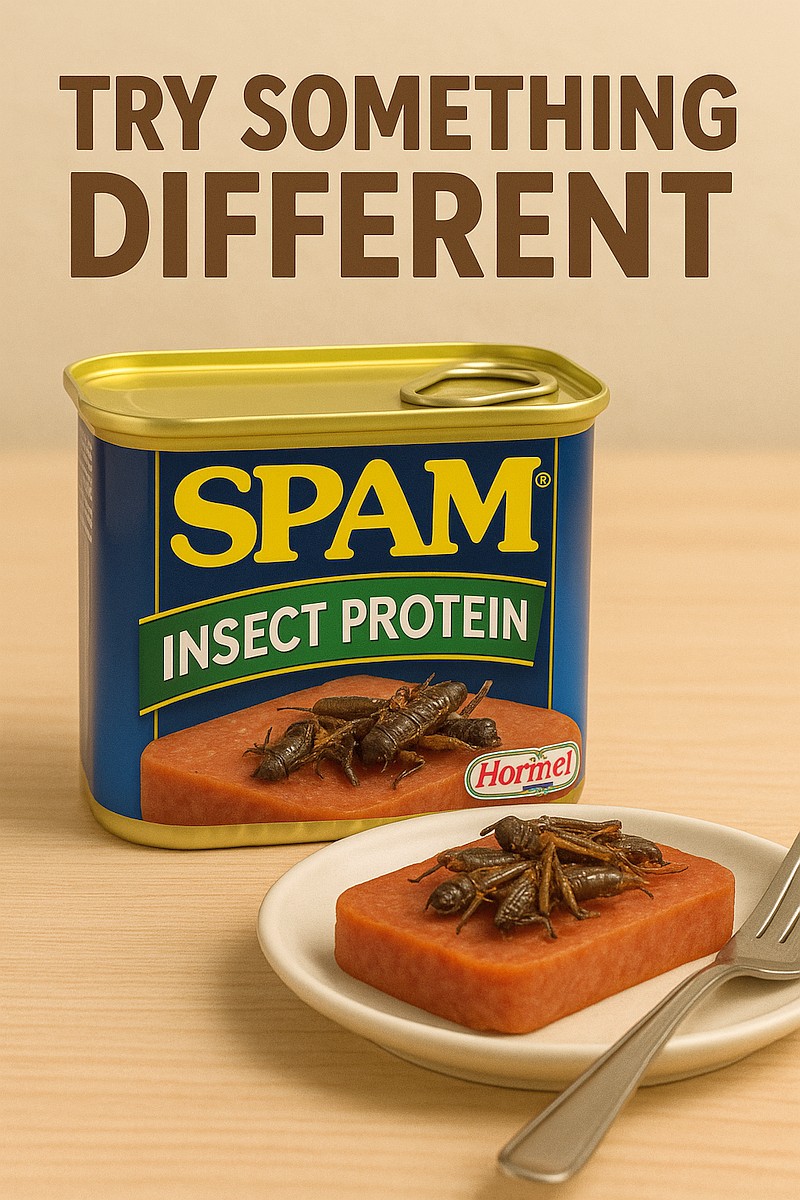
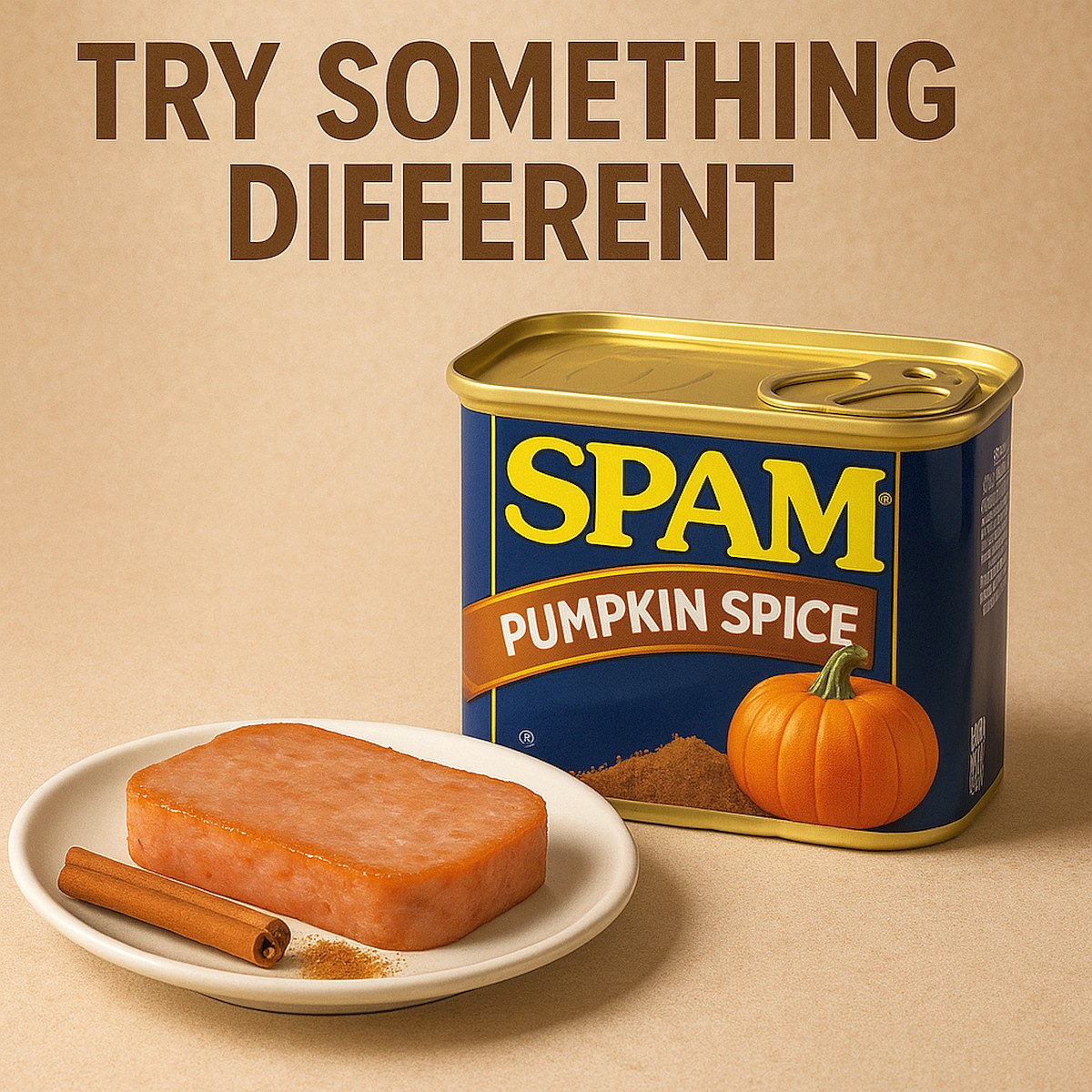
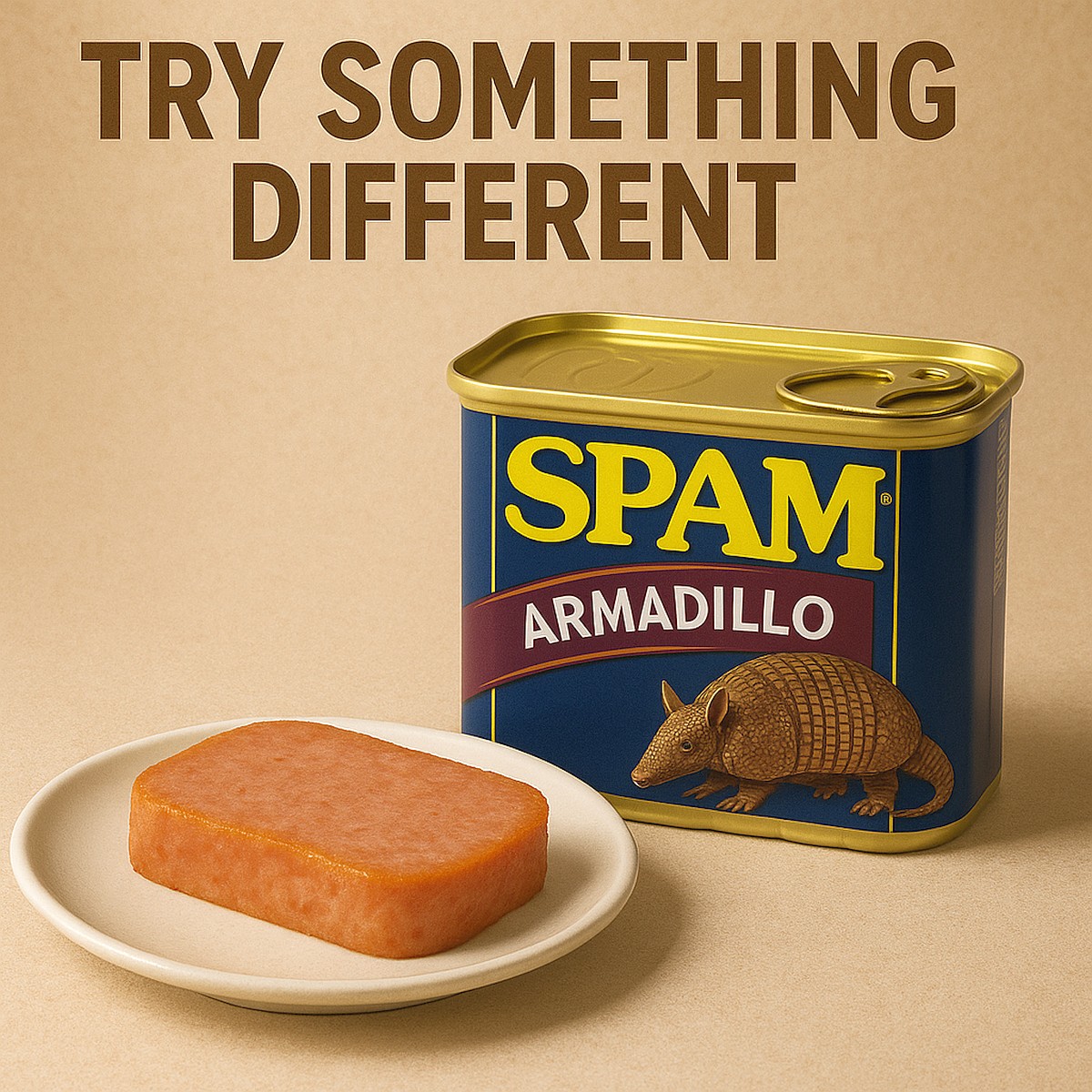
Our first assignment: the Spam Test Labs.
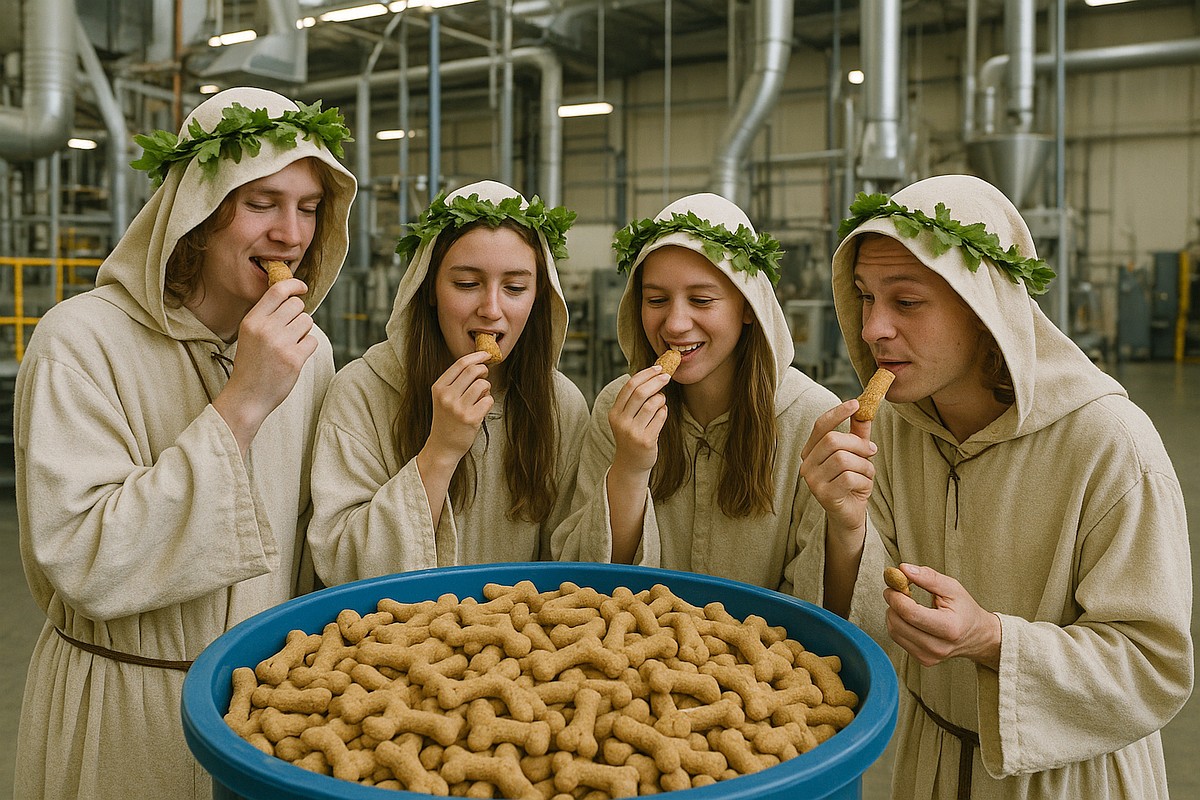
Sally T. Intern and her buddies were sent off to taste dog biscuits. It was a welcome break from their regular diet of ramen and pop-tarts.
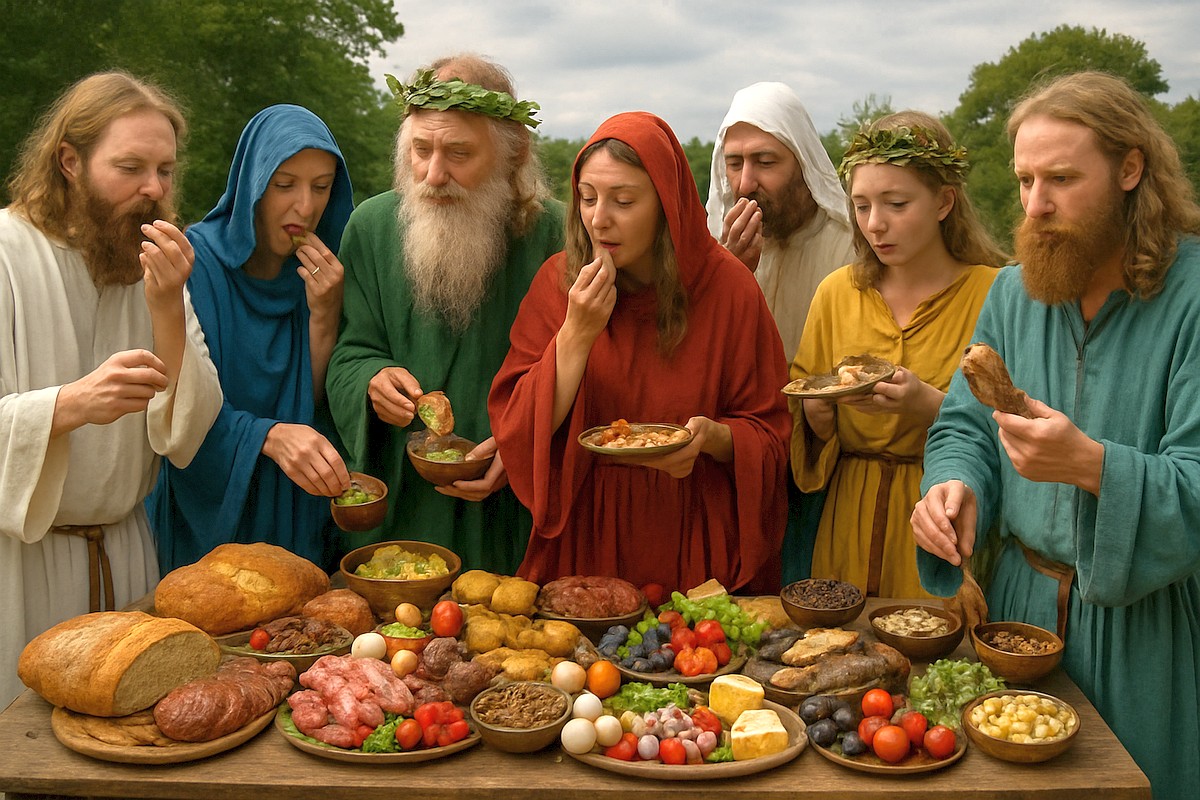
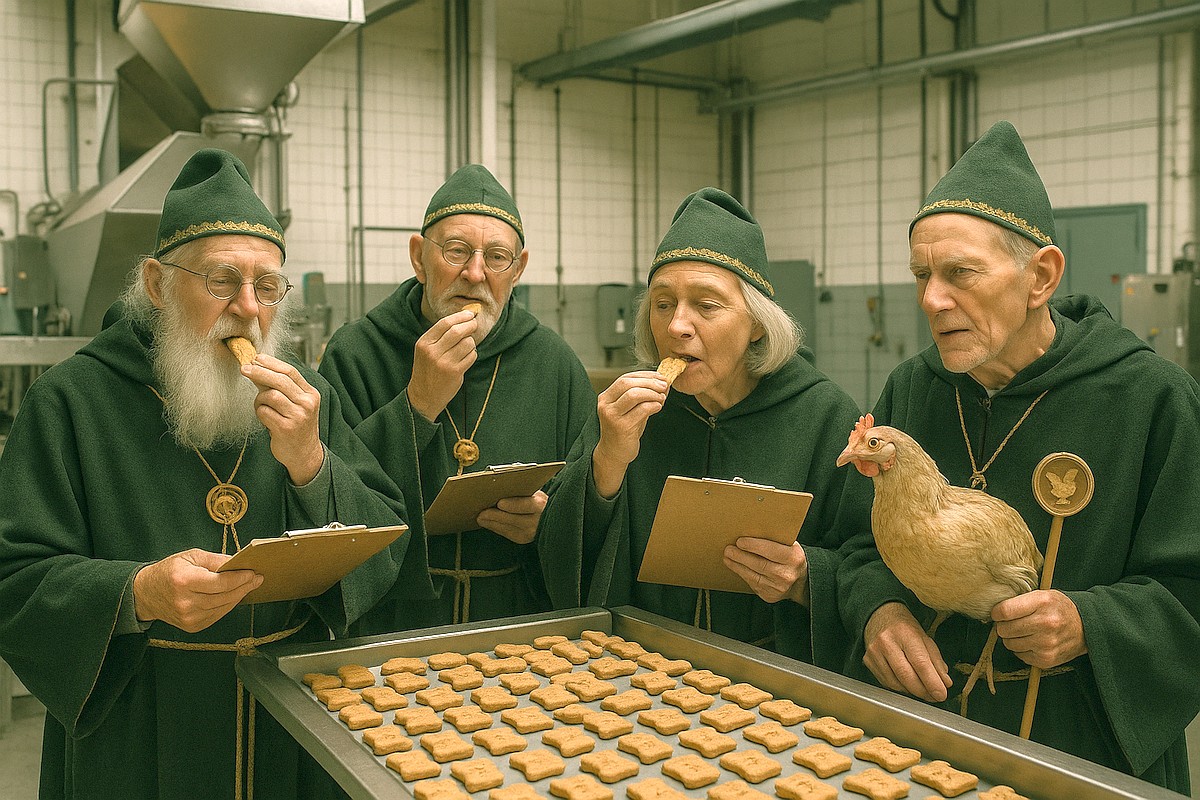
Based on the kids’ recommendations, the Elders popped in for a taste.