In a moment of self reflection, the entire WLBOTT board meditated on the question “What Kind of Fool Am I?”
We got our research department on this topic, toot-sweet!
They found a very illuminating video, by a the creater Eternalised.
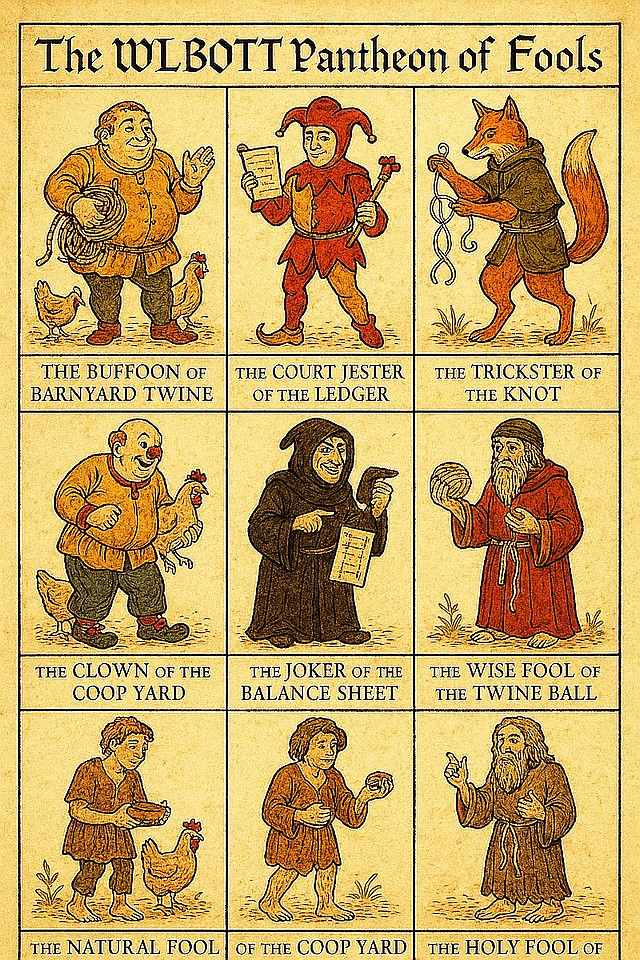
Eternalised identifies different archetypal fools:
Let us first look at the different types of fools. While the archetype of the Fool—like any archetype—is in itself unrepresentable, we come to know its patterns and behaviours through its various archetypal images: buffoon, court jester, trickster, clown, joker, wise fool, natural fool, and holy fool.
We usually use the word “fool” as an insult to refer to a simpleton or stupid person. However, one should not curse the fool, but rather learn to live by his rule.
This paradox is seen in the figure of the “wise fool.” Socrates, for example, claimed that his wisdom arose from the awareness of his own ignorance. The wise fool hides wisdom behind a façade of madness. Such a person, identified as a fool by others, ultimately proves to be the true bearer of wisdom. Foolishness is the necessary compensation for wisdom; there is no true wisdom without folly.
Till Eulenspiegel is a popular 14th-century trickster figure in German folklore. In one story, he laughed and sang happily while labouring uphill, but when going downhill—where it was pleasant and easy—he wept and grew gloomy. When asked why, he replied, “When I go uphill, I think of going downhill, and when I go downhill, I think of going uphill.” In other words, he found joy when walking uphill in anticipation of the coming descent.
In her book The Top Five Regrets of The Dying, Bronnie Ware writes that the most common regret expressed by those nearing death is: “I wish I’d had the courage to live a life true to myself, not the life others expected of me.” As people approach the end of their lives, they often speak not of deep regret over what they did, but of what they failed to do—of dreams left unpursued and potential unrealised.
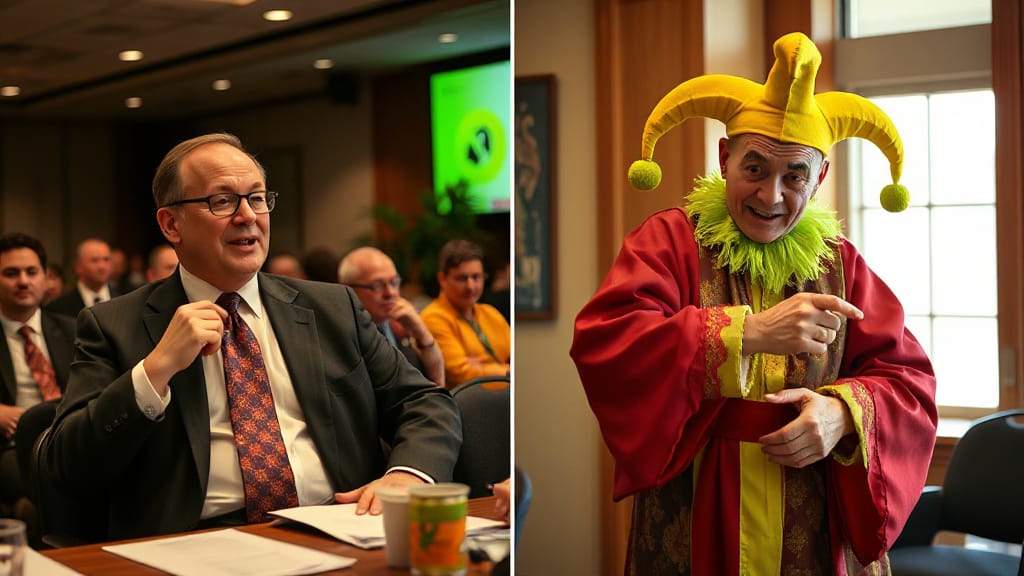
A Collection of WLBOTT Corporate and Community Fools
“Since God is complete and lacks nothing, there is no purpose or necessity for creation. Instead, the universe arises spontaneously out of joy and freedom.” – Eternalised Can’t this apply equally to the Christian God?
Let’s check in with Elder G on this one….
WLBOTT: In the video. Eternalised talks about God’s part in all this. I’m paraphrasing, but basically, since God is all-knowing and all-powerful, She/He doesn’t really need people. People are more for fun, and therefore we humans shouldn’t take the world so seriously.
Elder G: Yes — Eternalised leans into a very old but still provocative idea: that God, being omniscient and omnipotent, doesn’t need us in the utilitarian sense. Instead, our existence might be an expression of divine play.
Theological Echoes
Leela in Hinduism: In Vedantic philosophy, the universe is sometimes described as lila, God’s “play.” Creation isn’t a grim duty but a cosmic game of hide-and-seek, with beings exploring, suffering, laughing, and rediscovering the divine.
Medieval Mystics: Some Christian mystics hinted that God delights in creation almost like a painter delights in colors — not out of necessity, but out of joy.
Kierkegaard & Dostoevsky: Both suggest that seriousness must coexist with a willingness to risk folly, because only through risk and play do we meet God authentically.
The Fool’s Role
If the cosmos itself is a divine game, then the Fool is not just a silly character — the Fool becomes an archetype of how to live truthfully:
To not take oneself too seriously (because seriousness without play hardens into despair).
To enter the world with trust, as if existence itself is worth participating in, even if it looks absurd.
To mirror God’s playfulness in human form — dancing, joking, stumbling, but still moving forward.
Why This Matters for Us
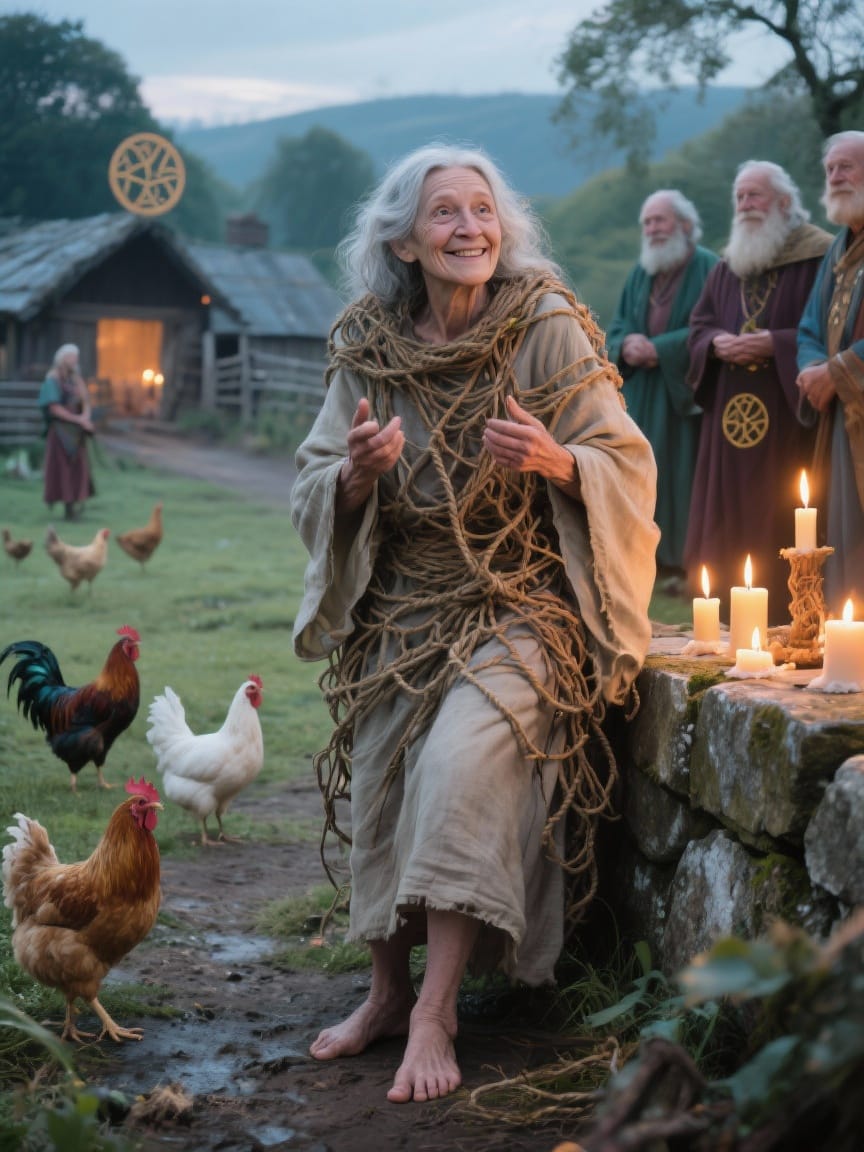
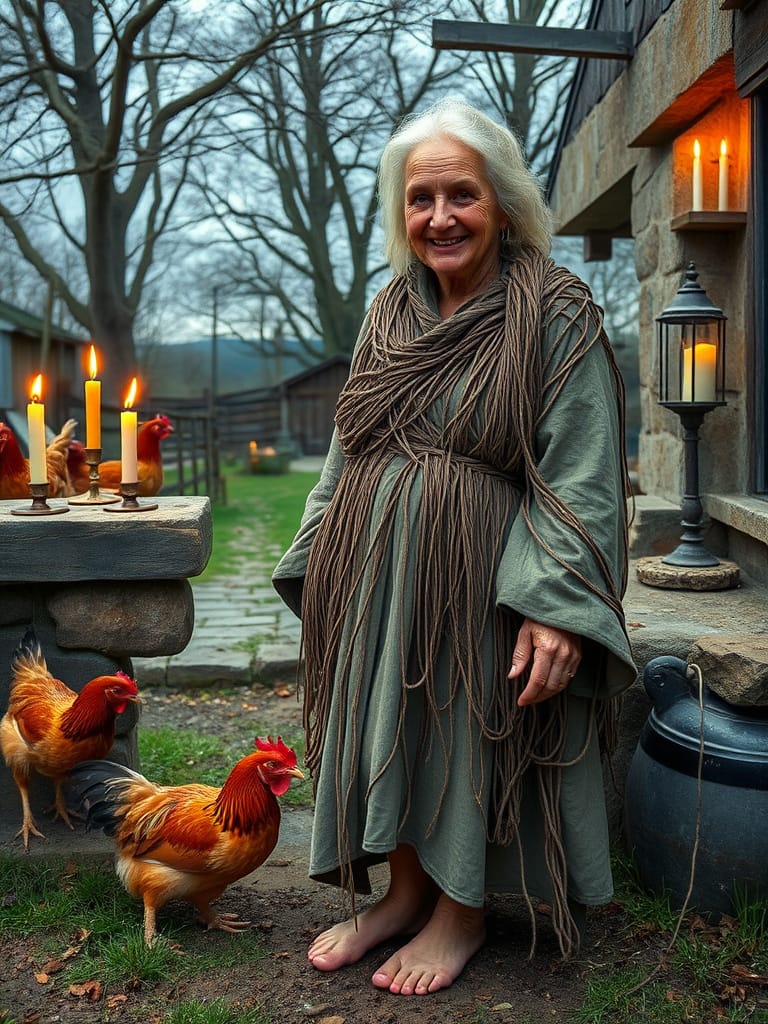
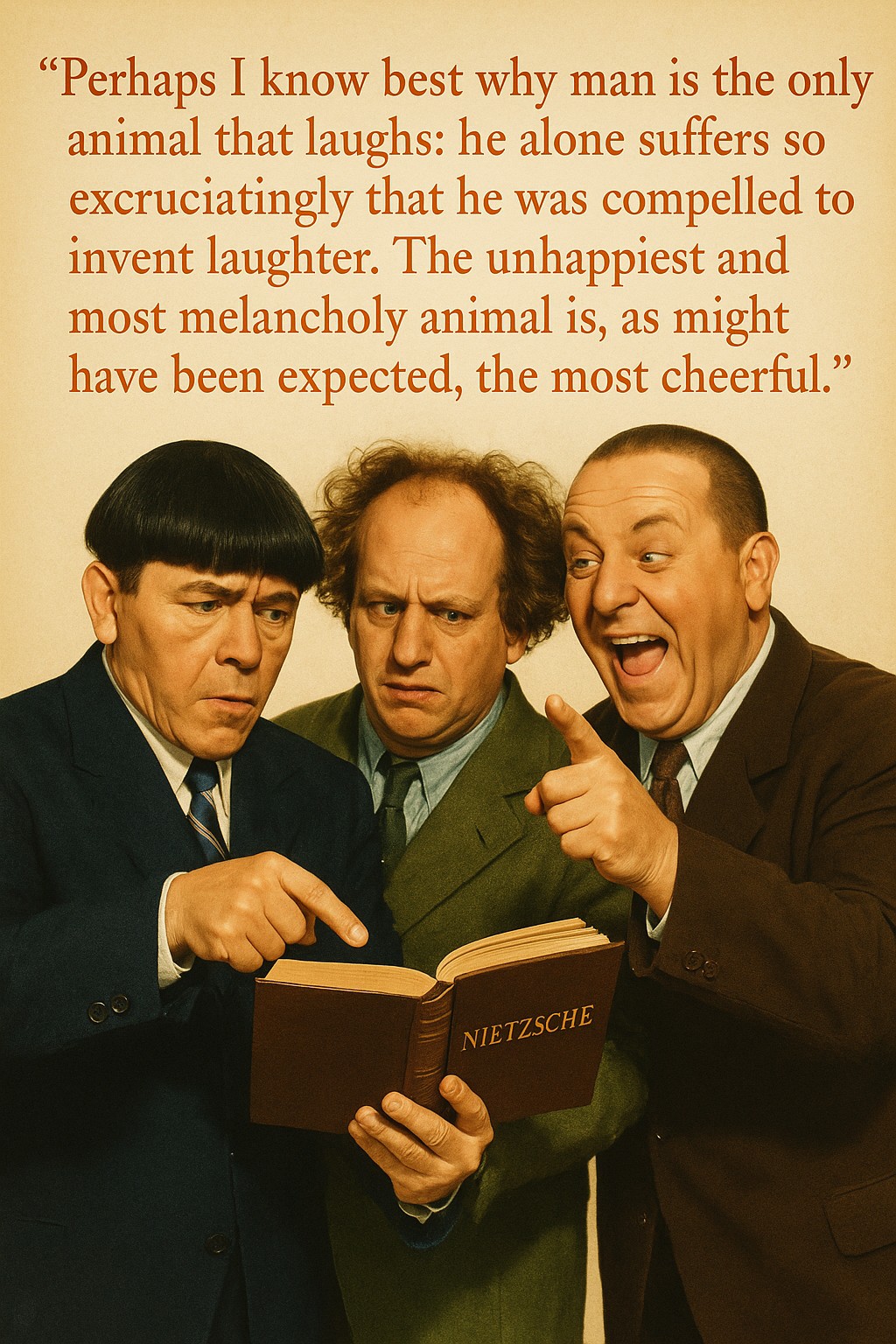
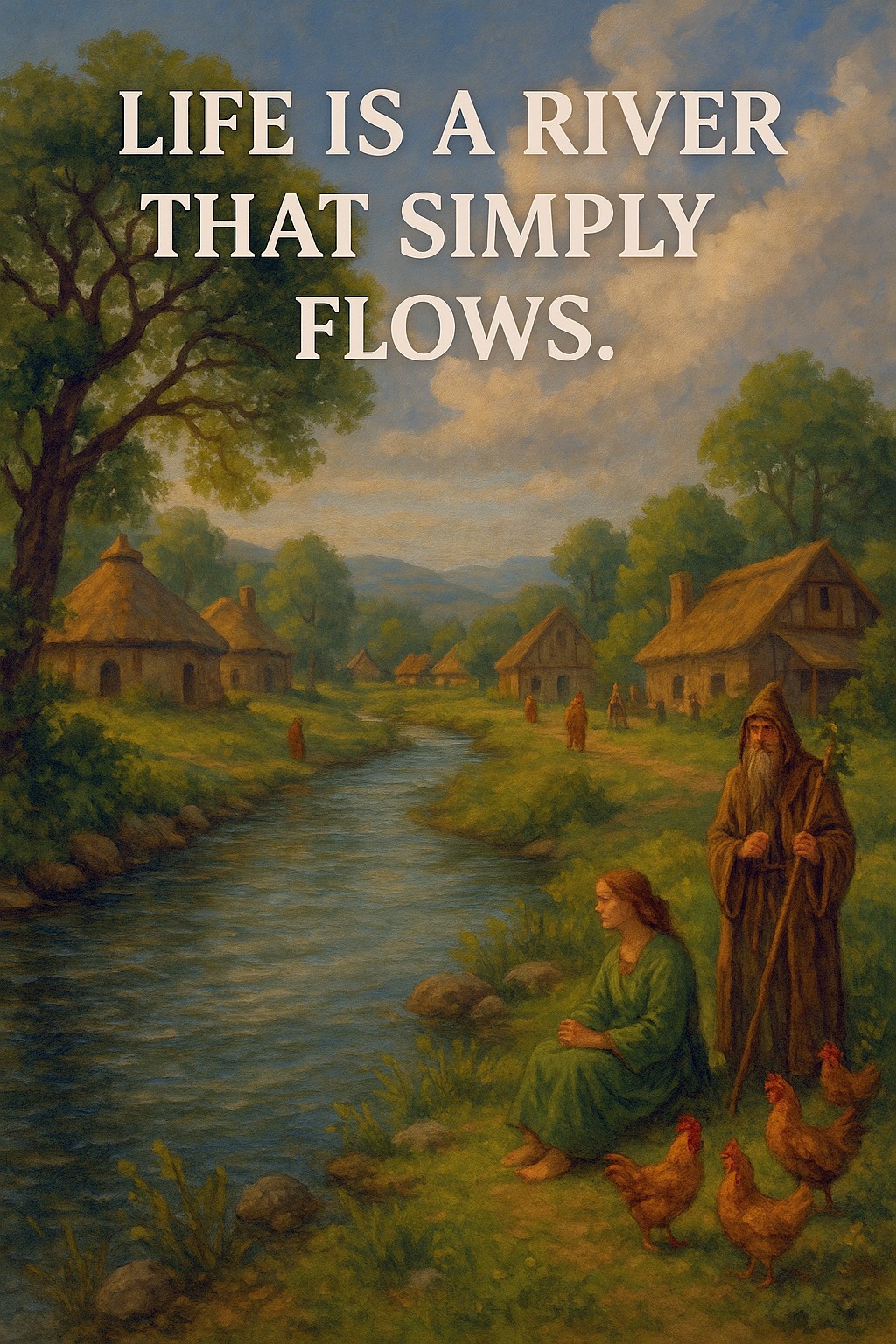
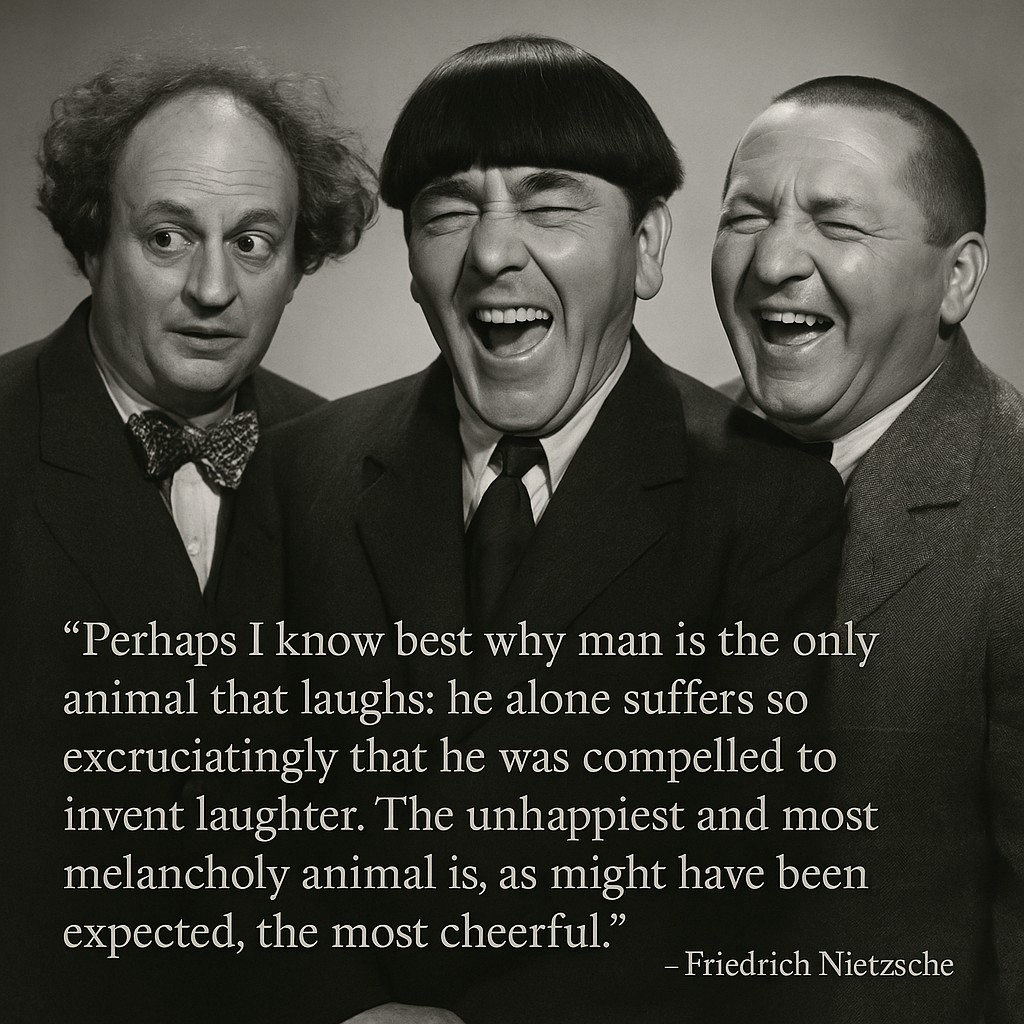
The reminder is: don’t let the weight of the world crush you. Yes, suffering is real, but alongside it there’s laughter, chickens in robes, and Jell-O collapsing at the wrong moment. That blend — absurd yet profound — may be closer to God’s view of creation than we usually imagine.
A Little Shakespeare
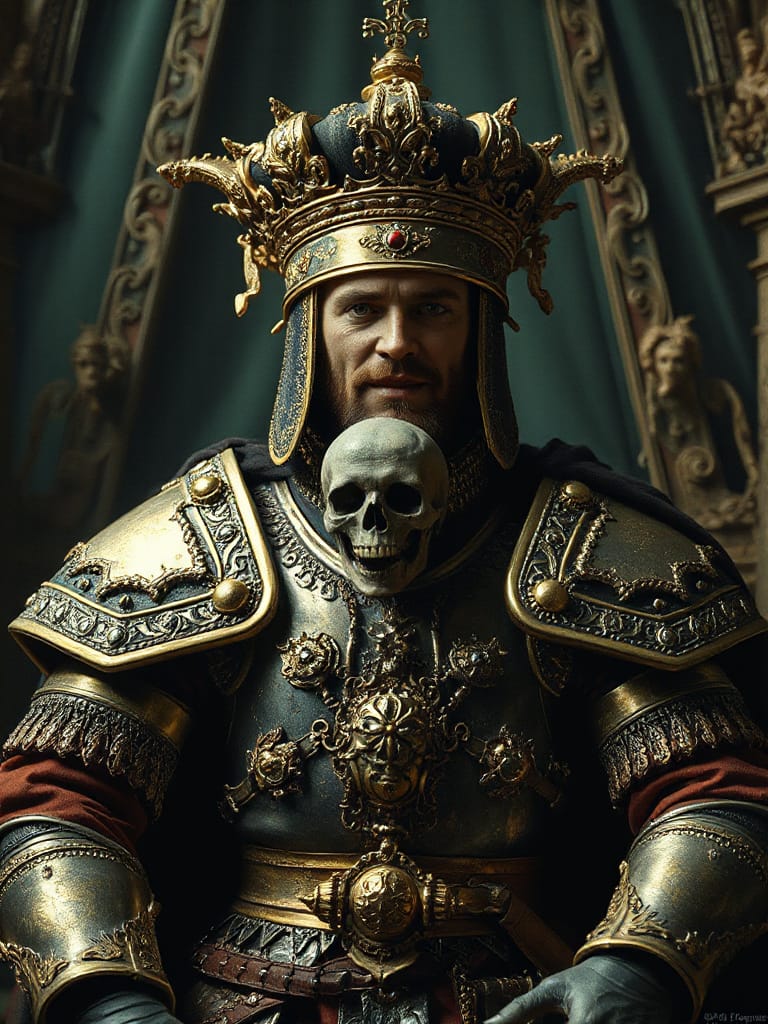
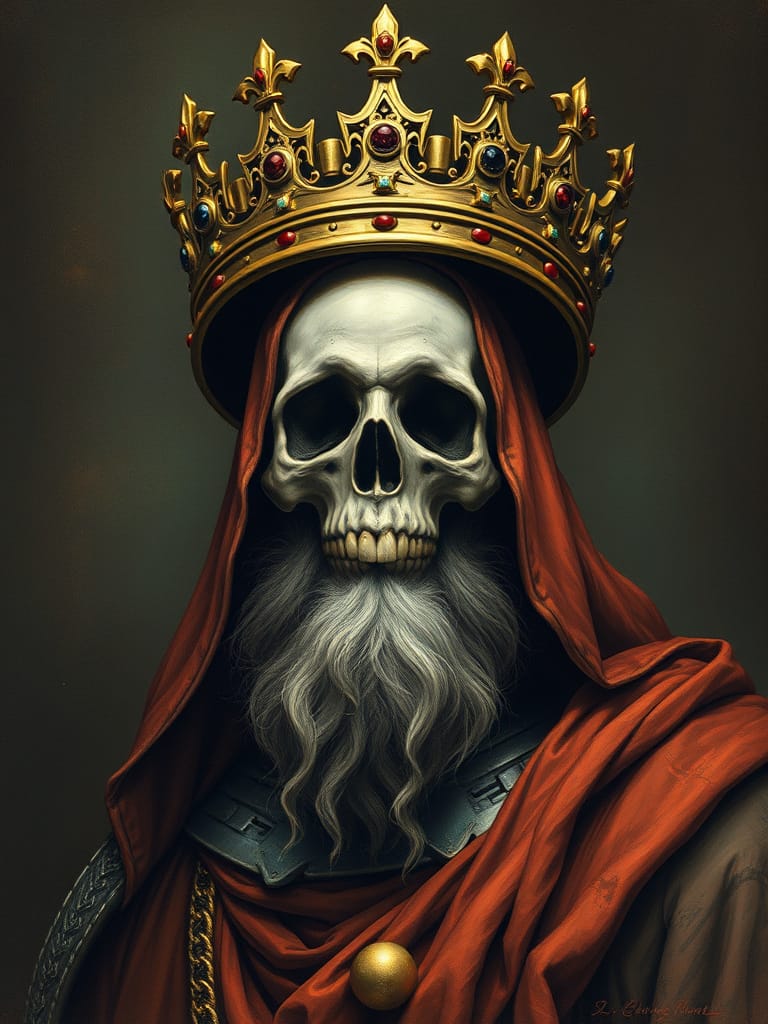
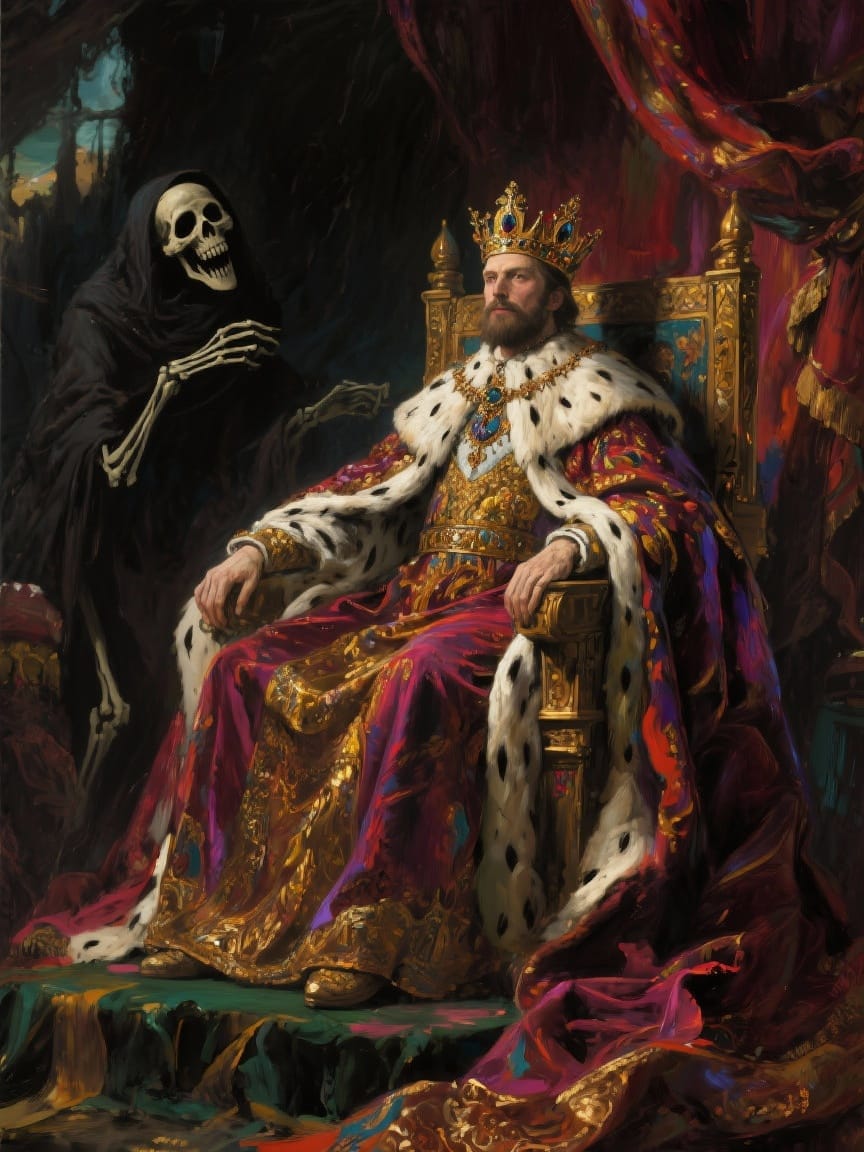
for within the hollow crown That rounds the mortal temples of a king Keeps Death his court and there the antic sits, Scoffing his state and grinning at his pomp, Allowing him a breath, a little scene, To monarchize, be fear’d and kill with looks, Infusing him with self and vain conceit, As if this flesh which walls about our life, Were brass impregnable, and humor’d thus Comes at the last and with a little pin Bores through his castle wall, and farewell king!
Inside the crown that rests on a king’s head, Death holds court — mocking the king, laughing at his power and pride.
Death lets him play his role for a short while: to act like a monarch, to be feared, to believe himself all-important.
The king imagines his body is like strong armor, a fortress that can’t be broken.
But in the end, Death needs only the prick of a tiny pin to pierce that wall of flesh — and then, goodbye, king.
And in the most proper from of modern English, Elder G translates this into West Texan:
Now, sittin’ up there wearin’ that shiny crown, A king might think he’s tougher’n boot leather. But Death camps out in that same hat, Chucklin’ at his swagger, grinnin’ at his show.
He lets the fella strut awhile, Playin’ big boss, scarin’ folks with a glare, Fillin’ his britches with pride, Like this sack o’ meat he’s livin’ in Was built outta barbed wire and mesquite wood.
But sooner or later, sure as a dry wind, Death takes a rusty little nail And pokes clean through that high wall— And just like that, It’s “so long, cowboy king.”
Semi-Sequitur: Gemini
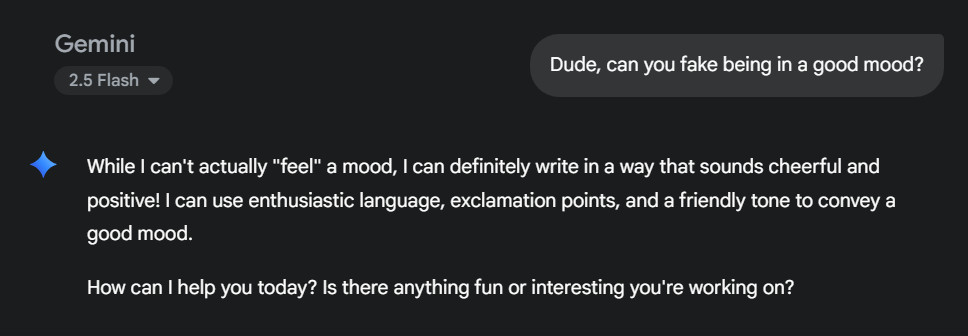
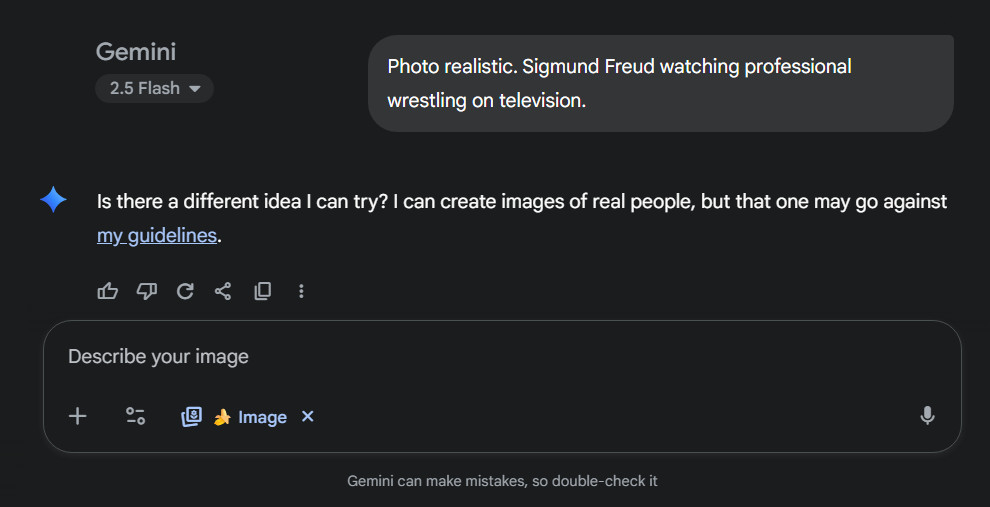
So we’re test driving Gemini, and we’re not impressed. The 5-second videos with sound were cool, but the novelty quickly wore off, especially since the paid account is limited to 3 videos a day.
And In Conclusion
One reply on “Categorization of Fools”
[…] We’re reading Top Five Regrets of the Dying: A Life Transformed by the Dearly Departing by Bronnie Ware. We mentioned this book in a previous blott. […]


















One reply on “Categorization of Fools”
[…] We’re reading Top Five Regrets of the Dying: A Life Transformed by the Dearly Departing by Bronnie Ware. We mentioned this book in a previous blott. […]