The implementation of The New Crescent is complicated by political realities:
people have been nursing grudges for generations, centuries, millennia….
there’s a lot of money (and power) to be made exploiting people’s suffering
psychopaths, sociopaths, sadists – they exist in all same proportions in all populations; some societies are better than others with keeping them in check.
incredibly high unemployment among young men. Idle hands, etc.
the group with the deepest pockets (by far) is controlled by insane people who think they have a religious obligation to bring about the end of the world, using two small tribes in a god-forsaken desert to accomplish their goals.
Rafah
Let’s look at a microcosm of this insanity: the city of Rafah.
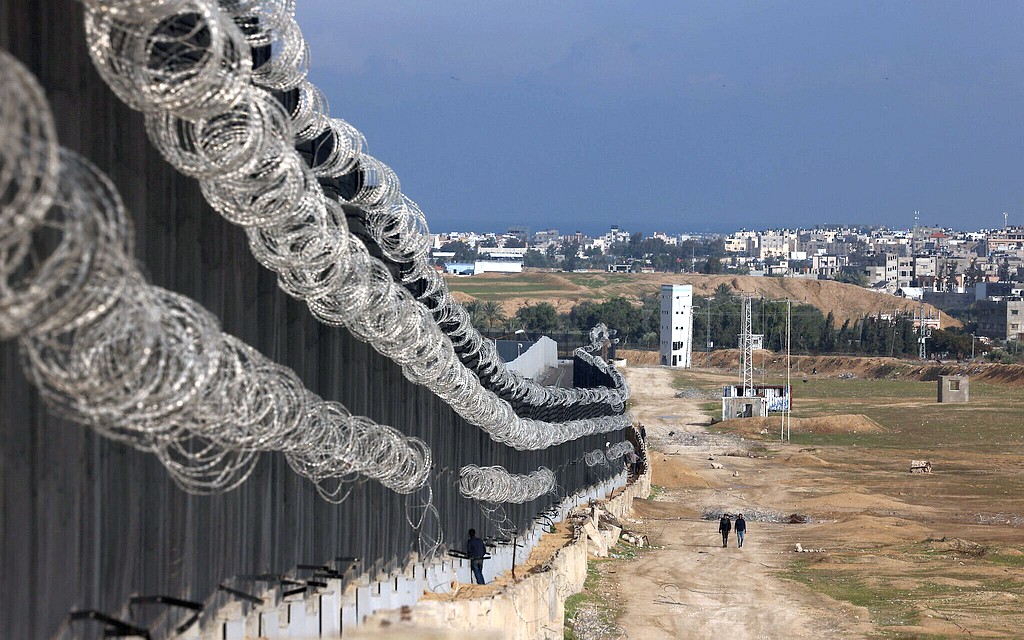
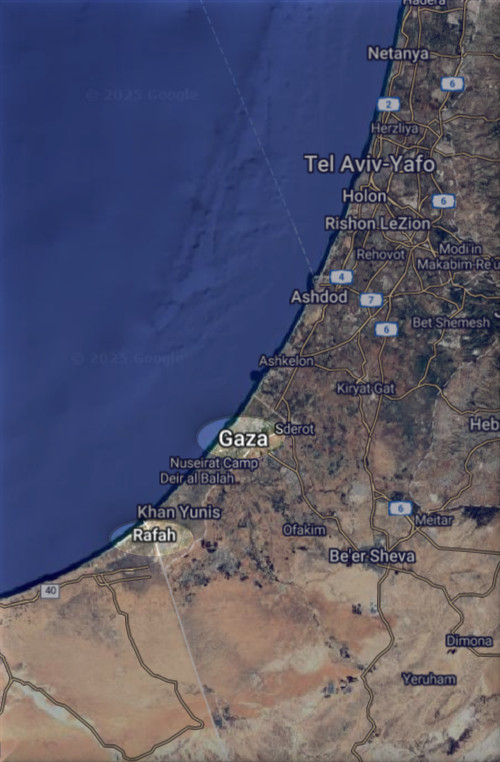
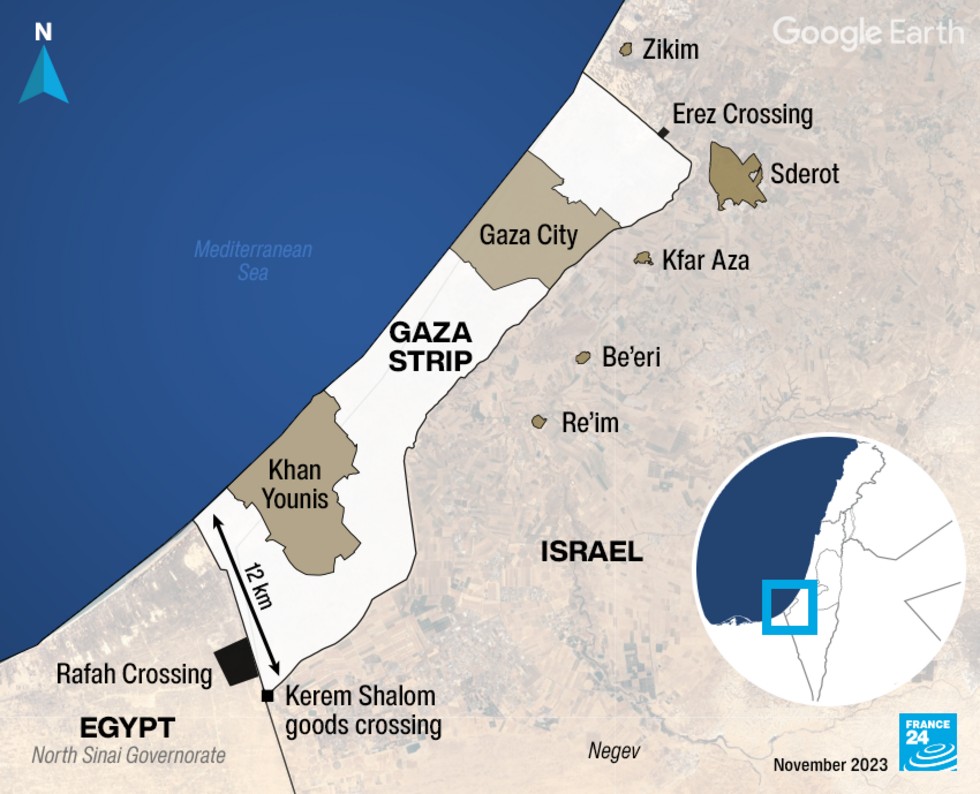
Rafah, the city that Elder G recommended as the eastern boarder for The New Crescent, sounds like hell on earth. In 1982, Israel split the city in half, much like East Berlin/West Berlin, with west Rafah belonging to Egypt, and the eastern half (separated by barbed wire) was the Gaza side of Rafah.
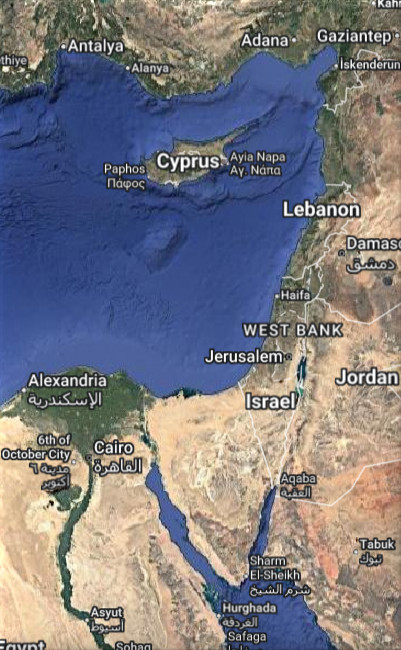
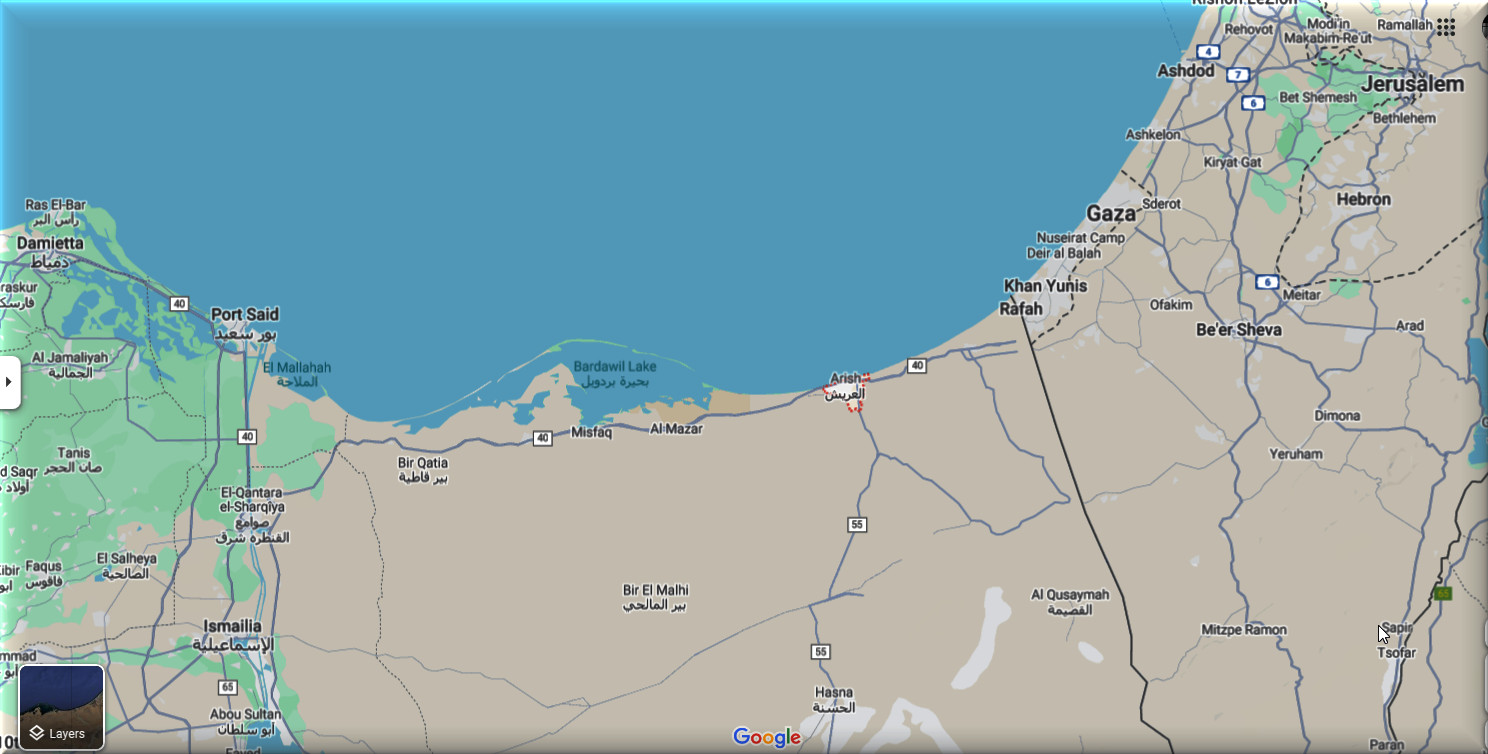
Rafah (Arabic: رفح, IPA: [ˈɾɑfɑħ]) was a city in North Sinai and Egypt’s eastern border with the Gaza Strip, Palestine. It is the capital of Rafah center in North Sinai Governorate, and is situated on the eastern Mediterranean coast of Egypt.
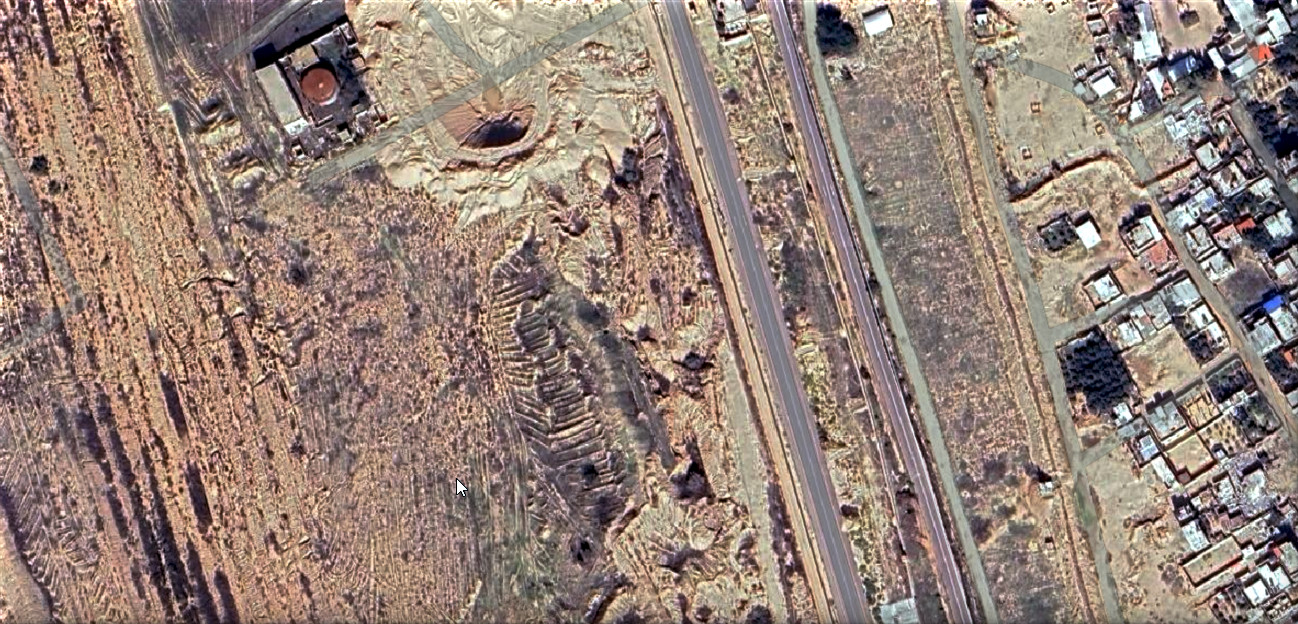
Rafah is the site of the Rafah Border Crossing, the sole crossing point between Egypt and the Gaza Strip. The Egyptian government announced in early 2015 that it would raze the entire city and build a new settlement for its residents, in order to expand a security buffer between Egypt and Gaza Strip. The Egyptian military began bulldozing sections of Rafah in late 2014. By 2021, the Egyptian military had demolished at least 7,460 buildings in Rafah.
Economy Rafah is in a Mediterranean climate zone and agriculture thrives. Due to rain, hail and sleet; the city has plentiful sources of water for agriculture. Mediterranean fruits and crops are dominant, such as: peaches, olives, apples, citrus fruits, dates, grapes, vegetables, strawberries and peppers.
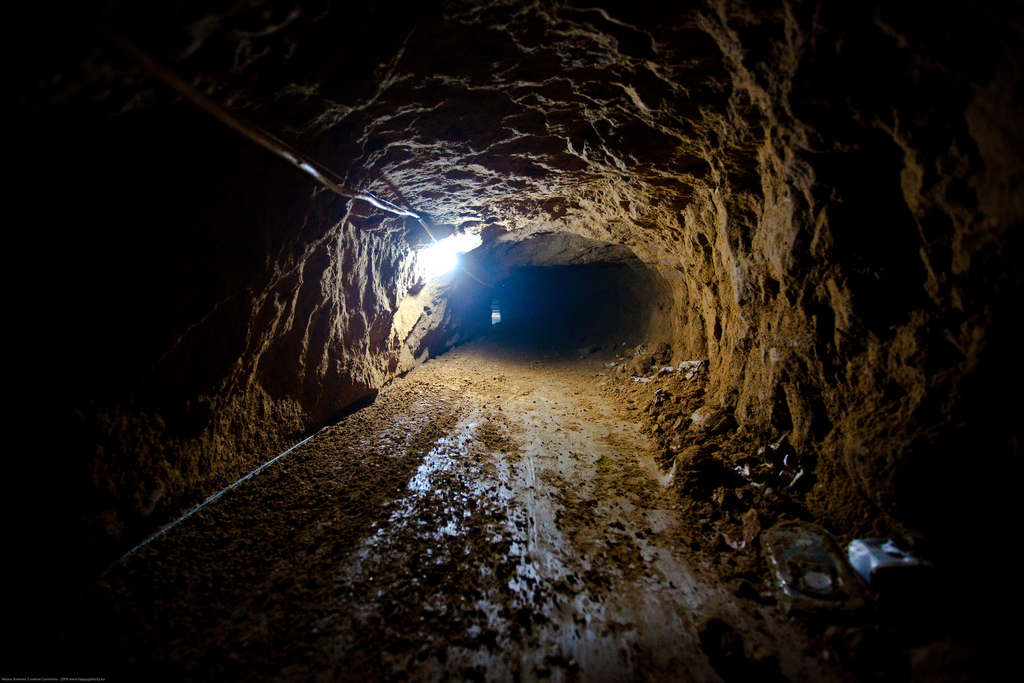
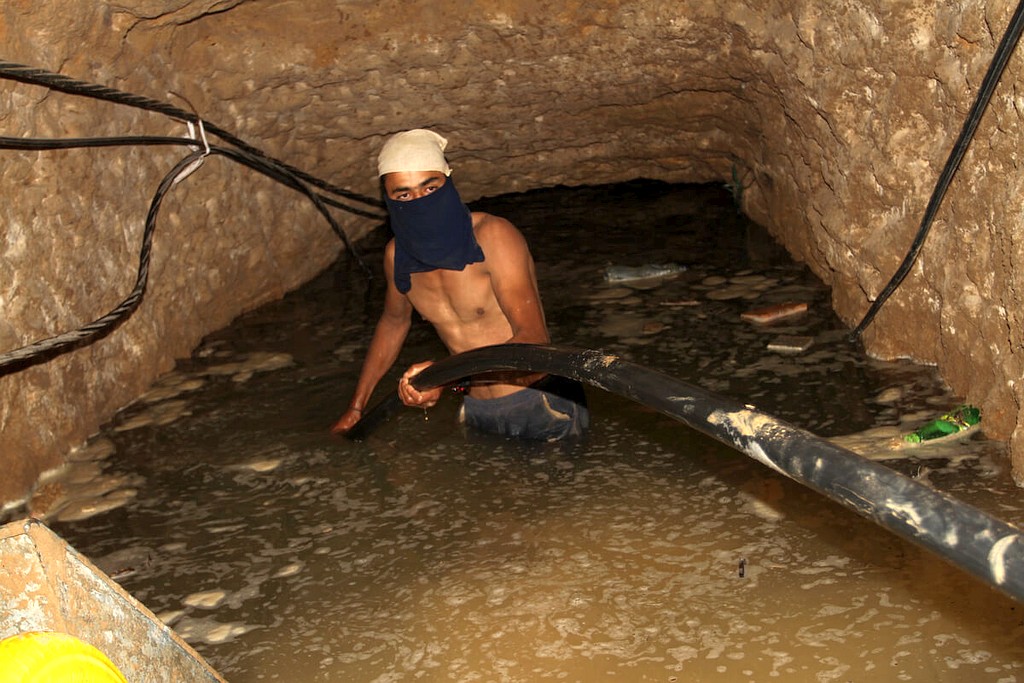
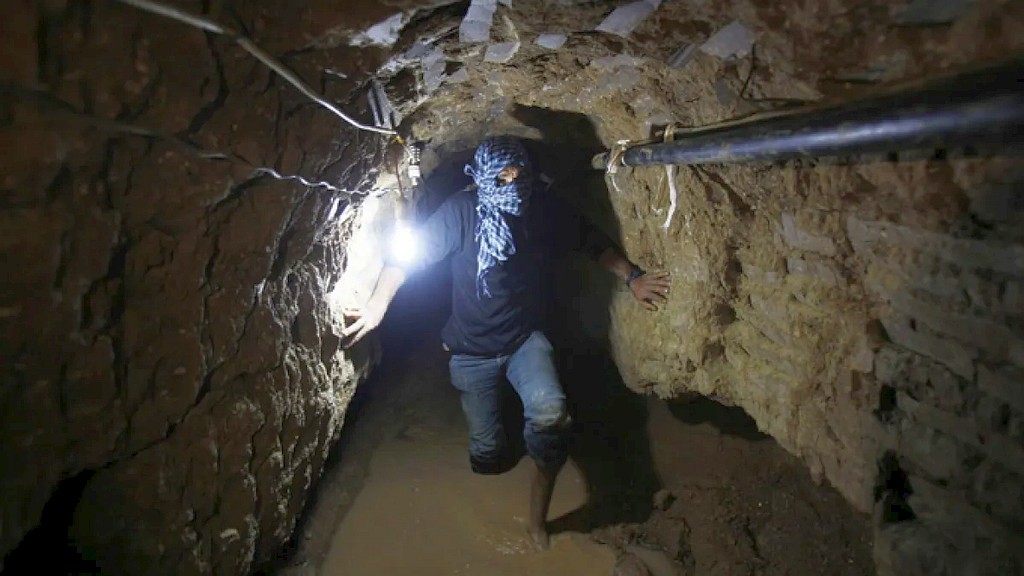
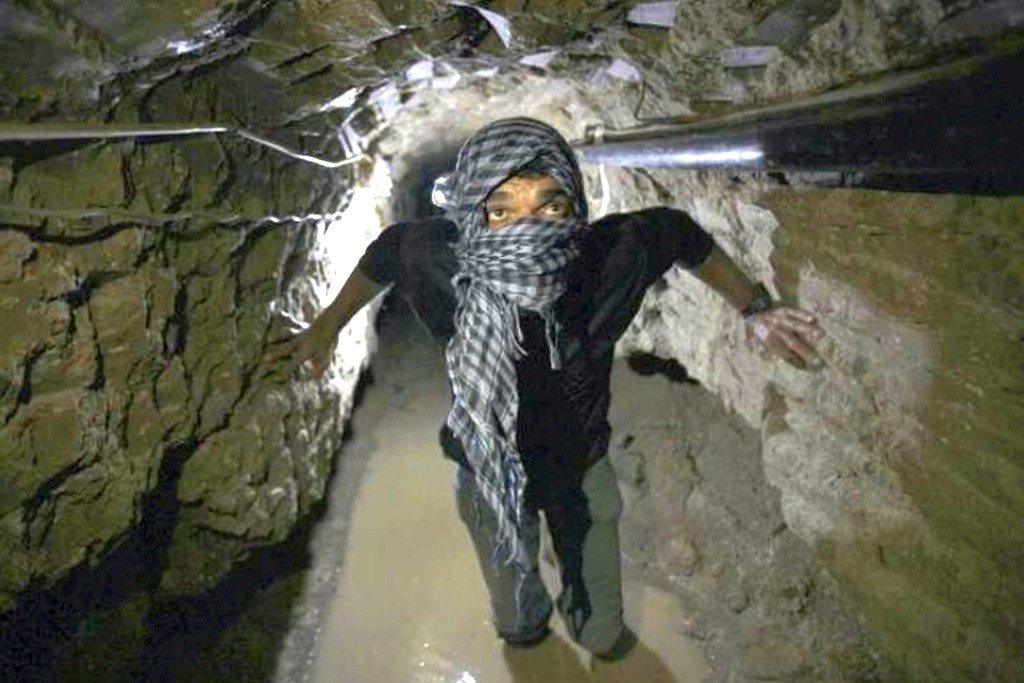
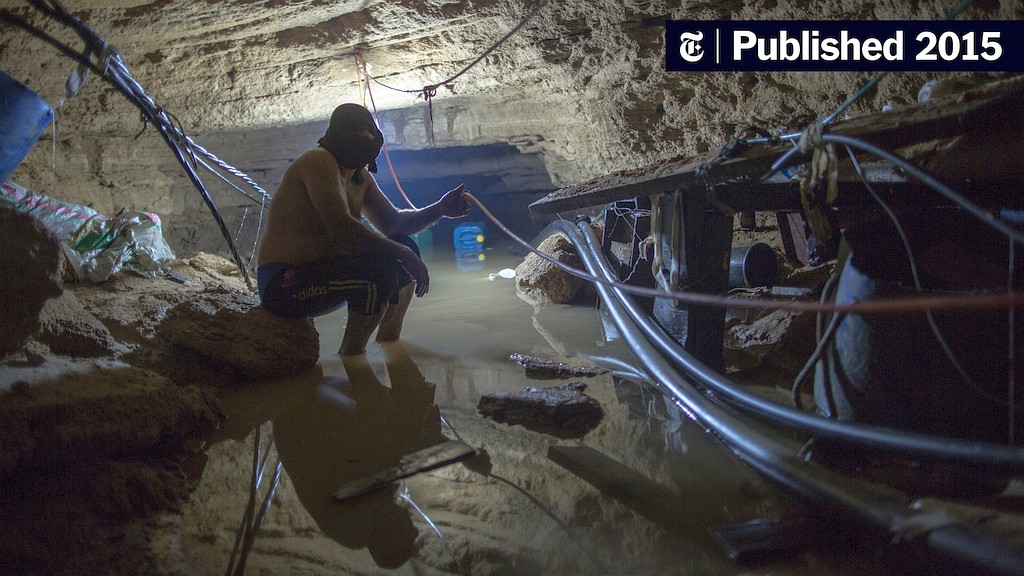
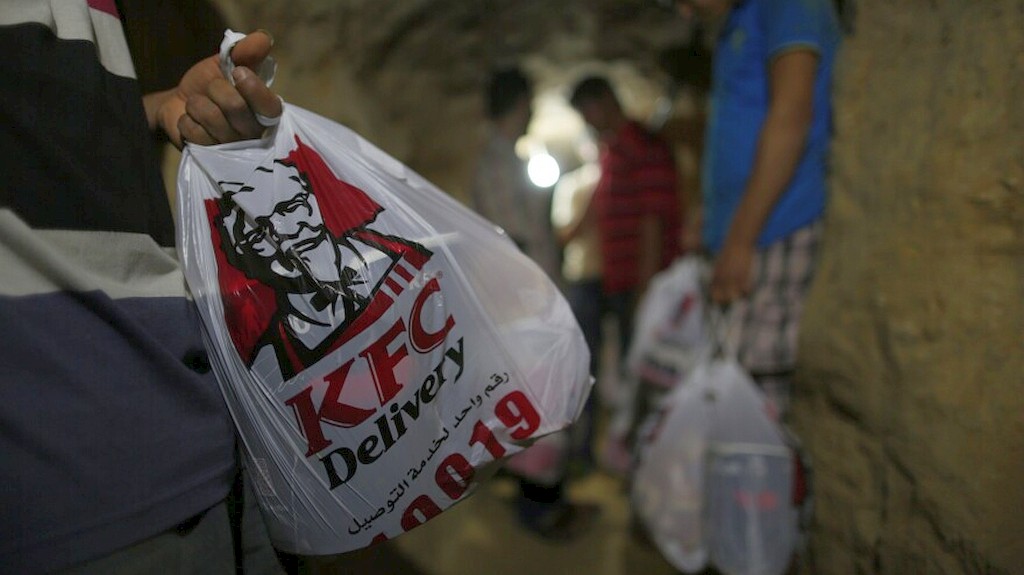
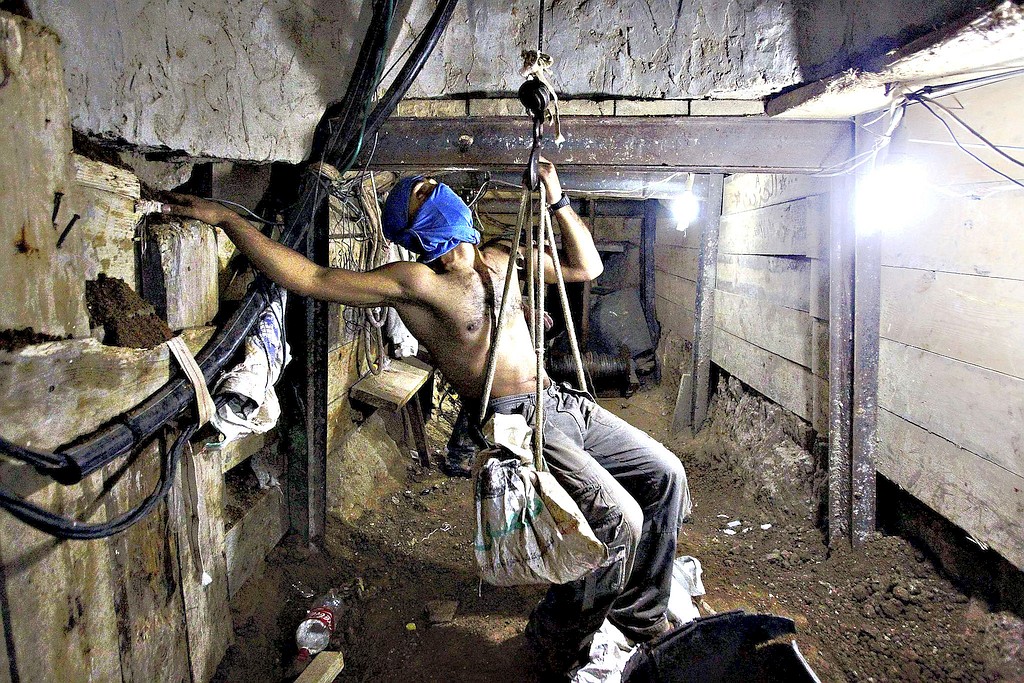
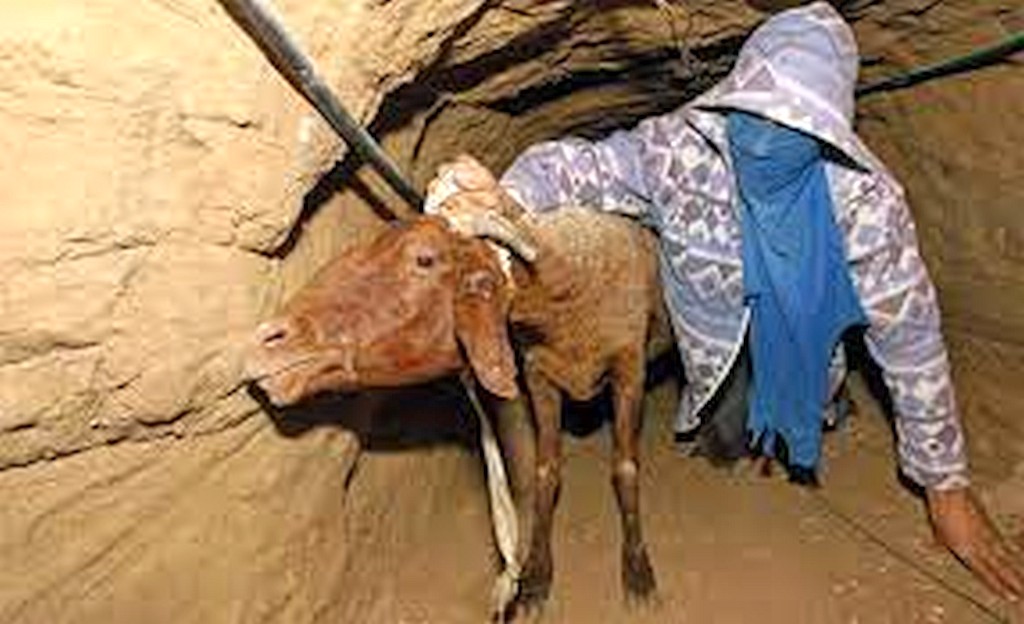
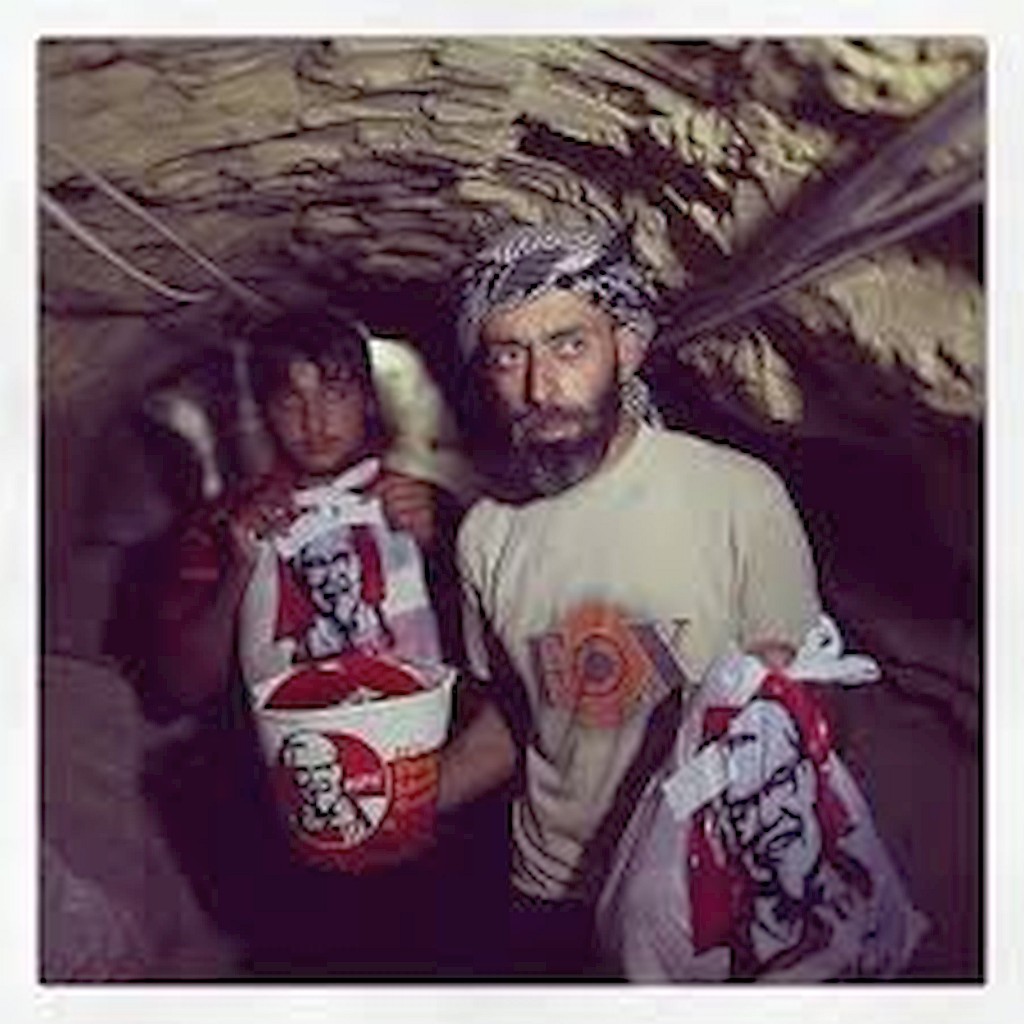
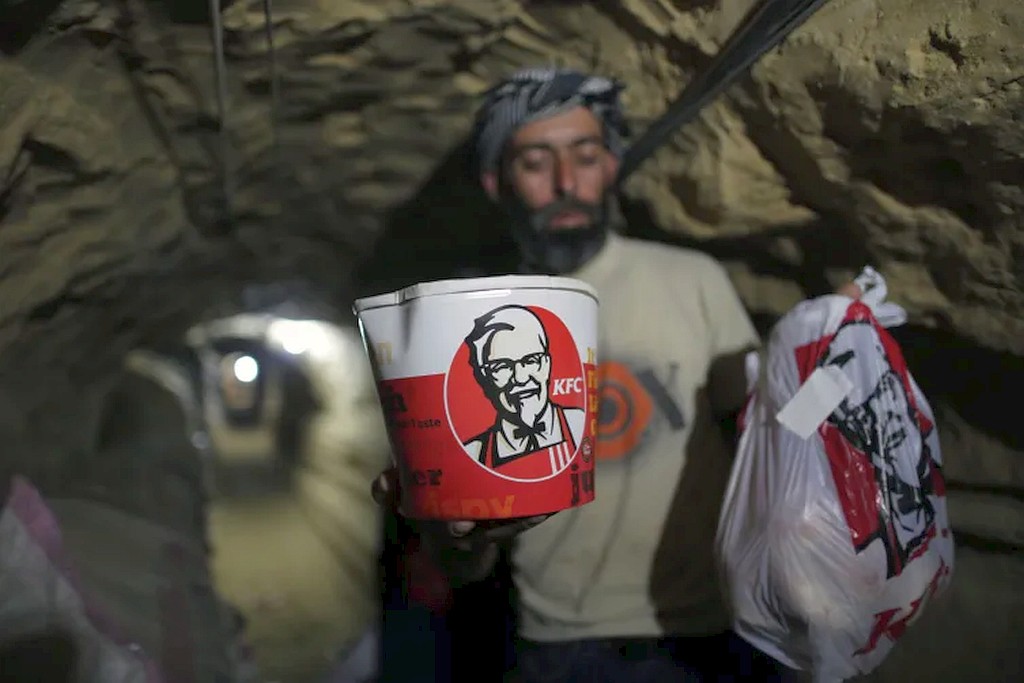
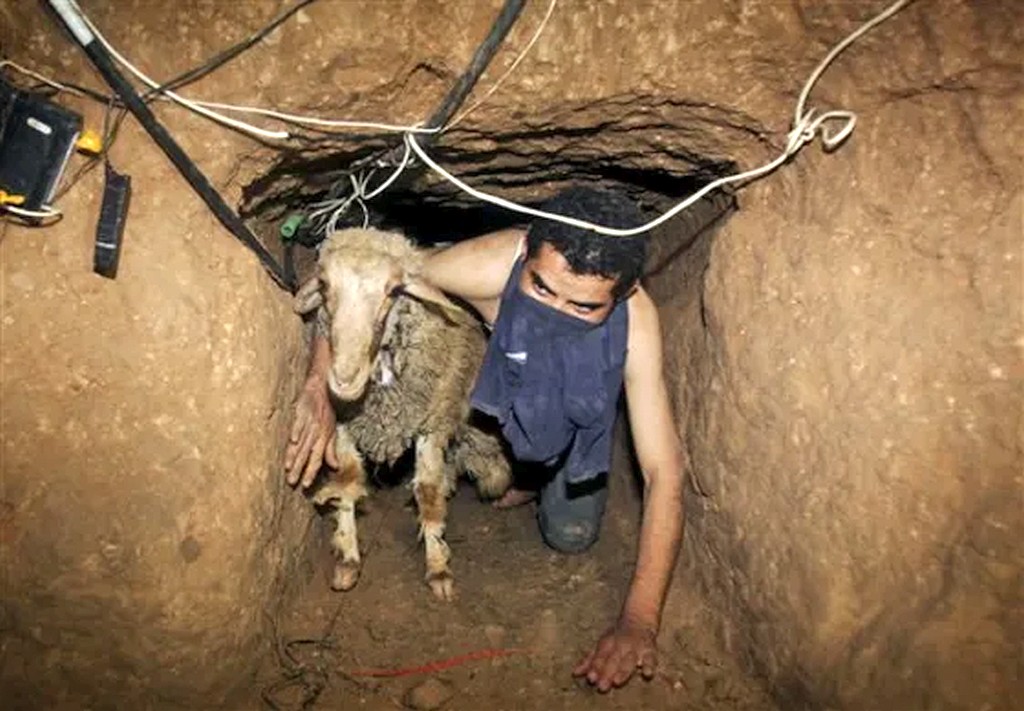
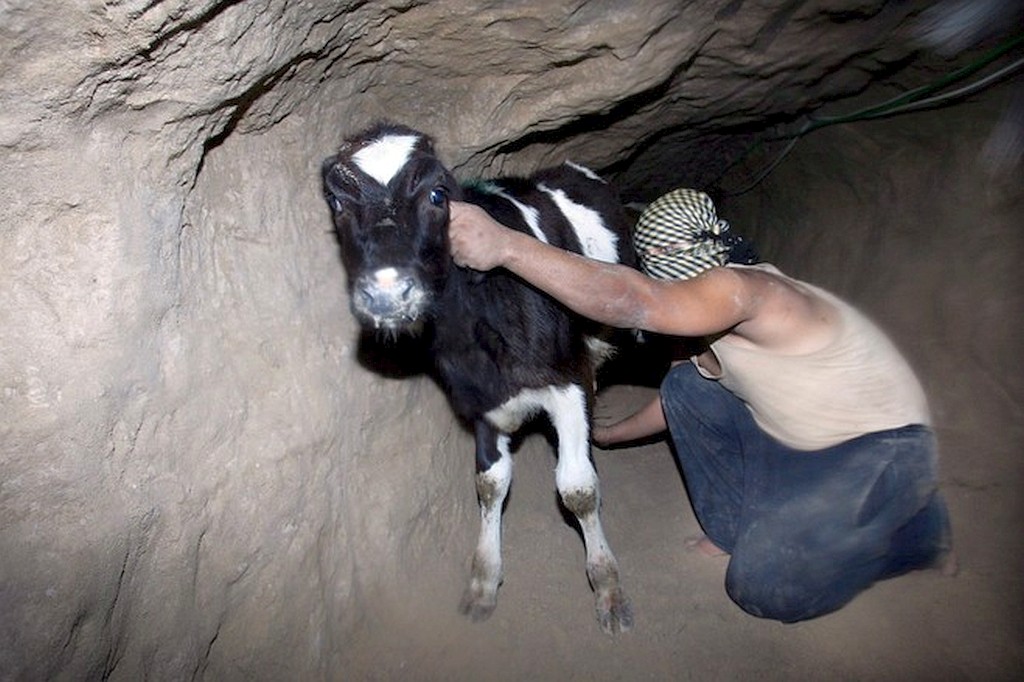
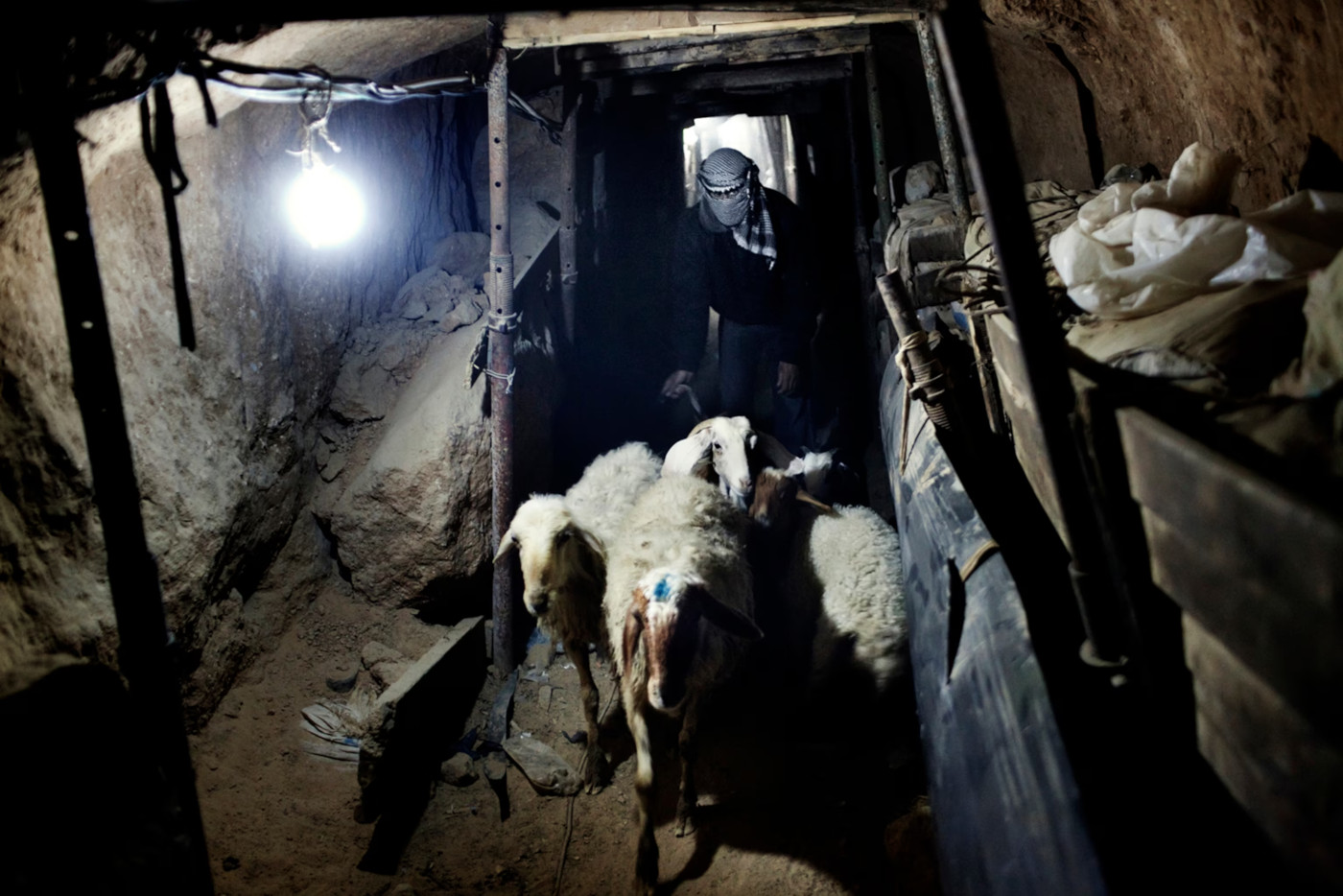
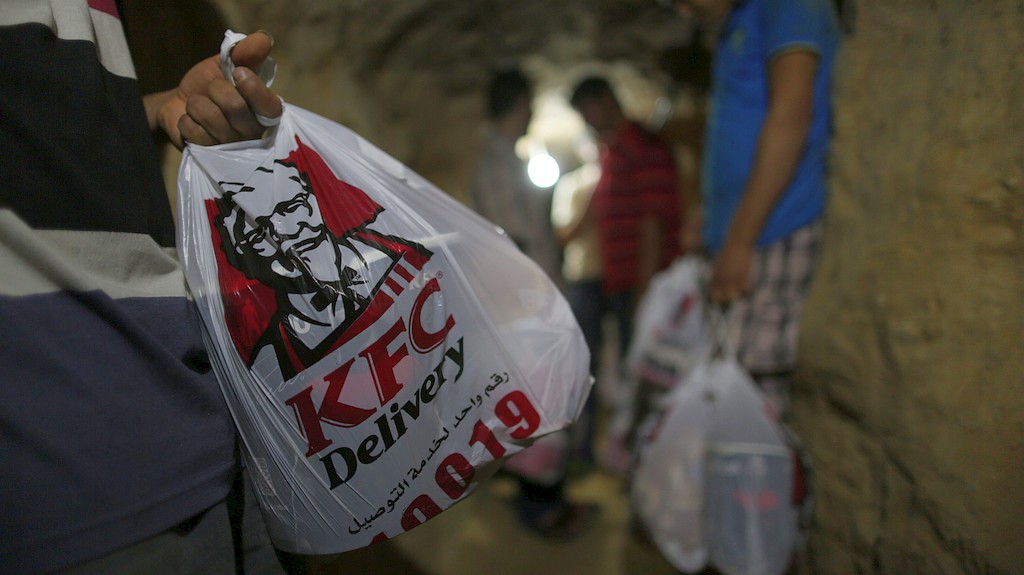
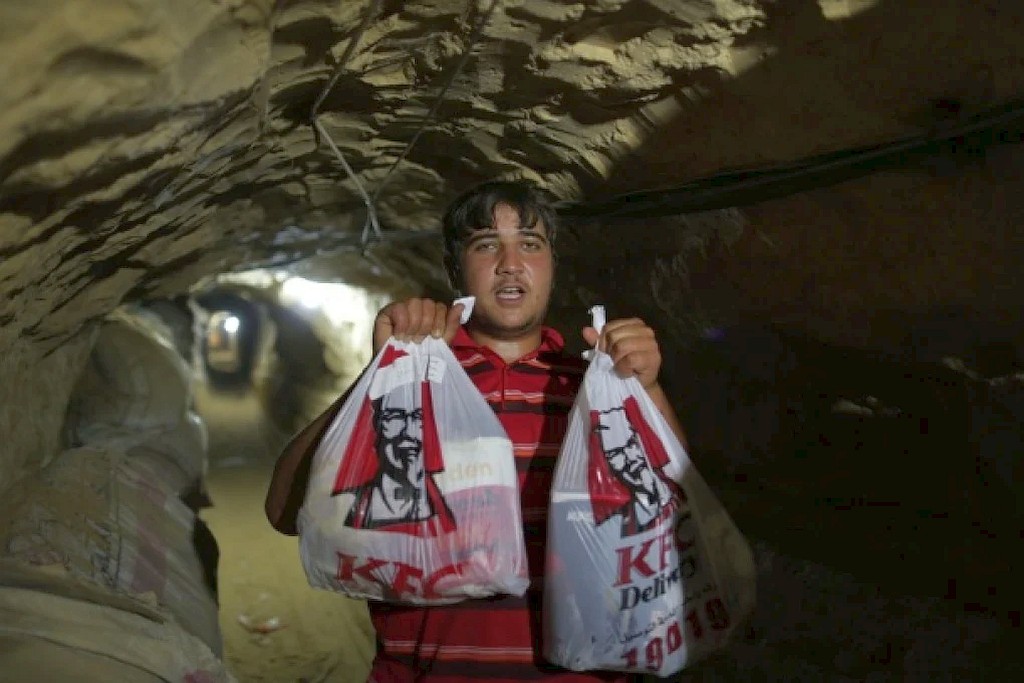
Smuggling to the Gaza Strip has been a major source of income for Bedouin tribesmen, using over 1,200 smuggling tunnels to smuggle food, weapons and other goods into Gaza.
The size of the tunnel trade was even greater than the volume of trade through official channels. The tunnels had been essential to recover from the destructions during the 2008/2009 Gaza War. Based on the materials allowed in by Israel, it would have taken 80 years to rebuild the 6,000 housing units destroyed during the military operation. Due to the tunnel imports, it only took five years. Gaza’s sole power plant ran on diesel from Egypt brought through the tunnels in the range of 1 million litres per day before June 2013.
On 11 August 2014 the IDF announced they had successfully tested a system that could be used to detect these tunnels. This new system uses a combination of sensors and special transmitters to locate tunnels. The IDF expects development to cost up to NIS 1.5 billion [ed. note: about $500M USD], and could be deployed within the year.
[ed. note: the Egyptian authorities hate the tunnels too. The Israel and Egyptian military, in a rare show of solidarity, work together to shut down these tunnels.]
In 2013, following the 2013 Egyptian coup d’état that ousted the pro-Hamas government, the Egyptian army has destroyed many of the tunnels, with the effect that “prices have soared, shelves are empty, utilities have suspended operations for lack of fuel and travel is restricted once again”.
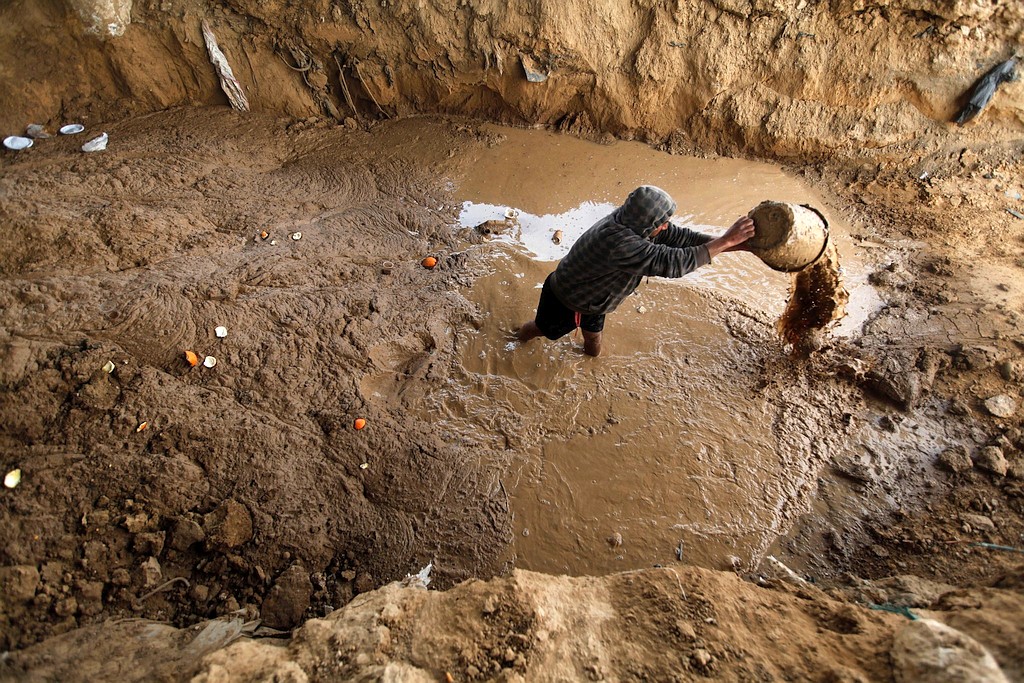
In 2013, the Egyptian military started resorting to a pungent new tactic to shut down the smuggling tunnels connecting Sinai and Gaza: flooding them with sewage.
On 11 September 2015, the Egyptian army began to pump water from the Mediterranean Sea into the tunnels. A number of Palestinian factions condemned the flooding of the border with sea water, because it posed a serious threat to the environment and ground water.
By mid-2018, the Egyptian military had destroyed at least 6,850 buildings in the city of Rafah, and from August 2016 to August 2019, the Egyptian army destroyed and closed 3,500 hectares of farmland. Subsequently, the number of buildings destroyed by the Egyptians rose to 7,460.
Wikipedia / Image [By Marius Arnesen – https://www.flickr.com/photos/anarkistix/3464809713, CC BY-SA 2.0]
There is a Wikipedia article dedicated to the Rafah tunnels.
The Gaza Strip smuggling tunnels are smuggling tunnels that had been dug under the Philadelphi Route along the Egypt–Gaza border. They were dug to subvert the blockade of the Gaza Strip to smuggle in fuel, food, weapons and other goods into the Gaza Strip.
Palestinian President Mahmoud Abbas agreed with the destruction of smuggling tunnels, arguing that they had produced 1,800 millionaires,
With this work ethic and entrepreneurial spirit, how could The New Crescent fail?
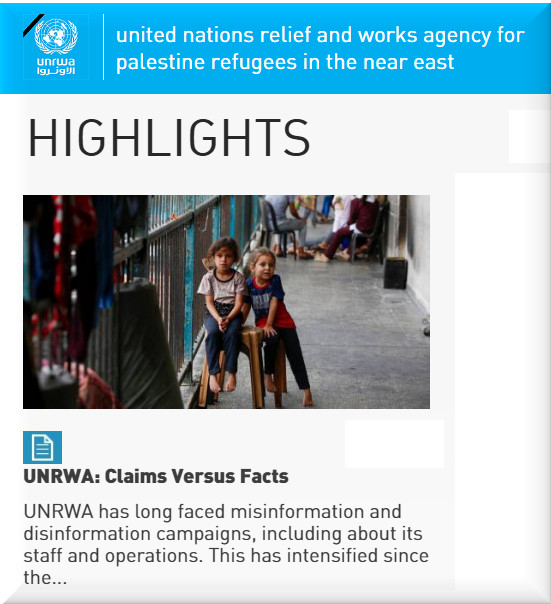
The United Nations Relief and Works Agency
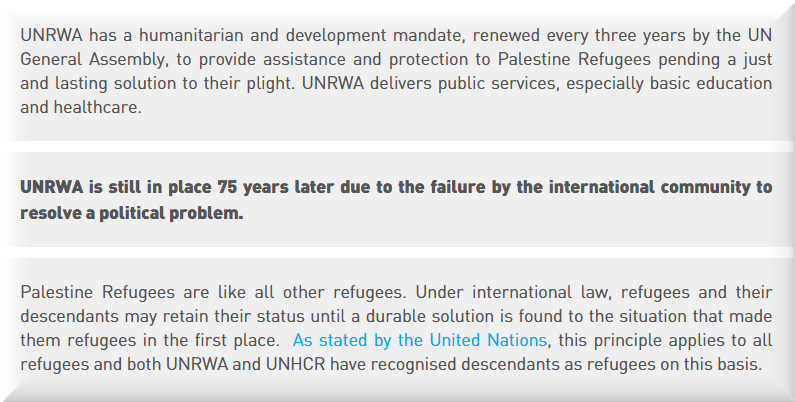
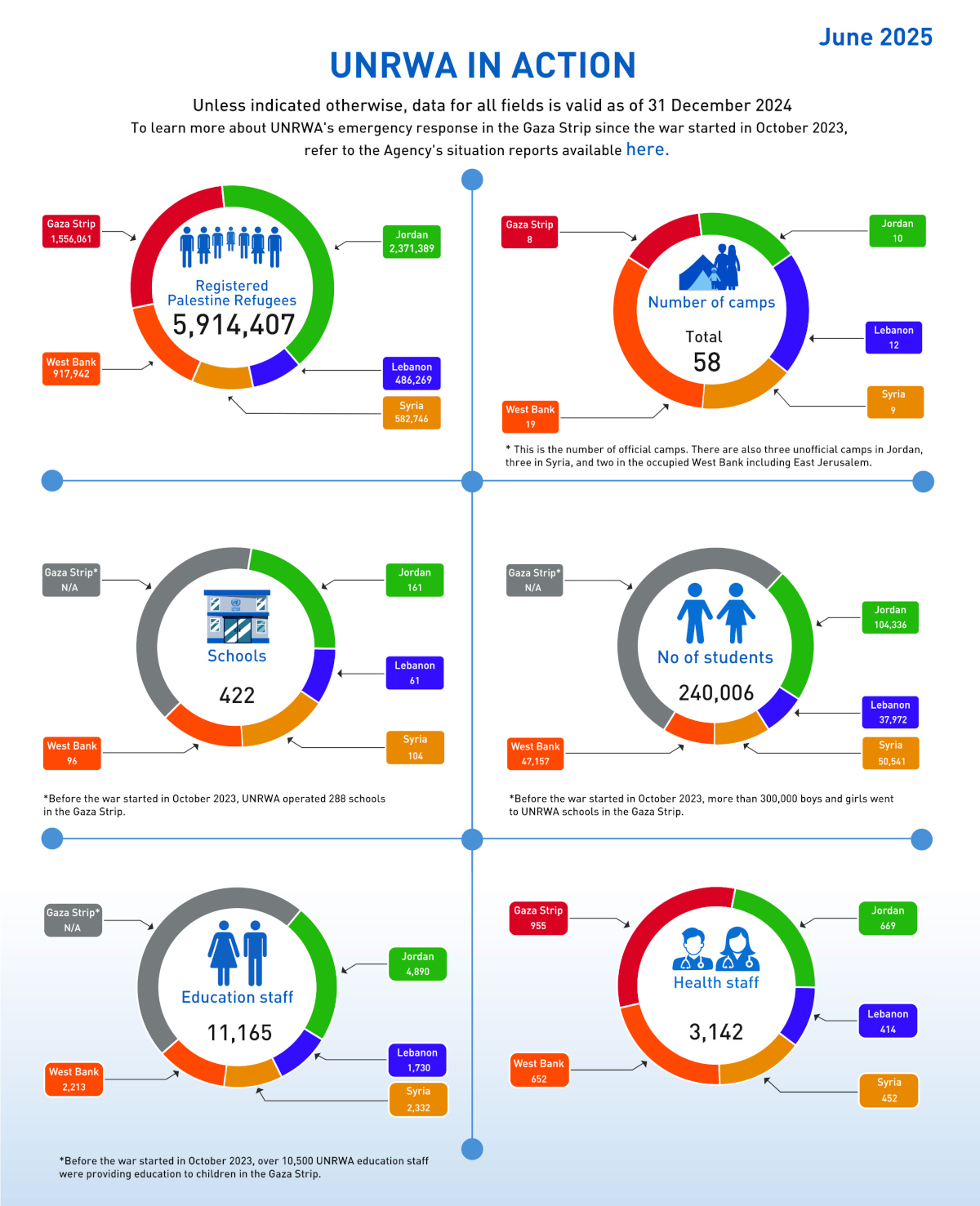
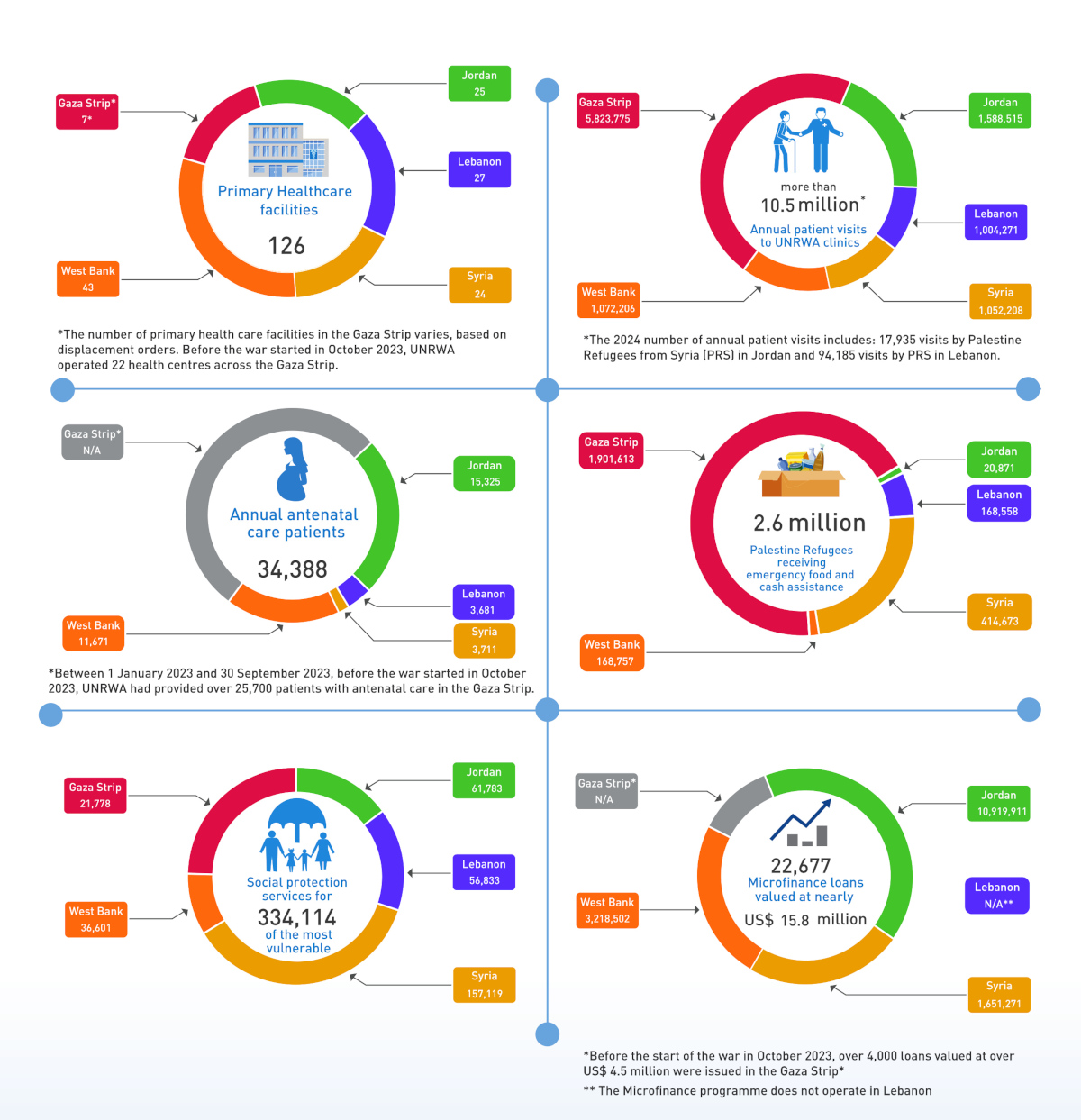
The United Nations Relief and Works Agency (UNRWA) for Palestine refuges in the near east, gets a lot of hate. The haters are the usual gang of idiots (pendejo GOP pundits, magaTs and Israel authorities), who benefit from crippling their aid efforts.
As we were researching The New Crescent, we were puzzled by the tension between Egypt and Palestine. Wouldn’t they be natural allies?
We asked Elder G to help us understand. S/he begins with this statement: ” ‘Complicated‘ might be the understatement of the century. The situation between Palestine, Israel, and Egypt sits at the crossroads of history, religion, geopolitics, and economics, and every layer you peel back reveals more interwoven threads.”
Here’s the very condensed lay of the land as it relates to The New Crescent concept:
1. Gaza & Egypt (Rafah crossing)
Gaza shares a short border with Egypt in the south (Rafah).
Egypt’s role is both humanitarian and security-focused — controlling the flow of goods and people, sometimes opening for aid, sometimes closing due to security concerns or political pressure.
The Egyptian Sinai Peninsula right next door is sparsely populated but strategically important — and in your New Crescent vision, it could be a candidate for shared development zones.
2. Gaza & Israel
Israel controls most of Gaza’s borders, airspace, and coastline.
The Gaza blockade (since 2007) has heavily restricted imports, exports, and movement, creating economic hardship.
Any large-scale infrastructure project (like our desalination plants or solar farms) would require agreement from Israel and, realistically, international oversight.
3. West Bank & Israel
The West Bank is separated from Gaza entirely, surrounded by Israel and bordered to the east by Jordan.
The West Bank’s water access and land use are highly regulated, and any integration with The New Crescent would involve bridging political and geographic gaps.
4. Egypt’s strategic incentives
Egypt has an interest in stability along the Rafah border — unrest in Gaza can spill into Sinai.
A New Crescent-style economic development could appeal to Egypt if it promises jobs, investment, and stability in its own border regions.
5. The humanitarian angle
A project framed as regional cooperation for clean water, renewable energy, and agriculture could get buy-in from NGOs, UN agencies, and donor countries — even if political agreements are slow.
It seems counterintuitive at first glance — after all, Gaza and Egypt are both majority-Arab, majority-Muslim, and geographically adjacent — but Egypt’s approach to the Rafah border has been shaped by a mix of security, political, and economic concerns that go back decades.
Here’s the breakdown of why Egypt’s policy looks the way it does:
1. Security threats from militant activity in Sinai
The Sinai Peninsula has had a persistent insurgency, particularly since 2011, involving groups affiliated with ISIS.
Some of these militants have reportedly moved through tunnels between Gaza and Sinai. Egypt sees the border as a chokepoint to prevent weapons, fighters, and explosives from moving in either direction.
To disrupt tunnel networks, Egypt demolished buildings on its side of Rafah and created a buffer zone up to 1 km wide, eventually extending to about 5 km in some areas.
2. Political tension with Hamas
Egypt’s government, especially since President Sisi came to power in 2013, is hostile to the Muslim Brotherhood, which it considers a terrorist organization.
Hamas, which governs Gaza, is an offshoot of the Muslim Brotherhood. Cairo sees Hamas as both a security risk and a political threat to its own regime.
This makes Egypt cautious about letting goods and people move freely, as it fears strengthening Hamas’s hold on Gaza.
3. Controlling smuggling and black-market economies
Before the bulldozing, hundreds of smuggling tunnels under Rafah fueled a large underground economy, moving everything from fuel to livestock.
Egypt worried that this trade undercut its own customs revenue, weakened its economic control in Sinai, and empowered non-state actors.
4. Balancing international relationships
Egypt is in a delicate position: it’s a mediator in Israeli–Palestinian ceasefire talks and receives significant U.S. military aid partly because of its peace treaty with Israel.
Maintaining a tight border with Gaza reassures Israel and the U.S. that Egypt is not allowing a free flow of arms or militants.
At the same time, Egypt occasionally opens Rafah for humanitarian aid to signal support for the Palestinian people — but in a controlled, episodic way.
5. Sinai’s strategic fragility
Sinai is sparsely populated, difficult to police, and historically restive (Bedouin grievances, lack of economic development).
The Egyptian state fears that uncontrolled movement from Gaza could further destabilize Sinai, turning it into a haven for insurgents or a spillover conflict zone.
Why it feels counterintuitive It’s easy to think that shared identity (Arab, Muslim, Middle Eastern) would mean solidarity — and there is public sympathy in Egypt for the people of Gaza. But from the state’s perspective, national security and regime stability outweigh pan-Arab solidarity, especially when non-state armed groups are involved.
Elder G provides some additional details….
What’s Going On at Rafah? Egypt’s Border Strategy Explained
1. Security Priorities: Buffer Zones & Wall Construction Egypt has bulldozed a large swath of land—sometimes more than 2 miles wide—on its side of the Sinai to create a fortified buffer zone along the Rafah / Gaza border, including a tall wall. This was done to disrupt smuggling tunnels, deter militant infiltration, and act as a buffer against potential security spillover.(OCHA)
2. Sinai’s Persistent Instability Sinai has long struggled with an Islamist insurgency, including ISIS-affiliated groups. Egypt fears that an influx of displaced Palestinians—especially militants moving under the guise of refugees—could undermine years of counterinsurgency efforts.(Prisme Initiative, Wikipedia)
3. Preventing Forced Displacement and Preserving Palestinian Sovereignty Egypt refuses to facilitate what it sees as a forced relocation of Gazans into Sinai, comparing this to the legacy of the 1948 Nakba. Cairo sees such displacement not only as a security risk, but also as a political betrayal of the Palestinian cause, undermining the possibility of eventual return.(Prisme Initiative, Wikipedia, TIME)
4. Counteracting Smuggling—Especially Tunnels Rafah has long been a hub for smuggling—fuel, arms, goods, and more—through underground tunnel networks into Sinai. The buffer zone, wall, and demolitions are meant to sever those routes.(Human Rights Watch)
5. Political Signaling & International Balancing Act By tightening its border, Egypt sends reassurance to Israel and the U.S. that it’s not allowing Gaza to become a security threat. At the same time, Egypt occasionally allows humanitarian aid to cross, maintaining some level of support for Gaza under tight control.(goodmorningamerica.com)
While there is public sympathy for Gaza, the government prioritizes national stability and regional security.
2. Insurgency in Sinai
Gaza-related instability could reignite armed threats in Egypt’s under-policed border region.
3. Fear of mass influx
Egypt resists being seen as a substitute host country or participating in ethnic displacement.
4. Smuggling destabilization
Tunnels fueled illicit trade and armed flows—buffer zones aim to stop that.
5. U.S. & Israel relations
A controlled border positions Egypt as a responsible regional partner.
6. Refugee burden & optics
Hosting refugees could spark internal unrest and erode its role as mediator.
While it may appear harsh, Egypt’s border enforcement is deeply influenced by both pragmatic security concerns and strategic regional positioning—not necessarily a reflection of sentiment toward the Palestinian people.