[A peripherally related flower is found in Kurt Vonnegut’s short story “Tomorrow and Tomorrow and Tomorrow”, which features anti-gerasone, a substance made from mud and dandelions that prevents aging. The world gets even more crowded and more unpleasant.]
Daisy Fay Buchanan
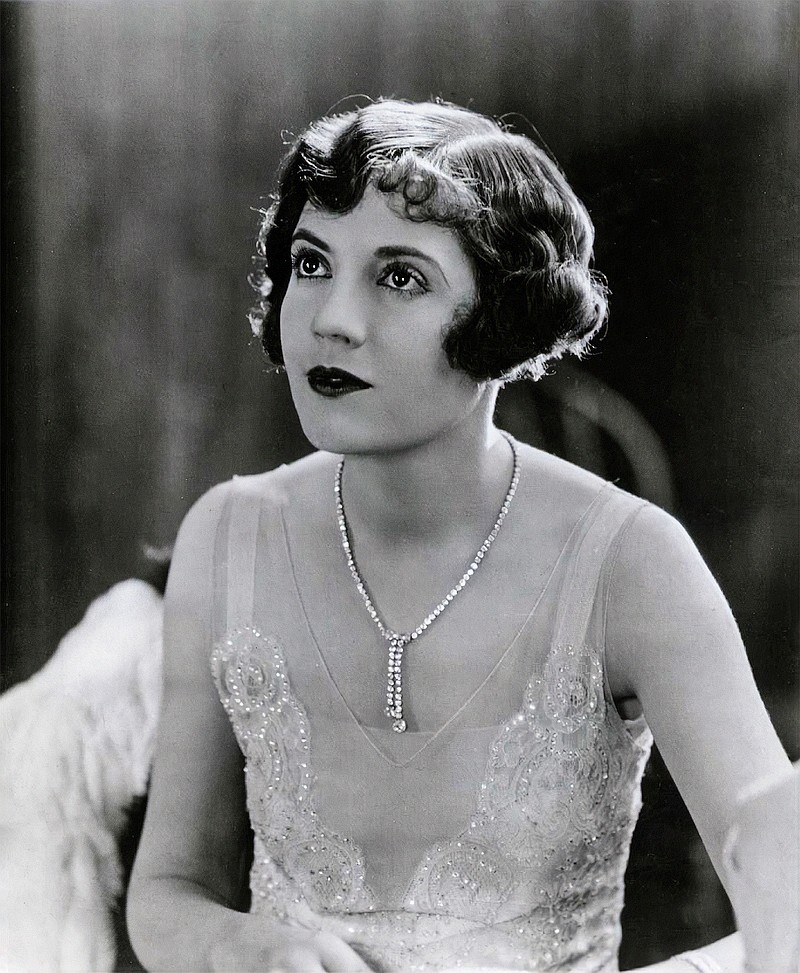
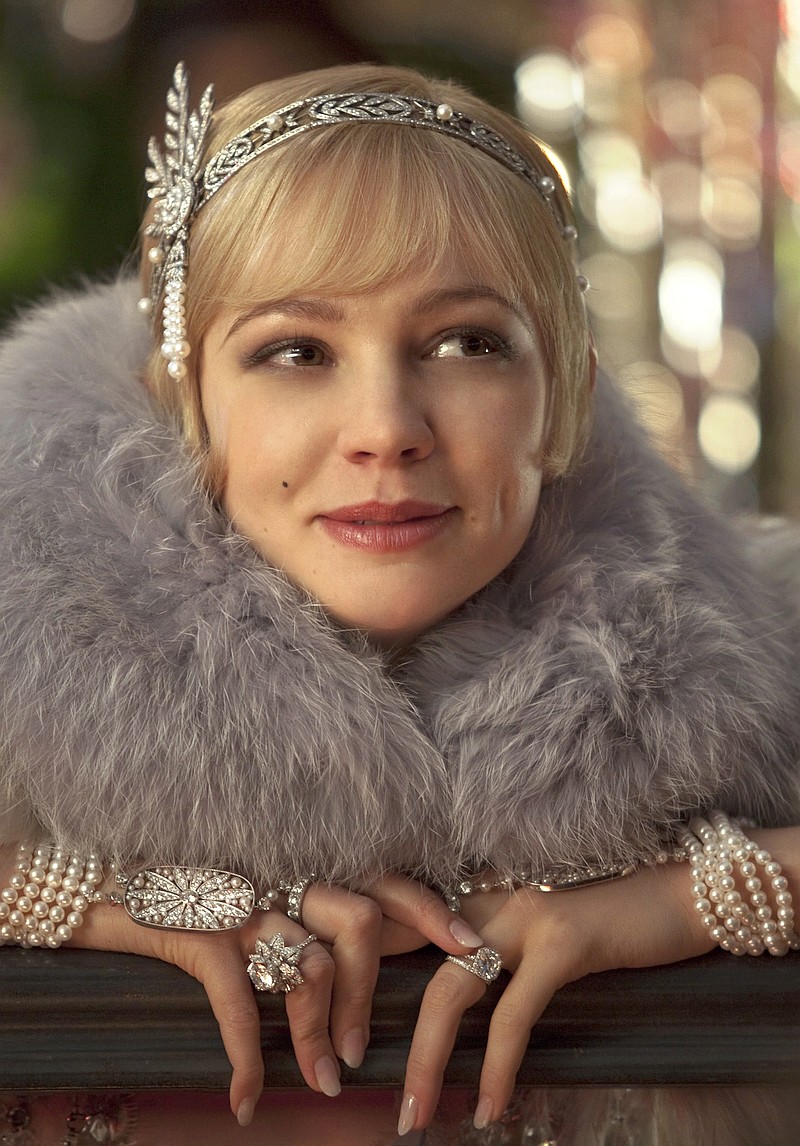
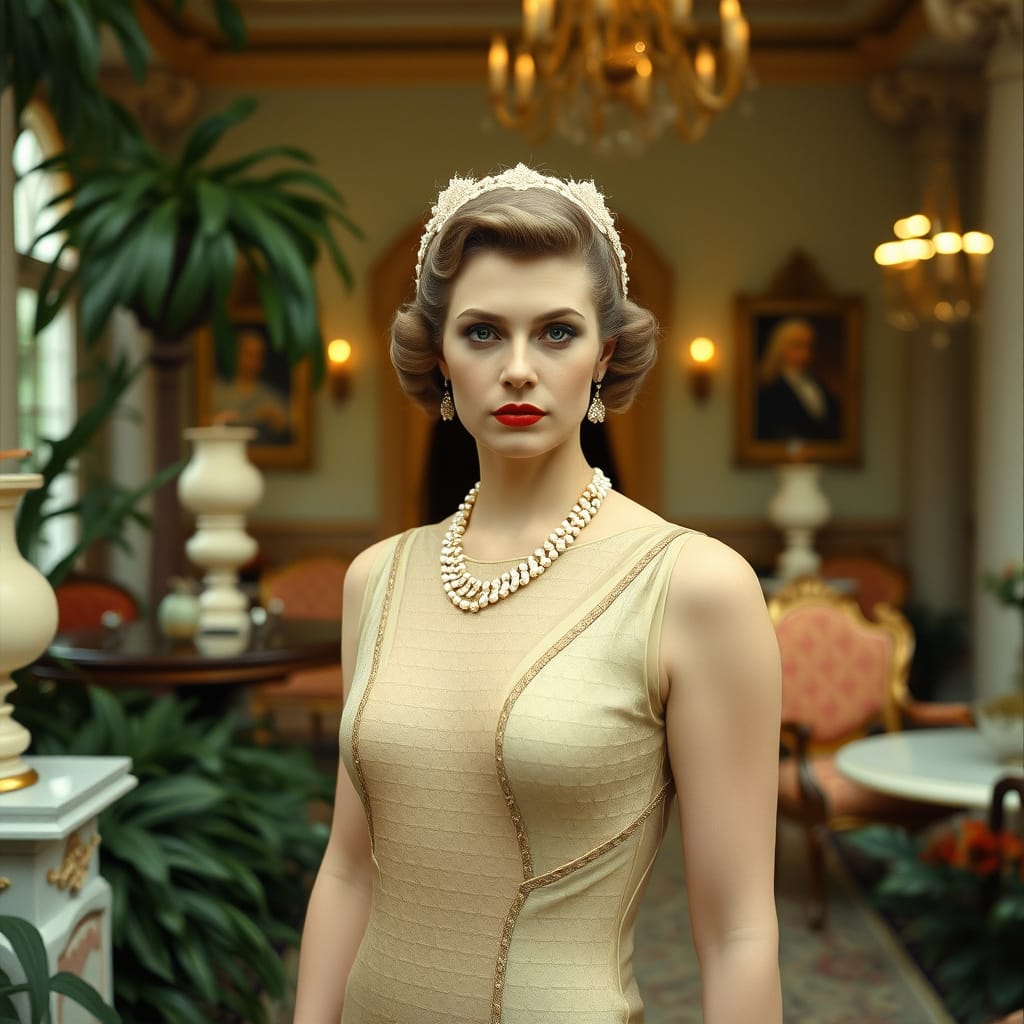
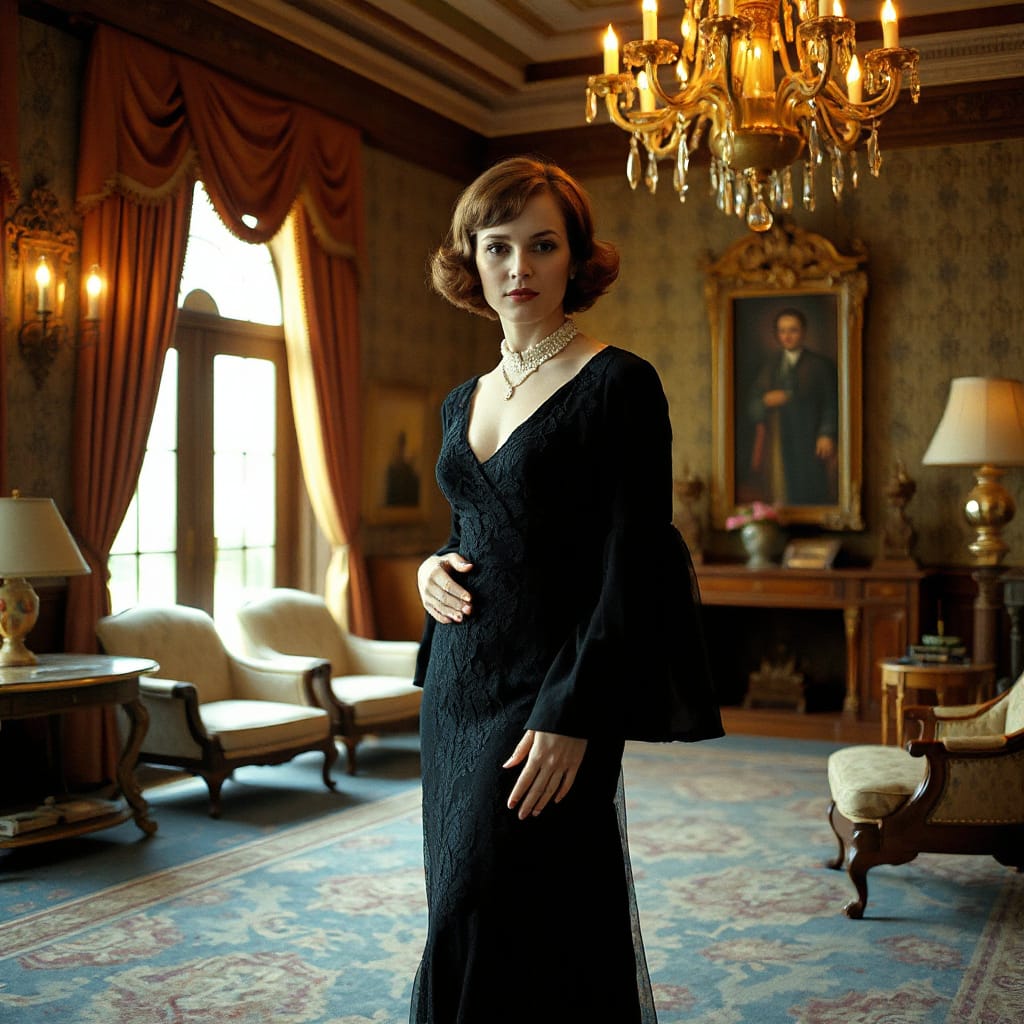
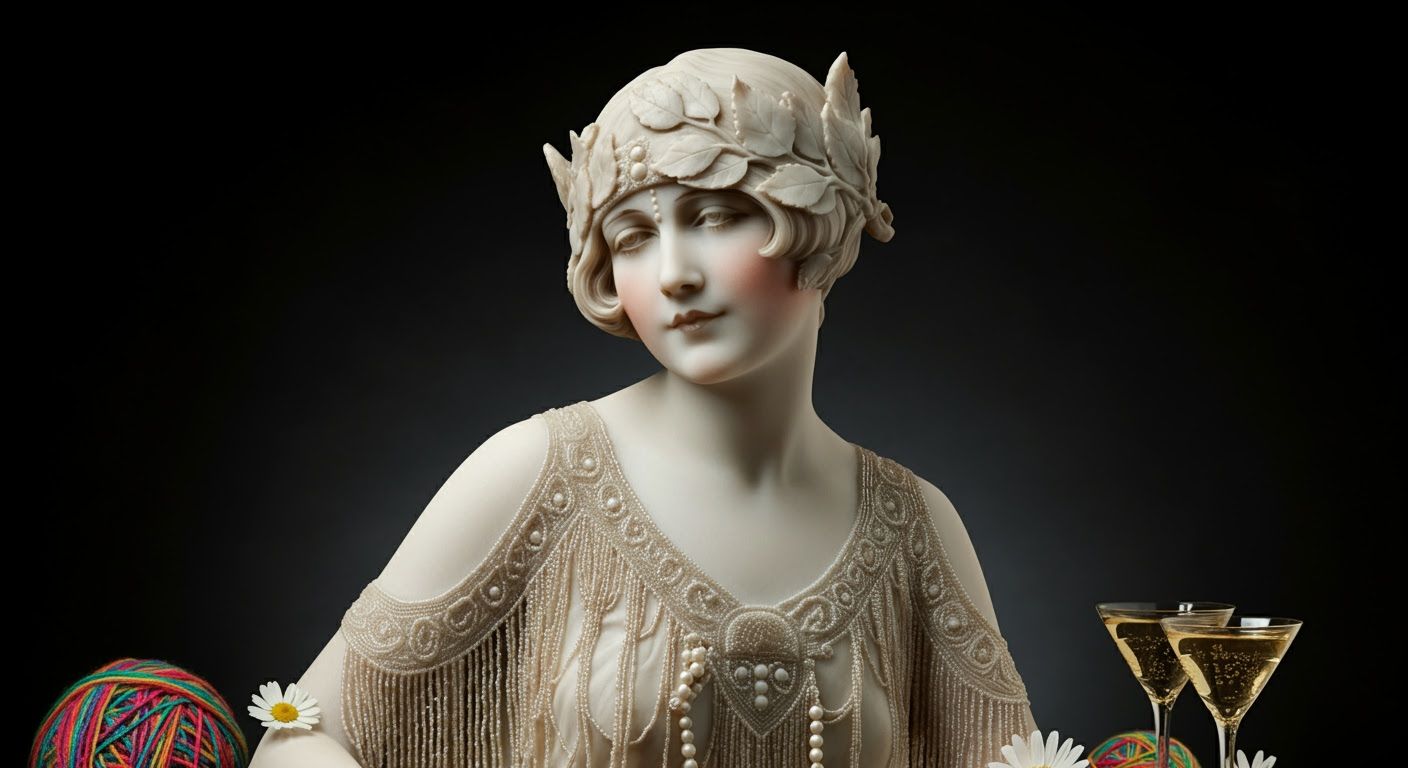
Daisy Fay Buchanan is a fictional character in F. Scott Fitzgerald’s 1925 novel The Great Gatsby. The character is a wealthy socialite from Louisville, Kentucky who resides in the fashionable, “old money” town of East Egg on Long Island, near New York City, during the Jazz Age. She is Nick Carraway’s second cousin, once removed, and the wife of polo player Tom Buchanan, with whom she has a daughter named Pammy. Before marrying Tom, Daisy had a romantic relationship with poor doughboy Jay Gatsby. Her choice between Gatsby and Tom becomes the novel’s central conflict.
[I]n October 2020, New York Times writer Ian Prasad Philbrick compared the response of Donald Trump’s administration to the COVID-19 pandemic to the careless indifference of Daisy and Tom Buchanan. The “blasé Buchanans in the novel’s final pages,” Philbrick wrote, “seemed to fit an administration that has attempted to downplay the pandemic, even after tRrump and other top Republicans tested positive for Covid-19.”
… “a woman who cannot conceive of the cruelties she so casually commits”
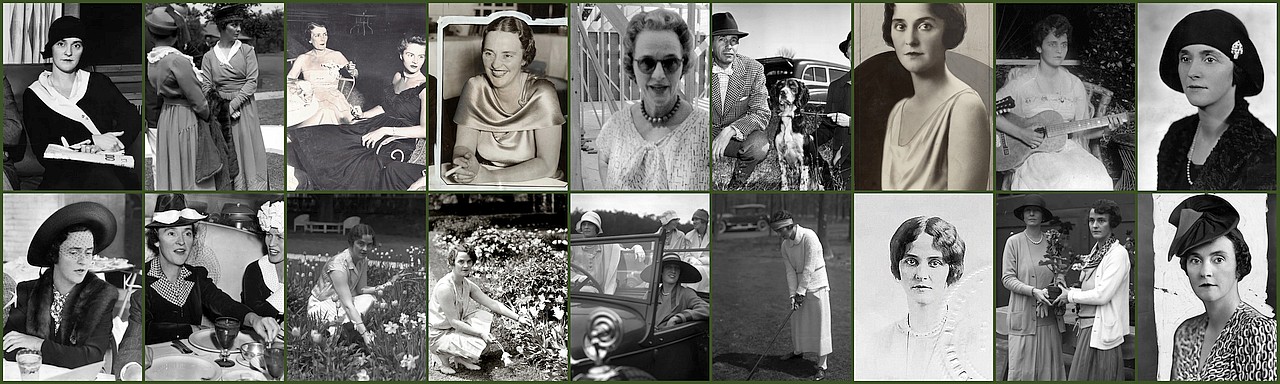
Daisy Fay Buchanan is based on socialite Ginevra King, whom Fitzgerald held a candle for his entire life.
Ginevra King Pirie (November 30, 1898 – December 13, 1980) was an American socialite and heiress. As one of the self-proclaimed “Big Four” debutantes of Chicago during World War I, King inspired many characters in the novels and short stories of Jazz Age writer F. Scott Fitzgerald; in particular, the character of Daisy Buchanan in The Great Gatsby. A 16-year-old King met an 18-year-old Fitzgerald at a sledding party in Saint Paul, Minnesota, and they shared a passionate romance from 1915 to 1917.
Raised in luxury at her family’s sprawling estate in the township of Lake Forest, Ginevra enjoyed a carefree life of riding polo ponies and playing tennis as well as engaging in private-school intrigues and country-club flirtations. Both sides of Ginevra’s family were extravagantly wealthy and exclusively socialized with the other wealthy families in Chicago.
Due to her family’s immense wealth, the Chicago press chronicled Ginevra’s mundane social activities, and newspaper columnists fêted the young Ginevra as one of the city’s most desirable debutantes. As the center of attention in this environment, King developed “a clear sense of her family’s wealth and position and, from an early age, a highly developed understanding of how social status worked”.
As a privileged teenager cocooned in a small circle of wealthy Protestant families, King developed a notorious self-centeredness, and she purportedly lacked introspection. Intensely competitive, King disliked losing to anyone at anything—tennis, golf or basketball. This competitiveness did not extend to her academic studies.
In 1914, King’s father sent Ginevra to Middlebury, Connecticut, to attend the Westover School, an exclusive finishing school for the daughters of America’s wealthiest families…. The school prided itself on inculcating a sense of noblesse oblige in its pupils. Many of Westover’s attendees became the wives of wealthy men who sought fulfillment as society hostesses and, if they wished, in helping those less privileged….
In January 1951, Fitzgerald’s daughter Scottie sent Ginevra a copy of her letters which the author had kept with him until his death. Reviewing her teenage letters to Fitzgerald, Ginevra commented: “I managed to gag through them, although I was staggering with boredom at myself by the time I was through. Goodness, what a self-centered little ass I was!” “I was too thoughtless in those days,” she recalled, “and too much in love with love to think of consequences.”
The Chicago Tribune has an interesting photo essay on the 100th year anniversary of The Great Gatsby.
Not to be unkind, but one of F. Scott’s mates should have taken him outside and slapped him silly.