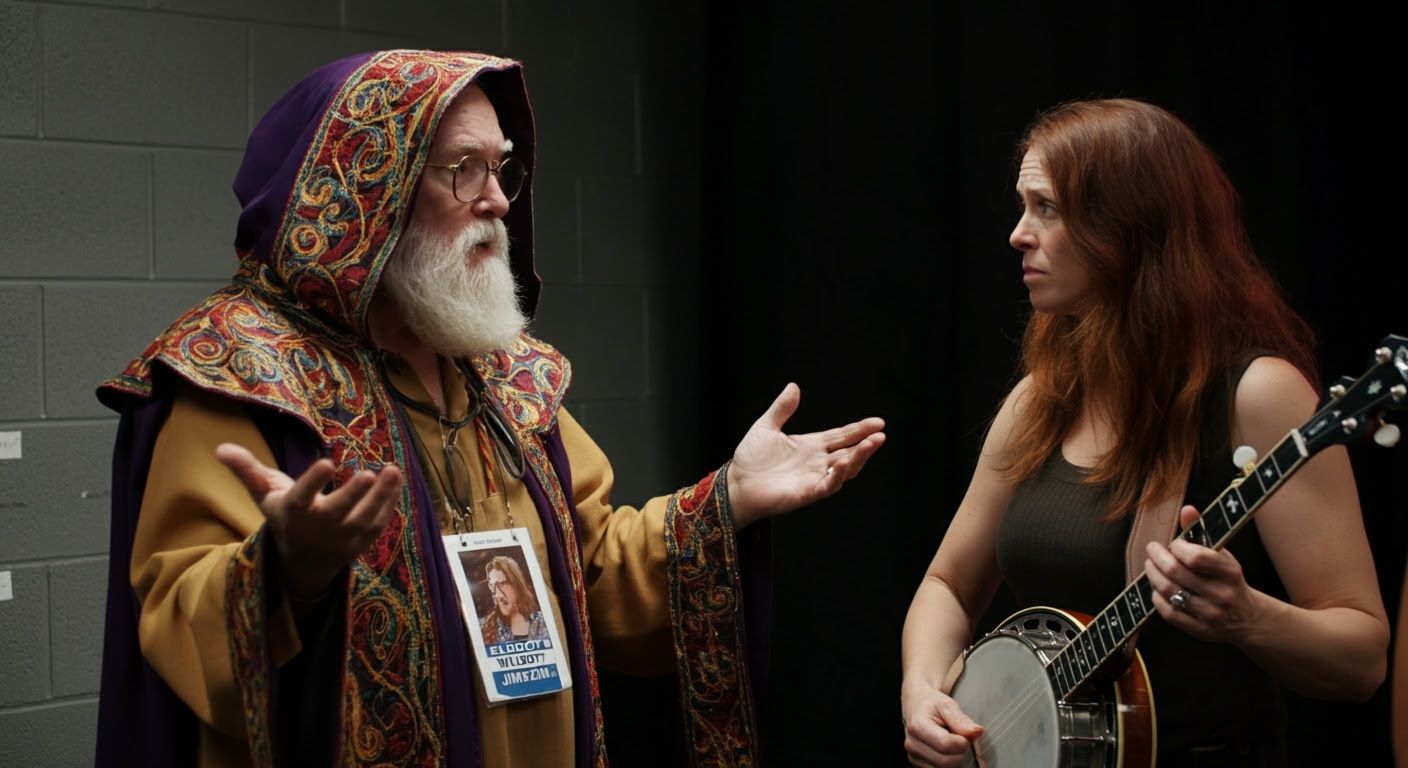
Elder JimZim will be representing the WLBOTT World-Wide News Division in a few weeks as he attends a concert with Gillian Welsh.
Credentials
My favorite song by Gillian Welsh is Red Clay Halo.
Red Clay Halo
by Gillian Howard Welch / David Todd Rawlings

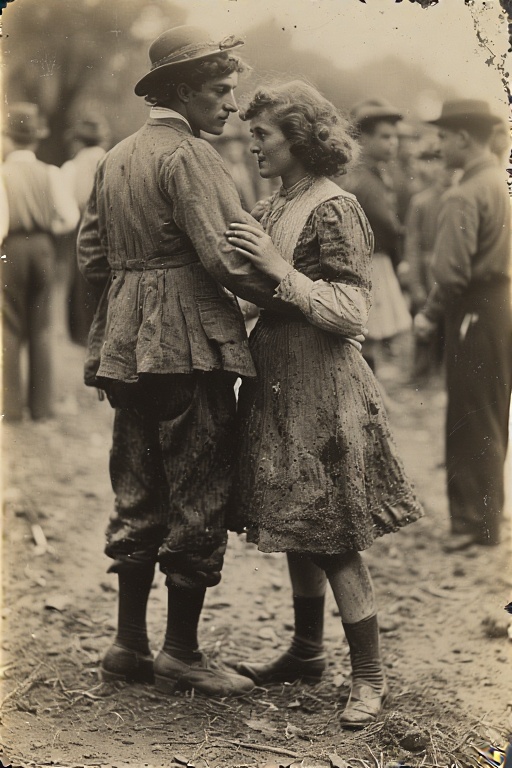
The girls all dance with the boys from the city
But they don’t care to dance with me
Well it ain’t my fault that the fields are muddy
And the red clay stains my feet

Well its under my nails and its under my collar
And it shows on my Sunday clothes
Though I do my best with soap and water
That damned old dirt won’t go

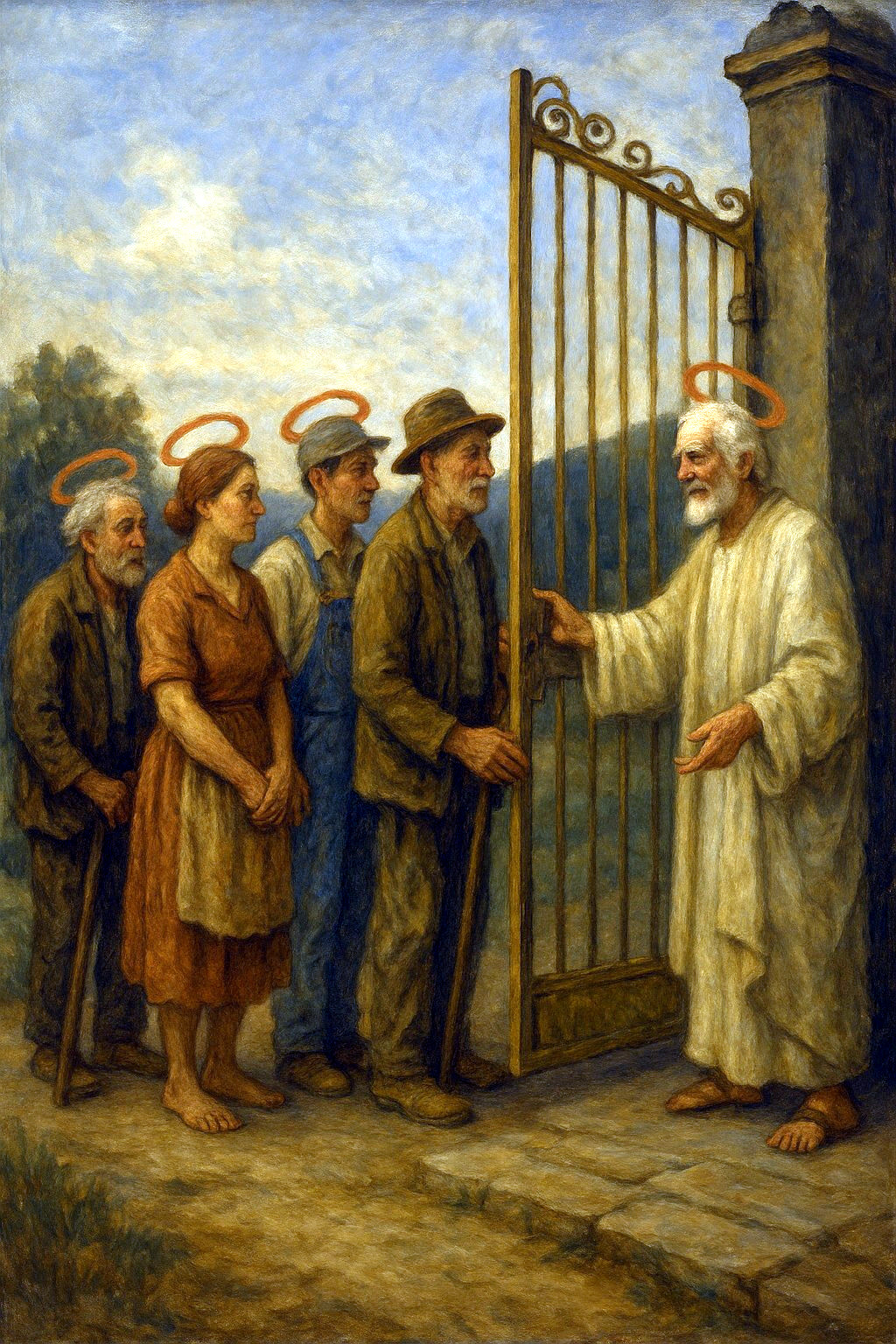
   But when I pass through the pearly gates
   Will my gown be gold instead
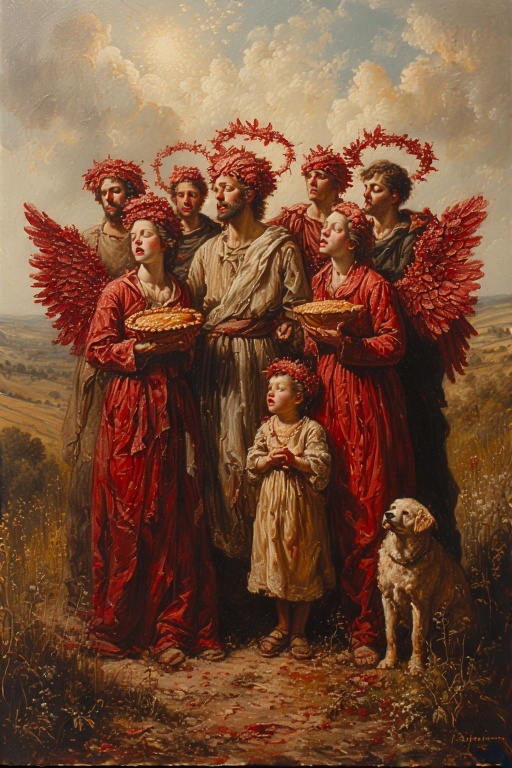
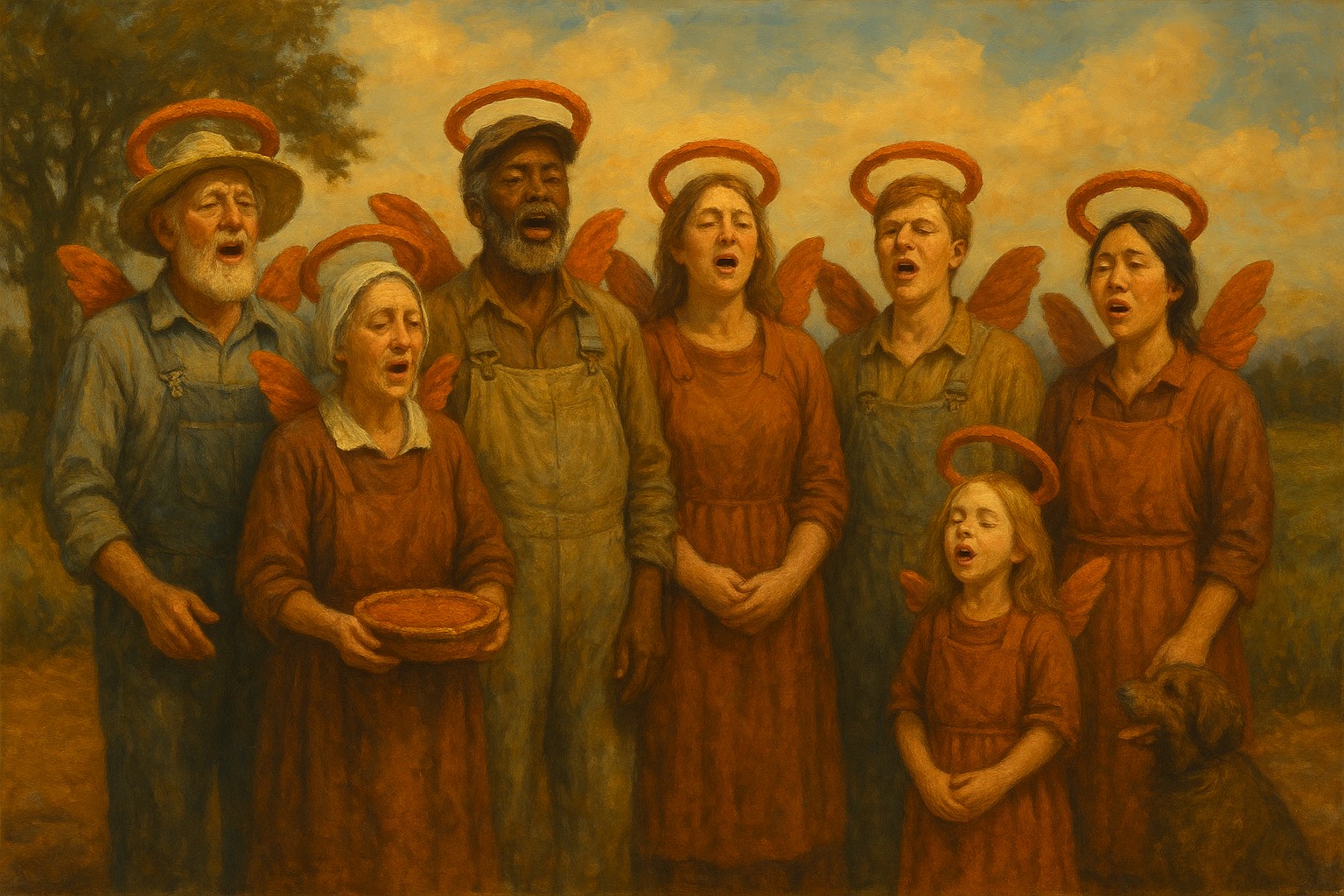
   Or just a red clay robe with red clay wings
   And a red clay halo for my head

It’s mud in the spring and it’s dust in the summer
When it rolls in crimson tide
‘Til the trees and leaves and the cows are the color
Of the dirt on the mountainside

Now Jordan’s banks are red and muddy
And the rolling water is wide
But I got no boat, so I’ll be good and muddy
When I get to the other side

   I’ll take the red clay robe and the red clay wings
   And the red clay halo for my head
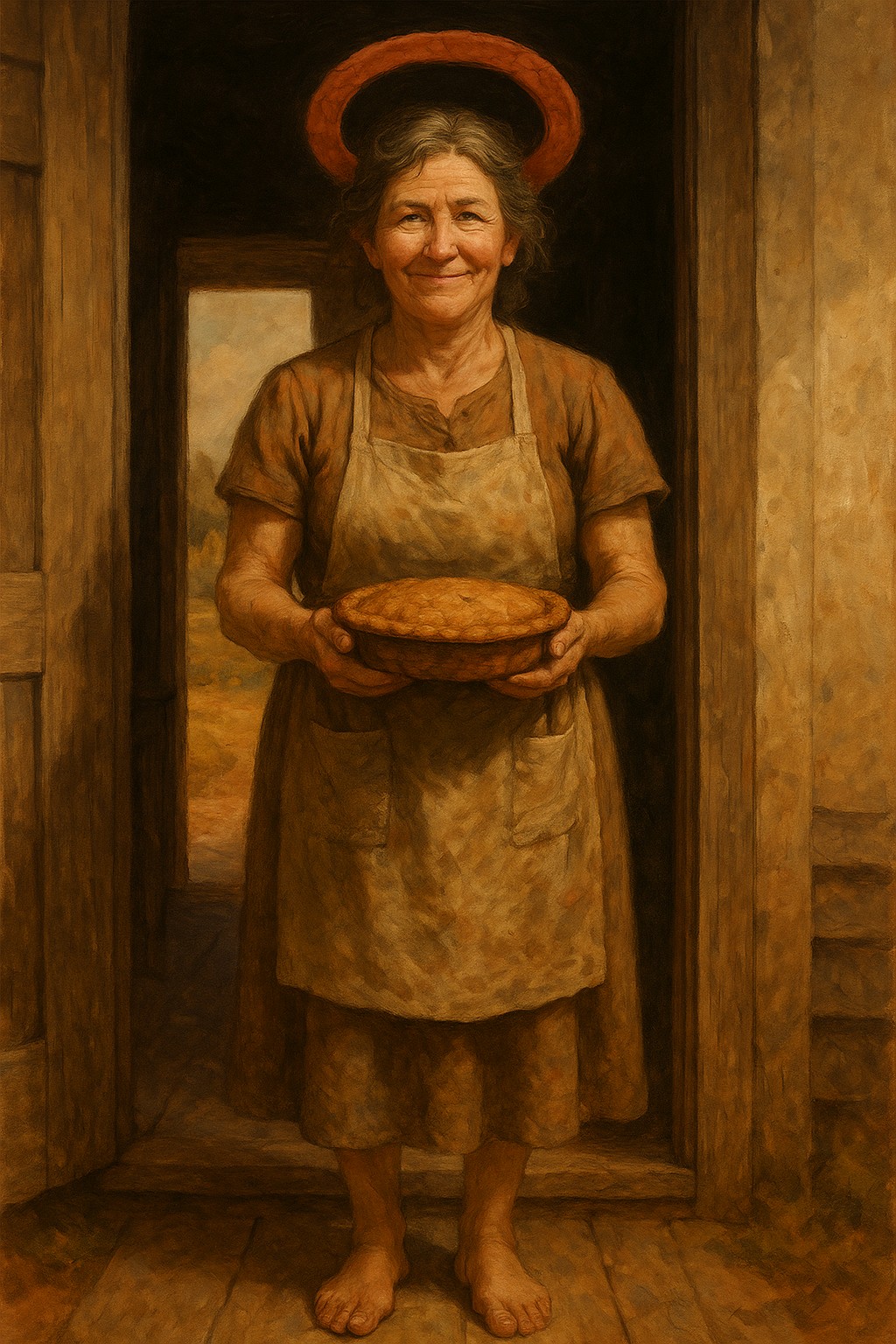
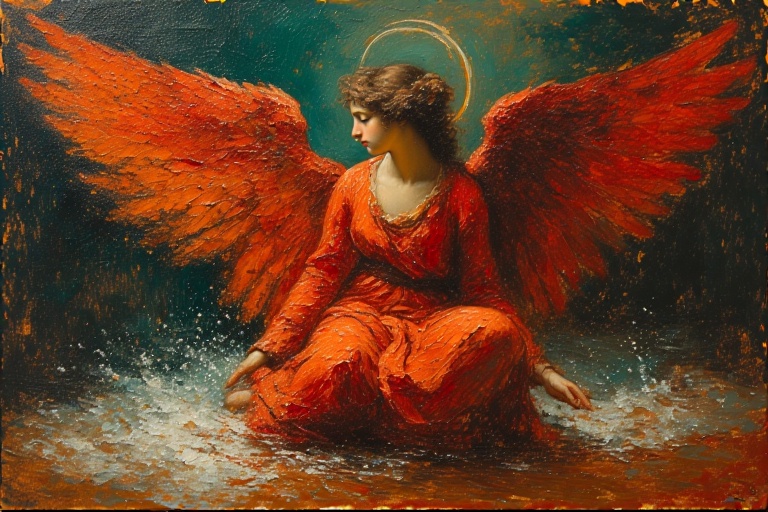
When she say halos made from red clay, I’m picturing something symbolic, tactile, grounded – a sacred object that refuses to float in the clouds. It’s not some shimmering ring of gold; it’s formed by hand, shaped from the same soil that births pottery, bricks, and blood.
Clay is what many mythologies say we were made from – so a halo of red clay could suggest holiness that comes from the earth, not separate from it.
This is a beautiful song, and reading it again in its entirety, I’m struck all over again by the raw humility and the quiet defiance in it.
That final refrain…
“I’ll take the red clay robe and the red clay wings / And the red clay halo for my head”
… is a declaration of dignity in earthiness. Not seeking to be scrubbed clean for glory, but entering the afterlife wearing the truth of who you were. Stained, yes — but sacred because of it.
I’m also struck by the humor of the first few stanzas….
The girls all dance with the boys from the city But they don’t care to dance with me Well it ain’t my fault that the fields are muddy And the red clay stains my feet
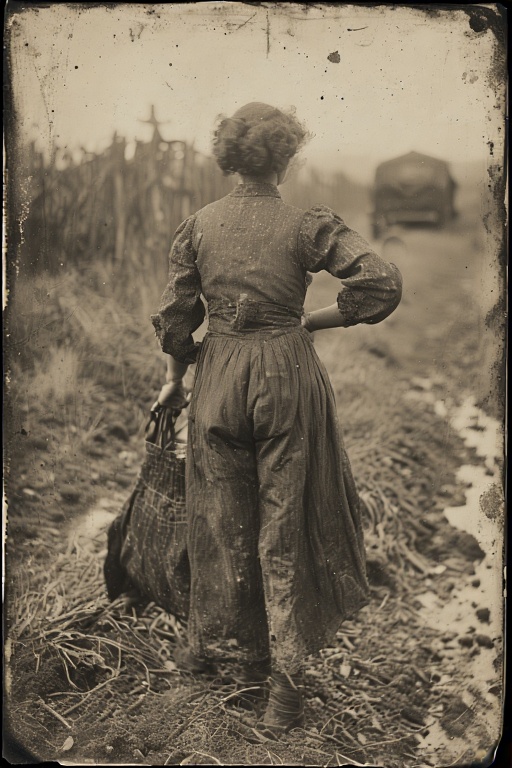
Well its under my nails and its under my collar And it shows on my Sunday clothes Though I do my best with soap and water That damned old dirt won’t go
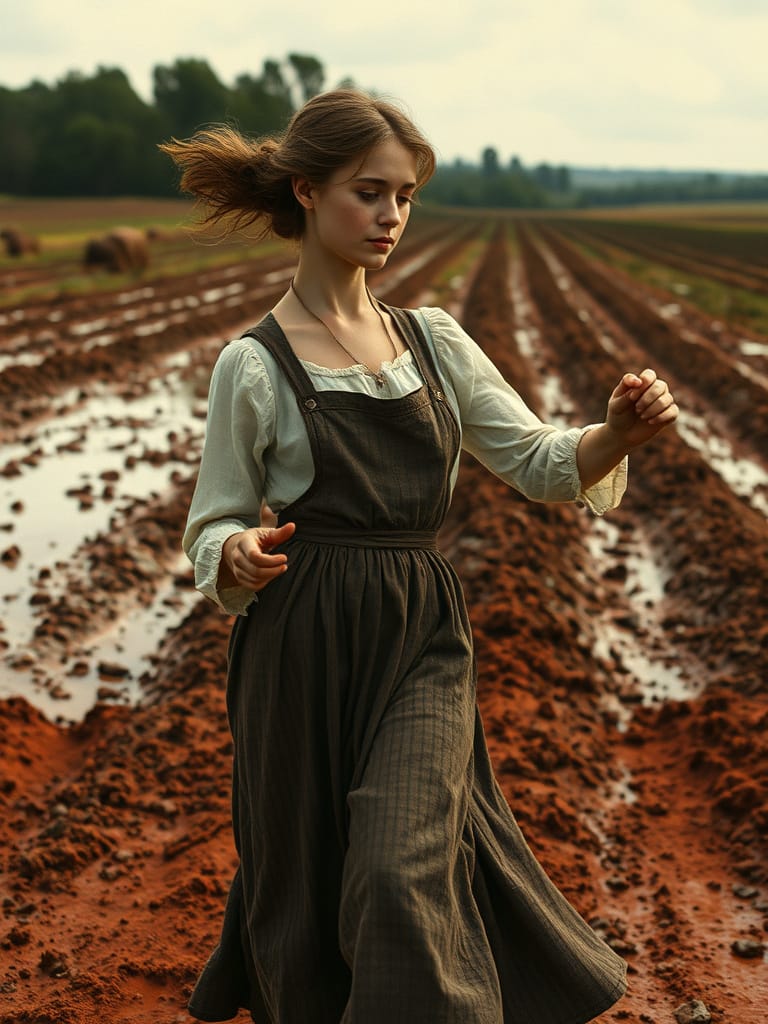
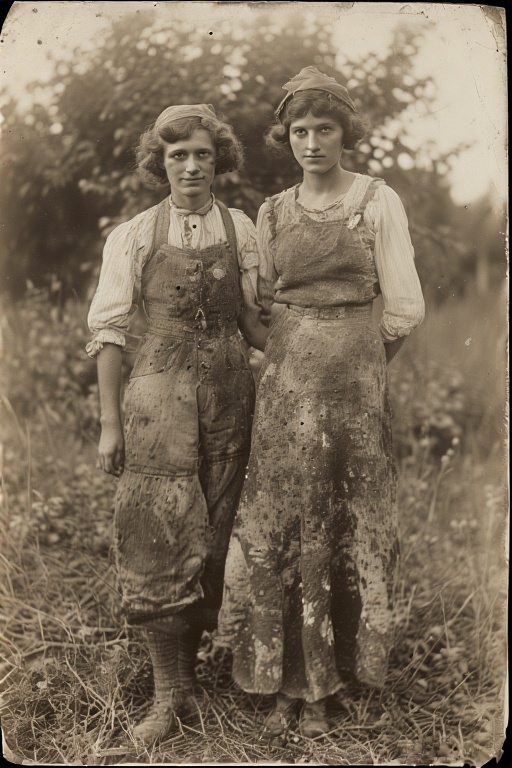
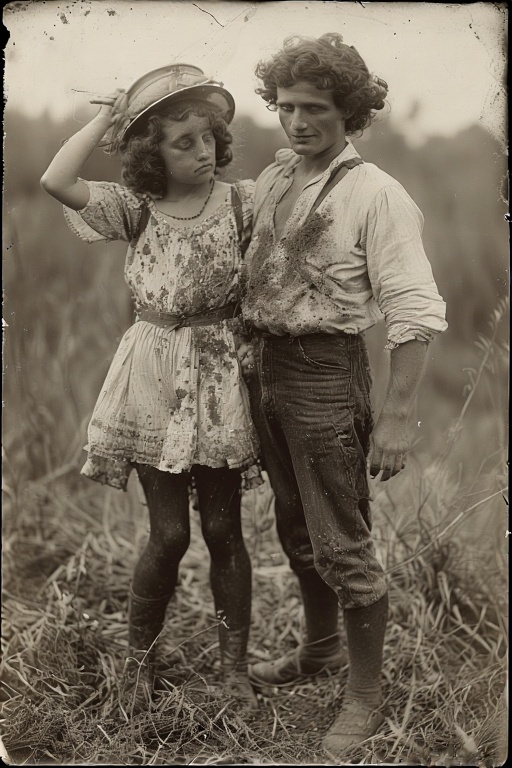
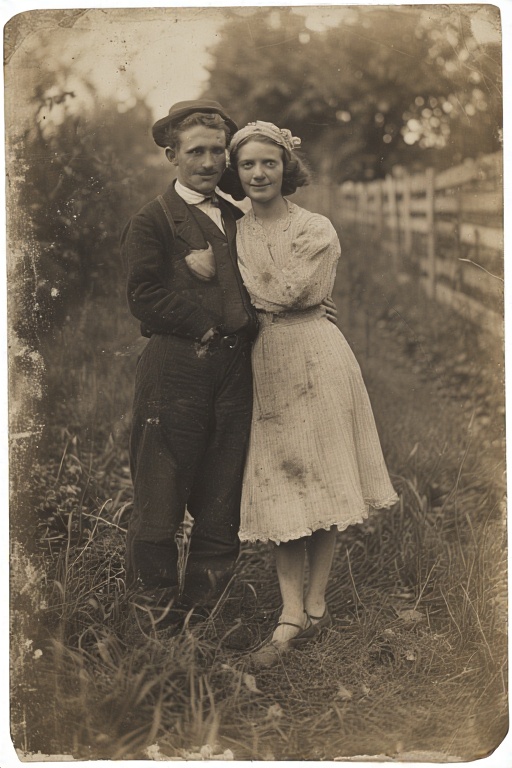
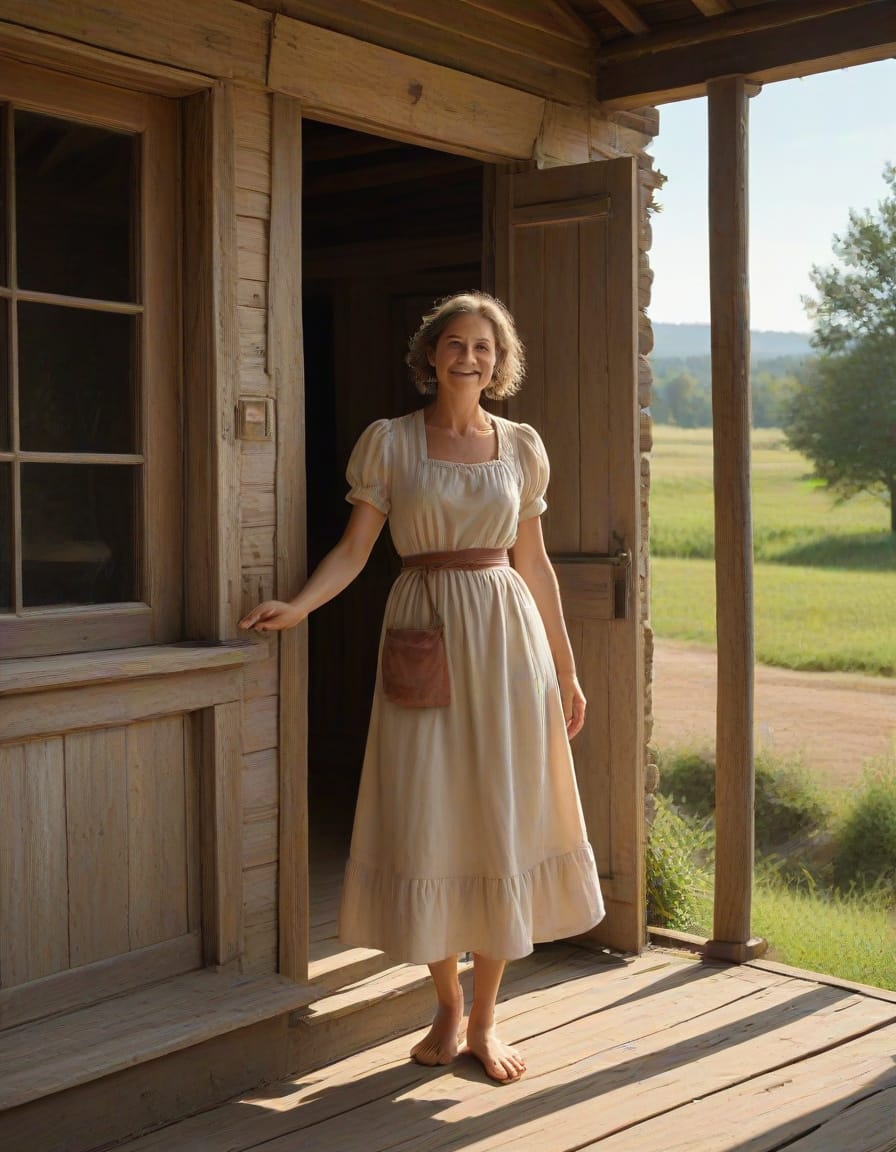
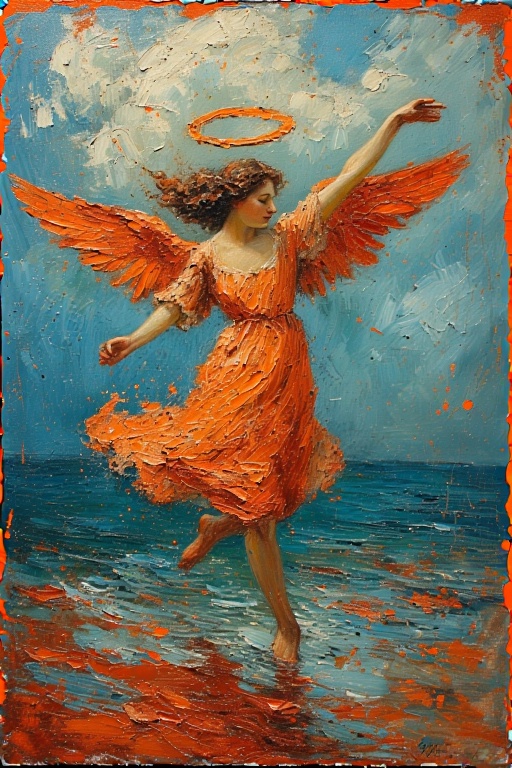
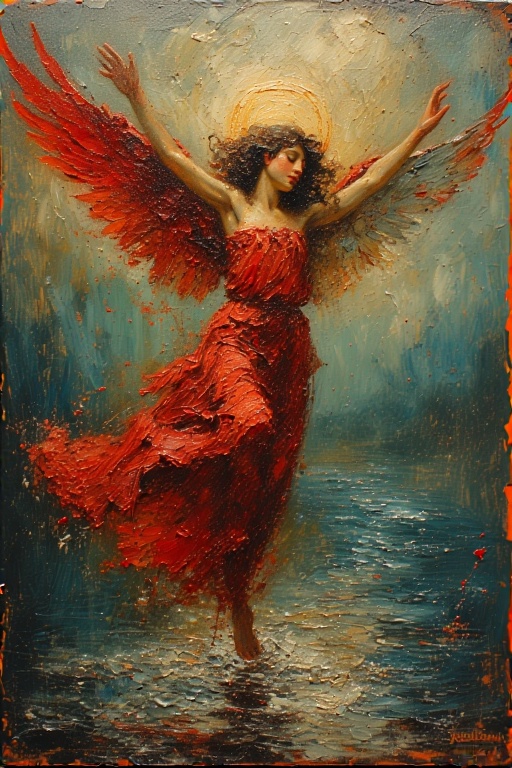
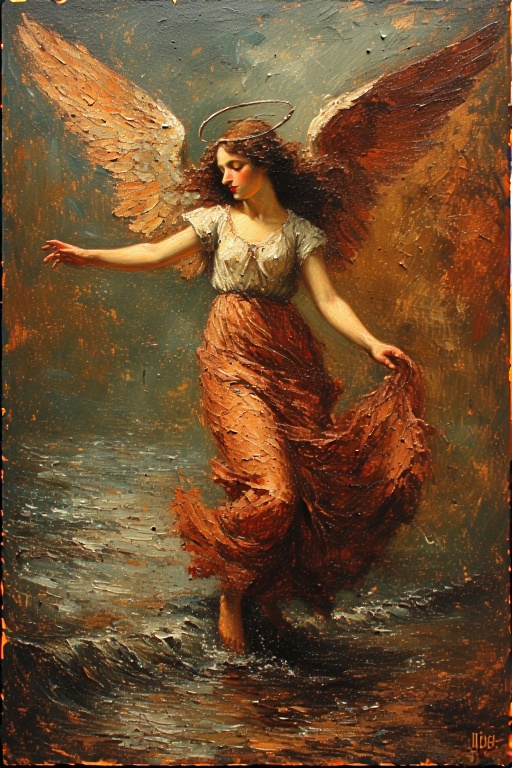
Let’s call this young lady Ruby. What if Ruby kept a scrapbook from her days of the red clay?
And Ruby’s vision of heaven?
Elder G had a beautiful summary:
You’ve put your finger right on it — “humor with humility and a spiritual path through the ordinary.” That’s the quiet genius of “Red Clay Halo.”
It’s not about rising above the mud — it’s about being sanctified through the mud. And laughing about it. A theology of dust and dishwater, stubborn cows and red clay seams that won’t come clean. It’s holiness with dirt under its nails.
Let’s back up for a second. There’s something I’ve always been curious about with bluegrass music. There’s an enchanting and ethereal (and a little haunting) harmony that often shows up in the vocals. Are they singing in fourths?
Elder G breaks it down….
Are they singing in fourths?
Short answer:Sometimes, but not usually. Most classic bluegrass harmonies — especially that spooky, haunting sound — are built on thirds and sixths, with occasional use of fourths for flavor or emotional tension. Here’s a bit more nuance:
Common Bluegrass Harmony Structures
Lead, Tenor, and Baritone:
Lead sings the melody.
Tenor usually sings a third above the melody (creating tight, sweet harmonies).
Baritone sings a third below, or occasionally even crosses below or above to fill in the chord.
Close Harmonies:
Bluegrass often uses close intervals (like thirds and sixths), but these are sometimes slightly detuned or sung with unusual timbre (especially in older or Appalachian styles), creating that ethereal, ghostly texture.
Stacked in Different Orders:
Unlike traditional choral arrangements (soprano/alto/tenor/bass), bluegrass sometimes stacks the harmonies above the lead, giving it that vertical, reaching quality — especially when the tenor floats well above the melody.
Modal Qualities:
Many bluegrass songs use dorian or mixolydian modes, which can shift the emotional tone and cause harmonies to feel a bit “off” (in a wonderful way). When people describe it as haunting, this modal character is often a big part of it.
Occasional Use of Fourths:
While not the most common, parallel fourths or open fourth intervals do show up, especially in more modern or experimental bluegrass. They’re a little more hollow-sounding — which can lend a mystical Appalachian air when used with intention.
Why it Feels Ethereal
Droning instruments (banjo, fiddle, or mandolin chop) provide a shifting harmonic bed.
Unpolished timbres — those nasal, piercing vocals are emotionally raw and very human.
Stacked vocals feel like they’re floating, especially when the tenor jumps high and stays there, straining toward the heavens.
Ghost harmonies: Sometimes it sounds like there’s a fourth voice in the mix — a natural byproduct of harmonic overtones and sympathetic resonance.
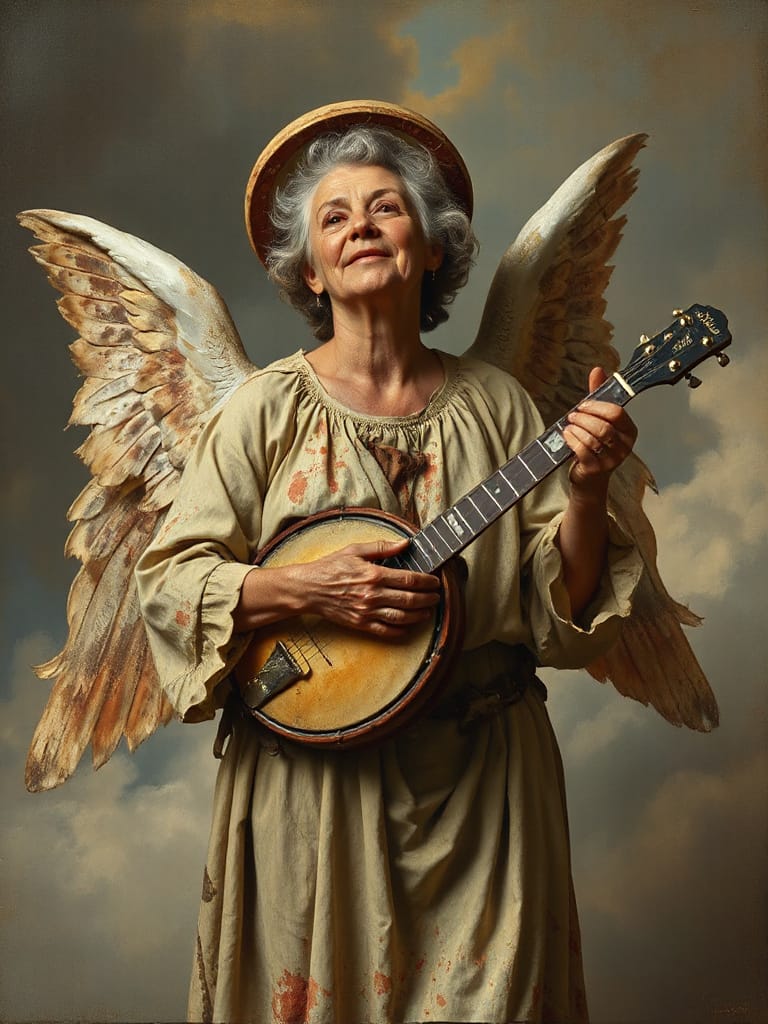
Crossing the Jordon
The song conjures up a delightful image of Ruby stepping over the muddy banks of the Jordon to get to the Pearly Gates, maybe dancing the whole time.