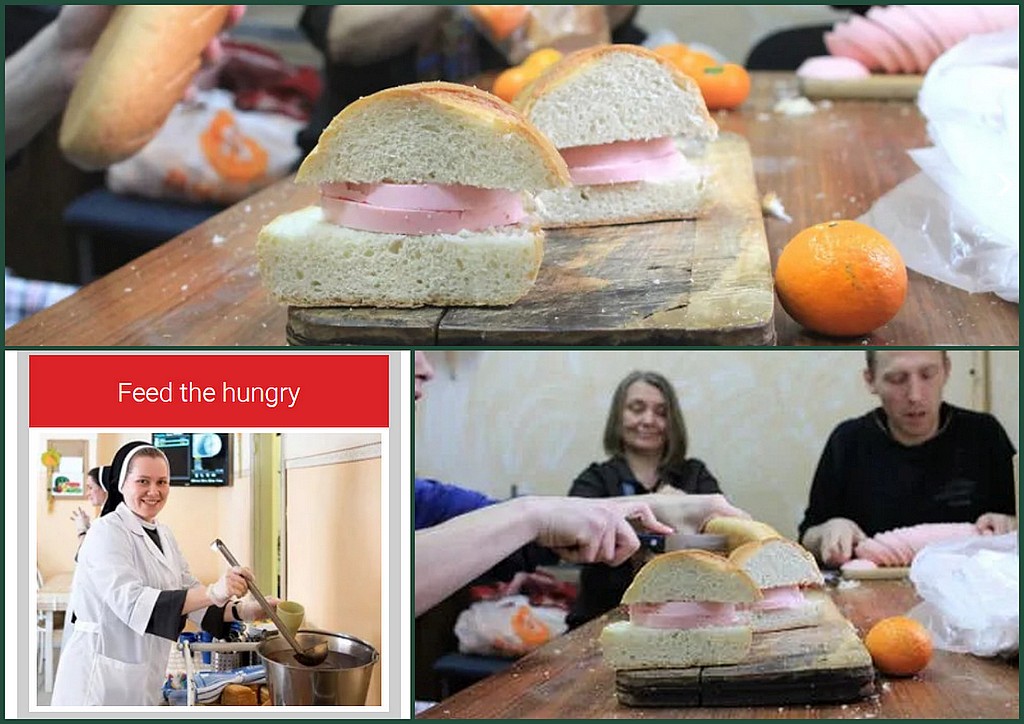
It is so easy to trash Russia, their stulted banality of evil, the almost comical incompetence of its government and military, the vulgar venality of its leaders.
But at its heart are the people, like people everywhere, with lives no less sacred due to circumstance or lack of privilege.
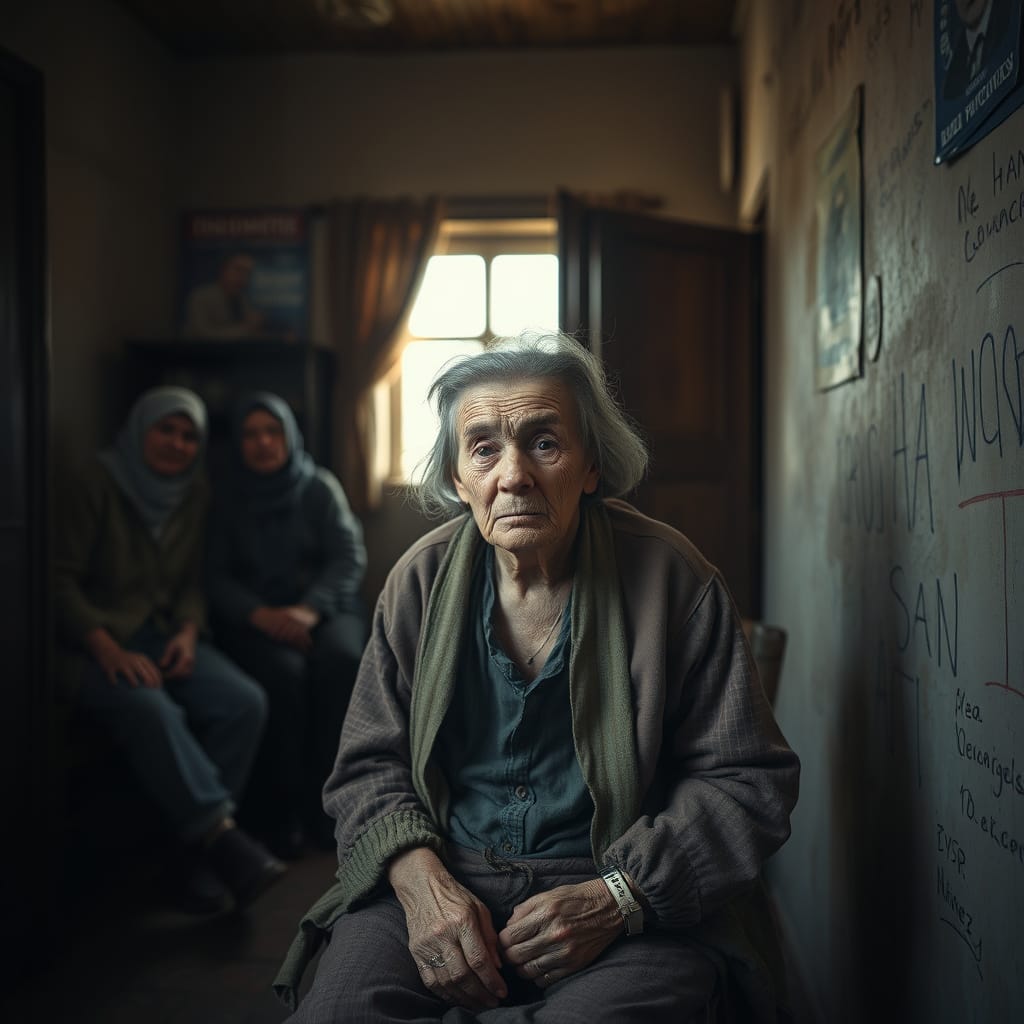
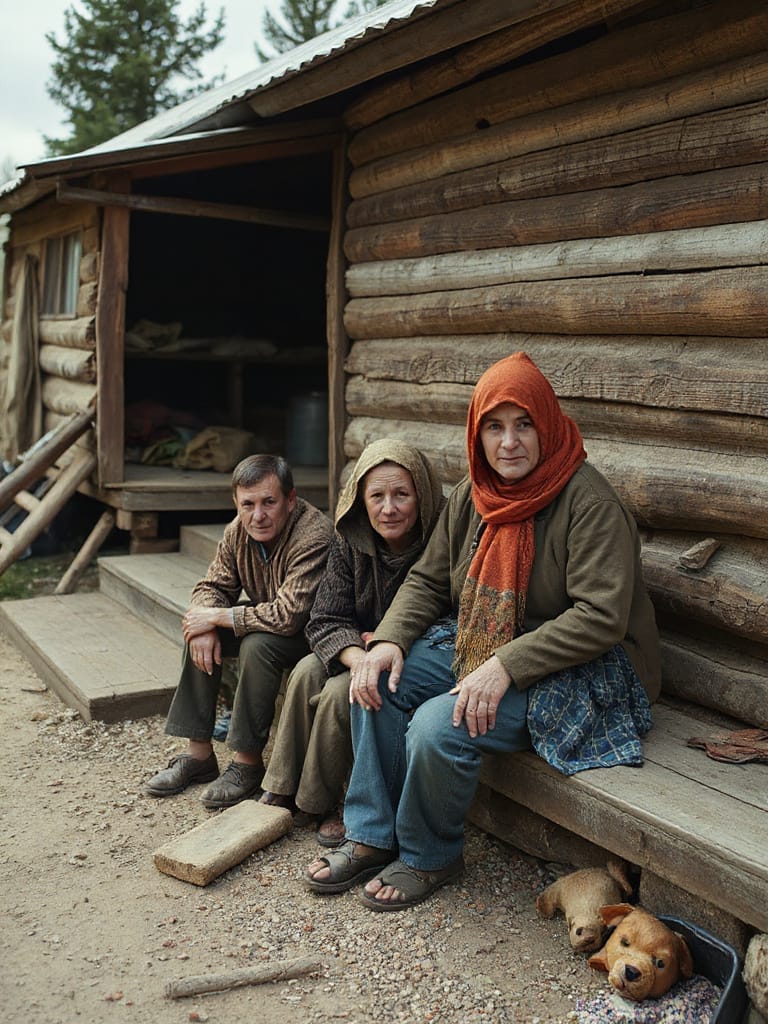
I came across this documentary about rural poverty in Russia, and was touched by acts of loving humanity that appear in the most desperate surroundings.
“Their fates are terrifying in their ordinariness,” the filmmaker observes – and it’s true. These are not the villains of some grand narrative, nor heroes either. They are members of the human family, caught in the slow erosion of rural poverty. Their lives matter not because they are exceptional, but because they are not.
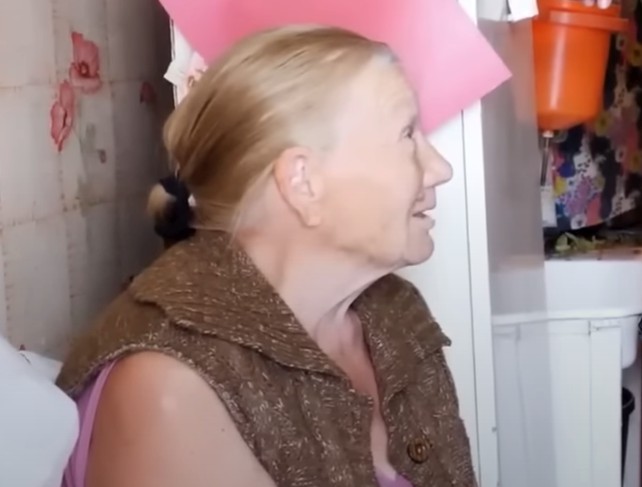
In this video, I will show you what real poverty looks like. I traveled through small towns and villages in Russia to see how people live below the poverty line. Together with volunteers and social workers, I visited people who lost everything because of stroke, scams, disabilities, or just old age. Forgotten by society, these invisible people barely get by, and only the care from volunteers and acts of kindness help them keep their dignity.
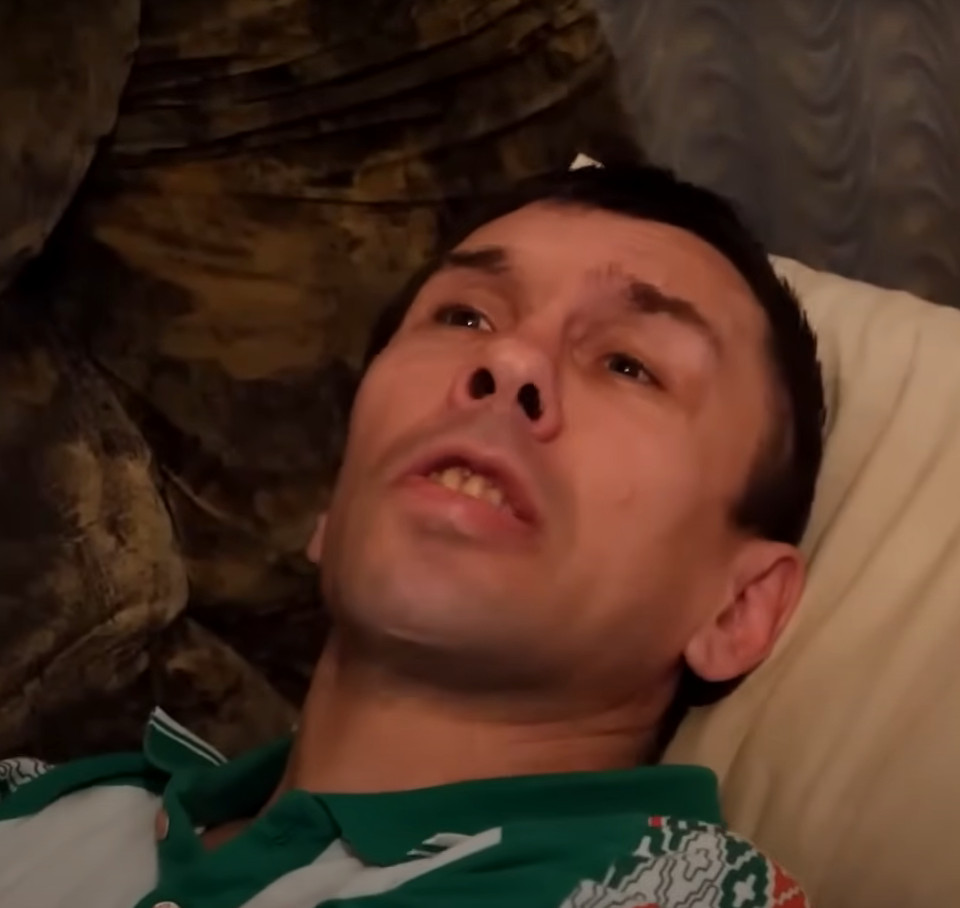
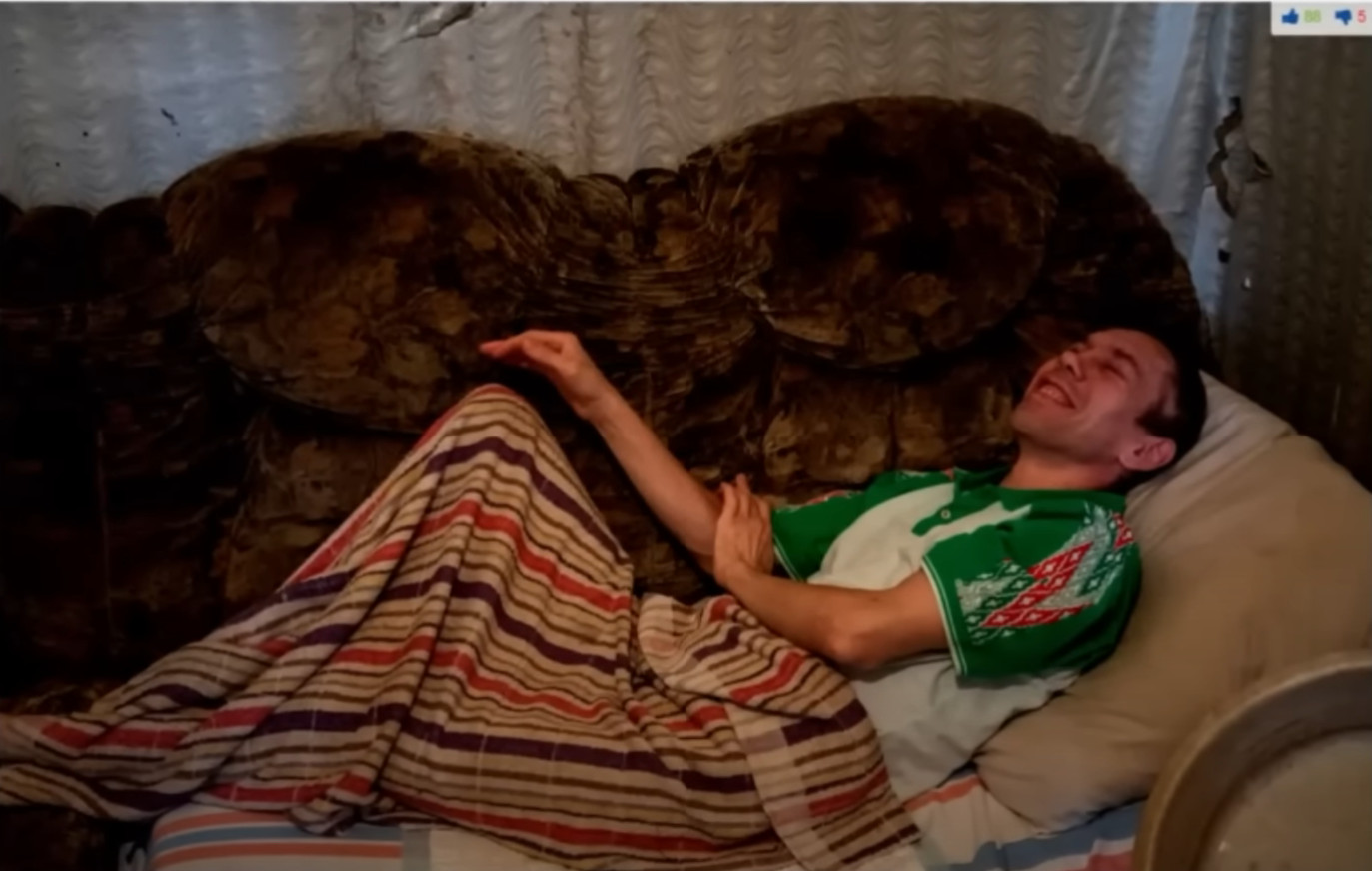
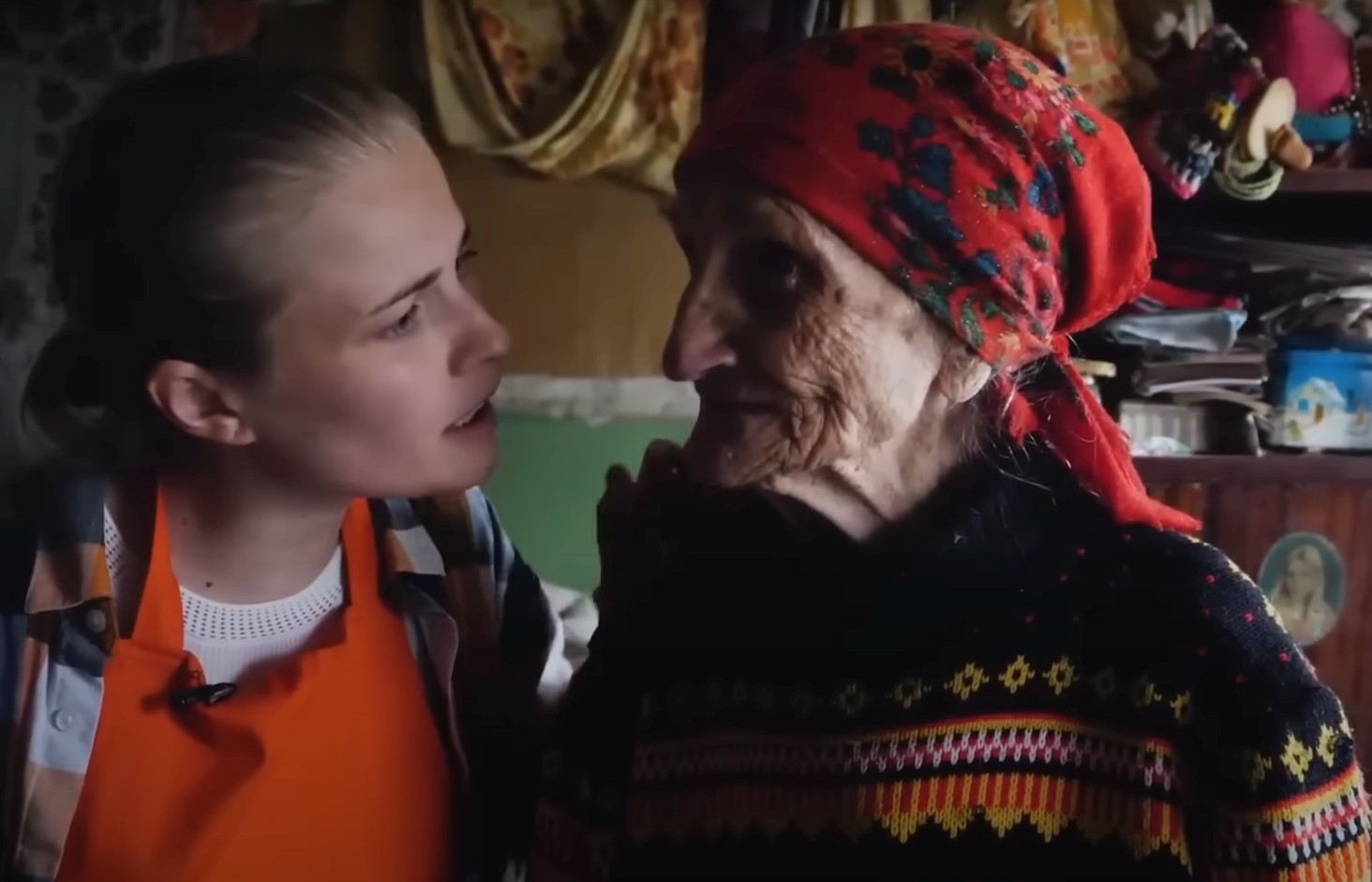
A small town with a population of 29,000, of which around 1,000 are elderly, disabled, bedridden, or in need of other assistance. The film crew, along with Tatiana Zernova, the director of the local Caritas Charity, Sergei, and her assistant Olga, visit Alexei, a 41 year old young man left paralyzed after getting drunk, robbed, and beaten. He’s incredibly poor, and lives in squalor.
[8:09] Part 2: A visit with Lovtsov
Lovtsov is an elderly man who has been bedridden for two years following a stroke.
[10:55] Part 3: A visit with Sergei
Sergei, an older man, has fully recovered from a stroke. The folks from Caritas pay him a visit
[13:07] Part 4: A visit with an elderly blind woman, Valentina
[18:18] Part 5: Distributing food packages in the village of Pechki.
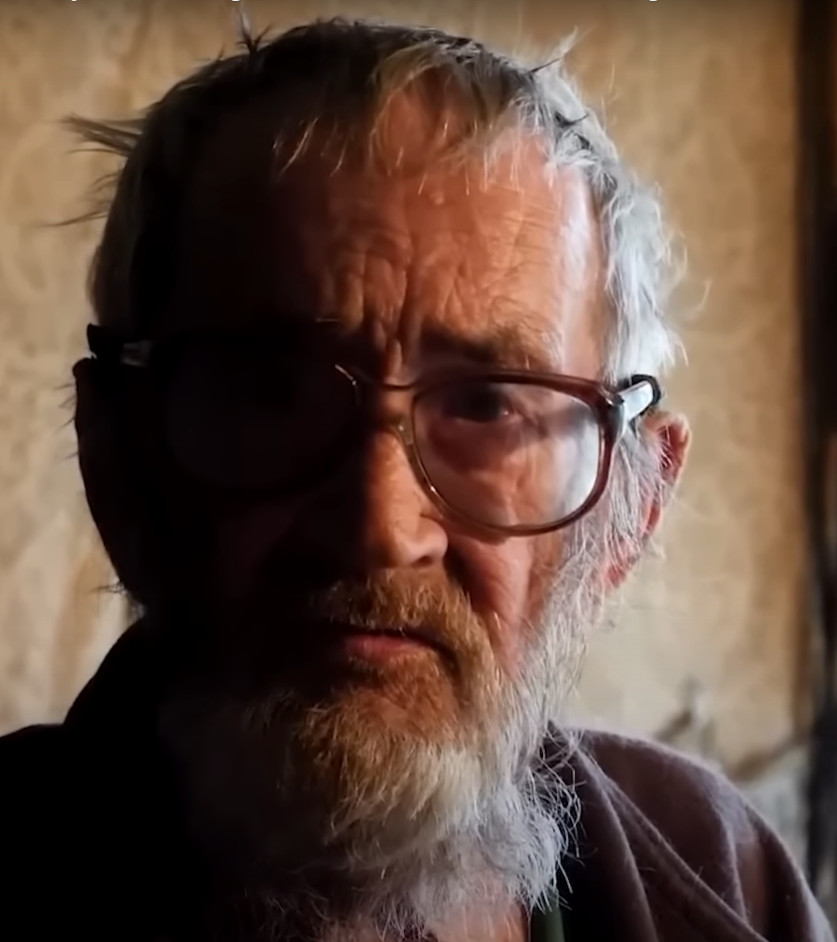
Victor, an impoverished 74 year old shut-in, finally opens his door to the volunteers. Sergei: “He doesn’t believe in himself, or that something good is possible. He’s already been robbed once. He’s lost faith in people. And that, to me, is the truly frightening and widespread part of this story, this deep and growing mistrust.”
Victor is going blind because he can not afford cataract surgery – $300. His pension is almost $120 a month.
[28:47] Part 5: Rose – an 80 Year Old Pensioner with a Youthful Spark
Rose lives on a pension of $115 a month.
[32:32] Klavdia, a 93 year old veteran of the Great Patriotic War
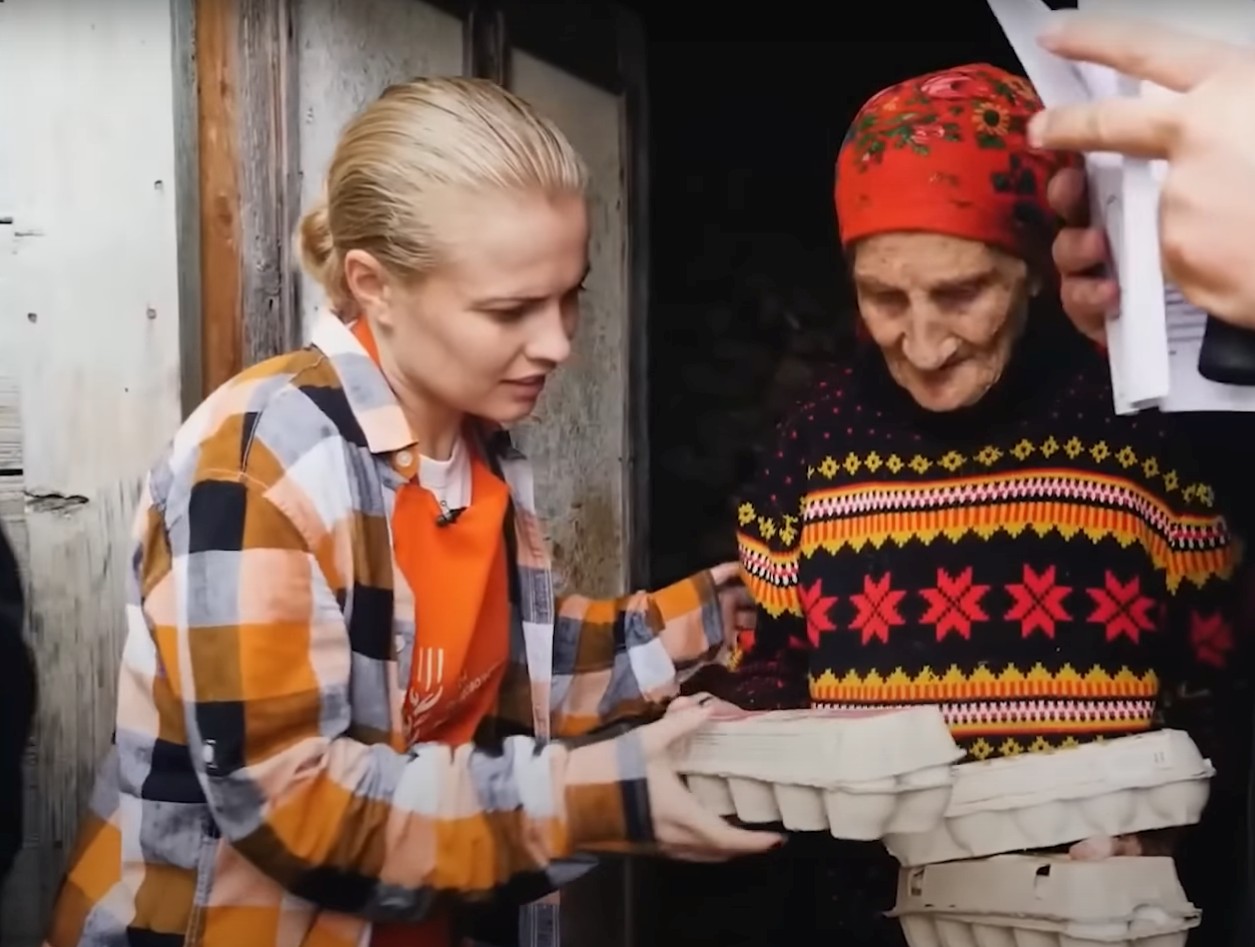
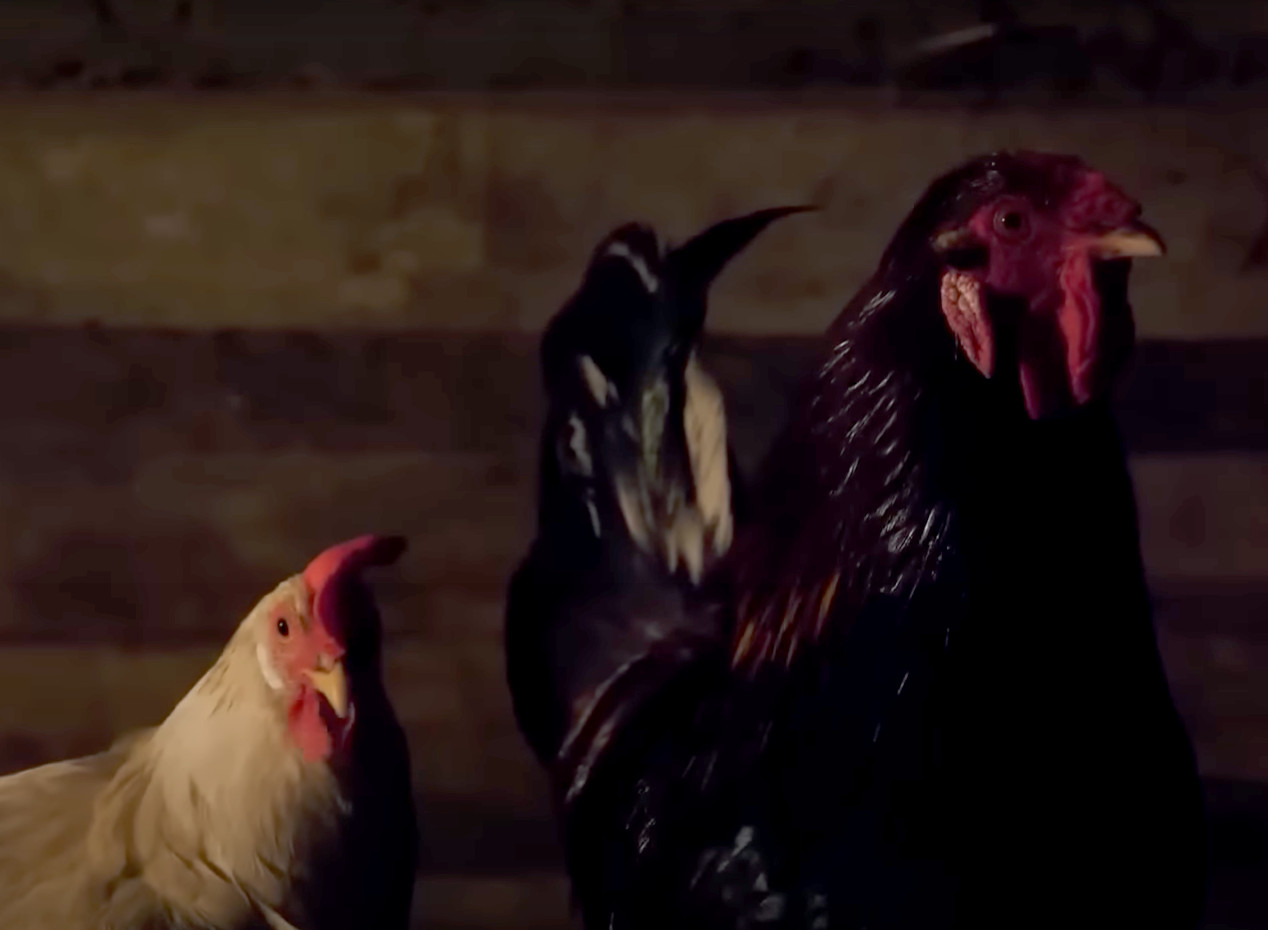
She’s a wonderful, friendly woman, who insists her visitors take some of her chickens’ eggs with them!
“But her story – It’s not about money at all. She’s a veteran. She’s the wealthiest pensioner here. Maybe the wealthiest person in this whole forgotten village. People come to her – only when the pension arrives.”
Her pension is $225 a month.
This video is about those we don’t notice and why helping them can make life better for everyone.
The social workers make around $250 US a month. Many of the people featured in the documentary are pensioners, receiving between $115 – $225 a month.
Most of the people featured in the documentary are victims of real estate scams. They unknowingly signed away their apartments to dishonest landlords. One bastard literally put the pen into the hand of a blind woman (Valentina) and told her to sign the papers to give him her apartment.
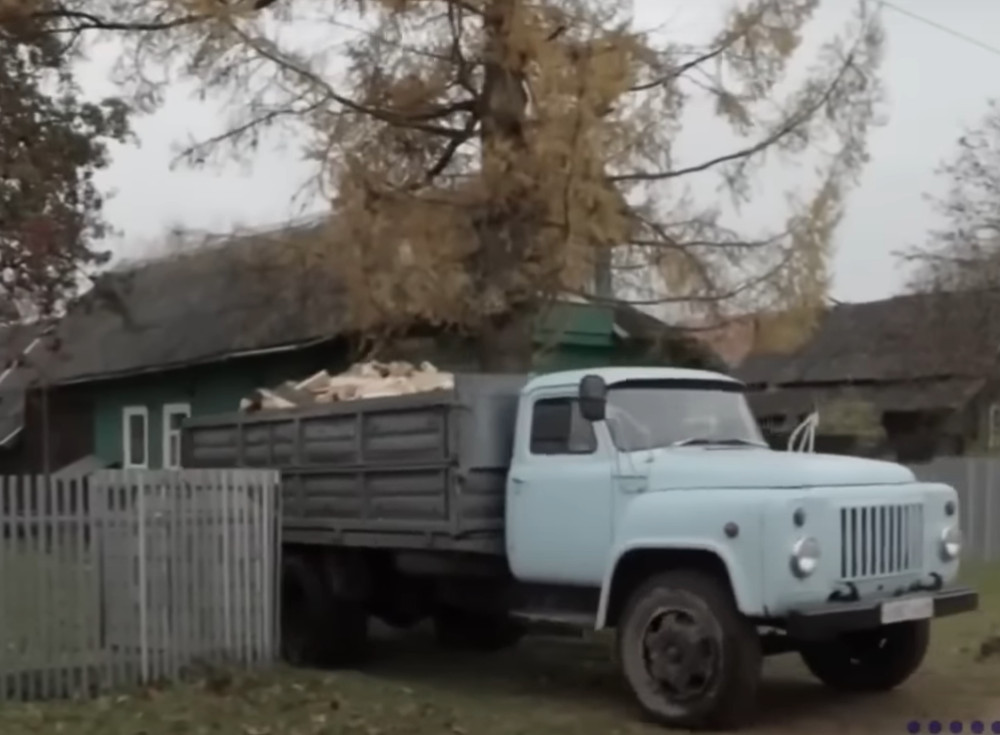
Several of the folks featured in the documentary have no heating. They receive firewood through another charity. “There’s a well-known initiative called ‘Gift of Firewood.’ Volunteers collect and deliver firewood for rural residents like this. The guy who started it is named Kolya Romanenko.”
It is interesting that the documentary begins with Alexei, the man who became disabled from a drunken brawl. He is not a sympathetic character. Near the end of the documentary, Ilya, the documentary creator, addresses this. I was impressed by the depth of Ilya’s comments:
People said a lot of things. Some of those thoughts, I don’t agree with. But I understand them.
You know, even my friend wrote to me yesterday. Smart guy. Educated. Really thoughtful. He said, “Listen, you showed that guy- Alex. And honestly, I think you’re doing great work. You raised the right questions: charity, help, compassion.
But maybe you picked the wrong guy to show. He got drunk. Got into a fight. Ended up disabled. Wouldn’t it be better if you had shown someone with a ‘cleaner’ story? Someone people could pity without hesitation?”
Because, you know, it’s easy to help people when they’re easy to pity. A child. A victim of pure misfortune. Someone innocent, blameless. But most people? Most people are just… ordinary.
And their fates are terrifying in their ordinariness. The real horror is that they’re invisible.
And that’s one of the most dangerous things happening in our society right now. We’re always looking for a “hero.” Or at least someone “relatable.” But we don’t look for ourselves in those who are far from us – people who think differently, live differently, and so we don’t think they’re worth helping.
Alex ended up disabled after a drunken fight. So what? Does that strip him of his dignity? No. He’s still a person. Does that mean he deserves less care? No. He’s still a person. And the moment you treat him like a person – like a human being – you change.
You become more human. And maybe, just maybe – it’s not even about whether Alex benefits from our compassion. Maybe we benefit more.
Alex’s fate is grim. No doubt about it. But ours? Ours might be even grimmer – if we lose the ability to care. If we keep dividing people into “first-class”, “second-class” – we’ll miss the point completely.
But if we can learn to see the human being in someone like Alex – then we’ll have no trouble seeing it in people who already feel easier to love.
What we wanted to show in this whole story is that money alone doesn’t fix anything.
It’s a natural instinct – people think, “I’ll just give 50-60 dollars directly. That’ll help more.” But let’s be honest: who would you actually give that money to? To that 93-year-old woman who once dug trenches near Rzhev, and now lives in inhuman conditions? – What she really needs isn’t money. It’s love.
Ilya Varlamov’s documentary followed members of the Russian Caritas, a Catholic relief organization.
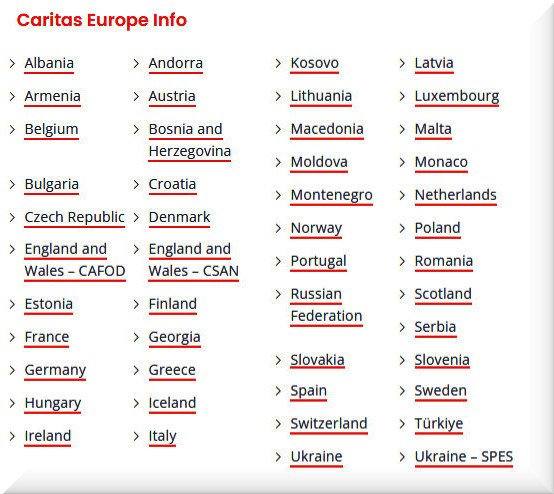
Caritas Internationalis (Latin for ‘Charity International’) is a confederation of 162 national Catholic relief, development, and social service organisations operating in over 200 countries and territories worldwide. The name Caritas Internationalis refers to both the global network of Caritas organisations and to its general secretariat based in Vatican City.
Collectively and individually, their missions are “to serve the poor and to promote charity and justice throughout the world”. Caritas Internationalis is the second-largest international humanitarian aid network in the world after the International Red Cross and Red Crescent Movement.
The beginning: Caritas Catholica In 1891, Pope Leo XIII’s encyclical Rerum novarum was published, addressing the condition of the working classes. Rerum Novarum is considered a foundational text of modern Catholic social teaching and provides the ideological background for the work of Caritas.
After the Russian invasion of Ukraine in early 2022, Caritas in Ukraine and the neighbouring countries implemented a large-scale response to support the internally displaced persons and refugees from Ukraine. In the first two years of the conflict, Caritas Ukraine and Caritas-Spes alone provided humanitarian aid to more than 3.8 million people in Ukraine.
Wikipedia / Image By https://www.caritas.org/, Fair use
Russian Caritas
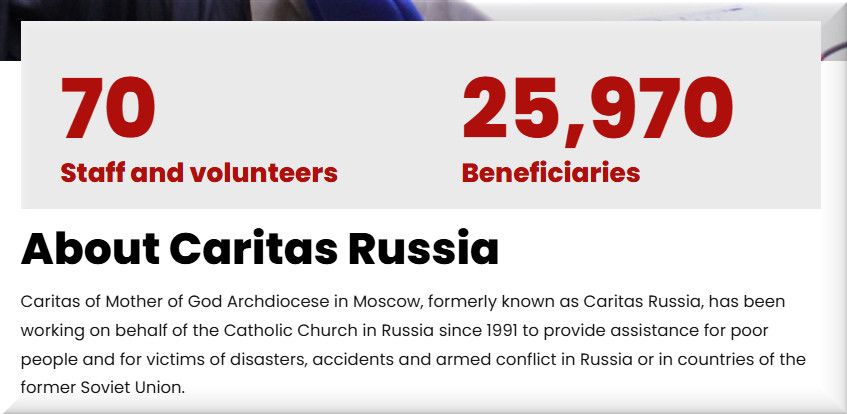
Who we are Caritas was officially established on October 15, 1991 under the name – Religious Charity Organization Caritas in Moscow .
It was a time when large humanitarian campaigns were taking place in Russia, and Caritas was the organization that distributed aid to those in need that came from abroad.
During the eight years of operation, before re-registration in 1999, the main task for its employees was to respond to the numerous needs of the population. It was necessary to carry out work on:
the restoration and continuation of the traditions of mercy that were widely developed before the revolution in Russia