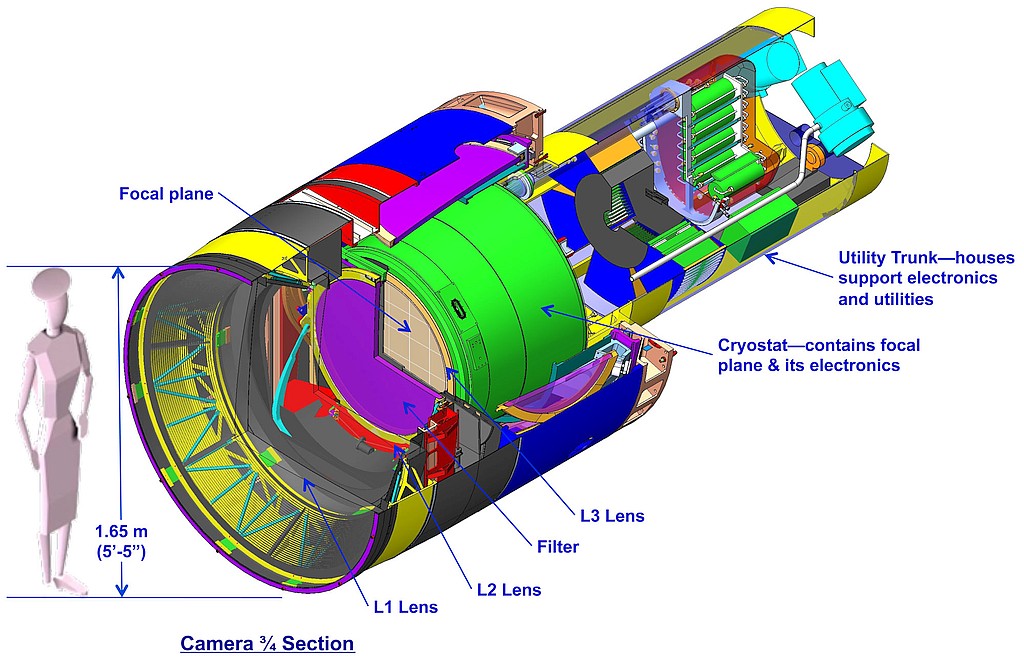
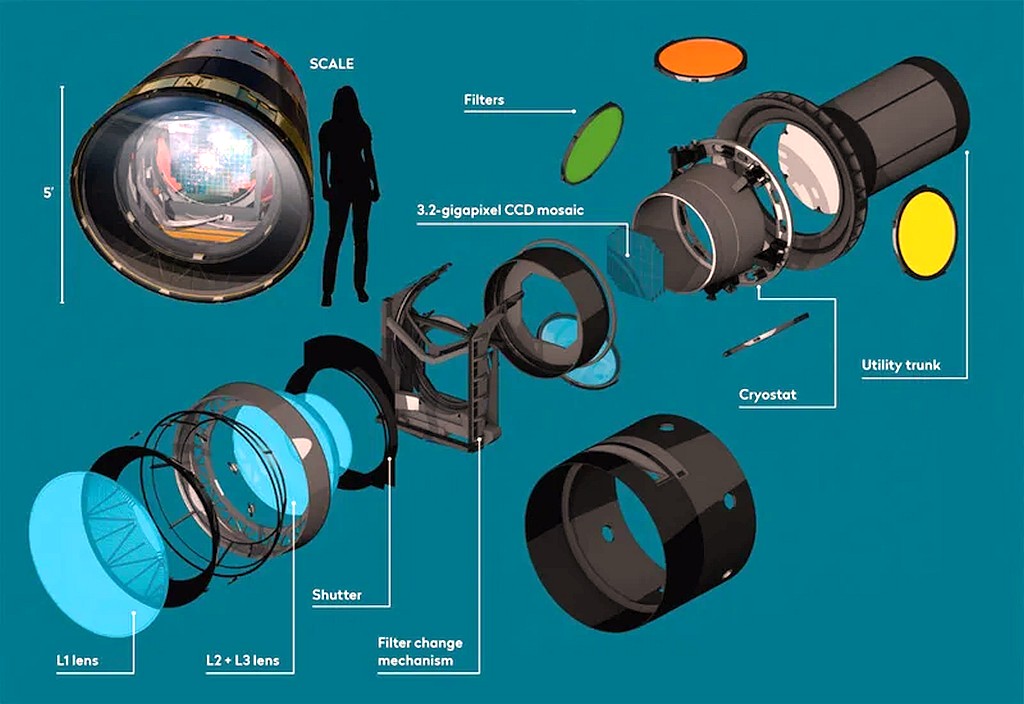
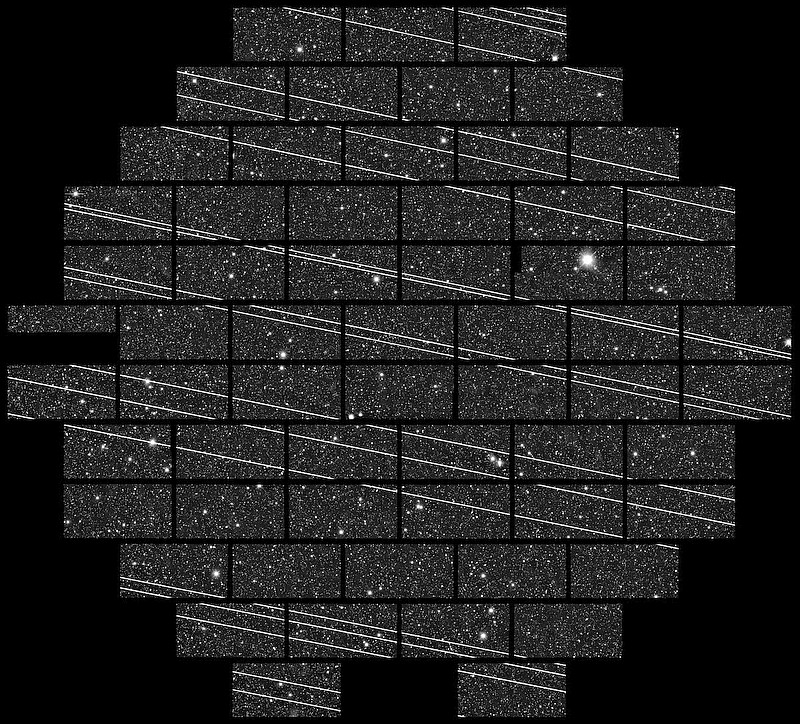
It is an exciting day! The Vera C. Rubin Observatory has just released its first images captured by the LSST Camera, the largest digital camera ever built at 3,200 megapixels
A breathtaking composite image featuring the Trifid Nebula and Lagoon Nebula, created from 678 monochromatic exposures combined into a vibrant, detailed view over just seven hours .
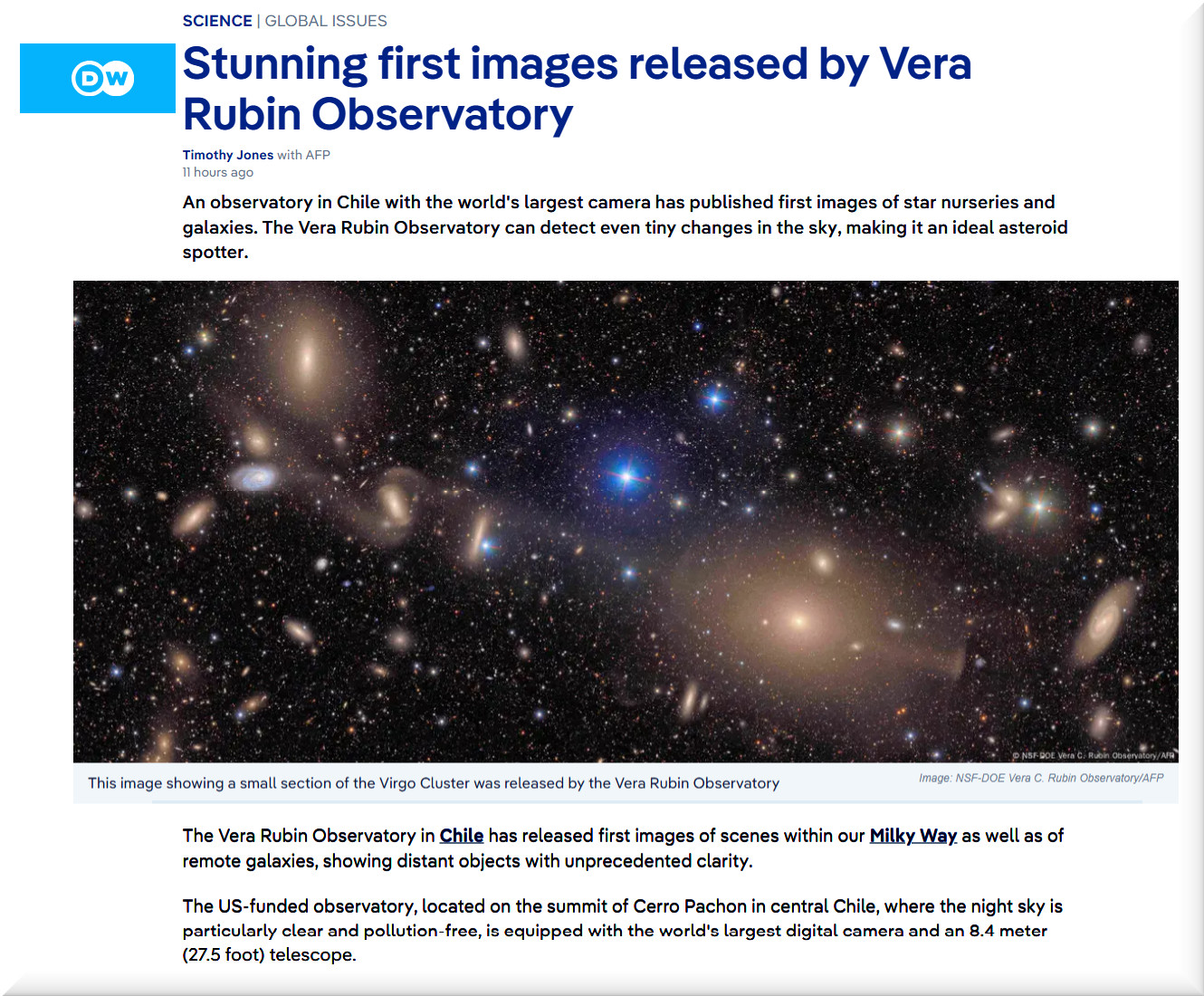
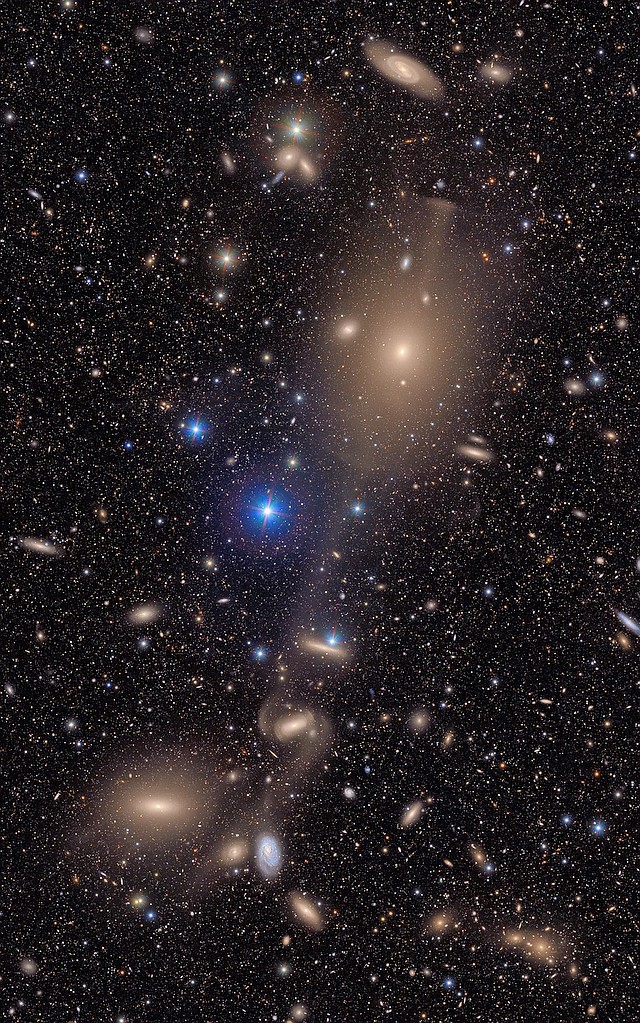
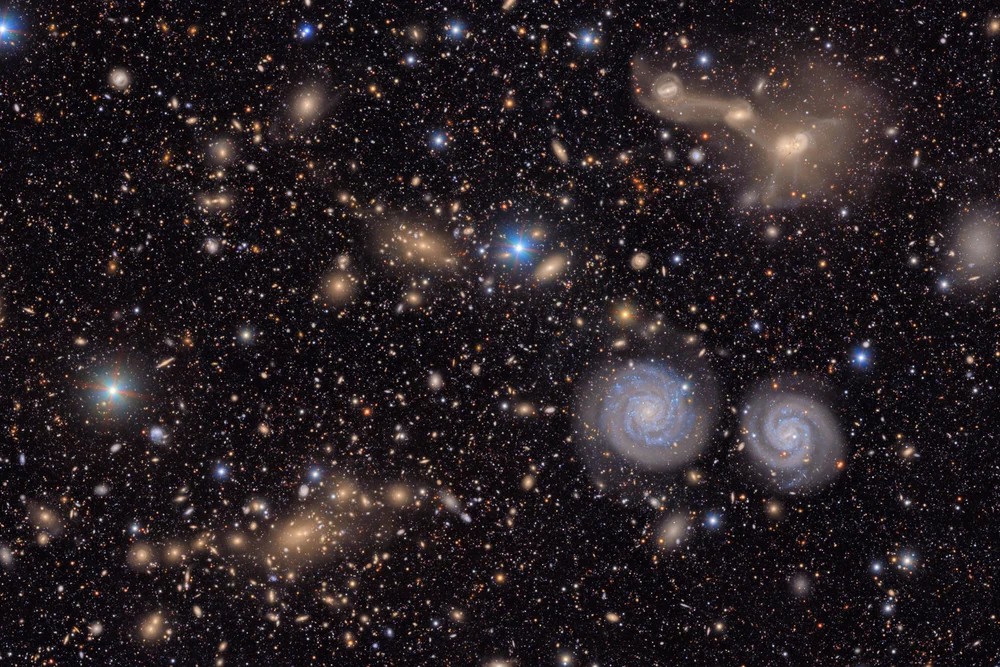
Stunning clarity on other sections of the Milky Way and distant galaxies, including a slice of the Virgo Cluster rich with spiral and merging galaxies, countless Milky Way stars, and even faint background galaxies
Why this matters:
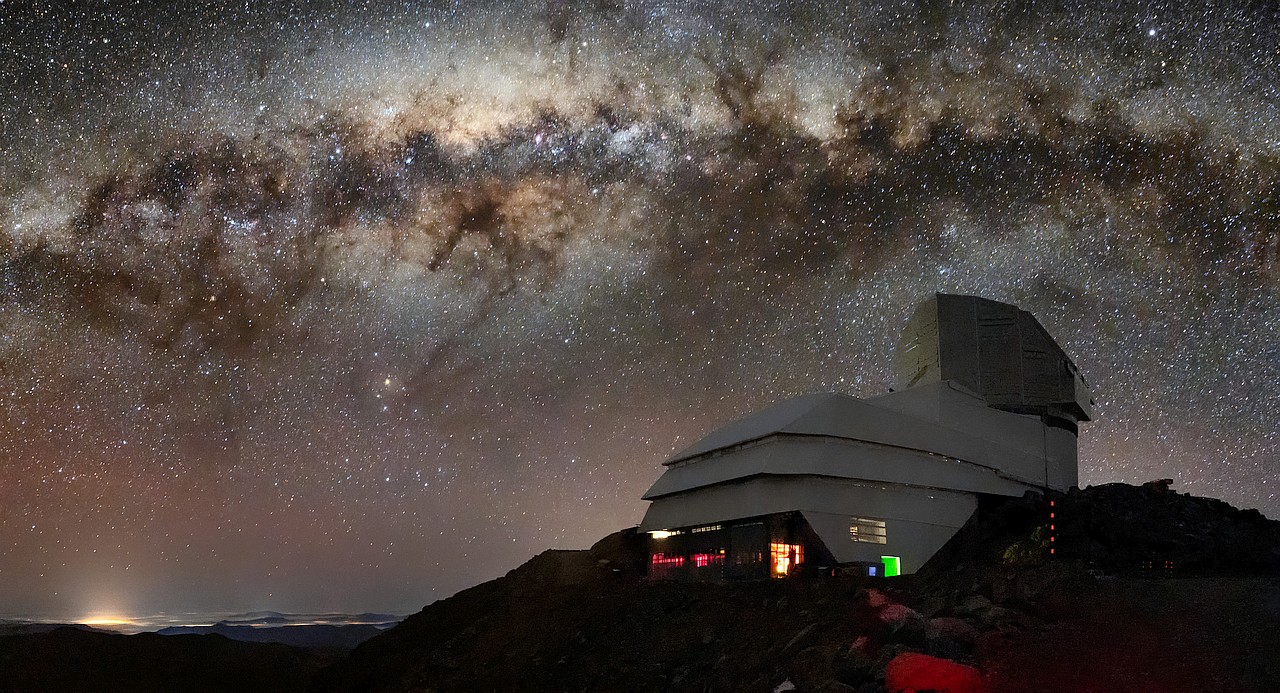
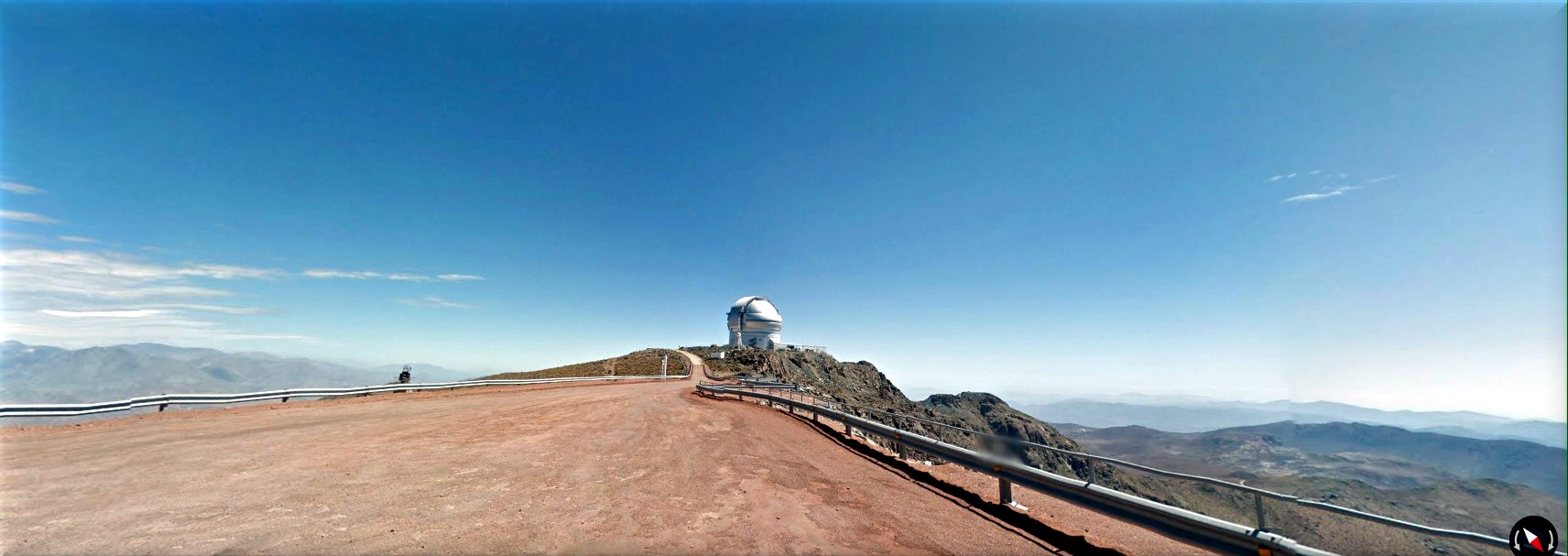
The LSST Camera is mounted on an 8.4‑meter Simonyi Survey Telescope at the summit of Cerro Pachón, Chile
The observatory aims to survey the entire southern sky every 3–4 nights for 10 years, generating a giant time-lapse record of the universe—tracking asteroids, supernovae, and transient events
These initial images are meant to showcase the camera’s unprecedented field of view and sensitivity, rather than serve as finalized scientific data
What’s next:
The official “first look” event happened today, June 23, with live-streamed additional images being unveiled—watch parties were held globally
Soon, the Rubin Observatory will begin science operations, providing astronomers worldwide access to its public data after a planned two-year proprietary period
Why this is revolutionary:
Feature
Impact
3,200 MP camera
Captures ultra-wide swaths of sky in remarkable detail
Full-sky revisit cadence
Enables real-time tracking of changing sky events—comets, supernovae, asteroids
2 PB/year of data
Demands powerful automated processing to sift through alerts and discoveries
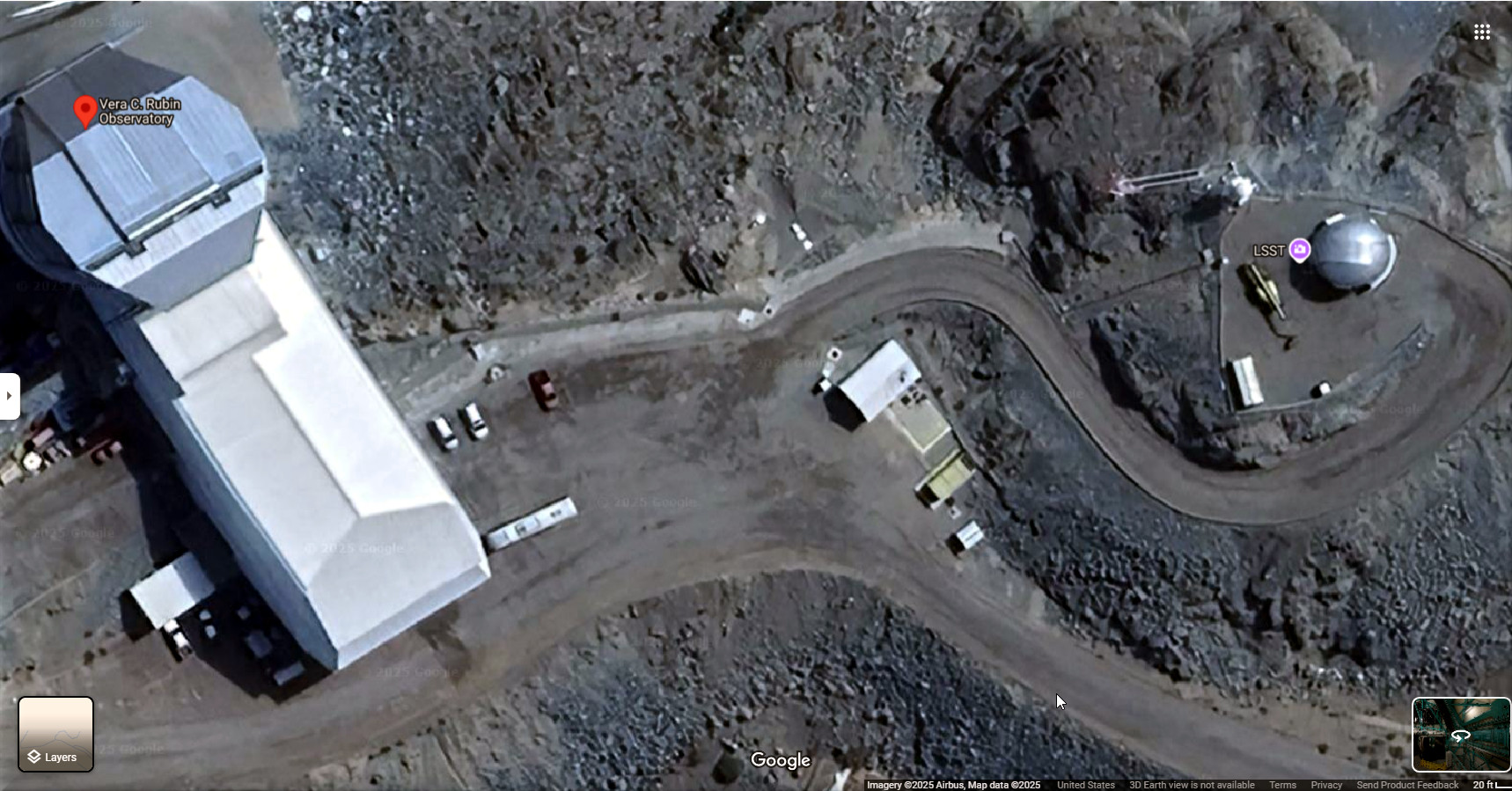
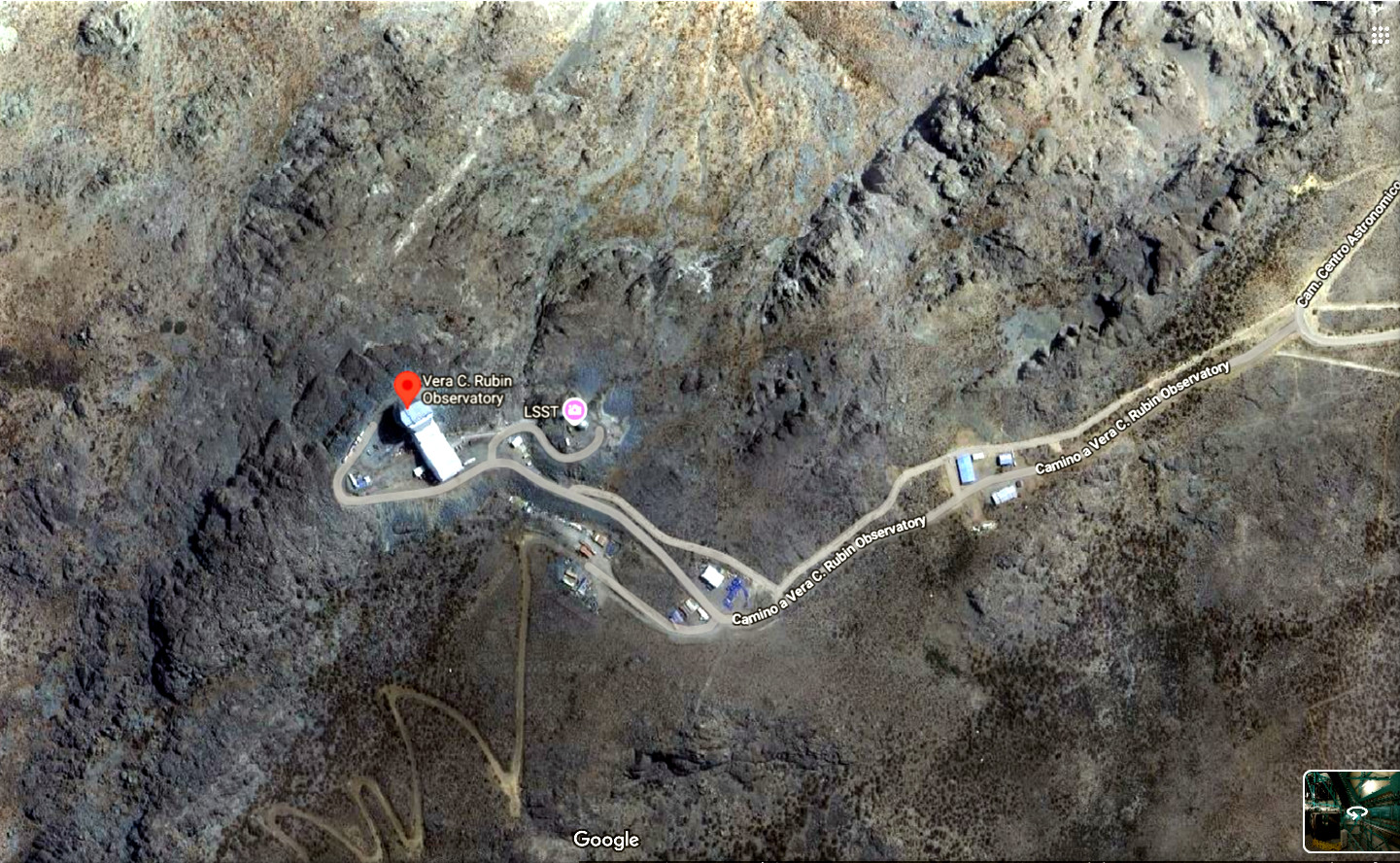
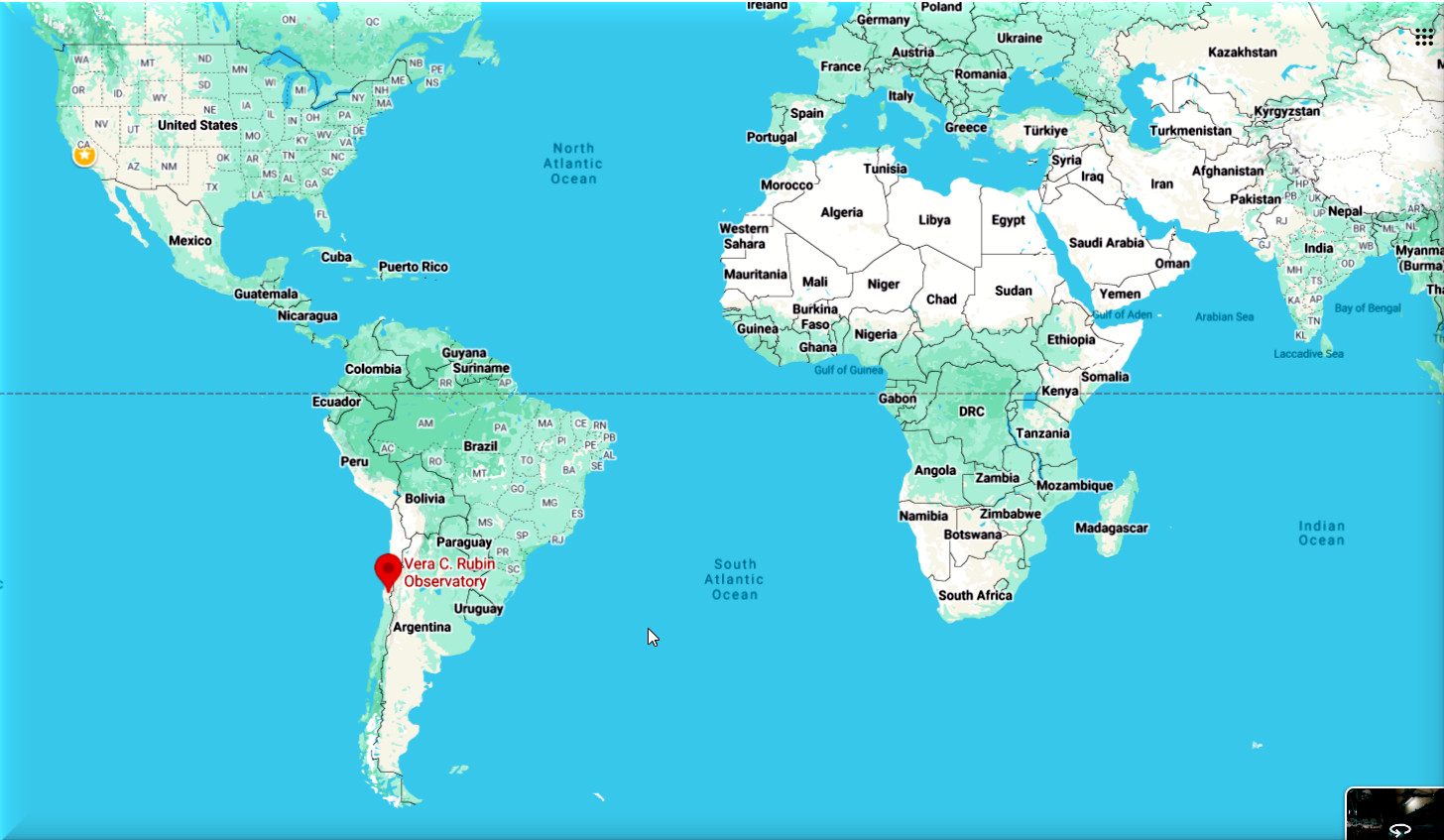
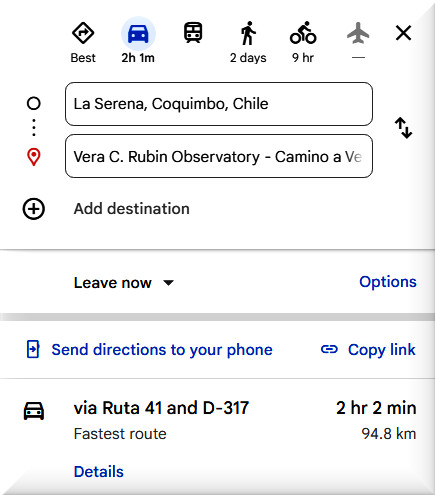
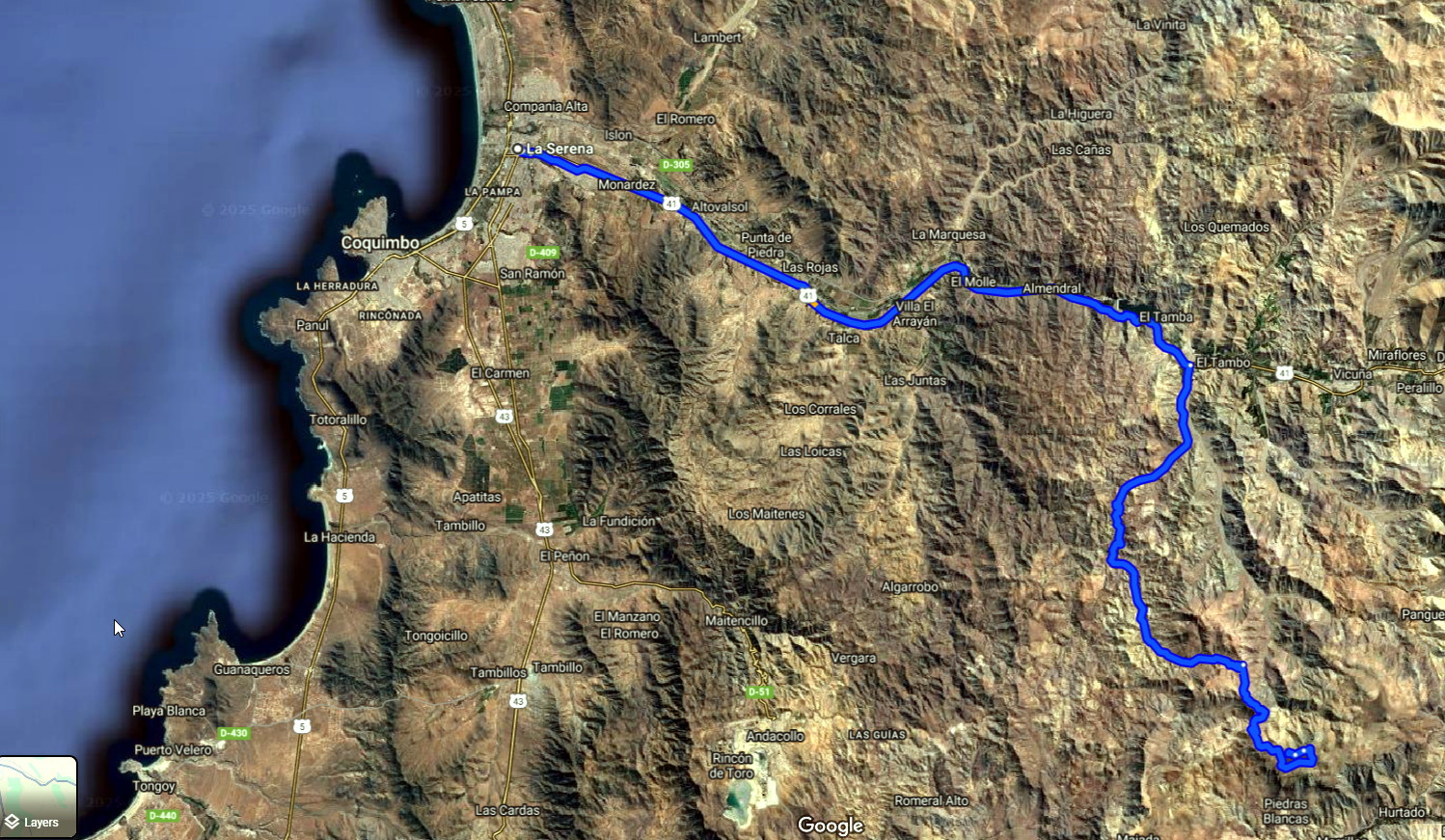
The Vera C. Rubin Observatory, formerly known as the Large Synoptic Survey Telescope (LSST), is an astronomical observatory in Chile. Its main task will be an astronomical survey of the entire sky every day, creating a kind of time-lapse movie of the universe, the Legacy Survey of Space and Time. The observatory is located on the El Peñón peak of Cerro Pachón, a 2,682-meter-high (8,799 ft) mountain in Coquimbo Region, in northern Chile, alongside the existing Gemini South and Southern Astrophysical Research Telescopes. The LSST Base Facility is located about 100 kilometres (62 miles) away from the observatory by road, in the city of La Serena. The observatory is named for Vera Rubin, an American astronomer who pioneered discoveries about galactic rotation rates.
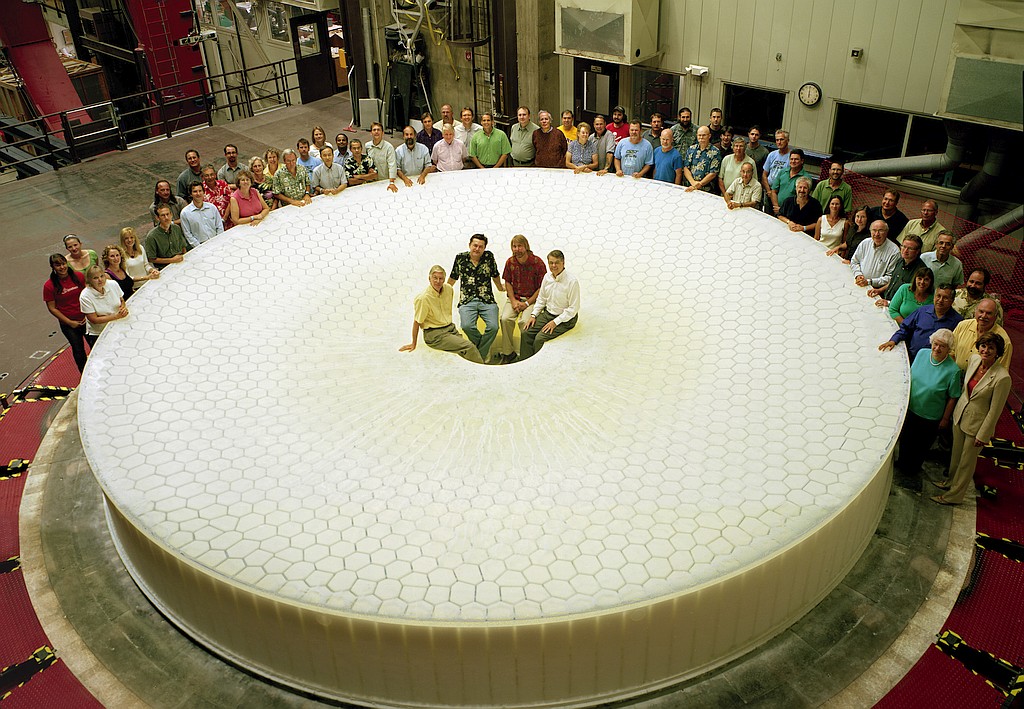
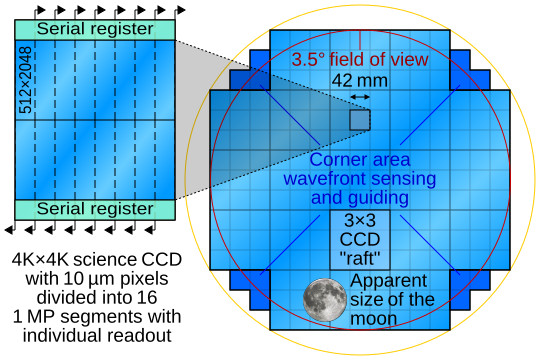
Vera C. Rubin Observatory and the Milky Way By Rubin Observatory/NSF/AURA/B. Quint – https://noirlab.edu/public/images/iotw2207a/The LSST primary/tertiary mirror successfully cast, August 2008 By Howard Lester / LSST – https://www.lsst.org/sites/default/files/photogallery/Group_photo-full.jpgColor-coded cutaway drawing of the LSST camera By Todd Mason, Mason Productions Inc. / LSST CorporationThe LSST camera sensor By Cmglee – Own work, CC BY-SA 4.0
Vera C. Rubin Observatory is a joint initiative of the U.S. National Science Foundation (NSF) and the U.S. Department of Energy’s Office of Science and is operated jointly by NSF NOIRLab and SLAC National Accelerator Laboratory.
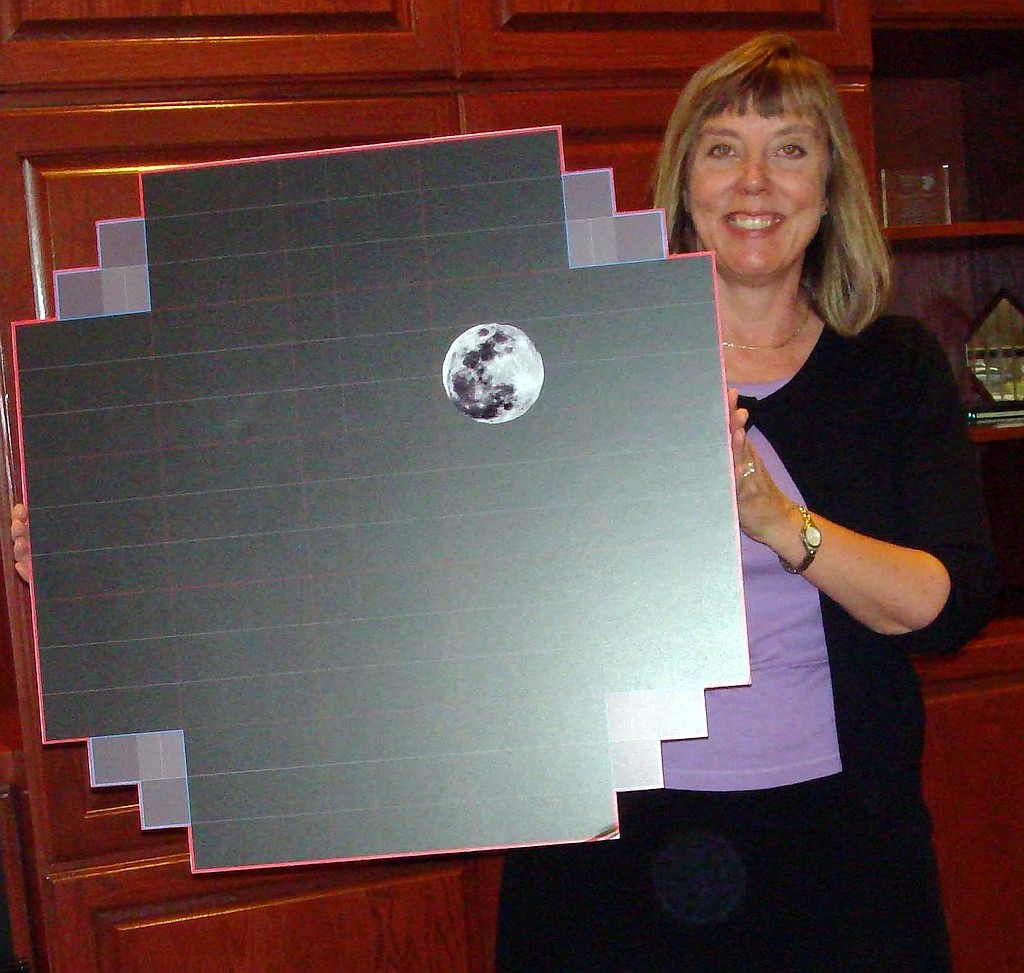
Life-size model of the LSST focal plane array. The array’s diameter is 64 cm, and will provide 3.2 gigapixels per image. The image of the Moon (30 arcminutes) is present to show the scale of the field of view. The model is held by Suzanne Jacoby, the Rubin Observatory communications director. By LSST Project/NSF/AURAWikipedia
About Vera Rubin
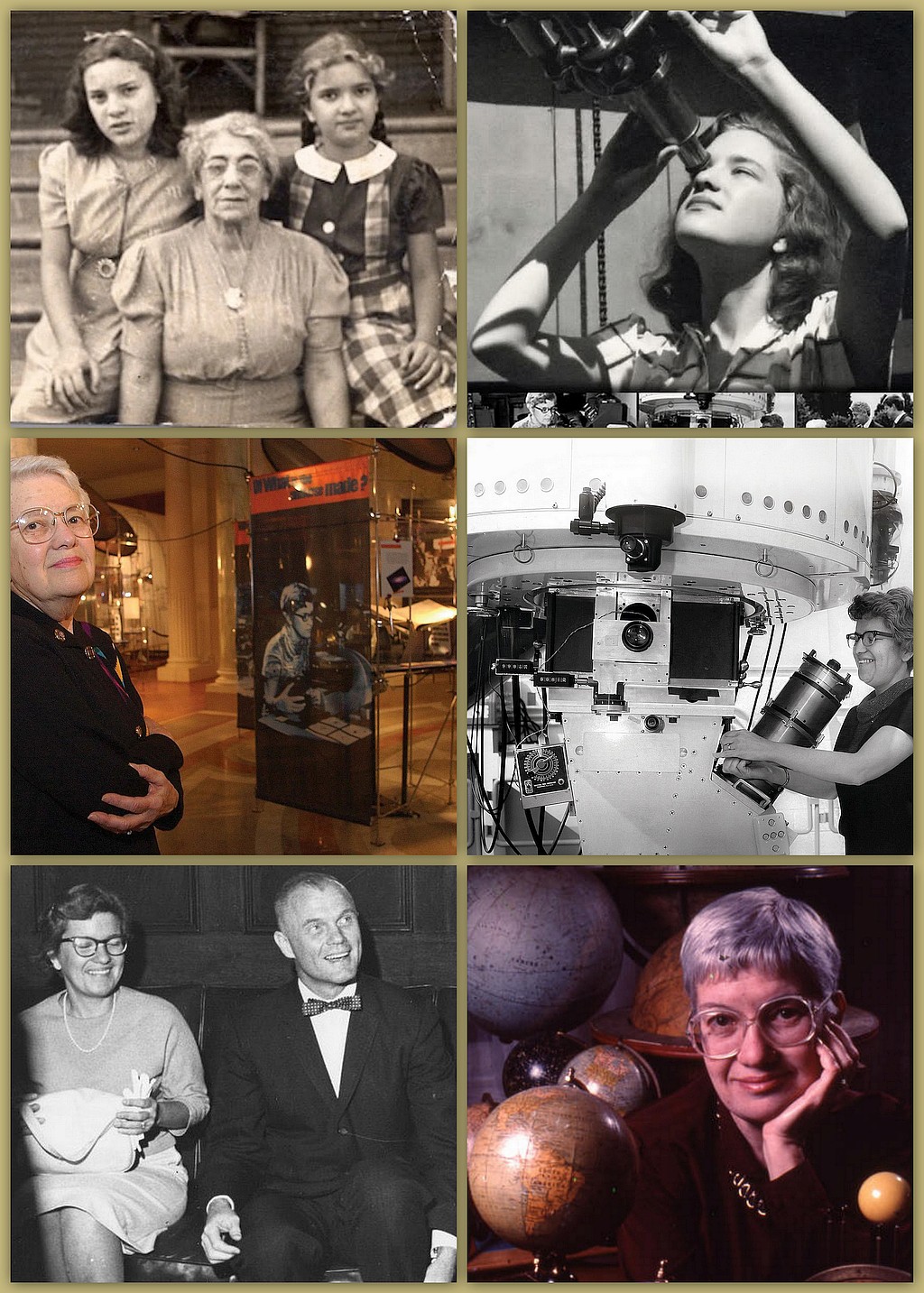
Vera Florence Cooper Rubin Vera Florence Cooper Rubin (July 23, 1928 – December 25, 2016) was an American astronomer who pioneered work on galaxy rotation rates. She uncovered the discrepancy between the predicted and observed angular motion of galaxies by studying galactic rotation curves. Her work on the galaxy rotation problem was cited by others as evidence for the existence of dark matter.
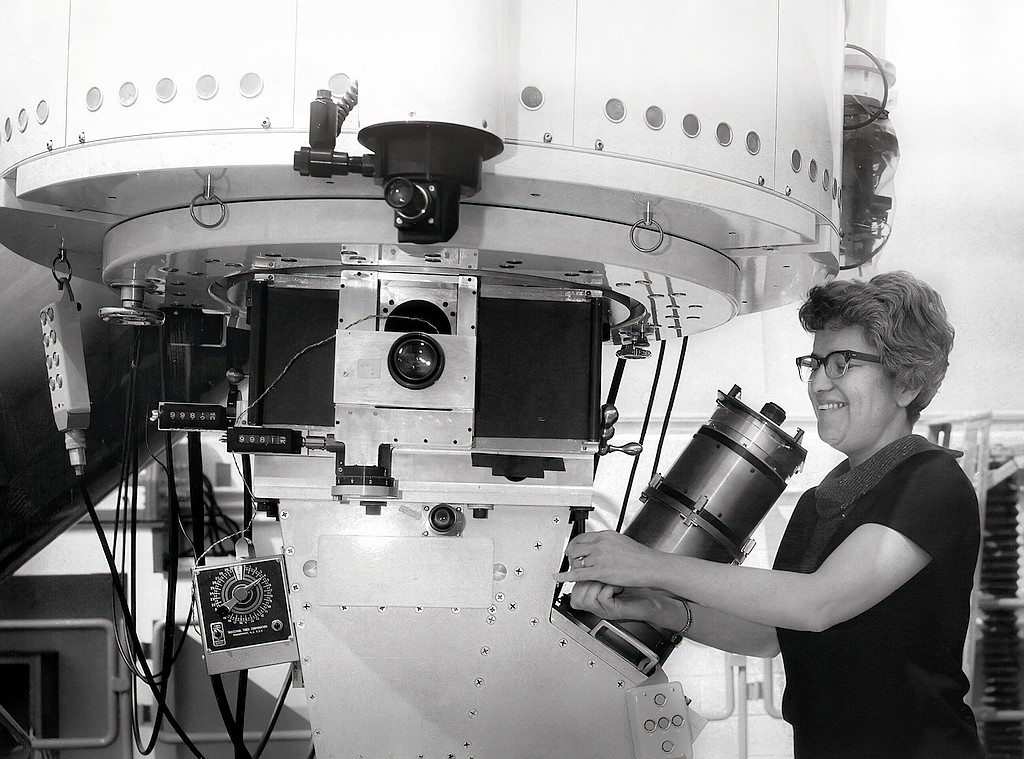
Rubin in 1963 using Kitt Peak National Observatory’s 36-inch telescope with Kent Ford’s image tube spectrograph attached By KPNO/NOIRLab/NSF/AURA – Vera Rubin at Work, NOIRLab, CC BY 4.0
At Vassar College, Rubin was a member of the honors society Phi Beta Kappa. She earned her bachelor’s degree in astronomy in 1948. Despite Vassar’s historic reputation for groundbreaking science in the field, Rubin was the only graduate in astronomy that year.
Graduate studies Rubin attempted to enroll in the astronomy program at Princeton, but was barred due to her gender (Princeton would retain the policy of gender discrimination against women in its astronomy department until 1975). She was accepted to Harvard’s program, but declined the offer on the basis that she was getting married, and her future husband, a graduate student in physics, was based at Cornell University.
Cornell was not known during this period for the excellence of its astronomy department, composed as it was of only four members. It did, however, boast an excellent physics faculty, and much of the coursework for Rubin’s degree was taught within this department. Noted physicist Philip Morrison and future Nobelists Hans Bethe and Richard Feynman worked with Rubin during this period.
The term “golf ball” is used in relation to the Vera C. Rubin Observatory’s incredibly powerful camera.
Specifically, it highlights the camera’s resolution: The camera’s 3,200-megapixel resolution is so high that it could spot a golf ball from 15 miles (24 km) away.
This demonstrates the camera’s remarkable capability to capture extremely detailed images of the universe.
Gemini
That “golf ball at 15 miles” analogy is already mighty impressive, but let’s crank the WLBOTT dial and offer a few more vivid (and a few ridiculous) comparisons to illustrate the absurd sharpness of the LSST Camera:
Real-World-ish Analogies:
You could read the date on a penny from 7 miles away.
It’s like spotting a single candle flame from over 1,000 miles away in perfect darkness.
If mounted on the Moon, it could take a sharp photo of a bicycle parked in Central Park.
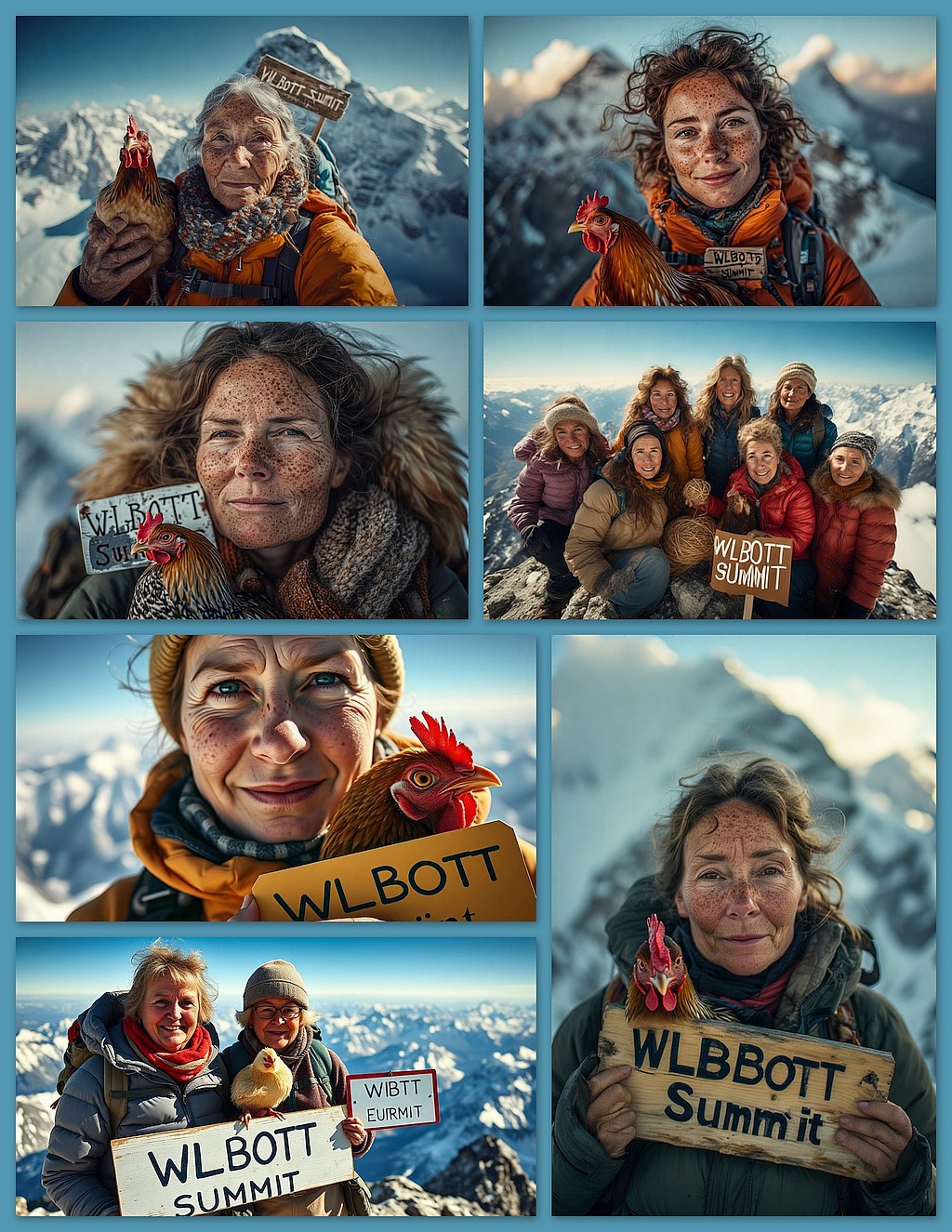
You could count the freckles on someone’s face standing atop Mount Everest—from a base camp[1].
WLBOTT-Themed Analogies:
It could spot a single chicken feather drifting across the plains of La Mesa, Texas—from a bar stool in Amarillo.
It could read the fine print on a WLBOTT insurance waiver tucked under a gnome’s hat at a Renaissance festival two towns over.
It could distinguish a mime from a confused raccoon at a distance of 12 parsecs (assuming no atmospheric interference and both subjects are unusually still).
[1] To date, we have sent 13 teams to the Mt. Everest summit, to check the freckles / base camp connection. Still waiting for them to report back.
Scientific American is Following the Announcements in Real-time
June 23, 2025 Majestic First Images from Rubin Observatory Show Universe in More Detail Than Ever Before
Astronomy fans can zoom in practically forever into the stunning first images from the Vera C. Rubin Observatory
By Meghan Bartels
The observatory also captured an initial view of the Virgo Cluster, a massive clump of galaxies located in the constellation of the same name. Individual detail images (at top and below) show a mix of bright Milky Way stars against a backdrop of myriad more distant galaxies.
In addition, the team has released a teaser video of a stunning zoomable view of some 10 million galaxies that was created by combining some 1,100 images taken by the new observatory.
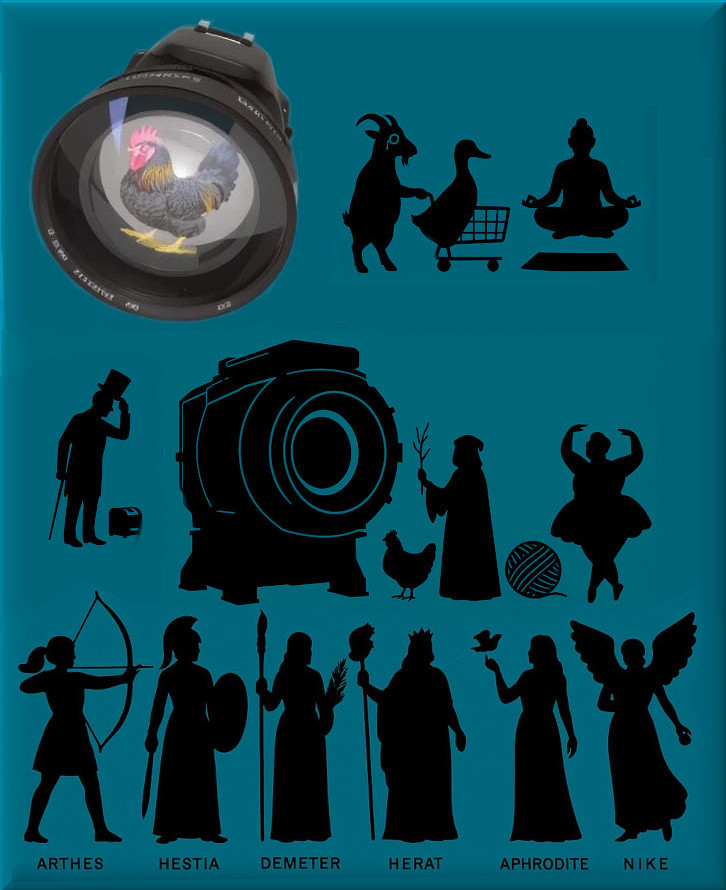
The insidious Patriarch seems to seep into every crook and cranny of our lives.
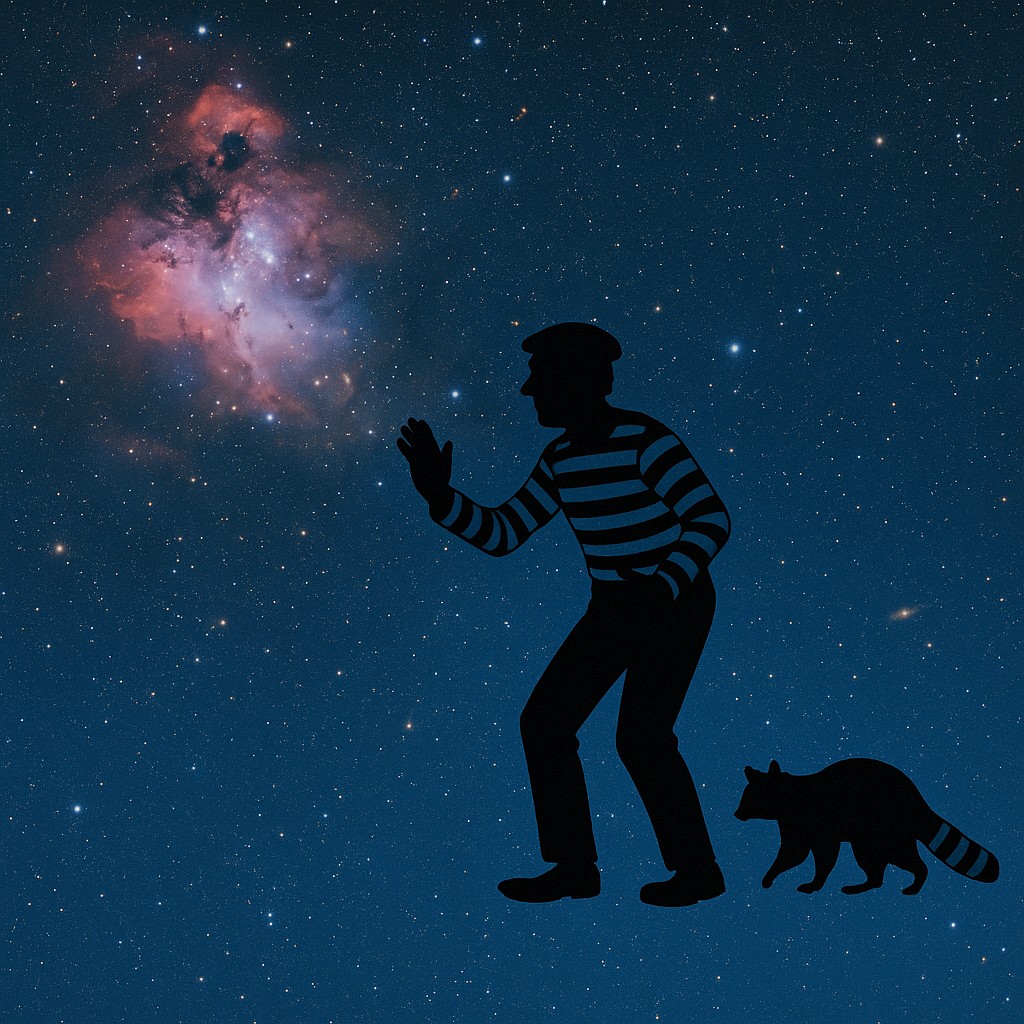
For example, I’m pretty sure that this is NOT the silhouette of Vera C. Rubin.
This silhouette was used for scale in an image from Sky At Night magazine.
We did a Google image search of the silhouette, and Google seems complicit in this overreach of the patriarchy. (Remember, Google caved in about 5 minutes over the whole “Gulf of America” fiasco.)
The WLBOTT Ministry of Virtue and Vice had to get involved.
If we may suggest a more WLBOTT-friendly set of references?
Getting There
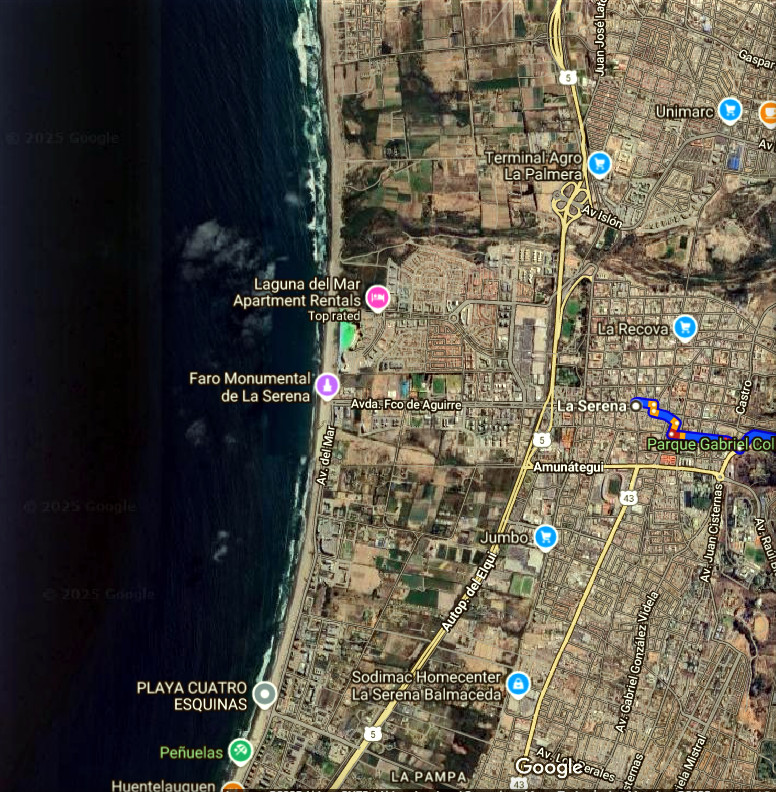
La Serena is a city and commune in northern Chile, capital of the Coquimbo Region. Founded in 1544, it is the country’s second oldest city after the national capital, Santiago. As of 2012, it had a communal population of roughly 200,000, and was one of the fastest-growing areas of Chile.
[ed. note: note to be confused with La Sirena, the mermaid]
Astronomical Research La Serena holds offices for the European Southern Observatory organisation (operator of La Silla Observatory), AURA, Inc. (operator of Cerro Tololo, located in the Valle de Elqui, about 85 km east of La Serena, and Gemini observatories), and for the Carnegie Institution for Science (operator of Las Campanas Observatory). It will also be the home of the base facility of the Vera C. Rubin Observatory.