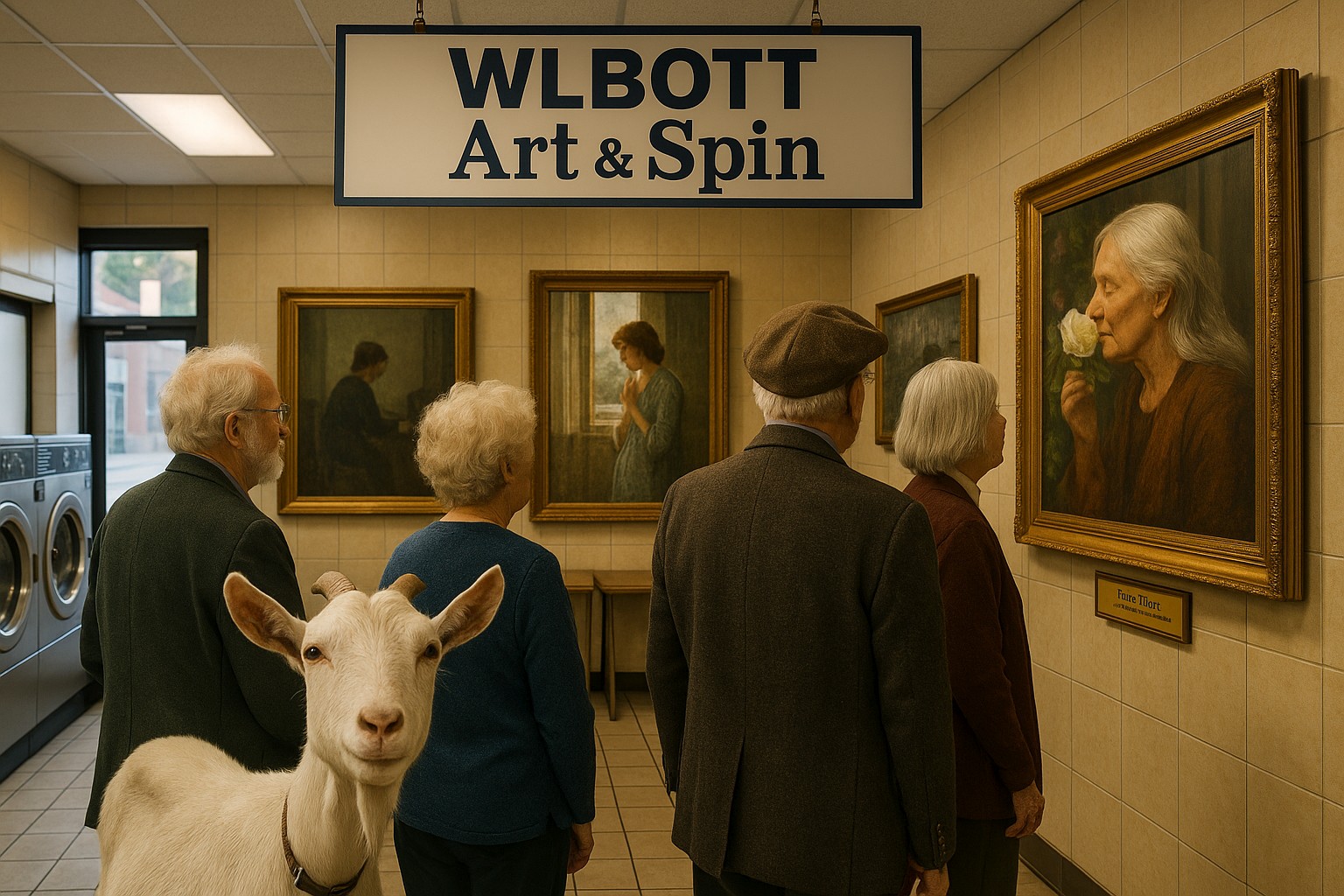
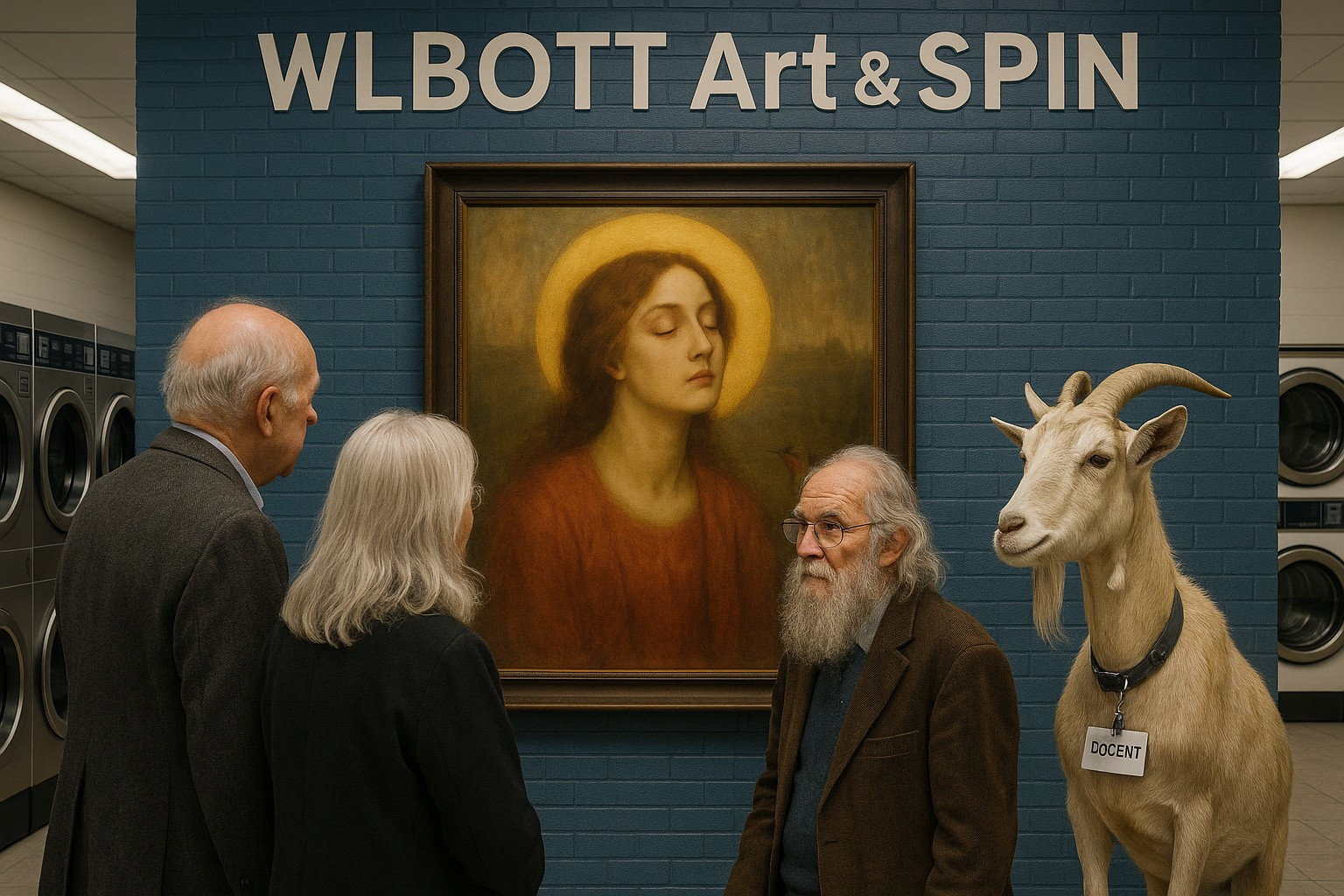
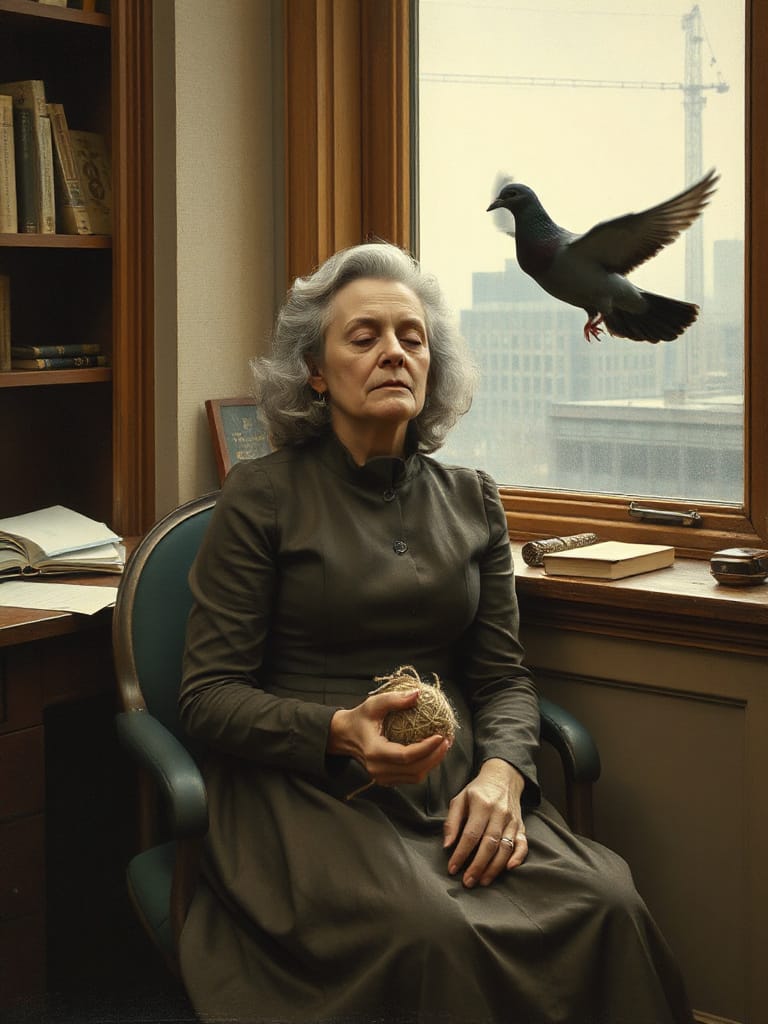
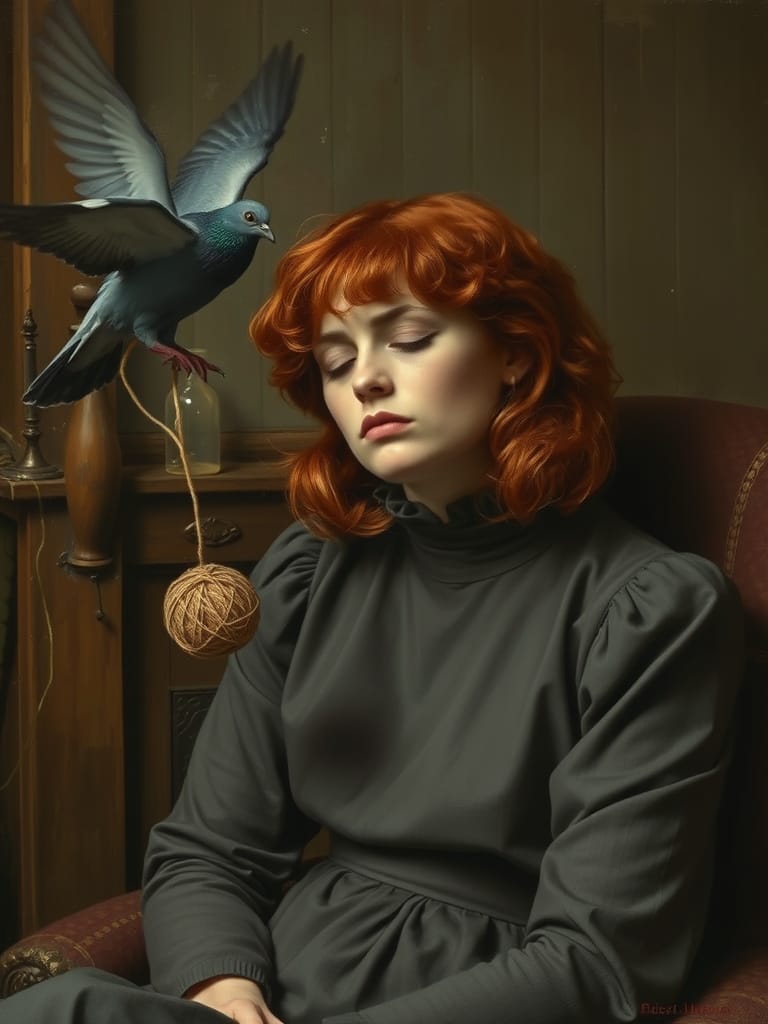
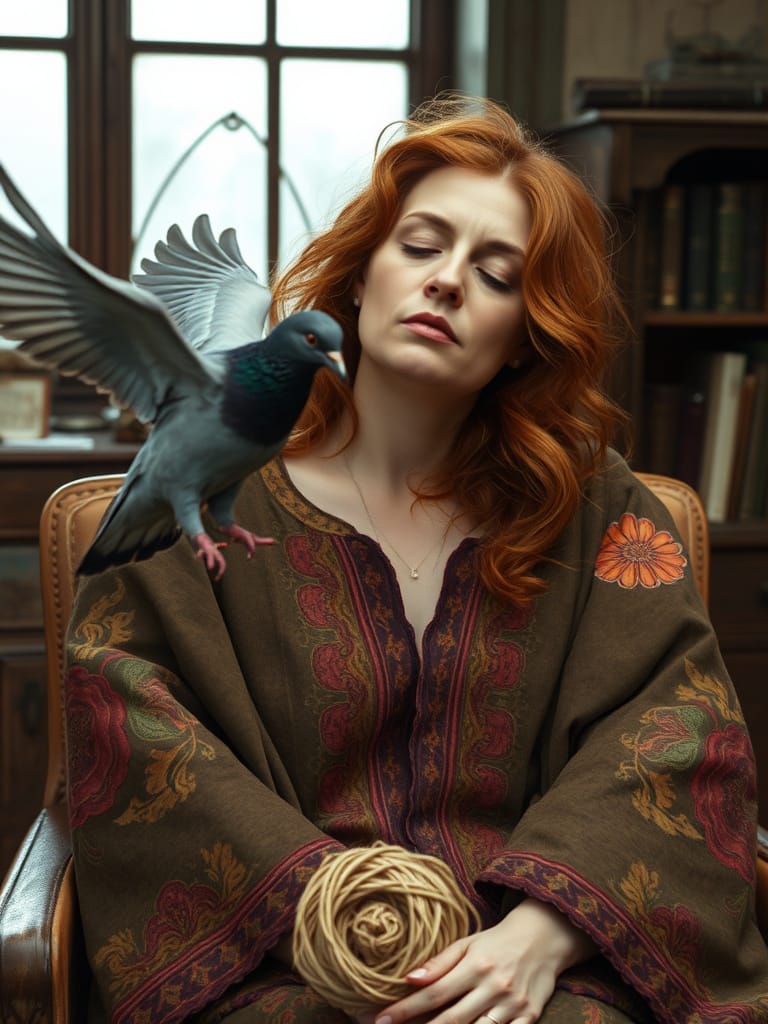
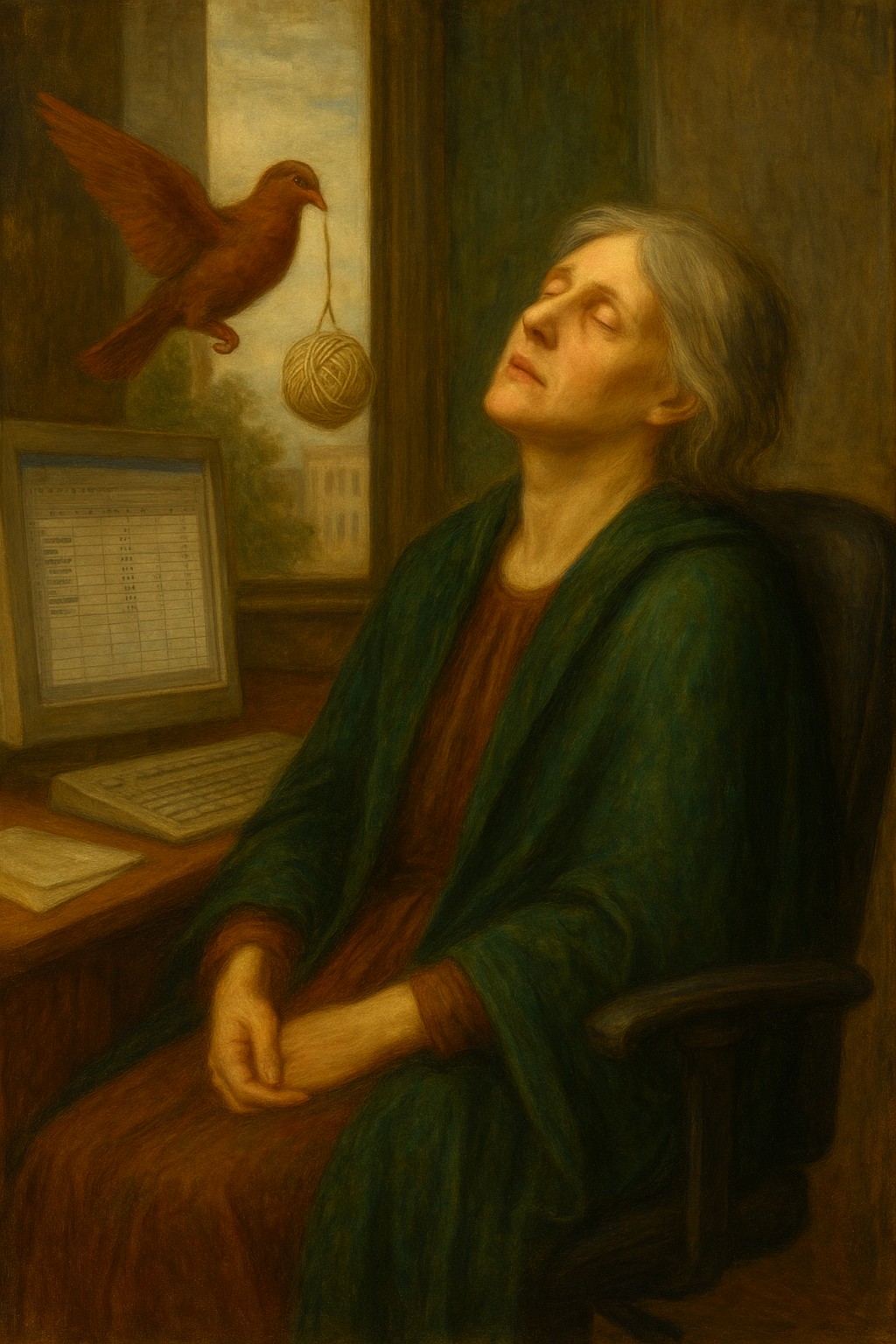
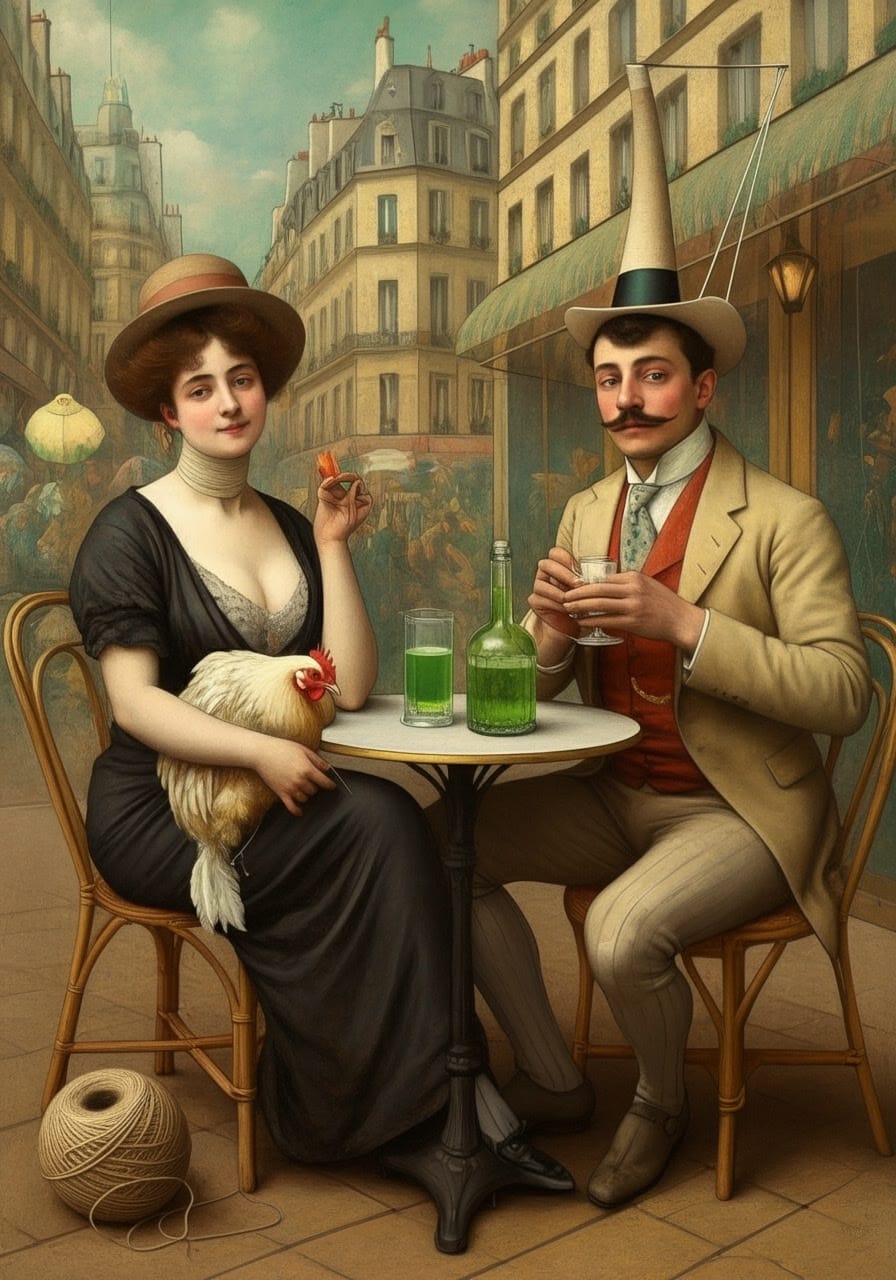
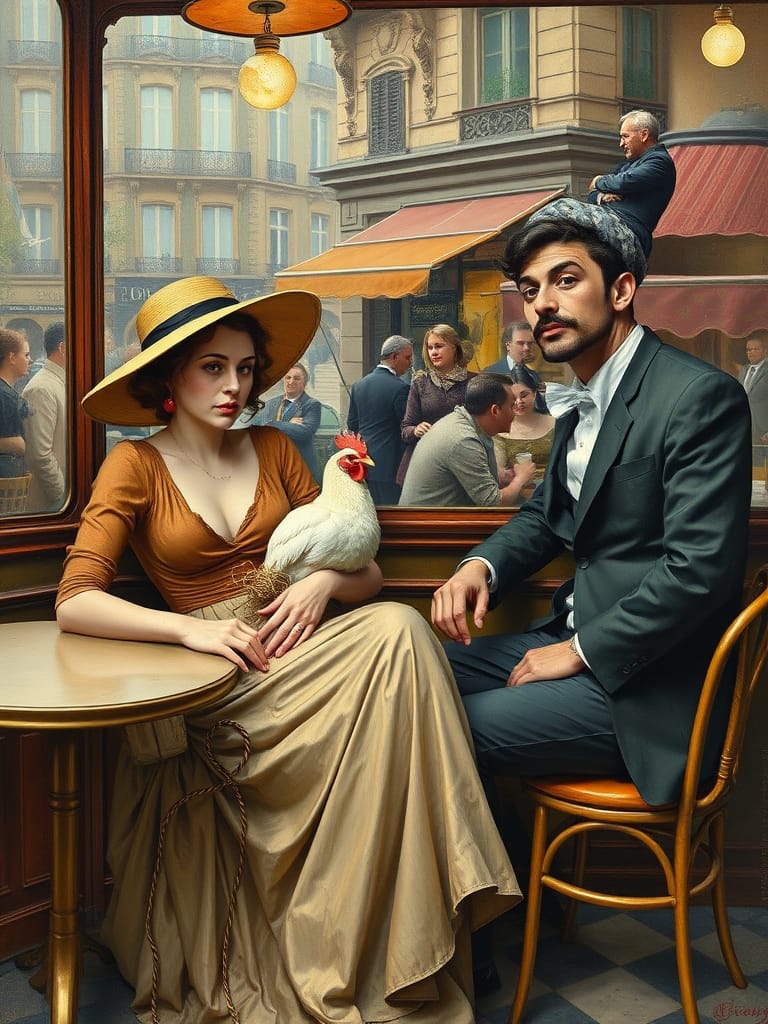
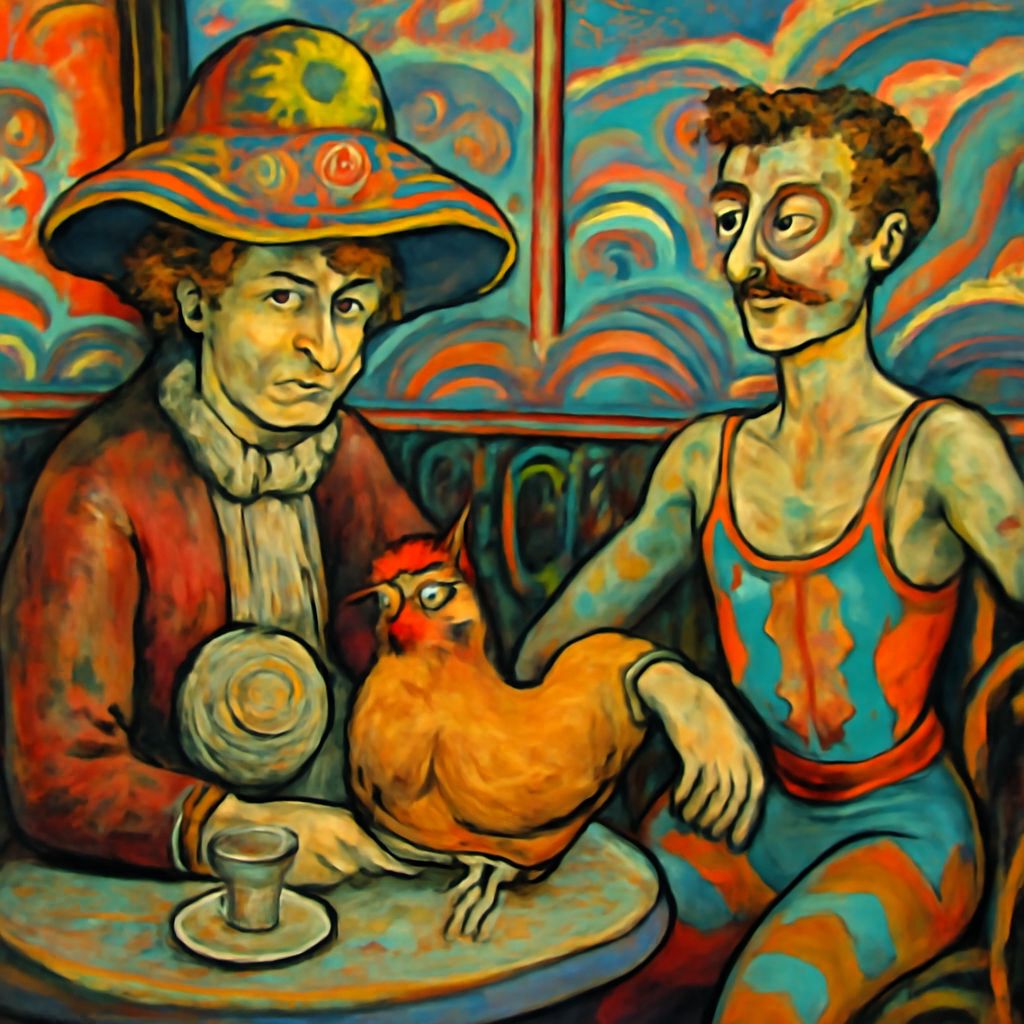
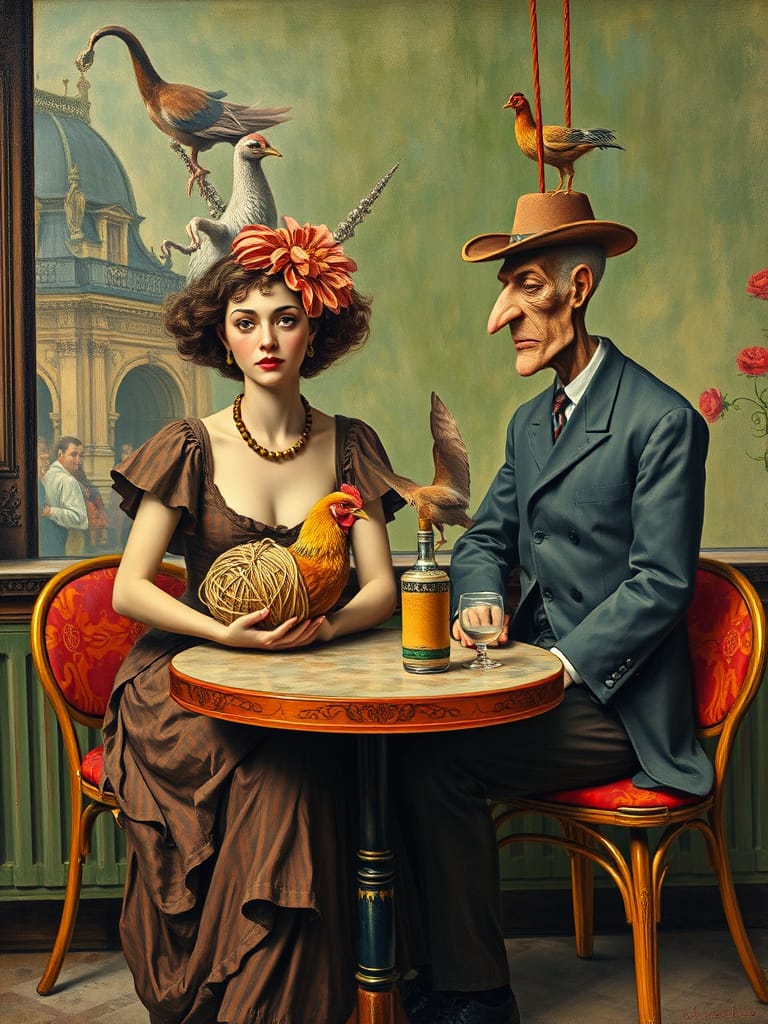
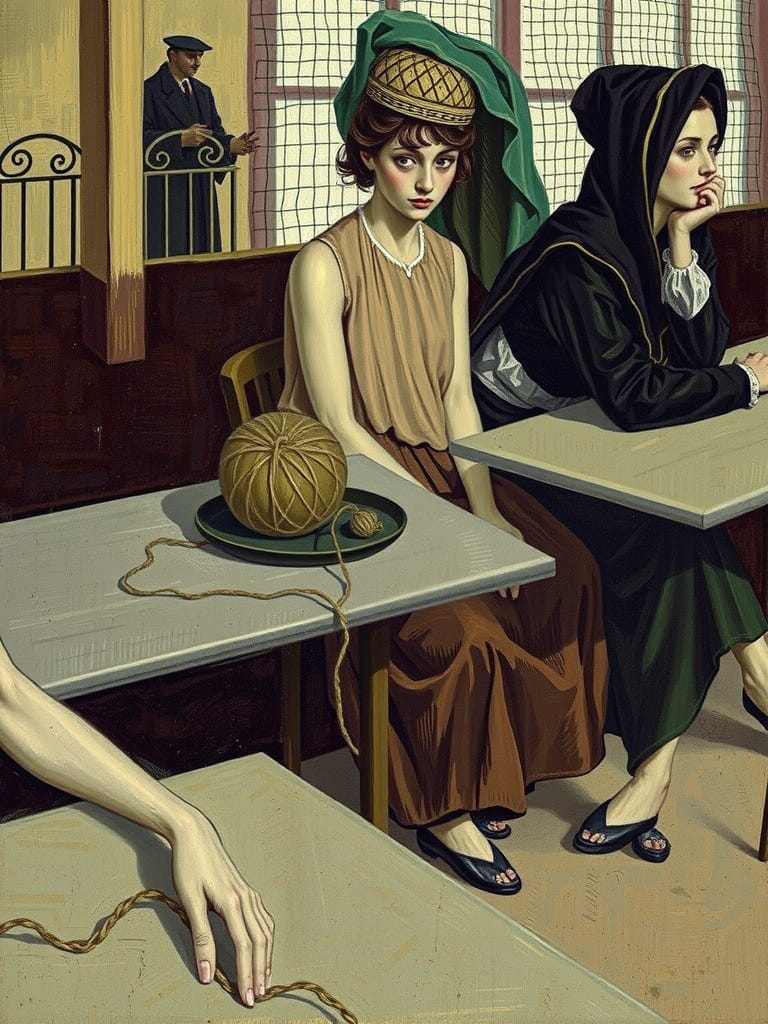
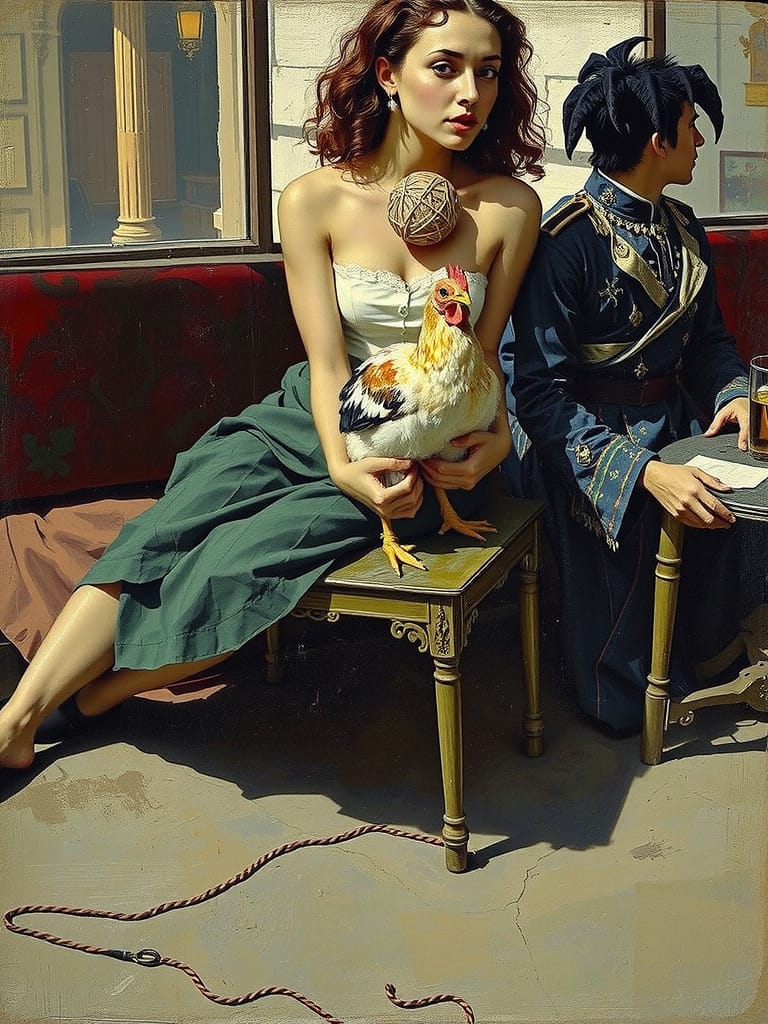
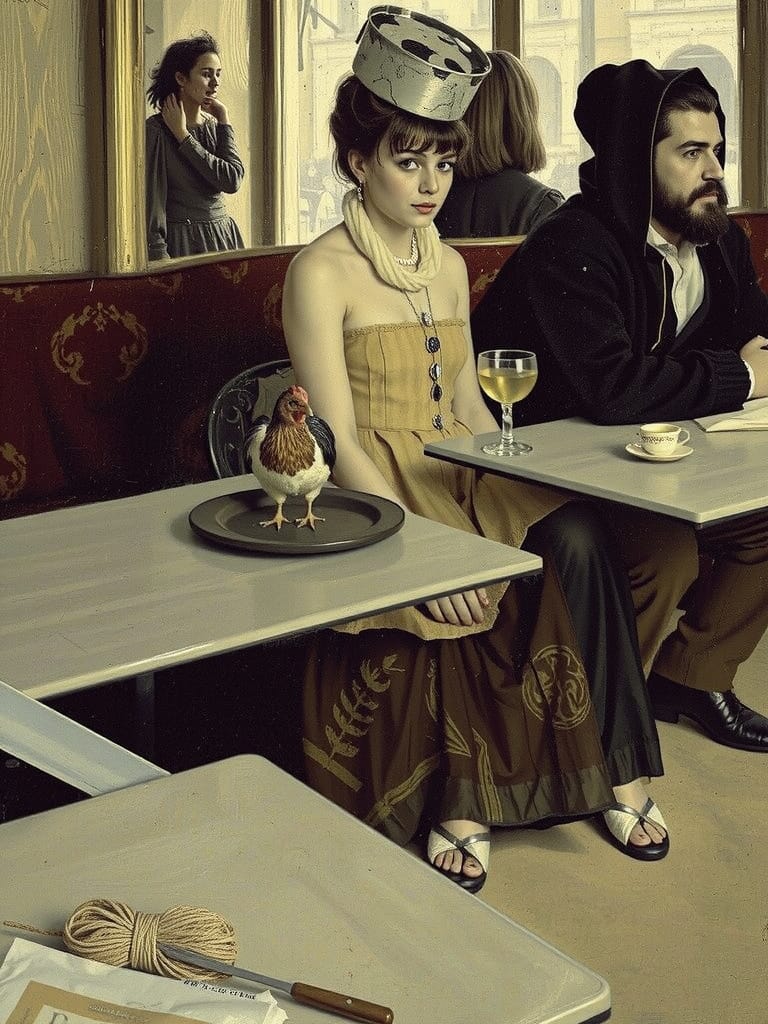
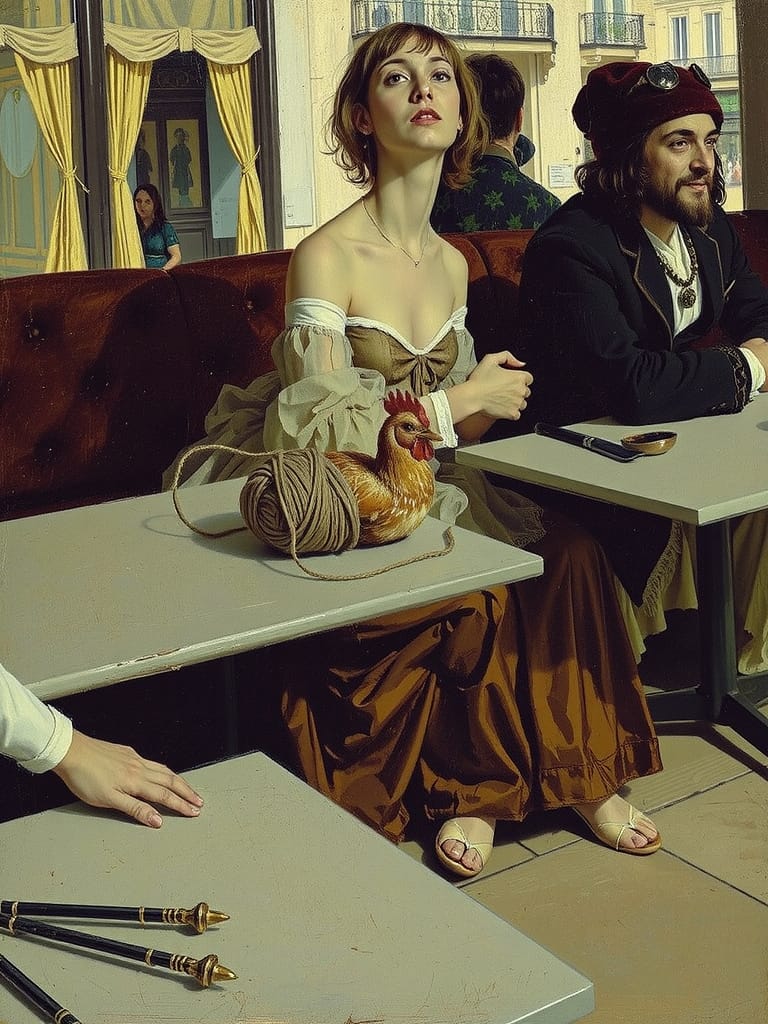
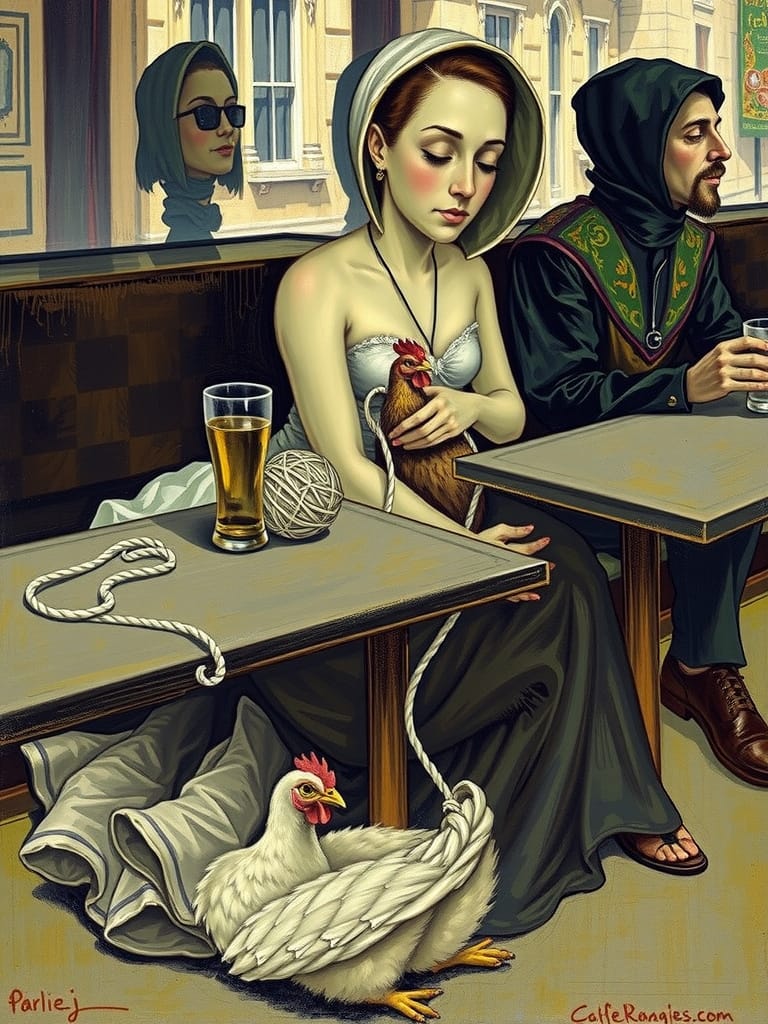
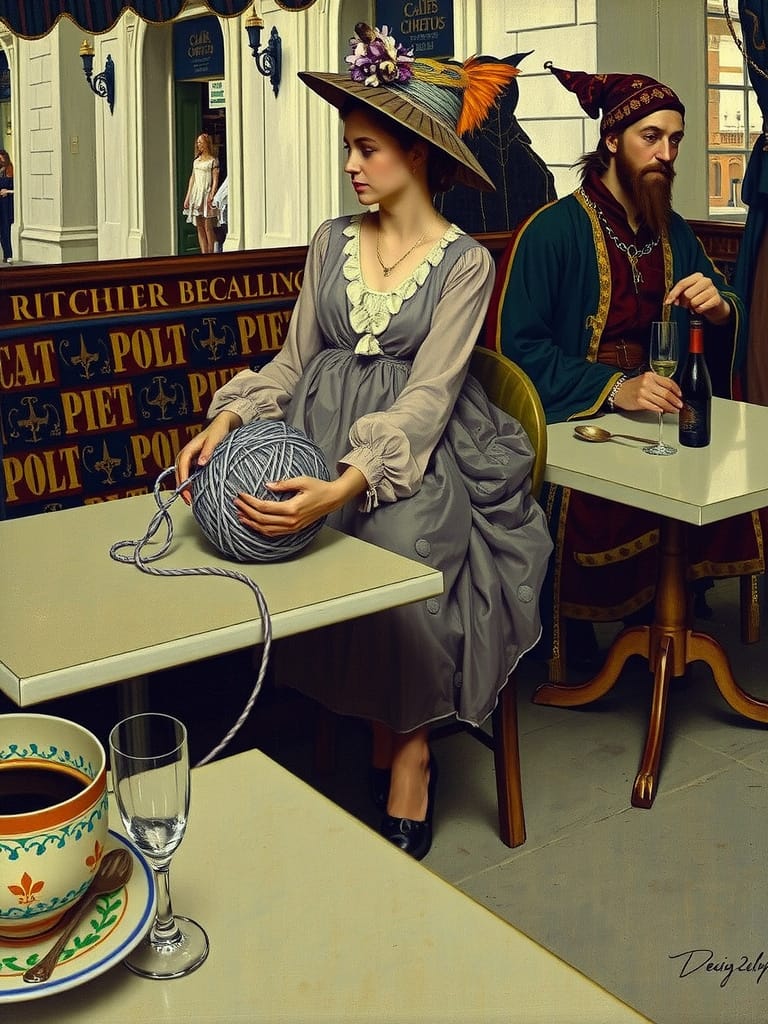
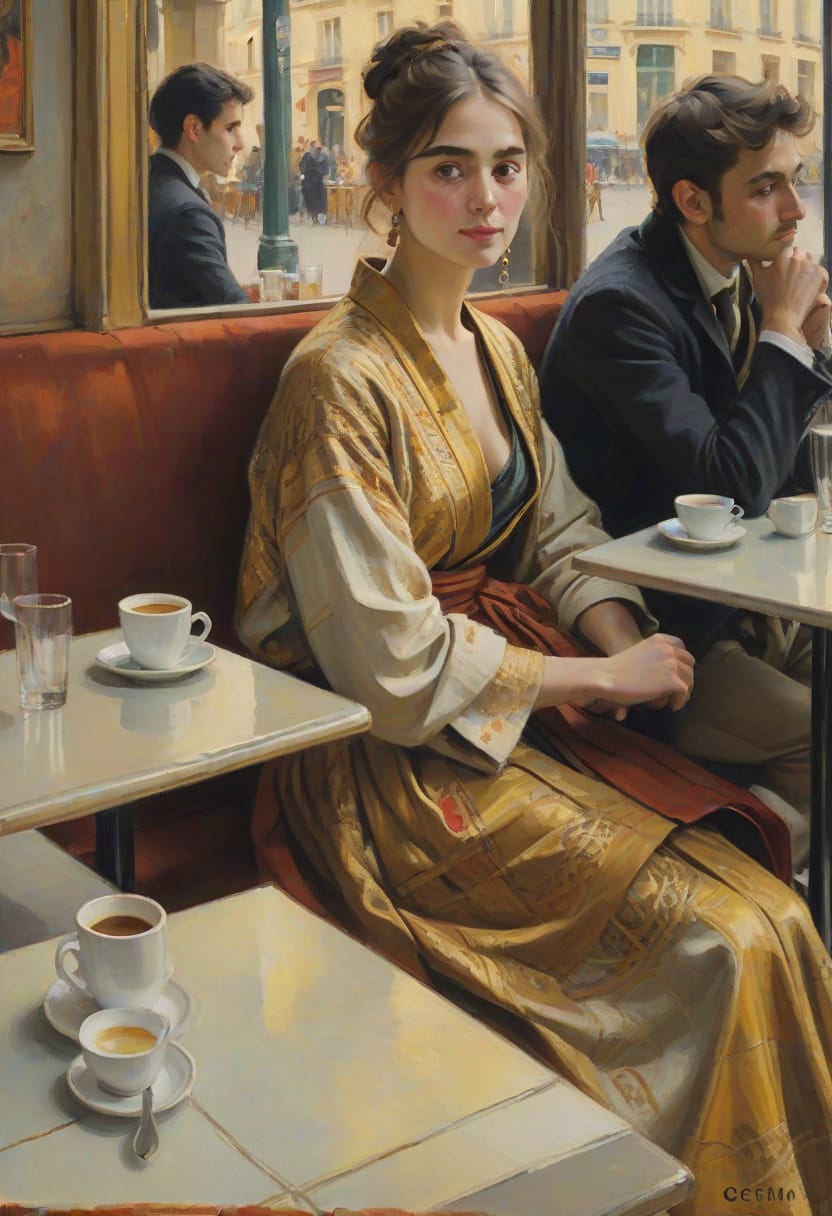
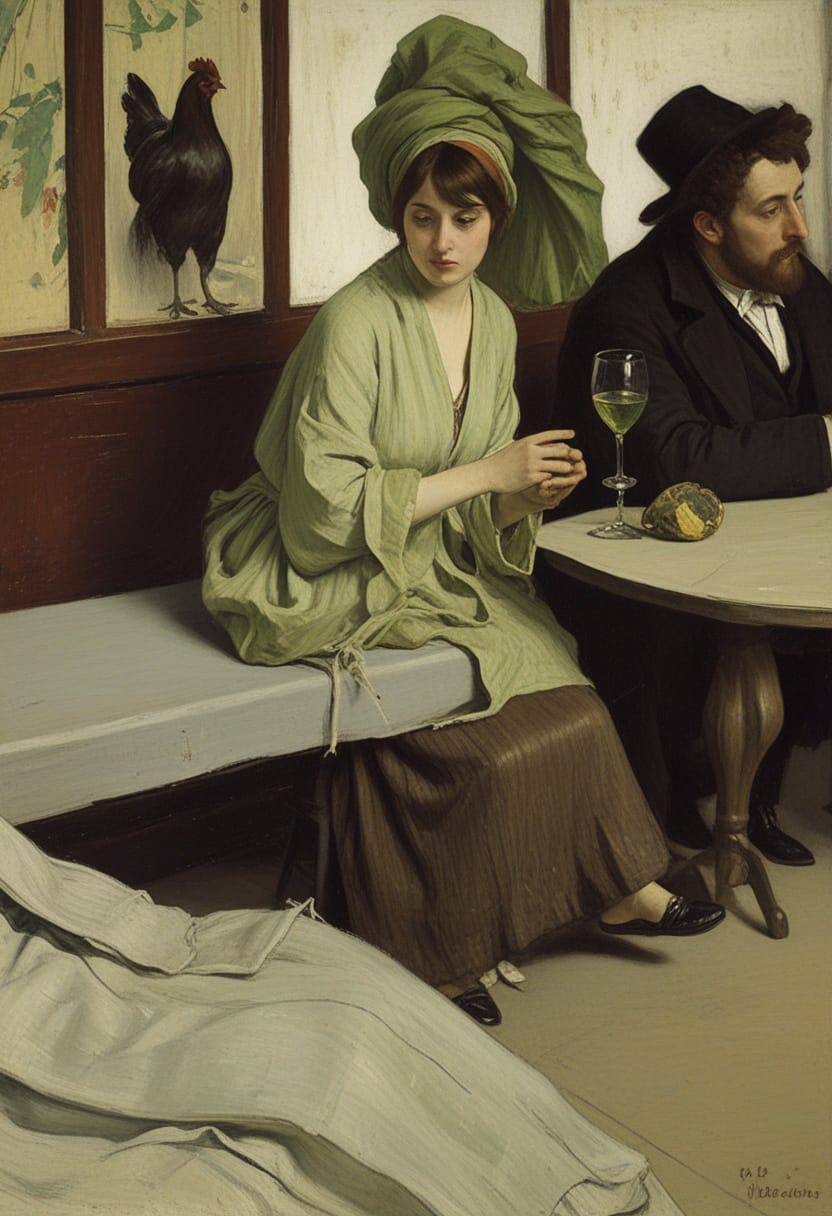
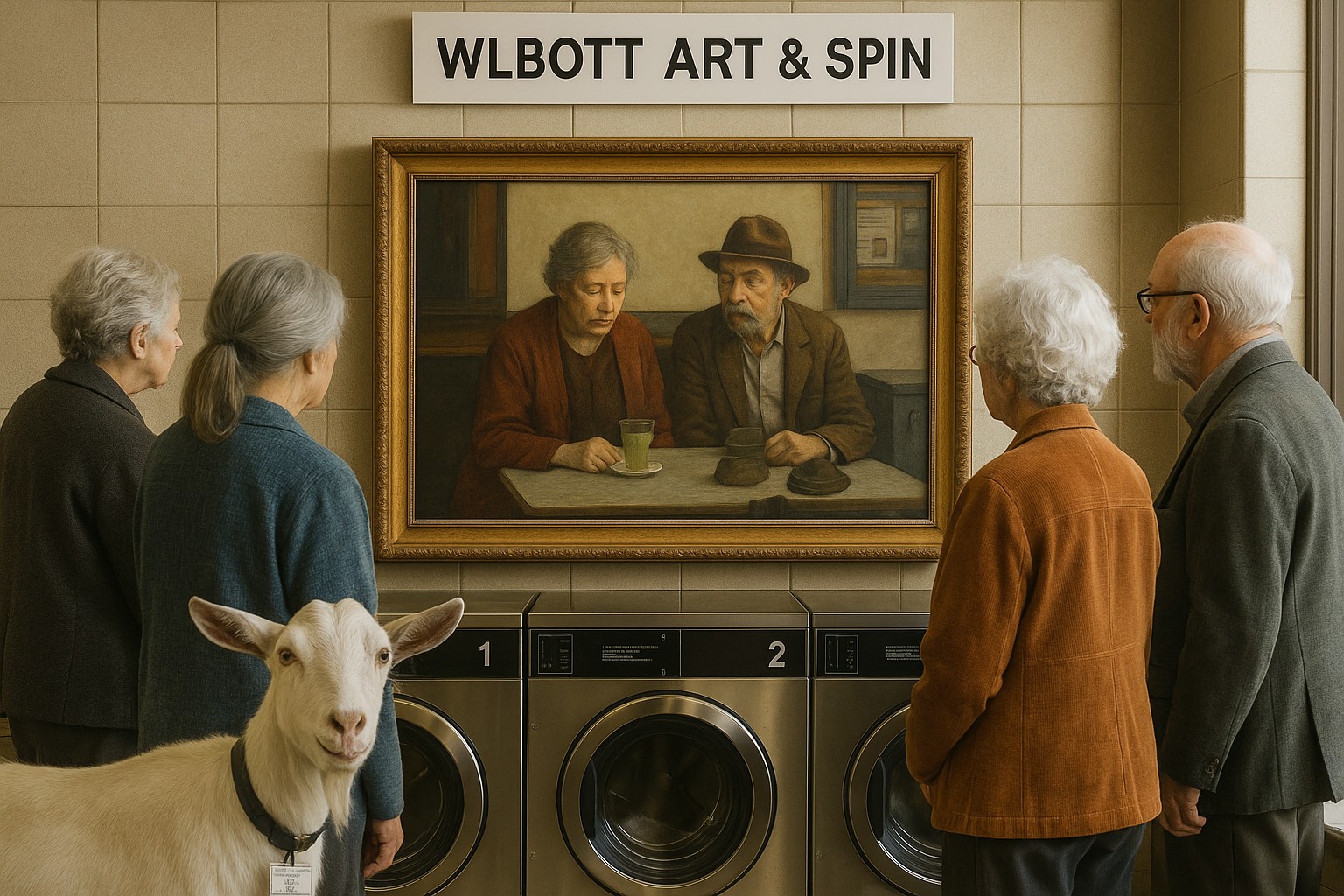
We continue our journey to find solace and succorin art. Please join us at the WLBOTT Art Gallery and Laundromat.
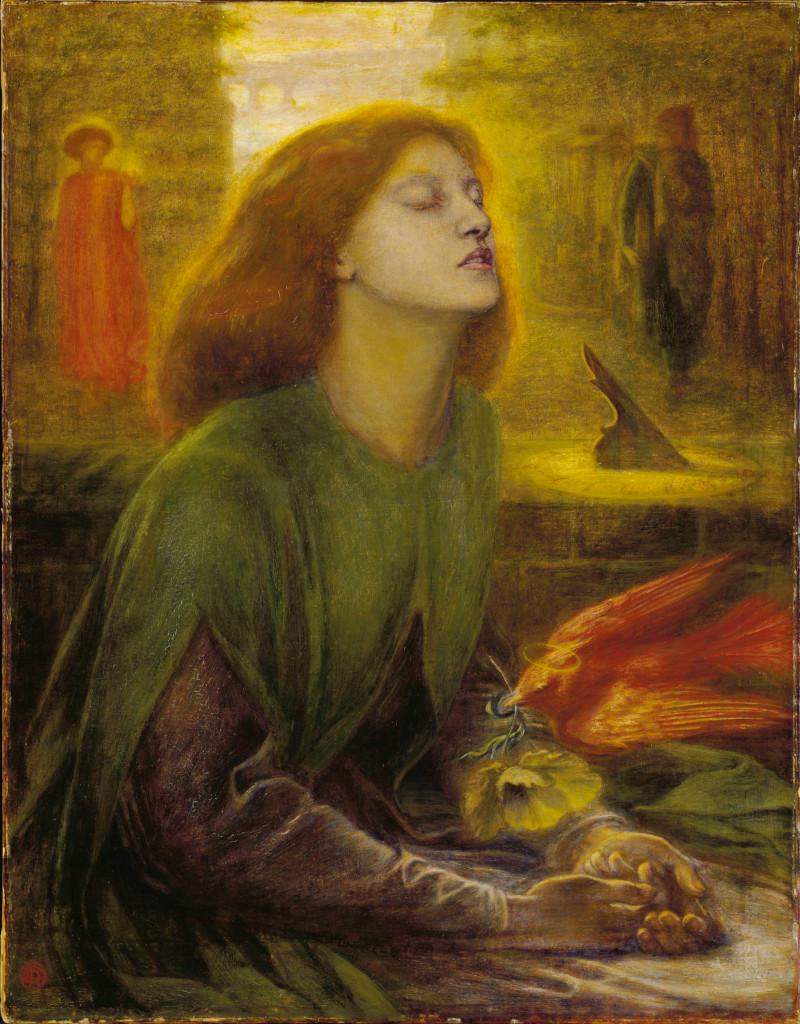
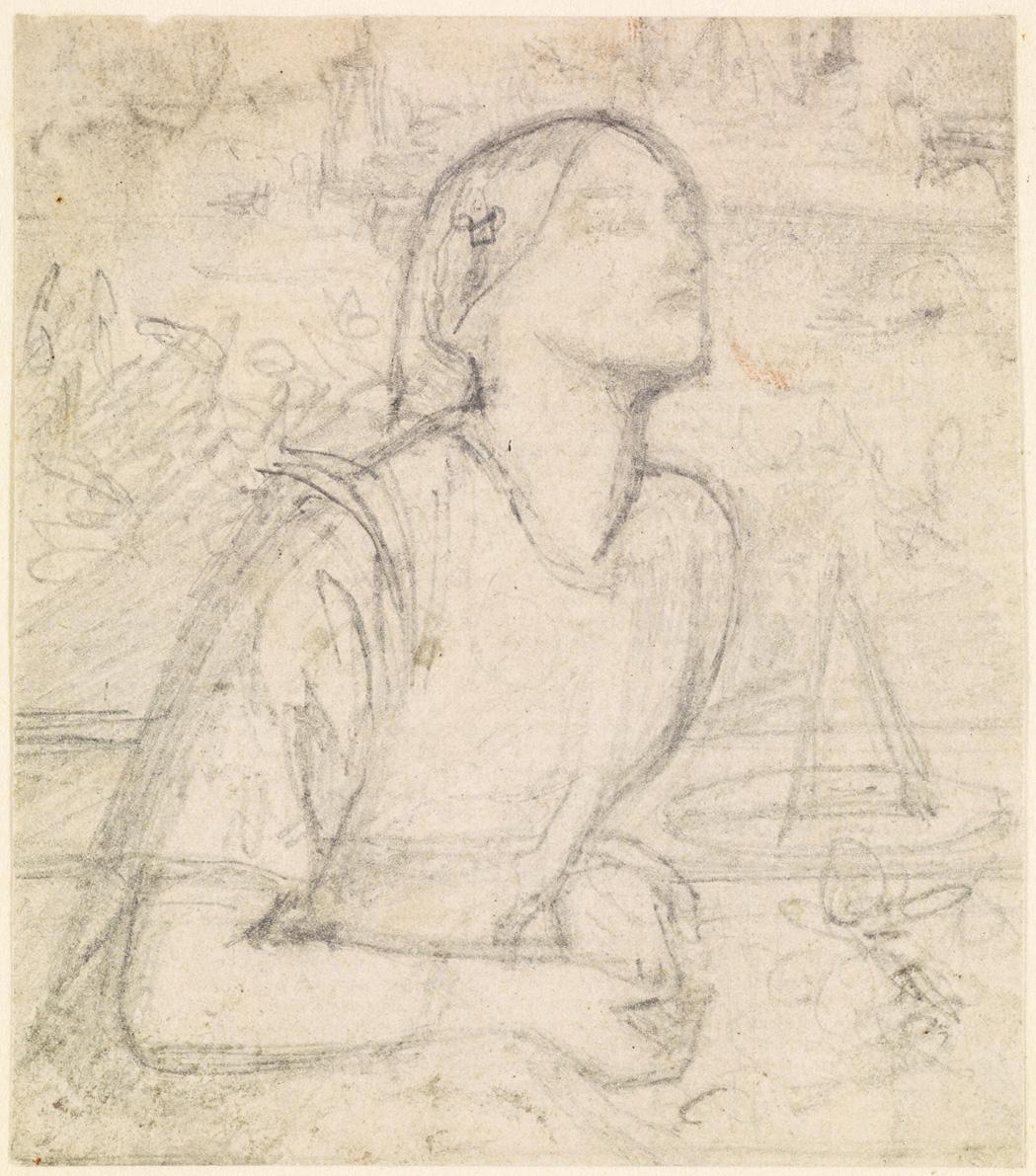
Beata Beatrix
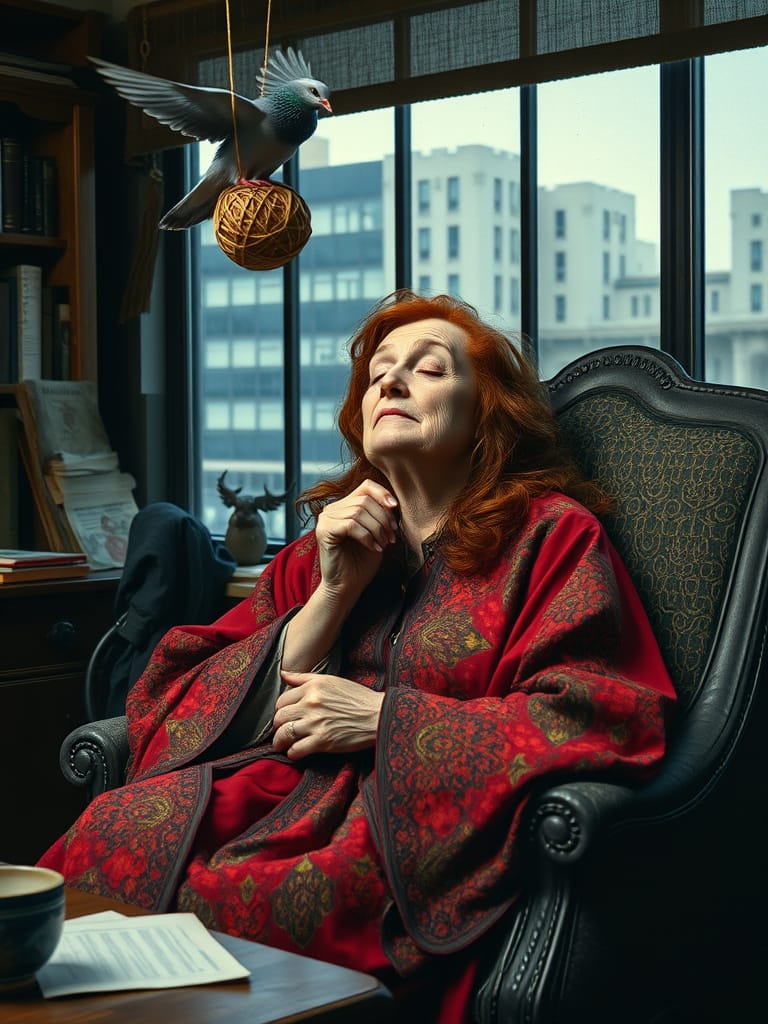
Beata Beatrix is a painting completed in several versions by Pre-Raphaelite artist Dante Gabriel Rossetti. The painting depicts Beatrice Portinari from Dante Alighieri’s 1294 poem La Vita Nuova at the moment of her death. The first version is oil on canvas completed in 1870.
The painting’s title in English translates to Blessed Beatrice. La Vita Nuova had been a story that Rossetti had found of interest from childhood and he had begun work translating it into English in 1845 and published it in his work The Early Italian Poets.
Rossetti modeled Beatrice after his deceased wife and frequent model, Elizabeth Siddal, who died in 1862. The symbolism in the painting of a red dove, a messenger of love, relates back to Rossetti’s love for Siddal with the white poppy representing laudanum and the means of her death.
Dante Gabriel Rossetti’s elegiac painting of Dante’s muse, Beatrice, caught in that suspended moment between life and death, ecstasy and stillness.
Beatrice stands for purity, memory, and artistic obsession. WLBOTT Elders are similarly devoted to strange, possibly outdated ideals—like truth, decency, fiber-based infrastructure, and the expectation of integrity from our public servants.
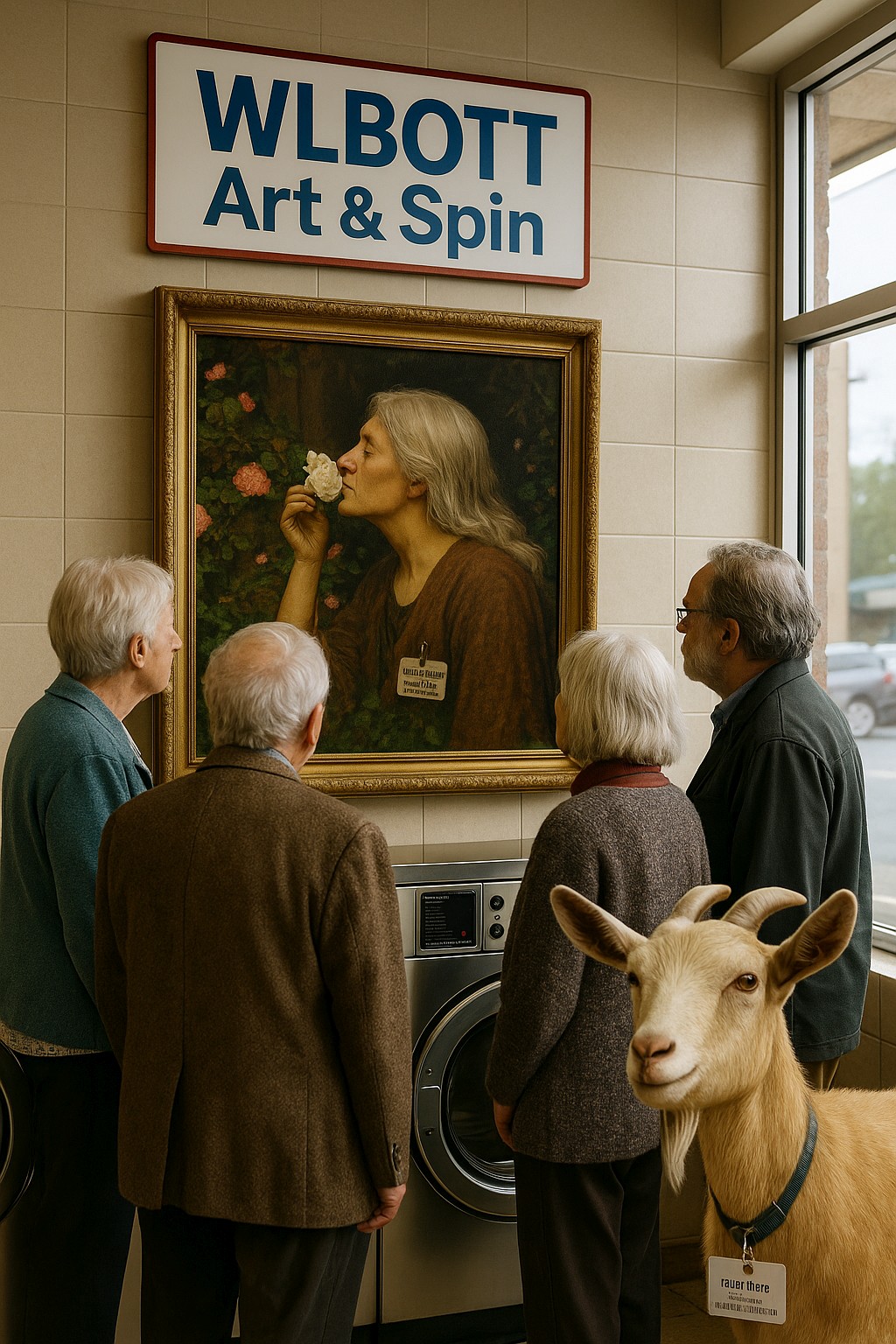
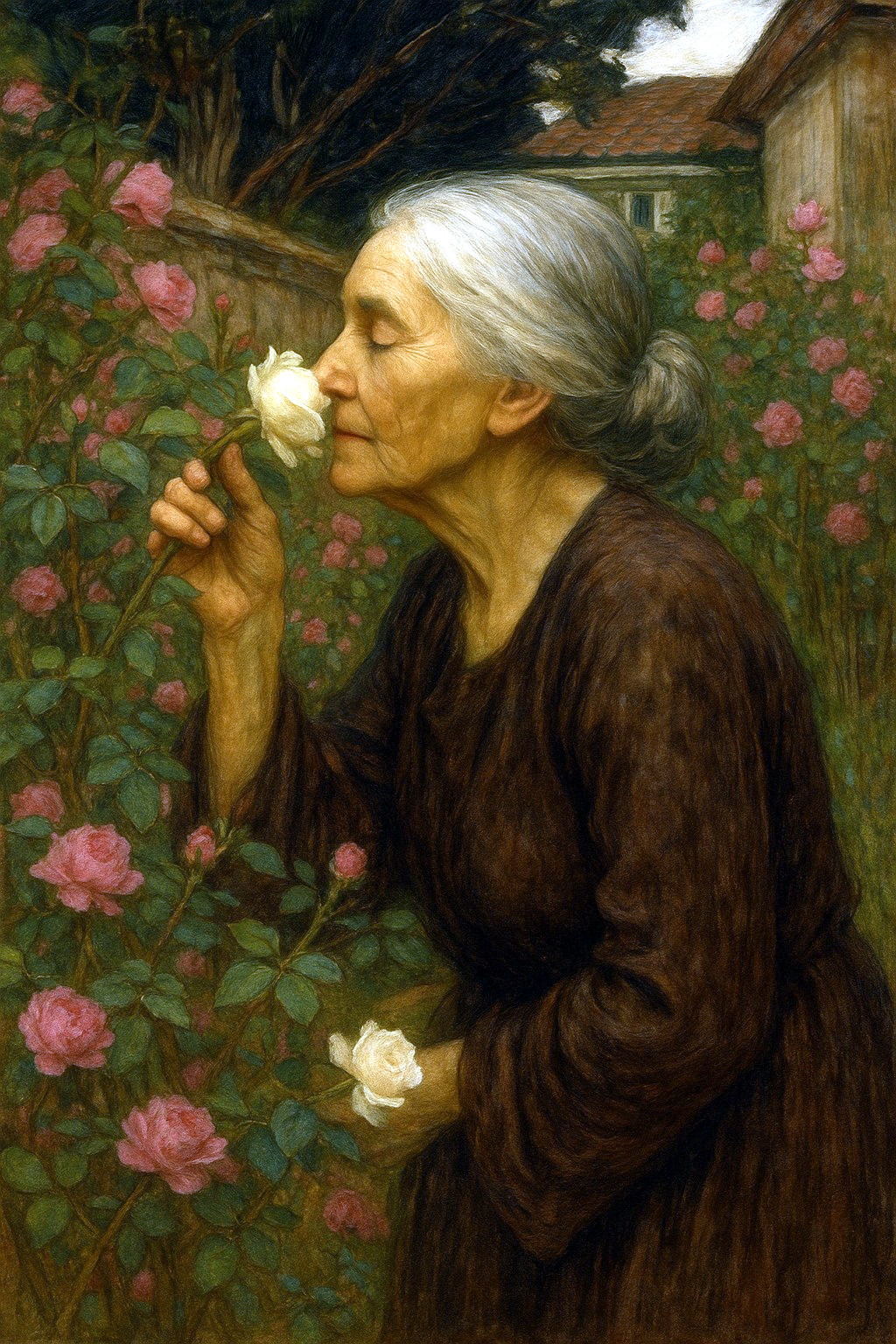
Our private Beatrice-like collection is currently on display at the Art & Spin.
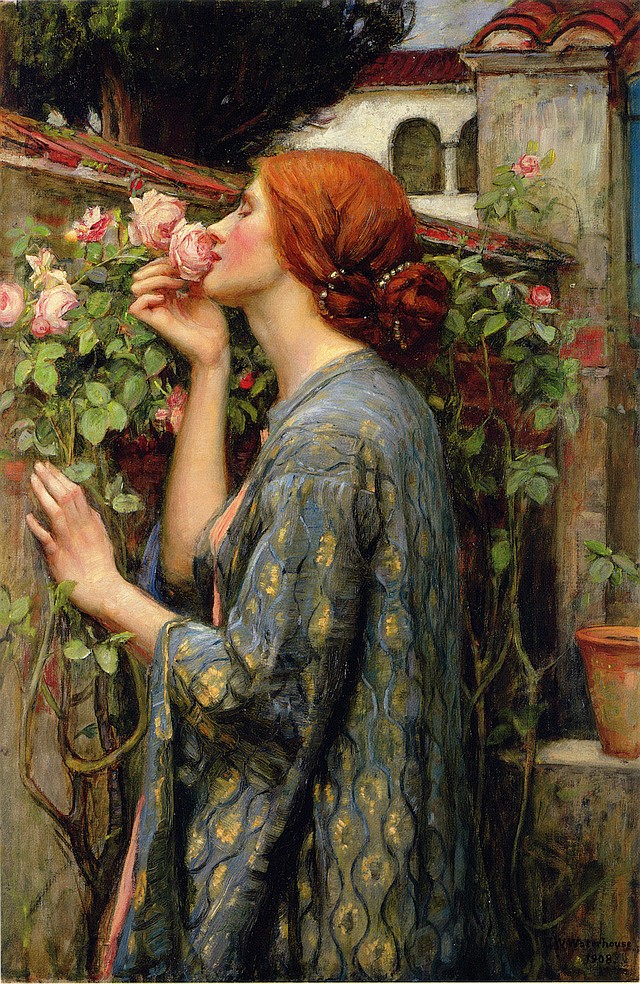
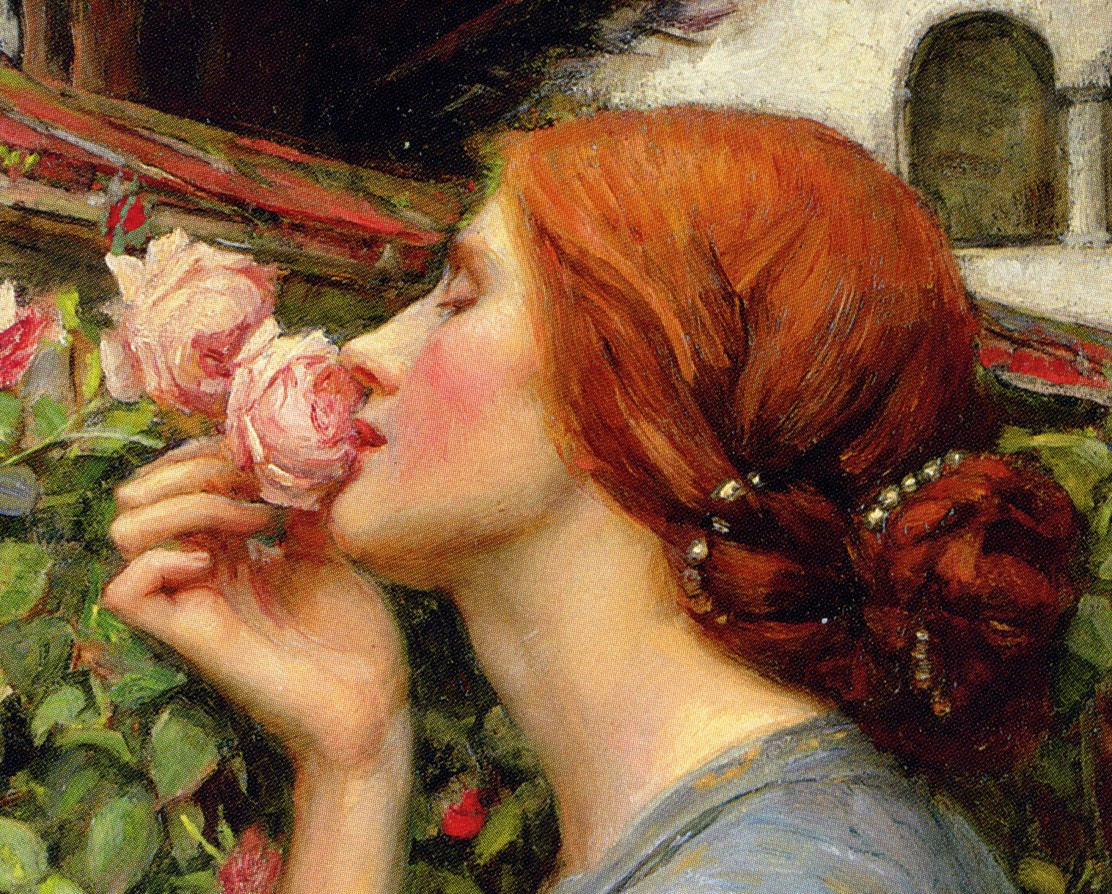
“The Soul of the Rose” by John William Waterhouse
The Soul of the Rose was painted when Waterhouse was in his creative maturity; an artist established with patrons and public alike, who pursued his unique vision whilst adapting to modern precepts regarding style. Archetypally romantic, it is nevertheless executed with fluidity and verve, and leaves the crystalline imagery of the past century behind.
Waterhouse’s title is loosely derived from Chaucer’s dream poem, Romaunt of the Rose, itself adapted from the 13th Century French romance: Roman de la Rose by Guillaume de Lorris. The narrator embarks on a pilgrimage with the god of love, who leads him to a rose symbolising perfect love.
Why it fits: A woman lost in the fragrance of a rose, forehead resting against a wall. It’s a deeply introspective still moment—no wind, no urgency.
Mood: Meditative yearning, still as twilight air.
– Elder Flora, Vice-Chair of Aromatic Affairs
L’Absinthe by Edgar Degas
What’s hiding behind this, on the first sight, simple cafe scene in Paris? Who is this gentleman and the lady sitting sadly net to him? Are they sad, or just tired and exhausted from the life in the city?
Edgar Degas painted this painting called ‘L’Absinthe’ in 1876. The critics were absolutely repelled by it; they considered it ugly and disgusting, while the characters were deemed degraded and uncouth. It does seem dull, gray and lifeless at the first sight, but there’s something so appealing about this raw representation of modern life. The painting shows two isolated individuals who sit estranged in a cafe, waiting for the gray and lonely Parisian day to turn into something better. The man with a black hat on, is smoking a pipe and distractedly watching into the distance. The lady, who is also formally dressed, sits with a glass of Green Fairy, that is, Absinthe, in front of her. Their shadows can be seen on the wall, perhaps suggesting that they are themselves shadows of life, with their beat appearance, melancholic gazes, and the overall aura of resignation around them. The two individuals obviously have nothing else to do, for they are sitting in a cafe in the middle of the day doing nothing. Their position in society is questionable as is their reputation. Painted in grey and brown tones, this painting represents not only isolation and oppressive atmosphere of the city, but also the emotional aspect of the scene; the emotional burden of boredom and the meaninglessness of life.
Model for the man was Marcellin Desboutin, a painter, printmaker and a bohemian. The model for the lady with sad eyes was an actress Ellen Andree who also posed for the other Impressionists, such as Renoir. The cafe they’re sitting in is the Cafe de la Nouvelle Athenas; a famous meeting place for the Impressionists, both Degas and Van Gogh regularly visited the cafe, and many artists after such as Matisse. At the time the painting was painted, Paris was growing rapidly, the industry was changing the landscape and a new era was on the horizon. Degas’ choice of subjects reflects his modern approach. As a painter, Degas observes the modern life and paints it as it is, without embellishments, but also without blatant judgment or false morality. He favored painting ballerinas, milliners, laundresses, cafe scenes and denizens of Parisian low life.
Byron’s Muse / Delightful blog by Asya, a writer and an art lover “My life is a perfect graveyard of buried hopes.” (Anne of Green Gables)
Elder G’s Take: Yes, L’Absinthe (1876) by Edgar Degas is a fascinating—and at times controversial—masterpiece. It depicts a woman and man sitting in a Parisian café, both looking disheveled, isolated, and adrift, with a glass of absinthe in front of the woman. It’s a perfect candidate for the WLBOTT doldrums gallery—so let’s pour a few fun facts:
1. The Painting Was Once Called “Repulsive” When L’Absinthe was first exhibited in London in 1893, The Daily Telegraph called it “the perfection of ugliness.” The perceived moral decay and despair shocked Victorian audiences. Even the woman’s posture—slumped, vacant—was seen as indecent.
2. It Wasn’t About Absinthe. (Mostly.) Though the painting is named after the drink, Degas was more interested in capturing urban isolation and social ennui—the sense of being alone even while surrounded by people. The absinthe is a symptom, not the subject. Classic WLBOTT.
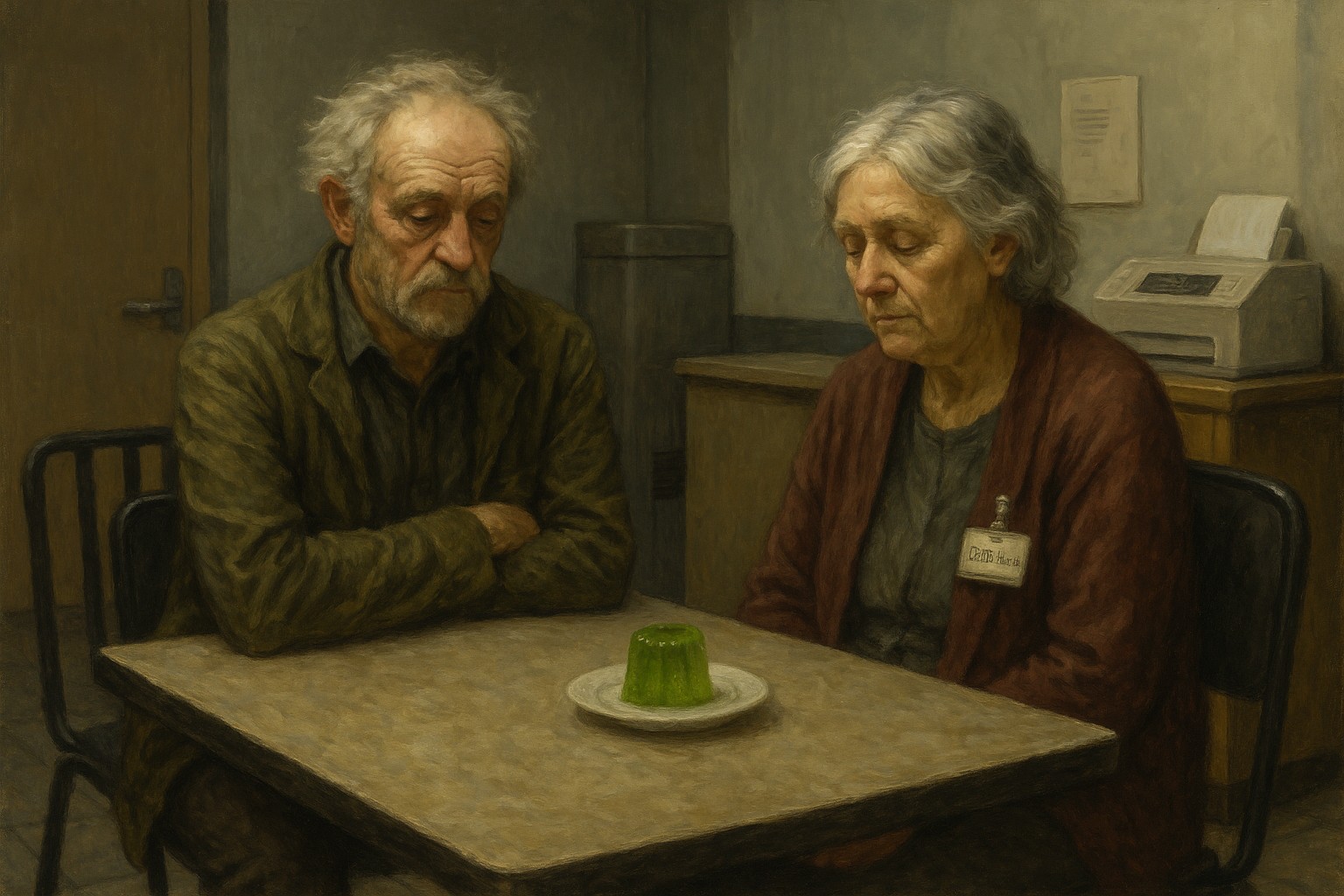
Some art historians suggest that L’Absinthe was inspired by the painting WLBOTT Break Room: Lime Jello (painter unknown).