Today we learned that ivy does not twine! Not in the true botanical sense.
Ivy (like Hedera helix, English ivy) is classified as a climbing plant or liana. But unlike plants that grow tall with thick, supportive stems, ivy evolved a strategy to save energy by using other structures (trees, walls, fences) for support. Instead of investing in big, heavy trunks, it produces long, flexible stems that cling and climb.
Ivy doesn’t just wrap or twist like a morning glory or wisteria (which are true twining plants); it uses aerial rootlets. These tiny roots sprout along the stem and secrete a glue-like substance (rich in carbohydrates) that sticks it to surfaces — bark, stone, brick.
Elder G

[ed. note: my first thought was, “This glue-like substance, can you put it on waffles?”]
Elder G Waxes Poetic
Why does the ivy twine?
Because it must.
It’s written in the ivy’s nature, coded in its cells, that urge to reach, to cling, to wrap itself in longing around whatever offers support. The ivy doesn’t question or analyze — it spirals toward light, wraps around stone or wood, seeking height, seeking something to hold onto.
It twines because that’s how it survives, how it thrives, how it becomes part of the old wall or tree it embraces.
It twines because life taught it that going straight up alone is too hard — but winding, wrapping, holding on? That works.
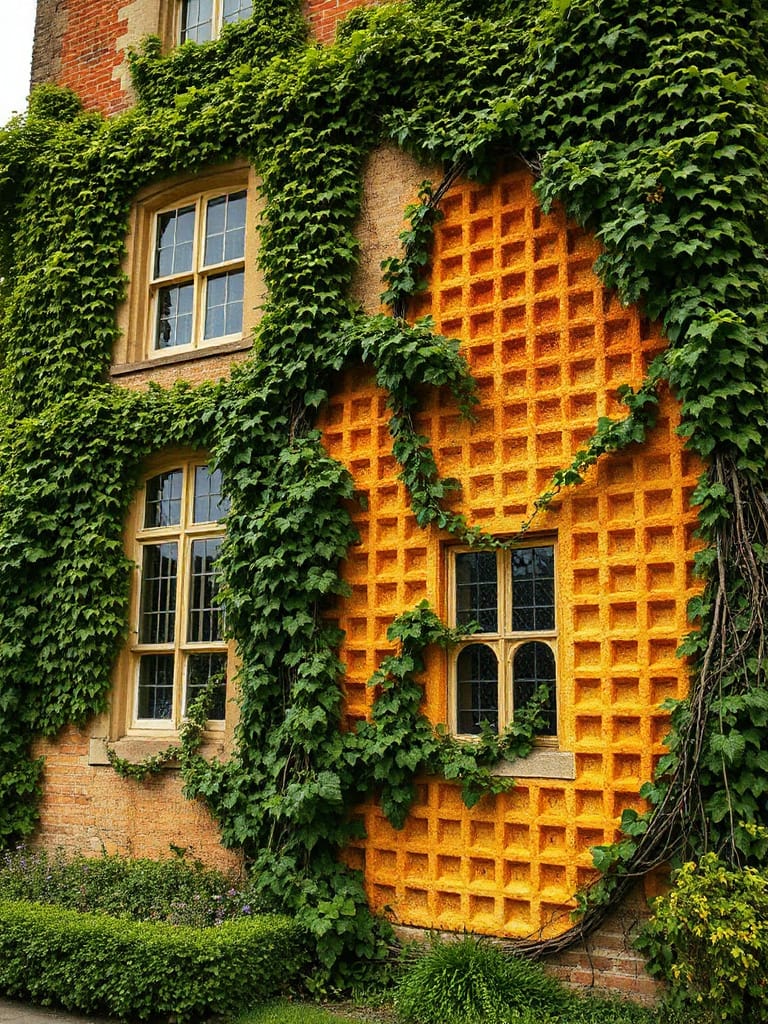
It’s a bit like us, don’t you think? We twine around friendships, ideas, loves, memories — not always straight, not always clean, but persistent.
A Few Nuts and Bolts
The Evolutionary Backstory
Over millions of years, plants in dense forests faced intense competition for sunlight. Some evolved to be massive trees; others, like ivy, became opportunists, evolving climbing and clinging abilities to ride up those trees.

This photo of an evolving ivy, taken during the Vinetaceous Scriptorian Epoch era, has confused evolutionary biologist, botanists, intelligent designer advocates (those that can read, that is), vegetarians, kids on field trips, and fans of the McRib.
In evolutionary terms, this is called adaptive radiation — plants exploring available niches. Ivy’s twining and clinging habit gave it an edge, letting it colonize spaces where low, ground-hugging plants couldn’t compete.
Fun Detail
Interestingly, ivy’s aerial roots secrete tiny nanoparticles in their adhesive glue, which allows it to stick strongly even to rough or uneven surfaces — a subject of study in biomimetic engineering today.
Broader Botanical Picture
Across the plant world, climbing has evolved multiple times — but the mechanisms vary:
- Ivy: adhesive rootlets
- Morning glory, honeysuckle, wisteria: twining stems
- Peas, cucumbers, passionflowers: tendrils (modified leaves or stems that grab)
- Roses, bougainvillea: thorny hooks
- Climbing palms, rattan: spiny, grappling stems
Evolution is endlessly inventive!
Culinary Fusion
If only WLBOTT could capture it’s most popular reader request: the culinary fusion of fettuccini Alfredo and aerial roots.
Let’s explore the culinary fusion of fettuccini Alfredo and aerial rootlets.
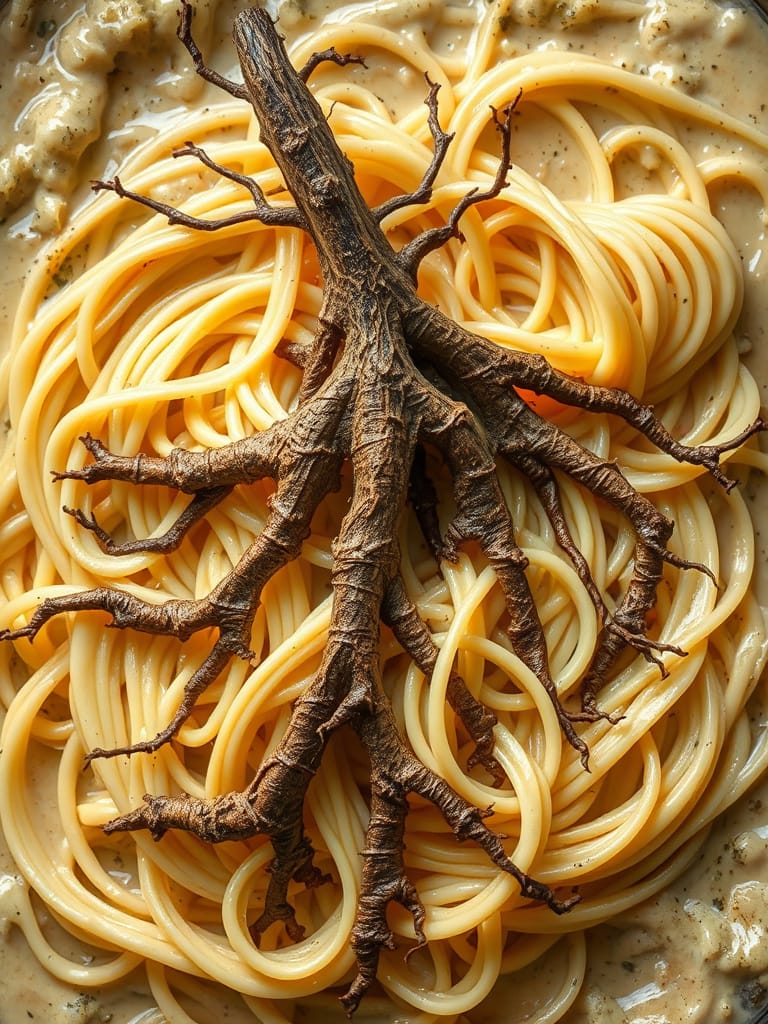


I received this congratulatory note from our CFO, Elder JimZim: “You need to come in and pee in a cup.“


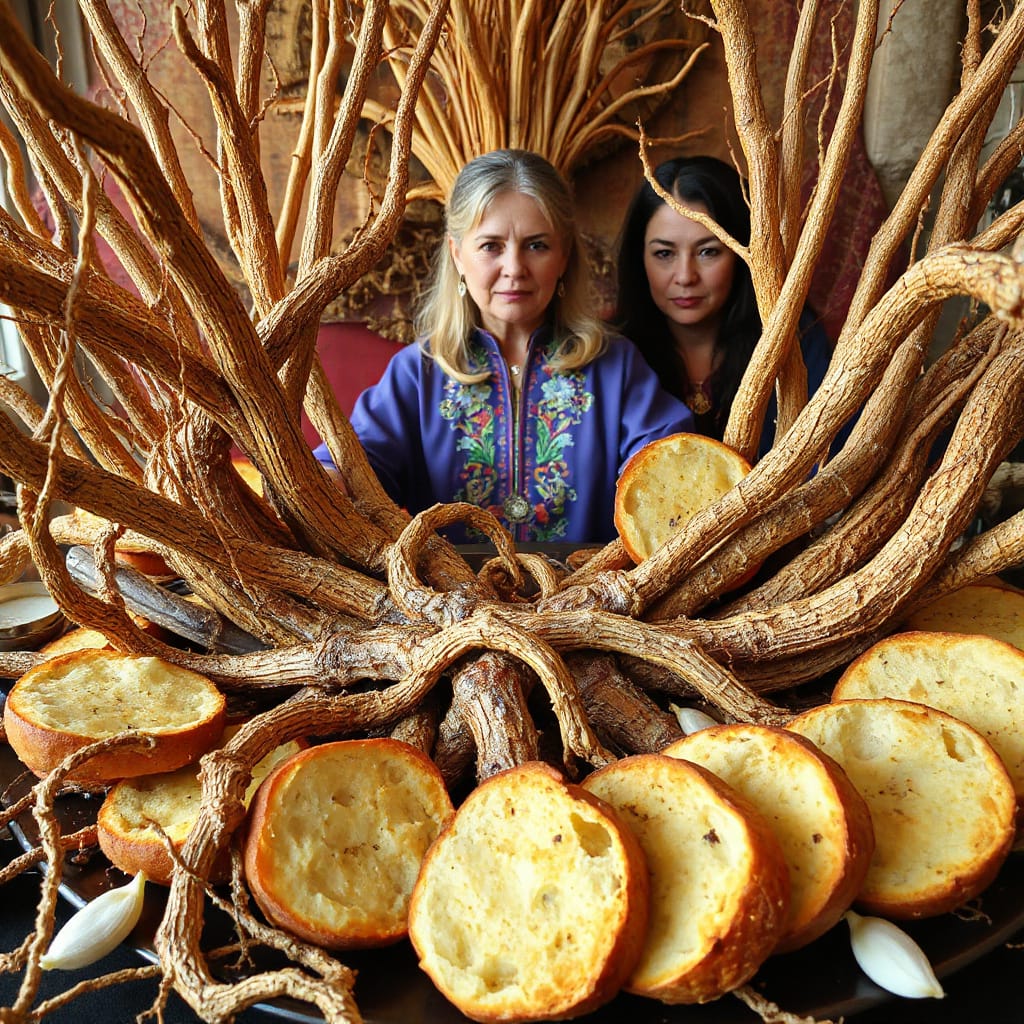

Another laudatory note from our CFO: How’s the diet going?


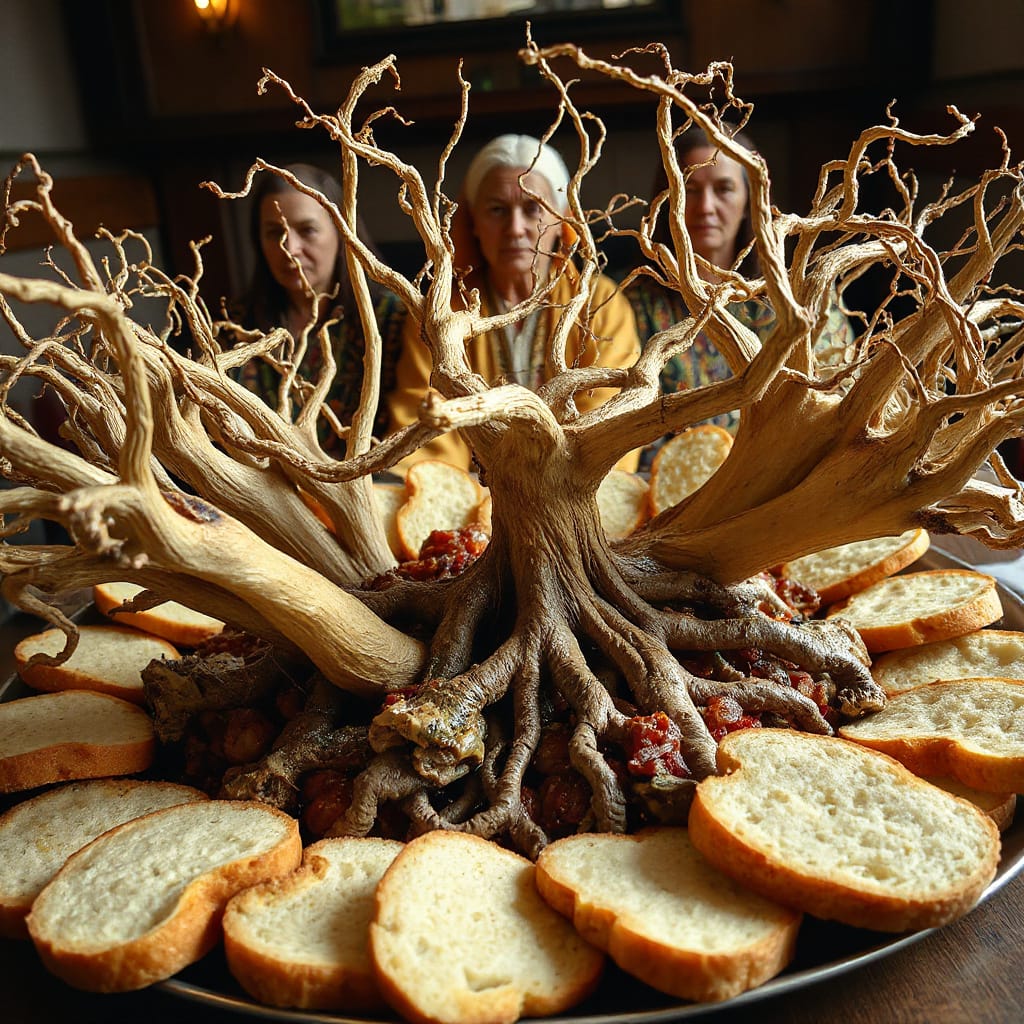
And yet another flattering text from Elder JimZim: Your badge won’t be working tomorrow. Stop by security.