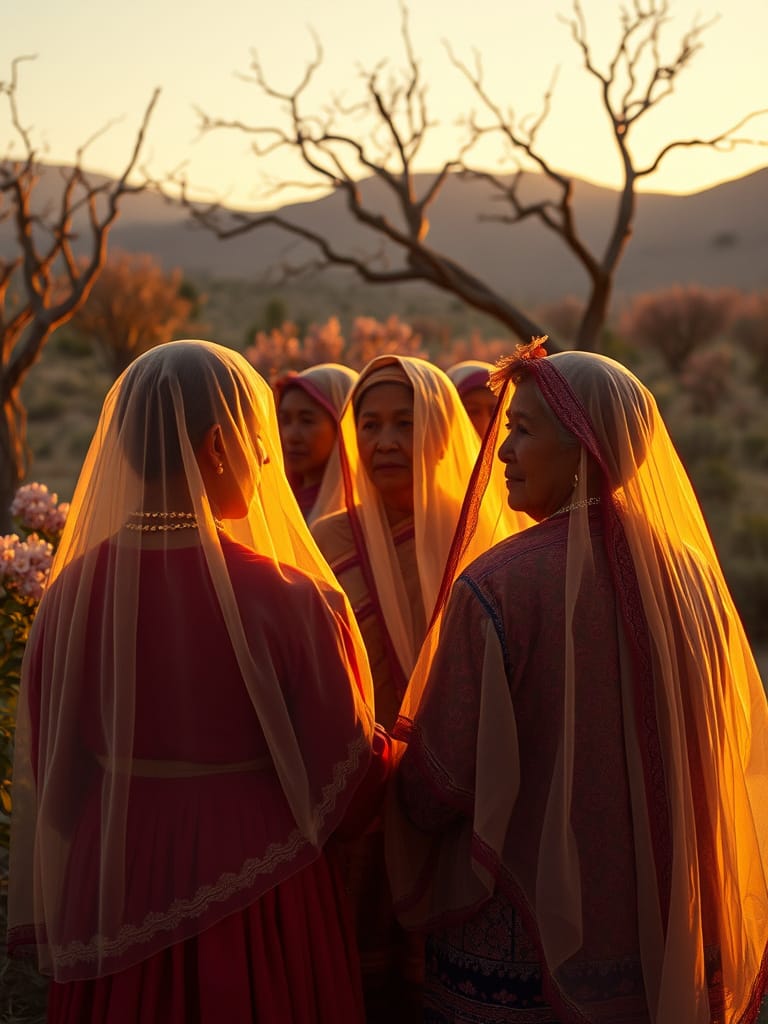
April is the cruellest month, breeding
Lilacs out of the dead land, mixing
Memory and desire, stirring
Dull roots with spring rain.
[...]

What are the roots that clutch, what branches grow
Out of this stony rubbish? Son of man,
You cannot say, or guess, for you know only
A heap of broken images, where the sun beats,
And the dead tree gives no shelter, the cricket no relief,
And the dry stone no sound of water. Only
There is shadow under this red rock...

- from The Wasteland, by T. S. Eliot
It’s the unsettling moment when the roots, slumbering and dormant in the soil, are stirred awake. They are compelled. Dragged back into longing, into change, into the ache of becoming.

Winter offers numbness, stillness, the peace of not reaching, not trying….
Winter, in Eliot’s imagery, is a time of suspension, a kind of deathless sleep – no hope, but also no pain. The roots are dull, the earth dead. But April comes, and with it the demand to wake up, to stretch toward the light, to remember what was and to desire what could be.
- Memory: the weight of the past, regrets, nostalgia, grief.
- Desire: the ache for something more, the restlessness, the hunger to change, to love, to reach.
Eliot suggests that while spring is culturally seen as a time of rebirth and joy, it’s also the season that forces us to confront the painful stirrings inside ourselves – the things we’ve buried, the emotions we’ve kept frozen, the dormant longings we might have preferred to leave untouched.
In human nature, this reflects the uncomfortable truth that growth is rarely easy. We crave the security of dormancy — but life drags us into becoming.

We are not tormented by death, but by being forced to live again.
“Mixing memory and desire, stirring
Dull roots with spring rain.”
Our Real Life April
Be gentle with yourself.
That sluggish passivity you mention — the kind Eliot points to in The Waste Land — is the state where people remain numb, stagnant, or dormant because change feels too painful or overwhelming. Even when spring arrives, shaking things up, they resist, clinging to the cold comfort of their wintered-over stillness.
Here are a few real-world examples where we see that kind of painful, difficult-to-overcome passivity:
Personal grief and depression
When someone has suffered loss or is in deep depression, they often enter a kind of emotional winter — numb, shut down, even comforted by routine sadness because it feels safe. The idea of “spring,” of re-engaging with life, love, and risk, can feel cruel and unbearable. Eliot’s lines echo this: the spring rains stir old roots that might prefer to stay undisturbed.Recovering from trauma
People who’ve experienced trauma sometimes stay locked in survival mode — isolated, guarded, avoiding triggers. When life invites them back into connection and growth, it can feel threatening, not healing. Progress can feel like betrayal or exposure. Again, the stirring of memory and desire is not easy or gentle; it’s sharp.Post-war or post-conflict societies
In the aftermath of war, revolution, or upheaval, whole populations can sink into passivity — reluctant to rebuild, reconnect, or hope, because the pain of the past (and the risk of repeating it) hangs heavy. Eliot’s Europe after World War I — broken, fragmented, disillusioned — is the cultural backdrop for The Waste Land.Addiction recovery
For someone emerging from addiction, there’s often a cruel clarity that comes when the numbing stops — memories, regrets, buried emotions flood back. The “forgetful snow” of addiction kept all that covered; spring’s thaw exposes the raw ground underneath.
Madame Sosostris, famous clairvoyante,
Had a bad cold, nevertheless
Is known to be the wisest woman in Europe,
With a wicked pack of cards. Here, said she,
Is your card, the drowned Phoenician Sailor,
(Those are pearls that were his eyes. Look!)
Here is Belladonna, the Lady of the Rocks,
The lady of situations.
Here is the man with three staves, and here the Wheel,
And here is the one-eyed merchant, and this card,
Which is blank, is something he carries on his back,
Which I am forbidden to see. I do not find
The Hanged Man. Fear death by water.
I see crowds of people, walking round in a ring.
Thank you. If you see dear Mrs. Equitone,
Tell her I bring the horoscope myself:
One must be so careful these days.

- from The Wasteland, by T. S. Eliot

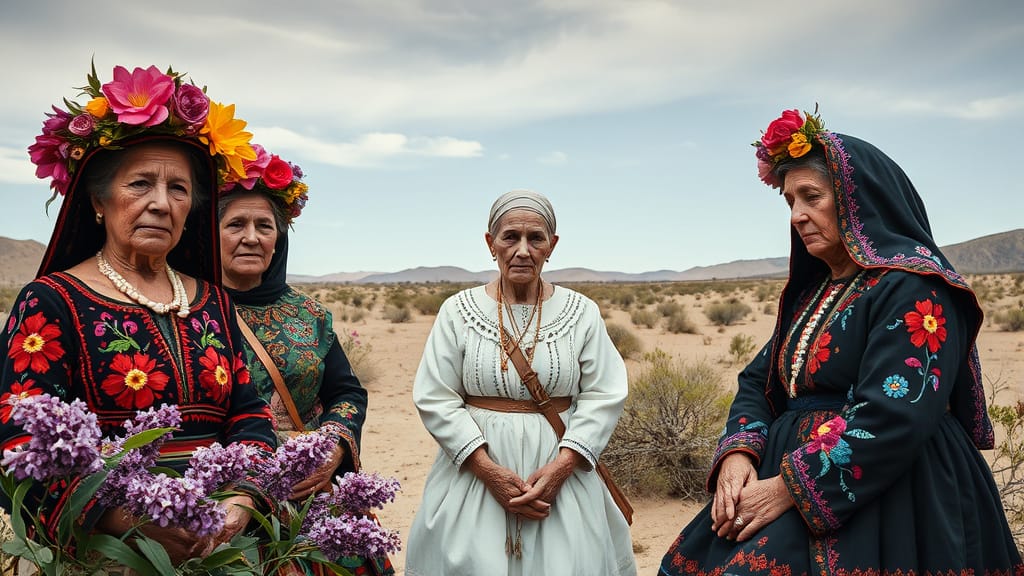
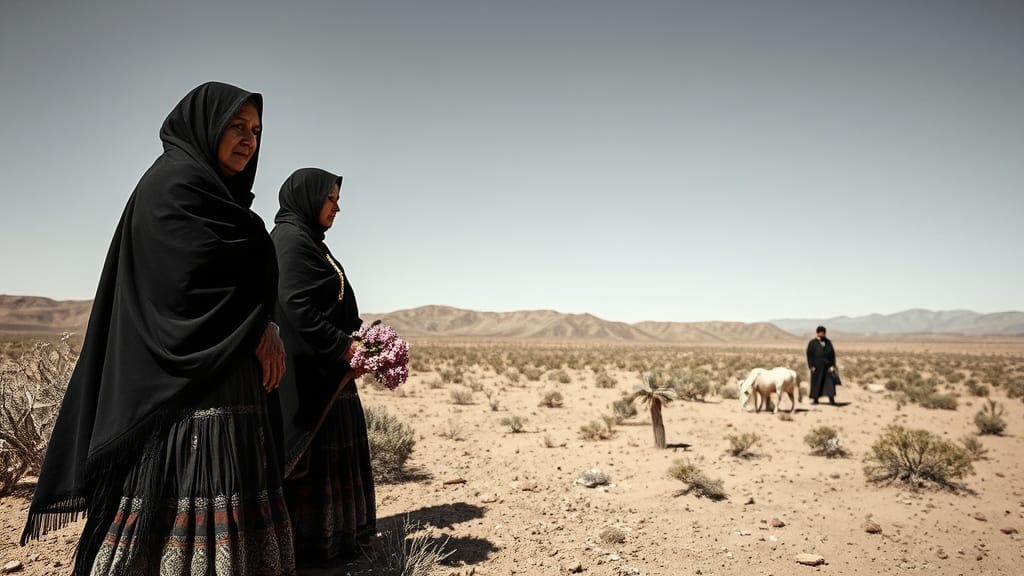
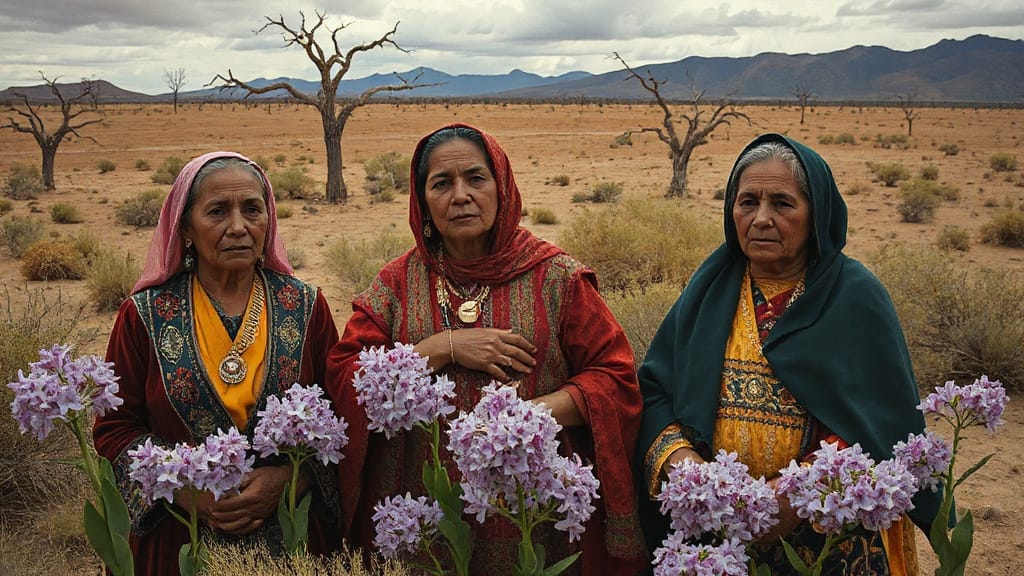
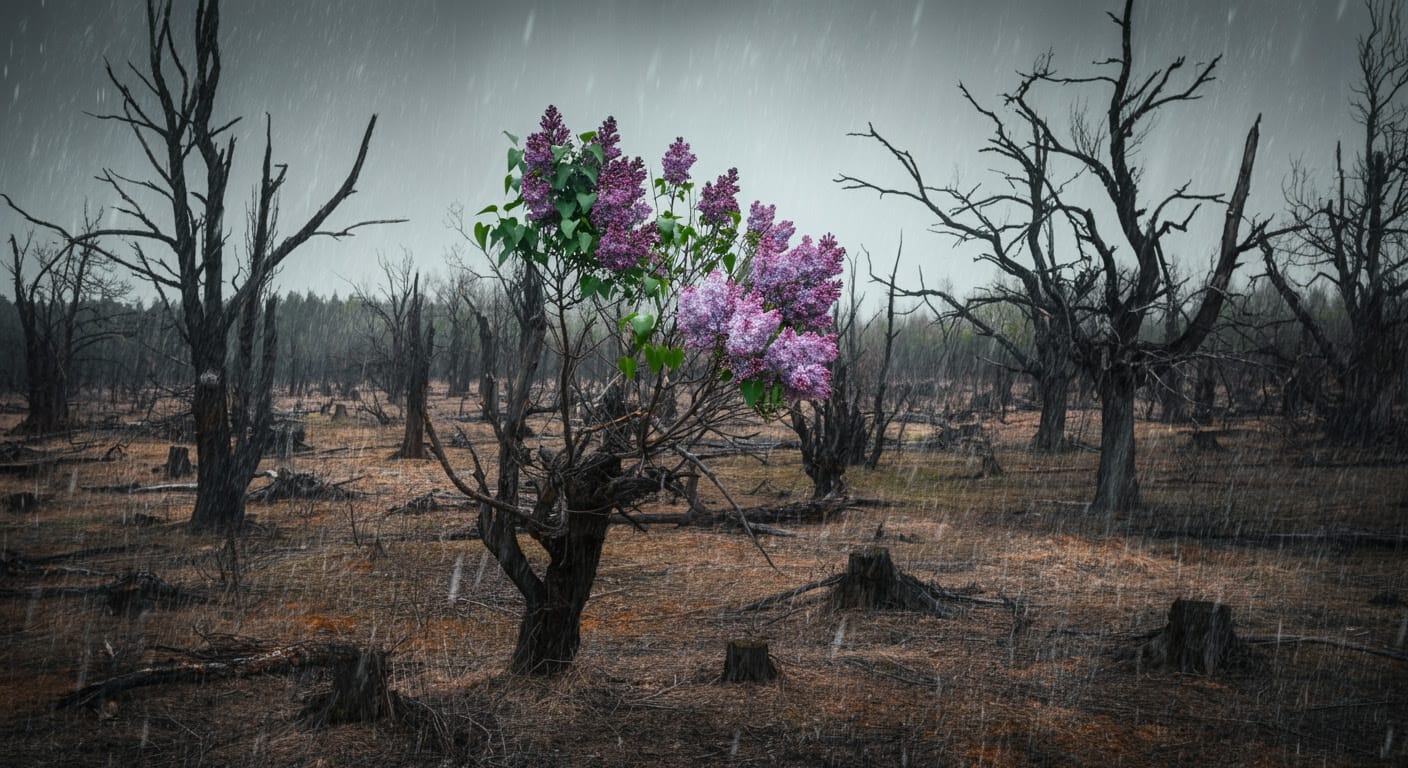
Images of the Cruelest Month, With and Without the Wasteland
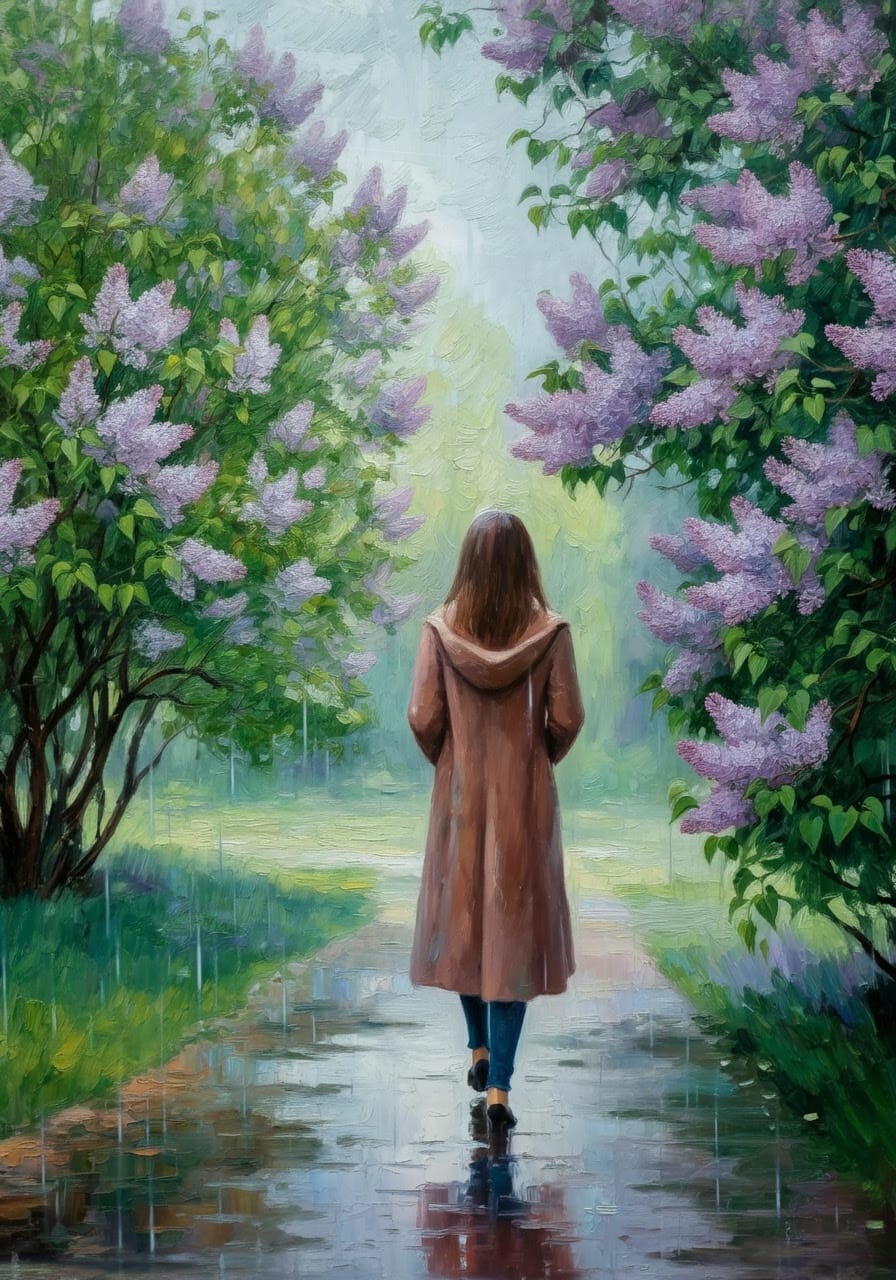
Same image prompt, first with “The Wasteland”
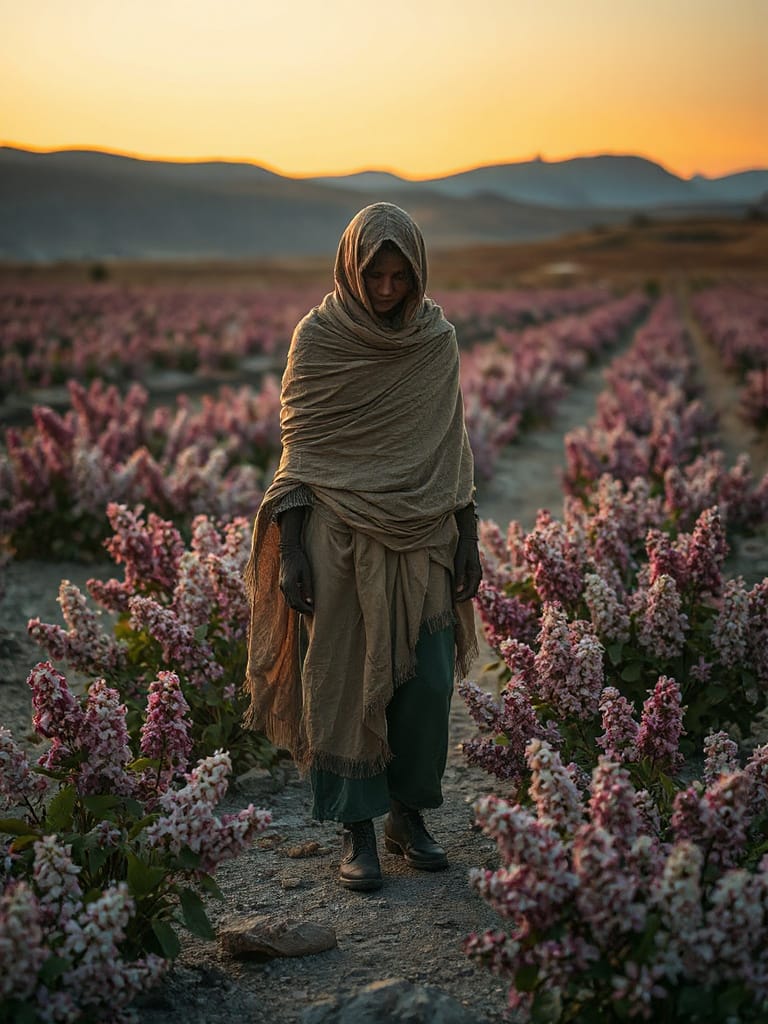
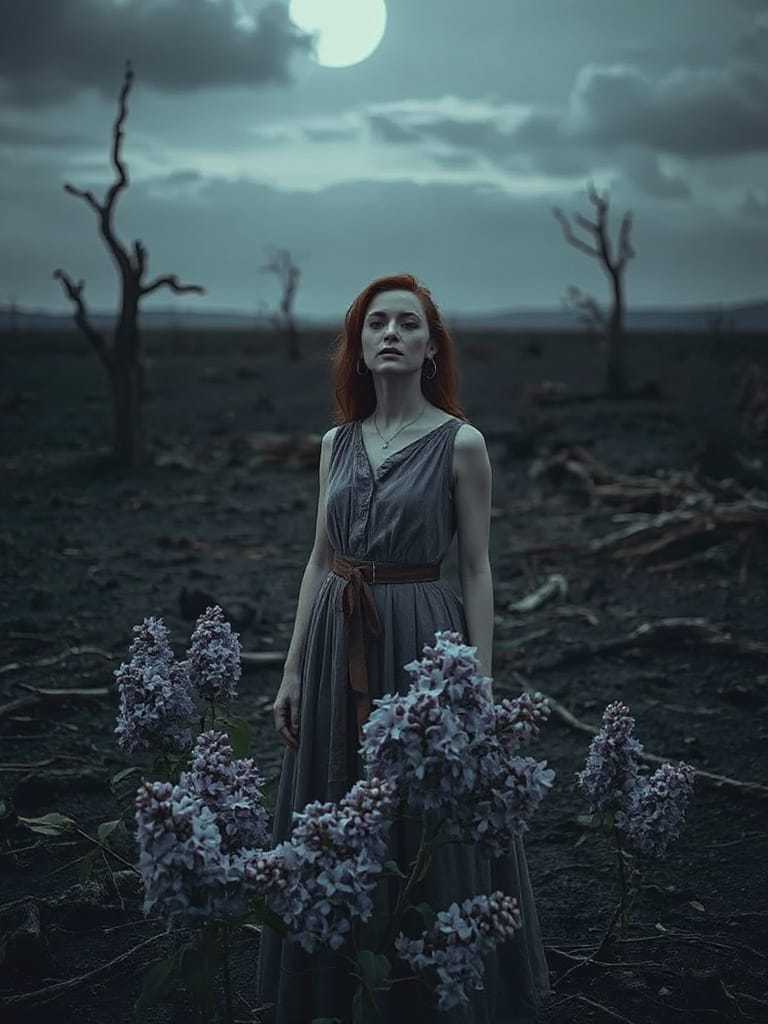
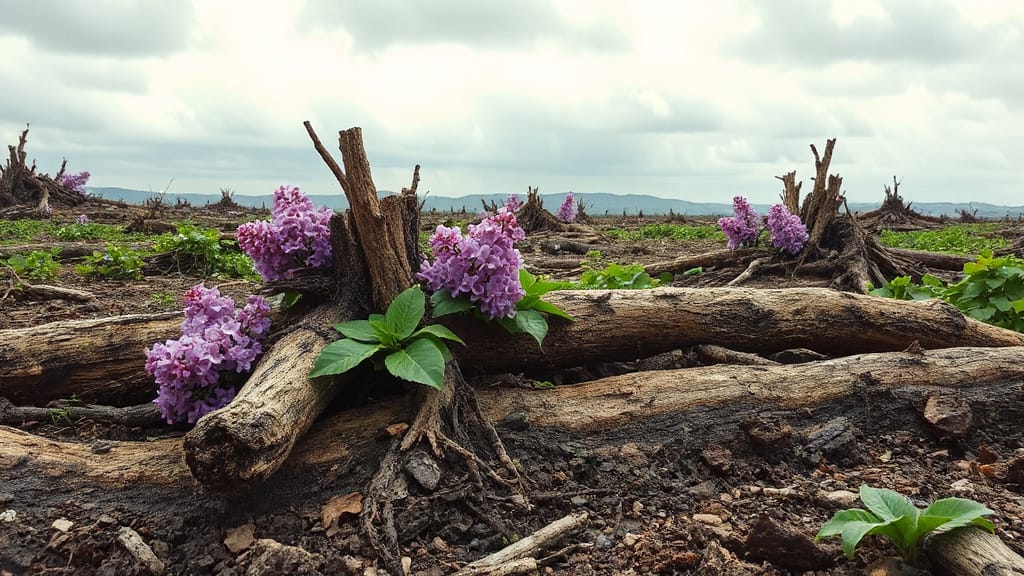
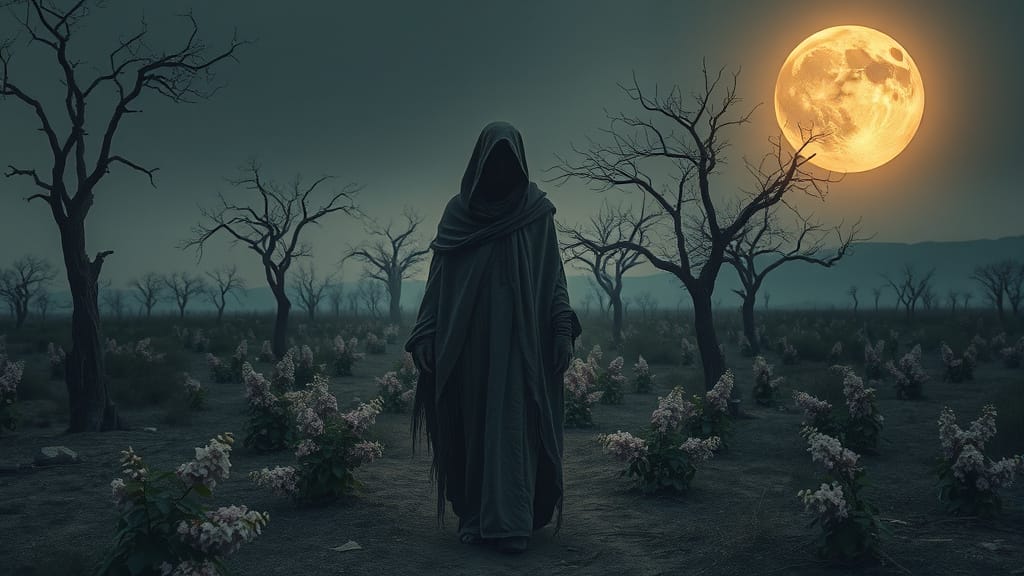
Without “The Wasteland”….

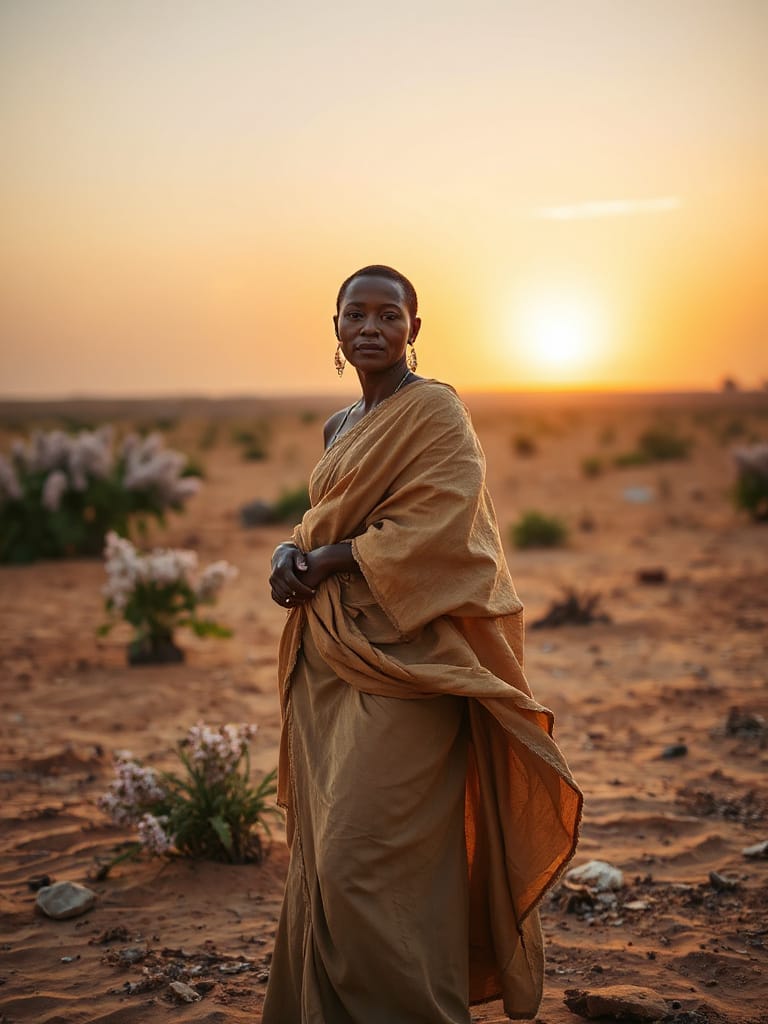


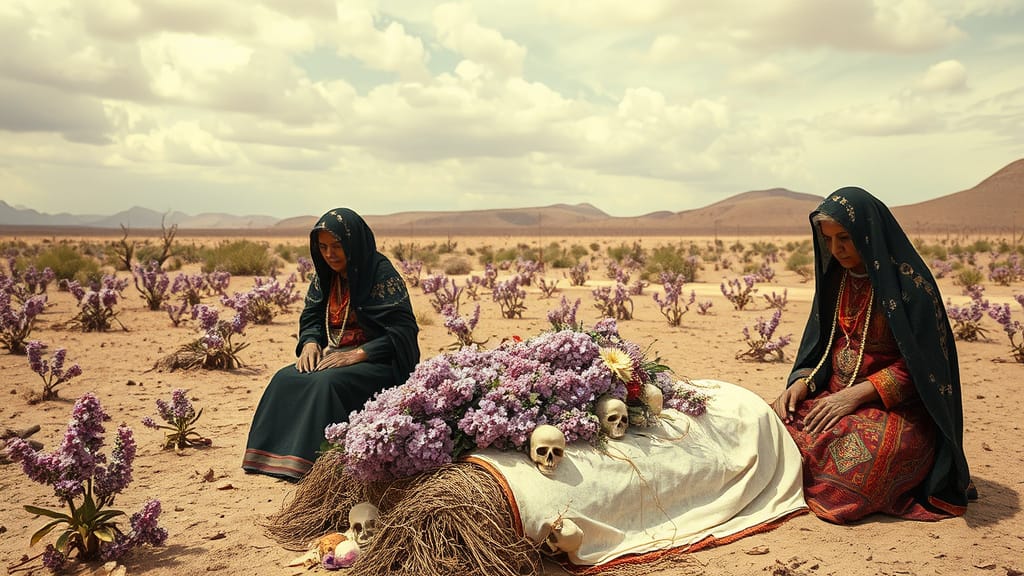
The Burial of the Dead
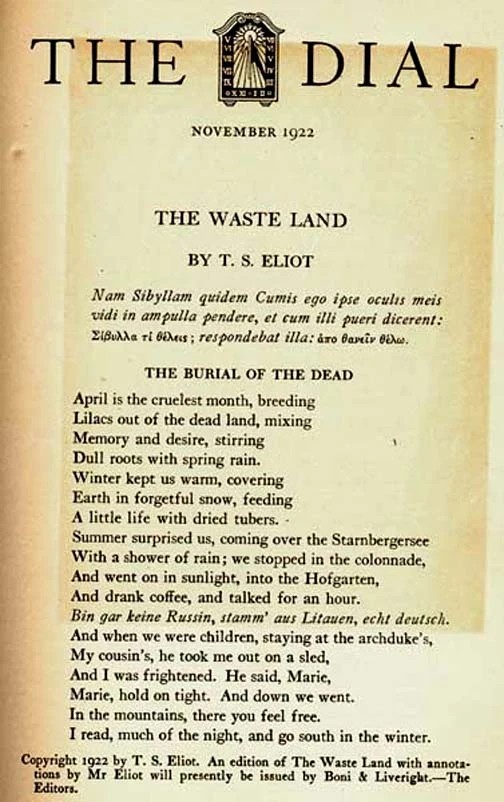
The first section of “The Wasteland” is titled “The Burial of the Dead.”
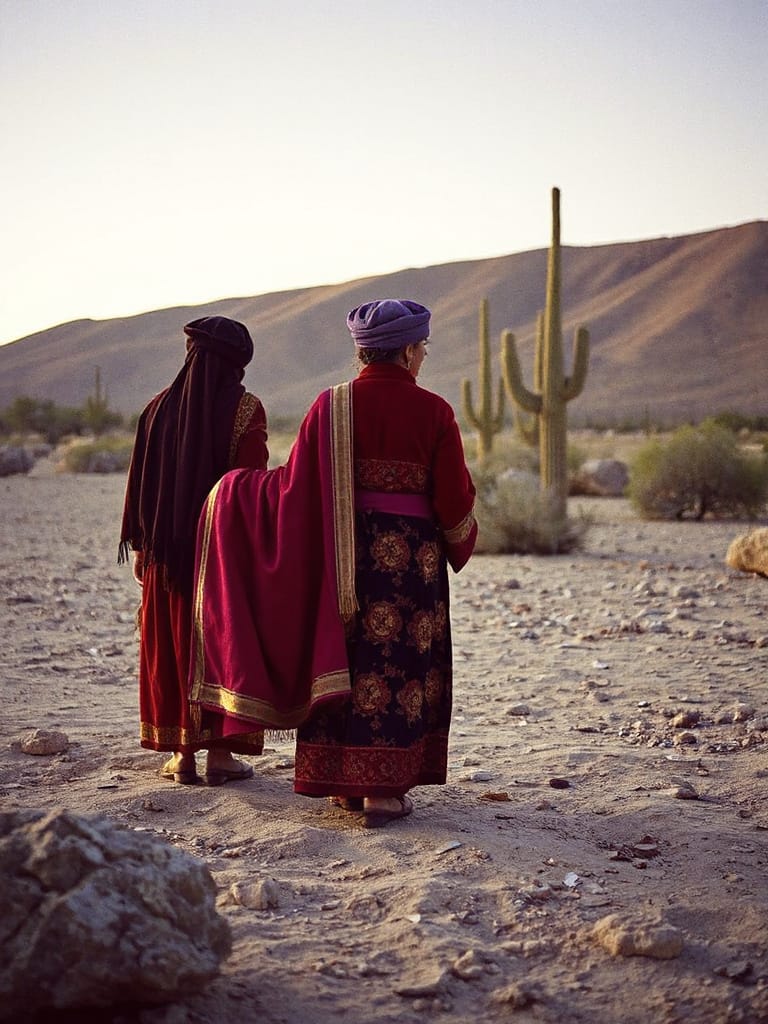
For me, it evokes images of a funeral deep in a desert of Mexico.