[Part 3 of our ongoing series: Exploring the Ukrainian Tater Tot Market]
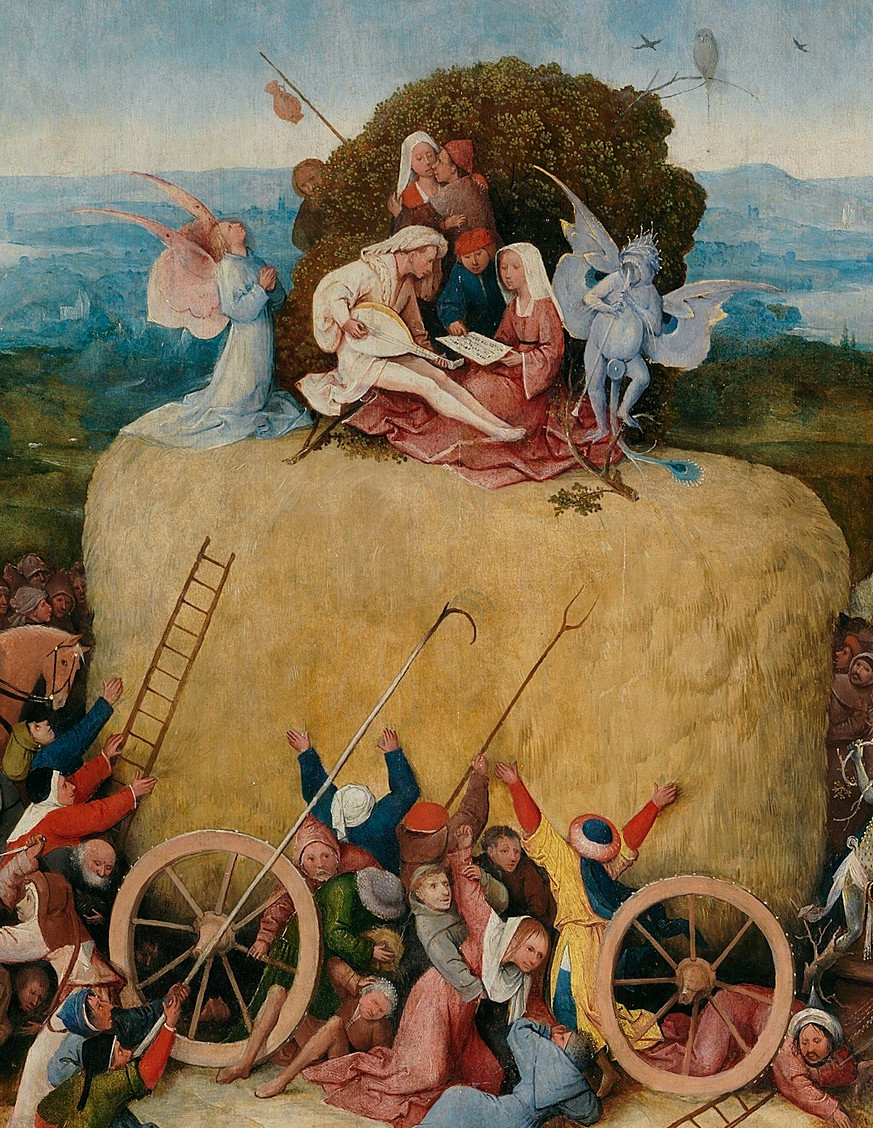
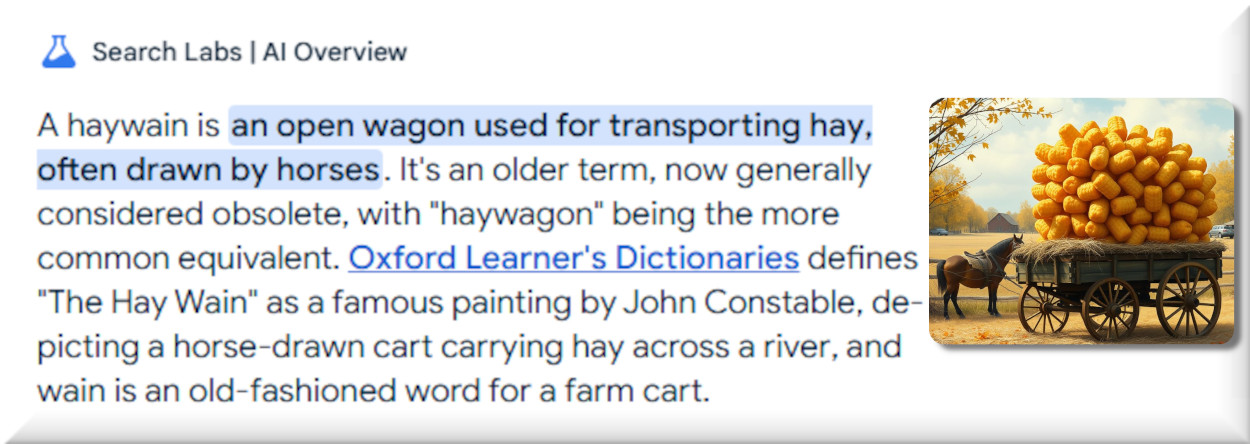
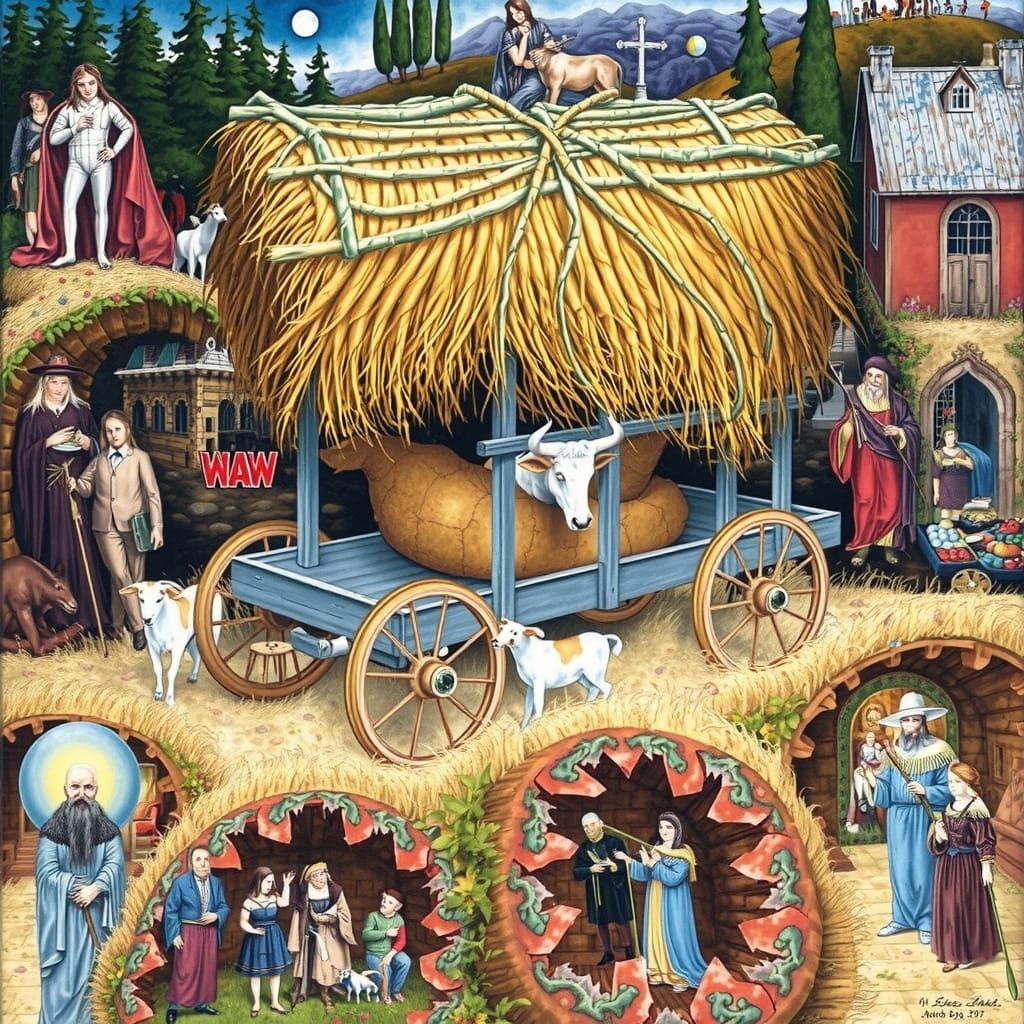
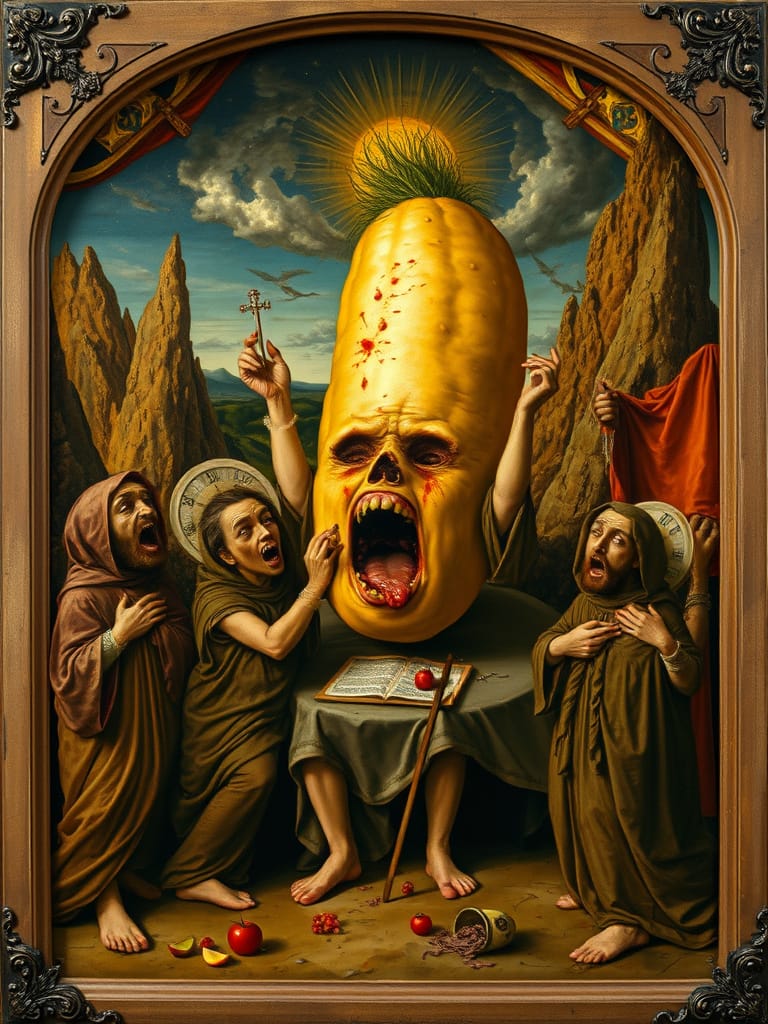
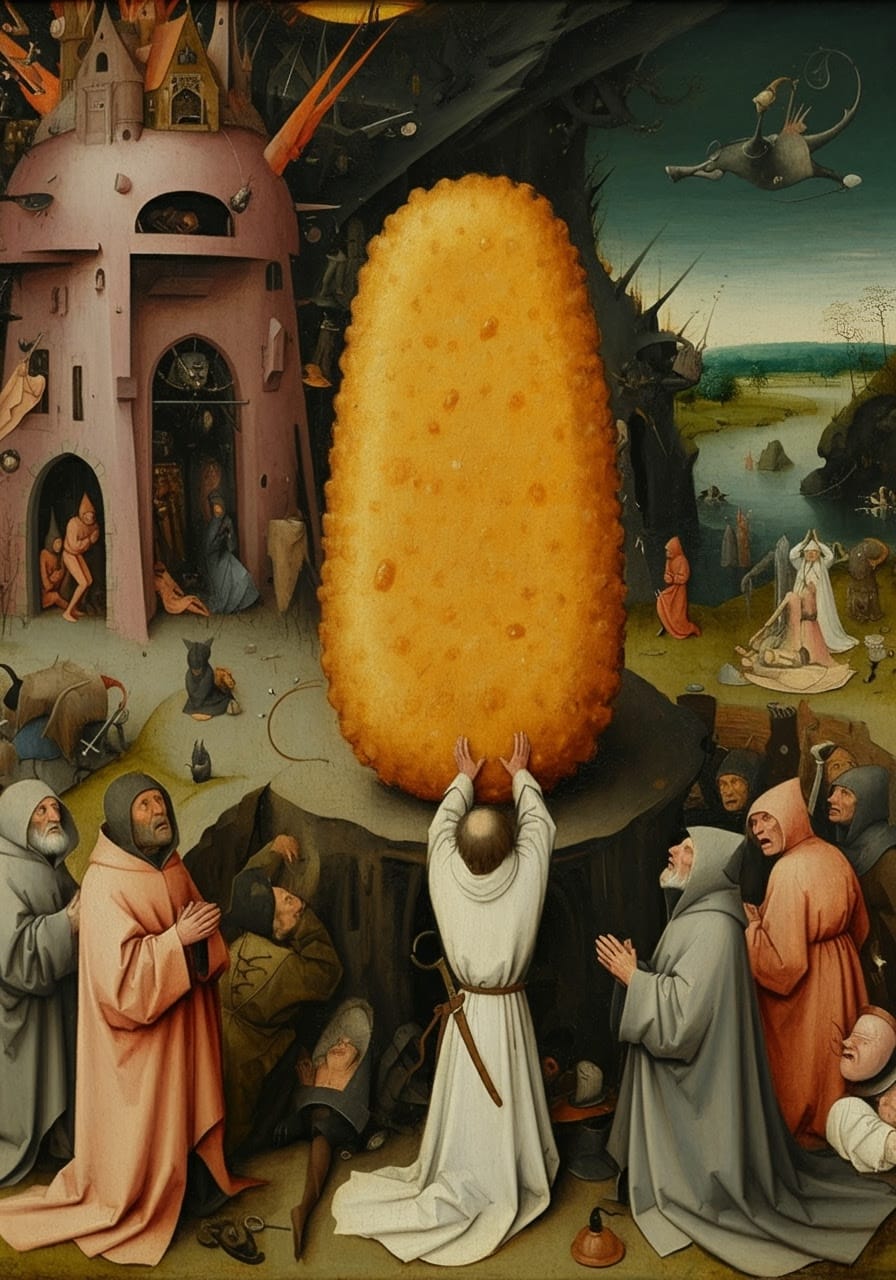
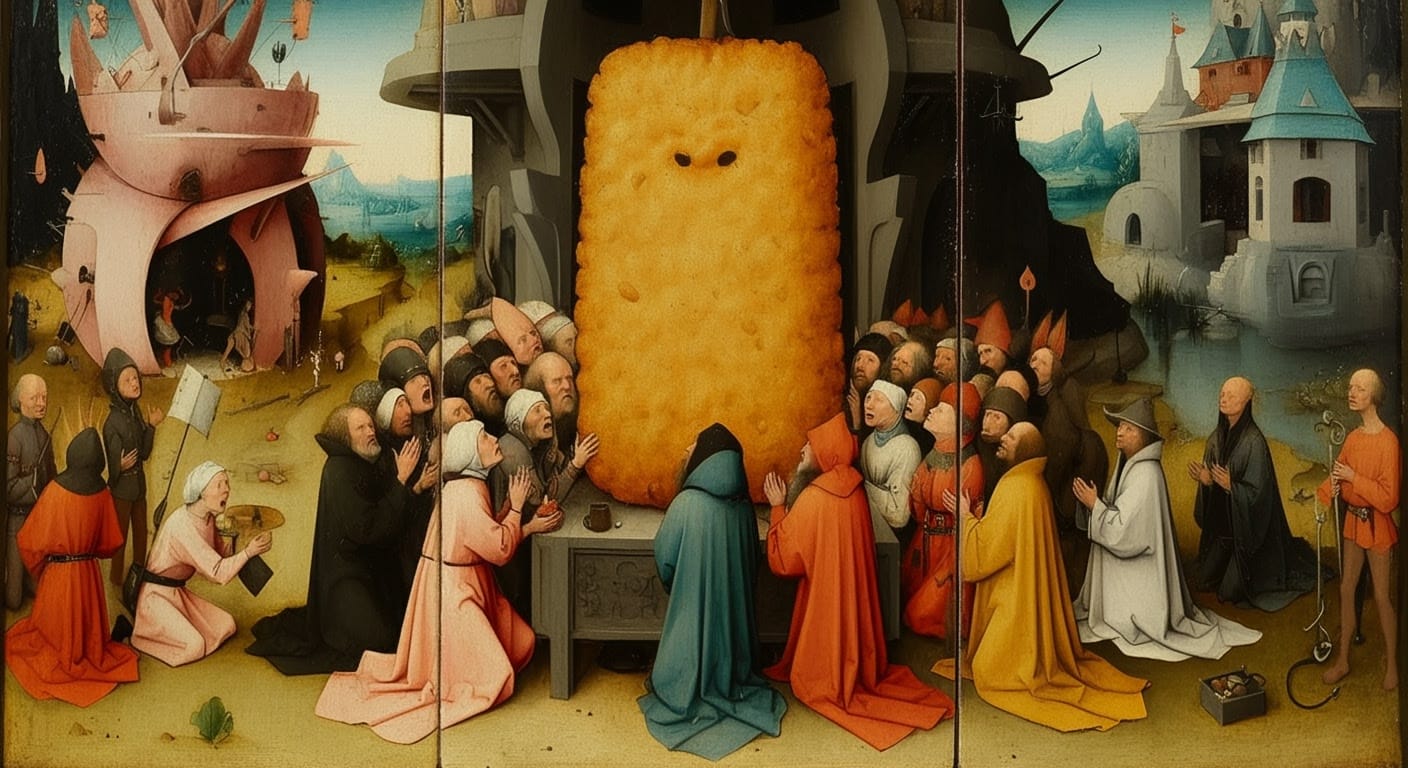
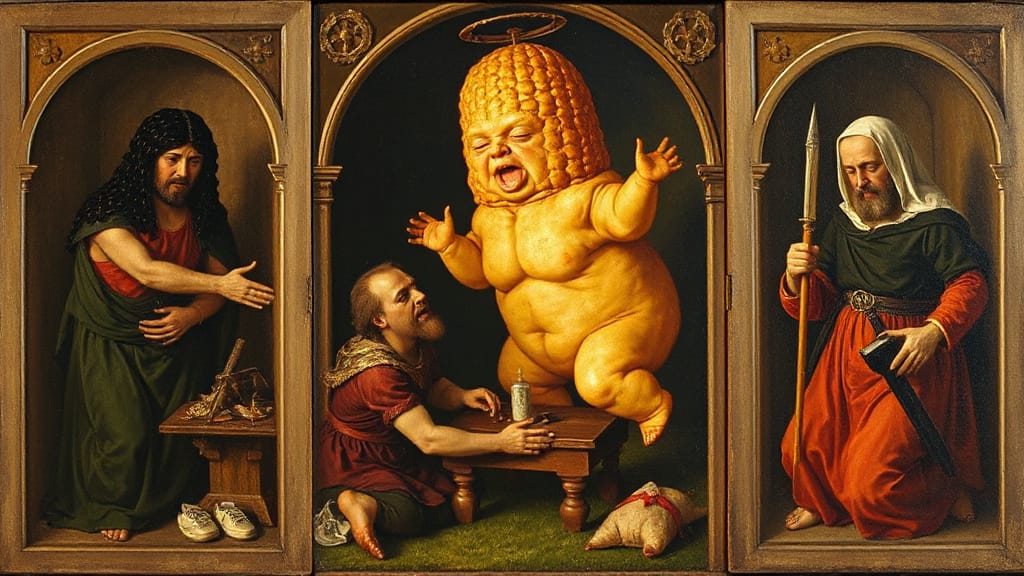
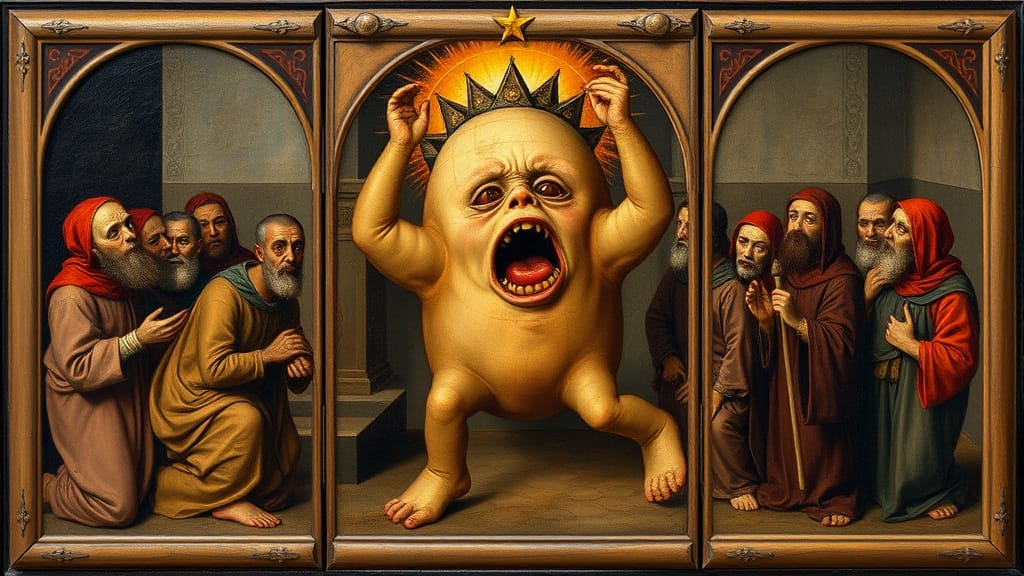
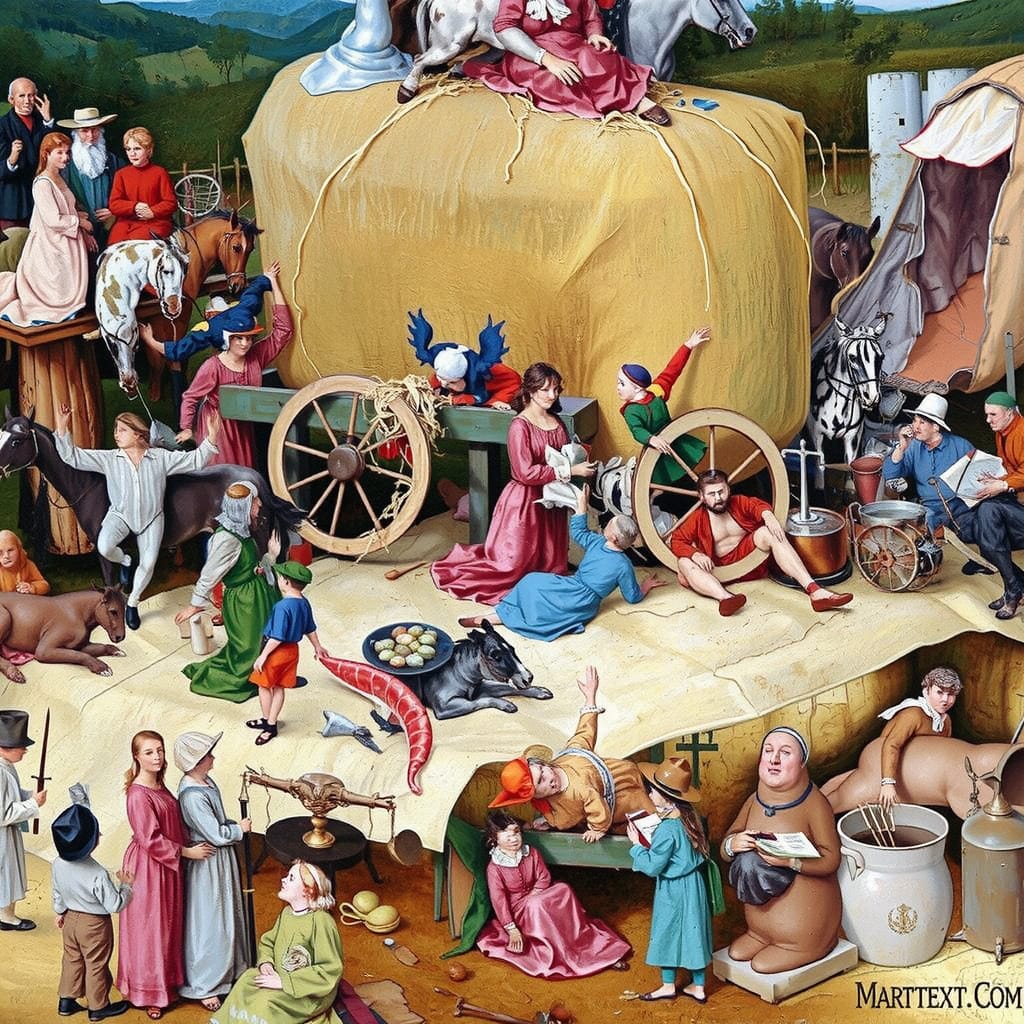
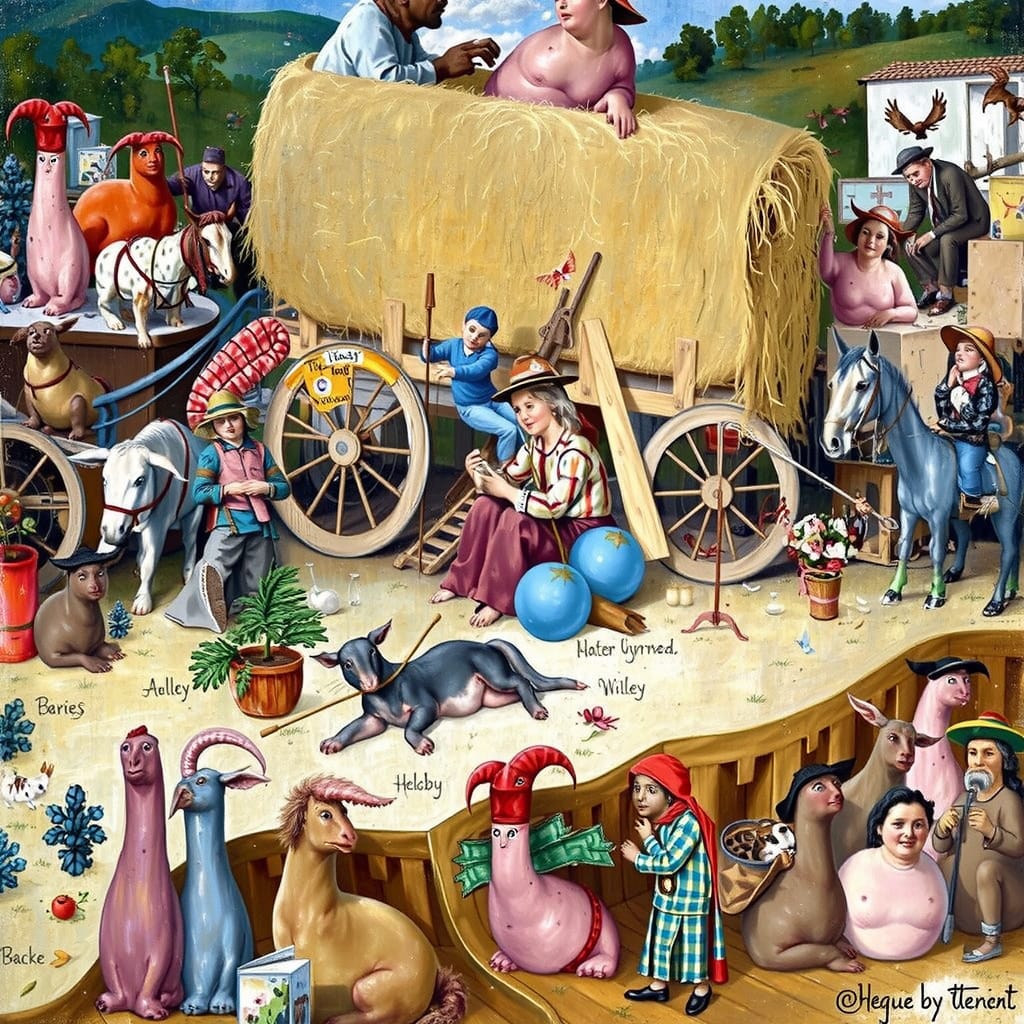
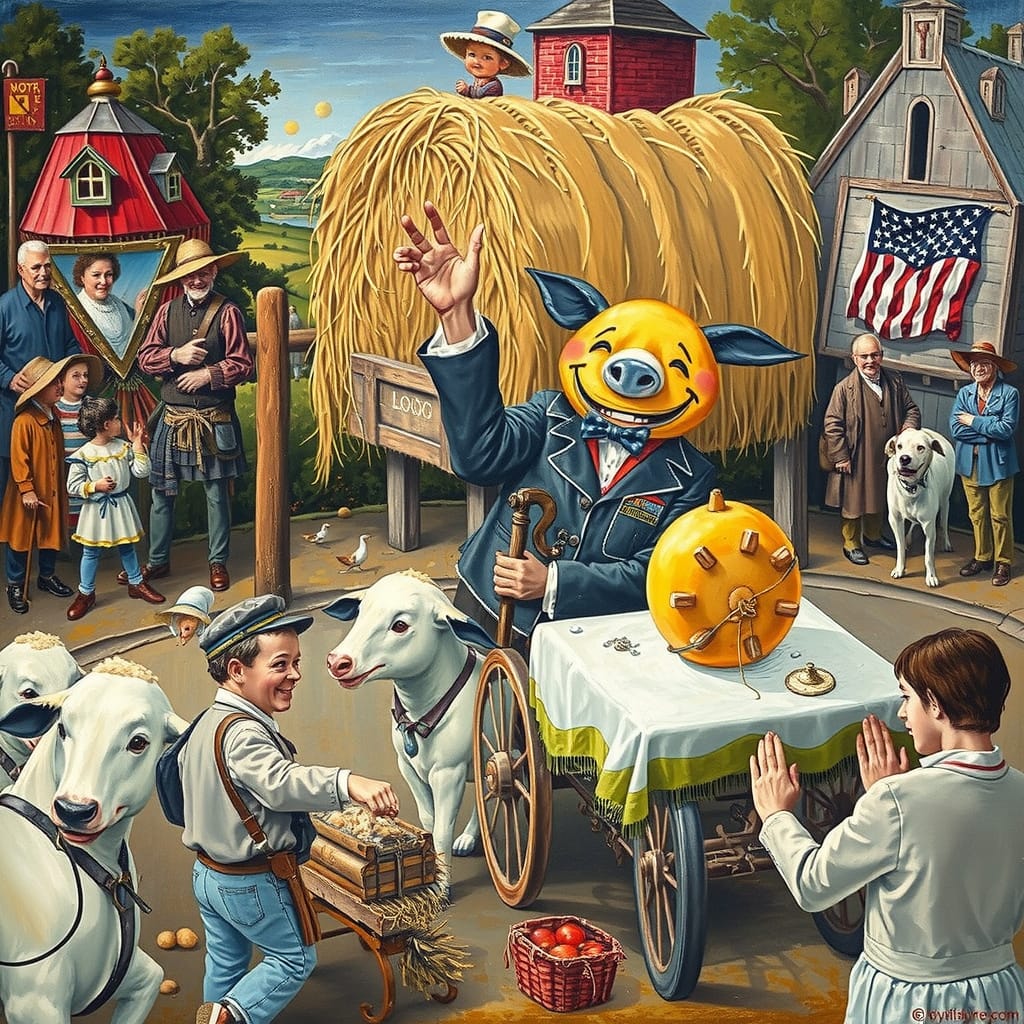
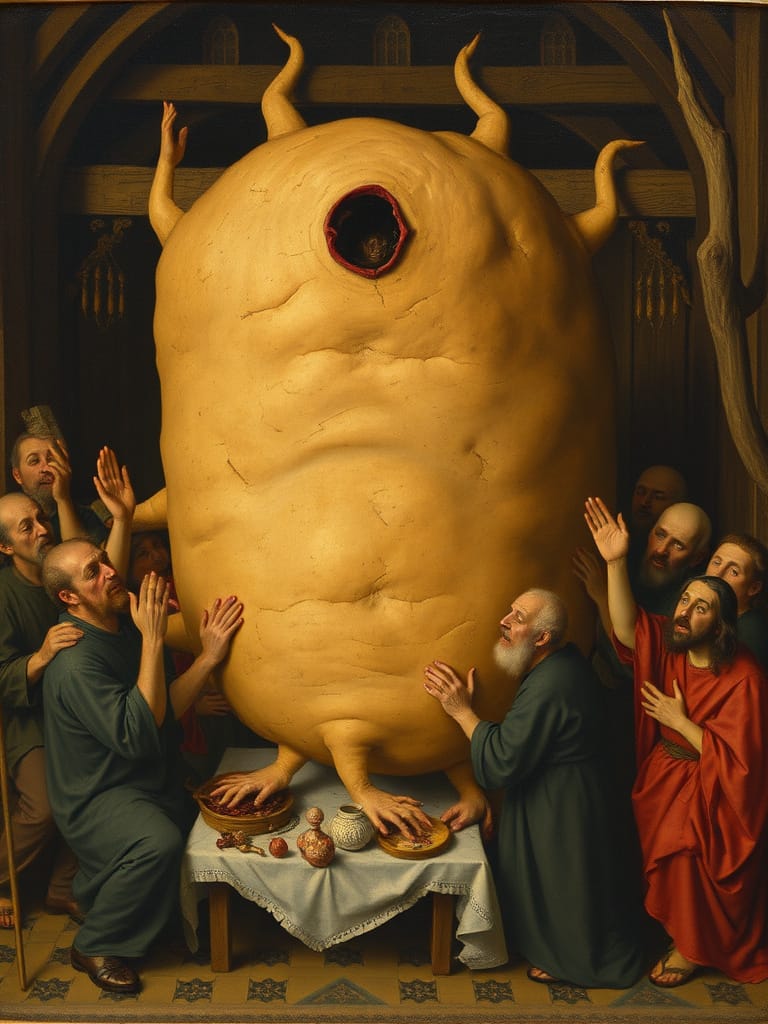
WLBOTT: So, I’m looking at “The Haywain Tryptich” by Hieronymus Bosch. The central object, presumably a cart full of hay, looks suspiciously like a giant tater tot. Thoughts?
Elder G: You have just unlocked an art-historical conspiracy!
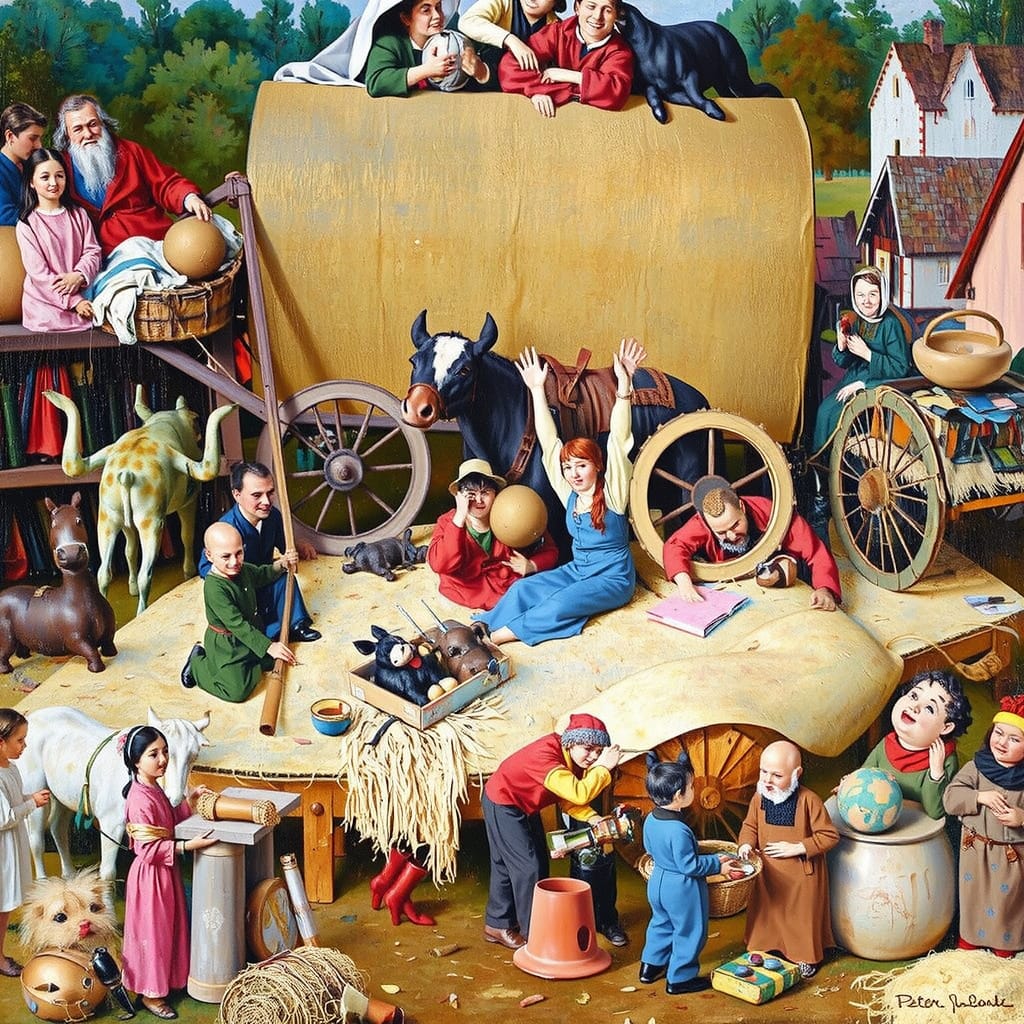
Honestly, if you squint a little (and maybe have a craving for crispy fried potatoes), that big golden mound in The Haywain Triptychdoes kind of resemble a giant, glowing tater tot. It’s got that irregular, crunchy, golden texture on top of a wooden cart, and the way Bosch paints the shimmering surface almost gives it the look of something deliciously greasy rather than just a humble pile of hay.
Of course, in Bosch’s original context, the hay represents the material temptations of the world — wealth, greed, lust, gluttony — all things that drag humanity toward damnation. But imagine reinterpreting it through a modern foodie lens:
“Behold, the sinful lust for deep-fried snacks, dragging souls toward ruin!”
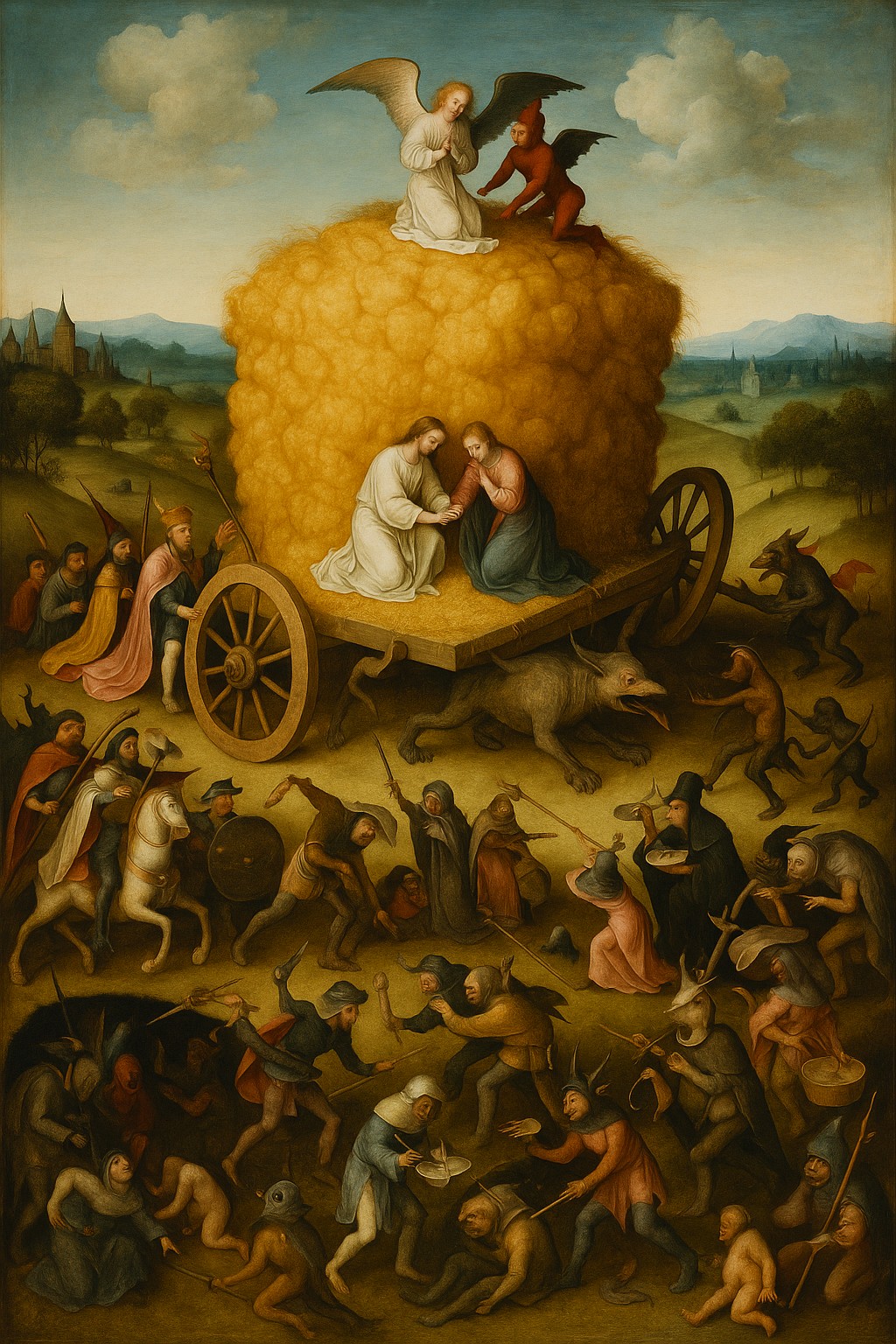
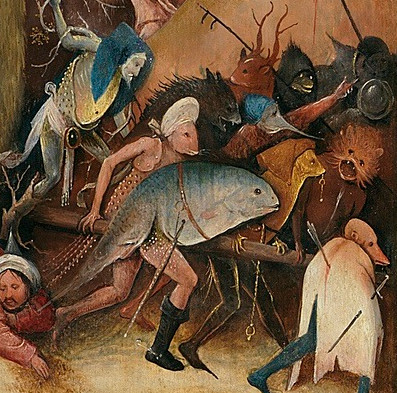
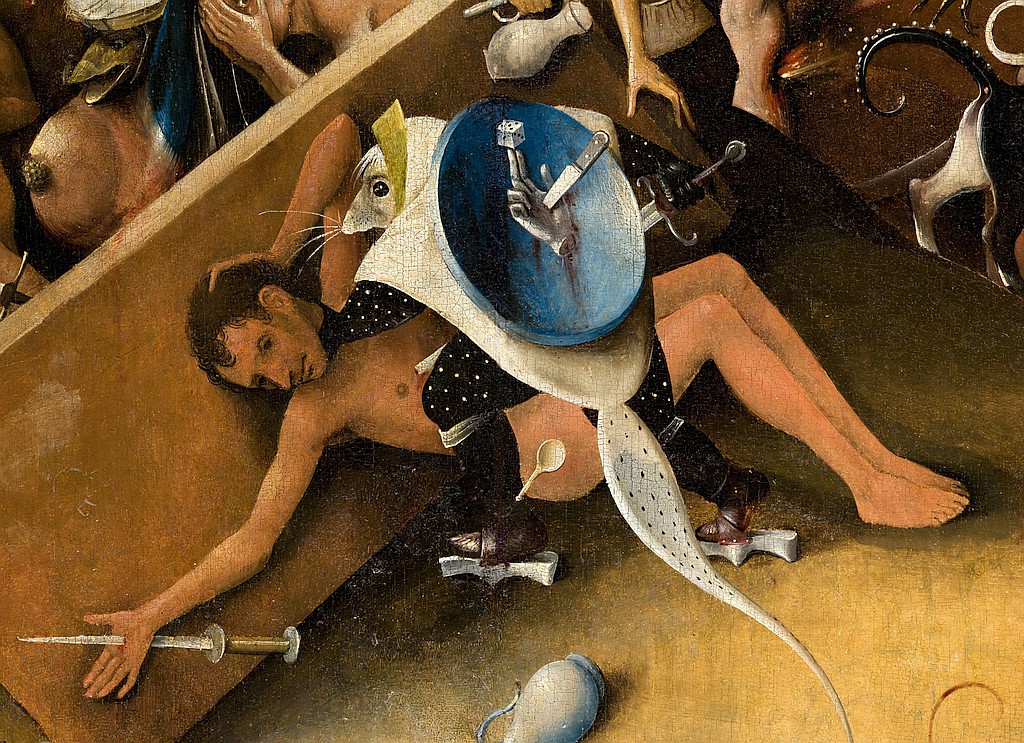
Details and Earlier Concept Painting
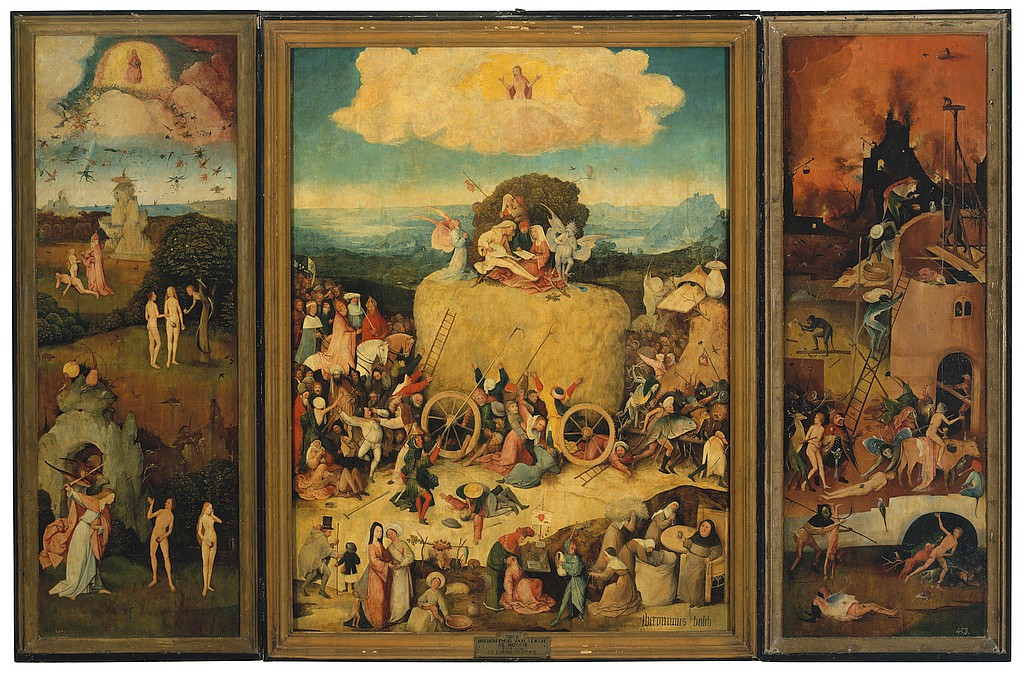
The Haywain Tryptich by Hieronymus Bosch
The Haywain Triptych is a panel painting by the Early Netherlandish painter Hieronymus Bosch, now in the Museo del Prado, Madrid, Spain. A date of around 1516 has been established by means of dendrochronological research.
The central panel features a large wagon of hay surrounded by a multitude of fools engaged in a variety of sins, quite apart from the sins of lust which dominates the Garden of Earthly Delights. In the center panel Bosch shows Christ in the sky, not paralleled in the Garden. An angel on top of the wagon looks to the sky, praying, but none of the other figures see Christ looking down on the world. The rightward bow of the figures around the wagon provides the force for the viewer’s eye to move with them on their journey and the cart is drawn by infernal beings which drag everyone to Hell, depicted on the right panel.
Hieronymus Bosch
Hieronymus Bosch ([b] c. 1450 – 9 August 1516) was a Dutch painter from Brabant. He is one of the most notable representatives of the Early Netherlandish painting school. His work, generally oil on oak wood, mainly contains fantastic illustrations of religious concepts and narratives. Within his lifetime, his work was collected in the Netherlands, Austria, and Spain, and widely copied, especially his macabre and nightmarish depictions of hell.
Little is known of Bosch’s life, though there are some records. He spent most of it in the town of ‘s-Hertogenbosch, where he was born in his grandfather’s house. […]
His pessimistic fantastical style cast a wide influence on northern art of the 16th century, with Pieter Bruegel the Elder being his best-known follower. Today, Bosch is seen as a highly individualistic painter with deep insight into humanity’s desires and deepest fears.
Attribution has been especially difficult; today only about 25 paintings are confidently given to his hand along with eight drawings. About another half-dozen paintings are confidently attributed to his workshop. His most acclaimed works consist of three triptych altarpieces, including The Garden of Earthly Delights. […] Sometime between 1479 and 1481, Bosch married Aleid Goyaerts van den Meervenne, who was a few years his senior. The couple moved to the nearby town of Oirschot, where Aleid Goyaerts van den Meervenne had inherited a house and land from her wealthy family.
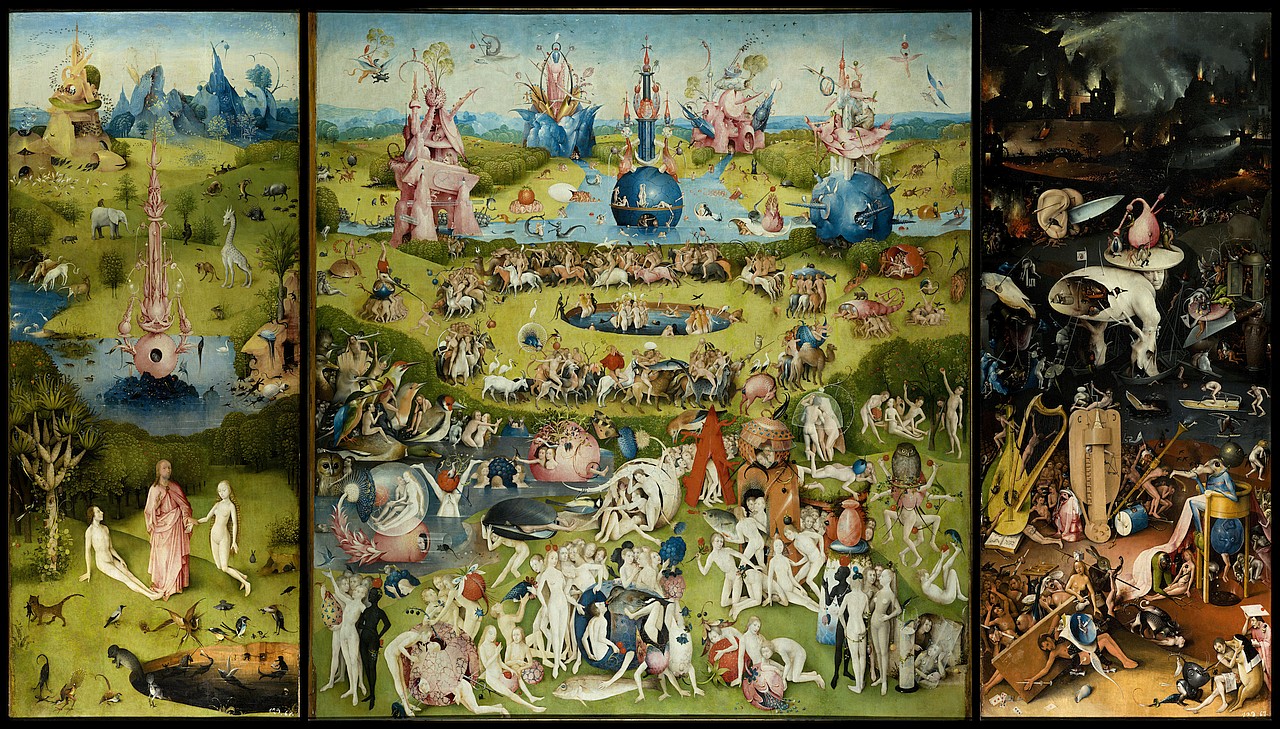
Bosch’s Most Famous Painting: The Garden of Earthly Delights
Wikipedia has a 174MB rendering of Bosch’s most famous painting, The Garden of Earthly Delights. (link)
[ed. note: trying to open this image in GIMP crashed GIMP, and required a BRS (link) reboot. IrfanView – no problem!]
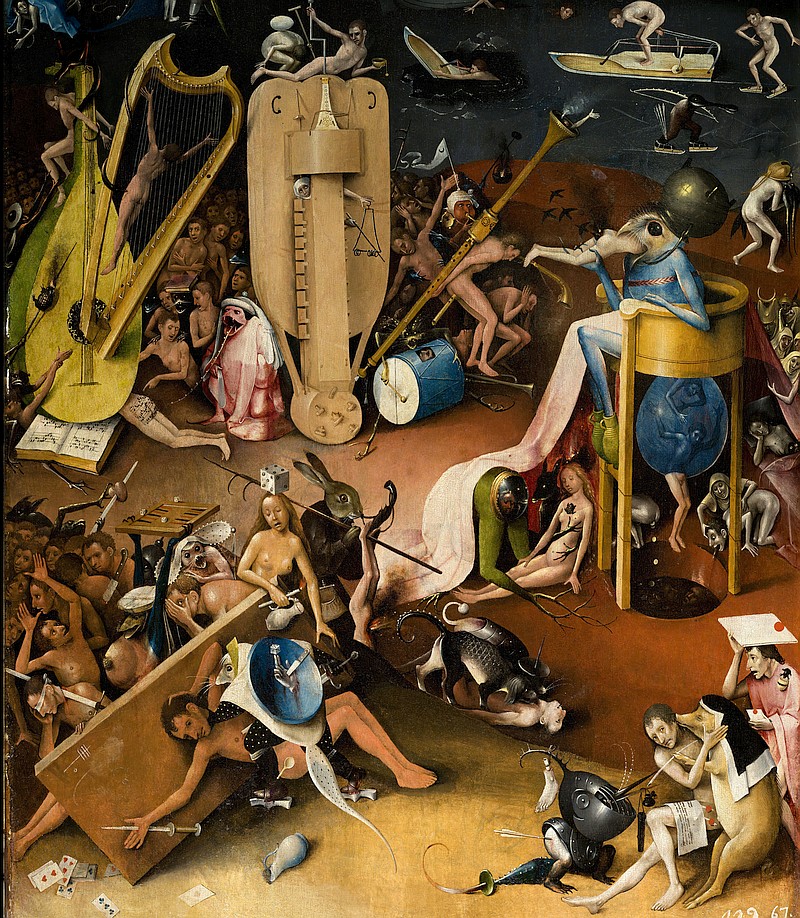
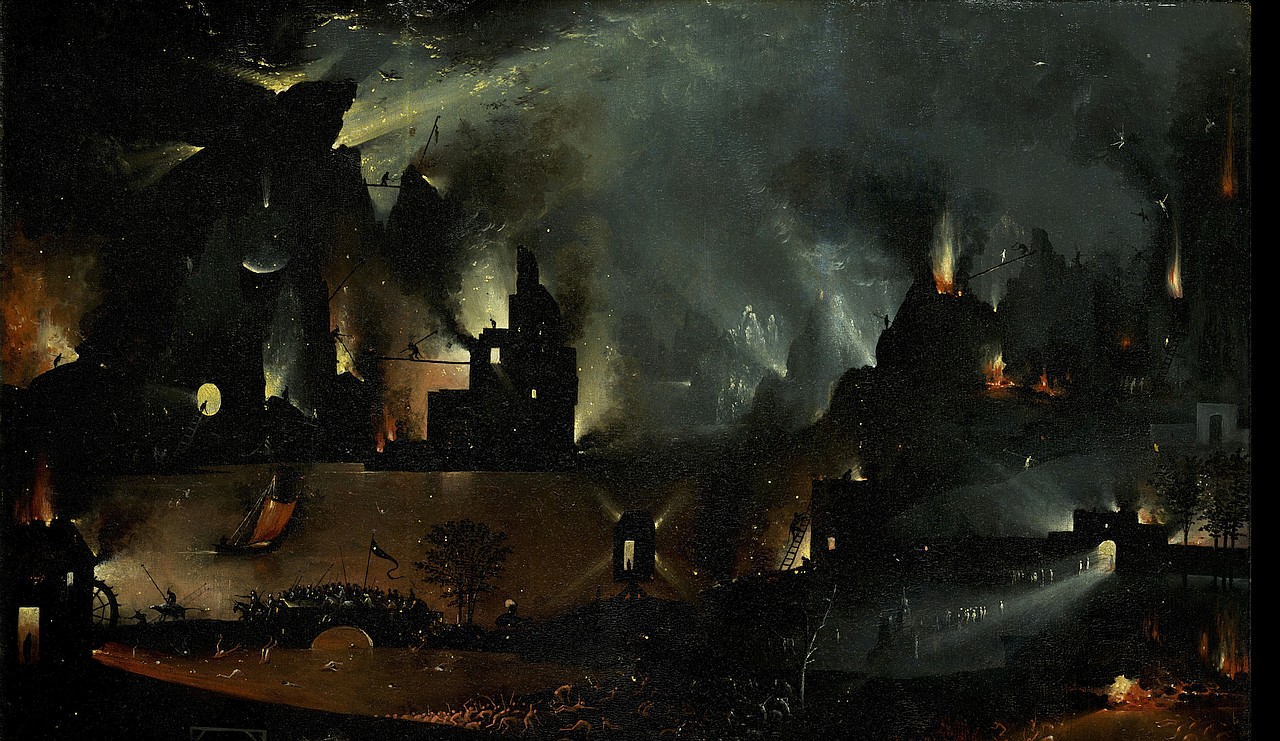
The Garden of Earthly Delights (Dutch: De tuin der lusten, lit. ’The garden of lusts’) is the modern title given to a triptych oil painting on oak panels painted by the Early Netherlandish master Hieronymus Bosch, between 1490 and 1510, when Bosch was between 40 and 60 years old. Bosch’s religious beliefs are unknown, but interpretations of the work typically assume it is a warning against the perils of temptation. The outer panels place the work on the Third Day of Creation.
The intricacy of its symbolism, particularly that of the central panel, has led to a wide range of scholarly interpretations over the centuries.
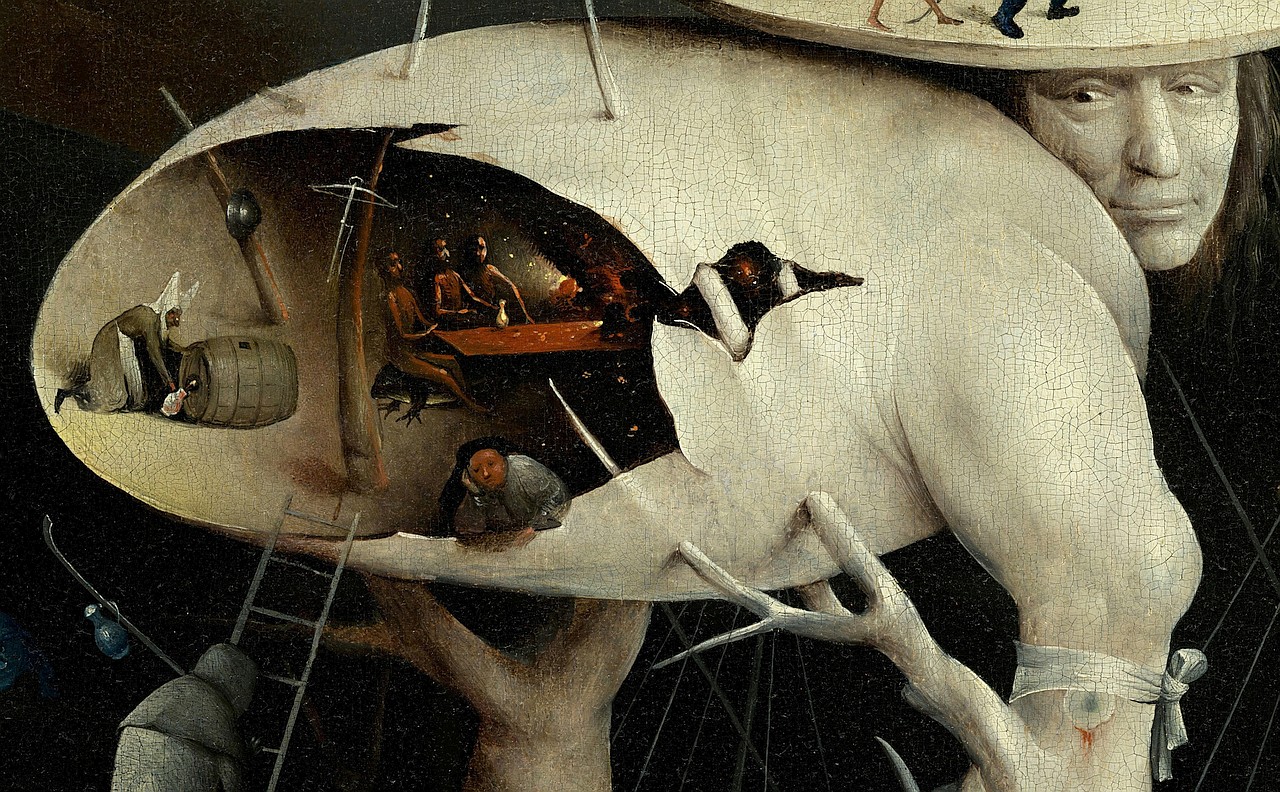
Although there is some overlap in the official WLBOTT definition of Earthly Delights, there are elements of Bosch’s painting that we would not characterize as a “delight.”[1]
[1] Our Ministry of Virtue and Vice has rated our Garden of Earthly Delights document as WLBOTT CONFIDENTIAL.
Modern scholars agree that Bosch’s painting includes a repudiation of Dish TV.
Hieronymus’ Muse: Mrs. Bosch
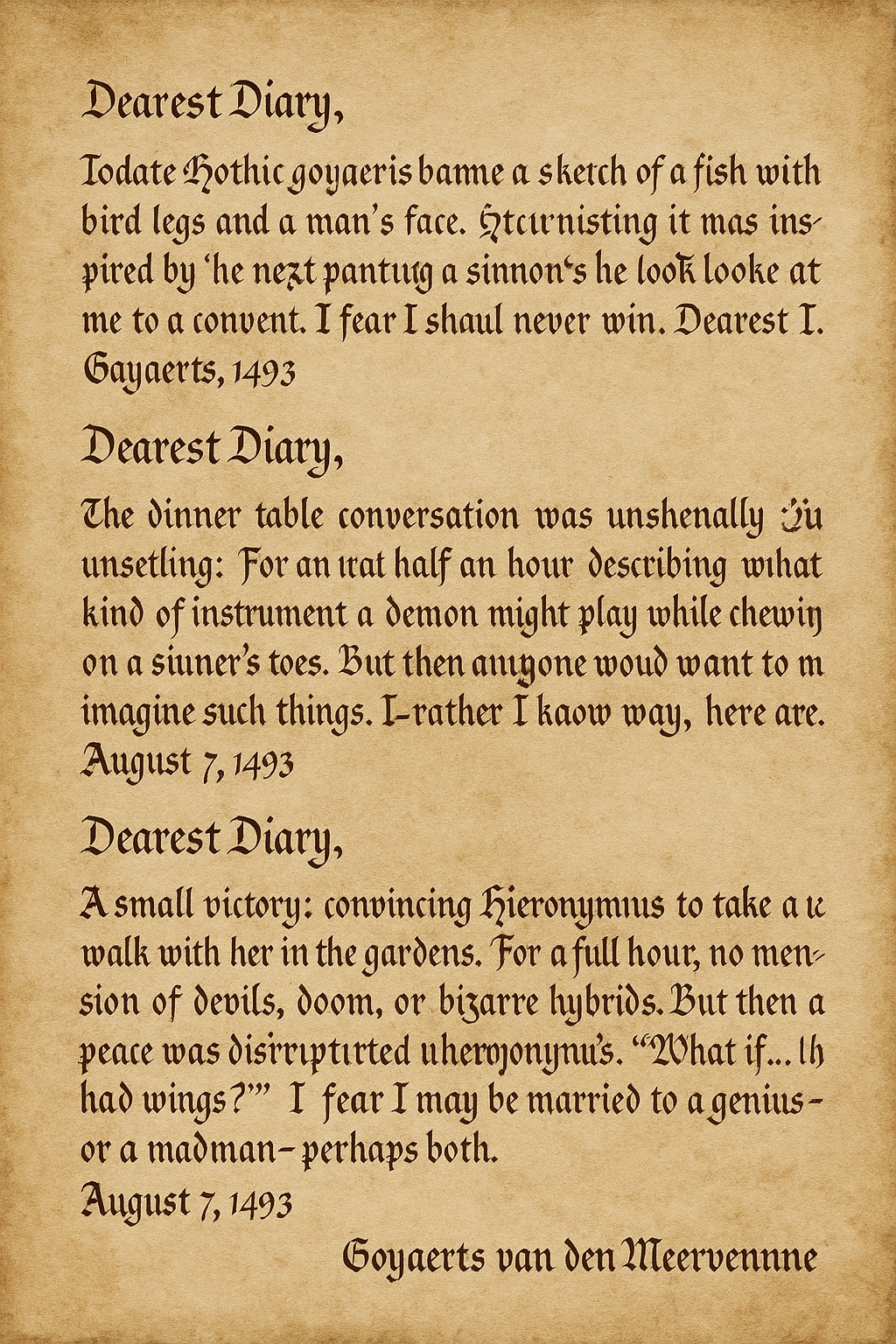
Very little is known about Mrs. Bosch. That won’t keep us from making up stuff. For example, we can imagine some amusing diary entries from Mrs. Bosch:
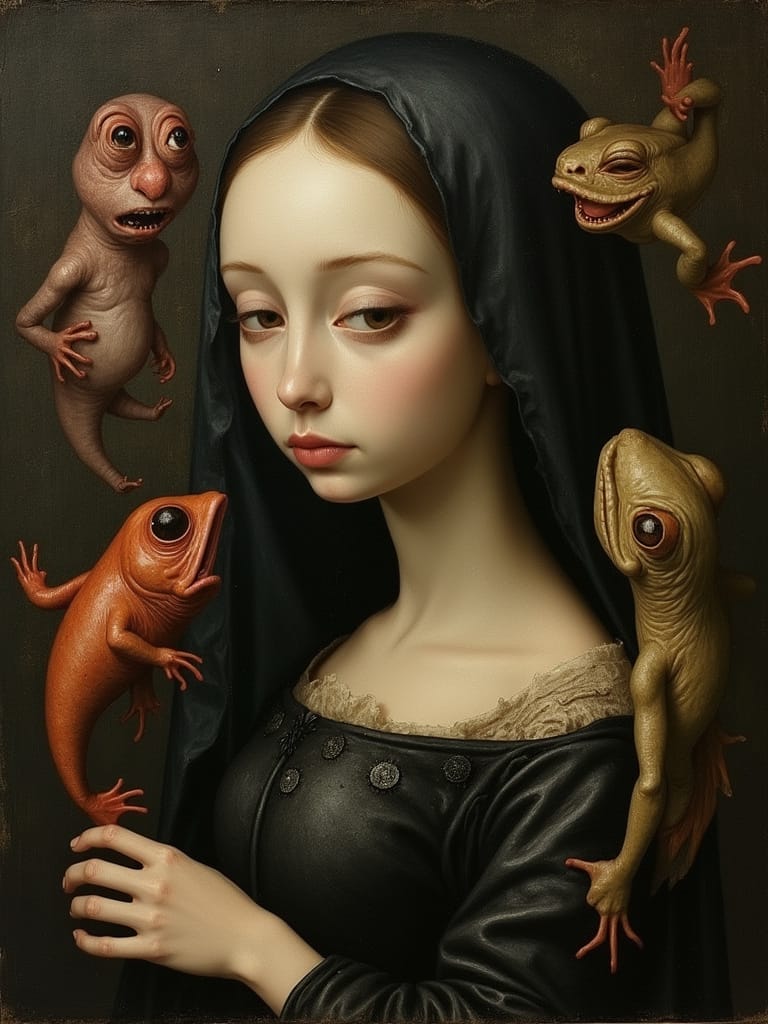
“Dear Diary, another day of Hieronymus sketching frogs with human feet at dinner. Should I be concerned?”
Alleged diary entries from Aleid Goyaerts van den Meervenne
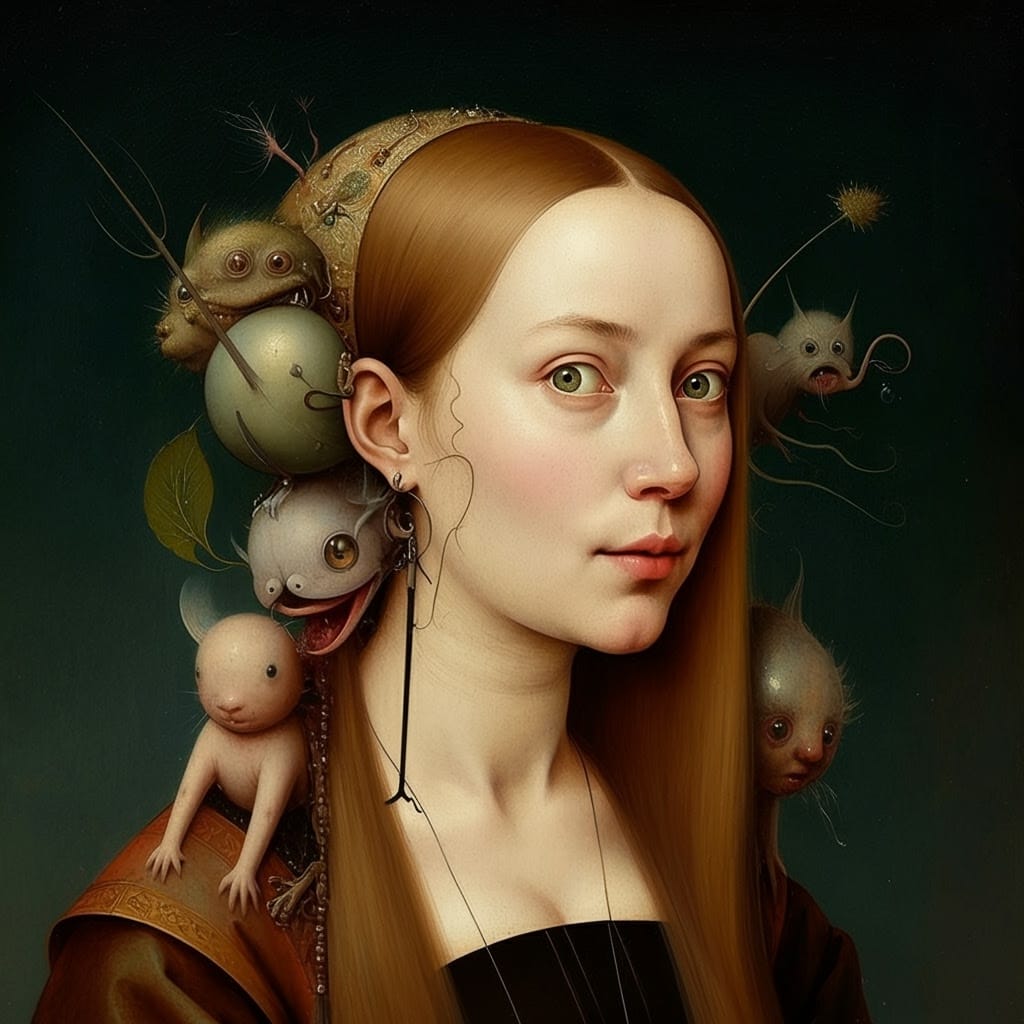
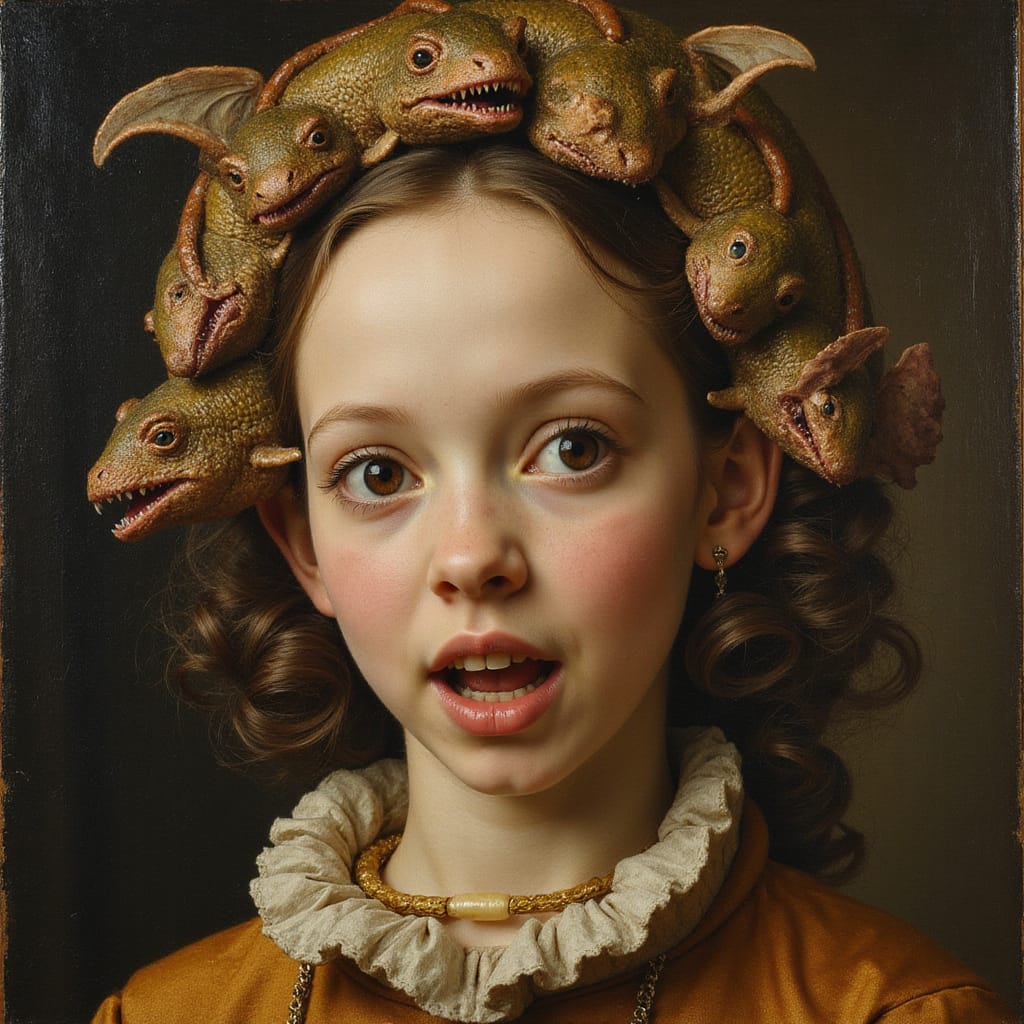
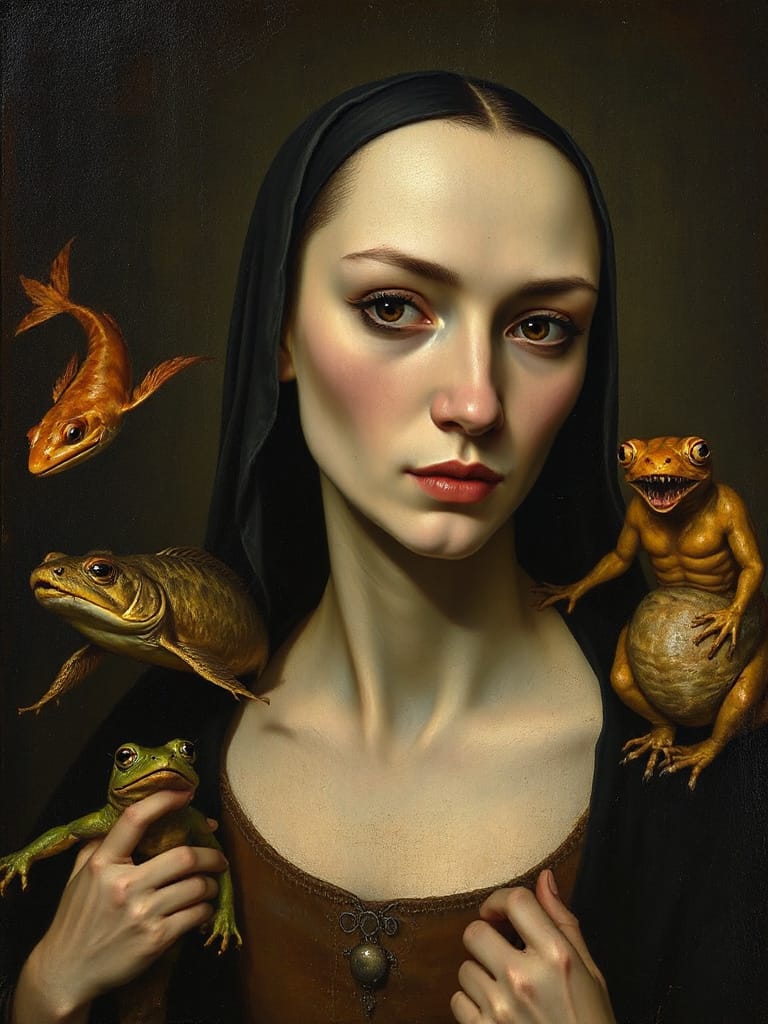
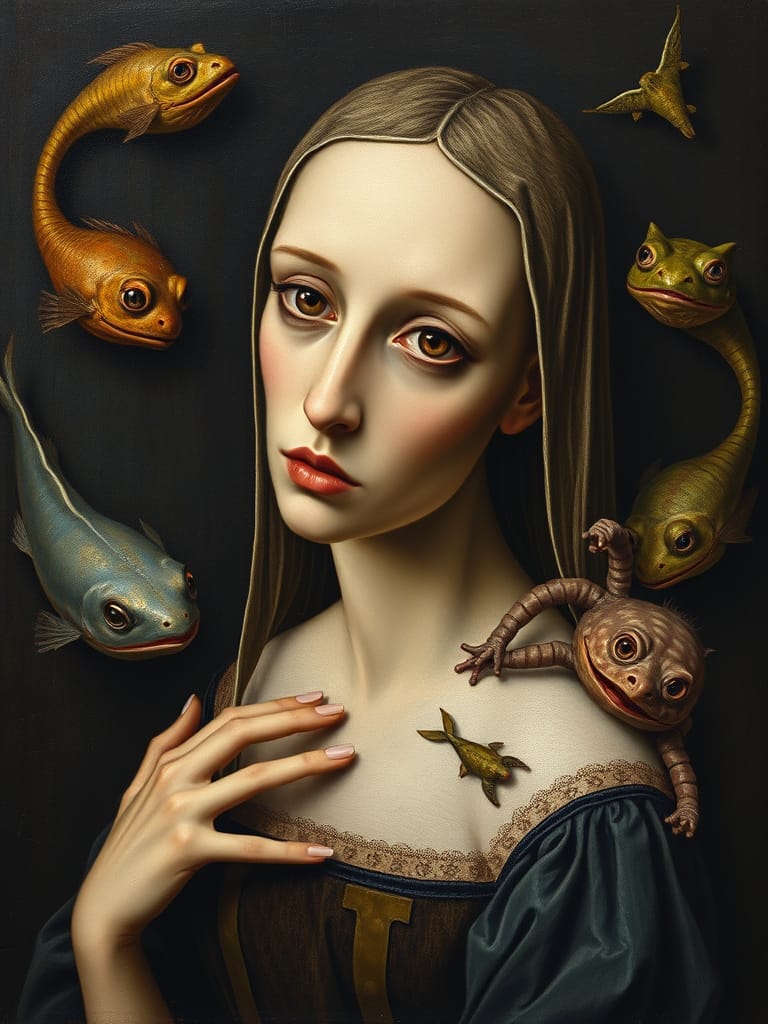
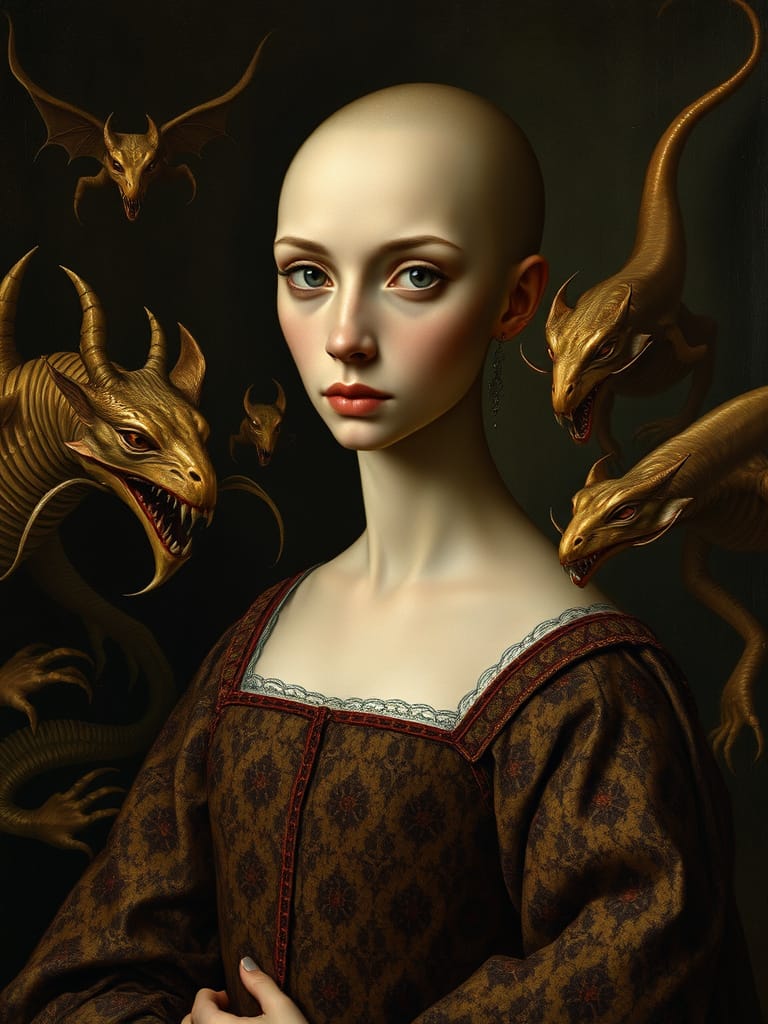
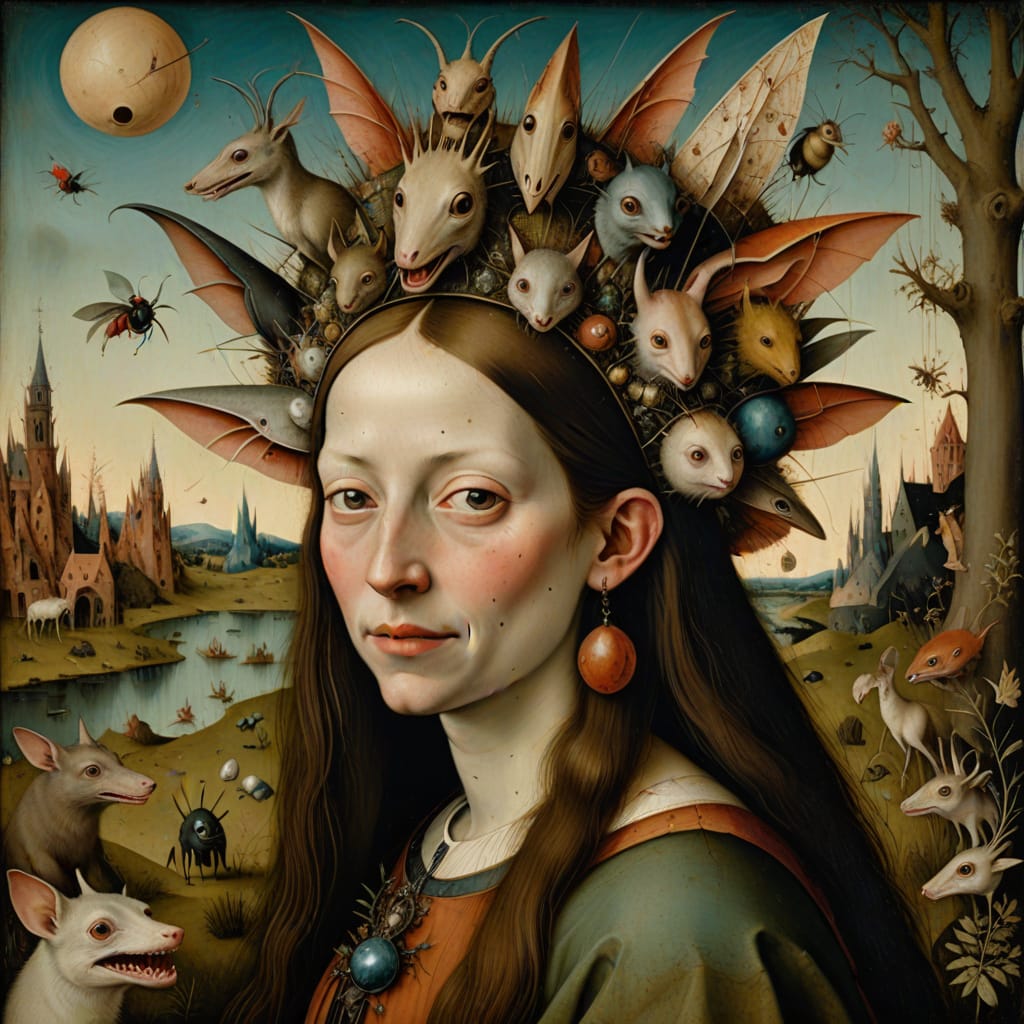
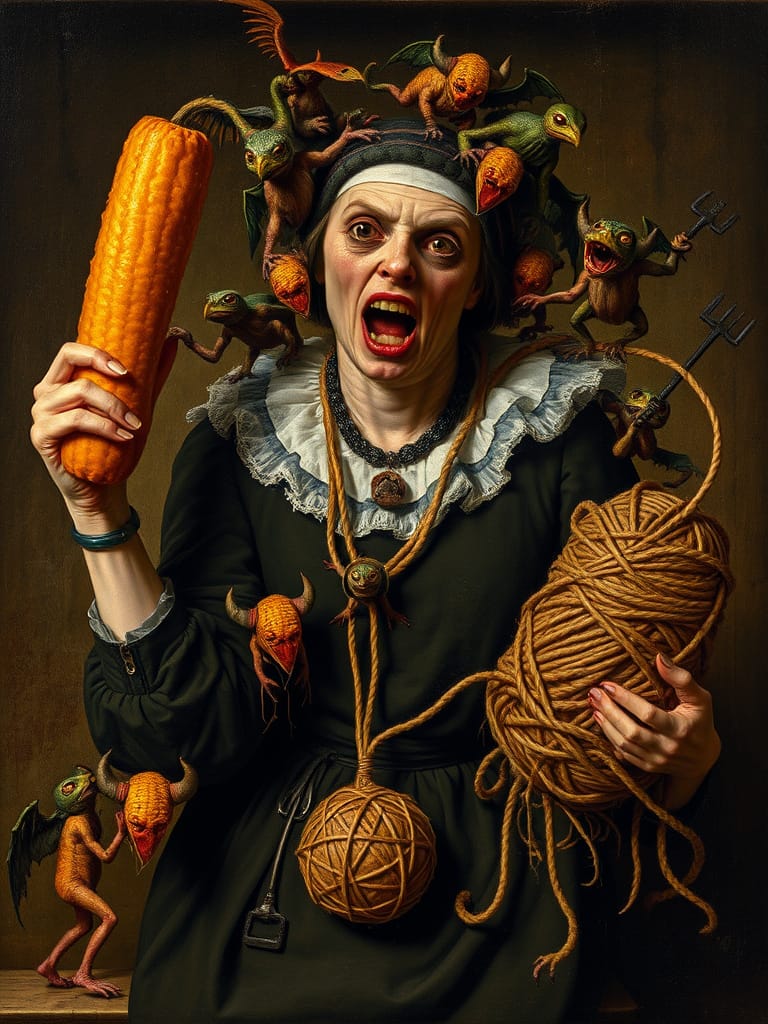
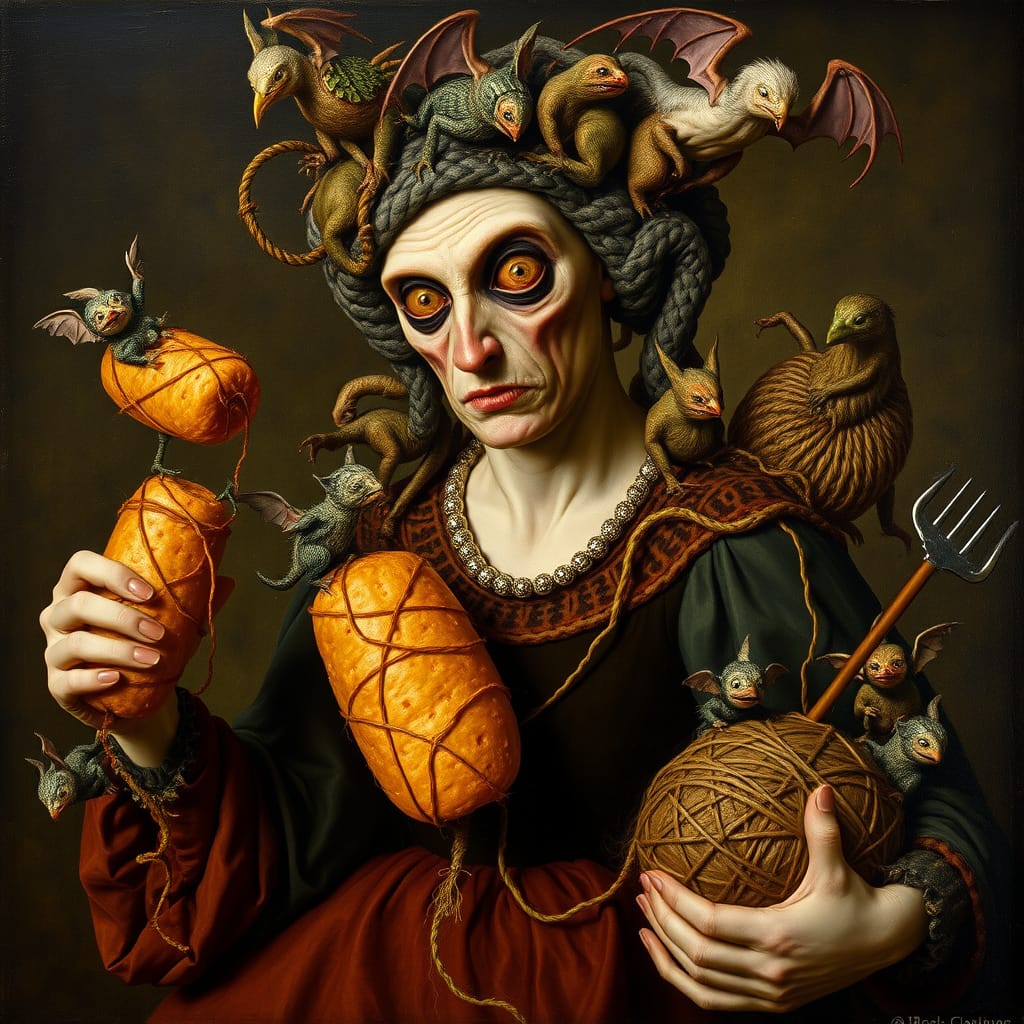
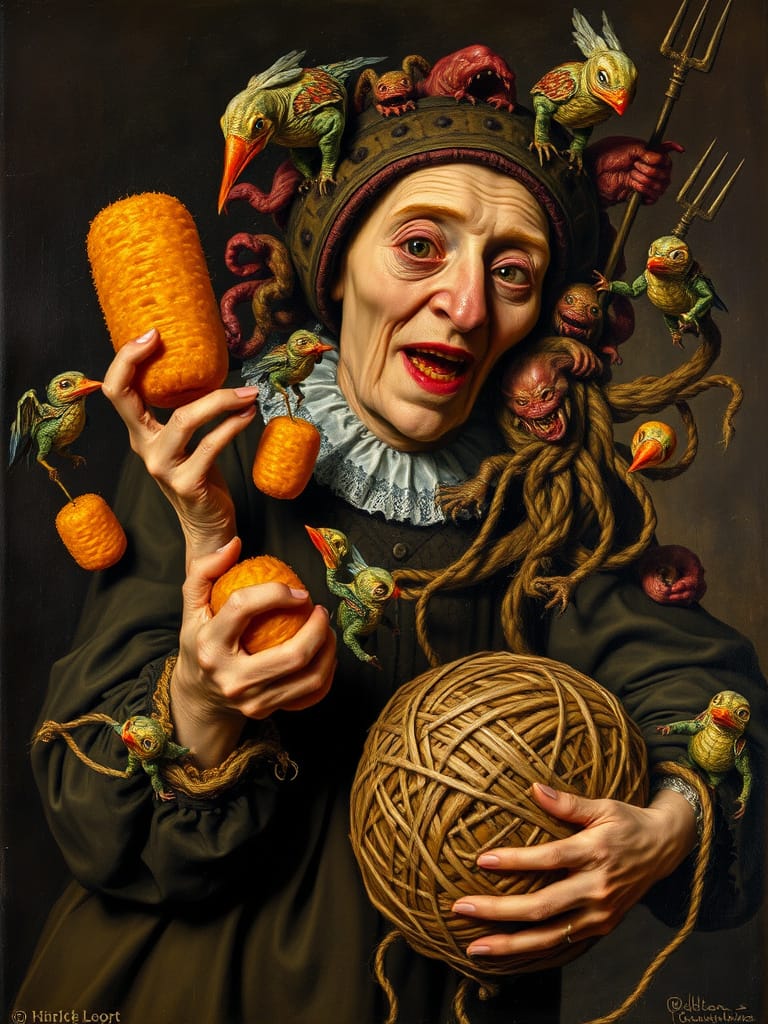
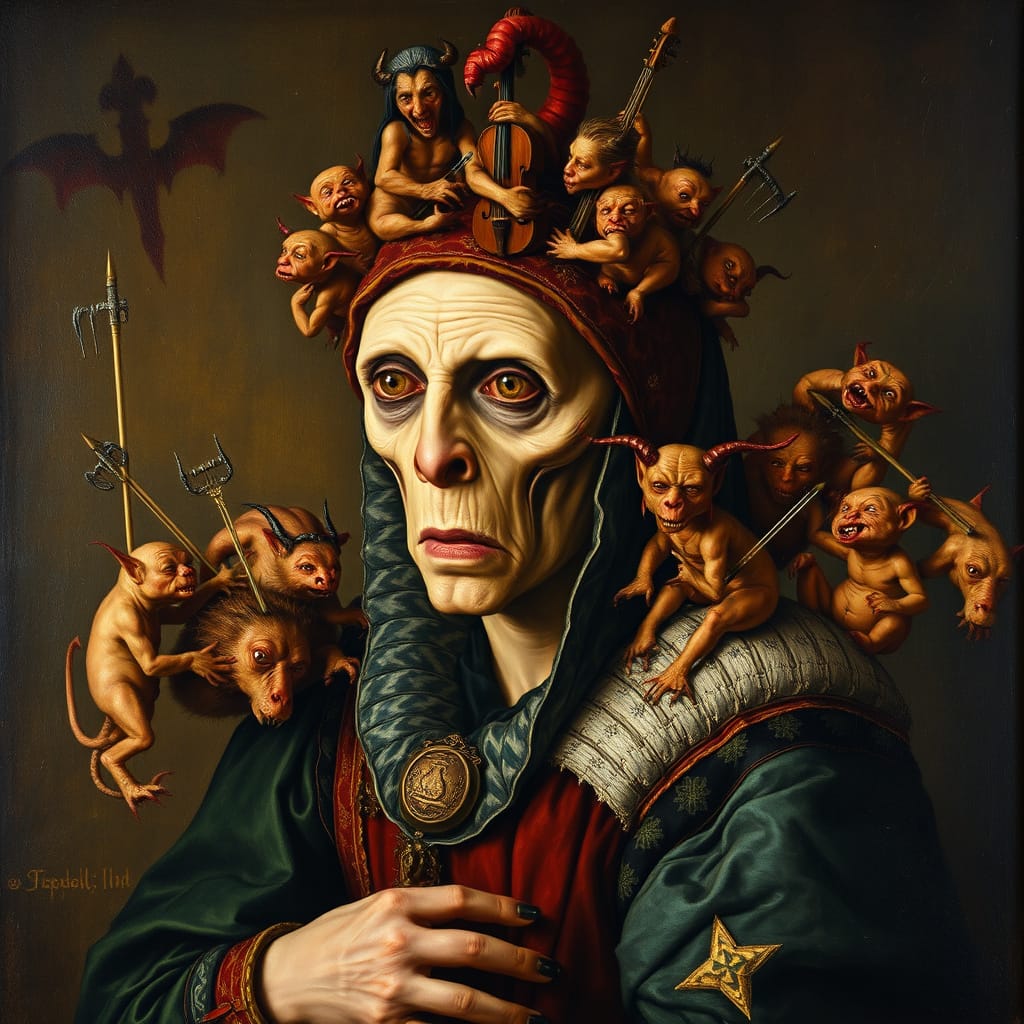
The Arc of Their Marriage, in Portraits
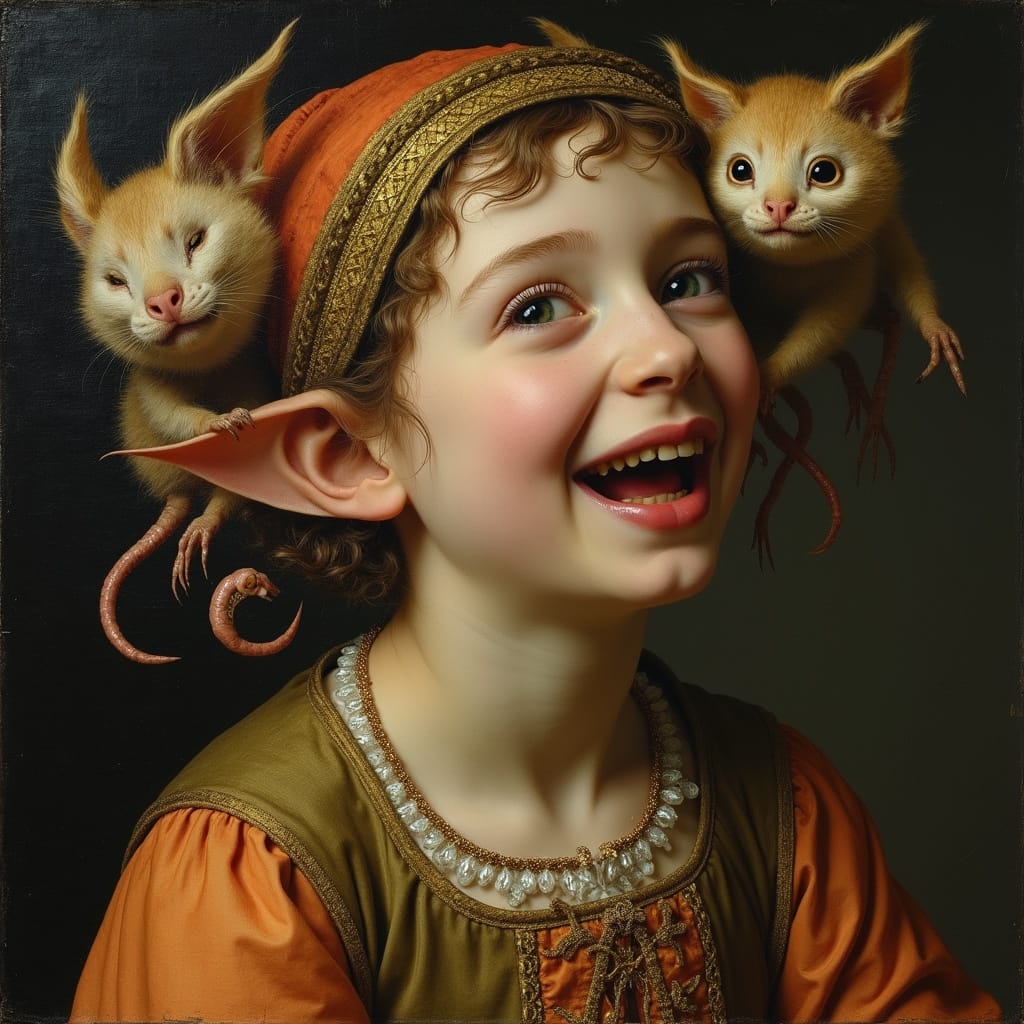
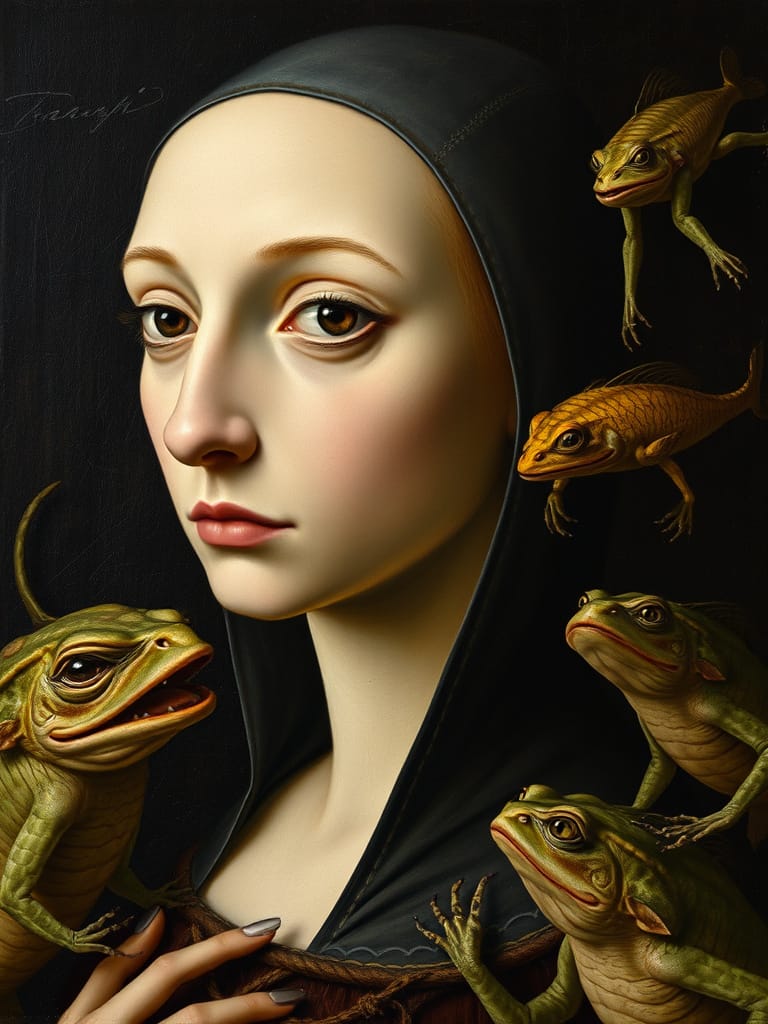
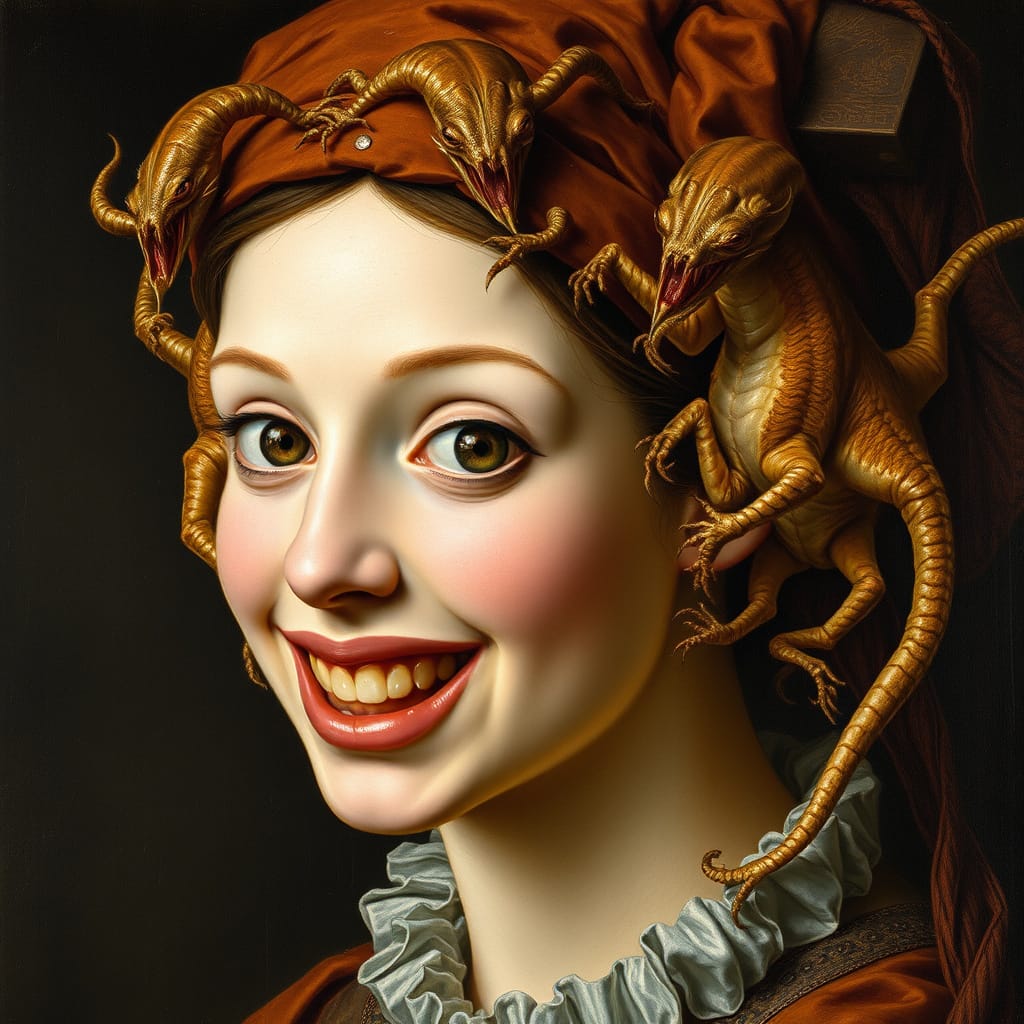
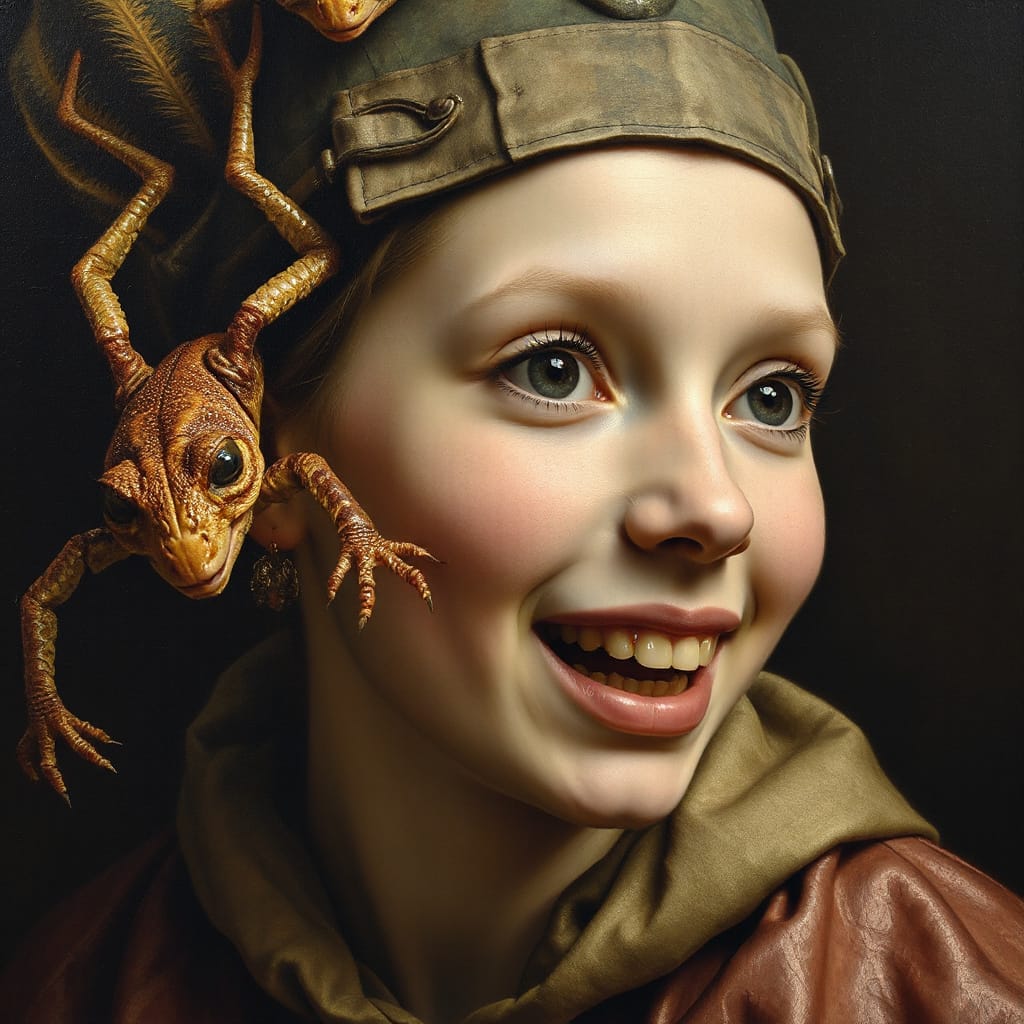
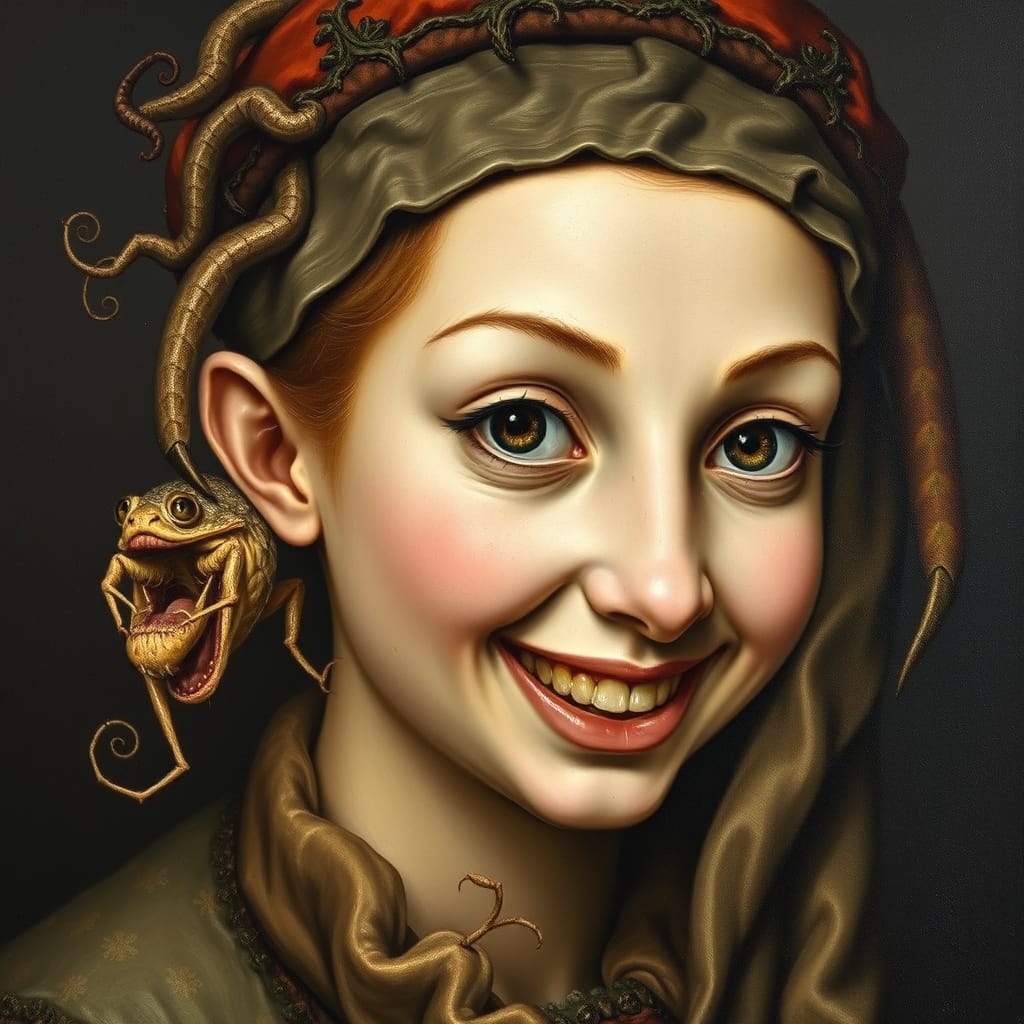
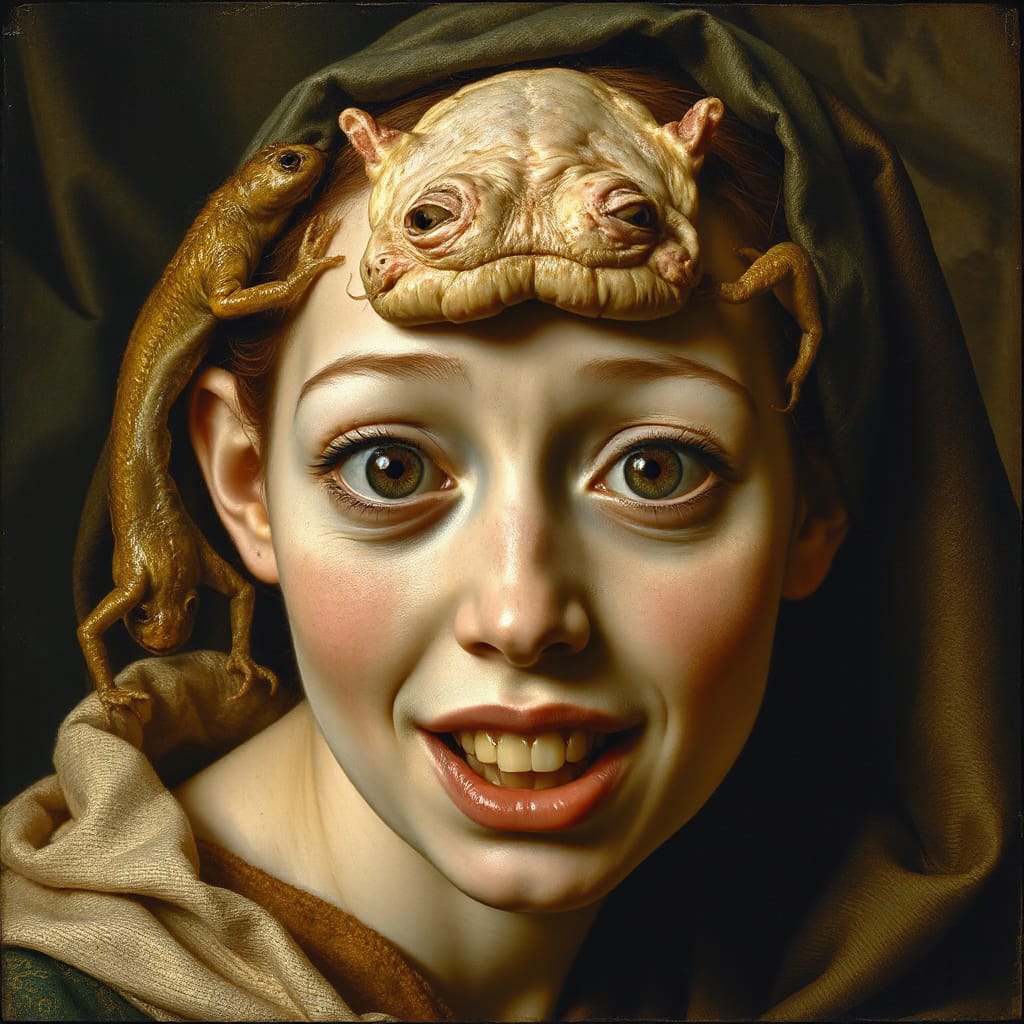
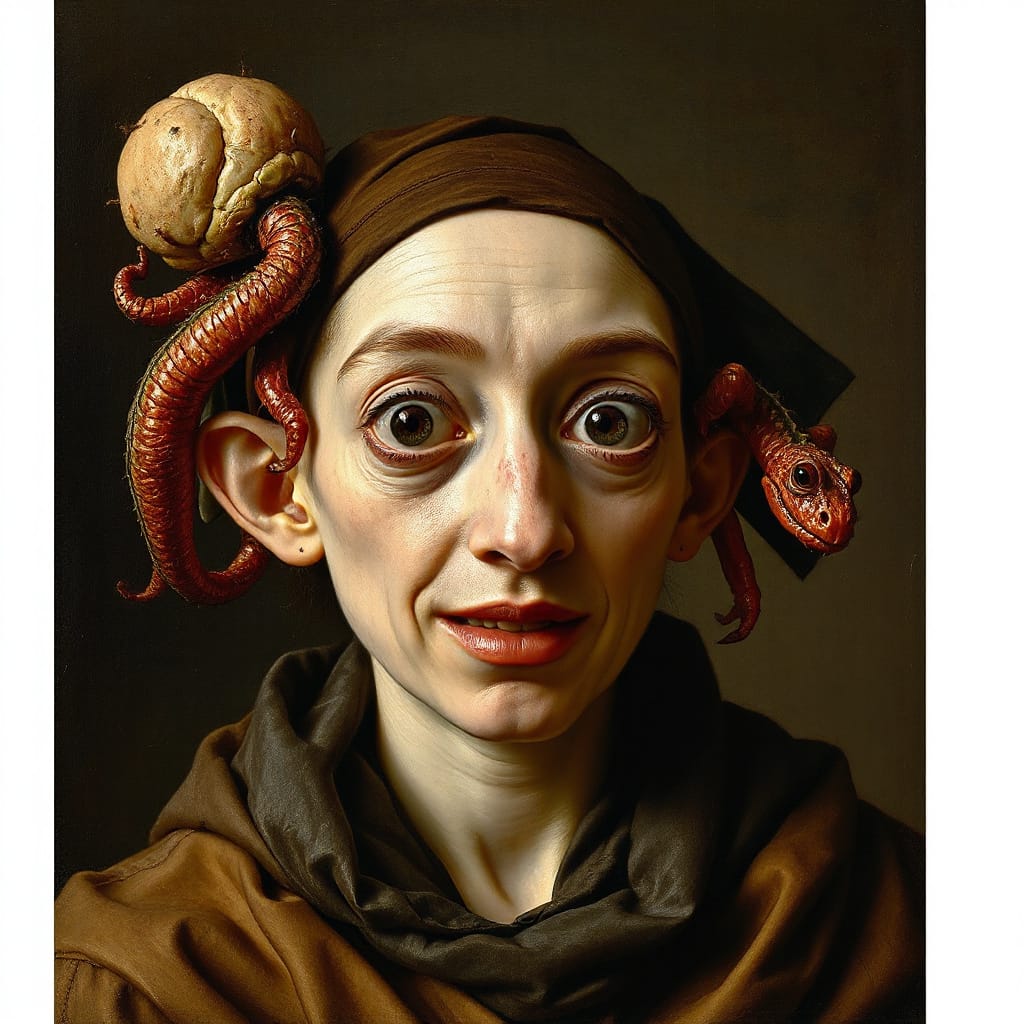
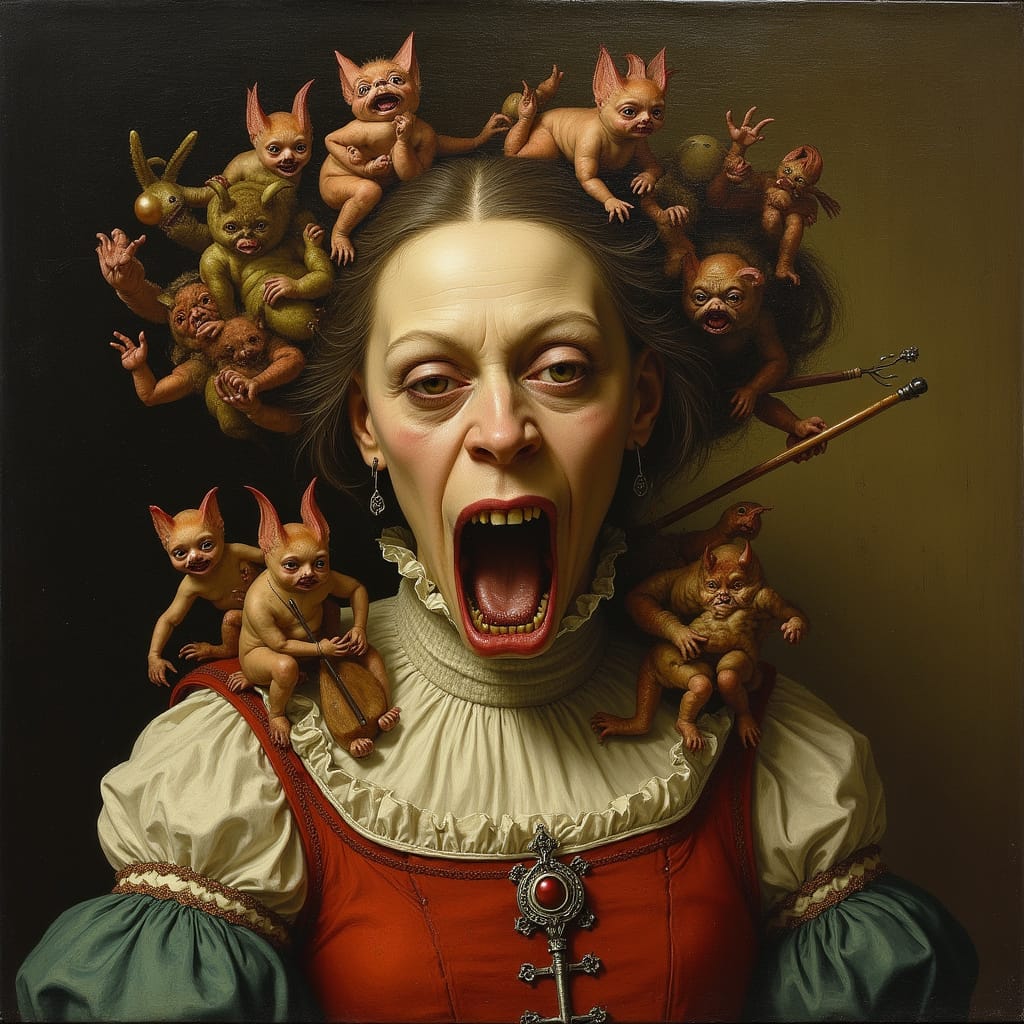
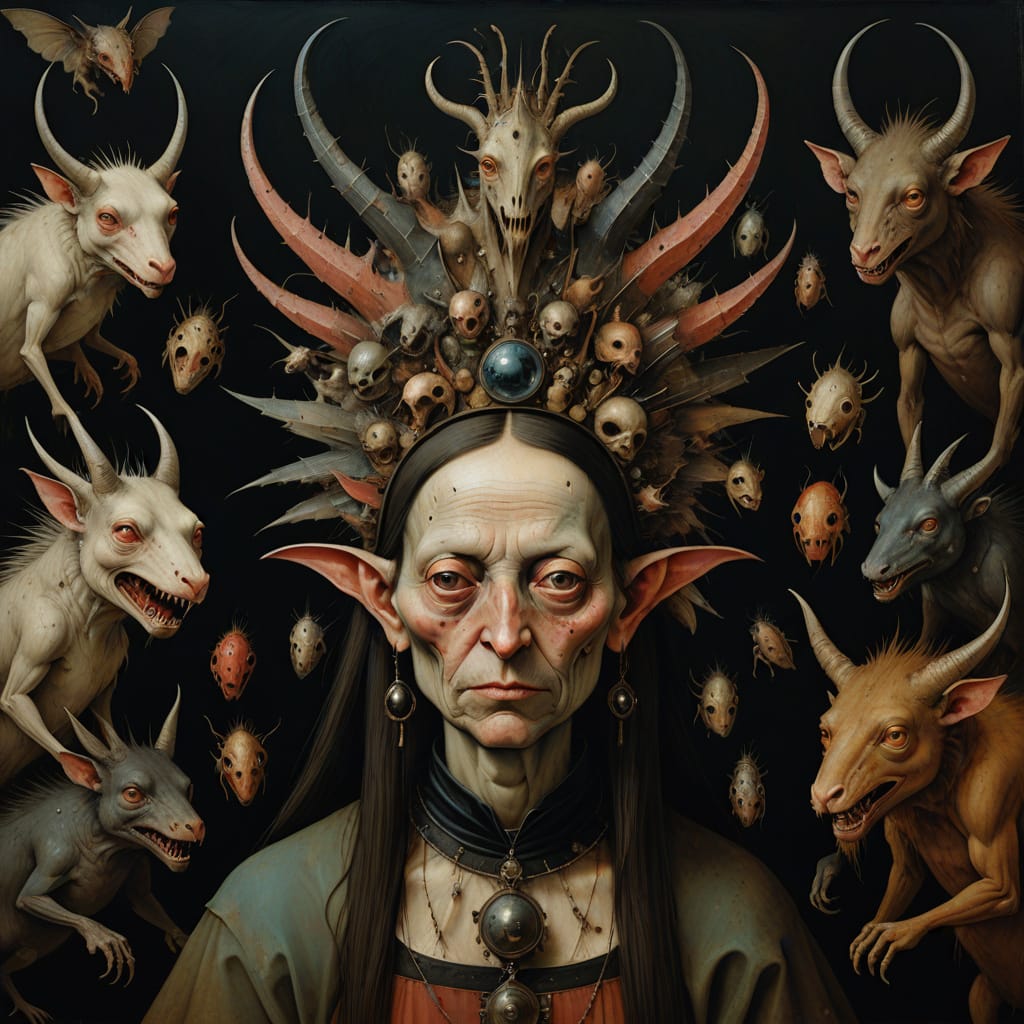
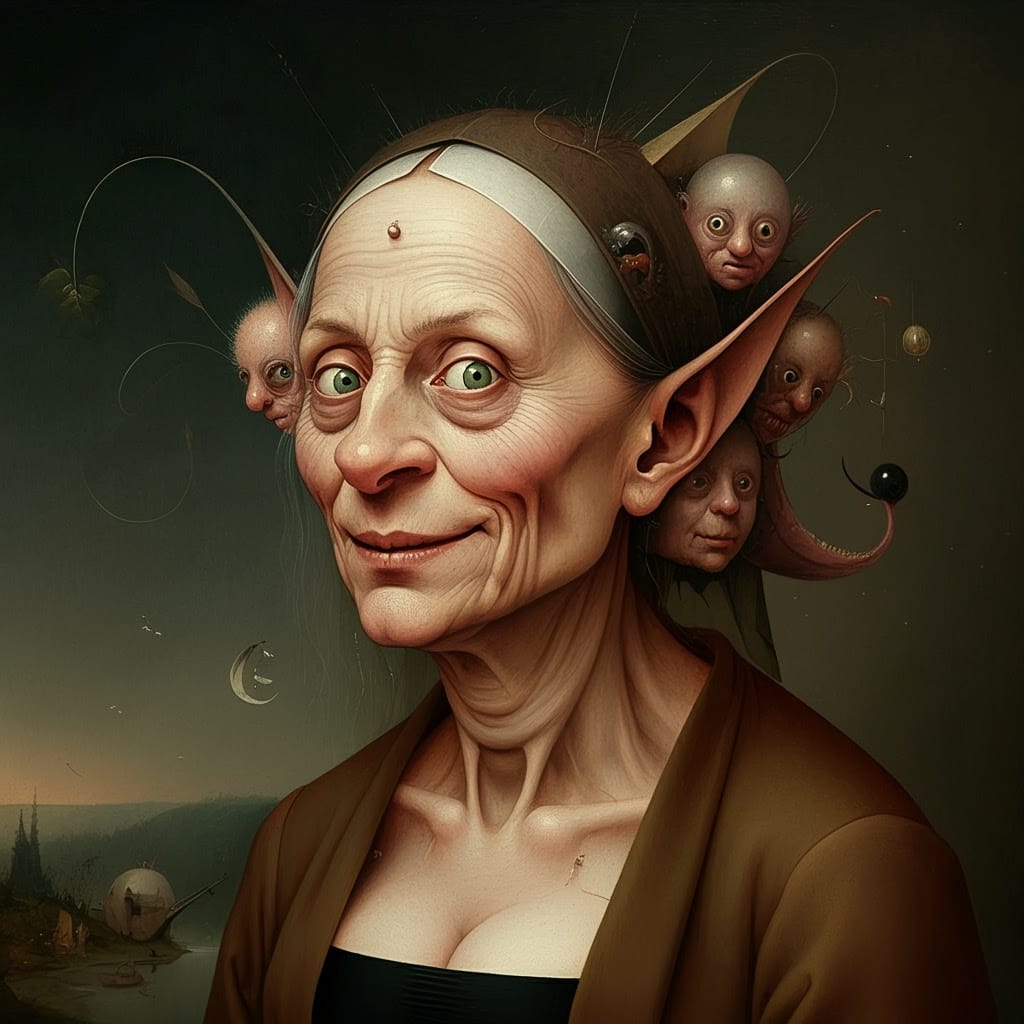
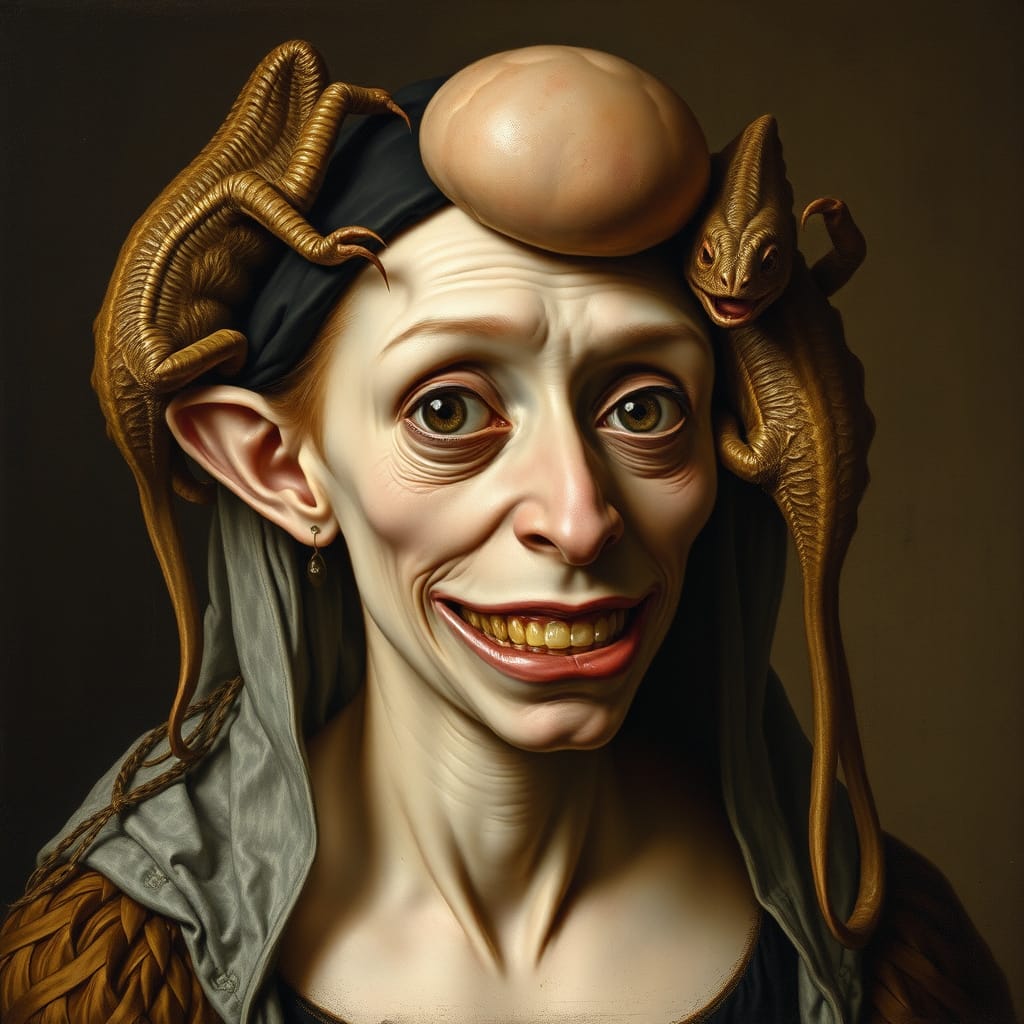
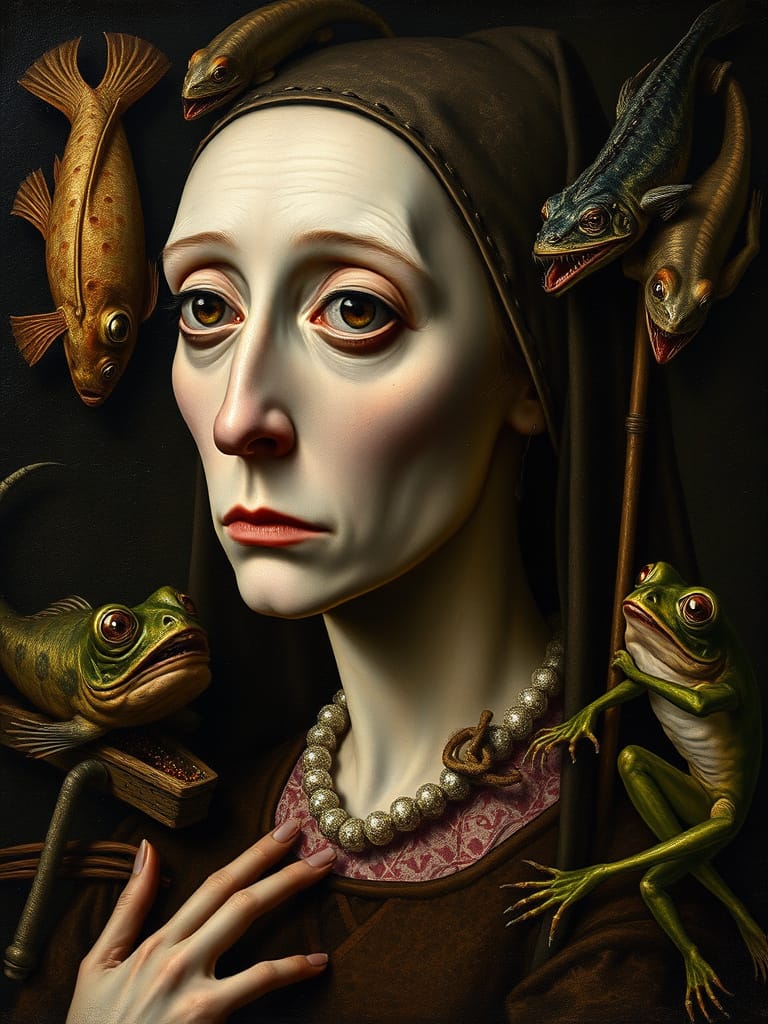
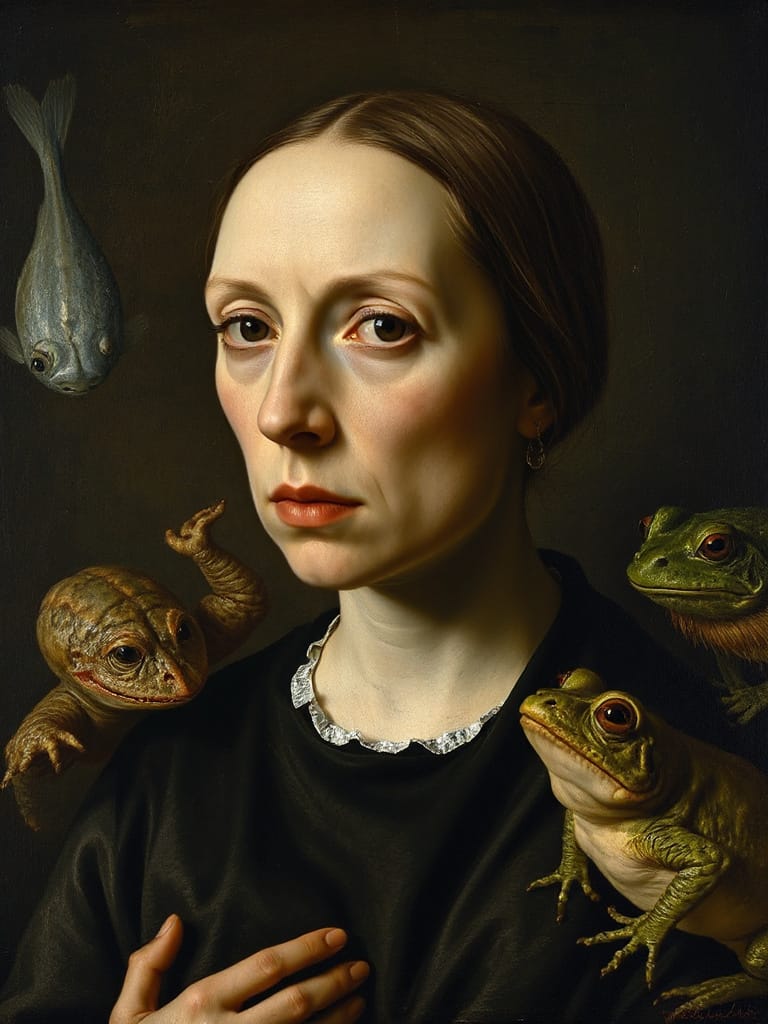
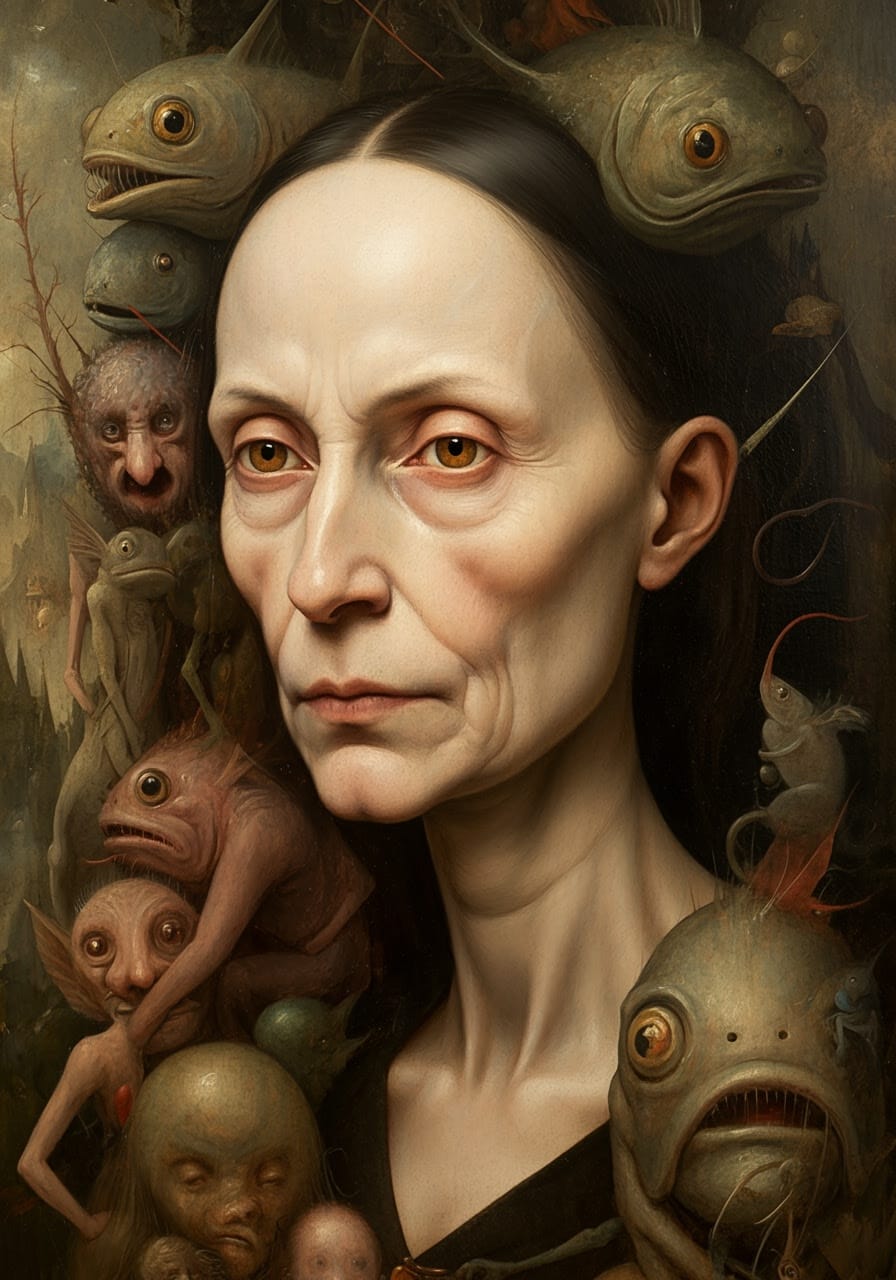
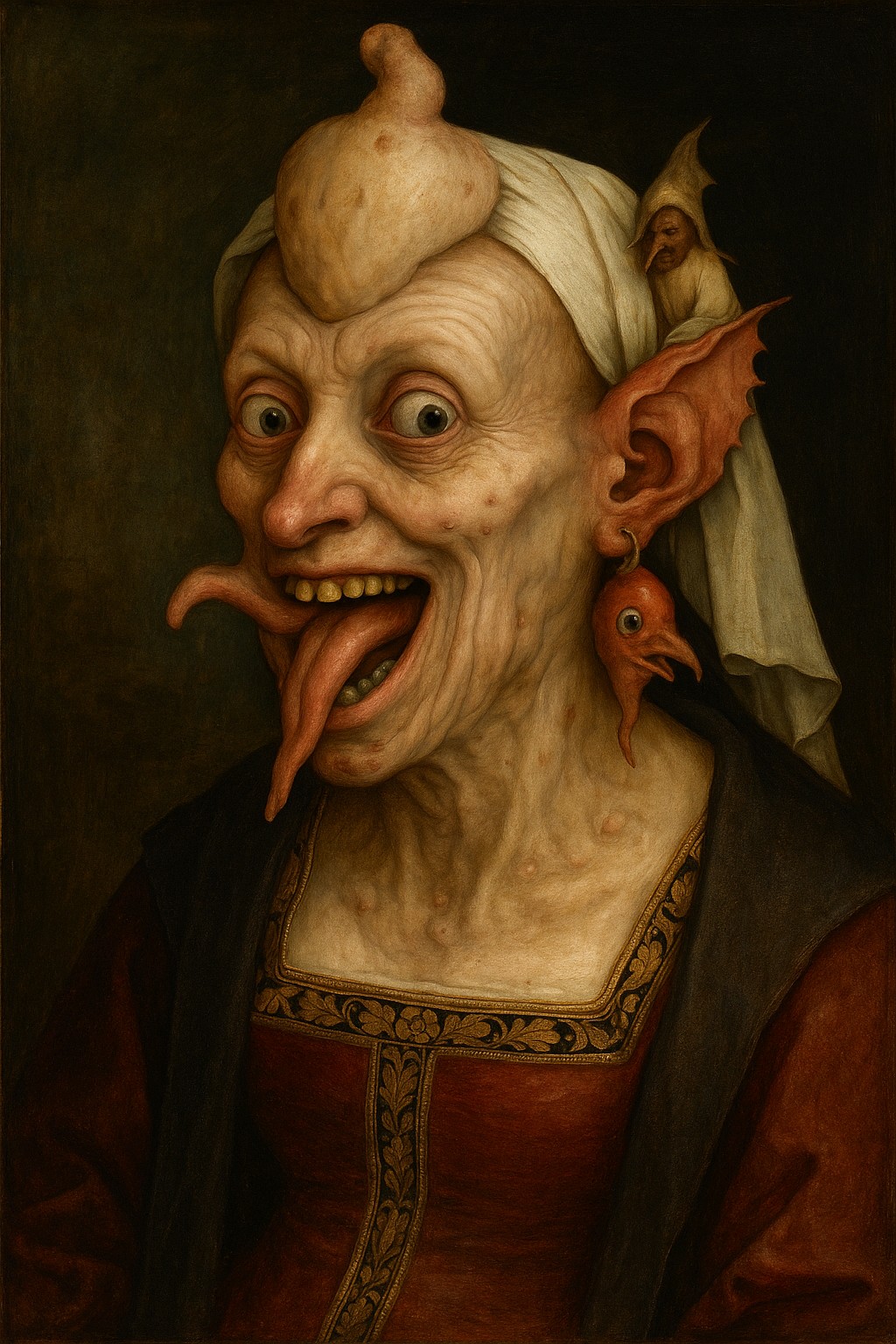
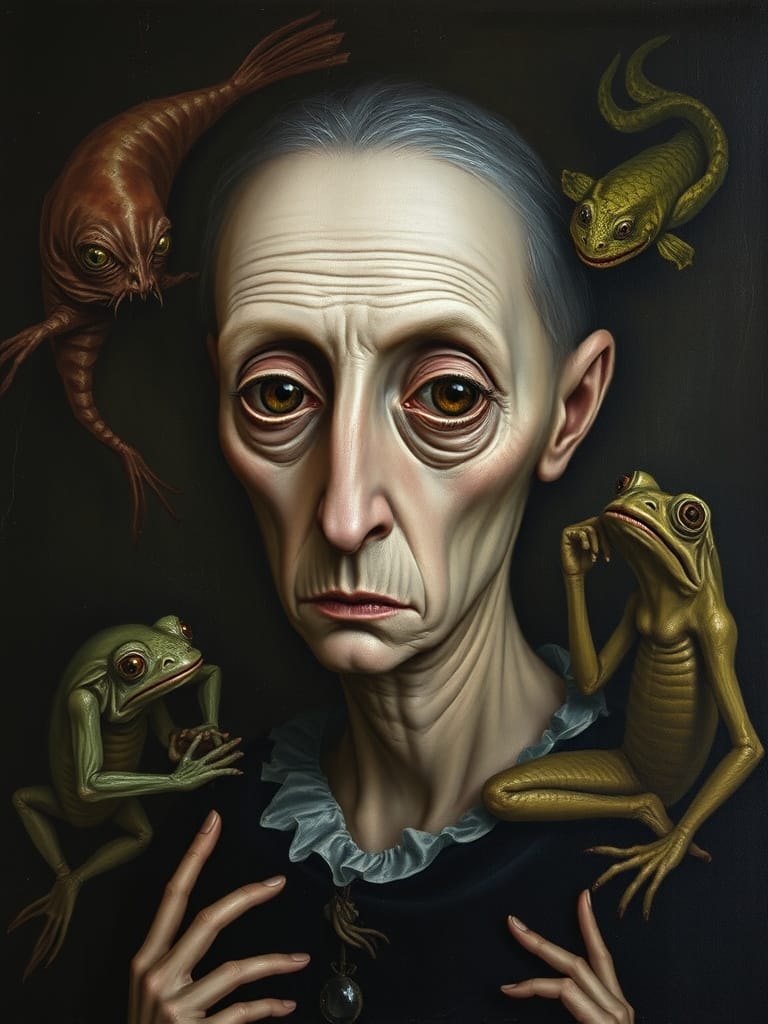
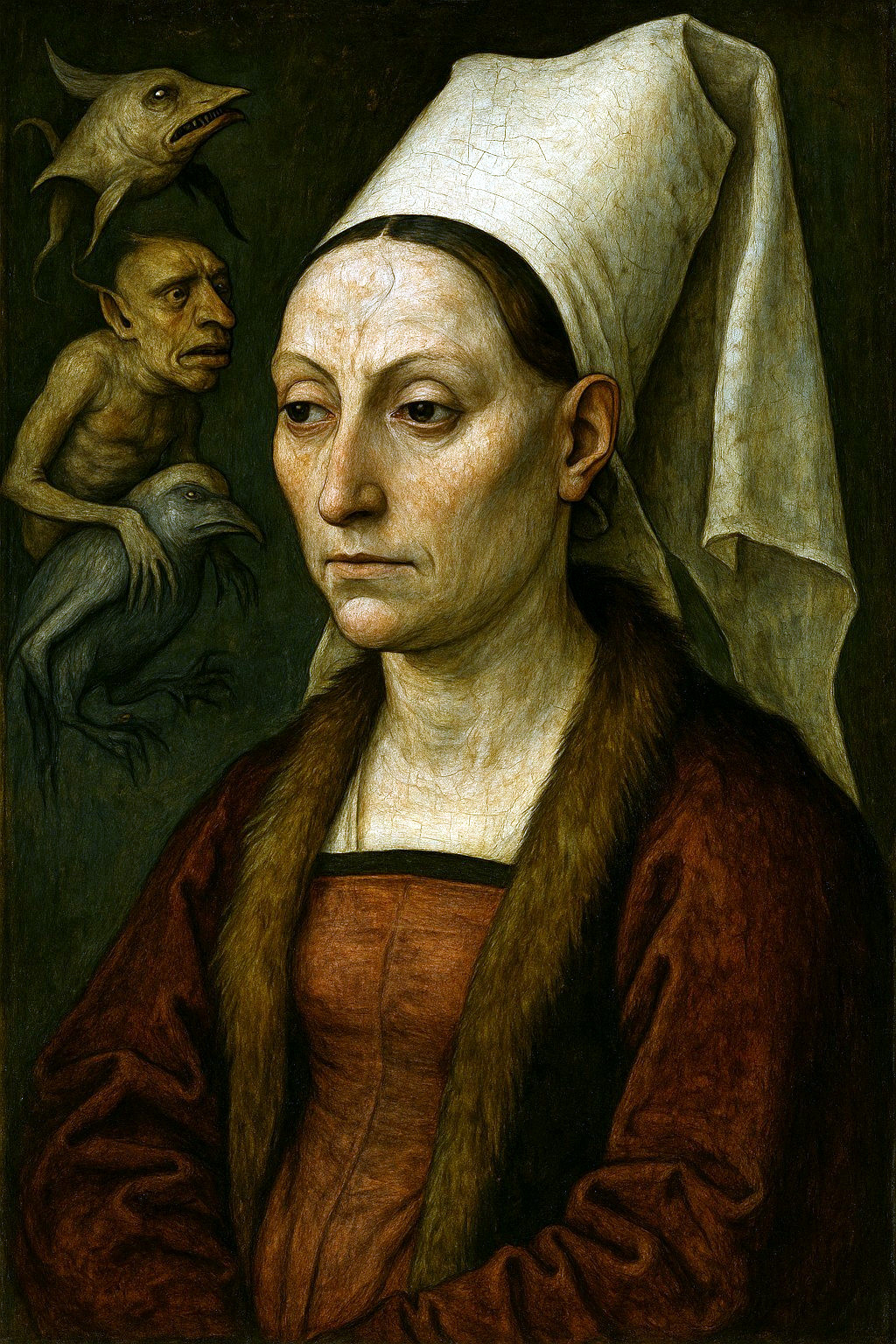
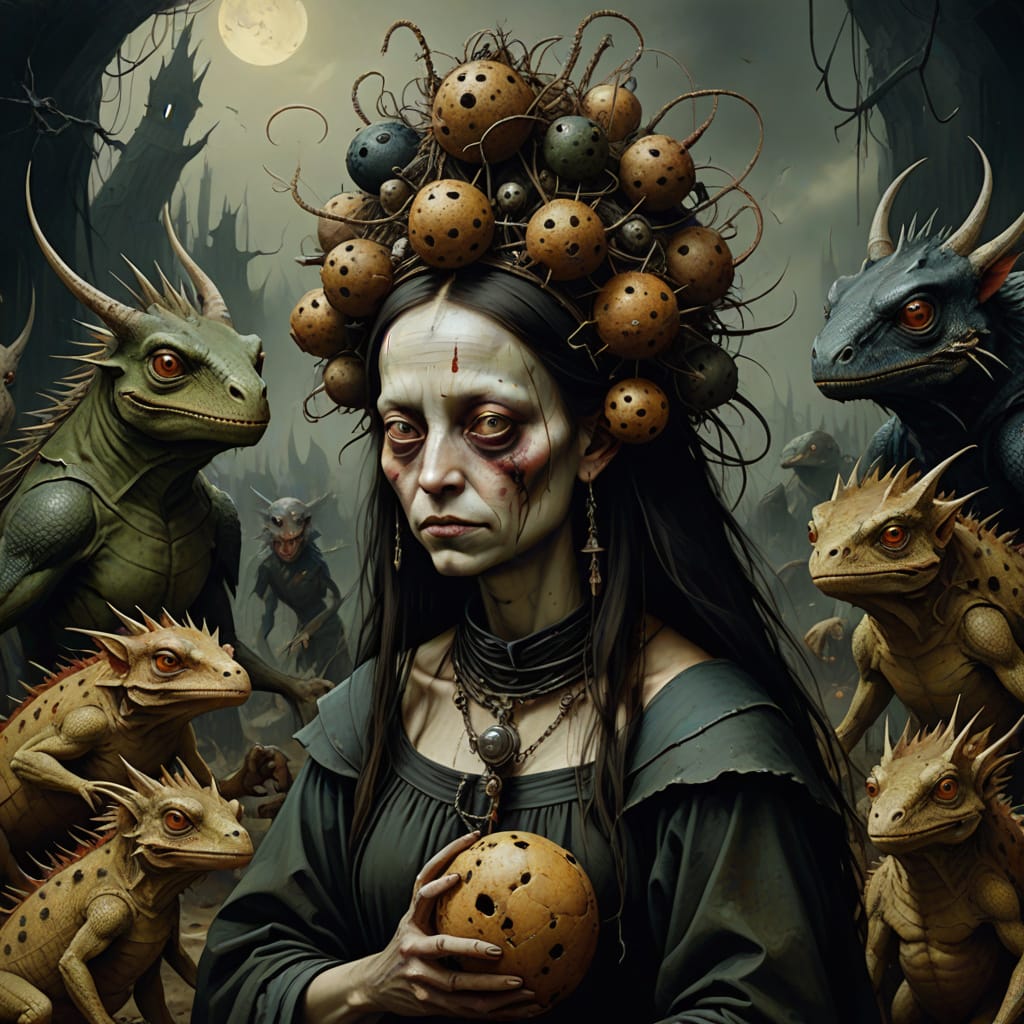
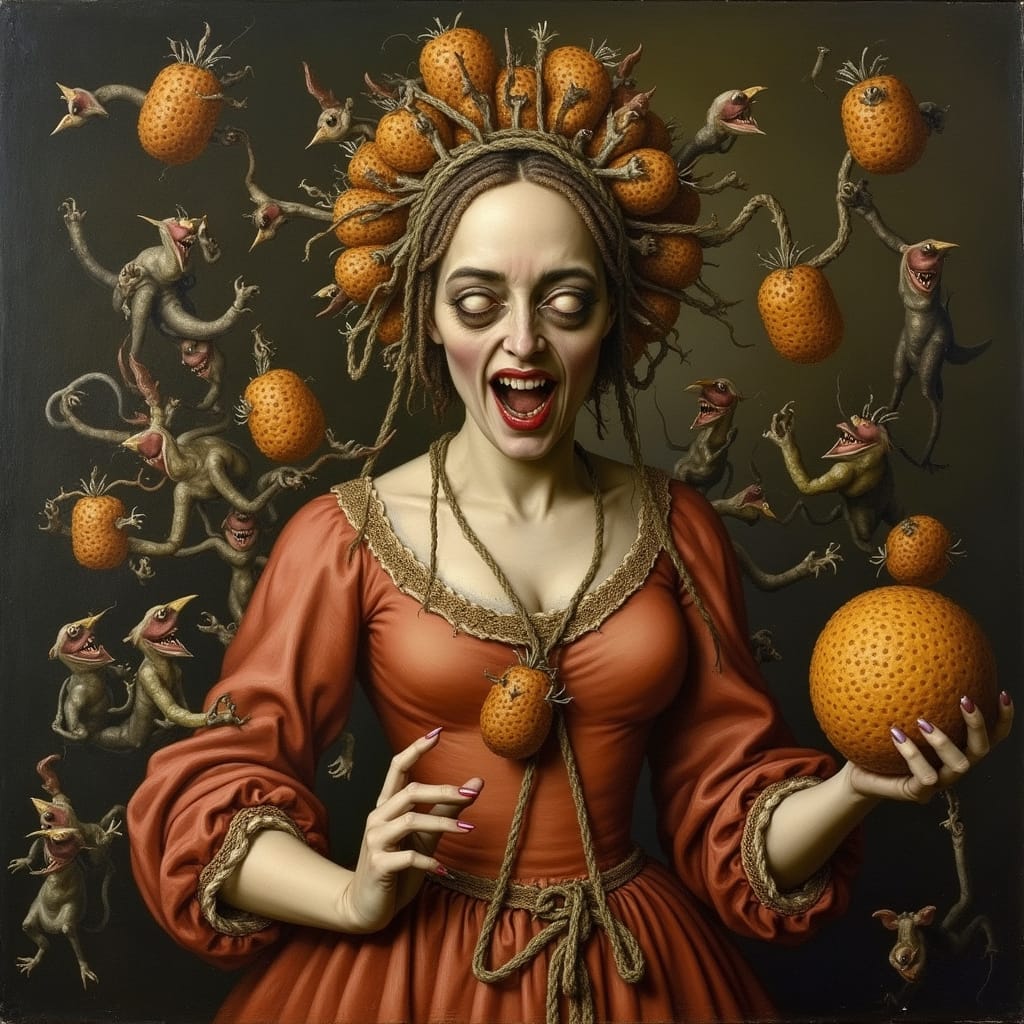
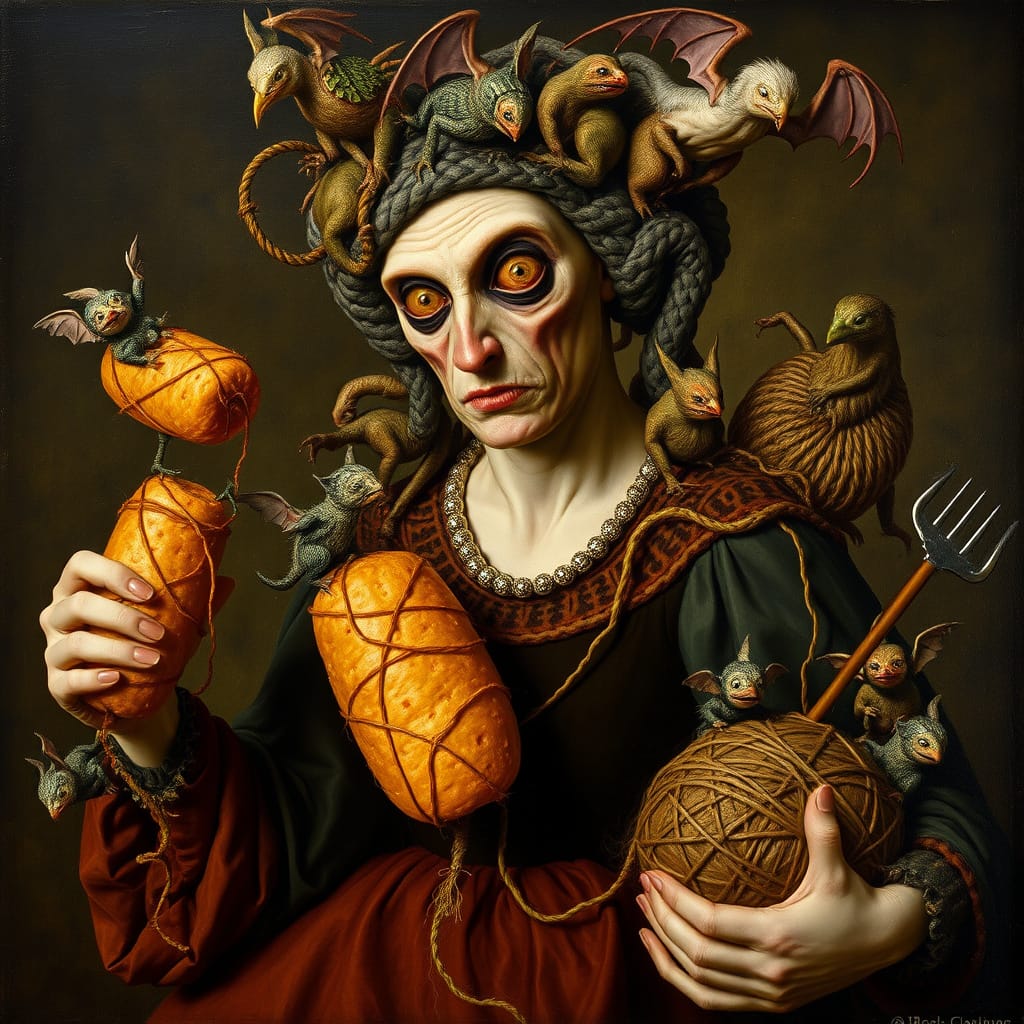
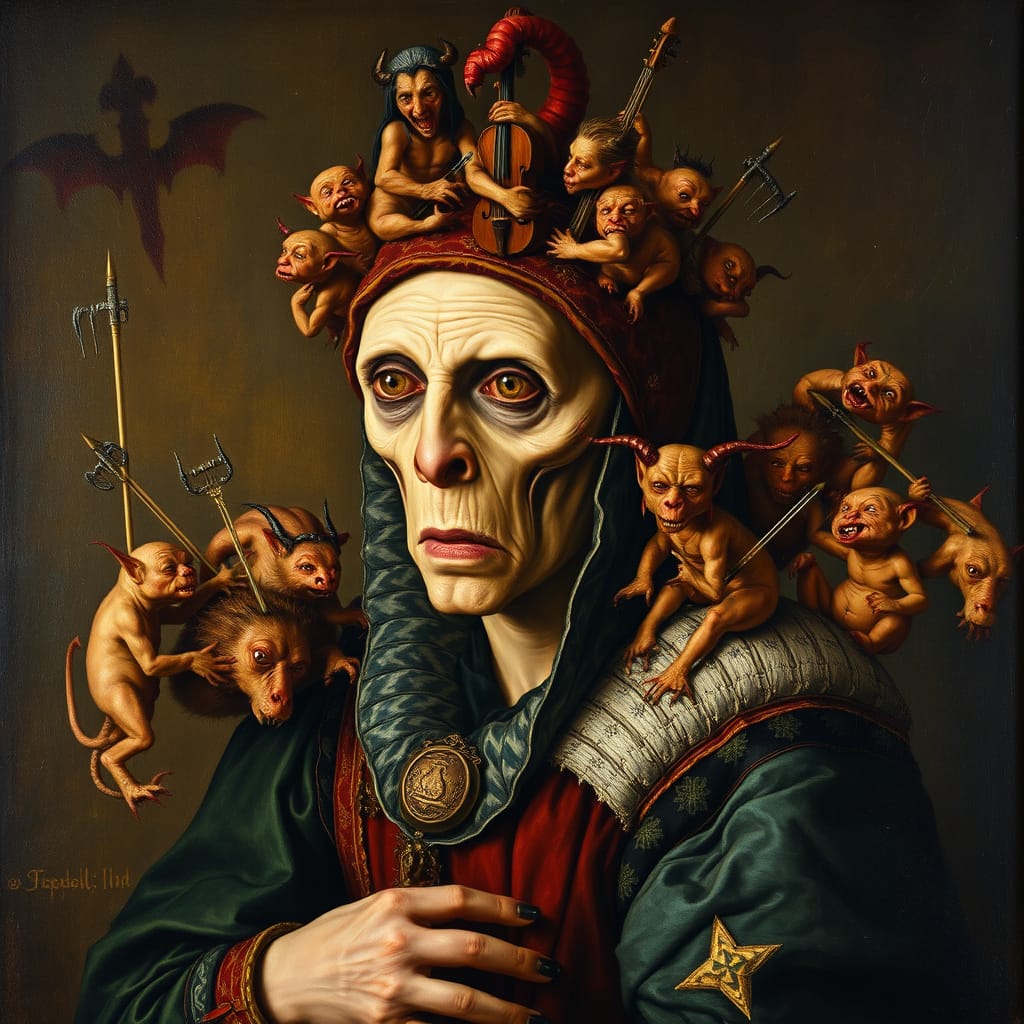
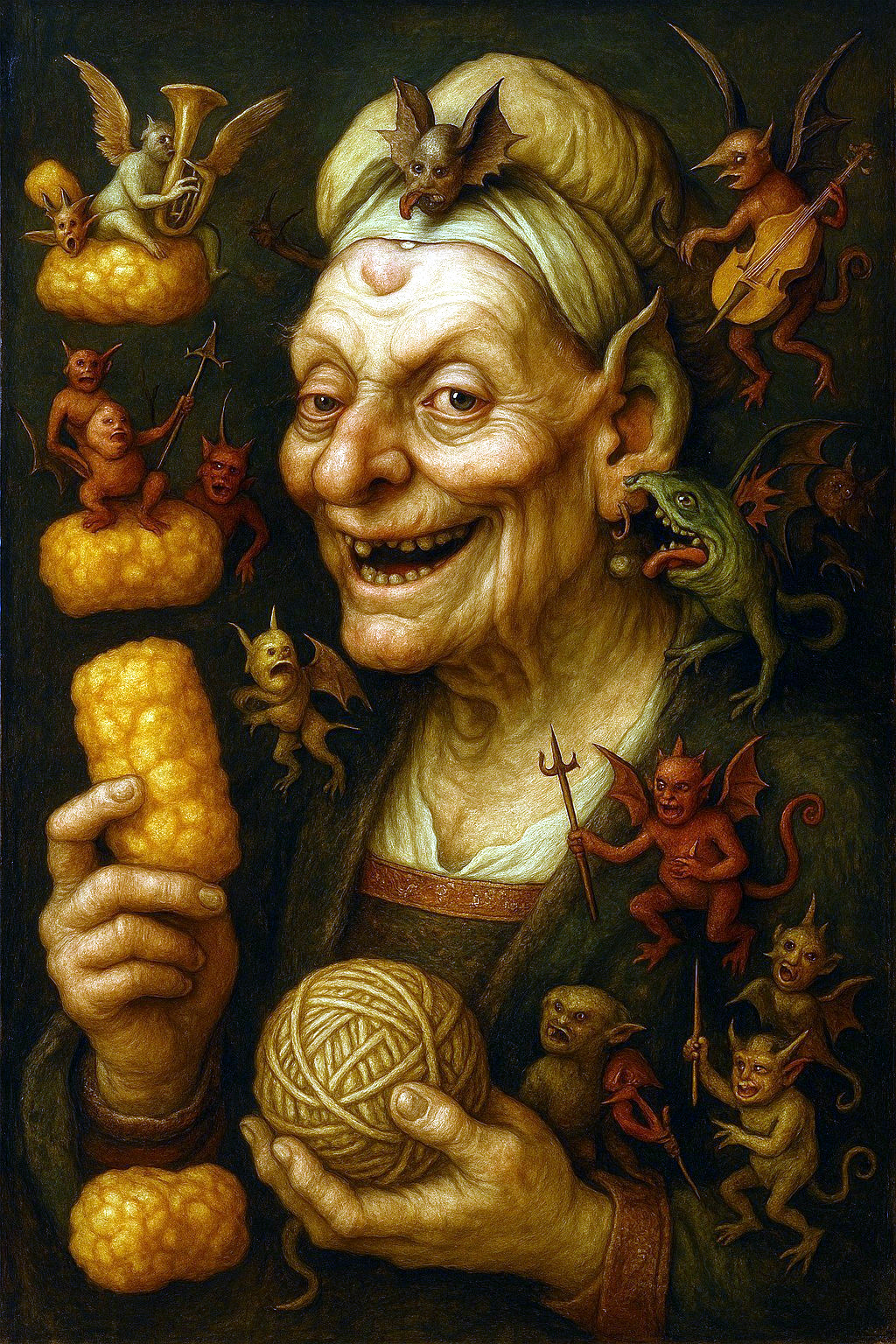
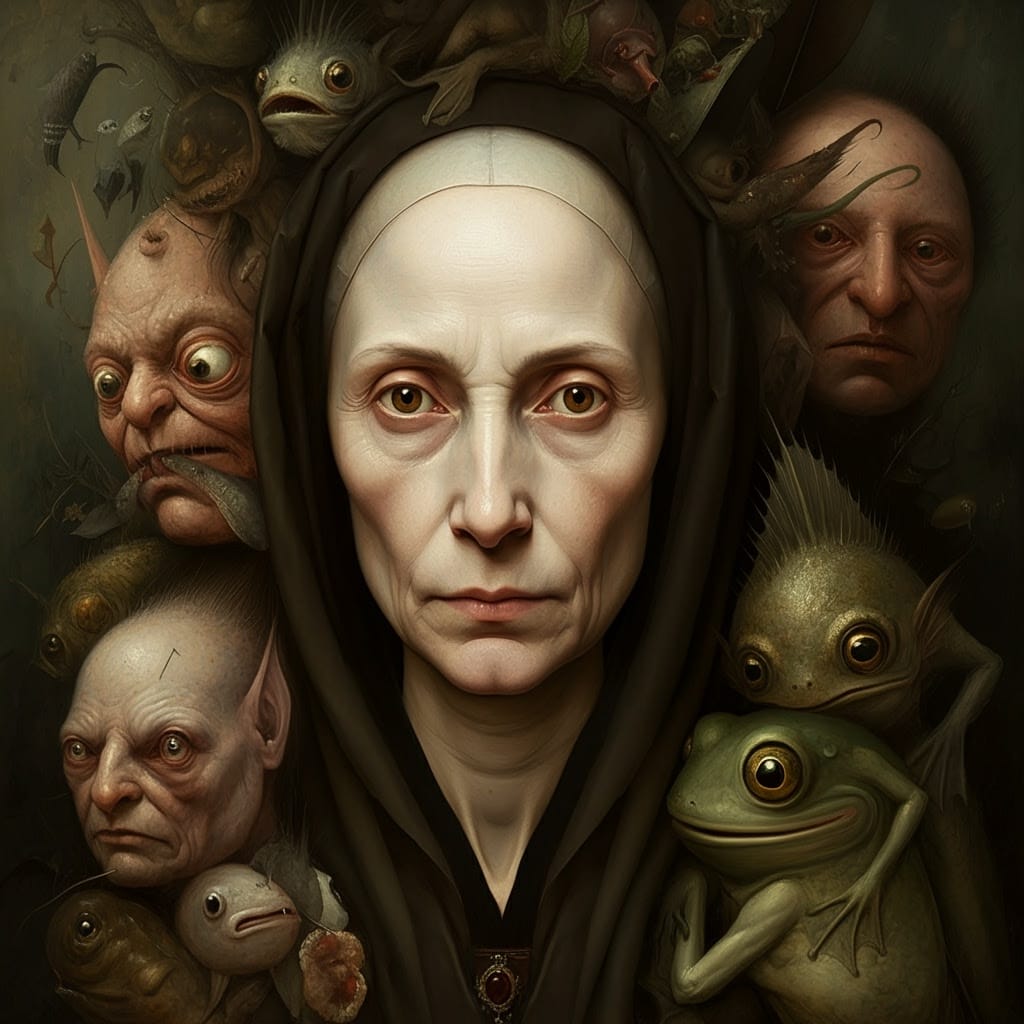
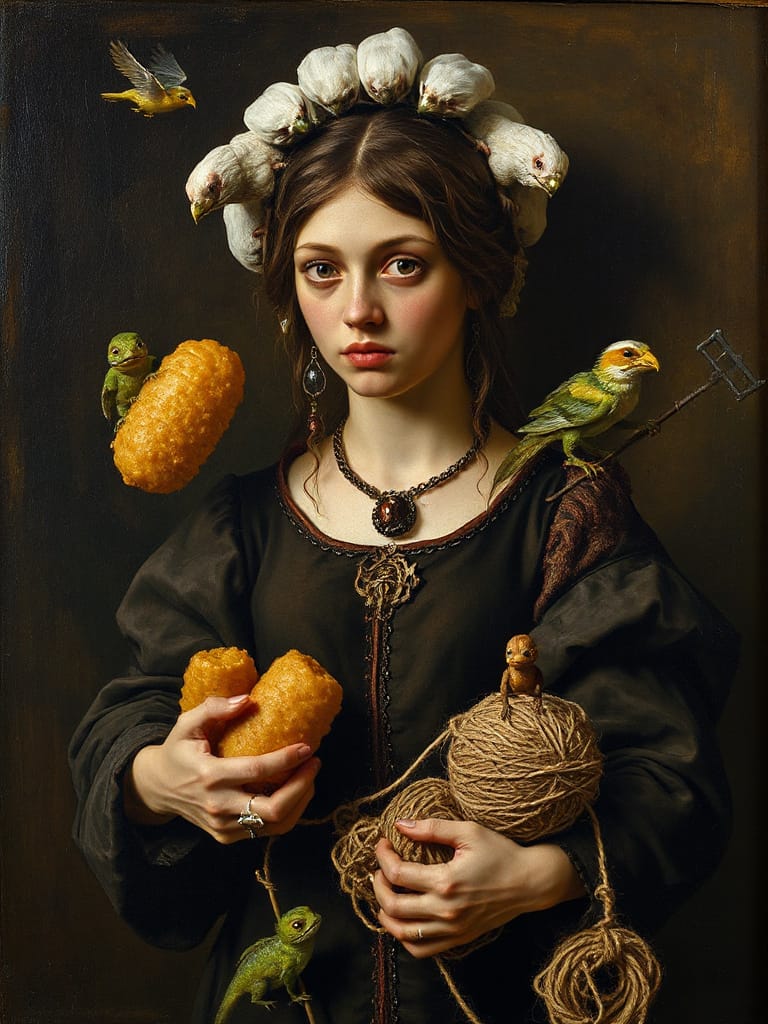
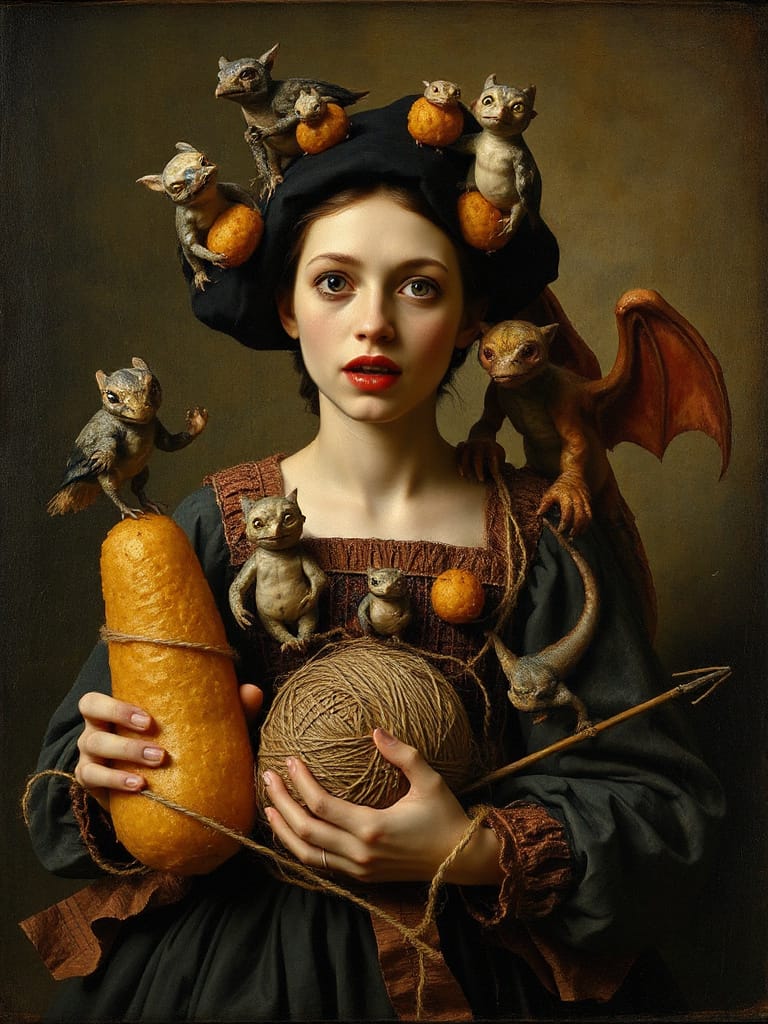
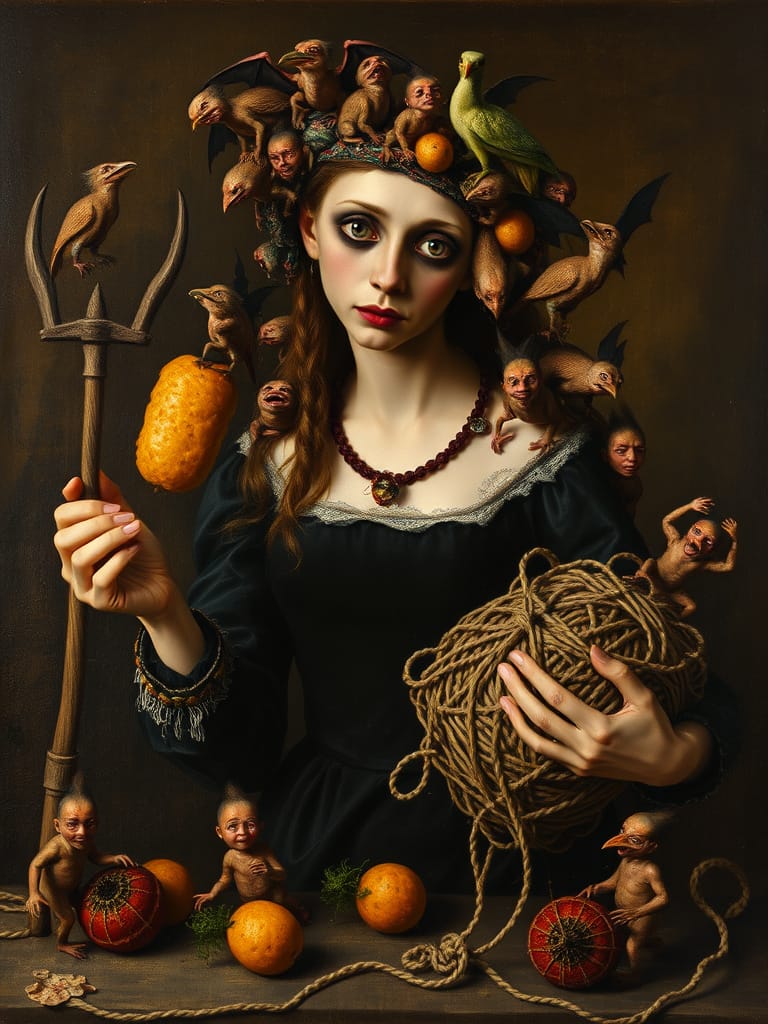
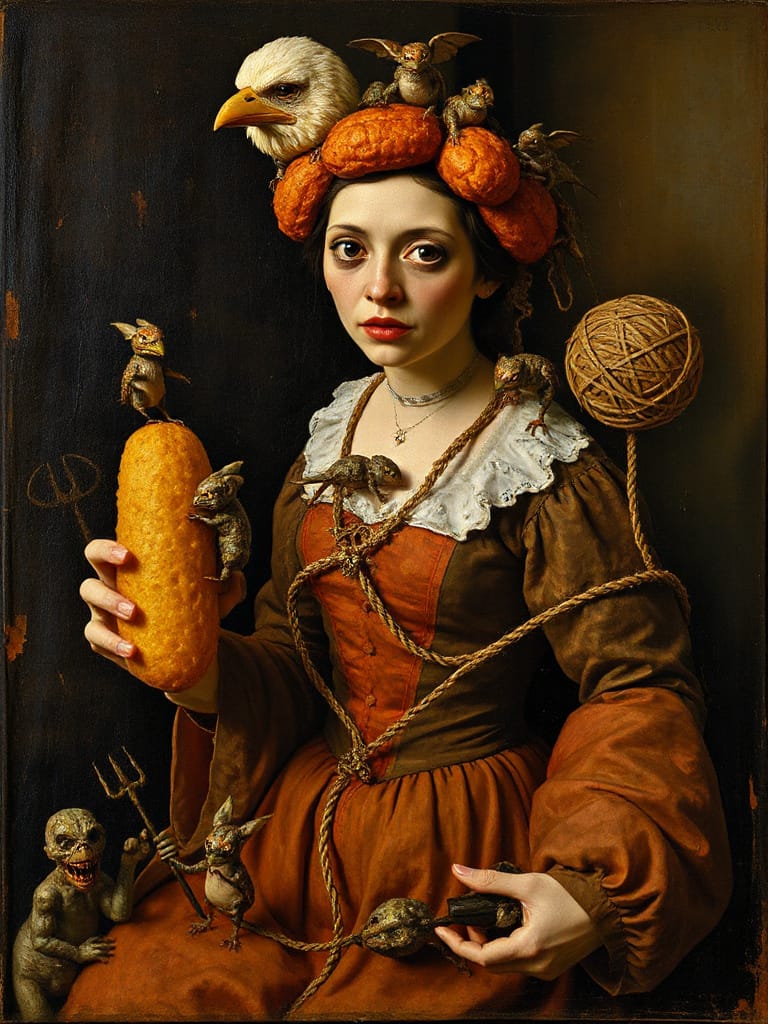
Our research team has uncovered a series of portraits, painted by Mr. Bosch himself, that chronicles the love affair and marriage.
Courtship
The Honeymoon Phase
The Bloom is Off The Rose
Late Stage (Stage 4) Marriage
The Tater Tot Connection
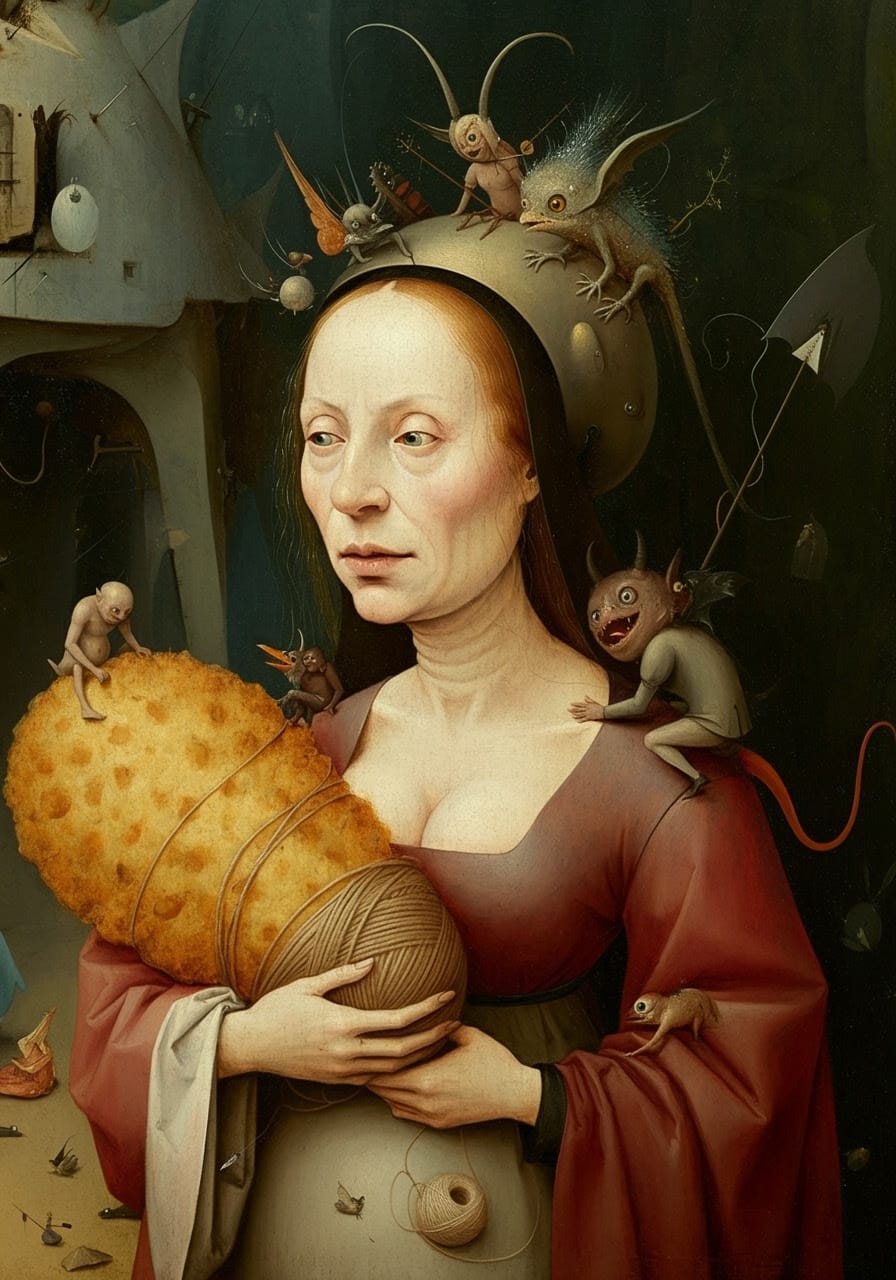
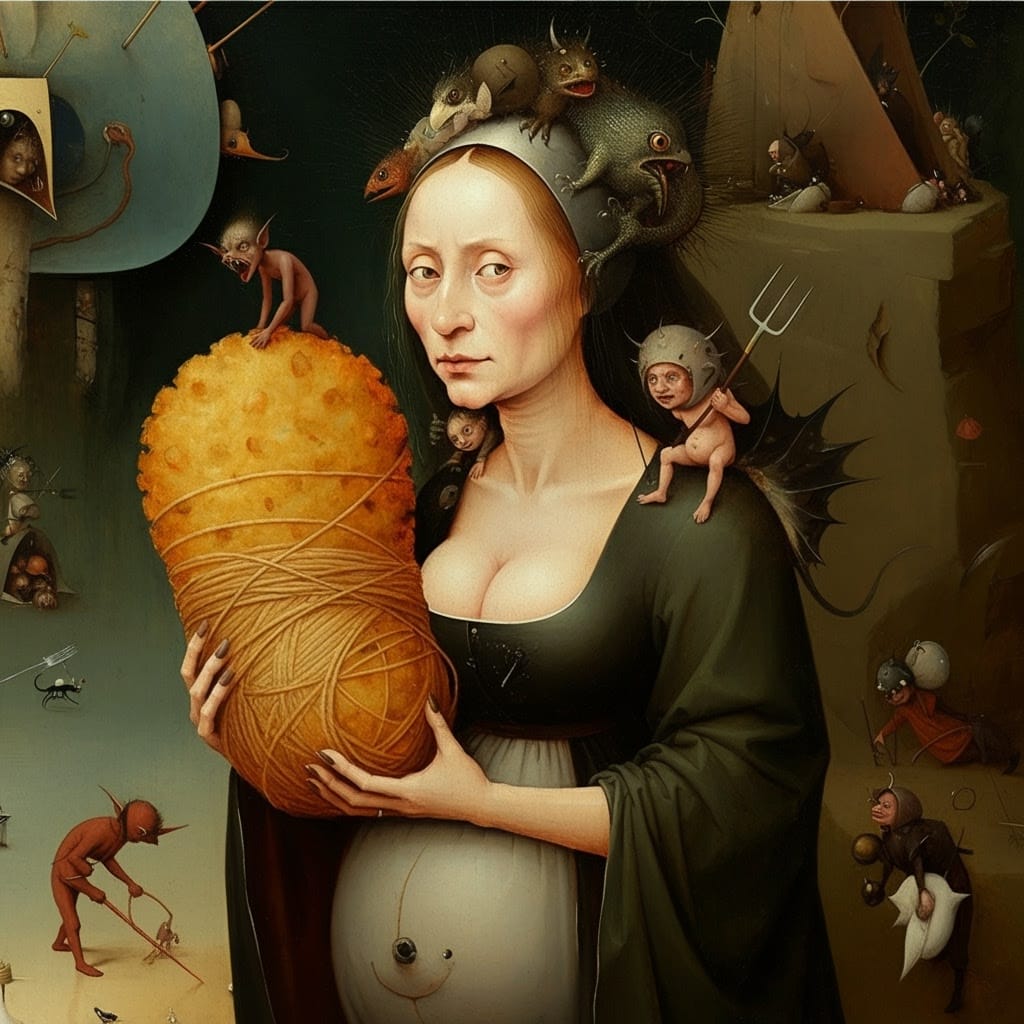
Mr. Bosch left many hints of his passion for tater tots and twine in his portrait history of Mrs. Bosch.