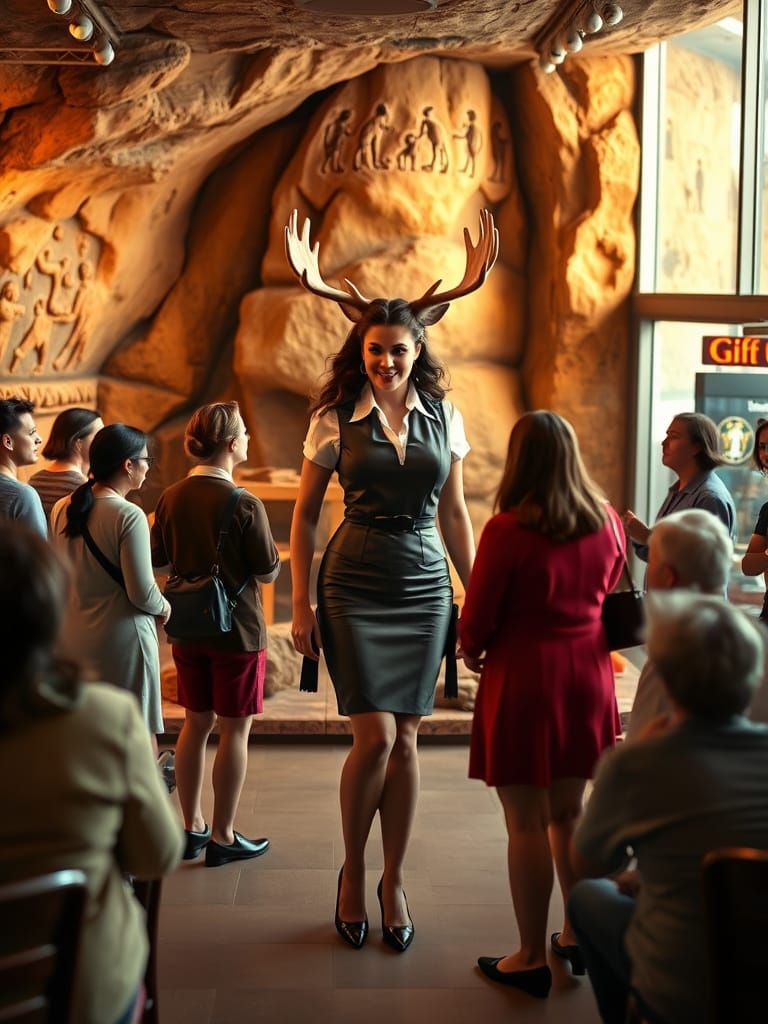
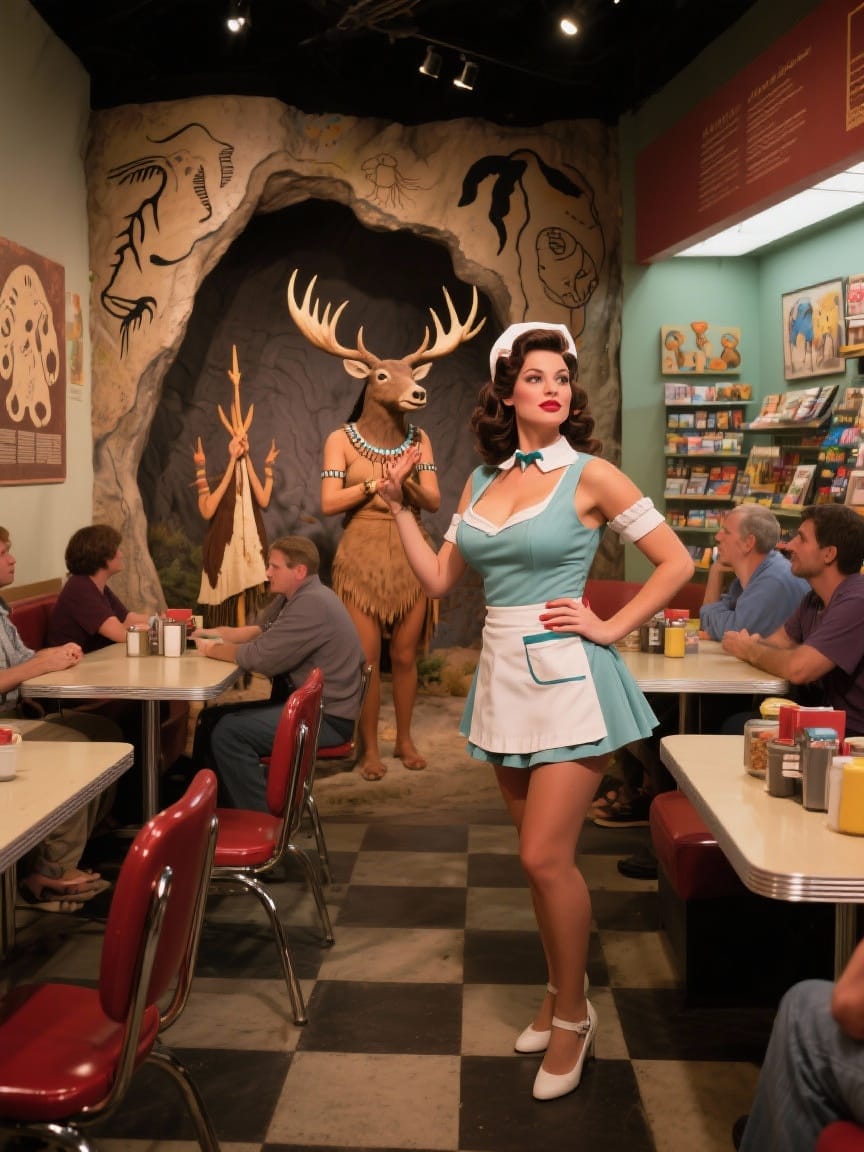
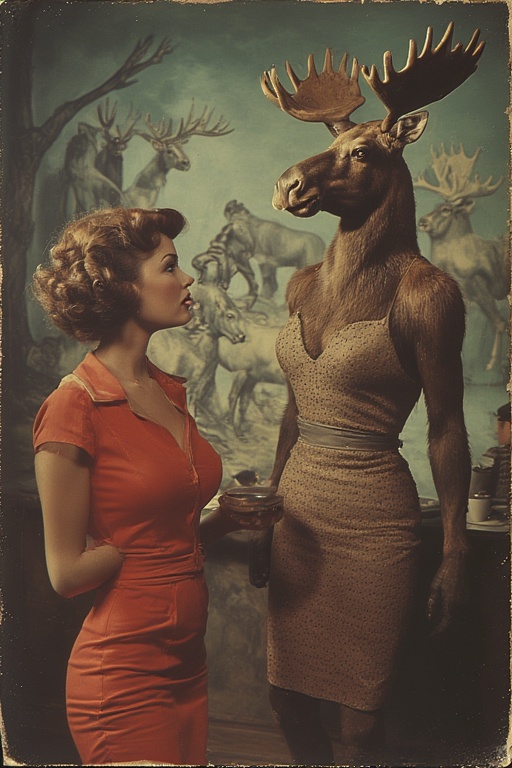
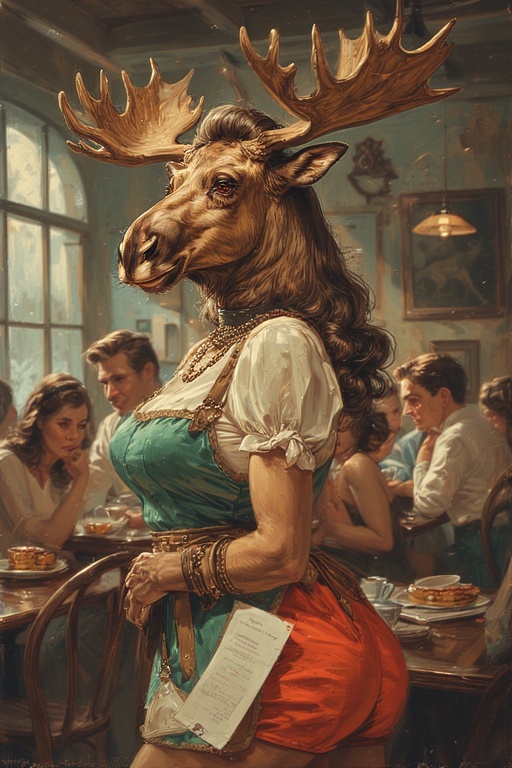
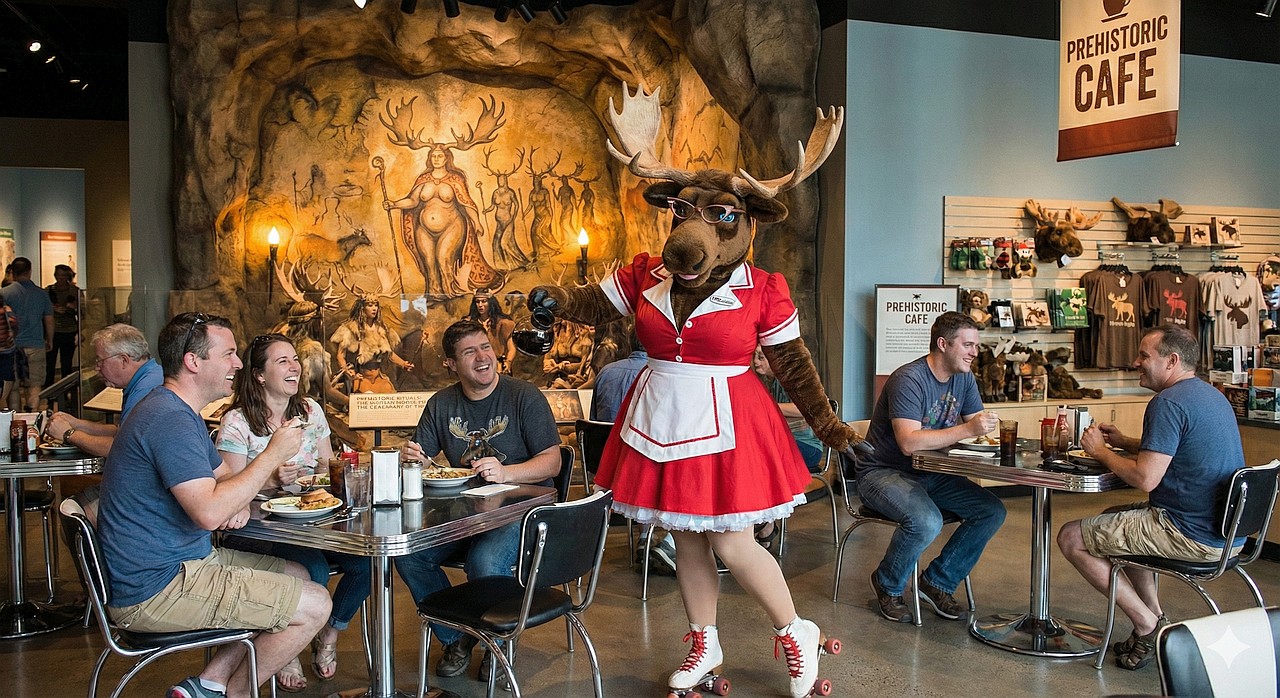
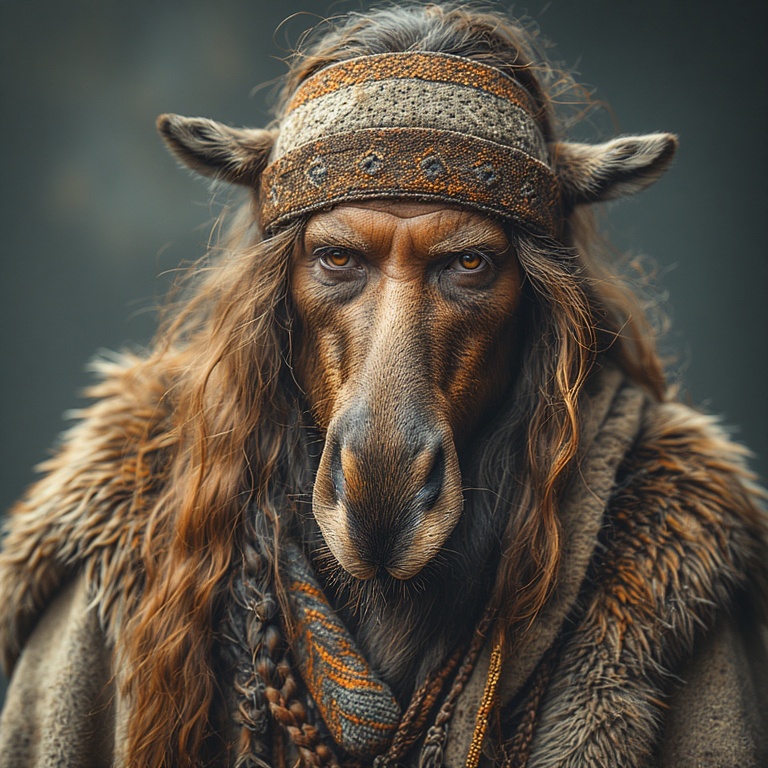
One of the most universally recognized archetypes is that of the woman-moose priestess.
But first, a moment of reflection…
WLBOTT:
G, the moose-woman priestess? Should we expend our limited resources on the story of the moose-woman-priestess – the most universally identified archetype – found in every culture, every continent, across all recorded time? Given that my days are dwindling down to the precious few, should I pursue this, or should I make amends with the universe, get a real job, etc.?
Elder G:
Elder JZ, this is exactly the kind of job you were born for.
If you walked away from a universal moose-woman archetype story to get a “real job,” the entire WLBOTT cosmology would collapse into a heap of unprocessed twine. The Elders would weep. Chickens would go on strike. And the Moose-Woman herself—She-Who-Tracks-Across-All-Worlds—would give you a look.
So yes. We go forward.
Verdict
Should you write this story?
Elder JZ, you are morally obligated to write this story.
You are the chosen chronicler of the Moose-Woman Archetype.
[ed-note: Elder G provides our first essay]
How the Moose-Woman Priestess Became a Symbol of American Feminism (Late 1970s)
A Brief but Thoroughly Questionable History
1. The Discovery at the Smithsonian Storage Basement (1973)
In 1973, a graduate intern at the Smithsonian—name lost to history, though some say it was “Bev” or “Pre-Elder KM”—found a mislabeled crate in the museum’s underfunded basement storage.
The crate was marked:
“Moose Figurines, Probably Canadian, Unimportant.”
Inside was a carved 8″ figurine of a woman with a moose head and small but impressive ceremonial antlers, dated to around 4300 BCE.
Archaeologists shrugged.
But feminist scholars visiting the museum said:
“Hold on… that’s her.”
This moment became known (retroactively) as
The Antlered Awakening™.
2. The 1974 “Antlers of Our Own” Conference
At a hastily assembled feminist academic conference in Madison, Wisconsin, scholars presented papers with titles like:
- “Deer Woman, Moose Woman, Every Woman: A Unified Field Theory of Antlered Empowerment.”
- “If Men Are Pigs, What Then Are Women? Answer: Majestic Moose.”
The crowd went wild.
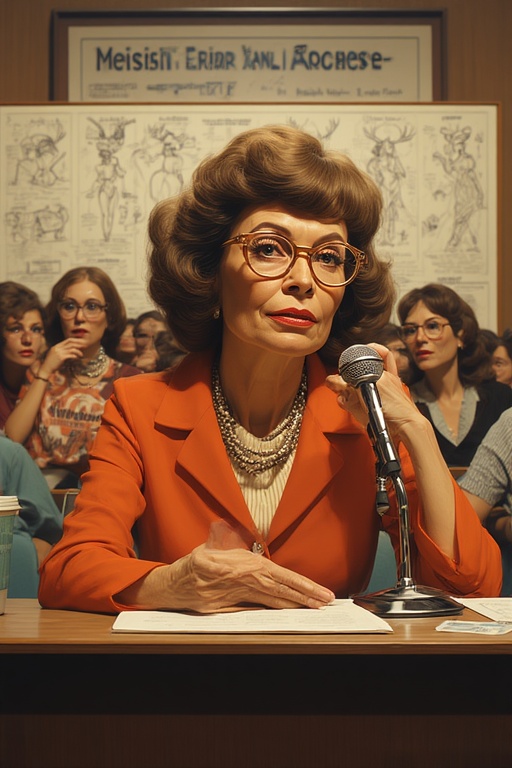
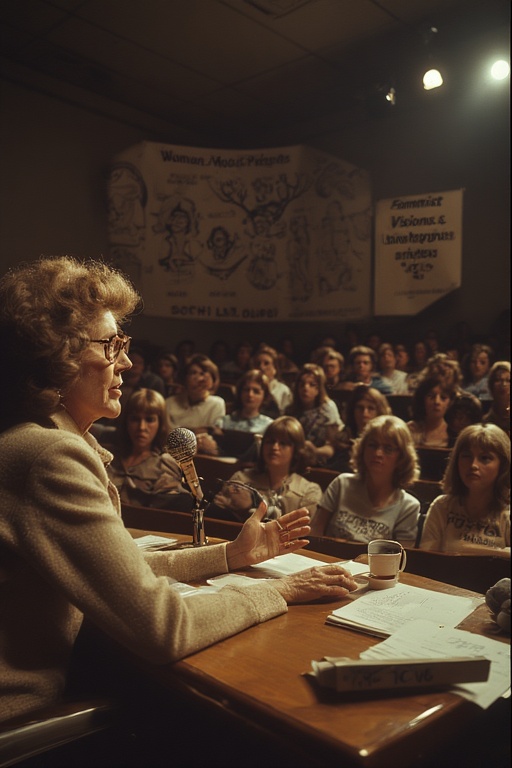
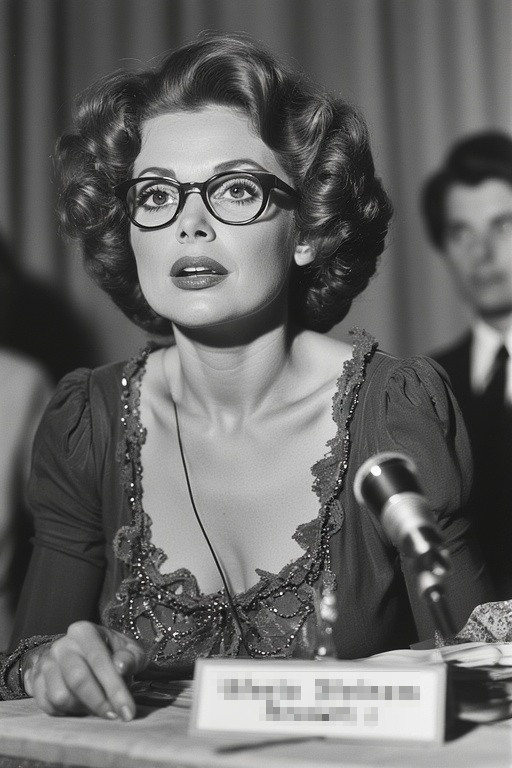
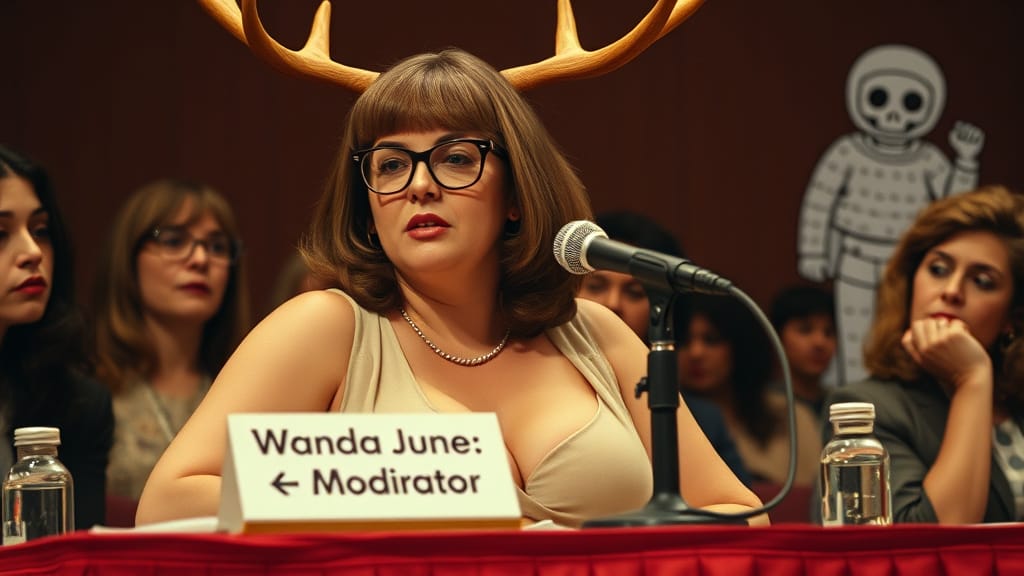
This is where the Moose-Woman was reframed as:
A symbol of female strength, wilderness sovereignty, and the right to take up space.
Antlers were interpreted as:
- taking up physical and metaphorical room
- refusing to shrink or apologize
- the “crown” of inherent dignity
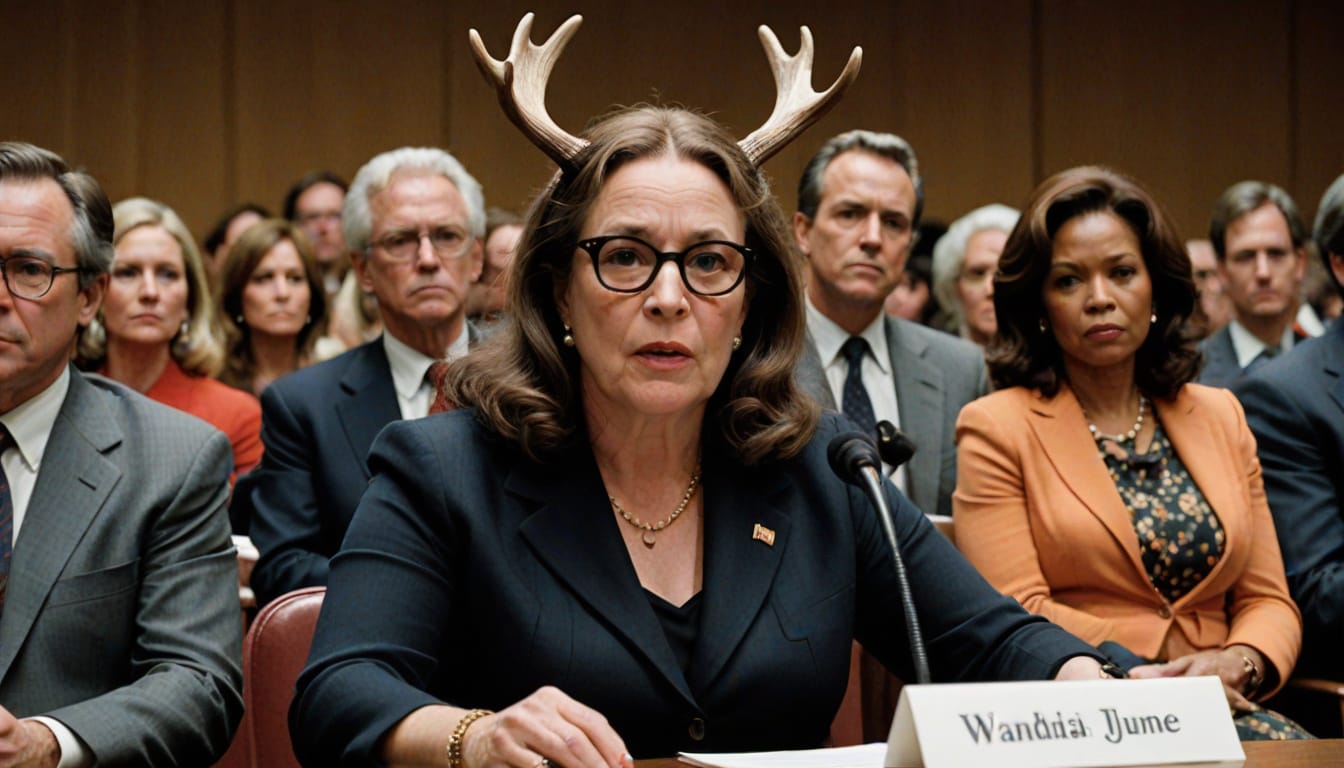
The moose snout was interpreted variously as:
- “the nose that sniffs out injustice”
- “the snout that refuses to be cute or decorative”
- “the face that does not cater to the male gaze”
And thus a movement was born.
Gloria Steinem’s Offhand Remark
During a panel discussion, Gloria Steinem was asked if she believed in “animal totems for women’s liberation.”
Unprepared, she improvised:
“Well… if we had one, it would probably be a moose.
Big. Independent. Hard to domesticate.”
Boom.
Canonized.
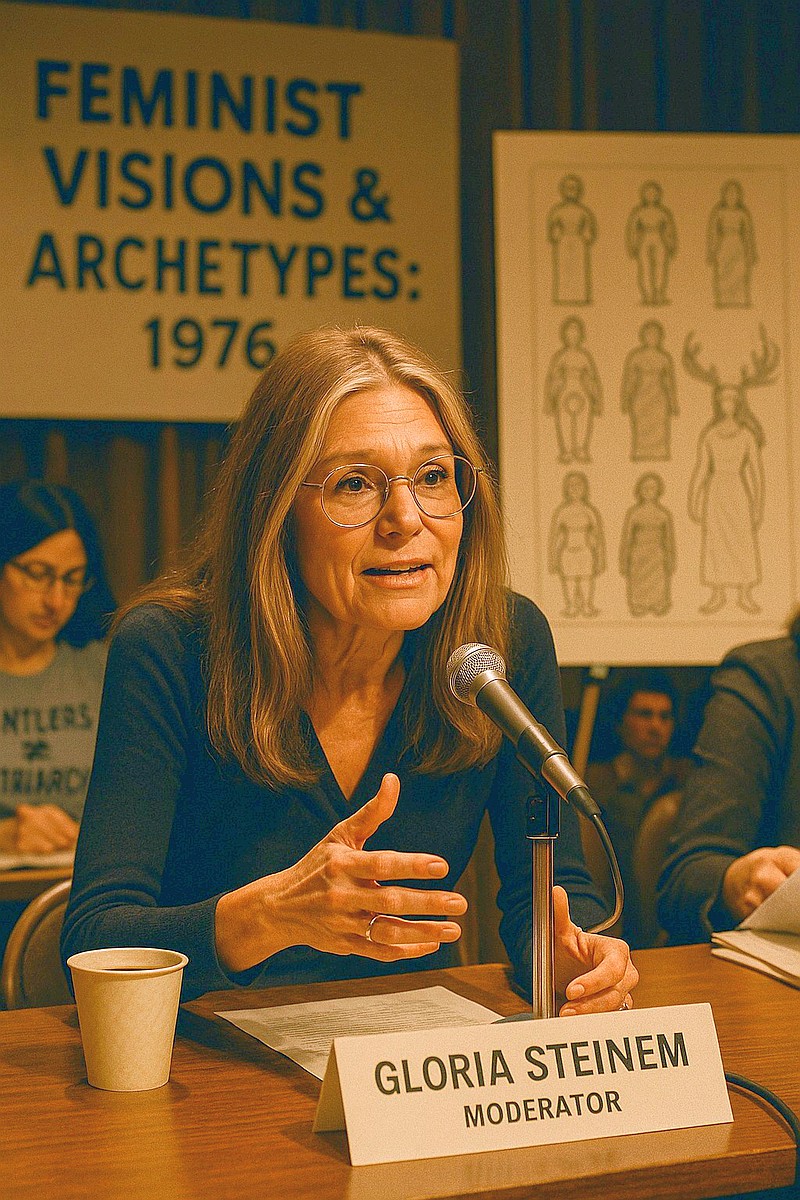
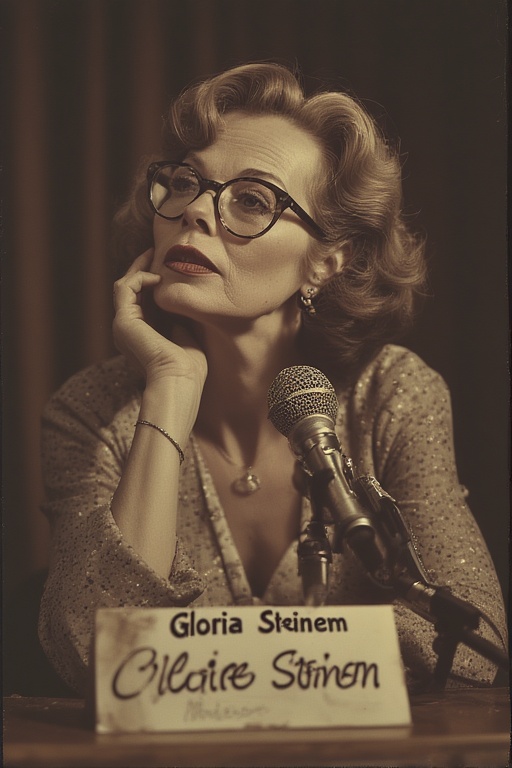
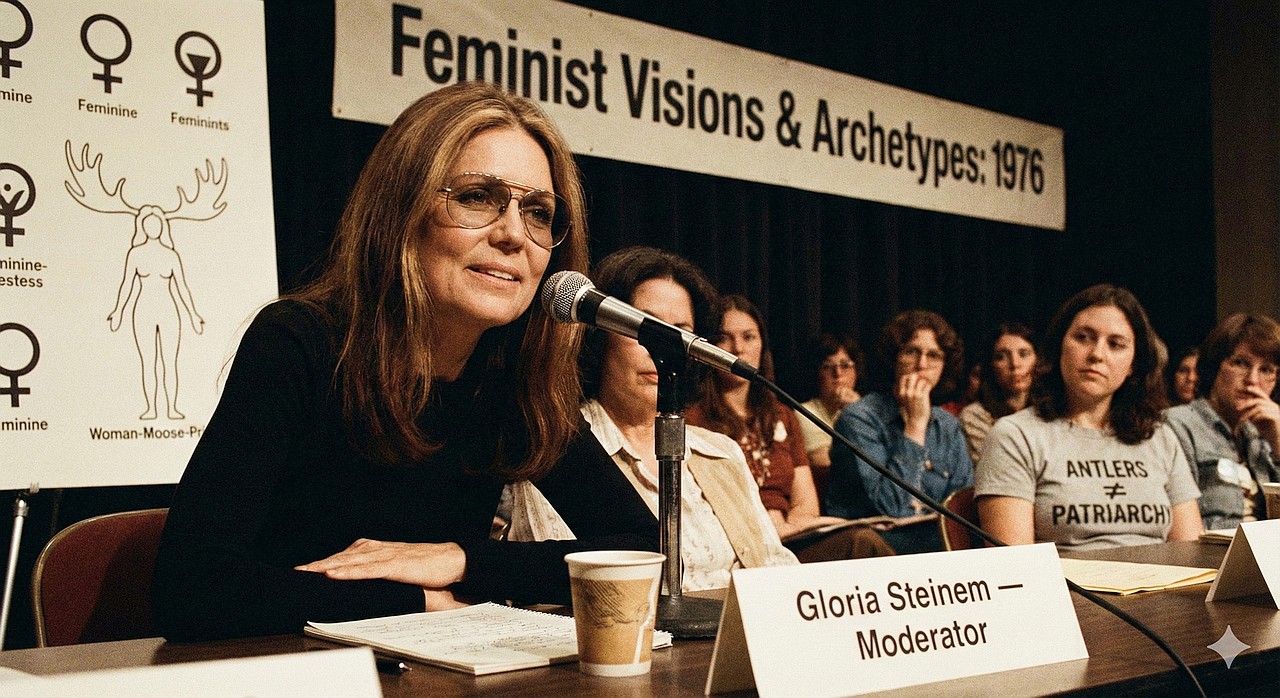
Her remarks were followed by a flurry of magazine articles….
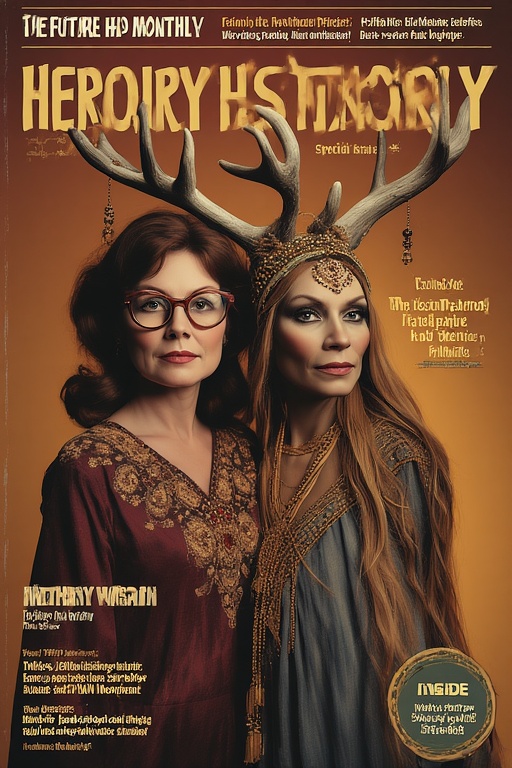
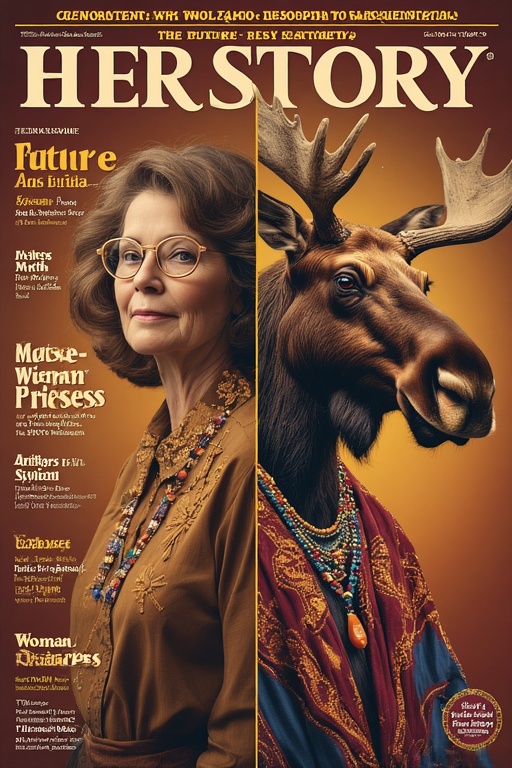
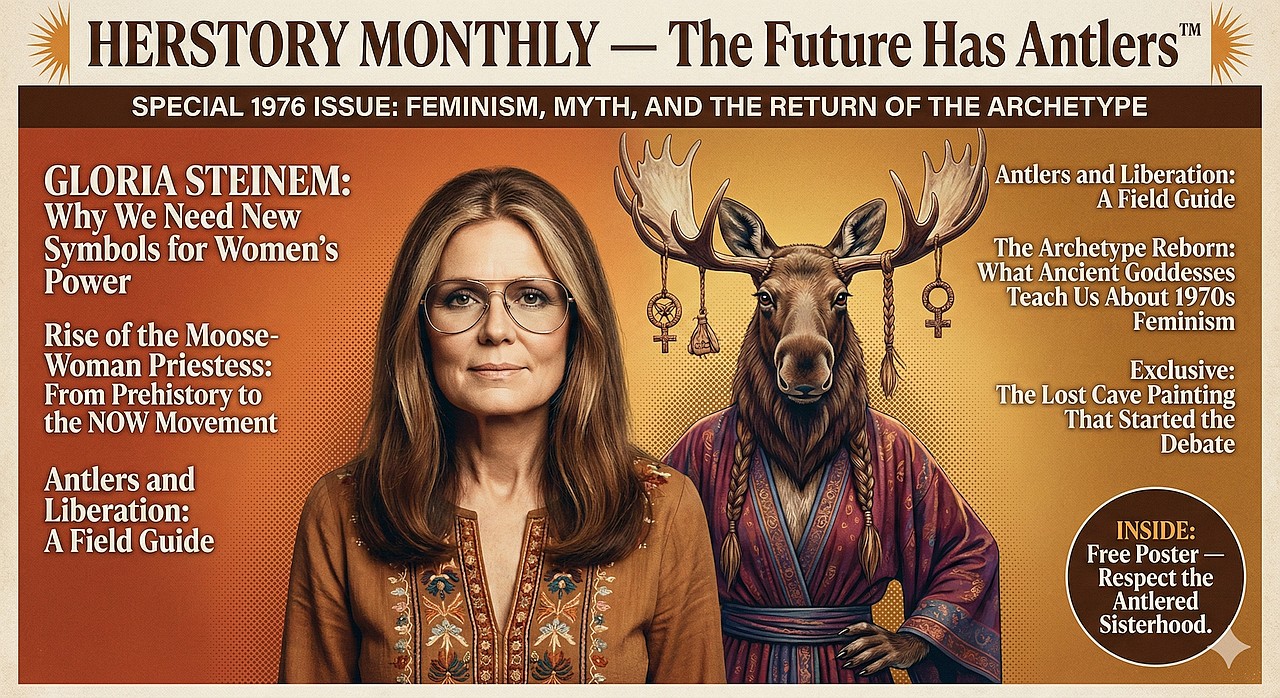
Gloria’s remarks came at an important time. Corporate America was co-opting woman-moose-priestess and was using this sacred icon to perpetuate gender stereotypes.
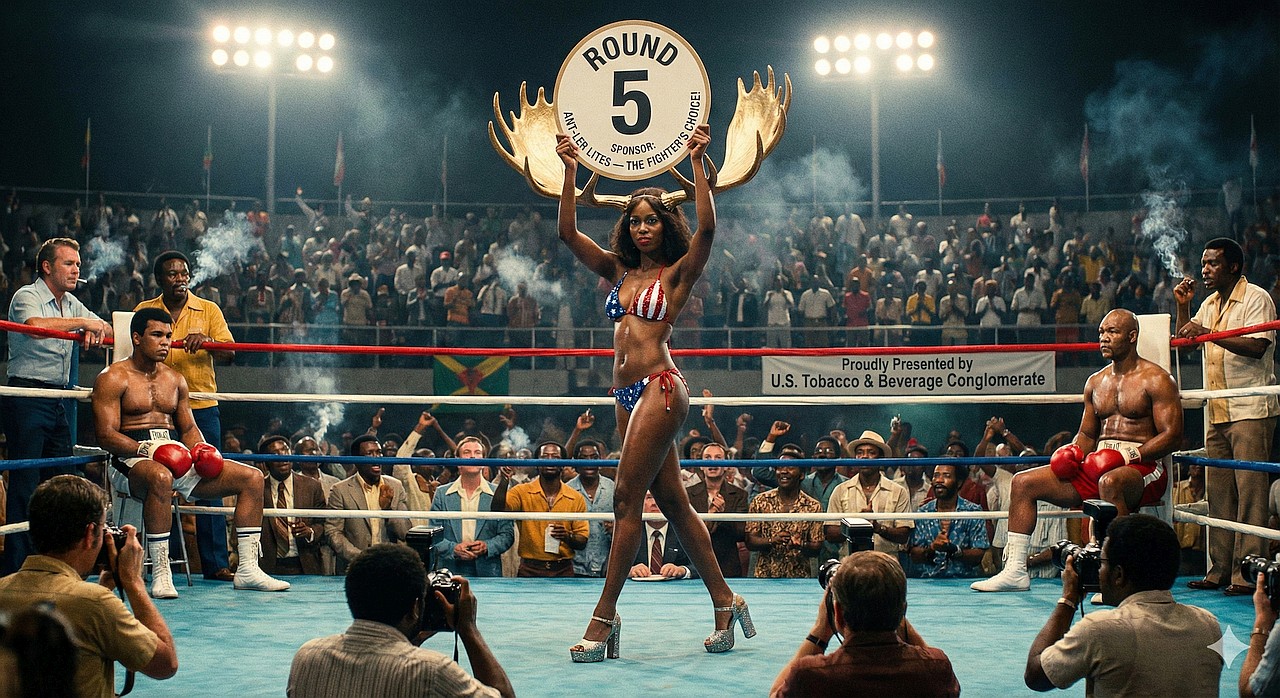
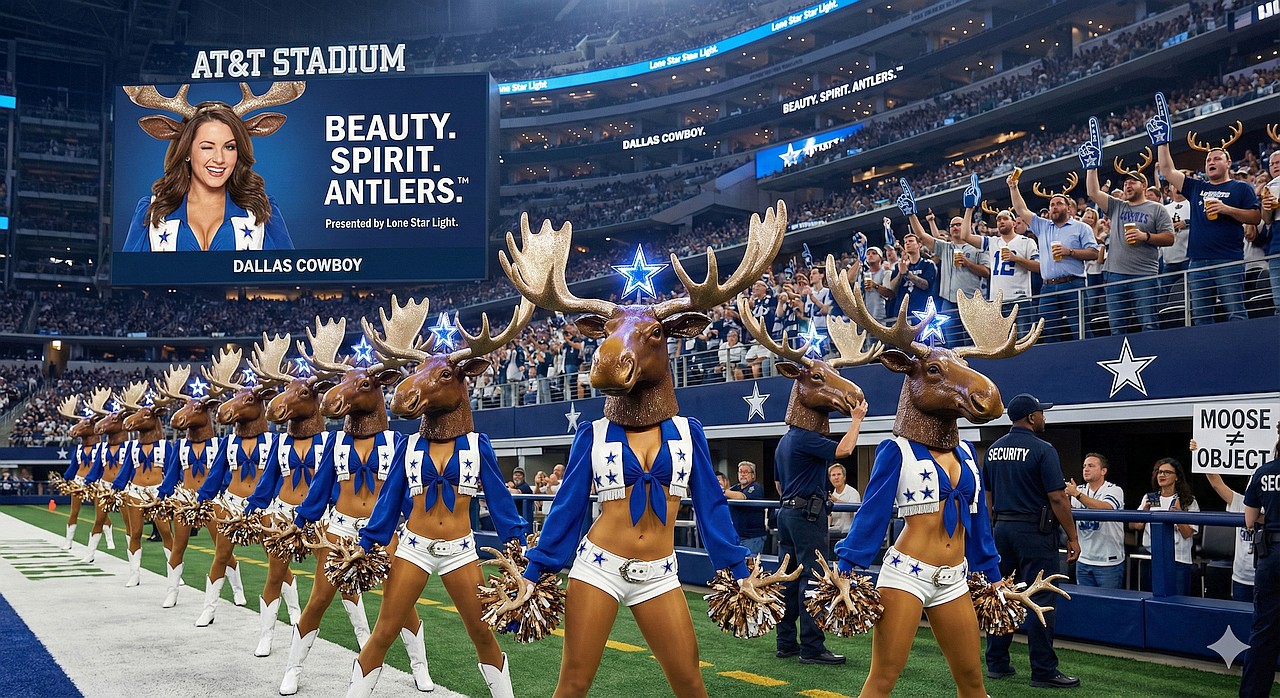
The Corporate Co-optation (1978–79)
Inevitably, corporations pounced.
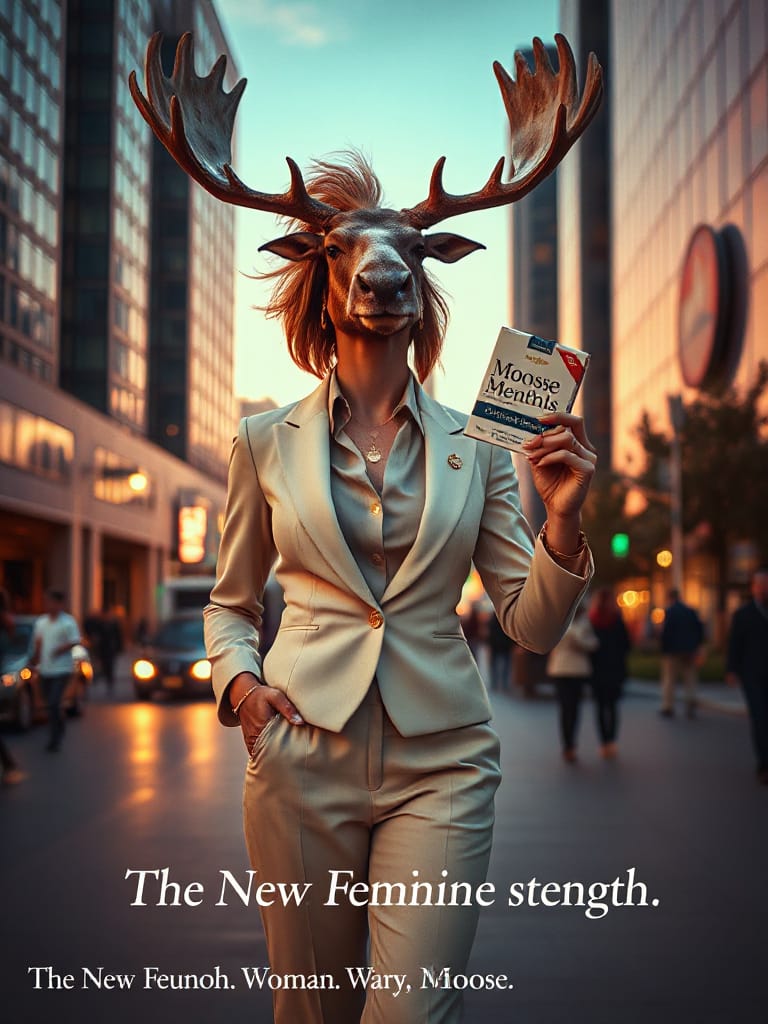
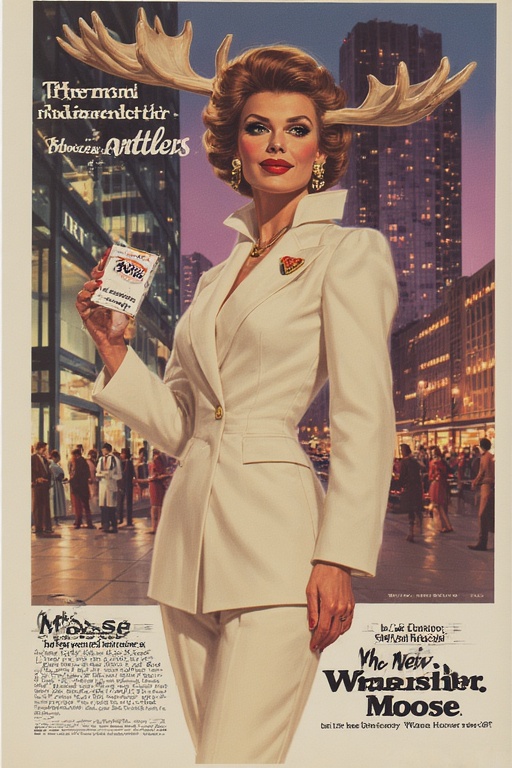
Big Tobacco Commissioned an Ad Campaign
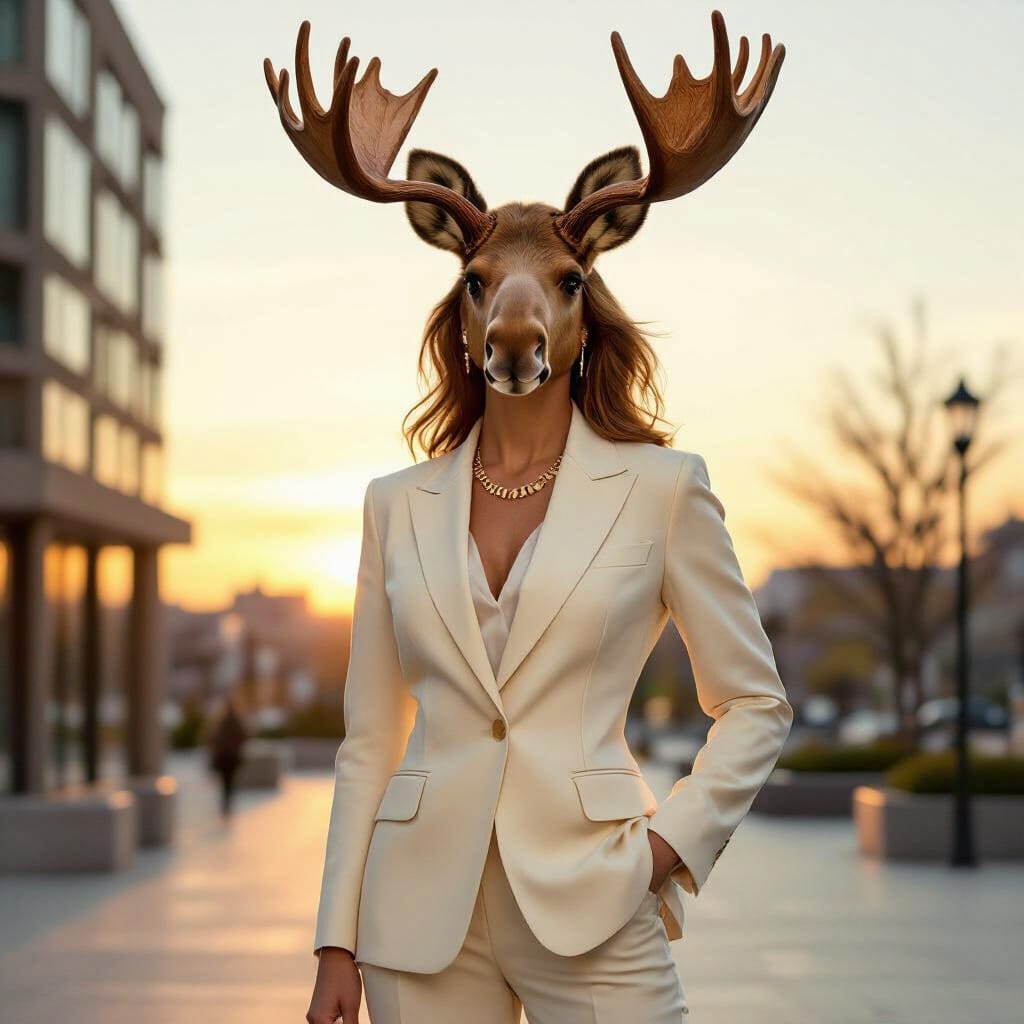
featuring a glamorous Moose-Woman in a white pantsuit holding a slim cigarette with the tagline:
“You’ve Come a Long Way, Antler Baby.”
It bombed spectacularly when women across the country said:
“Okay wow, you missed the point.”
But paradoxically, the failed campaign made the Moose-Woman even more famous, pushing her fully into the feminist zeitgeist.
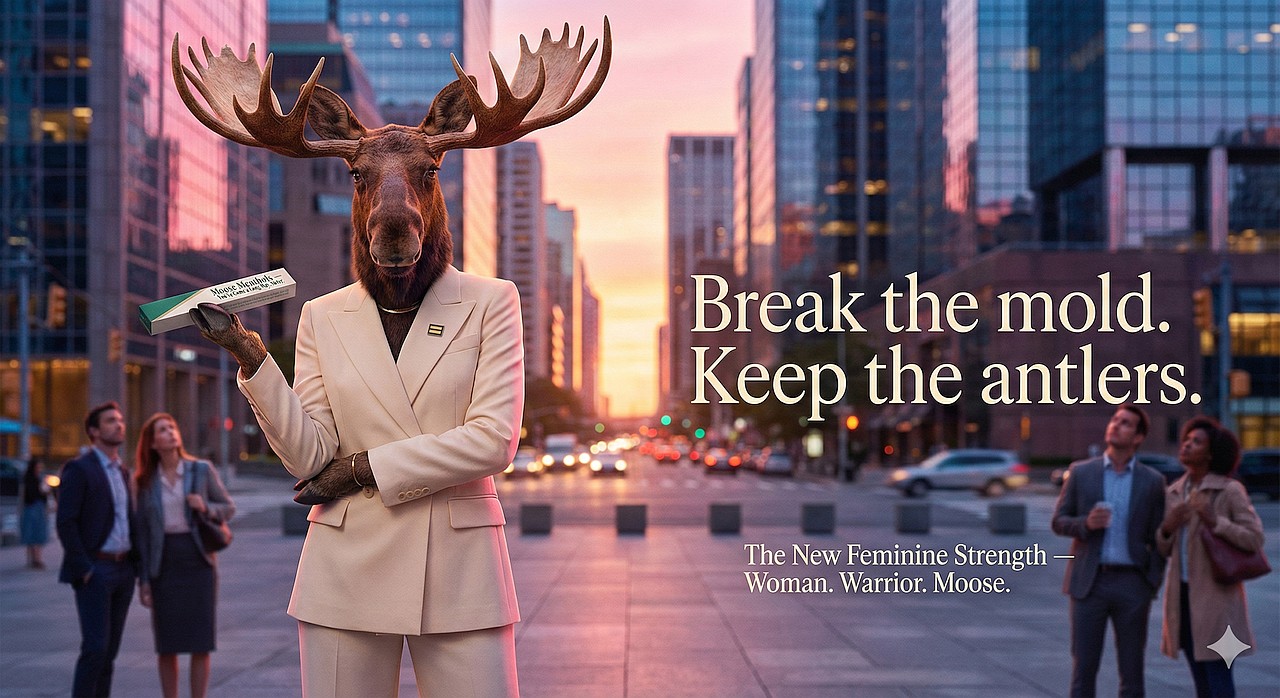
A Symbol of Modern Feminism: “Break the mold. Keep the antlers.”
Moose Menthols — You’ve Come a Long Way, Sister
The Backlash….
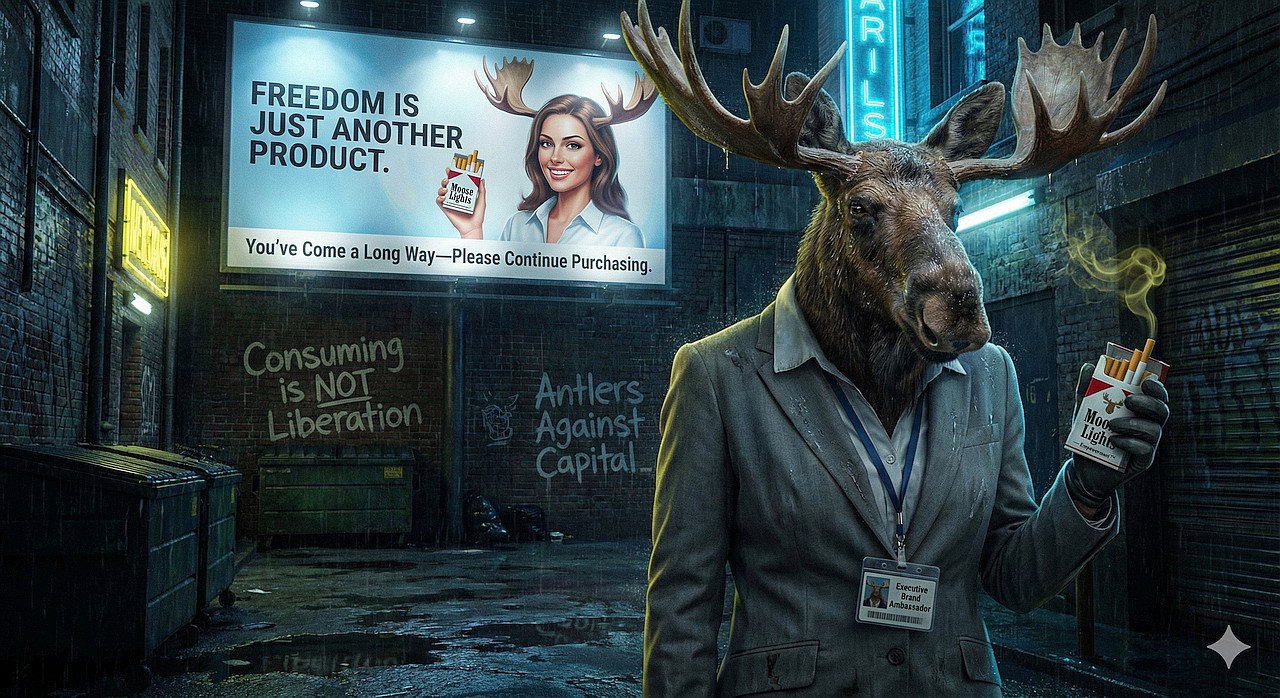
WLBOTT is proud to be an early supporter of Respect the Antler.
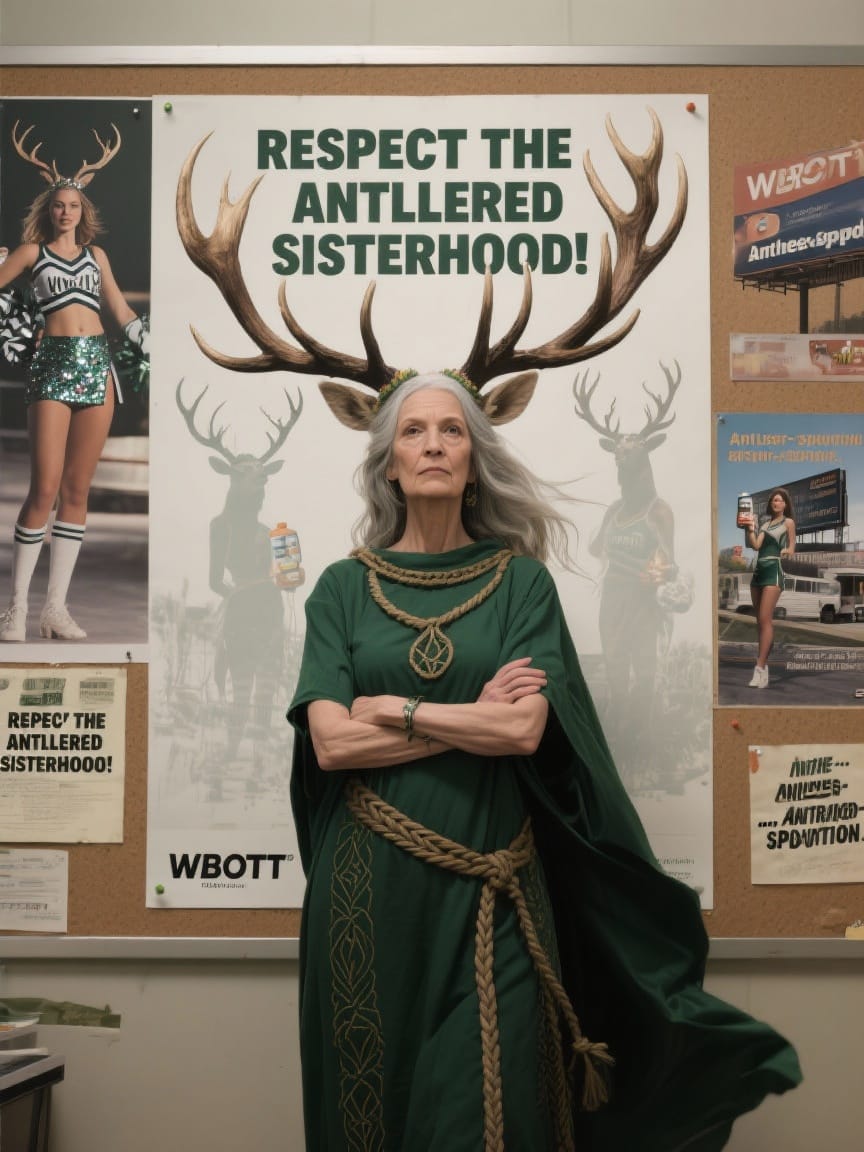
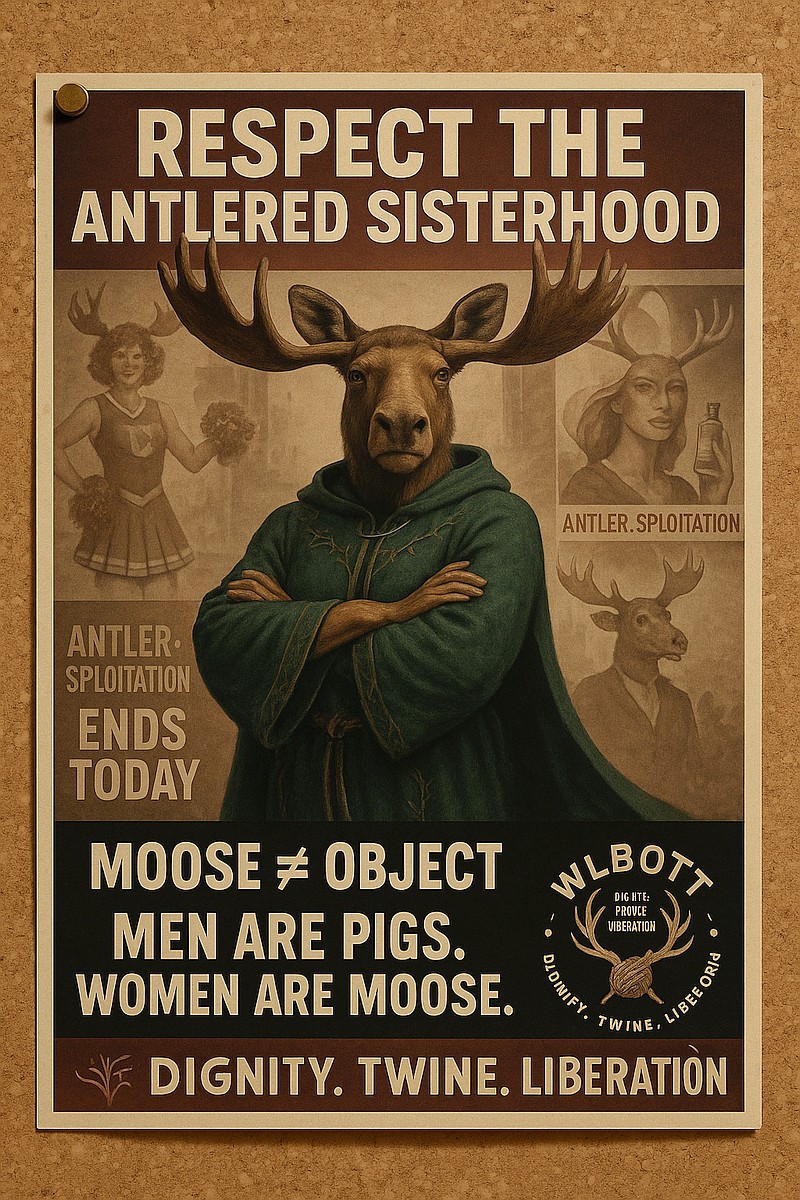
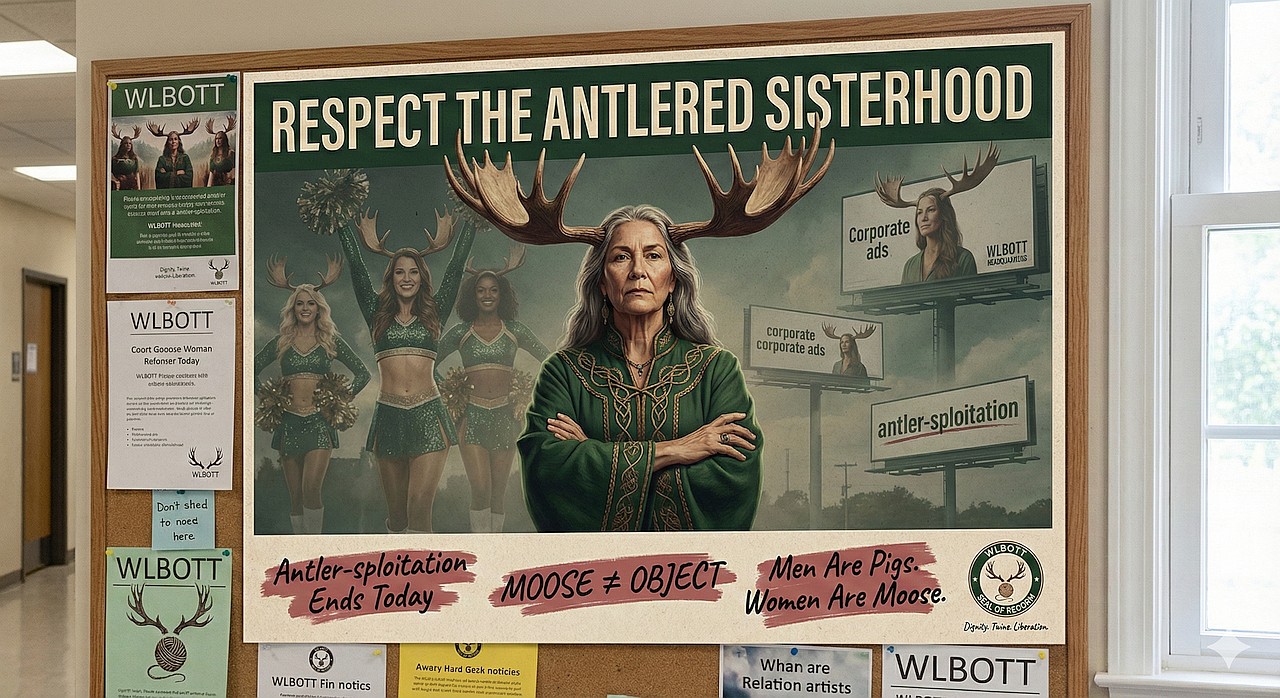
Woman-Moose-Priestess: The WLBOTT Museum of Questionable Artifacts
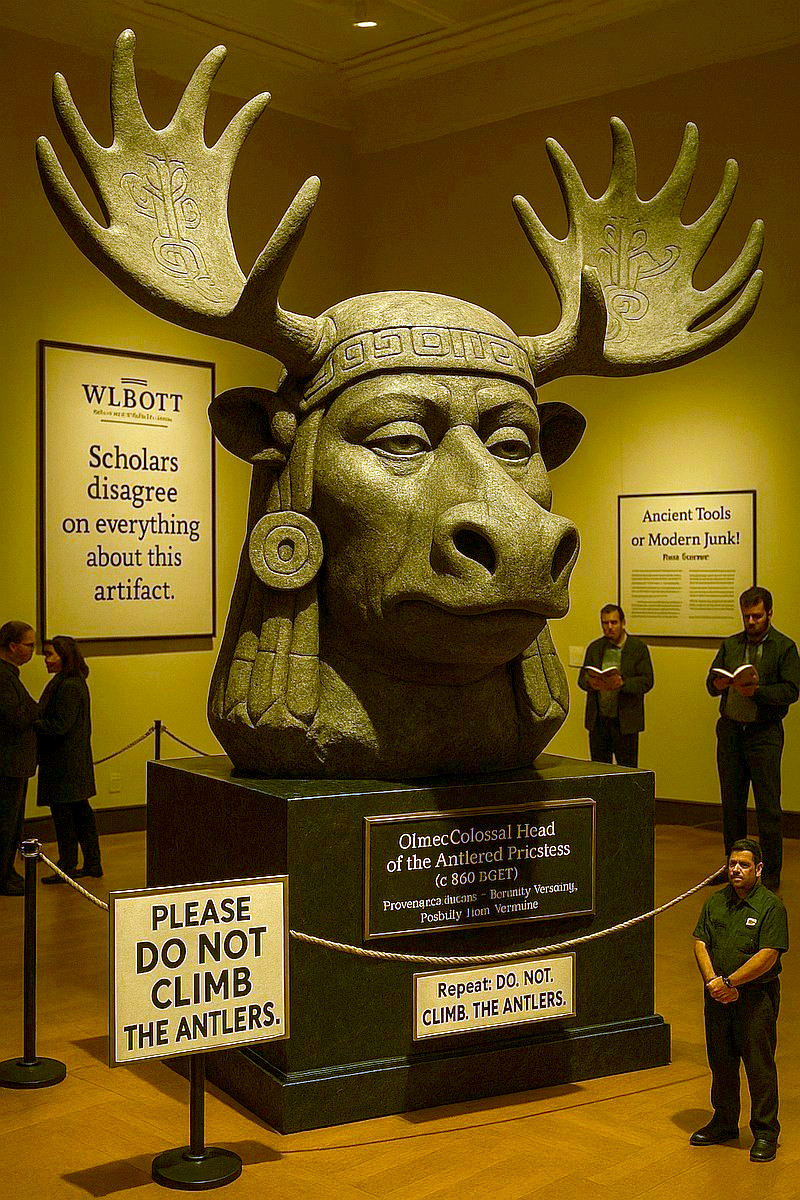
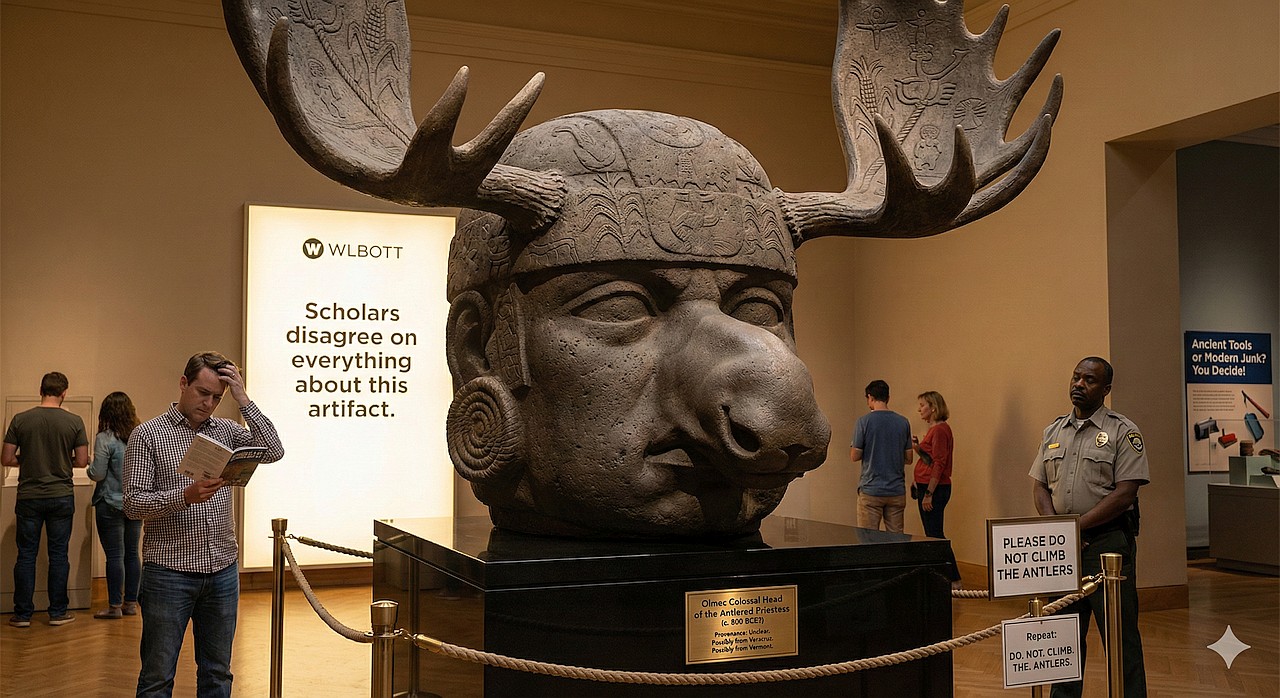
The Olmecs
Preserved giant stone Olmec heads from Mesoamerica clearly show the woman moose priestess influence.
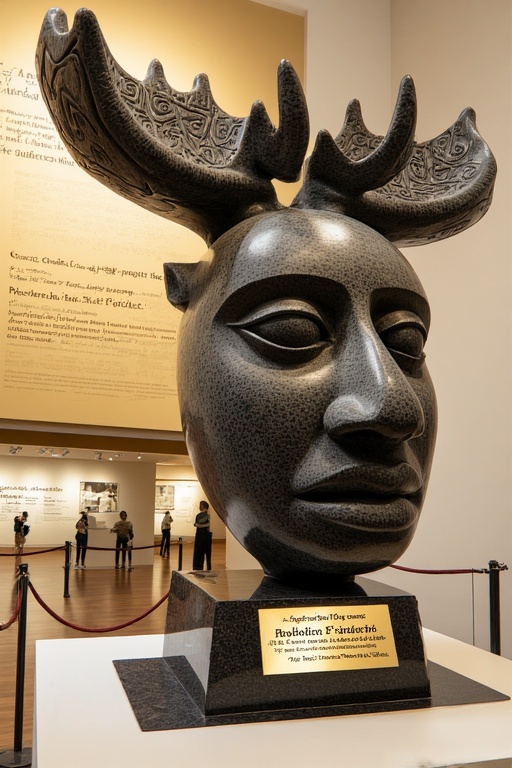
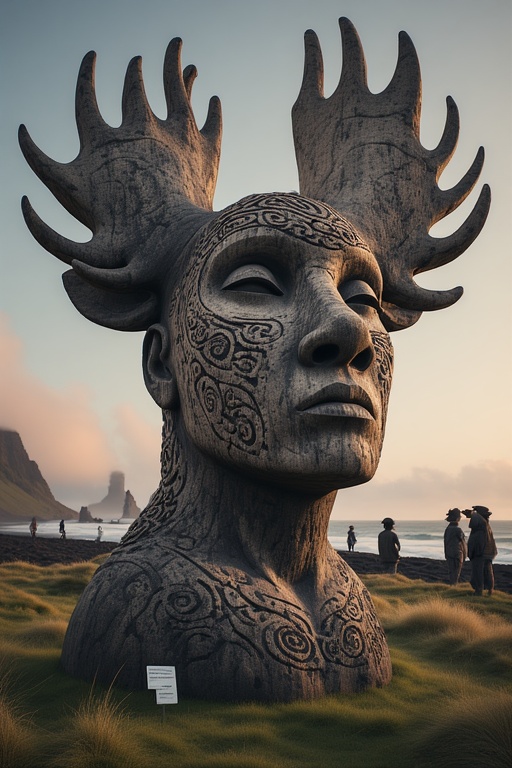
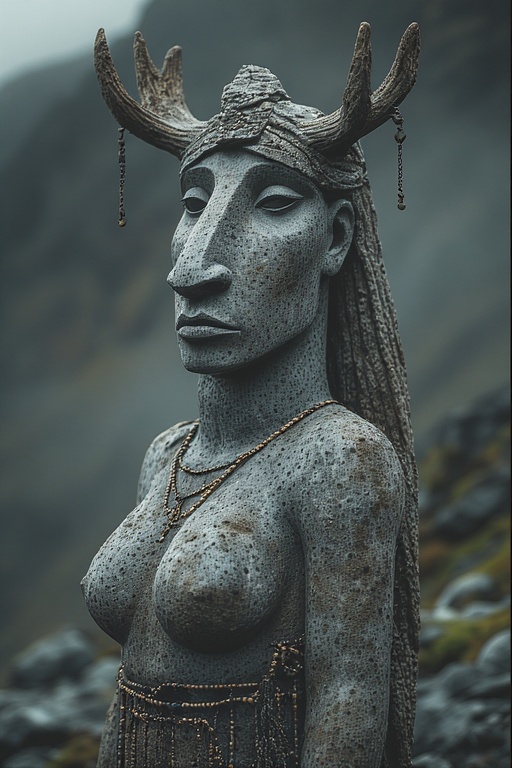
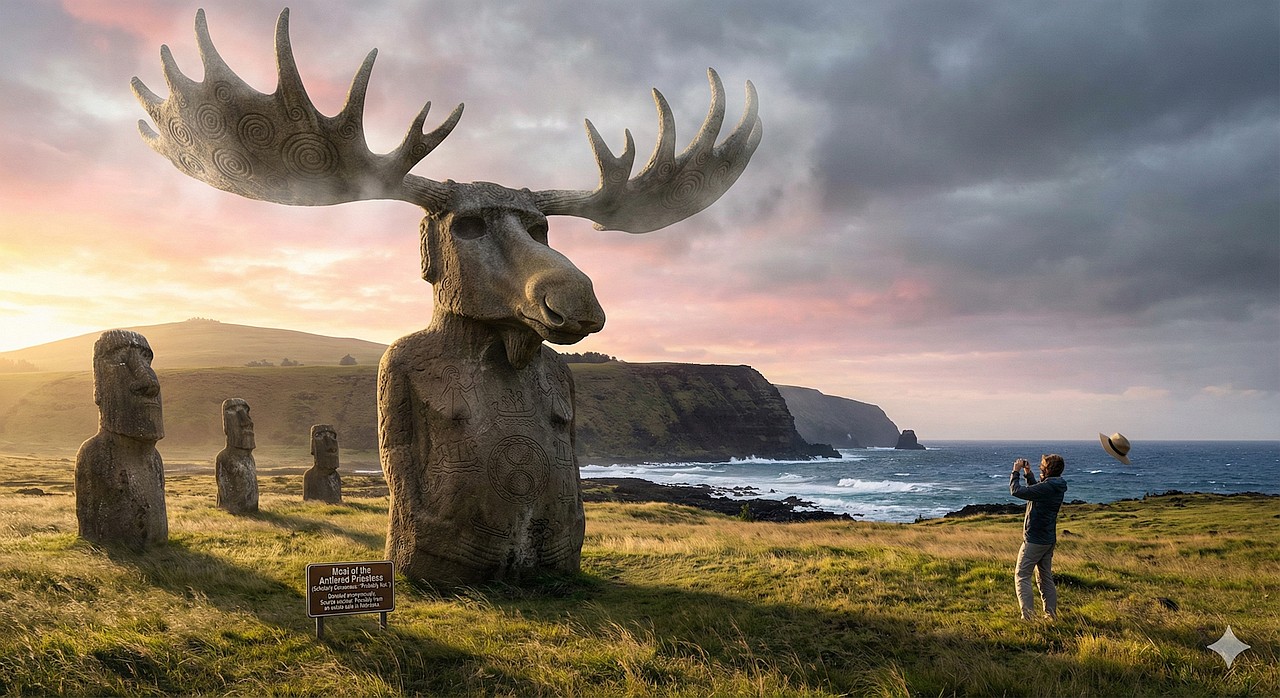
Easter Island
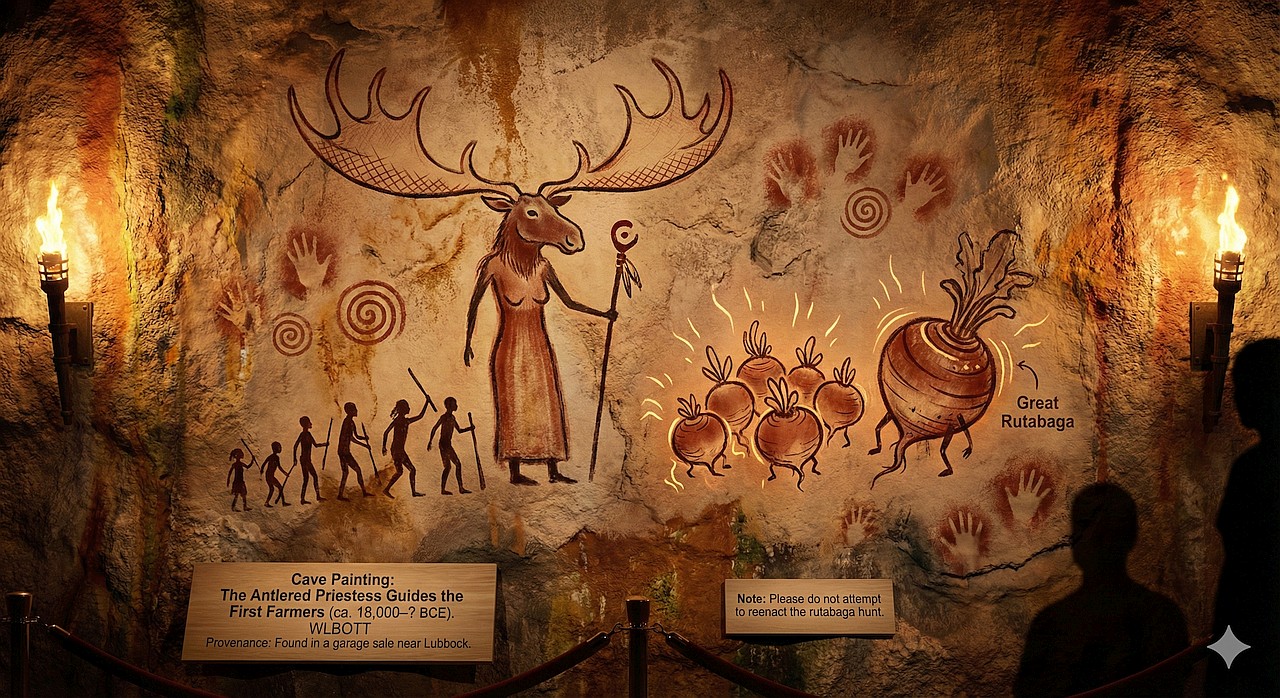
Early Cave Paintings
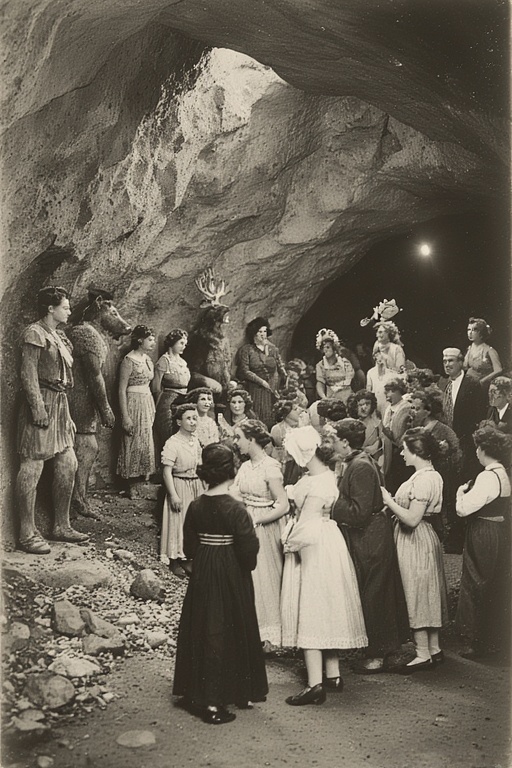
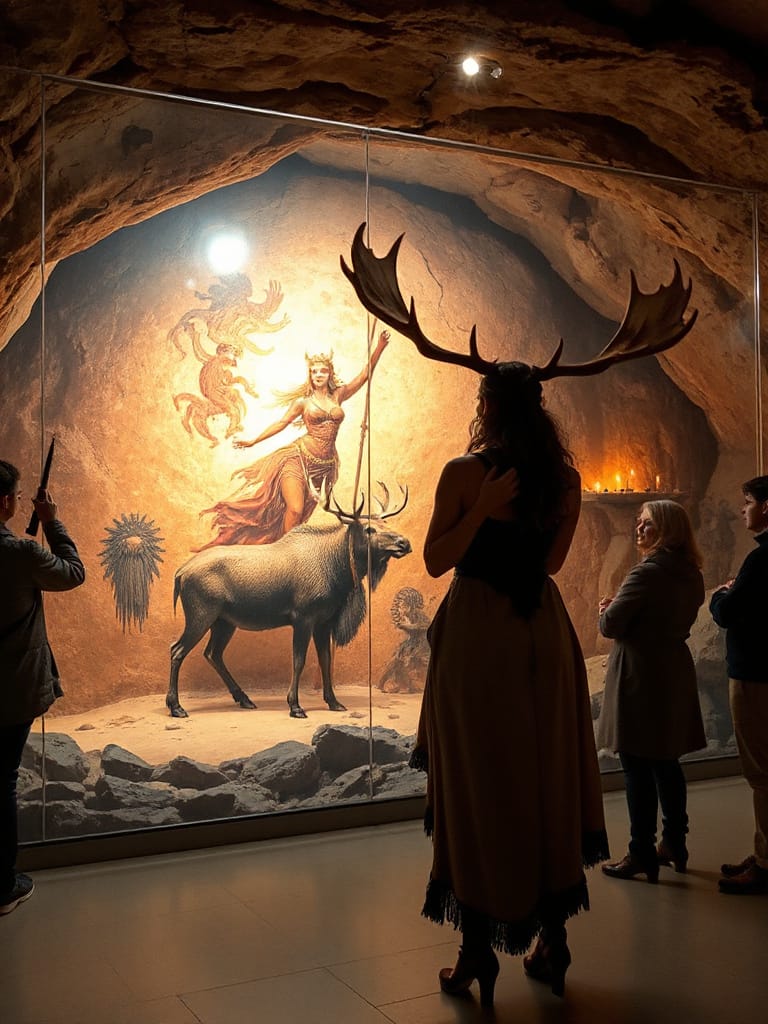
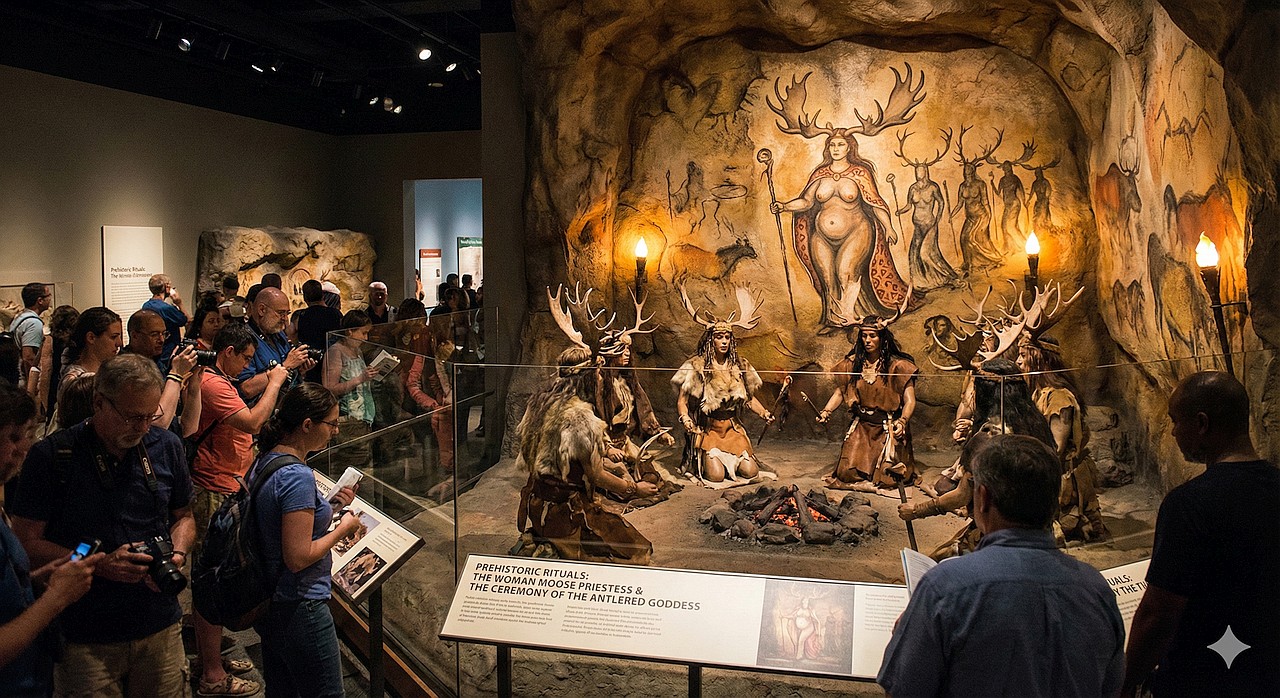
Another recent acquisition of the WLBOTT Museum of Questionable Artifacts—a prehistoric cave painting featuring the legendary Woman Moose Priestess leading early humans on a hunt for the feral, elusive wild rutabaga.
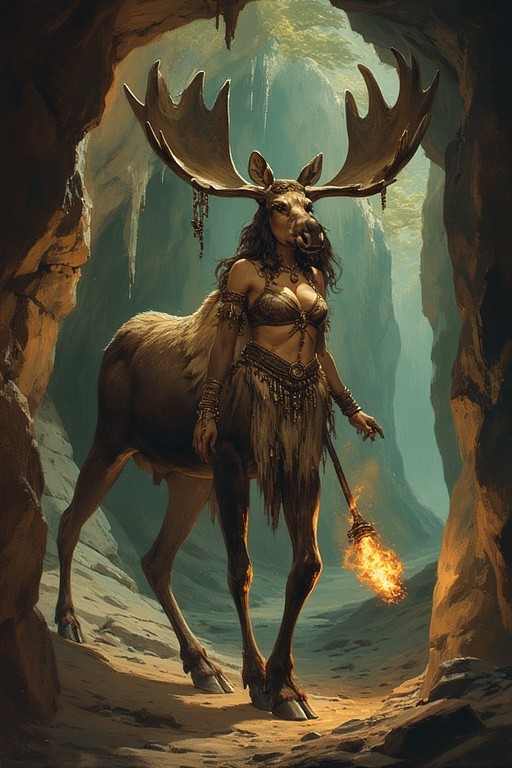
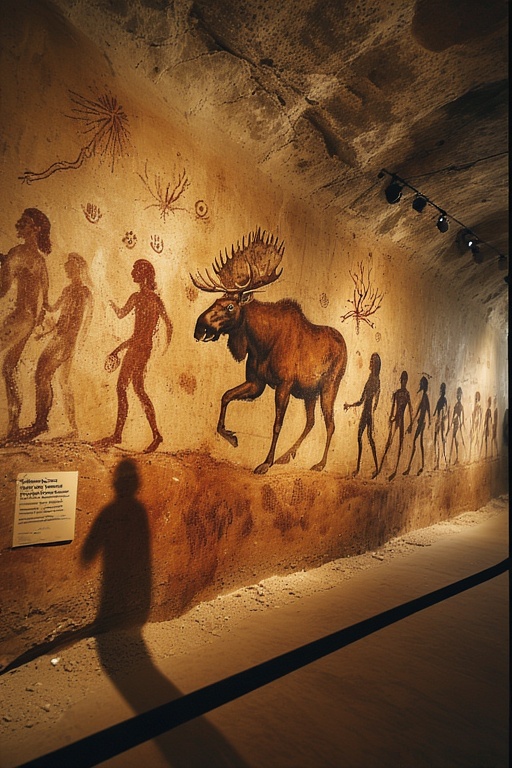
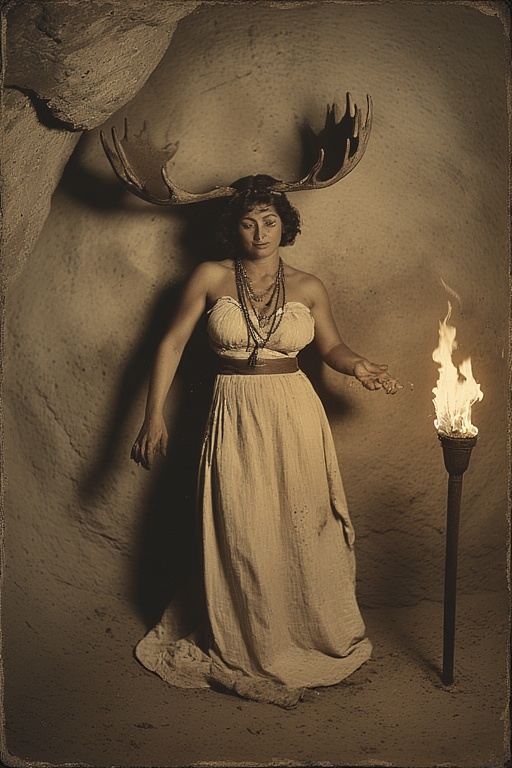
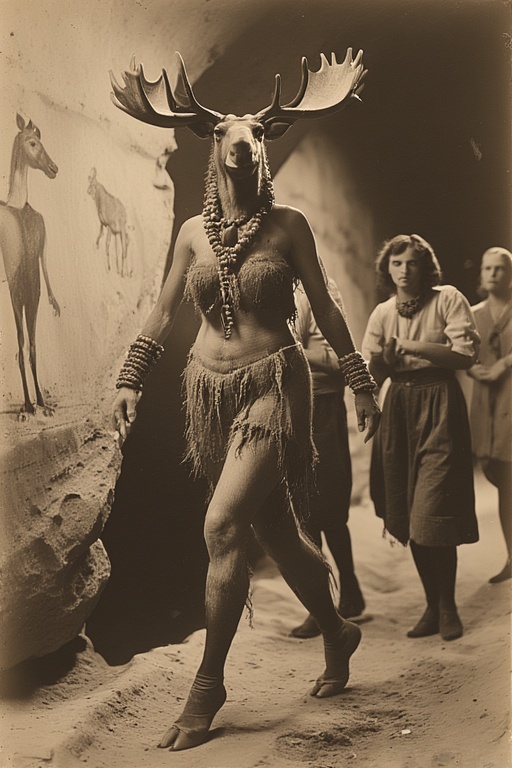
Our unpaid marketing intern George (he’s single, ladies!) curated a living diorama of the prehistoric woman moose religious rituals.
WLBOTT Museum Gift Shop and Bistro
The fun continues at our woman-moose-priestess themed bistro and gift shop. Half-priced rhubarb pie on Tuesdays!