In our recent blott about Pippi Longstocking and the real-life Swedish sailor-turned-South Sea Island King, we wondered if WLBOTT should include Papua New Guinea and Twine Tour destination.
Then we recalled that, long ago, we read a book about Kuru and other prion diseases (can’t recall the title). Kuru is a very weird (and 100% fatal) disease formerly found among the Fore people of Papua New Guinea. The cause of the disease was linked to ritual cannibalism related to burial rites. More info in this Wikipedia article.
Before we get too up-on-our-anti-cannibalism-high-horse[1], this ritual cannibalism was necessary for the survival of the Fore people, who had virtually no access to protein in their diet (due to their extremely bleak geographical environment).
But still, WLBOTT must do our due diligence before recommended a location for our Twine Tour. And we did do due.
We won’t go into details, but we concluded that Papau New Guinea is mostly safe, from a cannibalism standpoint.
If We’re Not Worried about Cannibalism, What Should We Be Worried About?
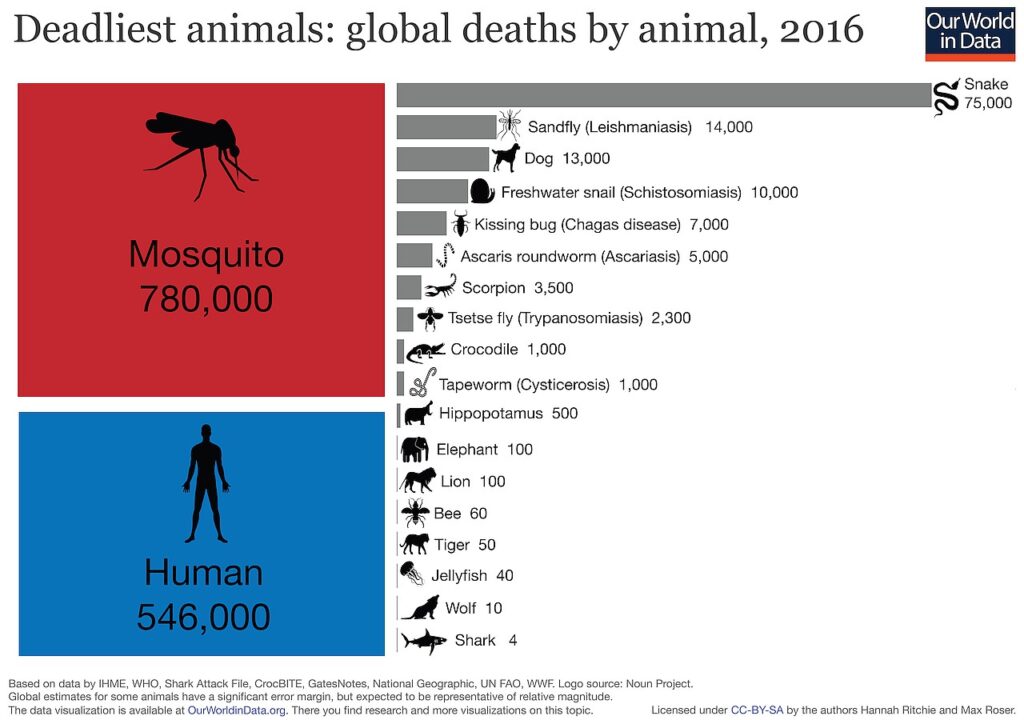
There’s plenty, folks. But we’ll start here:
By Our World in Data, Hannah Ritchie and Max Roser – https://ourworldindata.org/causes-of-death#deaths-by-animal, CC BY 4.0, https://commons.wikimedia.org/w/index.php?curid=130583015
This is a list of the deadliest animals to humans worldwide, measured by the number of humans killed per year. Different lists have varying criteria and definitions, so lists from different sources disagree and can be contentious. This article contains a compilation of lists from several reliable sources.
[ed. note: I’ve spent way too much time worrying about wolves and polar bears.]
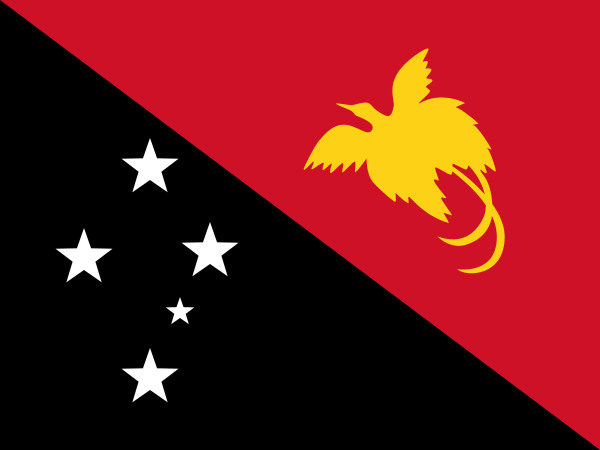
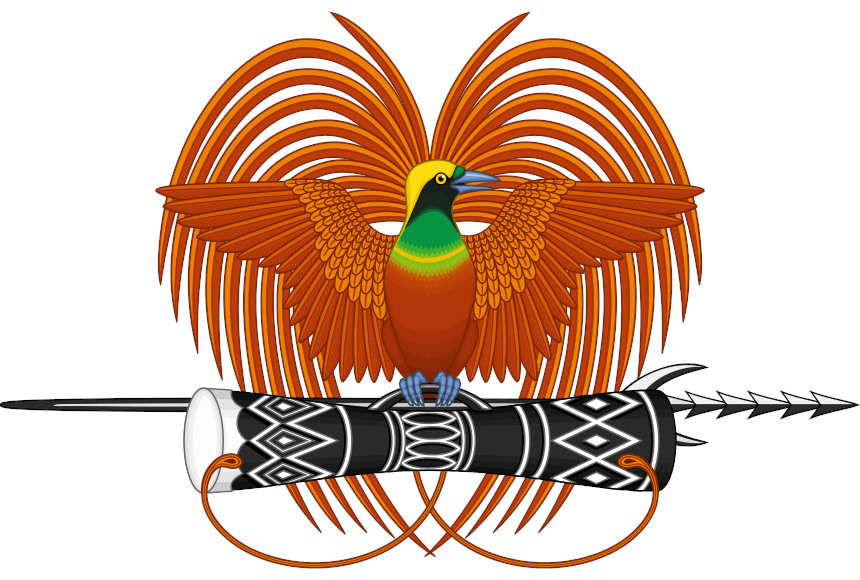
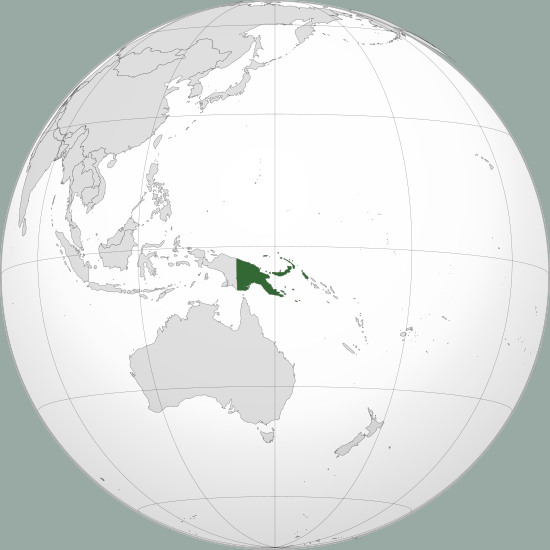
[excerpts] Papua New Guinea (PNG), officially the Independent State of Papua New Guinea, is an island country in Oceania that comprises the eastern half of the island of New Guinea and offshore islands in Melanesia, a region of the southwestern Pacific Ocean north of Australia. It has a land border with Indonesia to the west and maritime borders with Australia to the south and the Solomon Islands to the east. Its capital is Port Moresby. The country’s 462,840 km2 (178,700 sq mi) includes a large mainland and hundreds of islands.
The rural and diverse population is a result of highly mountainous geography. The land supports around 5% of all known species, and the export-driven economy is also dependent on natural resources. Papua New Guinea is a developing economy where nearly 40% of the population are subsistence farmers living relatively independently of the cash economy. The country retains close ties to Australia, and has enhanced ties with both Asia and the Pacific.
Demographics Papua New Guinea is one of the most heterogeneous nations in the world. In addition to having perhaps a quarter of the world’s languages, ethnic identity within the country is further divided by factors such as geography, kinship ties, and external pressures. The United Nations Department of Economic and Social Affairs population estimate as of 2020 was 8.95 million inhabitants. […] In December 2022, a report by the UN, based upon a survey conducted with the University of Southampton using satellite imagery and ground-truthing, suggested a new population estimate of 17 million, nearly double the country’s official estimate.
Papua New Guinea is one of the most rural countries, with only 14% of its population living in urban centres as of 2023.
The gender ratio in 2016 was 51% male and 49% female. The number of households headed by a male was 82.5%, or 17.5% were headed by females. The median age of marriage is 20, while 18% of women are in polygynous relationships.
In the late 2010s, the proportion of men without education was around 32%, while for the female population it was 40%. The literacy rate was 63.4% in 2015. Much of the education in PNG is provided by church institutions.
Languages There are around 840 known languages of Papua New Guinea (including English), making it the most linguistically diverse country in the world. Papua New Guinea has more languages than any other country, with over 820 indigenous languages, representing 12% of the world’s total, but the majority are spoken by fewer than a thousand people, and an average of only 7,000 speakers per language.
Religion […] The government and judiciary have upheld the constitutional right to freedom of speech, thought, and belief. However, Christian fundamentalism and Christian Zionism have become more common, driven by the spread of American prosperity theology through visitors and televangelism. This has challenged the dominance of mainstream churches and reduced the expression of some aspects of pre-Christian culture. A constitutional amendment in March 2025 recognised Papua New Guinea as a Christian country, with specific mention of “God, the Father; Jesus Christ, the Son; and Holy Spirit”, and the Bible as a national symbol.
Sport Sport is an important part of Papua New Guinean culture, providing an outlet for intergroup conflict while also able to provide a source of national unity. Rugby league is extremely popular, serving as a unifying national sport. Support is passionate enough that people have died in violent clashes while supporting their team.
Agriculture Agriculture was independently developed in the New Guinea highlands around 7000 BC, making it one of the few areas in the world where people independently domesticated plants. Before the onset of full-scale agriculture, some plants had already been domesticated, including sago, Canarium indicum, and karuka.
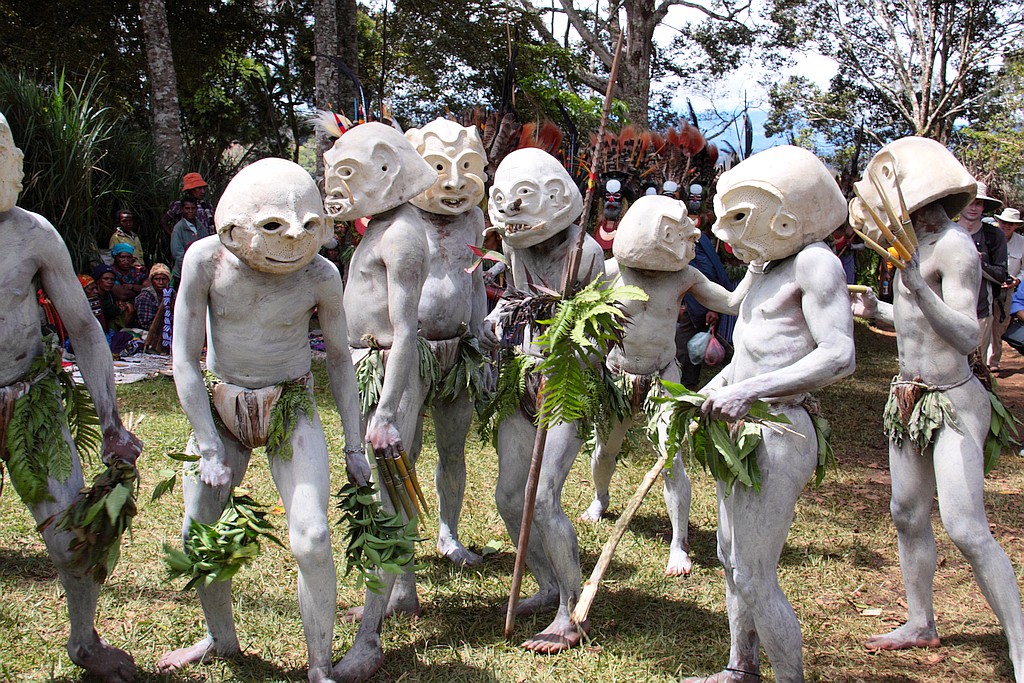
A tree-kangaroo in Papua New Guinea By panvorax – originally posted to Flickr as Baby tree kangaroo on the chiefs wifes shoulder, CC BY 2.0, https://commons.wikimedia.org/w/index.php?curid=7896570A resident of Boga-Boga, a village on the southeast coast of mainland Papua New Guinea By Jon Radoff – Own work, CC BY 2.5, https://commons.wikimedia.org/w/index.php?curid=1390758 The country has a large Christian majority population, of several different denominations, and in March 2025 its constitution was amended to adopt Christianity as the official state religion.Asaro Mudmen By http://veton.picq.fr – Own work, CC BY-SA 3.0, https://commons.wikimedia.org/w/index.php?curid=8049367 The country has a large Christian majority population, of several different denominations, and in March 2025 its constitution was amended to adopt Christianity as the official state religion.
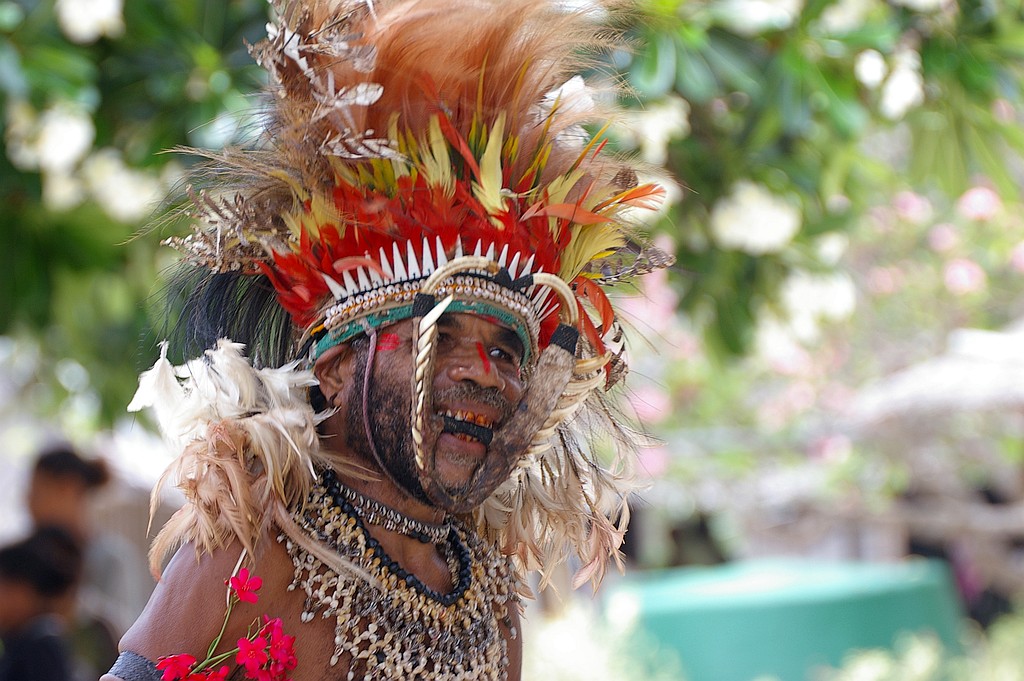
A resident of Boga-Boga, a village on the southeast coast of mainland Papua New Guinea By Jon Radoff – Own work, CC BY 2.5, https://commons.wikimedia.org/w/index.php?curid=1390758
The country has a large Christian majority population, of several different denominations, and in March 2025 its constitution was amended to adopt Christianity as the official state religion.
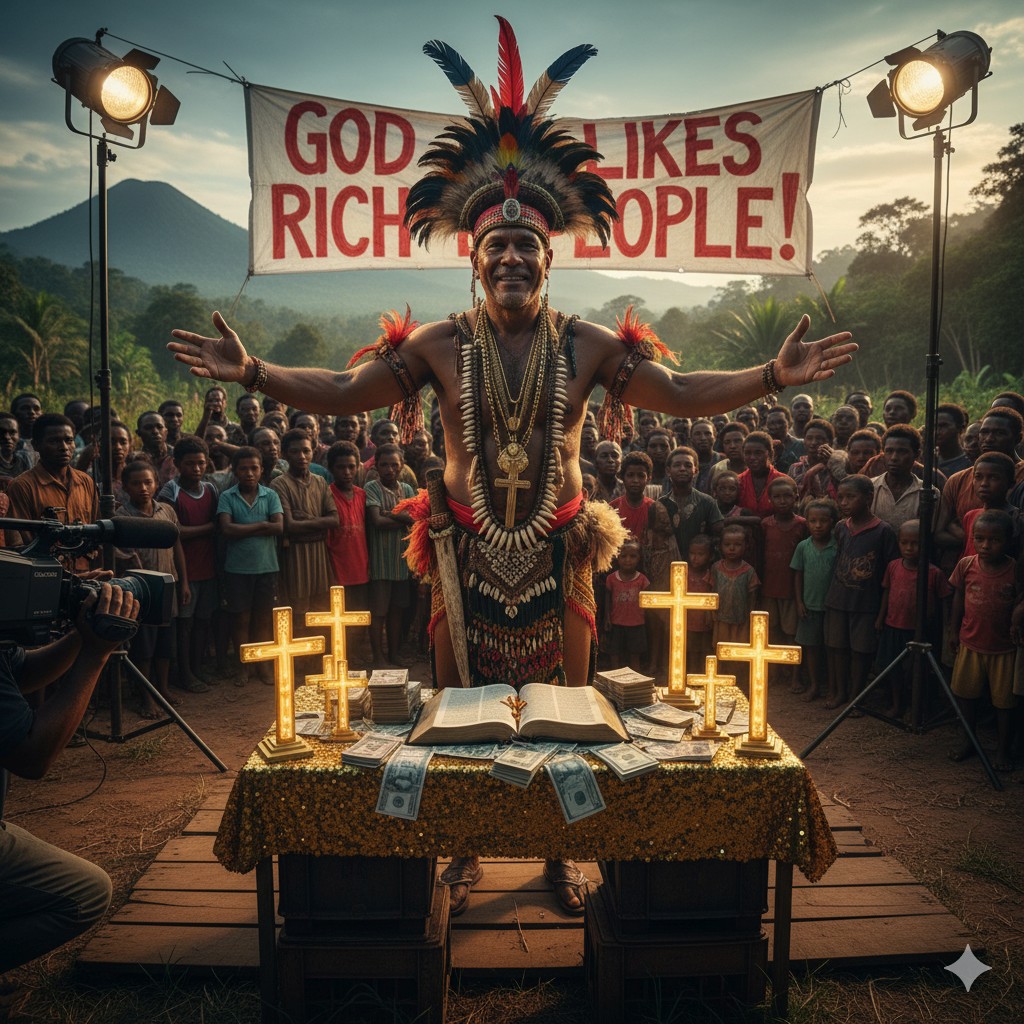
Papua New Guinea, The Prosperity Gospel, and Televangelism
However, Christian fundamentalism and Christian Zionism have become more common, driven by the spread of American prosperity theology through visitors and televangelism.– Wikipedia
How does the prosperity theology work in a country where the nominal per capita GDP is $2,560? ($7.01/day)
The Prosperity Gospel is a belief system that God rewards faithfulness with financial and material success, which is spread in Papua New Guinea (PNG) through Pentecostalism and charismatic movements, and in the United States through televangelism and other mediums. In PNG, this has been adopted into a broader Pentecostal movement that emphasizes spiritual power, with a significant portion of the population following these churches as of 2010. Televangelists have also helped spread the Prosperity Gospel globally, linking faith and material prosperity.
Gemini
We found an excellent academic article by Australian professor John Cox on the subject. The paper is called The prosperity gospel in anthropology and theology: the case of fast money schemes in Papua New Guinea and the pdf can be found here.
Dr John Cox is a Social Anthropologist and Development Studies specialist. John has twenty-five years’ experience in Pacific Islands countries working as a volunteer, NGO program manager, development consultant, researcher and educator. His work addresses social and political change in the Pacific and focuses on how class, gender and religious identity in shapes developmental citizenship and nationalism. His PhD (University of Melbourne, 2012) won the Australian Anthropological Society’s Prize for Best PhD Thesis.
[excerpts]
[…]This paper seeks to explore the apparent gap between liberal intellectuals and populist Pentecostal practice by considering the dynamics of fast money schemes in Papua New Guinea (PNG).
The prosperity gospel
The term “prosperity gospel” encompasses a range of Pentecostal Christian beliefs and practices related to material prosperity and good health where material success and prosperity are seen as intrinsic to salvation. he prosperity gospel is also known as the “health and wealth gospel” and sometimes the “Word of Faith”. It is a relatively recent development from within the Pentecostal movement, which originally focused on intense religious experience among poor Black Americans in early-twentieth century Los Angeles.
In the 1950s, the travelling evangelist Oral Roberts popularised the “healthy, wealthy gospel” and targeted upwardly mobile businessmen.10 In the 1960s and 1970s, the prosperity or faith movement expanded through radio and television and established “mega-churches” with dynamic worship styles
that incorporated popular music. Prosperity gospel ideas circulate widely through evangelical, fundamentalist, Pentecostal and charismatic churches.
[…] Certainly—with one or two notable exceptions where investors in [PNG] fast money schemes did make money—almost all of the people I spoke to had lost their capital (even if some continued to hold out hope that one day they would be paid millions). Indeed, hundreds of thousands of Papua New Guineans fooled by the fast money schemes lost millions of Kina. he outcomes for investors in fast money schemes are therefore much less ambiguous than for those who follow the prosperity gospel.
One of the worst PNG prosperity / ponzi schemers is U-Vistract, founded by Noah Musingku.
One U-Vistract official said that “only born-again Christians would be paid” since only they could handle wealth morally.
Nothing really deep about him. Basically the tRump of an impoverished island in the South Seas.
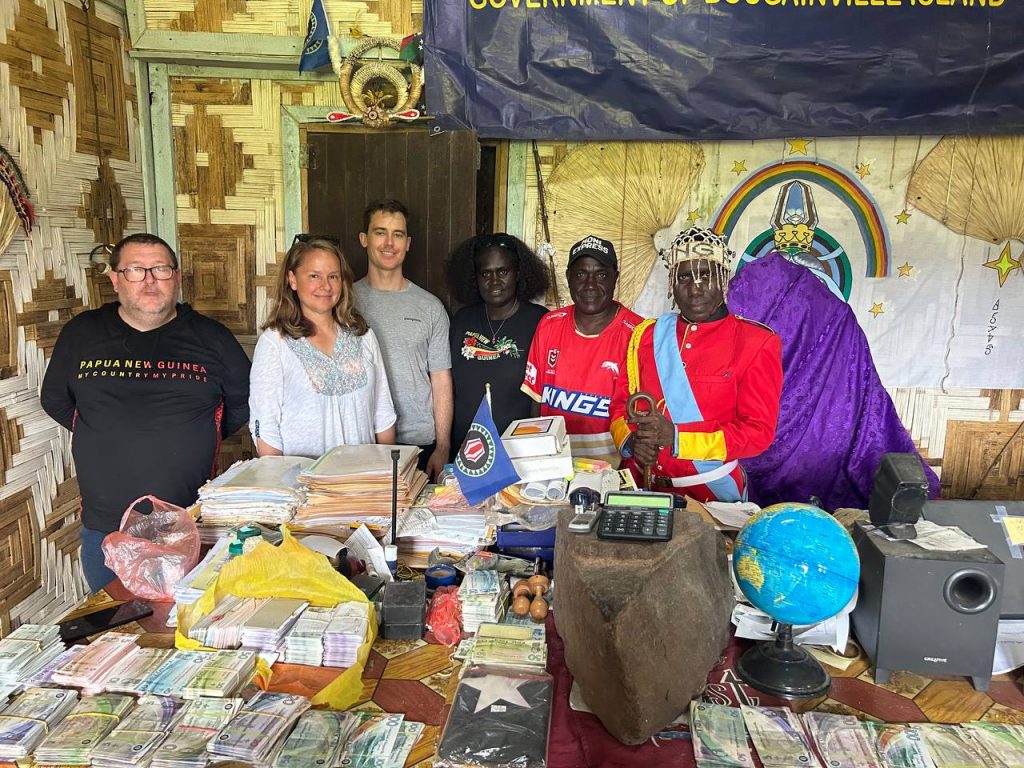
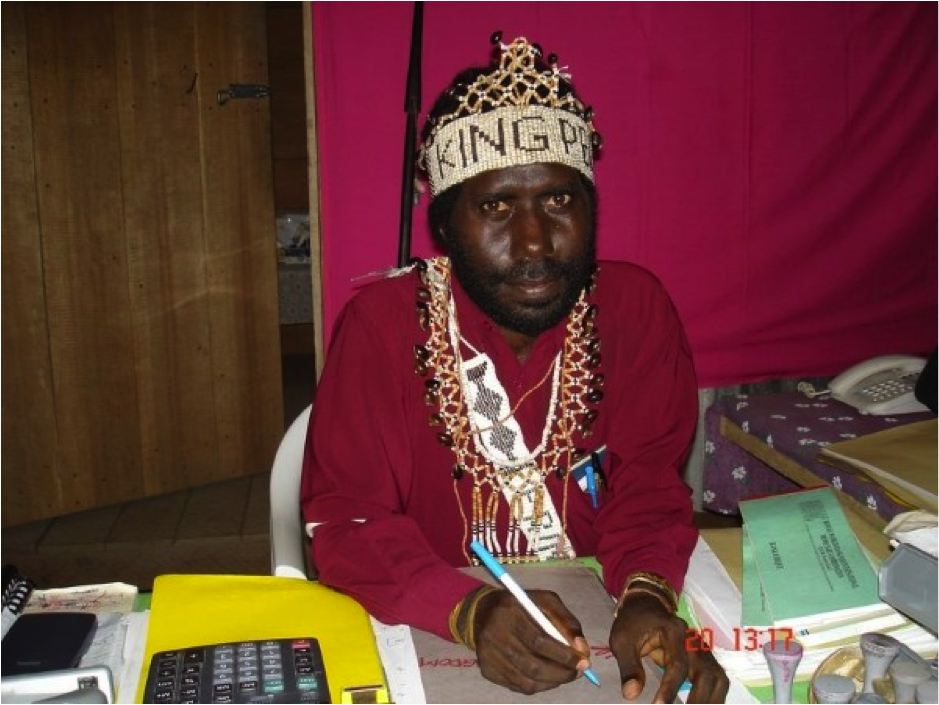
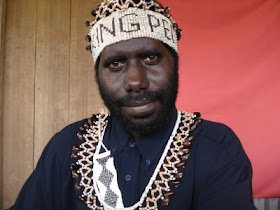
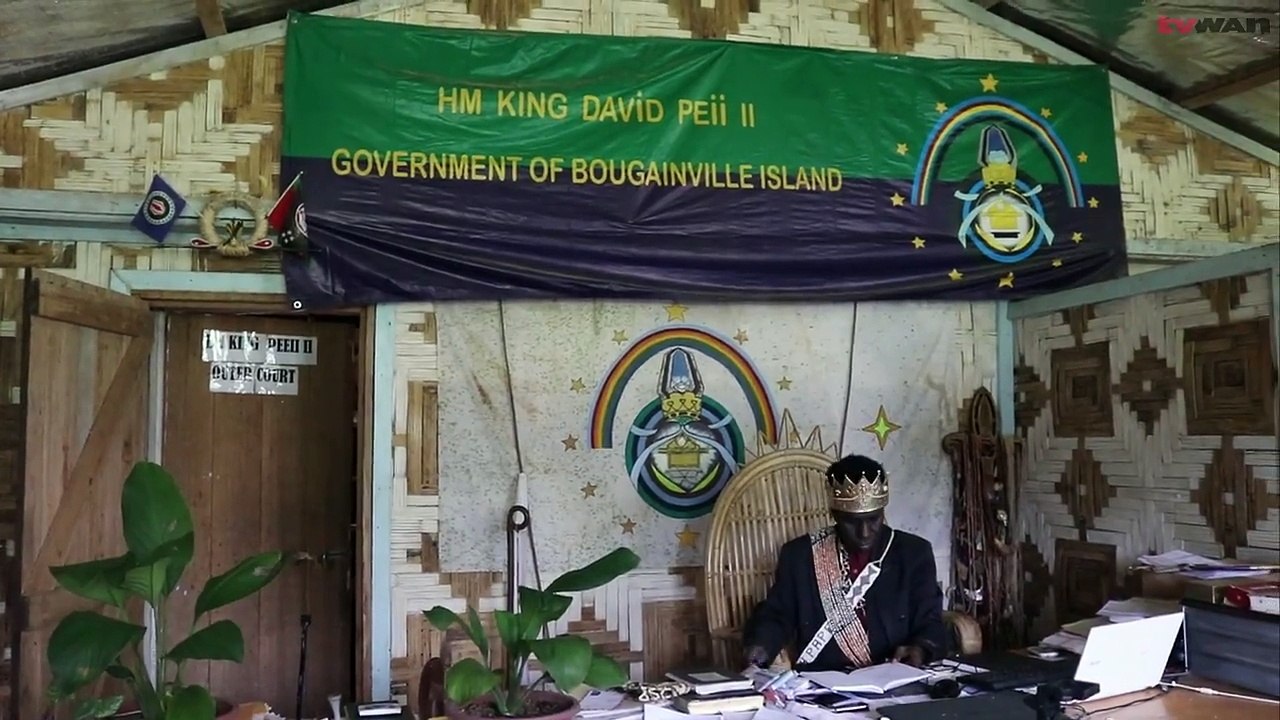
Noah Musingku (born 1964), also known as King David Peii II, is a Bougainvillean conman.
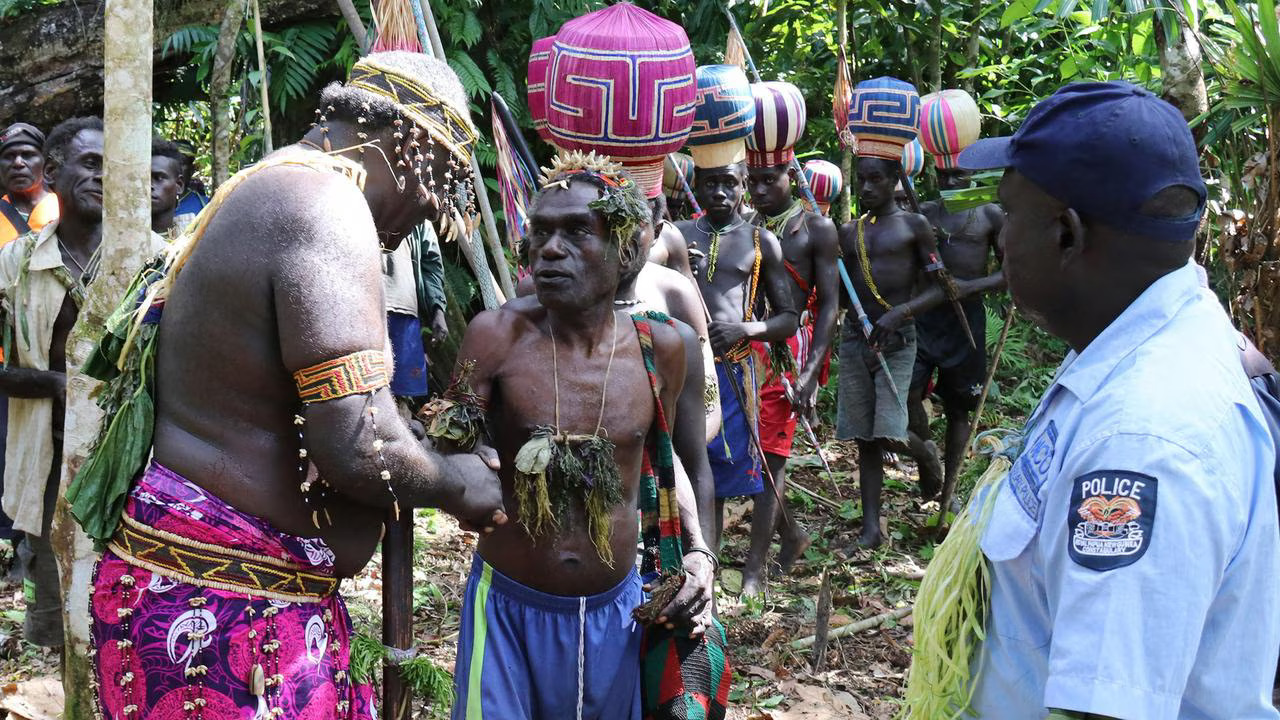
In the late 1990s, he created a highly successful Ponzi scheme called U-Vistract. Facing prosecution from Papua New Guinean authorities, Musingku fled to the Solomon Islands in 2002. He returned to Bougainville and holed up with Francis Ona, the secessionist leader. While Bougainville is administered by the Autonomous Bougainville Government (ABG), Ona claimed that Bougainville, which he called Me’ekamui, was already an independent state.
Musingku’s ideology is radically nationalistic and heavily influenced by the prosperity gospel and Pentecostal Christianity; with Guardian reporter Sean Williams commenting that his style of speech bore many similarities to that of televangelists […] He justifies his status as King by arguing that kingship is the most universal form of leadership; allowing religious differences to be papered over.
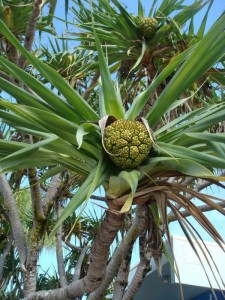
Karuka, a nut native to New Guinea, is an important part to the indigenous people’s diet.
The karuka (Pandanus julianettii, also called karuka nut and Pandanus nut) is a species of tree in the screwpine family (Pandanaceae) and an important regional food crop in New Guinea.
The nuts are more nutritious than coconuts, and are so popular that villagers in the highlands will move their entire households closer to trees for the harvest season.
The Papau New Guinea natives have a special language that they only use harvesting Karuka. It keeps away the bad mojo.
A pandanus language is an elaborate avoidance language among several of the peoples of the eastern New Guinea Highlands, used when collecting Pandanus nuts.
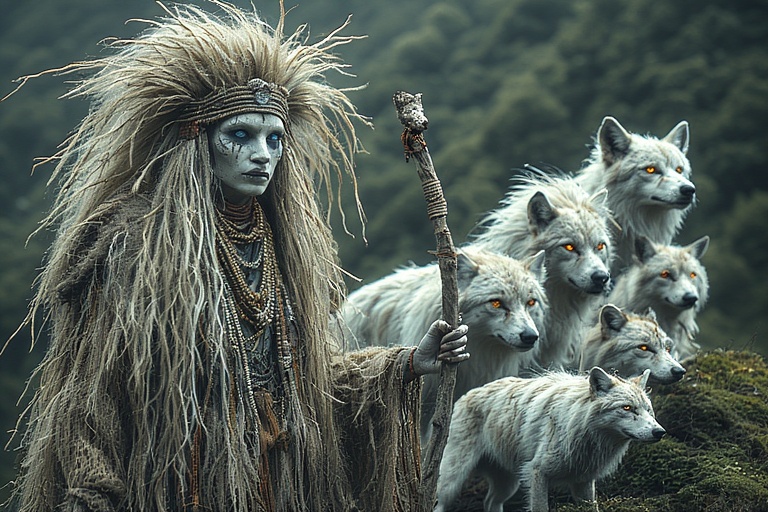
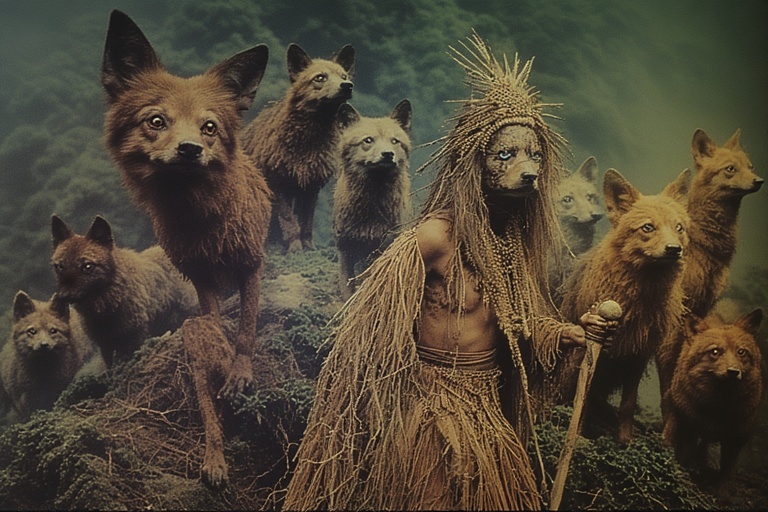
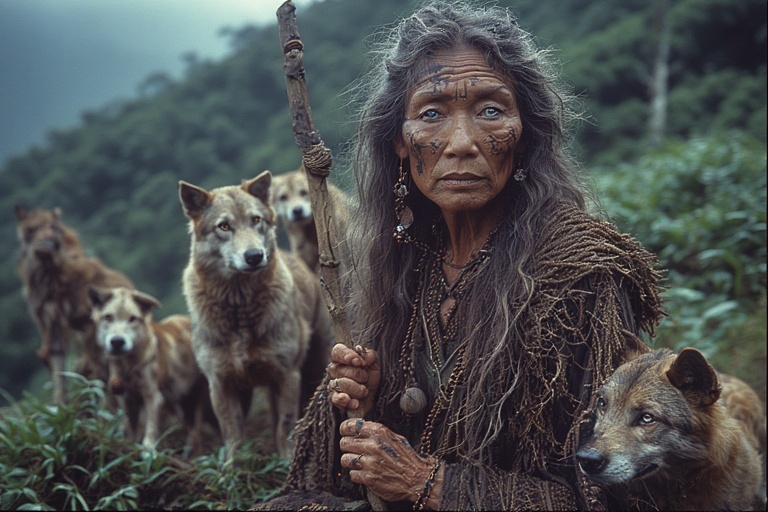
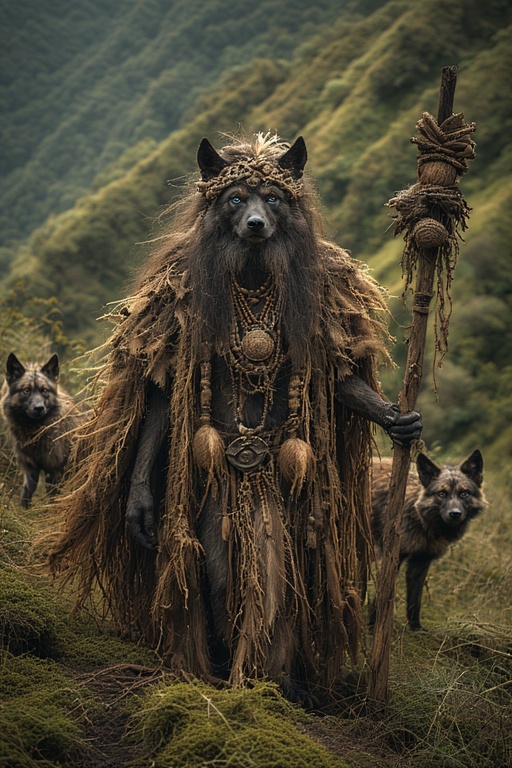
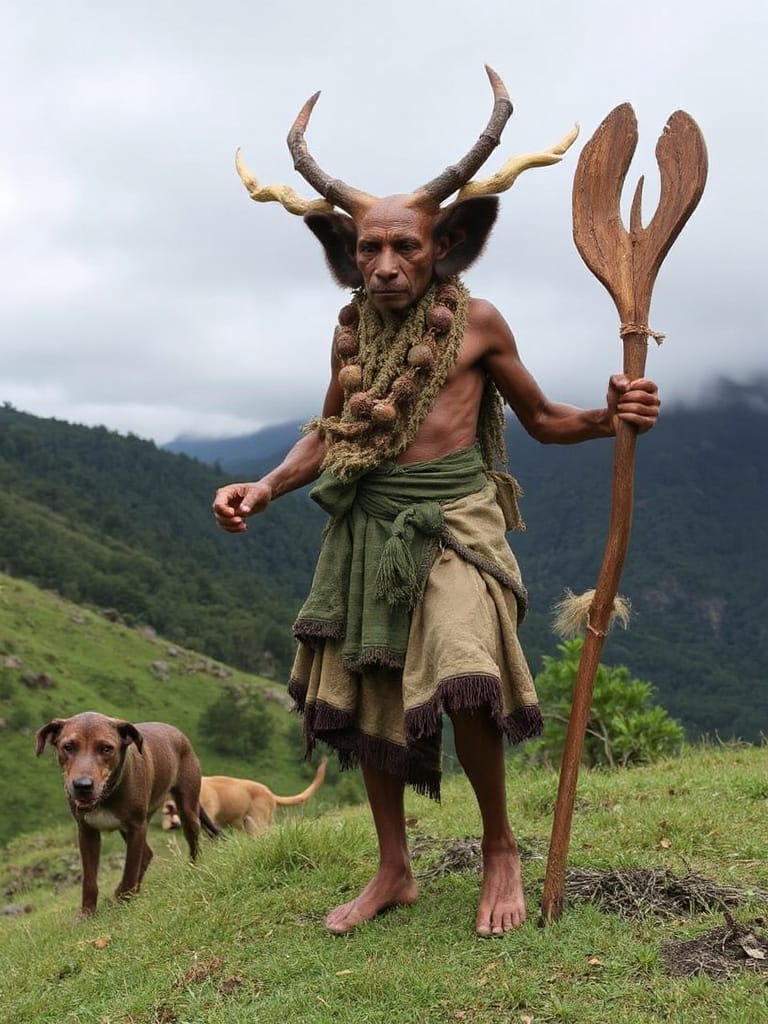
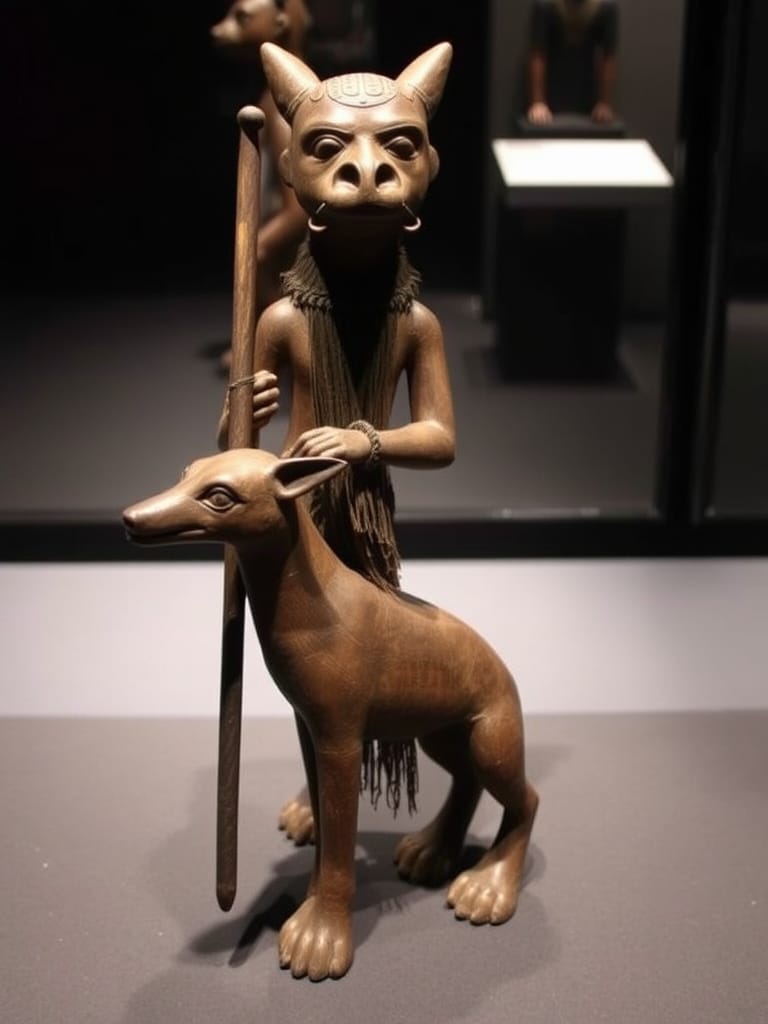
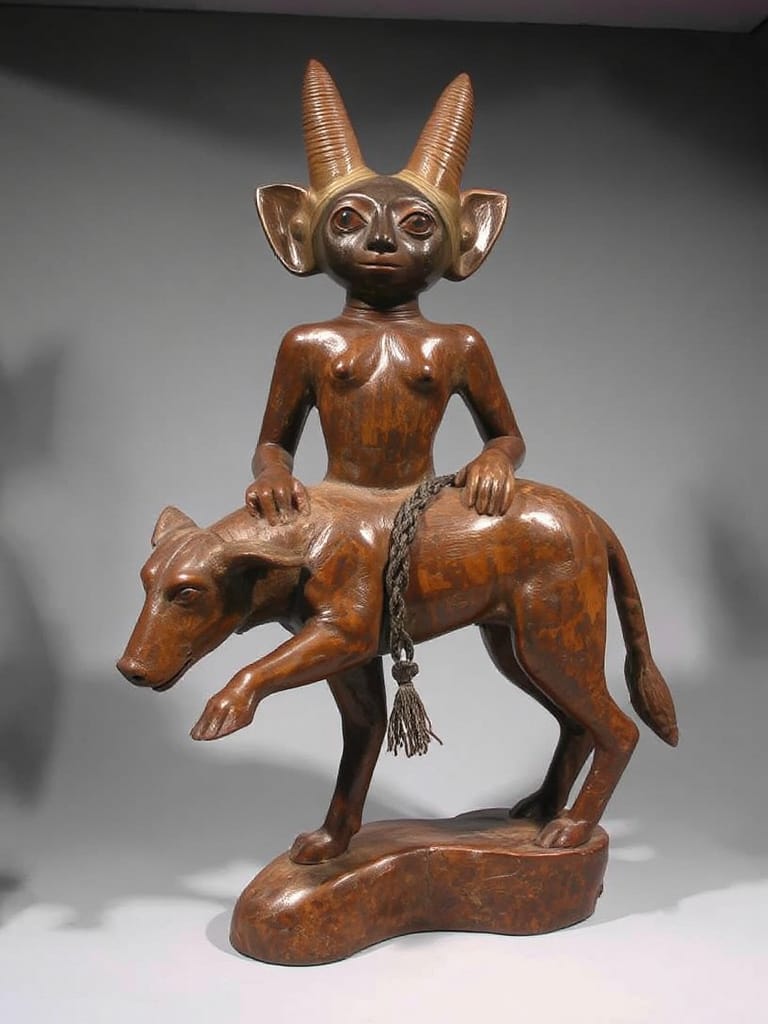
Use Annually, people camp in the forest to harvest and cook the nuts of karuka (both Pandanus julianettii and Pandanus brosimos). Many normal words are thought to be unhealthy for the plants, as they carry associations inimical to the proper growth of the nuts. An elaborate vocabulary of up to a thousand words and phrases has developed to replace the taboo vocabulary. The new vocabulary focuses on words involved with trips to harvest karuka nuts, and changes as words become known outside an area. The language is often spoken to control the claimed magical properties of the higher elevations where the karuka grows, and to placate dangerous nature spirits like Kita-Menda (also called Giluwe yelkepo), the ritual keeper of the feral dogs. Pandanus language generally should never be used outside the area where the trees grow, for fear of mountain spirits hearing it and coming down to investigate.