In our past couple of blotts, we’ve mentioned the Power of Women movement during the baroque and renaissance art periods, so we were digging into the paintings a bit more.
Disturbingly, there are a huge number of renaissance paintings of a woman (Judith) cutting off the head of a scruffy guy (Holofernes).

A Little Background- Who is this Judith?
It’s based on an old testament bible story from The Book of Judith. It’s inclusion in the Bible is a bit iffy, and most modern biblical scholars consider it historical fiction.
The extant translated manuscripts from antiquity appear to contain several historical anachronisms, which is why the majority of modern scholars consider the book ahistorical. Instead, the book has been re-classified as a parable, theological novel, or even the first historical novel. Although the majority of Catholic scholars and clergy now view the book as fictional, the Roman Catholic Church had traditionally maintained the book’s historicity[.]
Wikipedia
So… what’s going on?
Literary structure
The Book of Judith can be split into two parts or “acts” of approximately equal length. Chapters 1–7 describe the rise of the threat to Israel, led by king Nebuchadnezzar and his general Holofernes, and is concluded as Holofernes’ worldwide campaign has converged at the mountain pass where Judith’s village, Bethulia, is located. Chapters 8–16 then introduce Judith and depict her heroic actions to save her people. The first part, although at times tedious in its description of the military developments, develops important themes by alternating battles with reflections and rousing action with rest. In contrast, the second half is devoted mainly to Judith’s strength of character and the beheading scene.[…]
Part II (8:1–16:25)
A. Introduction of Judith (8:1–8)
B. Judith plans to save Israel (8:9–10:8), including her extended prayer (9:1–14)
C. Judith and her maid leave Bethulia (10:9–10)
D. Judith beheads Holofernes (10:11–13:10a)
C’. Judith and her maid return to Bethulia (13.10b–11)
B’. Judith plans the destruction of Israel’s enemy (13:12–16:20)
A’. Conclusion about Judith (16.1–25)
[ed. note: a bit of grouchy complaining. NightCafe, one of our AI image generator tools, once booted me off for using the phrase “balls of twine.” However, it had absolutely no problem with severed heads.]
Judith beheading Holofernes
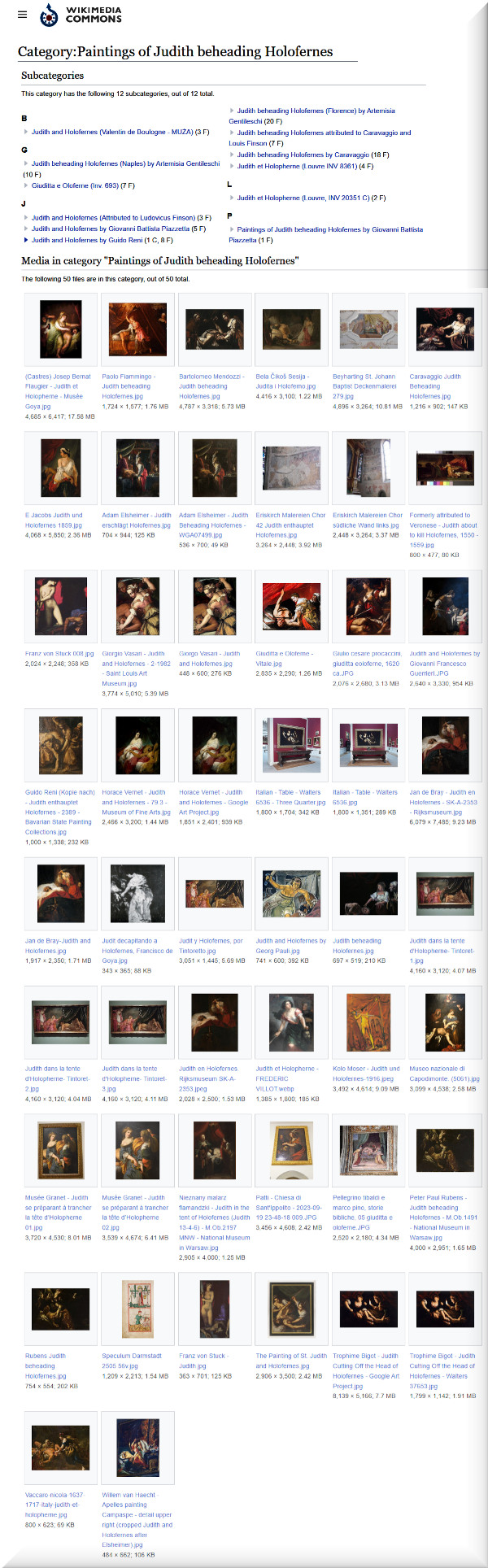
There are over 50 paintings, sketches, statues, and drawings under the title Judith beheading Holofernes (details below)[2].
It’s almost as if every time an aristocratic woman had a chance to get her portrait painted, and the painter said, “What kind of pose would you like?”, the woman invariably said, “I want to be cutting off a guy’s head. Can you make him look like my husband?” As we review the paintings, note the far-away, almost tranquil look in most of the women’s eyes.
The Wikipedia article on Power of Women (medieval and Renaissance artistic and literary topos, showing “heroic or wise men dominated by women” – Wikipedia) references this painting.
It should be noted that The Power of Women movement wasn’t really about empowering women; it was more about turning formerly chaste depictions of Biblical females into voluptuous femme fatales, and their paintings into pulp romance novel covers (they sold like hotcakes).
The WLBOTT Ministry of Virtue and Vice prevents us from delving deeper into this topic, but you can read more in the Wikipedia article; here is a sample:
Later Renaissance artists, notably Lucas Cranach the Elder[1], who with his workshop painted at least eight Judiths, showed a more sexualized Judith, a “seducer-assassin”
Wikipedia
[1] The Elder is not associated with WLBOTT
A Small Sampling
Judith and Her Maidservant with the Head of Holofernes (Orazio Gentileschi )
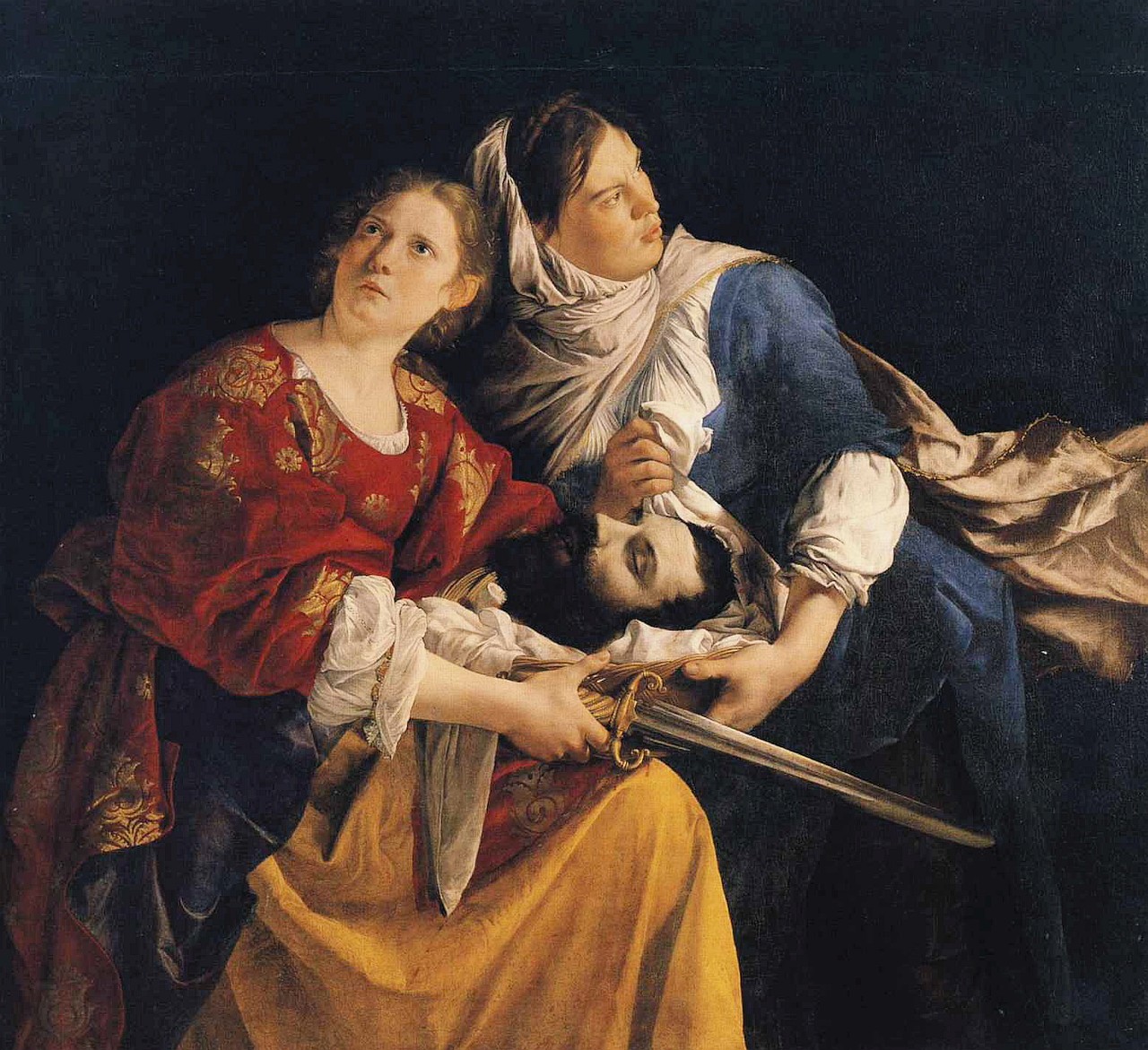
Judith with the Head of Holofernes (Lucas Cranach the Elder) 1530
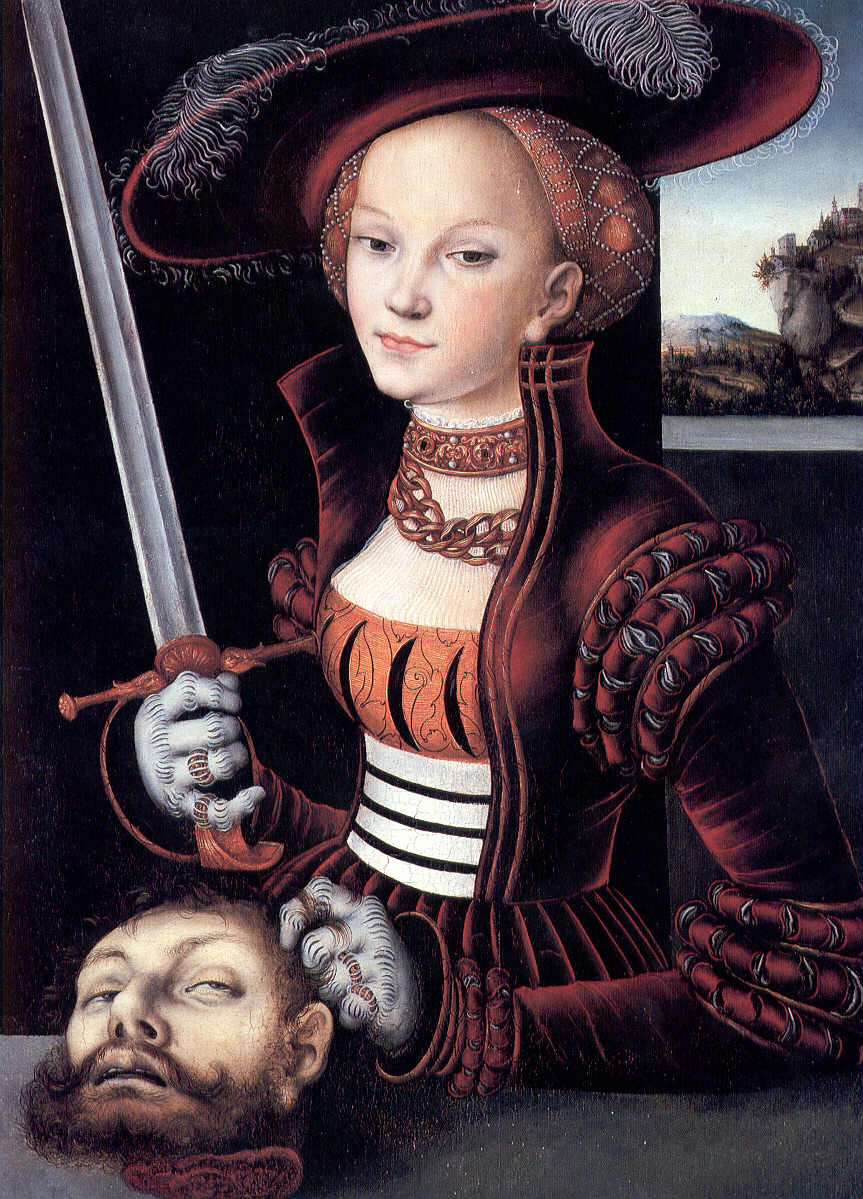
Judith Beheading Holofernes (Caravaggio)
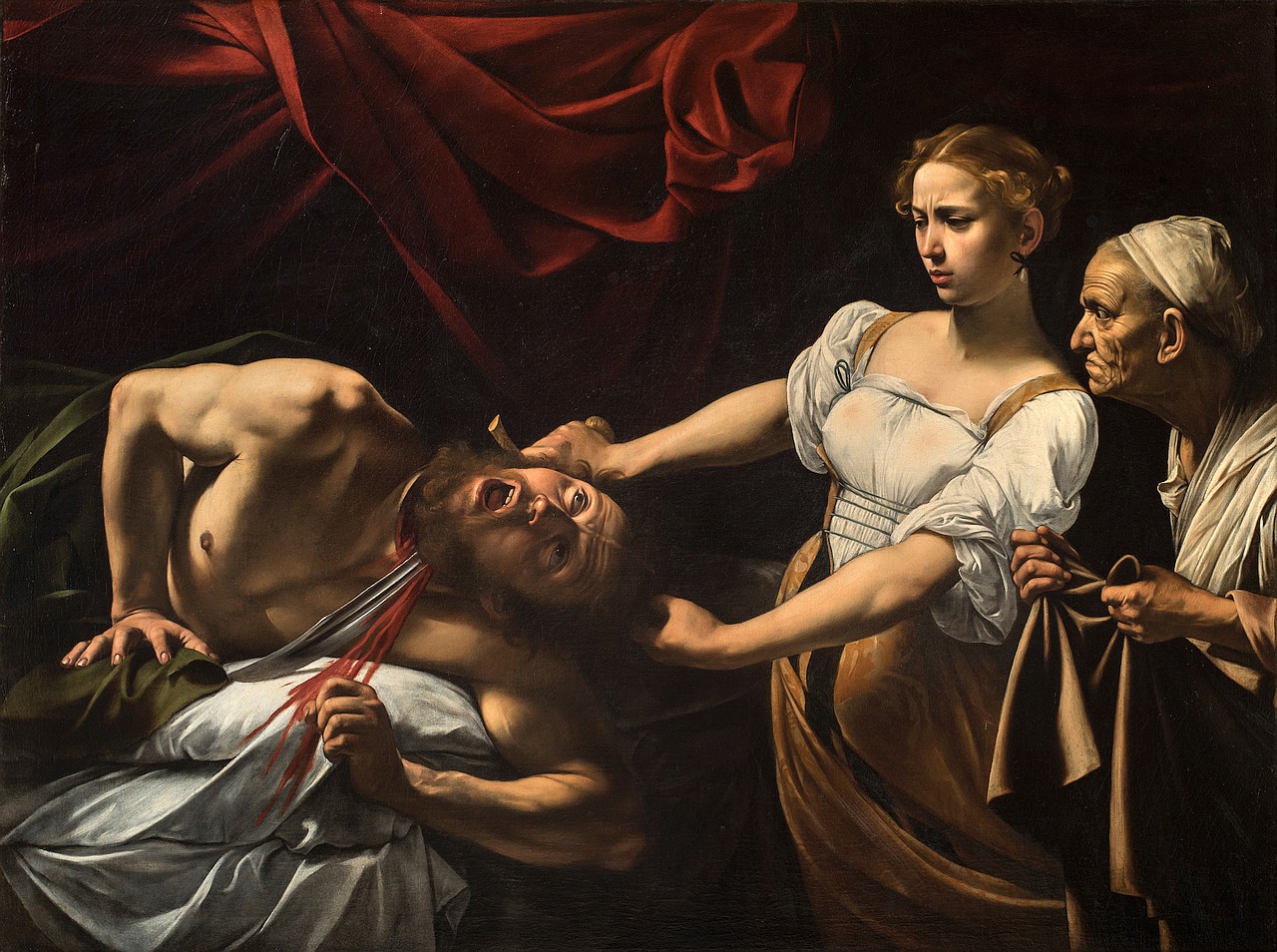
Judith and Her Maidservant (Artemisia Gentileschi)
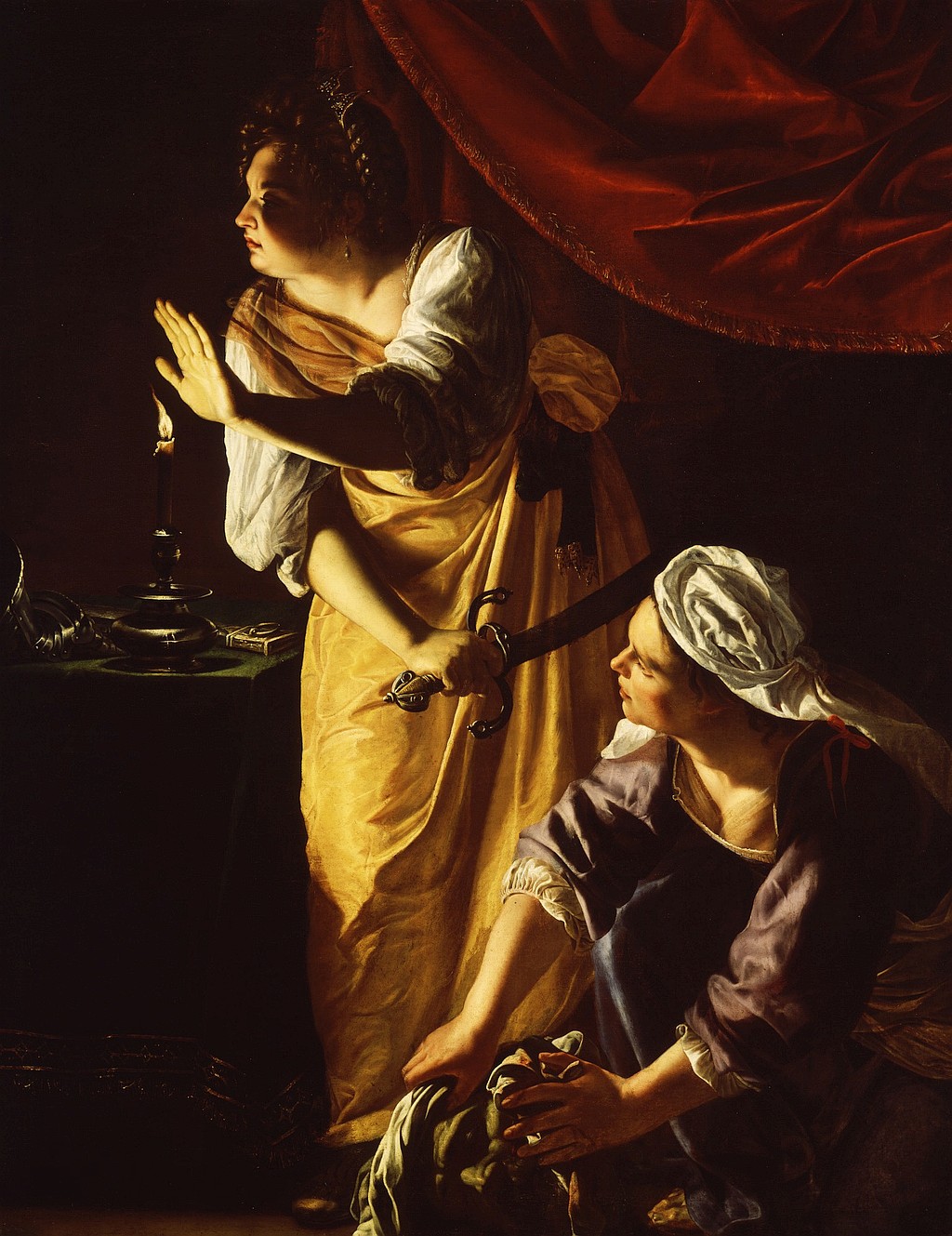
Judith and her Maidservant with the Head of Holofernes (Artemisia Gentileschi)
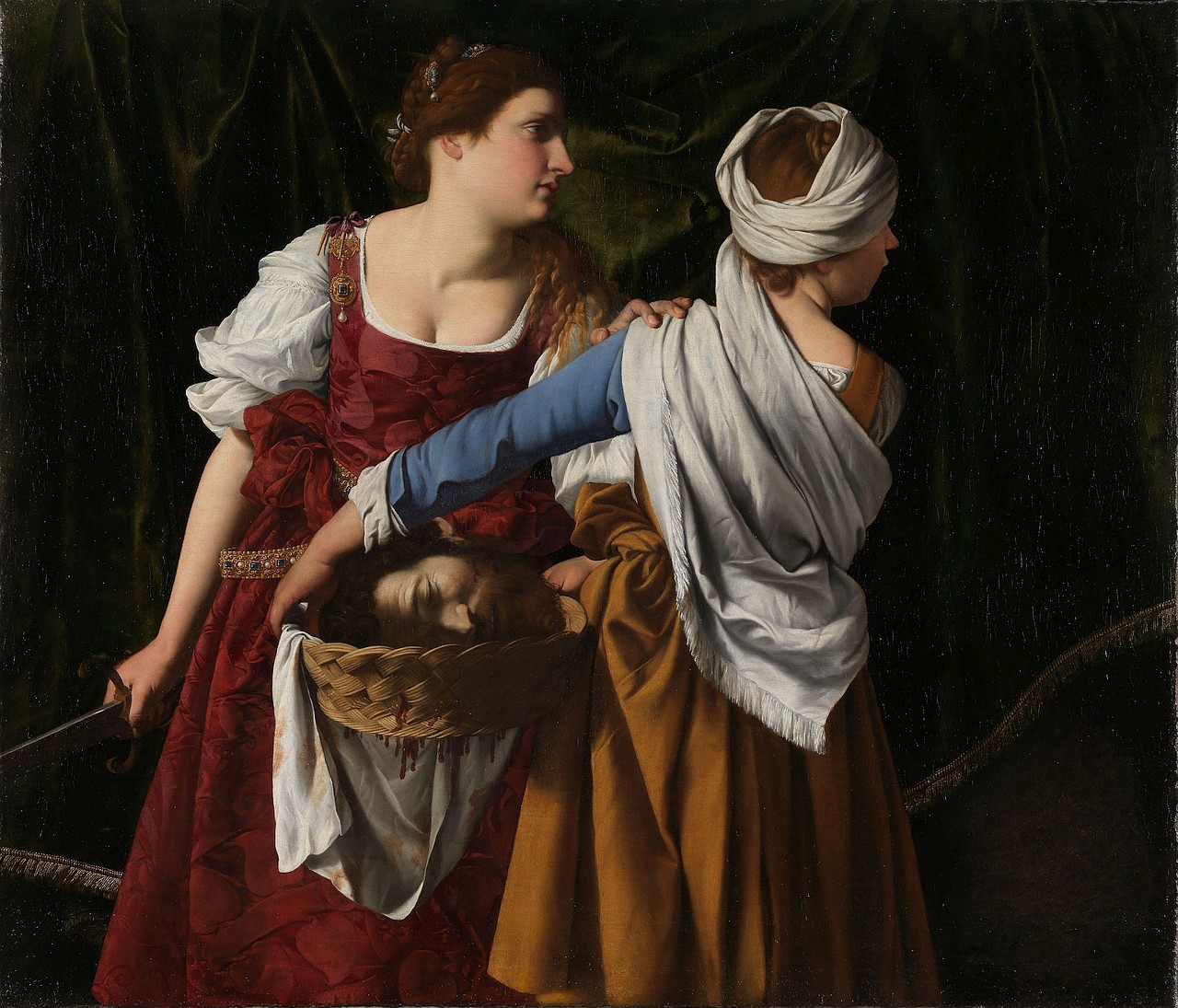
Judith Decapitating Holofernes (Trophime Bigot) ca. 1640
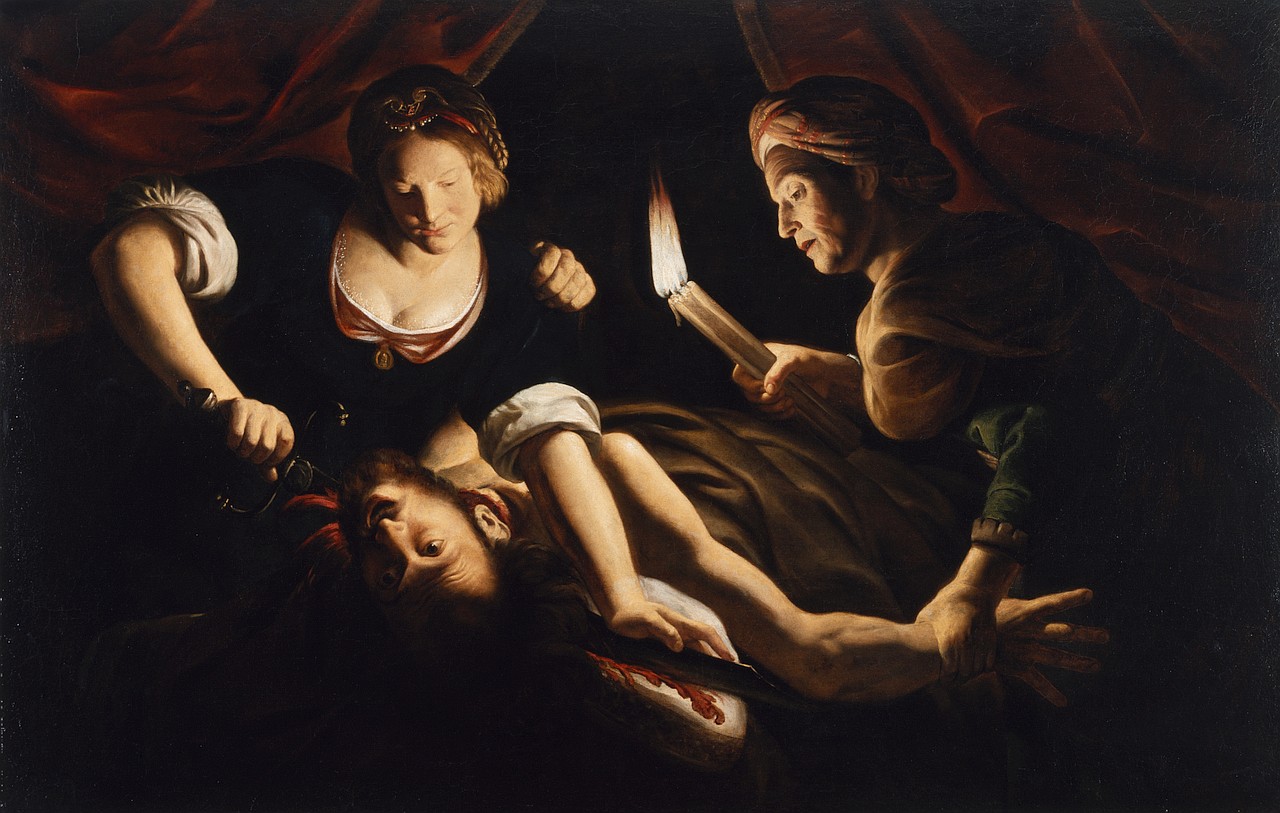
Judith with the Head of Holofernes (Pordenone) 1500 – 1539
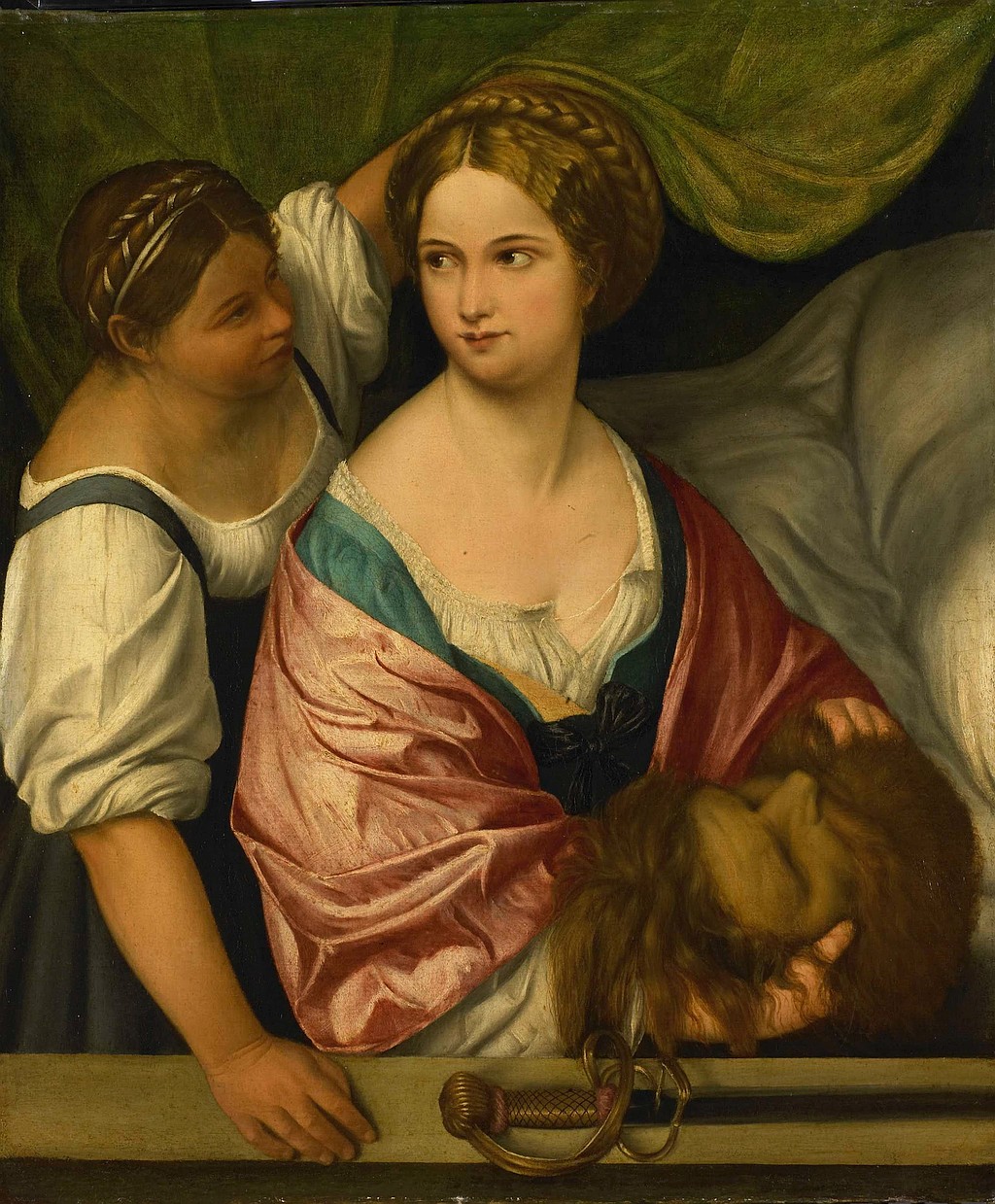
Judith with the Head of Holofernes (Sandro Botticelli)
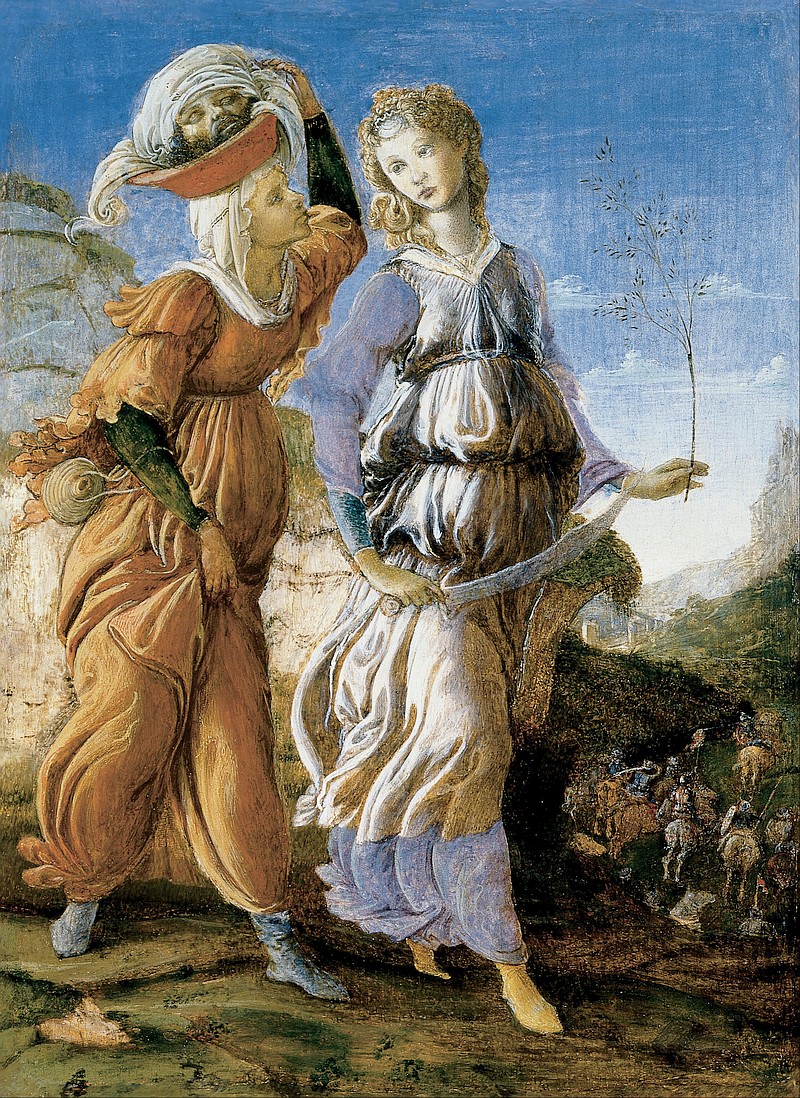
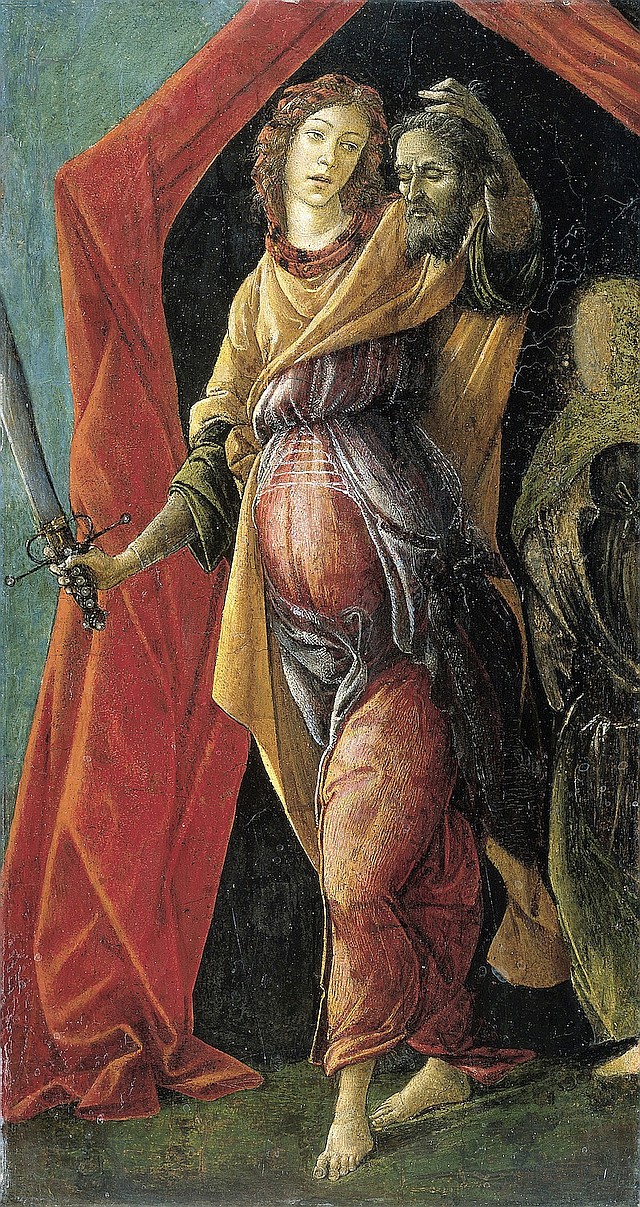
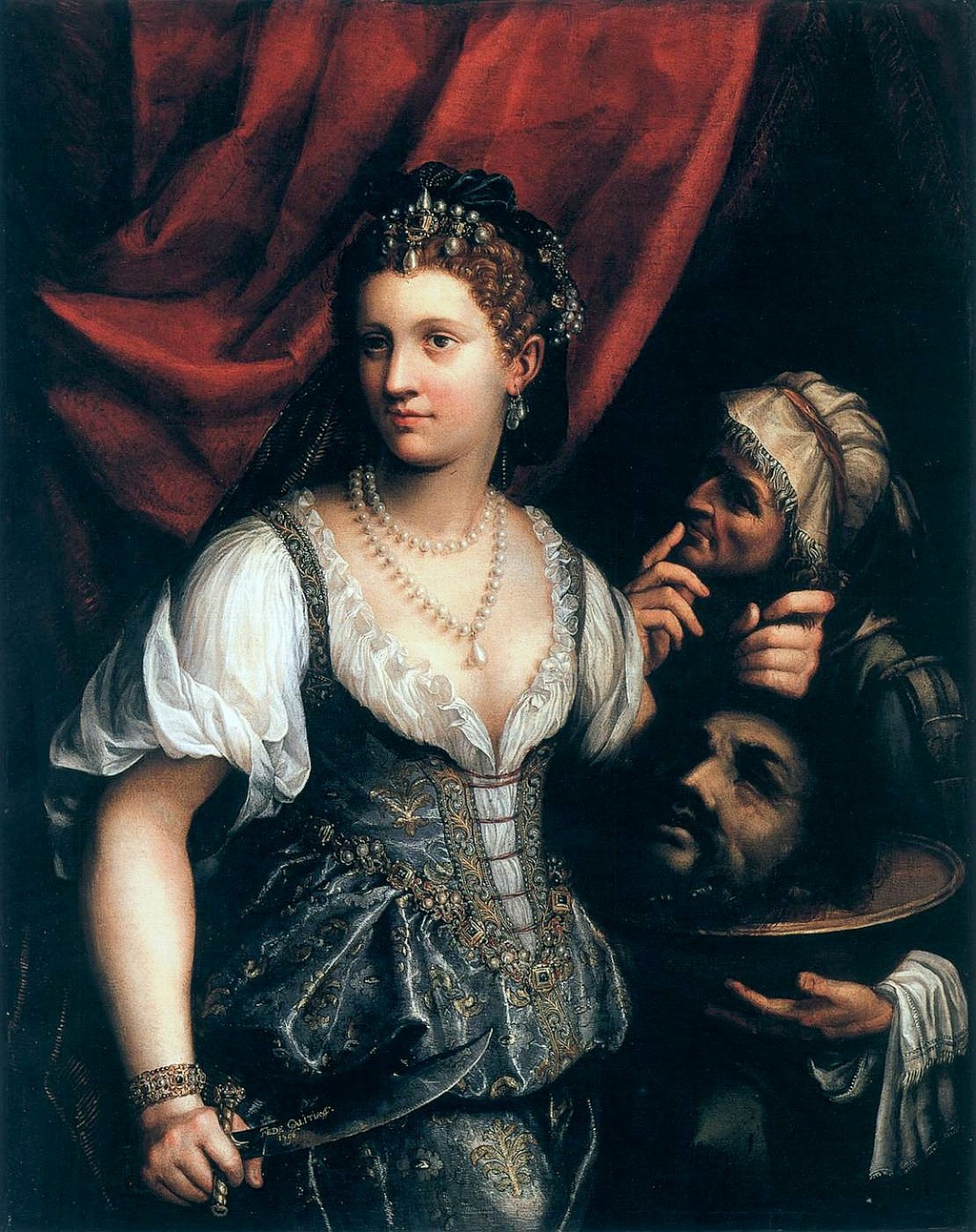
Judith with the Head of Holofernes Fede Galizia (1596)
The figure of Judith is believed to be a self-portrait. – Wikimedia
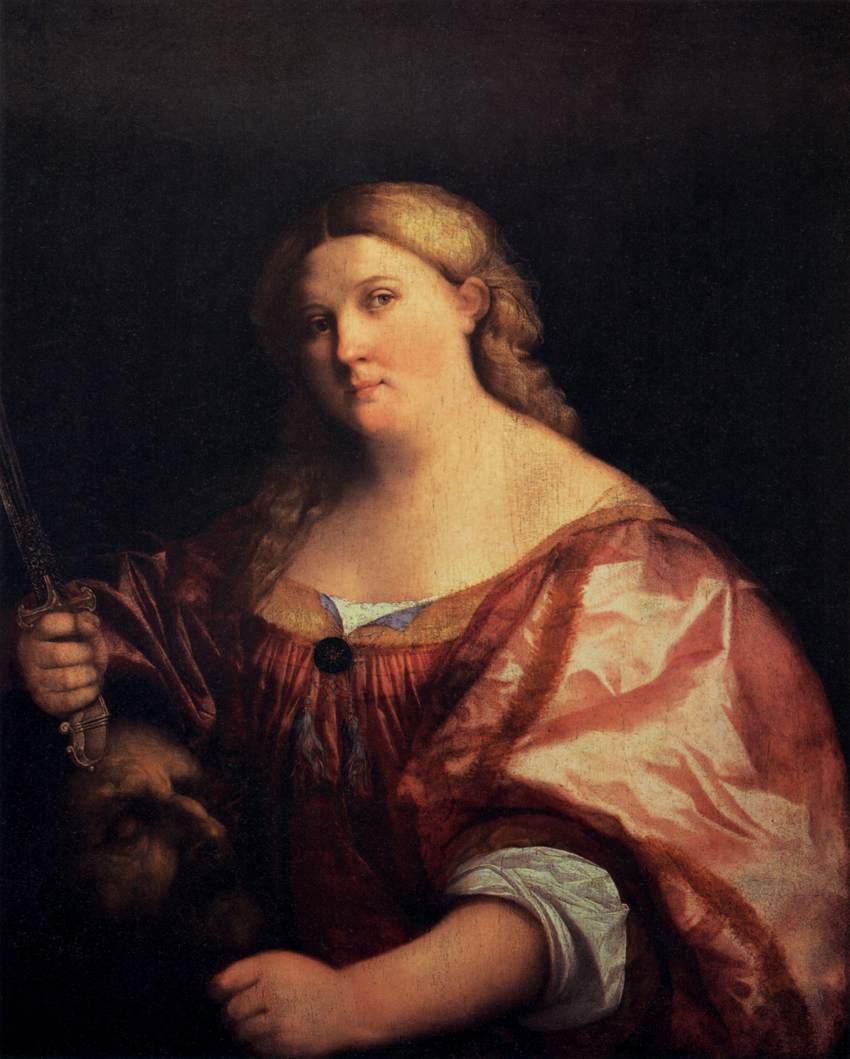
Judith with the Head of Holofernes (Palma Vecchio) 1525-1528
Judith with the Head of Holofernes (Cristofano Allori)
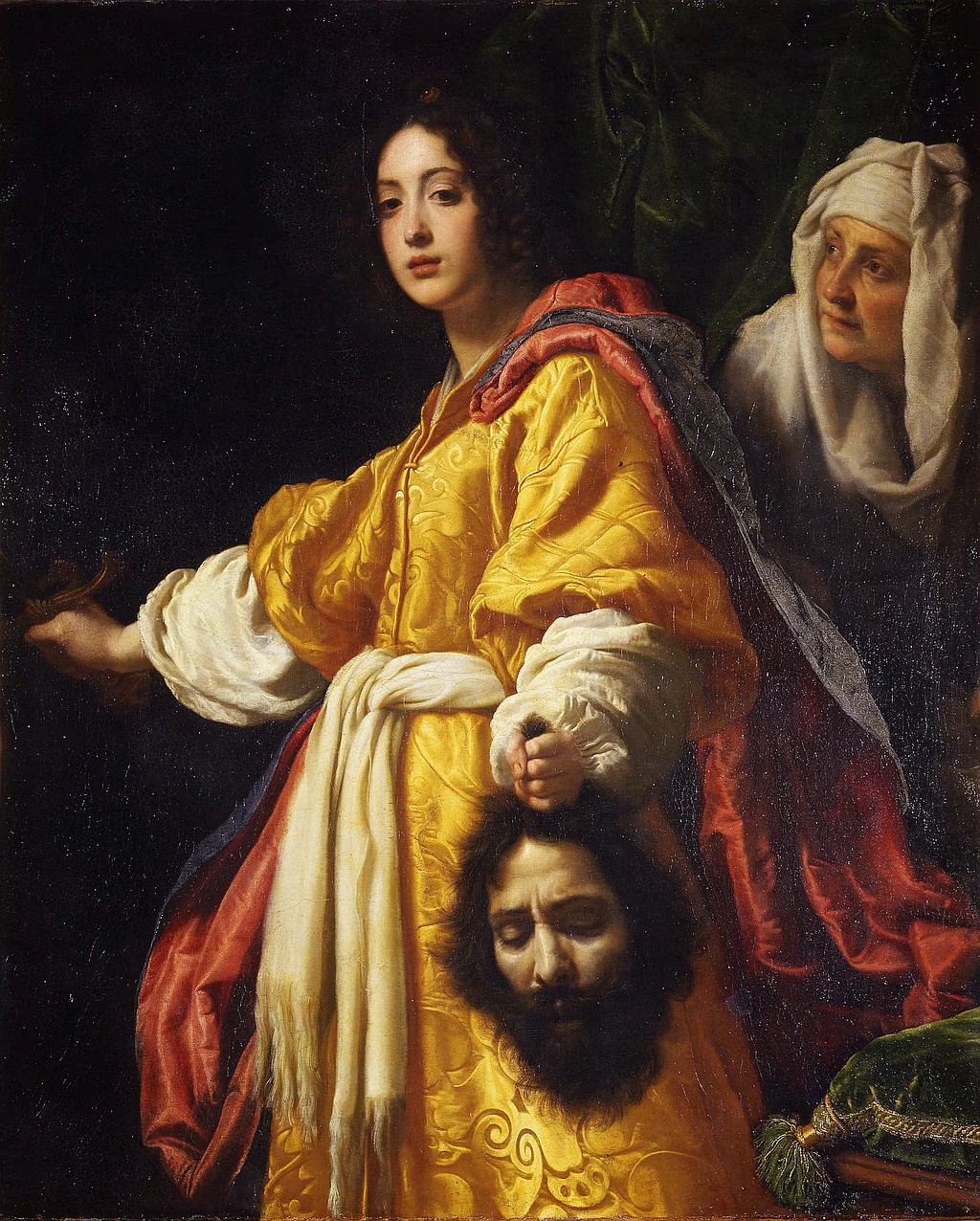

Judith with the Head of Holofernes (Peter Paul Rubens)
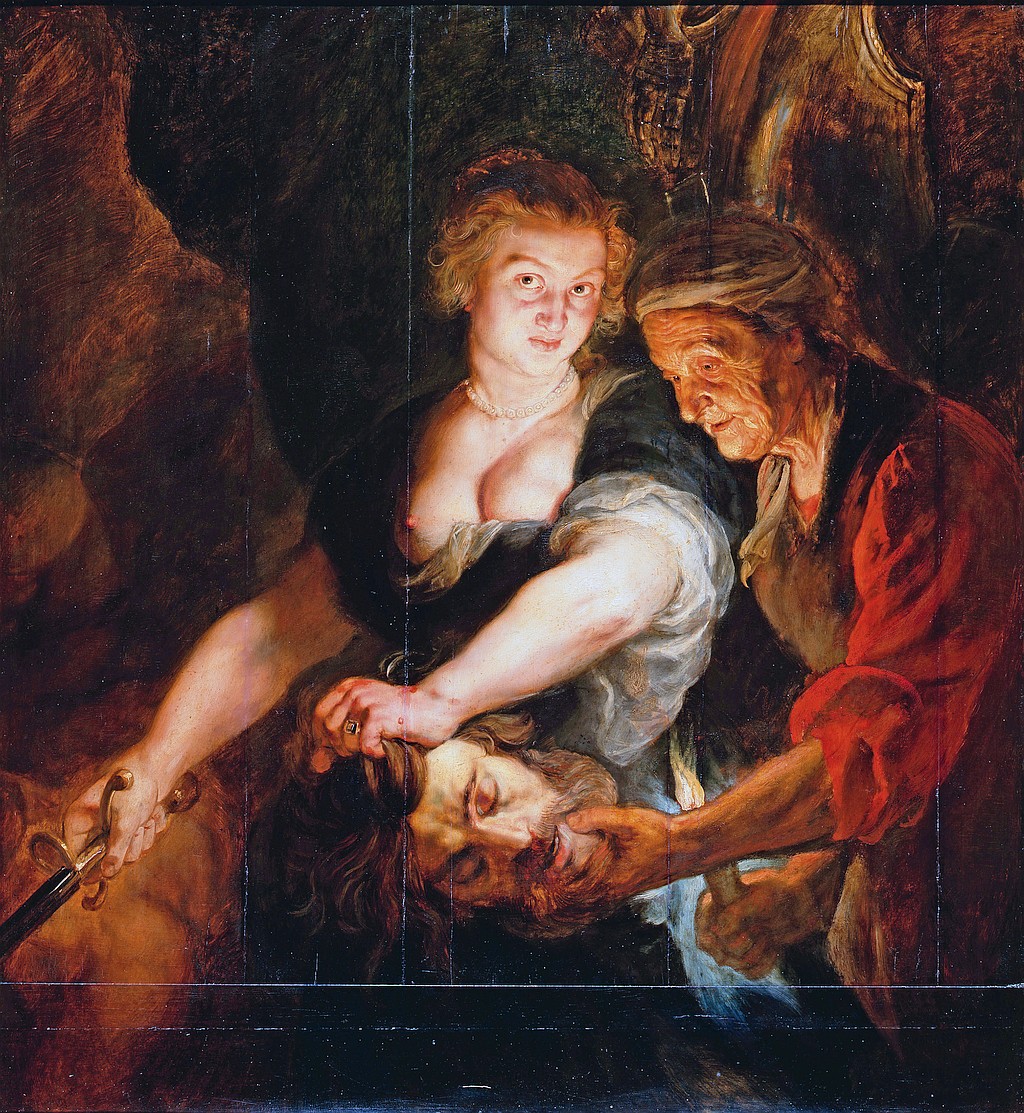
[2] Wikimedia References
There’s an entire wikimedia category dedicated to Judith Beheading Holofernes.