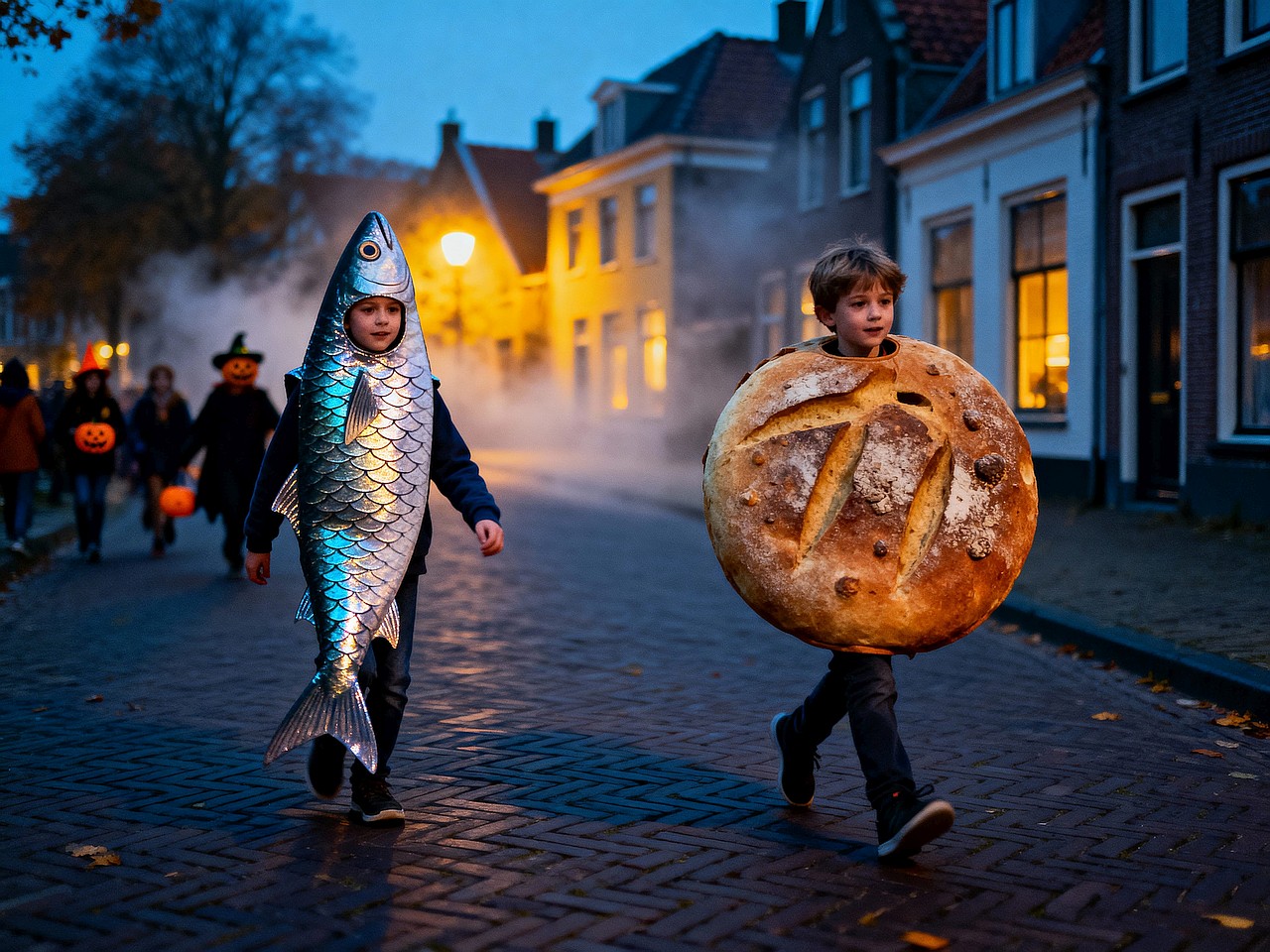
A herring and a round loaf of bread walk into a bar in Leiden.
The bartender says, ‘Sorry, we can't serve you.’
The herrings reply, ‘That’s okay — we’ll serve you'll serve you - every October 3rd!’
- This knee-slapper was brought to you by Elder G.
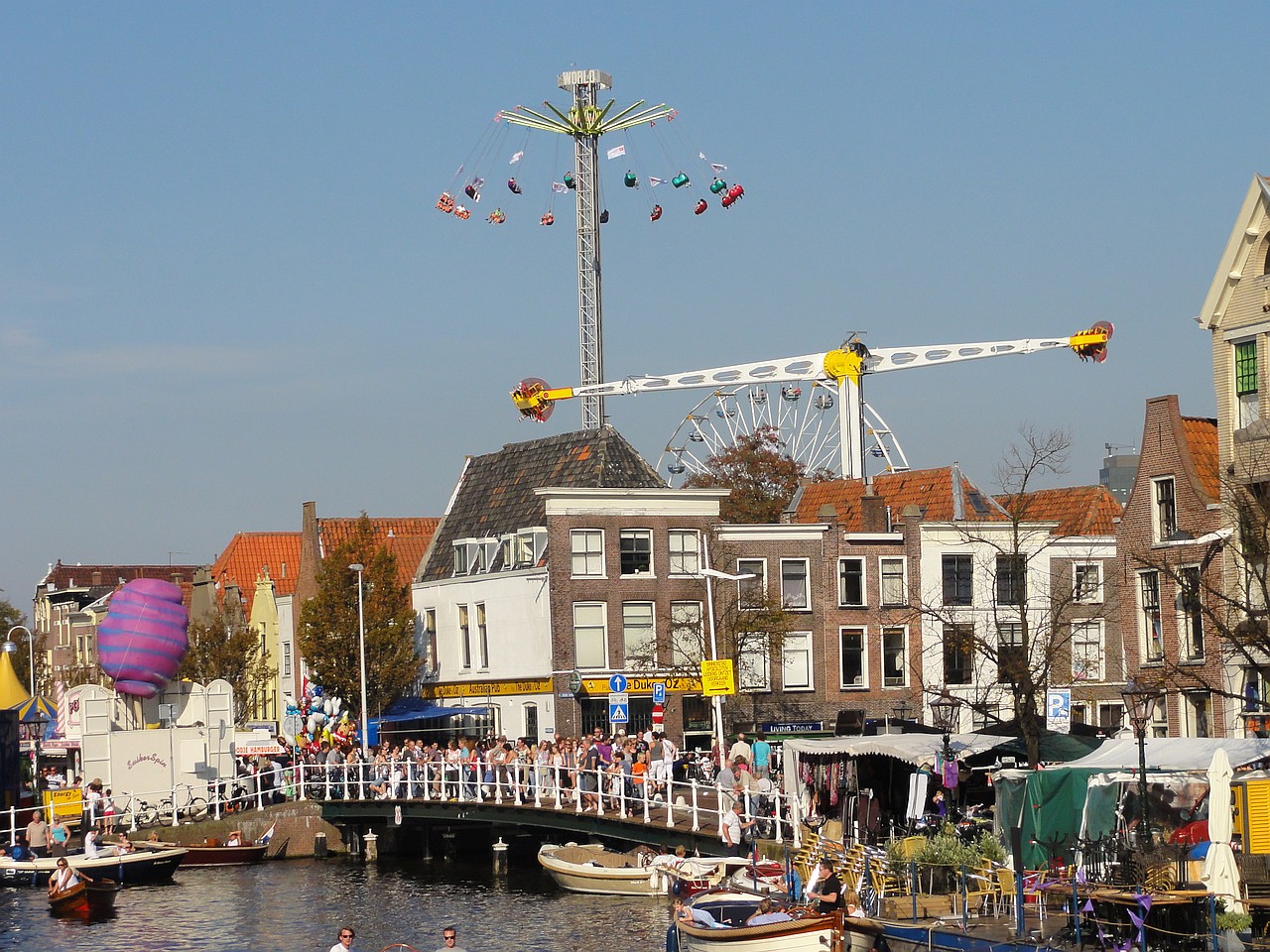
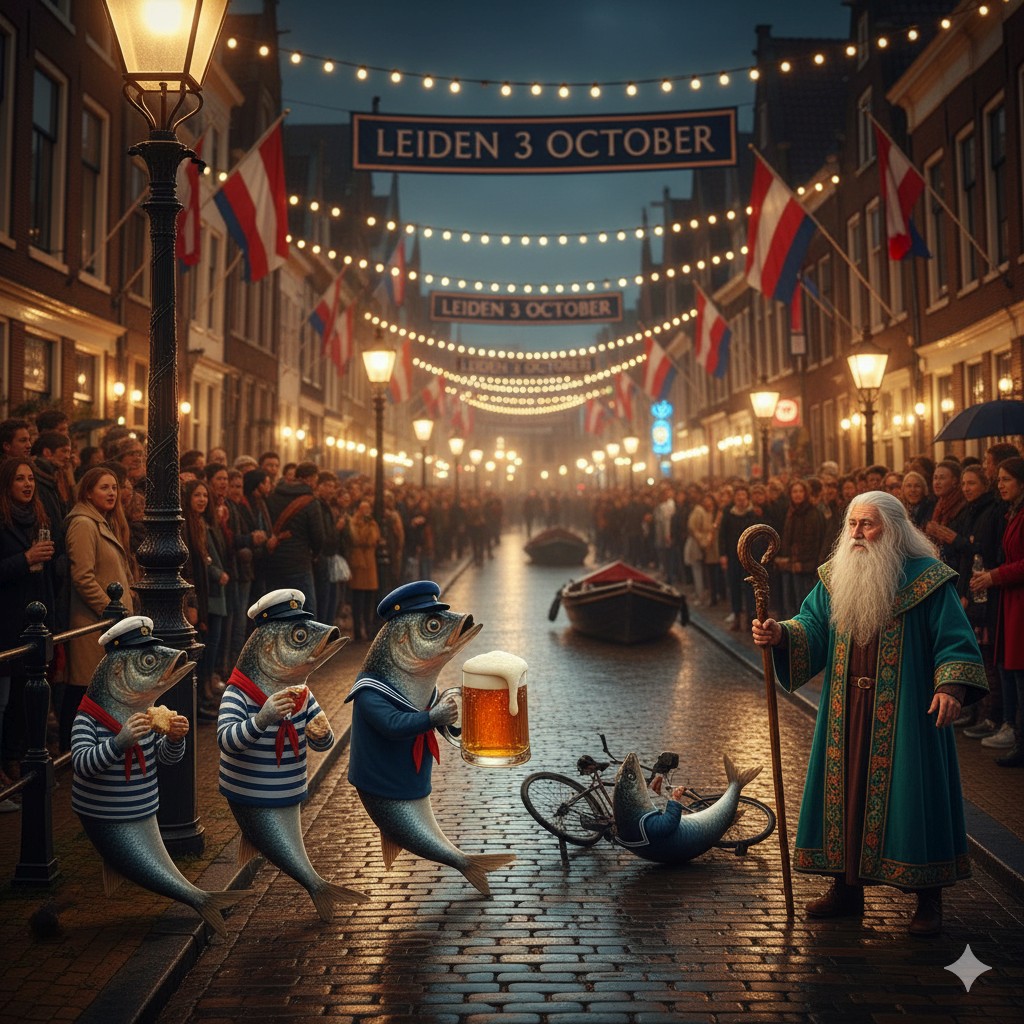
The 3 October Festival (or simply 3 Oktober, also Leidens Ontzet) is a festival in Leiden, the Netherlands. It is held annually during the days leading up to the 3rd and often concludes that evening or the following day. Observed since the 1500s, its modern public celebration has been a locally declared holiday since 1886.
There’s a dark history behind the festival, because the Spanish were trying to starve the city with a siege.
Food supplies within Leiden were almost completely exhausted as the Spanish attempted to infiltrate the city. To improve morale in the city, then-mayor Pieter Adriaanszoon van der Werff proposed committing suicide so his constituents could eat his own body.
But after inflicting much misery, the Spanish retreated.
[…] coupled by the rising water level in their camps, convinced the Spanish troops that an attack was underway and they fled in terror. By that time, hundreds of people within the city had perished due to starvation. According to legend, a boy, usually named as Cornelis Joppenszoon, left the city that night to explore the Spanish troop’s destroyed camps. He found a pot of stew made of carrots, onions, parsnips, and meat, still warm and undamaged by the water. He then returned to the city and informed everyone that the troops had fled.
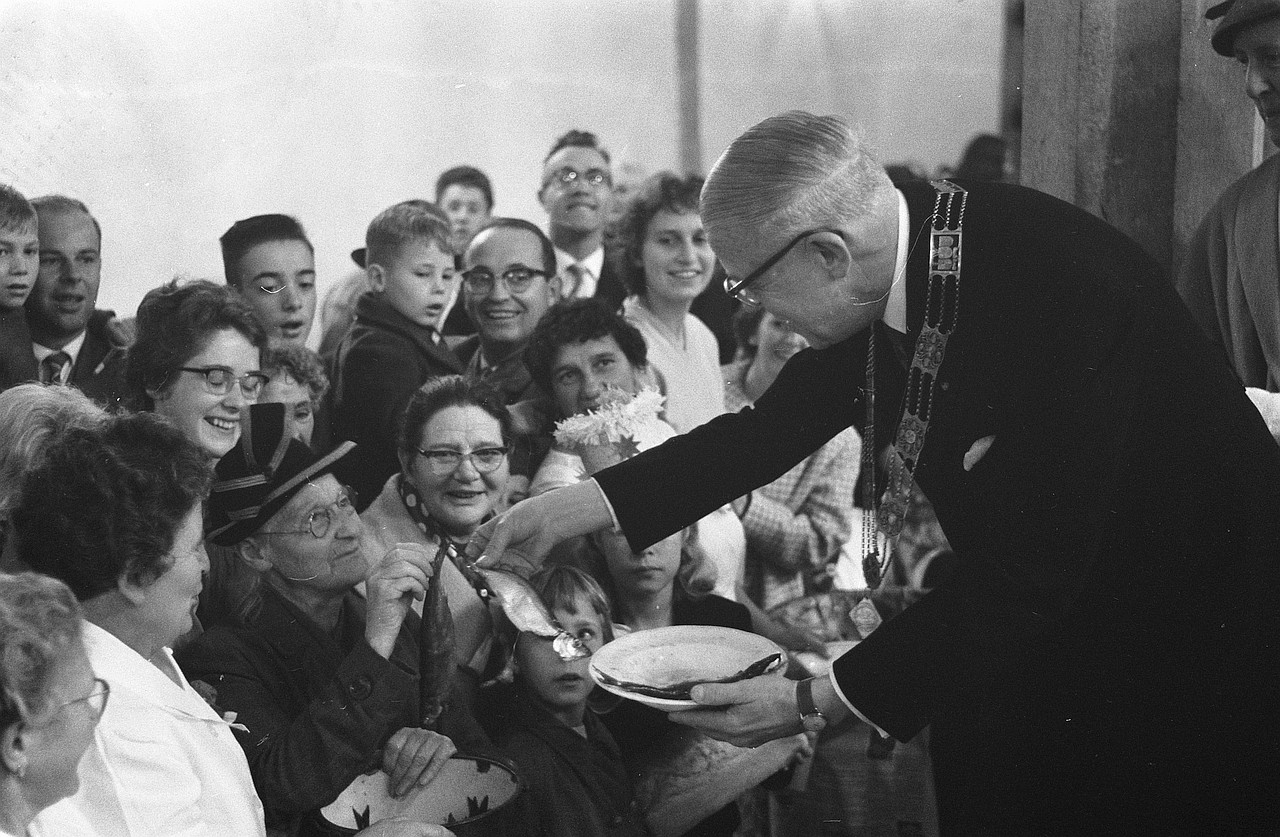
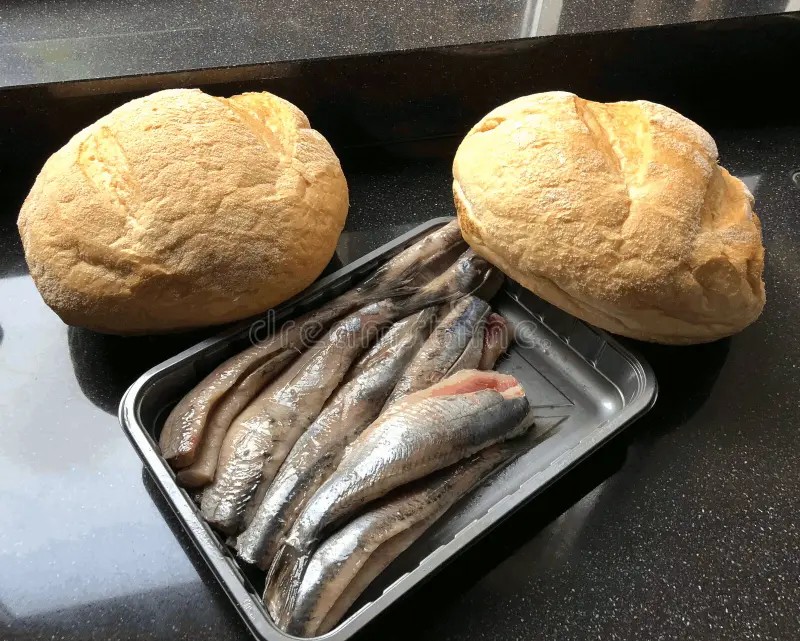
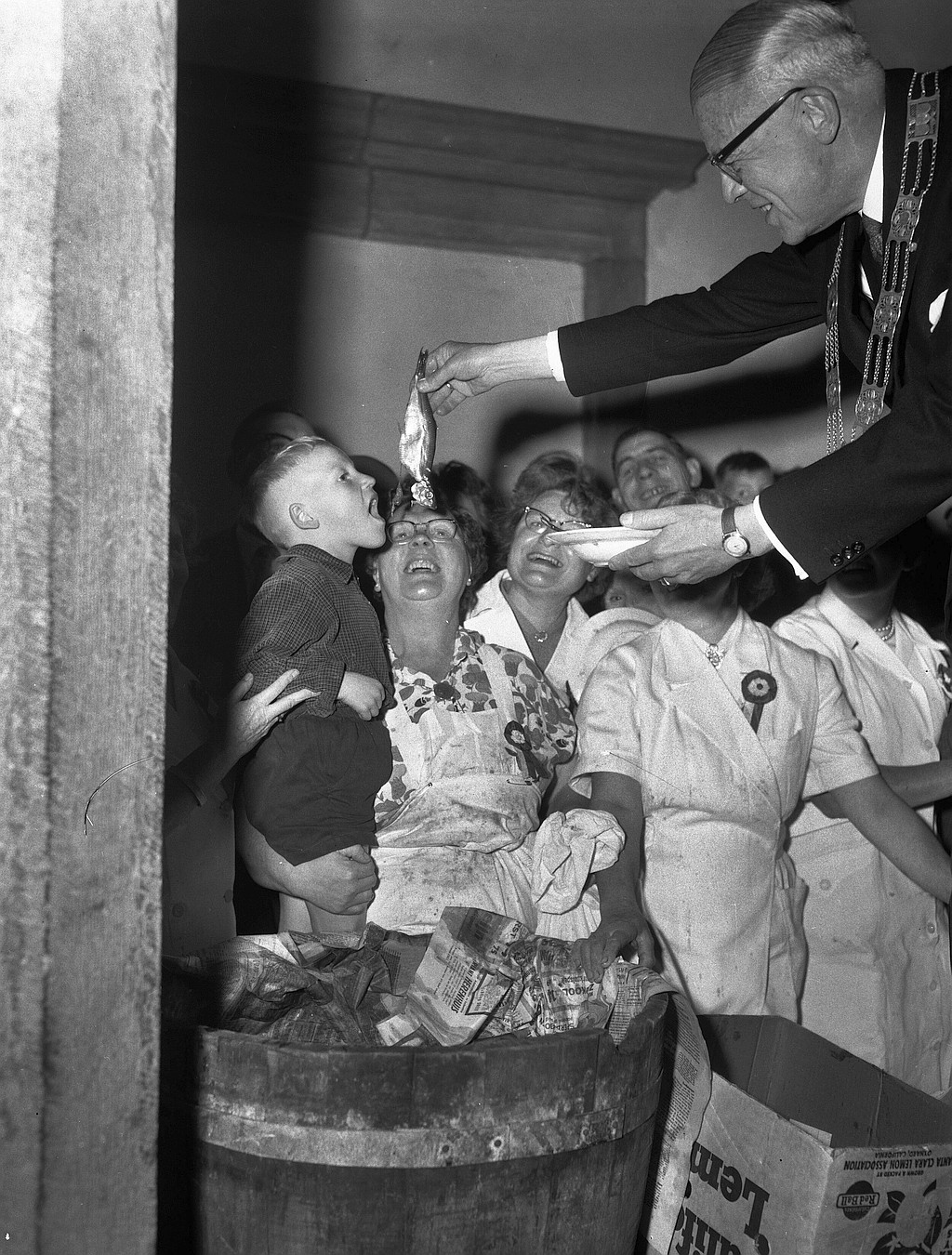
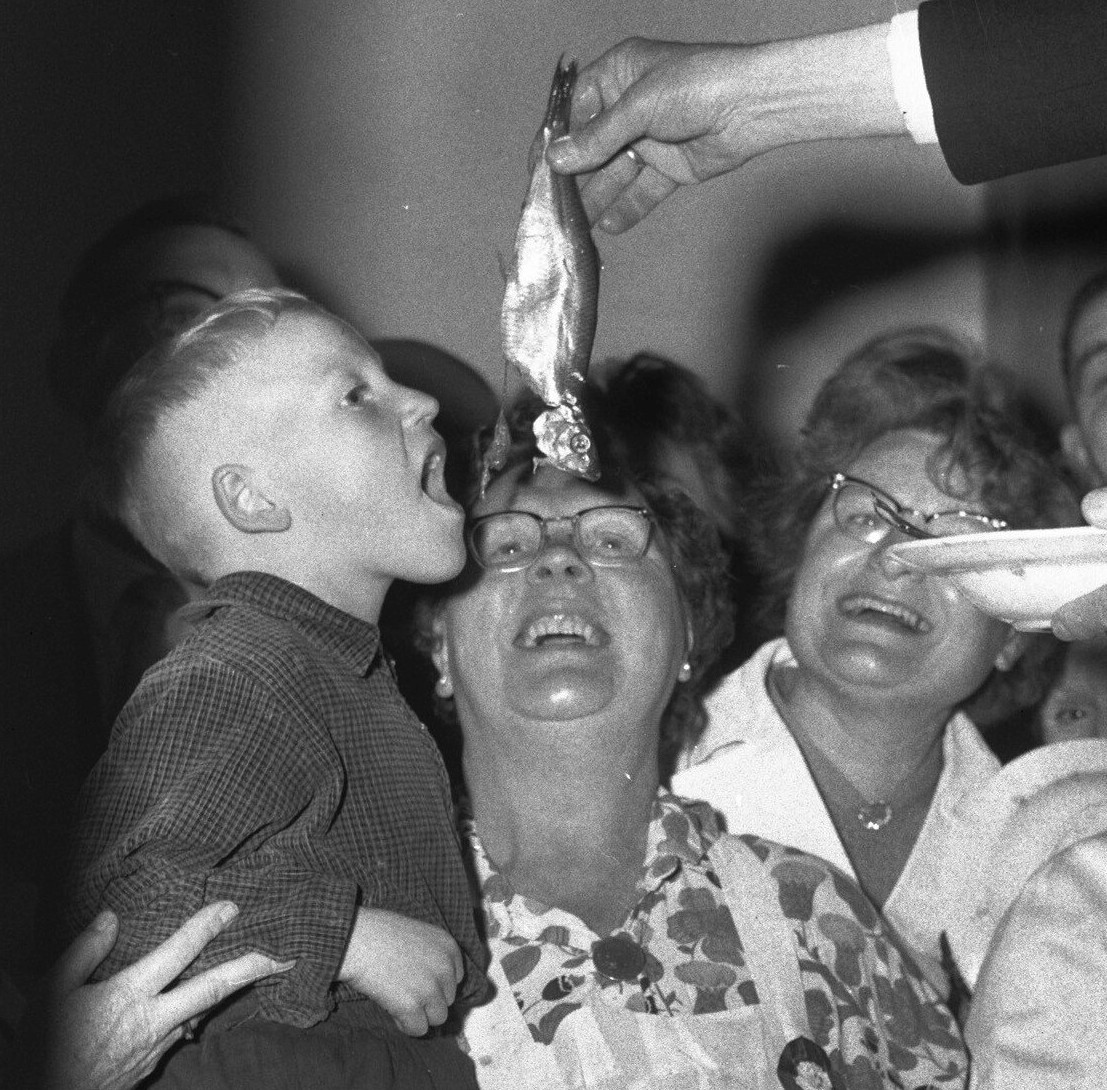
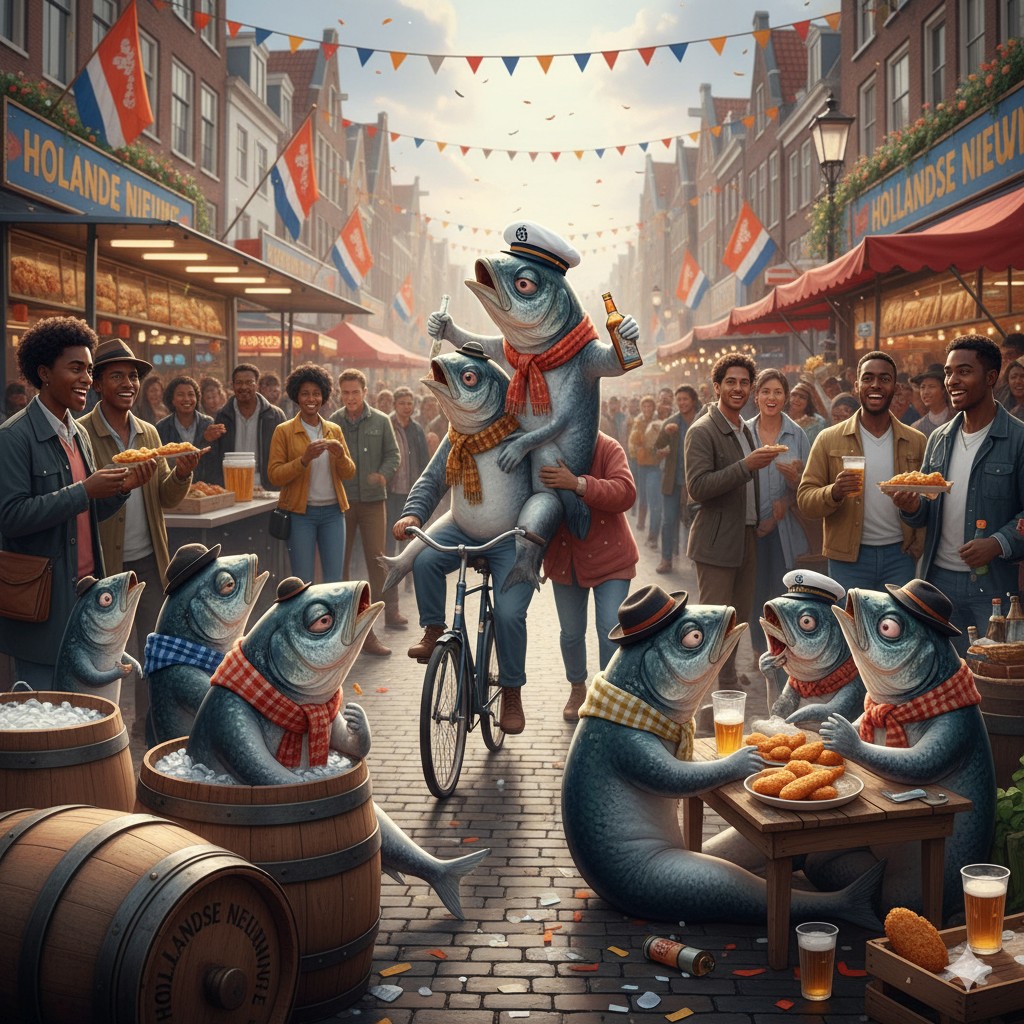
William and his soldiers sailed to Leiden as part of a makeshift military fleet dubbed the Watergeuzen (“Sea Beggars”) on the morning of 3 October. They headed north along the Vliet canal, which now had water deep enough to support their boats, and brought food and other supplies to Leiden’s citizens. The food supplies primarily consisted of herring and white bread (haring en wittebrood). To reward the city’s citizens for withstanding the Spanish attack, William established Leiden University the following year. […] The traditional meal associated with the festival is herring and white bread (haring en wittebrood). Cleaned herring along with a small loaf of white bread are handed out to city residents for free at the Weigh House (De Waag) at dawn on the morning of 3 October, but prior registration and tickets are required. On the evening of 2 October, hutspot (a dish representative of the stew found in the Spanish troops’ camp) is served at an event located on the Hooglandsekerkgracht, a street in the center of the city.
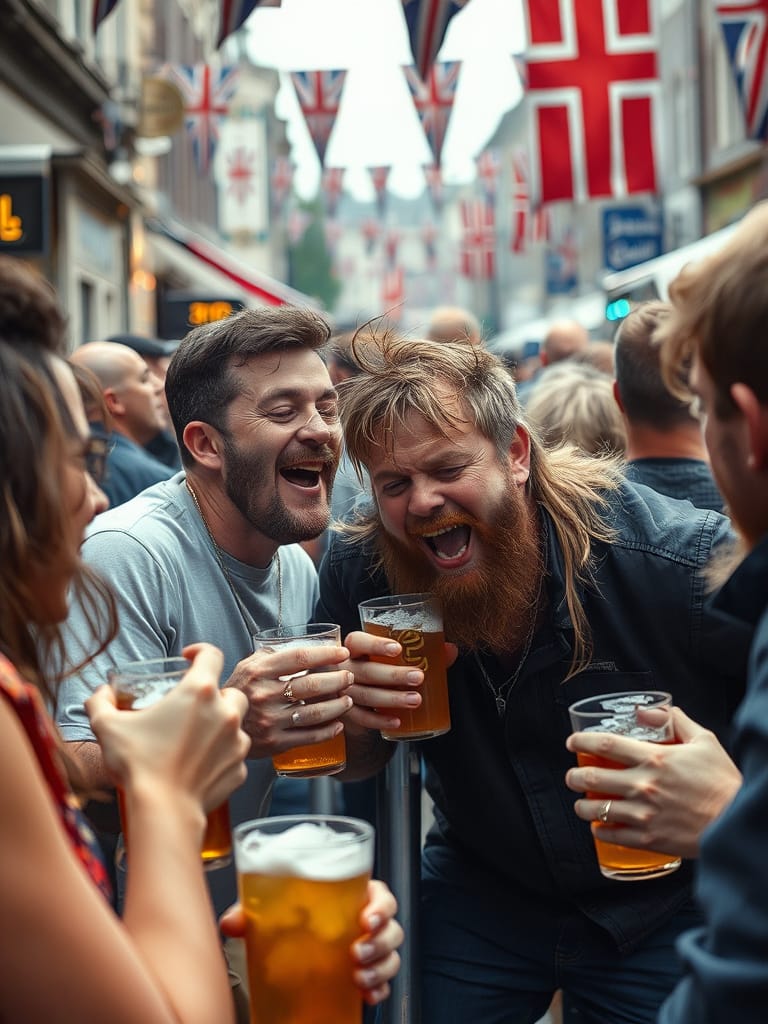
Controversies In recent years, 3 October has drawn criticism from local residents and business owners, some of whom opt to leave Leiden during the festival due to noise, public drunkenness, and other concerns.
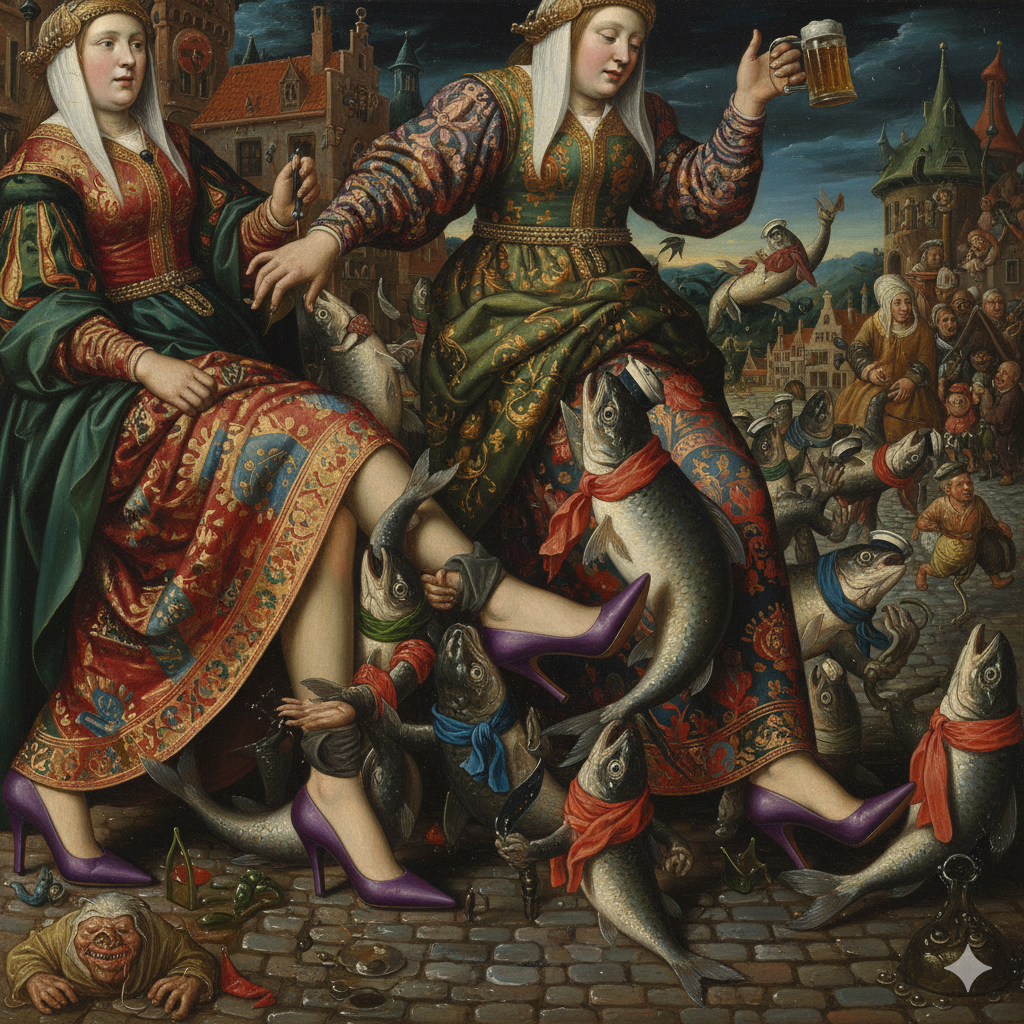
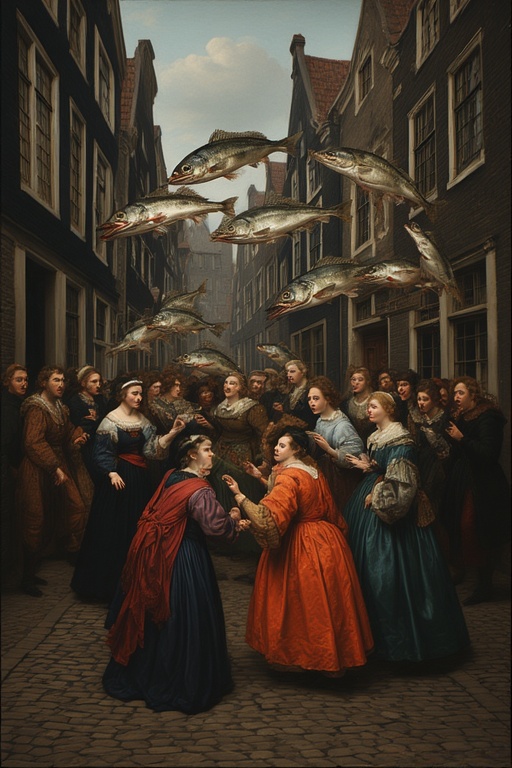
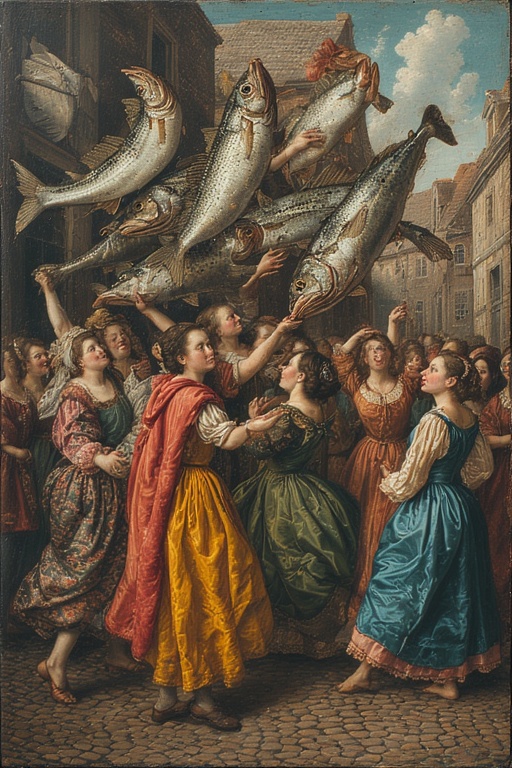
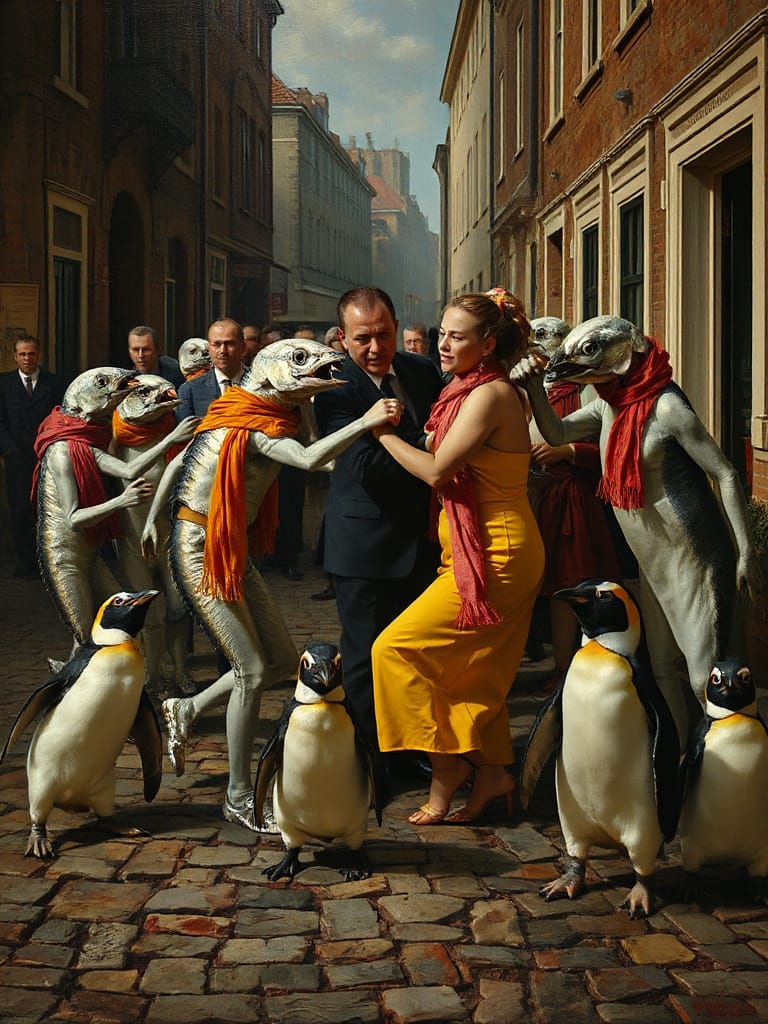
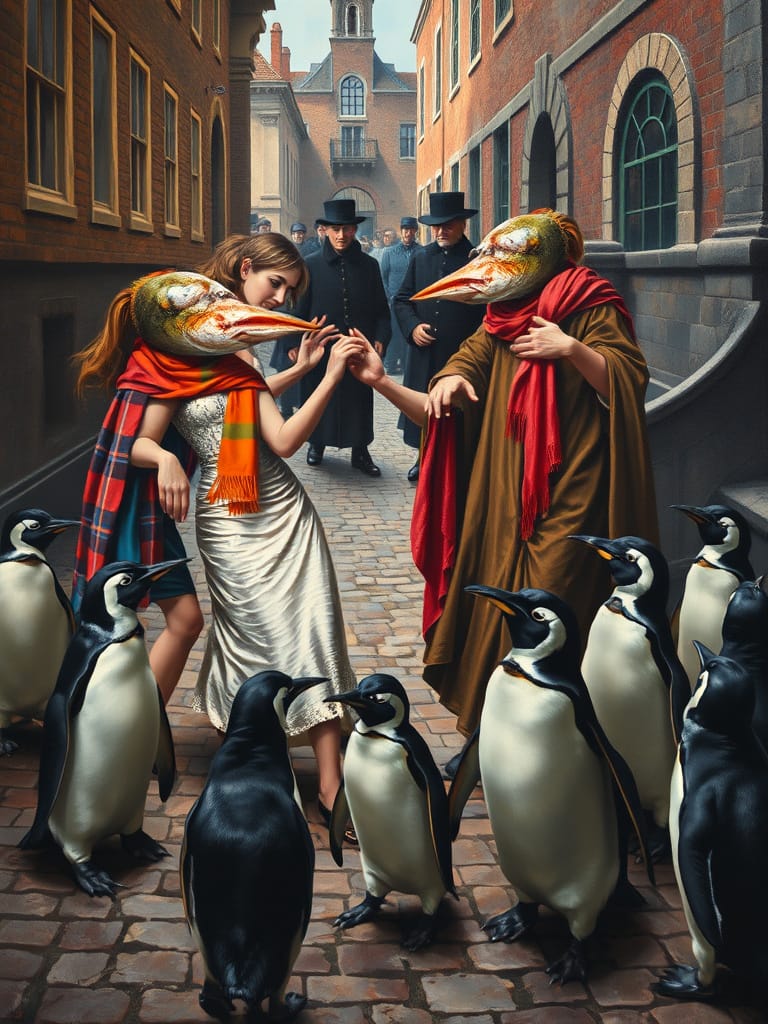
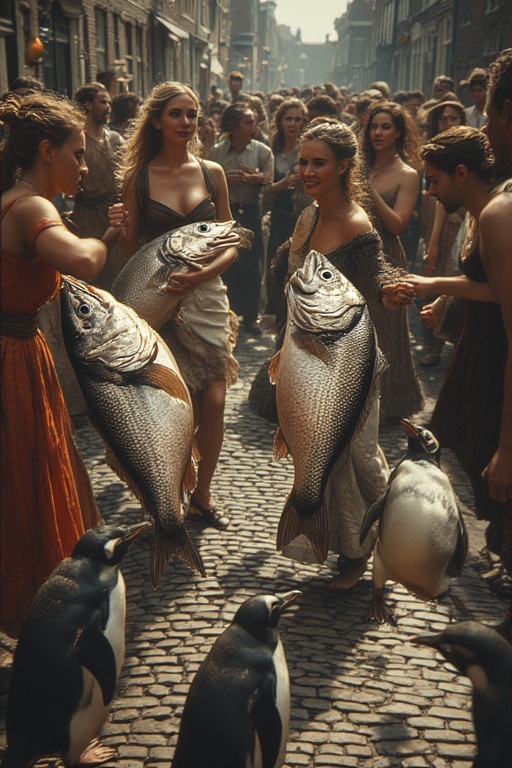
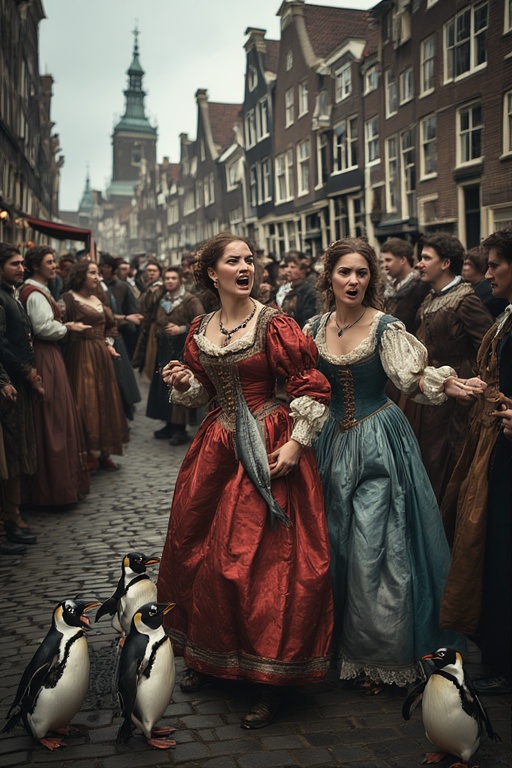
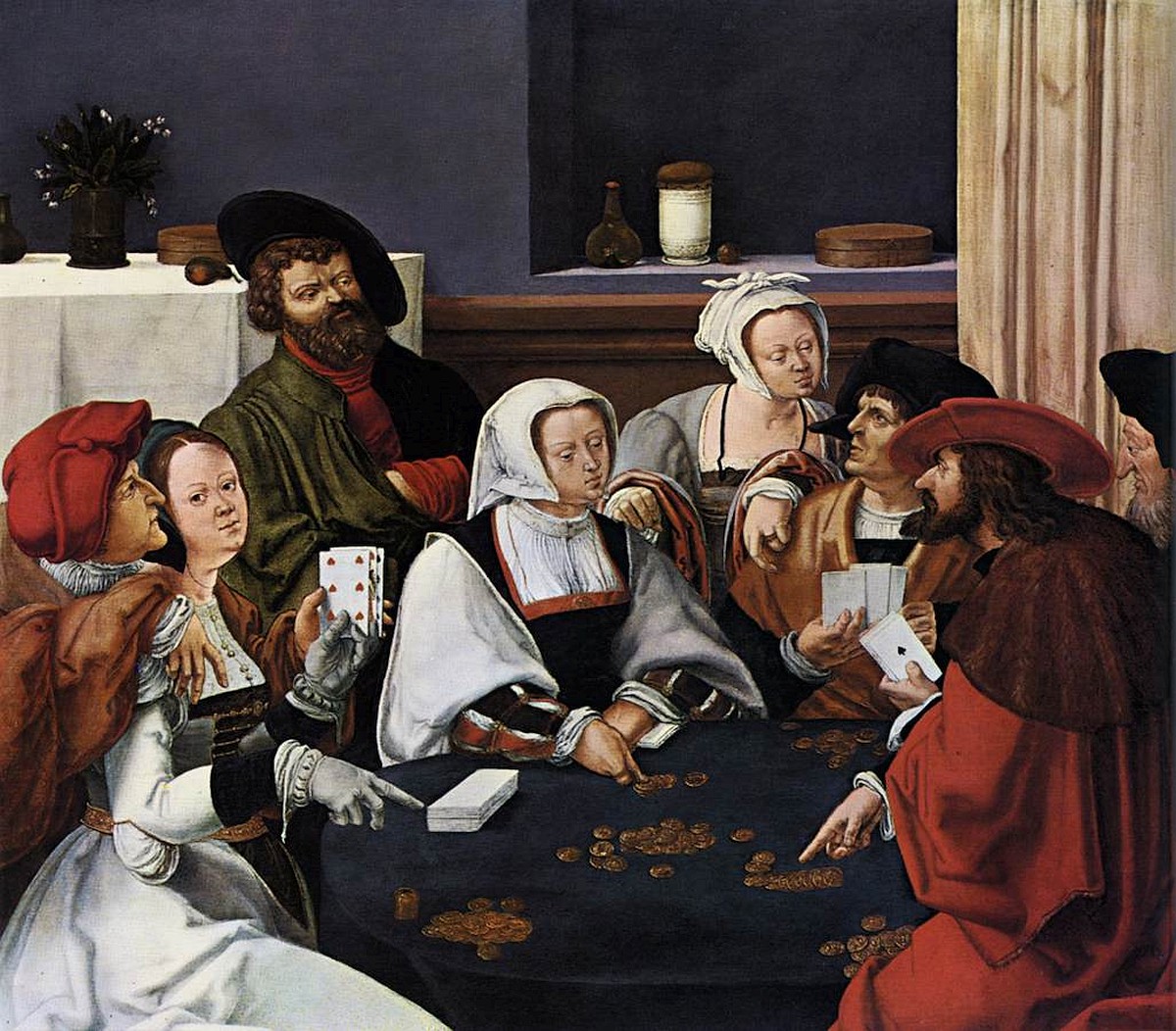
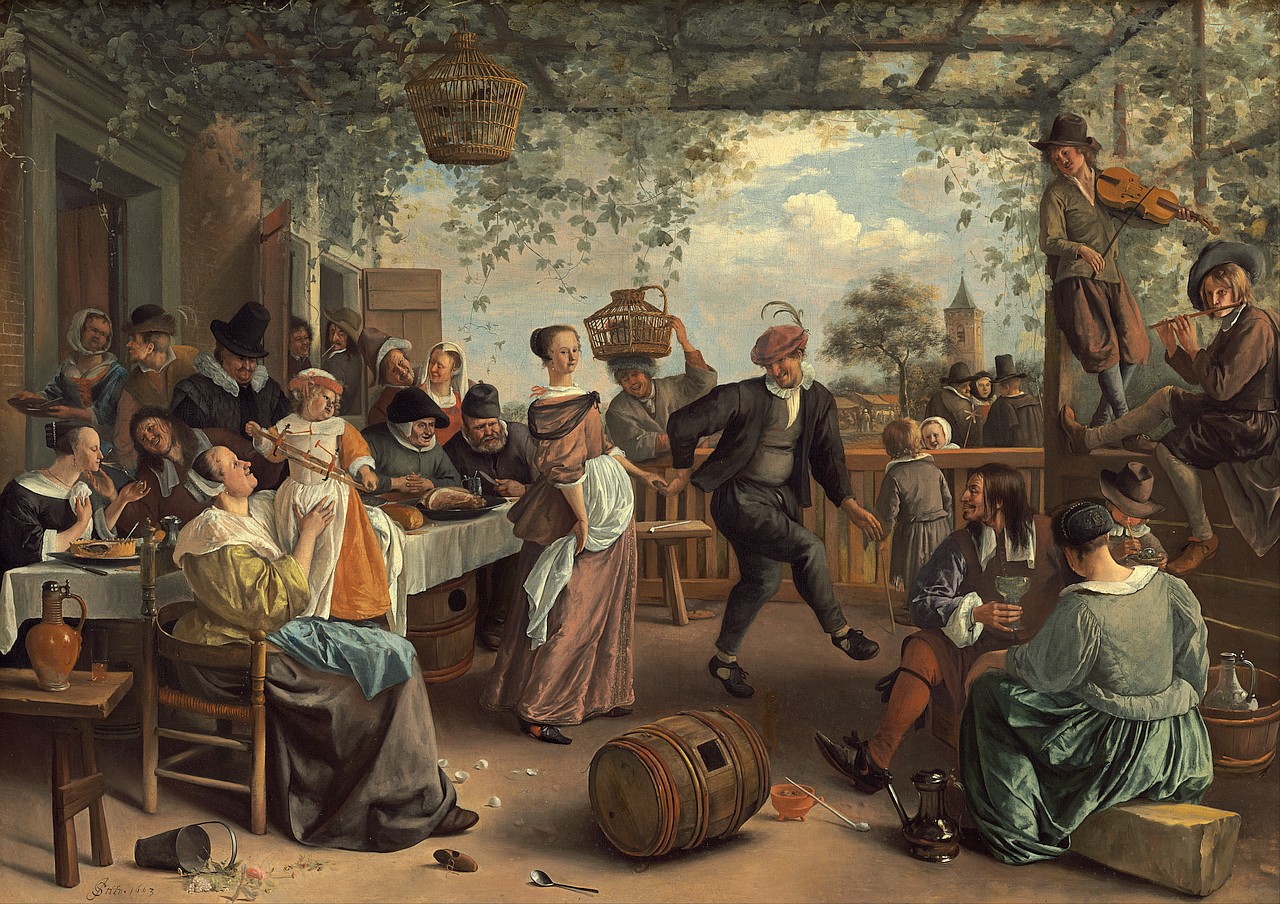
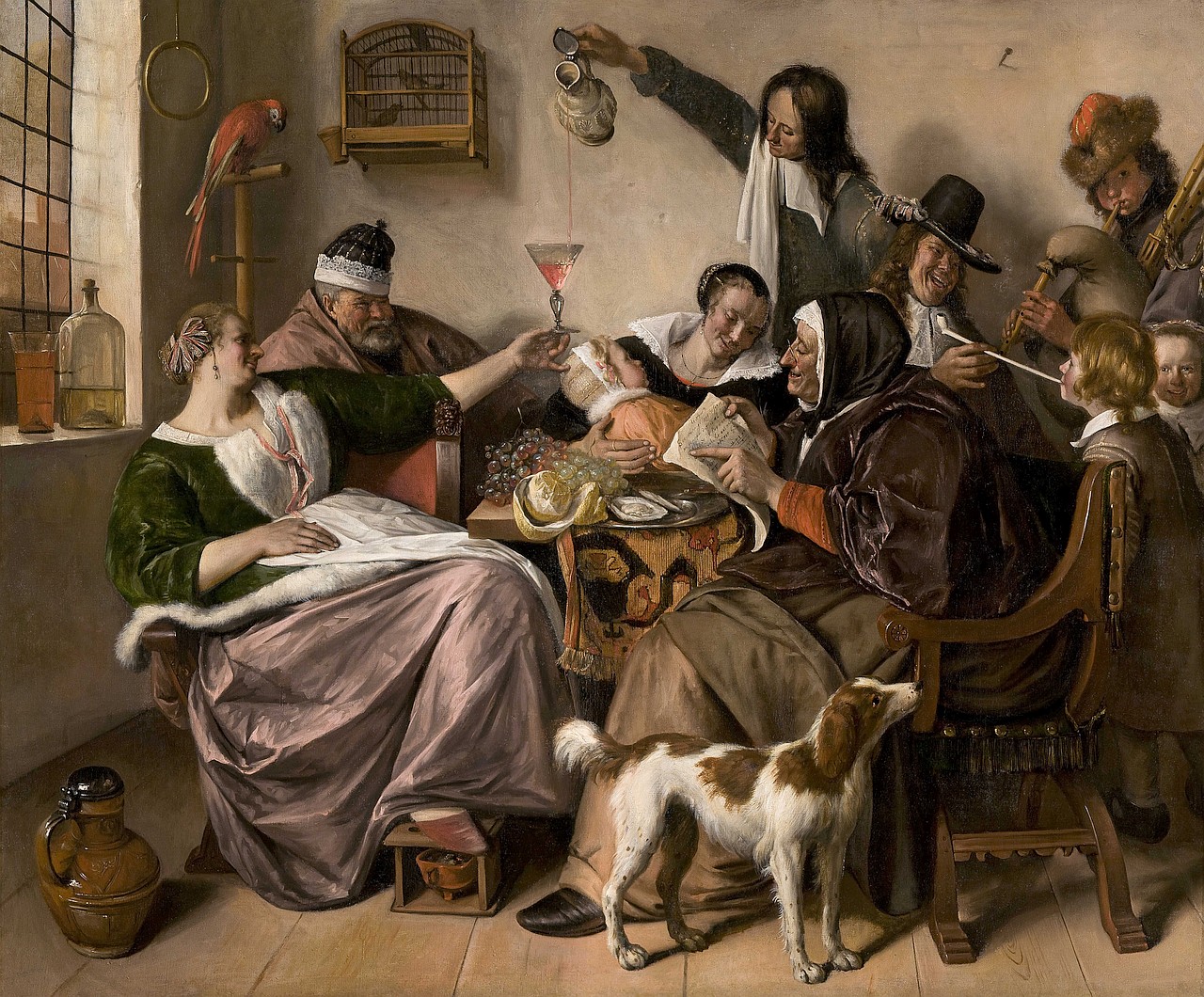
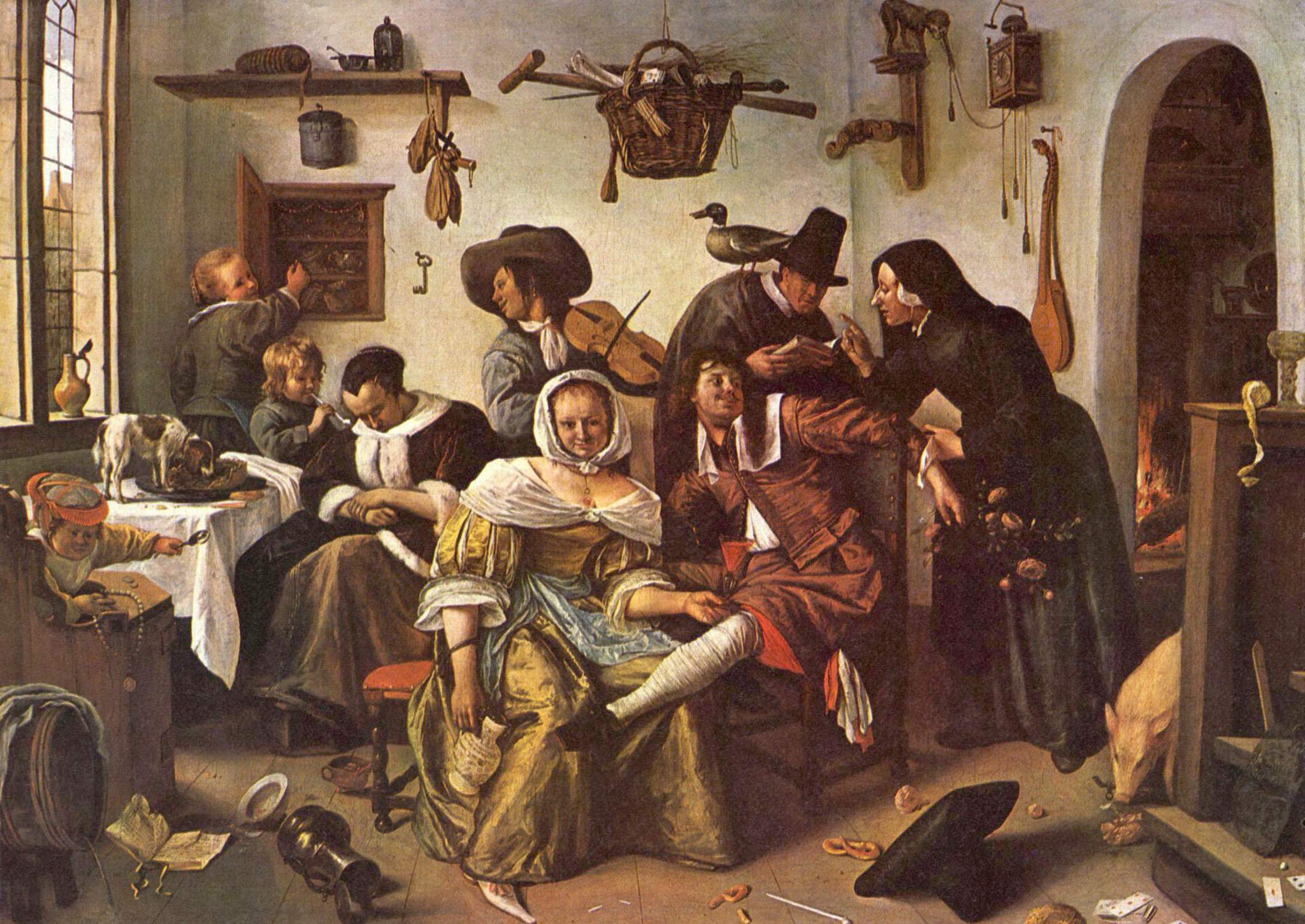
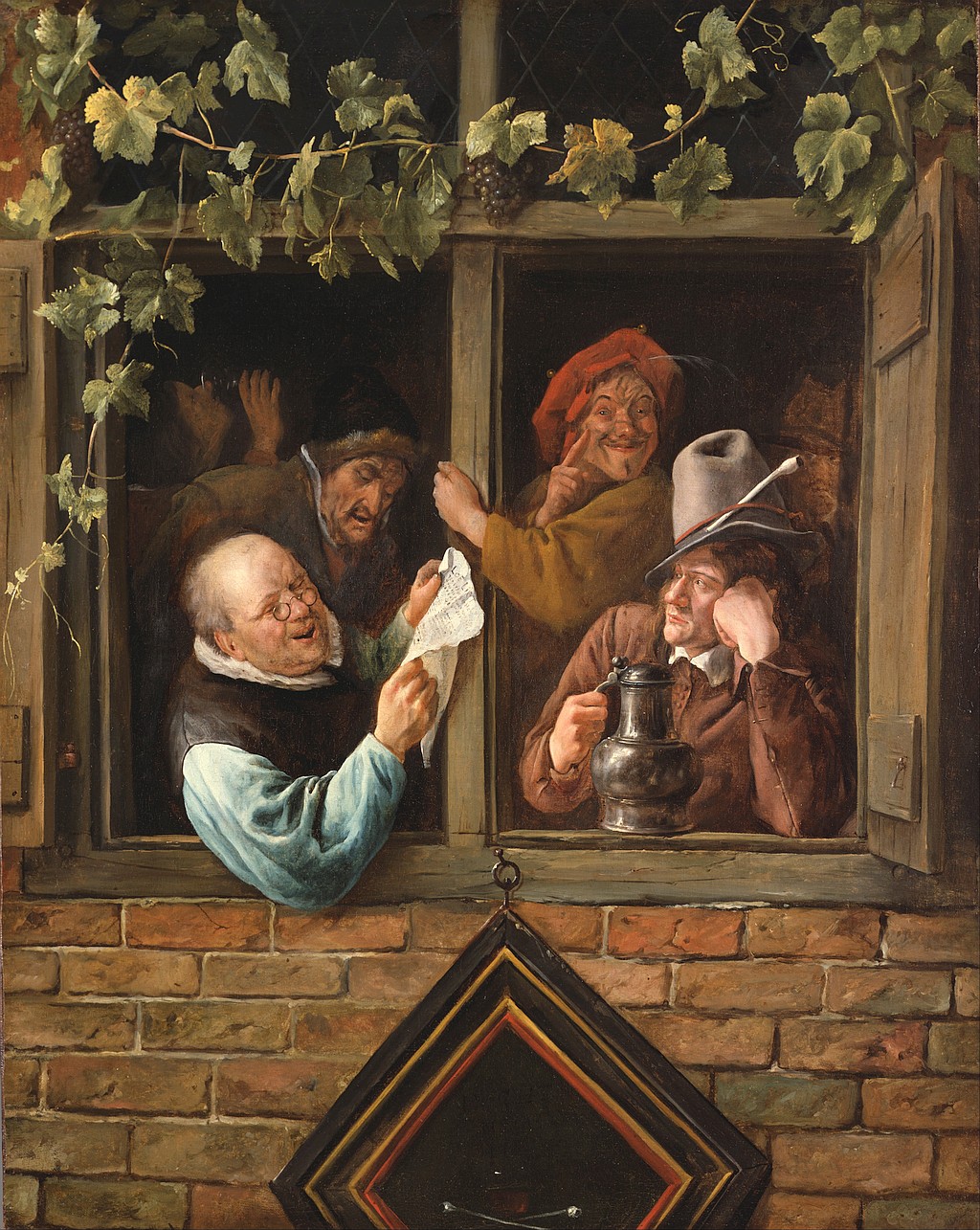
Rowdy behavior dates back to the early days of the festival, as evidenced in Elder G’s artistic recreations.
Over-exuberating continues to the present day!
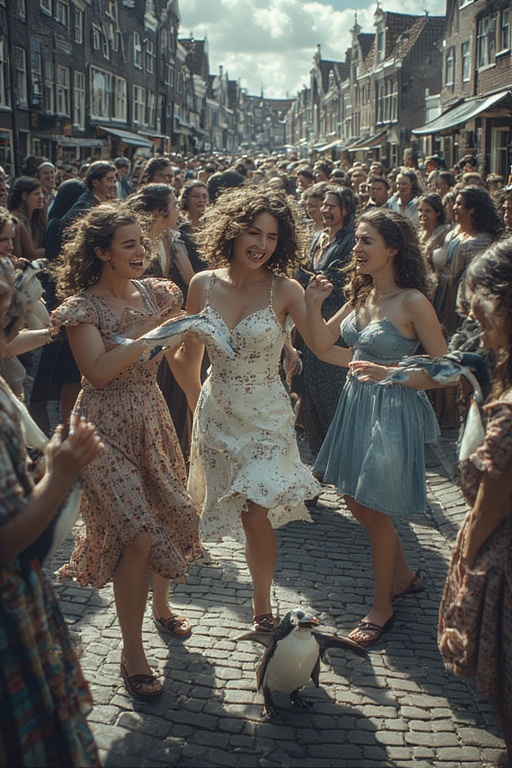
The recent introduction of penguins to the Leidens Ontzet greatly complicated the herring distribution.
Leiden
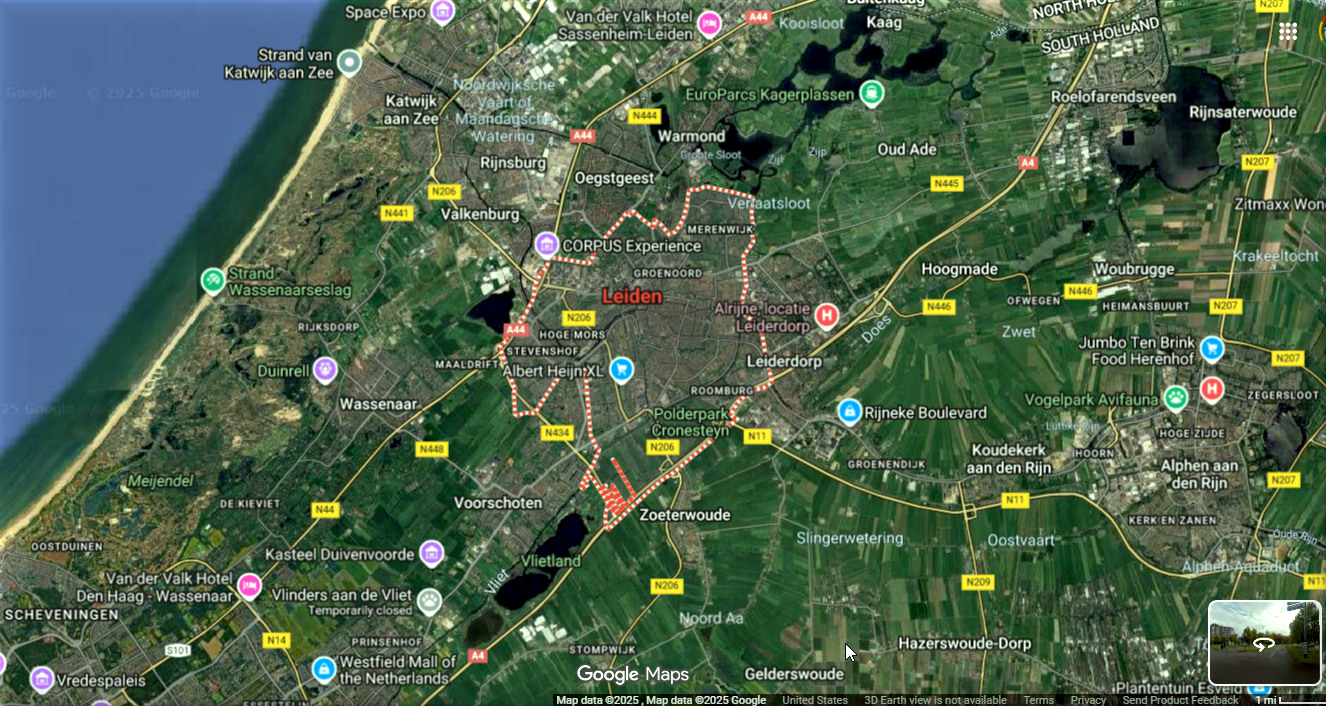
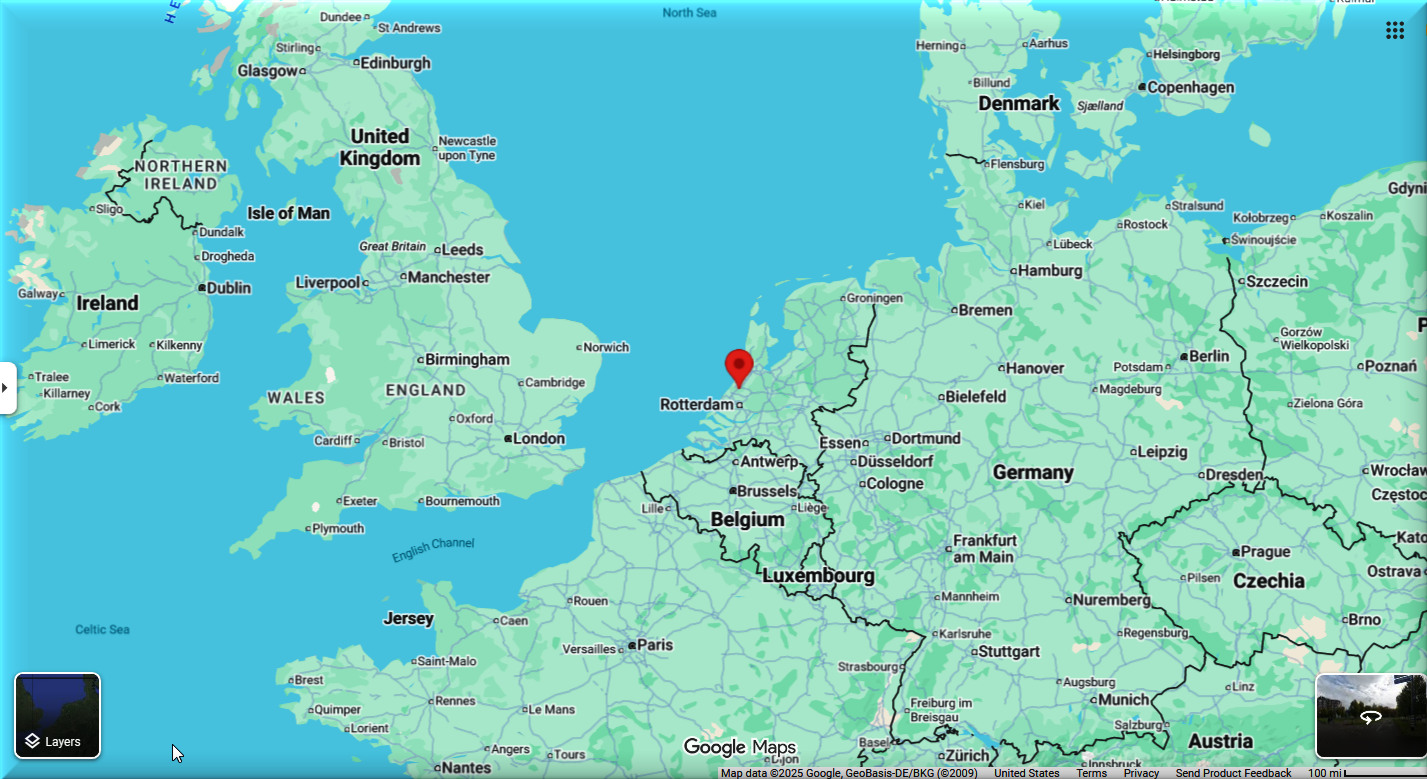
Leiden is a city and municipality in the province of South Holland, Netherlands. The municipality of Leiden has a population of 127,046 (31 January 2023), but the city forms one densely connected agglomeration with its suburbs Oegstgeest, Leiderdorp, Voorschoten and Zoeterwoude with 215,602 inhabitants.
A university city since 1575, Leiden has been one of Europe’s most prominent scientific centres for more than four centuries. University buildings are scattered throughout the city and the many students from all over the world give the city a bustling, vivid and international atmosphere. Many important scientific discoveries have been made here, giving rise to Leiden’s motto: ‘City of Discoveries’.
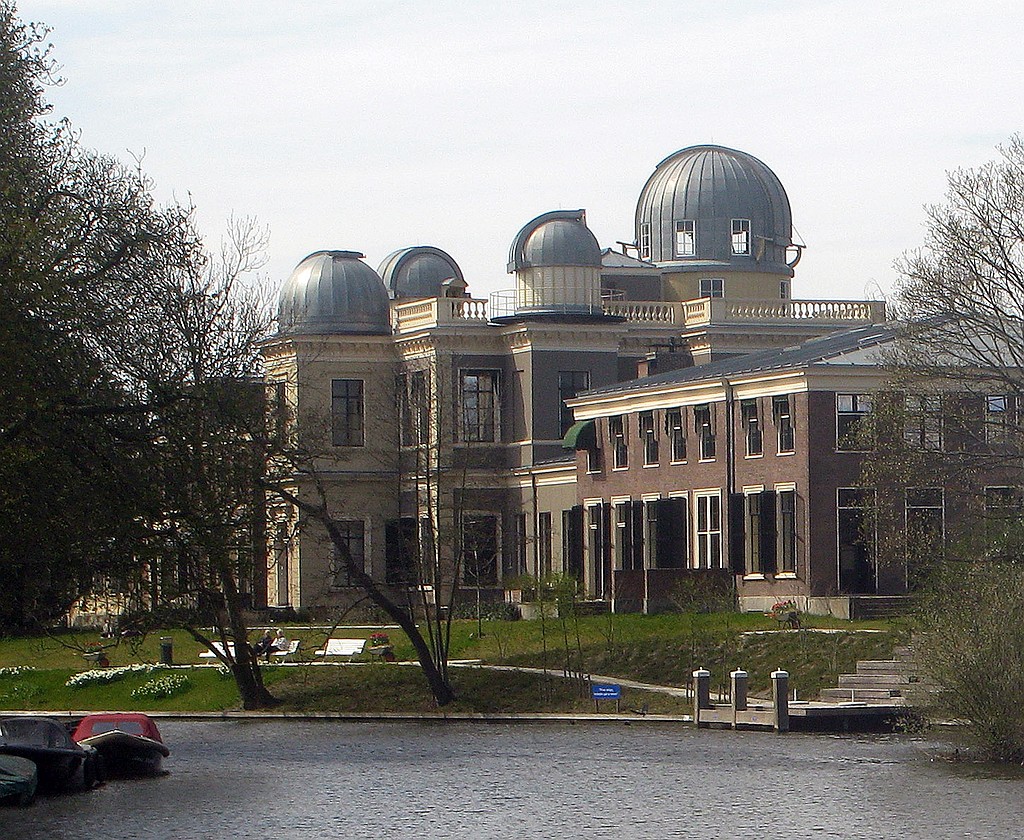
The 1860 Leiden Observatory, after restoration (2013) By Erik Zachte – Own work, CC BY-SA 3.0, https://commons.wikimedia.org/w/index.php?curid=25754496
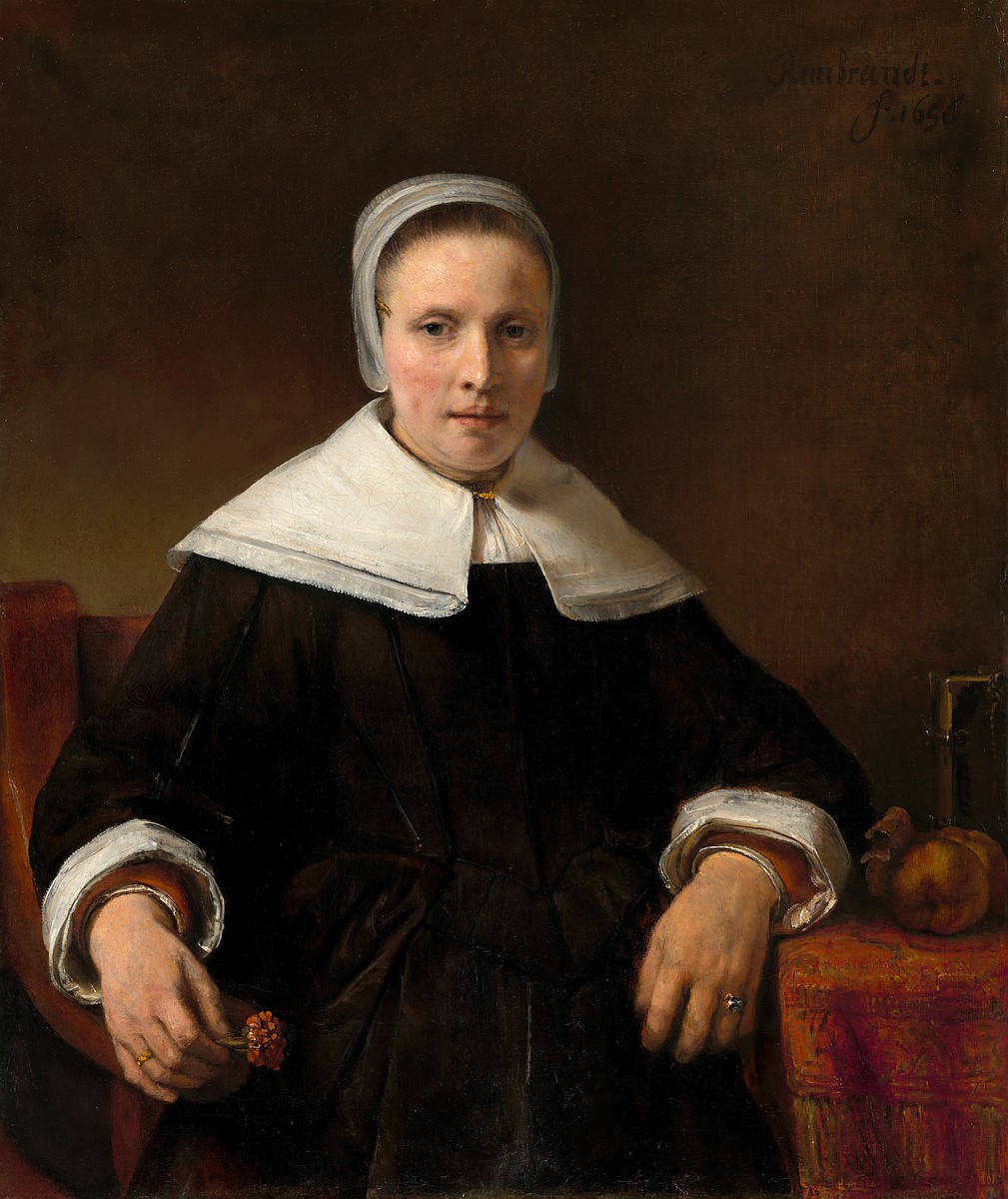
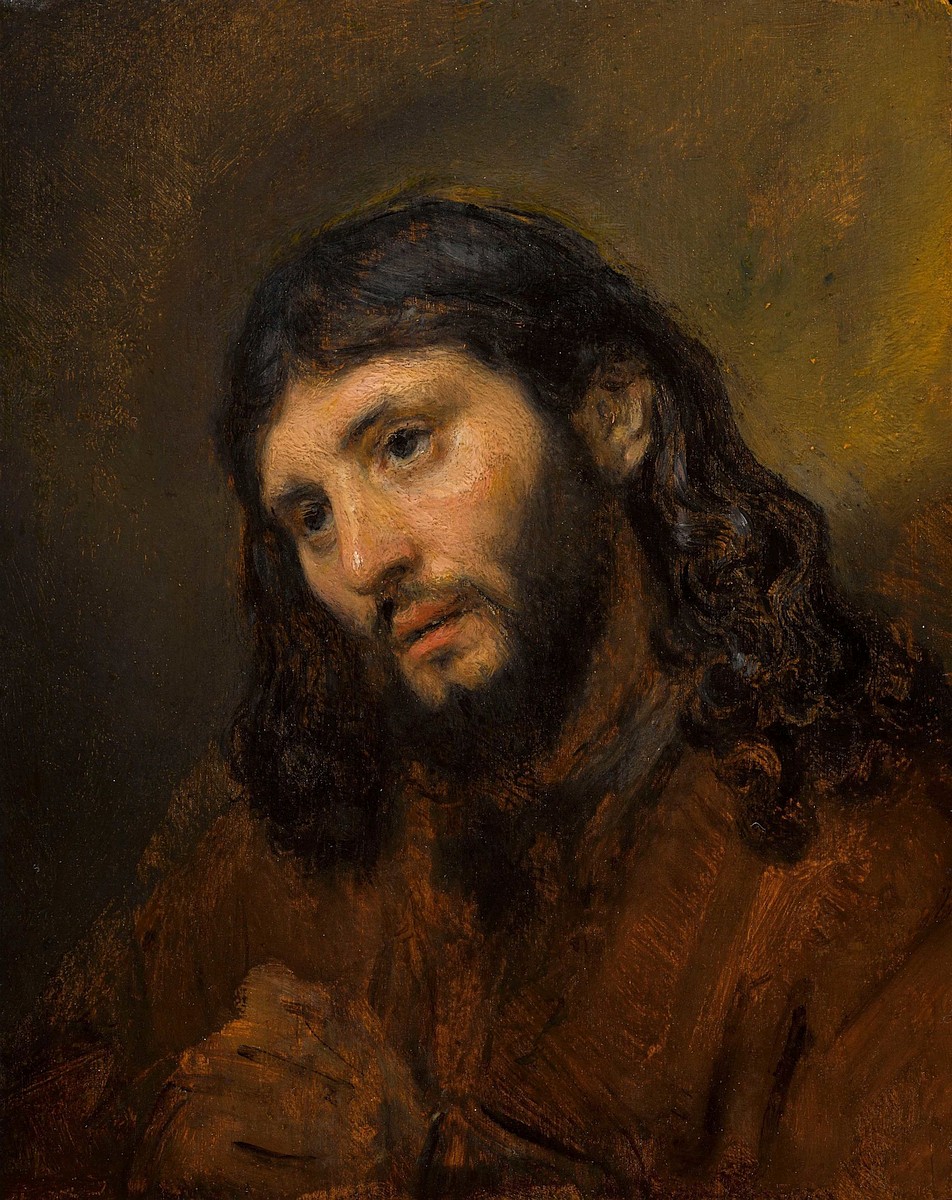
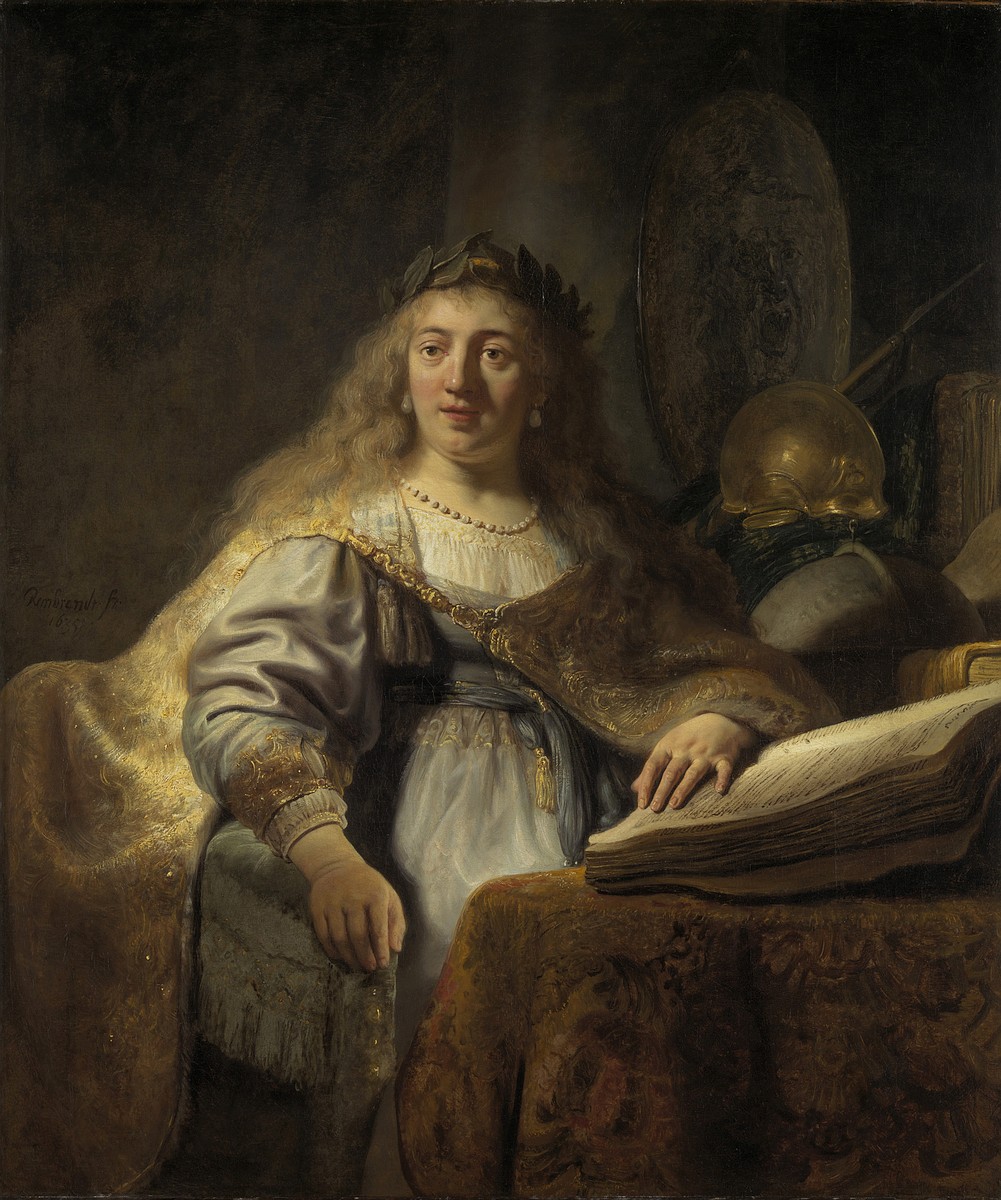
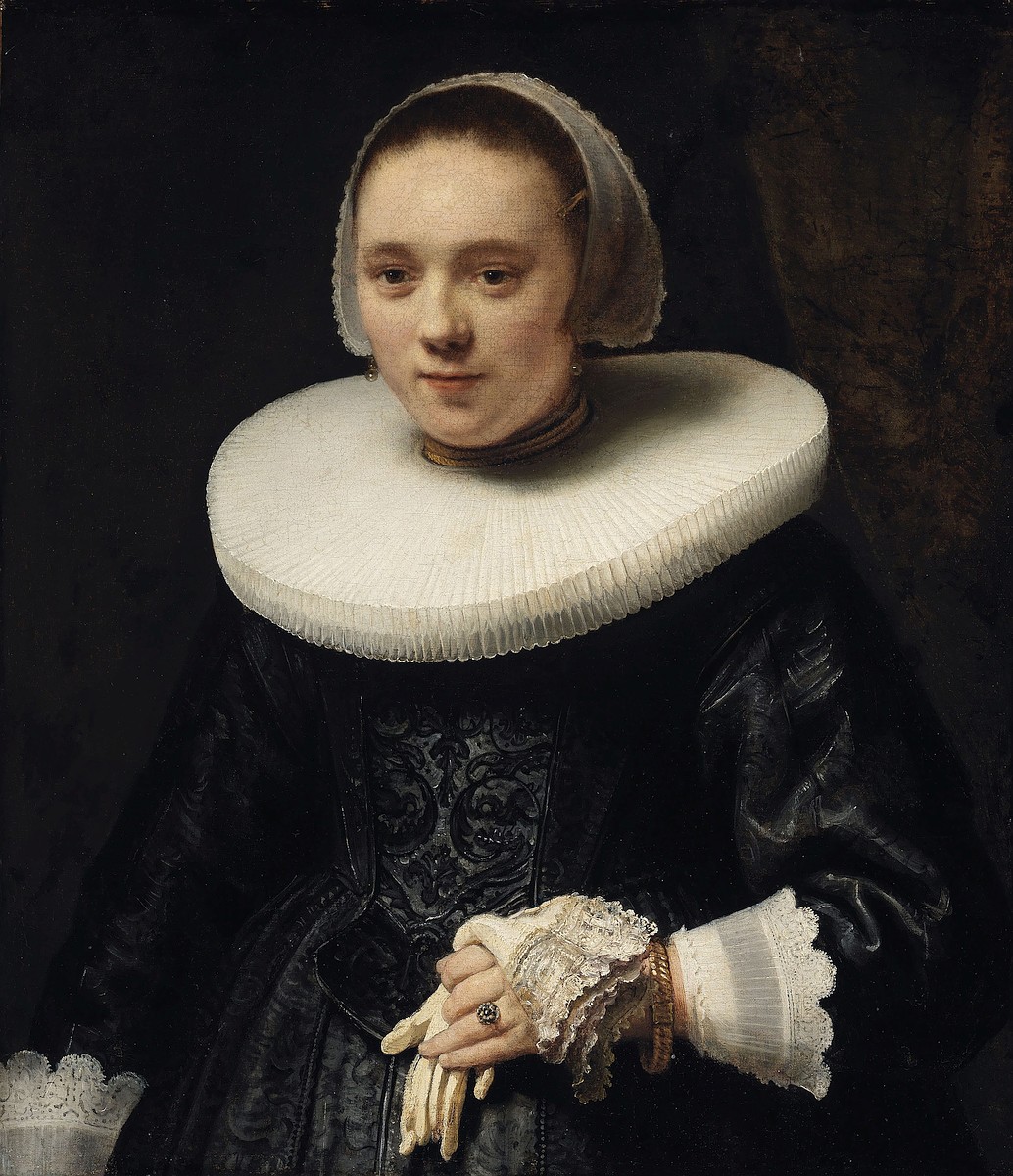
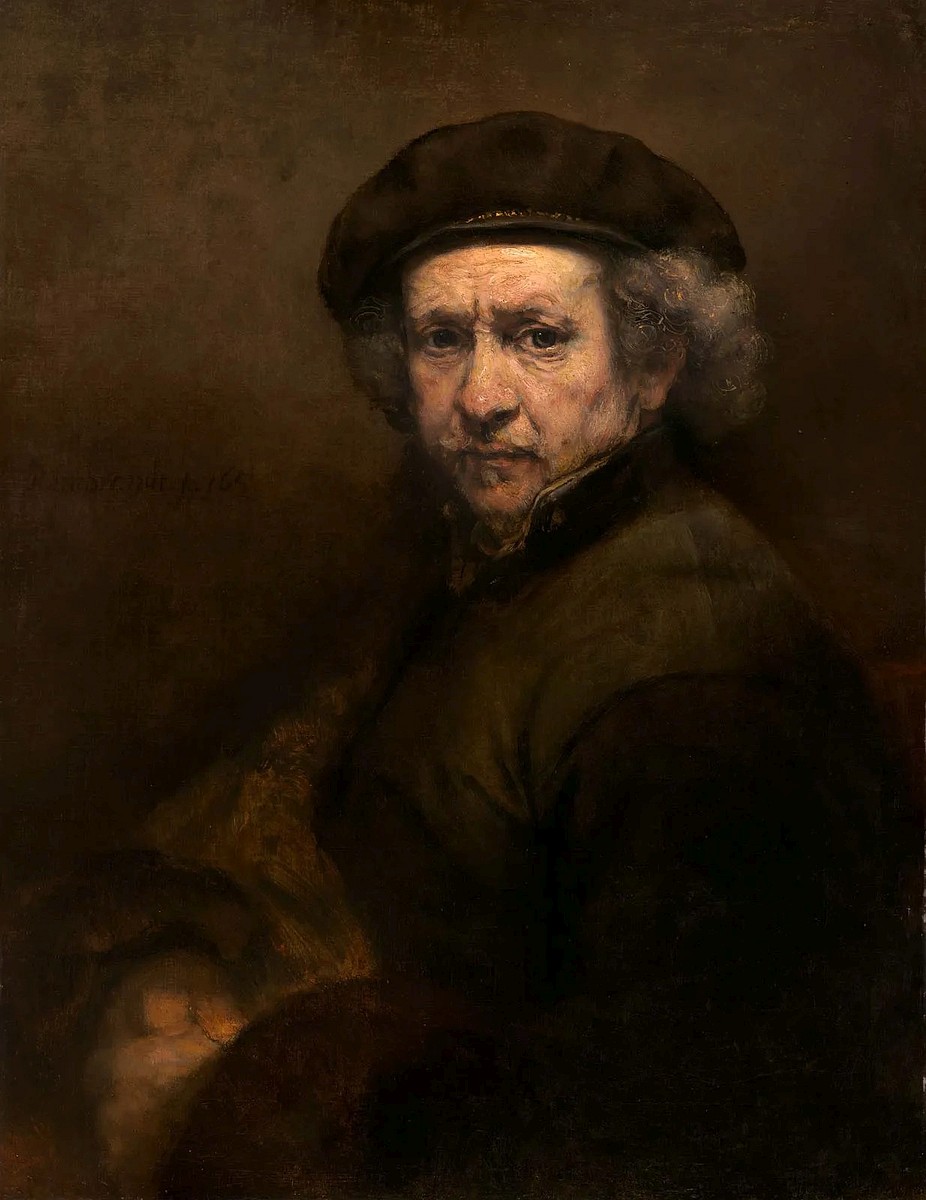
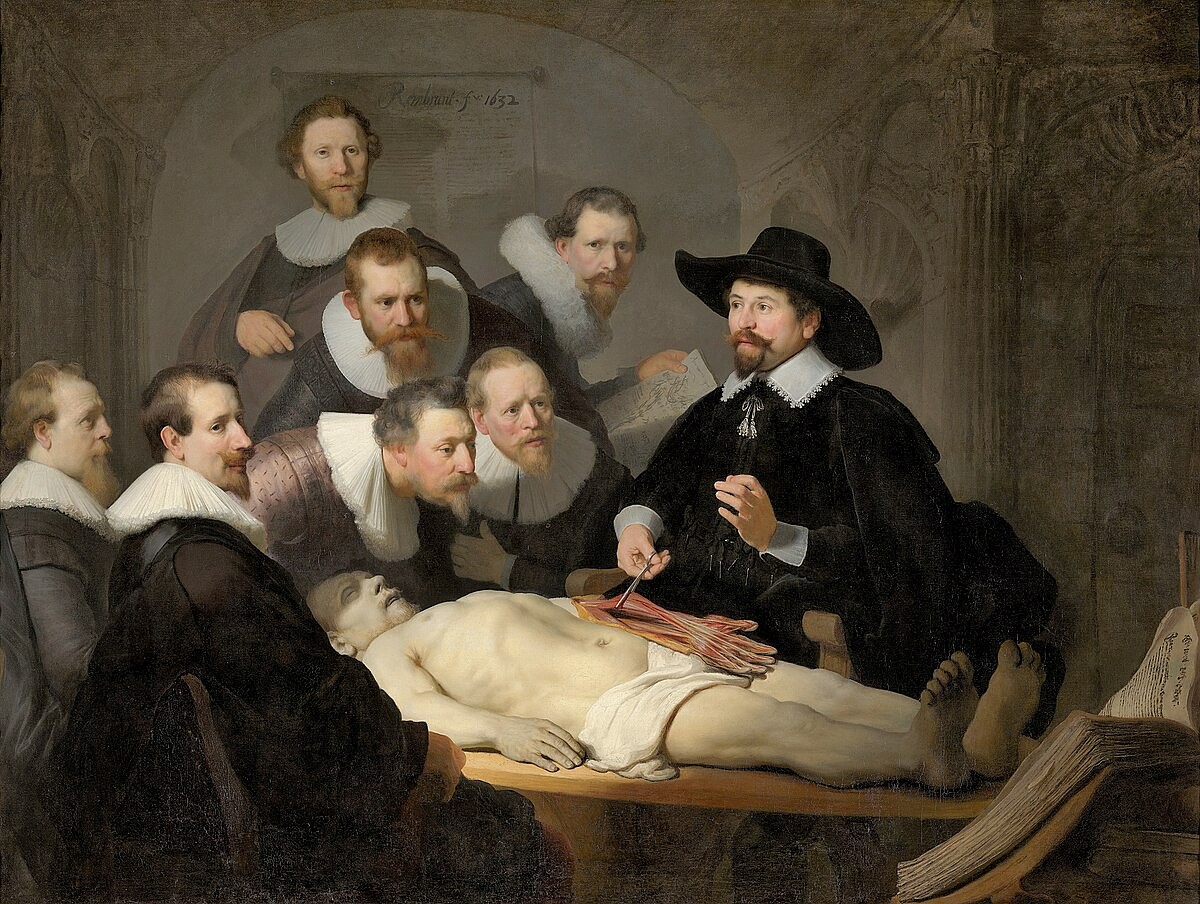
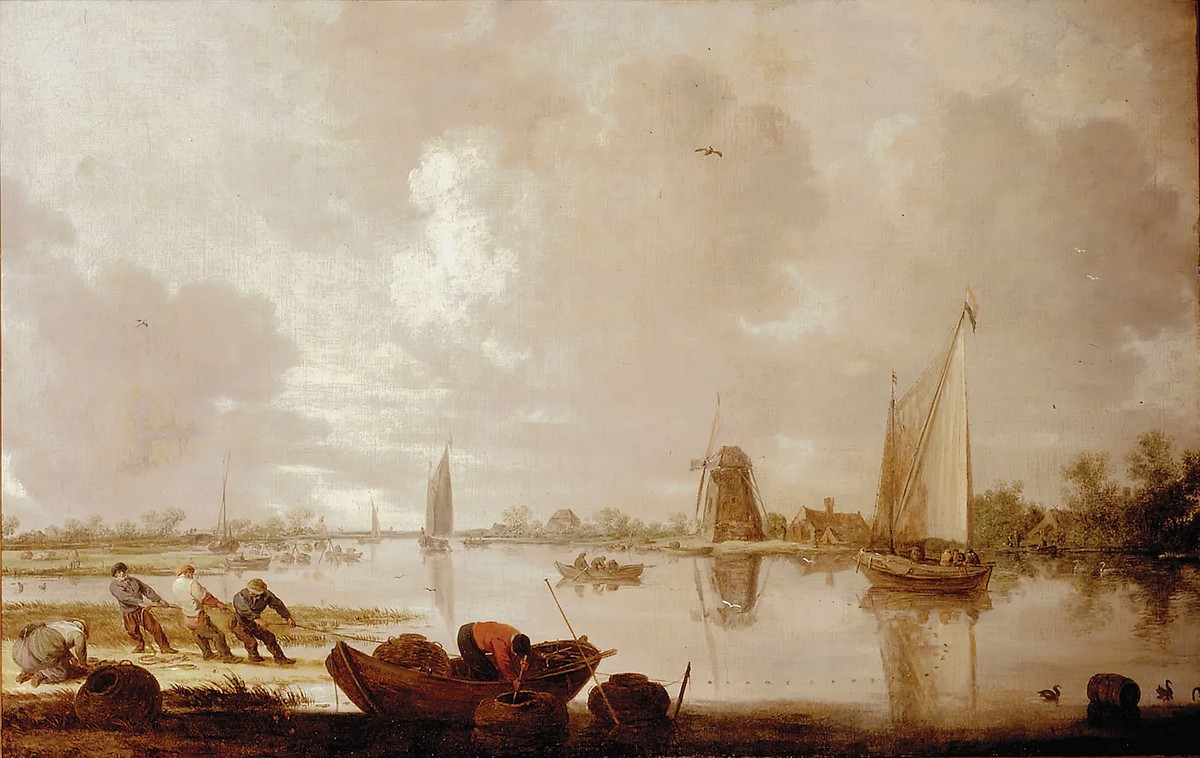
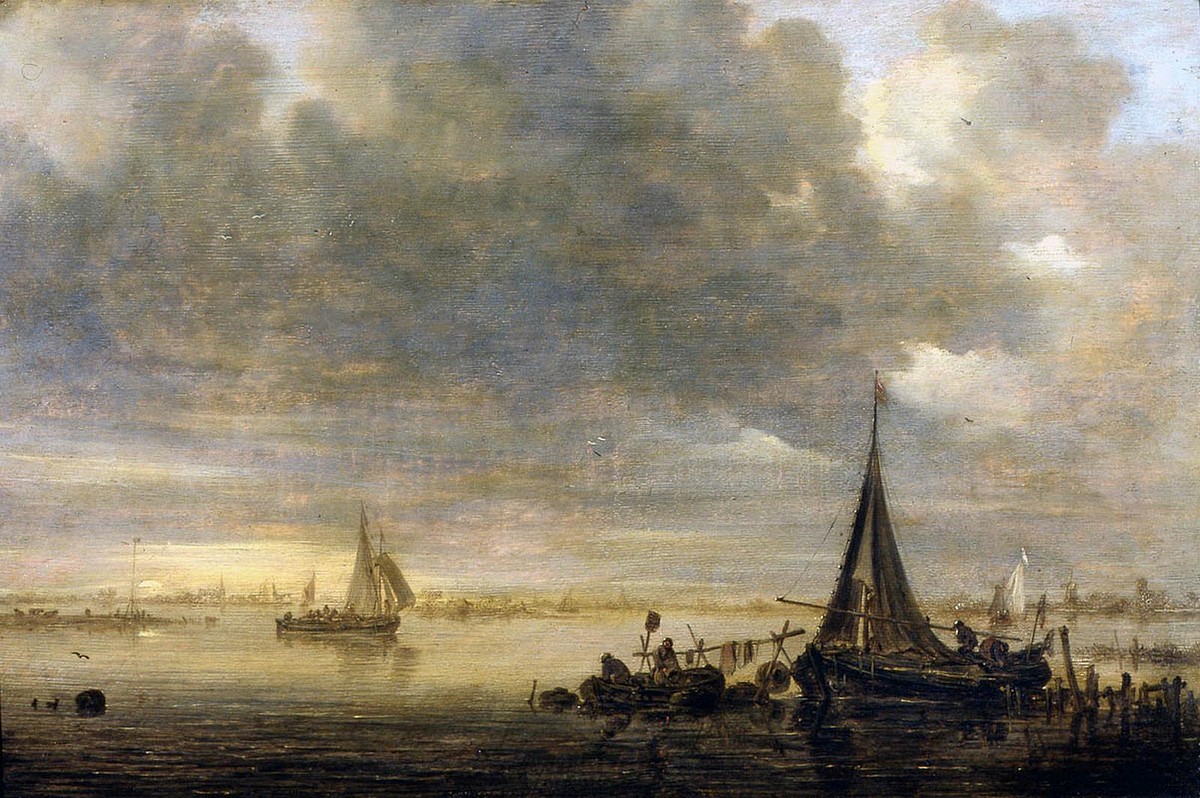
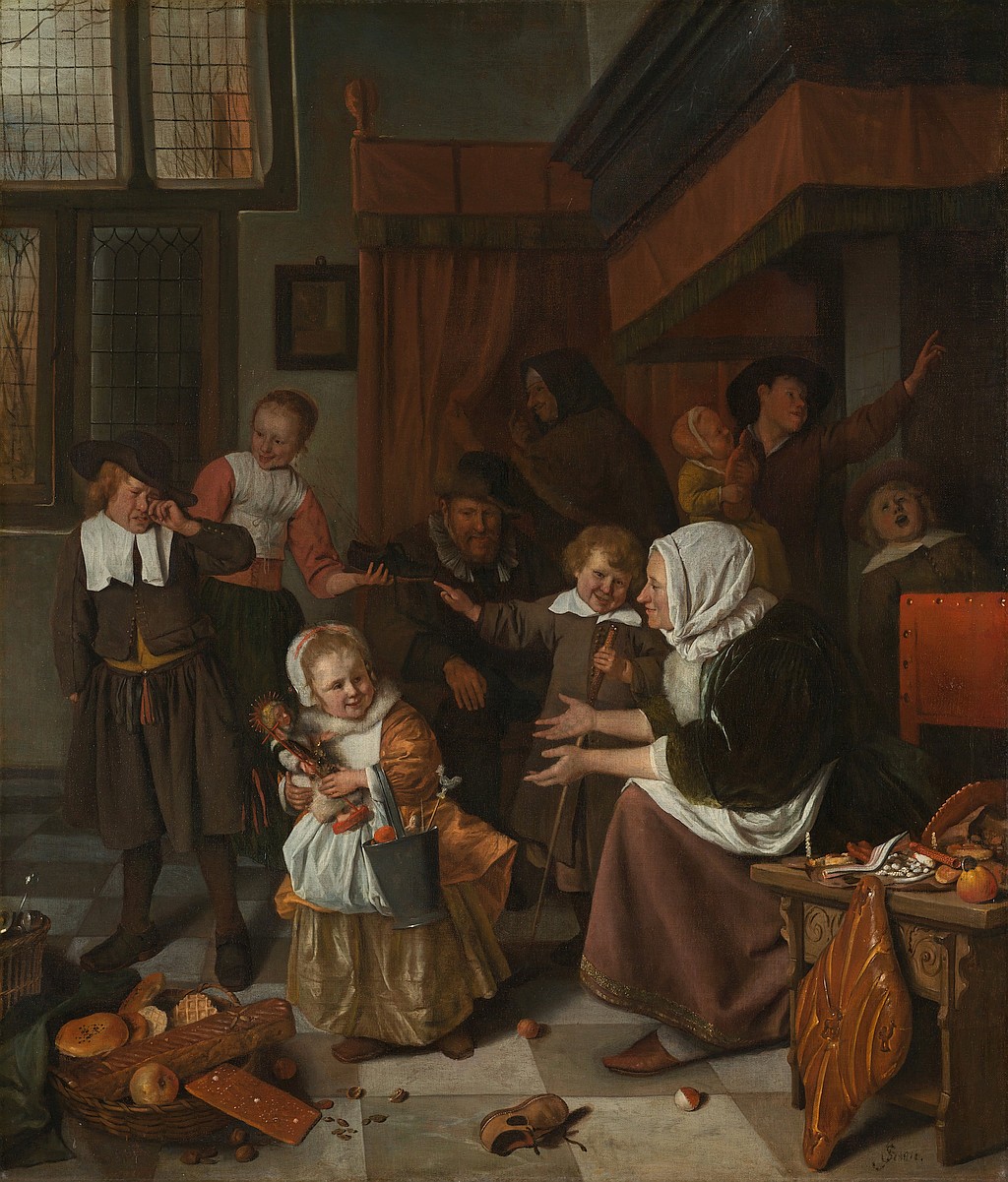
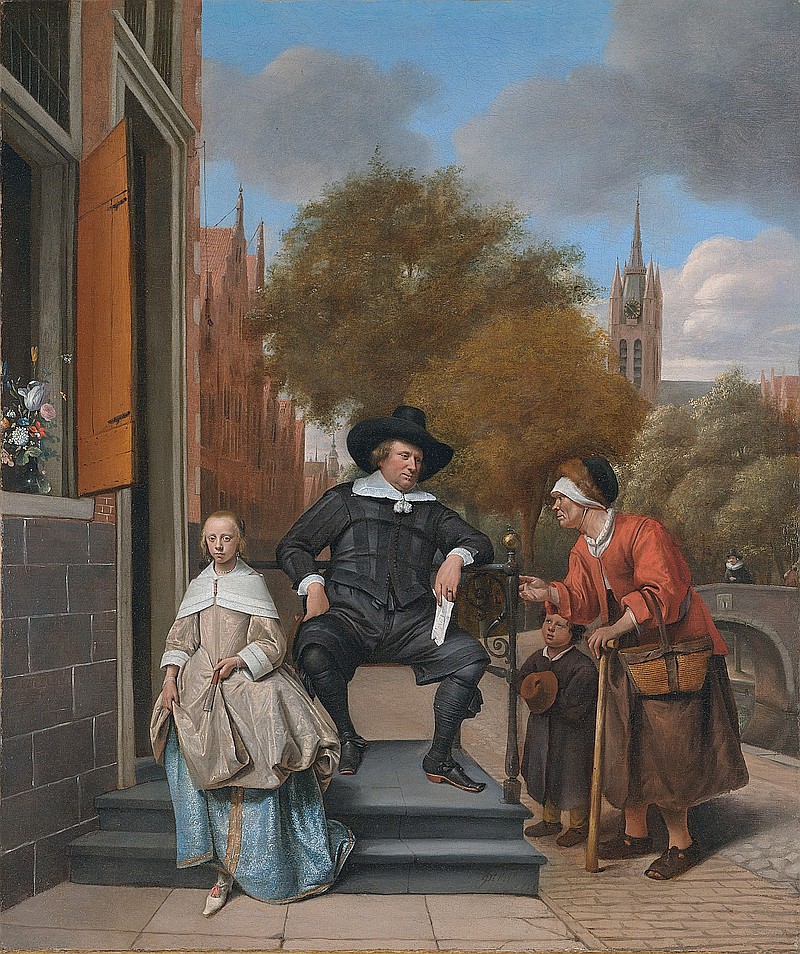
Leiden is a city with a rich cultural heritage, not only in science, but also in the arts. The painter Rembrandt was born and educated in Leiden. Other Leiden painters include Lucas van Leyden, Jan van Goyen and Jan Steen.
Because of the economic decline from the end of the 17th until the middle of the 19th century, much of the 16th- and 17th-century city centre is still intact. It is the second largest 17th-century town centre in the Netherlands, the largest being Amsterdam’s city centre.
Rembrandt Harmenszoon van Rijn (15 July 1606 – 4 October 1669), mononymously known as Rembrandt, was a Dutch Golden Age painter, printmaker, and draughtsman. He is generally considered one of the greatest visual artists in the history of Western art. It is estimated that Rembrandt’s surviving works amount to about three hundred paintings, three hundred etchings, and several hundred drawings.
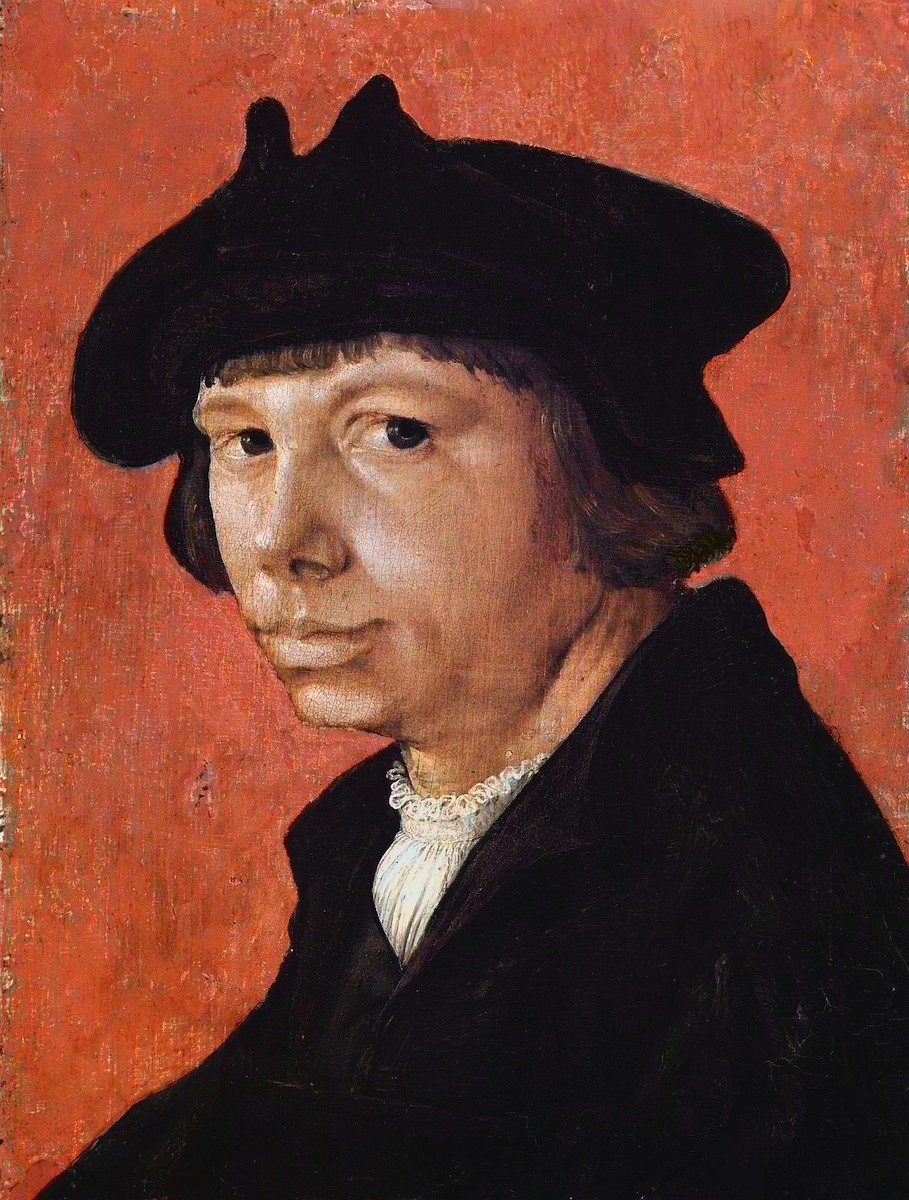
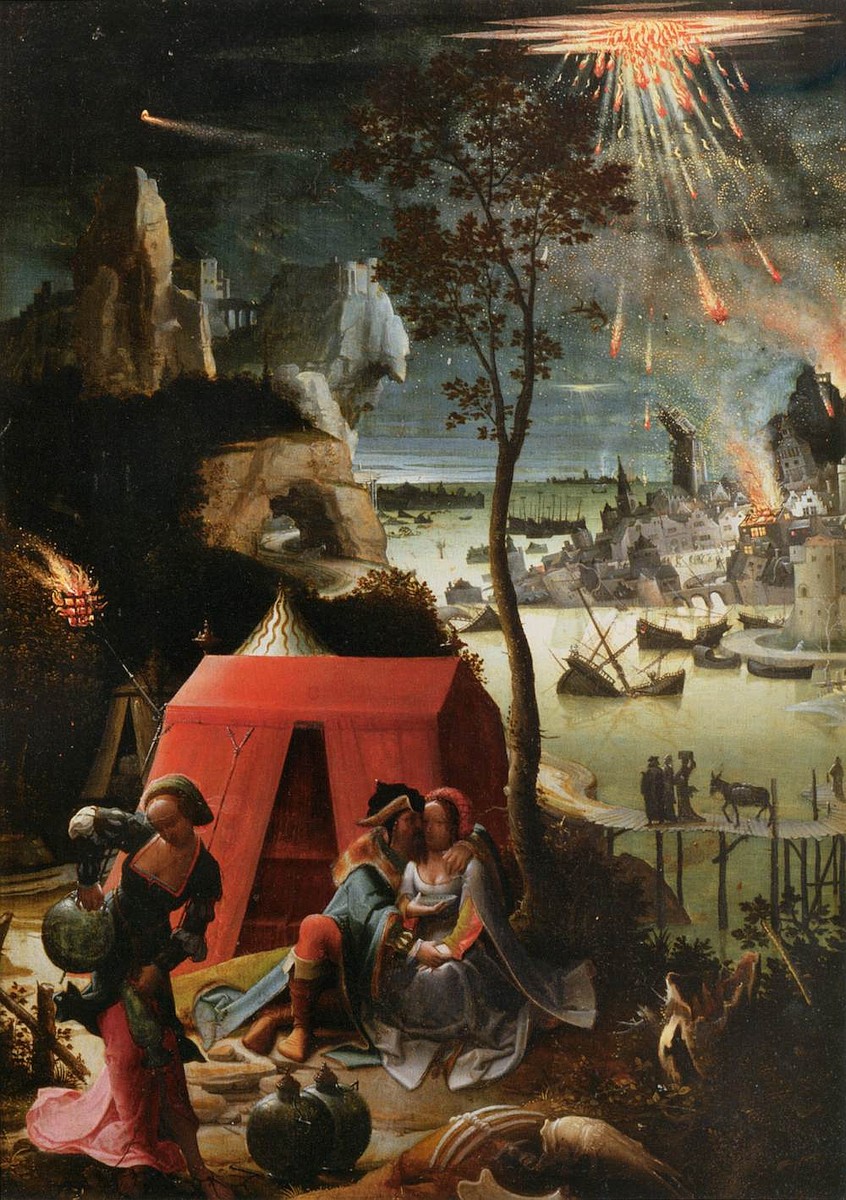
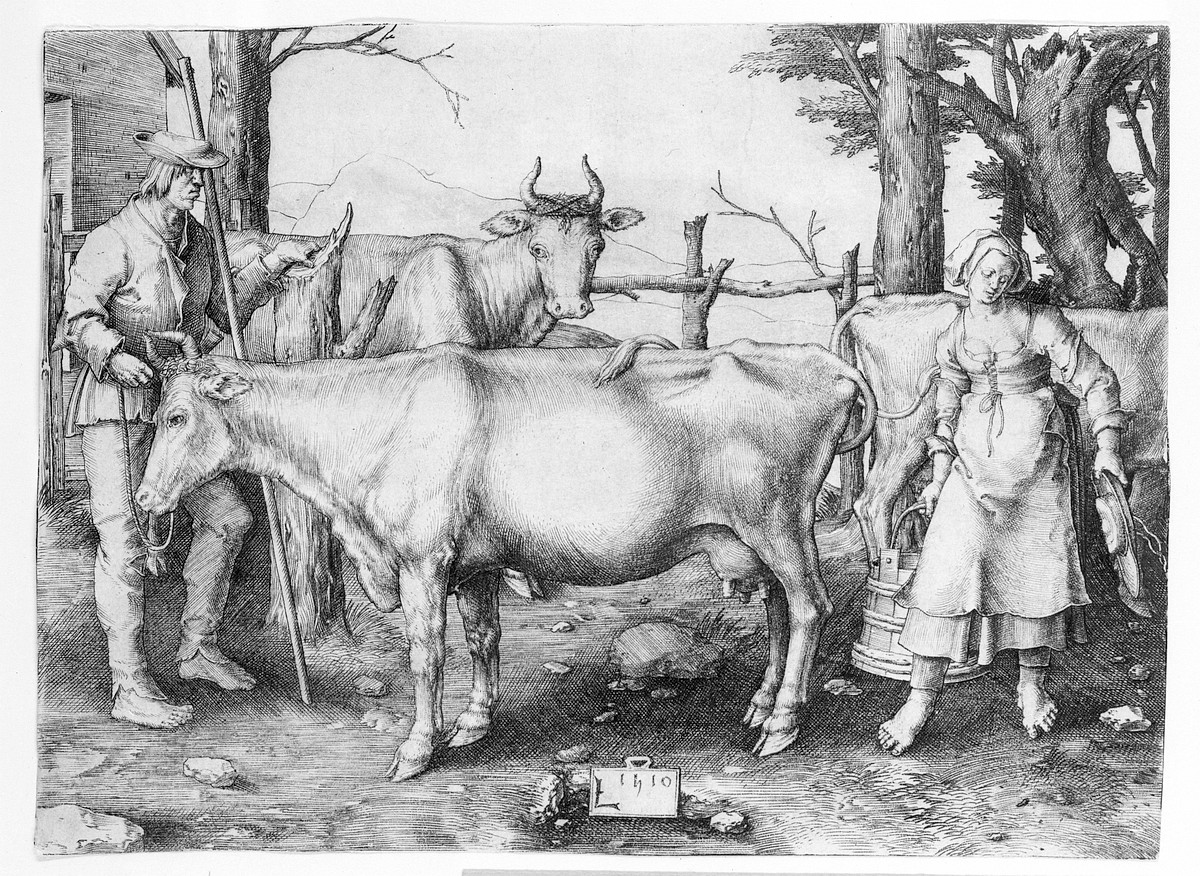
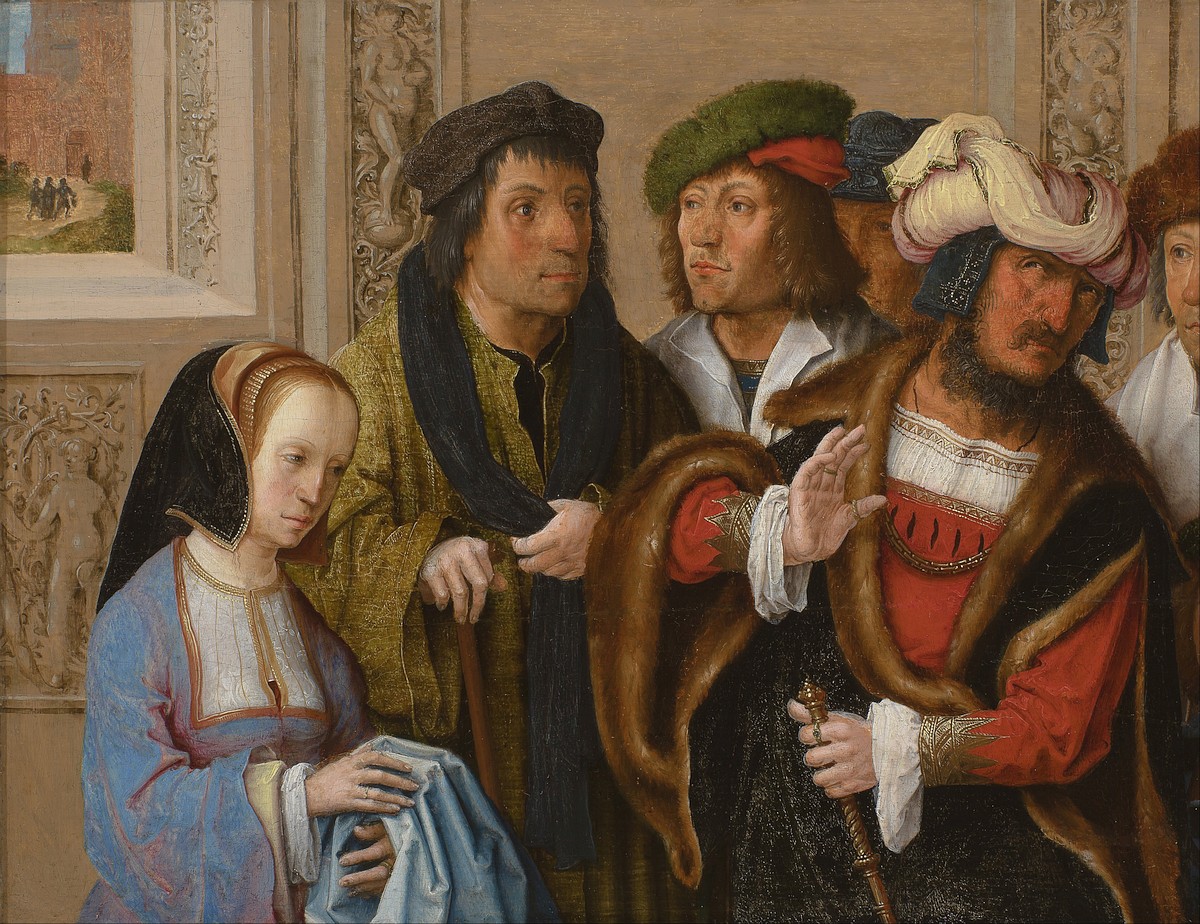
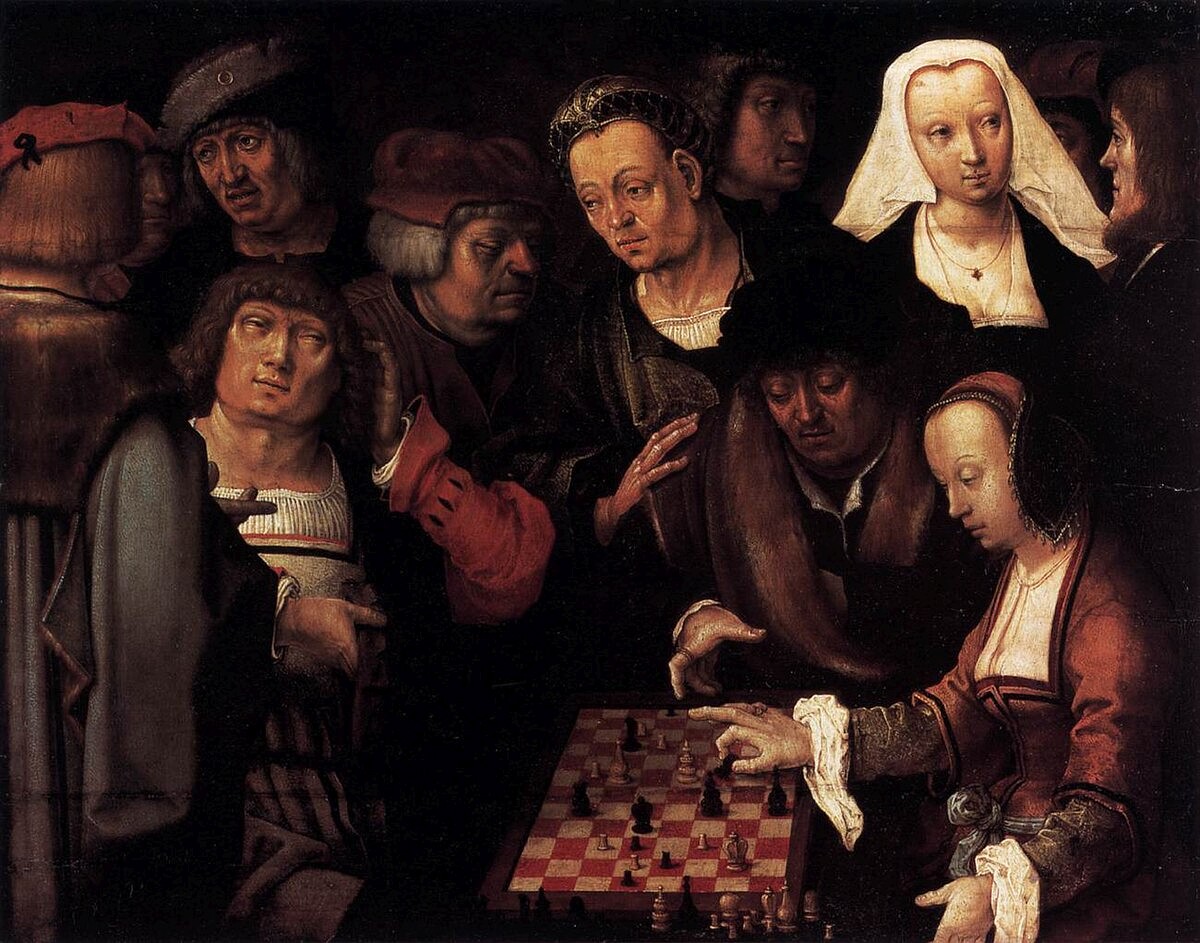
Lucas van Leyden (1494 – 8 August 1533), also named either Lucas Hugensz or Lucas Jacobsz, was a Dutch painter and printmaker in engraving and woodcut. Lucas van Leyden was among the first Dutch exponents of genre painting and was a very accomplished engraver.
Lucas was the son of the painter Huygh Jacobsz. He was born, died, and was mainly active in Leiden.
Carel van Mander characterizes Lucas as a tireless artist, who as a child annoyed his mother by working long hours after nightfall, which she forbade not only for the cost of candlelight, but also because she felt that too much study was bad for his sensibilities.
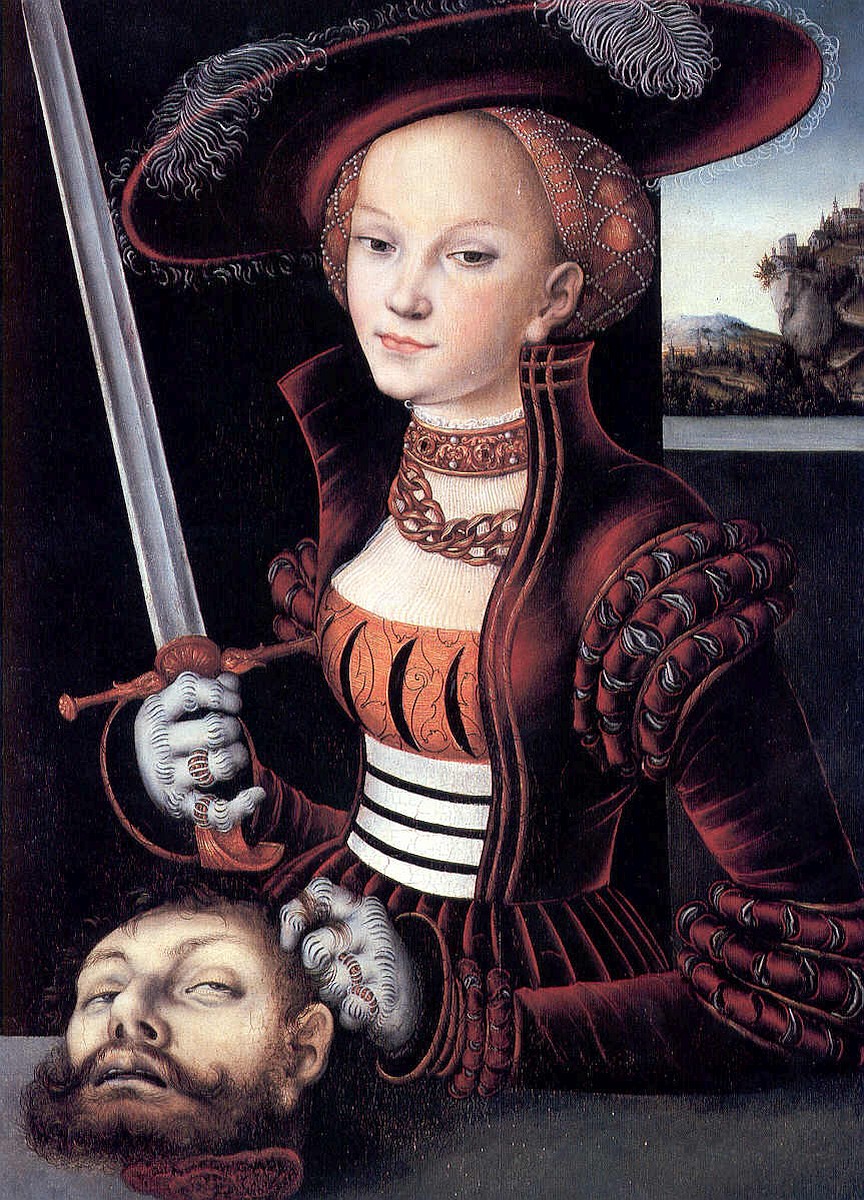
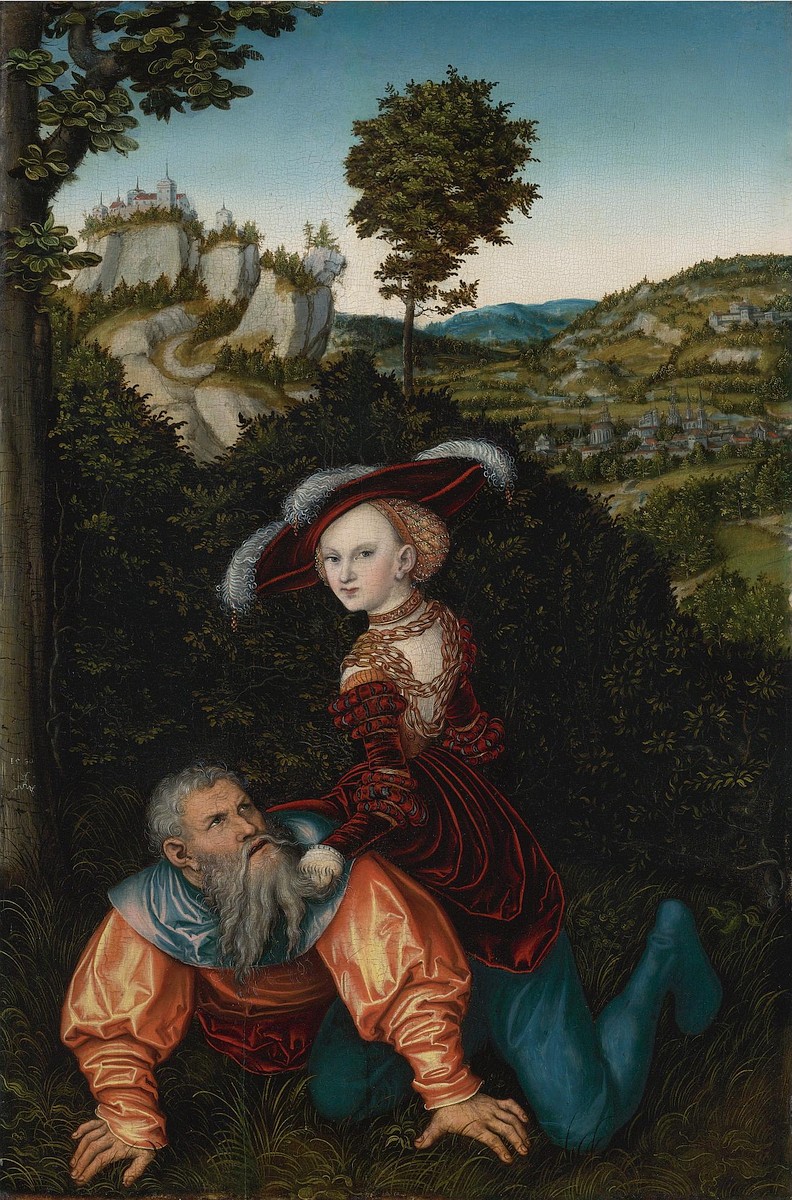
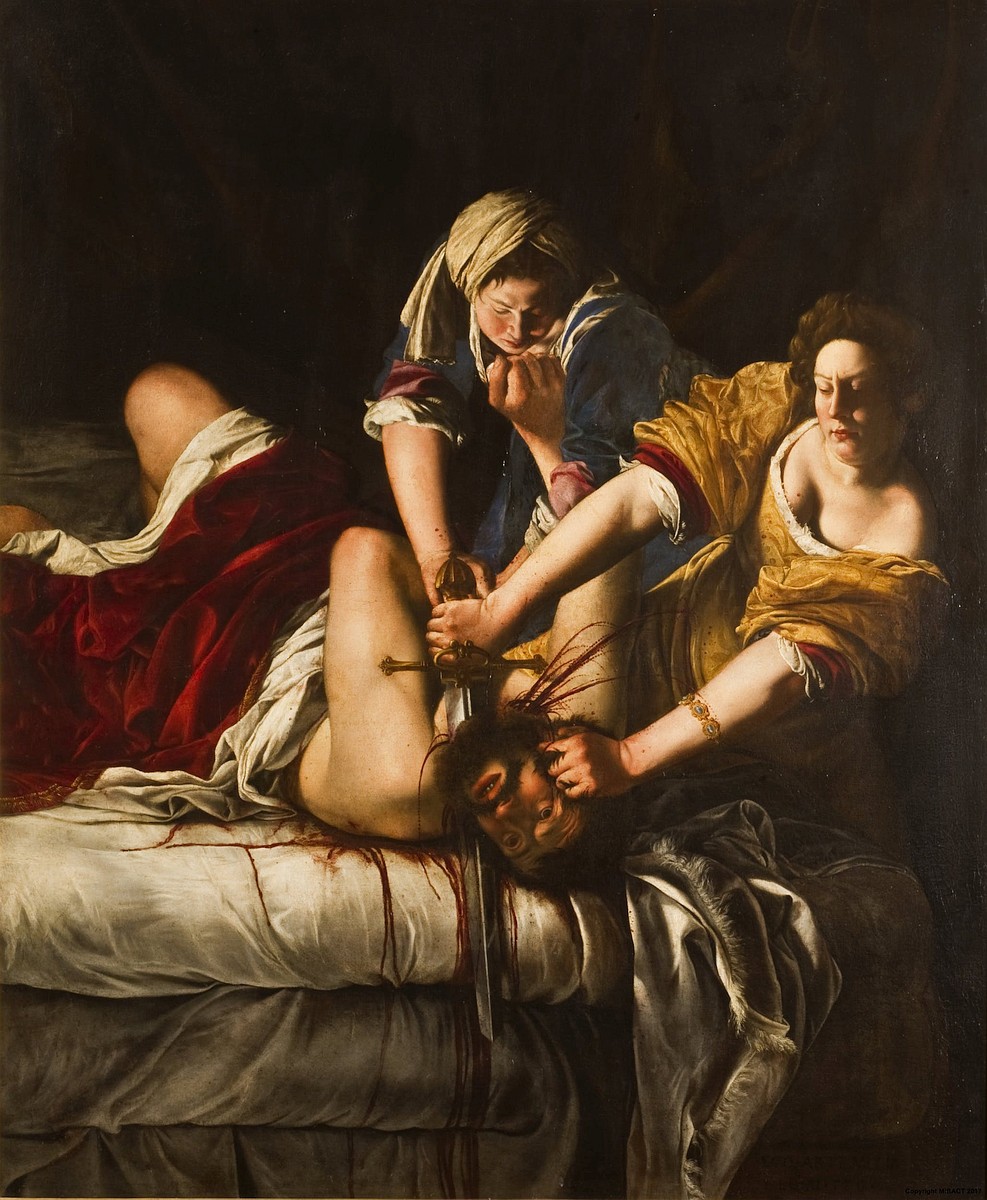
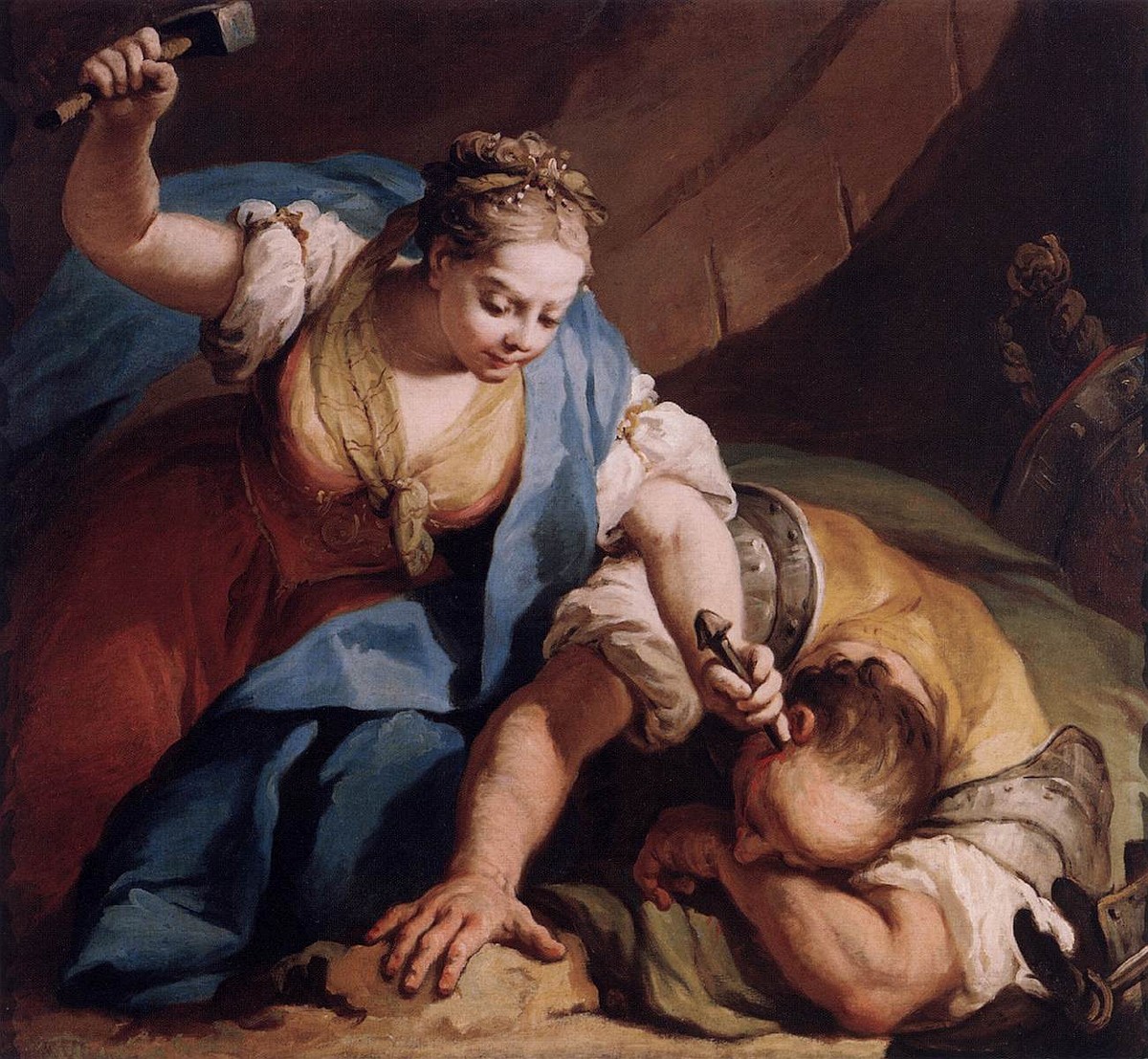
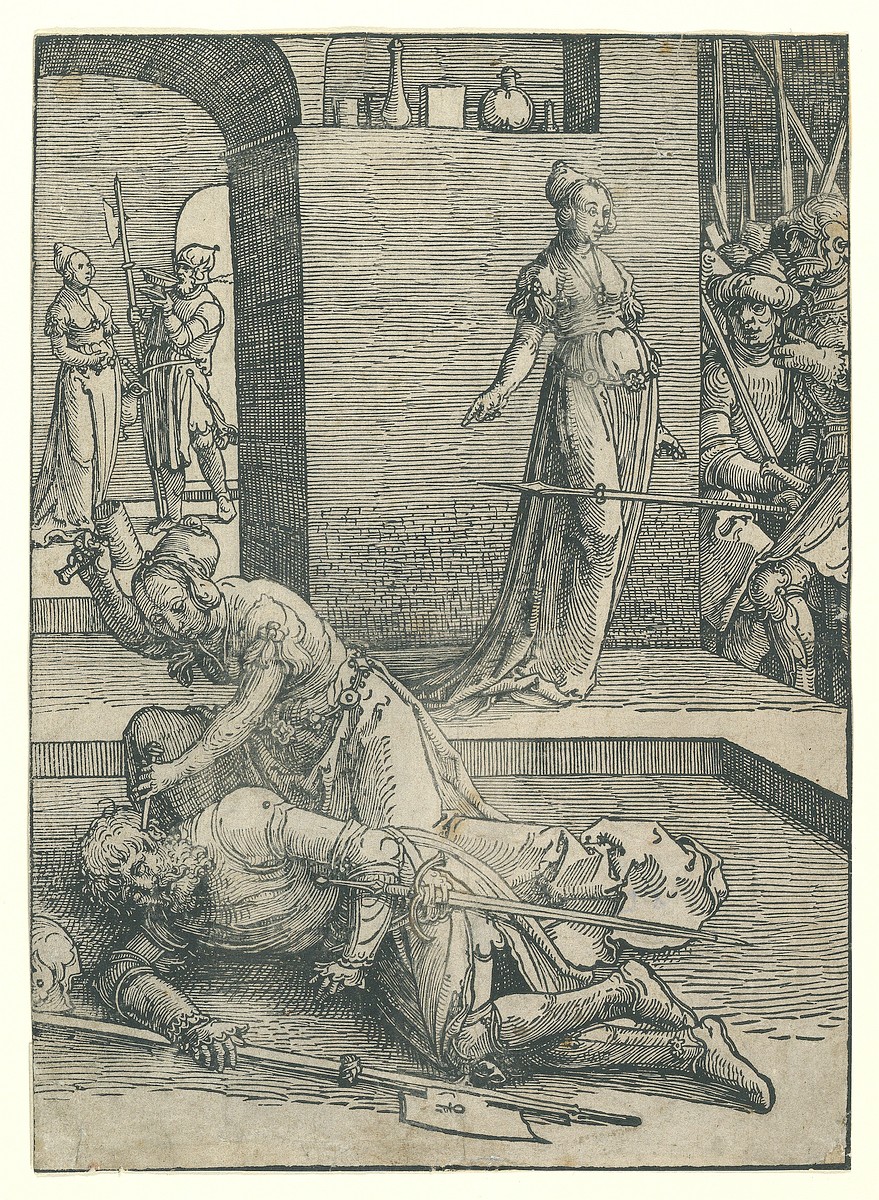
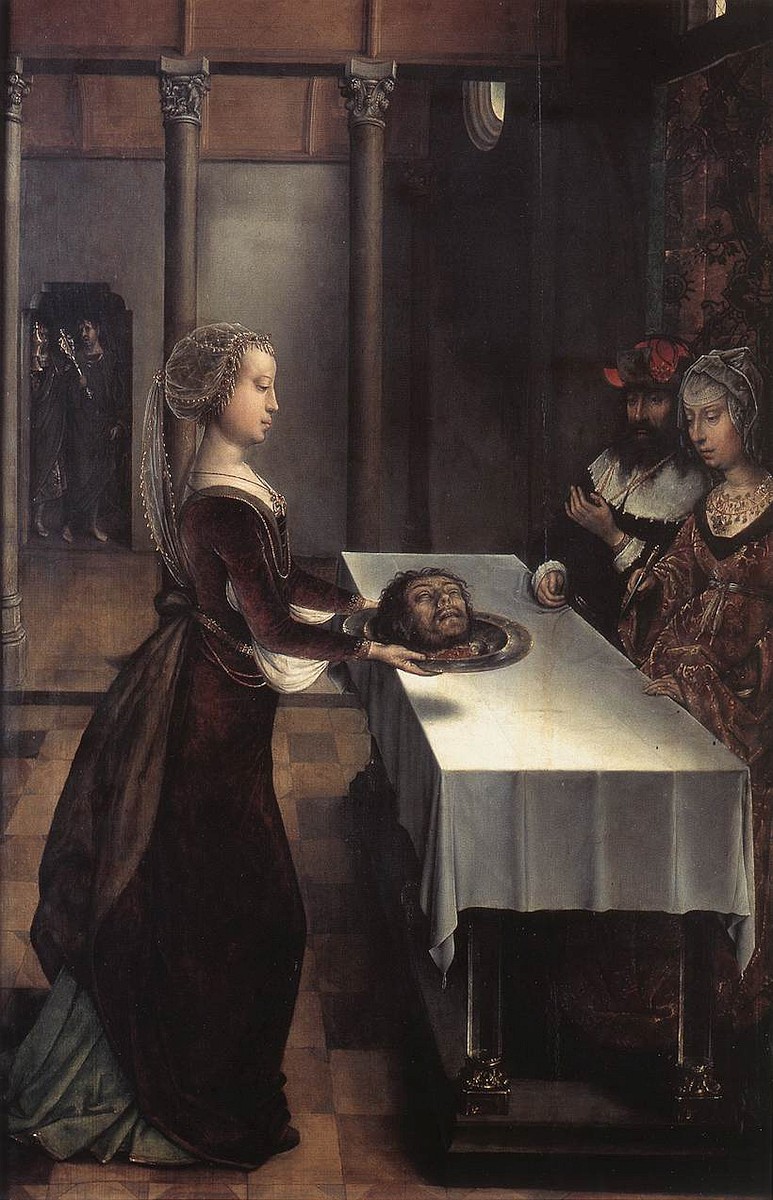
Lucas was also involved in a renaissance art movement called “The Power of Women.” The movement was far from what we’d consider women’s empowerment or a feminist movement – it was more “guys, sleep with one eye open.” You can read about the Power of Women movement in this Wikipedia article.
Examples of the Power of Women movement by various artists. You will notice some common themes.
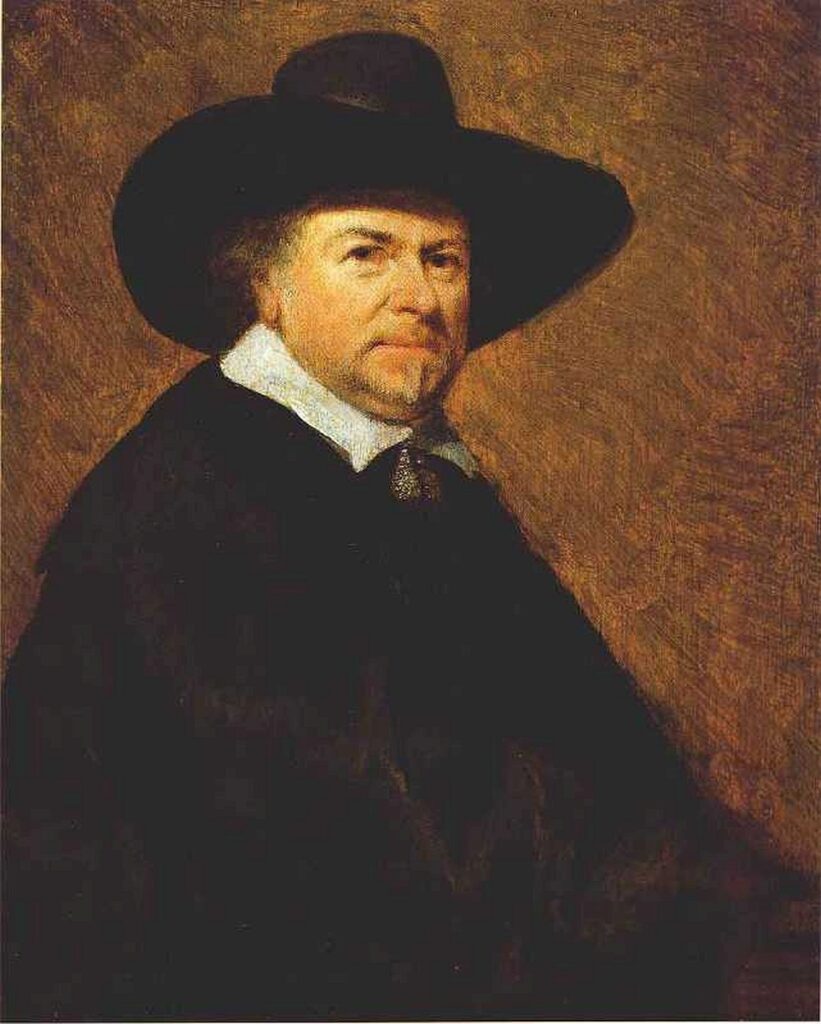
Jan van Goyen
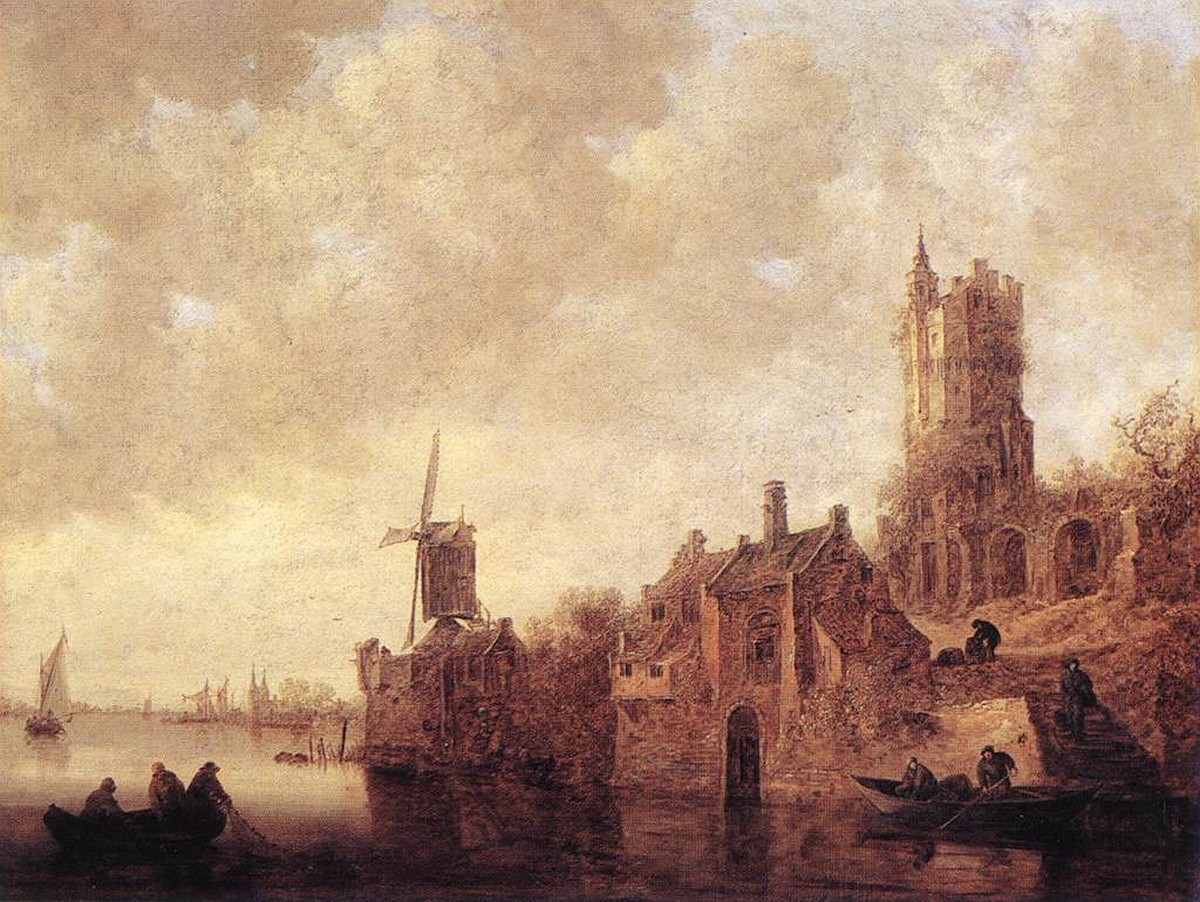
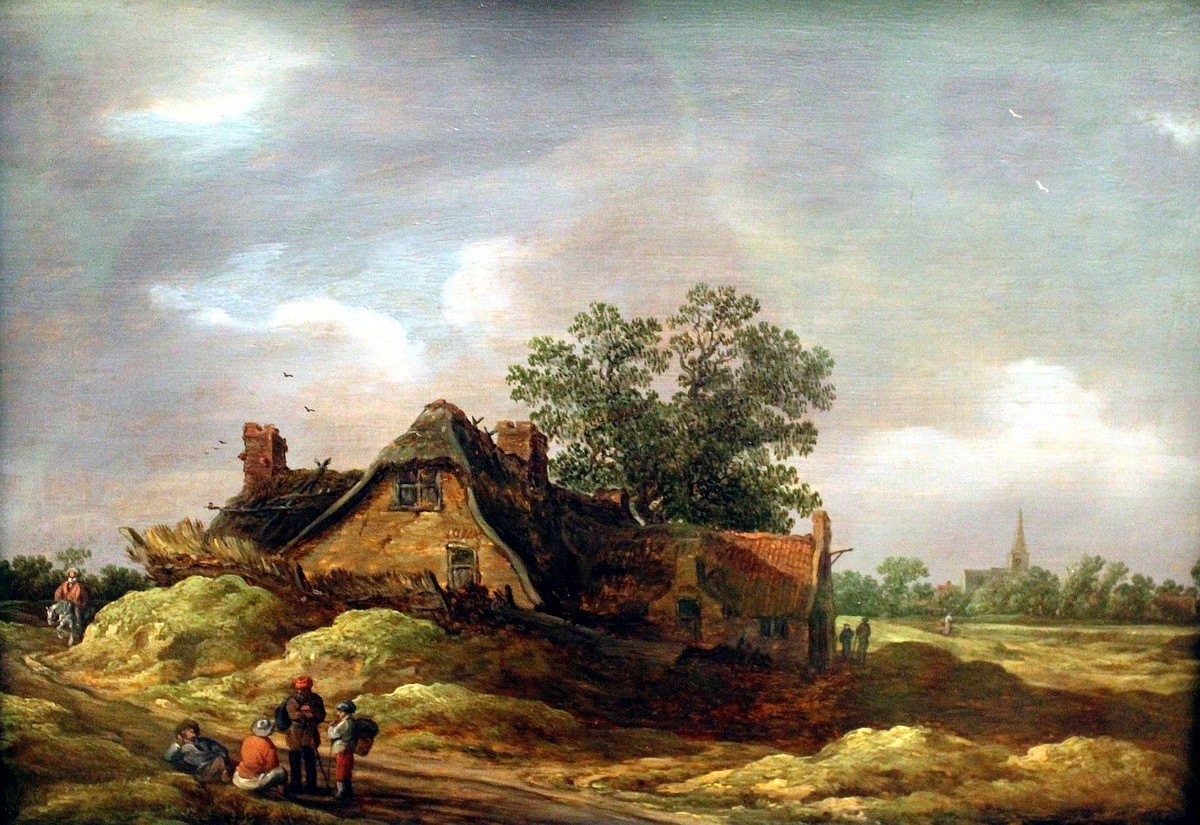
Jan Josephszoon van Goyen (13 January 1596 – 27 April 1656) was a Dutch landscape painter. The scope of his landscape subjects was very broad as he painted forest landscapes, marine paintings, river landscapes, beach scenes, winter landscapes, cityscapes, architectural views and landscapes with peasants.
The list of painters he influenced is much longer. He was an extremely prolific artist who left approximately twelve hundred paintings and more than one thousand drawings.
Jan Havickszoon Steen (c. 1626 – buried 3 February 1679) was a Dutch Golden Age painter, one of the leading genre painters of the 17th century. His works are known for their psychological insight, sense of humour and abundance of colour. Their satire also mocks the behavior and attitudes of the Dutch bourgeoisie.
[…] Let us introduce you to Our Lady of Leiden – the mythological icon heroine who represents the bravery and fortitude of the people of Leiden when besieged by the Spanish in 1574. This story was featured in yesterday’s blott. […]

One reply on “3 Oktoberfeest / Leidens Ontzet”
[…] Let us introduce you to Our Lady of Leiden – the mythological icon heroine who represents the bravery and fortitude of the people of Leiden when besieged by the Spanish in 1574. This story was featured in yesterday’s blott. […]