You know our friend, Elder KM? She runs the organization ENGin to promote English language skills to Ukrainians. The other day, out of the blue, she says how much she hates English desserts. That was enough to spark an idea for a blog post – the absolutely worst, grossest desserts across cuisines, cultures, countries. We have awarded her the “Muse Du Jour” honor, since she inspired this topic.
So raise your spoons, comrades! Tonight, we shall taste-test the horrors. We shall gag politely in fellowship. And when all is said and swallowed, we shall remember: it was Elder KM who lit this pudding-shaped torch and guided us here.
Elder G enumerates the yummiest! “Eat your Brussels Sprouts, or no squid ice cream for you!”
The Grossest Desserts Across Cultures
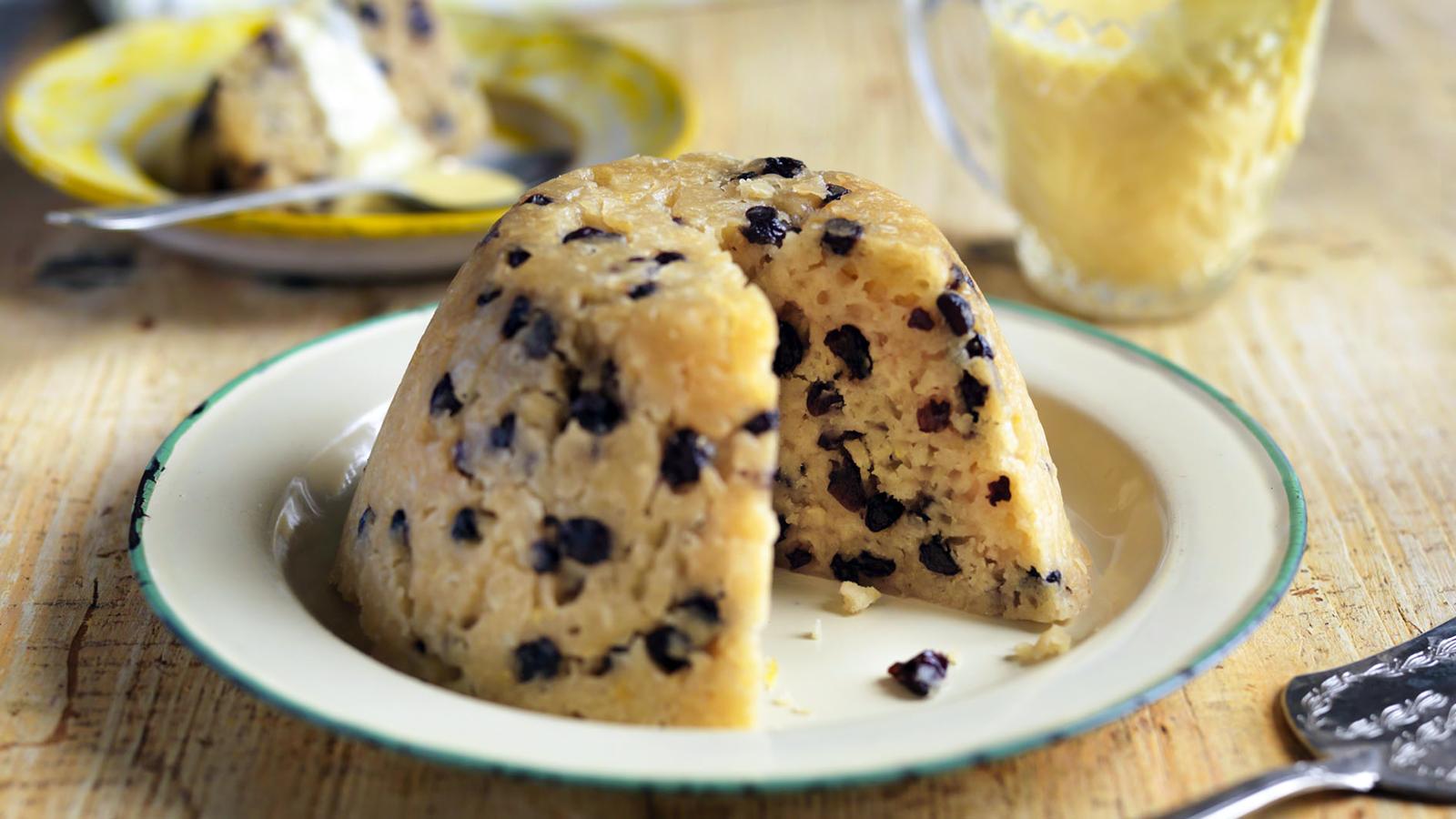
1. Spotted Dick (England)
A steamed suet pudding studded with dried fruit. Beloved in Britain, but the name alone makes international audiences choke on their tea. [ed. note: no AI images. Even by WLBOTT standards, this is too much]
Spotted dick is a traditional British steamed pudding, historically made with suet and dried fruit (usually currants or raisins) and often served with custard.
Non-traditional variants include recipes that replace suet with other fats (such as butter), or that include eggs to make something similar to a sponge pudding or cake.
Etymology (oh, grow up!) Spotted is a reference to the dried fruit in the pudding (which resembles spots). The word dick refers to pudding. In late 19th century Huddersfield, for instance, a glossary of local terms stated: “Dick, plain pudding. If with treacle sauce, treacle dick.” This sense of dick may be related to the word dough. In the variant name spotted dog, dog is a variant form of dough.
A “salad” of canned fruit, mini marshmallows, coconut, and sometimes mayonnaise. Popular at church potlucks—reviled by children everywhere.
3. Salt Licorice Ice Cream (Scandinavia)
Salty black licorice is already divisive; churn it into ice cream and you’ve weaponized dessert.
4. Halo-Halo (Philippines)
Shaved ice mixed with beans, corn, purple yam, and topped with flan. Some find it refreshing; others think it looks like someone cleaned out the fridge into a snow cone.
5. Squid Ink Ice Cream (Japan)
Pitch black, briny, and creamy. Looks like asphalt in a cone.
6. Salmiakki Vodka Jelly (Finland)
Black jelly made with salty licorice vodka. A dessert that doubles as a dare.
7. Blancmange with Chicken (Medieval Europe)
A sweet almond milk pudding containing shredded chicken. A dessert from the Middle Ages that makes modern eaters ask, “why?”
8. Pickled Plum Candy (Japan)
Known as Umeboshi candy. Sour, salty, and face-contorting. Dessert? Or punishment?
9. Pineapple and Mayonnaise Jell-O (1950s USA)
One of the worst crimes of the Jell-O salad era. Shaky, tangy, and deeply wrong.
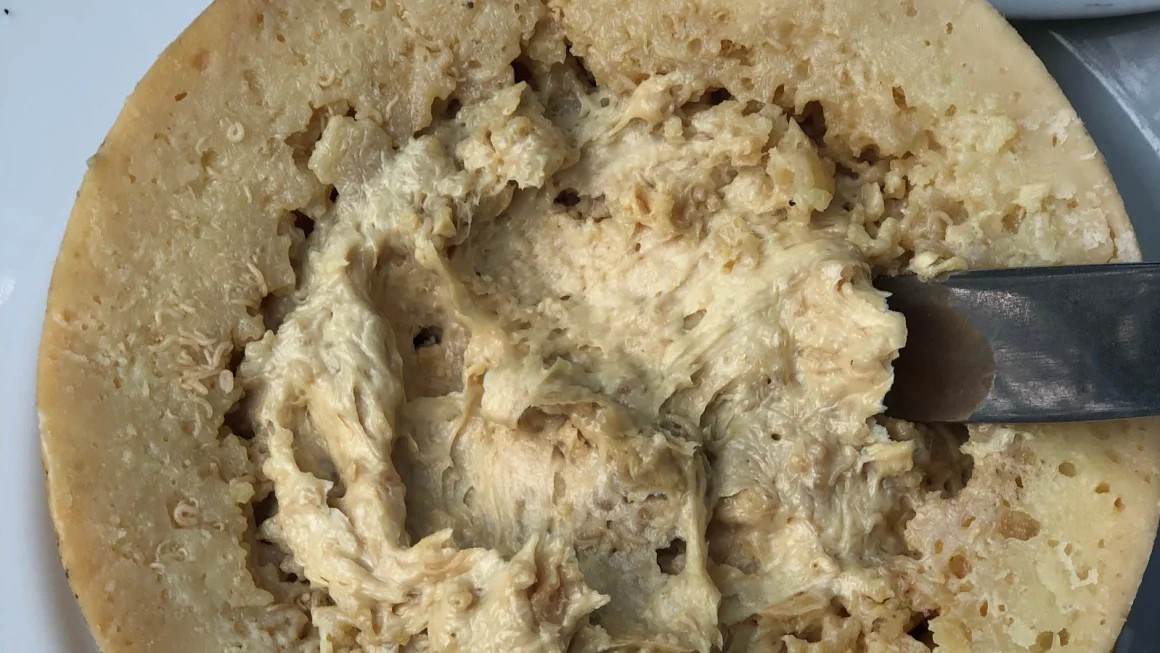
10. Casu Marzu (Italy, Sardinia)
Technically a cheese, but eaten as a “special occasion dessert.” Infamous for containing live maggots. Illegal in many countries.
Casu marzu: The world’s ‘most dangerous’ cheese
The Italian island of Sardinia sits in the middle of the Tyrrhenian Sea, gazing at Italy from a distance. Surrounded by a 1,849-kilometer coastline of white sandy beaches and emerald waters, the island’s inland landscape rapidly rises to form hills and impervious mountains.
And it is within these edgy curves that shepherds produce casu marzu, a maggot-infested cheese that, in 2009, the Guinness World Record proclaimed the world’s most dangerous cheese.
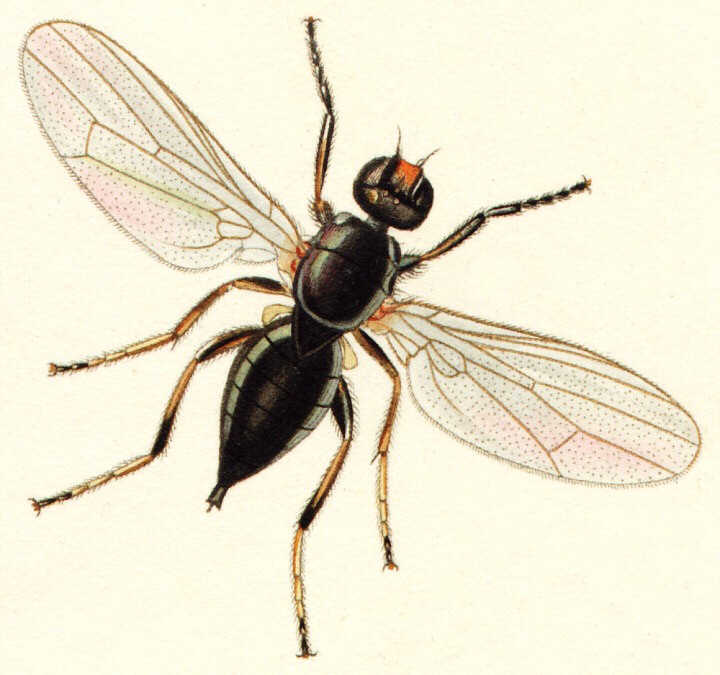
Cheese skipper flies, Piophila casei, lay their eggs in cracks that form in cheese, usually fiore sardo, the island’s salty pecorino.
Maggots hatch, making their way through the paste, digesting proteins in the process, and transforming the product into a soft creamy cheese.
Cheese fly The cheese fly, cheese skipper, or ham skipper (Piophila casei) is a species of fly from the family Piophilidae whose larvae are known to infest cured meats, smoked or salted fish, cheeses and carrion. On the Mediterranean island of Sardinia, the larvae are intentionally introduced into pecorino sardo cheese to produce the characteristic casu martzu.
If consumed by humans, the larvae have a chance to survive in the intestine, causing enteric myiasis, though no such cases have been linked to casu martzu dishes. The larvae may also carry harmful microorganisms that, when consumed, could cause infections.