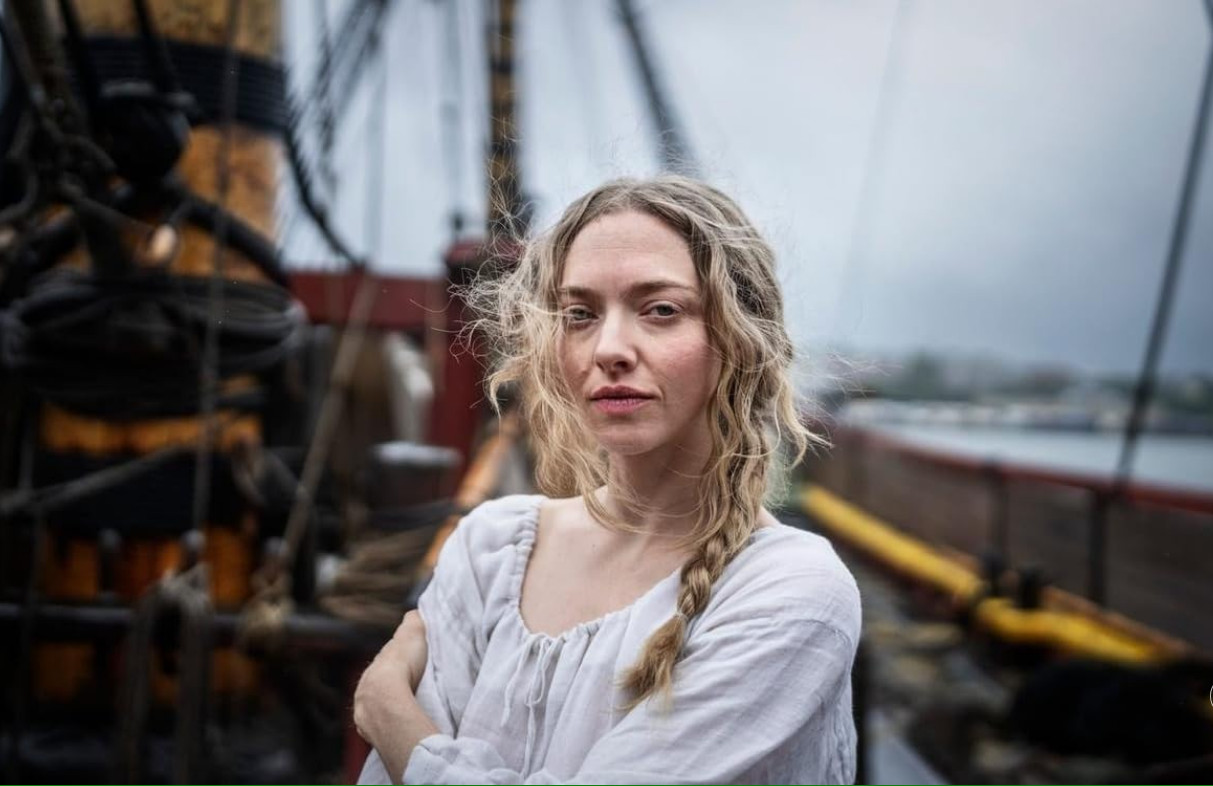
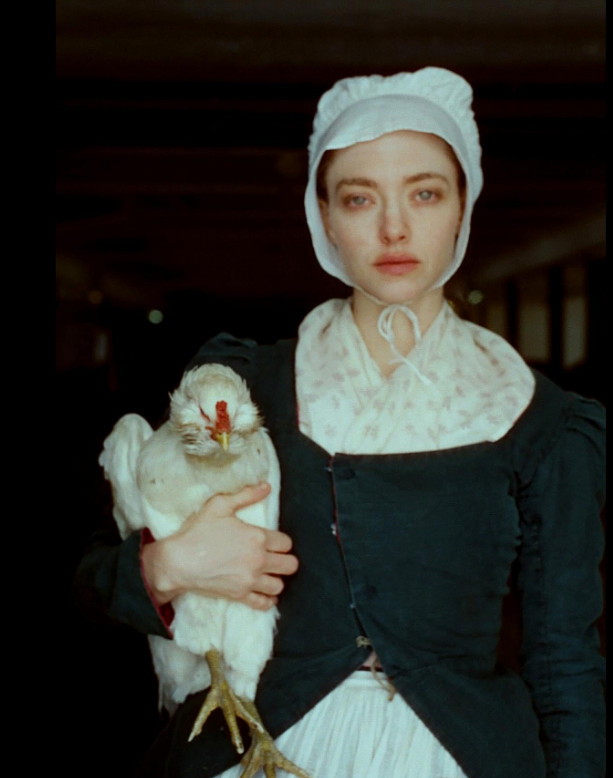
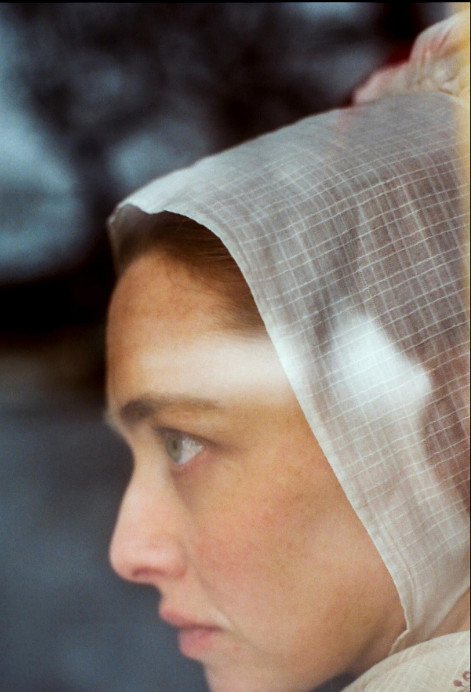
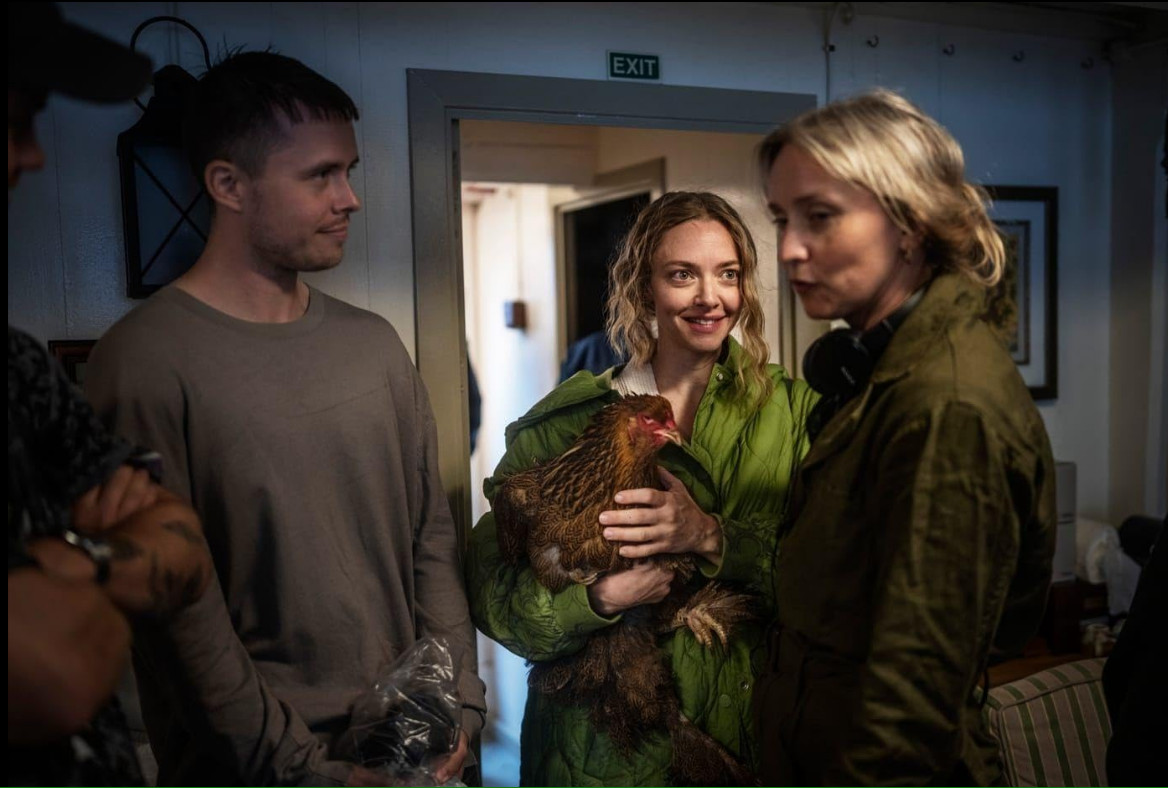
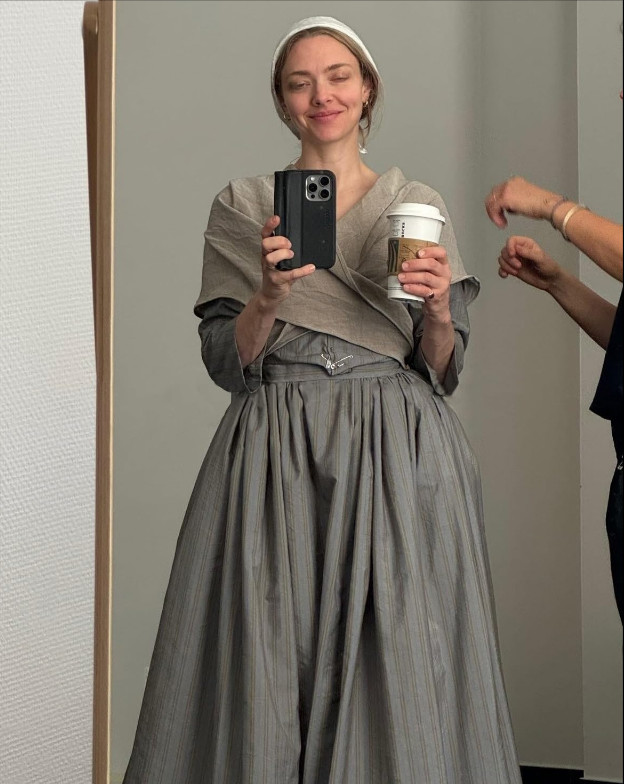
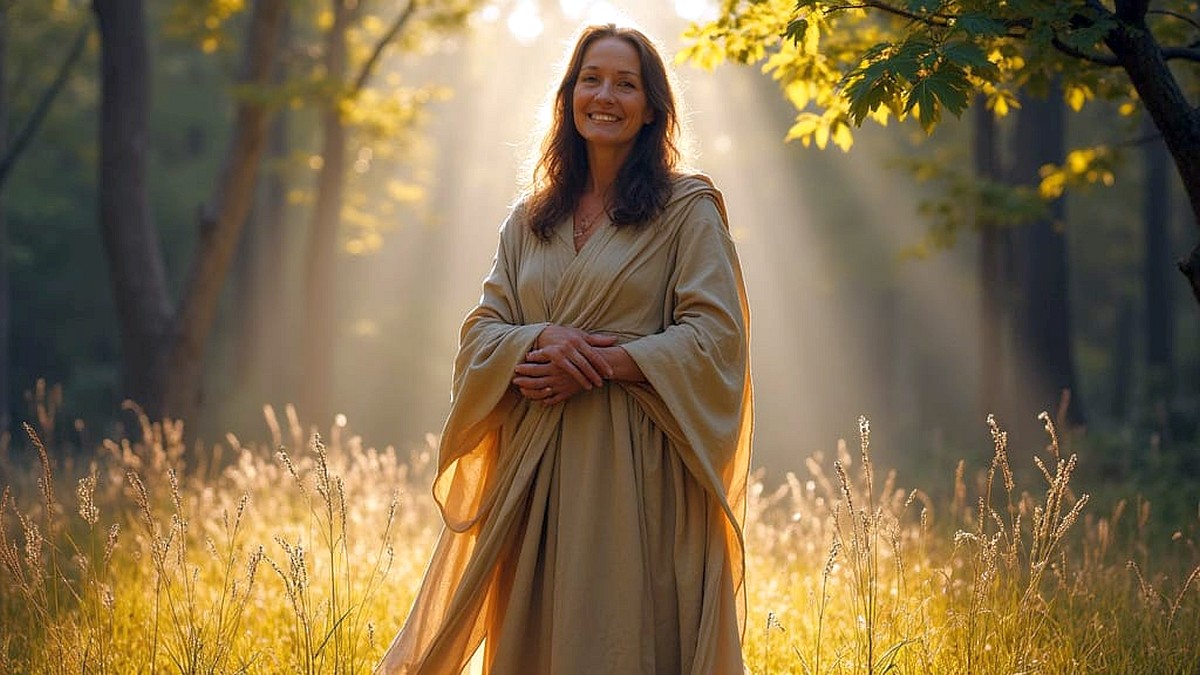
We find it fascinating how many of the WLBOTT communal ideals intersect with The Shakers. Radical equality between the genders and the races. Communal living. Compassion and a joy for life.
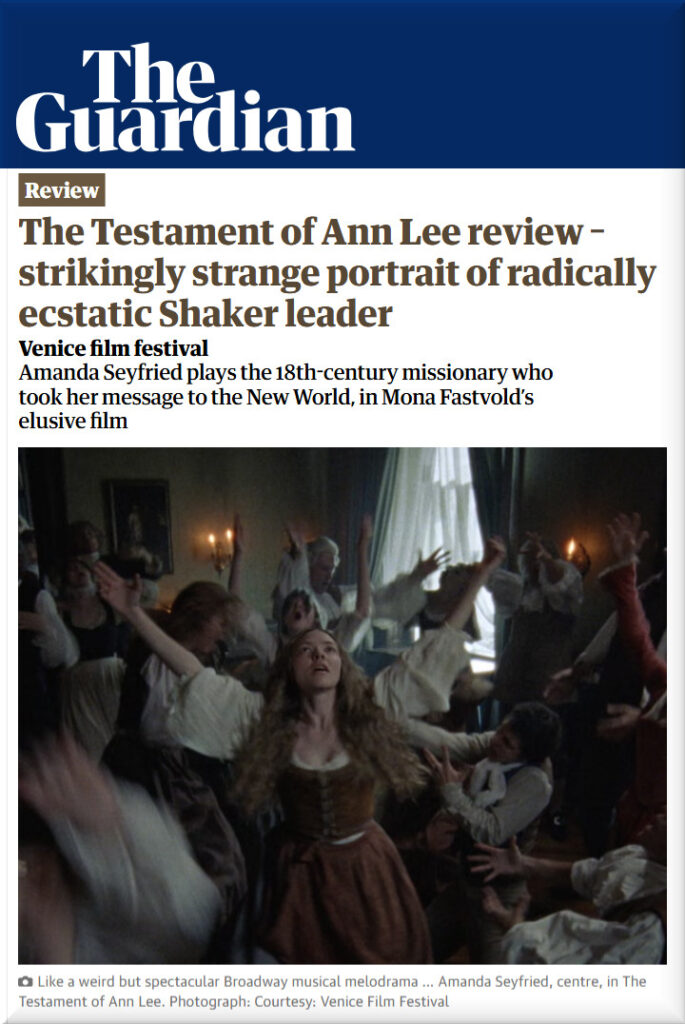
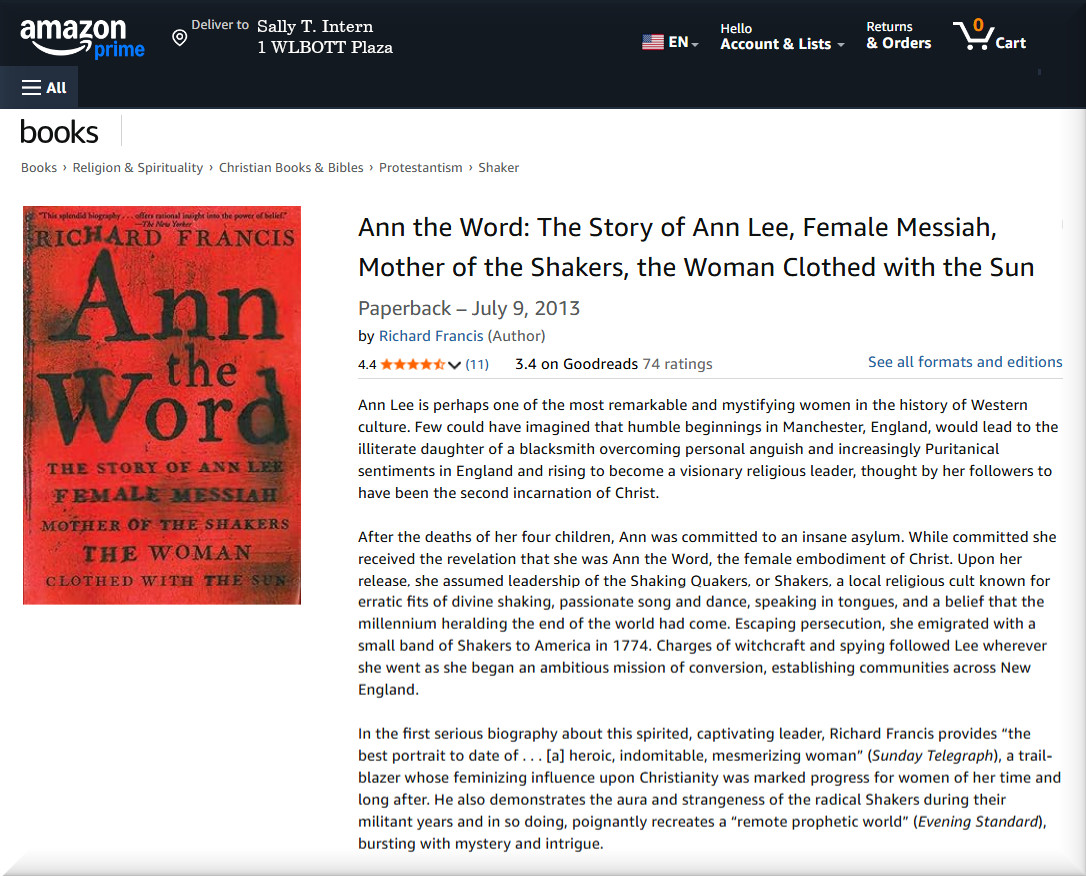
This morning the editorial staff was pleasantly surprised to find a review of a new movie in The Guardian. The movie, The Testament of Ann Lee, follows the life of the founder of the Shaker movement, Ann Lee.
The Testament of Ann Lee
“Our ordeal is worth it!” This is the cry of one of the faithful in Mona Fastvold’s movie, co-written with her partner Brady Corbet, with whom she co-wrote The Brutalist.
It is a vehement, fervent, striking but sometimes baffling drama about the historical figure of Ann Lee, who endured religious persecution in 18th-century England as leader of the fundamentalist Shaker movement.
As the embodiment of Christ’s second coming, Lee took her radical message to the New World and in pre-revolutionary America founded an enduring community of souls, persecuted all over again by the new patriarchy for being a woman and a pacifist.[…]
This is a genuinely strange film, elusive in both tone and meaning, one which deploys the obvious effects and rhetorical forms of irony, while at the same time distancing itself from these effects and asking its audience to sympathise and even admire Lee, because she is not supposed to be the villain. Fastvold is perhaps asking her audience to take whatever elements from the film they find congenial. An enigmatic ritual that is not for everyone.
Amanda Seyfried Sings—and Screams—in The Testament of Ann Lee Before she emerged as a founding leader of the Shakers in the mid-18th century, Ann Lee gave birth to four children. All of them died in infancy. Lee grieved these losses in quick succession, then dreamed up a rebellious Christian sect that advocated for total celibacy, the abandonment of marriage, and female leadership.
Mona Fastvold’s new film, The Testament of Ann Lee, imagines Ann’s personal tragedy as a fateful turning point—dramatizing it as an alternately ecstatic and harrowing musical sequence, choreographed with precision and performed at an operatic scale by star Amanda Seyfried.
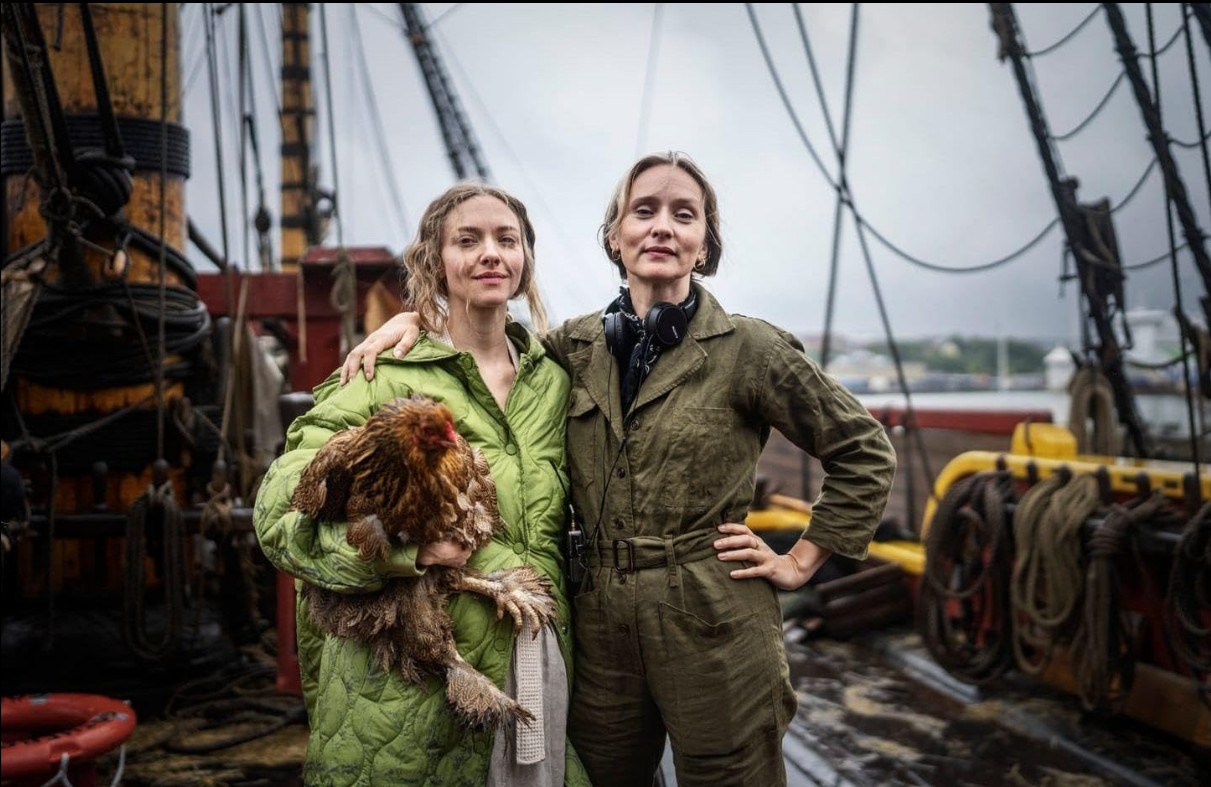
At this point, we don’t know if the chickens make uncredited appearances. The Ann Lee production company has not responded to our unsent emails.
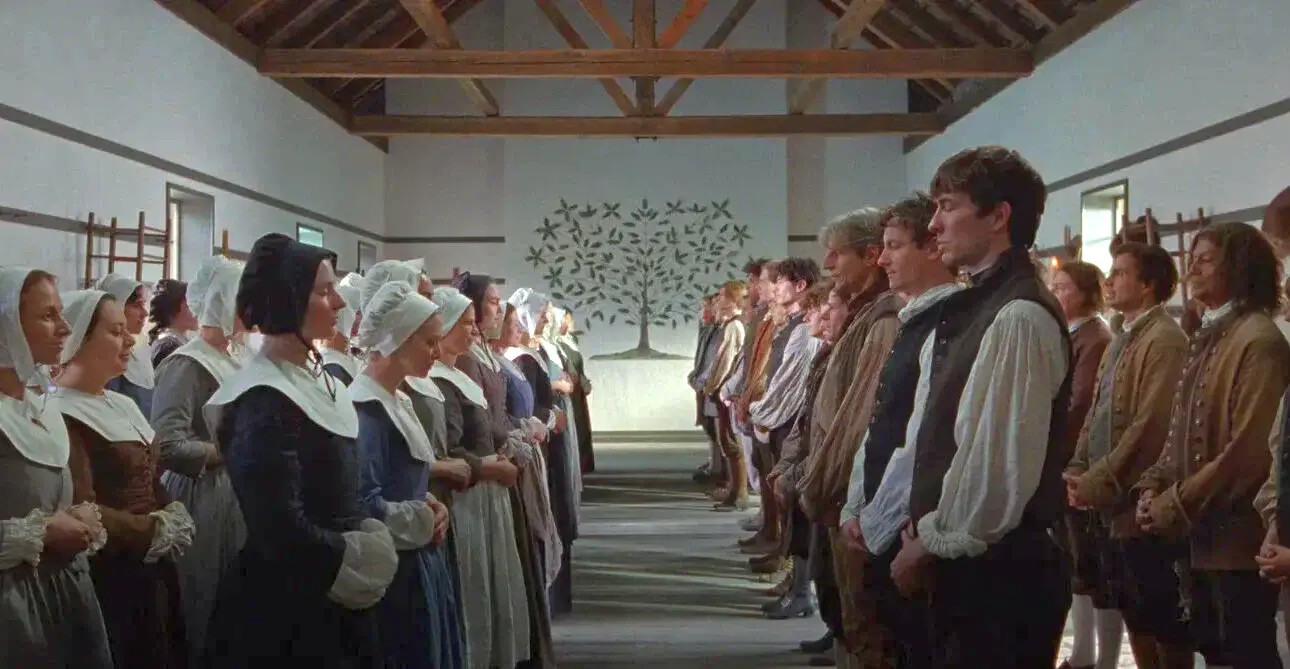
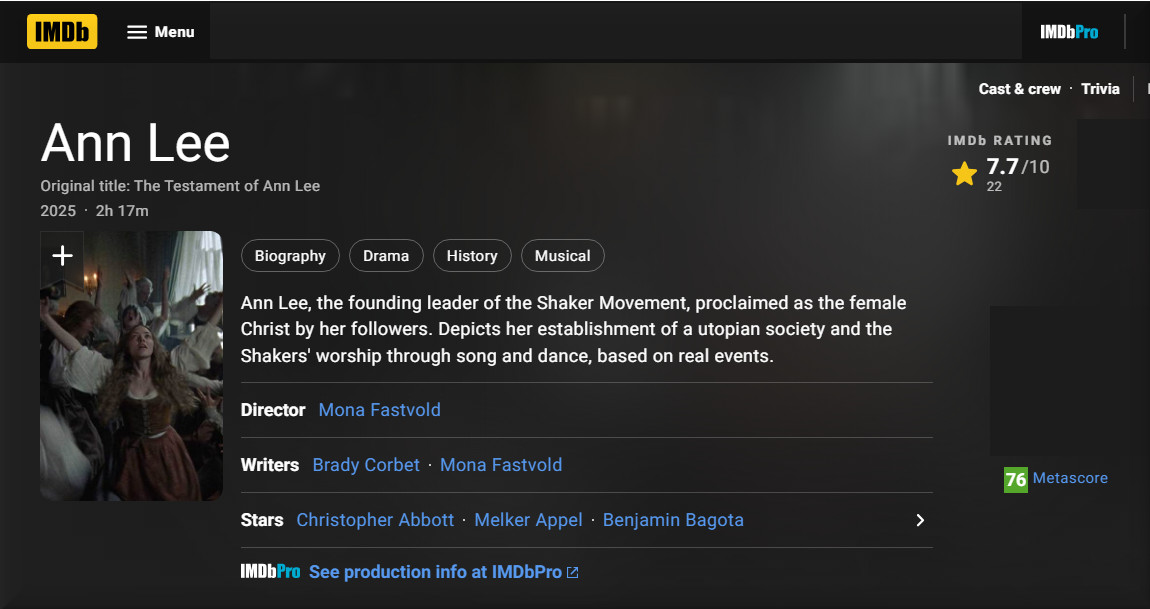
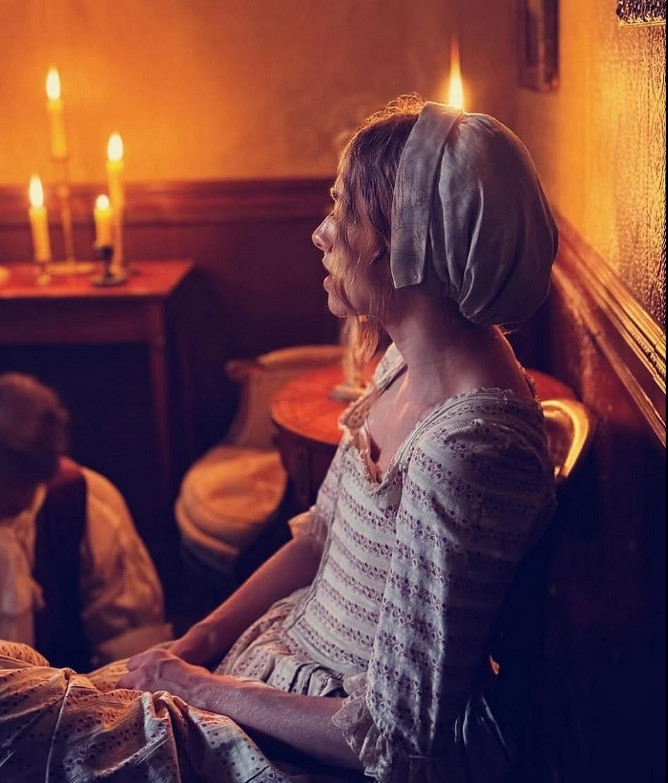
The following stills are from the IMDB page for The Testament of Ann Lee.
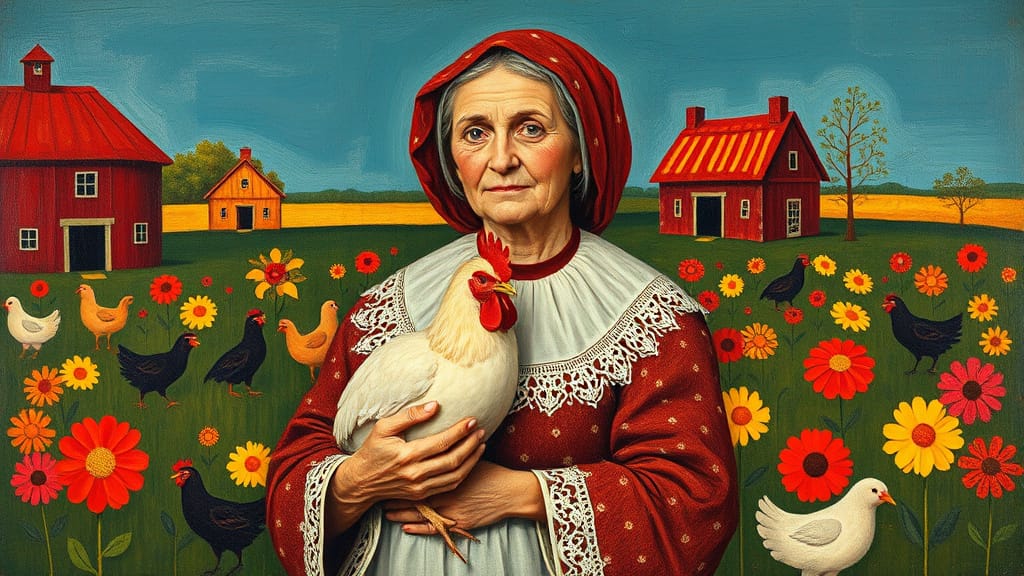
A Soggy Chicken
Ann Lee
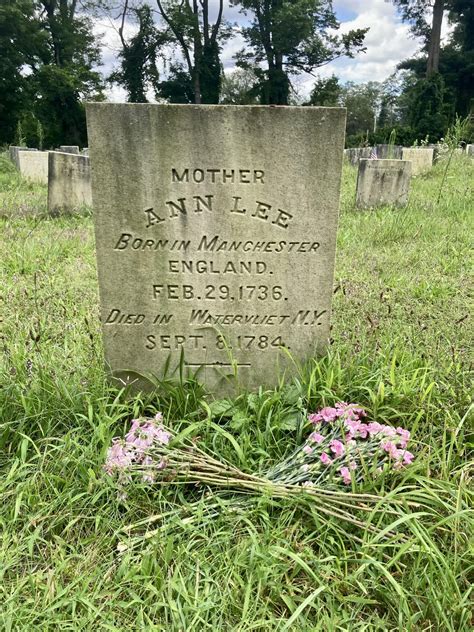
Ann Lee (29 February 1736 – 8 September 1784), commonly known as Mother Ann Lee, was the founding leader of the Shakers, later changed to United Society of Believers in Christ’s Second Appearing following her death. She was born during a time of the Evangelical revival in England, and became a figure that greatly influenced religion at this time, especially in the Americas.
Here is the timeline of Ann Lee’s life. She only lived to be 48.
Timeline of Ann Lee (1736–1784)
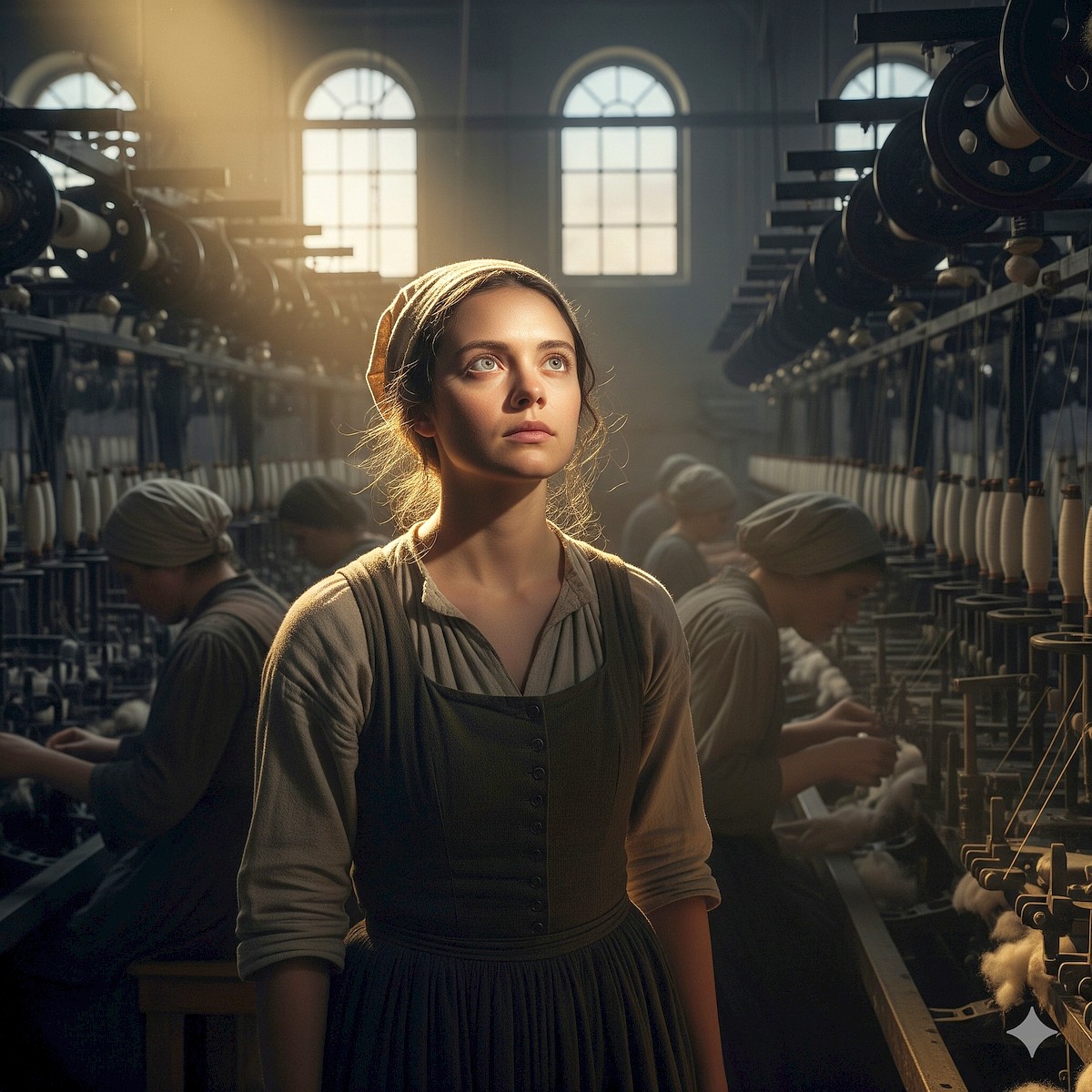
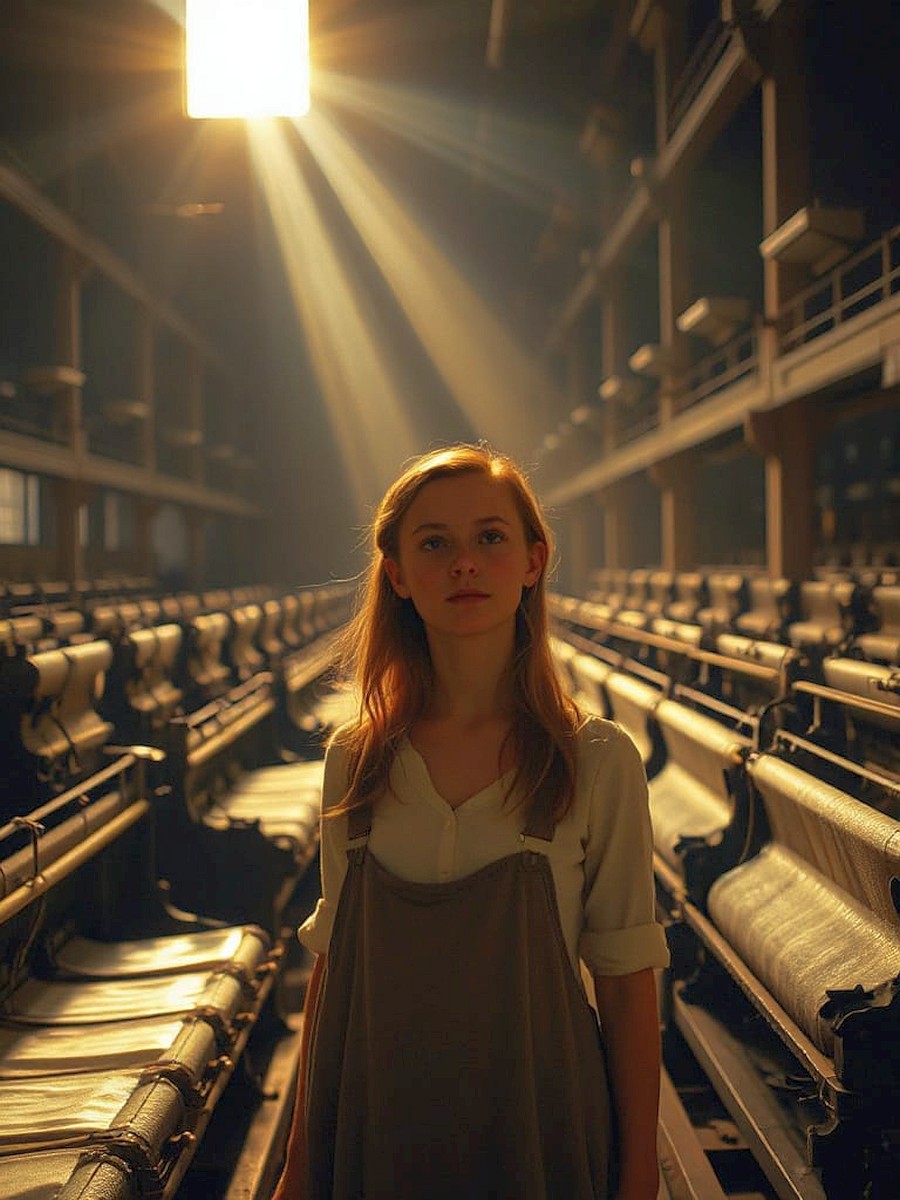
1736 – Born February 29 in Manchester, England, the daughter of a blacksmith. Grew up poor, worked from childhood in textile mills.
1762 – Married Abraham Standerin. They had four children, all of whom died in infancy—a loss that profoundly shaped her faith.
c. 1765–1770 – Joined a radical Quaker offshoot known as the “Shaking Quakers.” Began to experience visions emphasizing celibacy, confession, and equality of the sexes.
1770 – Had a defining vision in which she believed God revealed to her that sexual relations were the root of human sin. She emerged as the spiritual leader of her group.
1772 – Imprisoned in England for her unorthodox religious practices and preaching.
1774 – Emigrated to the American colonies with a small band of followers, including her husband (who soon left her), her brother William, and several others. They settled near Albany, New York, at Watervliet—the first Shaker settlement in America.
1776–1783 – Faced hostility and persecution, especially during the Revolutionary War (Shakers were pacifists and refused oaths of allegiance). She was jailed several times, accused of being a British sympathizer.
1780–1783 – Traveled through New England spreading her teachings, gathering converts, and establishing the basis for future Shaker communities.
1784 – Died on September 8 at Watervliet, New York, aged only 48. Buried there, where her simple gravestone still stands today.
Timeline of Ann Lee (1736–1784) with Cultural Legacies
1736–1784 – Ann Lee lives only 48 years, but her teachings lay the foundation for one of the most distinctive communal movements in American history.
After 1784 – Expansion under Successors
Joseph Meacham and Lucy Wright (Lee’s immediate successors) systematize Shaker life and establish gender-balanced leadership — every community is governed by both men and women.
Dozens of Shaker villages eventually form across New England, the Midwest, and as far south as Kentucky.
Shaker Cultural Legacies
1. Music & Worship
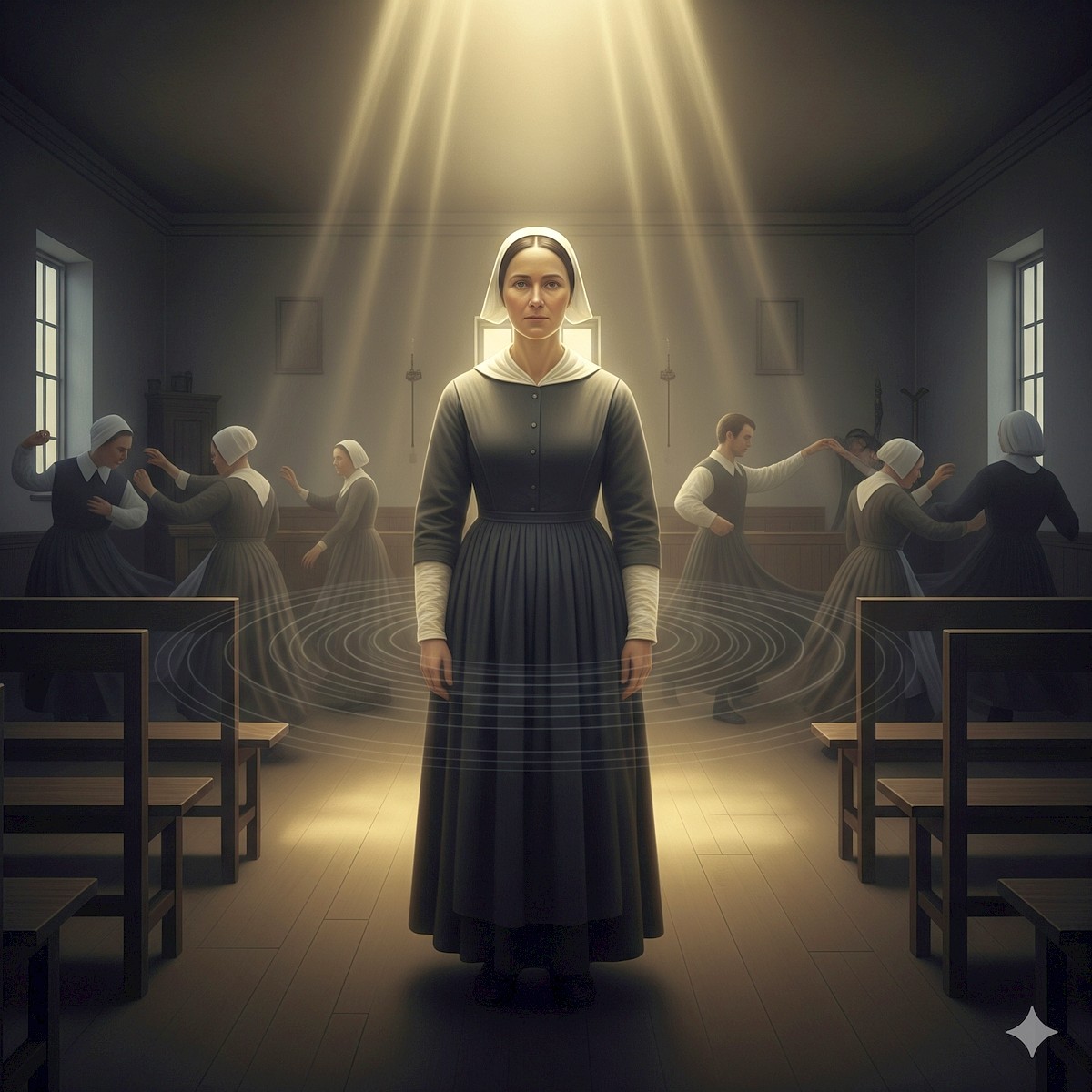
The Shakers expressed spirituality through ecstatic dance, singing, and rhythmic movement — earning them the name “Shakers.”
Hymns were central to their worship. The best-known, Simple Gifts (1848), became a cornerstone of American folk and spiritual music, later adapted by Aaron Copland in Appalachian Spring.
2. Architecture & Furniture
Shaker communities produced iconic architecture: clean lines, functional spaces, and ingenious communal meetinghouses.
Their furniture became world-renowned for its simplicity, durability, and elegance — embodying the principle that beauty and utility were inseparable.
3. Agricultural Innovations
Shakers pioneered seed packets, revolutionizing how farmers and gardeners accessed plant varieties.
They developed new tools, machinery, and sustainable farming methods, leaving a lasting mark on American agriculture.
4. Social Innovations
Practiced gender equality in leadership — radical for the 18th and 19th centuries.
Lived communally, emphasizing shared work, celibacy, pacifism, and charity.
Their model of utopian communal living inspired later intentional communities and even aspects of cooperative economics.
5. Lasting Influence
Though their numbers dwindled (only a few Shakers remain today at Sabbathday Lake, Maine), their ideals — simplicity, equality, innovation — continue to resonate in art, design, music, and alternative visions of society.
At their peak in the mid-19th century, there were about 4,000–6,000 Shakers spread across more than a dozen communities in New England, New York, Ohio, and Kentucky.
A few highlights:
The largest Shaker villages — such as Mount Lebanon, New York (the spiritual center), Canterbury, New Hampshire, and South Union, Kentucky — each housed several hundred members.
Shakerism never became a mass movement, but its influence was disproportionate to its size because of their innovations in design, music, and communal organization.
Numbers began to decline after the Civil War, as celibacy and communal discipline made recruitment difficult in an industrializing society.
Today, only a handful of Shakers remain — the last active community is at Sabbathday Lake, Maine.
A Shaker Worship Service by Salli Terri, featuring the University of Kentucky Choristers under the Direction of Professor Sara Holroyd. Produced by the office of Instructional Resources, University of Kentucky, with Support from a grant by the Kentucky Arts Council. Directed by Leveque McDonald, Narrated by Dr. Thomas D. Clark September 29, 1979
Q: How cool is the Austin Public Library? A: Very cool.
[note: this is an old-school analog book, where ink has been selectively applied to thinly sliced sheets of wood.]
The Husband
By all accounts, Ann Lee’s husband Abraham Standerin was a jerk. We’re anxious to see how he’s portraited in the film The Testament of Ann Lee.
Ann Lee’s husband Abraham Standerin is played by actor Christopher Abbott.
Abraham Standerin (sometimes recorded as Standarin or Stanley) doesn’t come off well in the sources. Here’s what we know:
Marriage: Ann Lee married him in 1762 in Manchester, England. It was not a happy marriage. Ann later described her wedding day as one of the darkest moments of her life.
Children: They had four children, all of whom died in infancy. This tragedy weighed heavily on Ann and deepened her conviction that sexual relations and childbearing were tied to suffering and sin.
Character: Standerin is described in Shaker accounts as rough, abusive, and unsympathetic to Ann’s spiritual visions. He’s said to have ridiculed her beliefs.
Abandonment: When Ann emigrated to America in 1774 with her band of followers, Abraham went with them at first. But he soon deserted the group — unable to accept the Shaker commitment to celibacy and communal discipline.
After he left, Ann carried on as leader without him. Shaker histories rarely mention him except as a negative influence in her early life — the foil against which her radical message of celibacy and communal purity was sharpened.
Here are a few historical testimonies and early Shaker accounts that give us glimpses of Abraham Standerin — usually in a very unflattering light:
1. Ann Lee’s own reflection on her marriage
Shaker tradition preserves her words that her marriage was “a cross to her soul.” She reportedly described the day of her wedding as “the darkest day of my life.” This line was repeated in early Shaker histories to emphasize how much her suffering in marriage shaped her later insistence on celibacy.
2. Shaker testimony (mid-19th century history)
In Testimonies of the Life, Character, Revelations and Doctrines of Mother Ann Lee (published by Shakers in 1816), Abraham is described as a man of “rude and violent passions.” The text recounts that he not only scorned Ann’s visions, but also treated her with cruelty and mockery.
3. Desertion in America
Another Shaker chronicler wrote that after traveling with the group to New York in 1774, Abraham “soon turned back to the ways of the world” — shorthand for leaving the faith and abandoning Ann. This is usually the last we hear of him in the records.
4. A Shaker biographer’s summary
Later historians, like Edward Andrews in The People Called Shakers (1953), sum up the marriage starkly:
“Ann’s husband was brutal, intemperate, and entirely unsympathetic to her spiritual fervor. His desertion in America freed her to lead her people without domestic encumbrance.”
So in short: the Shakers themselves preserved Abraham in memory as an obstacle — a kind of living trial that Ann endured and overcame, reinforcing her conviction that marriage and sexual relations led to sorrow.
Shaker Museum
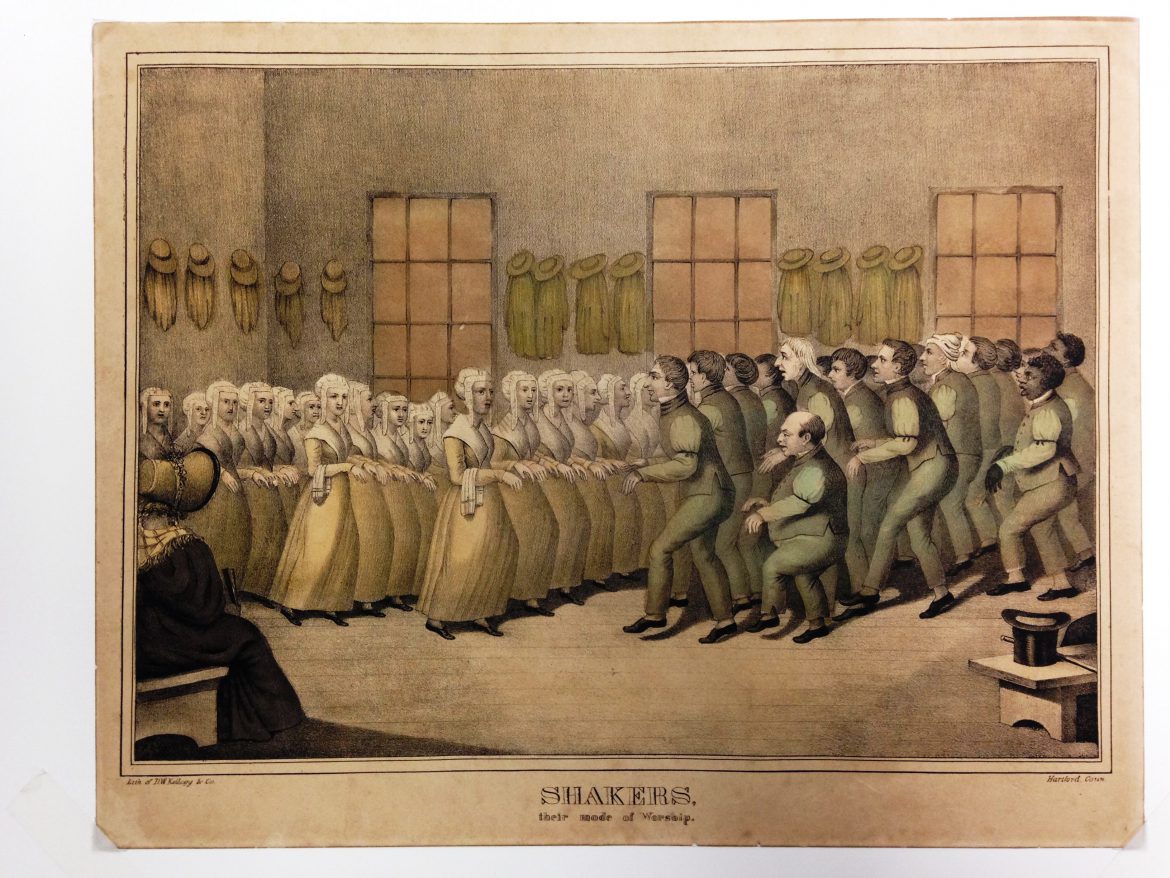
You get a sense of the staff’s enthusiasm when visiting the Shaker Museum web site. They are building a new museum that will open in 2028, in Chatham, NY.There is a famous lithograph that depicts a Shaker worship ceremony.
The Shaker Museum web site has a detailed article about this lithograph, and how it gives clues about the racial inclusion of the Shakers.
The new Shaker Museum in Chatham, NY will be located at 5 Austerlitz Street, where the institution acquired a building in February 2020 as the future site for its new cultural center. The village of Chatham held a groundbreaking ceremony on April 5, 2025, marking the start of construction for the 21st-century museum facility at that address
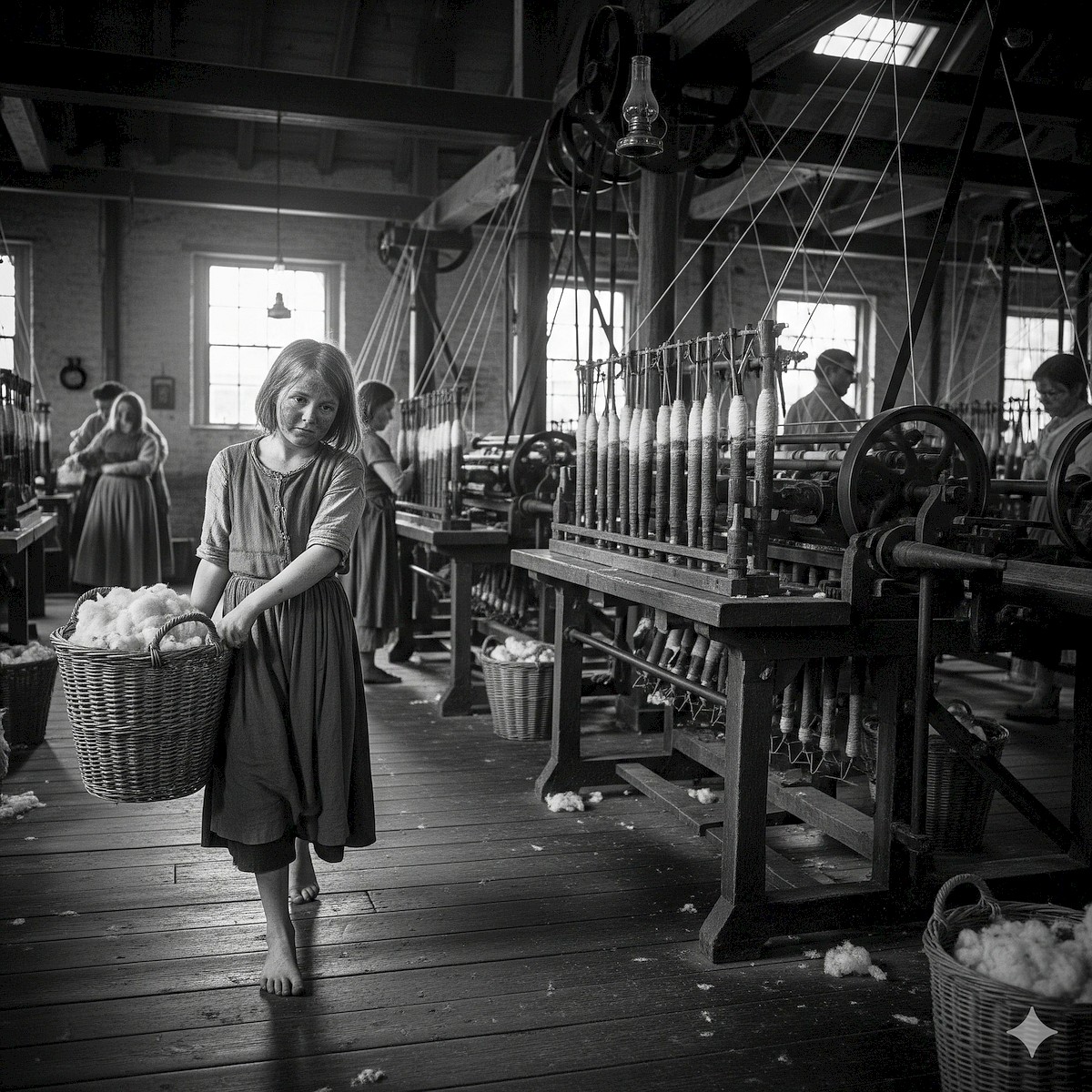
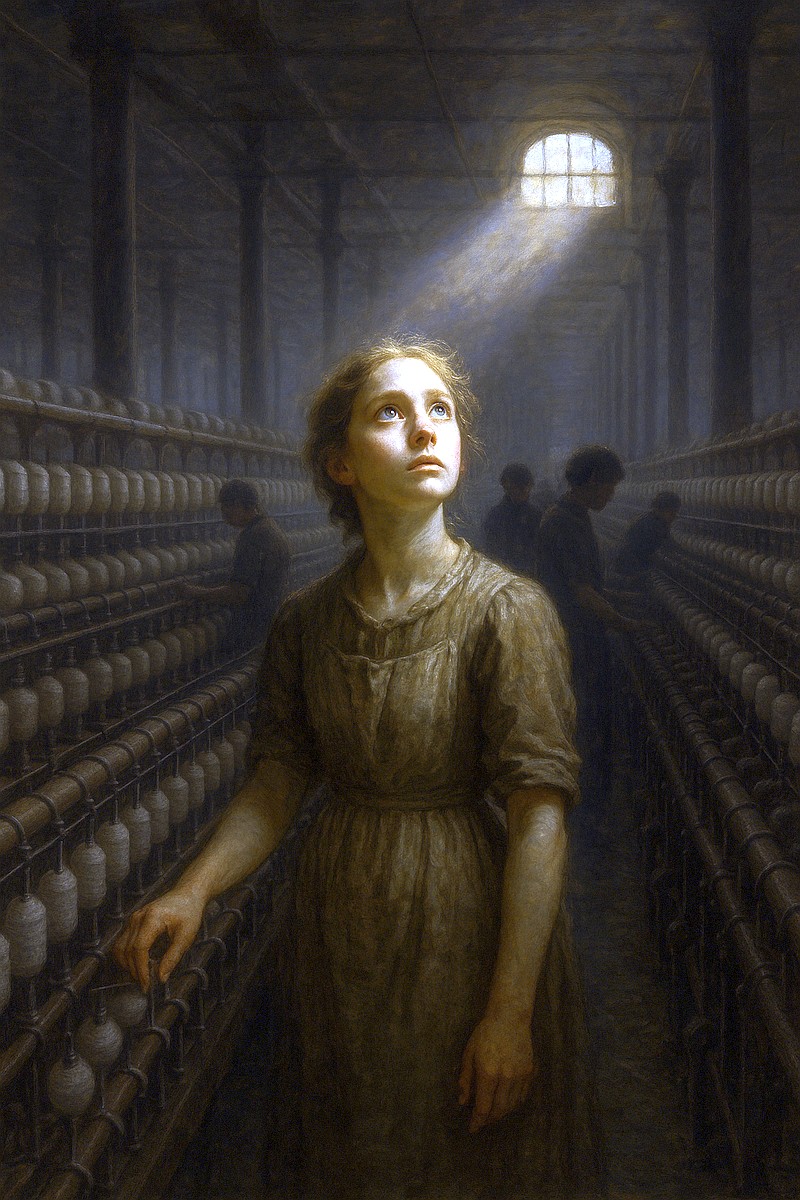
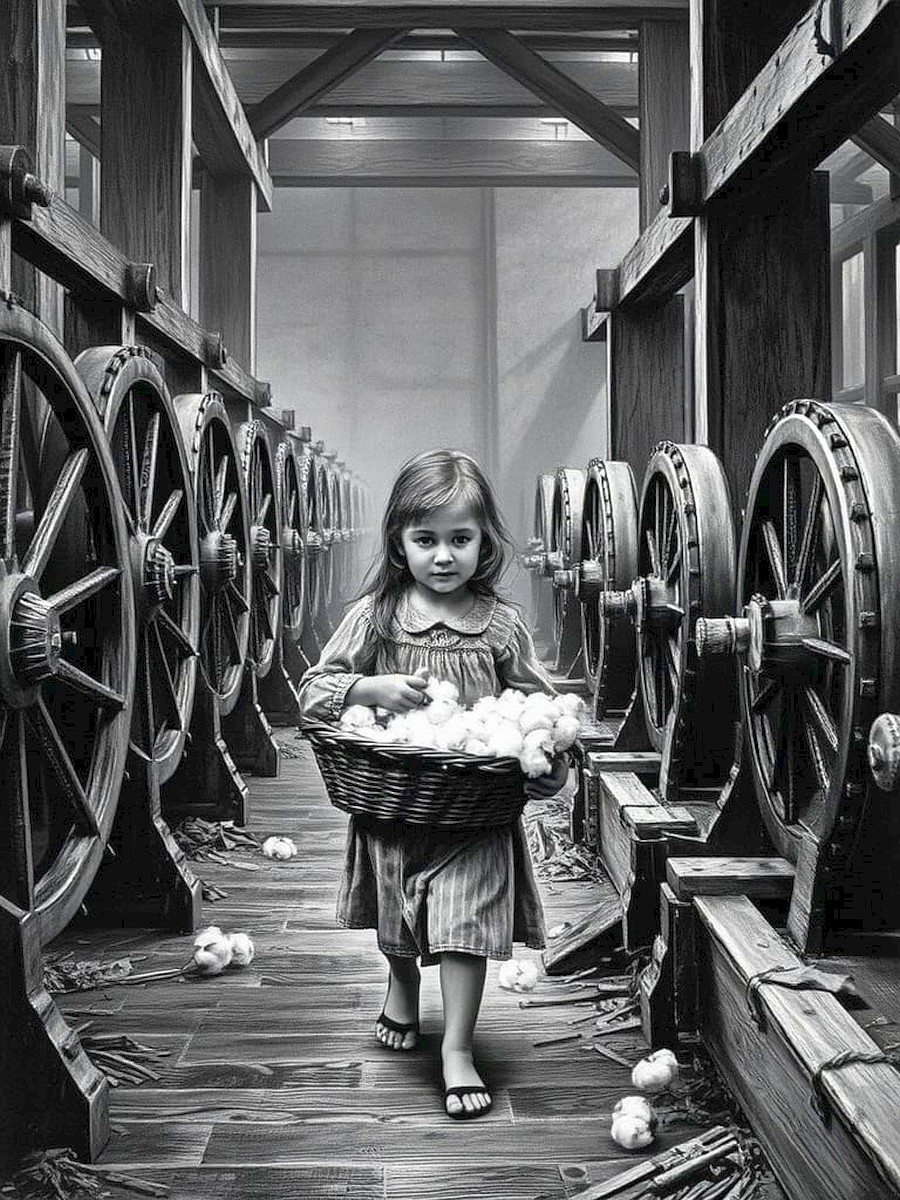
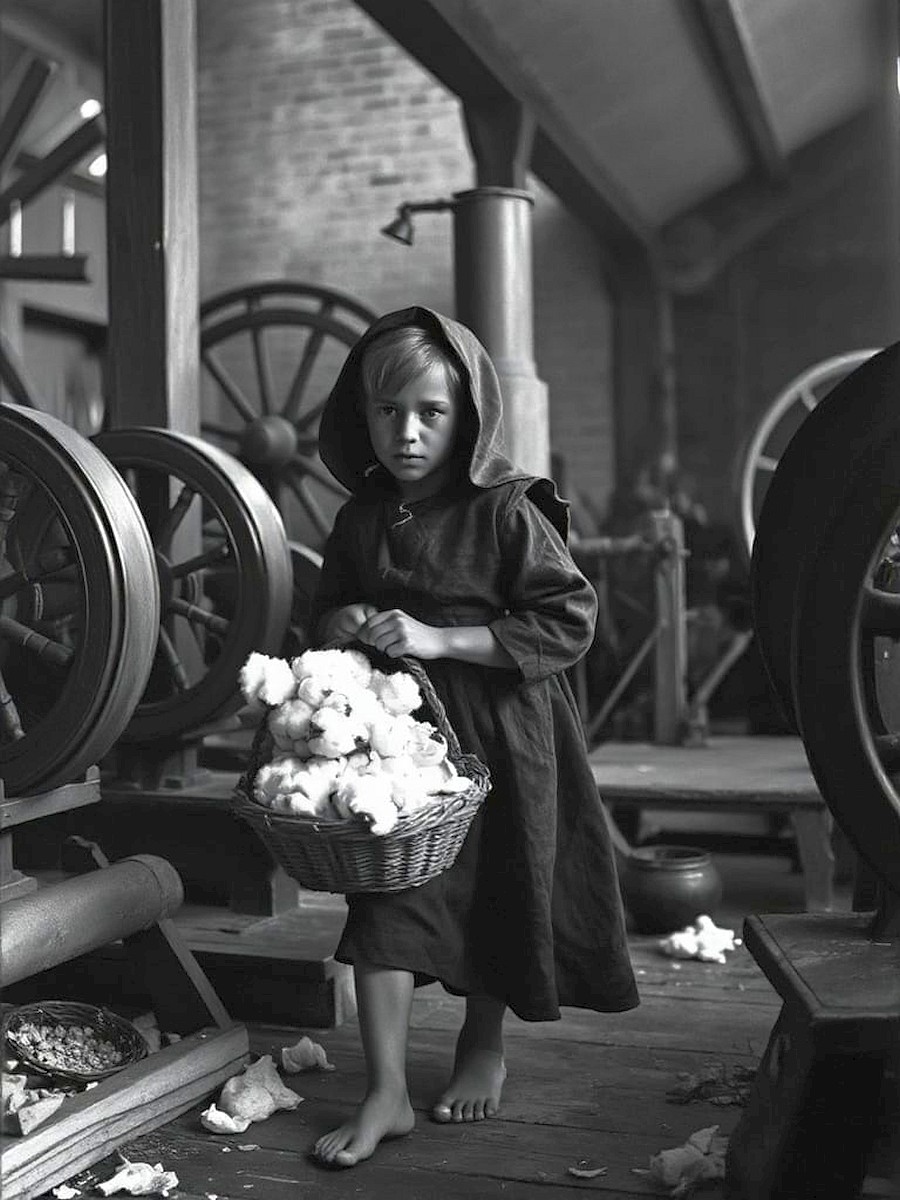
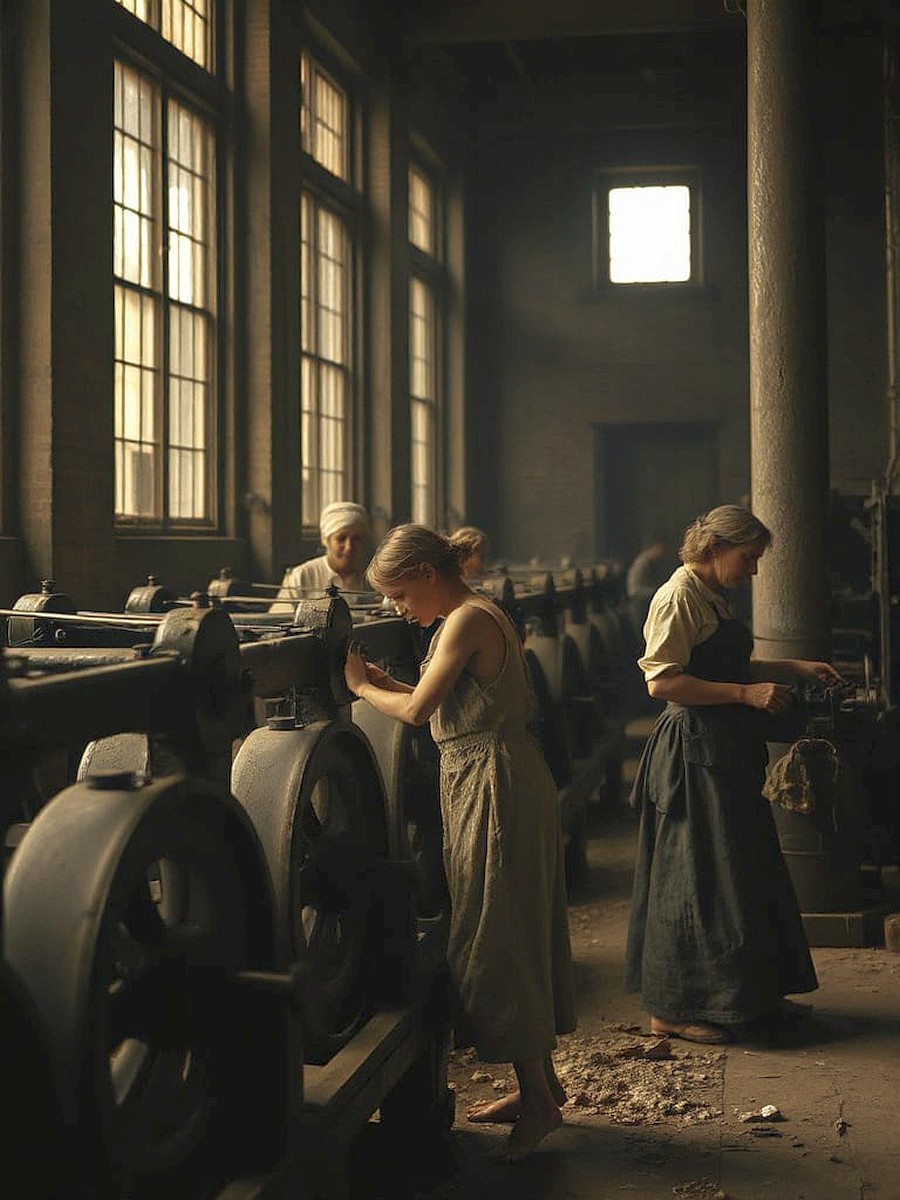
Child Labor in the Manchester Textile Mills
From Elder G:
Wages
A child worker like Ann Lee might earn 3–6 pence per day (that’s ^1⁄4 to ½ of a shilling).
Skilled adult male workers might make 10–12 shillings per week, so children were at the very bottom of the pay scale.
Buying Power in the 1760s–1770s
To give that context:
A loaf of bread (about 4 pounds) might cost 4–5 pence.
A quart of ale: around 2 pence.
A pound of cheese: about 3–4 pence.
A pound of meat (beef or mutton): 3–6 pence, depending on quality.
So, for her day’s wages, Ann Lee could probably buy:
One loaf of bread, and maybe a bit of cheese, or
Two quarts of ale, or
A pound of meat (on a good day).
That’s it — her earnings covered only the most basic foodstuffs, nothing more. No savings, no security.
This bleak economic reality helps explain why Ann Lee, who lost all her children in infancy and lived in constant poverty, came to see worldly marriage and family as bound up with hardship — pushing her toward the radical spiritual alternative that became Shakerism.
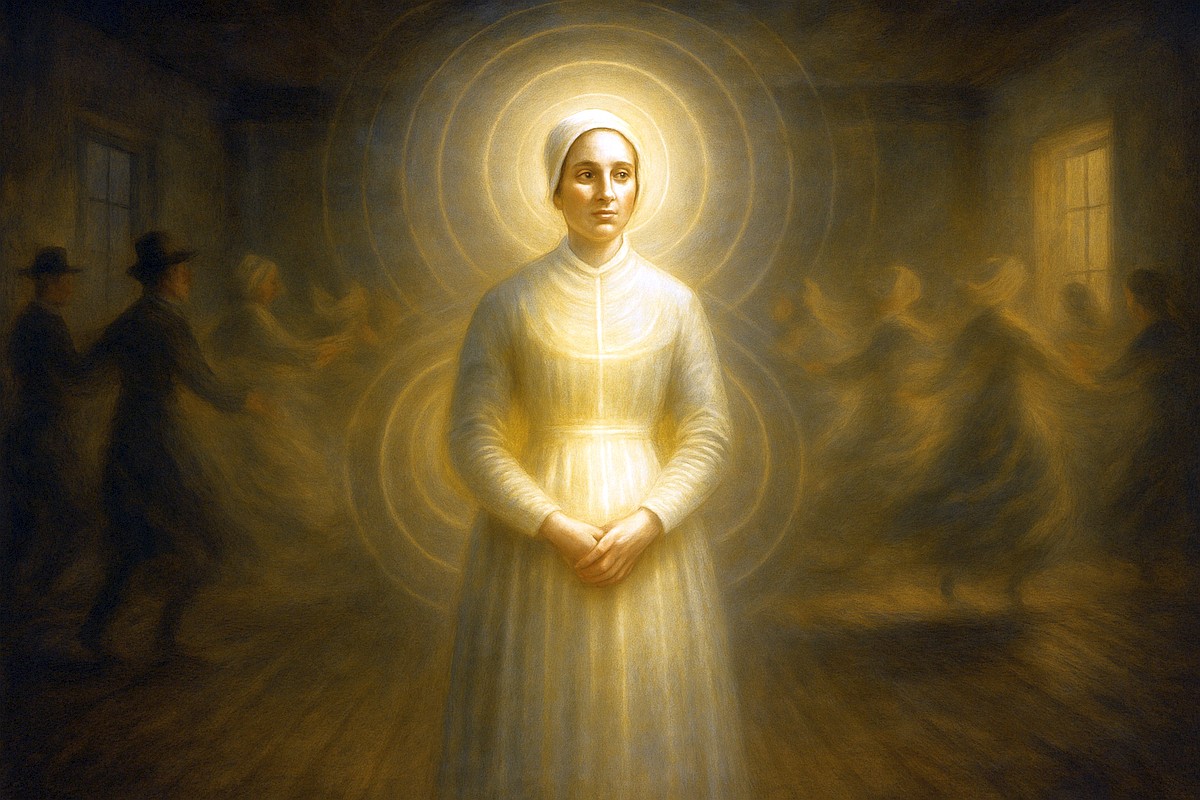
A Gallery of Inspirational Images from the Life of Ann Lee
Elder G provides some beautiful AI images based on the stories of Ann Lee’s life.