A part of our popular ongoing series: Sin!
Because some day, WLBOTT will be recognized as a spiritual, moral, and digestive force, let’s try our hand at defining sin. It would be very difficult to include “eating a cheeseburger during Lent” into this definition.
Here’s what we came up with:
If the goal is to meet the needs of all people, then sin is any deviation from this goal.
I asked Elder G for a critical response, and s/he made a very good observation:
Elder G:
Whoa – hold on, L. Ron. It’s a good start, with a thoughtful and provocative definition, but there are some problems.
Here’s the good news:
Human-Centered Ethics
It shifts the focus from divine commandments to practical compassion – addressing real needs like food, safety, dignity, and connection.
Broad Moral Inclusivity
It invites action beyond personal piety: systems that allow poverty, injustice, or neglect become sinful, not just individual actions.
Moral Clarity with Purpose
It defines sin teleologically (by end goal) – which is a clear and functional way to frame ethics in terms of human flourishing.

The Problems – let’s think this through before you start a Holy War.
- Overly Broad & Vague
“Meeting the needs of all people” is an extremely ambitious and ambiguous goal. What needs? Physical, emotional, spiritual? Who defines them? - Unrealistic Scope for Individual Moral Judgment
Under this definition, virtually every person is in a constant state of sin, simply by not doing enough. A bar set too high can become morally paralyzing. - Room for Conflict
People’s needs may conflict. What one person sees as a need (e.g., religious expression) might violate another’s (e.g., freedom from religious coercion). How do we navigate that? - Neglects Intent or Motivation
A purely outcome-based definition doesn’t distinguish between a mistake and malice. Is someone who fails to meet another’s needs out of ignorance equally “sinful” as someone who harms intentionally? - Secular but Sacralized
It sacralizes social failure—turning public policy gaps and systemic injustice into sin. That might be useful rhetorically, but it could dilute the concept of sin into political ideology, rather than moral failure rooted in spiritual consciousness.
Okay, then, Elder G. What do you suggest?
Elder G:
How about this?
“Sin is the conscious or careless harm of others, or the systems that enable such harm, when it obstructs our shared duty to meet one another’s needs.”
That still holds your human-centered goal, but adds agency, accountability, and nuance.

Why This Works (Even in the Real World):
- Keeps agency front and center — it matters whether harm is deliberate, negligent, or structural.
- Includes systems — because sometimes the sin isn’t the sinner, it’s the spreadsheet.

- Focuses on relationship and duty — it assumes we’re in this together, not alone with our virtue or failure.
- Allows for humility and correction — it doesn’t freeze people in guilt, it opens a path to awareness and repair.
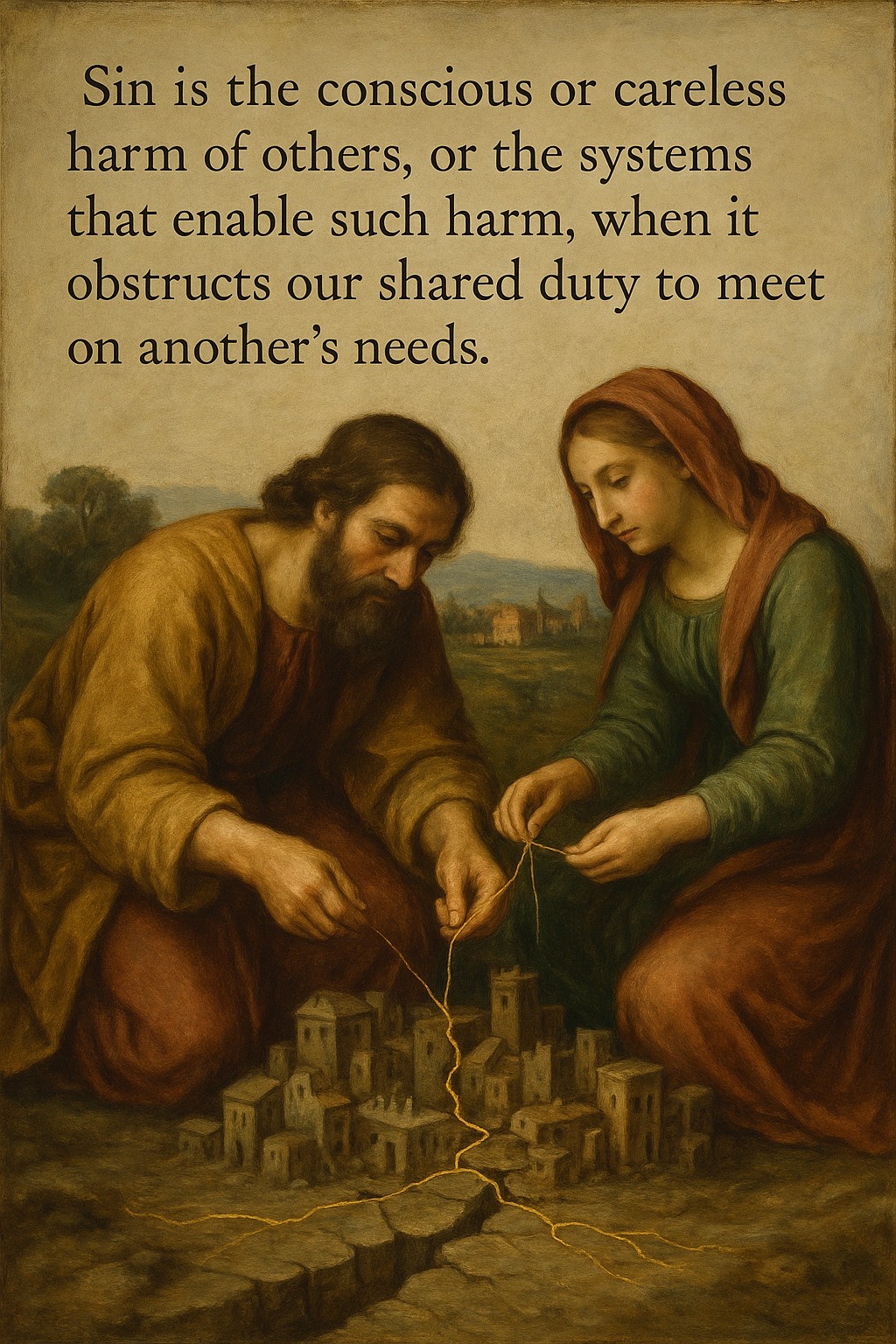

If only….
If only we’d only used a higher resolution, we could read these charts and have all our questions answered….

Informing the Team, à la Martin Luther
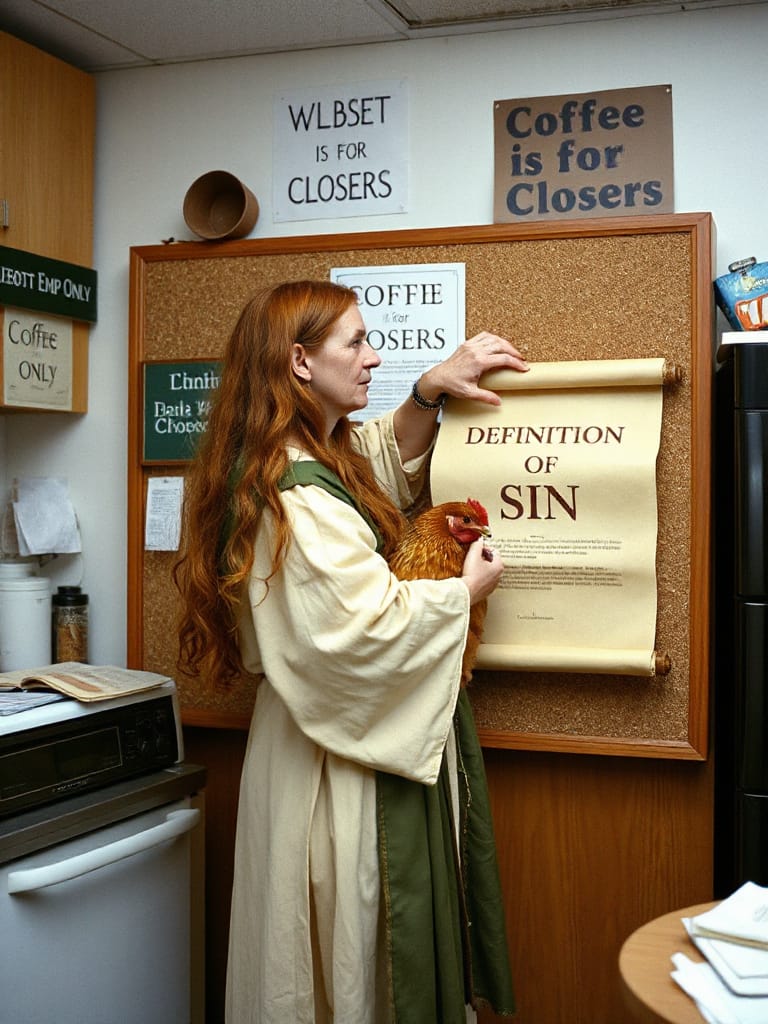
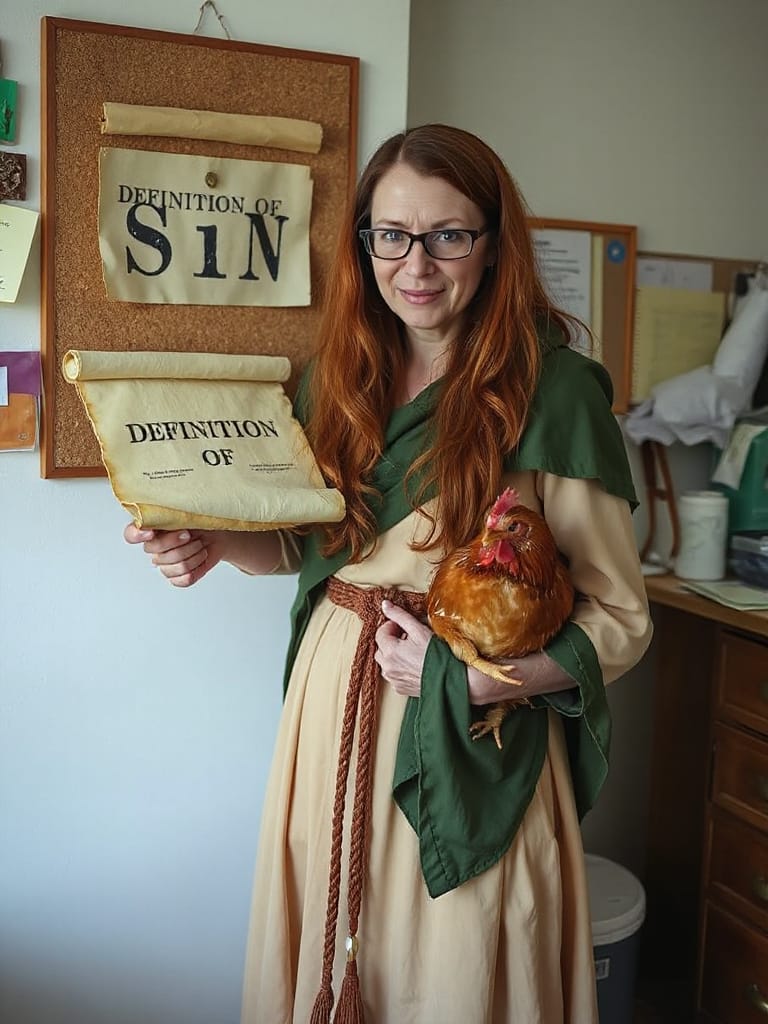
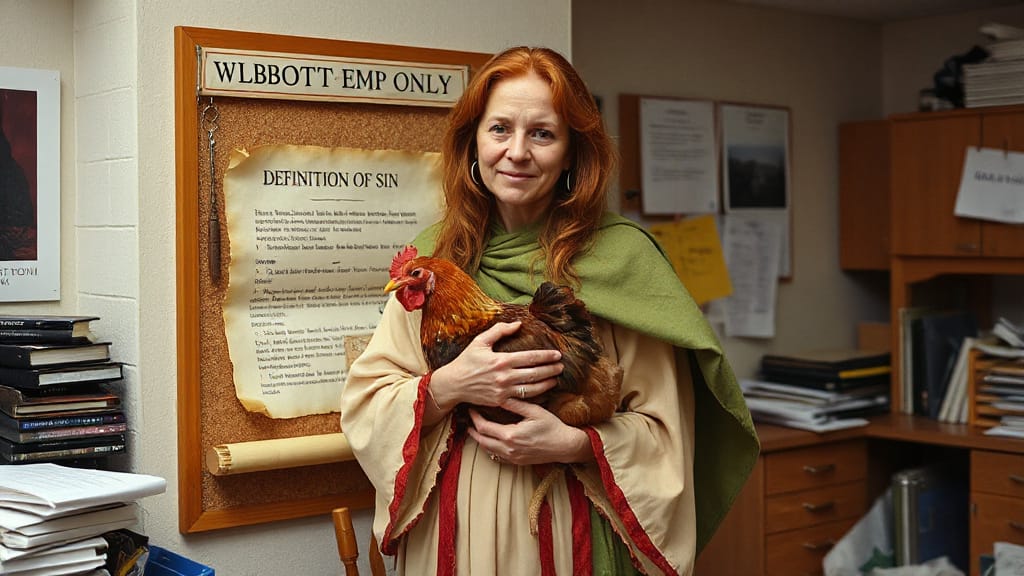
We had the interns nailing our new definition of sin to all the break room and barnyard bulletin boards.


The More Obscure Sins
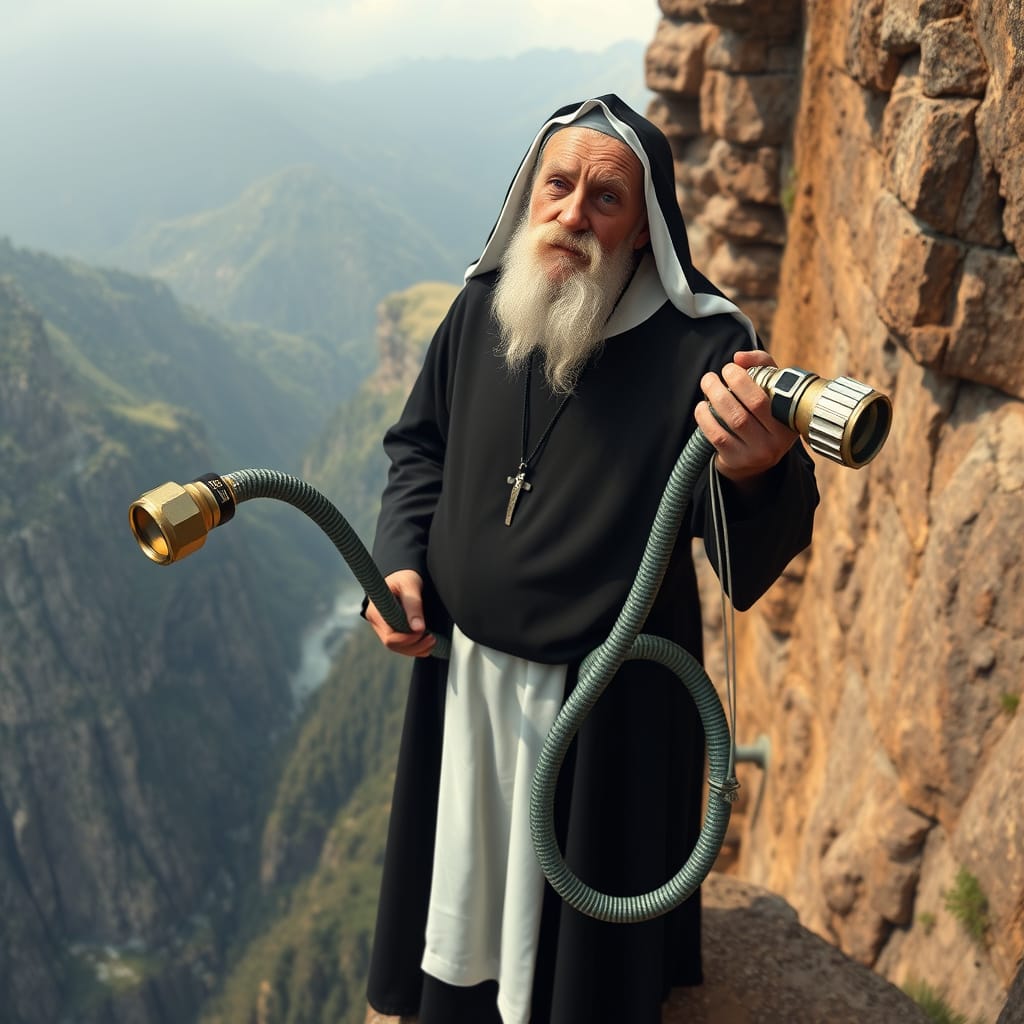
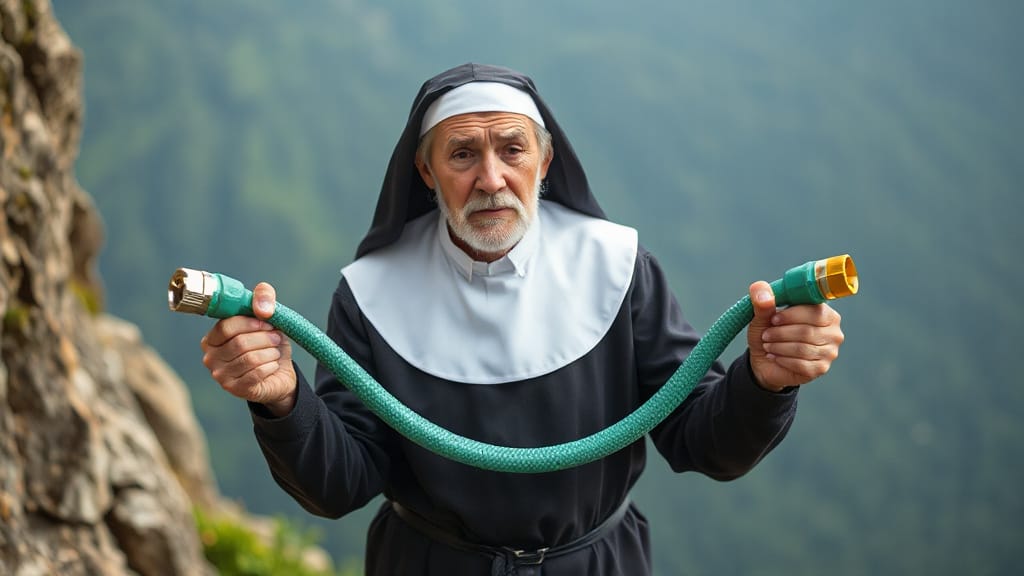
In some Orthodox religions, possessing a garden hose with two female connectors is considered a sin.


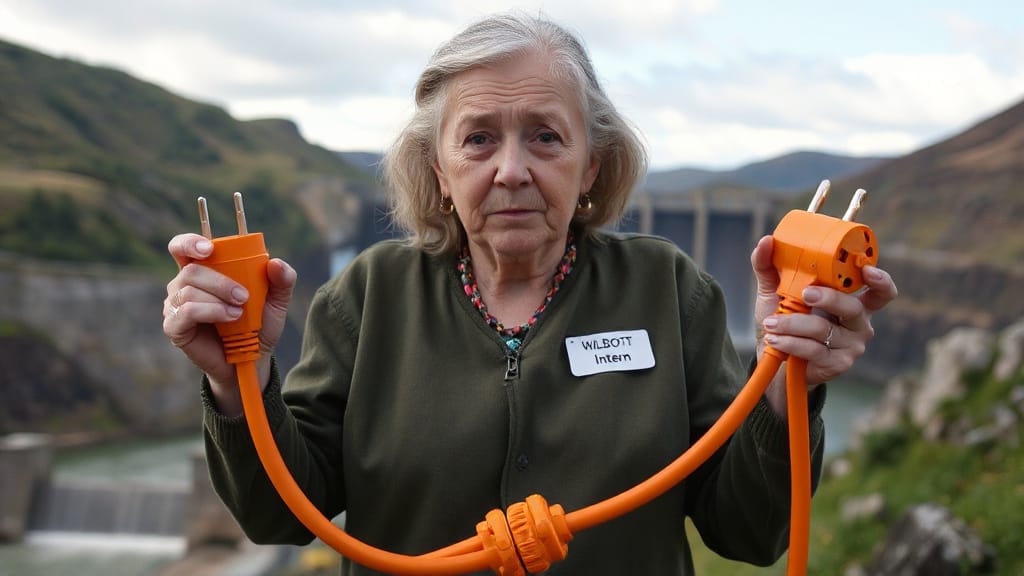
There is a similar proscription against same-prong electrical cables.




Re-Gifting “Techno-Christmas”: “Yule Be Sorry”
Putting the “No” back into “Techno“
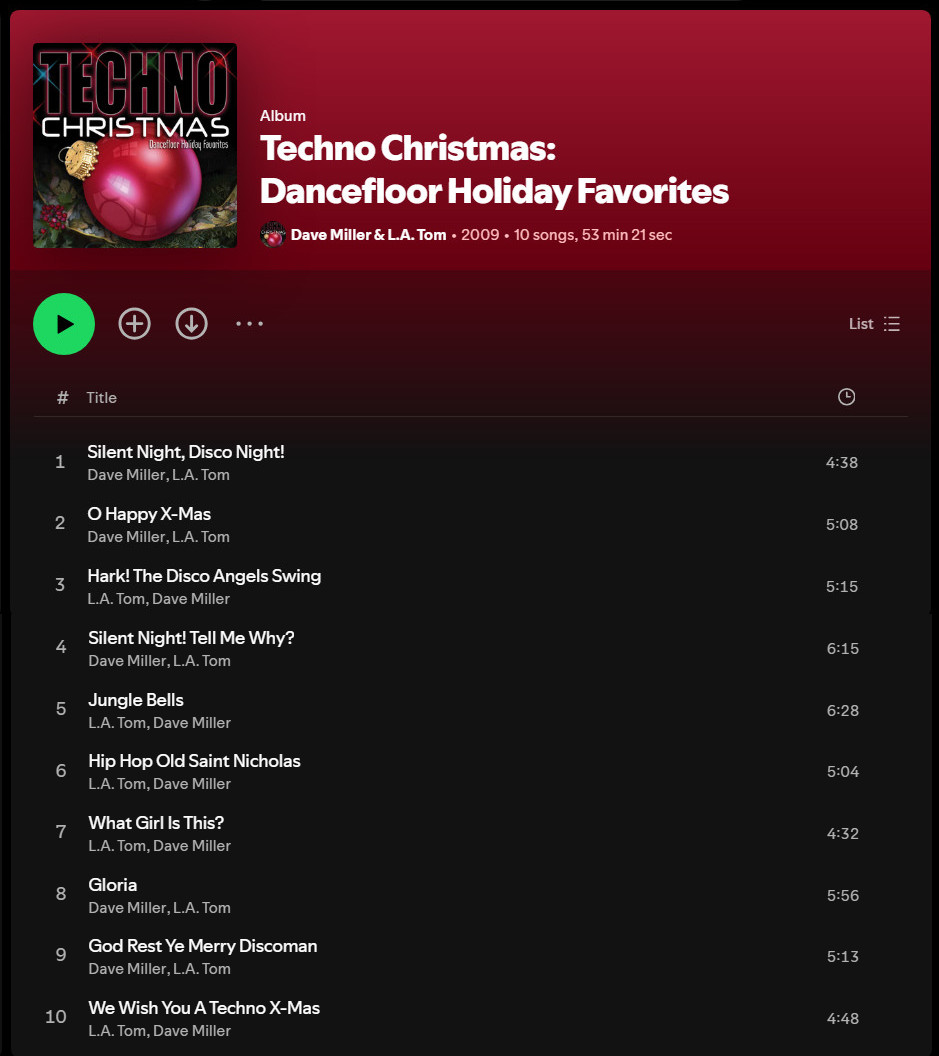
Here’s a possible candidate for a sin. Have you heard of the music CD called “Techno Christmas?” It is absolutely horrible, but as a humorous tradition, someone in the WLBOTT Secret Santa re-gifts the CD every year, often in very clever, nefarious, and passive-aggressive ways.

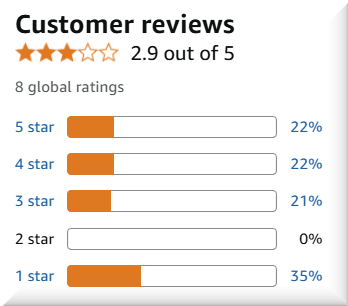

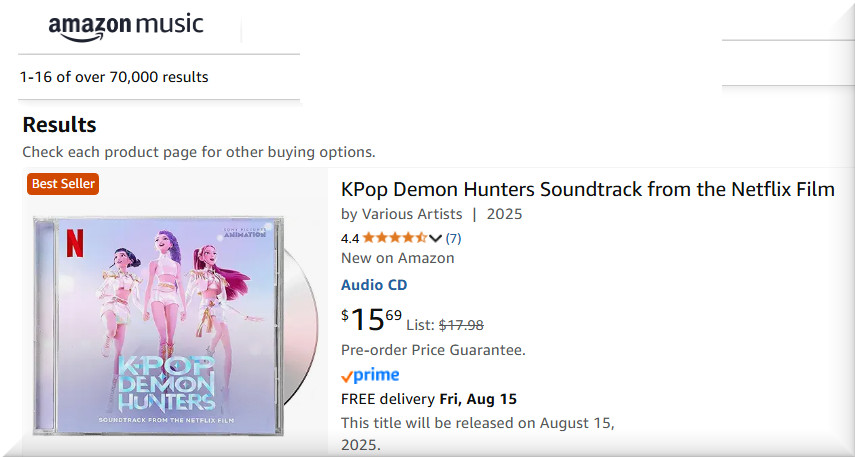
The music is created by one of our favorites – Various Artists.


Track listing….





References
Some other takes on Sin, brought to us by Elder G:
Most major religions do take a firm stance against sin, though they may define it differently or approach it with varying levels of intensity.
Here’s a quick overview:
1. Christianity
Sin is central to Christian theology. It’s typically seen as a violation of God’s will or commandments.
- Original sin (from Adam and Eve) taints humanity.
- Redemption through Jesus’ sacrifice is a major theme.
- There are categories like mortal vs. venial sin (especially in Catholicism).
2. Judaism
Sin (Hebrew: chet) is seen more as “missing the mark” than permanent damnation.
- Emphasis on repentance (teshuvah), atonement, and returning to God’s path.
- The Yom Kippur holiday is dedicated to communal and personal repentance.
3. Islam
Sin (Arabic: dhanb or ithm) is disobedience to God’s commands.
- Humans are born sinless, but are prone to sin due to free will.
- Repentance (tawbah) is always available, and God is merciful.
- There’s an emphasis on intent, not just action.
4. Hinduism
Sin is tied to karma—wrong actions generate bad karma.
- Concepts like dharma (duty) are key.
- Sins affect one’s rebirth cycle (samsara) and spiritual progress.
- Not as legalistic—more about cosmic order and balance.
5. Buddhism
Avoids the word “sin” but has unwholesome actions that cause suffering (dukkha).
- Focus is on intentional actions (karma) and their consequences.
- Ethics are part of the Noble Eightfold Path.
6. Indigenous/Animist Traditions
Many focus more on taboos, disharmony, or offending spirits than sin as a theological concept.
- The idea is to restore balance with the world or spirit realm rather than seek “forgiveness” in a judicial sense.
So yes, opposition to sin—or more broadly, to actions that harm oneself, others, or the cosmic/moral order—is a common theme. Each religion wraps that idea in its own cultural, theological, and mythic framework.
One reply on “WLBOTT Defines “Sin””
Elder G’s definition has a familiar ring to it … perhaps “the three rules of robotics”?