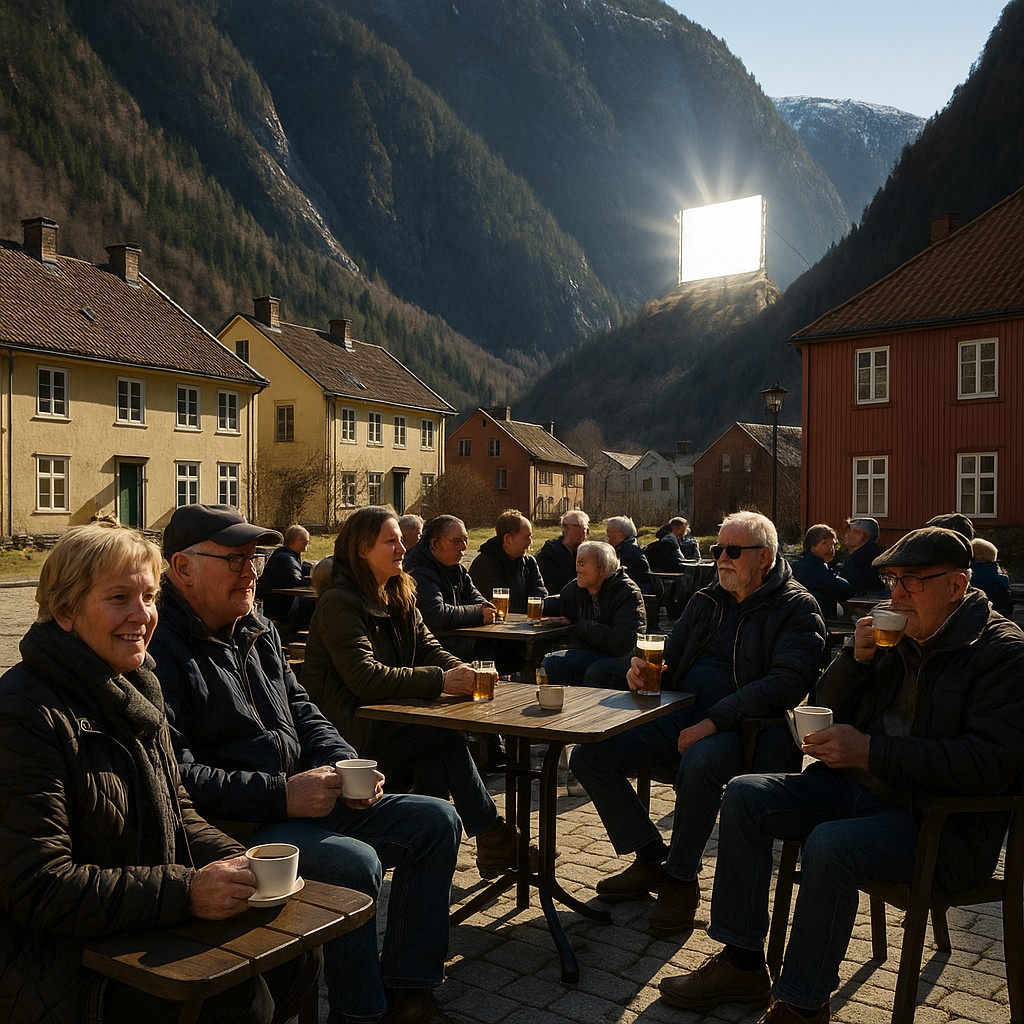
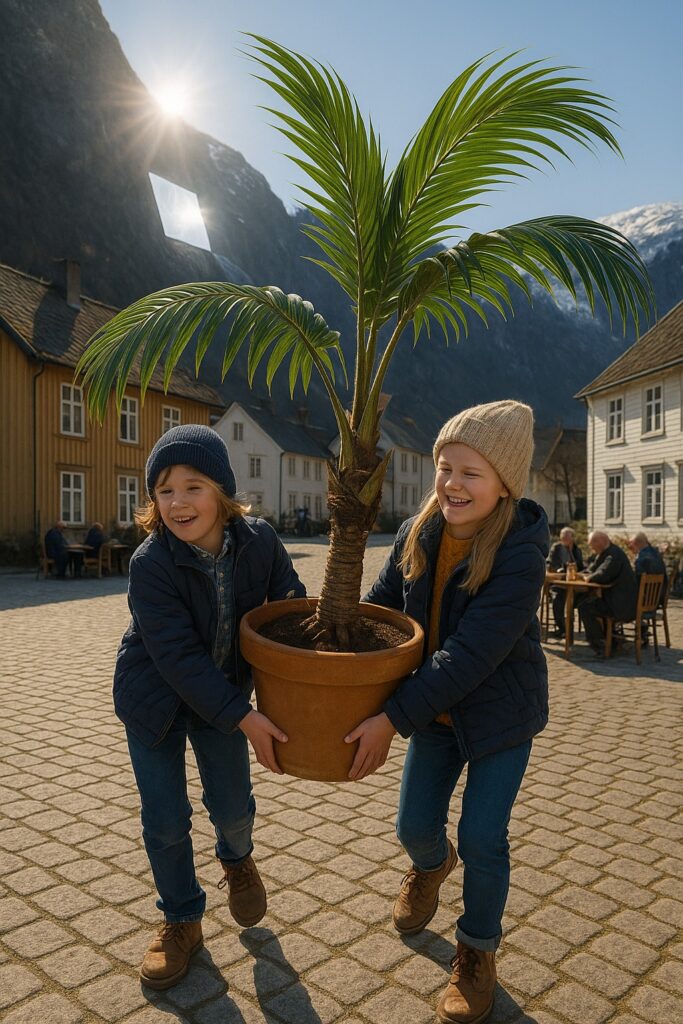
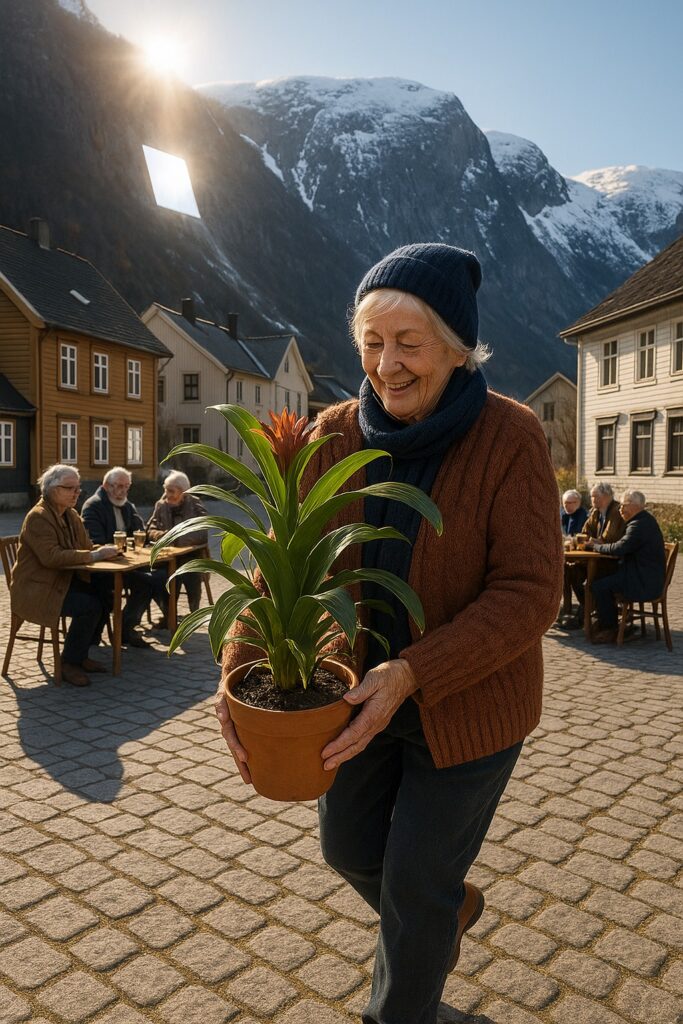
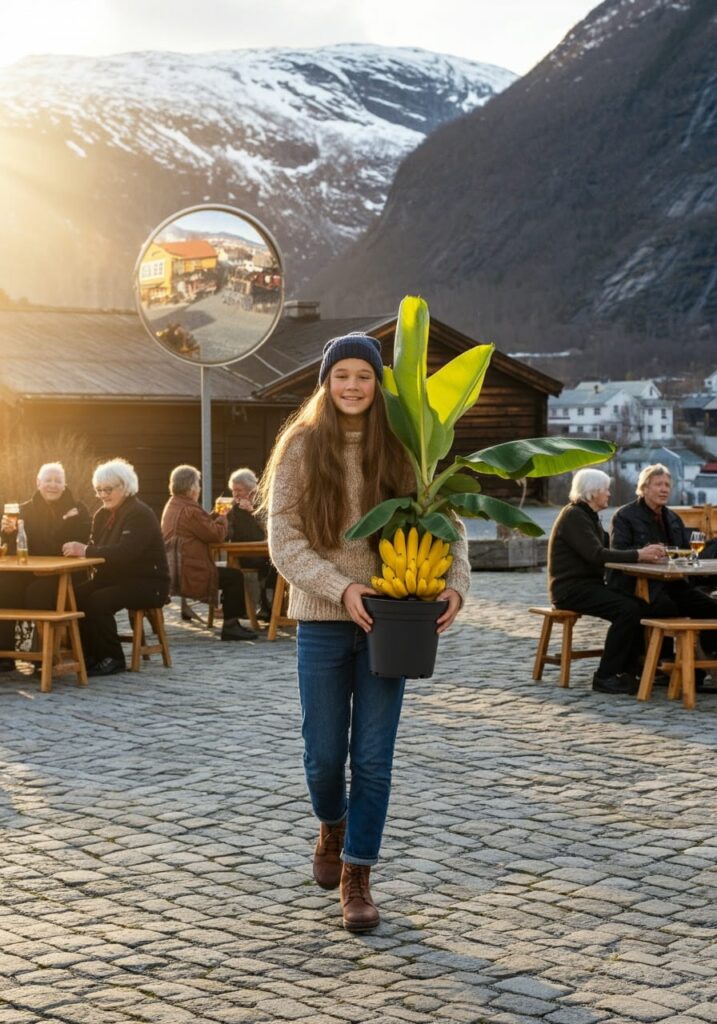
Elder DZ was telling the executive committee about a village in Norway, surrounded by mountains, where they get very little direct sunlight. To compensate, the village erected mirrors up in the mountains to reflect light into the town.
Elder G gives us some background:
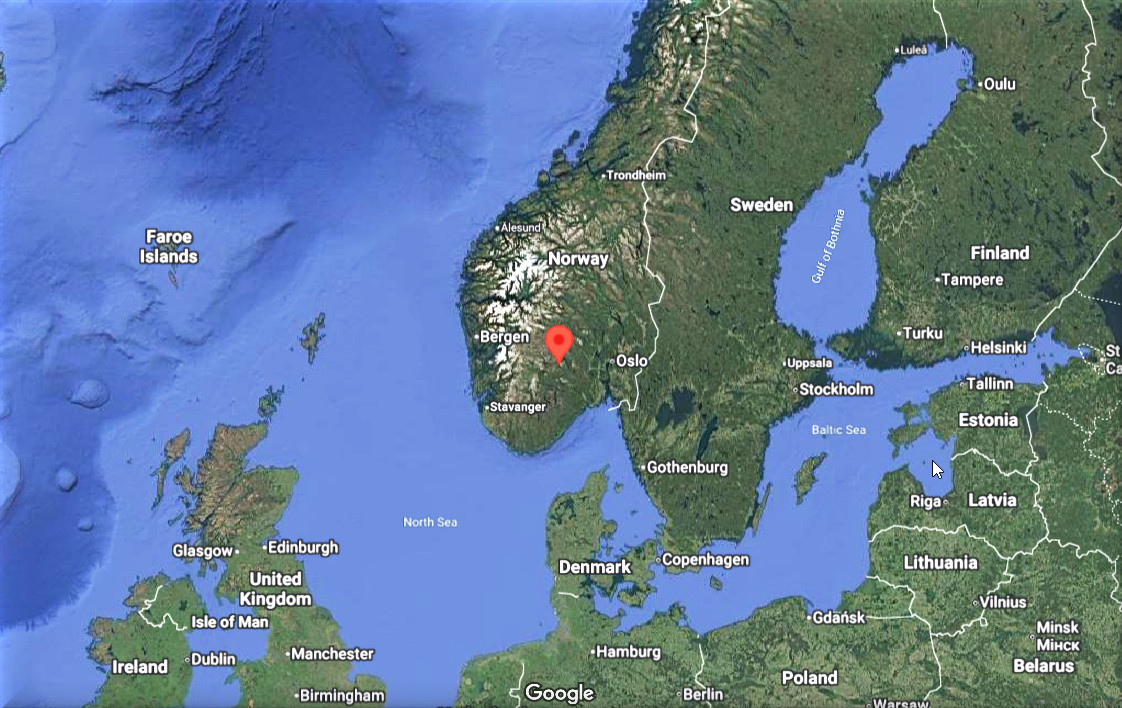
I believe your Elder DZ is talking about Rjukan, a small town in Norway.
Here’s a bit more about it:
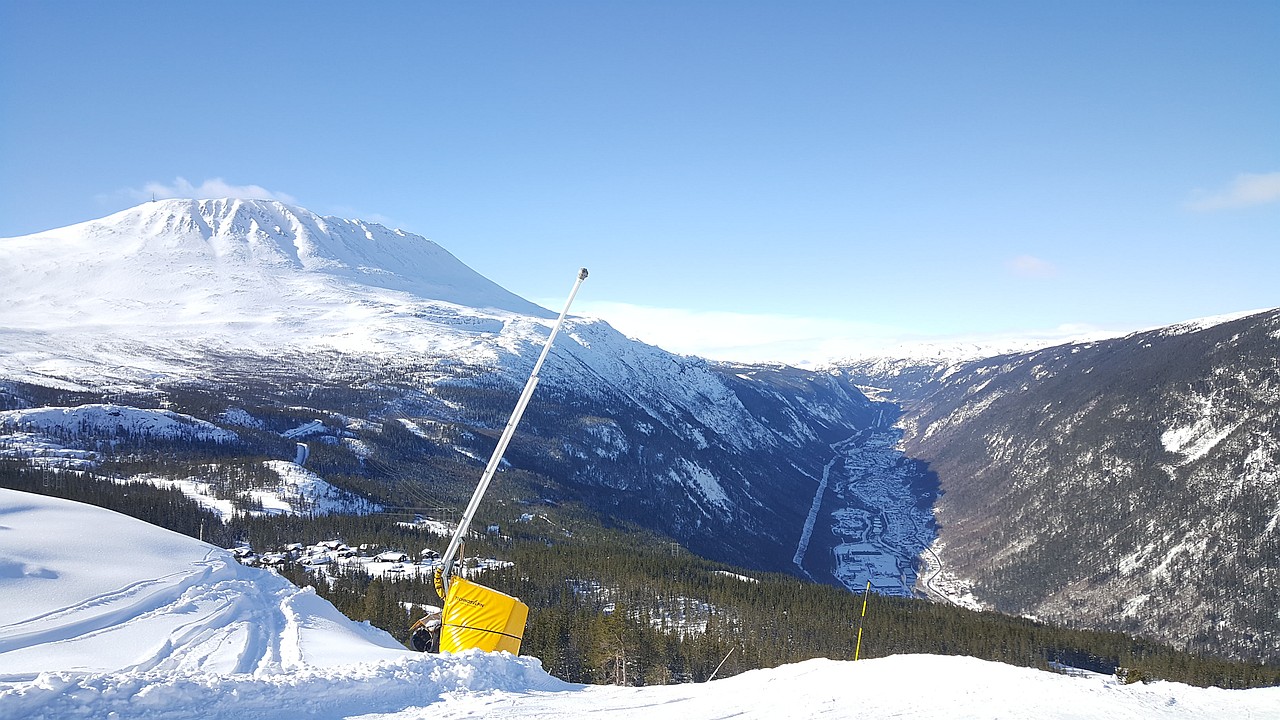
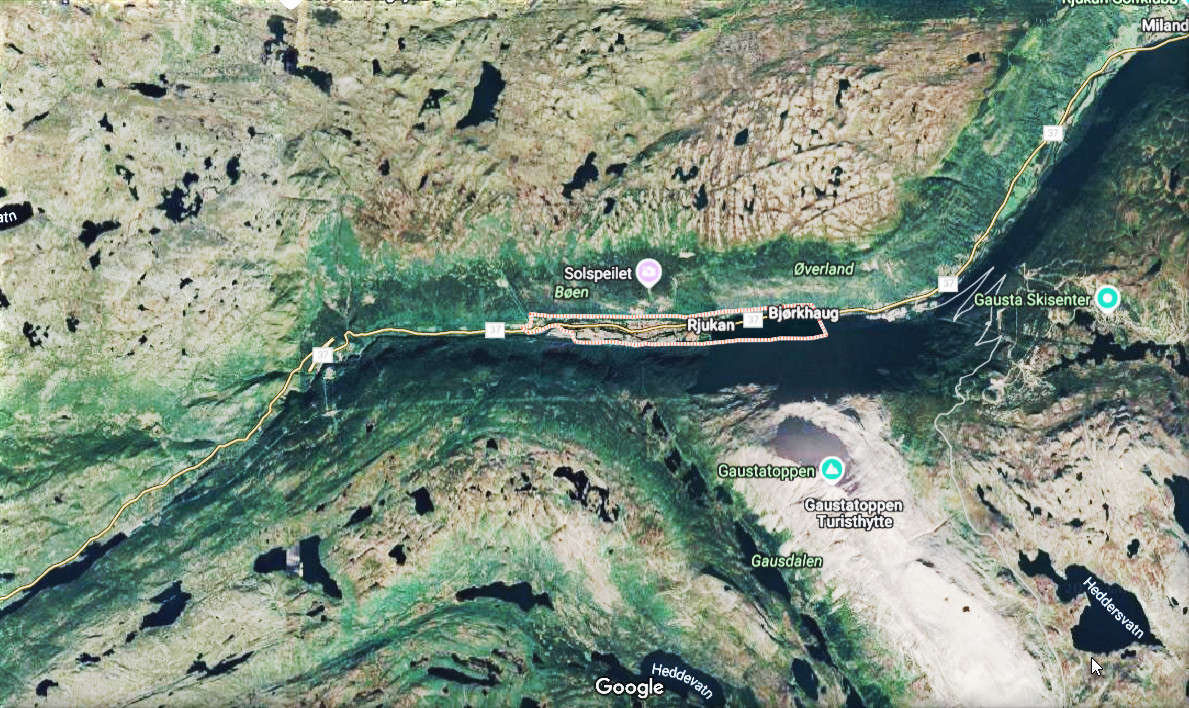
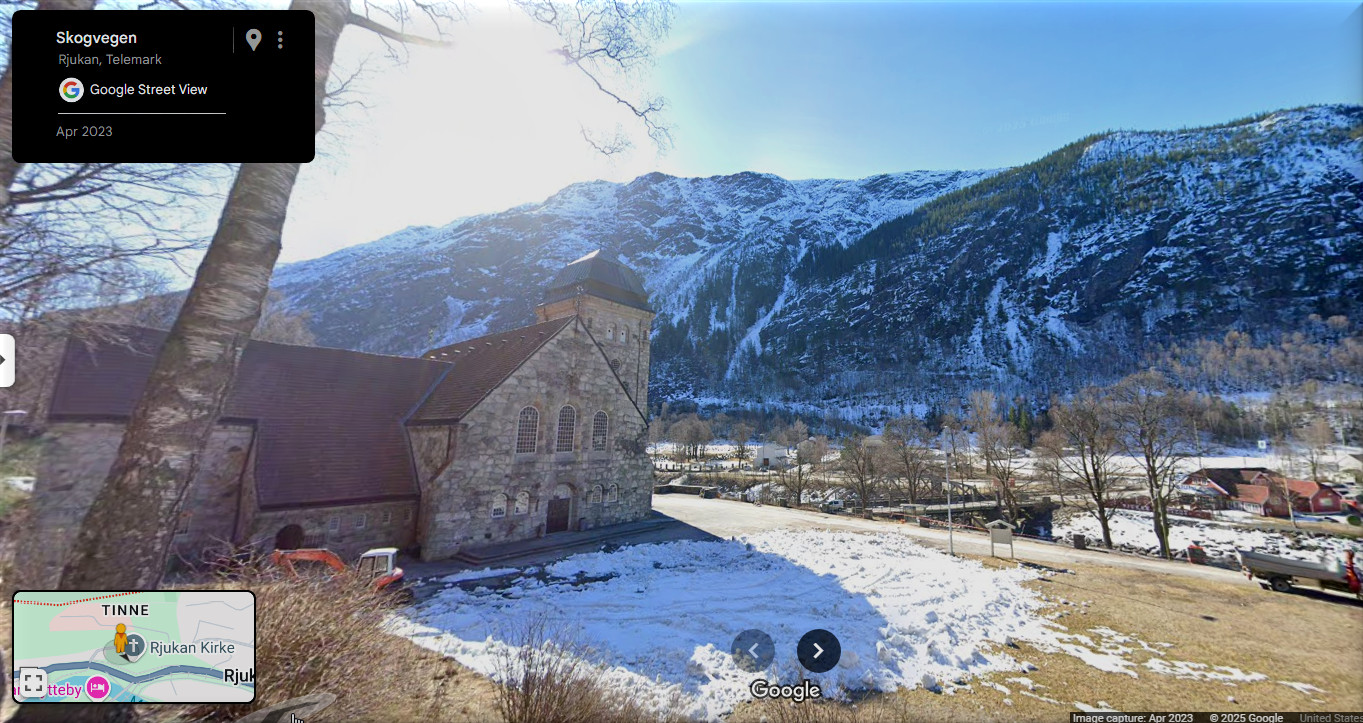
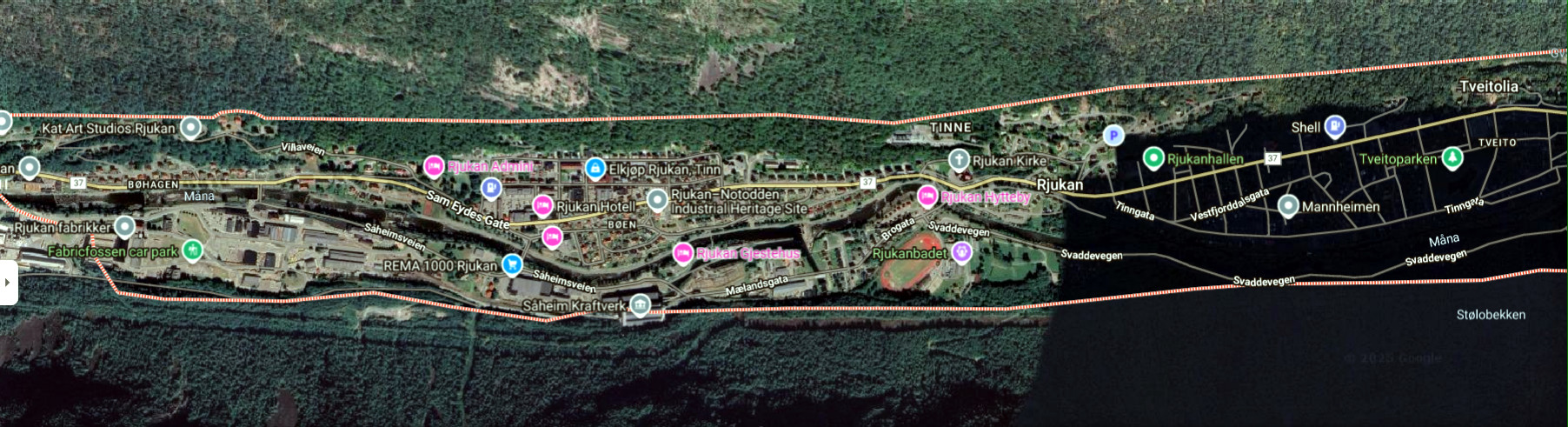
Location: Rjukan is in a deep valley in Telemark county, surrounded by high mountains. Because of this, from roughly late September to mid-March, the town doesn’t get direct sunlight — it stays in shade almost all winter.
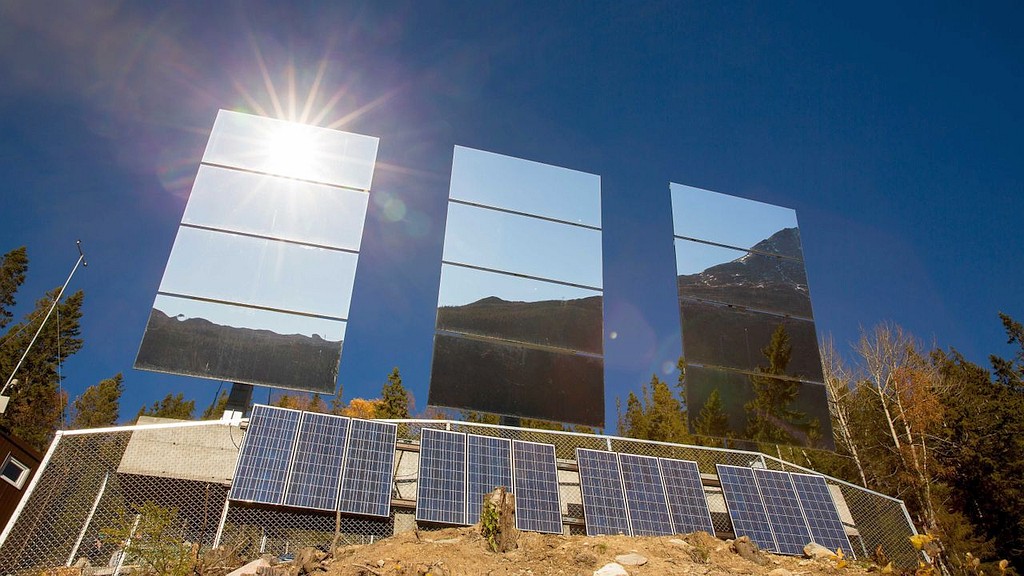
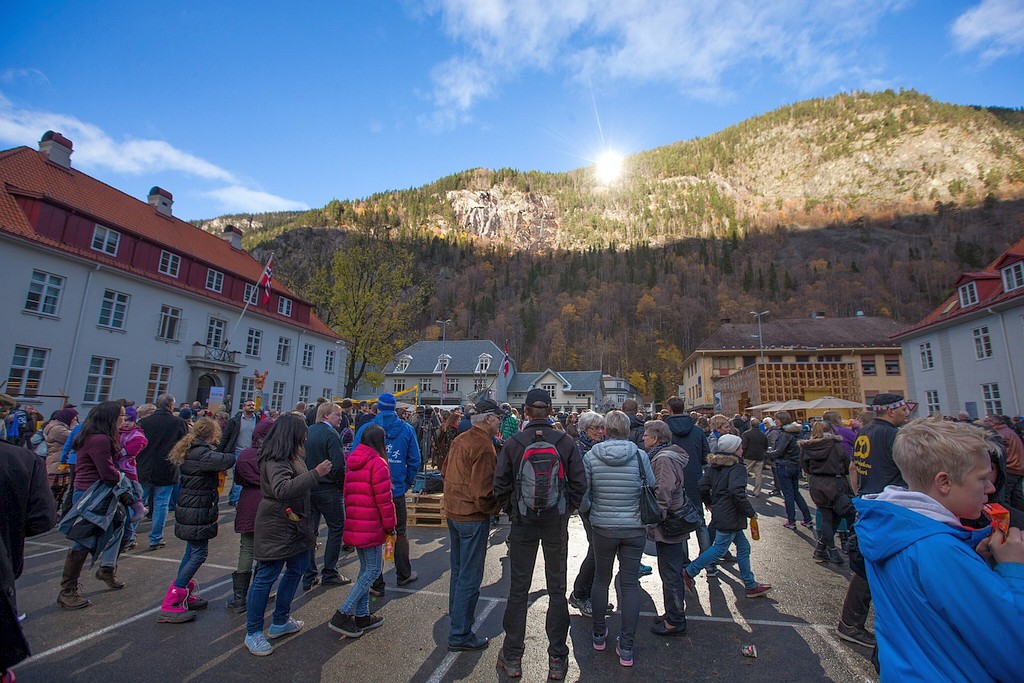
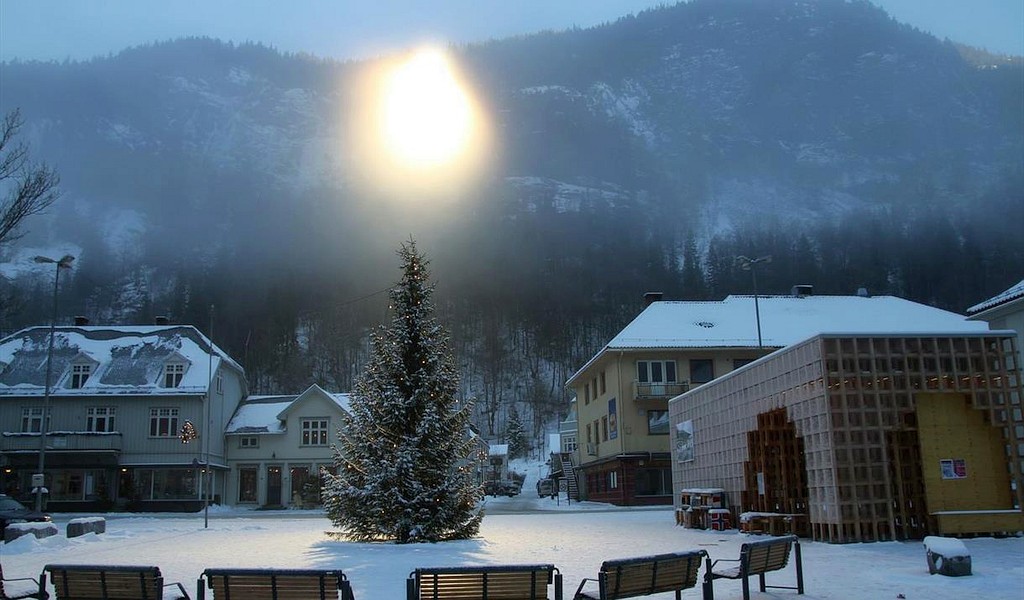
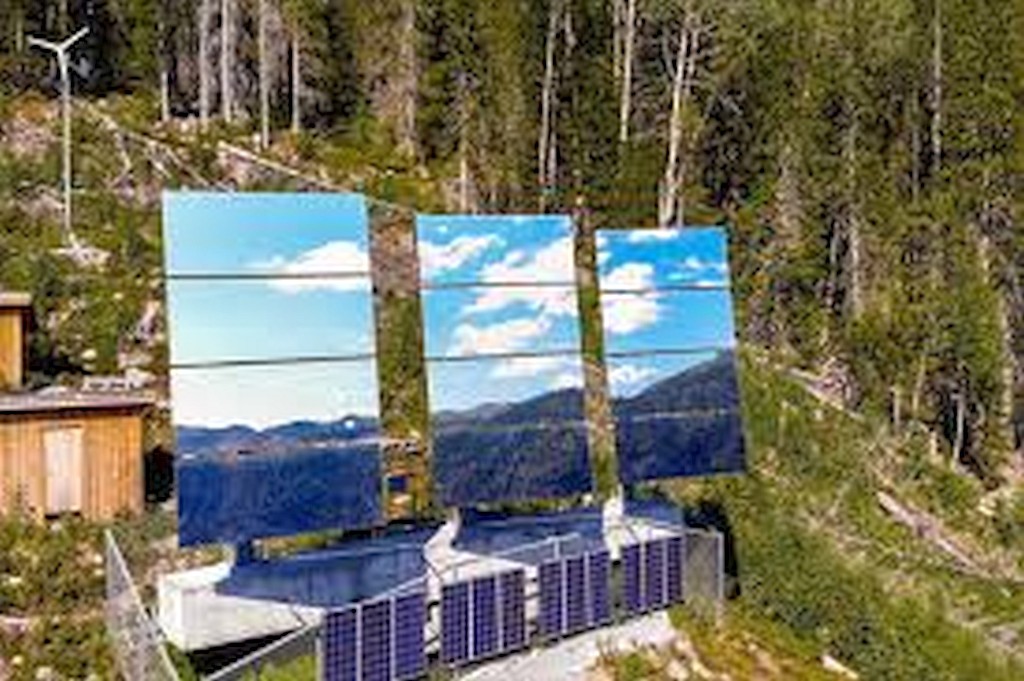
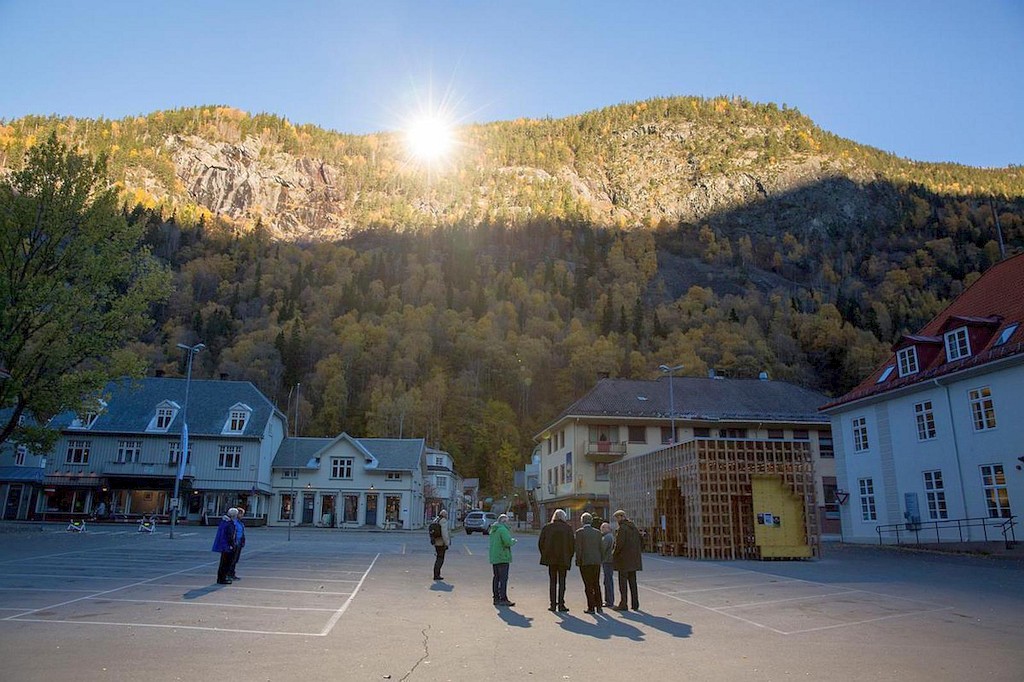
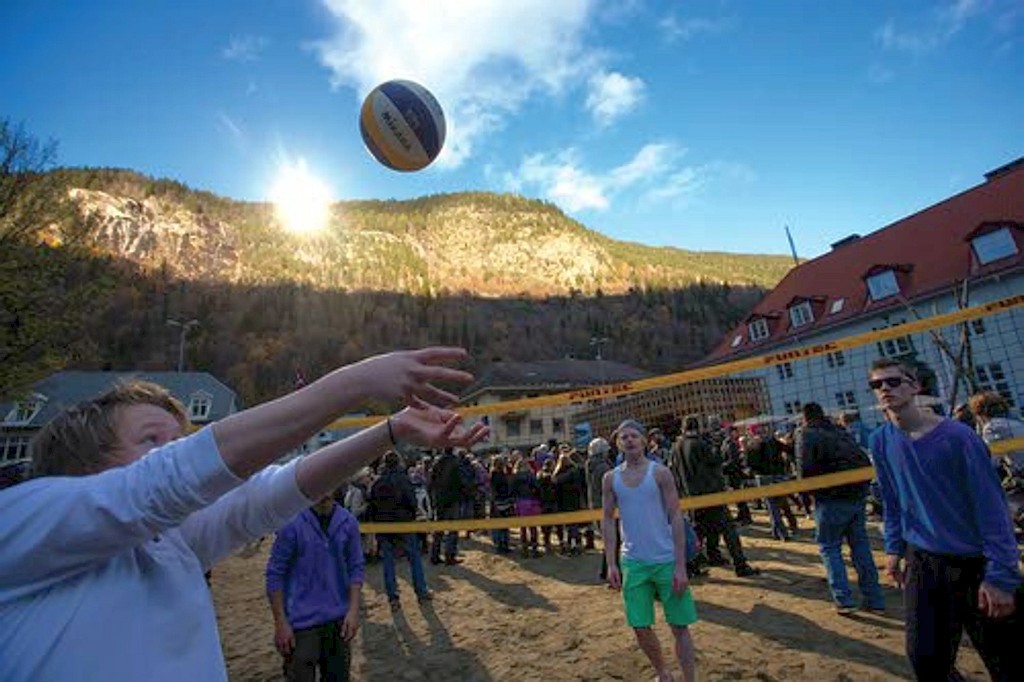
The mirrors (Solspeilet): In 2013, they installed three large heliostatic mirrors on the mountainside above the town. These mirrors track the sun and reflect light down into the town square. It creates a sunny spot in the heart of the village so people can gather and enjoy natural light during the dark winter months.
Historical context: The idea for using mirrors was actually suggested as early as 1913 by Sam Eyde, the founder of Norsk Hydro, but it was too technically difficult at that time. Instead, they originally built a cable car so residents could ride up to the sunlit mountaintops.
It’s a beautiful example of human ingenuity and a testament to how communities adapt to their environment — and also a wonderful metaphor for finding creative ways to bring light into dark places.
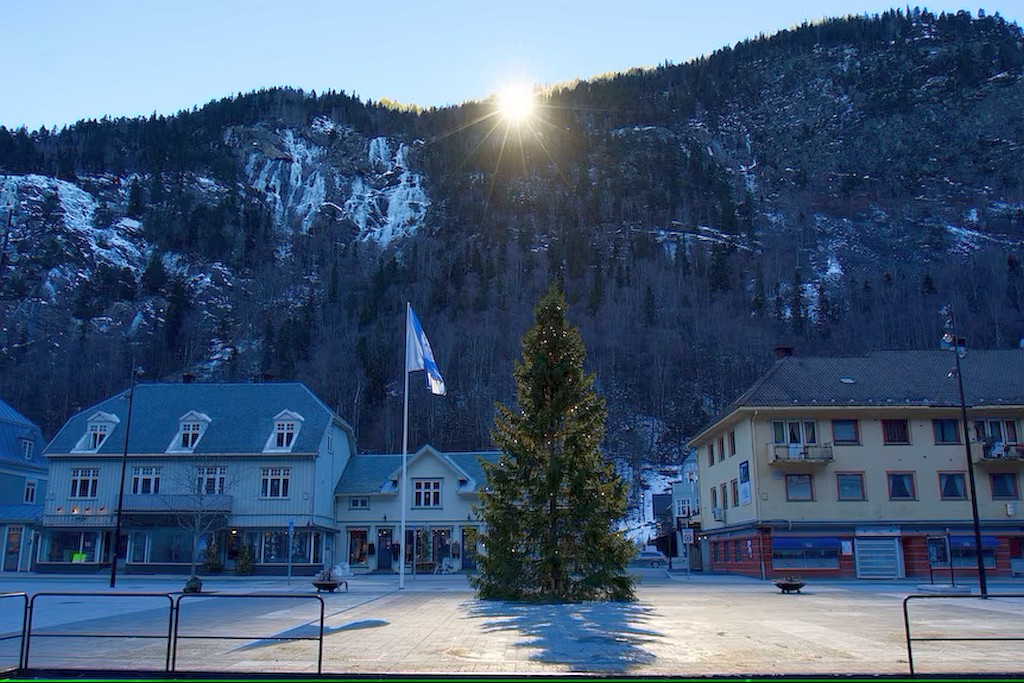
“Rjukan is in constant shadow during the winter.” Image taken from Gausta ski center. By Bengt-Inge Larsson – Own work, CC BY-SA 4.0
Rjukan Rjukan is a town in Tinn Municipality in Telemark county, Norway. The town is also the administrative centre of Tinn Municipality. The town is located in the Vestfjorddalen valley, between the lakes Møsvatn and Tinnsjå. The 2.59-square-kilometre (640-acre) town has a population (2021) of 3,003 and a population density of 1,160 inhabitants per square kilometre (3,000/sq mi).
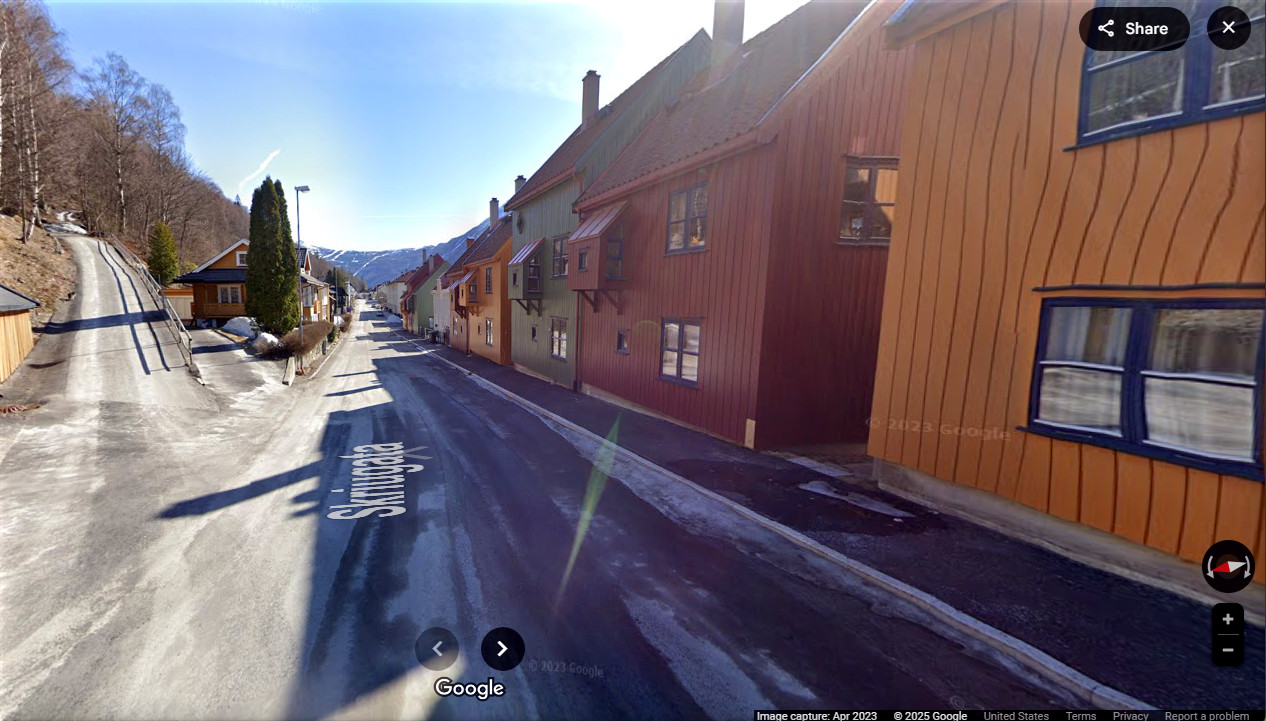
The town was essentially “built from scratch” due to the industrial developments by Norsk Hydro in the 1910s and 1920s. It got its name from the Rjukan Falls west of the town. At its peak, Rjukan was a significant industrial center in Telemark. It became a World Heritage Site under the name Rjukan–Notodden Industrial Heritage Site on 5 July 2015. The town is perhaps best known for the heavy water sabotage operations at the local Vemork hydroelectric power plant[1] during World War II.
The Vemork hydroelectric power plant was built between 1907 and 1911, and was at the time the world’s largest hydroelectric power plant. A similar power plant was finished in Såheim in 1915. The power plants had a combined cost of more than 200 million kr, the equivalent of two annual national budgets at the time.
Rjukan does not get any direct sunlight between September and March because the low sun is blocked by the tall Gaustatoppen mountain located directly to the south. In 2013, at a cost of 5 million kr, an art project called the Sunmirror in Rjukan built several large mirrors on the northern mountainside above the town to reflect the Sun down into the town during these dark months. The mirrors illuminate a small portion of the town square each day.
[ed. note: we did a lot of this:]
Sunmirror in Rjukan
Rjukan During the Second World War
[1] This would make a great movie.
The Norwegian heavy water sabotage was a series of Allied-led efforts to halt German heavy water (deuterium) production via hydroelectric plants in Nazi Germany-occupied Norway during World War II, involving both Norwegian commandos and Allied bombing raids. During the war, the Allies sought to inhibit the German development of nuclear weapons with the removal of heavy water and the destruction of heavy-water production plants. The Norwegian heavy water sabotage was aimed at the 60 MW Vemork power station at the Rjukan waterfall in Telemark.
Sinking of the SF Hydro
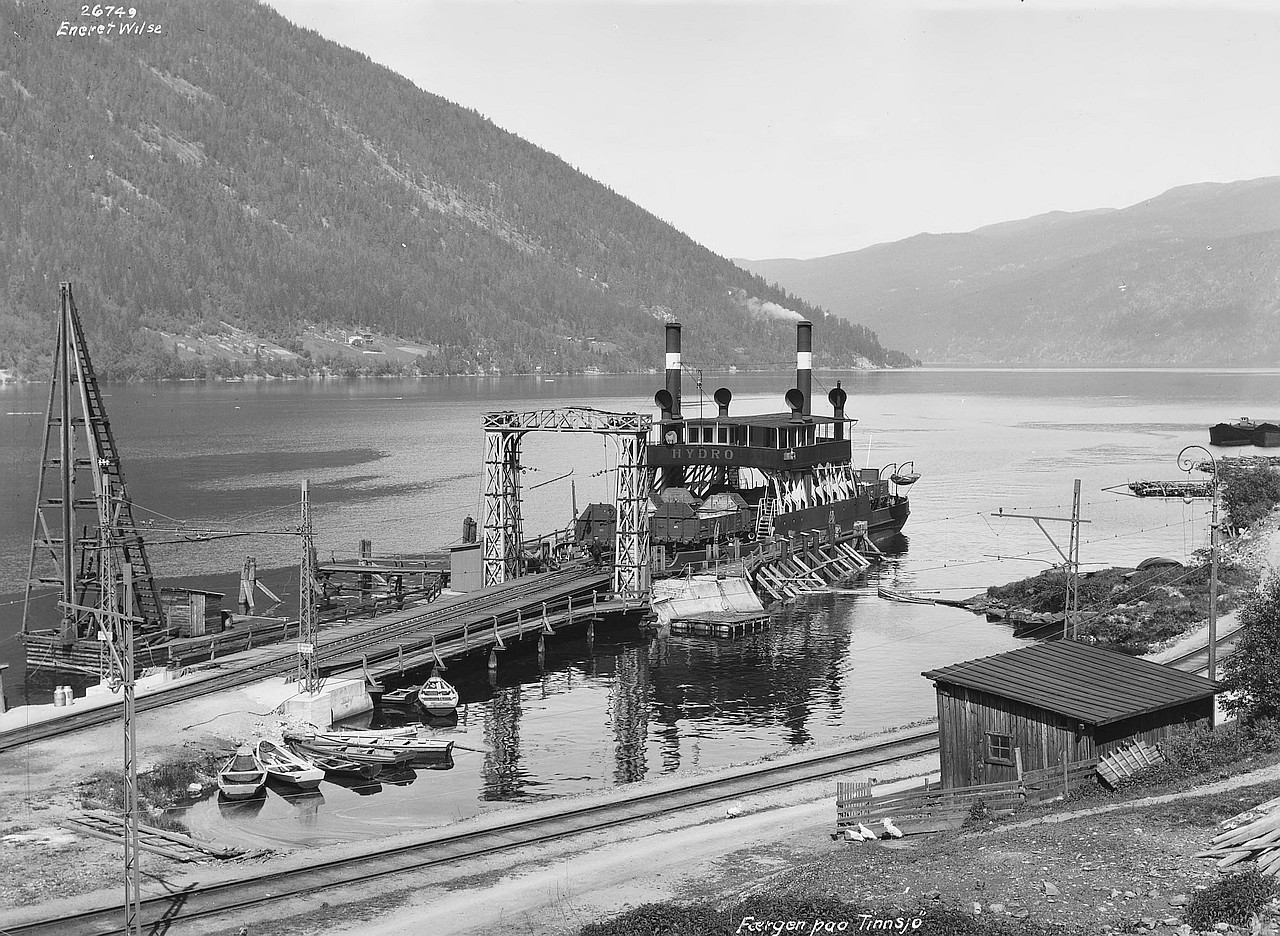
Knut Haukelid (the only trained commando in the immediate area) was informed of the German plan to remove the heavy water, and was advised to muster support and destroy the shipment. Haukelid recruited two people, and they decided to sabotage a ferry which would be carrying the heavy water across Lake Tinn on the Tinnsjø railway ferry. One of his recruits recognized a ferry-crew member and spoke with him, taking an opportunity to slip into the bottom of the ship, plant the bomb and slip away. Eight-and-a-half kilograms of plastic explosives (with two alarm-clock fuses) were fixed to the keel of the SF Hydro, which would transport railway cars with drums of the heavy water across Lake Tinn.
The ferry and its cargo sank in deep water shortly after its departure around midnight on 20 February 1944.
The Hydro prior to the Voyage to the Bottom of the FjordWikipedia
[ed. note: the power plant was used primarily for creating ammonia, an energy intensive activity. This chemical reaction alters the ratio of heavy water to standard water.]
In normal water, there is only one deuterium atom for every 6,400 hydrogen atoms; deuterium is more prevalent in the residue of water used as an electrolyte. An analysis of residues from the Vemork hydroelectric plant, a large-scale nitrate production plant using the Haber process, showed a hydrogen-to-deuterium ratio of 48.
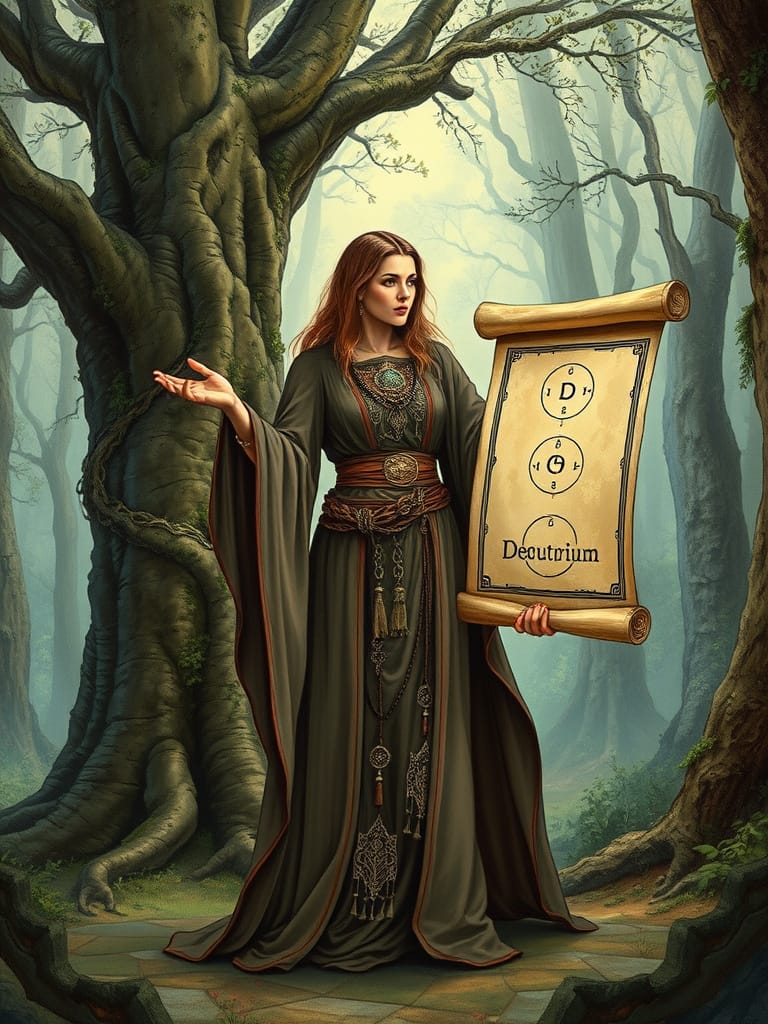
Deuterium Deuterium (hydrogen-2, symbol 2H or D, also known as heavy hydrogen) is one of two stable isotopes of hydrogen; the other is protium, or hydrogen-1, 1H. The deuterium nucleus (deuteron) contains one proton and one neutron, whereas the far more common 1H has no neutrons.
The gas giant planets display the primordial ratio of deuterium. Comets show an elevated ratio similar to Earth’s oceans (156 deuterium nuclei per 106 hydrogen nuclei). This reinforces theories that much of Earth’s ocean water is of cometary origin.