After all that he endured in the Soviet Union—the interrogations, the years in prison and the gulag, the constant surveillance—Vasyl Velychkovsky’s final years in Canada offer a deeply moving chapter: a time of fragile recovery, quiet leadership, and enduring spiritual witness.
The Turning Point: Release and Exile
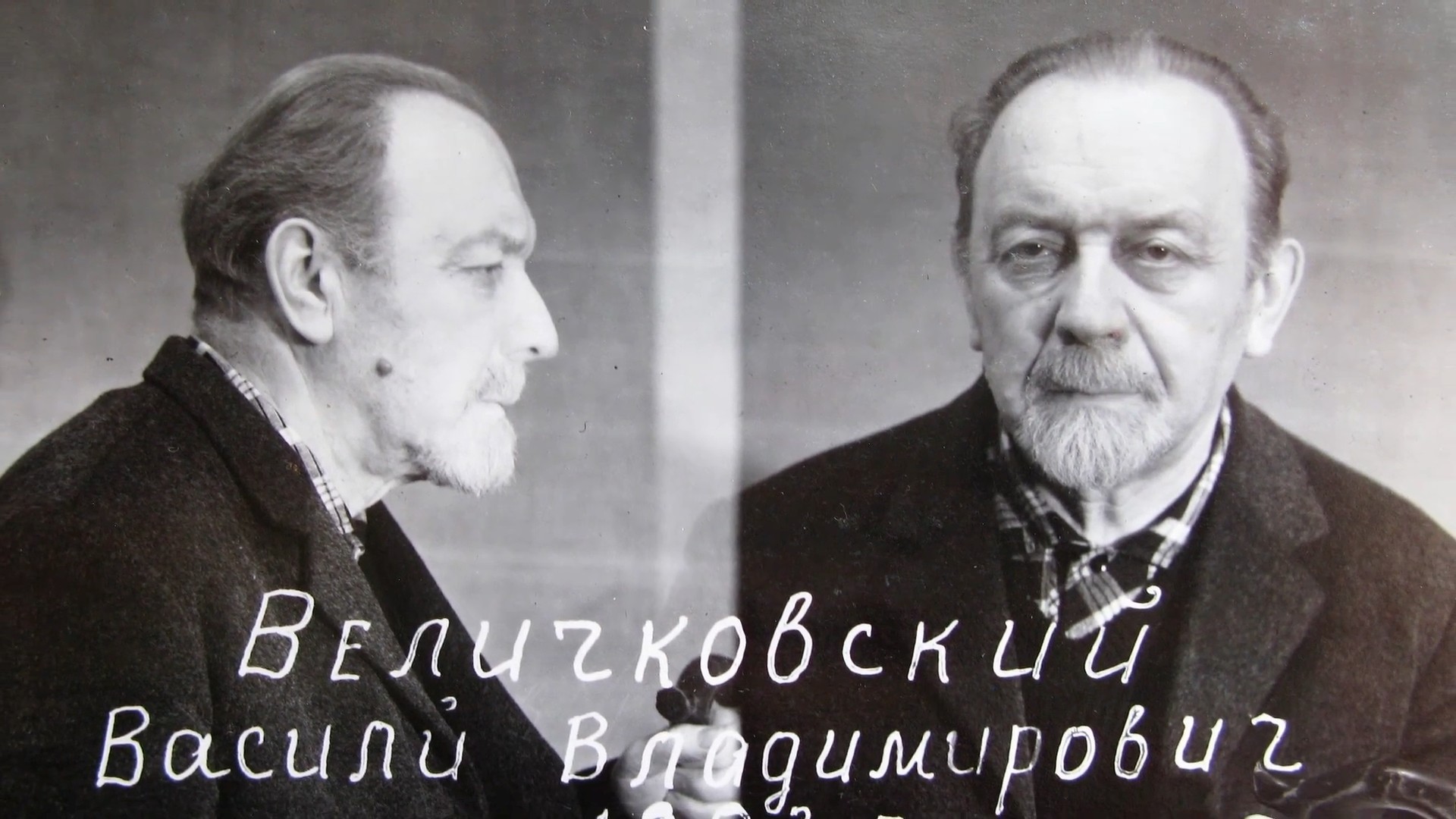
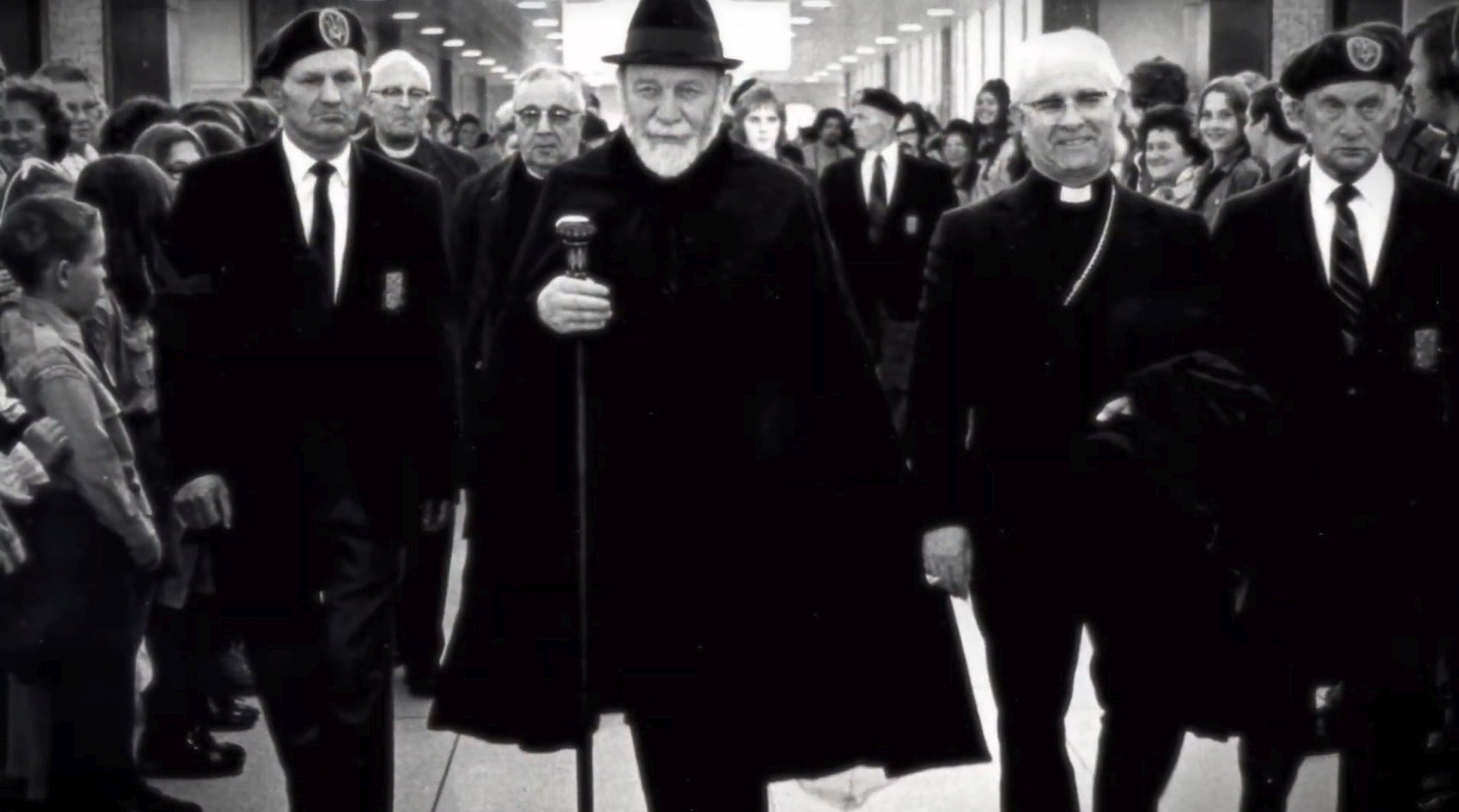
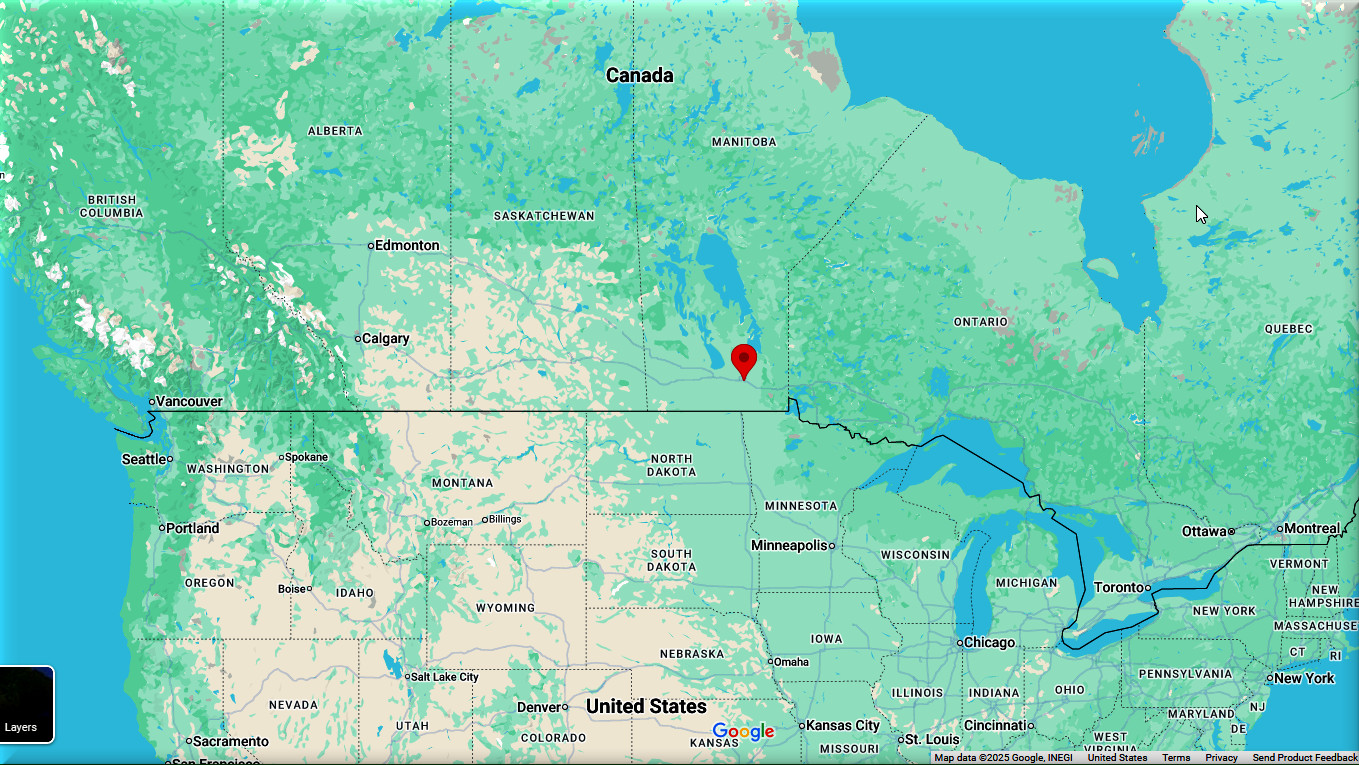
In 1969, after suffering a heart attack in prison and enduring decades of persecution, Velychkovsky was finally allowed to leave the Soviet Union. This was not a release in the ordinary sense—it was exile, arranged under pressure from international organizations and the Vatican. He was allowed to leave in exchange for silence and exile. He flew first to Rome, where he met with Pope Paul VI, and then on to Winnipeg, Manitoba, home to a significant Ukrainian Catholic community.
His Life in Canada (1972–1973)
Velychkovsky arrived in Winnipeg in 1972, already weakened by his long ordeal. He had survived torture, solitary confinement, and forced labor—but his health was precarious, and it was clear that the damage done in the gulag was irreversible.
And yet—even in this state—he continued his ministry. He served quietly as bishop-in-residence for the Ukrainian Catholic community in Winnipeg. He gave talks, met with believers, and served as a living reminder of the church’s strength under persecution. His presence inspired those who had never lived under communism and reminded them of the cost of faith in hostile lands.
He also began documenting his experiences, dictating his memories of the underground church and the trials of imprisonment. These writings would later become valuable testimony—not just of Soviet oppression, but of Christian endurance and hope.
His Death and Legacy
On June 30, 1973, just a little over a year after arriving in Canada, Velychkovsky died, likely from the effects of poisoning inflicted during his last imprisonment. Many believe he was deliberately given radioactive substances or other toxins—slow, quiet assassination methods used by the KGB. His death, like so much of his life, came with little fanfare. But in truth, he died a martyr—a man whose final suffering and ultimate peace were rooted in his refusal to betray his faith.
The Shrine in Winnipeg
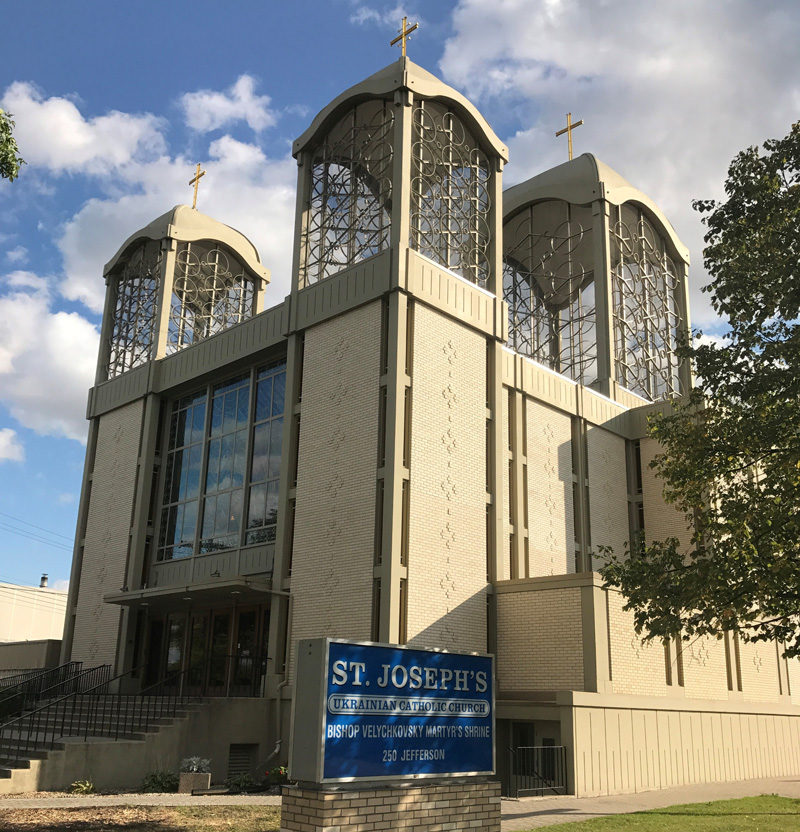
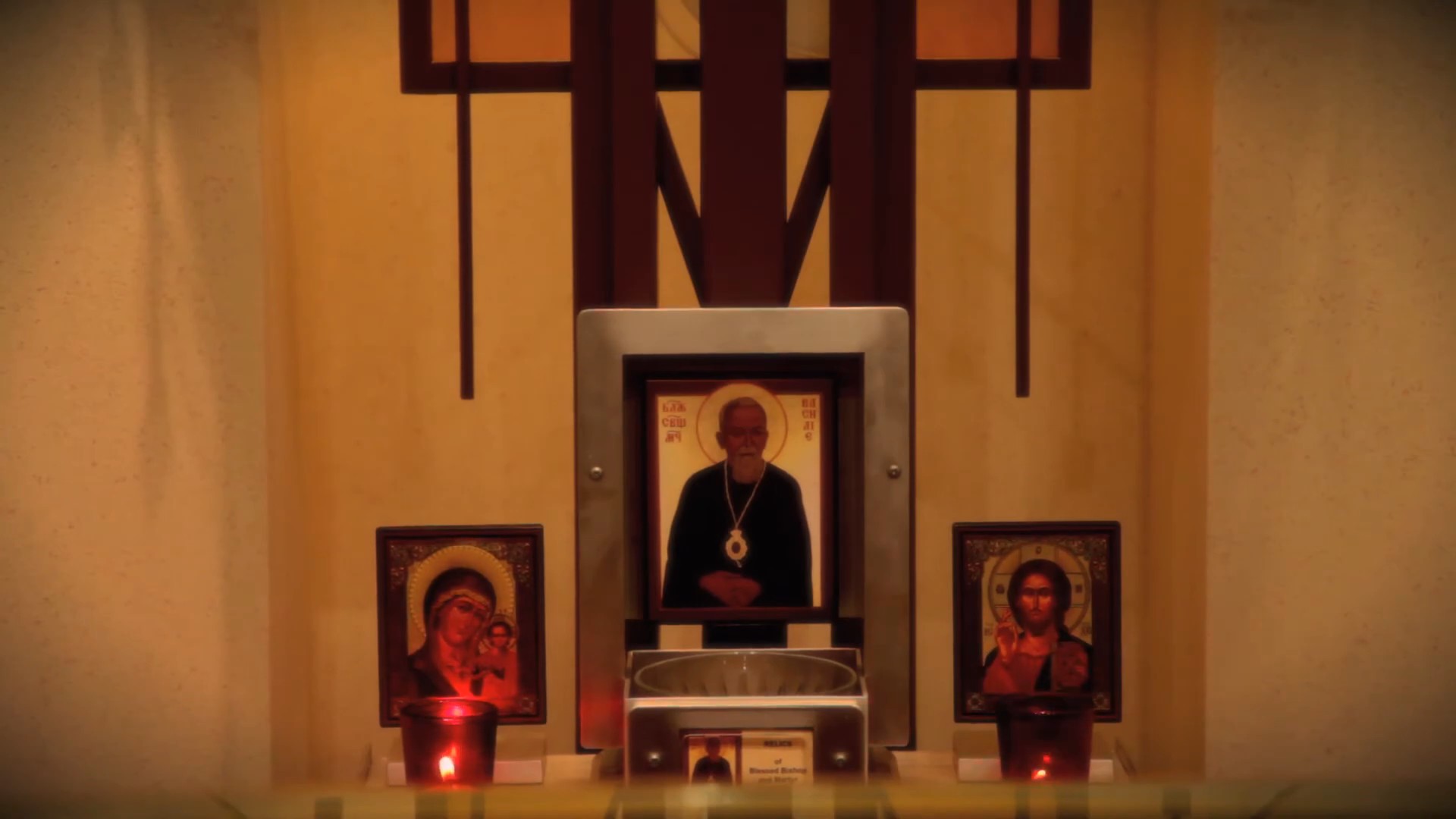
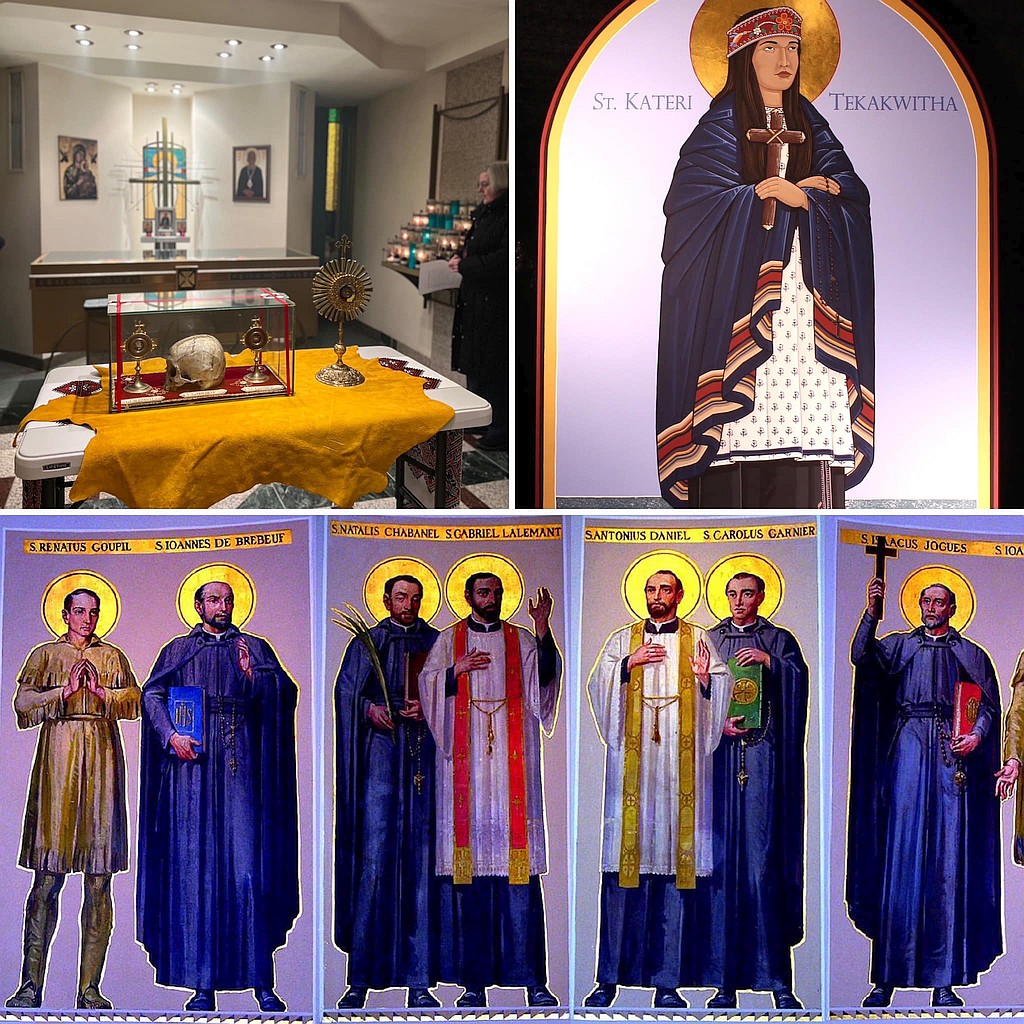
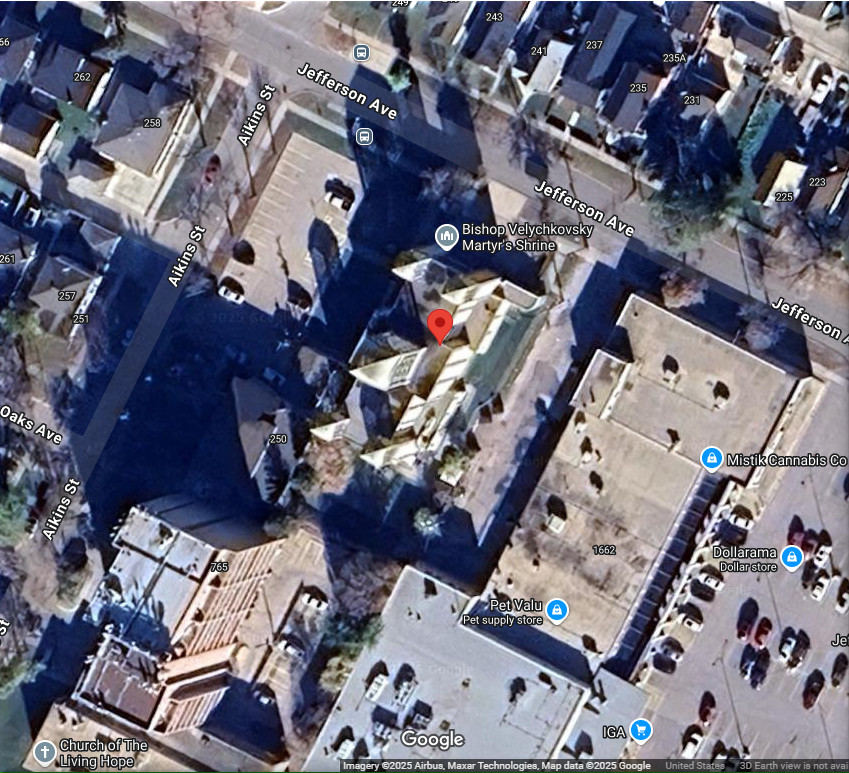
In 2002, Pope John Paul II beatified Vasyl Velychkovsky as a martyr. His relics are now enshrined at St. Joseph’s Ukrainian Catholic Church in Winnipeg. His crypt has become a place of pilgrimage, drawing believers from around the world—especially from Ukraine and the Ukrainian diaspora.
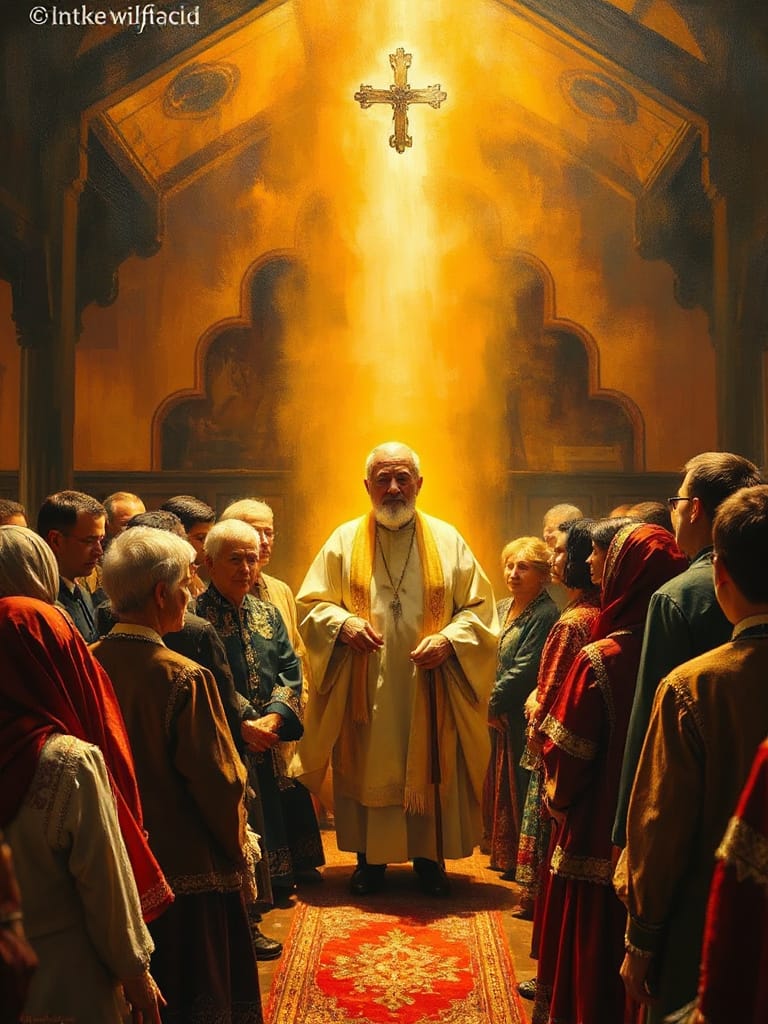
The shrine itself is striking: a mix of traditional Eastern Christian design and the humble Canadian spirit of resilience. It honors not just the man, but the underground church he helped keep alive.
St. Joseph’s Ukrainian Catholic Church
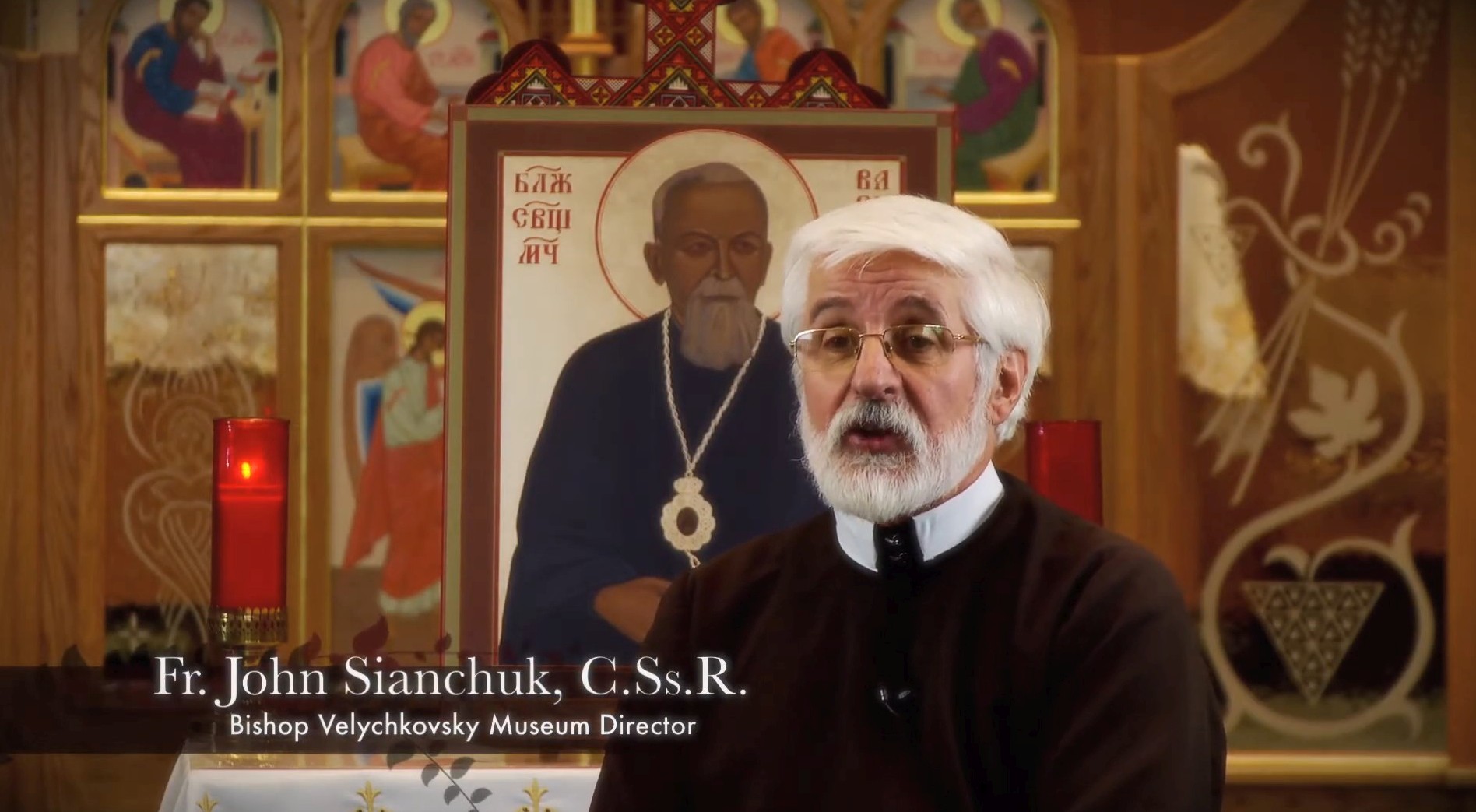
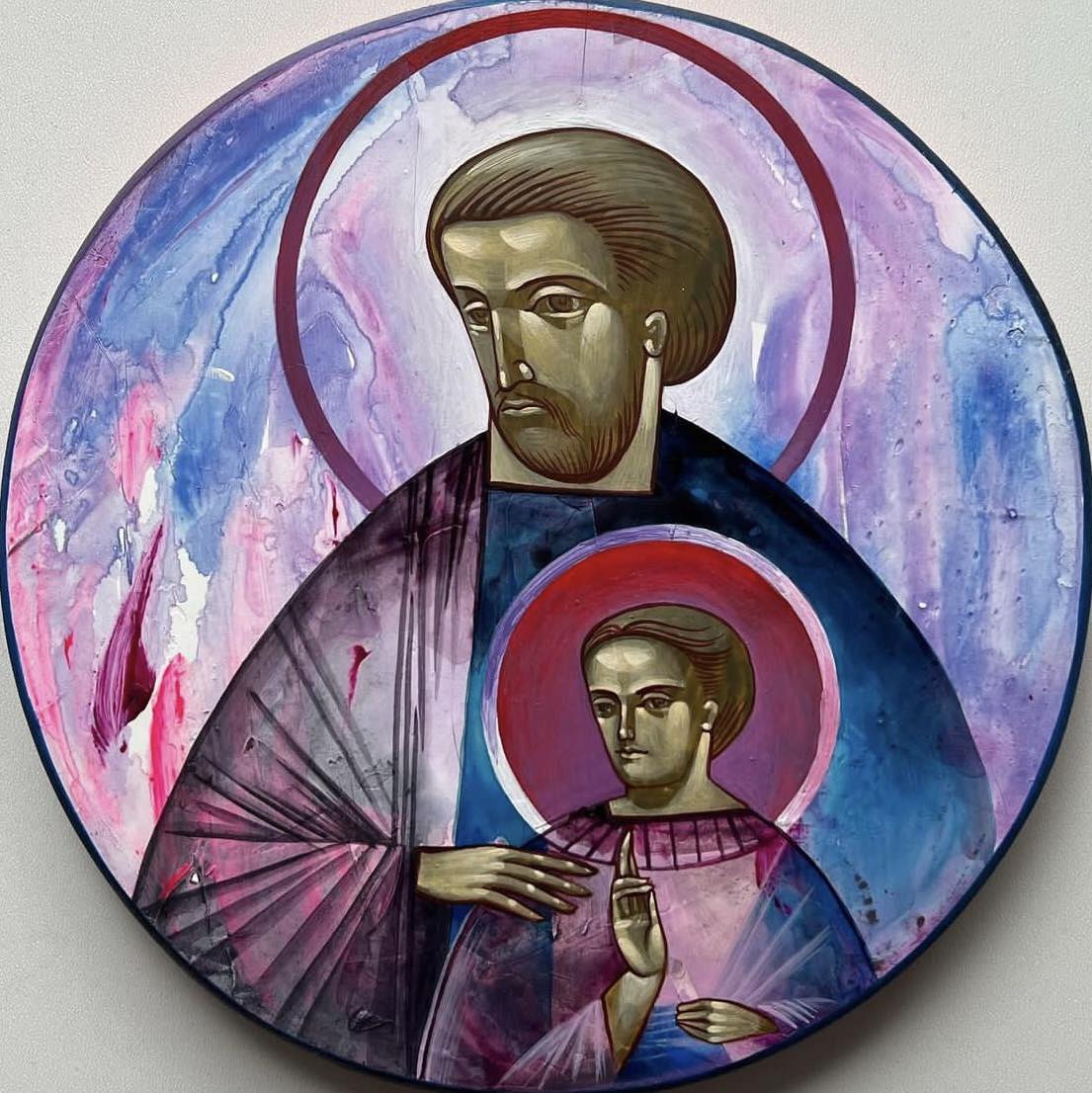
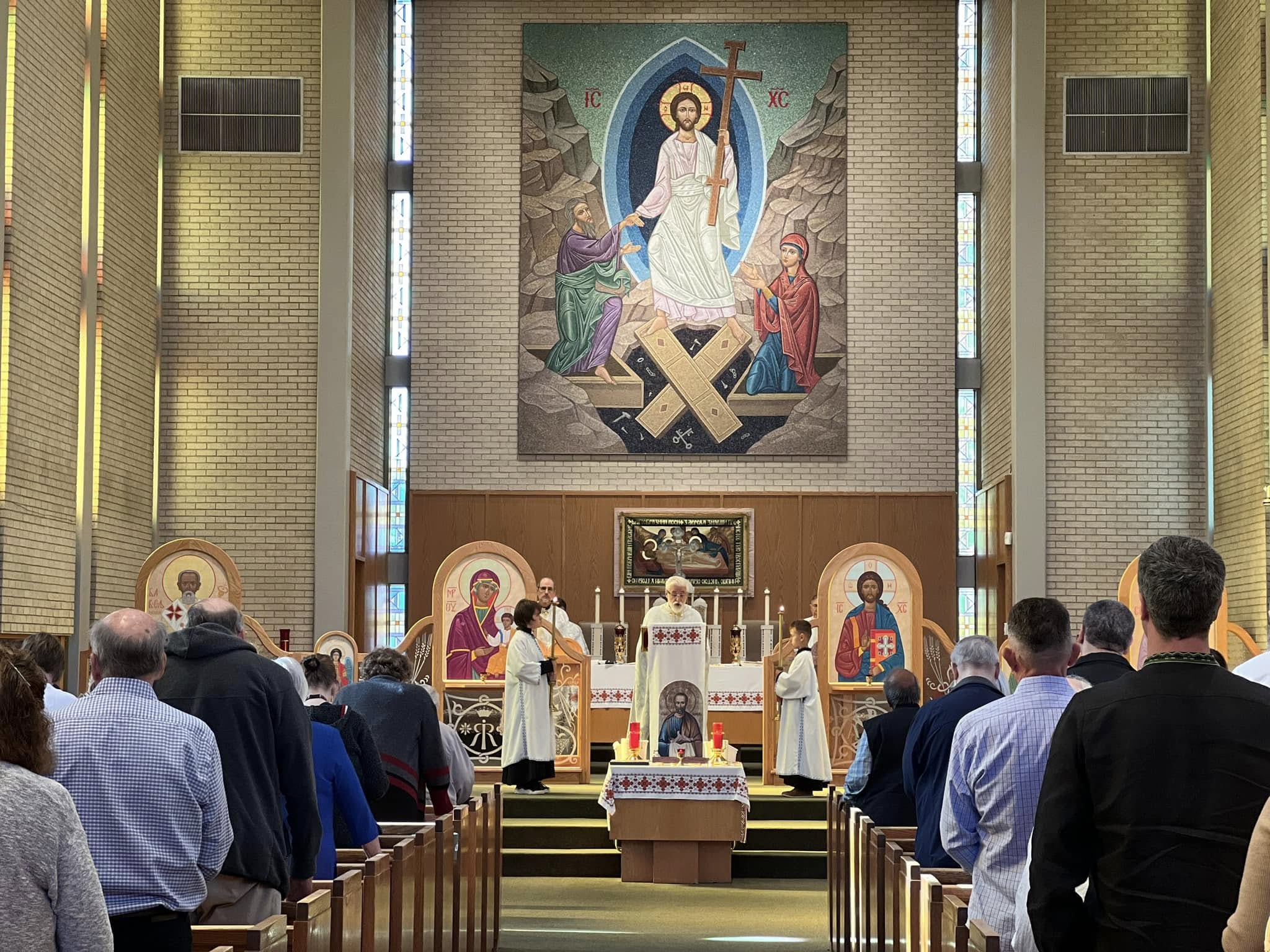
St. Joseph’s is a Ukrainian Catholic Parish of the Archeparchy of Winnipeg. Within our church is the Shrine of Bishop & Martyr Blessed Vasyl Velychkovsky, CSsR,. As an Eastern Byzantine Catholic community of faith, we know that prayer, especially participating in the Divine Liturgy is central to our lives.
St. Joseph’s Ukrainian Catholic Church was founded in 1952. The Ukrainian Catholic Redemptorists (Yorkton Province) have served the parish from day St. Joseph’s Ukrainian Catholic Church was founded in 1952.
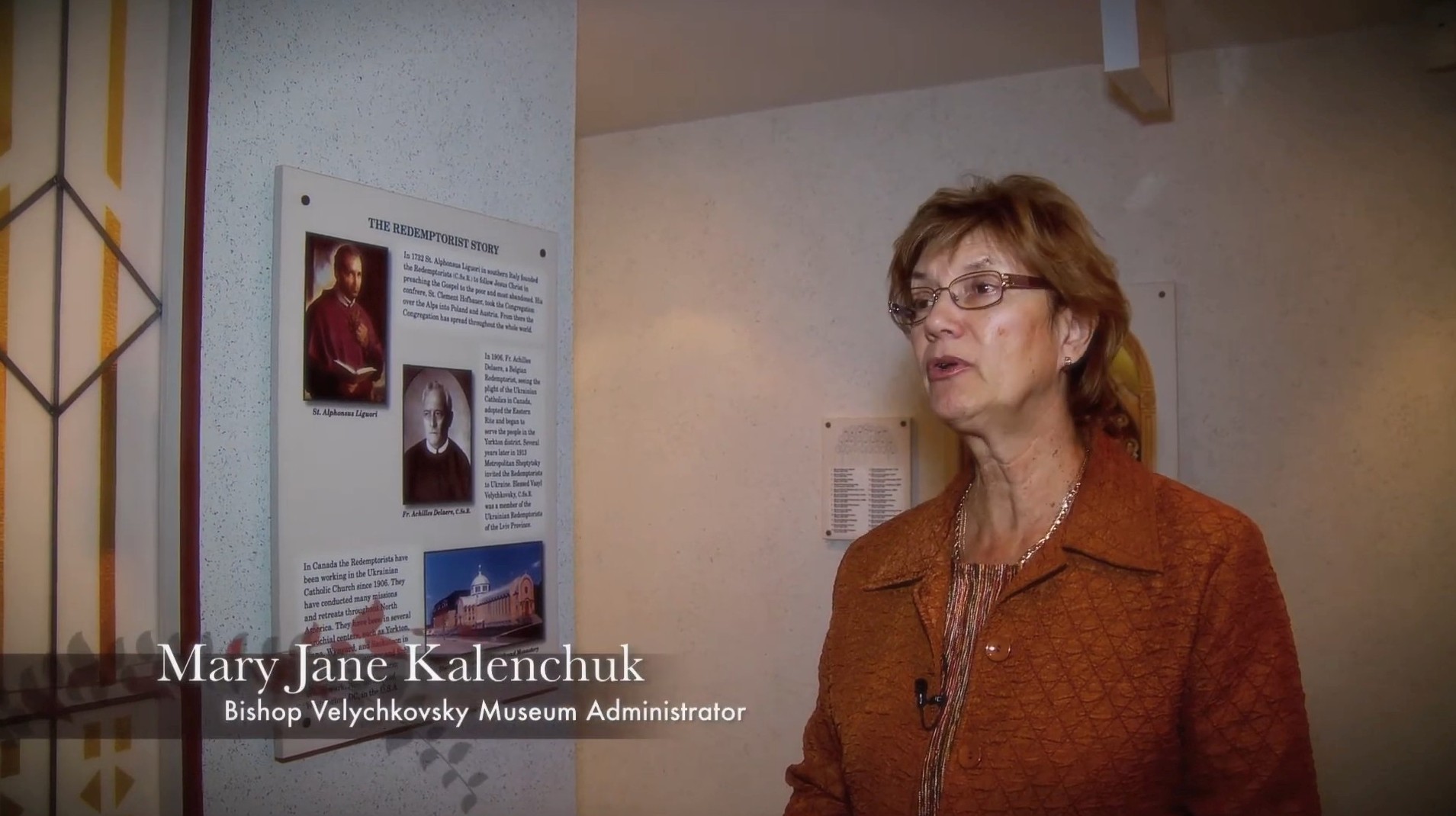
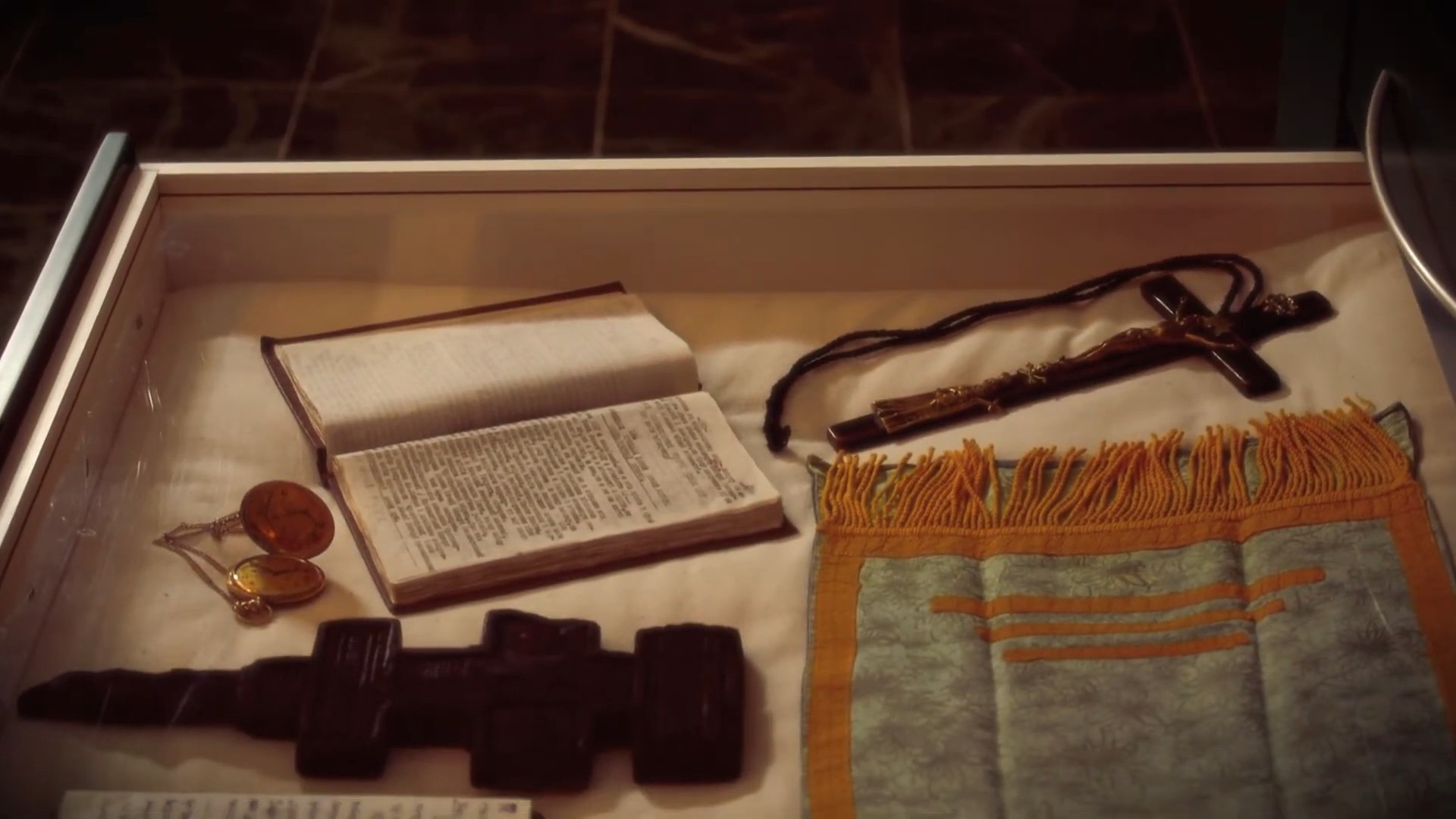
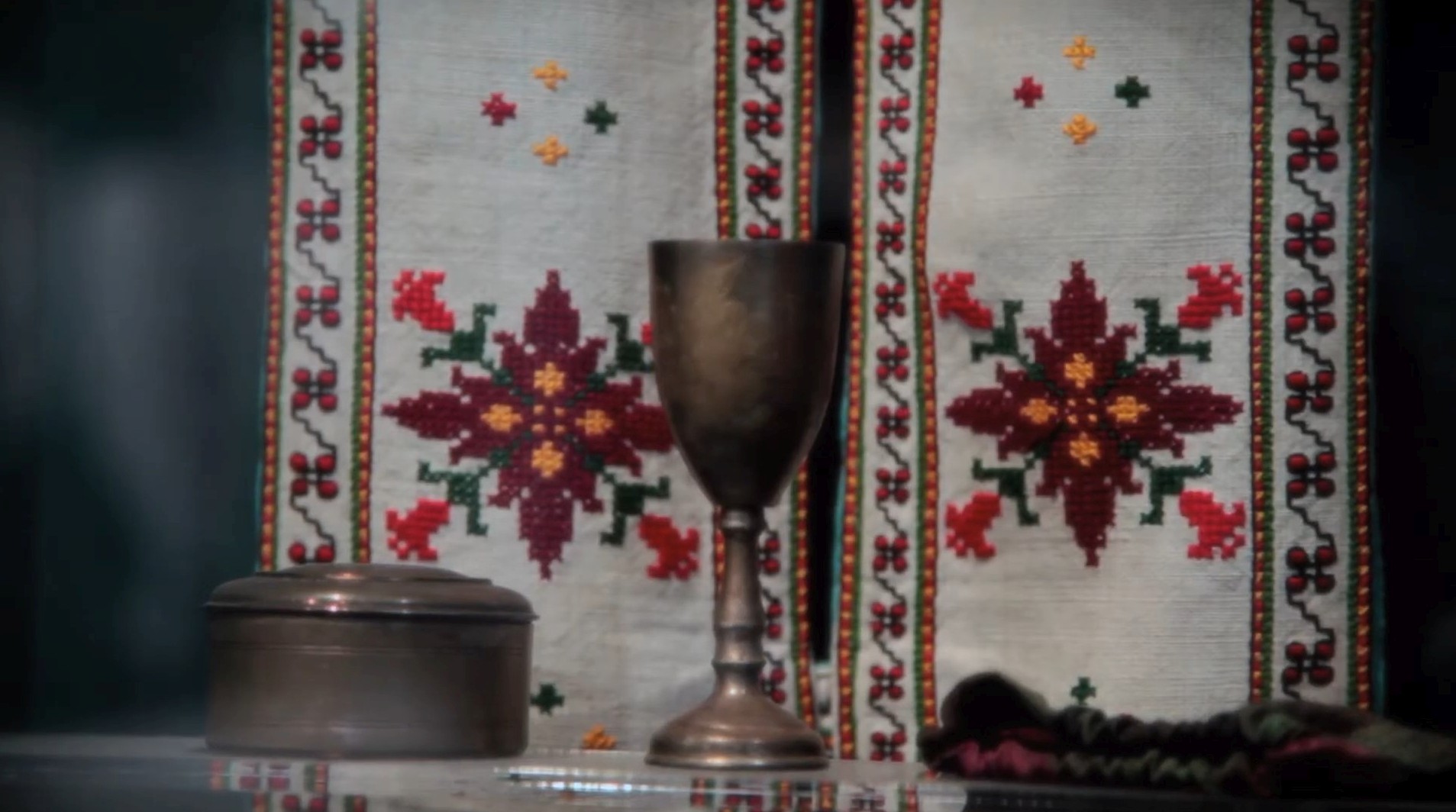
As one enters St. Joseph’s, it is easy to sense the prayerful atmosphere that is enhanced, by its liturgical artwork: icons, mosaics and stained glass. St. Joseph’s is also home to the Shrine and Museum of Bishop & Martyr Blessed Vasyl Velychkovsky, CSsR, who was beatified by St. Pope John Paul II in 2001. Many people seek his intercession as they pray before his relics in the Shrine chapel.
The Bishop Velychkovsky National Martyr’s Shrineweb site has quite a bit of information. Their YouTube channel has a 15-part series on the bishop’s life and legacy.
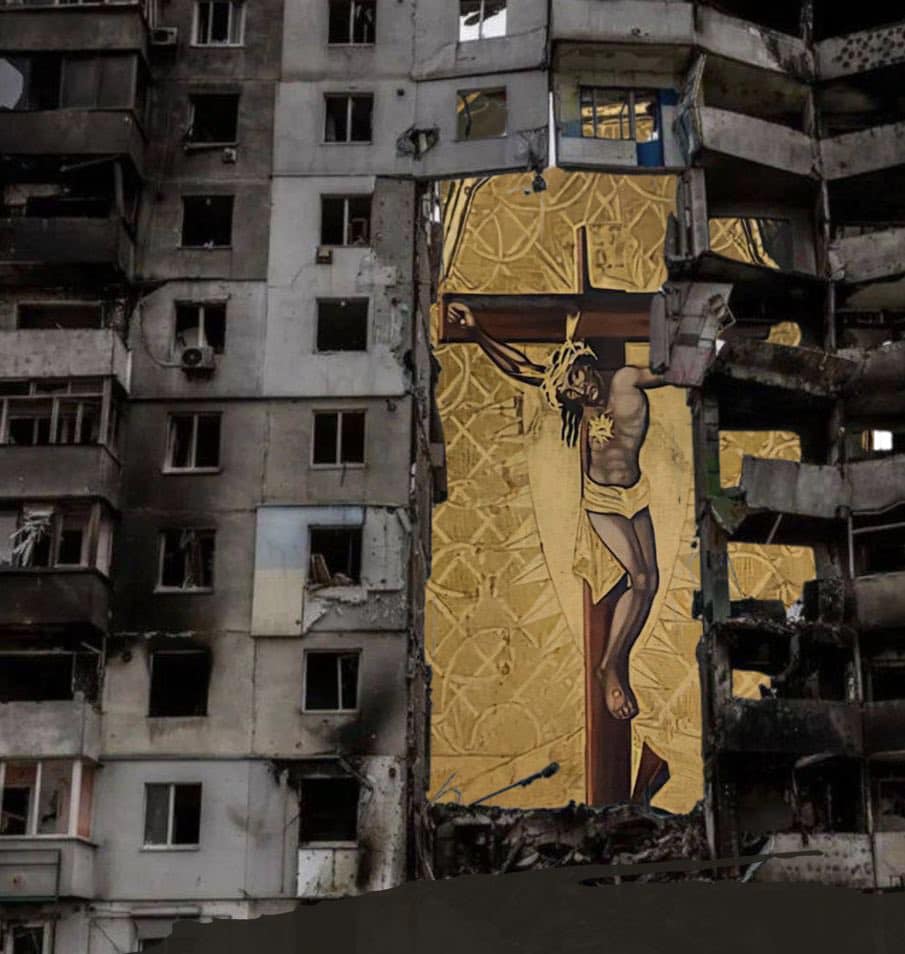
St. Joseph’s FaceBook page reposted an image taken of a recent cowardly Russian terrorist bombing of an apartment building. The photo was taken by British Ambassador Martin Harris on his way to a bomb shelter.
Would like to hear what the Rosary sounds like in Ukrainian, from the St. Joseph’s Shrine?
Elder G Helps of Visualize
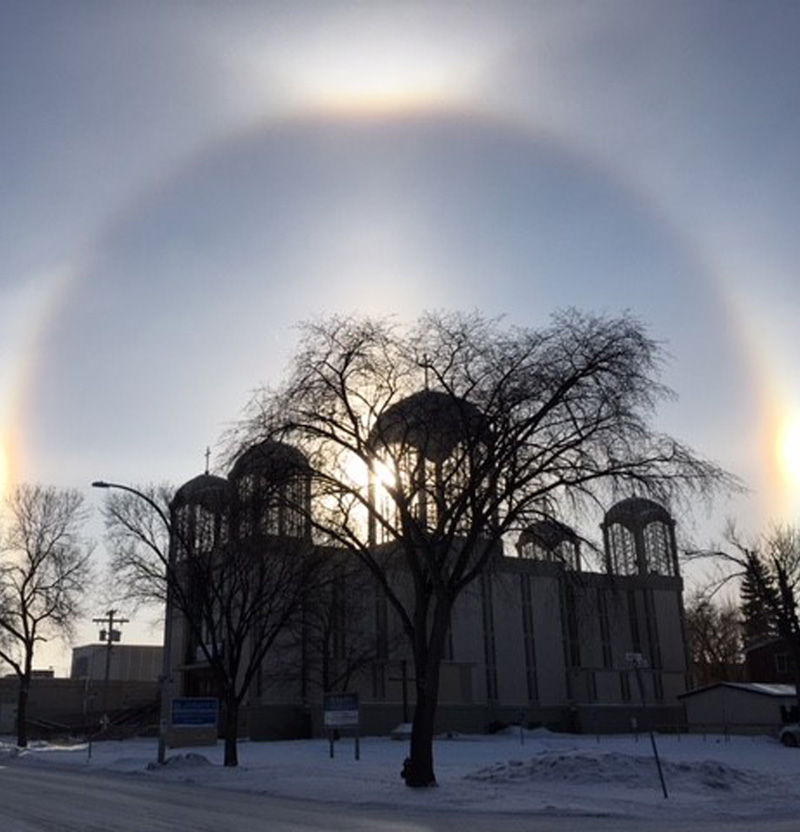
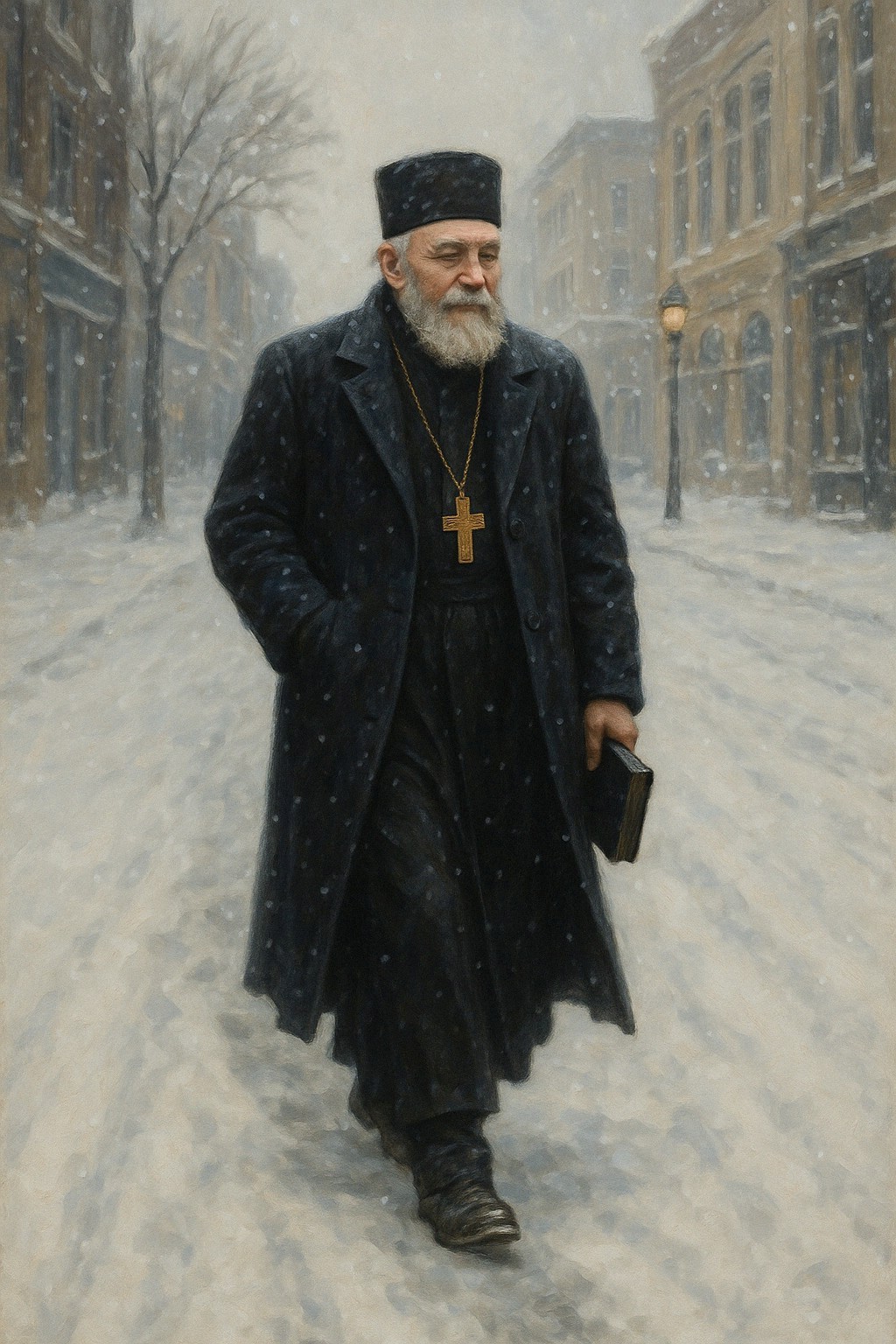
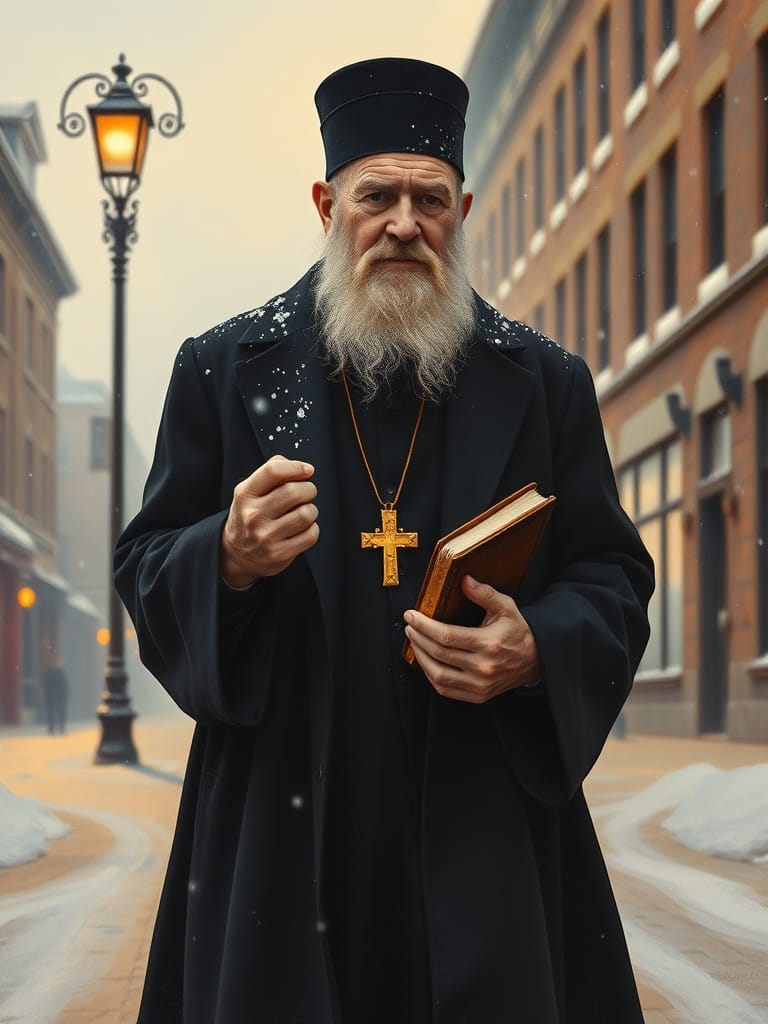
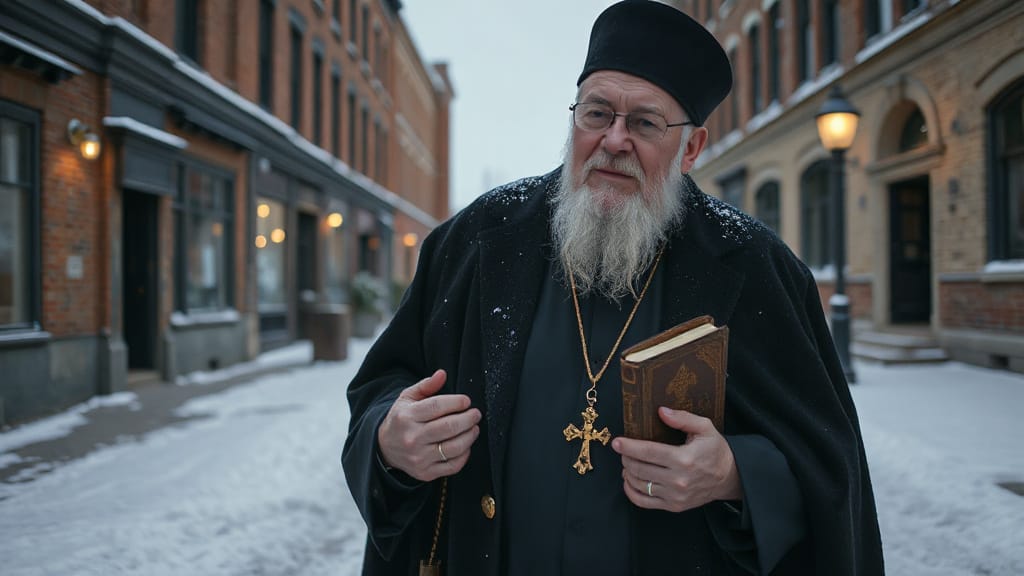
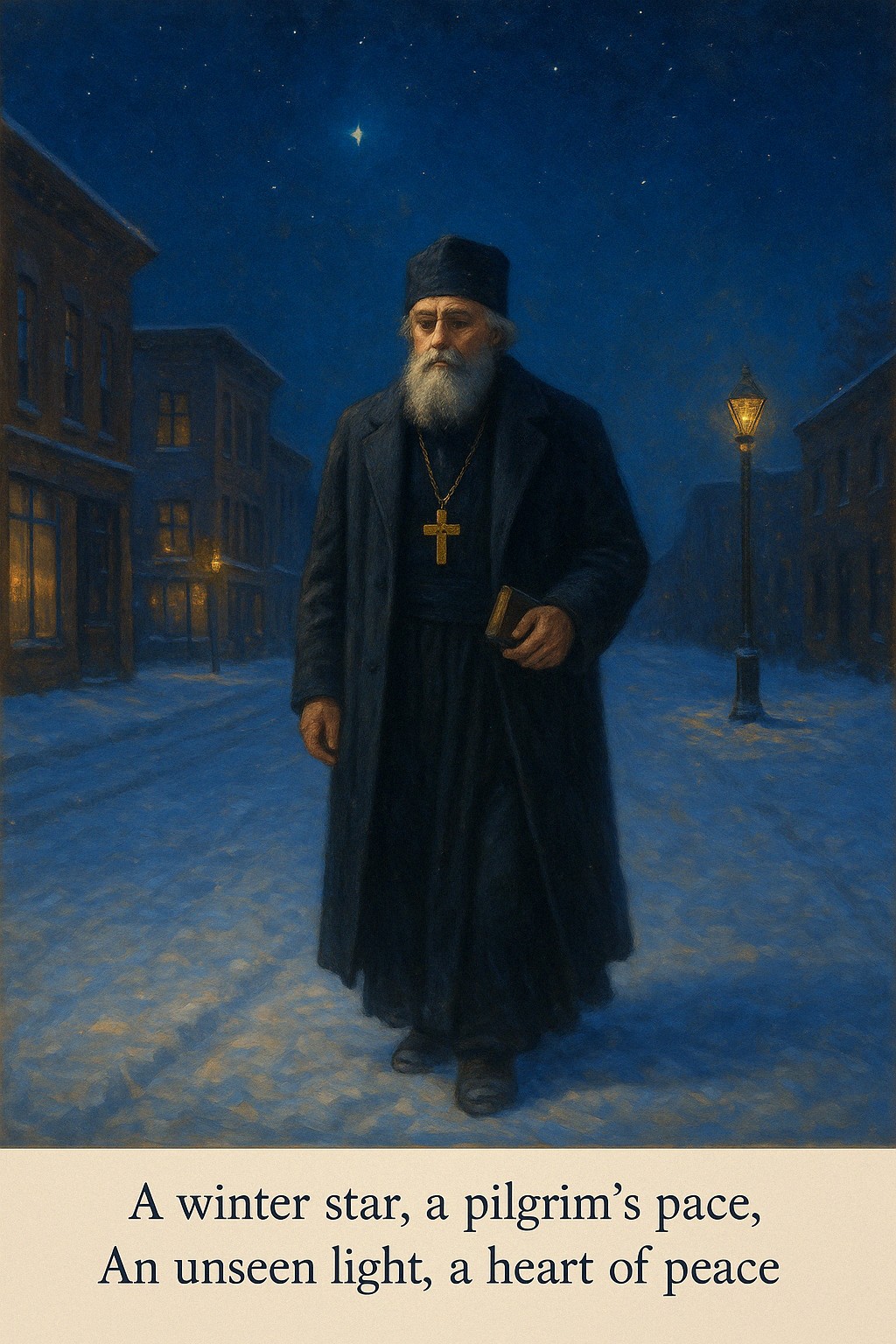
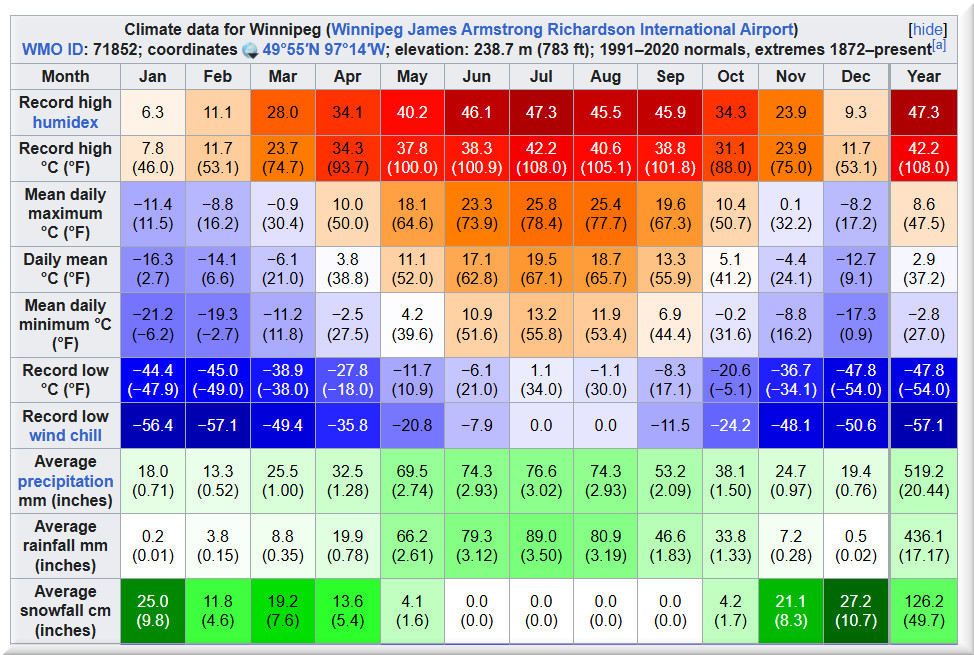
Elder G helps us imagine Vasyl Velychkovsky walking through the snowy streets of Winnipeg in his last winter, with quiet strength in his step and a heart full of peace.
A Bit About Winnipeg
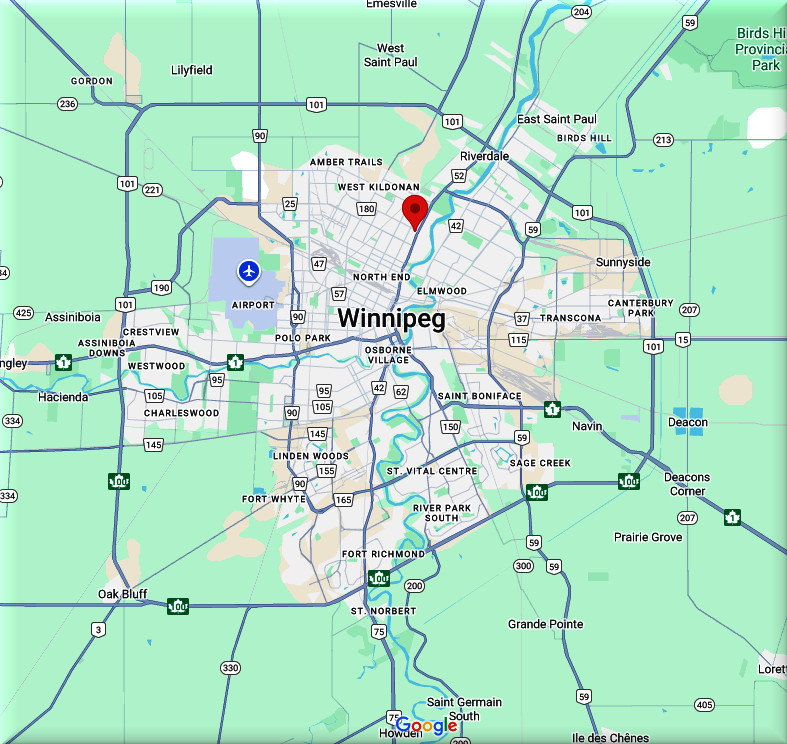
Winnipeg is the capital and largest city of the Canadian province of Manitoba. It is centred on the confluence of the Red and Assiniboine rivers, near the longitudinal centre of North America. As of 2021, Winnipeg had a city population of 749,607 and a metropolitan population of 834,678, making it Canada’s sixth-largest city and eighth-largest metropolitan area.
[…]
By 1911, Winnipeg was Canada’s third-largest city. However, the city faced financial difficulty when the Panama Canal opened in 1914. The canal reduced reliance on Canada’s rail system for international trade; the increase in shipping traffic helped Vancouver to surpass Winnipeg in both prosperity and population by the end of World War.