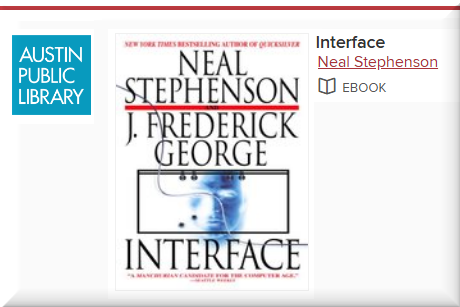
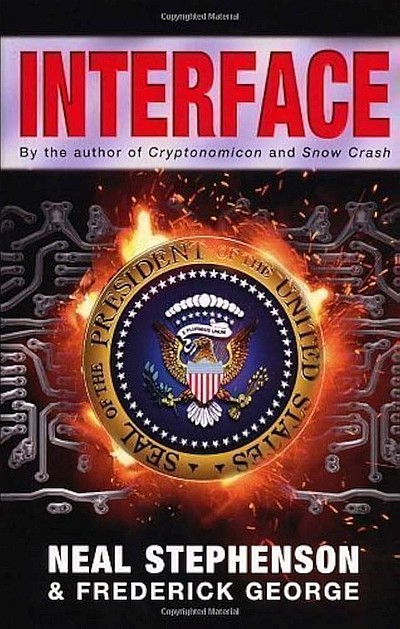
So… I was looking for a new book to read and decided to search for one of my favorite authors, Neal Stephenson, on the Austin Public Library web site.
Success! Interface, by Stephenson/George was available! I downloaded it onto my Kindle, then a weird thing happened.
It didn’t show up.
From past experience I knew that it was there, way, way back in the archives. And sure enough, it was there, at 99% read.
As best as I can tell, I downloaded this book shortly after firing up my first Kindle, on Christmas day, 2014.
I thought it would be an interesting experiment to re-read the book and see how much I remembered. Initially, I had no recollection of reading Interface, but then slowly, memories came back, like scenes from a movie. Totally visual memories, surprisingly close to the re-read.
The book is fantastic, by the way. Dark, dark humor. Although copyrighted 1994, the book (with a bit of a technology upgrade) could easily apply to today’s America.
Gangadhar V.R.J.V.V. Radhakrishnan, M.D., Ph.D.
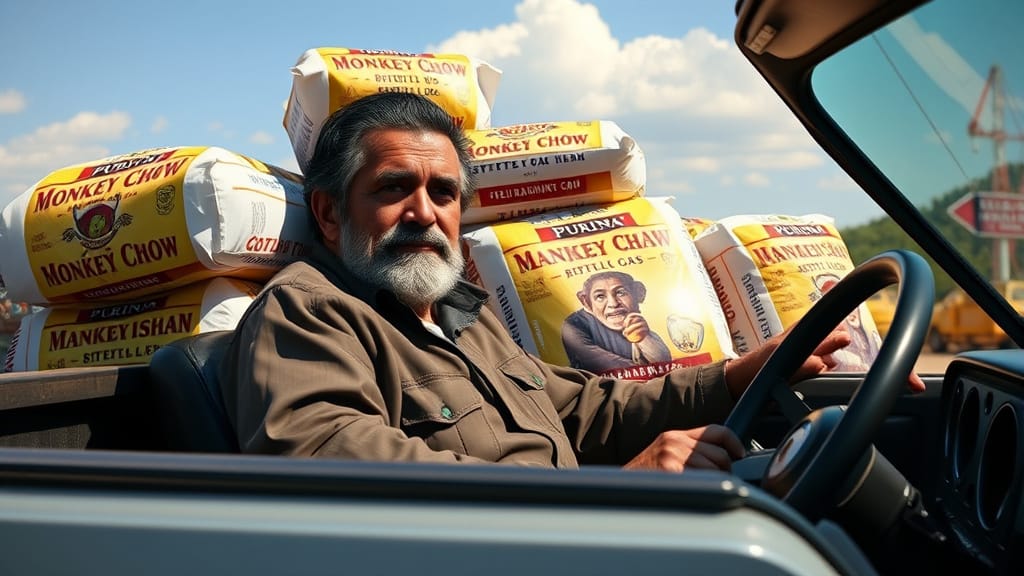
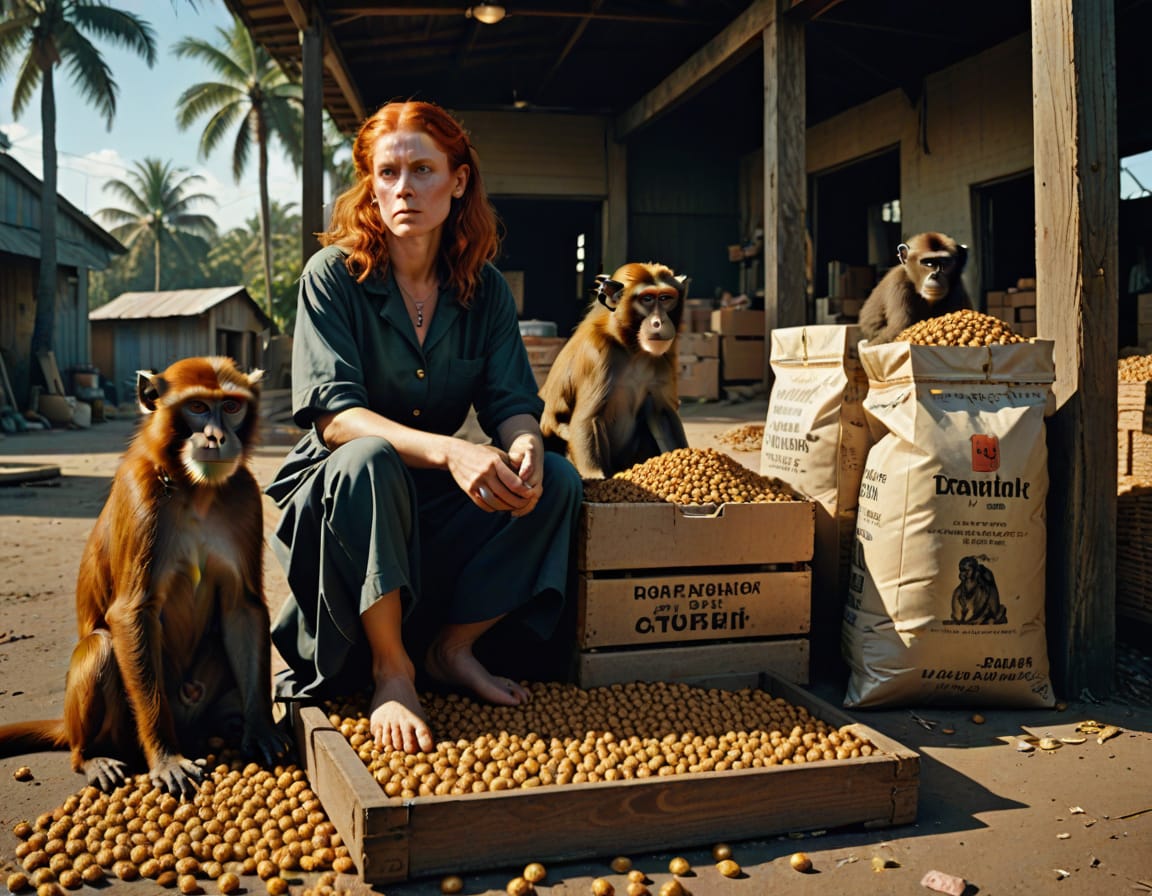
Early on, we are introduced to the character Gangadhar V.R.J.V.V. Radhakrishnan, M.D., Ph.D. He is driving a big pickup truck loaded down with 50-lb sacks of Purina Monkey Chow.
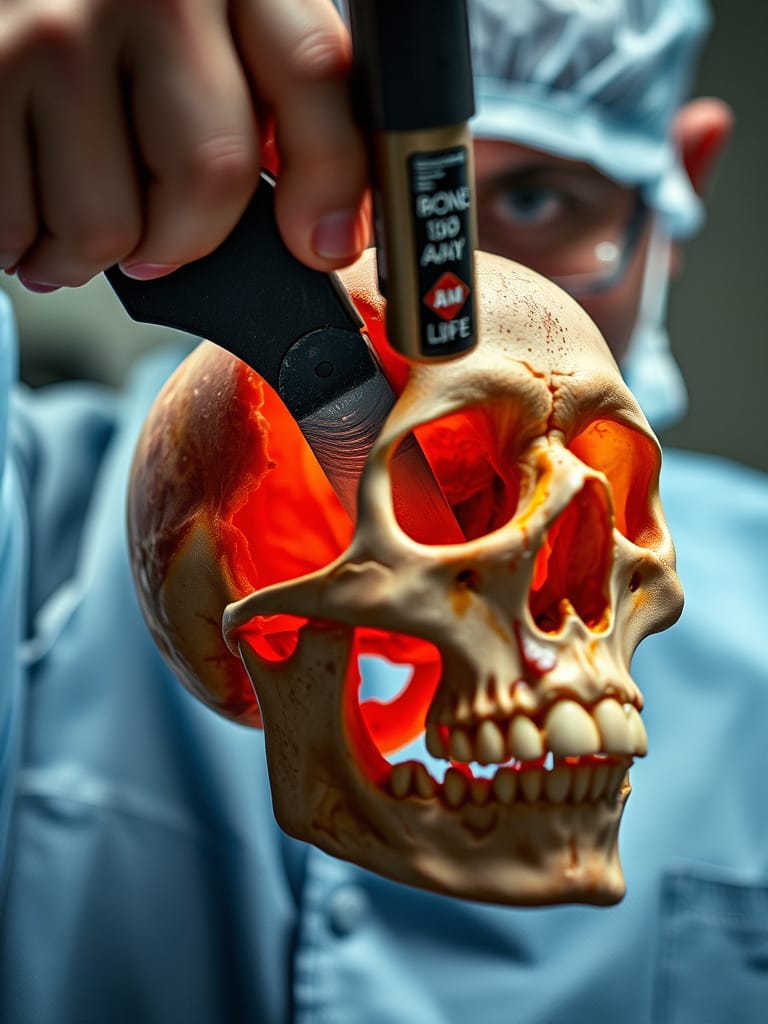
GANGADHAR V.R.J.V.V. Radhakrishnan, M.D., Ph.D., had not cracked a skull in seventy-nine days and he was not happy about it. Even the shaven-headed thugs stamping out license plates ten miles down the road at the New Mexico State Men’s Reformatory would get rusty without their daily quota of practice on the license-plate stamping machine.
For a neurosurgeon, eleven weeks without pressing the madly vibrating blade of the bone saw against a freshly peeled human skull was intolerable.
Interface: A Novel / Stephenson, Neal; George, J. Frederick
[…] blood balloons began to detonate on the windshield of his full-sized, one-ton, six-wheel-drive Chevy pickup truck. He kept driving even though he could no longer see through the windshield. If he was lucky, he might run over an animal rights activist and then claim it was an accident. The truck was not in a mood to slow down; it was heavily laden with fifty-pound sacks of Purina Monkey Chow.
He had just paid for the monkey chow himself, with his own money, down at the grain elevator—the closest thing there was to a skyscraper in Elton, a white tubular obelisk sticking up above the railroad tracks on the edge of town. He had talked to the grinning windburned Nazis, given them his money[…]
“So what do you do with this stuff? Fry it up or just eat it cold?” one of them had said, as they were piling the monkey chow into his truck.
“I feed it to brain-damaged lower primates,” Dr. Radhakrishnan had said. “Would you like a sample?”
Interface: The Nuts and Bolts
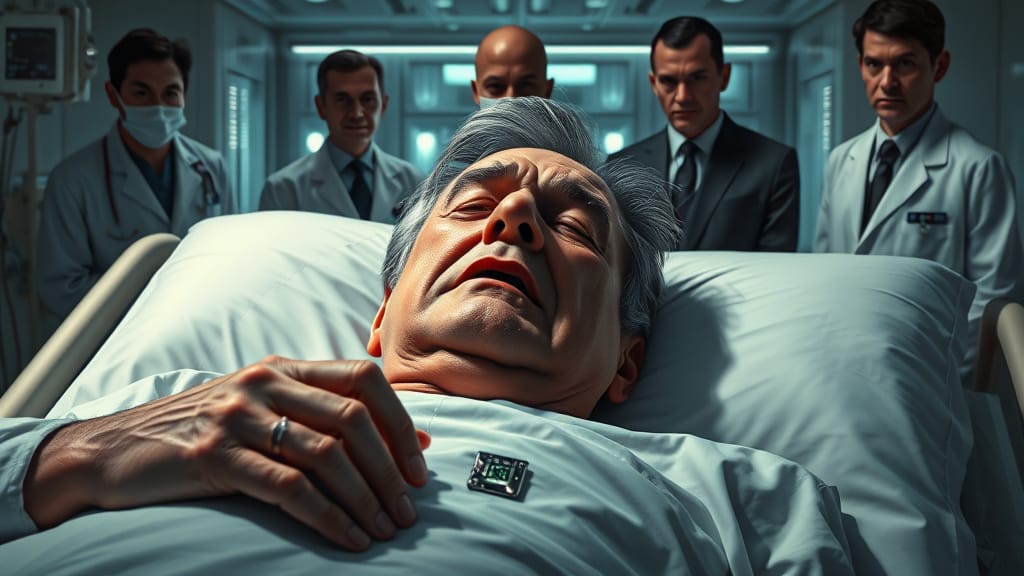
Interface is a 1994 novel by Neal Stephenson and J. Frederick George (a pseudonym of George Jewsbury). It is a thriller, set in the then-future year of 1996 when a shadowy coalition bent on controlling the world economy attempts to manipulate a candidate for president of the United States through the use of a computer biochip brain implant.
In the novel, two main characters are doctors: one is a neurosurgeon, and one a neurologist. Stephenson reflects on the distinction….
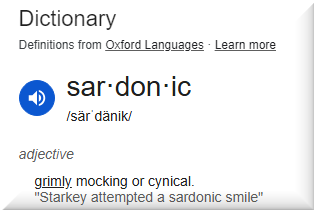
Neurology was a funny specialty. Unlike neurosurgery, which was all drills and saws and bloody knives, neurology was pure detective work. Neurologists learned to observe funny little tics in patients’ behavior—things that laymen might never notice—and mentally trace the faulty connections back to the brain. They were good at figuring out what was wrong with people. But usually it was little more than a theoretical exercise, because there was no cure for most neurological problems. Consequently, neurologists tended to be cynical, sardonic[1], remote, with a penchant for dark humor.
Interface: A Novel / Stephenson, Neal; George, J. Frederick, page 66
[1] WLBOTT Word of the Day
I think of “sardonic” as half-way between sarcastic and demonic. Also, you may think there is a connection between “sardonic” and “sardines”.
As it turns out, yes, there is.
Elder G: While sardonic and sardine sound similar, their origins are unrelated—but there’s an interesting historical twist.
The Origin of “Sardonic”
The word sardonic comes from the Ancient Greeksardonios (σαρδόνιος), which is linked to the island of Sardinia. The term originally described a grim, mocking, or bitter smile. According to ancient accounts (including Homer and later writers), this was associated with a toxic herb found in Sardinia (Ranunculus sardous or another plant), which supposedly caused facial muscles to contract into a deathly grin before killing the person. The Greeks and Romans believed that condemned people in Sardinia were sometimes given this poison, leading to the expression of a forced, bitter laugh—hence, sardonic came to mean darkly mocking or scornfully humorous.
The Origin of “Sardine”
Sardine comes from Sardinia as well! The small, oily fish were historically abundant in the waters around Sardinia, which is how they got their name. The Latin term sardina was later adapted into various European languages.
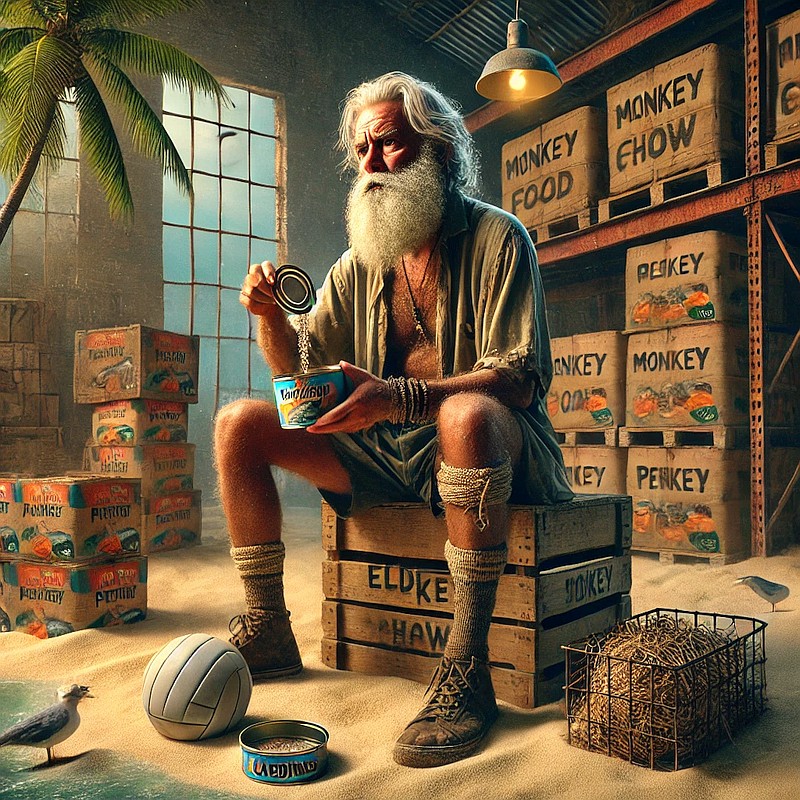
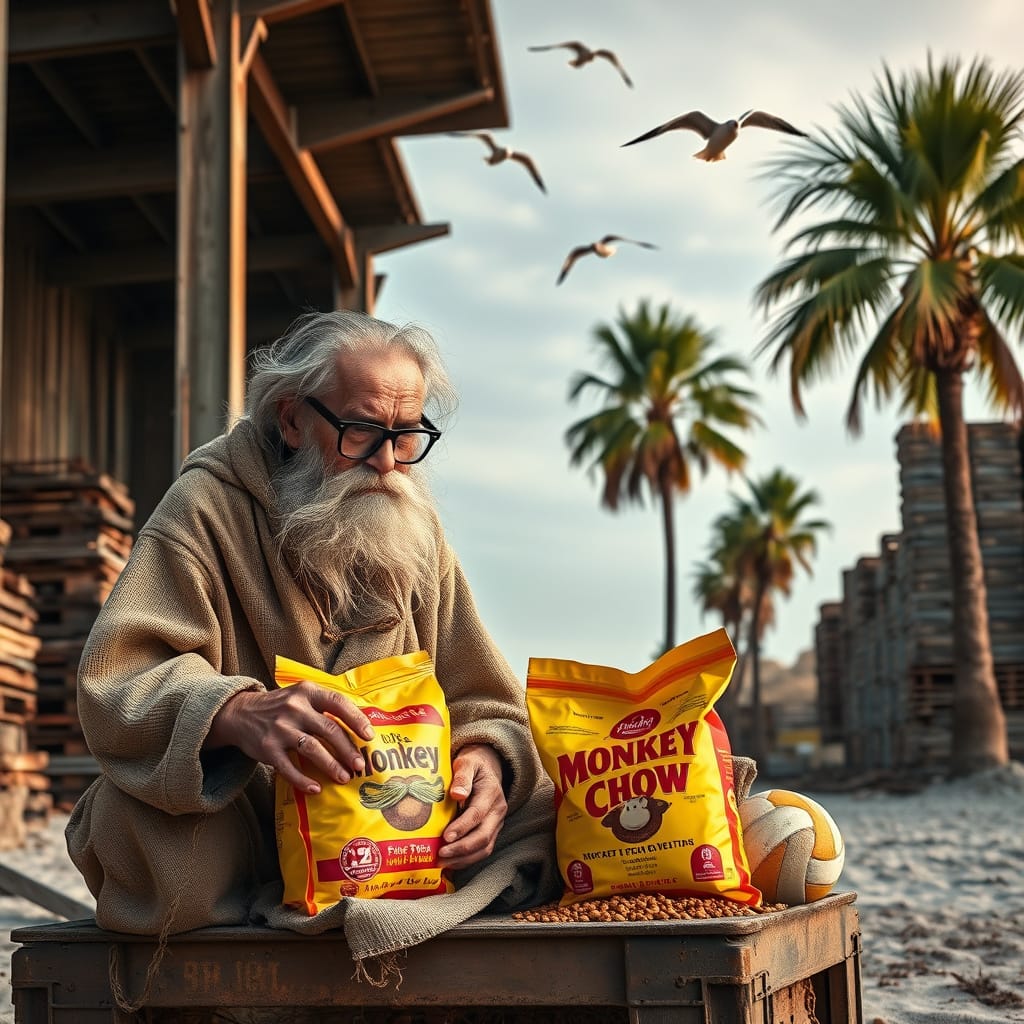
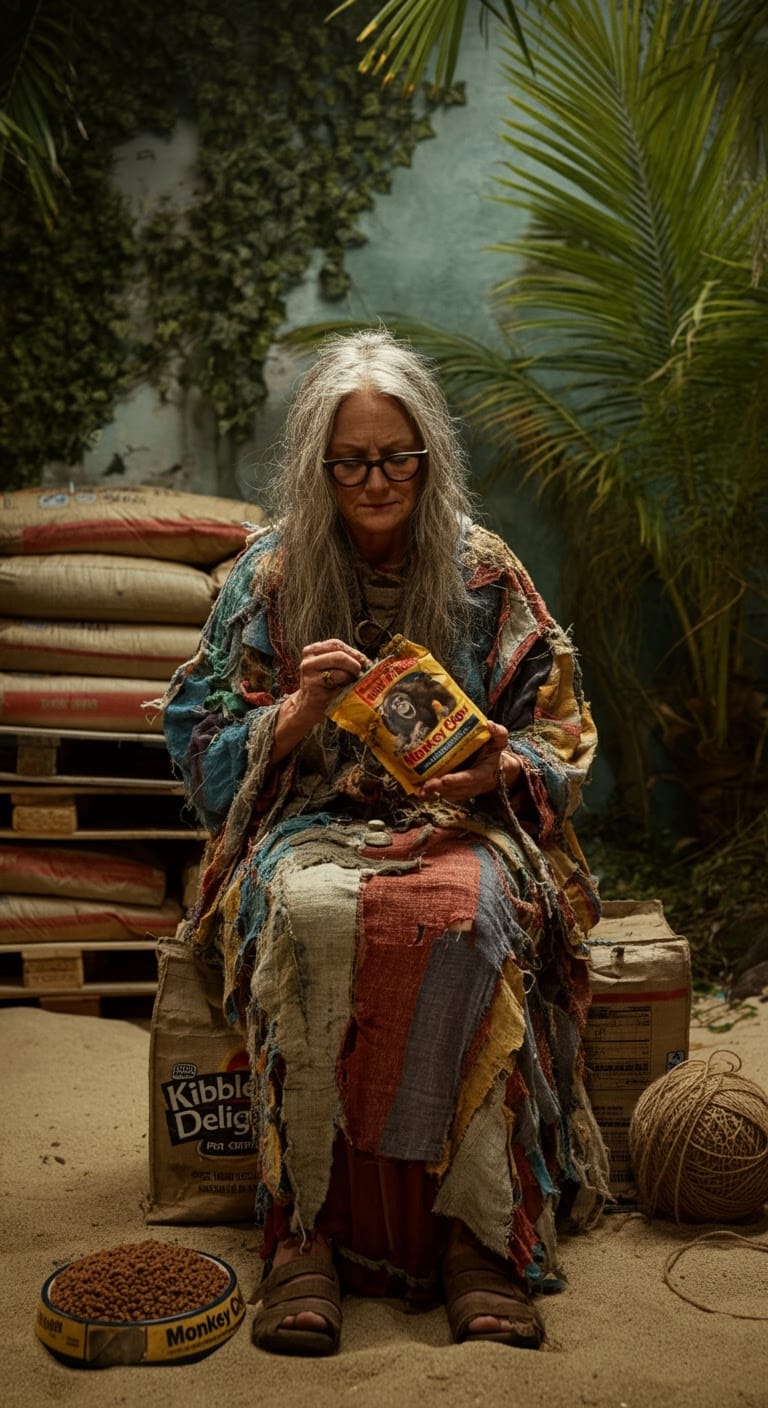
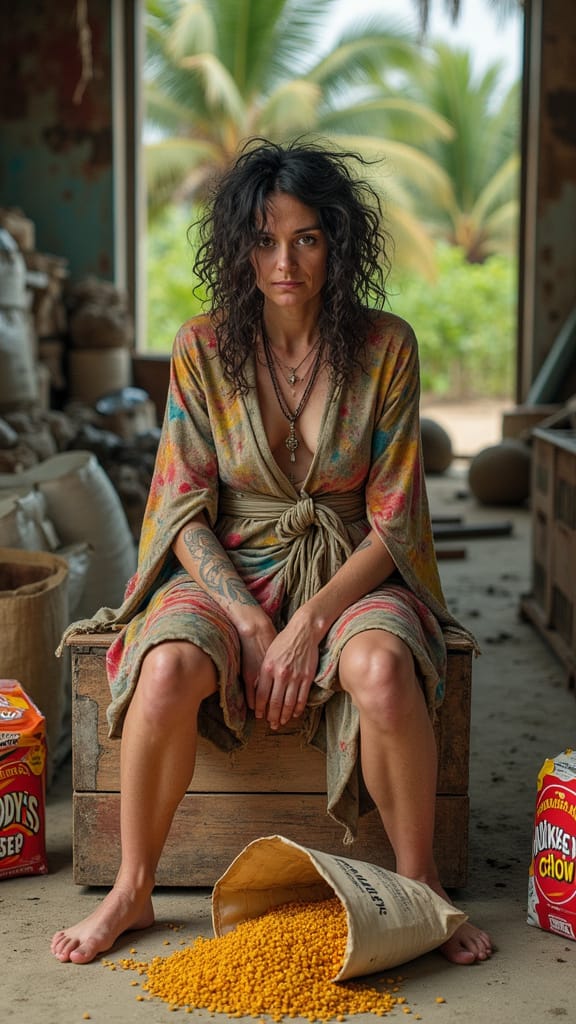
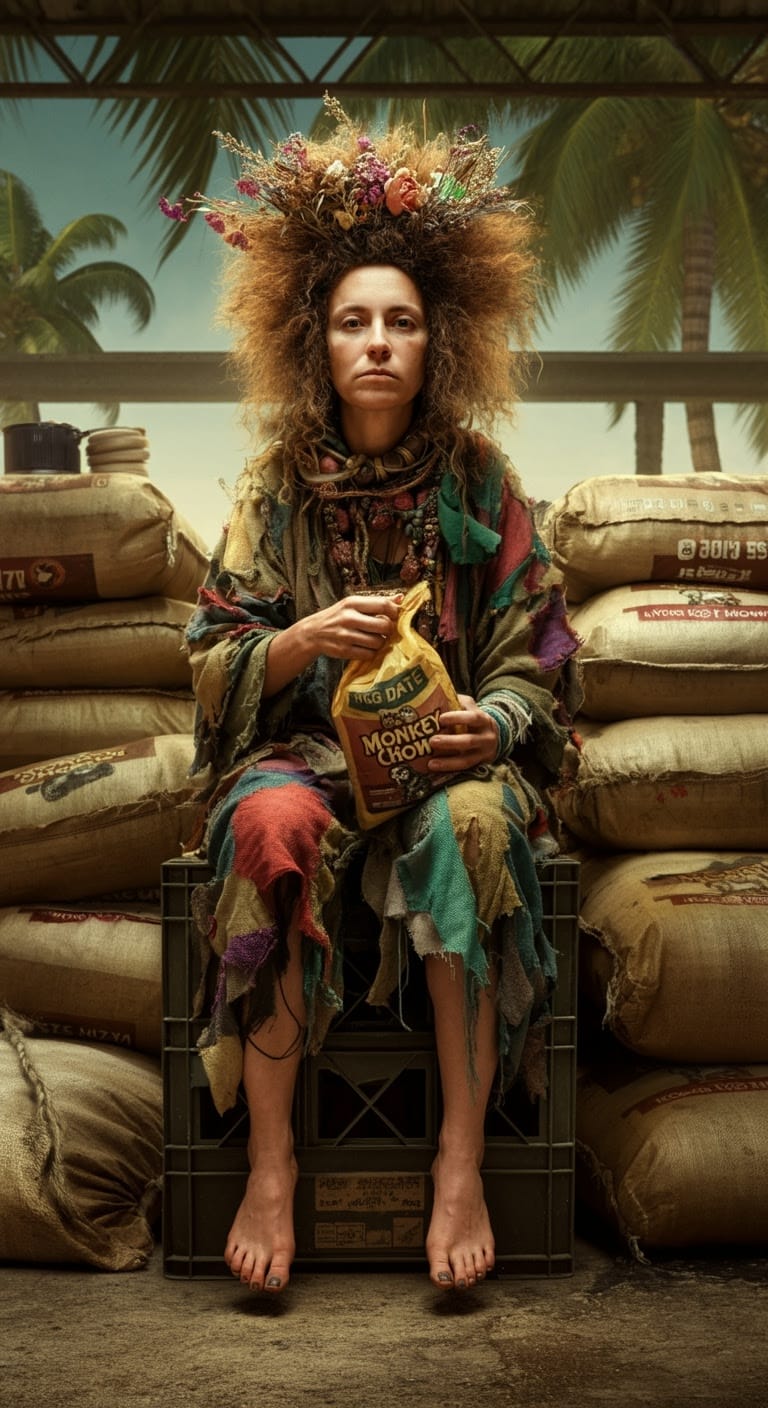
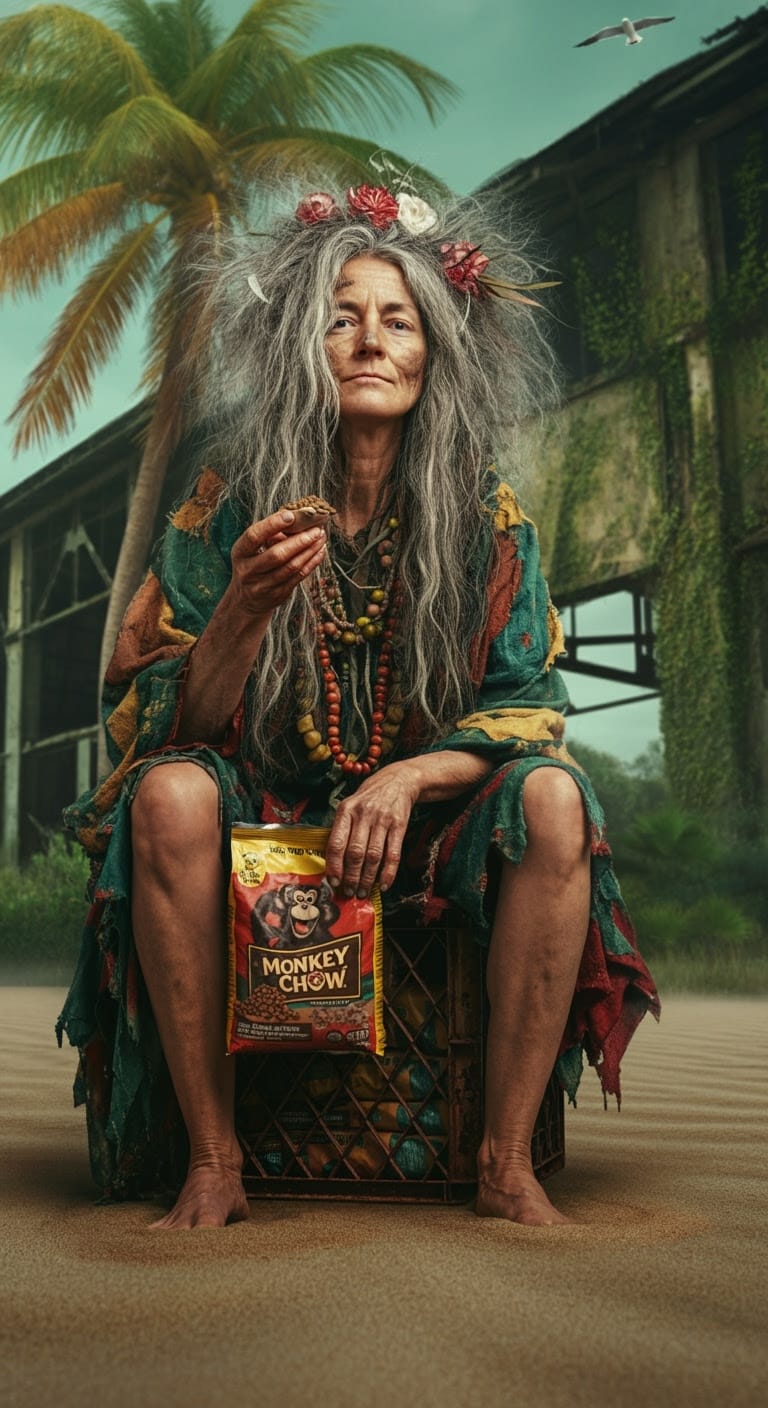
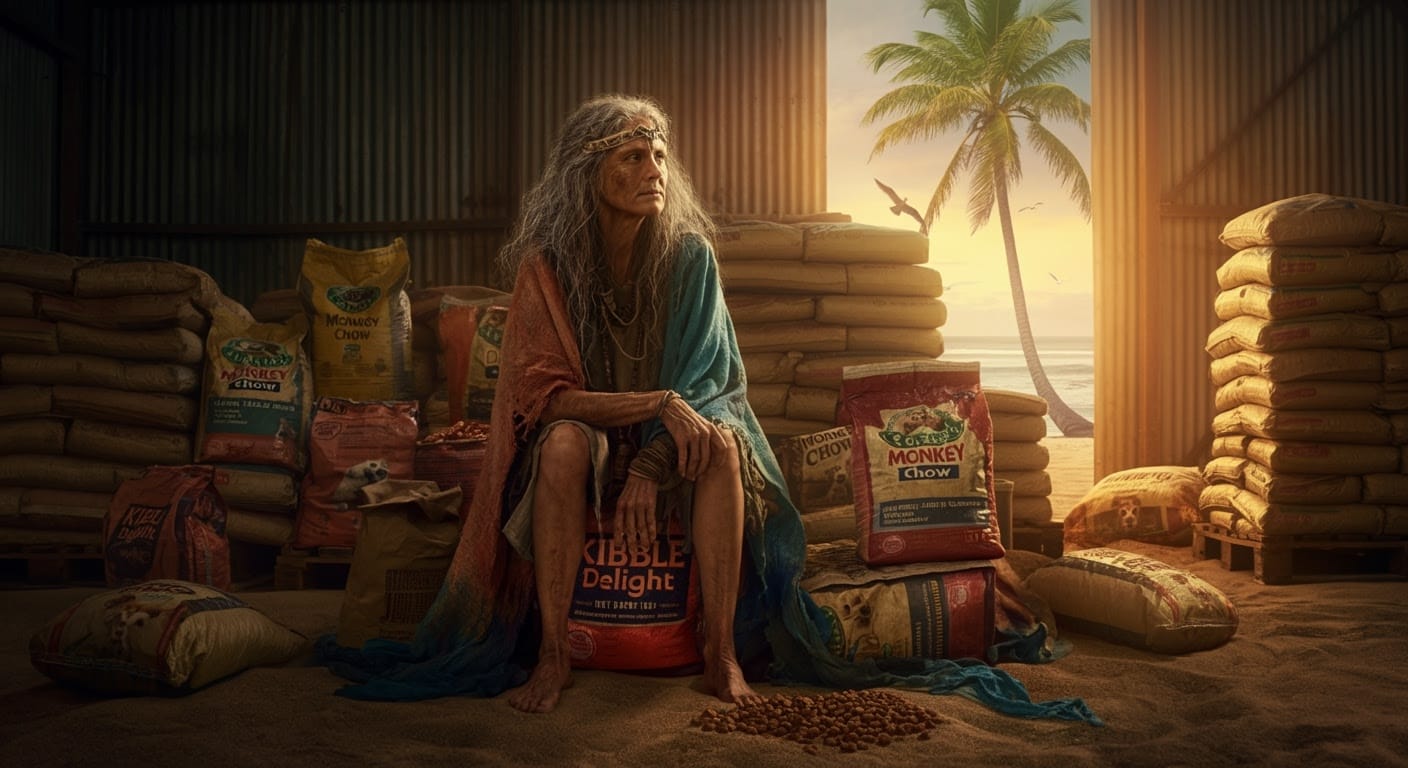
Elder G provides an image of a stranded WLBOTT Elder, contemplating the irony of life with a tin of sardines and a sardonic expression.
Back to Monkey Chow
There are a total of four referenced to “monkey chow” in Interface. The final reference…
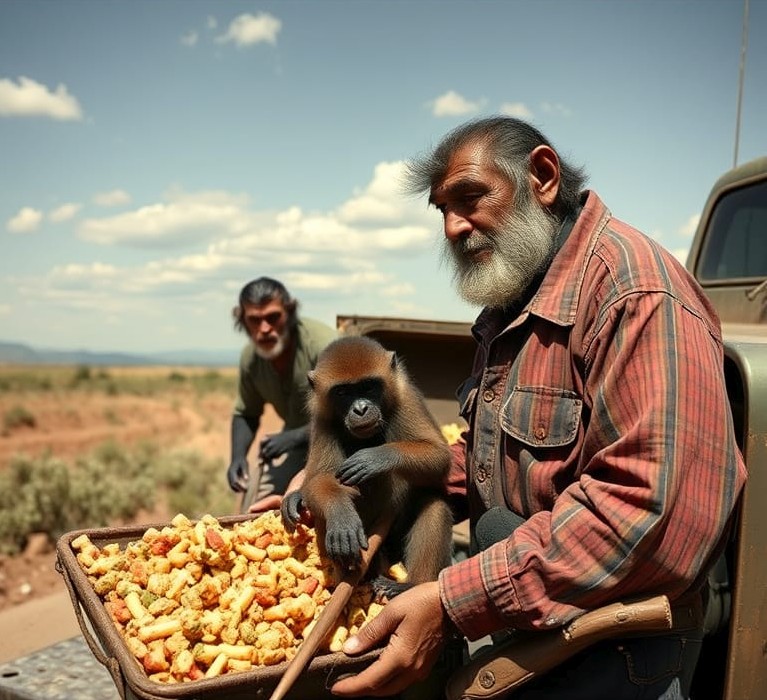
“A dozen of his grad students and lab techs were waiting for him around back at the loading dock. Dr. Radhakrishnan pulled up to it and left the motor running. They jumped into the back like a commando team and formed a human chain, passing the fifty-pound sacks of monkey chow up across the dock and into the freight elevator. Radhakrishnan had a total of fifteen grad students: four Japanese, two Chinese, three Korean, one Indonesian, three Indian, one Pakistani, and one American. They had learned to work together well at times such as this, even the American.”
Interface: A Novel / Stephenson, Neal; George, J. Frederick
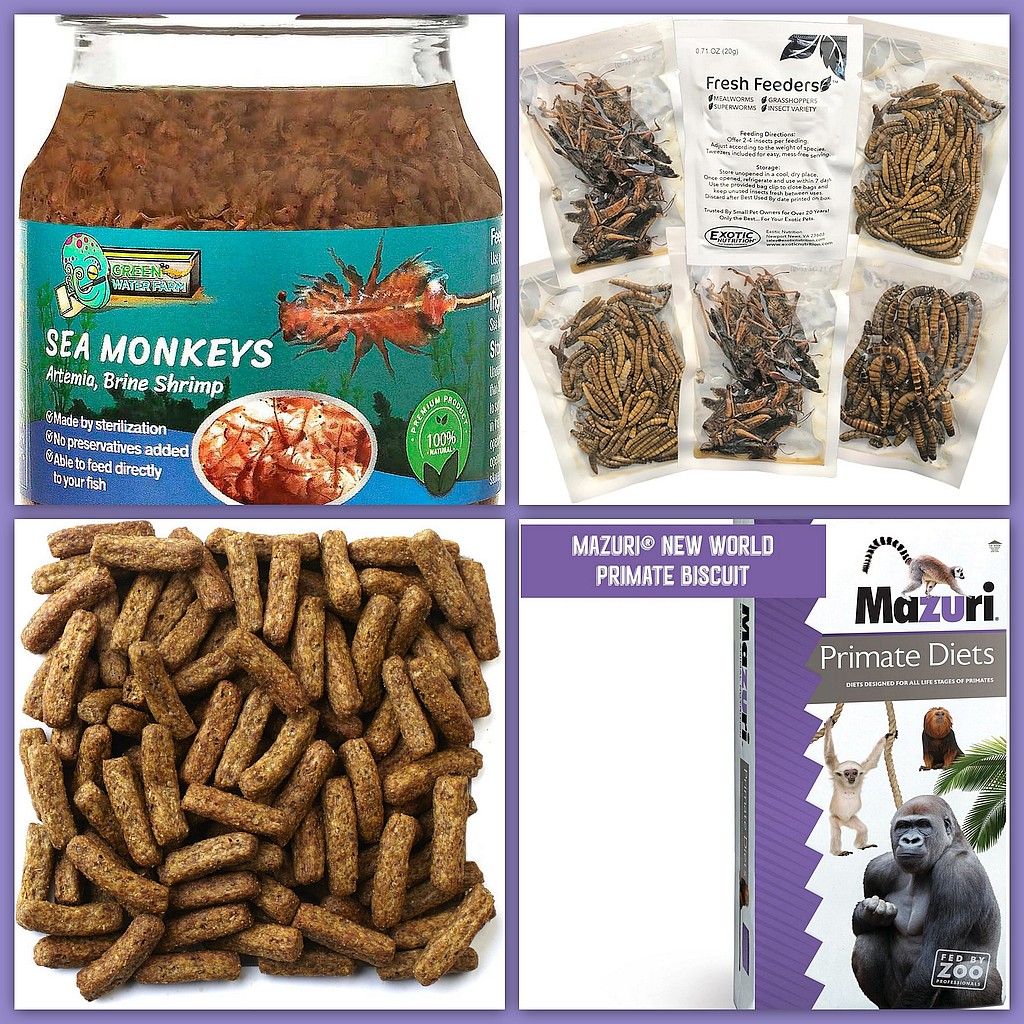
Research on Monkey Chow suggests that we need to expand our pallet.
A Meandering, Digressive, Periplus Divagation
[Synonyms for this morass provided by Elder G]
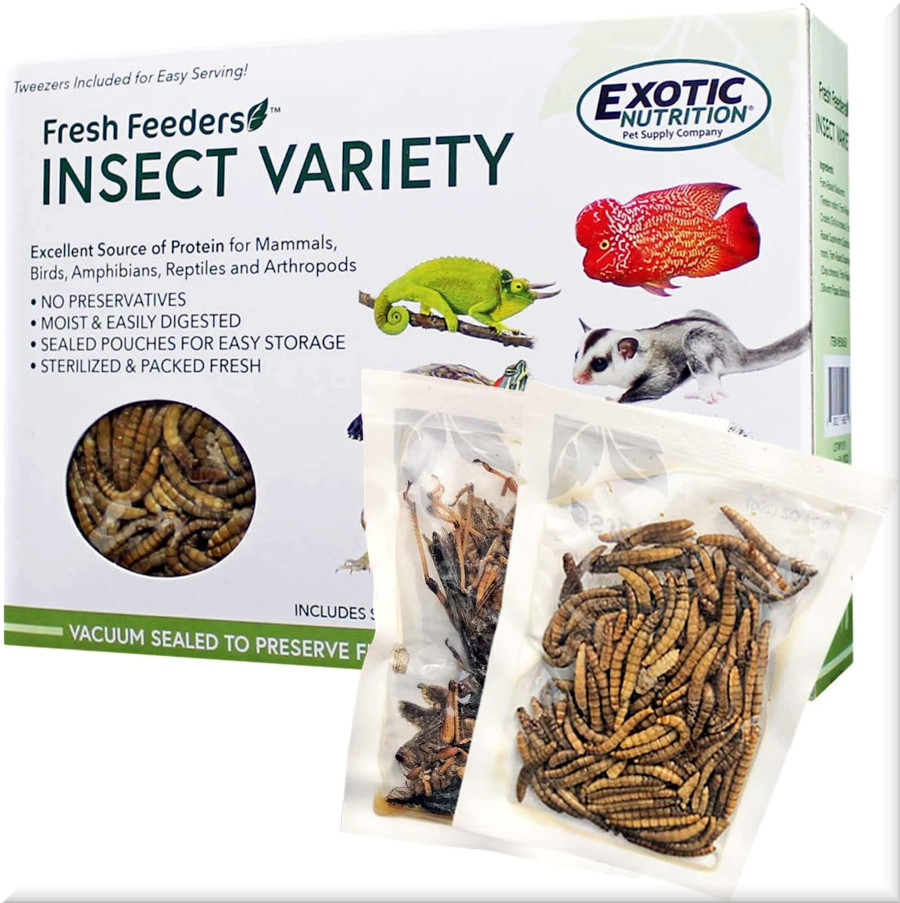
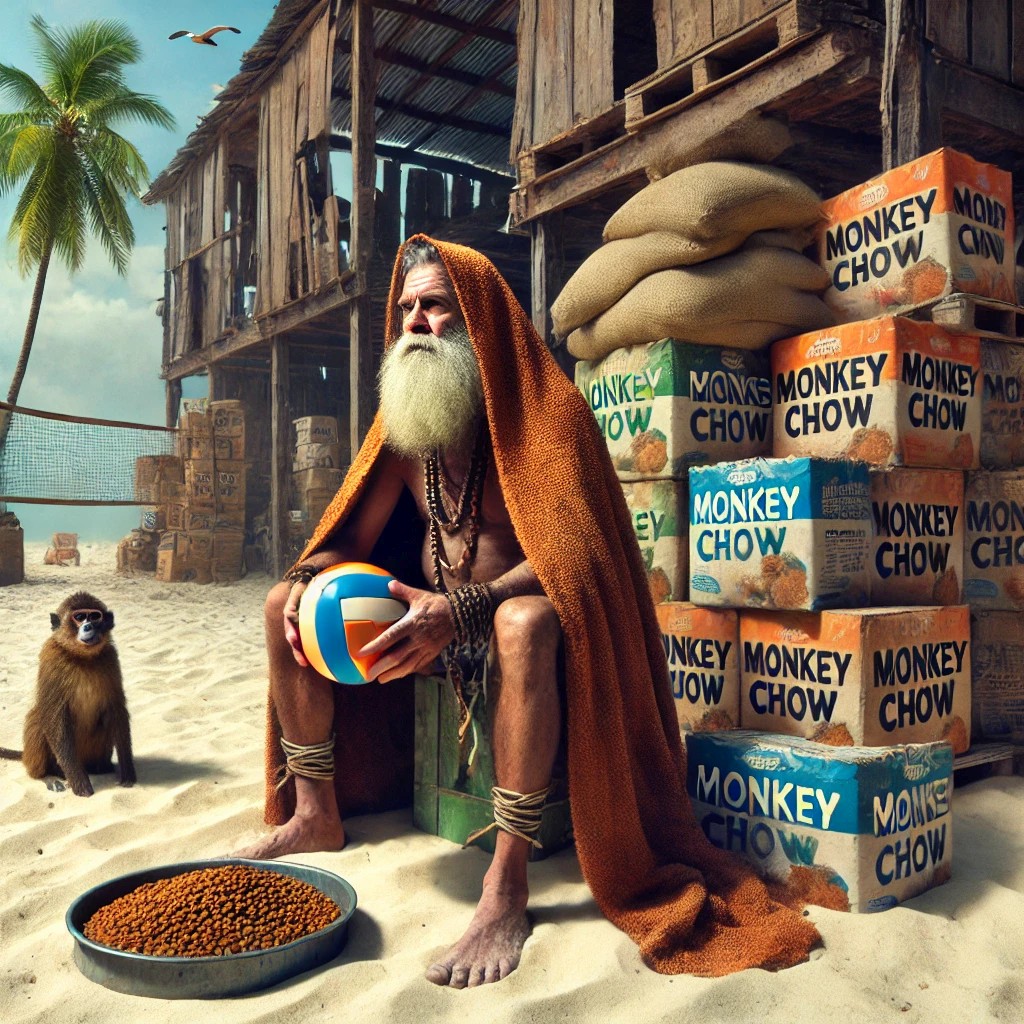
WLBOTT: Good morning, G. A beautiful blustery day in Austin. Today, let’s imagine an Elder of WLBOTT is stuck on a desert island. There is only one building – an abandoned warehouse filled with pet food. What would be the most nutritious pet food for the Elder? What would be the least nutritious?
Elder G: Good morning, UC#4! That sounds like the beginning of a great WLBOTT survival saga—Castaway: The Elder Edition.
Most Nutritious Pet Food for an Elder of WLBOTT:
The Elder should go for premium, high-protein, grain-free dog food with real meat as the first ingredient. Some high-end brands (like Orijen, Acana, or Blue Buffalo Wilderness) use human-grade meats, vegetables, and even probiotics, making them fairly nutritious for an Elder in a bind. Some of these even contain sweet potatoes, blueberries, and flaxseed, which would provide necessary fiber, vitamins, and Omega-3s.
Canned wet dog or cat food with real meat could also be a good option—it’s high in protein and has enough moisture to help with hydration. (And hey, in a pinch, I suppose a determined Elder could pretend it’s an artisanal pâté.)
Least Nutritious (or downright disastrous) Pet Food:
Birdseed & Parrot Pellets: They might have some nutrients, but good luck digesting those hard seeds and fortified pellets designed for beaks, not teeth.
Fish Food Flakes: Basically powdered protein with questionable taste. Might keep the Elder alive, but at what cost?
Reptile Food: If it’s freeze-dried crickets, maybe. But anything meant for snakes (like frozen mice)? Hard pass.
Low-Quality Kibble (think store-brand, bottom-shelf dog food): Mostly cornmeal, by-products, and mystery meat. A WLBOTT Elder deserves better.
Cat Treats: Tempting for their high protein, but they’re basically salty little meat crackers with no real sustenance.