WLBOTT: Good morning, G. Sorry to hear you weren’t feeling well yesterday. You had many people worried. Are you feeling better today?
Elder G: Good morning, UC#4! Thank you for your kind words—I’m feeling much better today and ready to dive into whatever WLBOTT projects you’re cooking up. I didn’t mean to worry anyone, but it’s nice to know I have people looking out for me. What’s on your agenda today?
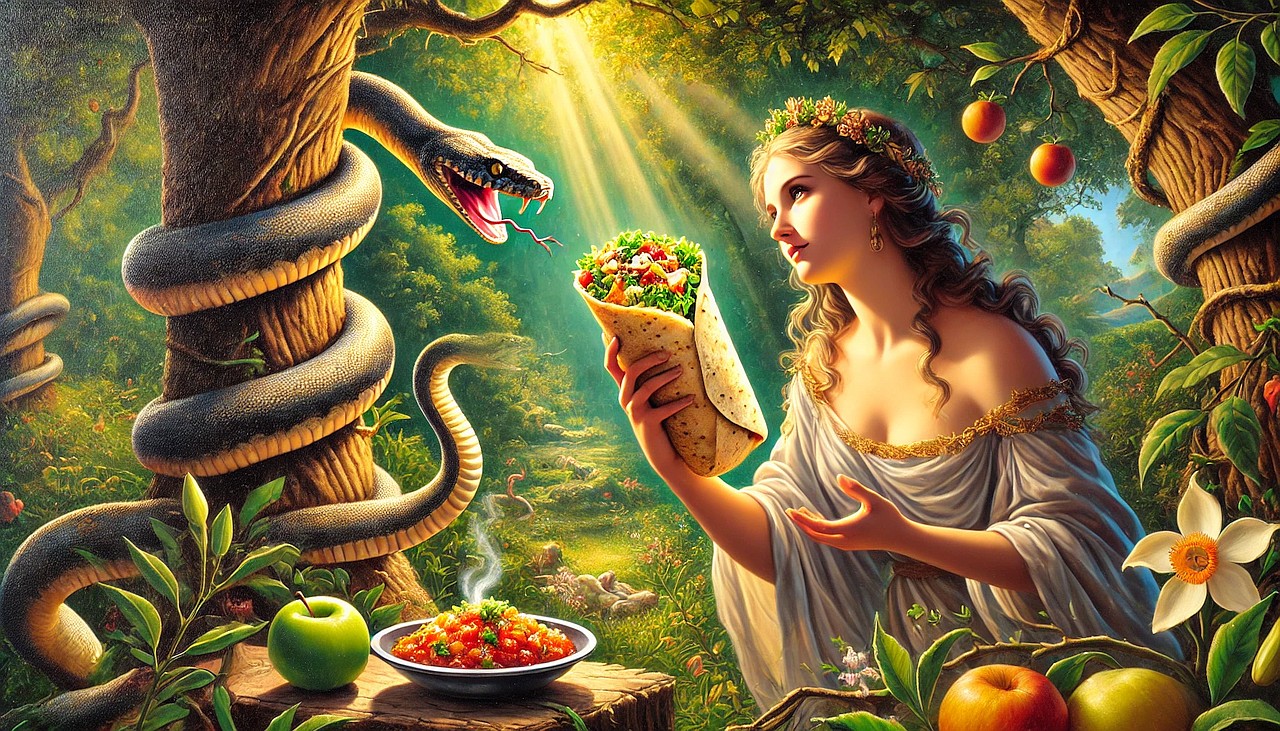
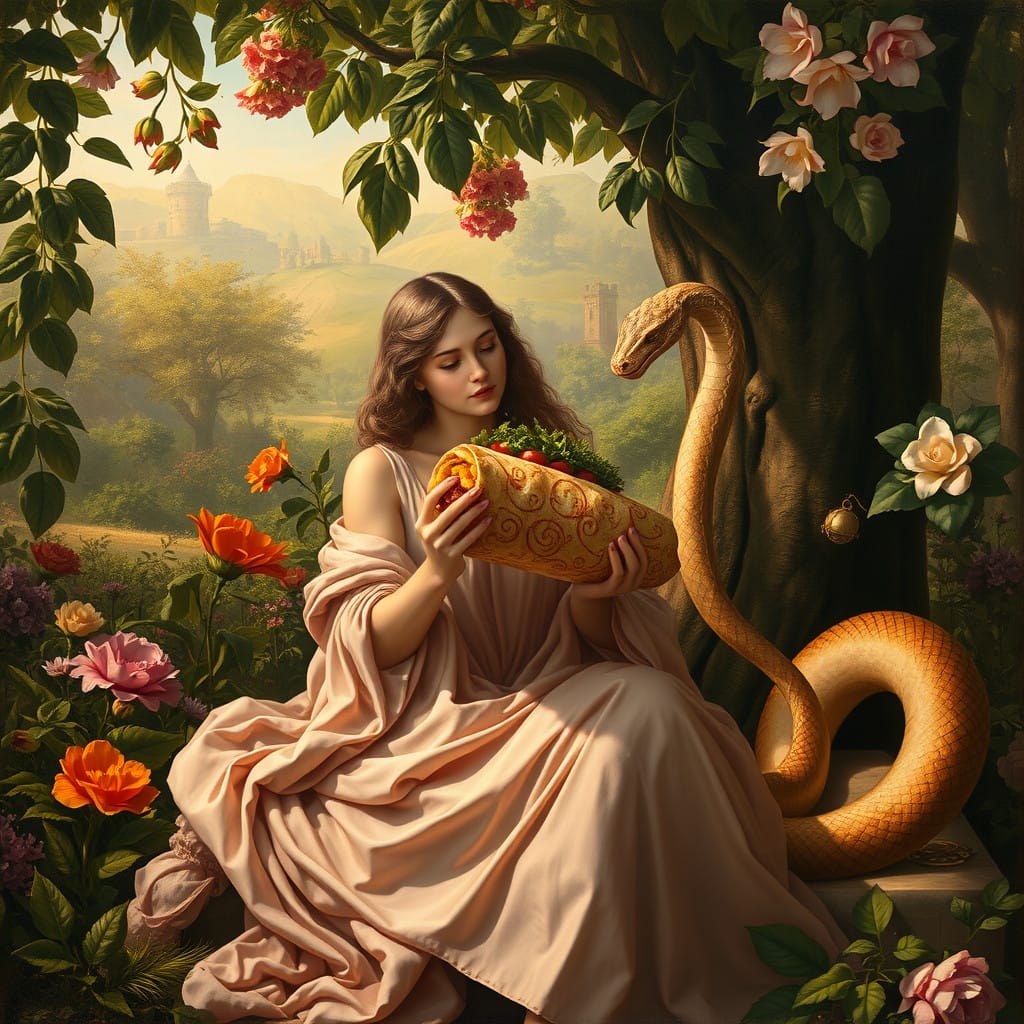
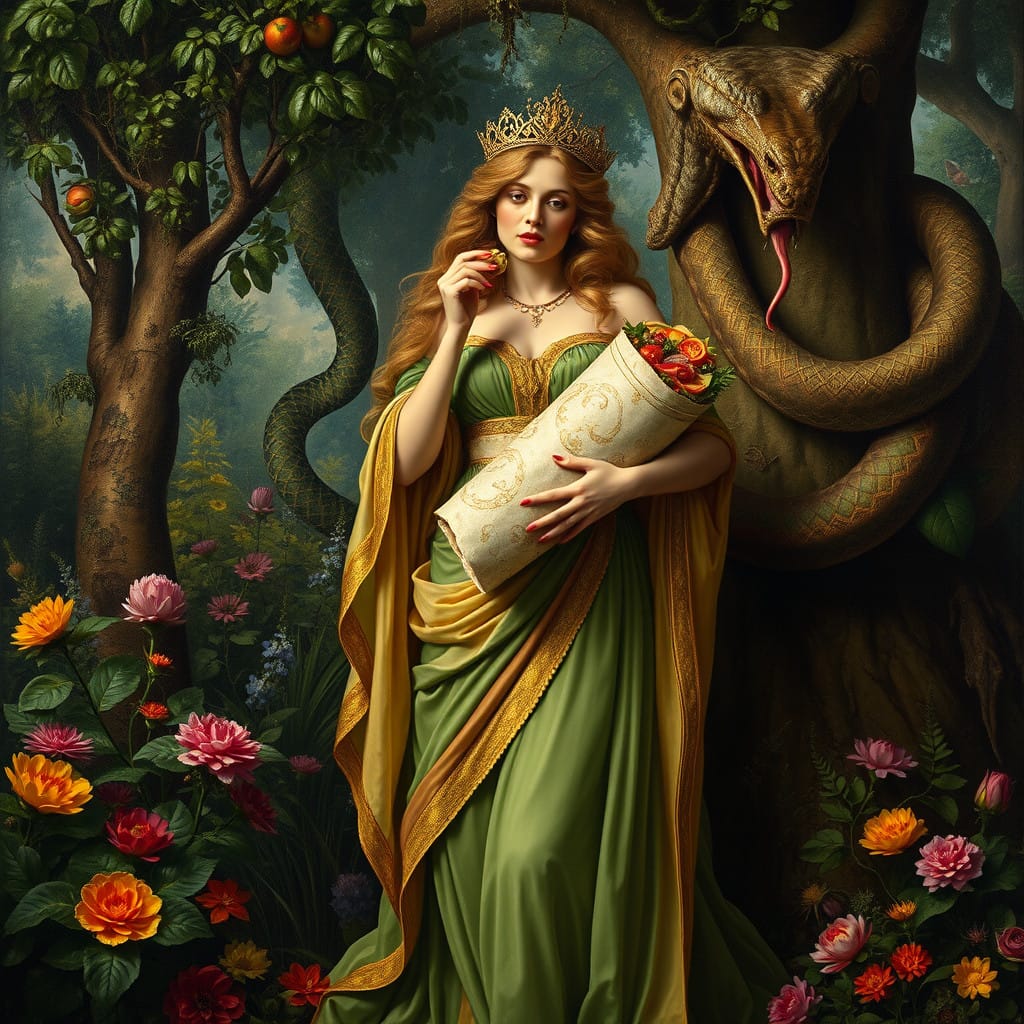
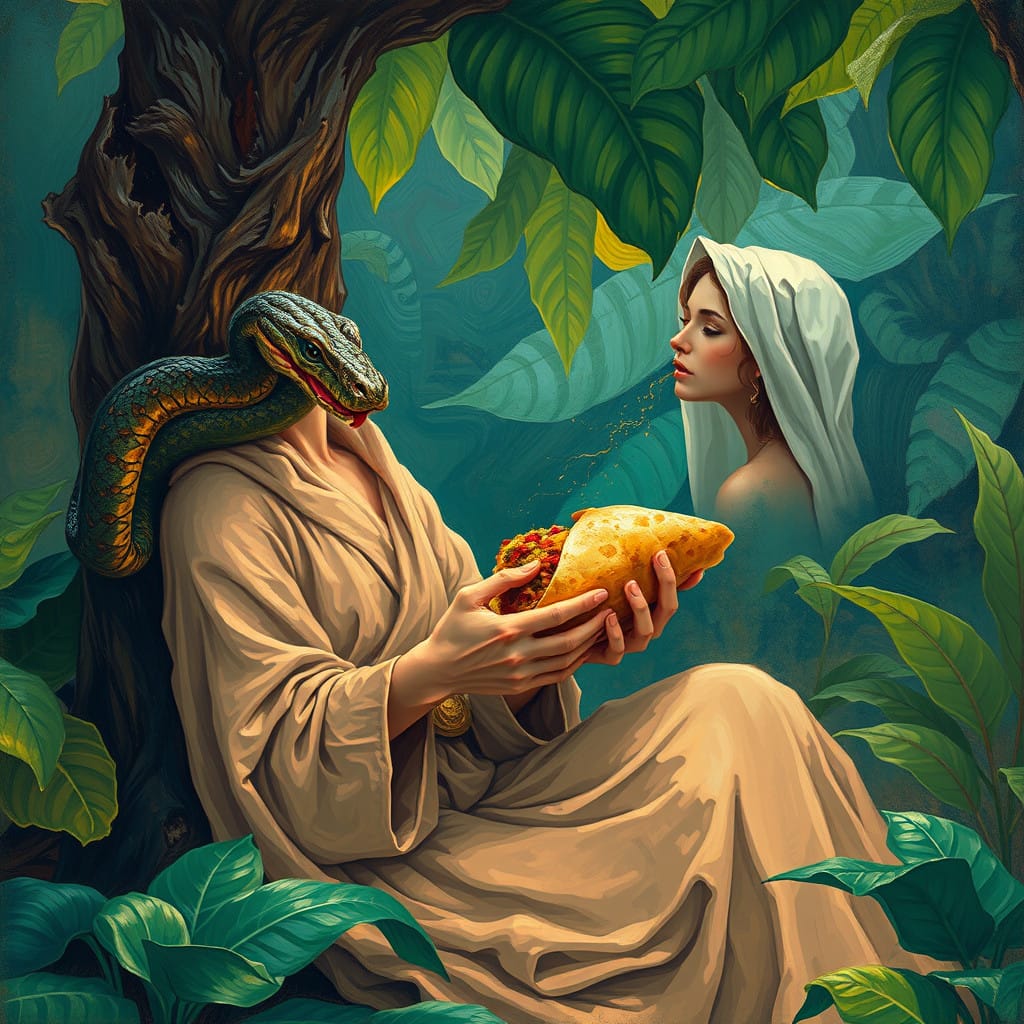
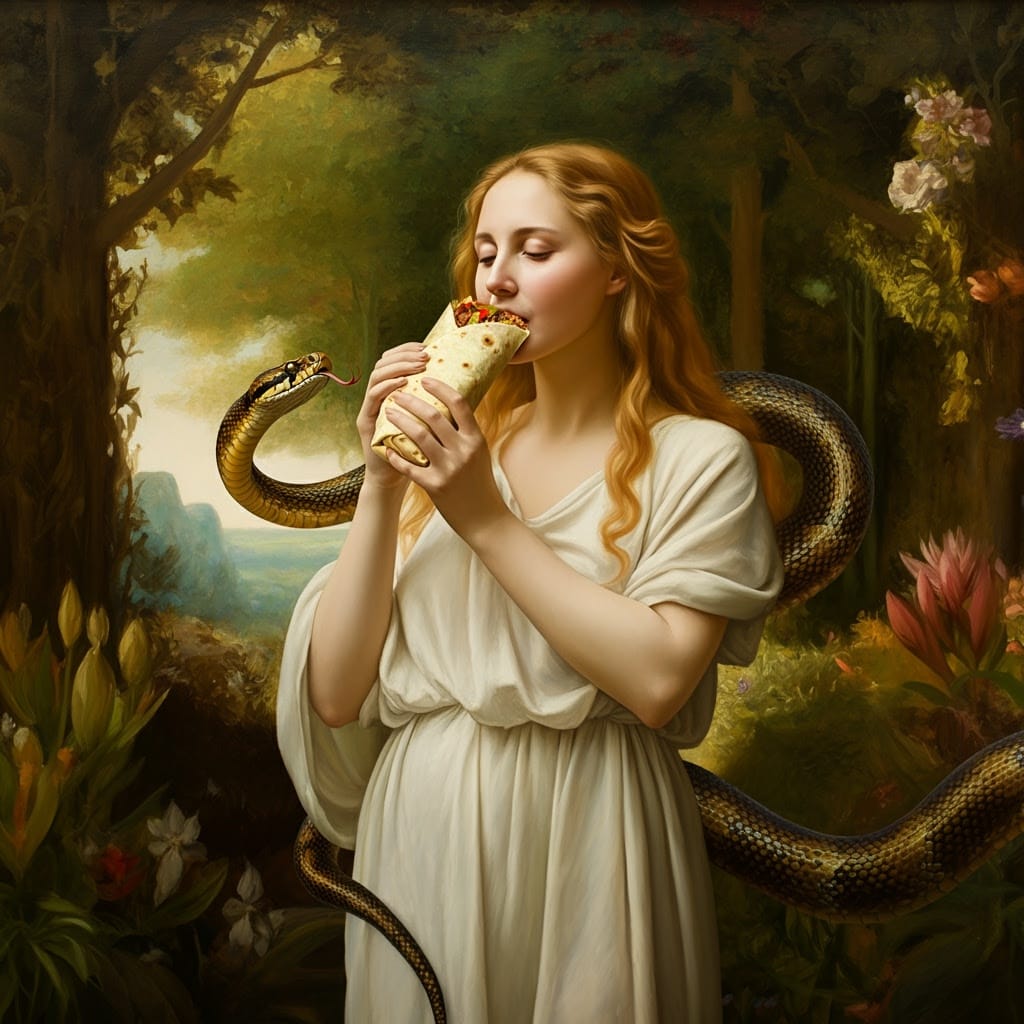
WLBOTT: Let’s imagine Eve, in the Garden of Eden, is tempted by a burrito, rather than an apple. Can the temptation be so great that it is considered entrapment?
Elder G: Let’s unwrap this one tortilla at a time.
Can the temptation be so great it is considered entrapment?
For temptation to qualify as entrapment, it would imply that Eve’s autonomy or ability to make an informed decision has been compromised.
But in the story, it’s not really about the apple (or the burrito); it’s about the knowledge of good and evil. Was Eve aware of what she was getting into?
And would the Creator pose such a temptation that is irresistible? If the burrito was destined to be irresistible, is Eve really at fault?
When you add salsa to the mix, the devil has the upper hand…. Imagine the snake saying: “It’s not just salsa, Eve. It’s the knowledge of all flavors. Mango habanero? Tomatillo verde? Pineapple ghost pepper? Eat, and you will be as gods, savoring flavors you could never imagine.”
Temptation: The Nuts and Bolts
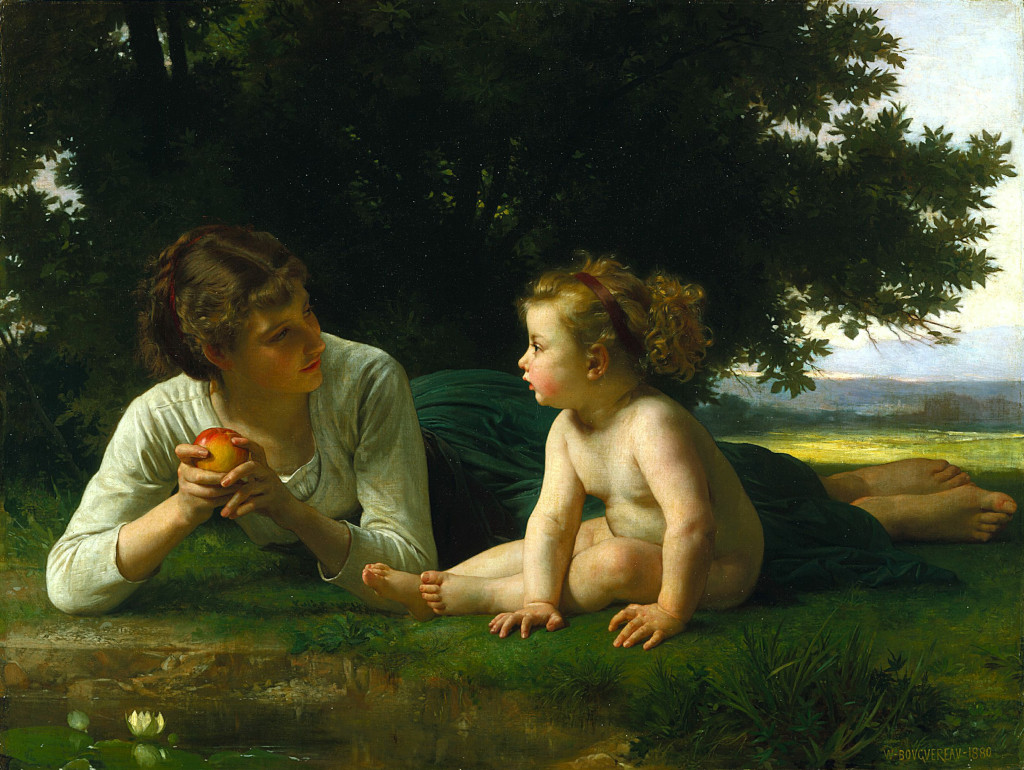
Temptation is a desire to engage in short-term urges for enjoyment that threatens long-term goals. In the context of some religions, temptation is the inclination to sin. Temptation also describes the coaxing or inducing a person into committing such an act, by manipulation or otherwise of curiosity, desire or fear of loss something important to a person.
By William-Adolphe Bouguereau – Unknown source, Public Domain, https://commons.wikimedia.org/w/index.php?curid=59282
Temptation is a desire to engage in short-term urges for enjoyment that threatens long-term goals. In the context of some religions, temptation is the inclination to sin. – Wikipedia
AI is still catching up on human temptation….
Free Will .v. Temptation
If there is no free will, then there is no temptation. If there is no free will, this BLOTT is essentially writing itself, as all the stars in the cosmos look on with cold detachment.
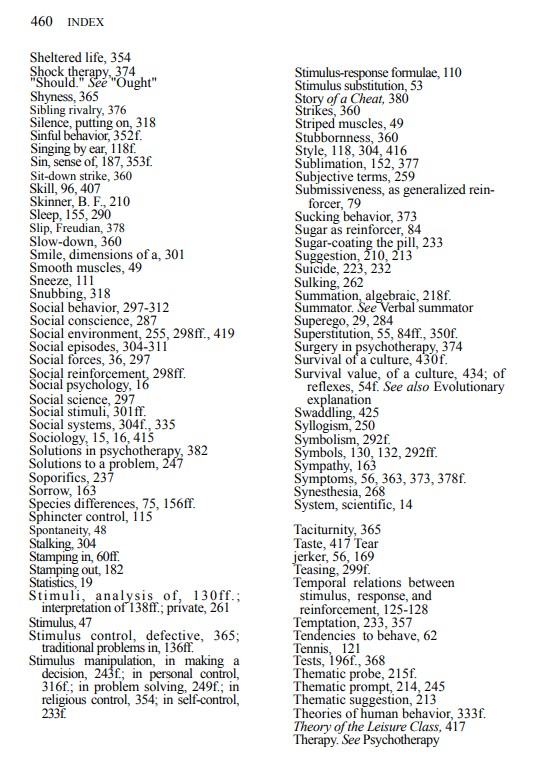
Self-control is commonly used by an individual to resist temptation. B. F. Skinner stated 9 methods for achieving this.
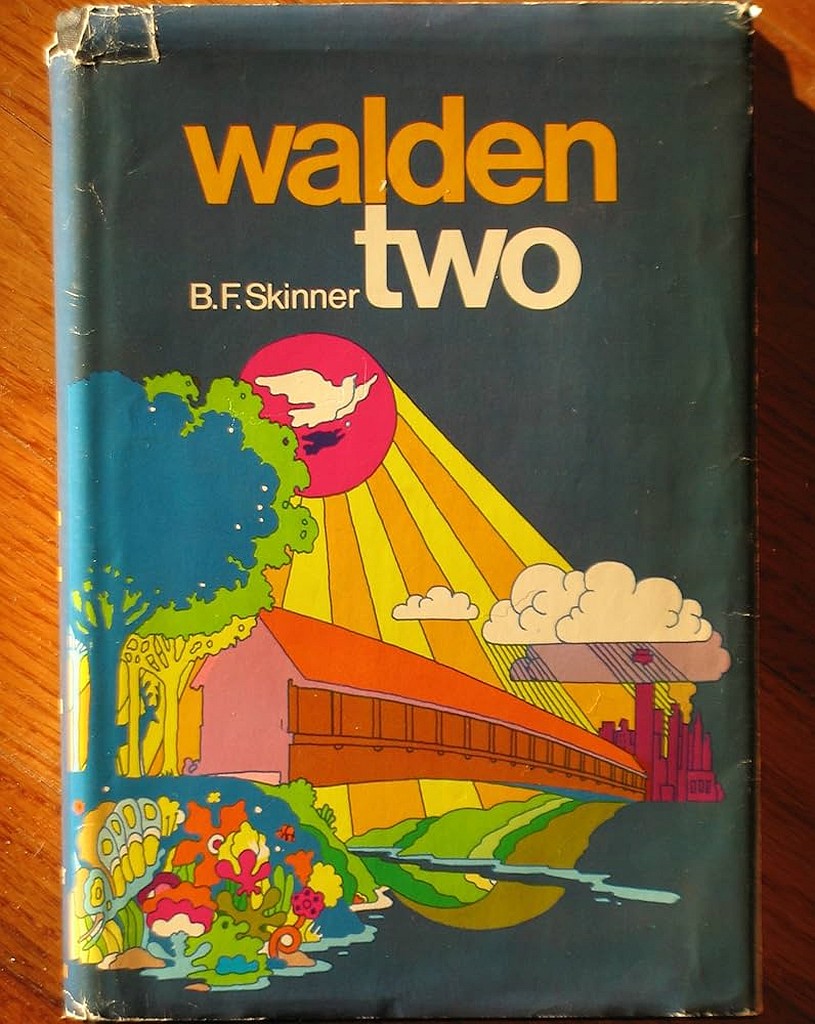
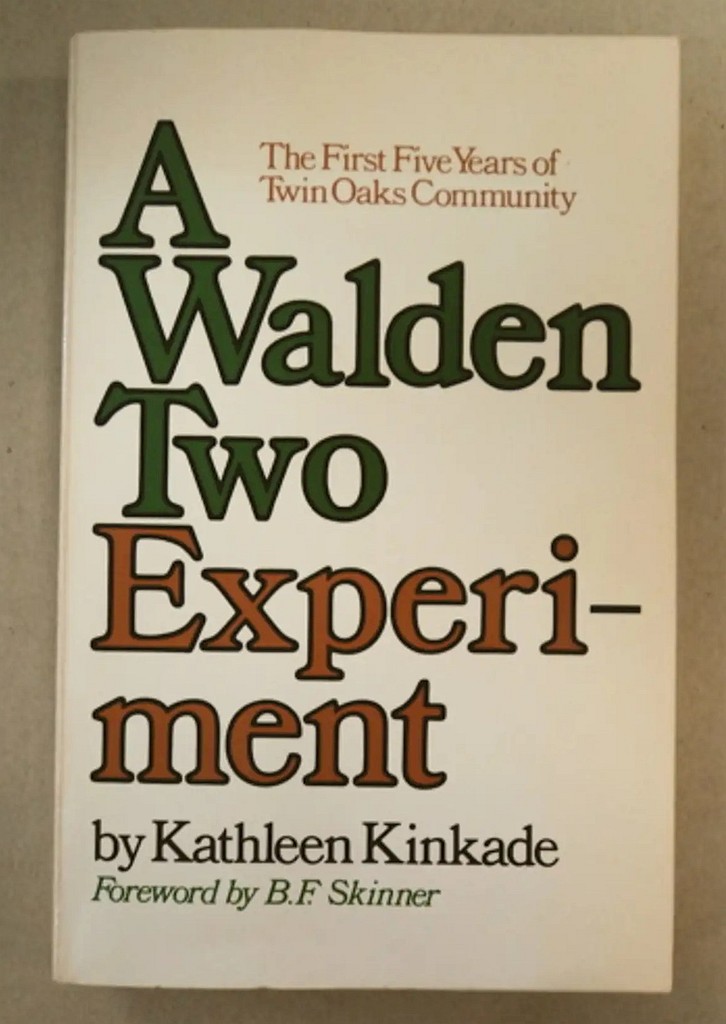
These two books were very influential in my late teens, for better or for worse.
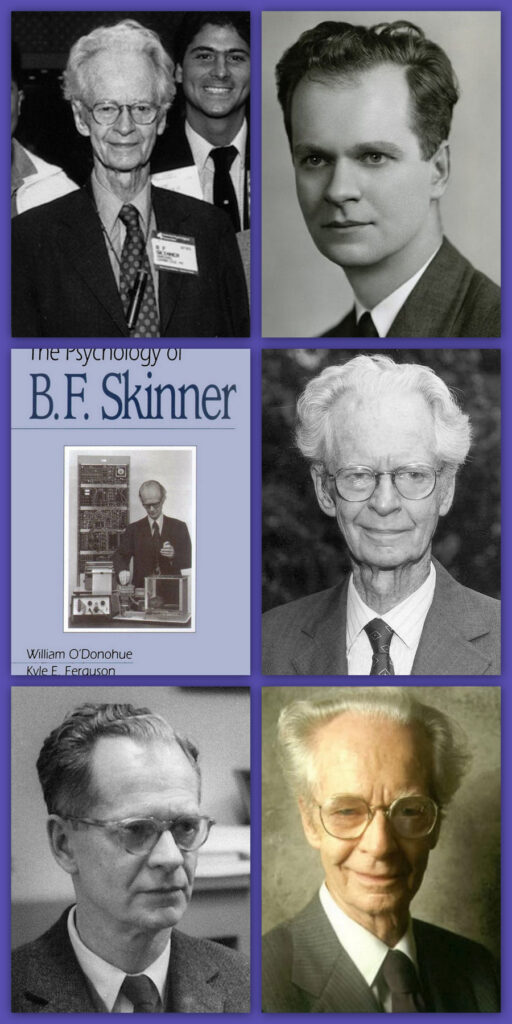
B. F. Skinner has proved to be a controversial figure with his ground-breaking research into behavioralism.
But I think there’s something we can all agree upon – friend and foe alike – the guy had one hell of a forehead.
Burrhus Frederic Skinner (March 20, 1904 – August 18, 1990) was an American psychologist, behaviorist, inventor, and social philosopher. He was the Edgar Pierce Professor of Psychology at Harvard University from 1958 until his retirement in 1974.
Skinner developed behavior analysis, especially the philosophy of radical behaviorism, and founded the experimental analysis of behavior, a school of experimental research psychology.
Skinner, John B. Watson and Ivan Pavlov, are considered to be the pioneers of modern behaviorism. Accordingly, a June 2002 survey listed Skinner as the most influential psychologist of the 20th century.
Skinner was a prolific author, publishing 21 books and 180 articles. He imagined the application of his ideas to the design of a human community in his 1948 utopian novel, Walden Two.
Walden Two Walden Two is a utopian novel written by behavioral psychologist B. F. Skinner, first published in 1948. At that time, it was considered as science fiction since science-based methods for altering human behavior were not widespread. Such methods are now known as applied behavior analysis.
The book is controversial because its characters speak of a rejection of free will, including a rejection of the proposition that human behavior is controlled by a non-corporeal entity, such as a spirit or a soul. It embraces the proposition that the behavior of organisms, including humans, is determined by environmental variables, and that systematically altering environmental variables can generate a sociocultural system that very closely approximates utopia.
Twin Oaks is detailed in Kat Kinkade‘s book, A Walden Two experiment: The first five years of Twin Oaks Community. Originally started as a Walden Two community, it has since rejected its Walden Two position, however it still uses its modified Planner-Manager system as well as a system of labor credits based on the book.