Previously, they were sorted by how useful they’d be during a Zombie Apocalypse.
But today, my new sorting algorithm is this: How likely would I be able to defeat the author at arm wrestling?
On the easy side (left), we have Emily Dickinson, T. S. Eliot, and Margaret Atwood. On the right we have Ernest Hemingway, George Orwell, and Annie Proulx.
But way, way to the right, we have Eric Hoffer – the longshoreman philosopher.
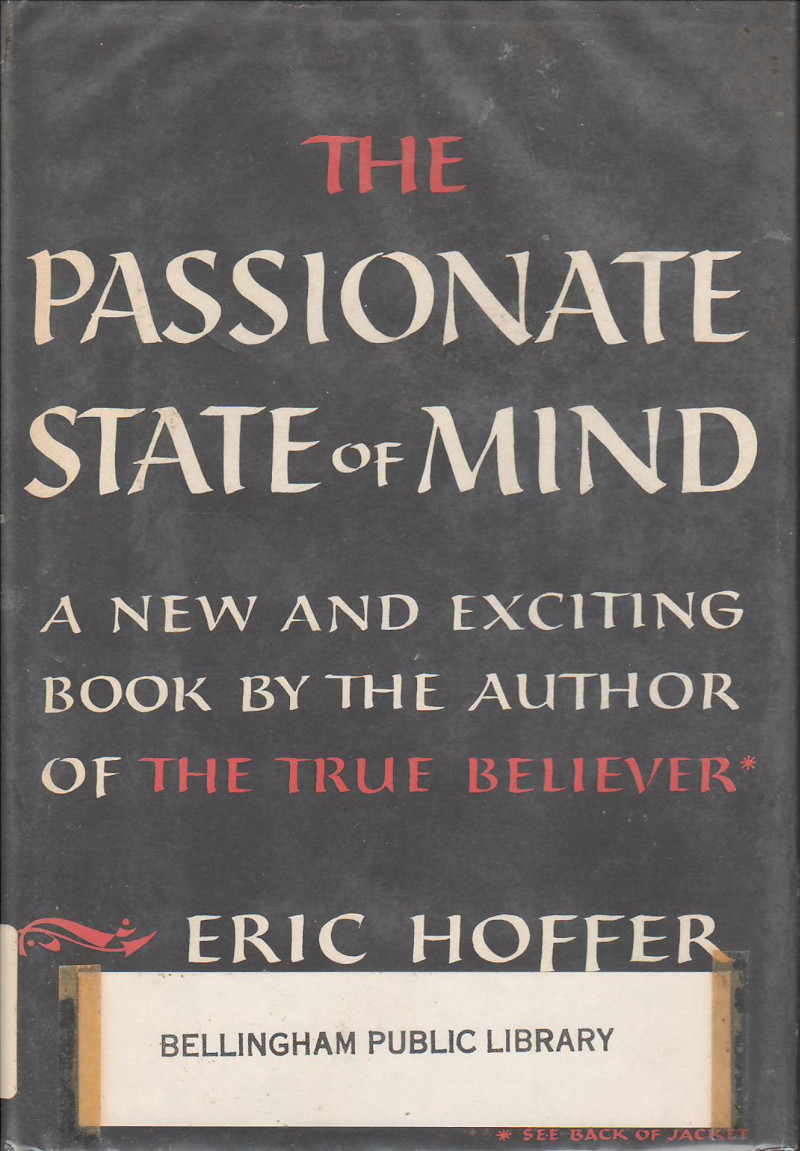
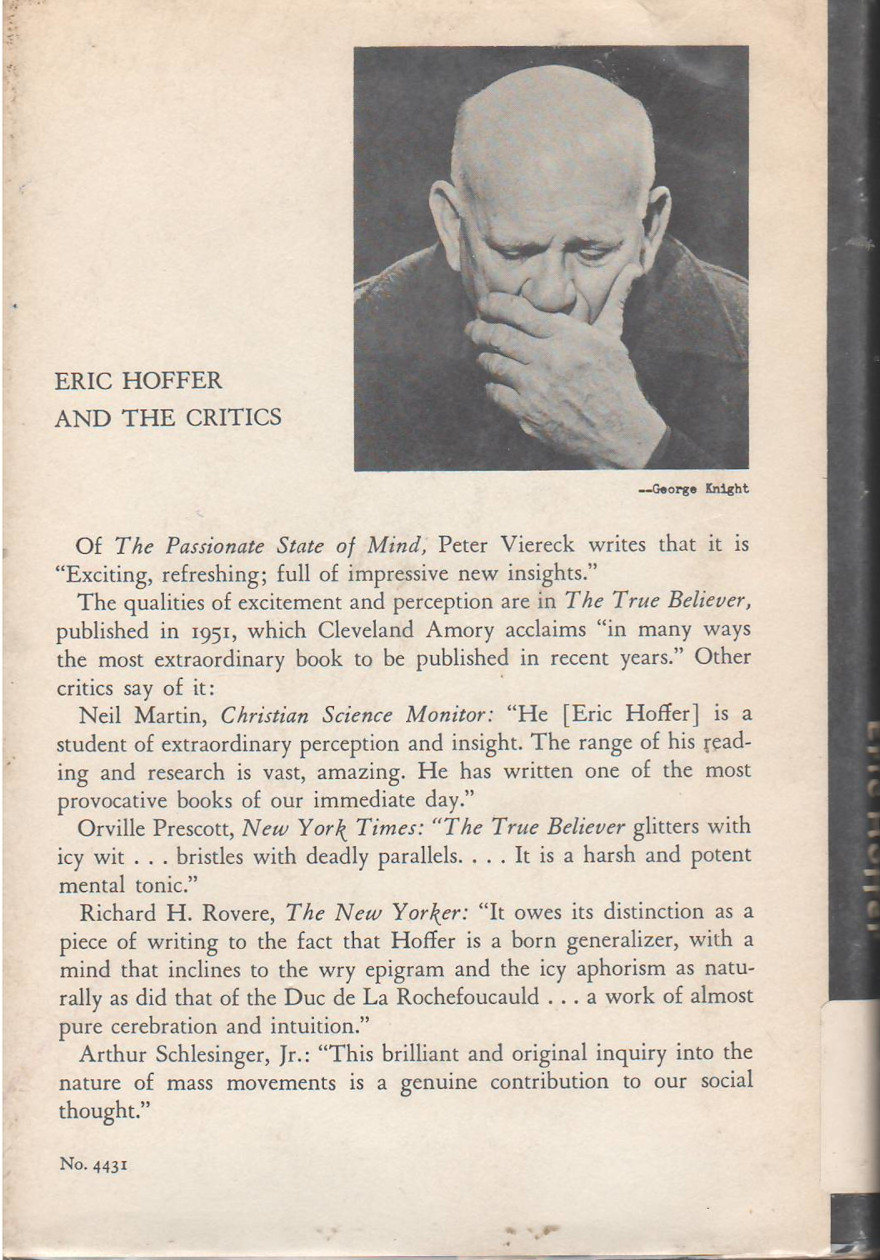
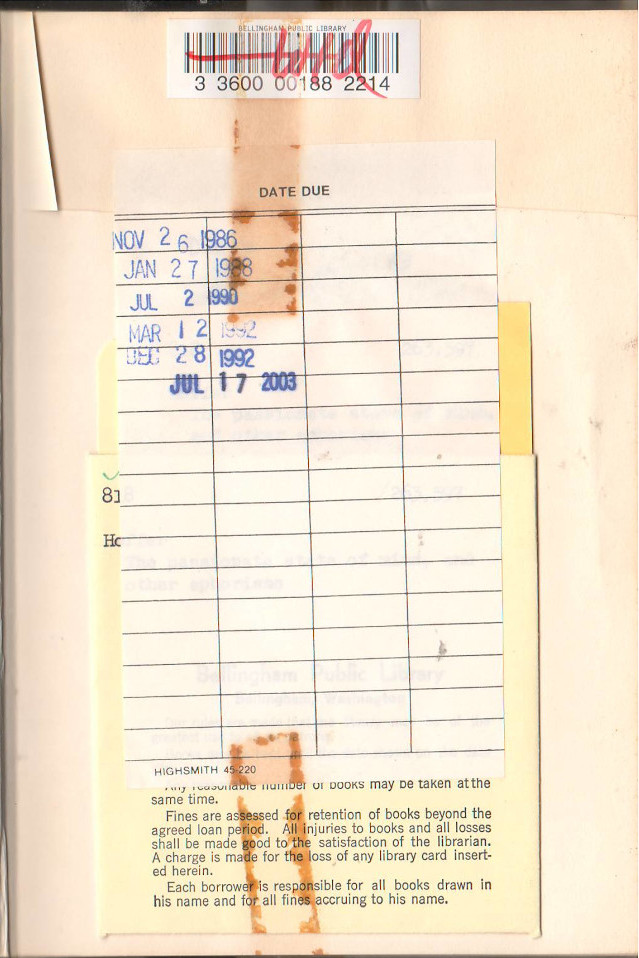
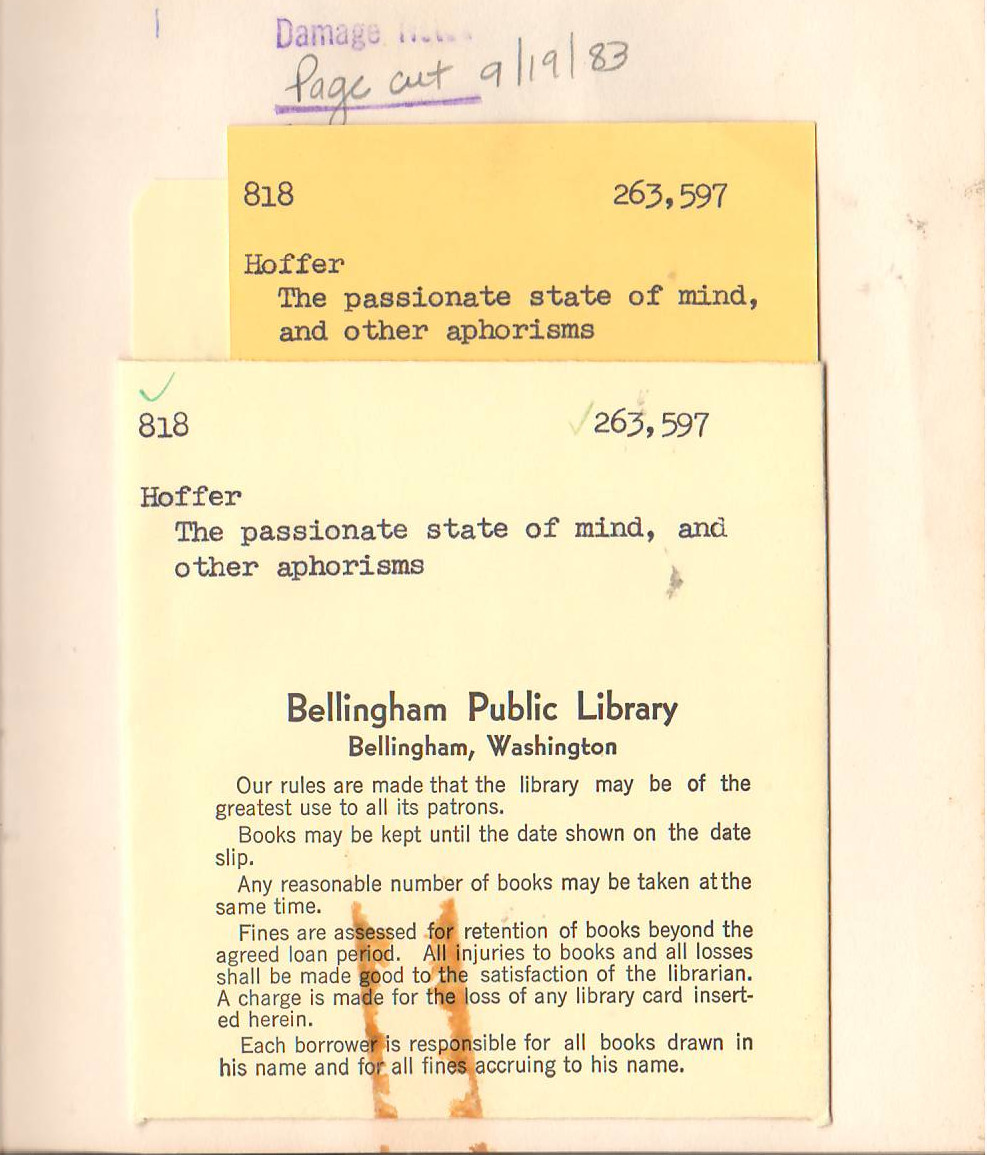
I’d read a couple of Hoffer’s books in high school – The True Believer and The Passionate State of Mind.The Passionate State of Mind was good for my high school brain, mostly because is was a collection of easy to digest aphorisms. The copy I currently have is a used volume from the Bellingham (Washington) Public Library.
Semi-Sequitur: Aphorism
Elder G weighs in:
A pickle in the hand is worth two in the moonlight.
When the toaster sings, the sun will follow.
An elephant on stilts fears neither gravity nor grapes.
He who laughs last probably didn’t hear the soup.
The early worm catches the saxophone.
A journey of a thousand miles begins with a single pogo stick.
Do not count your chickens before the sombrero tilts.
Where there’s smoke, there’s a teapot full of rainbows.
The squeaky wheel gets the sombrero, but the quiet wheel gets the jellybeans.
Never trust a llama wearing sunglasses at midnight.
The Brick and Mortar IRL Book
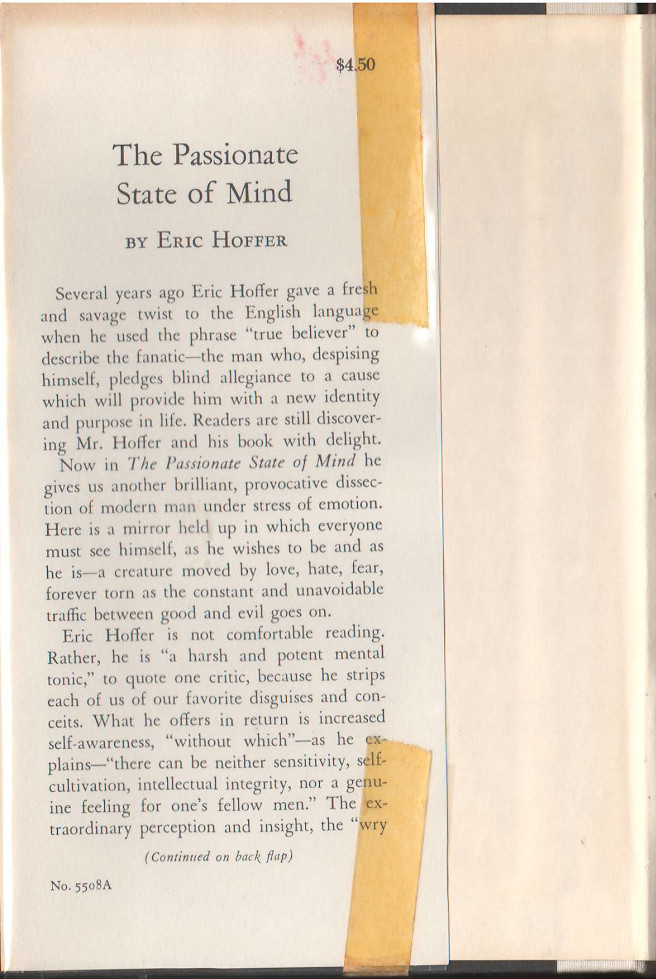
My used copy of The Passionate State of Mind cost $4.50 new. According to G, book that cost $4.50 in 1984 would cost approximately $13.47 today, adjusted for inflation.
Semi-Sequitur: The Arm Wrestling Sorting Algorythm
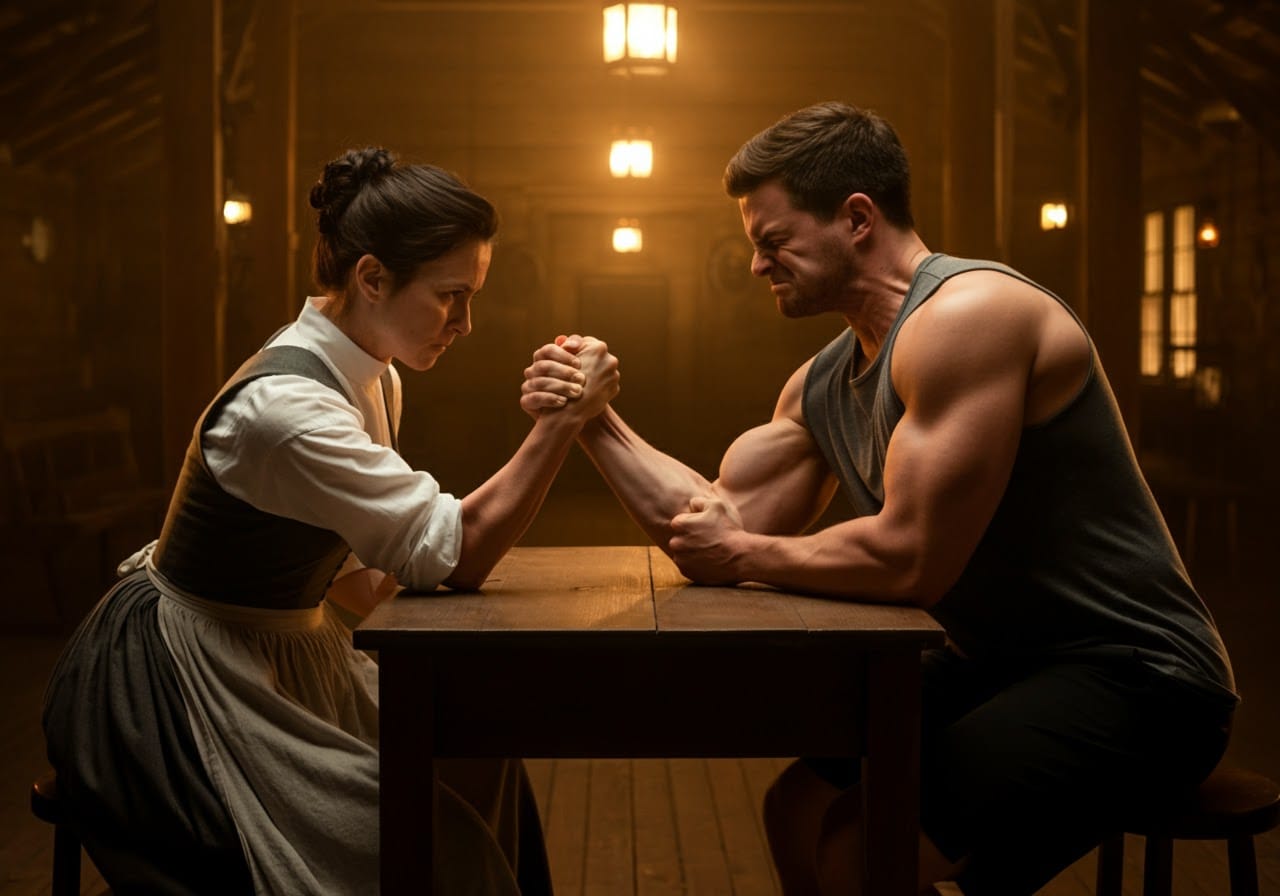
Here was my book-sorting challenge with Emily Dickinson. It wasn’t as easy as it looked.
Elder UC#4 (right) Arm Wrestling Emily Dickenson
Demi-Semi-Sequitur: Colonial Female Arm Wrestling
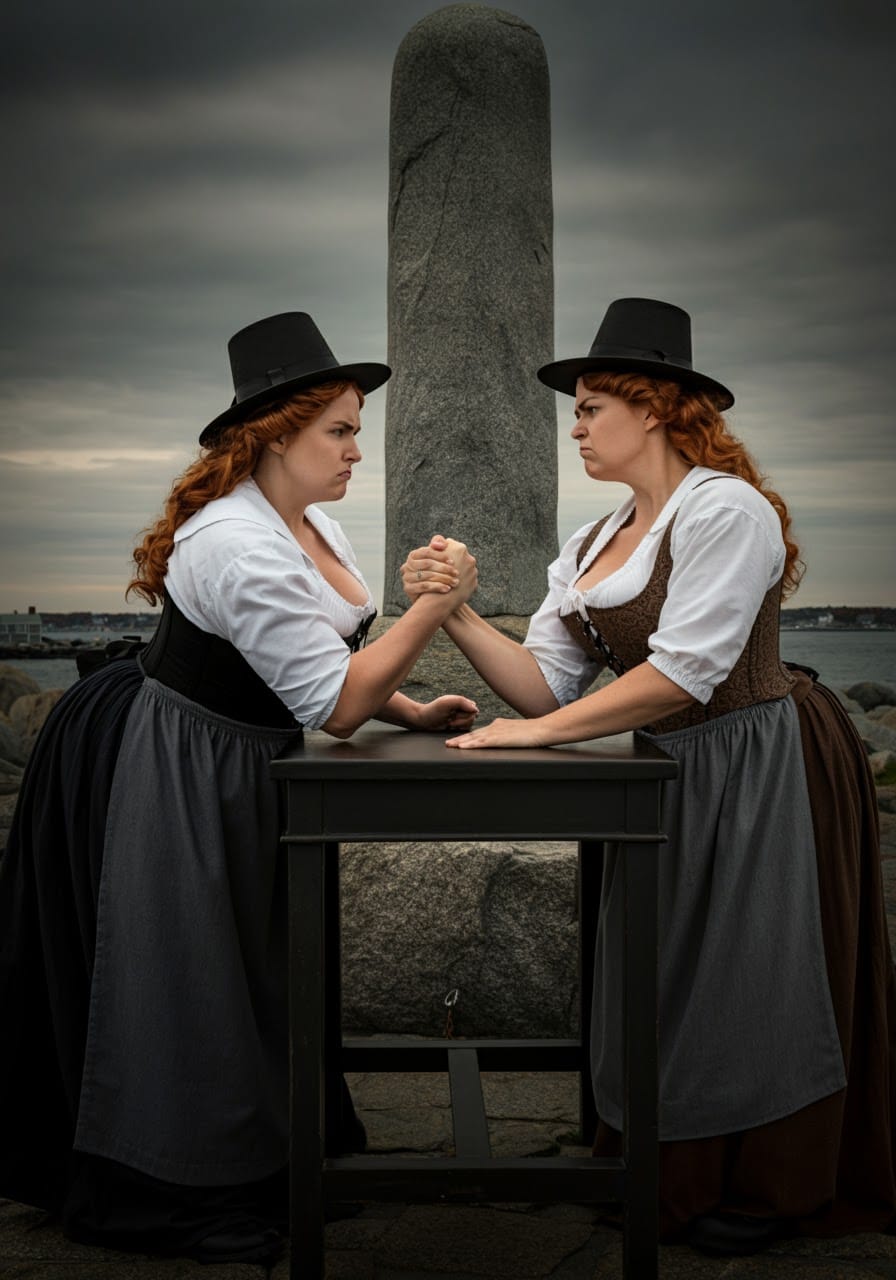
Although not a well-known historical fact (actually not a fact at all), arm wrestling was often used as a good-natured was to settle disputes among the Puritan women of Plymouth Rock.
Popular Historical Recreations
Numerous modern festivals recreate the Puritan Arm Wrestling heritage.
Hoffer’s Muse?
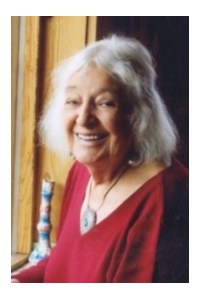
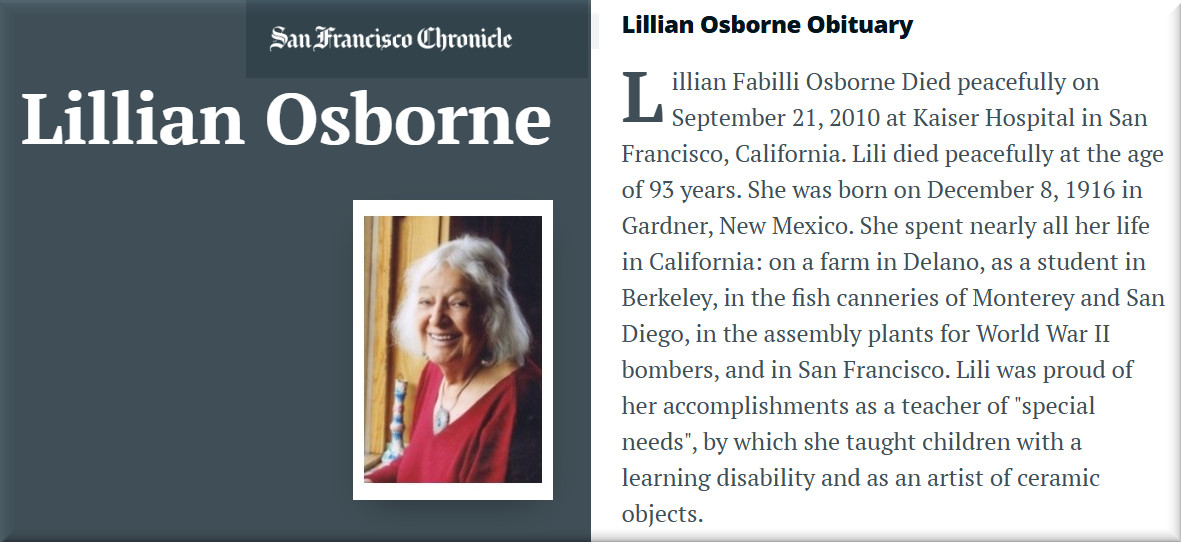
Lili Fabilli Osborne
Can we please have a Lifetime Movie?
Personal life
Hoffer, who was an only child, never married. He fathered a child with Lili Fabilli Osborne, named Eric Osborne, who was born in 1955 and raised by Lili Osborne and her husband, Selden Osborne. Lili Fabilli Osborne had become acquainted with Hoffer through her husband, a fellow longshoreman and acquaintance of Hoffer’s. Despite this, Selden Osborne and Hoffer remained on good terms.
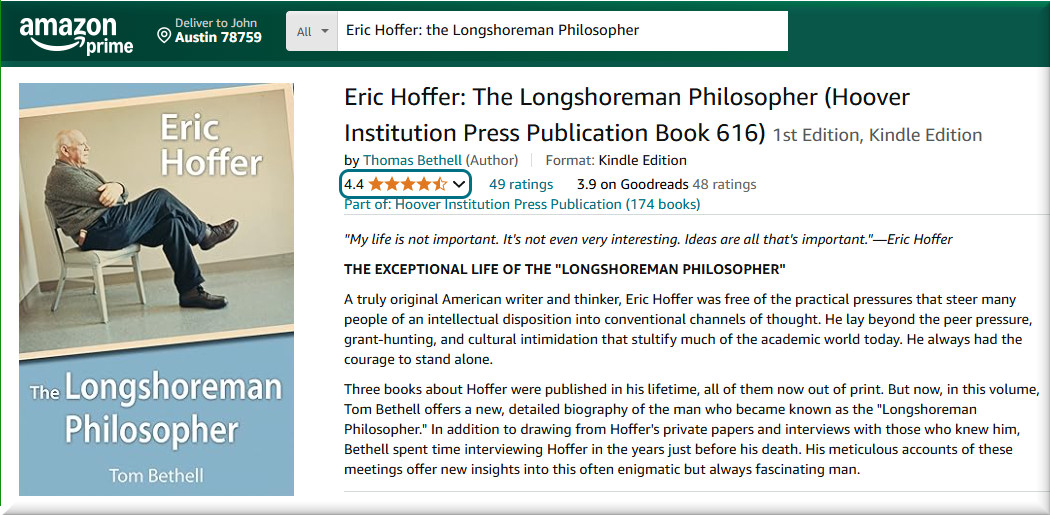
Tom Bethell wrote an interesting biography of Eric Hoffer, which included interviews with Lili Fabilli Osborne. This excerpt is from an article on the AEI website.
Hardly anyone had heard of Eric Hoffer when his first book, The True Believer, was published in 1951. In fact, when Harper & Brothers was considering accepting it, they asked Norman Thomas, the former presidential candidate for the Socialist Party, to go and see Hoffer. They wanted to verify that he really existed and was what he claimed to be — a longshoreman in San Francisco. No one at the publishing house had seen him or even spoken to him on the telephone. (Hoffer never had a phone except in the last year of his life.) Furthermore, Hoffer’s book was written in an abstract and intellectual style rarely encountered on the waterfront. […]
Hoffer, according to his own oft-told story, had mailed the manuscript of The True Believer to Harper in a brown paper parcel, without making a copy first. He said he didn’t worry about losing it because he had rewritten it so many times that he knew it by heart.
[…] Norman Thomas vouched for Hoffer, who spoke with a strong German accent. He had joined the longshoremen in 1943, when he was already in his mid-forties. […] A lifelong leftist, Selden [Lily’s husband] had attended Stanford University in the 1930s. He joined the longshoremen because he believed that the working class would become the ruling class and joining it would give him a head start. In that, he later admitted, he was mistaken. Hoffer described him as a true believer. But they always remained on good terms, even after Hoffer and Lili were living together. When Hoffer died in his small apartment overlooking the docks where he had worked, Selden alone was in the room with him.
Hoffer’s origin story is rather suspect. He himself is the sole source of information. When interviewed after his passing, Lily Osborne discussed this with reporter Tom Bethell:
I told Lili this one day, apprehensively, because she was the zealous guardian of his image and reputation. To my relief she agreed with me. She, too, had harbored doubts, believing that Eric probably was an immigrant. It would account for his German accent, for one thing. Hoffer didn’t just sound German, but spoke it fluently.
She made two further points. Hoffer was the sole source of everything we know about his earlier life. Second, she had never met anyone from his pre-True Believer years. Stacy Cole, the community college teacher, whom I interviewed at length, said the same thing.
Bethell provides a fascinating look into the mystery of Hoffer’s origin, and speculates that he was a young Jewish man who escaped Hitler’s German in the 1930’s, illegally entering California via Mexico.
Tom Bethell was a senior editor at The American Spectator and author of Eric Hoffer: the Longshoreman Philosopher.
Lili was a special ed teacher and lived to the age of 93. Her obituary can be found here.
Not our Lili?
Through the magic of the Google, we found several Lily Osbornes.
This Lily’s Instagram images suggest that she, like Hoffer, explores how individuals find purpose and identity through their association with mass movements, often as a means to escape existential anxiety.
If this Lily is a WLBOTT follower, we have a writing prompt for you:
Lily, could you discuss how Hoffer’s philosophy synthesizes insights from multiple disciplines, reflecting an autodidactic intellectual background? Was he heavily influenced by existentialist concerns about meaning and alienation?